Yrjö Kukkapuro
The Sponge and The Chair
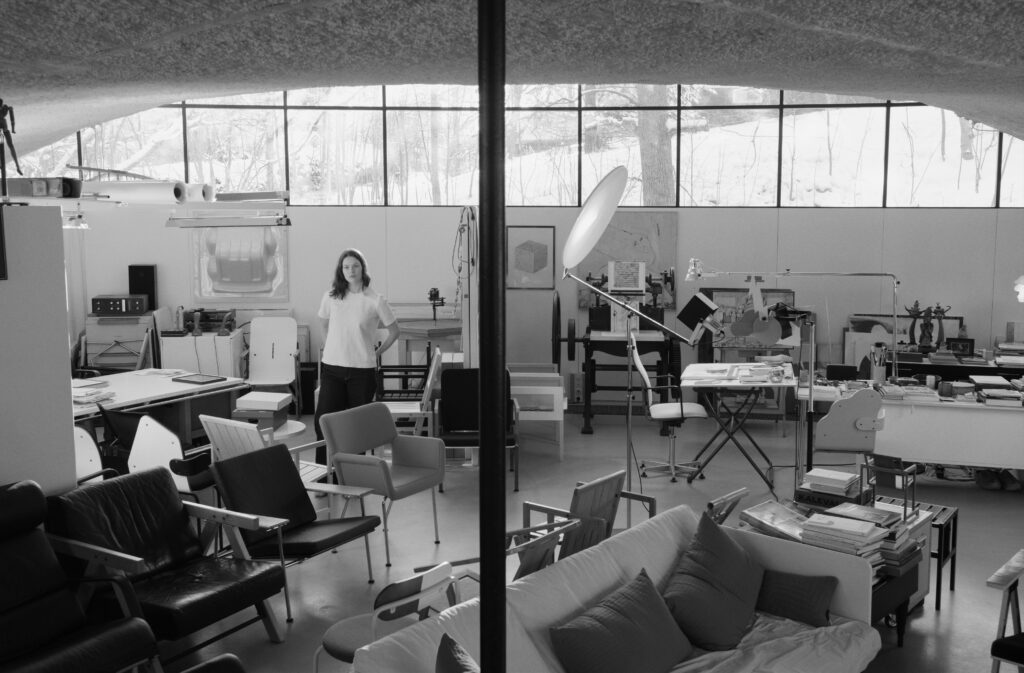
In snowy Finland in February, NR Magazine visited the Yrjö Kukkapuro studio house in Kauniainen for a sneak peek ahead of the Estate’s plans to preserve the legacy of a unique figure in the Finnish design panorama.
What follows is a compact retelling of 60+ years of career (or rather, life) seen through the lens of Yrjö’s work and told by his grand-daughter Ida, the Estate’s director.
Reader discretion is advised: I personally believe that I am not as qualified as I’d generally like to be to write about the topic at hand. Design legacies, that is. I lack the jargon, some of the required knowledge to connect certain dots in a brilliant manner. Maybe it’s an ego thing. I worry about not sounding as smart as I usually aspire to. Ugh.
Enter Pascal’s Mugging: A development on its most famous progenitor, Pascal’s Wager. A thought experiment (love those, been trying to make a career out of them for years) demonstrating a problem in expected utility maximization. Utility, rationale. Two words that have been generally associated with much of the discourse surrounding certain schools of design, especially when capital M Masters come into the equation.
As the saying goes: form follows function. I have always been more of a form-follows-fiction kind of guy, but I digress.
Just imagine a hypothetical situation in which Pascal gets mugged. Only Pascal’s reaction to the misdeed done to him, being the man of thought that he is, is a musing on concepts such as agency and chance. Pascal’s Mugging, in very short, states that a rational agent should choose actions whose outcomes, when weighted by their probability, have higher utility. Easy right? Mine’s a very blunt streamlining of a much more complex conceptual structure, but I’m the agent here. A less probable and more efficient route for me to write about what I need to write, and do it justice, is to focus on something I’m better equipped to talk about: stories, and people.
It is April in Milan. In a matter of days, the city will perform one of its annual rituals of self-transformation; Salone del Mobile, the week when the furniture industry dresses up as culture and culture dresses up as furniture. Showrooms become galleries, garages become installations, aperitivi happen in spaces that smell of new upholstery and ambition. Milan during design week is a city playing a character it has long since internalized: the city that decided, sometime in the 1950s, that the object could carry meaning beyond its function, and never looked back.
What gets sometimes lost in all the FuoriSalone spectacle is one very specific lineage. The moment when a specific conversation between two cities, two design cultures, produced something that is still very contemporary today. Helsinki and Milan. The Nordic rationalism and the Italian material sensibility. Between the 1950s and 1970s, these weren’t opposing traditions so much as parallel investigations into the same question: what does a piece of furniture owe to the person using it? Artek was shipping to the Triennale. Finnish designers were winning Compasso d’Oro mentions. Cassina was looking north with admiration while the north looked south for warmth it didn’t have at home.
Design, in this period, had the quality of a genuine intellectual project. It was also, increasingly, a social world — parties in Brera, residencies, collaborations that blurred the line between work and friendship. The scene had a human temperature that the subsequent decades of branding and IP would slowly cool. And it is precisely here, in the warm gap between the rational and the lived, between the ergonomic principle and the dinner table conversation, that the work of Yrjö Kukkapuro begins to make a different kind of sense.
Kukkapuro is an important name in design circles. The importance typically reserved for those whose work is so structurally correct, so evidently resolved, that it risks becoming monument before it has a chance to breathe. He is a figure of the Finnish design heritage, a master of ergonomics, a canonical presence. But canons are useful for exactly as long as they keep us from actually looking. What I wanted to understand, arriving to speak with Ida Kukkapuro,Yrjö’s granddaughter, now steward of his estate, is where the person lived inside the principle. Was he hiding in it, or rather playing with it?
The first thing Ida tells me is that Yrjö was a carpenter. Not in the biographical footnote sense, ”he trained as a craftsman before turning to design, blabla,” but in the active, continuous, irreducible sense. He could make things with his hands. He worked at one-to-one scale. He tested prototypes by building them. This sounds obvious until you consider that an entire generation of designers after him, those my age, roughly in their early 30s now, would come of professional age in front of screens, their chairs traveling directly from Rhino to the factory floor without ever touching a body or a bench. Yrjö belonged to a generation who could stand inside the process. He worked alongside the factories, observing, learning, folding what he saw back into the design. A feedback loop that was also a philosophy.
“He was more inspired by visiting a factory or a company working with new materials,” Ida says, “than by visiting a museum to see established design.” There is something almost perverse about this from a certain received view of what a design master does — the pilgrimage to the canon, the debt to the archive. Yrjö, it seems, was fundamentally interested in design culture, but not so much of the works of contemporary colleagues but more so of old traditional solutions, or baroque, Chinese antique furniture, anonymous tradition designs. He wanted to see how things were made.
An anecdote Ida shares about China is a case in this particular point, one that comes with a kind of quietly comedic undertone (a very Finnish one, dare i say.) Yrjö travels to China in the late 1990s, a country of temples, shrines, and accumulated millennia of ornamental culture. He asks his hosts to take him to a traditional carpenter’s workshop. They do not share a language, in the literal sense. But a lasting friendship follows, then a collaboration. The man preferred the grammar of making over any other form of translation.
This is also the man who, during his studies in early 1950’s, attended a lecture on ergonomics and experienced what can only be called an epiphany: That the body was not a given to be accommodated but a dynamic problem to be solved. He left the lecture and started researching. The research lasted seventy years.
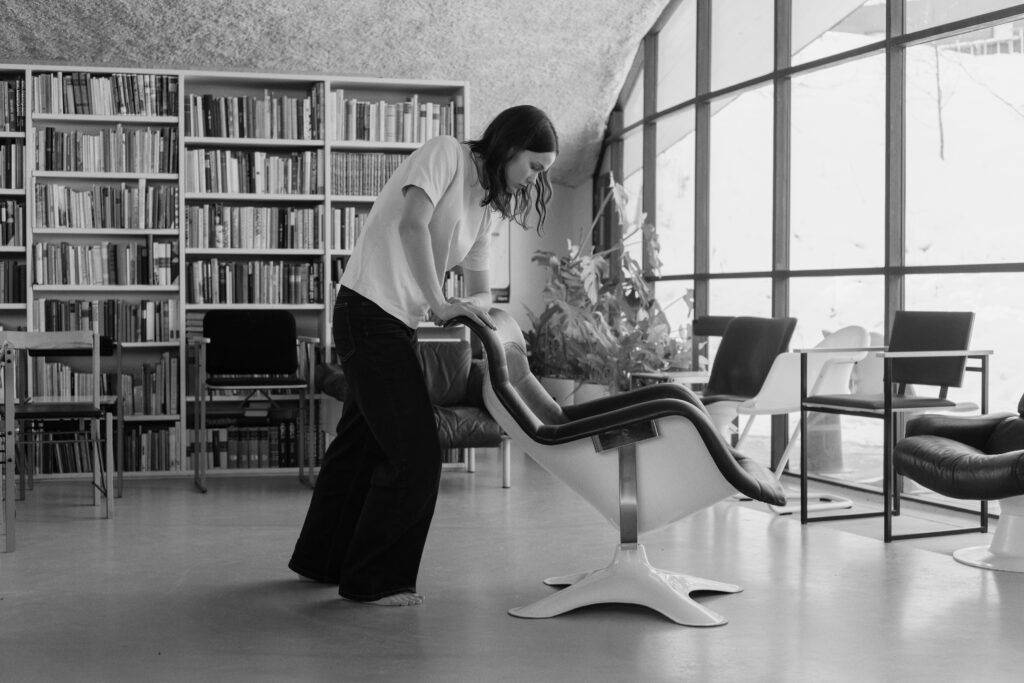
“It was a career-defining moment,” Ida says. And it was one that looked, from the outside, like pure rationalism. But the more we talk, the more I understand that the rationalism was always in service of something warmer. Yrjö’s early chairs are bold with color. Primary reds and yellows. The Koselli Karuselli chair in glass fiber, which came out of his engagement with the new plastic materials of the 1960s, has the look of something that arrived from a more cheerful future.
Then the 1970s brought the oil crisis and with it a material shift. Plastic out. Wood in. Bent plywood. Yrjö adapted, as he always did, by finding the ergonomic problem inside the new material. Another flash-forward. For many designers trained in the austere disciplines of Modernism, the 1980s and the advent of Postmodernism represented a problem. Not for Yrjö. Ida describes this period with evident affection. It was a difficult decade personally — Yrjö had spent the 1970s as director of a school of design, a role marked by political turmoil and institutional friction. The 1980s, she suggests, were partly a release. He called what he was doing “ergonomics for the mind.” It was about the full experience of occupying a space — the visual, the psychological, the emotional.
“He realized, in retrospect,” Ida tells me with a slight smile, “that he had often been an early adopter without knowing it.” He absorbed the energy of each decade — the plastic revolution of the 60s, the ecological turn of the 70s, the decorative optimism of the 80s — and ran it through his ergonomic filter. He viewed himself as a sponge. Porous, responsive, willing to be changed by what passed through him.
It’s worth digressing on the importance of collaboration in this story. One, in particular. Yrjö is remembered as an author. Singular, named, canonical. But the reality Ida describes is that of a practice that was constitutively relational. His partner, the artist Irmeli Kukkapuro was his “constant critic.” They exchanged ideas, color choices, model decisions. She drew with what Yrjö called a “gentle and so beautiful” line. He helped build her woodcut printing plates, cut frames, made things with his hands in service of her art. She gave him a perspective the ergonomic principle alone couldn’t provide. They were each other’s first reader.
Ida speaks carefully about their gender dynamics. “A 1950s balance,” she says, honestly, about domestic responsibility. Yrjö’s early fame meant the financial weight fell on him, which gave Irmeli studio time but fewer exhibitions, less public visibility. The creative exchange was genuine and mutual; the structural conditions around it were not symmetrical. This is not a complication to smooth over. It is part of what the work actually was.
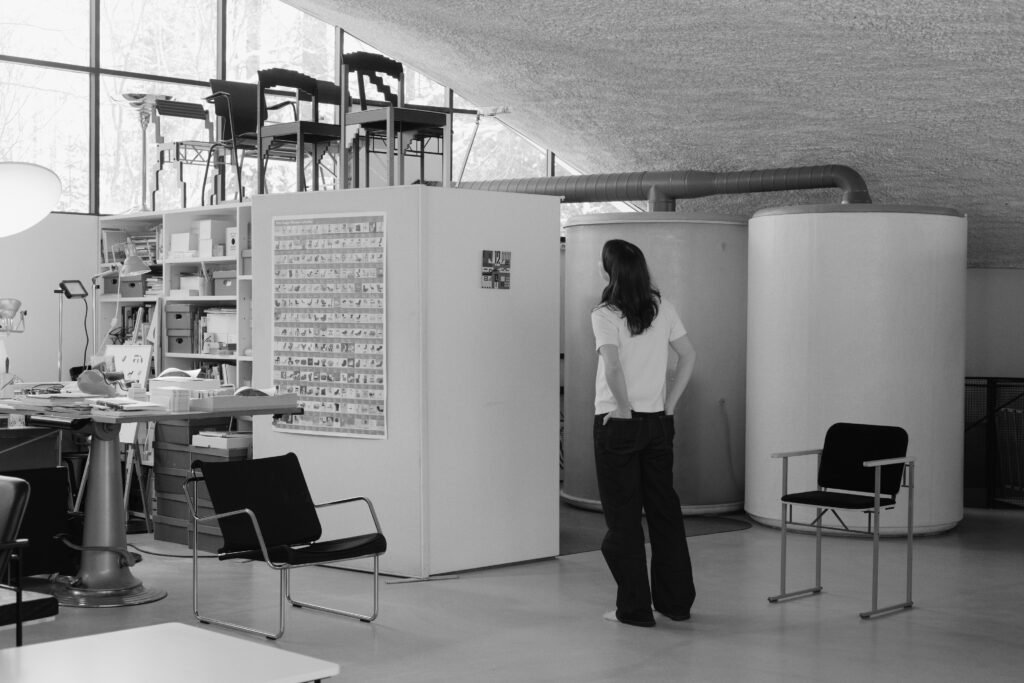
Beyond his partner, there were assistants who became distinguished designers in their own right. Rudi Merz, Simo Heikkilä, Kaarlo Holmber. A metal worker who realized new models. A glass fiber specialist who understood the material in ways Yrjö needed to borrow. Business partners — “the boys” — who handled the commercial architecture so that Yrjö could remain, essentially, the artistic director of his own practice. Graphic designers with whom he worked for long stretches, long enough that the collaboration became its own aesthetic logic: a poster would inspire a chair, which would be printed with a graphic, which would prompt another poster.
The design world tends to produce solitary geniuses. It makes for cleaner stories. What Ida describes is a distributed creative system, a set of long-running dialogues, where the single name on the chair represents an ongoing conversation rather than an individual act. This feels true, and it also feels like the more interesting story.
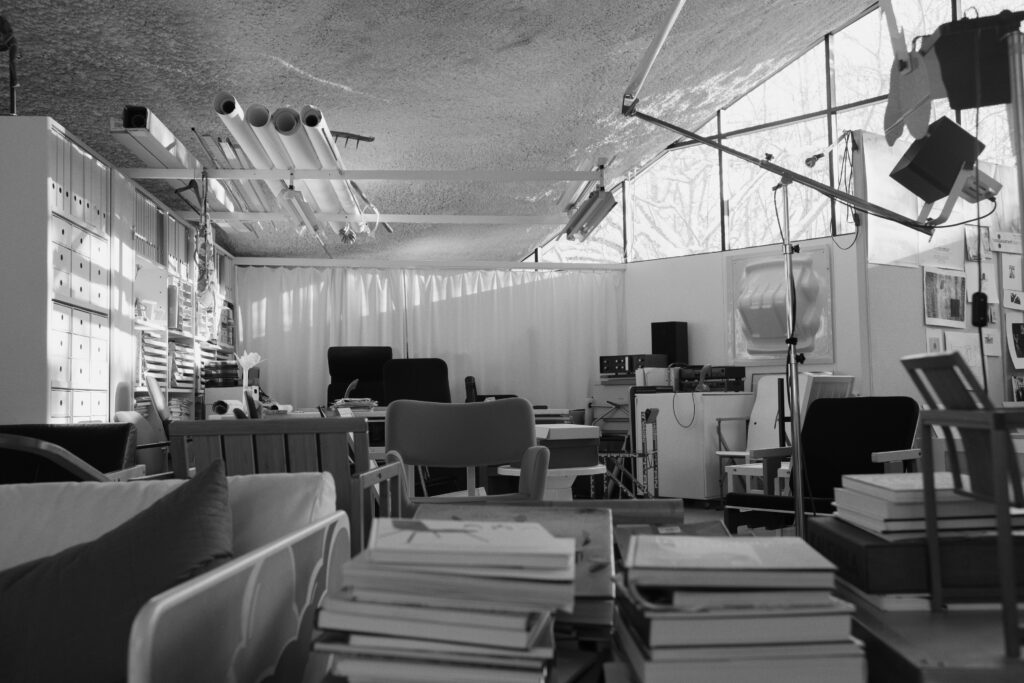
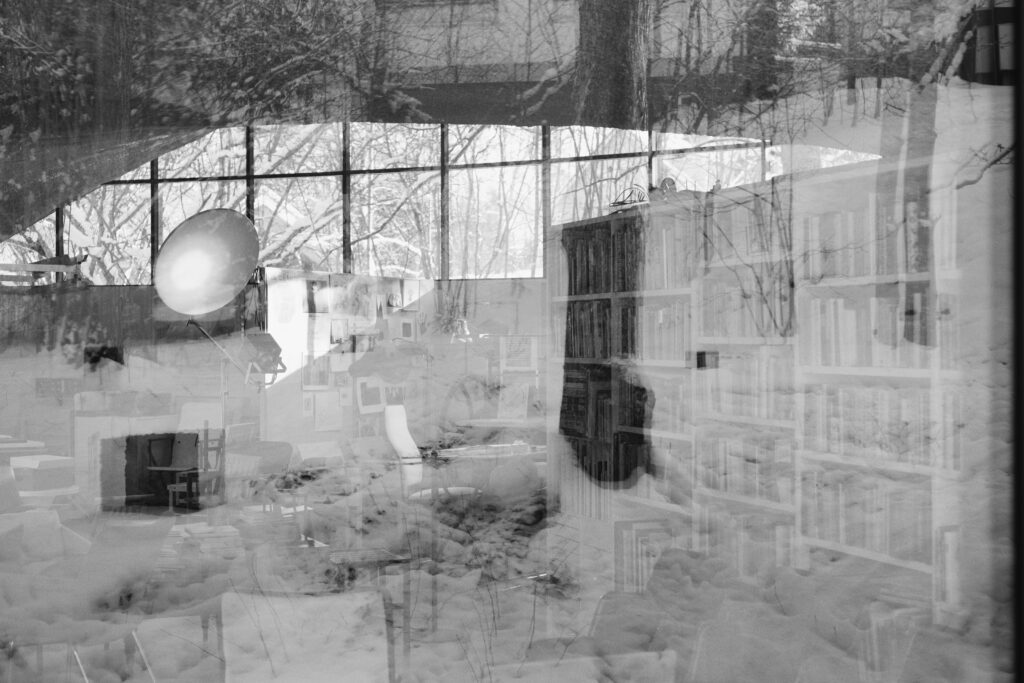
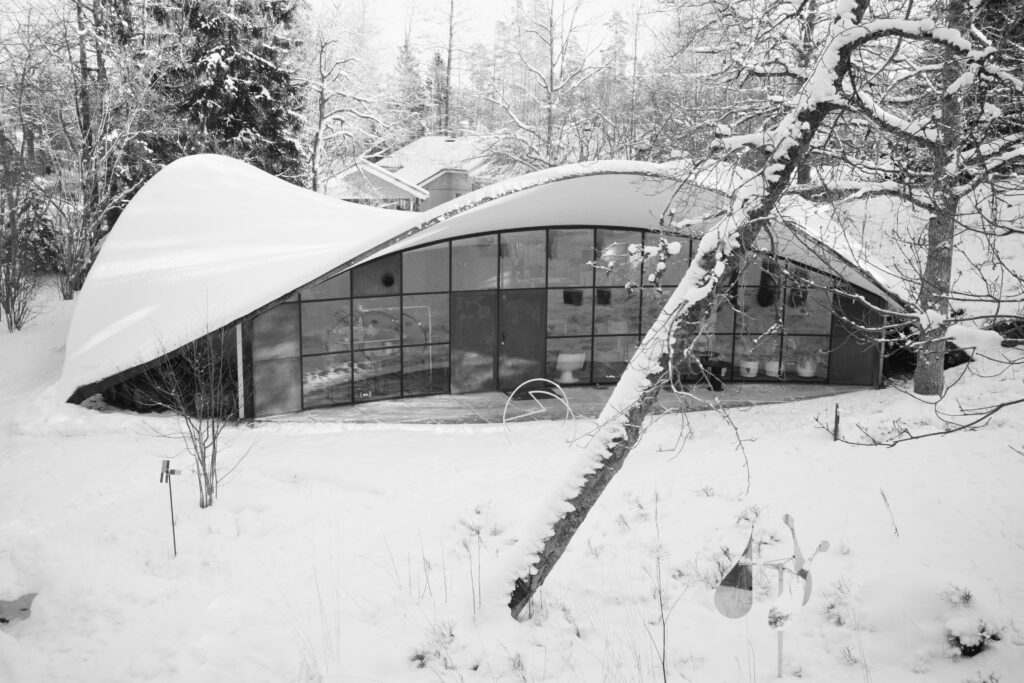
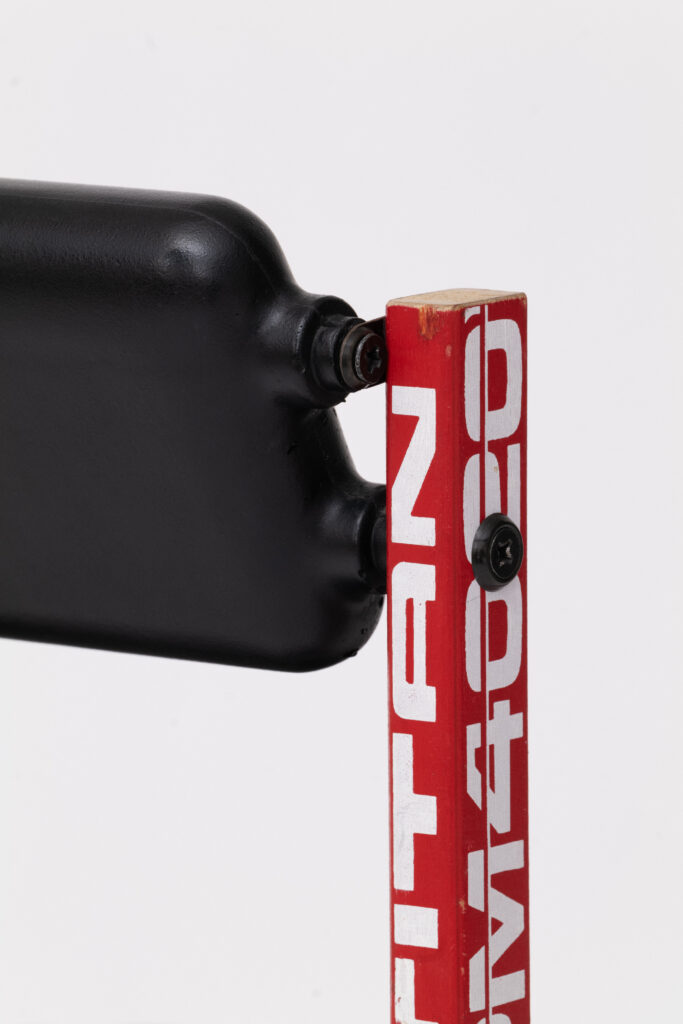
Yrjö Kukkapuro’s studio house in Kauniainen, outside Helsinki, opens to the public in 2027. Ida and the estate are doing this deliberately and carefully: not a monument, not a shrine, but a working space where the prototypes still exist, where the material of the practice is visible, where students can come for workshops and lectures. The goal, as Ida frames it, is to use the heritage to think about the future.
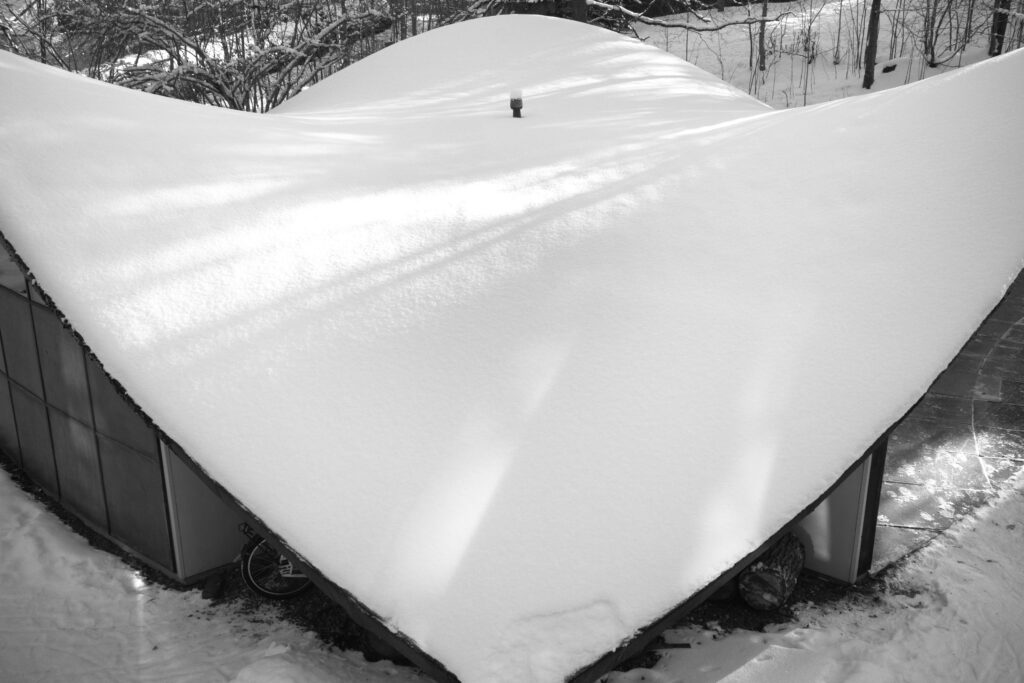
There will be new productions of existing models, exploring surface and material in ways that Yrjö might have, approaching the designs as problems still open rather than answers already closed. The house itself was designed by Yrjö, inspired by the single-room country houses of Karelia where he grew up and form calculated by engineer and professor Eero Paloheimo. The “peasant aesthetic,” Ida calls it. Universal forms. Objects that had evolved over decades of use into something so efficient they had become beautiful. That is the thing about function: followed long enough, in the right spirit, it begins to look like something else entirely.
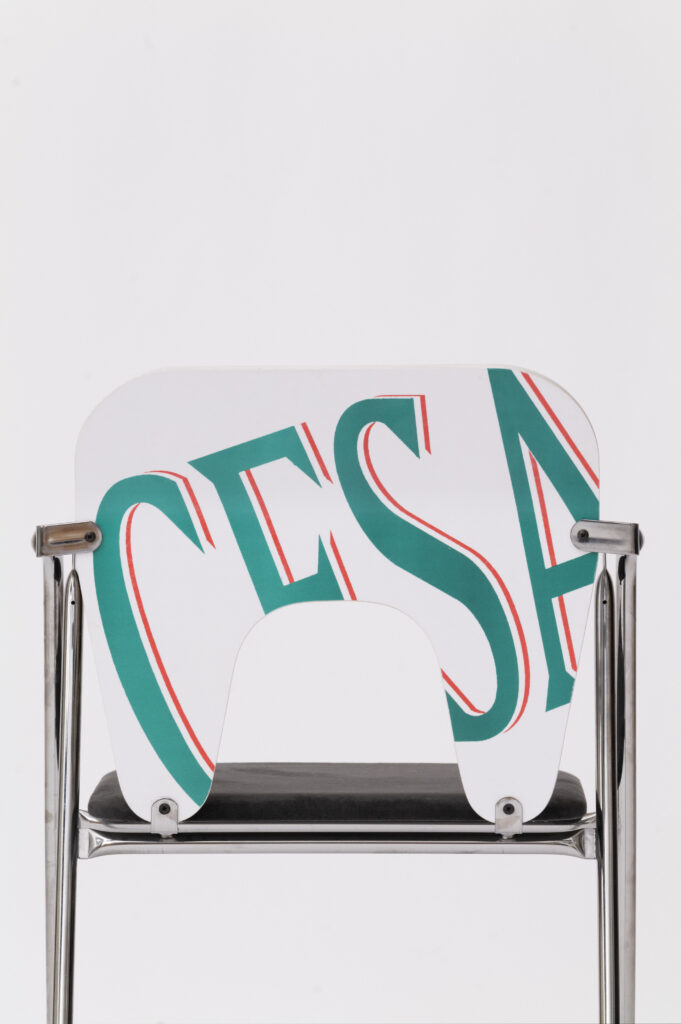
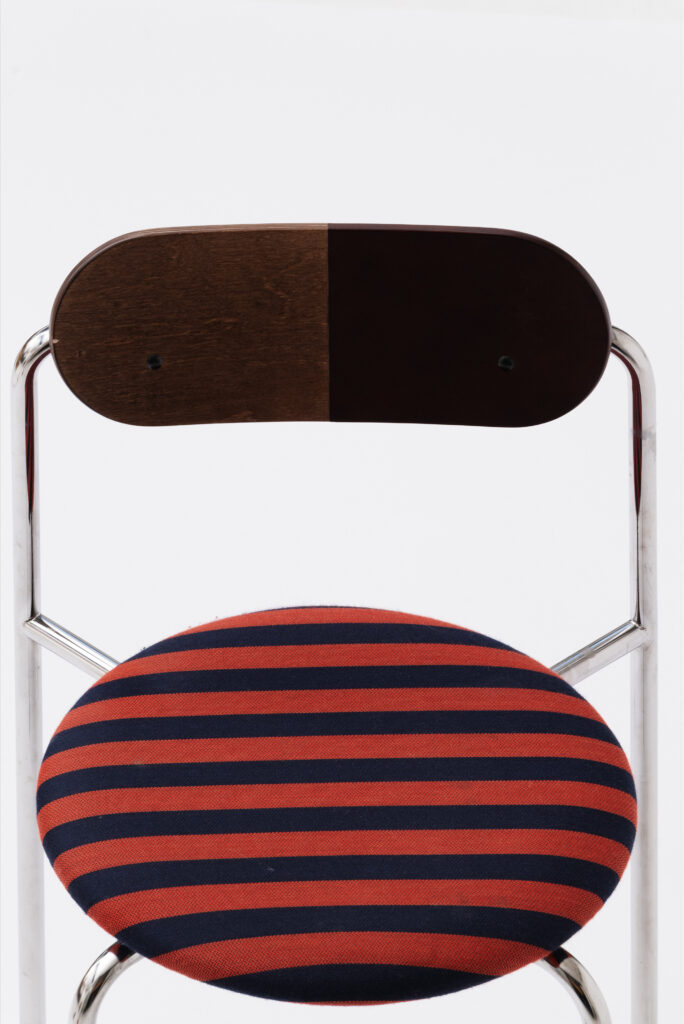
What I keep returning to, after our conversation, is the image of Yrjö in a carpenter’s workshop in China, talking without words. The man who missed the entrance exam for graphic design and became one of the defining furniture designers of the twentieth century. The man who heard a lecture on ergonomics and spent the next seven decades asking what it meant for a chair to be on the side of the body. The man who responded to postmodernism with joy, adding color and image and ornament to the ergonomic skeleton.
He was, as Ida says, a sponge. And if this sounds passive, it isn’t. A sponge is a metaphor of radical openness. It means being constitutively interested in what the world is doing, always before yourself, always available to be altered. It is, I think, a more demanding orientation than the one that produces monuments. And it is why, sitting in a Kukkapuro chair, in its color, its tilt you feel, even now, something that is still thinking.
All images courtesy of The Kukkapuro Foundation and Juho Huttunen.
The Yrjö Kukkapuro studio house in Kauniainen opens to the public in 2027. The Kukkapuro Foundation is accepting visits for groups and institutions through studiokukkapuro.com