Archive page:


Goldlink

“It’s just that algorithm of life, greatness takes time”

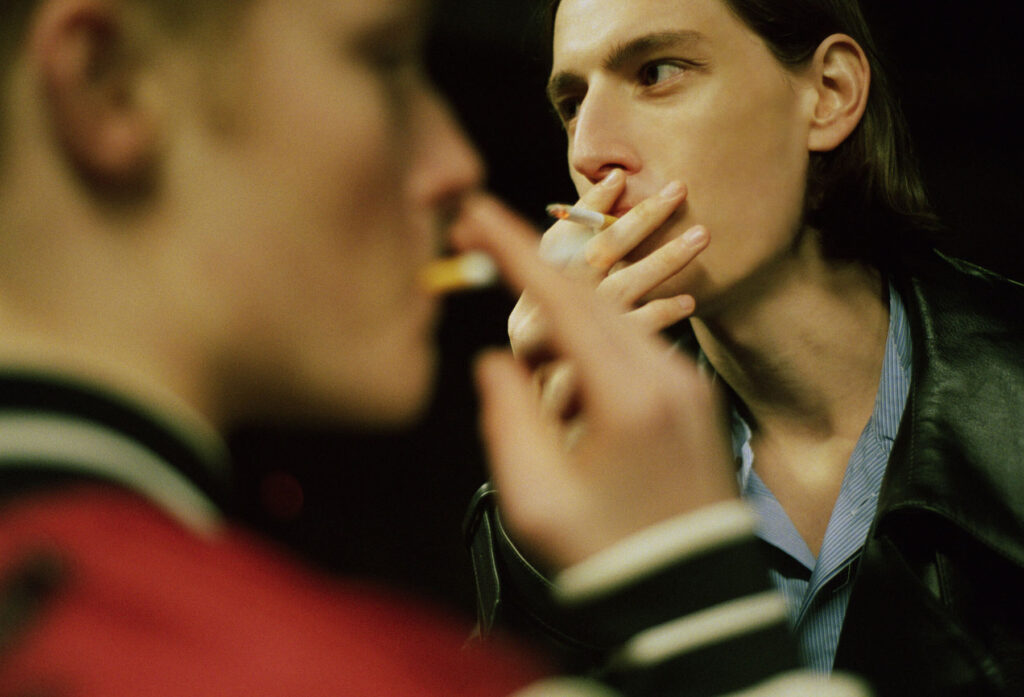
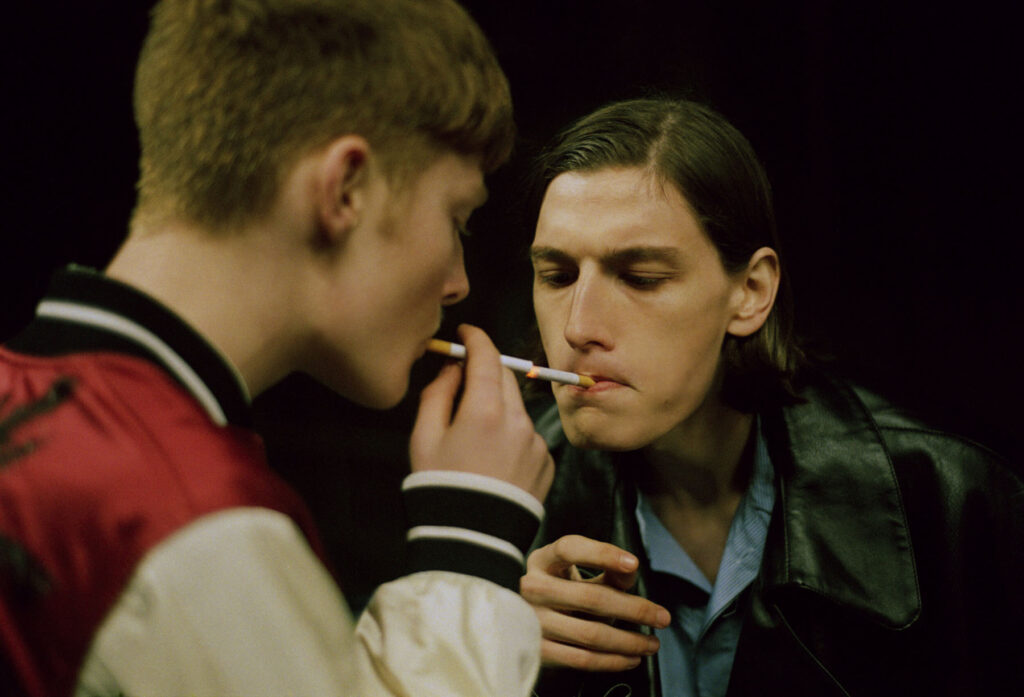
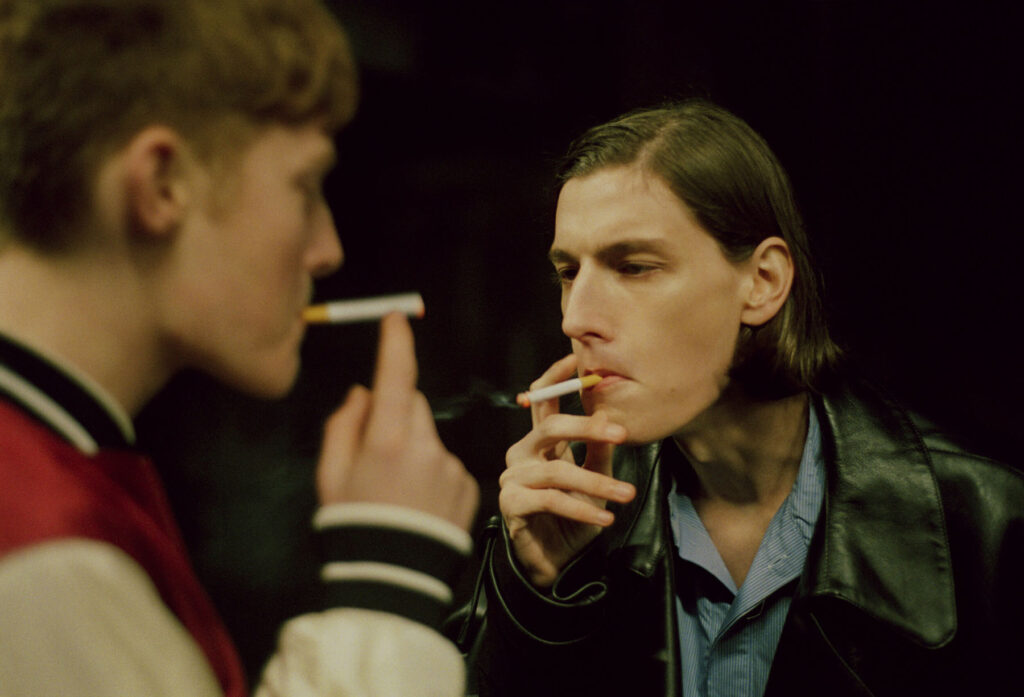
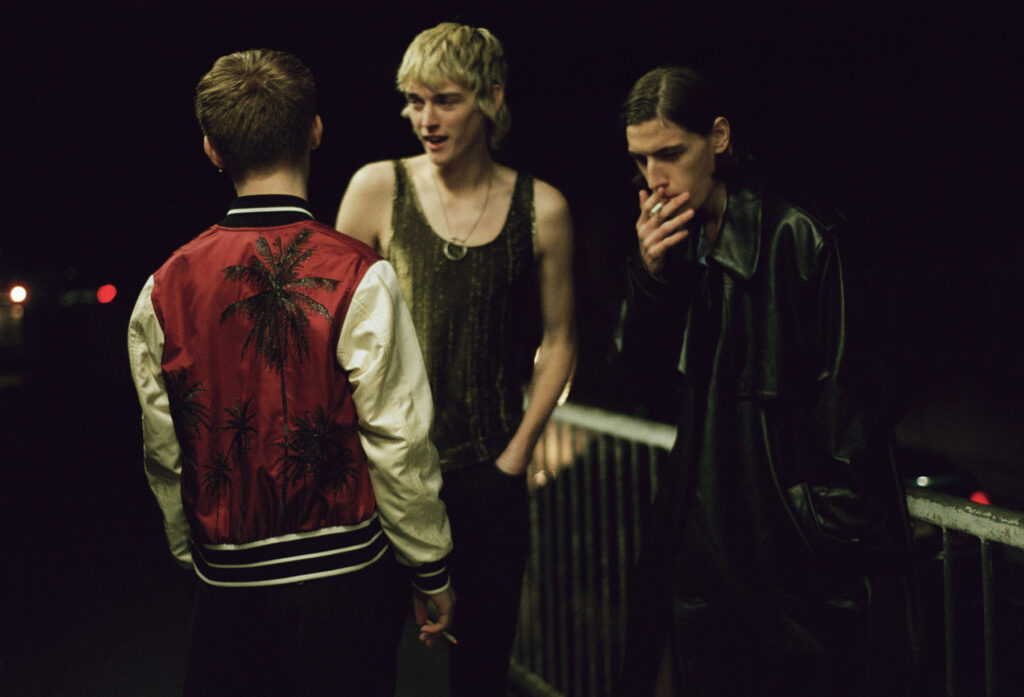
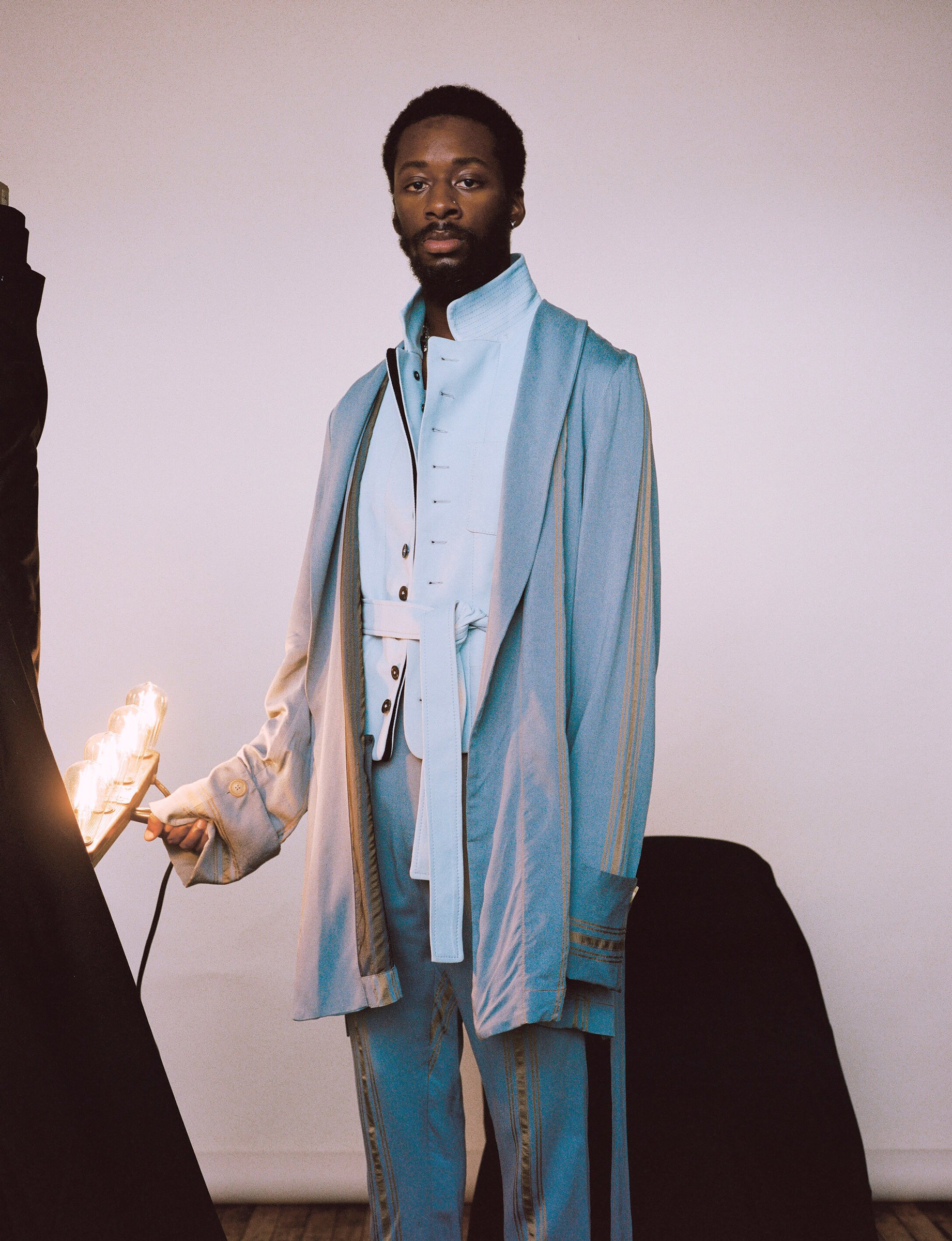
Nostalgia knocks on D’Anthony Carlos’ front door with branlike knuckles. Memories materialize into wispy shapes and heavy eyelids flutter conjuring the fading, fluorescent pink lights reminiscent of discos past. Blink twice and the heavy strobes from sold-out shows and basement parties alike flash as he drifts in and out of jet-lag induced sleep still hours before dawn. The DMV (meaning places accessible in Washington DC, Maryland and Virginia by the metro) native is better known as the Grammy-nominated rapper, Goldlink. He’s home for a few days between touring with Tyler, The Creator on his US Igor tour and gearing up for his personal biggest tour to date of the European continent to promote the release of his newest album Diaspora, and he’s trying to recalibrate. Having become a household name in the hip hop industry having birthed sans uterus a genre of his own called “future bounce,” Goldlink splices thumping house, eyes-wide-open club and silky R&B, to create an auditory landscape solid enough for his hometown to call a foundation. An identity turned dance floor. 

When Goldlink’s home, he doesn’t leave the house. Success becomes clear when he returns to standing in front of his bathroom mirror, where his reflection remembers and exhales on its own. If the shower’s running the steam gathers to spell out retribution. He’s come to understand the rest of the world by first understanding his city and considers comparison to be a fruitfully empathetic lens. The DMV’s rich culture is steeped in its “Chocolate City” roots, wrought by fables of the American Dream, gentrification and dancing feet that echo the drum snare. He strives to preserve the city’s original vibrance by coloring sound with feeling and you can bet that it evinces in shades of brown. Having grown up as a product of divorced parents in the District’s darkest years as the grim reaper plucked lives with outstretched hands and eyes closed, Goldlink turned to music as his forever sensei. Through it he’s been able to find the answers to the lingering questions of ‘why me?’ as his path is hand laced with perseverance. This unwavering dedication to his community has in turn grown to understanding that sometimes to love home, means having to leave it. Growth is not only an open wingspan, it is the flight itself, a reinvention without reincarnation. 

Whether it’s from reading previous interviews or dissecting the verbal homages that live between the bars of your lyrics, it’s no surprise that home and the DMV, not only mean a lot to you but it’s a defining factor of your identity.

Home for me is the space that you’re most comfortable being in. A place that you can reset yourself you know. That’s really it, I’ve been a lot of places that feel like home but there’s no place like home really. 

When you’re kind of talking about resetting yourself I think it’s this idea of like holding up the mirror per se. I don’t know if it’s this way for you, but for me and being from Hawaii, it’s going to my grandma’s house or something like that. What does resetting yourself look like? 

Yeah it’s chopping it up with the homies, seeing my son, seeing my family, resetting in that. It is the mirror aspect you were talking about and being able to look at and see yourself clearly in that mirror. It also allows you to see all the things that you’ve been able to accomplish while you were away and it’s the perfect time to do that. 

Right and I feel like it’s also this level of honesty that you’re forced to face and it causes you to question what your personal definitions of fulfillment and success are. For you, you’re an artist, a musician and pioneer per se but you’re also a father, a son, a friend. Have your definitions of success and fulfillment changed at all?

It hasn’t changed much. It’s changed a few times throughout the course of my career but it’s kind of stayed the same recently. I think it’s as simple as focusing on something, accomplishing that task and that’s generally what succeeding means to me. Success can be anything really, it doesn’t have a linear definition as in like, oh this is what it is. I feel like I’ve just set certain goals for myself, accomplished them and then reset new goals and then I try to accomplish those things next. 

Right and it exists in tandem with a level of perseverance. In regards to your music you’re always striving to have people understand how you grew up, your home, things like that but where does this need to be understood come from?

Being understood is a basic human need because it’s what we need to be supported. I also know that there’s a balance to it. People won’t understand everything, let alone understand it right away so I never really look for the acceptance of understanding immediately depending on what it is that I want to do. When I released Diaspora, I understood that it would come with delayed gratification. I ask myself if what I’m doing serves a purpose immediately and then if it will continue to serve that purpose in time.
What do you what do you mean by delayed gratification? 

I am much a delayed gratification person because I understand where music is going, I understand the trajectory of things and I make it a point to do a lot of research to remain ahead of my time. Sometimes you need to be ahead of your time to serve a purpose in the landscape of today. We need those unsung heroes and I try to be that as much as I can. 

And with Diaspora too I feel like you know obviously At What Cost from 2017 was so much about home, life in the DMV, creating that sound and then with Diaspora it seemed like you were extending outwards. Was it more so about just taking the next step in your career?

Yeah, it felt like the next step. It was like I tried to find myself locally and then was able to travel internationally to understand myself and my home even better. 

Yeah there’s something to be said about leaving home and what it does to your own understanding of yourself. 

I mean I still haven’t left but I’m okay with leaving because you have to grow as a person. I don’t feel like people should stay somewhere if they feel like they can grow somewhere else but you just stay where you’re needed. I’m never going to leave home entirely and I’m not confined to the definition of what leaving is, there’s multiple definitions of what leaving can mean. If you really love your home, you have to leave it to make it better. If I left and go around the world and compare my home to things that are happening in other cultures to understand and get a better read of why my home works the way it does. You know in order for you to change something entirely, you have to understand it from an external point of view. 

Right. What does growth mean to you and is it always synonymous with change? 

Yes. Like in order for me to grow I have to change so I think change and growth are like the same thing, not always but they should be. 

How are they different?

Growth and change? Well, in order to grow you have to change. In order to change, it doesn’t mean you have to grow. It’s not like backwards compatibility, it’s not like it works only one way.

Yeah but it’s interesting in conjunction thinking about this idea in tandem with the concept of diaspora and the array of experiences that both differ from and are similar to our own. What does diaspora mean to you? 

To me now, it really just means that everybody and every community is experiencing the same social economic problems and are dealing with it in the same way but they’re just different things. That’s really what diaspora means and we’re very much connected. You might do a Harlem Shake but in Hawaii you call it something completely different thing and in DC, we’ve got our own version too but we can understand each other and empathize through our own lenses. 

You’ve mentioned having to deal with survivor’s guilt and the inherent inequalities of the American Dream and now that you’re in the spotlight it must feel like it’s been magnified. I think it doesn’t really necessarily go away, maybe it changes but I think it sticks with you.

Yeah it just kind of changes. Instead of being weird about it and feeling guilty, that guilt grew into me doing something about it, whatever that may be. It’s asking yourself, “that’s how you feel, now what do you want to do about it?” My answer was that, I’m going out and trying to make it fair for kids like me to be able to find a place to make it feel like they’re a part of something.

“I want to create the necessary stepping stones to making sure that that guilt continues to transform into something positive really.”

This issue is obviously called the reinvention issue and I think it’s interesting to think about reinvention in relation to sacrifice. 

Ultimately it just depends on what you’re trying to accomplish in everything because everything is some sort of sacrifice and we all make sacrifices. I sacrifice my time, often my social life, to make sure that I accomplish my goals. I don’t feel any guilt anymore, I felt it at the time, just because I felt like “Why me?” I found all the answers to those questions. So it’s like I don’t feel that anymore and it doesn’t make sense to feel that way anymore actually.  If you want to succeed, you decide to make the necessary sacrifices to get to that goal and you keep working through that goal indefinitely, and when you succeed where is the guilt? What is the guilt? 

Right but it’s also perhaps also having to feel guilty for your success sometimes right? 

Right, it’s just knowing that I’ve done everything I’m supposed to do to succeed. I knew what I wanted. I went to go get it by any means necessary and I worked really hard. I don’t smoke. I don’t drink, I’m not fucking, I’m just working and trying to be great. But what happens? You succeed at writing poems.

I felt guilty because it was so surreal, I’m going back to the community, writing the song, but why me? Why me? I have to tell myself it’s because you fucking tried and you cared. You did everything right. So you just succeeded. 

Yeah. And I know you also talked about this whole idea of taking the slow road versus the fast road.

“Reinvention takes time but in a world of instant gratification we don’t give ourselves the time to process things.”

A lot of great people take the slow road. It’s just that algorithm of life, greatness takes time. Nothing and I mean nothing in the world comes fast and works forever. I don’t care what, who, and how you are, it’s never going to work. Things need to balance and things need a base. When you go too fast, you’ll miss it all. You’ll miss the hard part of things. You’ll miss the important thing that create sustainability. That’s why you can’t just be the greatest pianist overnight. You don’t know what it feels like to not be great. You don’t know what it feels like to lose. You don’t know what it feels like. Or, Steve Jobs is a perfect example of that, people like Jay-Z and Kanye West are good examples of people who take their time, every time they did something it felt like it was the first time but then when you look up it’s been 20, 30, 40 years, they take their time to learn something new. To continue to grow is a hard thing to do. There are certain things you can’t cheat, the universe you can’t cheat. If you think of anything that’s worked immediately, it never works forever, ever. It’s like a rule of thumb. I just always make sure that I’ll take the right road. 

I think the misconception about me is that I could have blown up a really long time ago but I didn’t because that’s not what I wanted to do. It’s not that I can’t get on a track with Beyonce — granted that’s a hard thing to do. But it’s just like how am I going to enjoy being on Beyonce’s song if I’m one or two tapes in? That’s not smart.  Beyonce has been making it for 25 years and that’s because she’s doing something right consistently and it still feels like she hasn’t dropped the biggest album of her career because she continues to grow, it’s amazing to see. It only feels like she can only get better. So that’s why a lot of the greatest people told me to take your time, so I take my time.

Yeah. And I’m wondering do we go through multiple reinventions or just one turn of the tide?

You go through multiple reinventions throughout your career, you can reinvent yourself as many times you want as long as you decide to grow. You’re not going to be the same person as you were when you’re 20, you’re going to be different when you’re 25, 32, you should decide when to be different, to reinvent. It’s nothing changing. It’s just adapting.

Team

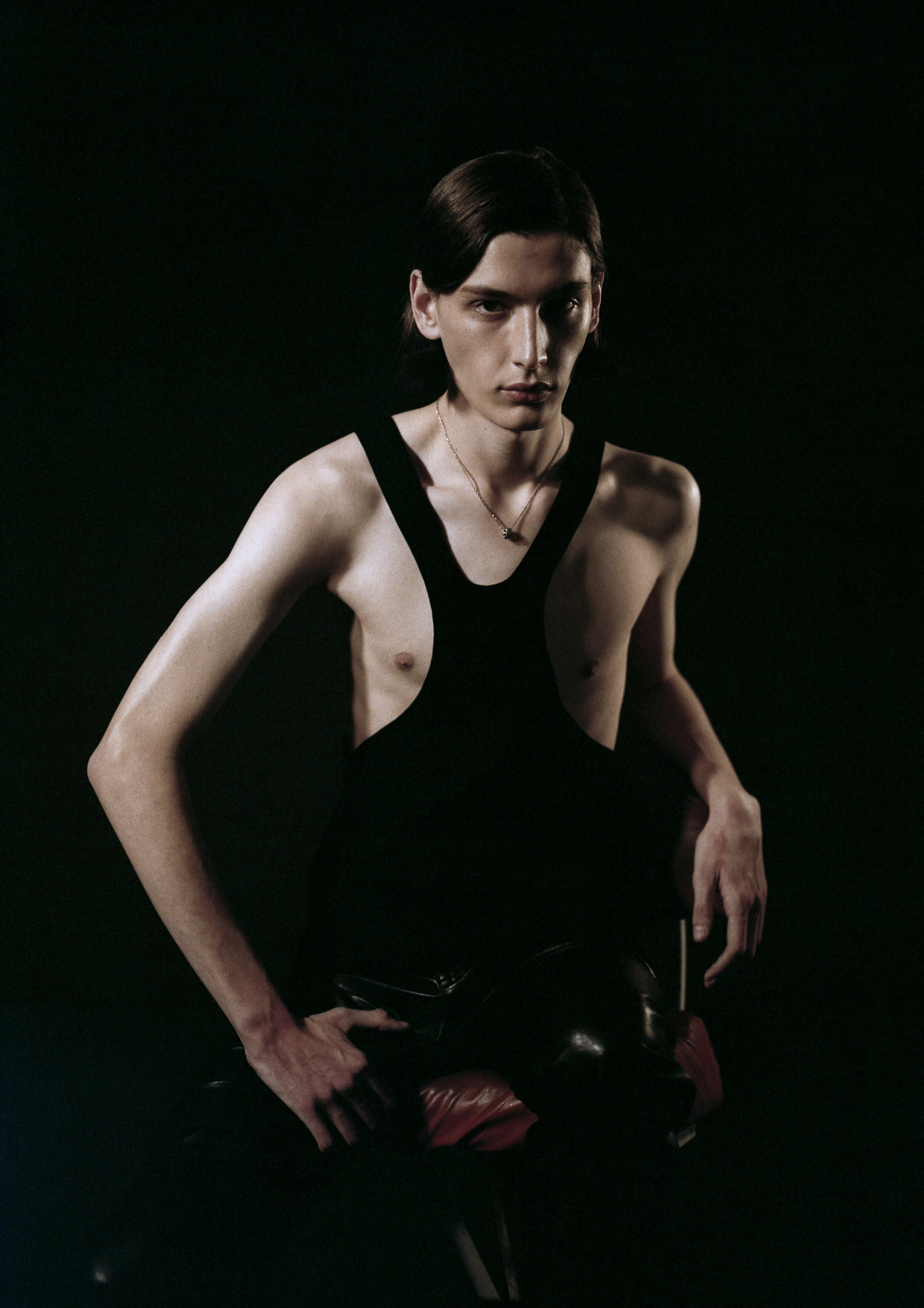
Photography · BRENT CHUA
Creative Direction · NIMA HABIBZADEH and JADE REMOVILLE
Fashion · LUCAS CROWLEY
Grooming · MARCO CASTRO
Interview · LINDSEY OKUBO

Designers

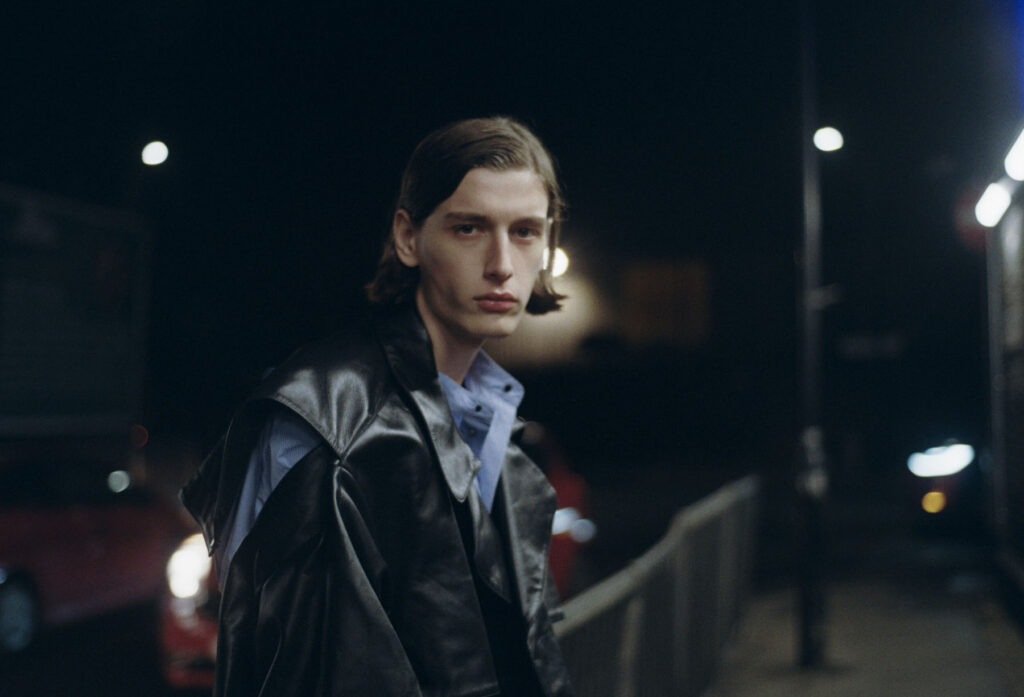
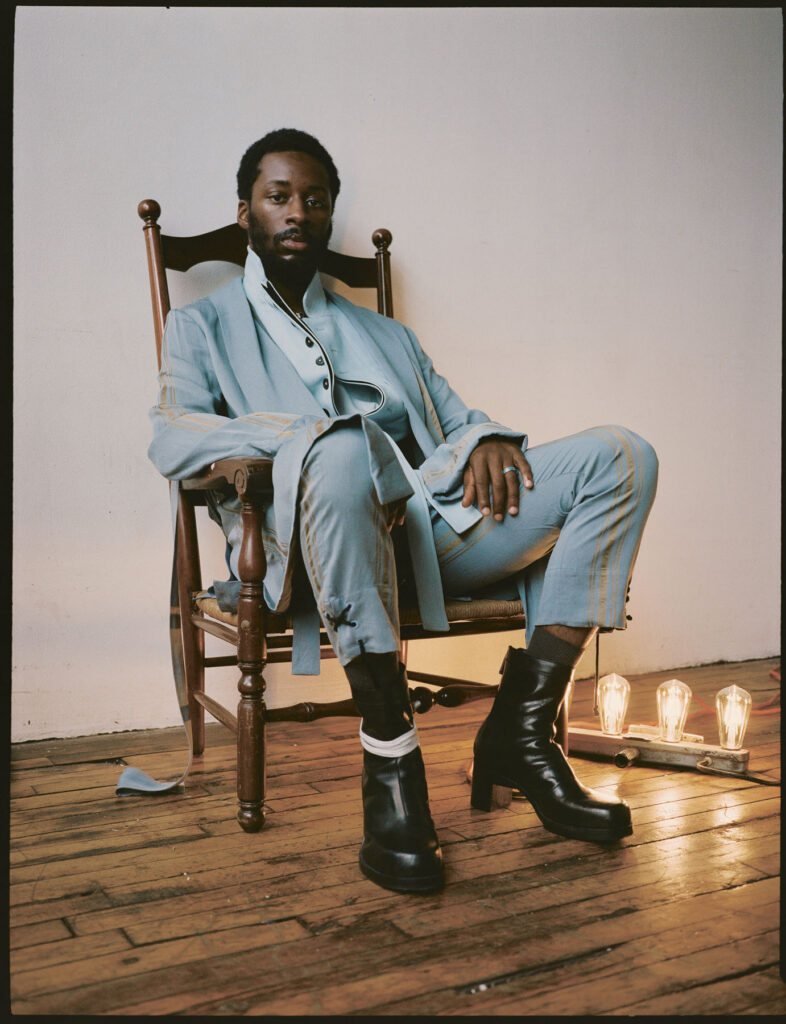
  1. GoldLink wears custom pieces made for his current tour through- out.
  2. Full Look ANN DEMEULEMEESTER
Jennifer Garza-Cuen

Imag[in]ing America

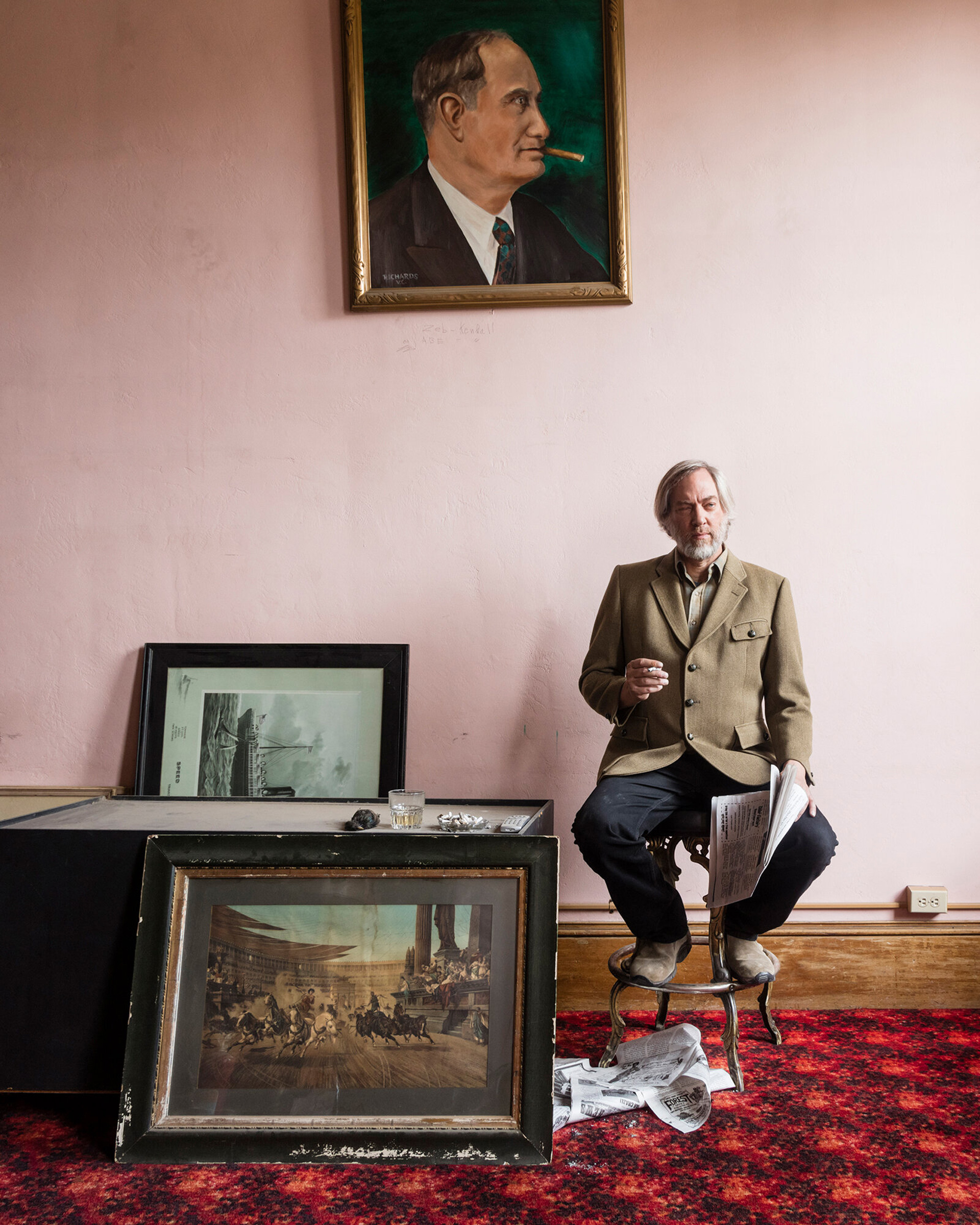
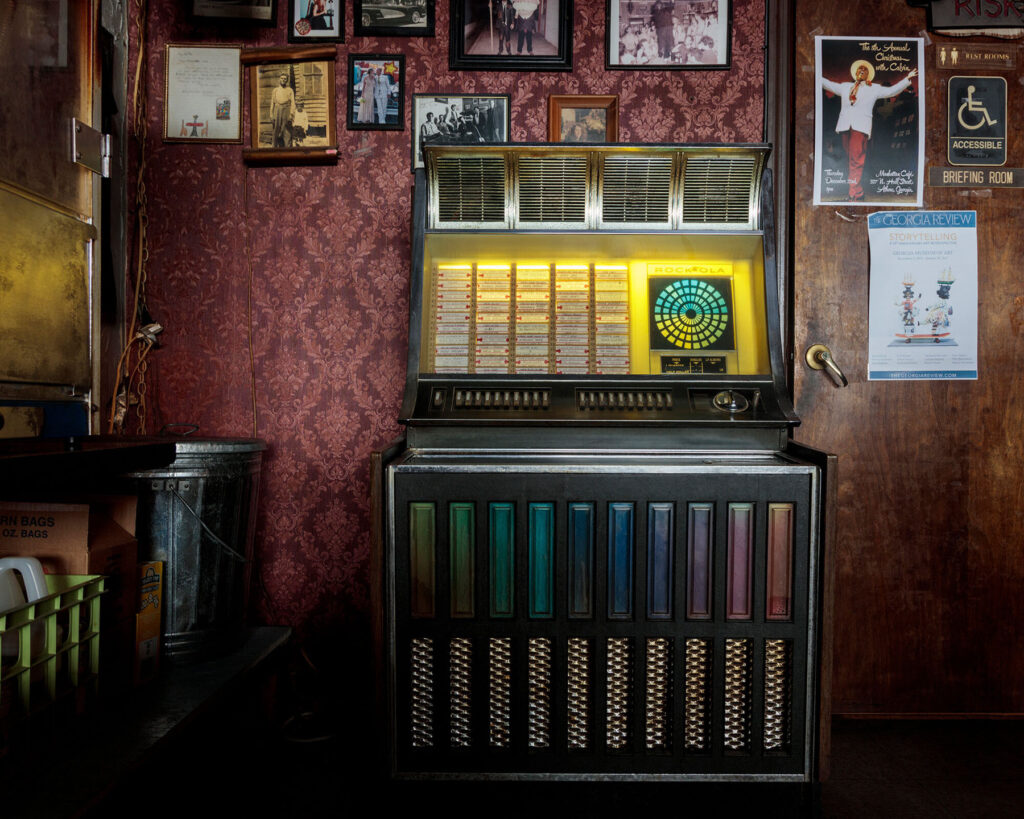
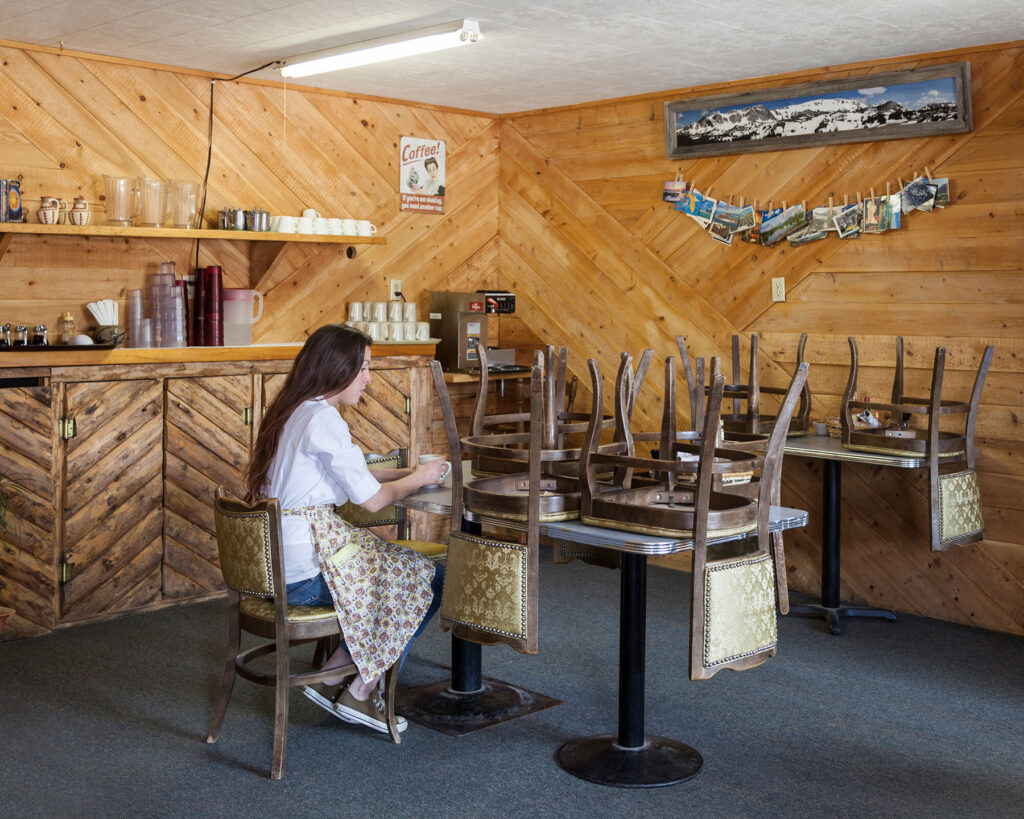
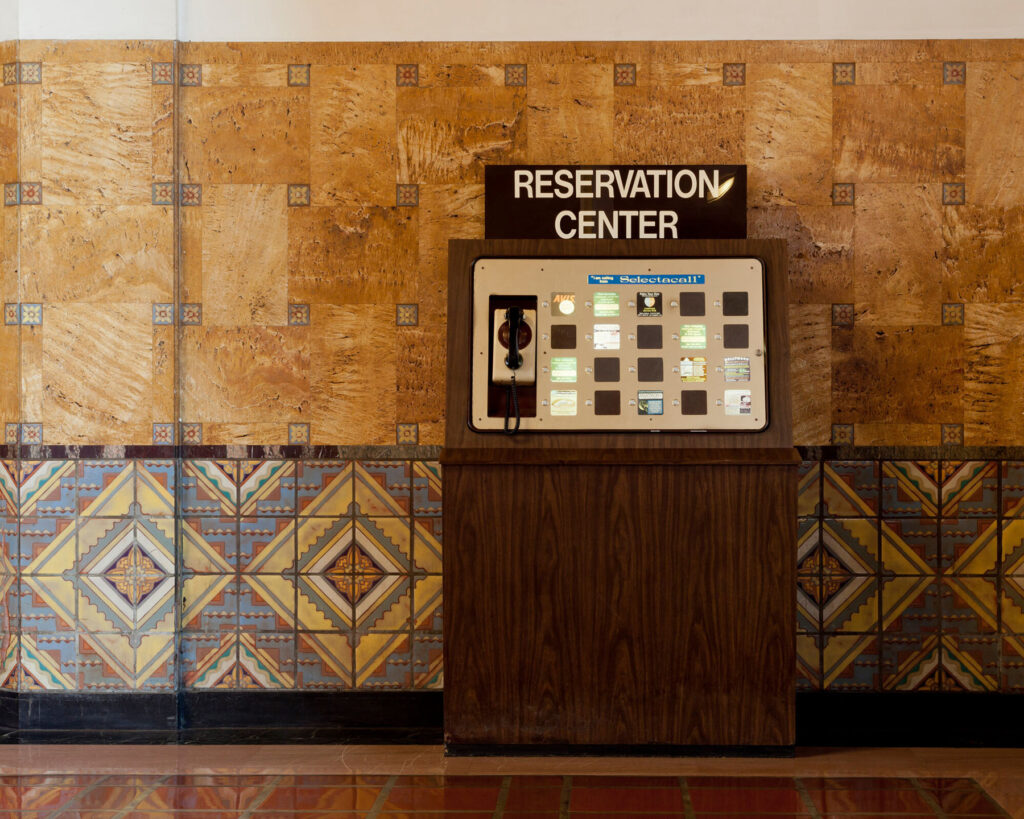
SAN ANTONIO, TEXAS — In my work and especially during the creation of my long-term Imag[in]ing America Project, I have often focused on a sense of isolation found within contemporary American society, lately that isolation has taken on an even more somber tone. 

So this series of images newly rediscovered and edited from my archive was created with that in mind. 

In response to, in the absence of, and in anticipation toward change.

Jennifer Garza-Cuen is an artist from the Pacific Northwest. Currently Assistant Professor of Photography in the Department of Art+Design at Texas A&M University-Corpus Christi, she received her MFA in photography and MA in the History of Art and Visual Culture with honors from the Rhode Island School of Design. Her BA summa cum laude in comparative literature was completed at the American University in Cairo. Garza-Cuen is the recipient of numerous grants and fellowships including the John Simon Guggenheim Memorial Foundation Fellowship for Photography. Additionally, she has received awards and fellowships to attend residencies at The Robert Rauschenberg Foundation, Light Work, Ucross, Oxbow, Hambidge, Brush Creek, and the Vermont Studio Center. Public collections include Light Work, The Do Good Fund, the New Mexico History Museum and The Rhode Island School of Design. Her work has been exhibited nationally and internationally and published in contemporary photographic journals such as Contact Sheet, Musée, Blink, PDN, Der Greif, The Photo Review, and Conveyor as well as on-line journals such as i-D, Feature Shoot, Aint-Bad, Fubiz, iGNANT, Dazed, and Juxtapoz.


Credits

Photography · JENNIFER GARZA-CUEN

www.instagram.com/deadpanphotography
www.garza-cuen.com

Photos

  1. Untitled – Man Smoking at Sharon House, Virginia City, NV
  2. Untitled – Jukebox, Athens, GA
  3. Untitled – Waitress on Break, Centennial, WY
  4. Untitled – Reservation Center, Los Angeles, CA
  5. Untitled – European, Corpus Christi, TX
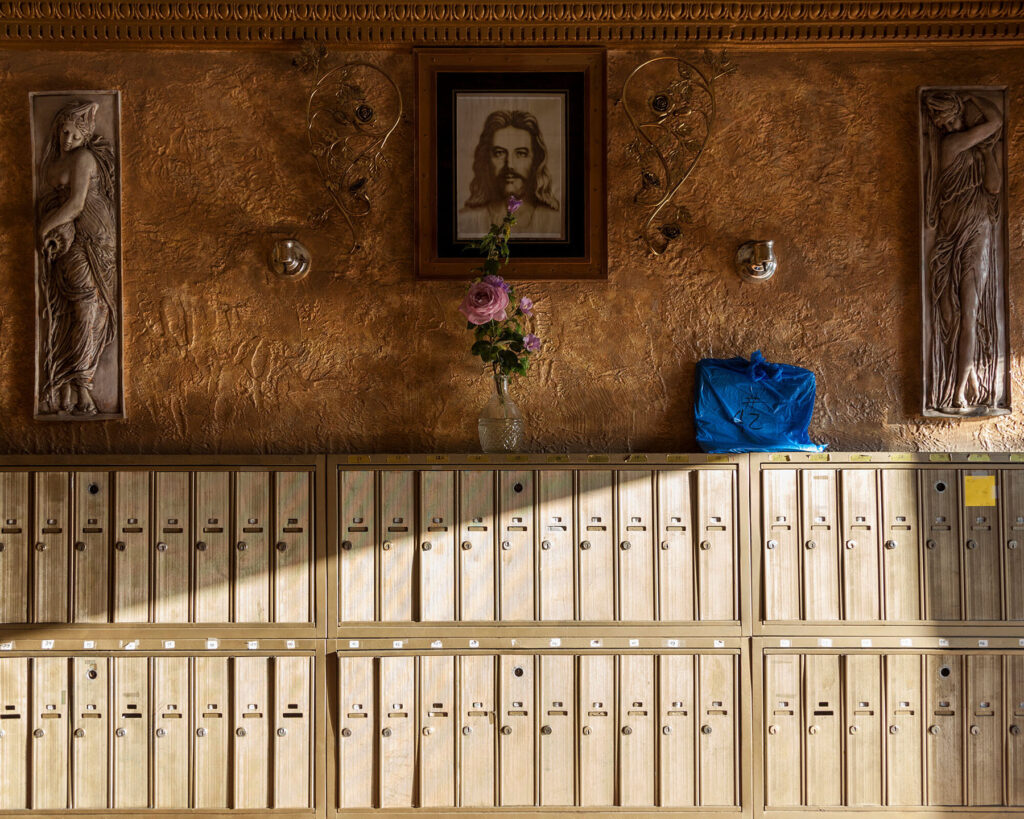
  6. Untitled – Mail Room, Hollywood, CA
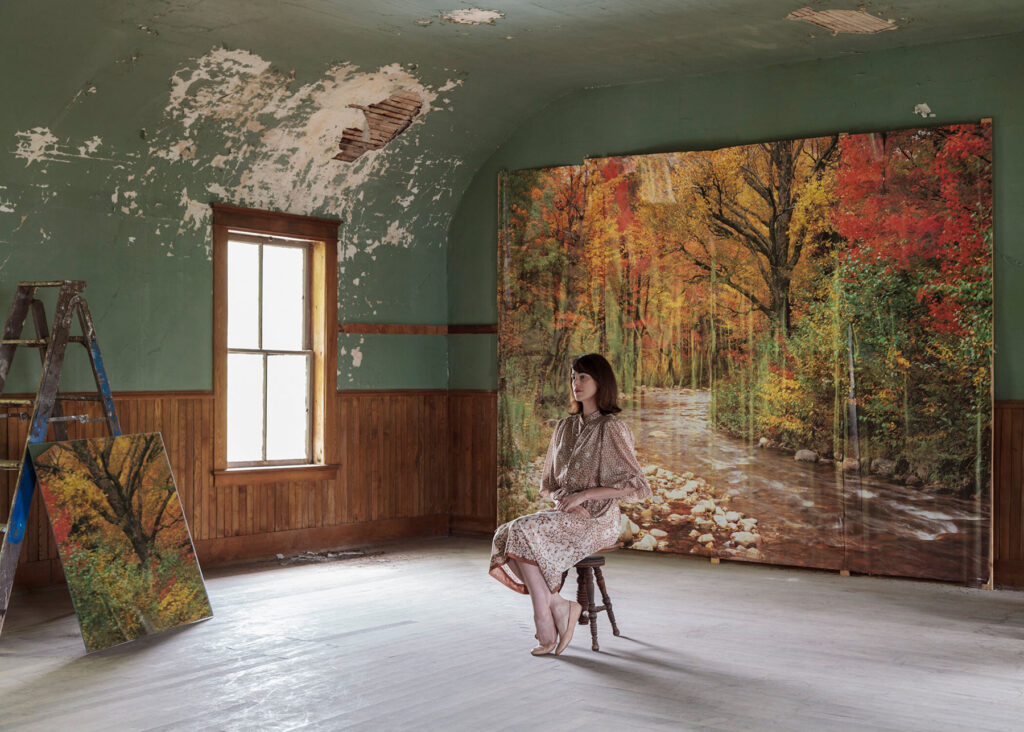
  7. Untitled – Woman Posing, Hyde Park North, VT
  8. Untitled – Hollywood Blvd, Los Angeles, CA
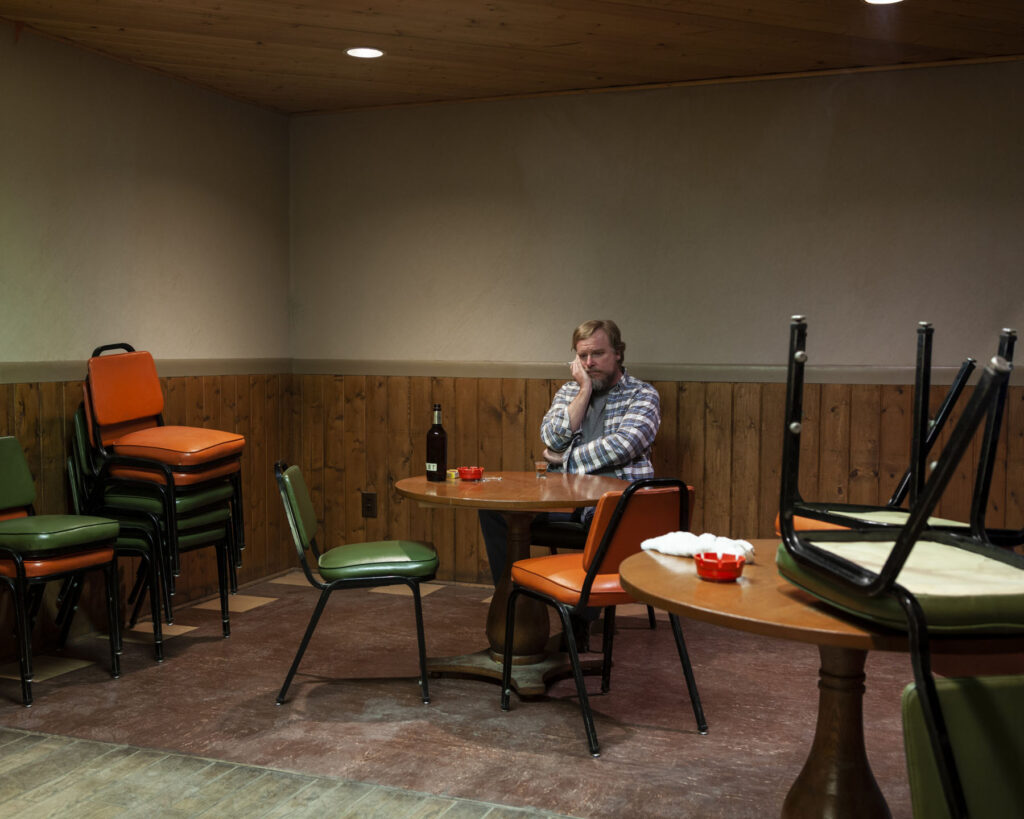
  9. Untitled – Man in Bar, Saratoga, WY
  10. Untitled – Motel, Interstate 80 West, USA

Elisa Garcia

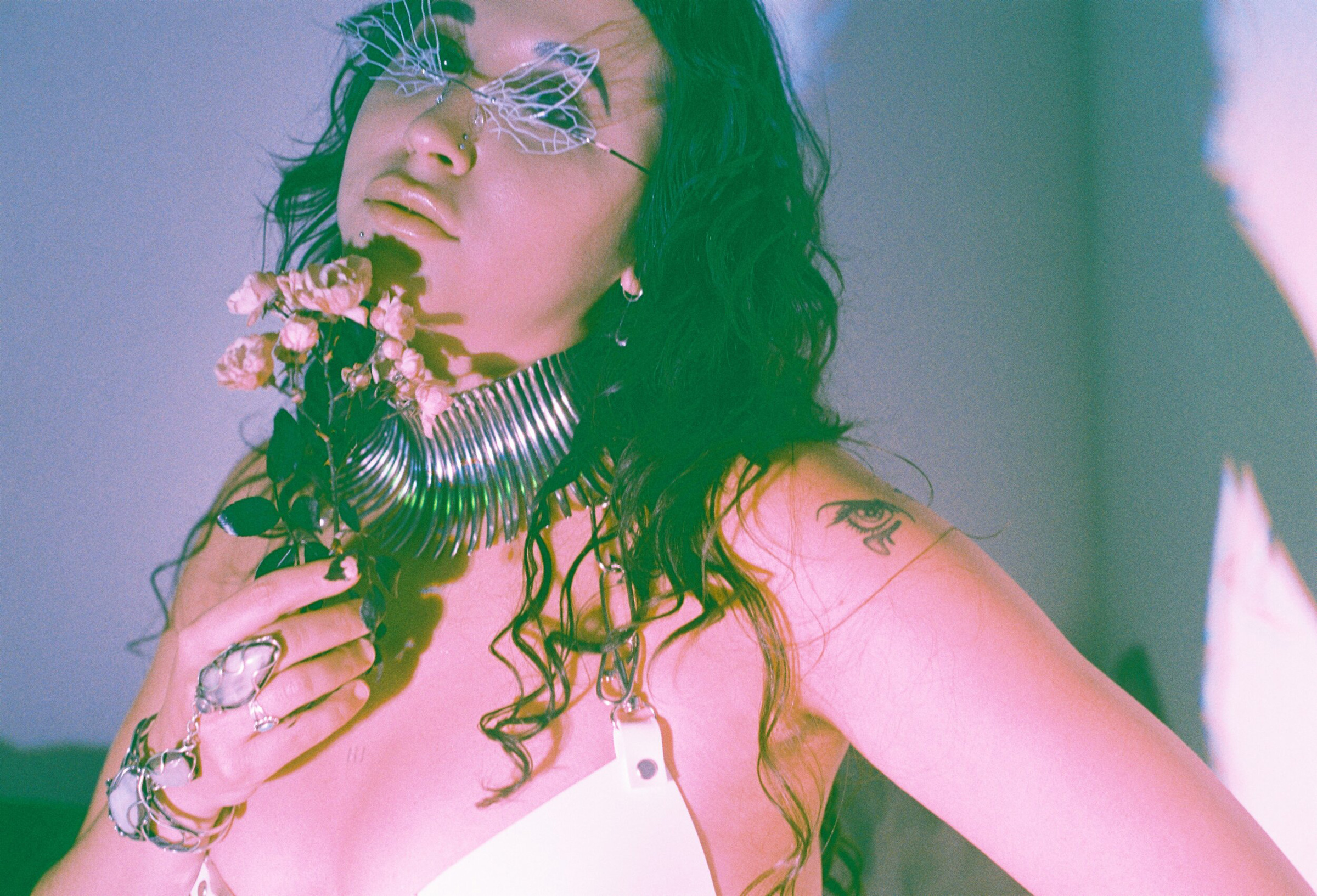
Dark Pink

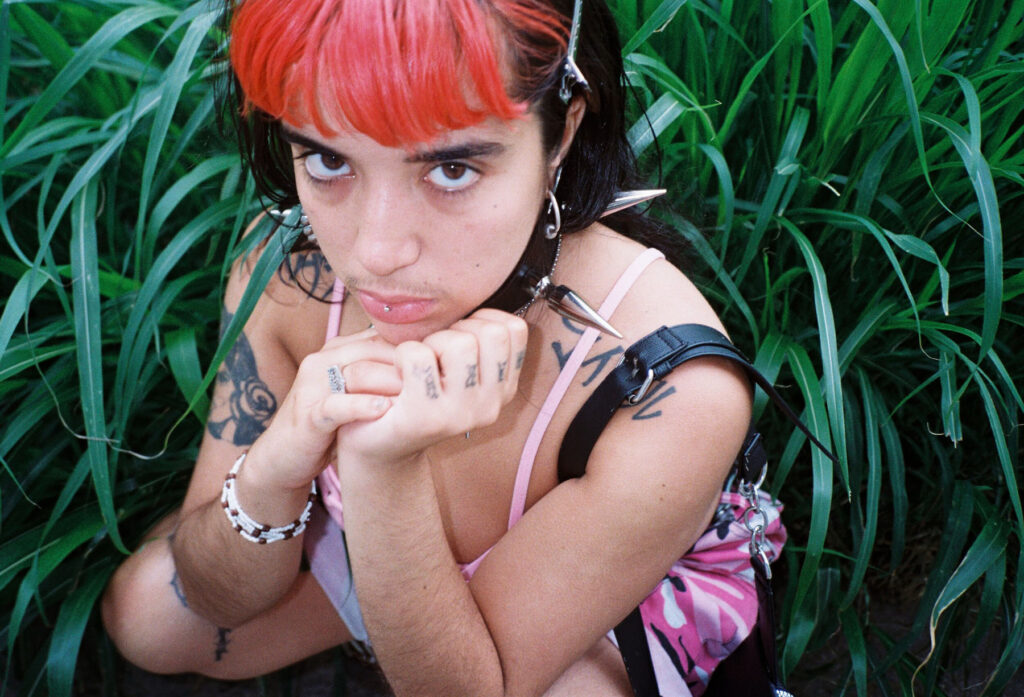
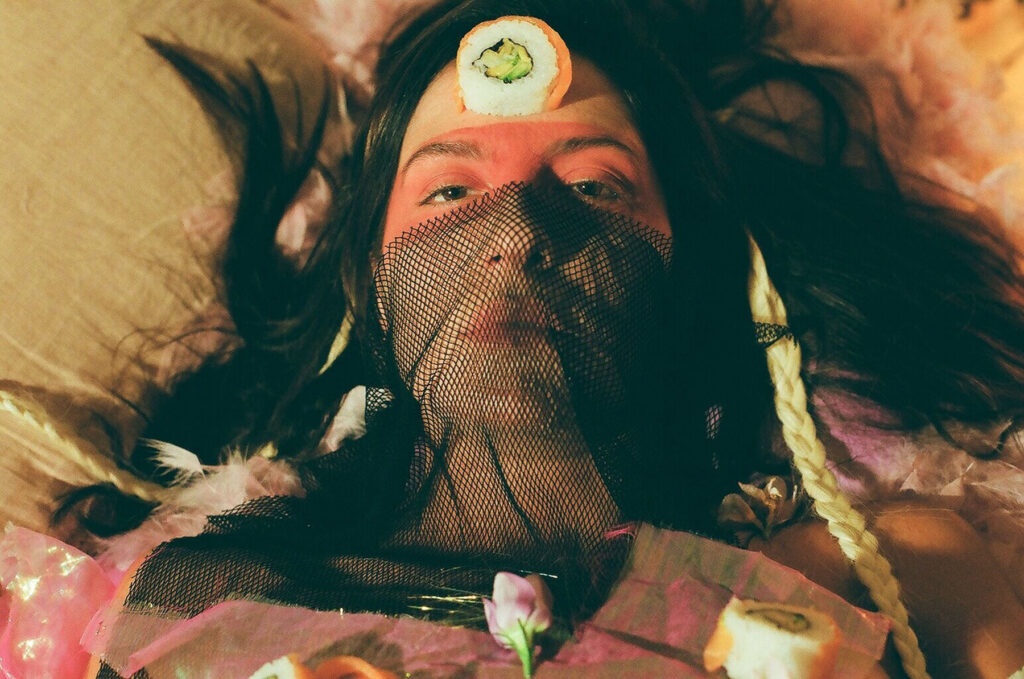
SANTIAGO, CHILE — Elisa Garcia de la Huerta was born 1983 in Santiago, Chile and is an interdisciplinary artist. 

She received her BFA at Universidad Finis Terrae, Chile in 2006 and her MFA Fine Arts at the School of Visual Arts, New York in 2011. She was also co-leader of Go! Push Pops a queer, transnational feminist performance art collective until 2017. Elisa has shown her art/performance at the Brooklyn Museum, Bronx Museum, Whitney Museum, Untitled Space, C24 Gallery, Momenta Art and Soho20 Gallery in New York, USA and Museo Nacional de Bellas Artes, Museo Historico Militar, Galeria Artespacio in Santiago, Chile as well as Select Art Fair for Miami Basel and Busan, Korea among others. She has been nominated for the Rema Hort Mann Visual Arts Grant, has obtained a Brooklyn Arts Council Grant and the Culture Push Fellowship for Utopian Practice with Go! Push Pops. Her work has been featured in New York New Wave book by Kathy Batista, Vice, Dazed and Confused, Bowery + Bedford, ART 21 Magazine, Cultura Colectiva, Frontrunner, Nakid Magazine, SHE/FOLK, Huffington Post, Japan Times, BUSTLE, ArtSlant, Slutist, Hyperallergic, The Wild Magazine, NY Observer, Paper Magazine, Interview Magazine, Milk Media, Art Fag City, Art Net TV, Bushwick Daily, BOMBlog, CatchFire, BronxNet TV, Abiola TV, El Mercurio, Mas Deco, Artishock and Arte al Limite Magazine. Garcia has been an Artist-in- Residence at Alexandra Arts in Manchester, UK, 2015, Soho20 Chelsea in NYC, 2012, The Maryland Institute College of Art in Baltimore, 2013 as well as in Havana, Cuba 2003 and London, UK 2007 and performed in Tokyo Japan with Go!PushPops as part of US/Japan exchange fellowship in 2015.

She did a course in Sonic Arts at HAMT in Dharamsala, India with Michael Northam in 2019, was artist in residence at Backsteinboot (ex Modular + Space) in Berlin, and she focus on fine arts analog photography and sound performance.


Credits

Photography · ELISA GARCIA DE LA HUERTA
www.instagram.com/auzit
www.elisaghs.com

Photos

  1. Dida, Berlin, 35mm, 2019
  2. Daniela, Baile, 35mm 2020
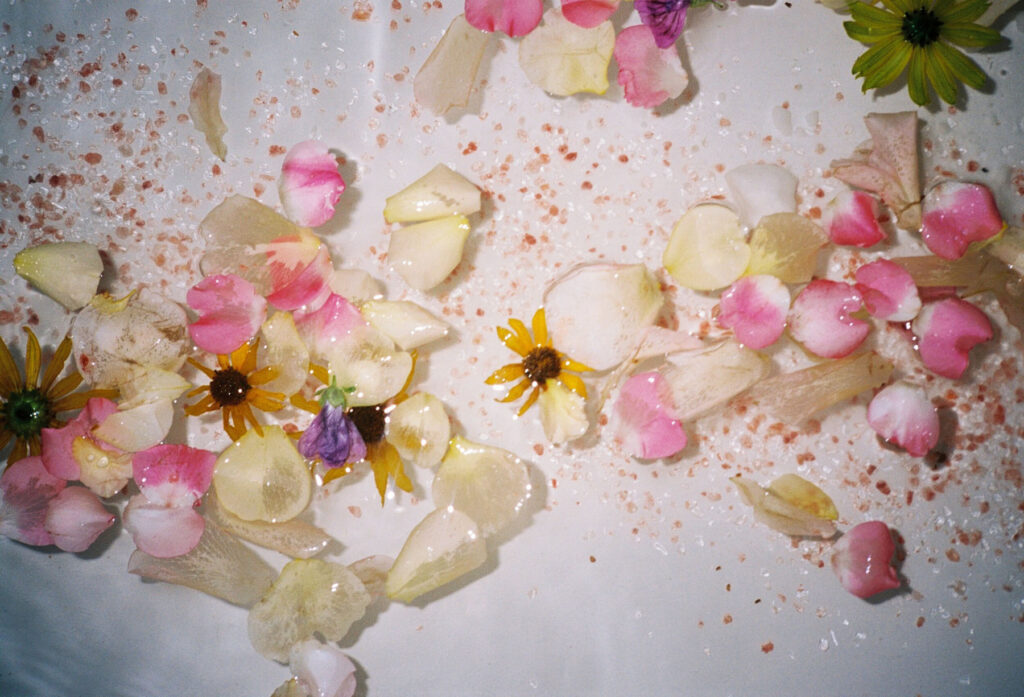
  3. Pink Bath, Berlin, 35mm, 2019
  4. Pauli Cakes, Berlin, 35mm, 2019
  5. Rachael Uhlir, Spandau, 35mm, 2019
  6. Daniela, Chile, 35mm, 2020
  7. Beauty Thorns, Chile, 35mm, 2020
  8. Manos, Faraona, Chile, 35mm, 2020
  9. Snake por Raz Pinto, Faraona, Chile, 35mm, 2020
  10. Dida, hardpink, Berlin, 35mm, 2019
  11. Sunset, Berlin, 35mm, 2019
  12. Rita, Temphelhof, 35mm, 2019
  13. Botanica Nipple, Melanie, Berlin, 35mm, 2019
  14. Spiral, Andrea, 2019
  15. Cristina, Berlin, 35mm, 2019
  16. Sex, Berlin, 35mm, 2019
  17. Merle’s hands, 2019, Berlin
  18. Merle, 2019, Berlin
  19. Self Portrait, Brooklyn NY, 35mm, 2018

Abhijeet Ghosh

Cox’s Bizarre

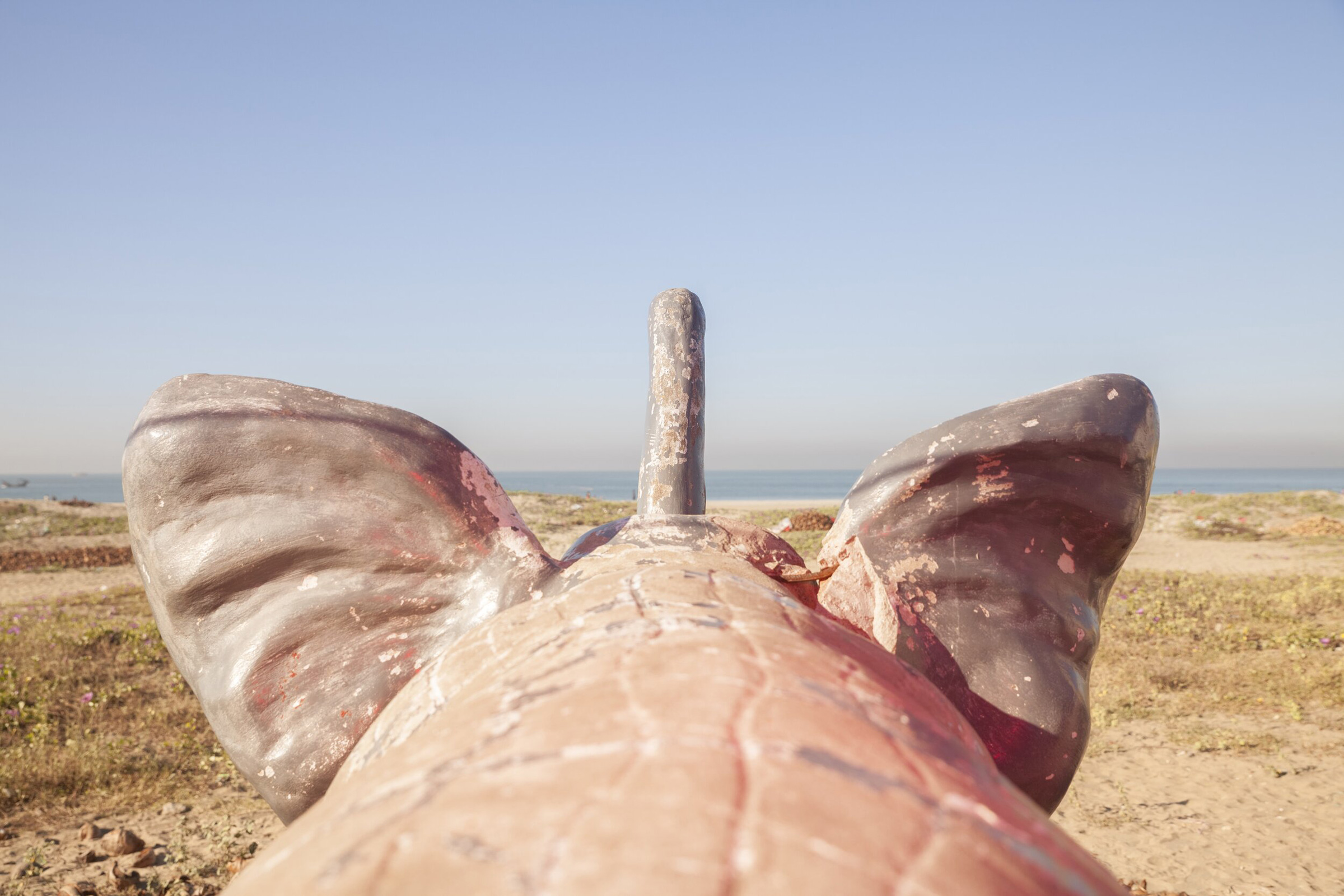
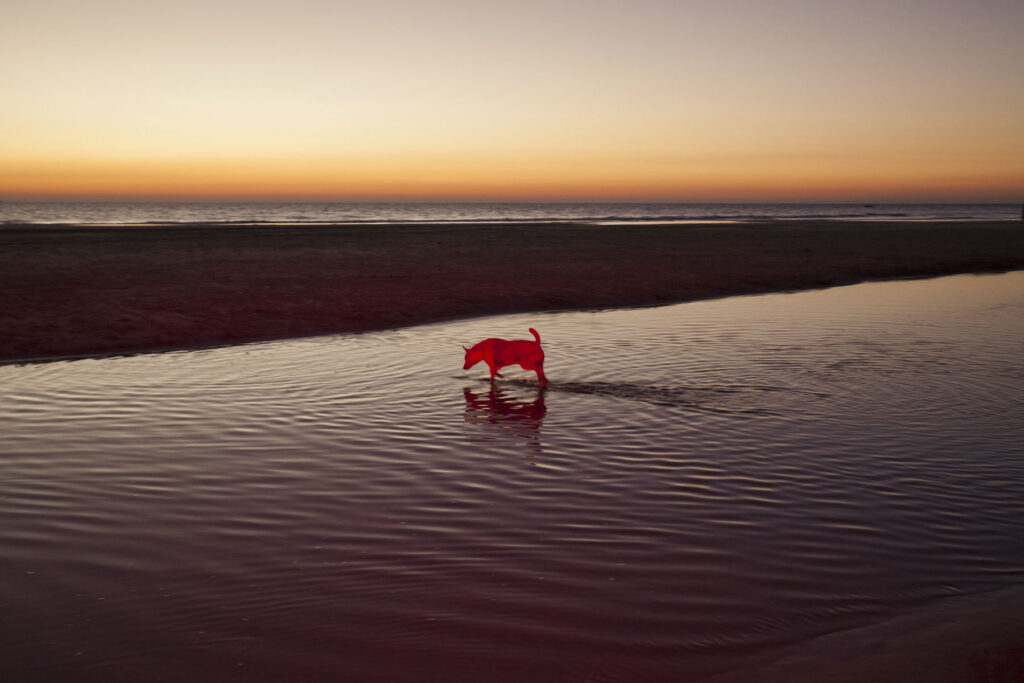
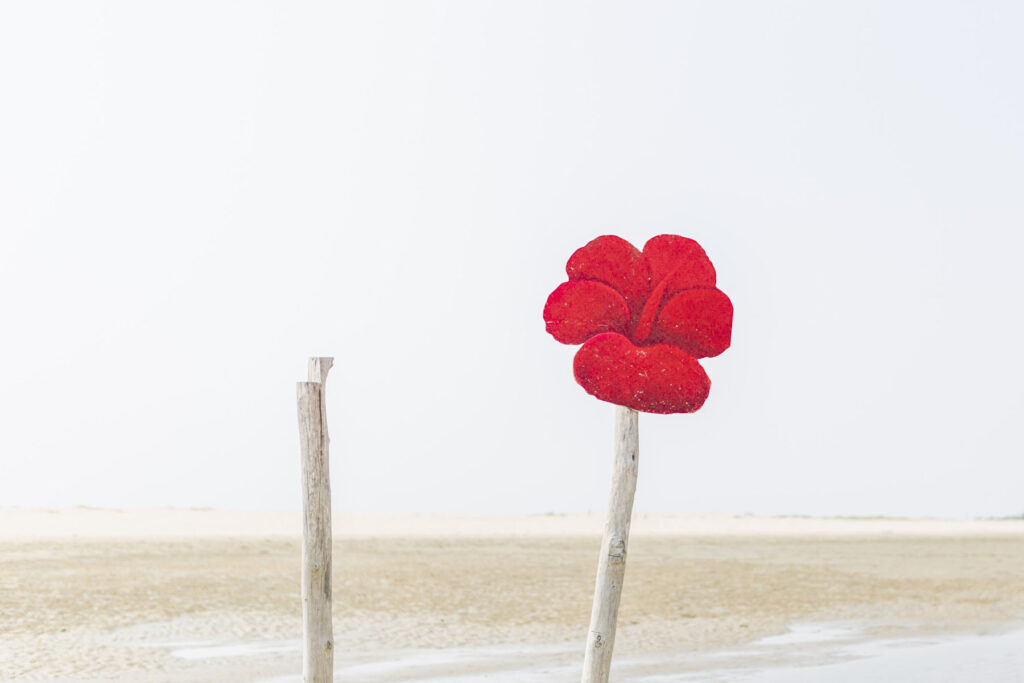
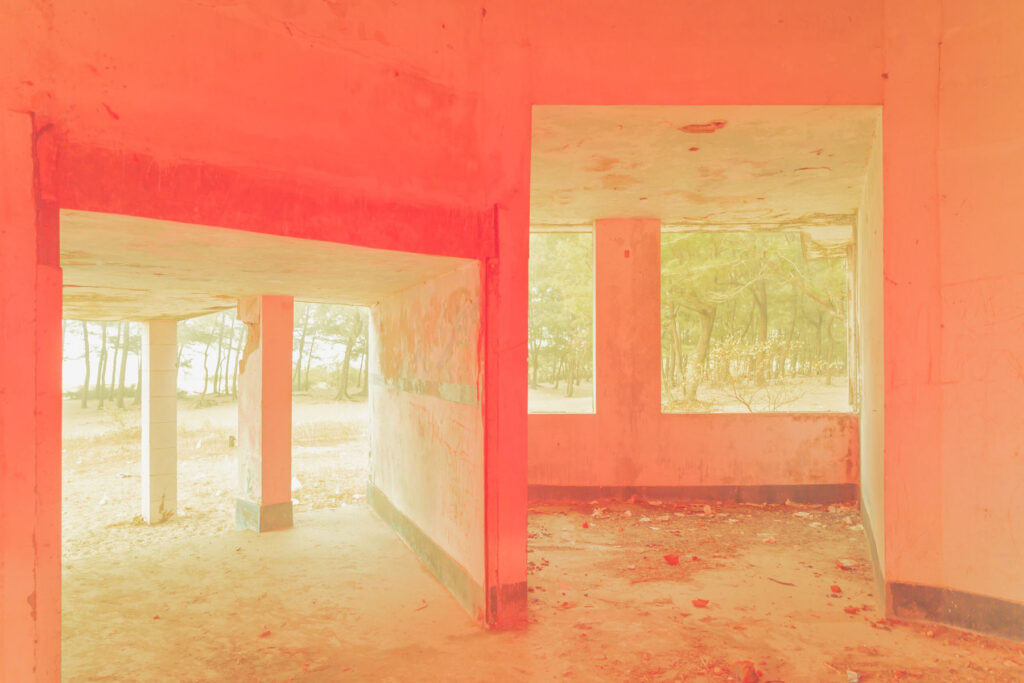
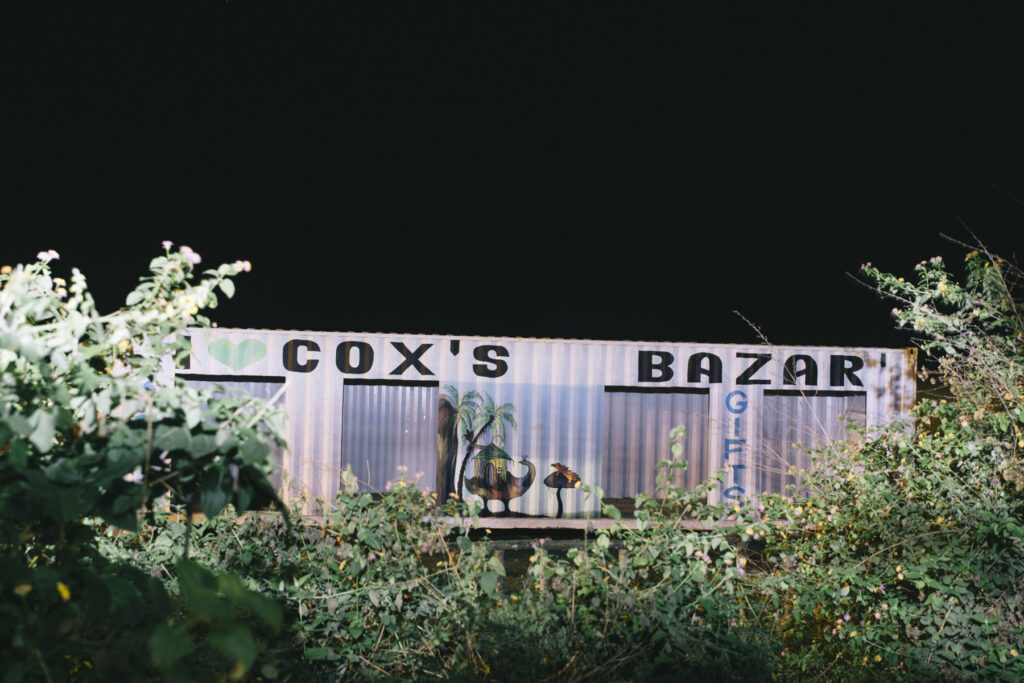
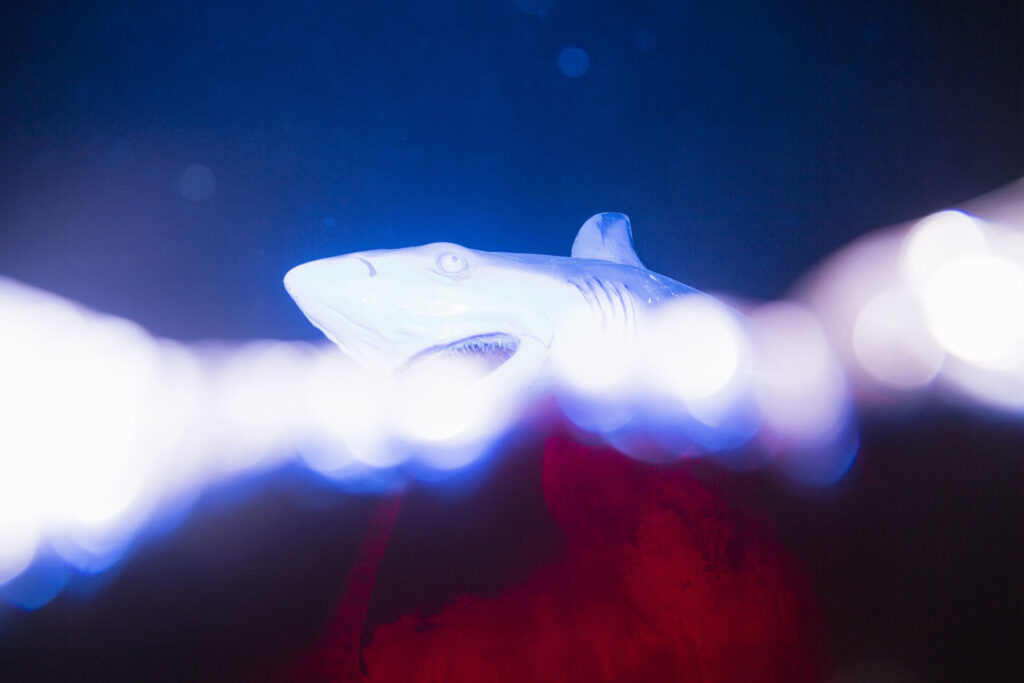
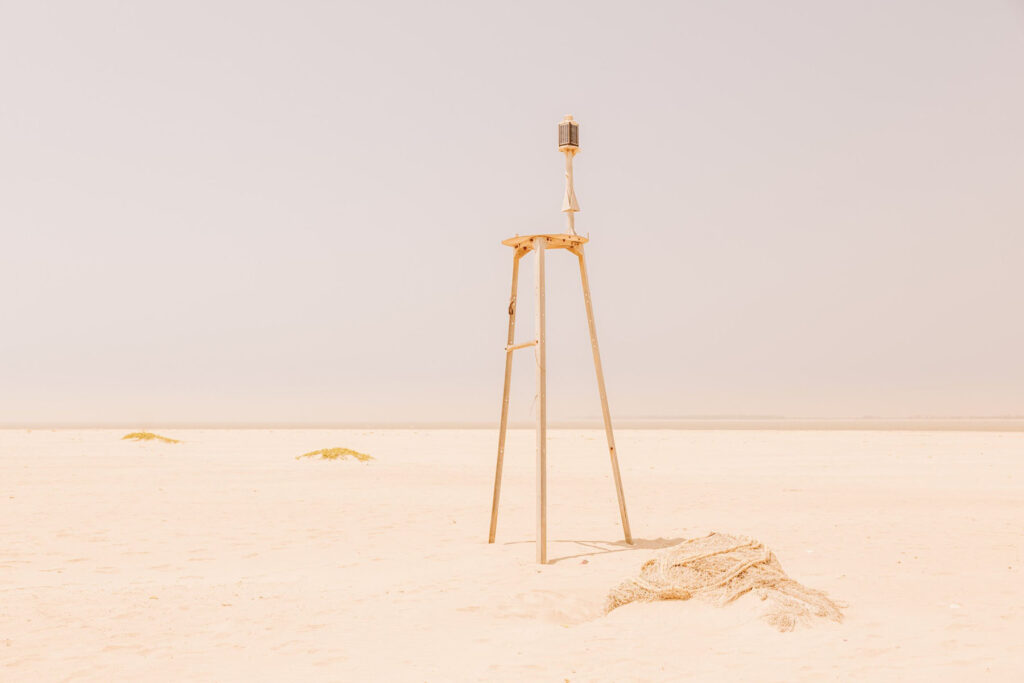
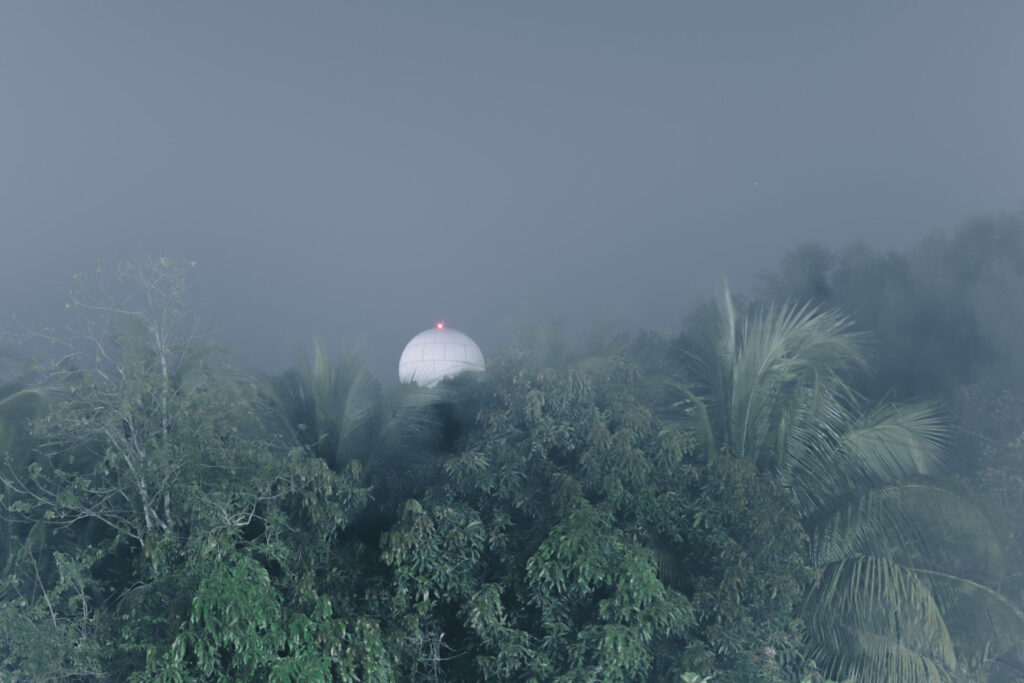
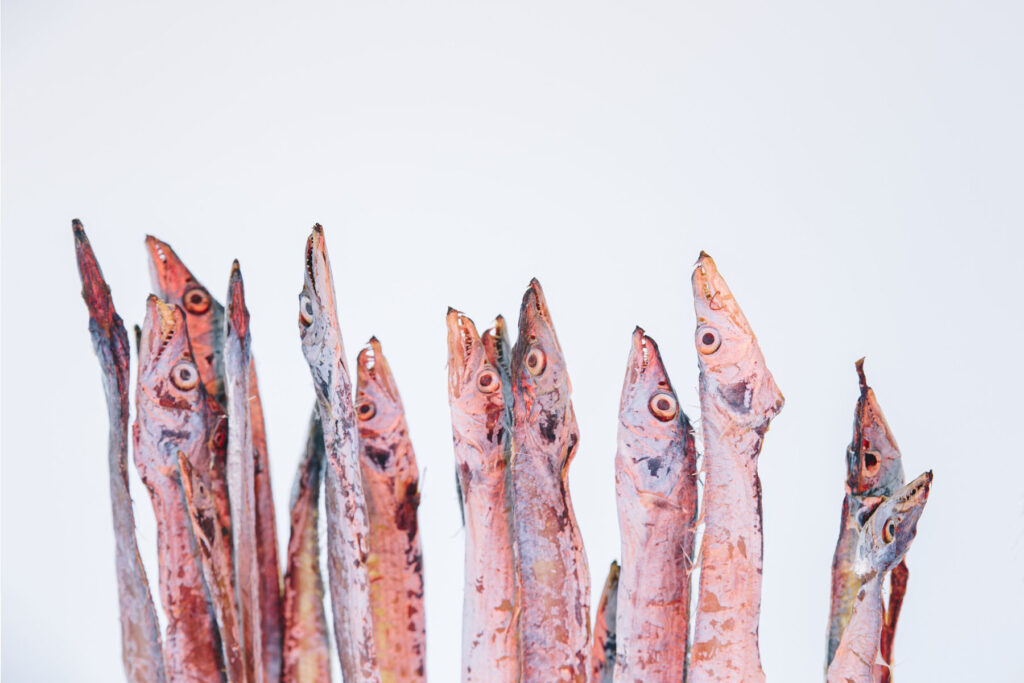
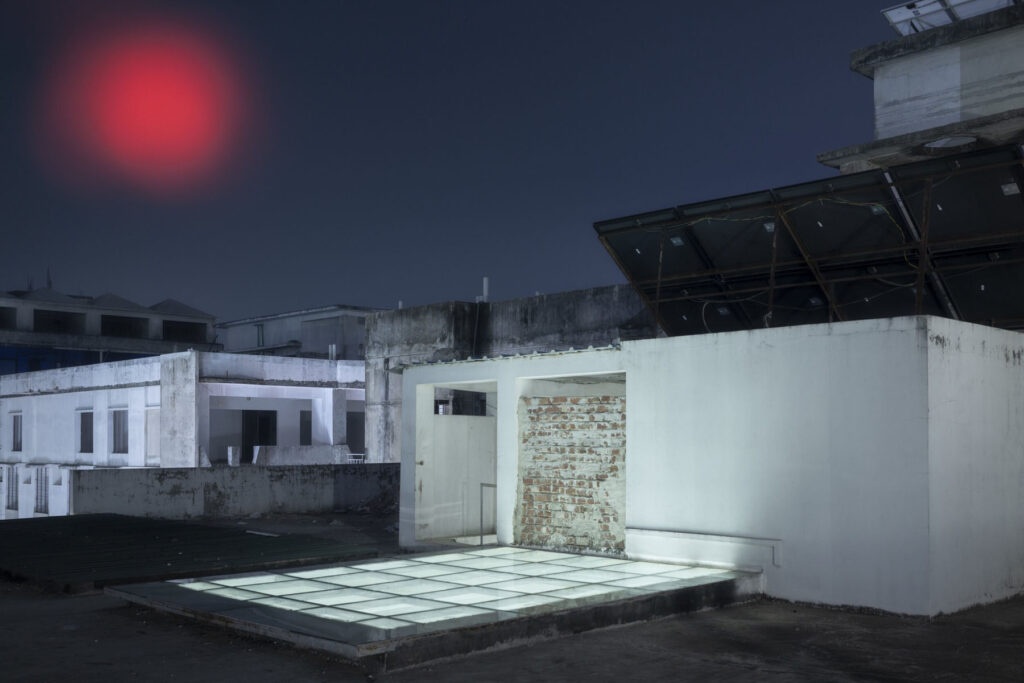
COX’S BAZAAR, Bangladesh — Cox’s Bazaar, a beach town in Bangladesh is in the midst of human and environmental interventions. Being a major tourist destination, the place is literally a sandbox of excessive commercialisation and unstructured infrastructural growth. At the same time, there is also a growing concern of rising sea level and climate change. Amidst these issues, there is a futuristic possibility of developing a beach culture in this part of the world.

Cox’s Bizarre  is a metaphysical exploration of these complexities of the place, an unstructured fantasyland built on top of rising environmental concern.


Credits

Photo and words Abhijeet Ghosh
abhijeetghosh.net

Eric Gottesman

For Freedoms

By definition, a super PAC is a political action committee that is able to raise an unlimited amount of money to influence the outcome of political elections in the United States. Yet, For Freedoms, a super PAC registered back in January 2016, is somewhat unconventional in its intentions and approach. As the first artist-led super PAC, For Freedoms was created by Eric Gottesman and Hank Willis Thomas to encourage greater political engagement through art – and to engage people in complex conversations that have become simplified into binary concepts.

For Freedoms has made an impression on both the world of politics and art since it was registered. In 2016, the super PAC opened their ‘headquarters’ at the Jack Shainman Gallery for a takeover exhibition there – and have since been hosted by MoMA PS1 for an artist residency in 2017 to coincide with the first 100 days of the Trump administration. Their exhibition at the Jack Shainman Gallery provoked a national discussion about police brutality after Dread Scott hung a flag at the exhibition headquarters, whilst their ‘Make America Great Again’ billboard in Pearl, Mississippi caused controversy for its depiction of Trump’s election catchphrase imposed on an image from the Bloody Sunday march of 1965.

Through their use of advertising as a super PAC, their background as artists, and their commitment to creating change, this project by Gottesman and Willis Thomas hopes to open up necessary political and cultural conversations. Speaking over the phone, Eric Gottesman talks through the motives of For Freedoms, the role of advertising, art and propaganda, and why we should come together, regardless of political agenda. 

NR: Where did the idea of forming a super PAC originate?

Eric Gottesman: Over the course of several years, my friend Hank [Willis Thomas] and I, had these conversations about art and politics. Both of us are artists, we both address politics through our work in various ways – I should say, other people talk about the politics of our work. But both of us are interested in the overlap of art and society, and so over the course of those conversations, we often talked about doing something that directly engaged with systems of politics. We talked about maybe having an artist run for office, but eventually, decided to start the super PAC in the fall of 2015, after talking to a number of lawyers about how to do go about it – so we did really before the 2016 election started in earnest. 

NR: Something I was actually going to ask is whether the political climate in the run up to the election was a factor in forming the super PAC. 

EG: No, not really – it came before that. It was less about any specific candidate or campaign, than it was about the way political discourse happens in the United States.

“The oversimplification of complicated situations and political solutions often leads to the factionalization, and people retreat to notions of nationalism that are extremely simple but not necessarily the best.”

So we wanted to see if we could expand the political discourse to encourage or allow people to talk with more nuance about complex issues. 

NR: Do you think that the culture of politics today reflects advertising, because of this simplification?

EG: Very much so. This was something we were very interested in, as a super PAC is basically a political advertising agency. We decided to take on the most egregious part of the problem – which is that money filters through organisations and into our politics, in order to create extremely simplified forms of advertising that is supposed to shape how to think and how to vote. We wanted to shift that up and play with that idea. 

NR: By buying advertising space for billboards, newspaper, and online, can your political advertising be interpreted as a form of propaganda? 

EG: I think it can be, it usually is. Advertising has got much more complex and savvy – often times, you’re being advertised to without knowing it. It doesn’t just take the form of propaganda; it now also takes on the form of ‘culture’ in certain ways. But I also think there’s a pedagogical difference between propaganda and art.

“Propaganda works behind an argument, whilst art offers dialogue. Propaganda has a certain kind of insistence that advertising also has, as opposed to art’s openness.”

NR: How can For Freedoms stimulate critical engagement when political discourse is reduced to this culture of advertising?

EG: That’s exactly what we’re trying to figure out! So far, this has involved trying to merge artistic and political discourse, bringing political content and conversations into art spaces, using our access to these spaces as artists – and vice versa: we’re trying to find ways to bring content out into the public, that we produce as artists. So, we’re bringing politics into art and art into politics through various means. We are also holding a series of town hall meetings and conversations, often in conjunction with exhibitions that we curate. And then, for next year, we’ve got our 50 state initiative, where we’re going to have a presence in all 50 states in the lead up to the 2018 election. 

NR: The idea of town hall-style meetings, feels as if it is taking communication back to a pre-internet era, back to before everyone interacted online, to having that physical meeting with your community. In that sense, are you trying to bring people back together?

EG: That’s an interesting point, I hadn’t really thought about it like that. One of the things we thought a lot about was to try to ‘make dialogue great again’. I don’t think we’re doing it out of nostalgia, but we are trying to inject a form of humanism into the modes of dialogue that we use now. I think the way in which we communicate on social media is fantastic, as we are much more connected in a certain way – but the trade off is that it demands that we use short hand to encapsulate messages and conversations we want to have.  There’s nothing wrong with that form necessarily, but I do think that we need to be able to have deeper, broader conversations about things that go beyond 140 characters.

NR: And there is the danger of communicating with only those who share what you want to see.

EG: That too – and we see that a lot right now, which is one of the things we’re really trying to work on. The art world also has that echo chamber effect, so we’re trying to figure out how to access all parts of society. How do we reach a wide range of people that might be interested in helping us build a movement around building a better political conversation, even if we don’t share the same political agenda?

NR: What is the incentive for people to come together in public spaces despite opposing views, in the interest of shaping the future?

EG: We already do this: we’re consuming the same culture, and as a result of that culture, we form our (political) identities. I think there’s this notion that, only certain people will be interested in art, and only certain people will come to a museum and participate in something like what we’re doing. The assumption is that cultural production only lends itself to one set of opinions – that you agree/disagree, you’re a democrat/a republican, etc. A lot of these binary concepts are much more complicated, so when you ask why somebody with a different set of ideals would want to have that dialogue, I think it would be because we want to better understand, and hopefully to encourage an atmosphere that allows people to appreciate those different views.

NR: Whilst we’re consuming the same culture, places like art institutions can be off-putting to people who feel alienated from them. If there is a way to make these places appeal to a broader range of people, can that instigate better dialogue and a sense of community between different groups of people?

EG: Absolutely. I’m one of those people that feels very alienated by art, and I do think For Freedoms is as much a rebuke of the art culture and the art world, as it is to the world of politics. Art institutions are already political: they make decisions about who they include and exclude. In order to address that, we need to insert conversations about who’s included, and who’s excluded. These are essentially political questions that are at the centre of our political structure. If we insert these questions into the museum, hopefully we can shift what is defined as art, and what is not – and change who is defined as the art viewer. 

NR: Do you think the problems with the financing of super PACs in a political context, are issues that also need to be addressed within the art world?

EG: As an artist, I look at the art world as being this enormous archive of capital that determines what has social value in our culture and so, there are two ways to respond to that. The first, which is how I have responded for much of my career, is to think: “fuck that! I don’t care about that, and I don’t care about those rich people! I’m just gonna do my thing and work in my way, and hopefully at some point after I die somebody will recognise my brilliance and that will change the world.” That’s one way, and the other way would be what we’ve done with For Freedoms, which is pretty new to me to be honest. The way we have done it with our super PAC is to confront the art world, and to claim a space by participating in this world of extreme wealth that governs and shapes how art is valued. For me, the real issue is figuring out how to shift the system so that wealth doesn’t necessarily determine culture, and so that artists are recognised for their power, and are able to utilise the power they possess. Art is used in every society, whether it’s through propaganda or commercial wealth, and so what we’re trying to push for is for our society to value the role that artists play in shaping, not just culture, but how our society works. 

Photos

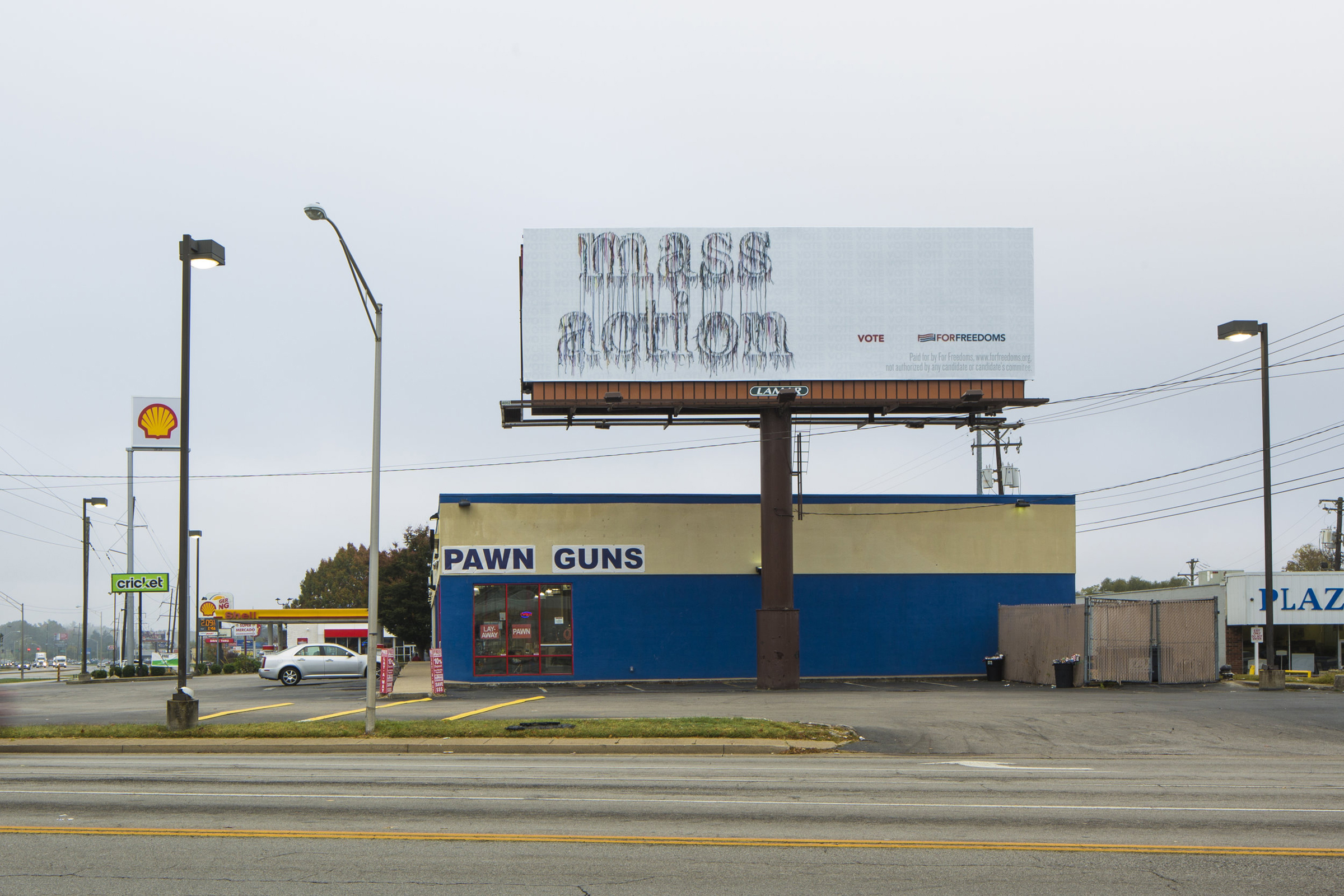
  1. Mass Actionwith Nari Ward – Lexington, Kentucky
  2. Not Voting Is Actually Voting with Eric Gottesman – Flint, Michigan
  3. A Man Was Lynched By Police Yesterday with Dread Scott
  4. With Democracy In The Balance There Is Only One Choice with Carrie Mae Weems – Cleveland, Ohio

Jon Gorrigan

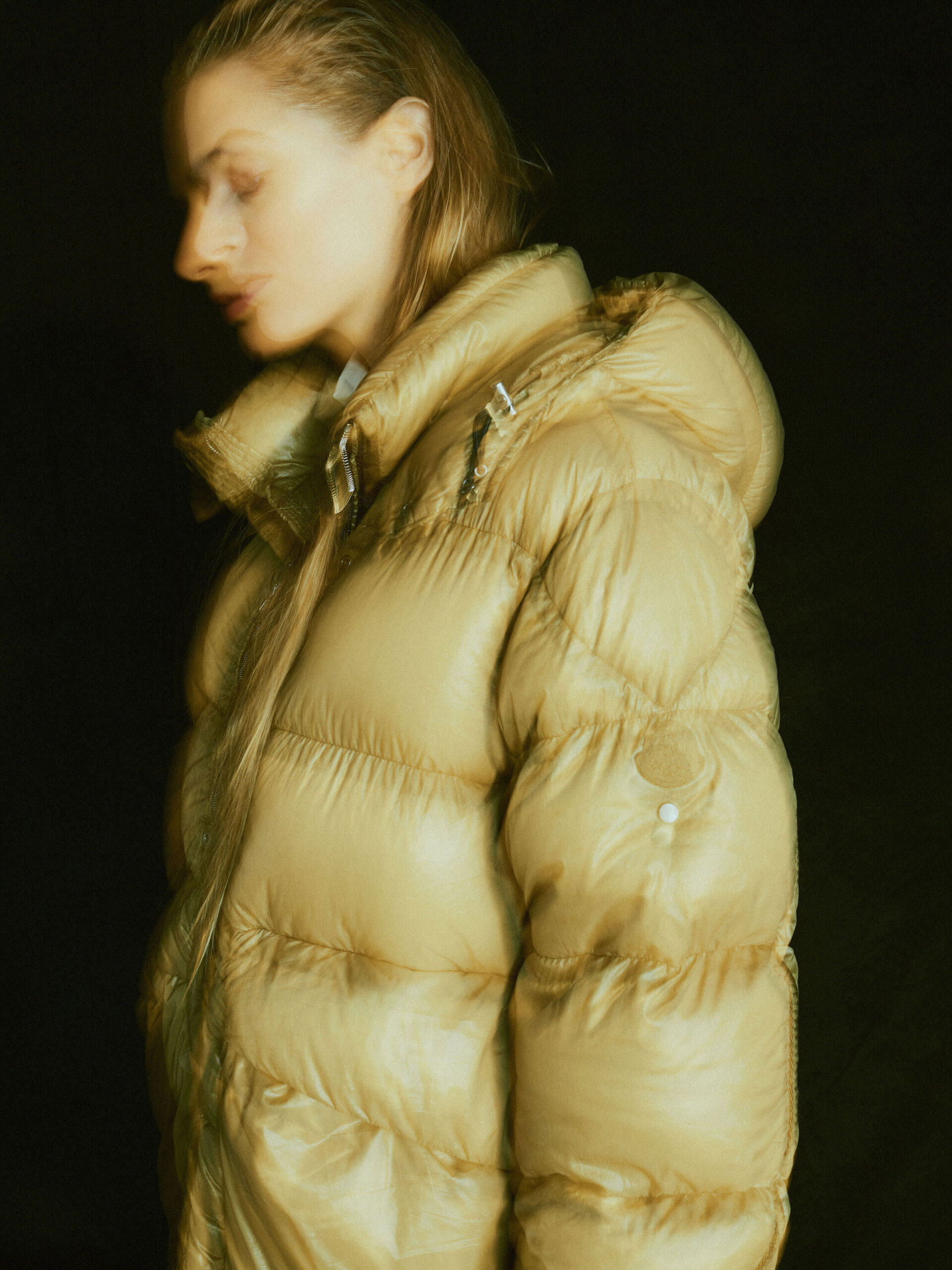
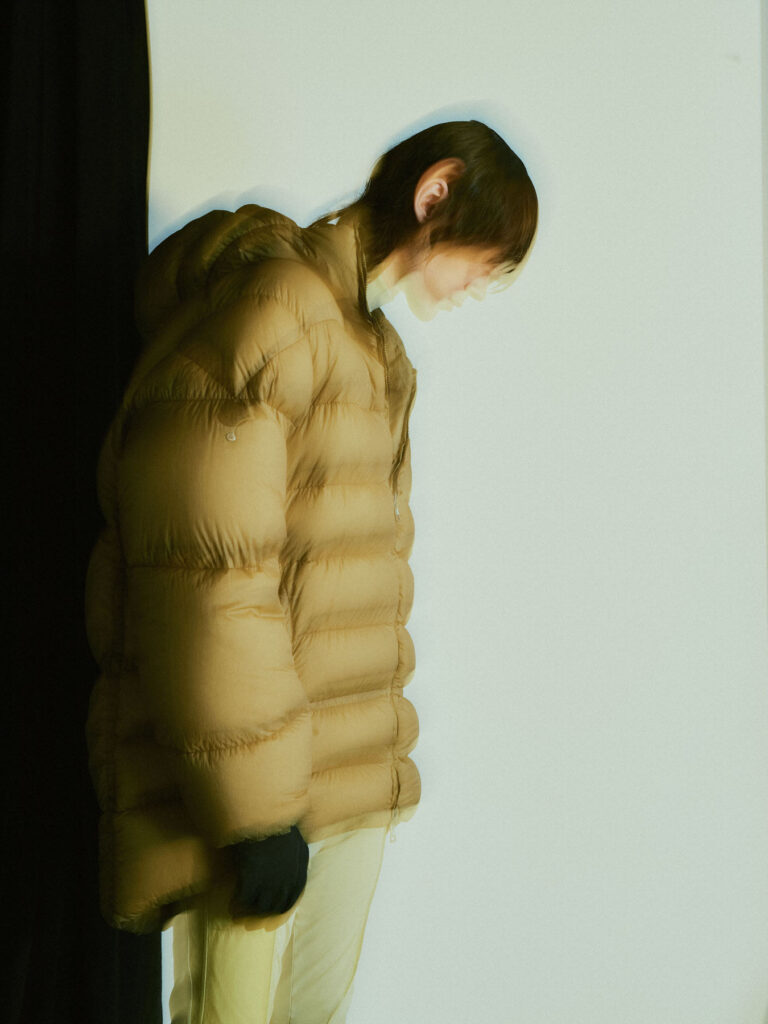
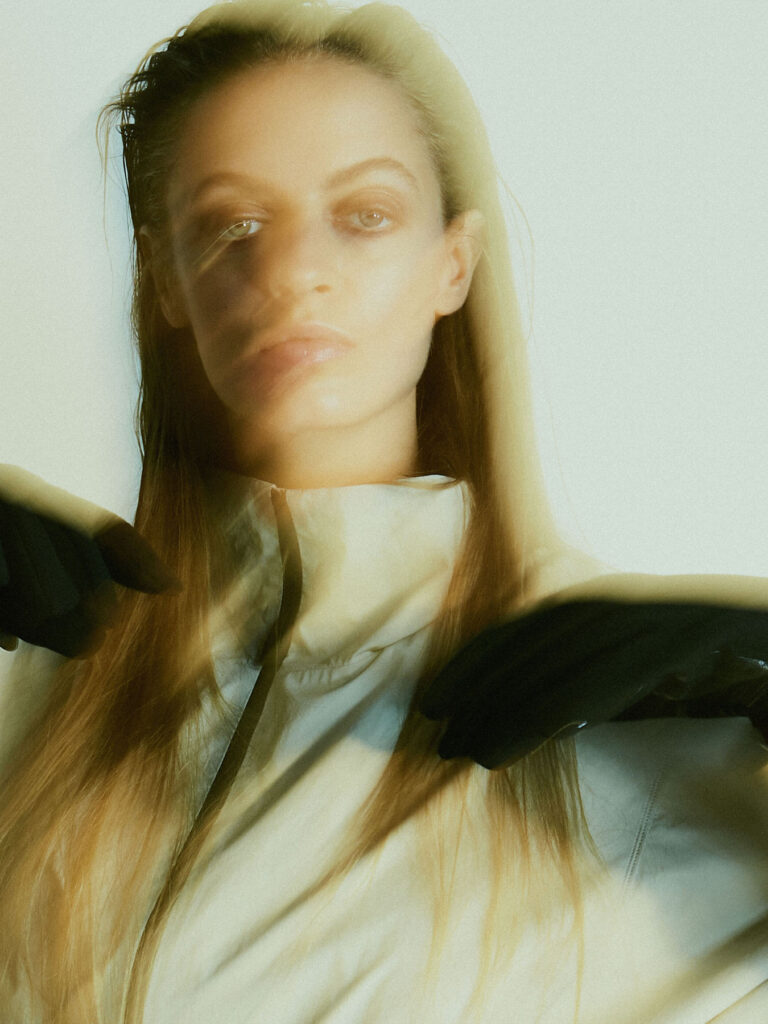
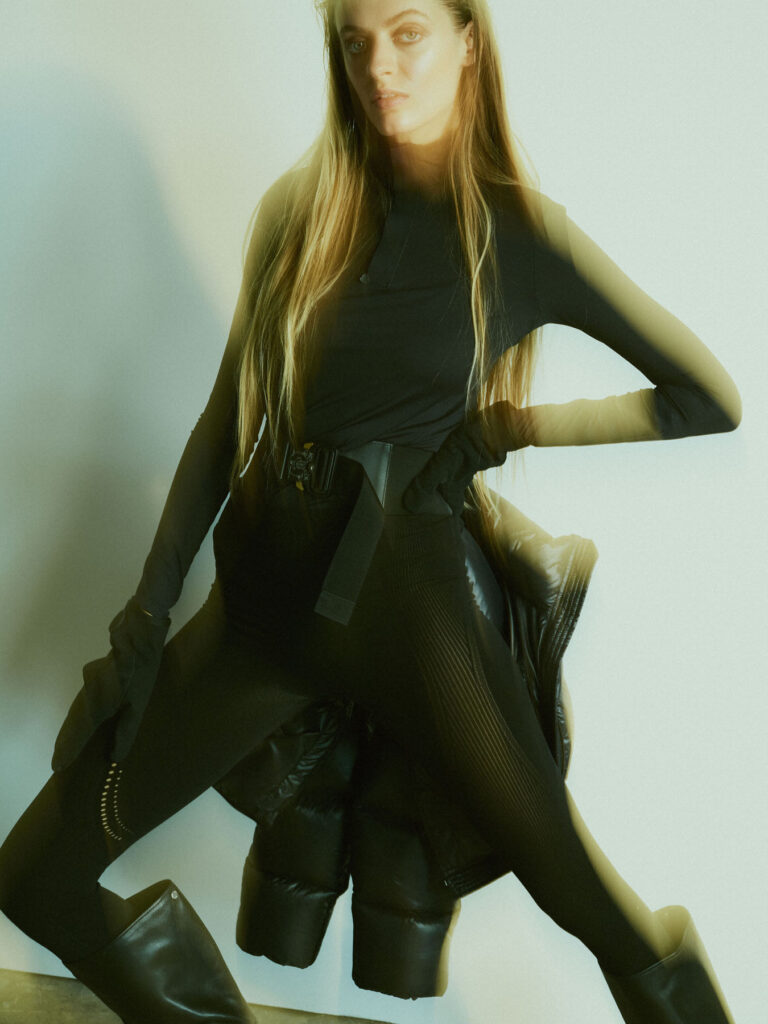
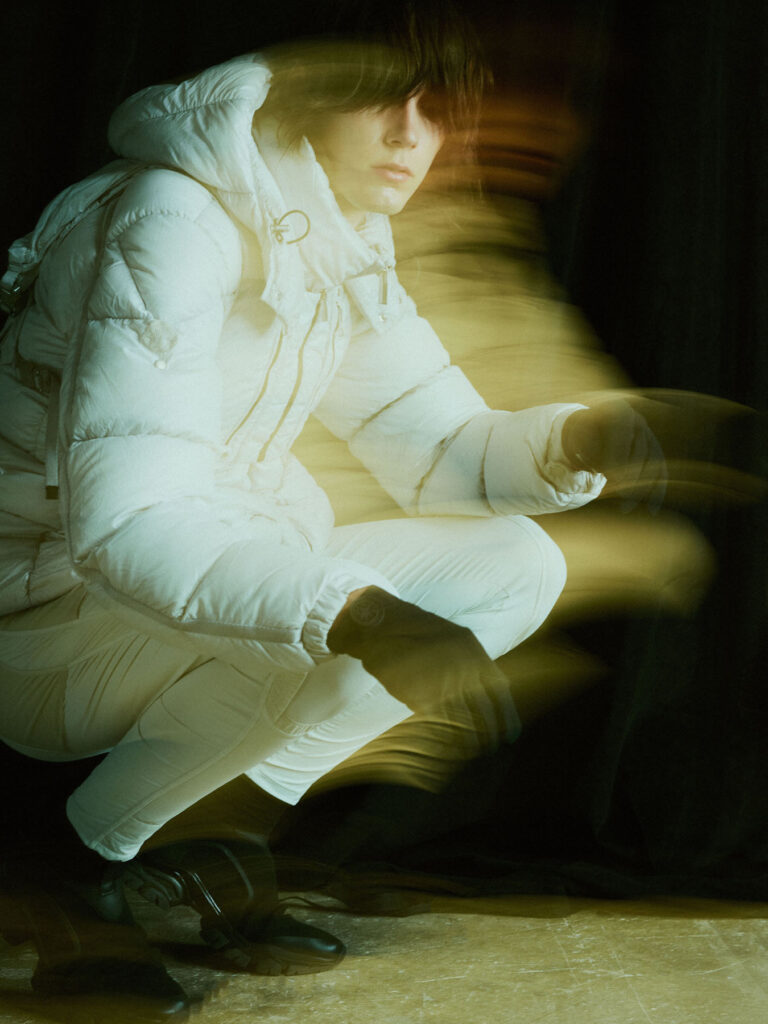
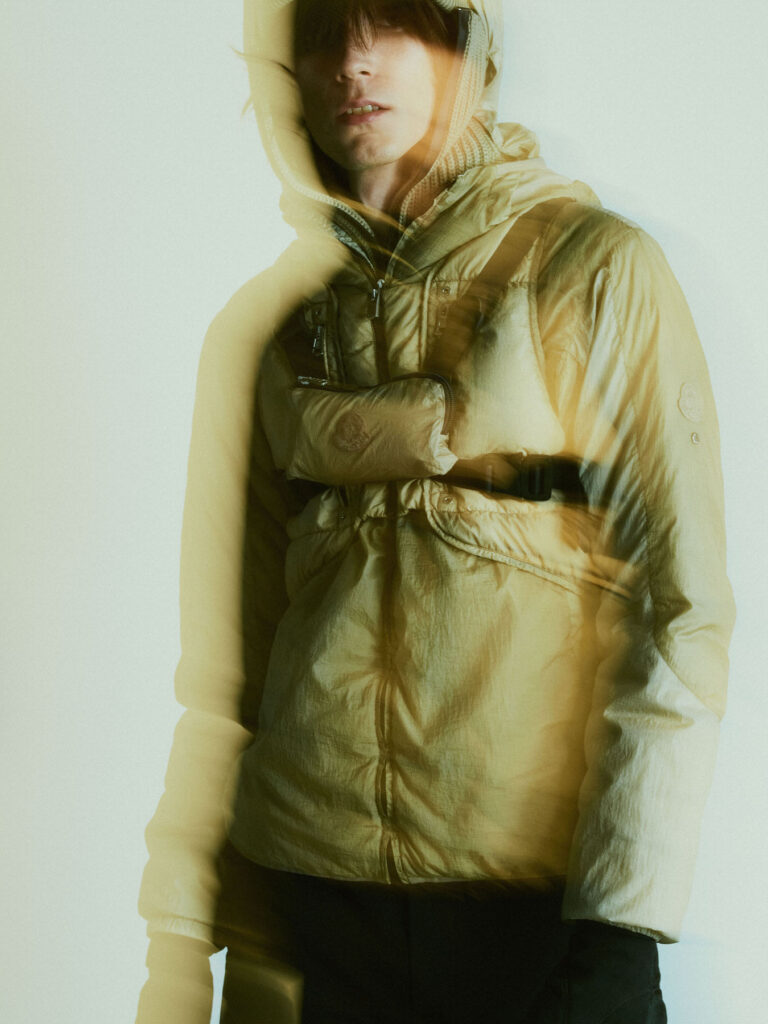
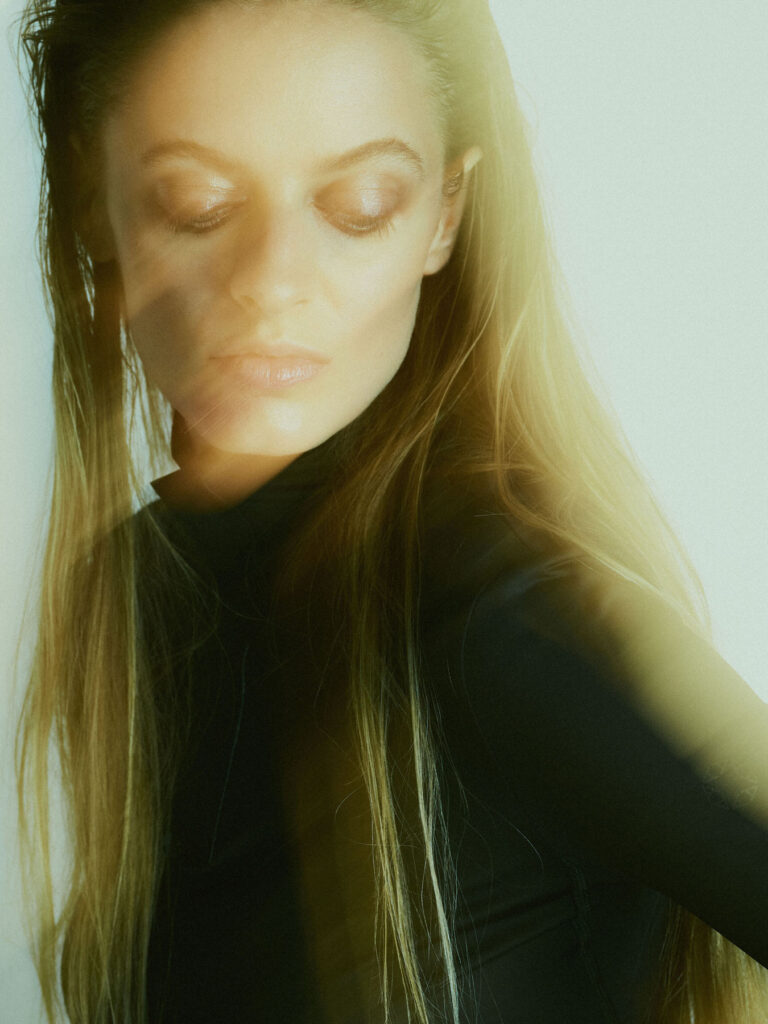
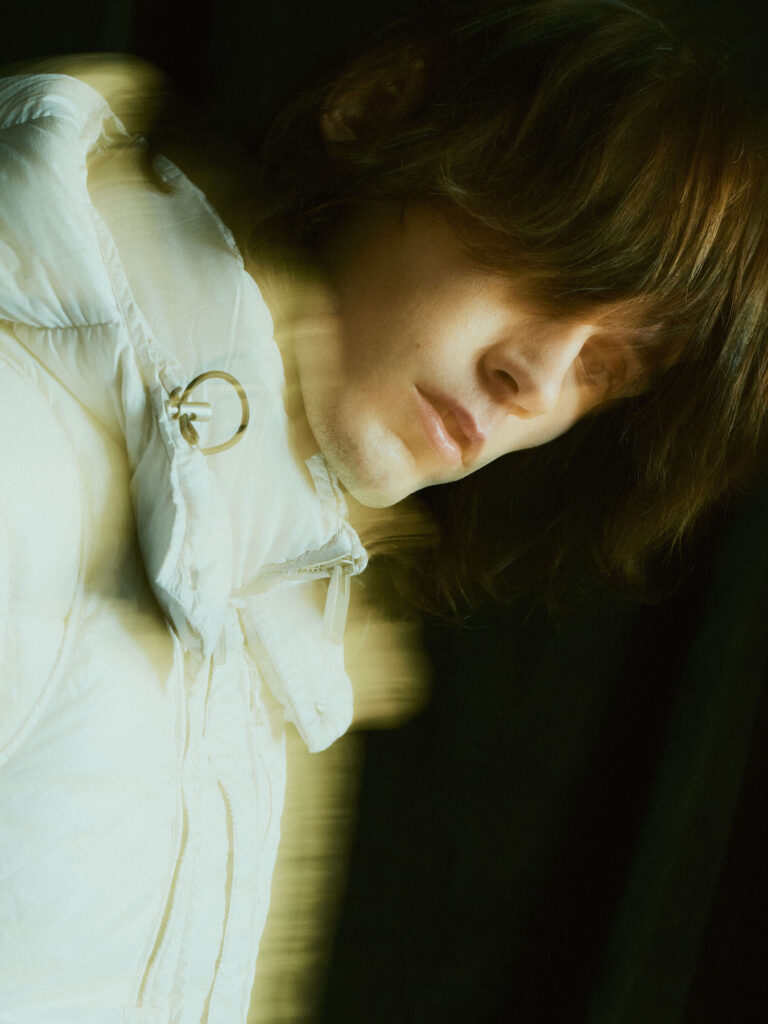
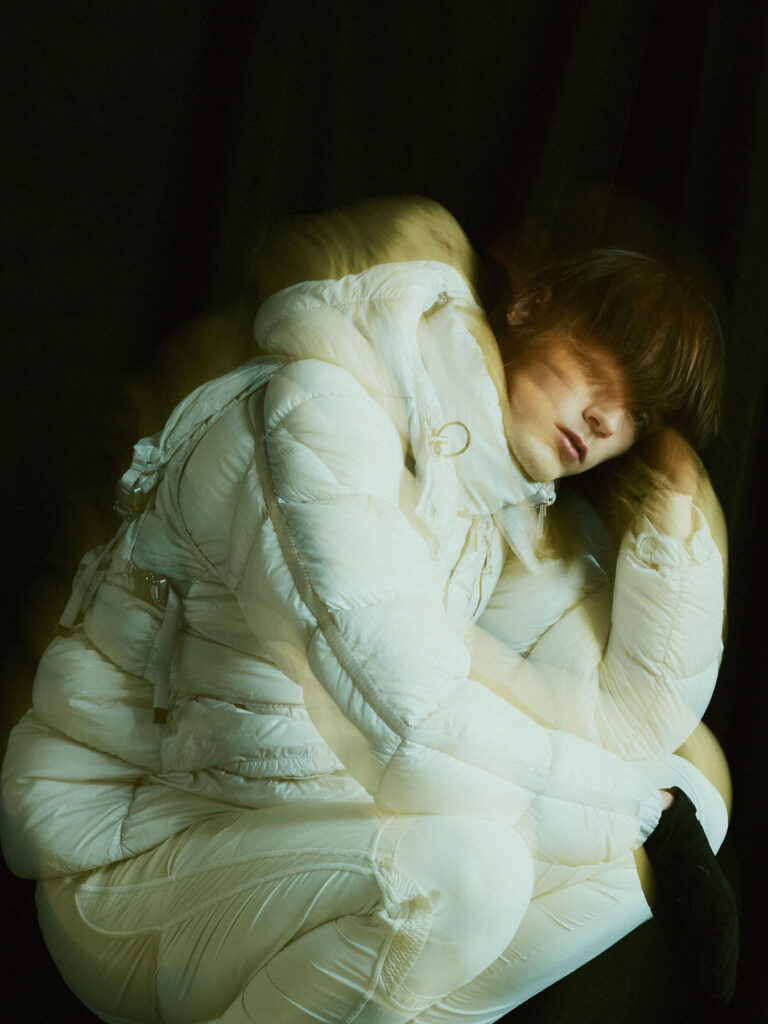
6 Moncler 1017 ALYX 9SM

Raised in California, Chicago-born creative director Matthew M. Williams has worked with top talents from the worlds of art, music, and fashion throughout his decade-long career, shaping a refined aesthetic universe grounded in street culture. A keen interest in the creative process of fashion has led Williams towards extensive research and development into garment construction and greater fashion philosophy to present his brand, 1017 ALYX 9SM. The comprehensive ready-to-wear and accessories collections harness inspiration from his California youth and global urban subcultures. Sustainability is a major focal point in Williams’ design and lifestyle.

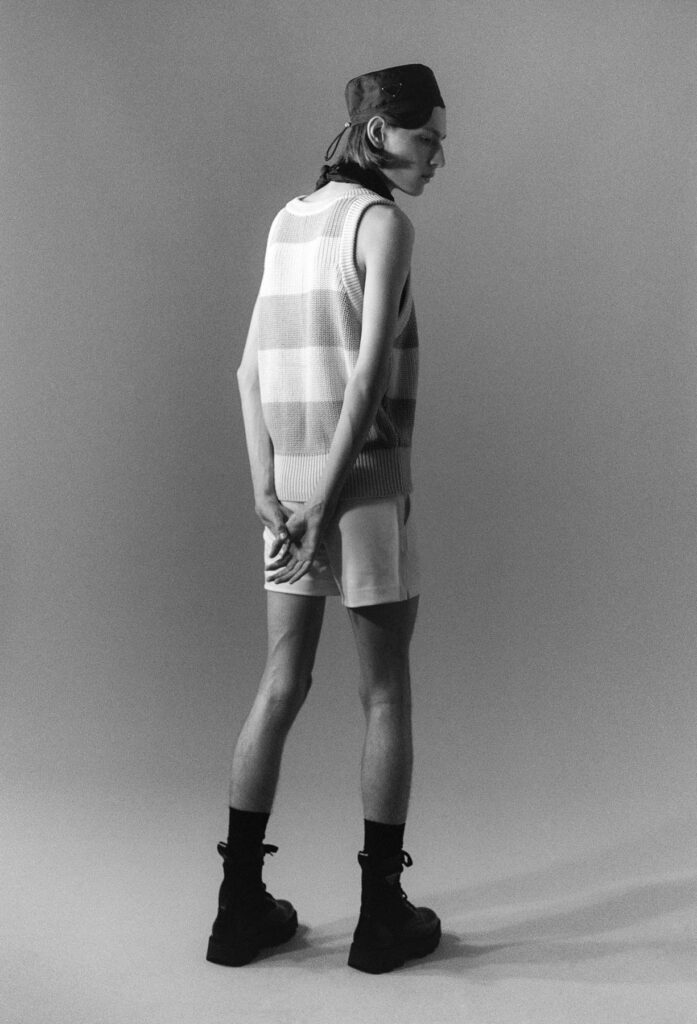
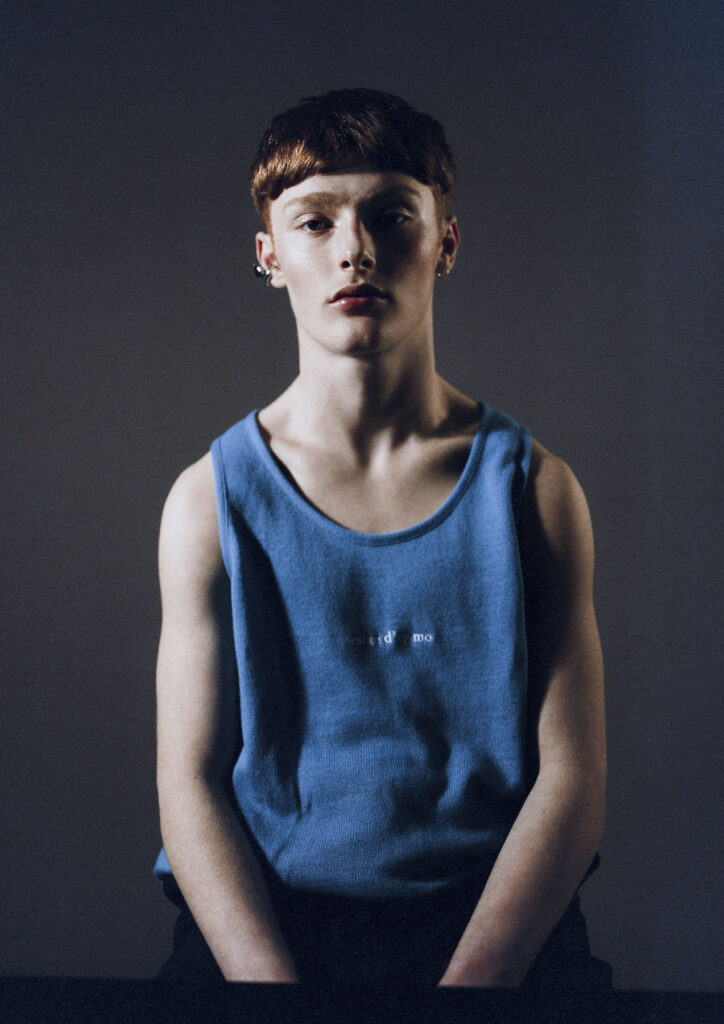
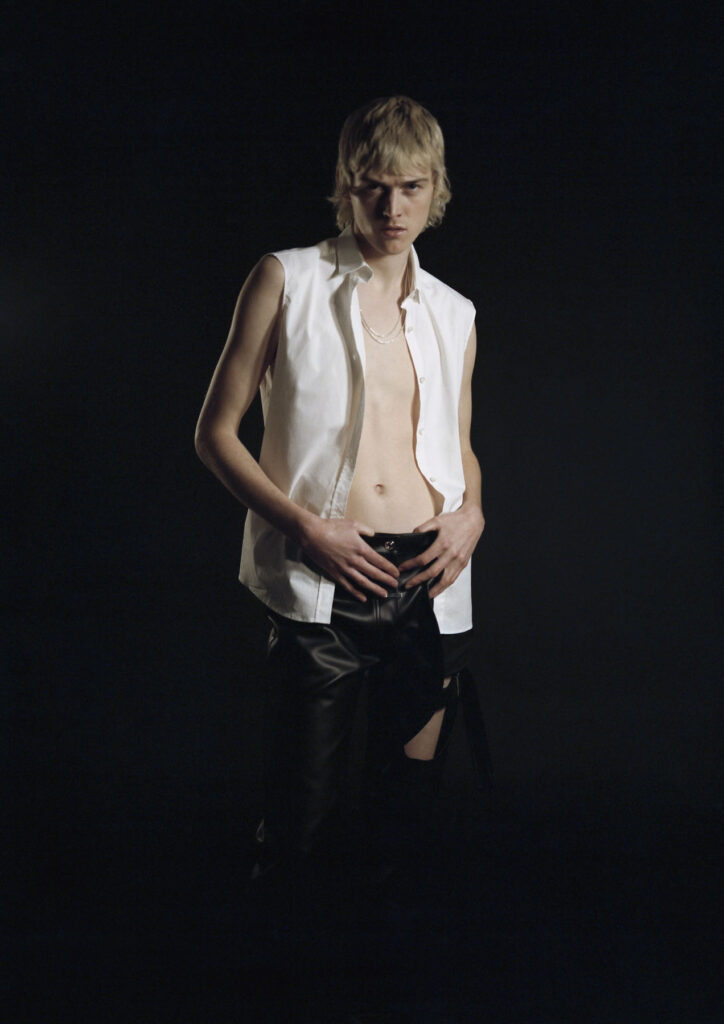
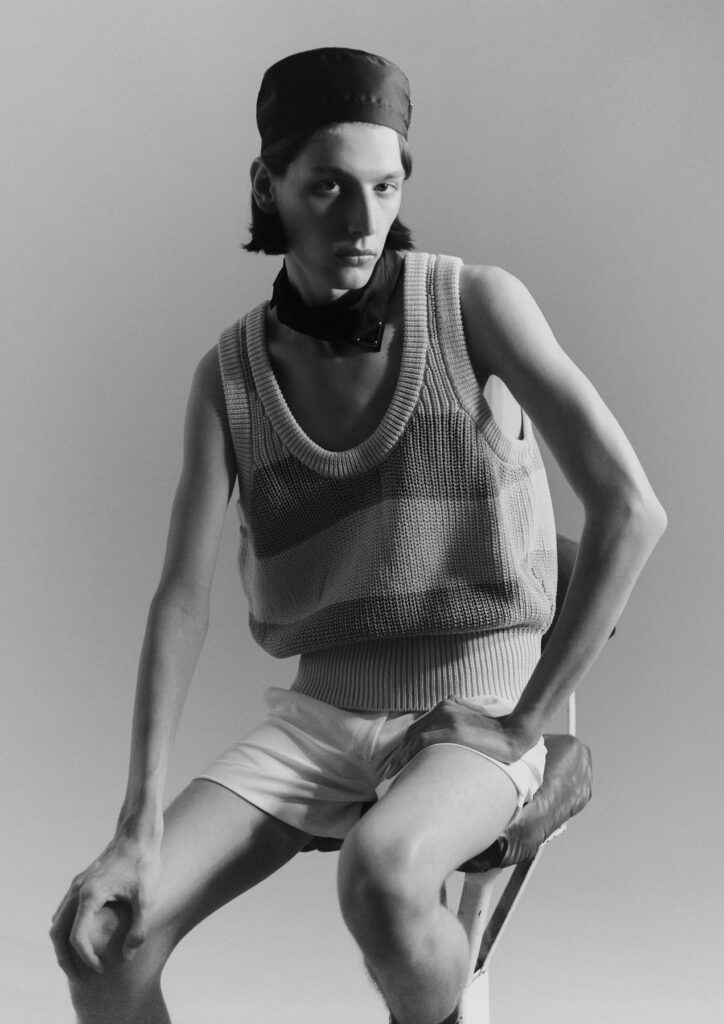
Team

Photography · JON GORRIGAN
Creative Direction and Fashion · NIMA HABIBZADEH and JADE REMOVILLE
Make-Up · LESLEY VYE 
Hair · JODI TAYLOR
Models · IDINA and HARRY from SELECT MODEL
Fashion Assistant · ELLIE BROWN
Discover more about the collection by visiting ·
www.moncler.com


Ana Garcia

Team

Photography · ANA GARCIA
Photo Assistant · MAITE DE ORBE
Fashion · MARCO DRAMMIS
Fashion Assistant · FRANCESCA ROSSI
Make-Up · TAKENAKA
Hair · TOMMY TAYLOR
Casting · MITCH MACKEN
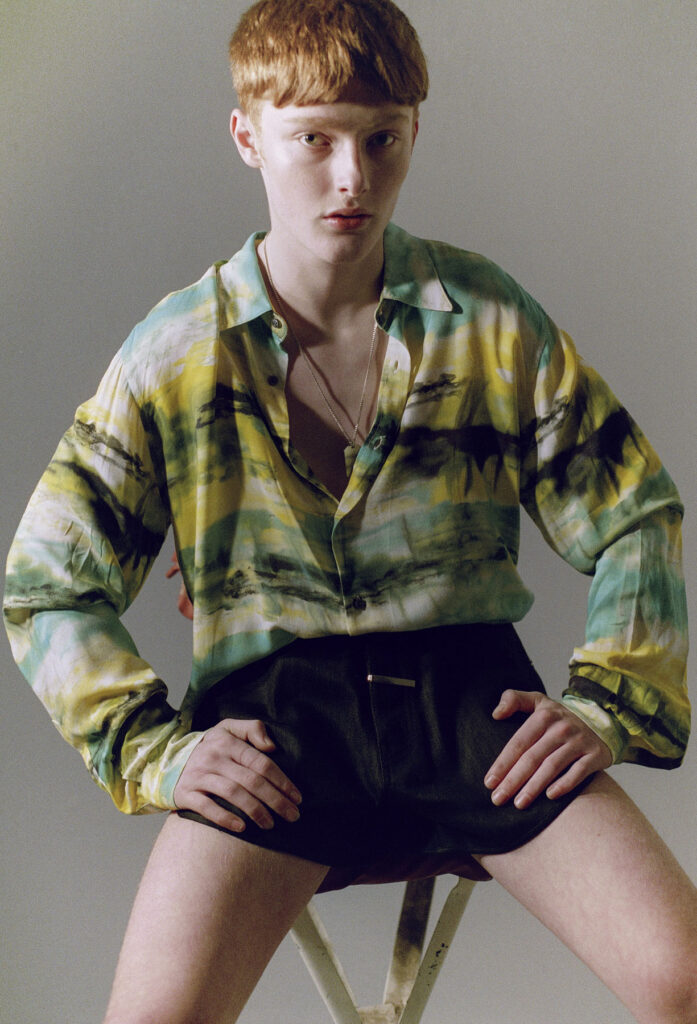
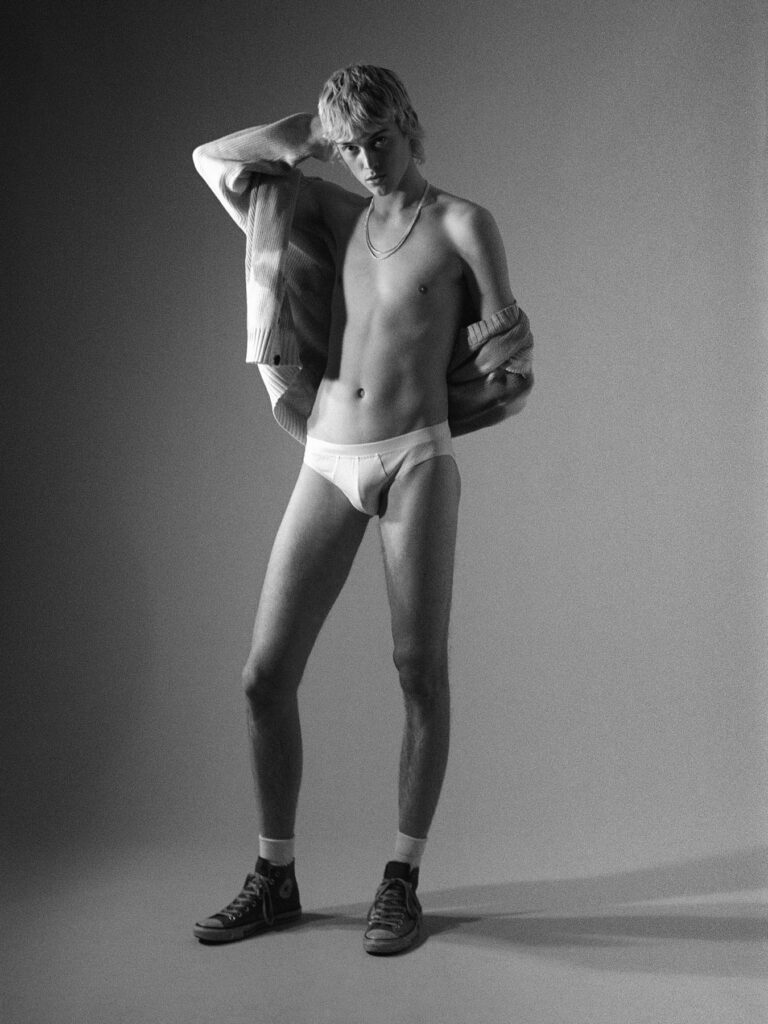
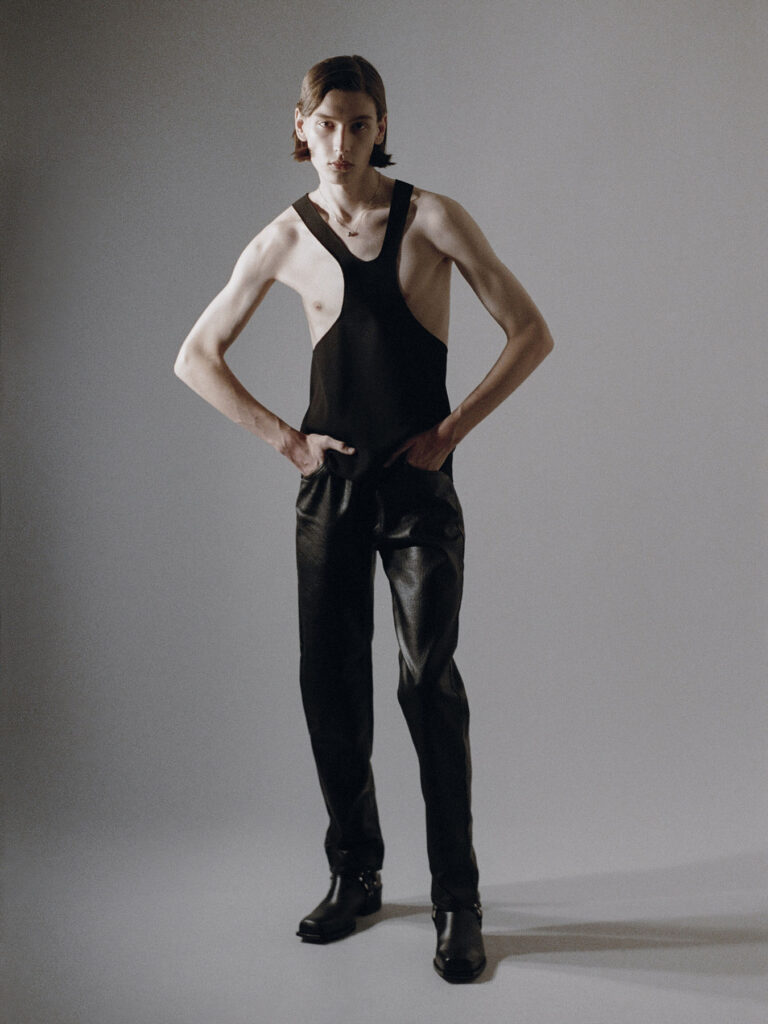
Models · MILO at Squad, HECTOR at Select and ANTHONY at SUPA

Designers

  1. Top BOTTEGA VENETA Trousers SEFR Necklace ALAN CROCETTI
  2. Full Look MSGM
  3. Full Look SAINT LAURENT
  4. Top, Hat, Scarf and Shoes PRADA Shorts RON DORFF Socks FALKE
  5. Top MSGM Trousers N21 Earring ALAN CROCETTI
  6. Trousers ZILVER Shirt LES HOMMES Accessories Stylist’s Own

  7. Shorts ZILVER Shirt DAVI PARIS Accessories Stylist’s Own
  8. Top BOTTEGA VENETA Trousers SEFR Necklace ALAN CROCETTI
  9. Full Look QASIMI
  10. Full Look QASIMI
  11. Top MSGM Trousers N21 Earring ALAN CROCETTI
  12. Full Look MSGM
  13. Milo wears Full Look SAINT LAURENT Anthony wears Full Look QASIMI Hector wears Jacket N21 Shirt DRIES VAN NOTEN Shorts LES HOMMES Shoes MARNI

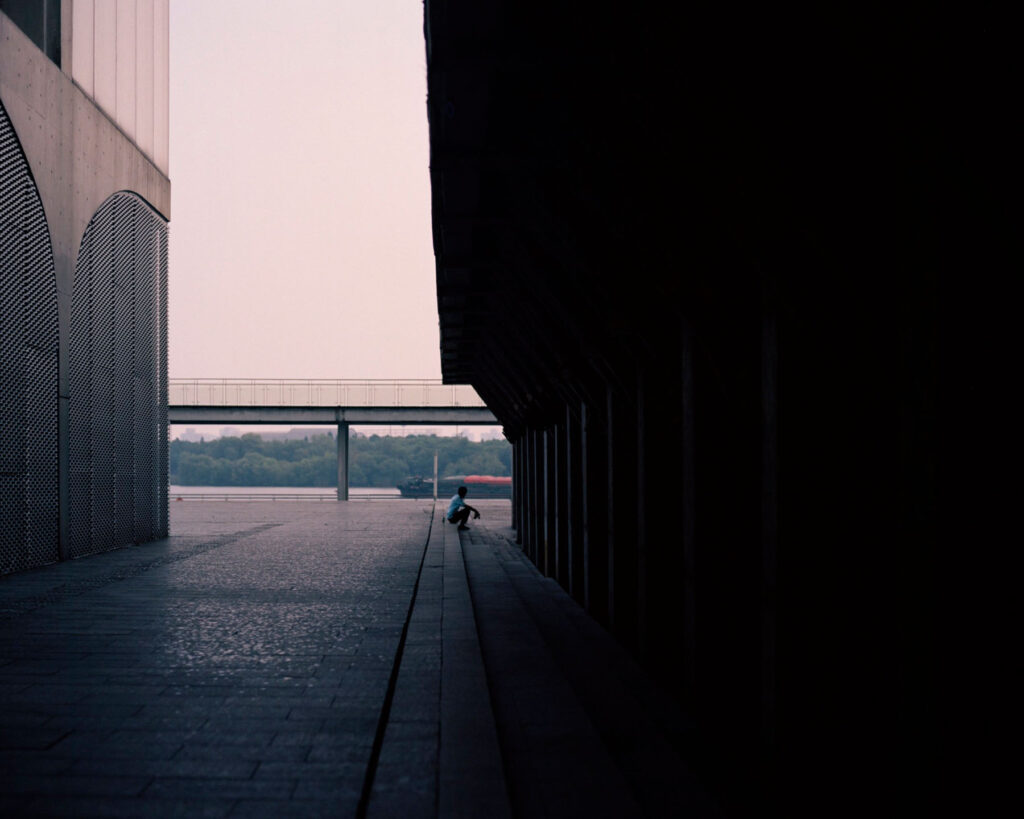
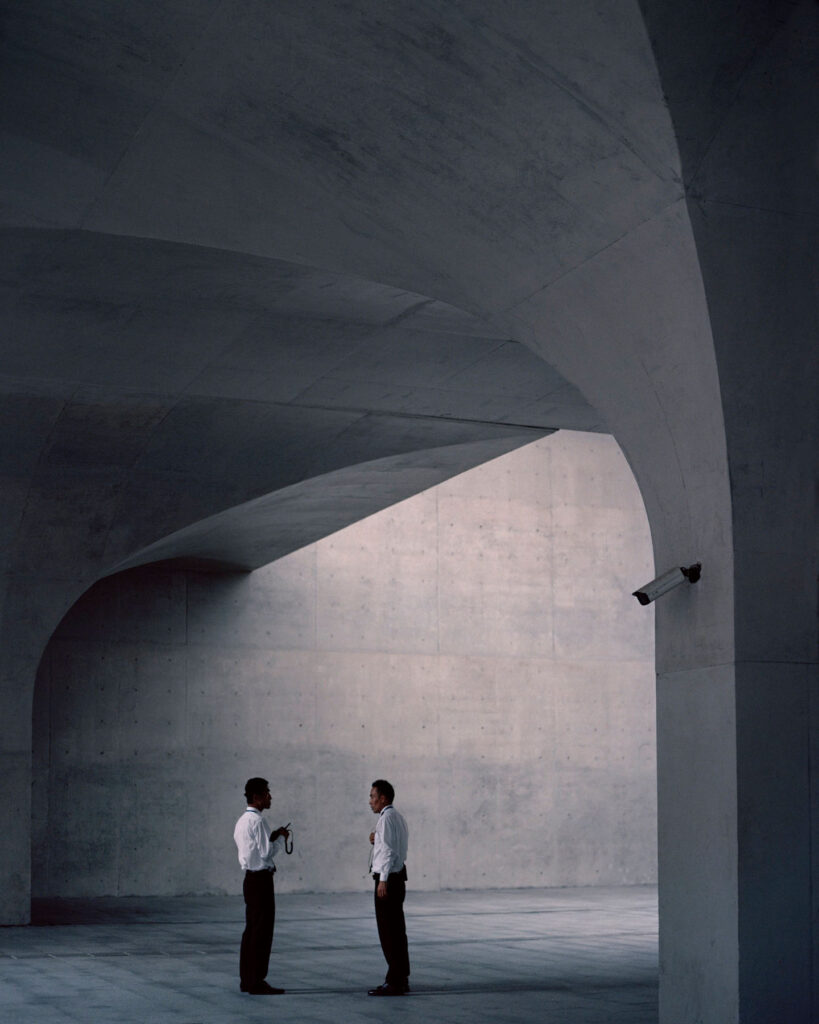
Rory Gardiner

Subscribe to our
Newsletter