Archive page:


Vivien Canadas

“It began as a necessity, and quickly became a FUNdamental step of my process”

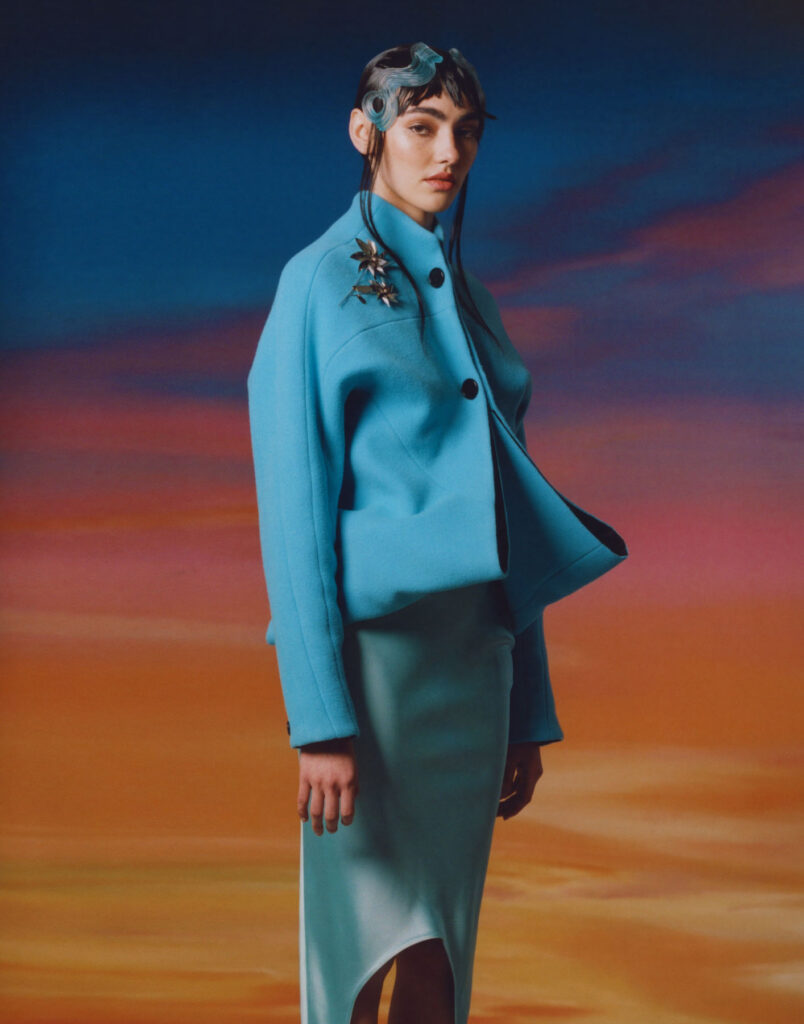
To paraphrase Fellini, things are not always what they seem. It is incredible how individuals’ minds can correlate images, objects, colours and shapes which do not originate from the same context. His name is Vivien Canadas, and his latest collection, A sip of fresh air, is an ode to visual culture and its boundless limits.

If I were asked what tortellini and a handbag have in common, I would probably call my grandma, asking the same question. On the other hand, the recent Central Saint Martins MA graduate, might have something to say about it. Taking inspiration from the simplicity of everyday life, the French designer took us on a wonderful journey across his process and peculiar eye for silhouette and shape.

“To show humour, but also recall some kind of old-fashioned elegance” points out Vivien. The collection struck fashion’s preconceived notion of mundanity, and here we are, a second later, witnessing the evolution of a trumpet, into a pair of trousers.
Being able to surprise the world with such a brilliant MA collection, followed by your project in collaboration with Tod’s must have felt as an incredible achievement, congratulations!

Tell us more about your vision and inspiration in the process of making it.

Thank you for your kind words! I’m very glad, my final collection and my Tod’s project caught the eye of NR Magazine. My design reflects my fascination for the ordinary and mundane. Through my research I visually collect artefacts, explore customs and incorporate these elements into my draping process. A trumpet evolves into trousers, a tortellini becomes a bag etc. A playful approach that does not intend to be literal. I aim to create a silhouette that shows humor, but also recalls some kind of old-fashioned elegance.

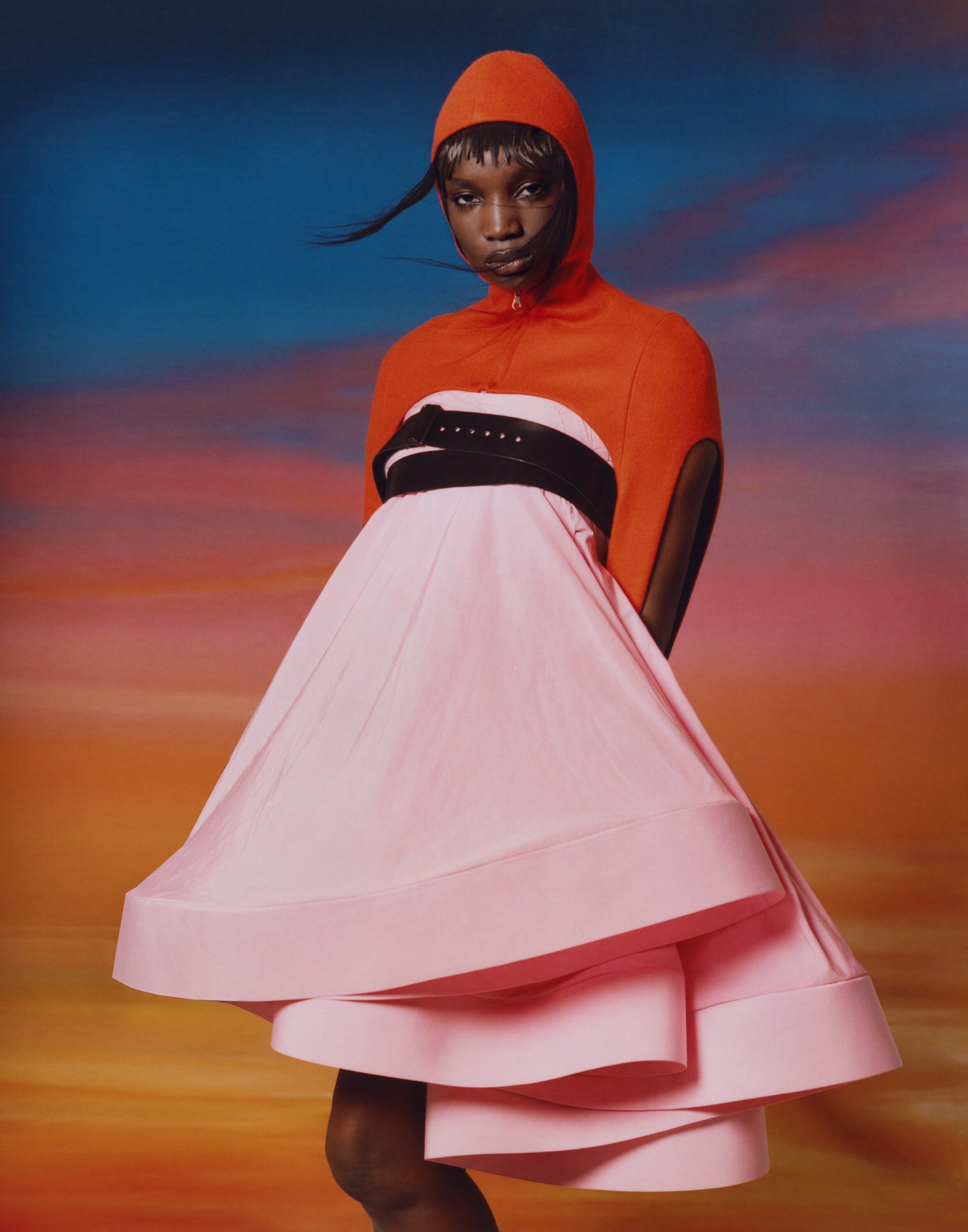
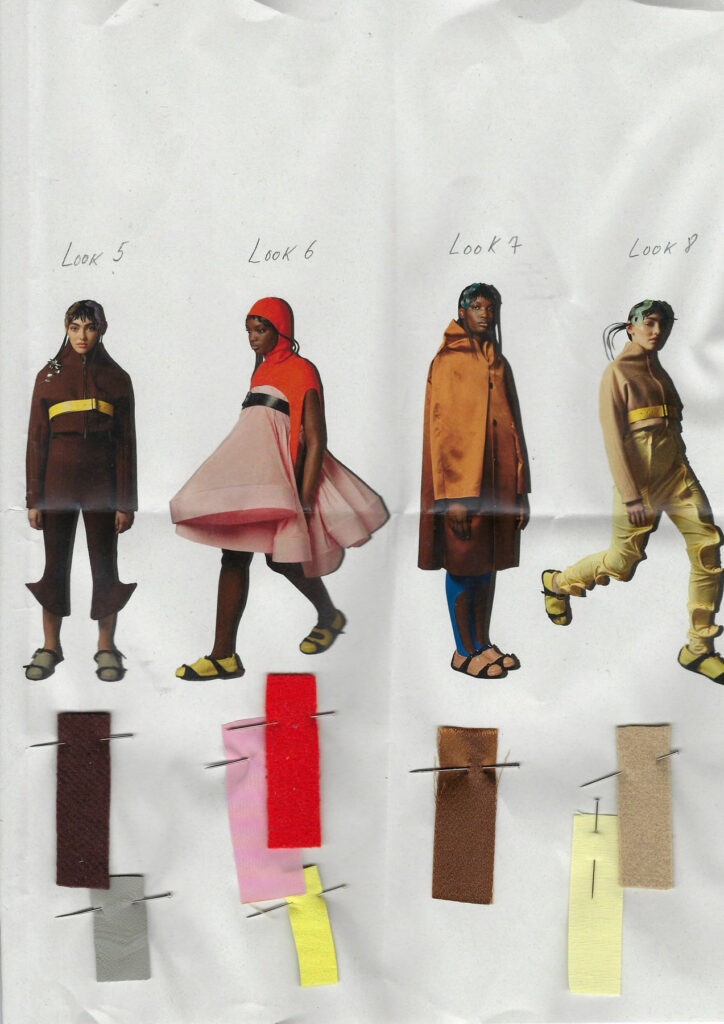
Part of my draping process for my MA collection was about recreating the movement of a garment caught in a storm. I designed voluminous skirt and dress that were based on a simple circle of fabric. Using such a shape was a direct reference to Christian Dior and his New Look silhouette. Subverting traditional techniques and volumes used in Couture is fundamental in my process.

Your collection, ‘A Sip of Fresh Air’ is an open invitation to escapism, to look at things under a different light. What would you like people to reflect on when looking at it?

In less than a century, humanity has completely transformed its natural habitat by escaping the countryside in favor of the city. A radical mutation that built some form of nostalgia.

My collection is an invitation for a city getaway.

“A moment to reflect on what is ‘modernity’ and how the ideal of countryside life redefines or transforms this concept.”

It is a celebration of the bridge between traditions and Mankind’s – perhaps odd? – progress.

The wind is blowing and taking everything on its way. Full skirts are flying, coats are pushed on the front of the body. “A sip of fresh air” is also about re-iterating and re-thinking our temperamental relationships to the elements.
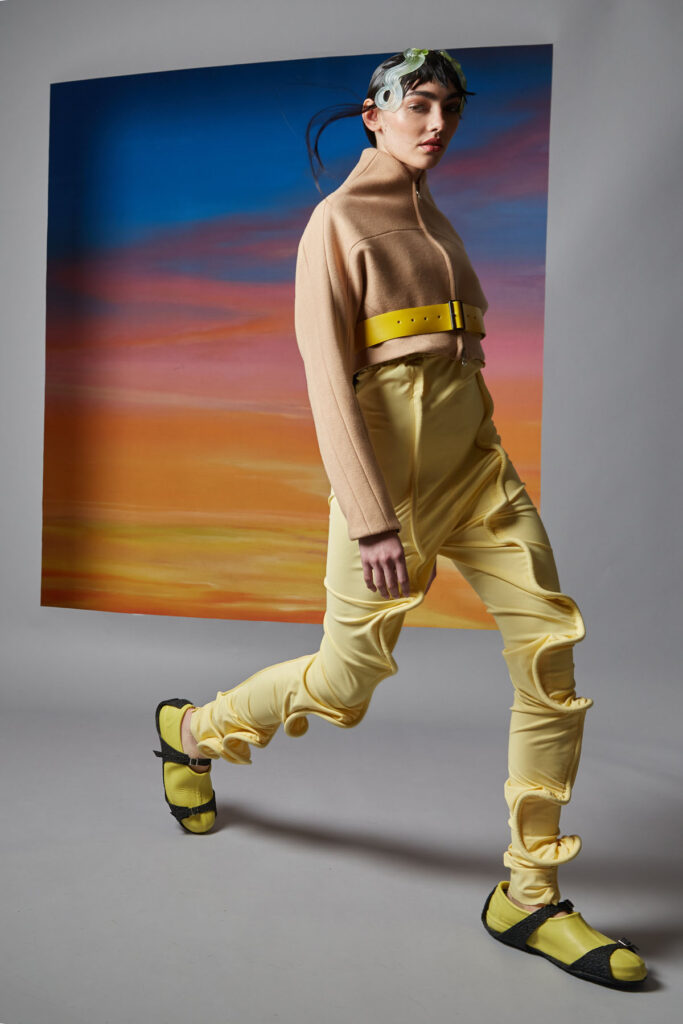
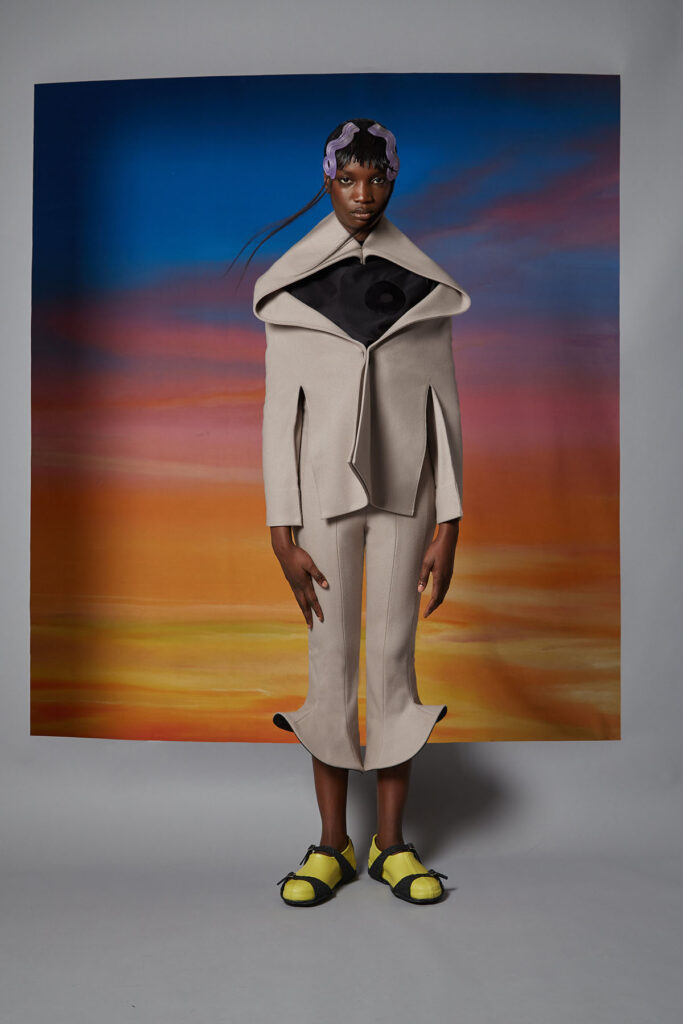
Tell us more about Tod’s and the ‘Tortellini bag’.

For my project for Tod’s, I decided to explore the Italian food culture and gastronomy. One of the main references was the movie Roma by Fellini. A scene in particular was key to me: It’s evening and people are eating on a restaurant’s terrace.

“A moment of life that depicts with humor, and splendour, the Italian cuisine and its mise-en-scène.”

I was intrigued by the construction of the Tortellini. An emblematic ring-shaped pasta dish that is made from a flattened square dough and stuffing. Following the same construction, I thought of adding Tod’s elegance to the recipe. The result? A funny shoulder handbag in various colours.
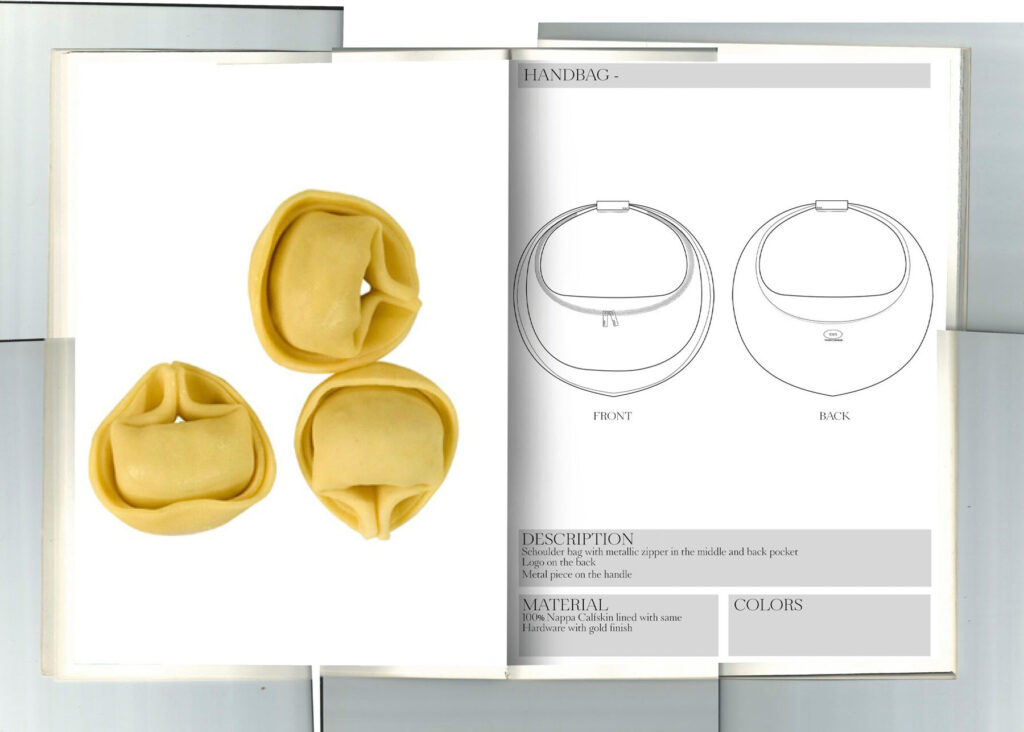
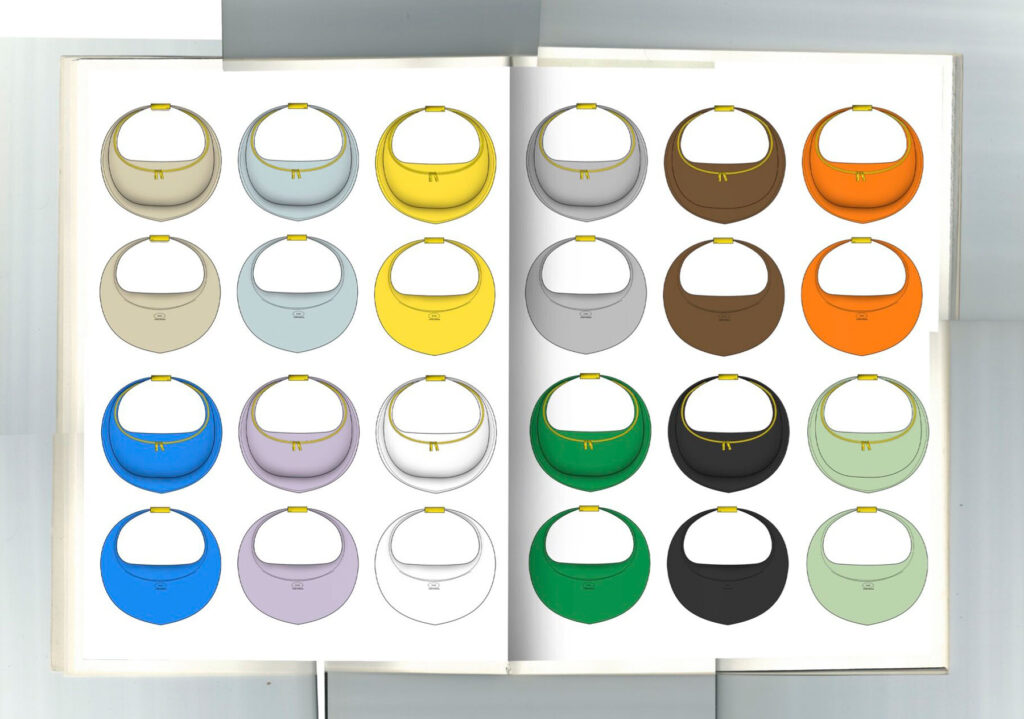
Can you talk us through the collaborative aspects of your MA collection?

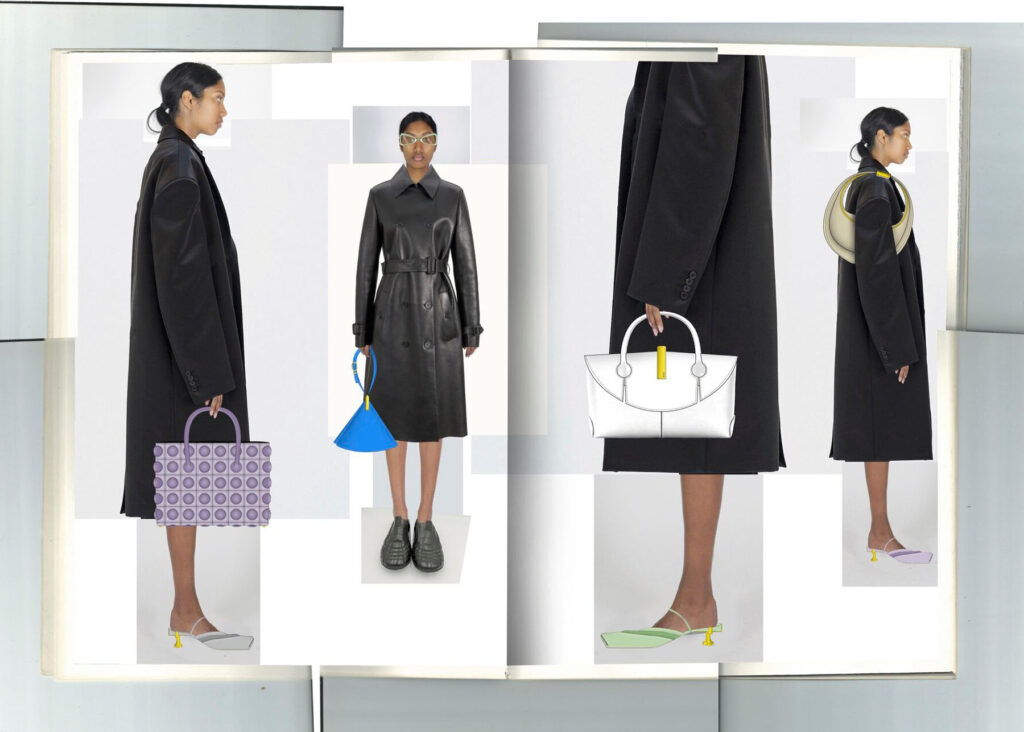
Fashion is about sharing. It is a human adventure that reaches its fullest when you get to collaborate, interact and create with others. I couldn’t imagine this project to be only about my own exploration. I wanted to incorporate other visions, and give them the space to express themselves. The shoes were designed in collaboration with Baptiste Faure. They are made from recycled Wellingtons, reworked into a pair of shoes, suited for urban life.

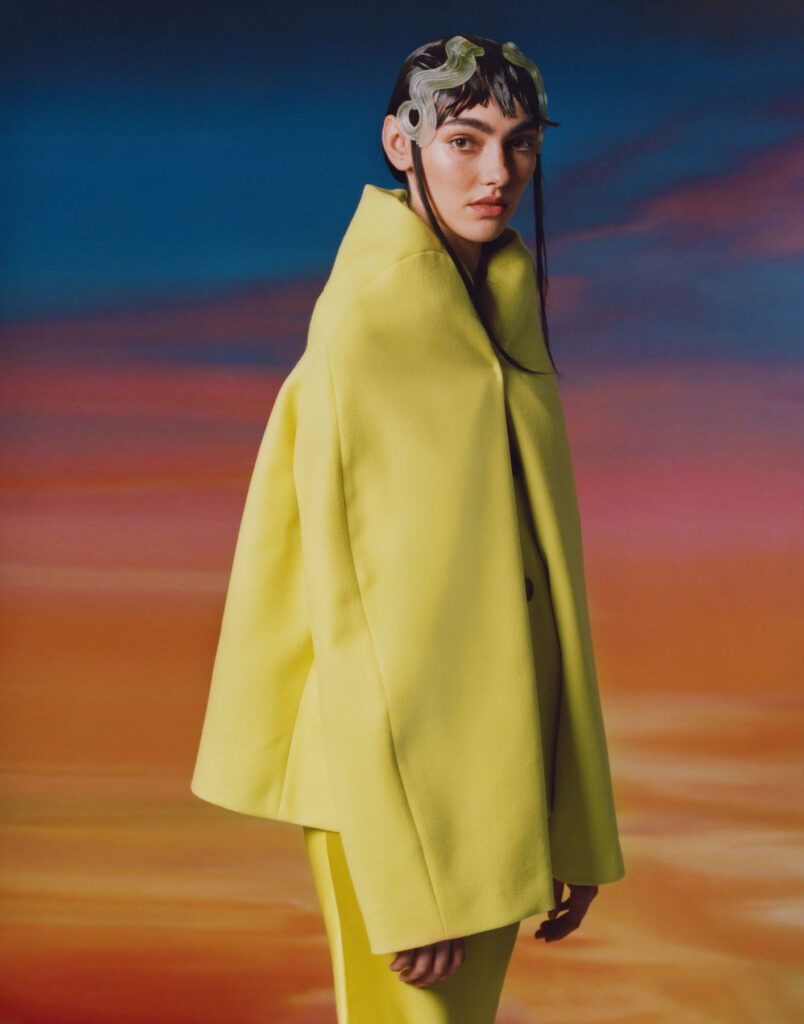
Collaborating was also a way to celebrate Daum’s savoir-faire, a crystal company founded not far away from home-town, Remiremont – France – in 1878. Using their unique craftsmanship of casting and colouring crystal, we designed “trompe l’oeil” headpieces. Resembling wet hair, the prosthetics reiterate our temperamental relationship with the elements, but also reflect my desire to build a new bridge between tradition and modernity.

The global circumstances in which you found yourself developing such a high caliber of work must have not been the easiest ones. In what way have you managed to adapt your practice to such a restrictive situation? What have you learned from it? How did you adapt your creative process to it?

Working on these projects was a chance: it forced me to stay resilient and pro-active despite the world situation. The lockdown pushed my process to evolve: more than ever before, I used my own body for my draping experimentations and fittings.

“It began as a necessity, and quickly became a FUNdamental step of my process.”

Things might not go the way you are planning, or you might not have the fabric you wanted: this experience taught me the essential value of being flexible.
Your journey into fashion started long before applying to CSM. Tell us more about your background and training.

Following a Masters degree at Sciences Po, Paris, and after completing a couple of internships, I worked as a junior designer at Maison Margiela for almost two years. Not your typical pathway… I hadn’t formally studied design before commencing the program at Central Saint Martins!

Looking at fashion Today, what are your hopes and concerns?

I hope fashion could go back to a more human scale.
The urge for relevancy in the work we produce has never felt more important than now. What do you have to offer?

As fashion designers, we are not only developing garments, we are creating a world. As a matter of fact, it is essential to take part in the ongoing conversation, and to reflect on the message behind my work. It appeared crucial, within my process, to understand who I am and what I represent, in order to support a progressive message that acknowledges and elevates others, no matter which gender, race, sexuality…

What can we expect to be seeing from you in the near future? Do you have any new projects coming up?

I would love to keep working on my own practice, and see where this takes me.

Credits

Images · VIVIEN CANADAS
https://www.instagram.com/viviencanadas/
The Climate Clock

“A slow-motion carbon time-bomb we are dropping on ourselves and all of Nature”

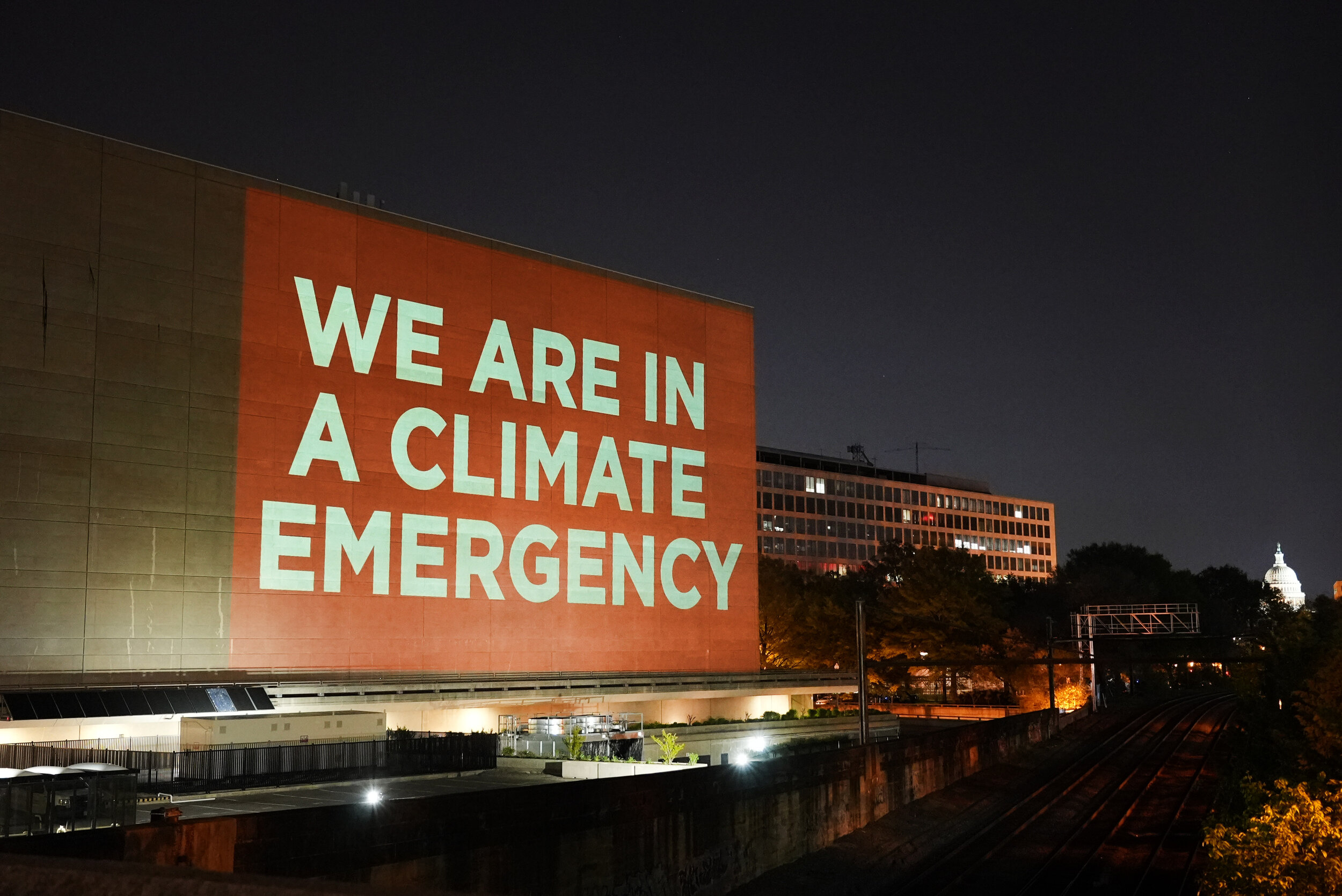
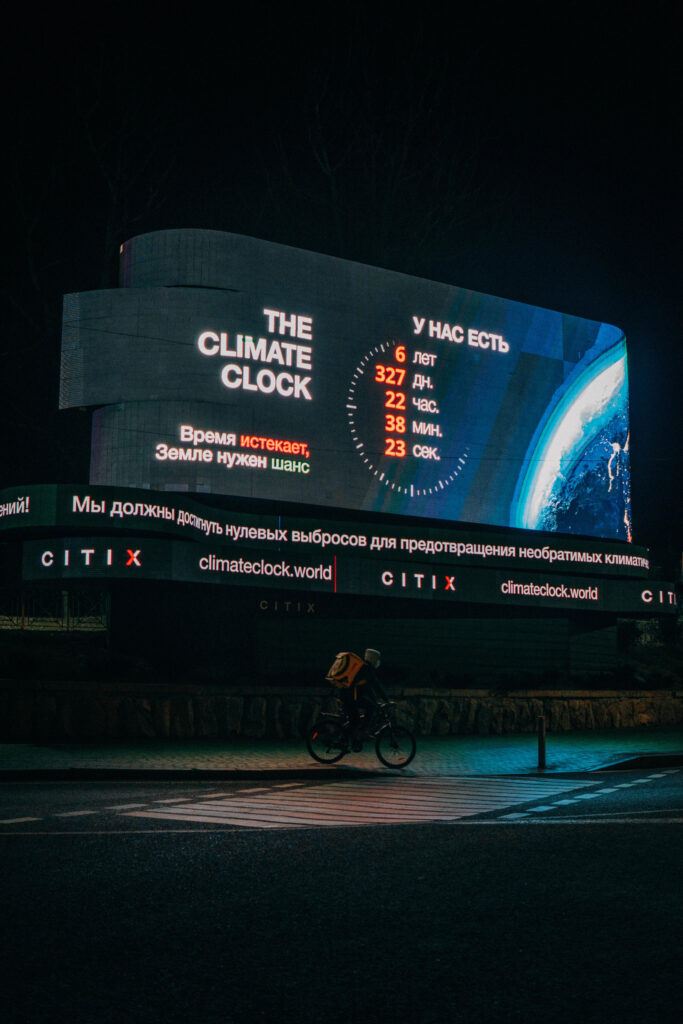
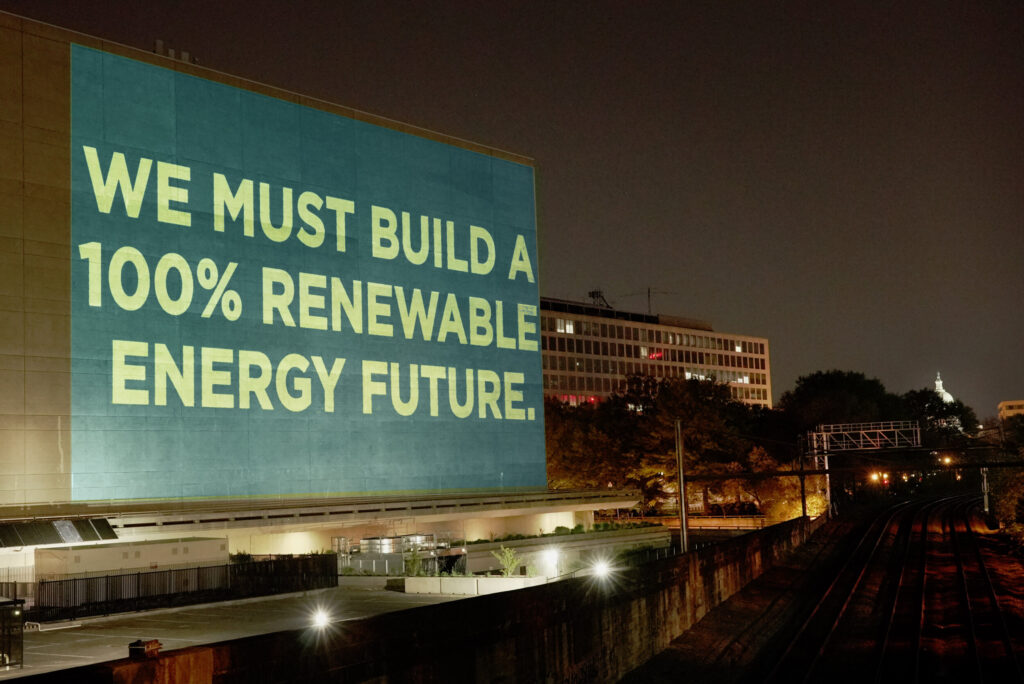
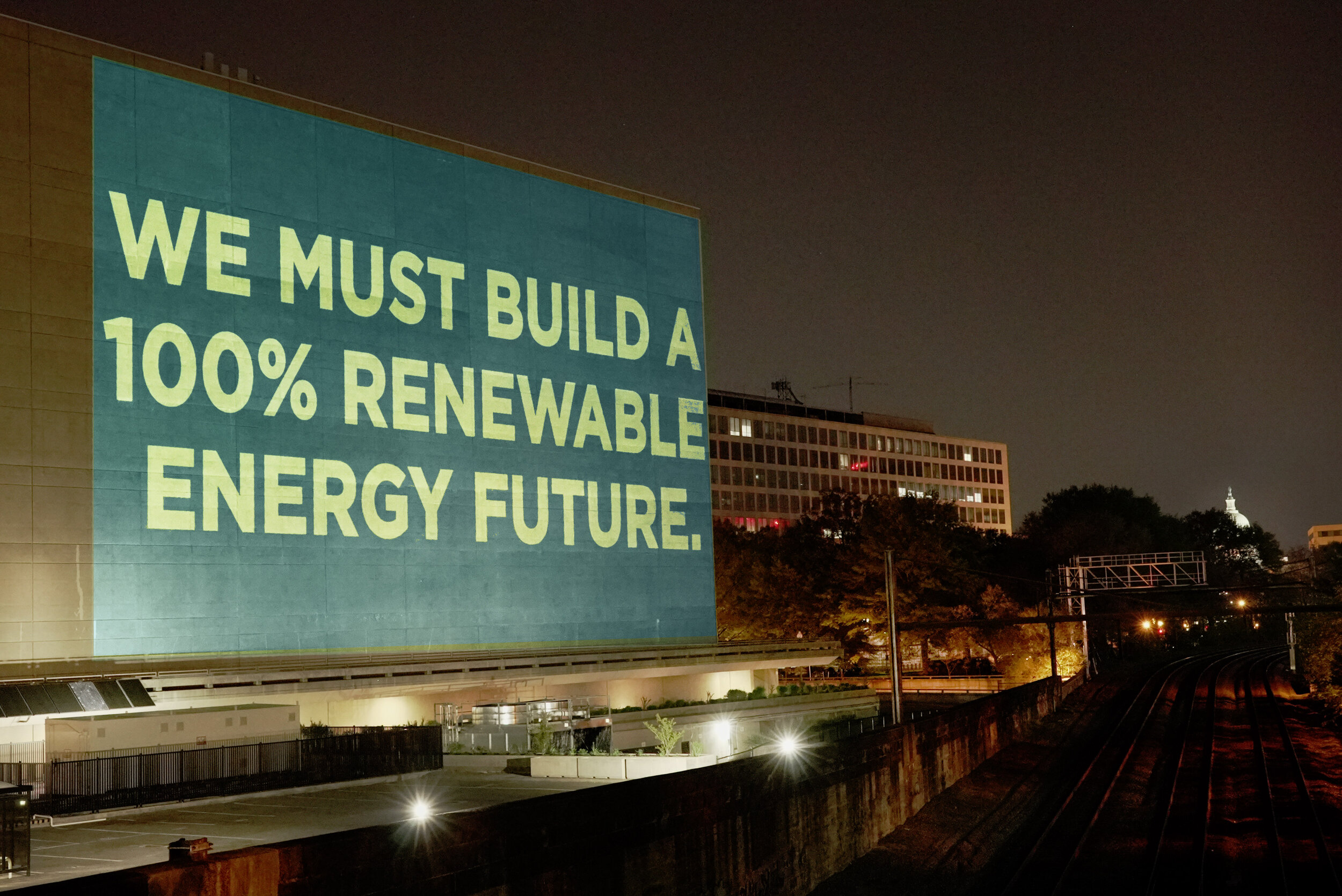
At the time of writing, there is six years, 267 days, 16 hours, 25 minutes and 57 seconds to stop the clock, so to speak, before the environment faces catastrophic events. Of course, by the time this goes to print, that number will be less. And in September 2020, when two artists, Gan Golan and Andrew Boyd, unveiled their ‘Climate Clock’ in New York, there were seven years remaining. The clock, plastered on the side of a building in New York’s Union Square, shows two figures. The first, in red, shows the time remaining to reach the 1.5 degree target, set by the Mercator Research Institute on Global Commons and Climate Change, which would provoke devastating environmental disasters around the world. The second, in green, shows the percentage of energy produced using renewable energy; our lifeline, as it were. 

The clock replaces Metronome, an LED public art installation unveiled in 1999 by the artists, Kristin Jones and Andrew Ginzel, that shows the length of time to, and from, midnight in a 24 hour cycle. As it happened, the artists behind the original public artwork had been looking to address the climate crisis through this work. Utilising the existing technology, the display was temporarily reprogrammed for the duration of Climate Week, ending on 27th September. For now, the Climate Clock remains in situ – that is, of course, unless it reaches zero.

Following the birth of his daughter (igniting a sense of urgency around the climate crisis) Gan Golan approached Andrew Boyd, to collaborate on the project. They had previously made a Climate Clock before, but on a much smaller scale. Nine days before the activist, Greta Thunberg, appeared at the UN Climate Action Summit in 2019, the pair were approached by email. “Greta wants a clock,” it read. They were able to band together enough coders, designers, artists and the like to make the clock in time for the summit, which was ultimately barred from being brought into the event by UN security. As the affair is summarised on Climate Clock’s website: “Oh, come on! It’s just a block with LED digits furiously counting down. Does that really look so much like a bomb?! Oh. Right. Well, that’s probably because it is a bomb! Or at least the symbol of a bomb. A slow-motion carbon time-bomb we are dropping on ourselves and all of Nature.”

The launch of the Climate Clock in New York chimed with the world in a much bigger way than Gan and Andrew had perhaps anticipated. And in the six or so months since its unveiling, smaller Climate Clock initiatives have launched across the globe. The first clock in Kazakhstan was turned on in January, another is planned in Glasgow to coincide with the United Nations Climate Change Conference (COP26) in November, and there are plans for one in the Bay Area – to name just three. Climate activism is not a recent phenomenon, but the past few years have undoubtedly seen an acceleration in their coverage, influence and engagement. 

The first Earth Day was marked on 22nd April 1970, during which 20 million Americans mobilised to voice their concerns for the direction in which the climate was headed. Every year since, Earth Day has taken place on the same day. The origins of Earth Day date back further, however, arguably to the publication of Silent Spring in 1962. The books author, Rachel Carson, rang the alarm bells that the twentieth-century way of life was having a devastating impact on the environment. Petrol guzzling engines; the acceleration of mass-production; the use of pesticides. Up until that moment, the world was somewhat unaware of the consequences of their behaviour on the environment, the eco system and on their own health.

Ahead of Earth Day 2021, NR Magazine partnered with Gan, Andrew and the Climate Clock team to highlight the urgency of addressing the climate crisis. We spoke with representatives from three of the satellite projects, in Kazakhstan, Glasgow and the Bay Area, to learn more about what drew them to the Climate Clock, and how their involvement is creating change within their local environments. The full video discussion, which took place over Zoom, will be unveiled on 22nd April, but below is a condensed and edited summary of the issues covered.

The three representatives, Meruyert from Almaty, Kazakhstan, James from Guildford, UK, and Kim from San Francisco, US, are all at different stages of their Climate Clock journey. ‘I saw the clock that they’d set up in New York over social media […] and it caught my attention,’ James explains. He recognised its huge potential to raise awareness about the upcoming COP26 summit throughout the country ‘because,

“not many people in the UK actually know it’s happening or what it is, which is not a good sign because that means that people around the world probably don’t know it’s happening either.”

For Meruyert and Kim, seeing the New York clock on social media helped sow the seed amongst their teams, too.

‘One of the team members, Galiya, found out that we could also put a Climate Clock in our city – in our country,’ Meruyert says. They began as a team of four, working to put up the ‘third biggest Climate Clock’ and the first in Asia. ‘It was crazy, it was huge […] And now, we’re doing new movements [and] projects in our community and getting into the eco activist life.’ Not long before the Zoom call, the Kazakhstan team welcomed their sixth team member. For Kim in the Bay Area, though, it’s currently just her and her friend, Hannah, involved. They’re still early on in the process, but are committed to doing something about the Bay Area’s lack of any ‘[real] substantial symbol of action towards the climate crisis’. 

Though the ultimate goal of Climate Clock is to “flatten the climate curve” it’s interesting to hear the immediate concerns of the respective teams. The shadow cast by Silicon Valley over the Bay Area is one that needs to be addressed, quickly, for the local environment, as well as the world. ‘[These areas] have a such a large sphere of influence. There’s so many corporations and companies that can work towards a more sustainable future.’ Kim hopes a ‘butterfly effect’ will occur, and so her goal is to put pressure on those companies. 

For both Meruyert and James, their action is aimed more at politicians. As James explains, the hopes for the Glasgow Climate Clock around the time of COP26 is that it will address the ‘huge disparity between current levels of political ambition and what needs to happen.’ The idea being that the clock will help mobilise the public, and put pressure on politicians to draft up seriously-considered strategies and policies; words that have actions behind them.

“We have a big problem, in the UK at least, with politicians talking the talk and saying things at these international summits, but then actually, domestically, not really living up to that.”

That’s a sentiment Meruyert shares, and it was the empty words of political leaders in Kazakhstan that energised the team to get to work. ‘The interesting thing is the people in political power say that they need to take action, but they want us – the younger generation – to save the world, to save the country. But they’re the decision-makers.’ This disconnect spurred Meruyert and team on; ‘that was the urgency. And after researching all the information we were like, “We must get it. We need to do it.” So, we did it.’  

Another issue that all three teams have had to address is criticism that, if real change depends on political power, the Climate Clock only scares and intimates the public. ‘We’ve definitely had some tough questions and concerns raised,’ Kim recalls, adding that a community college she contacted about adding the Climate Clock’s widget to their website were worried it was ‘too similar to a Doomsday Clock and would actually push people away.’

After the installation of the clock in Almaty, Meruyert’s team approached officials in Nur-Sultan, the capital of Kazakhstan, about installing a clock there. The response was that they didn’t want ‘negative energy in big public places.’ But as all three point out, what’s more terrifying is the fact that the 1.5 degrees threshold could be crossed due to global inaction. ‘I feel that the climate issue [is at] a point where such an urgent symbol is needed,’ notes Kim. ‘We don’t have forever to fix the issue, and I think that the Climate Clock is meant to be intimidating because it’s supposed to pressure people to take action.’ 

Collaboration comes before fear-mongering, within the Climate Clock community and beyond. The teams meet virtually every Wednesday with Gan and Andrew and have access to training and mentoring to help them get their local campaigns off the ground. Kim mentions that herself and Hannah, for example, received advice from the Kazakhstan team on how to reach out to local partners. Unlike Kim and Meruyert, James has been a climate campaigner since the age of 13, and the team in Glasgow have also had discussions with other climate activist groups in the city and beyond, including Fridays For Future and YOUNGO, the UN’s youth climate constituency.

Acknowledging his relative experience as a climate campaigner, James asks Kim and Meruyert whether they’ll continue to be involved in similar work after Climate Clock. Both agree that, in one way or another they will – because the issue isn’t just going to disappear. But as we approach Earth Day 2021, what do the three team members hope to have achieved by Earth Day 2022? 

‘I hope we’ll have managed to successfully use [the Climate Clock] to mobilise young people in the UK ahead of COP26, and managed to push for ambitious enough action – and start to have that filter through into policy around the world. But hopefully, we can still use it to continue to generate momentum around the country and the world to hold politicians accountable to the decisions they’ve made at that summit, and make sure that actually translates into physical action rather than just words that were spoken that once, in November in Glasgow.’ – James

‘To change people’s minds at the local level. All around the world, people want to change the climate crisis. But a year from now, I guess, first of all, on a local level, we want as many people as we can to join our movement; to know and to educate themselves and to realise that it’s real. And second, is to get our team bigger and bigger. One year from now, I hope our movement will grow to a bigger movement, to bigger projects and to stop climate change.’ – Meruyert 

‘I really hope to grow the Bay Area team too. Right now, it’s just a team of two people, so having that help would be great. But, on a local level I think there needs to be more education, especially for the younger generation. Our goal with the Climate Clock on a local level is to educate those people and bring awareness to these issues. In a larger sense, the corporations and companies that I talked about earlier, just helping them, pushing them, towards a more sustainable future is […] one of our main priorities.’ – Kim 

Credits

Images · THE CLIMATE CLOCK
https://climateclock.world/
David Caon

“equally useful, simple and beautiful”

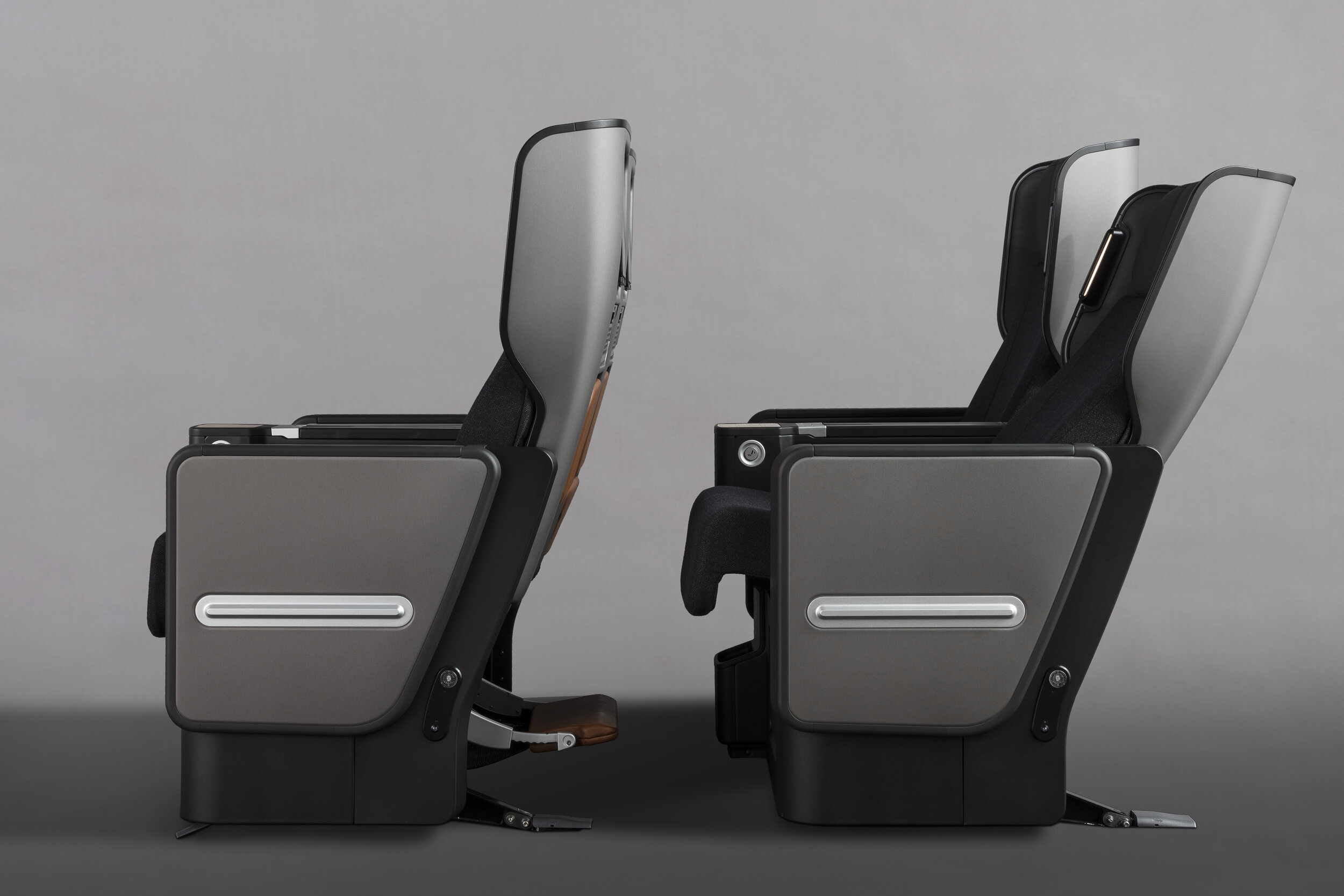
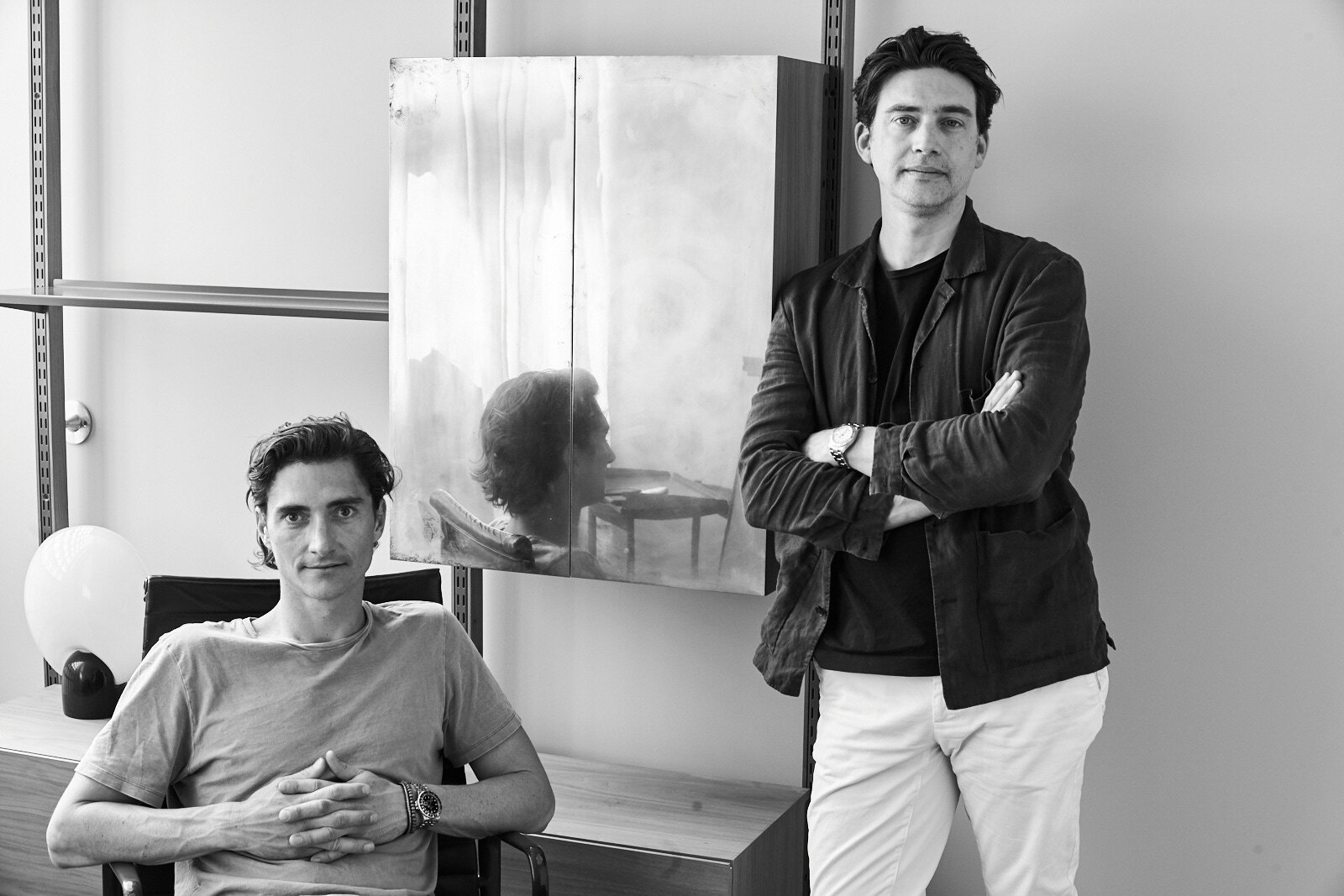
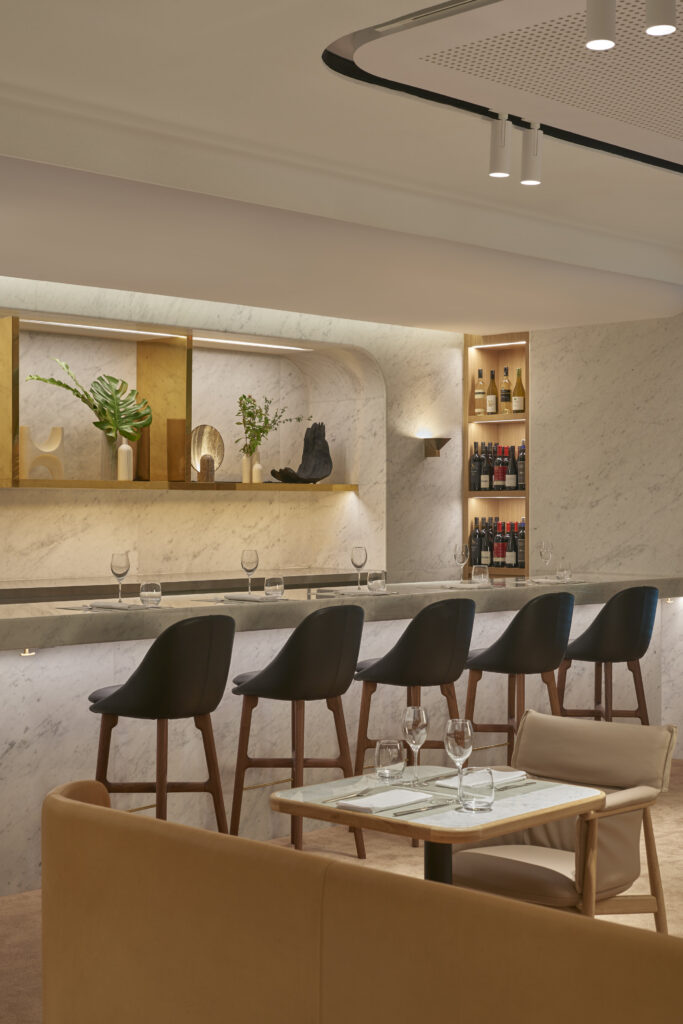
CAON is a multi-disciplinary design studio based in Sydney, Australia and founded in 2009 by David Caon, a graduate of Industrial Design at the University of South Australia. Specialised in industrial, transportation, aviation, product, graphic and interior design, CAON provides innovative solutions. From aircraft interiors, tableware to furnishings for the workplace and home, Creative Director David Caon has mastered the art of applying design thinking to industrial design across different disciplines. The CAON philosophy is simple: precision analysis and bespoke response lead to unique outcomes appropriate to each individual case. Collectively, they believe that in the right hands design has the power to heighten human experience and enhance quality of life.

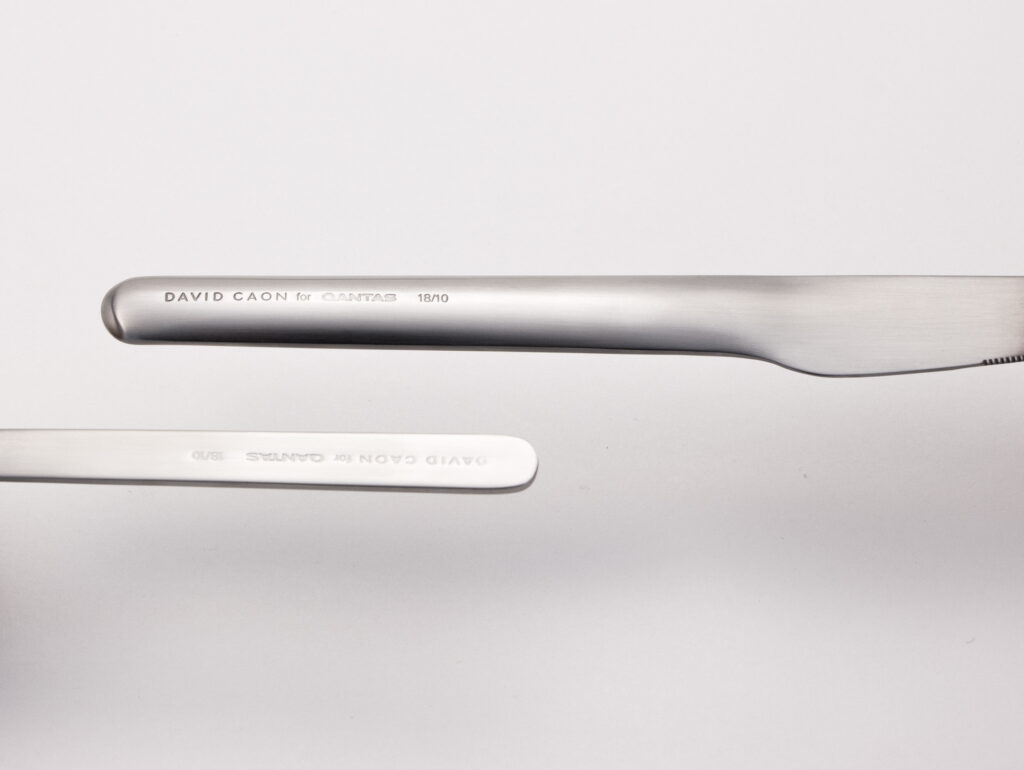
NR delves into the studio’s projects and partnerships with the likes of Qantas airlines on multiple occasions (whether it has been or the airline’s tableware or its fleet’s interiors), the studio’s take on sustainability as well as their plans for the future.

CAON is a multi-disciplinary design studio specialising in industrial, transportation, aviation, product, graphic and interior design. Did you study anything related to any of these fields? Did you study product design, architecture or interior design?

I studied Industrial Design (product design) and commenced a masters of transport design which I left after about 3 weeks in.

Caon studio seems to be very focused on industrial design. What led you to create your own practice? What is it that you are exploring or tackling with your work?

My ambition in the early days of my career working for designers was always to one day have my own studio. I spent my initial years working in Europe. Once I returned to Australia, I decided to realise my goal after working for a large multinational architectural practice. I realised that I liked being part of a smaller, more familiar unit. My focus is to create designs that are equally useful, simple and beautiful. I’m trying to create things that avoid trend and thereby stand a chance of being timeless. You can’t create something that’s timeless, you stumble upon it by chance, which I kind of like. But you can try for it.

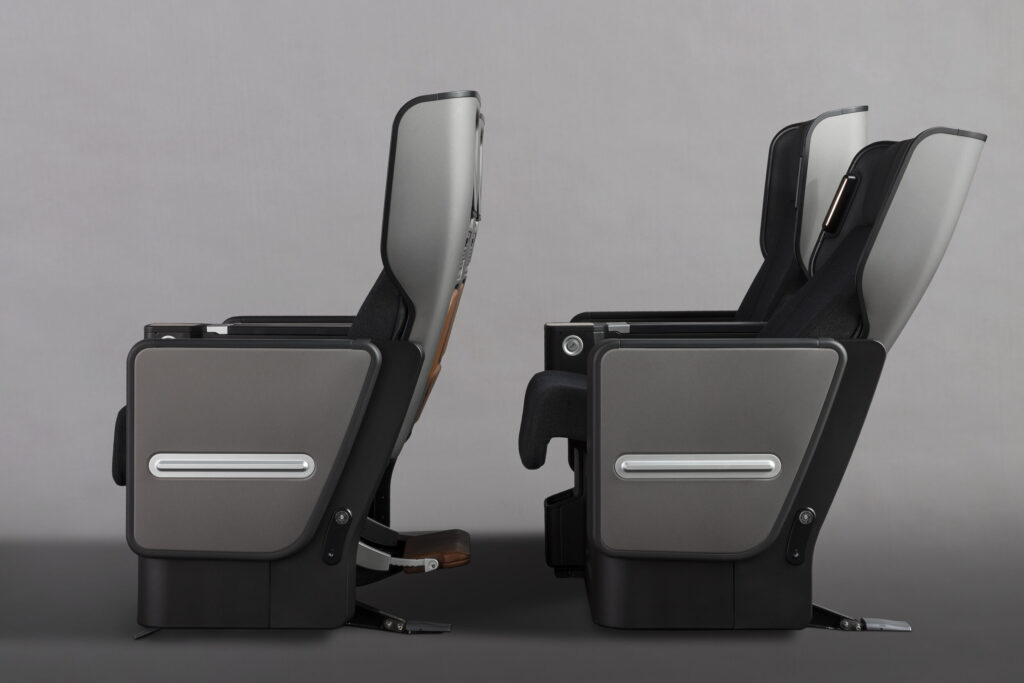
This is not the first time that CAON is doing projects for Qantas Airlines (for instance the Qantas Airlines Economy Seatings and the interior of Qantas A380). How did the collaboration come about? As a designer, do you enjoy doing collaborative works?

I’ve worked with the airline in some form since about 2003. My first introduction was whilst working in the studio of Marc Newson. Once I started my own studio, they were almost my first client. So there has been a wonderful consistency and evolution in the relationship. As a designer, having a long term collaboration with a client is a wonderful thing, and in some ways a bit old school. When it comes to new projects, it means that we are already on the same page, speaking the same language. The brand also means a lot to me, it’s been such a big part of my career for so long. I want them to do well out of every collaboration. 

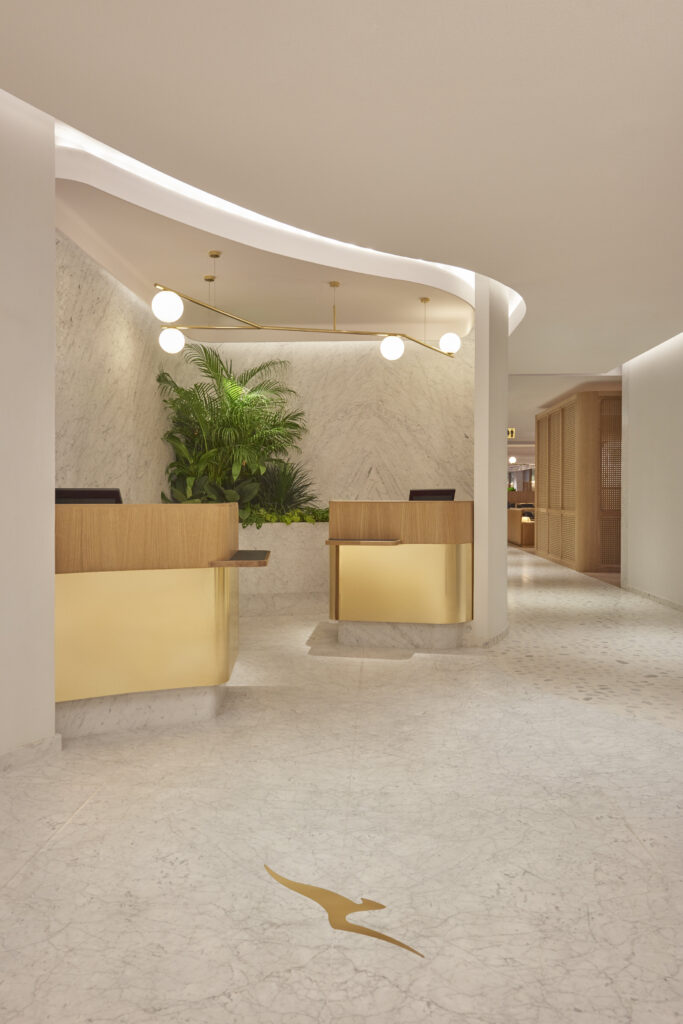
The colour palette and material palette both feel very relaxing and wellness focused. Was this something you wanted to make a point of? Travelling does take a toll on the body but well- designed spaces can heighten human experience and enhance quality of daily life and it feels that the Qantas First Class Lounge Interior in Singapore has achieved that. How did the collaboration with Akin Atelier unfold?

I try to limit the interior design projects I take on because I’m very detail-focused which isn’t necessarily efficient when designing spaces. My general design approach is guided by industrial design practice, so I’m quite aware that I’m biased towards smaller scales. I know its best if I collaborate with designers that are able to take a broader view. The collaboration with Akin was born out of my friendship with Kelvin Ho, who is the director of Akin Atelier. These projects are important to Qantas and I want to make sure they are as good as possible and as enjoyable as possible, so bringing Akin into the project ensured that and also meant that I had a sounding board. The feeling we have tried to create was a conscious decision to make the space feel more like a sophisticated lounge room, part Sydney, part Singapore. Functionally, space is very food oriented as well because lay over times tend to be short and we wanted to give the passengers as much opportunity to refresh and reinvigorate before the next leg.

What have been some of the responses to your projects? Is there a particular project you have worked on that was particularly well received and did this inform your future projects? As your method of design seems to rely or be influenced by the relationship between people and their surroundings, how does the way people react to work affect the way you create? You have also designed tableware products such as bottle openers and furnishings for the workplace and the home, which is a nice way to connect people to the things they use in their daily lives.

The Premium Economy seat for Qantas was really well received but it didn’t mean that we didn’t think it could be evolved when we came to update it for the A380. It’s funny, as a designer, people are a bit reticent to tell you anything that might be wrong with your design, but I’m keenly focused on progressing our process and honestly evaluating our work. I’m wary of praise and I try not to rely on it as a measure of whether a design has been successful. So I guess I’m saying that no, reaction to one project hasn’t driven the direction of another project. I try to involve my colleagues, from across a range of disciplines, in my design process, as a way of stress-testing ideas. And when I’m designing I tend to think of my friends and family, people that I know well, and imagine how they might use the objects or what they might think.

Do you have a particular effective method to approach projects as they seem to be quite bespoke and tailored projects?

The basic structure of our methodology is quite a traditional one. Research, ideation, prototyping and development. Given that we are often heading into unknown territory, we try to learn as much as possible about the type of product or object or space that we’re working on. With a lot of our projects, especially the more specialised transportation projects, design is a cog within a system, so we are working within a framework. Critically, I think our role is push beyond that framework somewhat so that we can introduce new ideas and find space for innovation. Depending on the structure of the project and our role, we will adopt our process.

How has been in Australia influenced your design method?

It doesn’t so much influence our method as it does the reality of our business. Design studios in Australia do not necessarily have the immediate connection to the broader world of clients, whether they be furniture houses, big iconic brands like Nike or the tech giants like Apple. We’re in a funny time zone and quite remote. And its a shame really because due to those limitations, studios here tend to be quite inventive. We have to manufacture a lot of our own work in order to have an output. I think this approach could bring a lot to the bigger clients out there.

Sustainability has been very much on a lot of companies’ radars in various fields whether it be fashion or design and architecture. As you are dealing in a few of your projects with an airplane company and air transport, which is one of the most polluting means of transport and thus has a consequential environmental impact, what are your thoughts on incorporating a more sustainable approach?

I’m 100% for it. Air transport is a challenging arena for innovation because of how careful manufacturers and suppliers need to be around safety. So innovation happens slowly within the bounds of certification and the like. Introducing new materials is a complex process, something I have tried on a number of occasions with limited success. That said, there is a desire to be more sustainable across the board which is palpable. We are making things as light as we can in order to be more and more efficient, burning less and less fossil fuels. I think the industry really does need a couple of technological step changes to really begin to contribute to reducing pollution.

What are some of the projects that you are working on for 2021?

There are a few things. CAON operates two brands in-house at the moment and we’re busy developing new products for those. Additionally we’ve established a brand in partnership with my friend Henry Wilson called Laker. Laker has been in the works for a number of years but we officially launched at the end of 2020. We’re also doing a new restaurant for Neil Perry in a beautiful part of Sydney called Double Bay. We’re doing that in collaboration with our friends ACME. Finally we’re continuing our explorations into the future of transport with a couple of research projects. 

Credits

Images · CAON STUDIO
https://www.caonstudio.com/

Pelle Cass

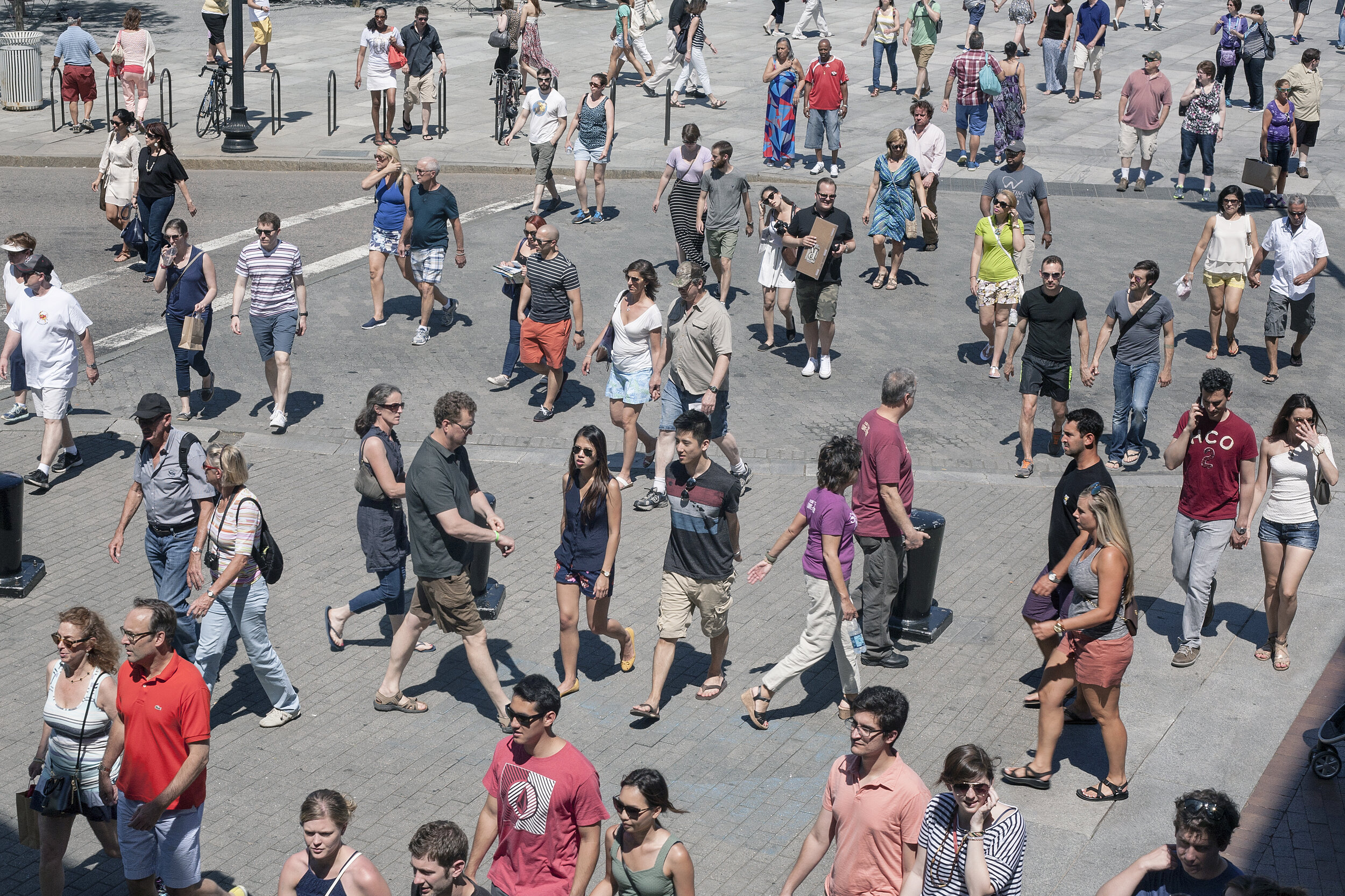
Selected People

Credits

Images · PELLE CASS
https://pellecass.com/

Collard

“I think it’s okay to just be easier on yourself now”

Josh Collard, the singer from South London better known by his alias, Collard, has just returned from Milan when we speak via video call. He’d been flown out to perform at the Bulgari event for MFW. It was the first time he’s been able to play live since lockdown hit, and though it may not have been the dream show – ‘I only got to do three songs, it was great but, you know, no one knew who I was really except the people that booked me.’ It was, he says, a tough crowd, but it was also likely the first time in half a year that the fashion set would have been able to see each other. He had good fun though; ‘it was just nice seeing my guitarist again as we’ve not had a reason to be face to face yet.’ 

Collard’s upbringing is one of the first things you’ll find when you Google his name; brought up in a strict Mormon household, too much of a troublemaker to be baptised at the age of eight (then becoming convinced he was a sinner), surrounded by music by the likes of Janis Joplin, James Brown and Prince. He joined the hip-hop collective Last Night in Paris at the age of 19, but it wasn’t really him. ‘I was doing crazy performances that I didn’t enjoy, that didn’t feel was a direct reflection of me. I felt like I was always up there emulating something else. I’m not a jump about person – there was a lot of jumping about and rapping. I’ve got asthma; I’m a two-stepper slow grinder, that’s what I do.’ And so, he left.

‘I didn’t have my own intense love creatively for a genre,’ he recalls, rather a ‘love for different genres and different music that just felt like a hobby.’ He was just recreating what was popular, musically, at the time and not really pushing the limits of his potential. That changed on a trip to LA with his producer, Zach Nahome, where he began to experiment more and veer away from the realm of hip-hop and into the territory of a more eclectic mixture of soul and smoother R’n’B. ‘It wasn’t until LA that I let the shackles go a bit.’ And 2019’s Unholy, Collard’s debut release, encapsulated his new sound perfectly. The album received rave reviews, and comparisons to a modern-day James Brown of sorts – James Brown with the addition of a feature with rapper, Kojey Radical.

When listening to Unholy, it’s possible to hear all the different elements that come together in Collard’s current sound; the influence of Motown, the references to religious themes, and the inherently twenty-first century twist. He speaks about creating something that takes from the past, with a modern outlook – something you can propel forward and make completely your own. That, Collard notes, is how music changes to reflect a new era, through exploration and design. He has a keen eye for detail, appreciating the visual side of making music as much as the sound – which is apparent in the way he enthuses about scrolling through albums on his phone, being visually stimulated by seeing the artworks, condensed and filed. 

When it comes to the visuals that supplement your music, is there anything you gravitate towards?

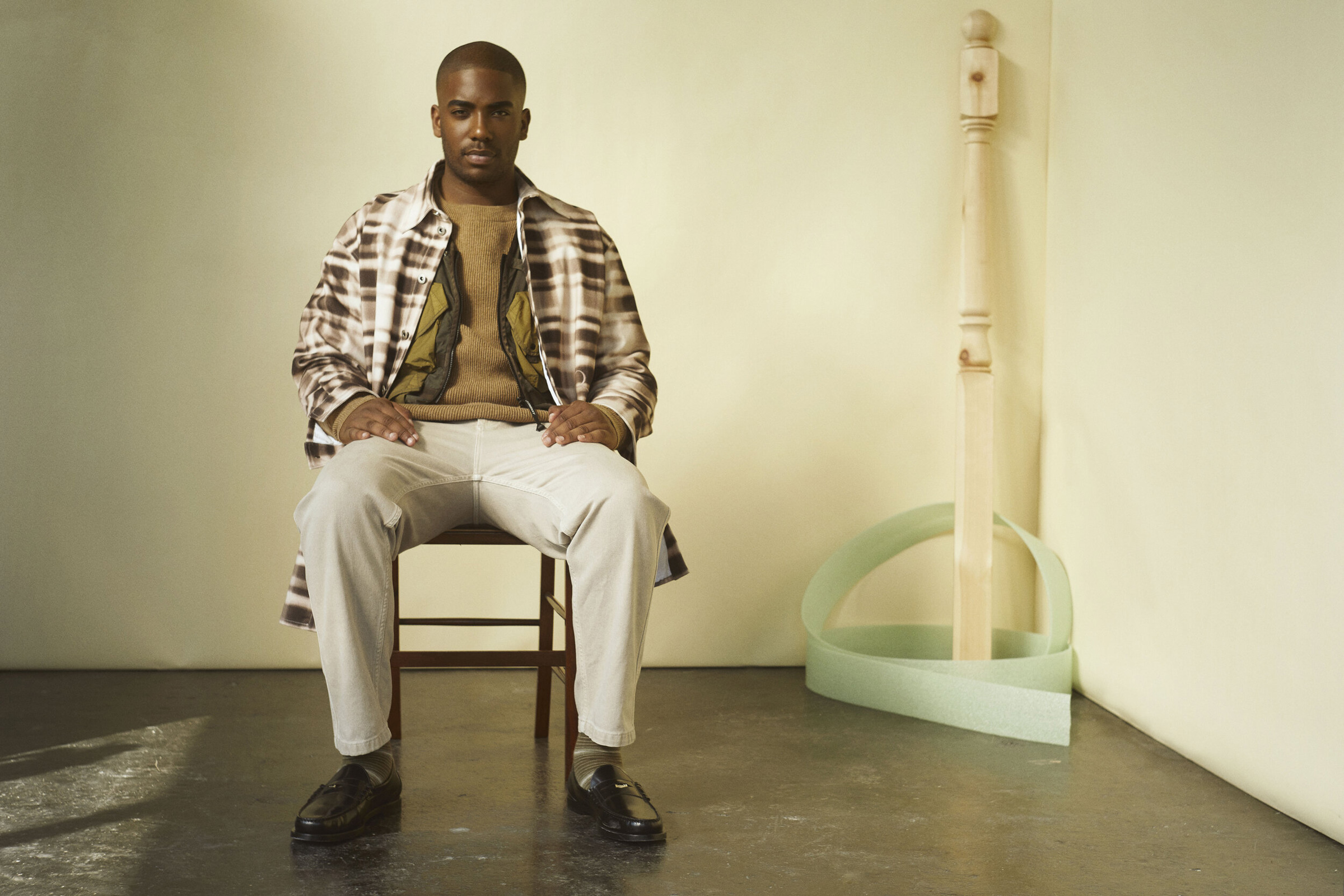
I like uniform, order, structure. I like the kind of Wes-sy Anderson aesthetic, or Stanley Kubrick, where everything’s got a purpose; all the colours have got a purpose, it all makes sense and it’s all uniform. I liked the shoot [for NR, at Purpose: The Archives in Tottenham] because I think it worked with my creative direction; the colours were pretty uniform, the backdrop was pretty uniform, the grey, the cement, everything. It looked pretty futuristic in a way. My favourite city is Stockholm – that place feels like a glimpse into the future. I’d say that visually, that’s my thing: with my creative directors, everything is about accentuating my love for uniformity and the need for things to make sense and kind of mesh. That’s what I’m visually attracted to.

Do you apply that same logic to making music, or are they quite separate approaches?

Yeah, no – it’s not chaotic at all. It’s actually very uniform in terms of my layout. What I think about might be chaotic, or the situation might be chaotic, but I like to get it into a neat form so I can contain myself, you know? I like to start with the chorus – I always go with the chorus first – and once I’ve got the drift of what I’m really piecing together, that’s when I get into the verses. And I still love a uniformed 3:20 song. I love it you know; when it sounds like it could be at the end of a movie, or something like that, and you’ve got to fit within the constraints of that, which is beautiful. That you can fit something so wild, so personal, and you know, say the most out of this world things (which I sometimes say in my tracks), but fit it into this orderly fashion – that’s how I create for sure. 

A lot of stuff has happened this year, and in light of that, it would be interesting to know if the past seven-eight months have changed how you make music and your outlook on things?

I think my outlook has changed because I realised I wanted to be more present in music. I do like uniformity; I do like creating catalogues, but I think it made me want to explore different ways of presenting myself and my music. Not so rigid, and not so time-consuming. I’m excited to do another album, but I’m also dreading it, you know? I can’t speak for other people but, for me, it’s such a – it’s a positive, but positively-draining process that I don’t know if I want to dive back into. So, having the quarantining time and then not having to release anything [at that moment], I got into a thought process where I was like, this doesn’t need to be for a catalogue, maybe it can be just a theme. Just two songs; you love it, just put it out. Every artist’s thing is that they won’t make anything as good as the last song that did well, but I think if you get caught in that loop, you really stop yourself from just putting your art out there. Not that you should be hitting it all the time with “content, content, content,” but I think it’s okay to just be easier on yourself now. I think that was a big thing for me to learn, so I think that’s my plan in future – I’m going to fall into making an album, but my releases are just going to be fluid and what feels right.

Have you been able to making anything in the past couple of months? 

So, I didn’t get into the studio for a while because I work really closely with Zach and, at the time I was like, if I’m working, I’m only working with that guy because I know him and he’s a very hygienic man – you know what I’m saying. And we waited because he’s got a household and I’ve got asthma so we chilled for a while, but since we got back in, we’ve been able to actually make quite a few songs. We haven’t stopped. That’s just the way we work though; we get in, make three-four songs, you know – so we got right back up to speed at least. I’ve been working with him for a decade – nearly a decade now – so the process is always easy to get back into. I mean, it was the same as how we always work: just me and him, so with social distancing, I mean, maybe I spent a bit more time in the booth while he was in the control room, but that’s about it. 

You mention being a bit more fluid when it comes to making music now, but the sounds and themes of Unholy were quite specific to that album, so are you likely to consider veering off to explore other topics or inspirations? 

Yeah, I think that’s the bit I’m trying to protect right now and not force. It’s not the continuation of the sound, but the continuation of the narrative; I don’t want to force the narrative on the next album. So, it’s about figuring out what will fit for this one, what I want to talk about. I think, in terms of organisation, I don’t want to see myself swaying from a 10-track album: and the timings, I love an interlude dead in the middle. I don’t think I’ll change from that format, it’s a nice “Collard” format. But who knows? Sometimes, I’m two songs in, like with Unholy, it was after one and a half songs that I realised what it would sound like. Once I’ve found those one or two songs and the narrative for the next album, I’ll know what to do and what direction to go in. And obviously I’m not trying to make a carbon copy of Unholy, but in terms of musical components – a live sounding album will never leave me; I just love instruments too much. 

So, when we eventually get back to live shows that aren’t just a one-off like Bulgari, what will you be looking forward to? 

The whole band getting back together; I love my band. Signing with a major label [Virgin], I was lucky enough to get what I wanted in terms of my live set up – so I have the whole works. But, the drum solos, the guitar, hearing new music live, even just being able to rehearse and perform that. There’re talks of a show at Jazz Café next year, so I’d be super excited about being on that stage. Headlining would be amazing because that’s the first place I ever performed. I’m looking forward to that, hearing new songs and performing new songs, just even rehearsing new songs cos everyone in my band’s so good. Sometimes, I don’t even want to sing I just want to hear how it all falls together – I’m excited for it.


Team

Photography DAVID REISS
Fashion SAM CARDER
Interview ELLIE BROWN
Creative Direction NIMA HABIBZADEH and JADE REMOVILLE
Grooming EMILY PORTER  
Set LUCY WHEELER
Photo Assistant TAYO NELSON Fashion Assistant Harley O’Connor
Discover more of Collards music on Apple Music
Listen to Collard’s curated playlist for NR


Designers

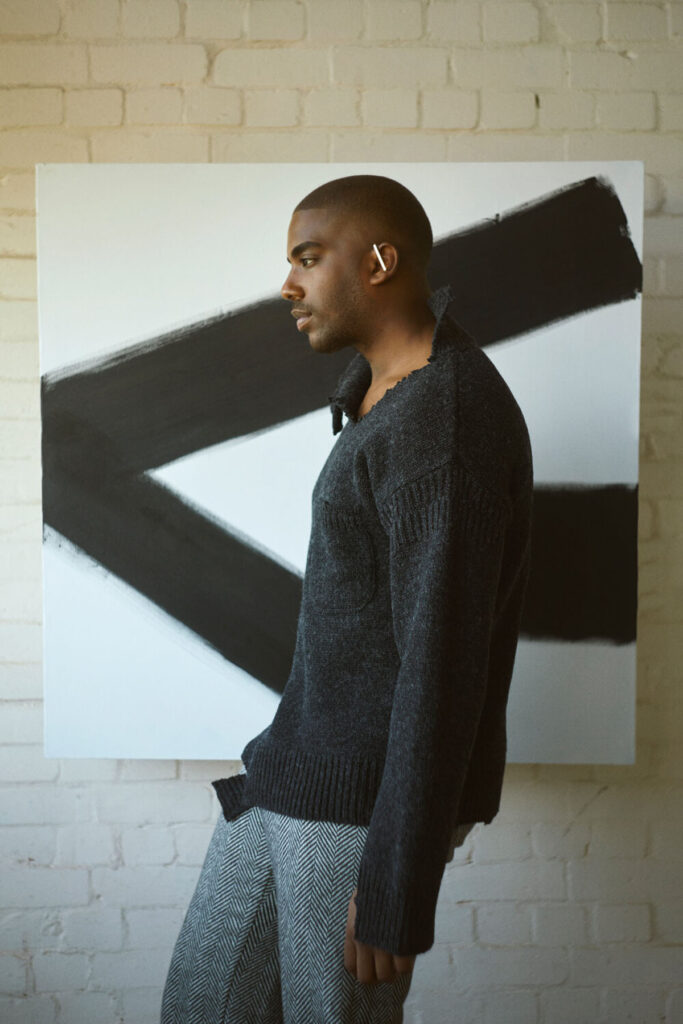
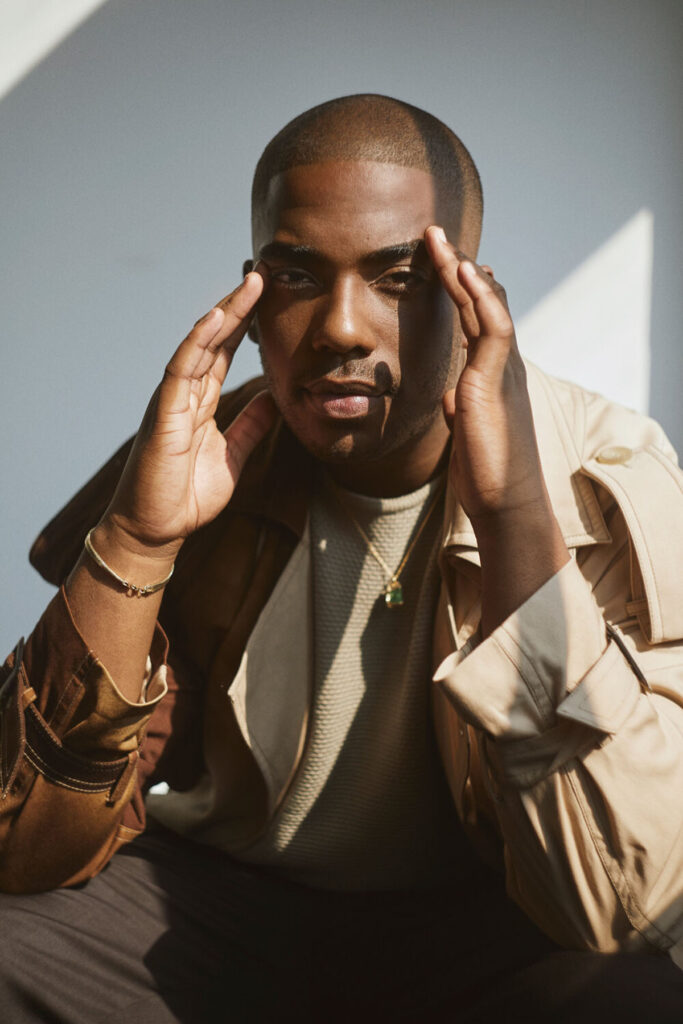
  1. Jumper and Shirt QASIMI Gilet CP COMPANY Chinos NAPAPIJRI Shoes JIMMY CHOO
  2. Jumper MARNI at MATCHES FASHION Trousers EMPORIO ARMANI Earpiece RATHEL & WOLF
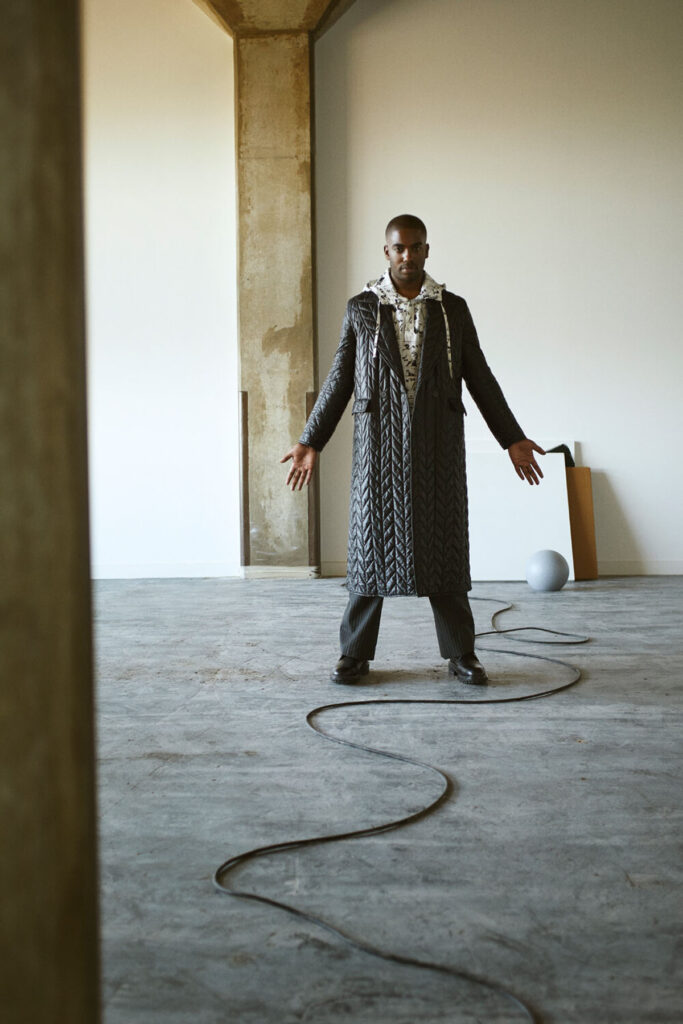
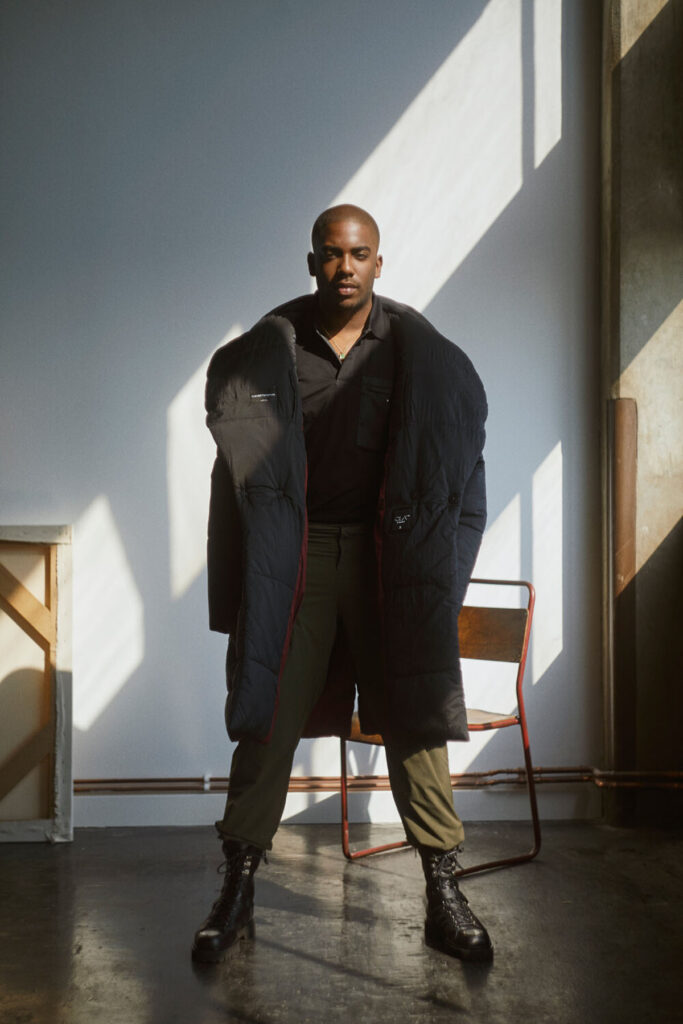
  3. Coat EMPORIO ARMANI Hooded Shirt LANVIN Trousers PRADA at MR PORTER Boots JIMMY CHOO
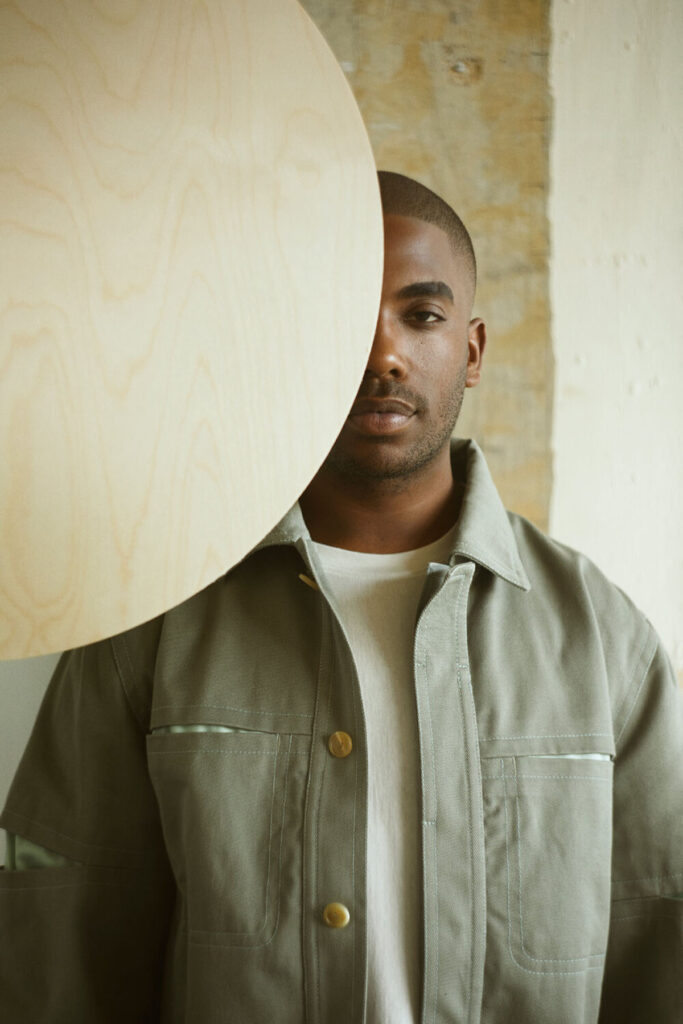
  4. Shirt Jacket JACQUEMUS at BROWNS FASHION Long Sleeve T-Shirt HOMME PLISSE ISSEY MIYAKE
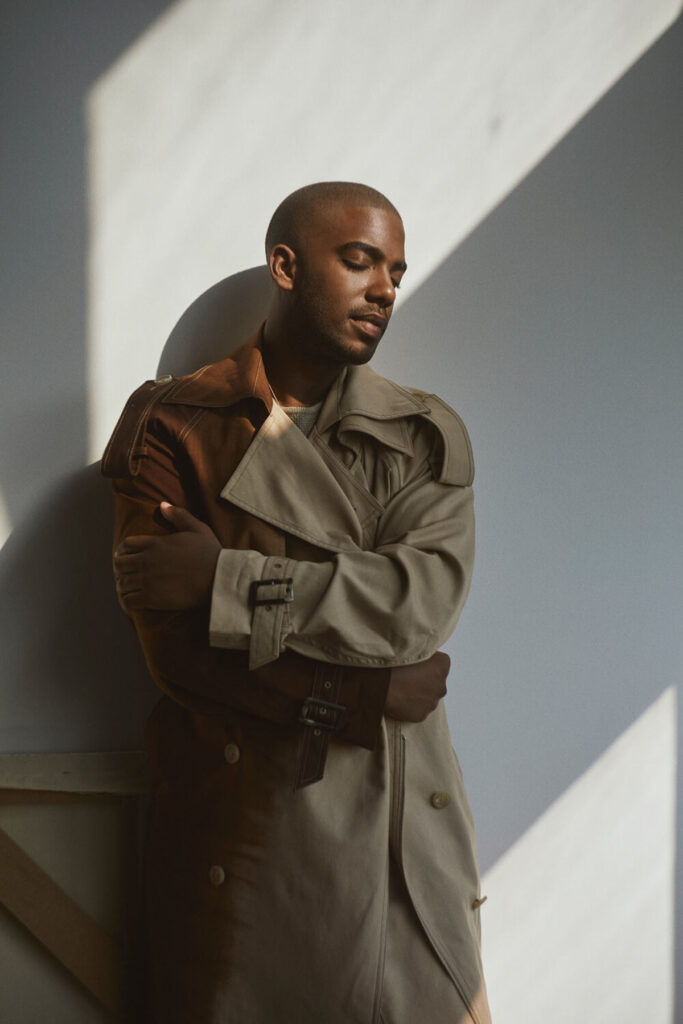
  5. Trench Coat FENG CHEN WANG
  6. Trench Coat FENG CHEN WANG Necklace BLEUE BURNHAM Jumper HOMME PLISSE ISSEY MIYAKE
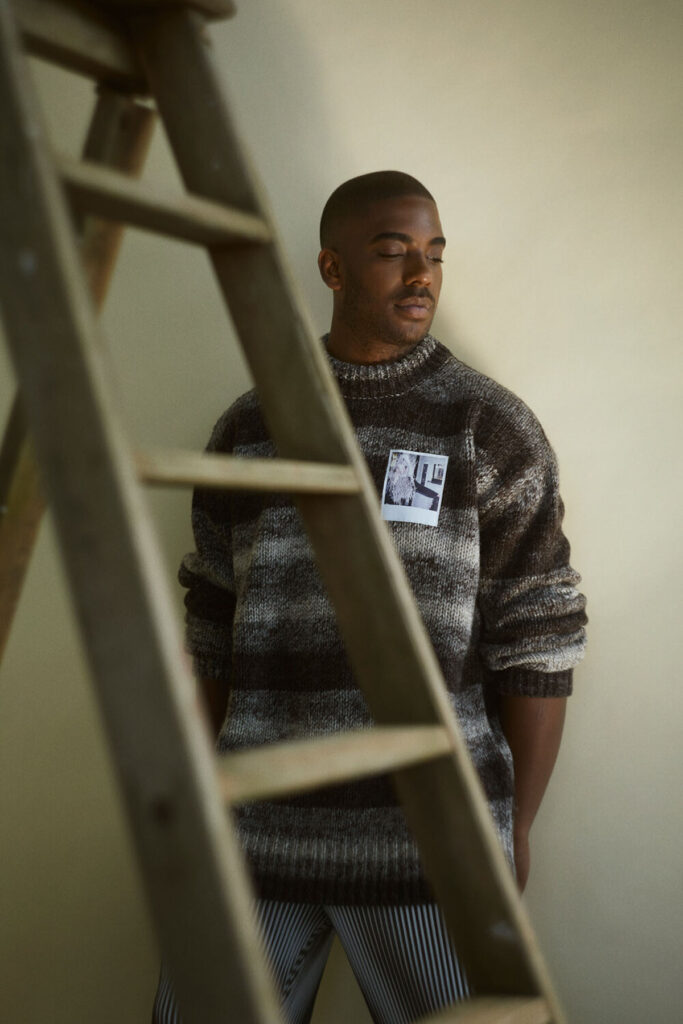
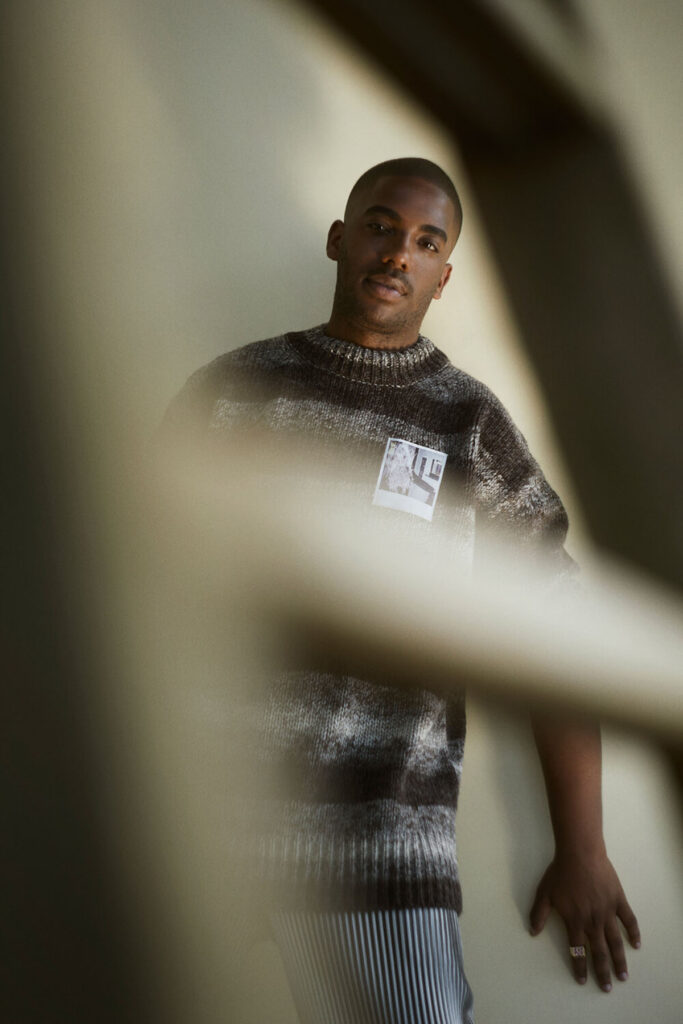
  7. Jumper RAF SIMONS at MATCHES FASHION Trousers HOMME PLISSE ISSEY MIYAKE Ring BLEUE BURNHAM
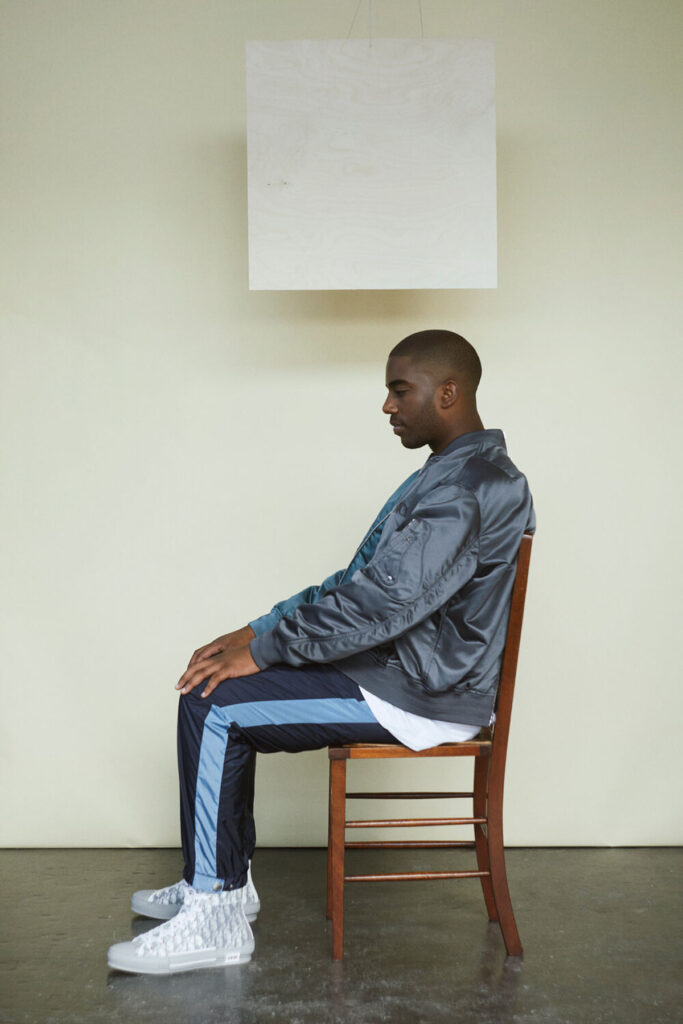
  8. Bomber Jacket and Trainers DIOR T-Shirt Y/PROJECT at MATCHES FASHIONTrousers PRADA at MR PORTER
  9. Jumper RAF SIMONS at MATCHES FASHION Trousers HOMME PLISSE ISSEY MIYAKE Ring BLEUE BURNHAM
  10. Coat and Boots EMPORIO ARMANI Polo Shirt PRADA at MR PORTER Trousers CP COMPANY

Kennedi Carter

 Soon as I get Home

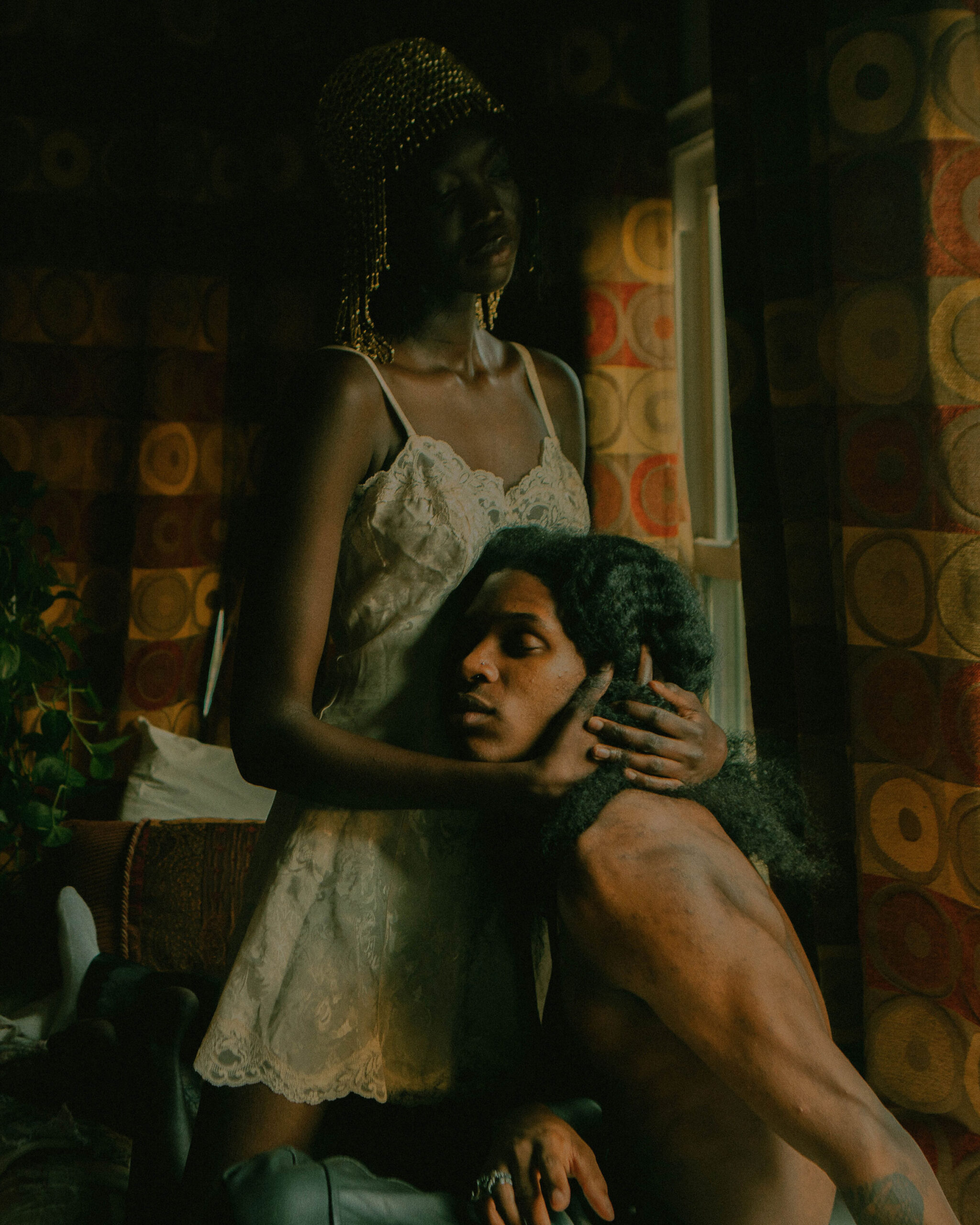
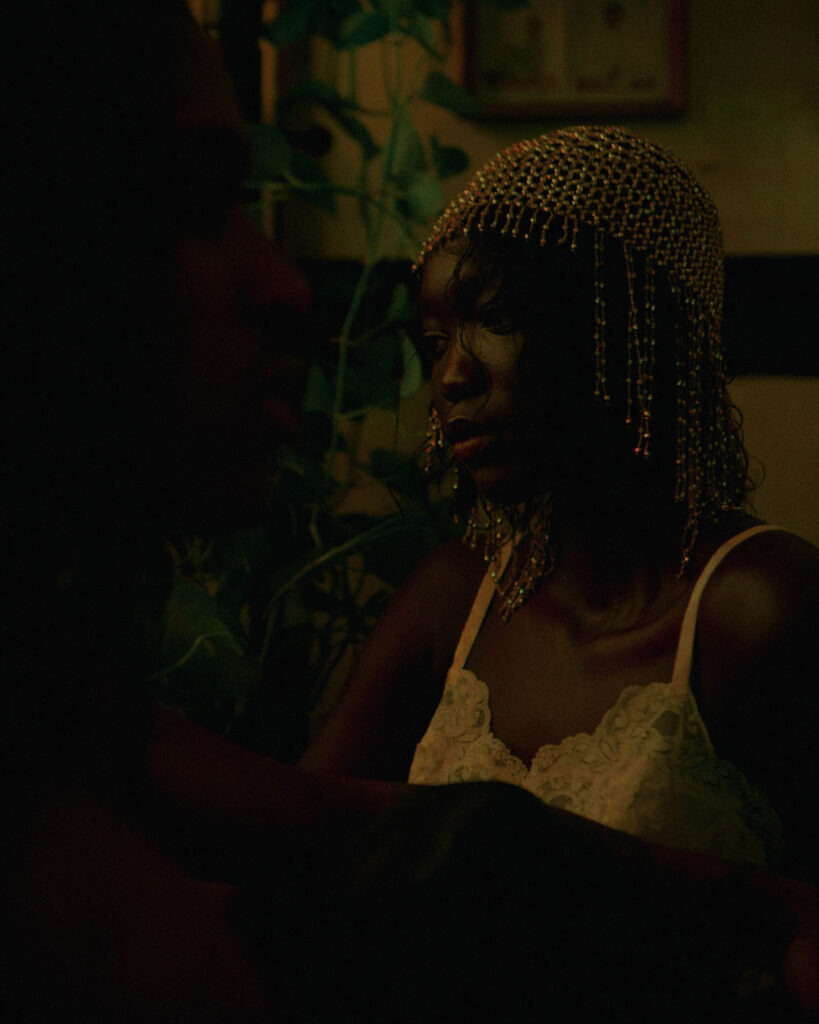
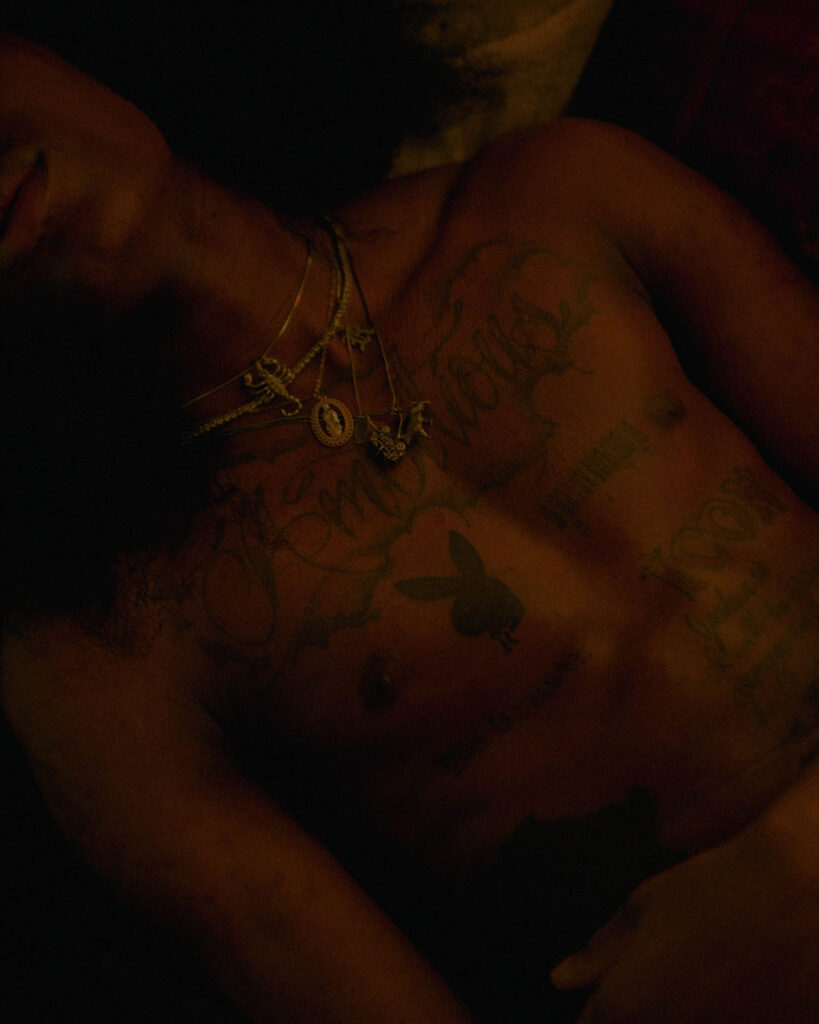
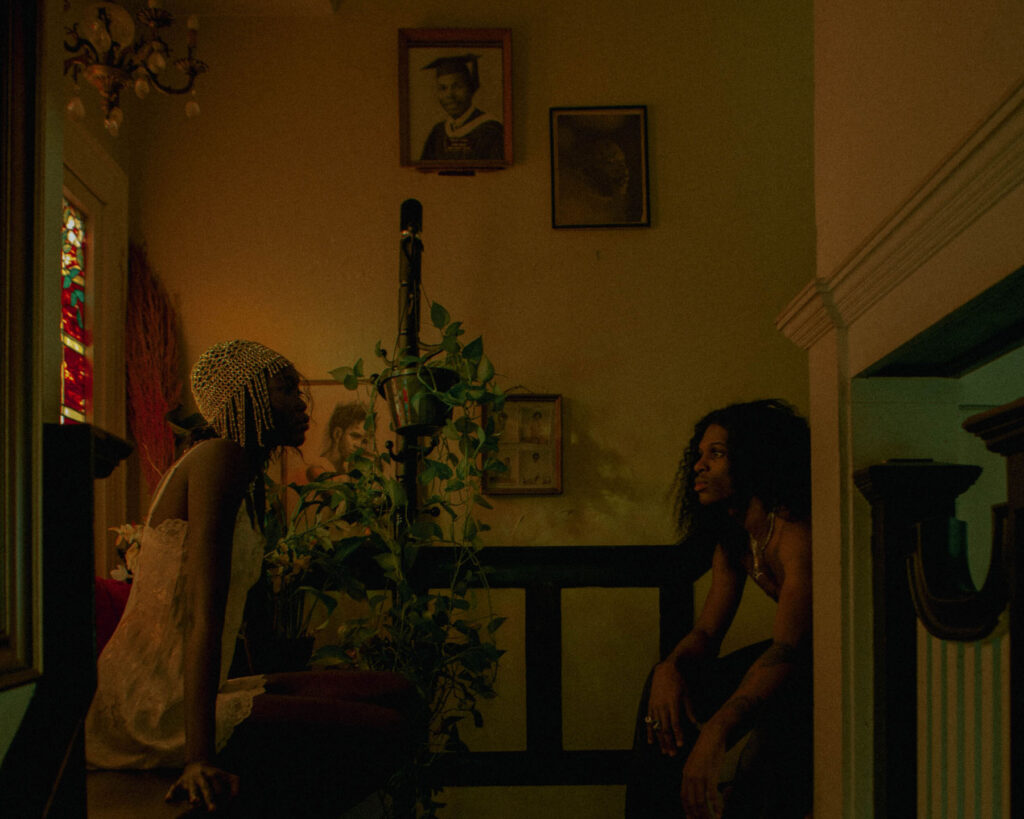
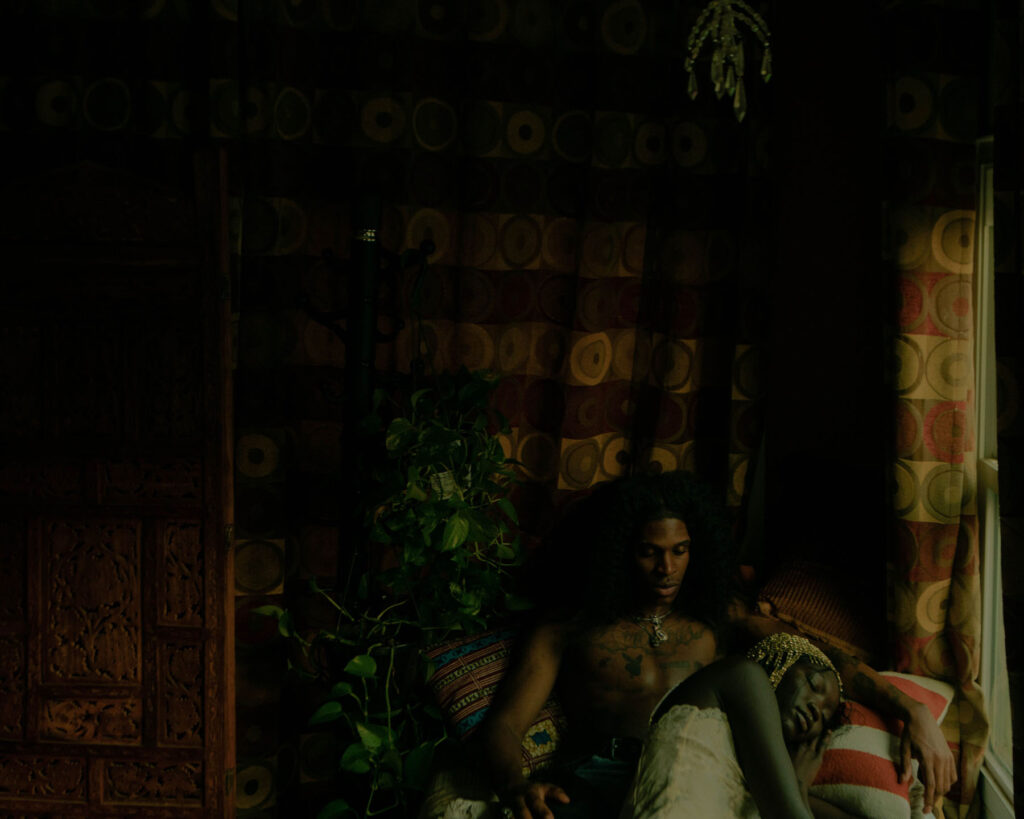
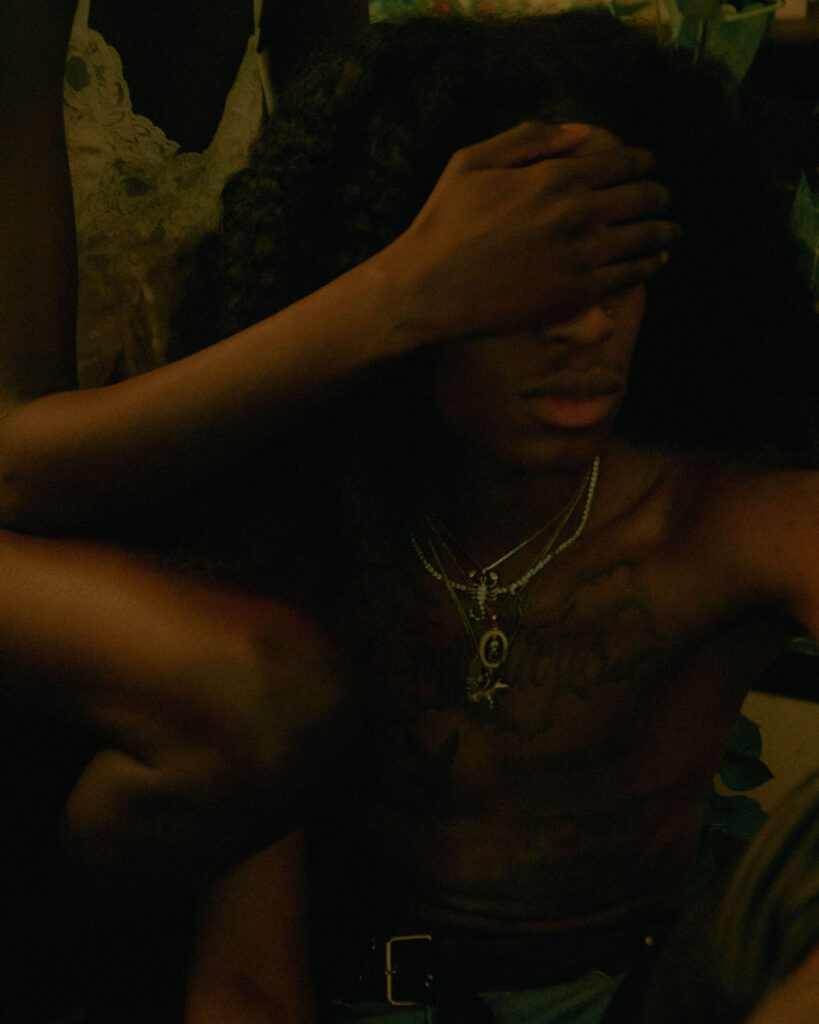
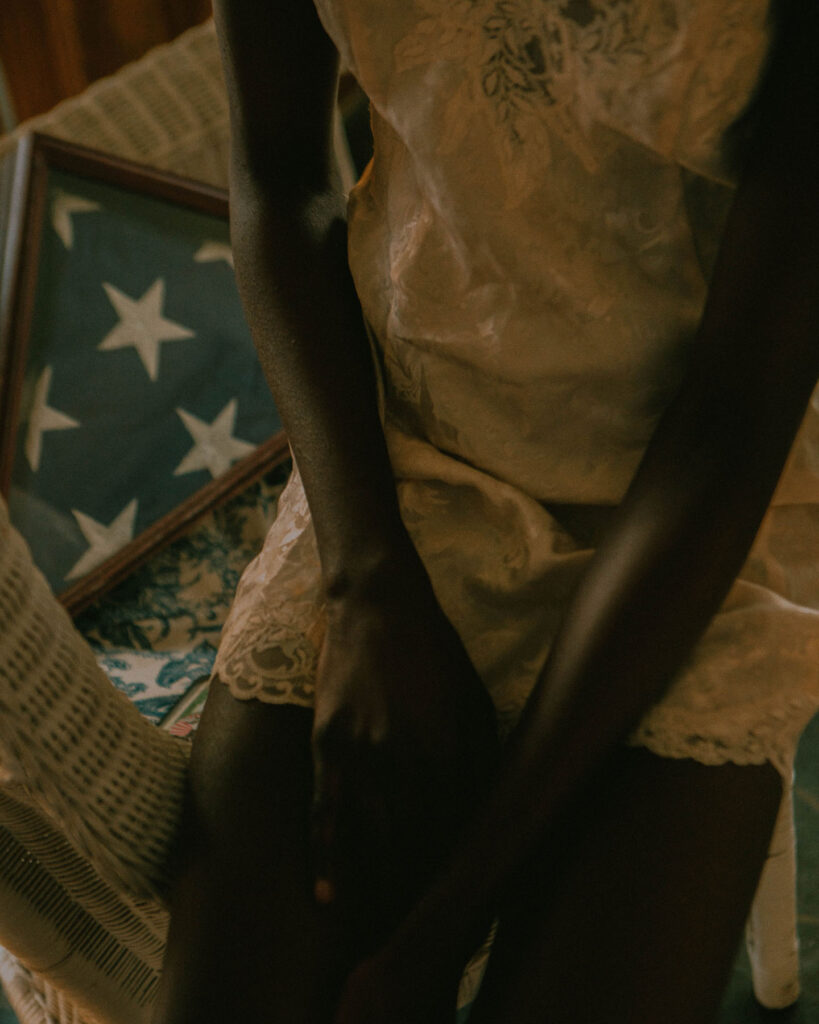
NORTH CAROLINA, UNITED STATES OF AMERICA — A Durham, North Carolina native by way of Dallas Texas, Kennedi Carter is a photographer with a primary focus on Black subjects. Her work highlights the aesthetics & sociopolitical aspects of Black life as well as the overlooked beauties of the Black experience: skin, texture, trauma, peace, love and community. Her work aims to reinvent notions of creativity and confidence in the realm of Blackness.


Credits

Photography · KENNEDI CARTER
www.instagram.com/internetbby
www.ken-carter.com


Natalie Christensen

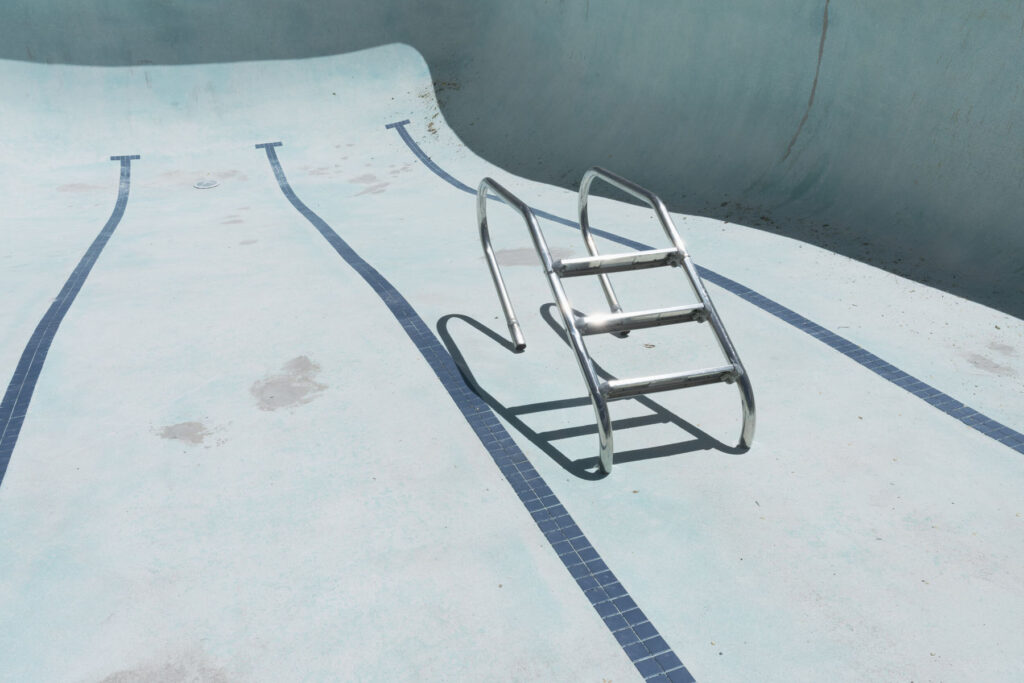
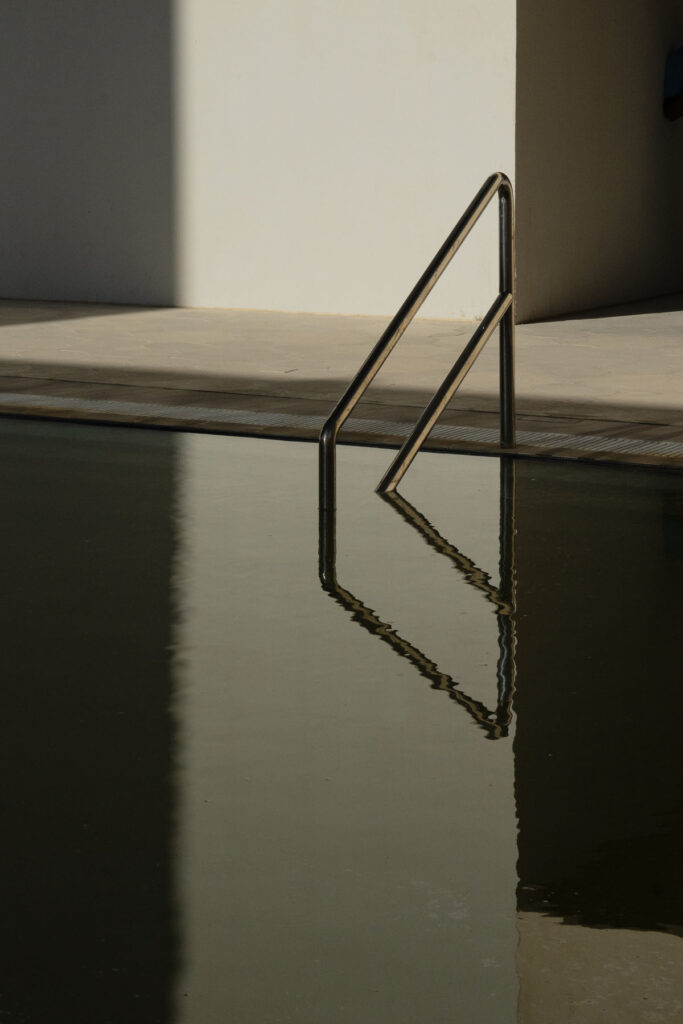
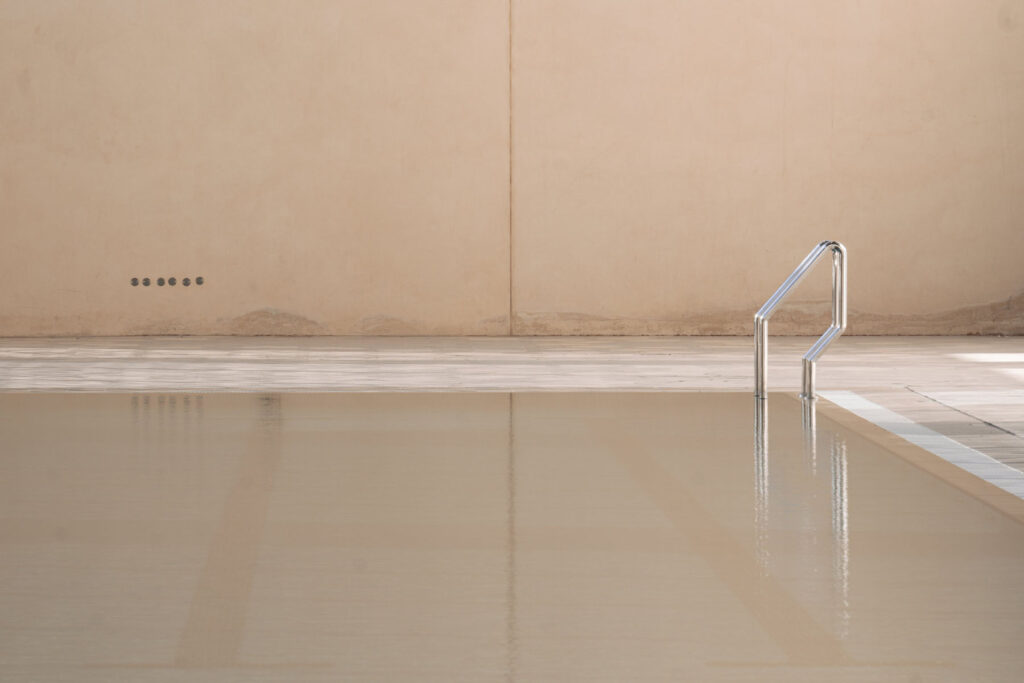
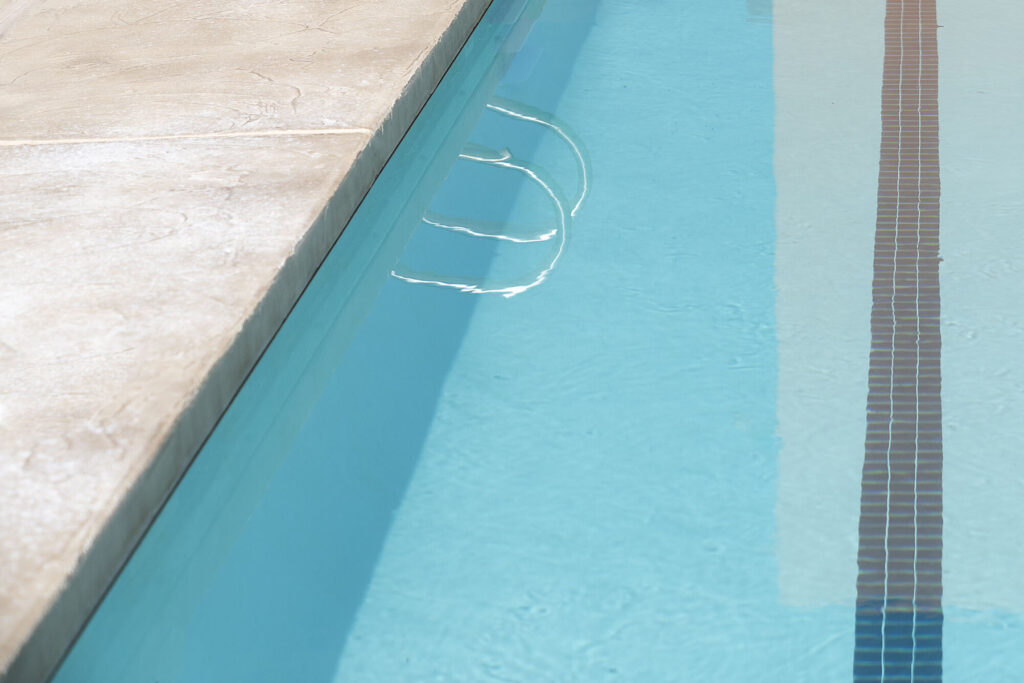
Last Night I Dreamt I Knew How to Swim

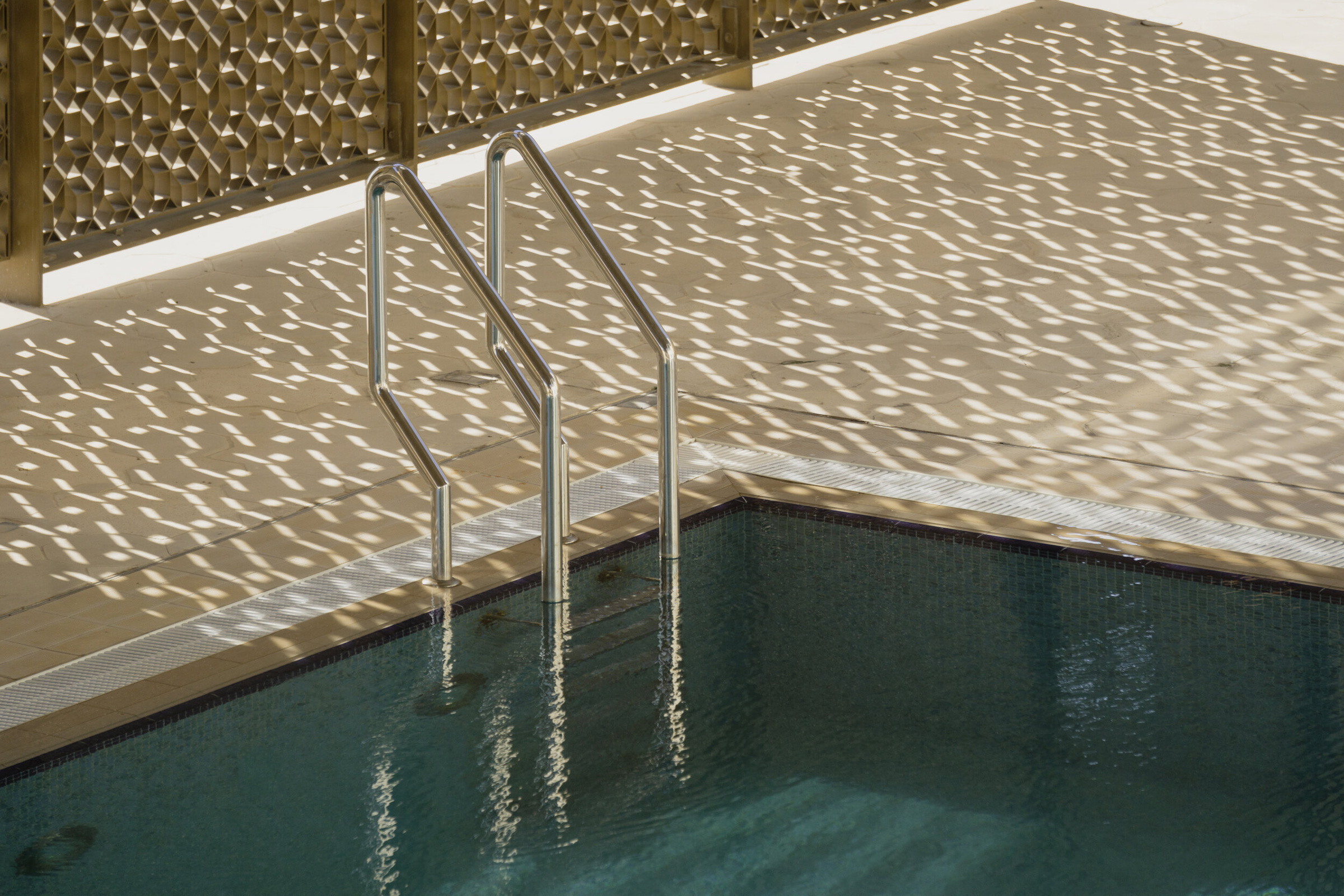
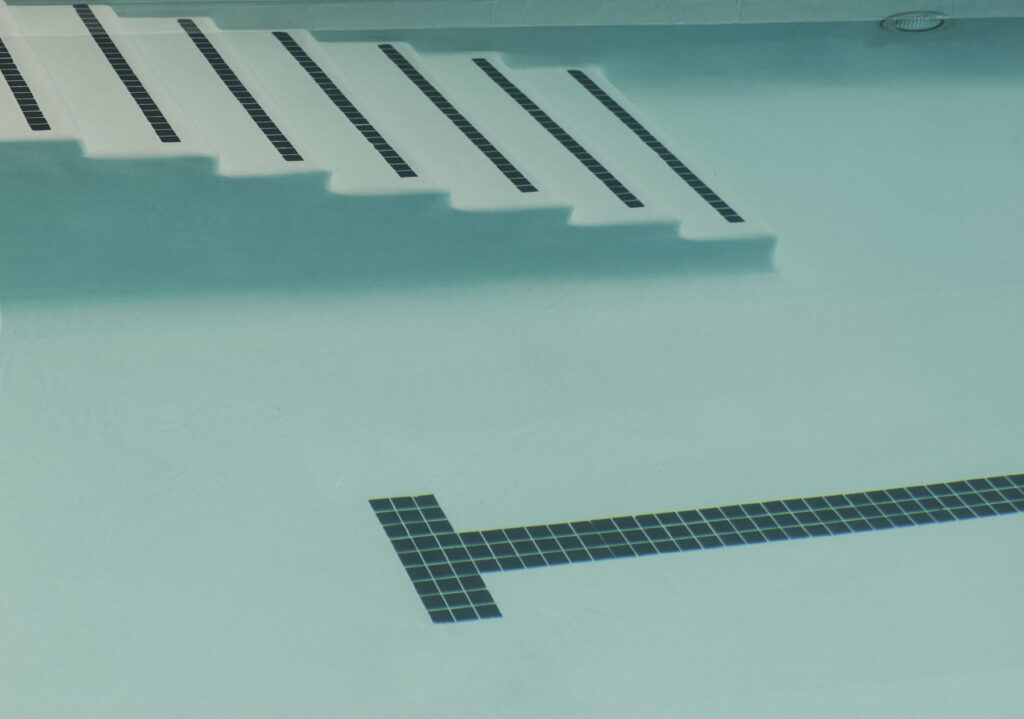
SANTA FE, NEW MEXICO — The first pool I remember was the one I fell into as a small child. It was at an apartment complex that my young parents lived in. I recall falling in, opening my eyes, and seeing the color of the water and the reflection of sunlight shimmering in my field of vision. My mother pulled me out of the water. I was around four years old. Eventually I became a good enough swimmer and spent the summers of my childhood and adolescence in any pool I could find.

My parents were divorced by the time I was eight years old and I spent every other weekend with my dad. Back then he lived in apartment complexes; some of which had pools. My father would let my brother and I play for hours. And during the winter he would take us to hotels that had indoor pools. These stays helped us avoid the sense of loss.  

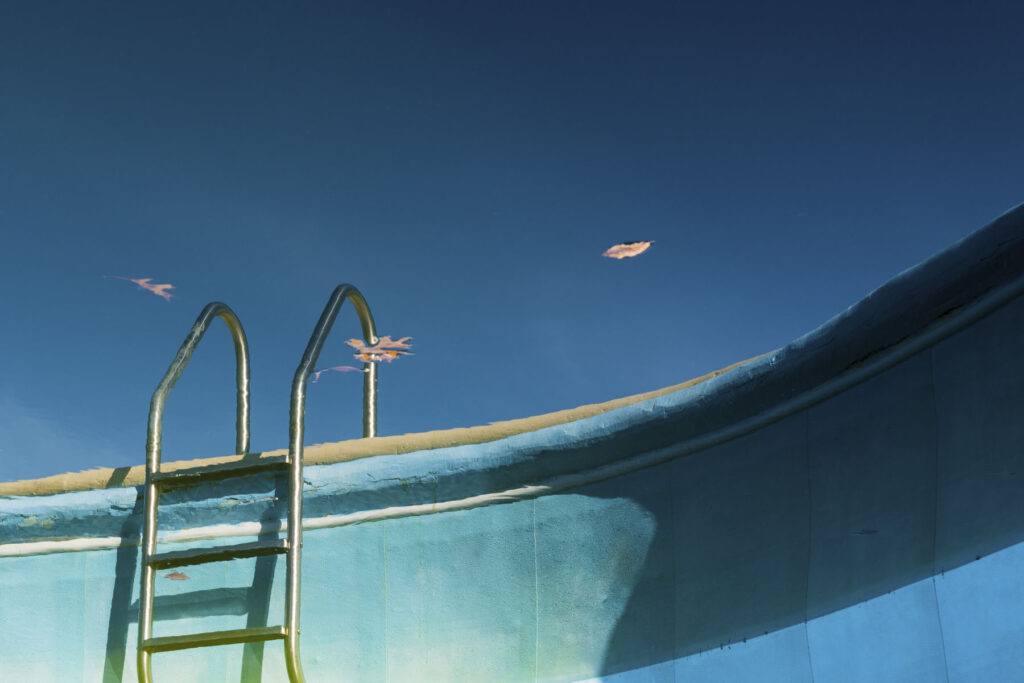
My father’s business endeavours were prone to sudden changes. When times were good, he lived in luxurious homes; the best ones had pools. But when the tides would turn, the moves came abruptly. There were 11 homes in 10 years. And sometimes the pools went dry. 

I came to learn that the presence of a pool was a distraction from how impermanent things actually were. Underneath, there loomed an impending sense that everything could be lost. Stable could quickly become unstable, and suddenly we were in over our heads. Yet the pool was always seductive. There was a comfort in the stillness of its waters, albeit a calm that couldn’t be trusted. 

Now, I look at pools as windows into my past, and insights into my present. Beyond their surfaces, the depths of my discoveries are seemingly infinite.

Natalie Christensen - NR MAGAZINE

Credits

nataliechristensenphoto.com
instagram.com/natalie_santafe

Ronghui Chen

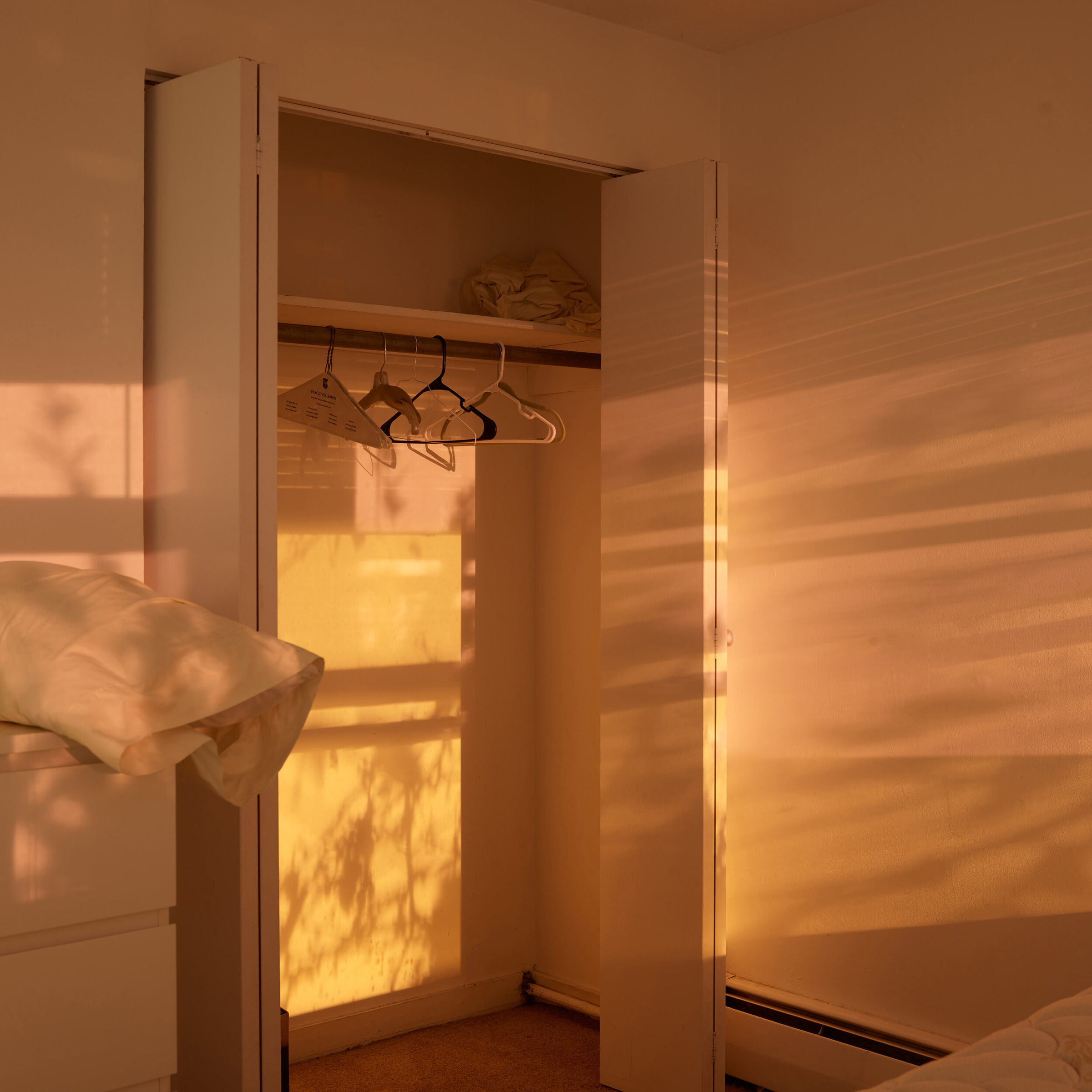
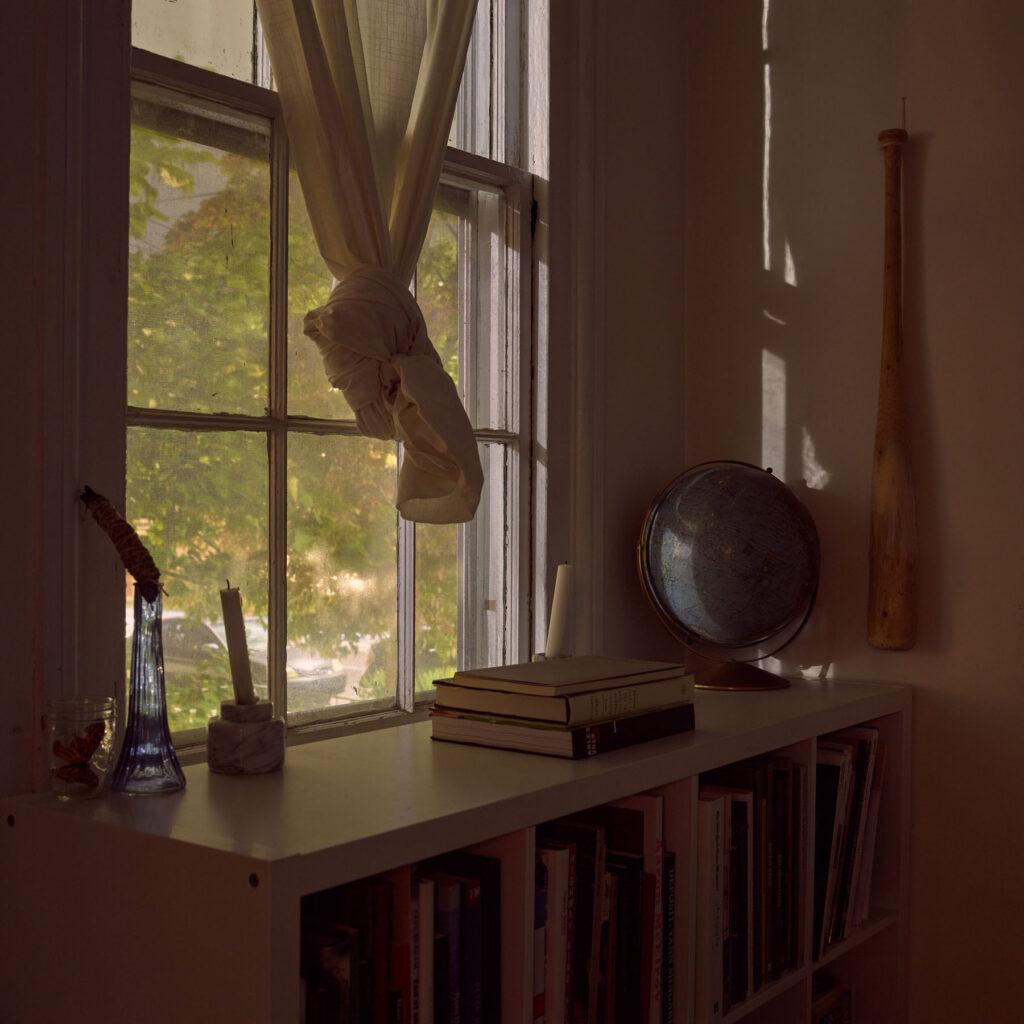
An Ordinary Evening In New Haven

Last year I went to Yale to study my MFA program. When I arrived in New Haven, everyone told me it was not safe to take photos outside in New Haven at night. I also was afraid as I had received some emails from the police station about crimes in New Haven.

I always run back home at night. When I open the door of my house, I take a deep breath. 

Then I lay down on the bed and have no energy to turn on the light. 

I just watch the natural light come through the windows. Then I feel calm. These moments remind me of my childhood in a small village in China. 

My grandparents raised me as my parents had to move to the city to earn money for me. Thirty years ago, Chinese people were so poor that my grandparents never turn on the lights at night. They just wanted to save some money. But I was a boy full of curiosity. 

So I would always try to find some interesting things to witness at night such as the beauty of the firefly or the beauty of the moonlight.

I want to explore the glow of the night time light and rebuild our ability to find this kind of beauty and mysteriousness at night.

Credits

Photo and words Ronghui Chen
ronghuichen.com

Daniel Caesar

“No one is really one thing, no one has a fixed identity. I think growing is moving from identity to identity.”

Since the release of his debut album Freudian in 2017, Daniel Caesar has been something of a [crooner redefining R&B and soul of the 1990s with elements of gospel, taken from DC’s upbringing, for a new generation. The album racked up a number of Grammy nominations at the 60th Grammy Awards, for Best R&B Album, Best R&B Performance for ‘Get You’ with Kali Uchis, before winning Best R&B Performance earlier this year for ‘Best Part’ with H.E.R. All by the age of 23 (24 now). Following the release of Caesar’s second album, Case Study 01, in June, he has been on tour since August in the US, and now in London ahead of UK tour dates (sell out) before Europe and Canada. 

Earlier this week you reached a billion streams on Spotify which sounds pretty crazy to me. How does that feel? 

It feels like good, I don’t think it’s something I ever considered. Like, a million, a couple of million, sounds doable, but a billion is outside of my range of perception. 

It’s fair to say you’ve achieved quite a lot of commercial success without being signed to a major label. So considering that, have you got any intentions to expand Golden Child Records in the future at all?

Yeah, there’s always more that can be done. I have lots of ideas, who knows exactly what those turn into, but it’s not going to stop here. 

Case Study 01 has a pretty distinct vibe to it compared with Freudian. Could you explain the process and the intentions behind the record?

With this one, I made a few beats first, and it was more about trying to get more complete ideas from my head out into the world, as opposed to writing on my guitar. So this time, some of the lyrics came long afterwards, which isn’t how it usually works for me. I had more to say also, so it’s a lot wordier; I was also being less practical in terms of ‘first verse, second verse’, etc. I was saying a lot more and doing a lot more this time around, and then, trying to organise all my thoughts when there’s more going on that usual. 

There was one video you posted on Instagram – a behind the scenes of the recording with an open piano… 

Yeah, that was for Too Deep To Turn Back. We got to explore a lot more this time. With the last album, we’d go in the studio and block out a week or less because we already knew what we were going to do. Whereas, with Case Study 01, we started creating the songs in the studio, so we had time to play around and discover new things. I liked that so much more because the studio recording process is when I get to do what I want, it’s like my favourite part. So, this time, we were at Abbey Road Studios and just fucking around with all the cool stuff, and we just stumbled across this sound we liked and found a part for it… 

You’re commonly referred to as a crooner, a romantic, or like a present-day D’Angelo, is that something you ever anticipated? Or is that a strange thing to be?

I mean, I guess, yeah. Singing was always my thing at school. I was always the crooner guy, that was my shtick or whatever… That was me, I could sing the emotional songs… 

Did you always want to pursue singing?

It was always one of the things I wanted to be, not the first thing, but one of. When you’re little and you tell adults, well-meaning adults, what you want to be, they try and help you manage your expectations… It’s like, chances are you’re not going to be able to do it, in the nicest way, and so you try and realign, and pick something more practical. So you try and fit into what you think you’re supposed to be doing, and then you’re just not good at that. And so, it always came back to singing. 

Something that is striking about the visuals for your albums and videos is of you as what seems like an isolated figure (especially in the spacesuit). Is there anything in that? 

When you say it, it makes sense to me, but I don’t think it was intentional like, ‘let’s do this’. I was just feeling isolated or, trying to connect, but being unable to, you know? I’d say one of the themes is about wanting love, wanting a connection, and it’s always fleeting or unrequited. 

There’s a moment in your conversation with Brandy where she remarks that you’re a great storyteller; How important is storytelling to you as a songwriter? 

It’s important, but I don’t think it’s the only tool necessary. I think the most important thing is conveying the feeling, whether or not you’re being descriptive and articulate, whether you’re retelling a story, or you’re just saying what’s need to be said to convey the idea or the feeling. I think storytelling is important; it helps make things more rhythmic. But the feeling is the most important thing, however it is you get that across. 

You mentioned that, with this album you didn’t write some of the lyrics until afterwards but, with songwriting, where do you start and what’s your process?

It usually doesn’t come ‘til I’m in a really good mood or really bad mood. Or, say, I have a conversation and I hear a phrase that I like, it’s usually something that sounds paradoxical. Just something clever. Then, chords might come and surround it. It always come through extreme emotion, energy and excitement. Usually, honestly, I’ll be in the shower and I’ll like, drop everything and do the voice note. Sometimes it turns into a song, sometimes it’s just a short little note and I’ll send it over to Jordan [Evans, Caesar’s manager] and, he puts it in a folder with thousands of others… 

What does ‘reinvention’ mean to you? 

Reinvention is death and rebirth. No one is really one thing, no one has a fixed identity. I think growing is moving from identity to identity. I mean like, what I’m doing is the extreme art version, where I’m an astronaut [for Case Study 01]. But, it’s about growing through your life, finding new parts about yourself and taking it on fully. 

How would you relate reinvention to something that you’ve gone through or that’s happened to you specifically? 

I think everybody is the way they are because of things that have happened to them, so there’s no one moment I can think of… But, through trauma, through the good things and the bad, these things chip away at the sculpture that becomes the final ‘thing’. 

Team

Photography · JACK JOHNSTONE
Creative Direction · NIMA HABIBZADEH and JADE REMOVILLE
Fashion · JAY HINES
Fashion Assistant · SERGIO PEDRO
Grooming · ELAINE LINSKEY
Manicurist · JULIA BABBAGE
Interview · ELLIE BROWN
Special Thanks to · Toast Press


Designers

  1. Jumper OFF- WHITE
  2. Suit and Shoes GUCCI Shirt TOM FORD
  3. Suit and Shoes GUCCI Shirt TOM FORD
  4. Jumper OFF- WHITE
  5. Jumper OFF- WHITE
  6. Top and Trousers HERON PRESTON Shirt and Shoes OFF-WHITE
  7. Vest KHOZA LONDON Belt OUR LEGACY Trousers SAINT LAURENT Shoes COMMON PROJECTS
  8. Coat, Trousers and Shoes PRADA Shirt OUR LEGACY
  9. Coat, Trousers and Shoes PRADA Shirt OUR LEGACY
  10. Top and Trousers HERON PRESTON Shirt and Shoes OFF-WHITE
  11. Suit BURBERRY Shirt TOM FORD Shoes DRIES VAN NOTEN

Leandro Colantoni 

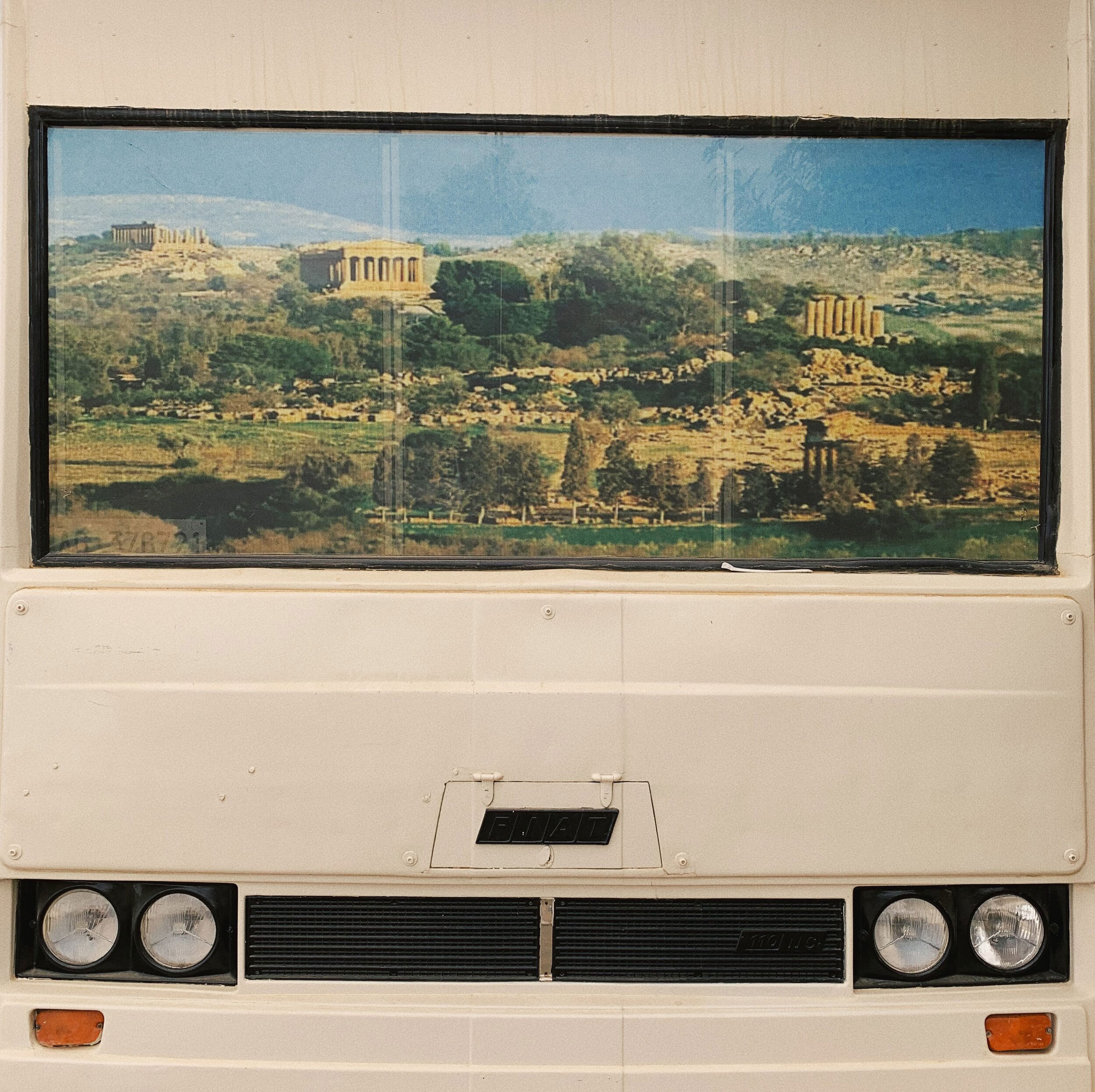
Ultimo Paesaggio Siciliano is a visual investigation on Sicily, shot exclusively on iPhone.

It is focused on the symbolisms and clichés that characterise the Sicilian culture, people and landscape.

Subscribe to our
Newsletter