Inhabiting Sound: Finding Ourselves in Places
In the Ossola Valley, a former granite quarry operates as one of Italy’s recognised music production centres. Tones Teatro Natura, redeveloped during the pandemic years, transformed a site of extraction into permanent cultural infrastructure. Two stages are embedded directly into rock.
Since 2019, the collaboration between Tones on the Stones Foundation and Threes Productions has positioned Nextones within this terrain as a research-driven platform for electronic and audiovisual practices. The festival does not circulate through neutral venues; it develops in response to geological scale and acoustic conditions.
This trajectory of immersive research follows a legacy of site-specific milestones at the quarry, including previous iterations by Richie Hawtin, Caterina Barbieri, and Nicolas Jaar, which established the site as a premier European stage for audiovisual dialogue.
In a world that scatters us outward, Nextones demands we turn inward. The experience is anchored by sound that roots the body, landscapes that hush the mind, and a shared presence that reclaims our essence. This is a defiant return to what has always waited: ourselves, embodied and alive in the listening.
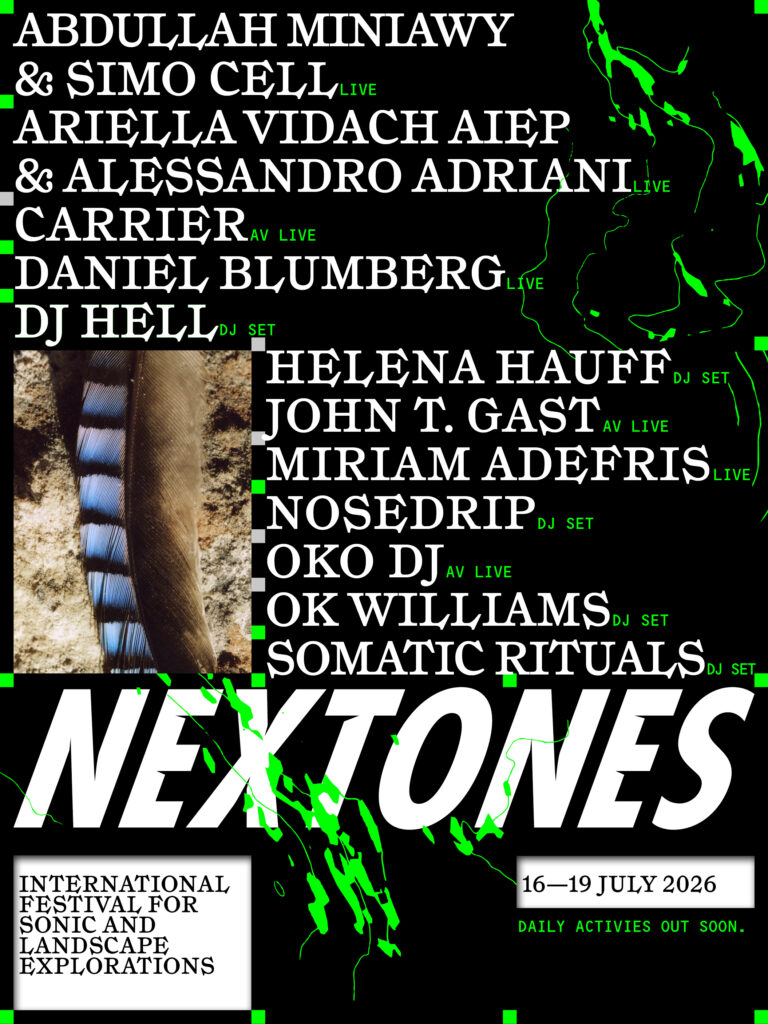
Nextones, in its thirteenth edition from 16 to 19 July 2026, reframes electronic and experimental music as a re-entry into the body, the mind, and the living organism of place.
The valley already carries its own rhythm, defined by granite quarries marked by labour, gorges shaped by water, and medieval hamlets suspended in partial restoration. Tones Teatro Natura remains the festival’s core. The site’s vertical rock walls shape acoustics in a way no temporary stage could replicate, allowing sound to amplify the body’s innate resonance with the earth.
Nextones has evolved into a recurring ecosystem. With a footprint that has grown to 5,000 attendees, the festival’s core is defined by 600 campers who treat the four-day itinerary as a collective immersion. The community moves from the early-morning radio broadcasts of the Nextones Camp to the narrow, rock-hewn corridors of the Orridi di Uriezzo.
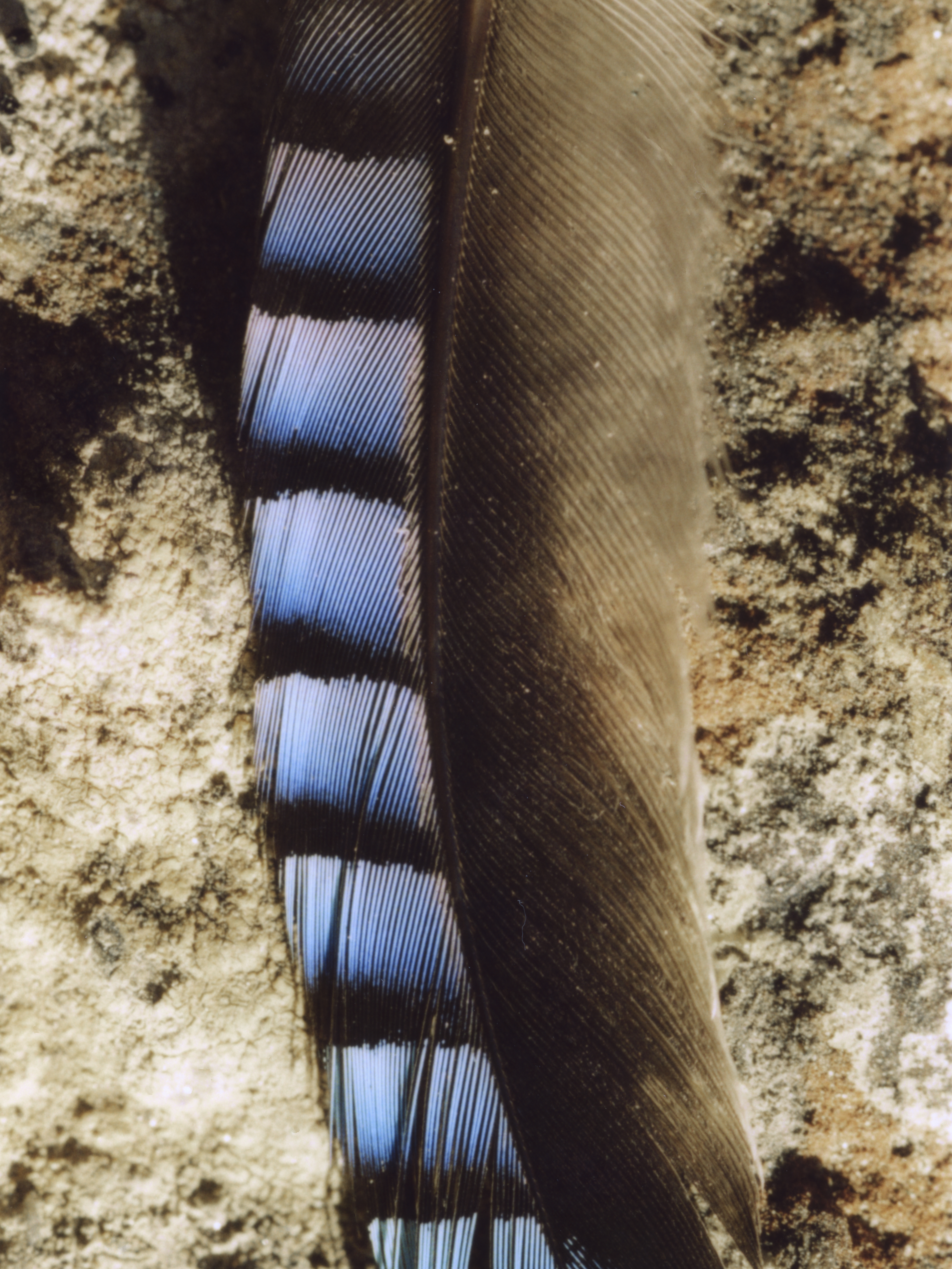
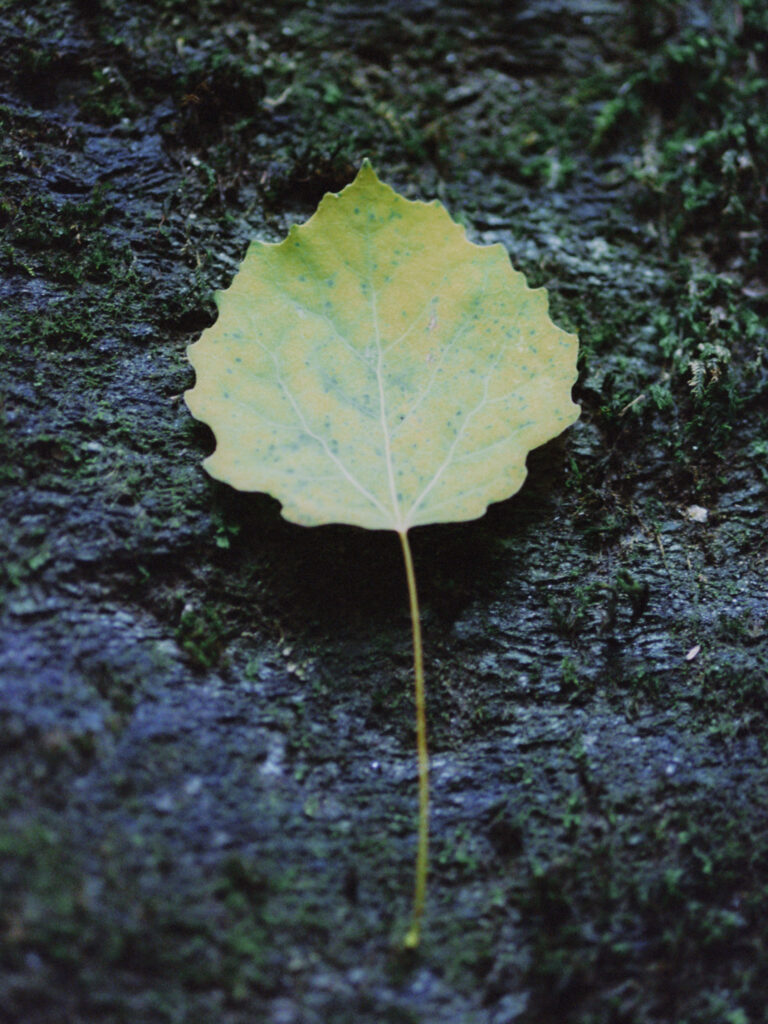
The 2026 program unfolds across multiple sites. The festival’s inaugural ritual on Thursday, 16 July, centers on the fluidity of the Terme di Premia. Here, Miriam Adefris’s harp solo operates in tension with the baths’ acoustics, creating an immersive dialogue where water and humidity warp perception. This is a spatial ritual reclaiming our deepest pursuit: pure, unfiltered being.
On Friday and Saturday, the focus shifts to the Tones Teatro Natura, a former site of industrial extraction transformed into a permanent cultural forge. Embedded directly into the vertical granite, the stages amplify the audiovisual weight of the program: Carrier’s rhythmic minimalism expands against the rock’s mass, while John T. Gast’s site-specific set utilizes the quarry’s sheer scale as a physical instrument. OKO DJ develops an A/V performance drawing from As Above, So Below (Stroom, 2025), integrating electronics, acoustic instrumentation and film by Hajj.
Helena Hauff and OK Williams extend the club dimension of the festival with DJ sets grounded in acid, EBM, jungle and house, maintaining physical intensity within the open-air setting.
Sunday 19 July shifts toward the Nextones Camp, animated by Radio Banda Larga’s stage. The day includes live sets, broadcasts and shared activities, reinforcing the camp as daily meeting point.
Threshold sites expand the geography. Performances at the Orridi di Uriezzo integrate sound within narrow rock formations, while live sets at the abandoned village of Ghesc engage with architectural remains and historical memory.
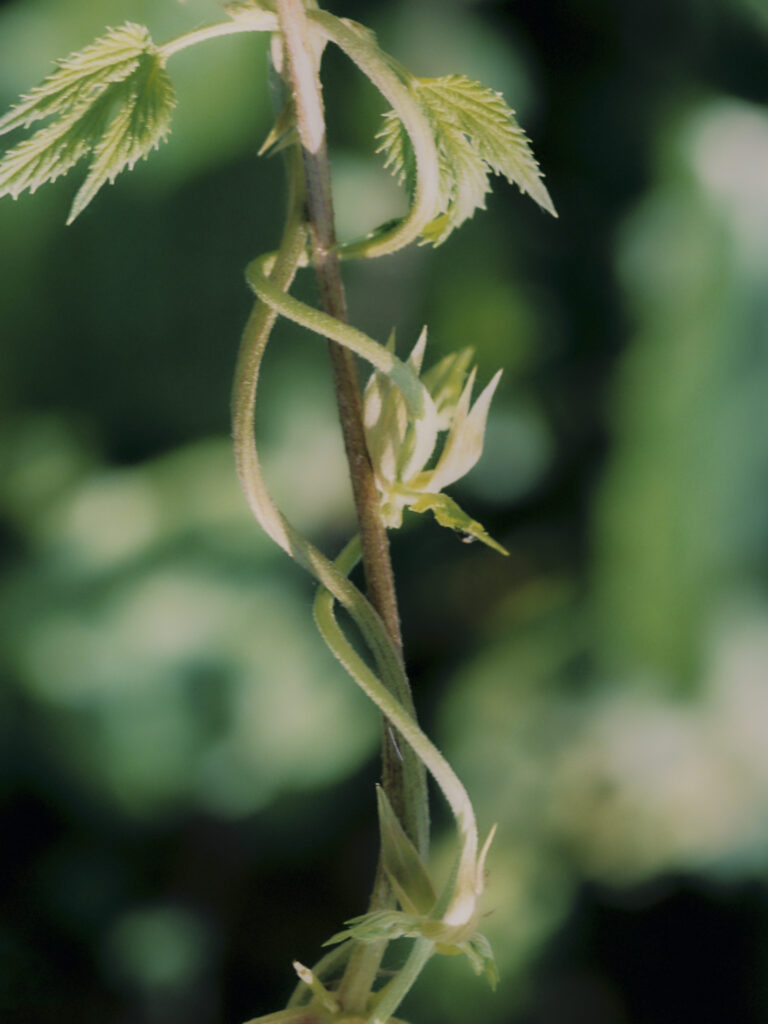
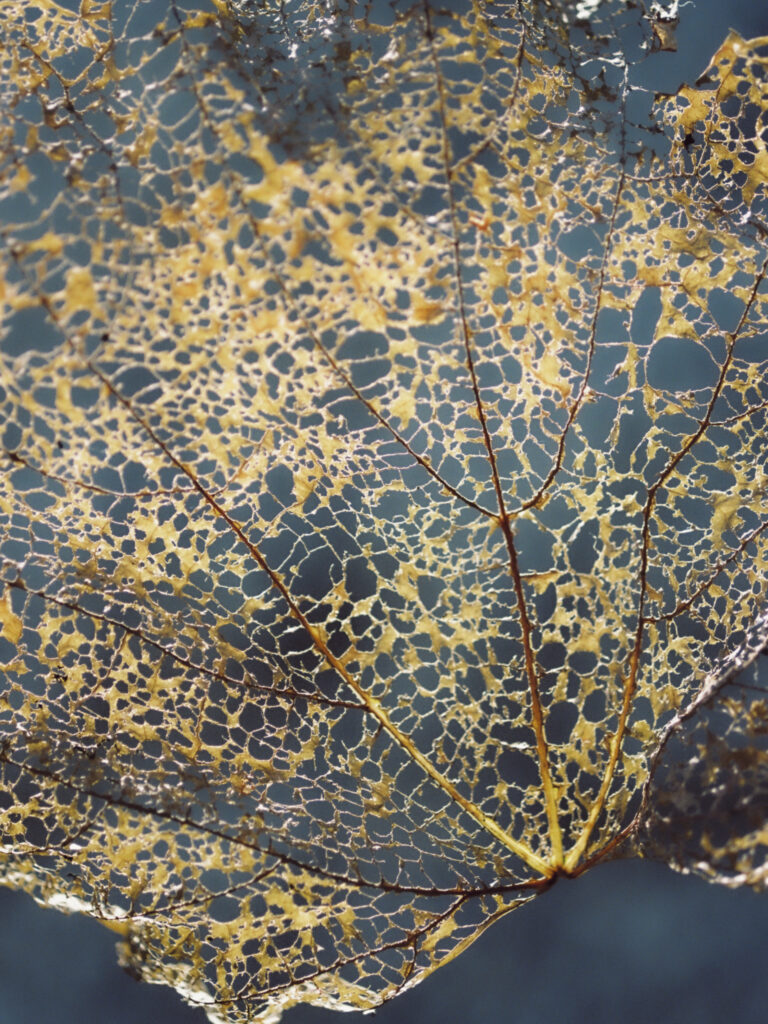
By focusing on the micro-textures of the sediment rather than the panoramic spectacle, the 2026 visual identity, captured by Rachele Daminelli, underscores the festival’s true intent. The valley is not a backdrop, but a living organism.

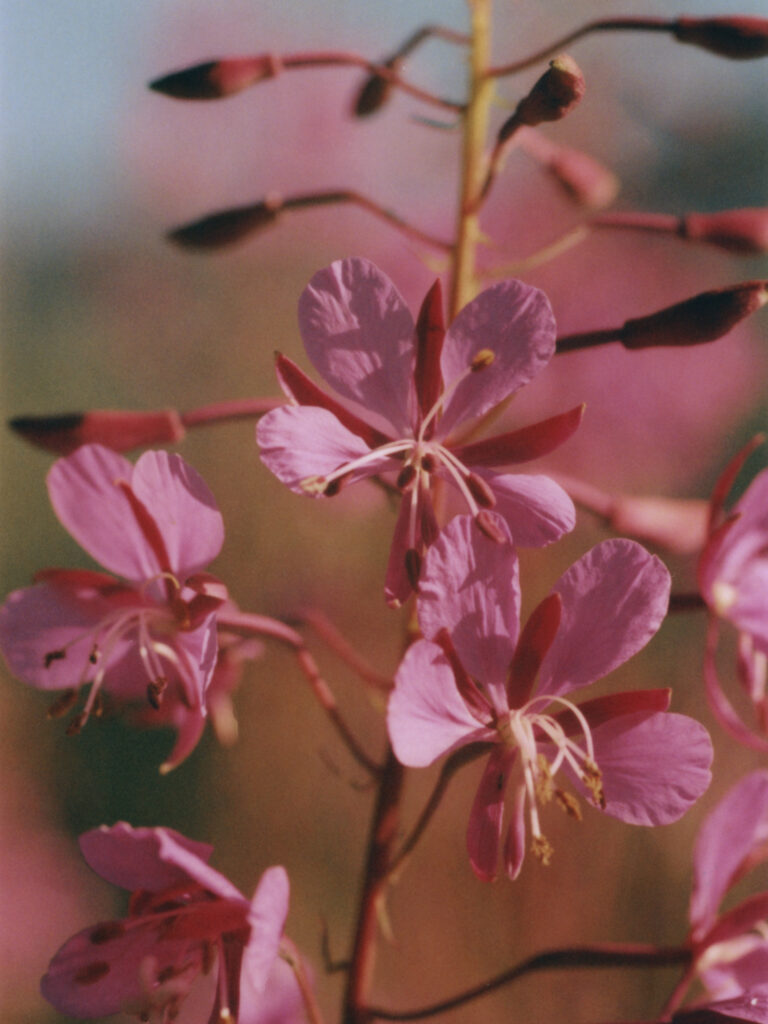

With the second announcement, the programme expands. New presences enter the
landscape as distinct forces: Abdullah Miniawy and Simo Cell bring Dying is the Internet,
where poetic rupture meets bass weight; Alessandro Adriani and Ariella Vidach unfold
Koppelia, dissolving the boundary between body and digital double through motion
capture; Daniel Blumberg arrives with a live set shaped by improvisation and exposure.
Alongside them, figures such as DJ Hell, Nosedrip, and Somatic Rituals extend the
programme into the language of the club without detaching it from the site.
At Nextones, sound meets stone to redefine the map of Italian contemporary culture, proving that the most forward-thinking frequencies are often found in the most ancient foundations.
As one of the first Italian festivals to achieve ISO 20124 certification for sustainable management, the project views environmental stewardship not as a constraint, but as a core component of the artistic experience.
Produced by Tones on the Stones Foundation and Threes Productions, and supported by national and regional institutions, Nextones continues to operate as a music production centre rooted in specific terrain. Here, in the Ossola Valley, sound meets stone. The encounter defines the experience.
Credits
Nextones Festival Campaign Frames. All images courtesy of Rachele Daminelli.
Discover more information on tonesteatronatura.com
Tickets can be purchased via Dice.