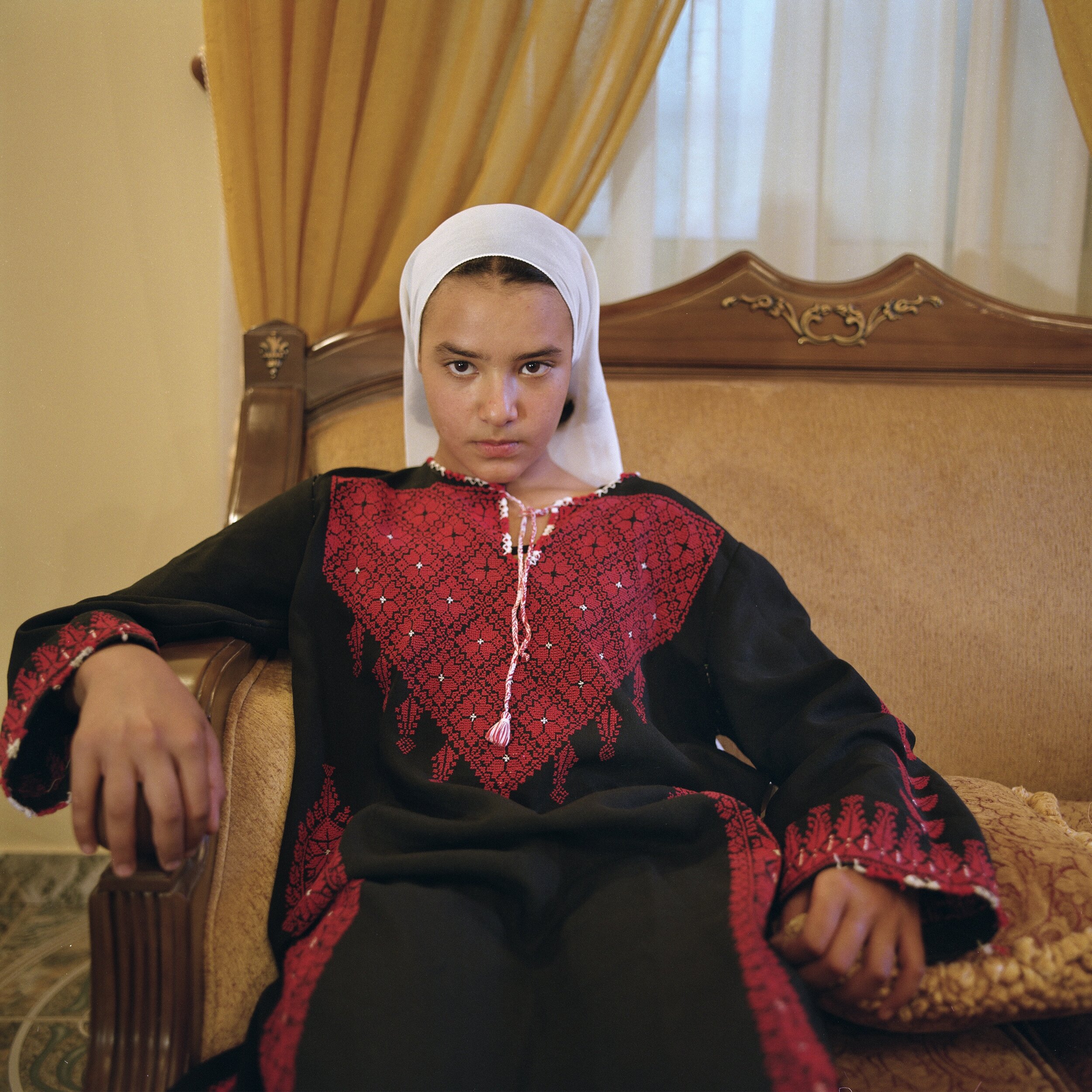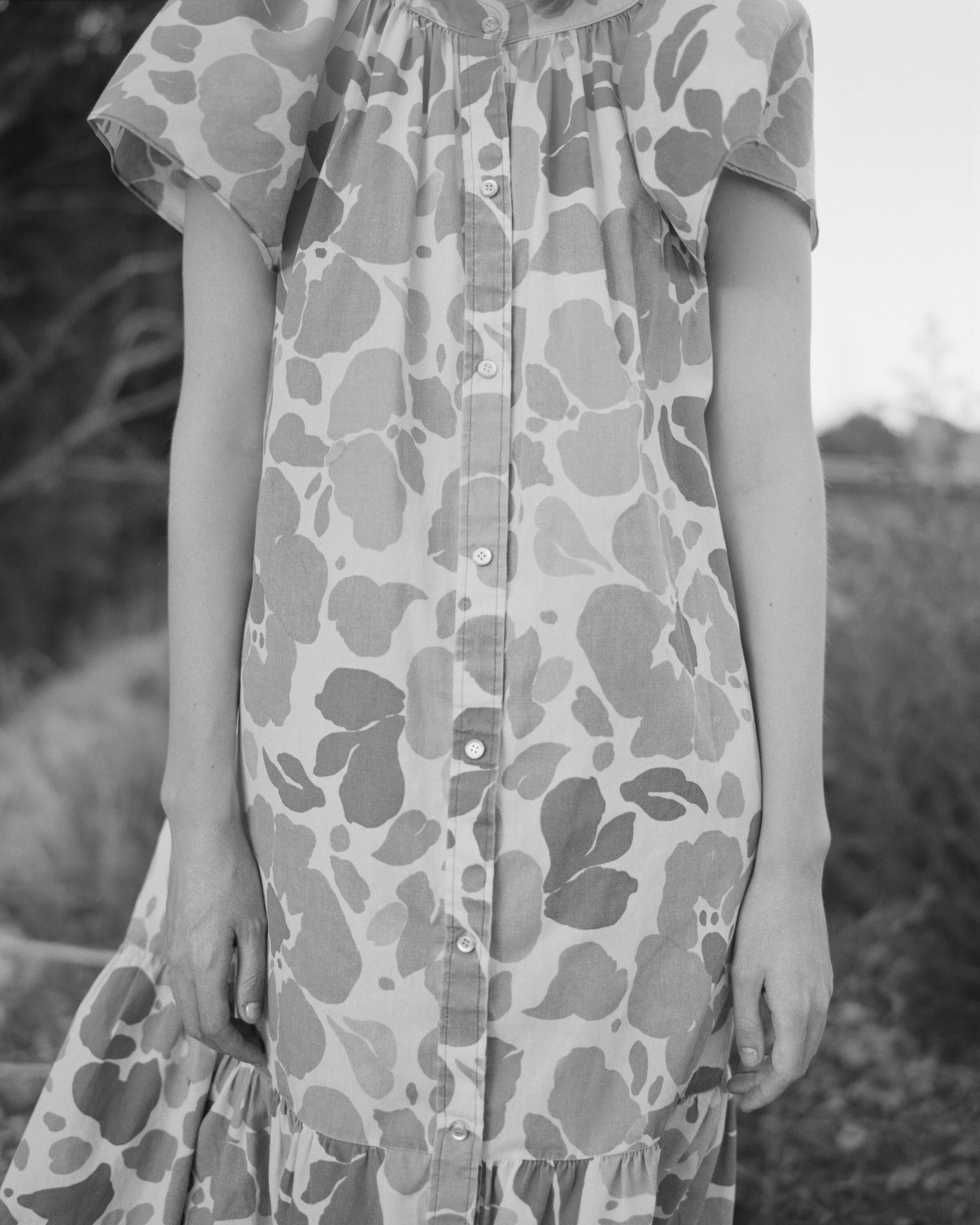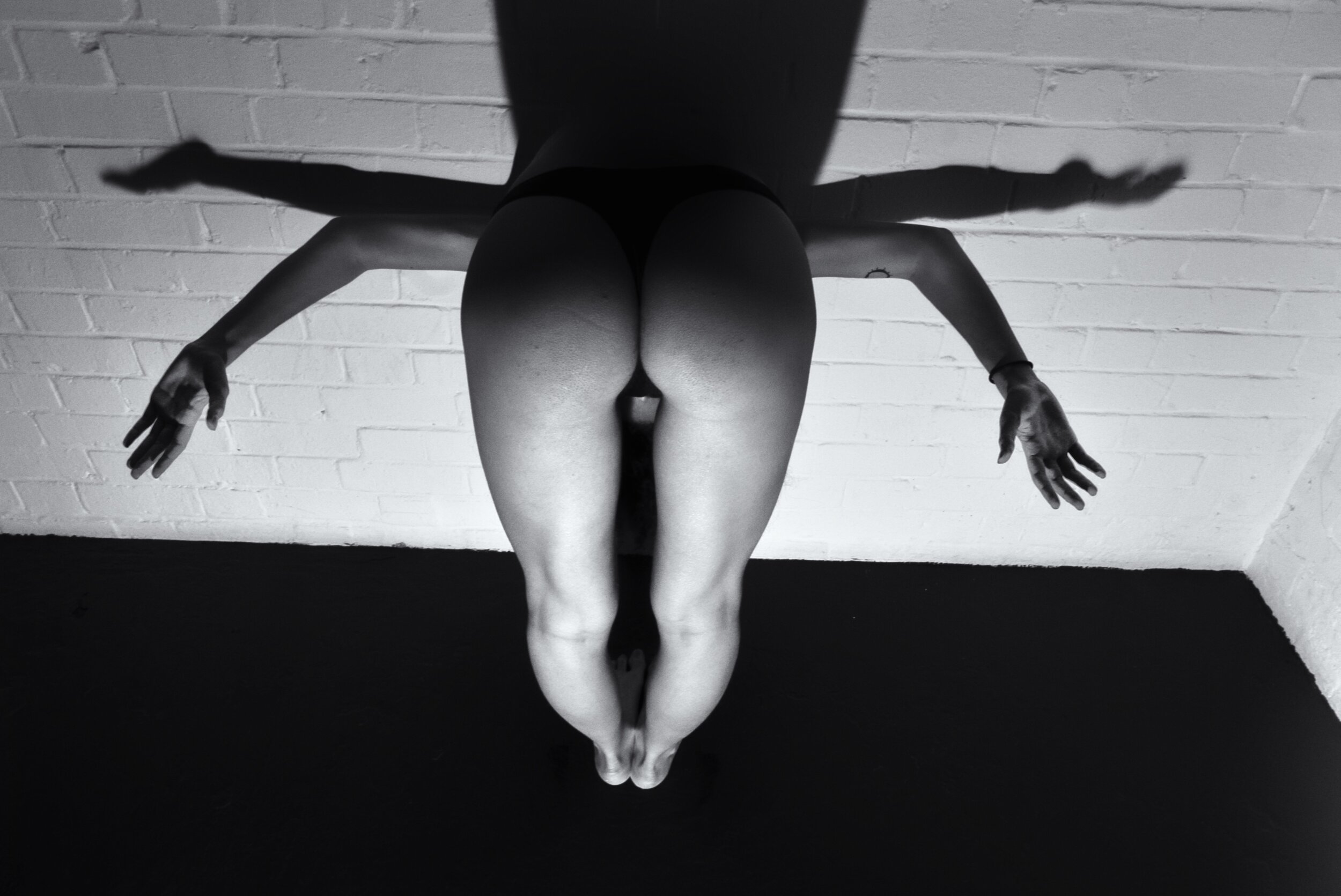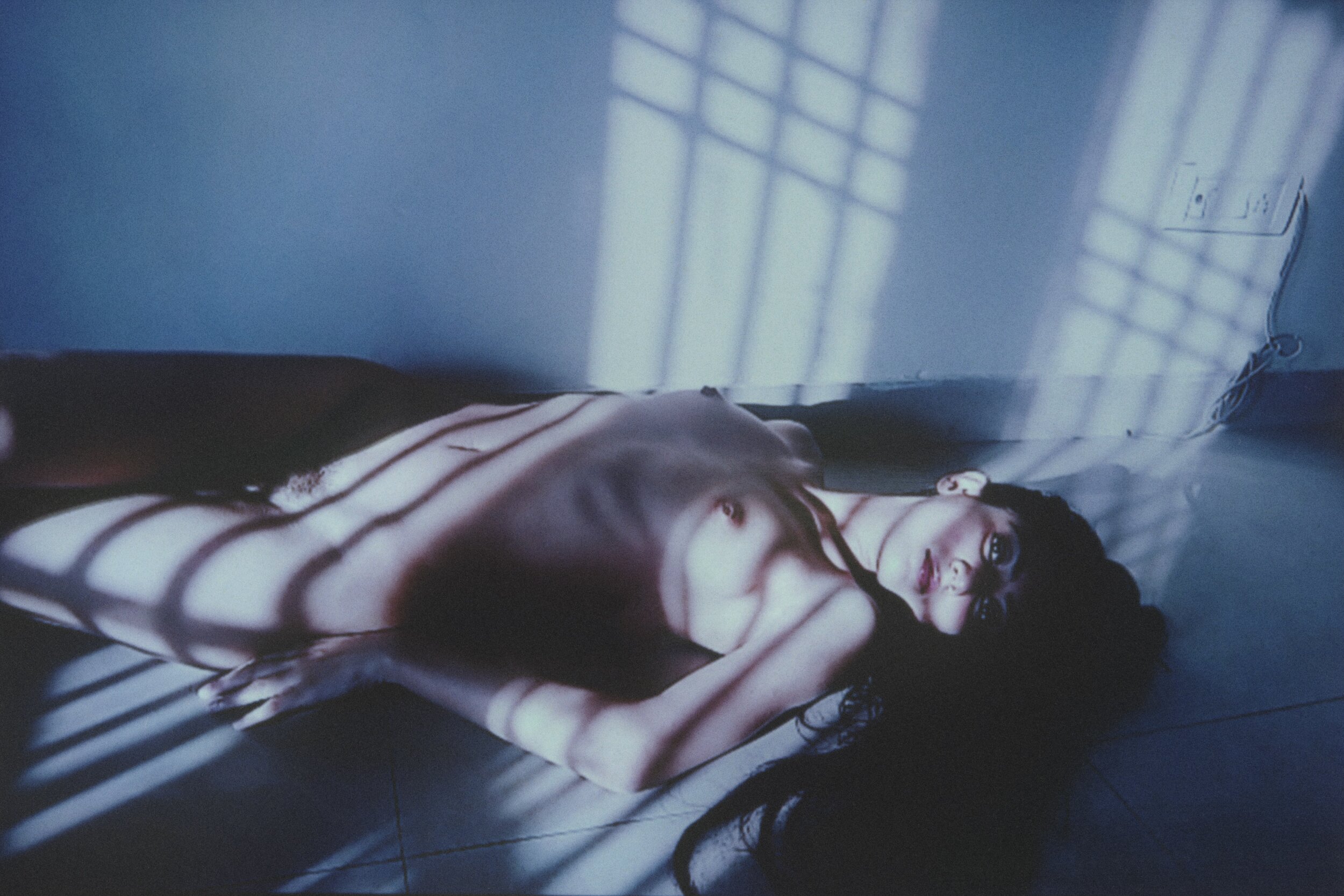

Selected People


Credits
Images · PELLE CASS
https://pellecass.com/
Credits
Images · PELLE CASS
https://pellecass.com/

New-York based photographer Alessandra Sanguinetti often explores through her work, changes, experiences and feelings in society. Sanguinetti’s photography is infused with a certain serenity and a beautiful melancholia showing a certain level of trust between her and her subjects.
Her decade long project The Adventures of Guille and Belinda captures two cousins growing up together in the rural province of Buenos Aires, in Argentina. It is a testimony of family, a study of love, tracing the girls’ lives between every day and imagination from the ages of 14 to 24 and their passage from girlhood to young womanhood. The series which began in 1998 is the subject of two booksThe Adventures of Guille and Belinda and the Enigmatic Meaning of Their Dreams (Nazraeli) and ten years later,The Adventures of Guille and Belinda and the Illusion of an Everlasting Summer(Mack).
Recently, Alessandra Sanguinetti shot a cover for Vogue Italia for their January 2021 Animal issue which aimed at bringing awareness to the urgency of the environmental problem.


When I was nine years old a book I began to get curious about the books on our living room coffee table. Amongst books about nature and old ‘masters’ (Caravaggio etc) there was a Lartigue, a Chim (David Seymour), Dorothea Lange book , and Wisconsin Death Trip, by Michael Lesy. It was the latter that made me beg for a camera. I had a gut reaction to that book – it was the first time I saw, or paid attention to, images of people long gone, and it was the first realization that I was going to die and disappear as well. I panicked and had immediately associated photography with death, life, and memory.
I did receive a camera for Christmas and set out to memorialize everything in my life.
That’s the way it’s been since.
As far as my practice, it was in my twenties that I consciously realized photography was a way to relate to the world and a way to make a living. I’d never thought of myself as an artist or anything in that neighborhood, until then.


Credits
Images · ALESSANDRA SANGUINETTI
https://www.instagram.com/alessandra_sanguinetti/
Designers
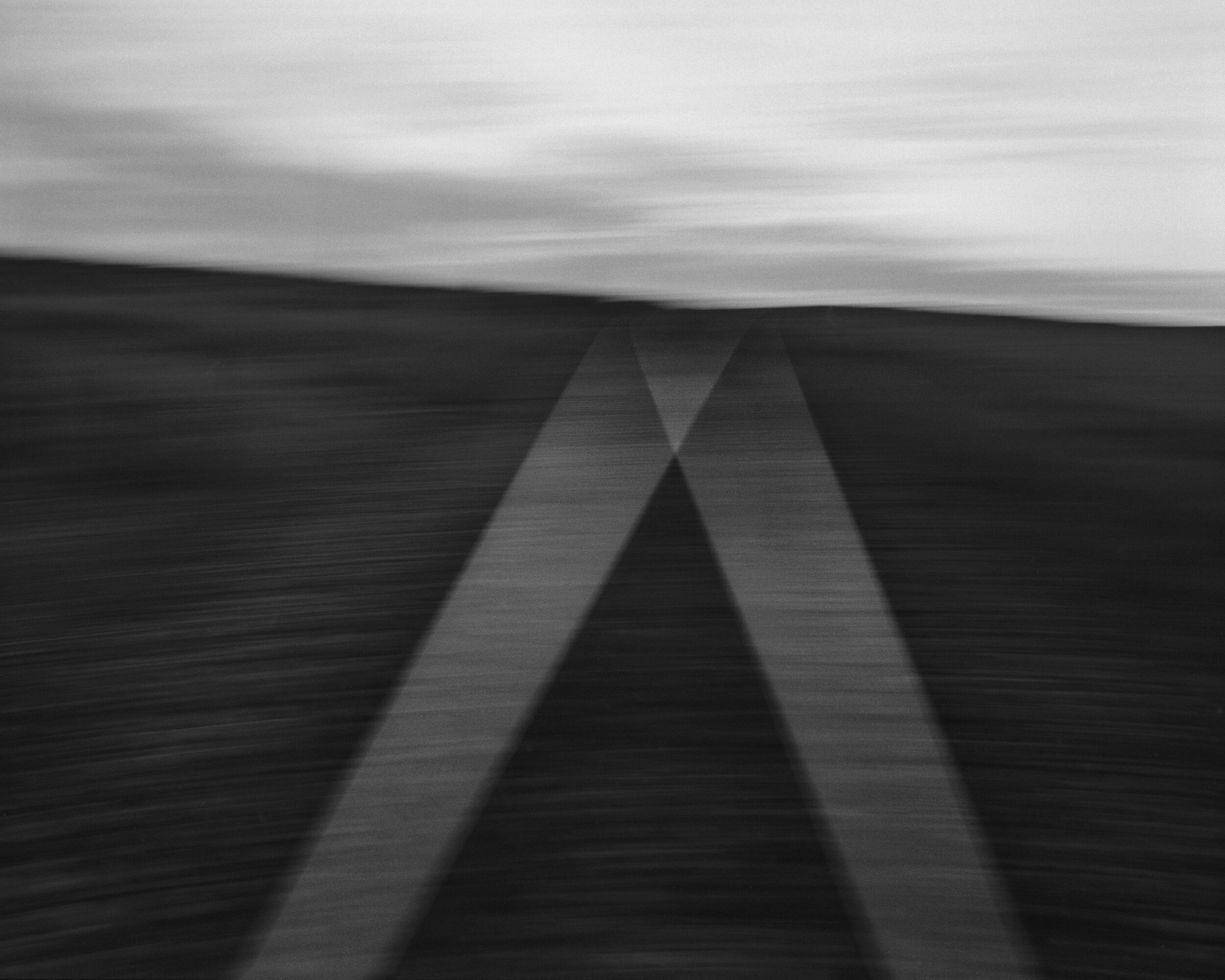
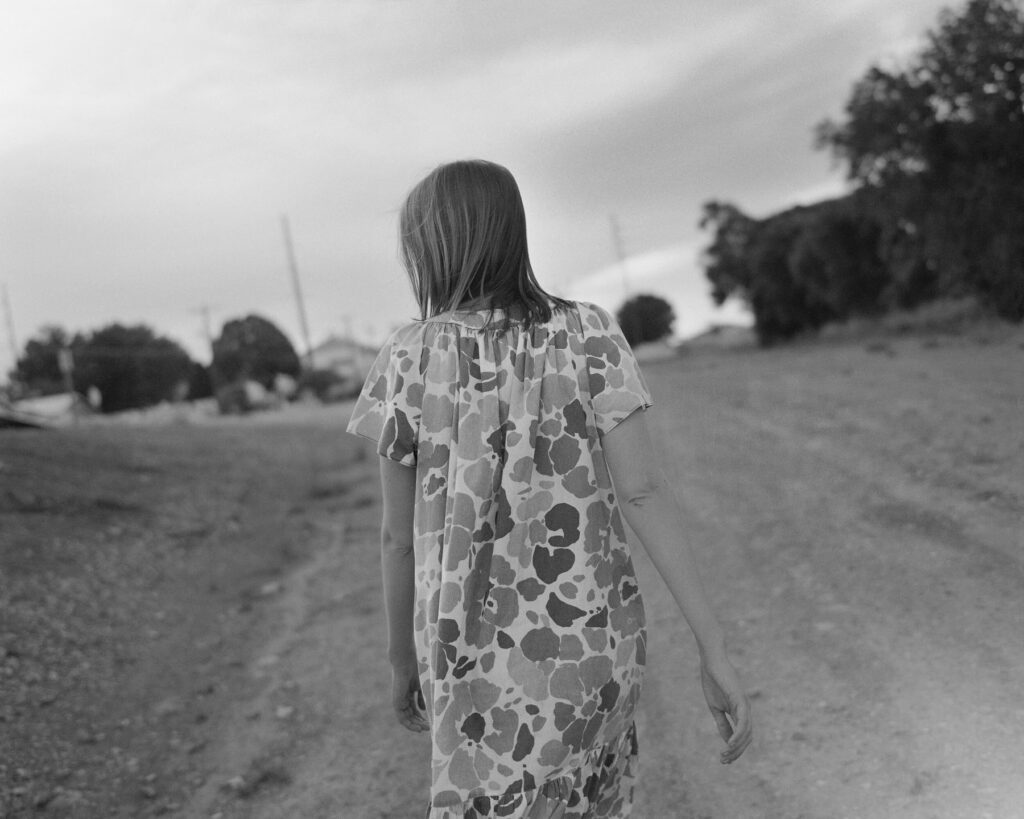
Mother of Dogs
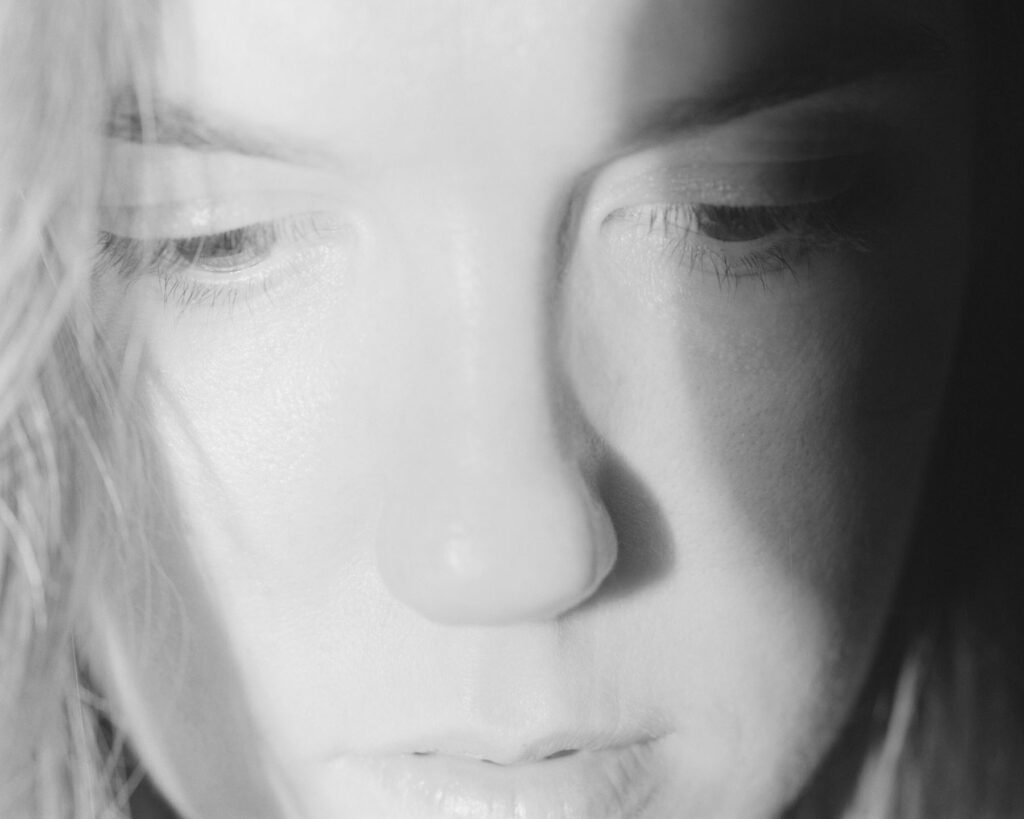
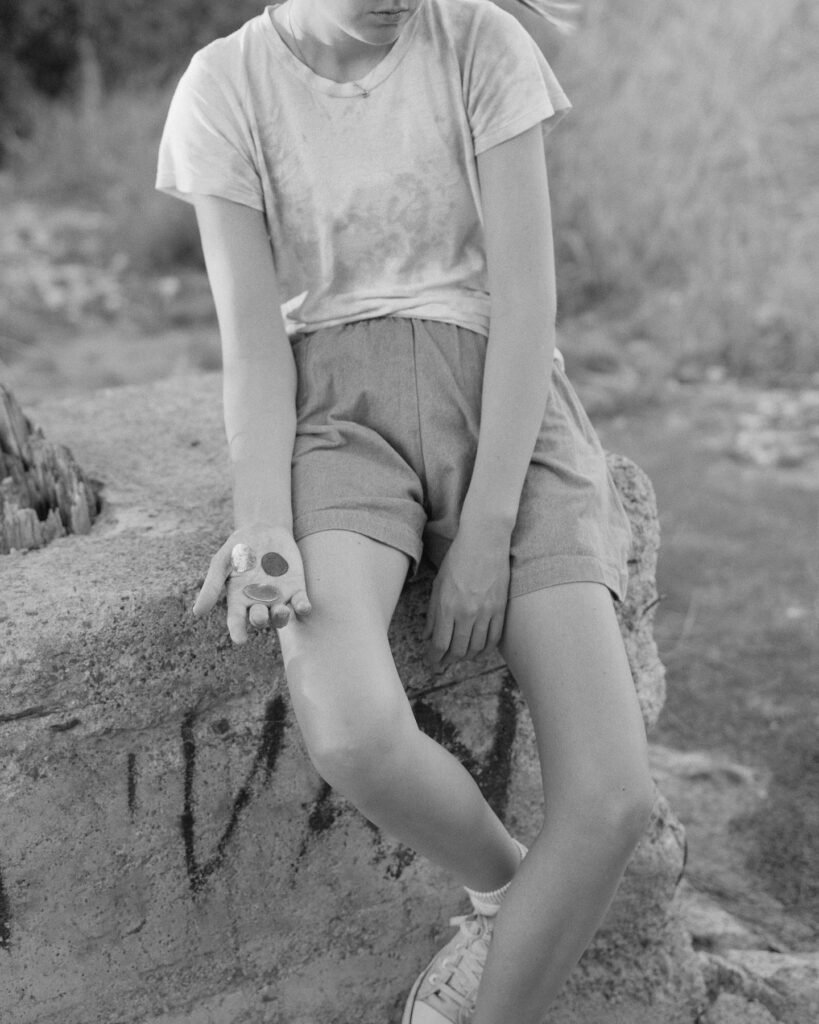
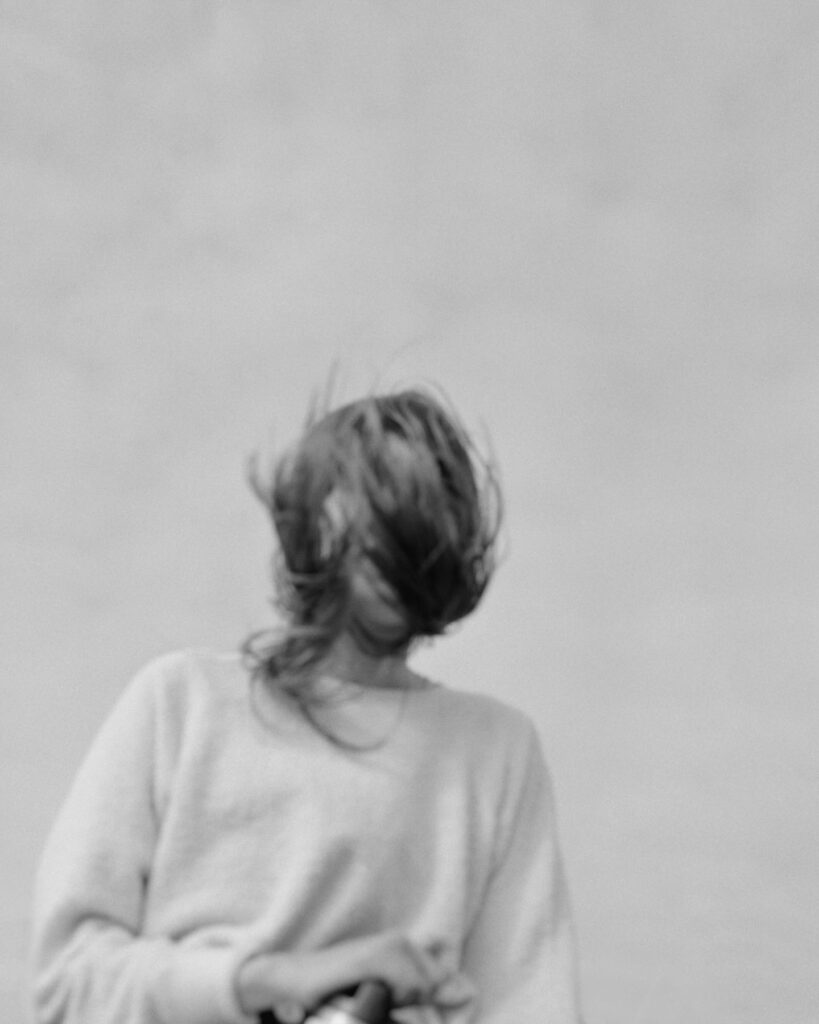
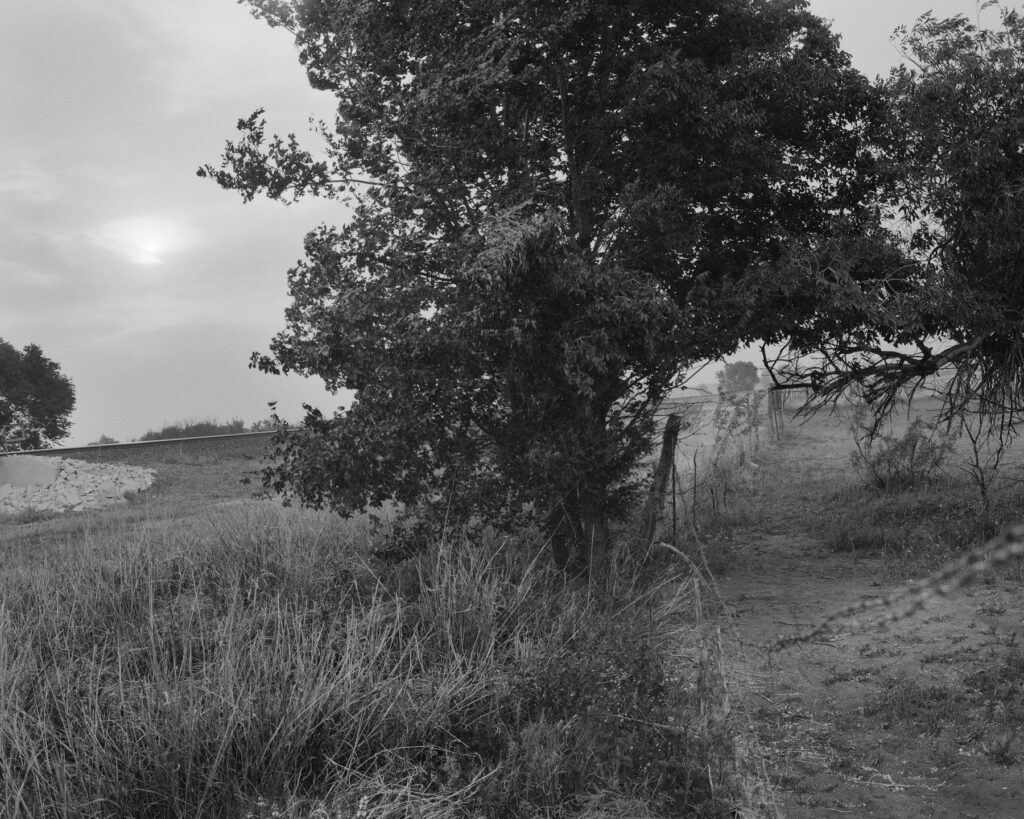
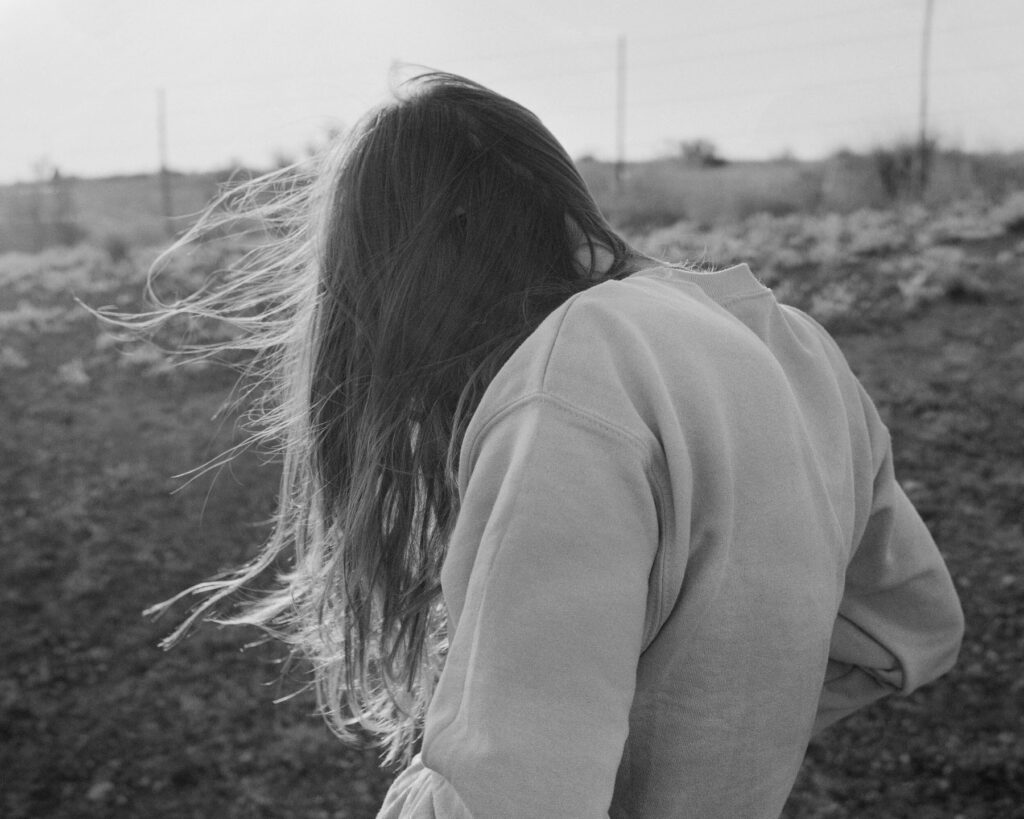
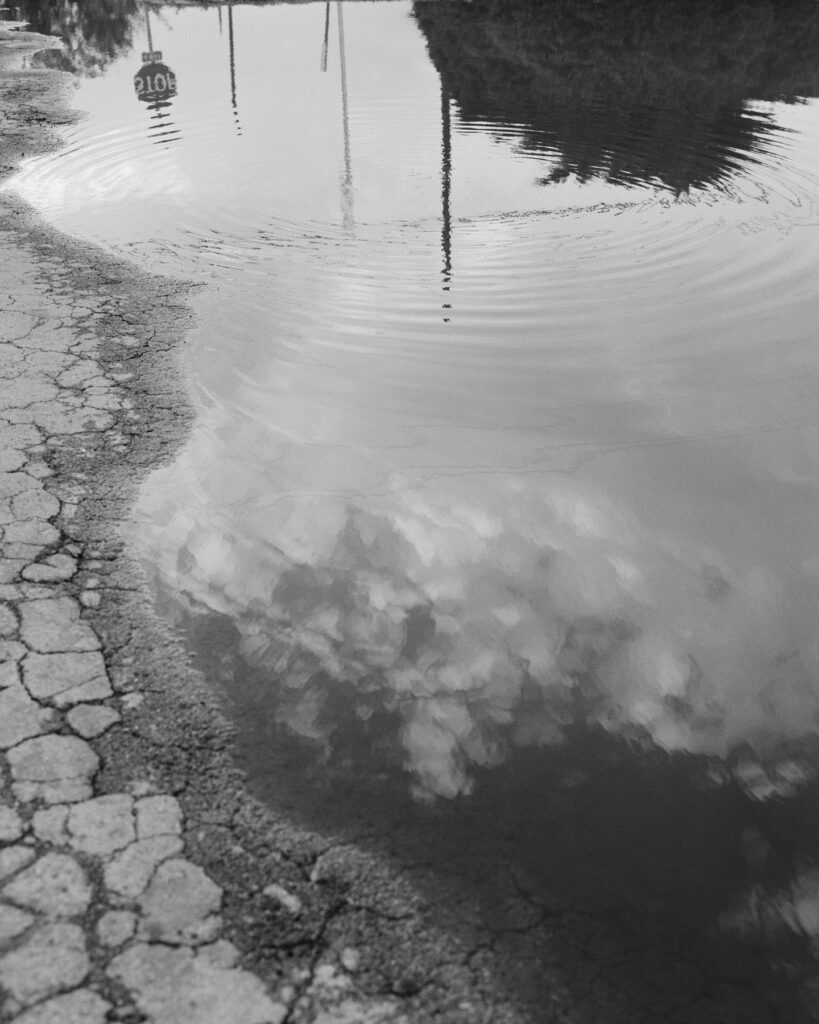
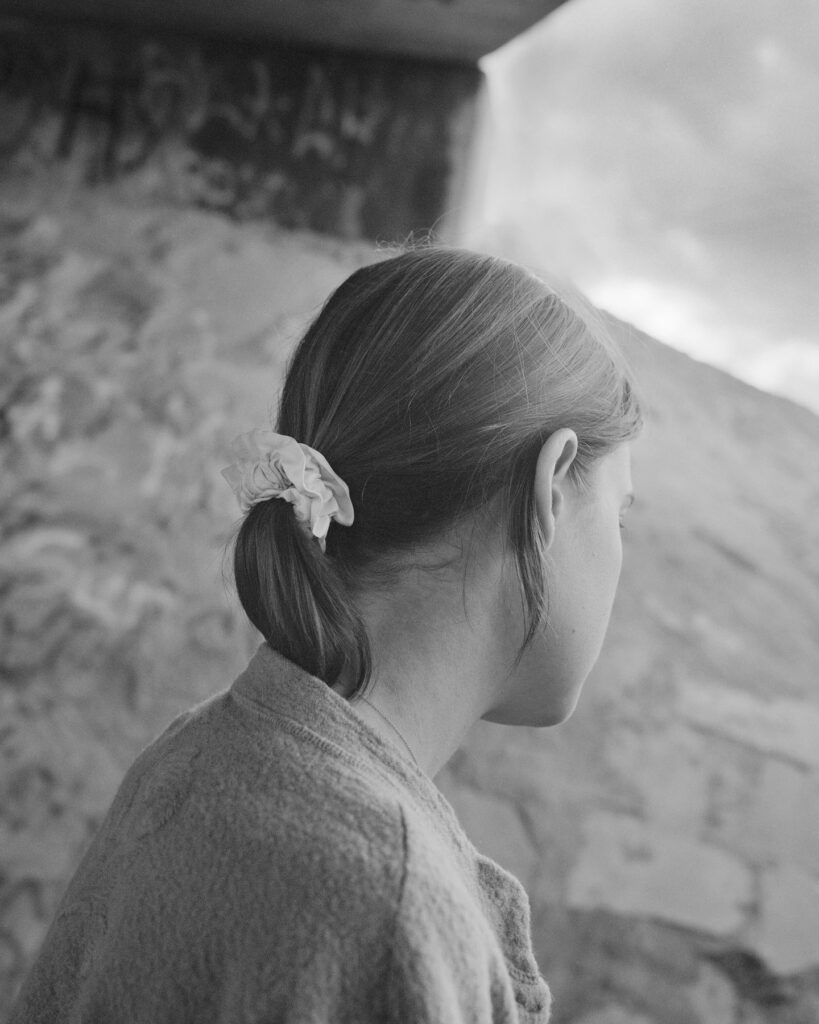
“Mother of Dogs is a project that I began and completed at the beginning and middle of quarantine. Life had been tossed in the air once the pandemic hit, so my partner and I began taking daily walks by the train tracks next to our house in order to introduce some stability. That project could be related to growth considering our development towards balance and steadiness.”
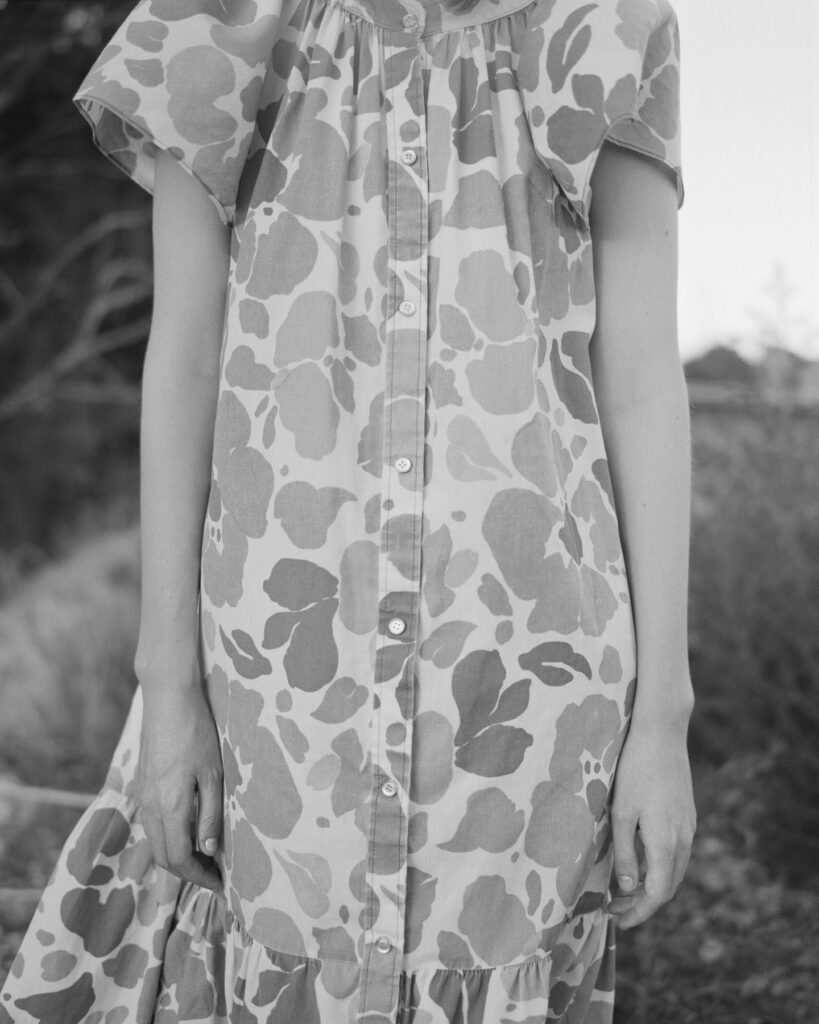
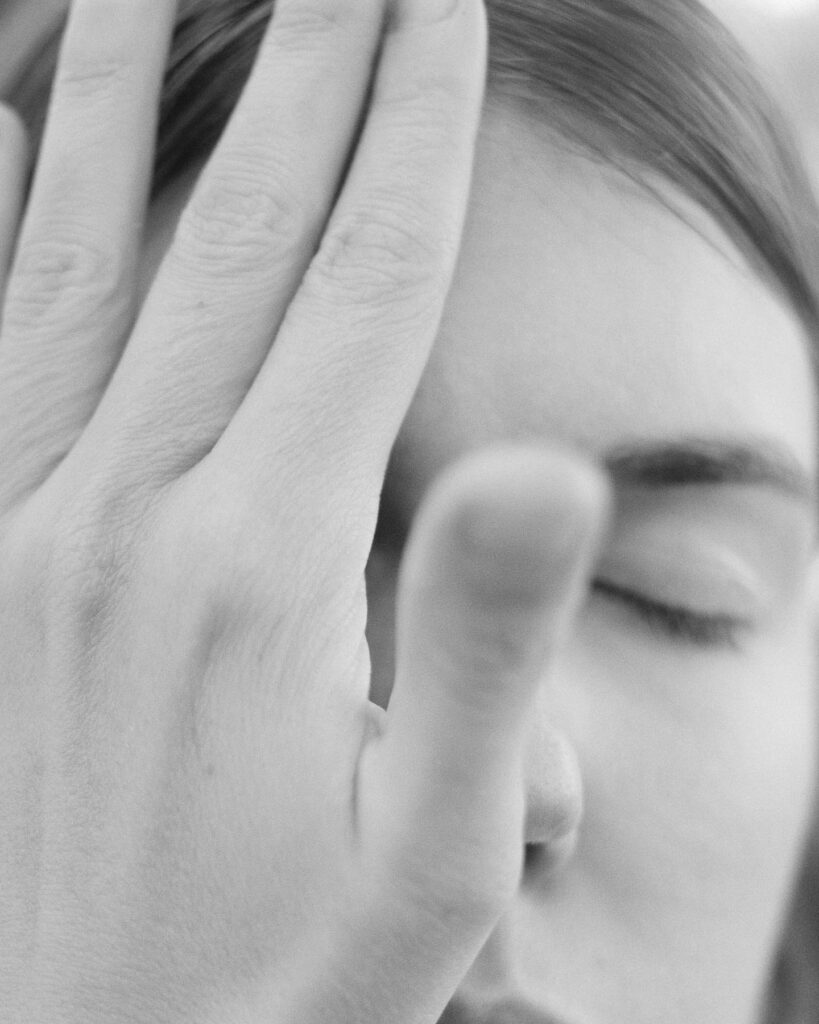
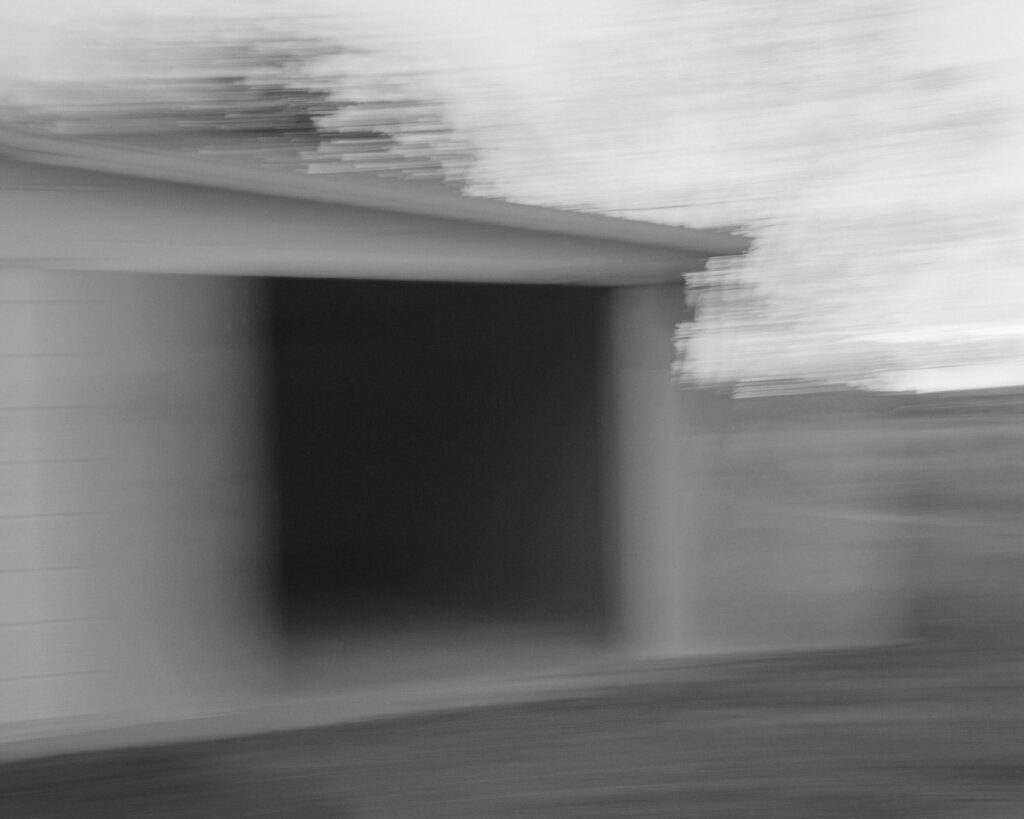
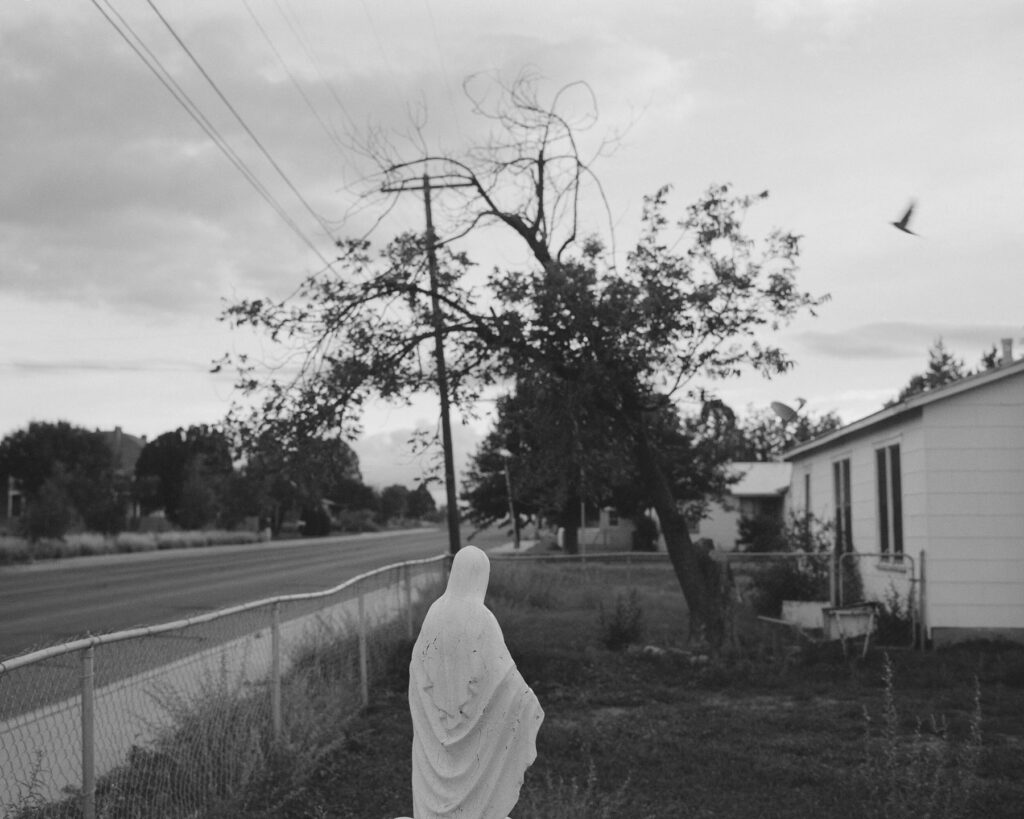
Credits
Photography · Yis Kid
https://yiskid.com/
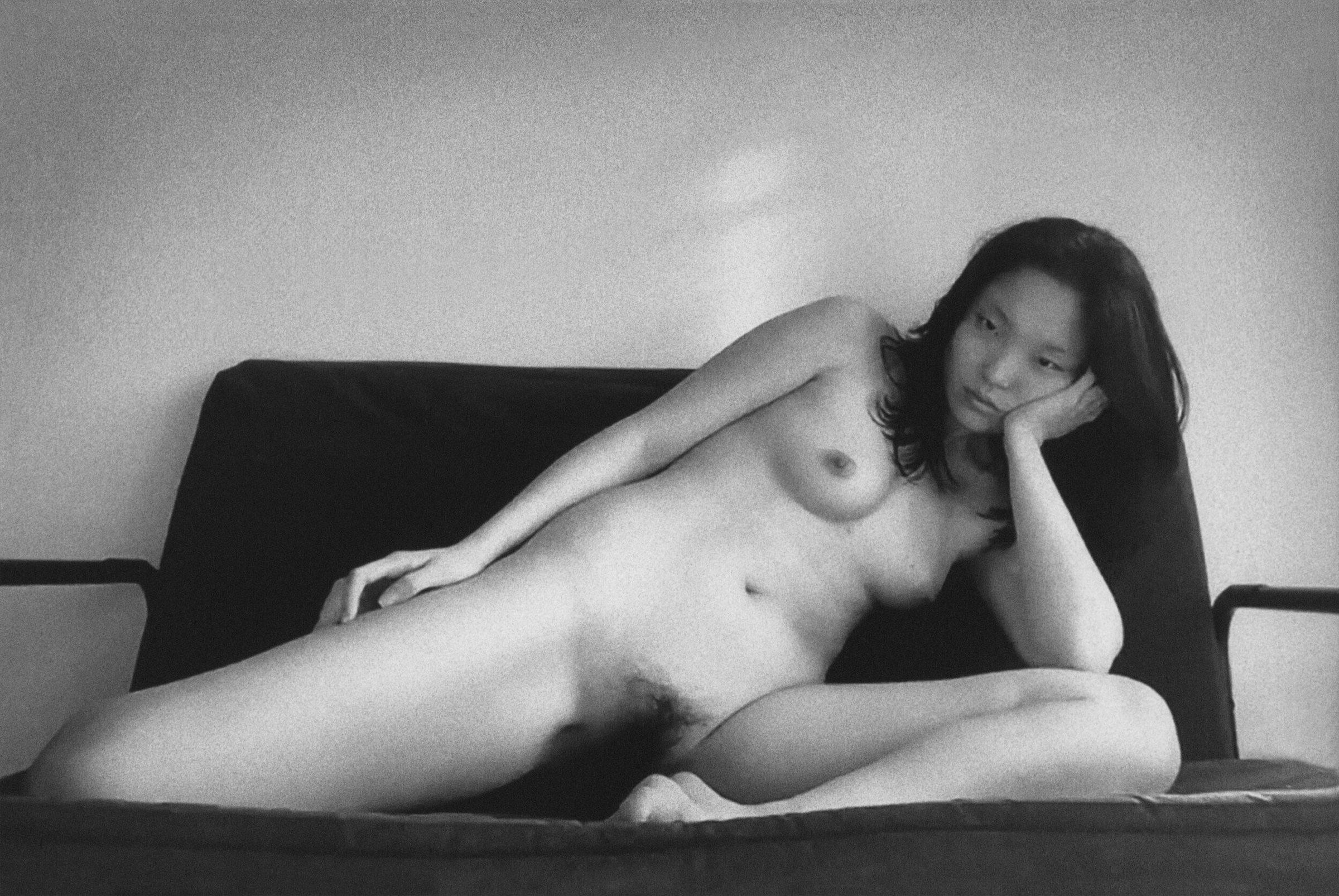
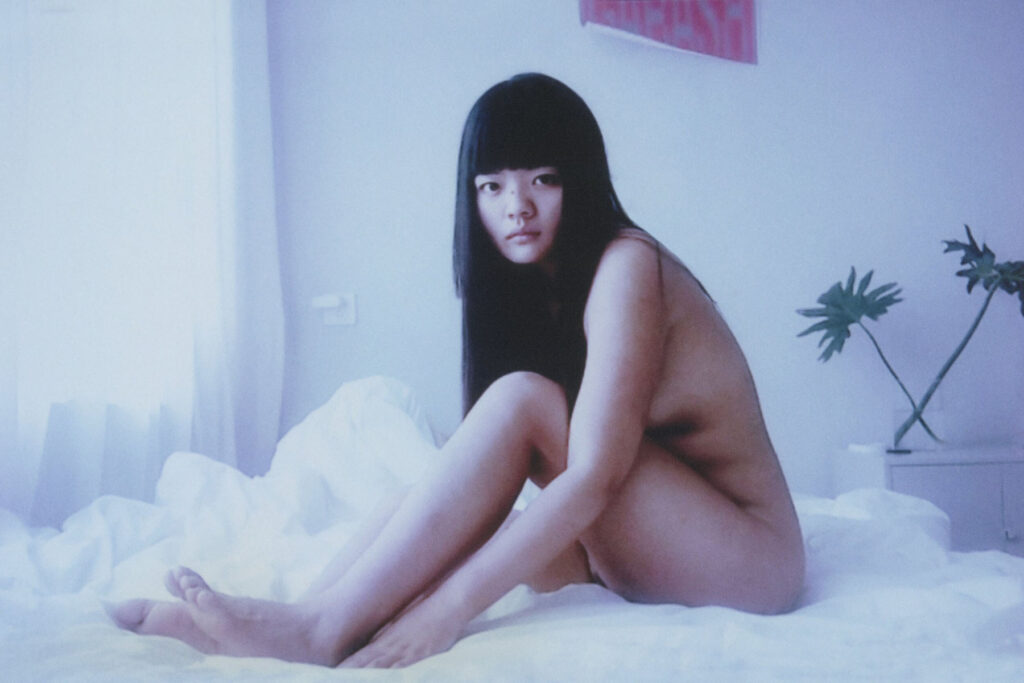
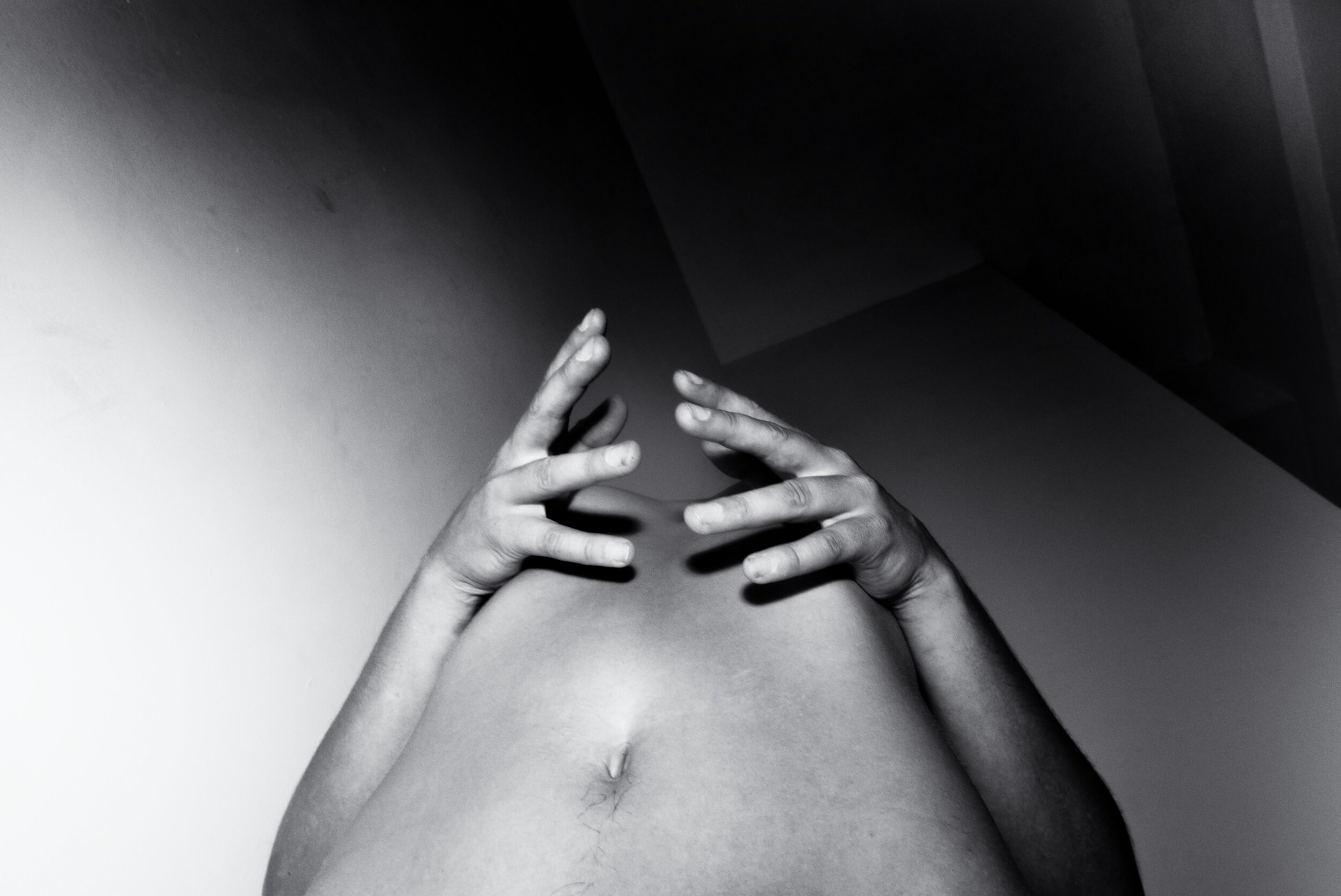
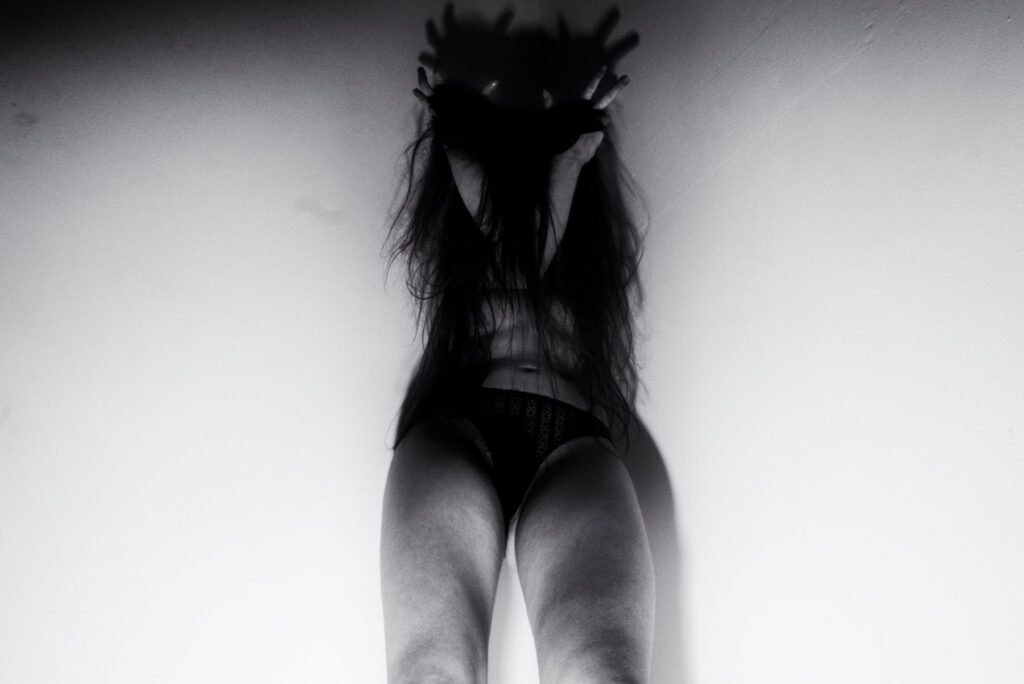
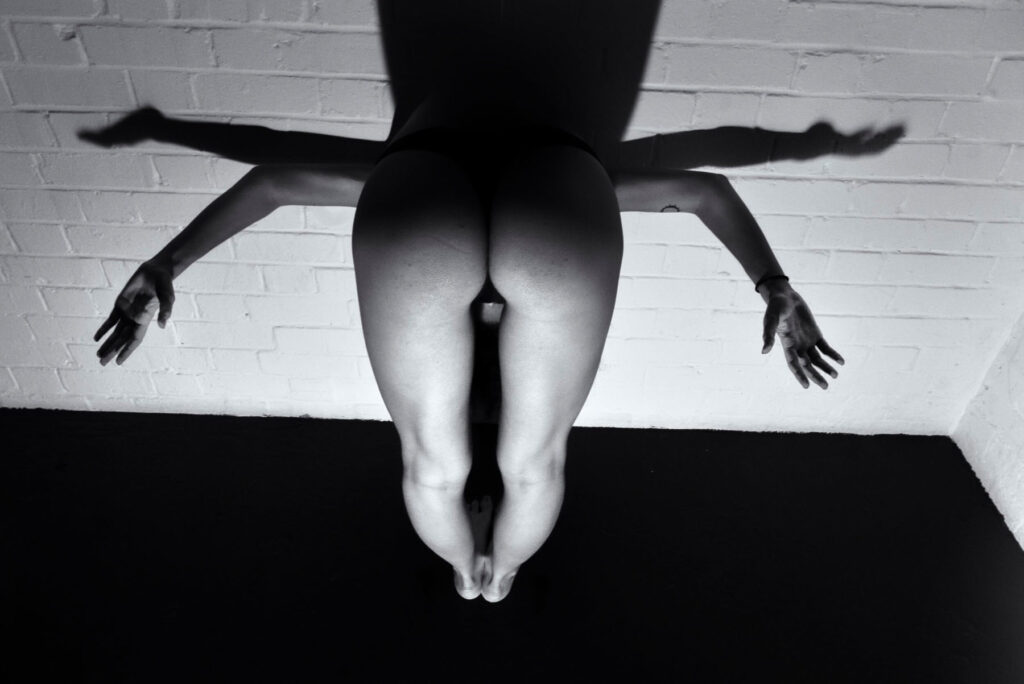
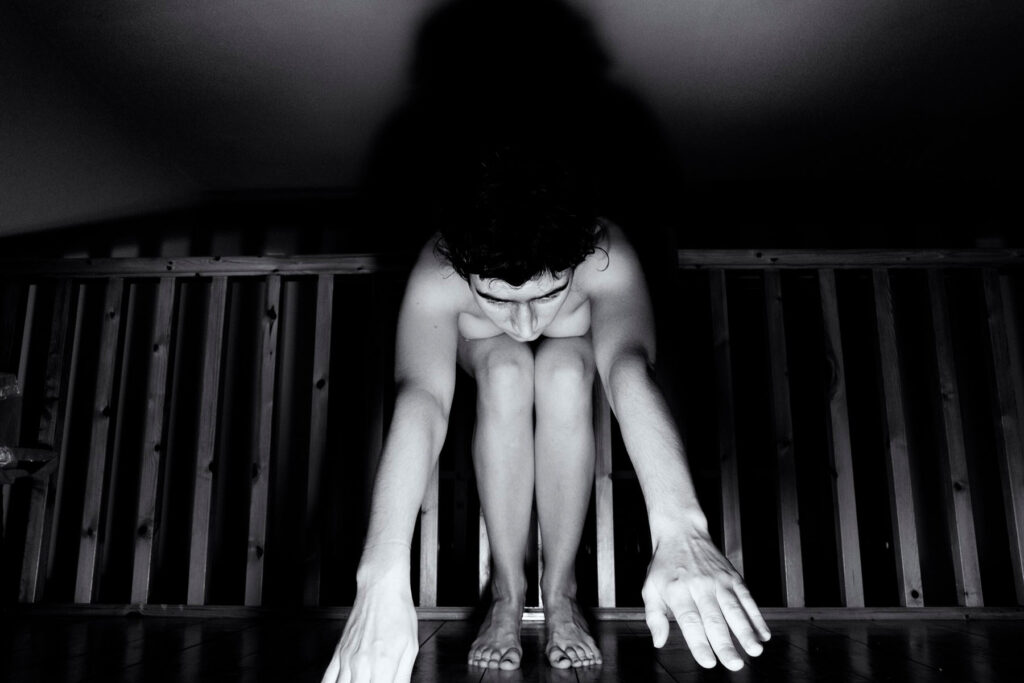
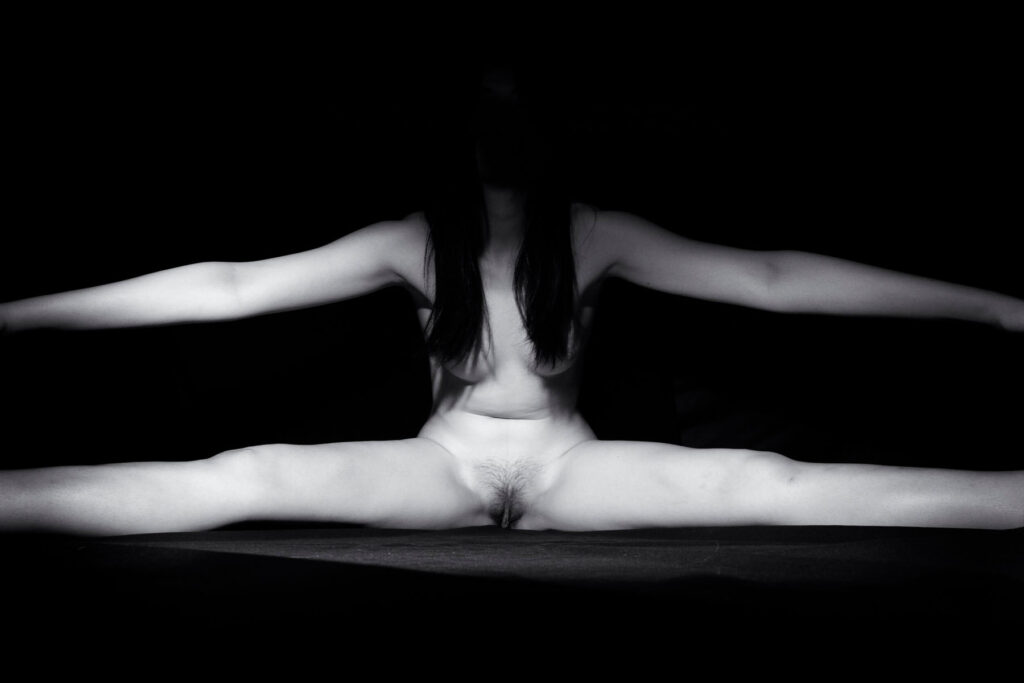
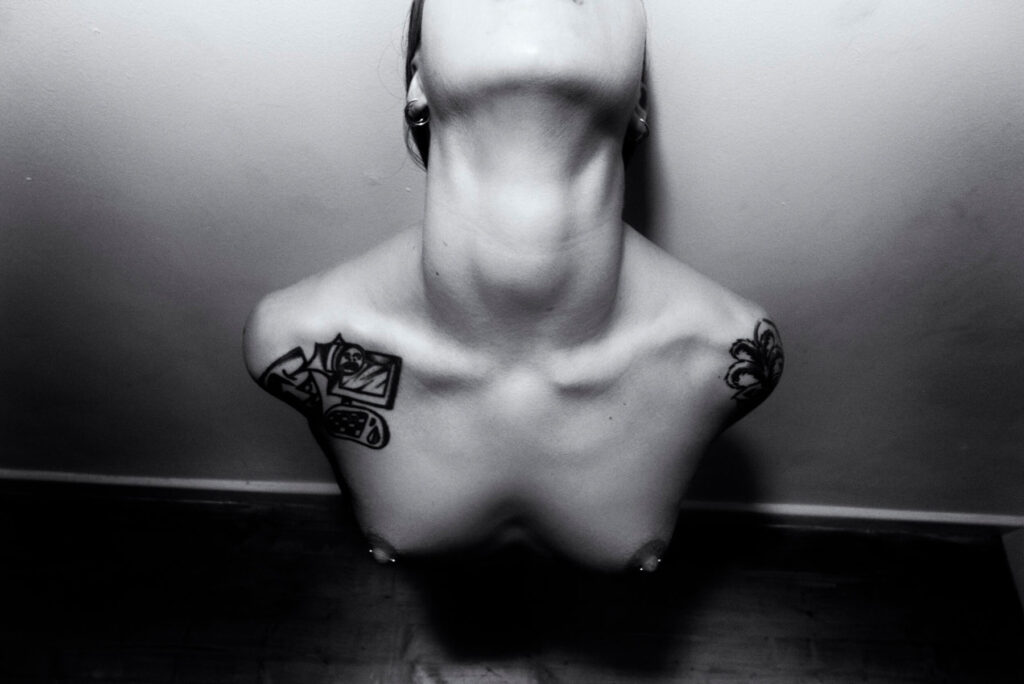
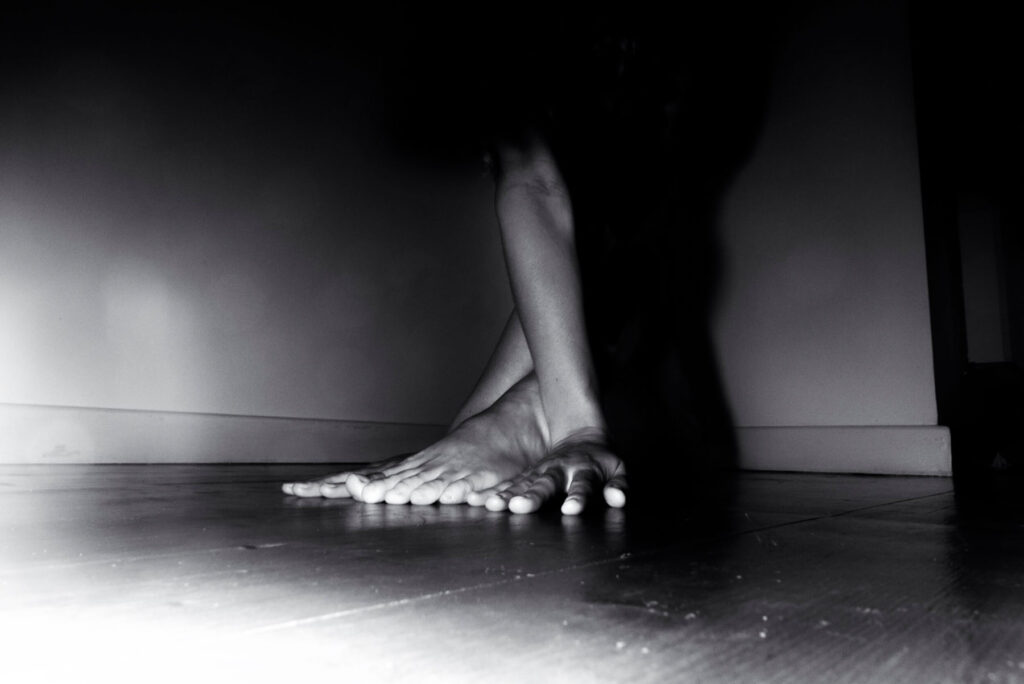
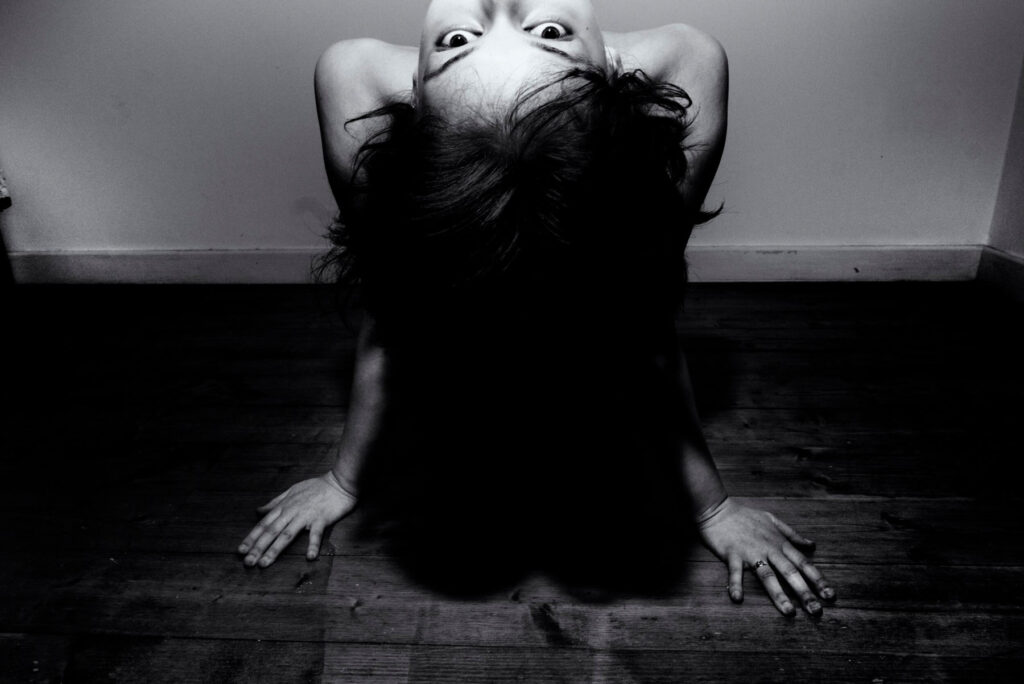
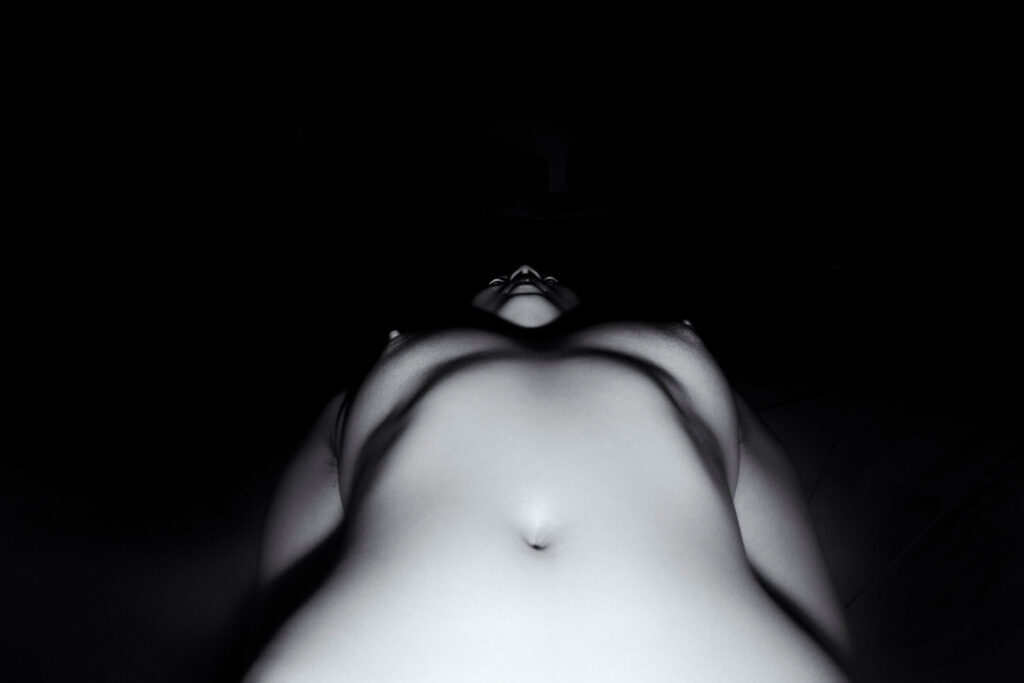
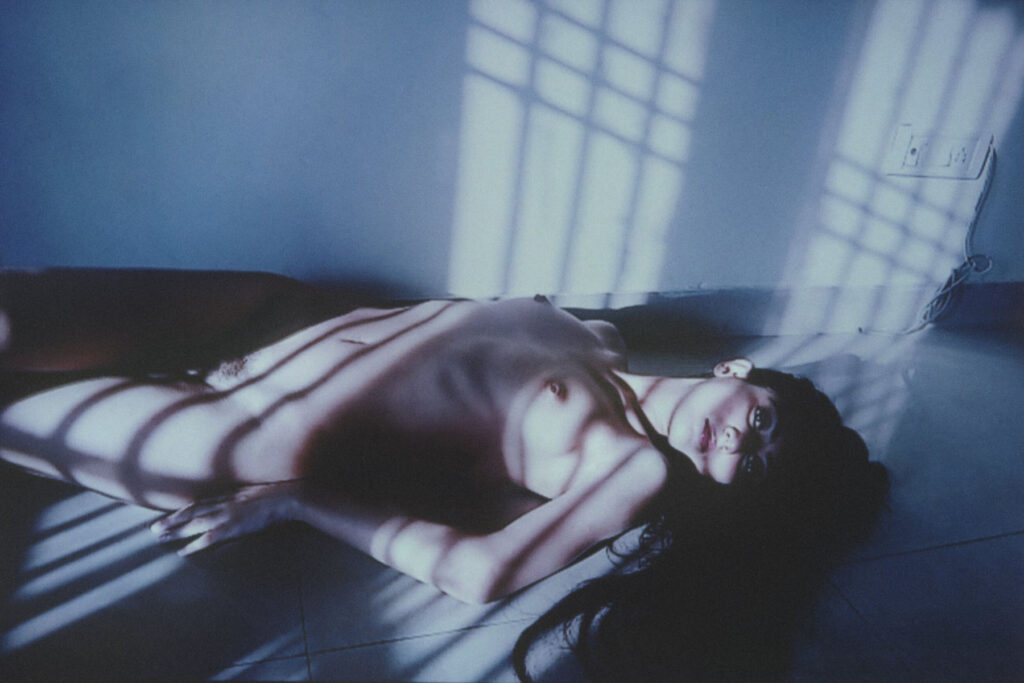
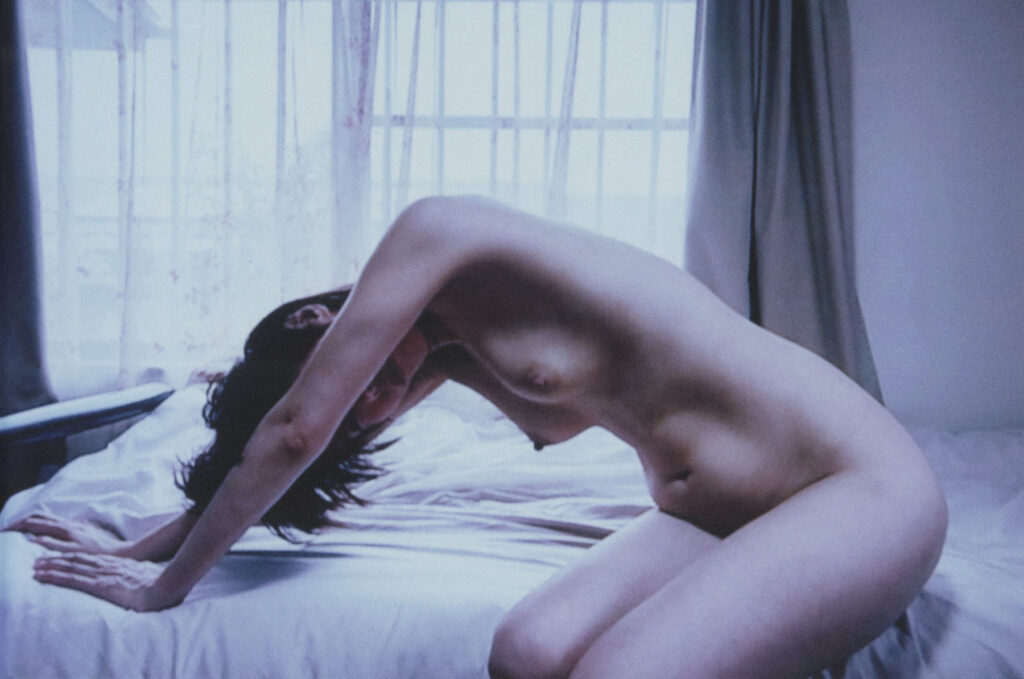
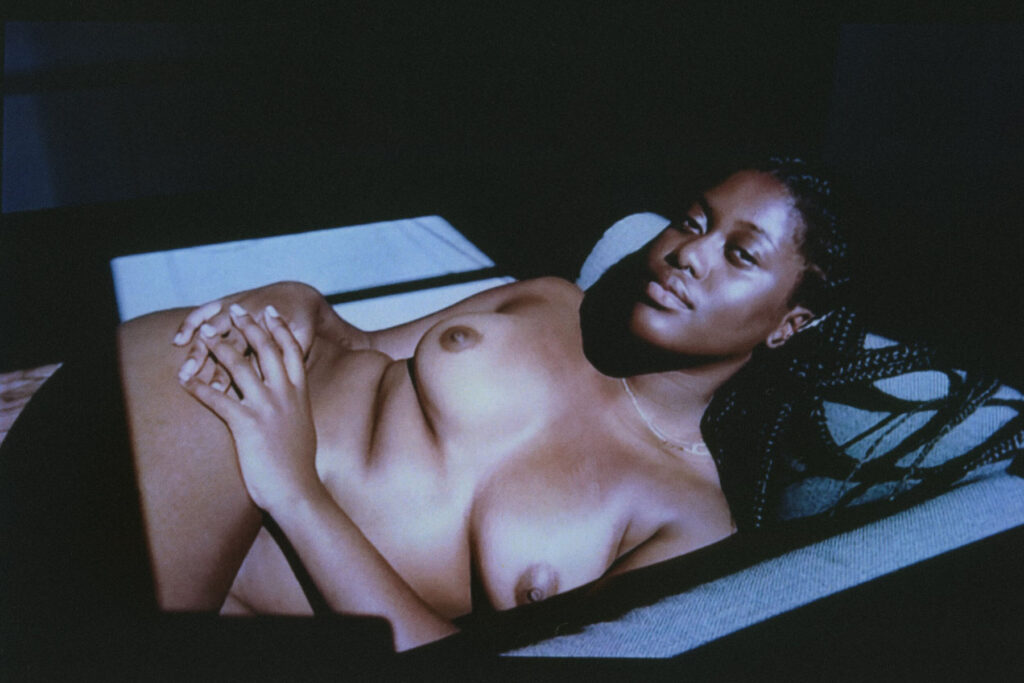
My body. My limbs. My hair. My nose. My skin. My heart. My lungs. My breath.
Much of what we are taught about ourselves as women is that our bodies are not ours. As if we are someone else’s to keep, to define, to use, take pleasure in, and to hurt.
Loving our bodies is not as simple as it sounds when we are still finding a home within us. When we’re alone in nothing but our skin.
While nudes have traditionally been used to display our bodies for the pleasure of the male viewer, these portraits of us are distinct in that they evoke the safety we feel when no one is looking. We do not produce images for the gaze of patriarchy or to compete with other women. We don’t seek to empower people — we know empowerment happens when we take control for ourselves.
Across many regions and cultures, though it doesn’t represent every kind of body and beauty out there, this project is us sending nudes to ourselves — not to be consumed but to be revered. Each woman has a unique, evolving relationship with her body. What we have in common is being alongside one another on the path to loving our bodies how we choose, despite the battles we may face.
So we dream along our journeys. We touch each hair, each fold, each wrinkle, and each scar, remembering that we belong to ourselves.
Credits
Words · Alexandra Leese and Xoài Pham
Me + Mine is available for purchase via antennebooks.com
Proceeds of Me + Mine will be donated to the organisations Black Trans Femmes in the Arts, Trans Law Centre and Rape and Sexual Abuse Support Centre.
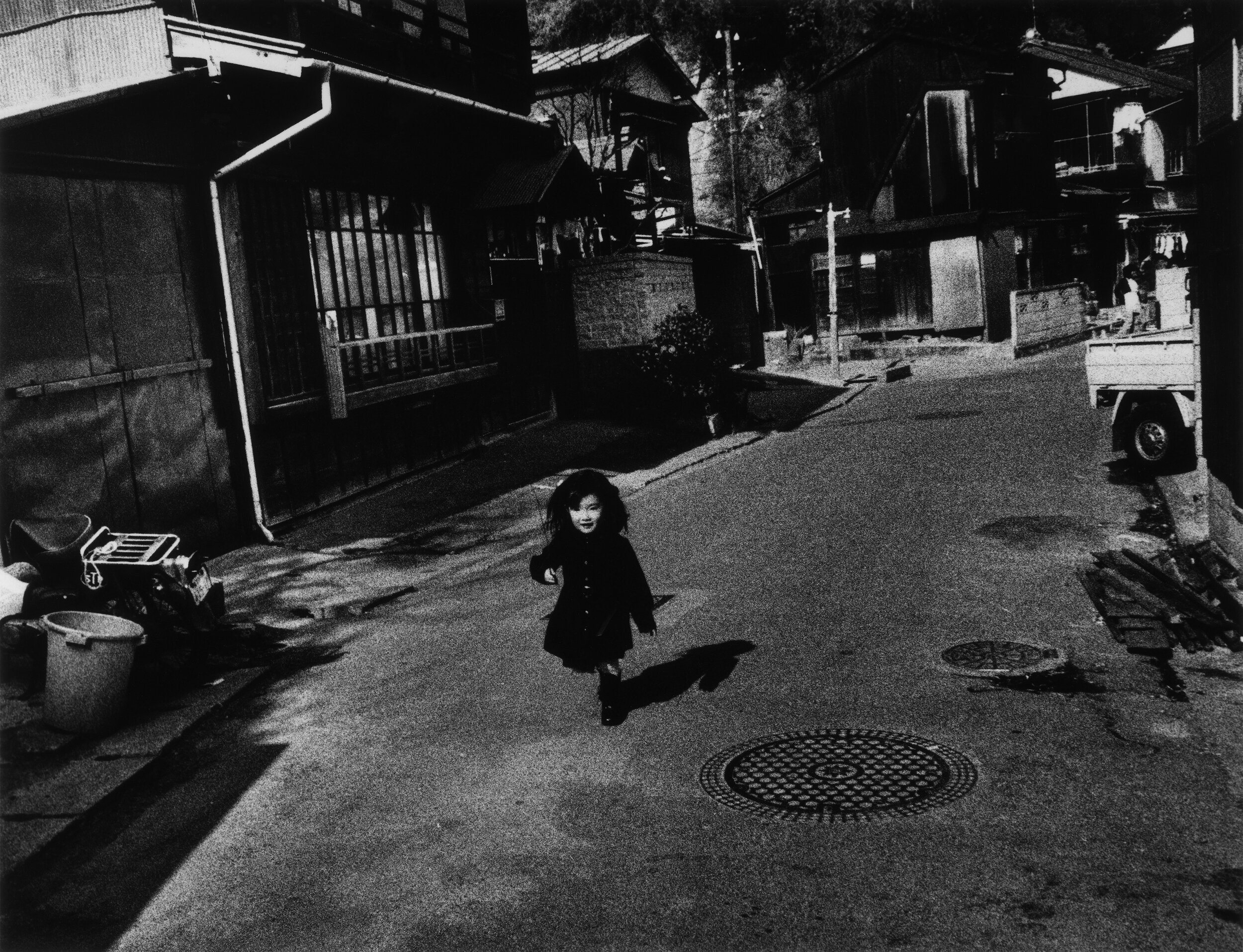
The photographer, Ishiuchi Miyako, grew up in the Japanese port city of Yokosuka in the aftermath of the World War II. Yokosuka is one of the largest overseas US Naval base, and it was against this backdrop that Ishiuchi Miyako grew up. She went on to study textiles and weaving in Tokyo in the late 1960s, and whilst there, discover a passion for photography. Ishiuchi Miyako returned to Yokosuka in the 1970s to confront the place that brought joy (in the form of American exports like jeans and pop music), fear and anger, as a city overrun by the – sometimes sinister – pleasures of the military occupation. Once there, Ishiuchi Miyako began documenting the city in grainy black and white images that capture a place shrouded in confusion surrounding its identity. Her images are scenes of a Japanese urbanscape, that much is clear, but the lingering presence of Americanisms here and there in oftentimes deserted scenes feels alienating and menacing. Ishiuchi Miyako titled this body of work Yokosuka Story after a hit Japanese pop song, and its release as a book in 1979 launched her career in a male-dominated field.
Ishiuchi Miyako would later create a series of work around the time of her 40th birthday, in which she contacted women of the same age to photograph their hands, feet and bodies up close. The work, 1∙9∙4∙7, captures imperfections, wrinkles, and scars as evidence of the life’s impression on the human form, not quite young but not old either. What is striking about Ishiuchi Miyako’s photography is that many of her projects seem to inform the next body of work. After the book publication of 1∙9∙4∙7 in 1990, Ishiuchi Miyako turned her attention to another series, Scars – a tender exploration of scarred bodies. One particularly striking image, Scars #13 (Accident 1976), shows a woman’s torso in soft focus; a lengthy scar etched into the natural dip of her stomach. ‘While a person hopes to remain unblemished through life, we must all sustain and live with wounds, visible and invisible,’ the photographer explains in the afterword of the 2005 book, Scars; ‘It is an imprint of the past, welded onto a part of the body.’
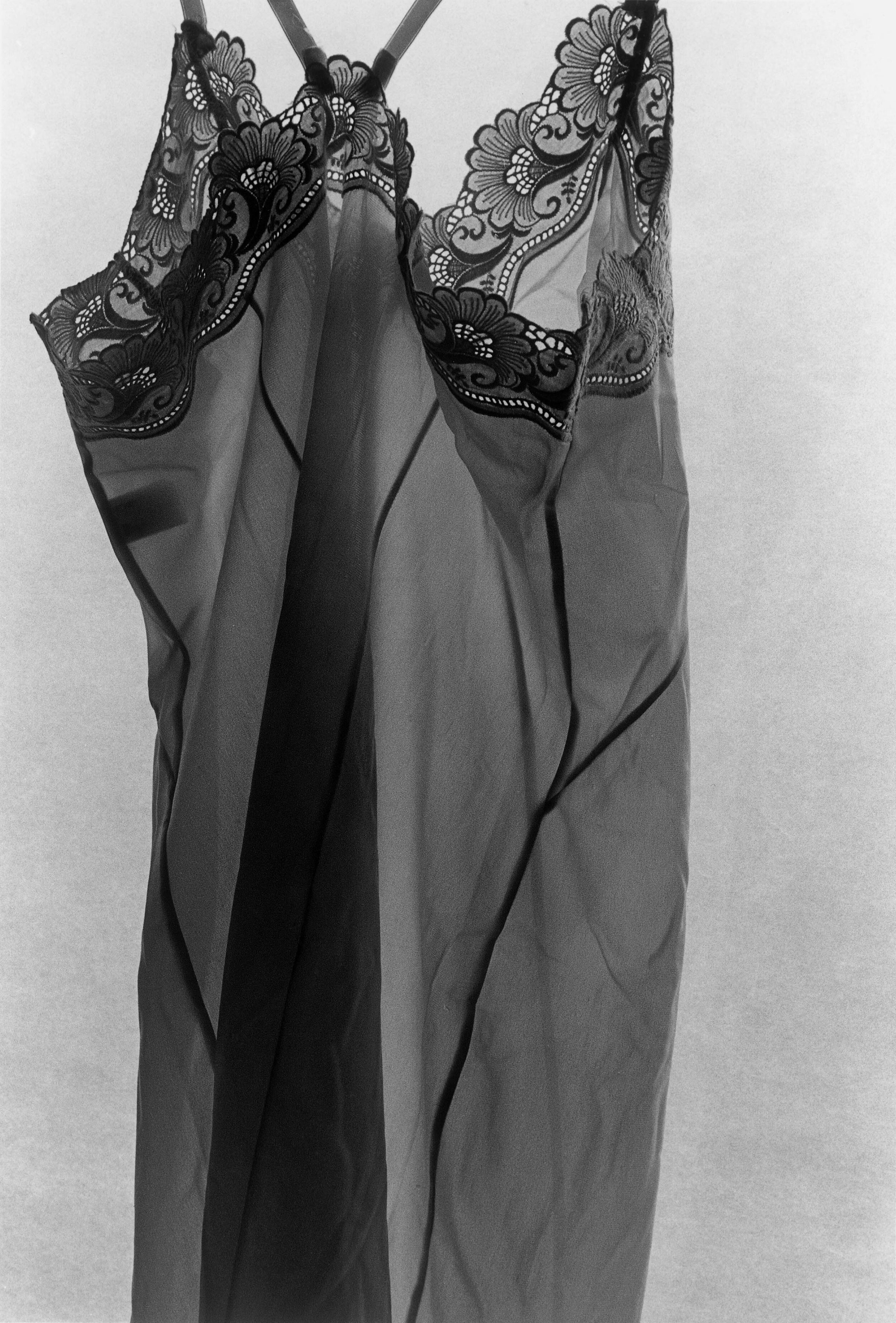
In 2000, when Ishiuchi Miyako had been working on the Scars series for almost a decade, she persuaded her mother to take part – hoping to document scars from a cooking accident that left their mark on a large part of her body. Unbeknownst to both Ishiuchi Miyako and her mother however, the latter would be diagnosed with liver cancer not long after the photographs were taken and died within a short space of time. Left with her deceased mother’s belongings, Ishiuchi Miyako began working on her next series, Mother’s. In attempting to grapple with the grief she was experiencing, coupled with a complicated relationship with her parent, Ishiuchi Miyako turned to photographing the shoes, underwear, dentures and make up left behind. A hairbrush is captured with strands of her mother’s hair still entangled in its spokes. In one image, Ishiuchi Miyako photographs a snapshot of her mother from the 1940s stood in front of a vehicle. Her mother drove an ammunition truck during the war; another reminder of Japan’s fraught history.
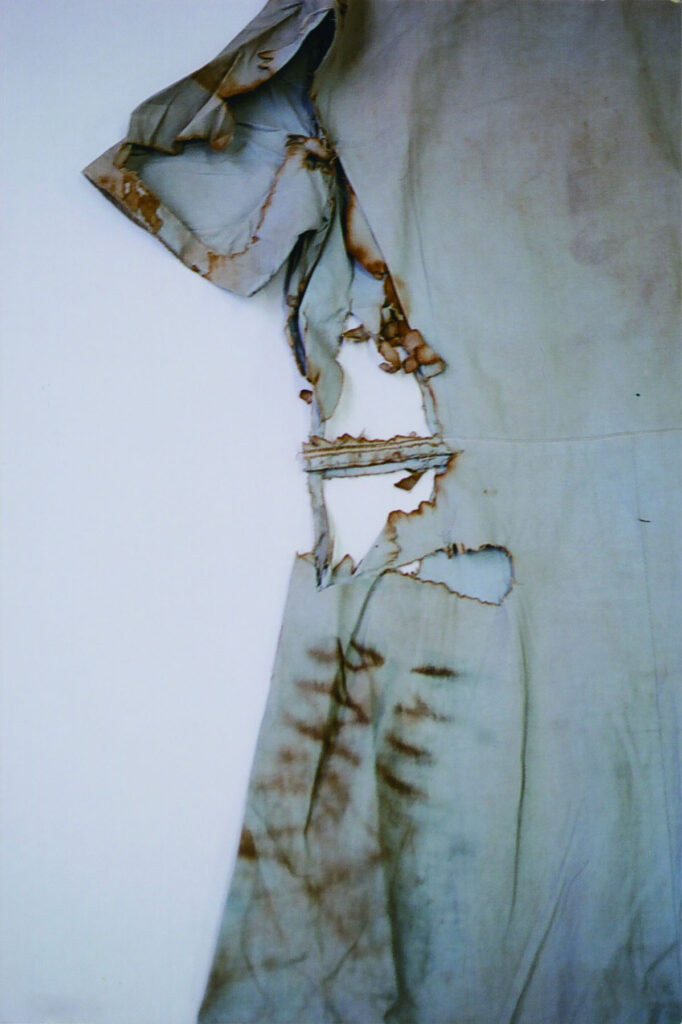
Mother’s was shown in the Japanese pavilion at the 2005 Venice Biennale; it was after that that the photographer was approached by the Hiroshima Peace Memorial Museum to photograph clothing and accessories belonging to the victims of the atomic bomb. Without the familial connection to the belongings of a parent, in hiroshima, Ishiuchi Miyako forges a relationship with the objects themselves. For the series, the photographer carefully positioned each item of clothing – sometimes talking to them, the curator of the museum told Getty in 2015. The images are beautiful, affording an almost anthropomorphic feeling to a dress or a blouse. But these images are hard to look at too; after noticing the detail of a collar, intricate needlework or the vividness of a print, the eye turns to the tears and charring in the fabric. As Makeda Best, Curator of Photography at Harvard Art Museums, wrote in 2015, ‘These “scars” on the fabric serve as metaphors for the bodies of bomb victims and of a nation.’
Following hiroshima, Ishiuchi was commissioned by the Museo Frida Kahlo in 2013 to photograph 300 of the artist’s belongings, sealed in the bathroom of her home in Mexico until 2004. The result is a body of work that both forms a bond with the clothing of someone the photographer never knew, and begins to build an impression of a woman’s life. Over the course of her career, Ishiuchi Miyako’s photography has worked to leverage an intimate portrayal of women and womanhood, of time, suffering, loss and memory, into a world of brutality and hardship.
Has your outlook as a photographer changed over time?
Photography has always been a product of its time, and has always changed with the times. My photographs may change in superficial terms, but what I am basically expressing and my mentality remain unchanged.
You mention that it was photographing your mother’s lipstick that led you to take colour photography. What difference is there between shooting in B&W and colour, and what impact does this have on the final image?
I can do every step by myself when I’m working in black and white. My ideal here has been to take full responsibility for every stage: shooting, developing, printing. When I’m working in colour, I just take the photographs and have the rest of the work done at a lab. When I started doing this, it was very refreshing to have the works be out of my hands and be able to look at them more objectively.
With black and white, I felt like I was clinging to the photographs throughout the entire process. When I started working in colour, I felt in a way as if I had been liberated from photography. Black and white is a world of artistic creation, while colour is the world of everyday life. At the same time, both black and white and colour are just approaches, and it doesn’t matter which you use.
The photographs of Yokosuka are commended for their grainy texture. What are the attributes that make a powerful image?
The Yokosuka photographs are not intended to have a powerful impact. When I printed my first photograph, I realized that a photograph is a collection of ink grains on paper. I wanted to print those particles properly, so I developed the film at a high temperature. Grains are like units of time, and I tried to make prints as if I were counting them one by one.
I like the analogy between your background in weaving and the process of photographic development.
Do you think there’s something similar with the photographs themselves; weaving moments of time into history?
Photography and textiles are very similar – they are both water works. It was a revelation to me that the colour-fixing liquid used for dyeing yarn and the stopping liquid used for photography are the same thing. Making textiles is very labour-intensive work. Photography is the work of evoking time using light. Both of them are jobs done by hand.
A lot of your work involves photographs of objects and possessions. Do you see photographs as being objects and possessions too?
“A photograph is a narrative that documents and renders memory visible in two dimensions, transcending objects and possessions.”
Photographed subjects are given new value and meaning, and by becoming part of a photograph they become almost eternal.
Did you take a different approach photographing the possessions of your mother and Frida Kahlo, compared with the clothing of Hiroshima victims (whose identity we might not know)?
/hiroshima, Mother’s, and Frida all share the same intent in that they focus on what has been left behind. I took the same approach to photographing these three subjects, but Mother’s began as my own personal project, then after being shown at the Venice Biennale it became a photographic work that transcends my own personal concerns, expanding from the private to the public. This later shaped the specific development of /hiroshima and Frida.
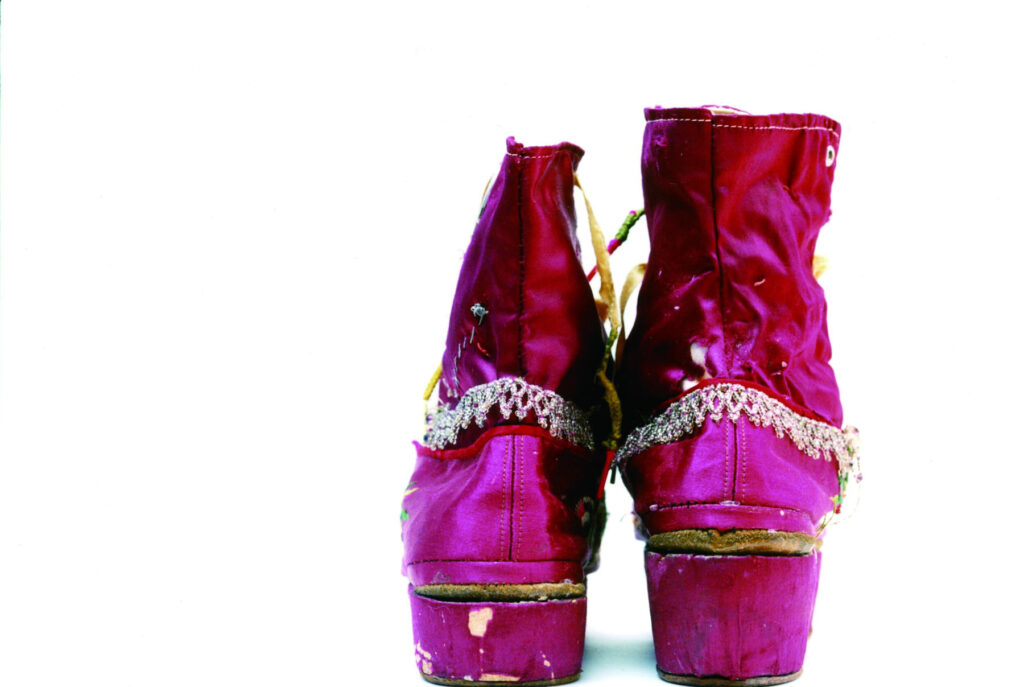
I find it interesting that you don’t attach messages or captions to your photographs. How does that relate to the objects (clothing/possessions) that you photograph? Do you try to interpret the meaning that their original owner gave them?
I consider my photographs to be creative rather than documentary, and I take them from my own point of view and with my own values. I believe that adding a message or caption to my photos would take away the viewer’s freedom of thought. I want people to be free to see my photos from their own perspectives, and to attach their own words to them.
I cannot photograph the past. My work is based on encounters with things left over from the past, but which are in front of me, in the same space and time, in the reality through which I am living in now. In particular, the bombed artefacts of Hiroshima cannot become part of the past.
/hiroshima is very different to Yokosuka Story – how do they capture the aftermath of the war in Japan and the country’s relationship with America?
I made my debut with Yokosuka Story, a series that is kind of a personal sentimental journey.
“I was born in the post-war era and spent my adolescence in a community with an American military base, and I enlarged these prints to exorcise emotions like scars I felt I had received from the Occupied Japan city of Yokosuka.”
There is a connection between Yokosuka and the history of the atomic bomb dropped on Hiroshima, which played a huge role in ending the war, and which I documented about 30 years later. Yokosuka still serves as the home port for Asia’s largest nuclear-powered aircraft carrier. The post-war period is not yet over, and the reality is that Japan is still under US control. My photographic work, which started in Yokosuka, inevitably turned toward Hiroshima, and /hiroshima is still an ongoing project.
Credits
Images · ISHIUCHI MIYAKO
Special Thanks · THE THIRD GALLERY AYA
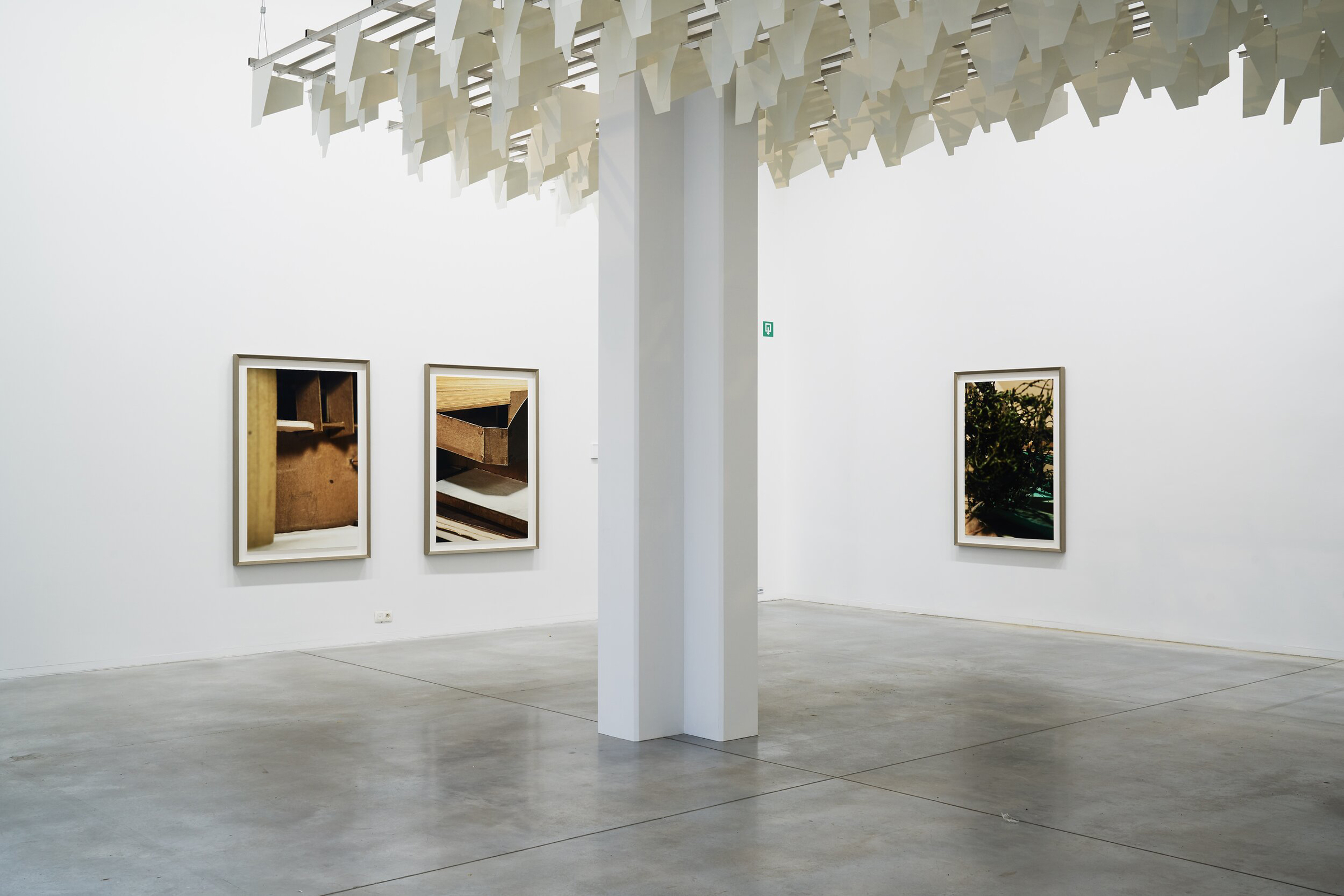
German sculptor Thomas Demand lives and works between Berlin and Los Angeles. One of the most innovative artists of his generation, Demand has specialized in handcrafting facsimiles of architectural spaces and natural environments. Through his use of paper and cardboard, Demand meticulously reconstructs images and scenes, embedding those in society’s collective memory with mural-scale photographs. The ephemeral and illusionistic characters of Demand’s work have pushed the medium of photography further than ever before and are part of his investigation of the livelihood of images.
NR looks into Thomas Demand’s development as an artist, from sculptor to photographer and how he found a balance between the two practices using excellent craftsmanship and imagination, blurring the line between reproduction and original whether it be in architecture or fashion.
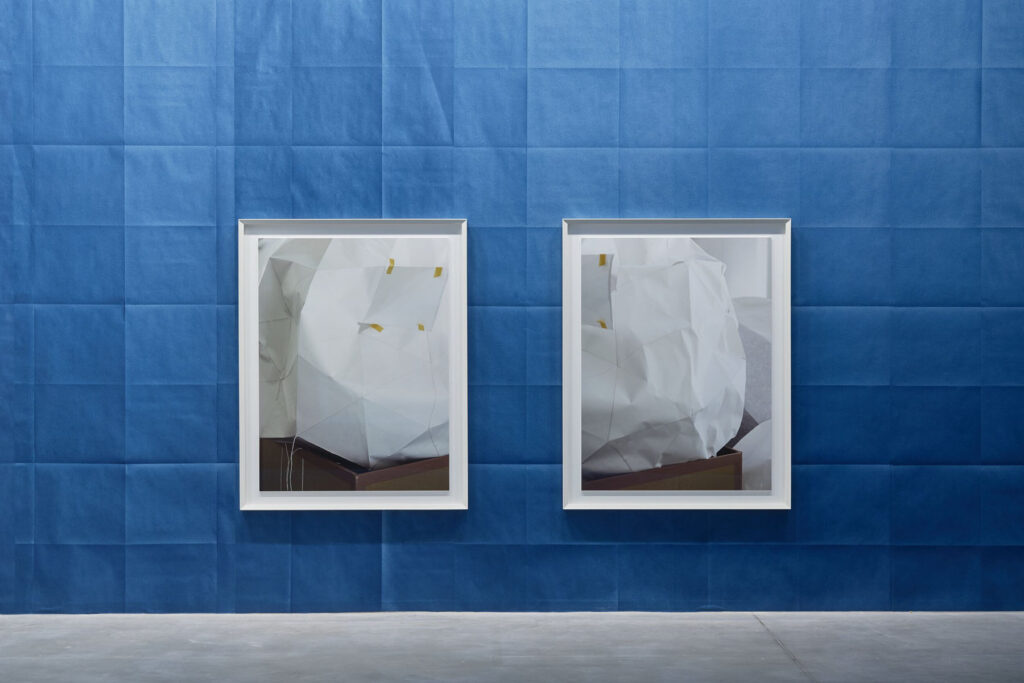
Thomas Demand, it is such a pleasure to be interviewing you. How are you?
Very well, thank you.
You have had a fascinating career spanning across various fields such as sculpture, photography, art, film. As the theme of this issue is Growth, I thought it would be interesting to let you talk to us about how you found a balance between all those practices, using excellent craftsmanship and imagination.
You initially trained as a sculptor, how did you find yourself in the place where you are today and how did you initiate that merge between sculpture, photography and architecture?
I grew up in an environment which naturally connected these fields like family: my father and mother were painters, my uncle and grandfather architects, my grandmother a concert pianist (still working to find my way in that field) and my best friend at school was the son of one of the most important and visionary art collectors in Germany. So I have no Schwellenangst, even if I do have greatest respect for the disciplines and their differences.
You have studied in Düsseldorf, Munich, Amsterdam, Paris and London. You have been moving quite a lot. What are some of the places that have inspired you the most?
Japan, USA and northern Italy. But I also noted over the years that there are cities which are good for making art and some to look at art, but rarely is both the case.
Your starting point is often photography as a “constructed reality” and from there, you design life-size paper models with colored paper and cardboard. You create inventive images of life- size architectural paper models that look exactly like the final product. Your constructions are ephemeral as you always discard them once you’ve photographed them. Why is that?
I don’t think it is exactly like the starting point, but even if, it would be a valid artistic concept, I believe. But my version is a version of reality which might have more relations to how we see the world, not how it might be. How we remember it, how we are manipulated, how our ideas influence what we recognize and so forth. Like a writer, he might write truthfully about the world, but it will not be taken as the reality itself. I consider this worth exploring in the medium of photography, where this distinction is easily obfuscated by the mechanistic understanding of documentation the apparatus delivers.
Your work often serves as testimonies for other artists’ thought processes and create a place in time for them. Where did that interest come from?
We all stand on someone else’s shoulders, and I find it an easy way not to isolate my vision in the ghetto of photography. Photography as a technique or discipline never interested me enough.
In an interview for the Louisiana Museum you say that “many things first become visible to us via the images we see of them.” and that we live in a world of models. Could you elaborate on that? Do you think you are creating a new version of reality or giving new perspectives or is this more about bridging the gap between what we see and what is represented and almost building a realm between fiction and reality?
I think the use of models is a highly influential and underexposed cultural technique, we can only absorb the complexity of the world around us by filtering end remodeling it. The ancient Greek philosophy was already fully aware of that and things didn’t get less complex since then. The weather forecast, retirement plans, demographics, elections, psychology ect, all is using models to find a direction through data. People often think of architects and children’s toys if they refer to models, but it is much more fundamental. It is amazing how little literature and research there is about that.
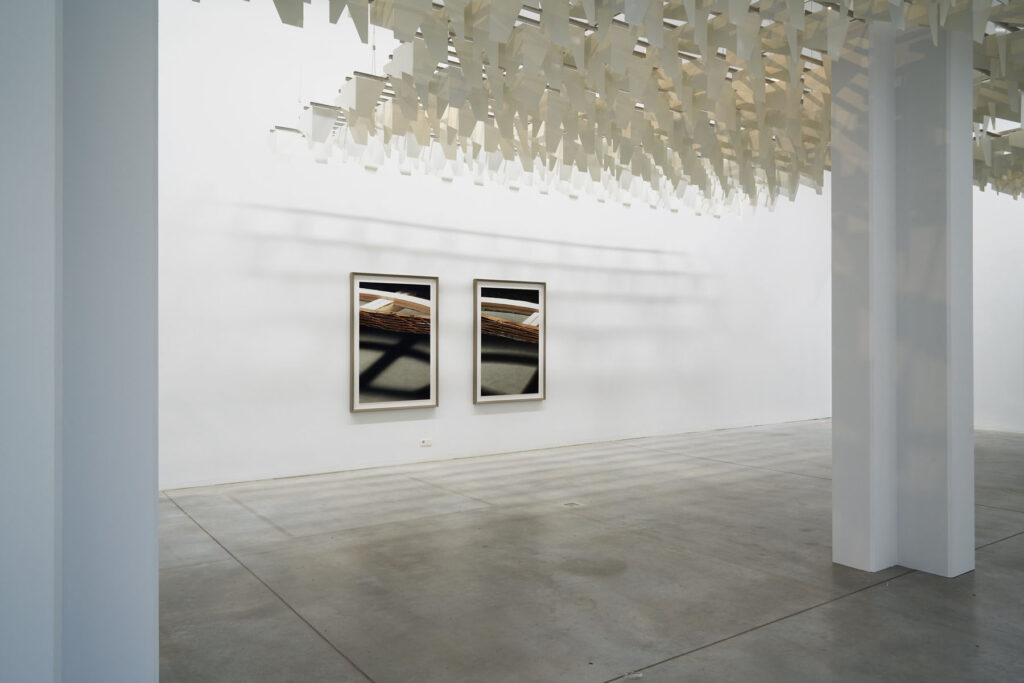
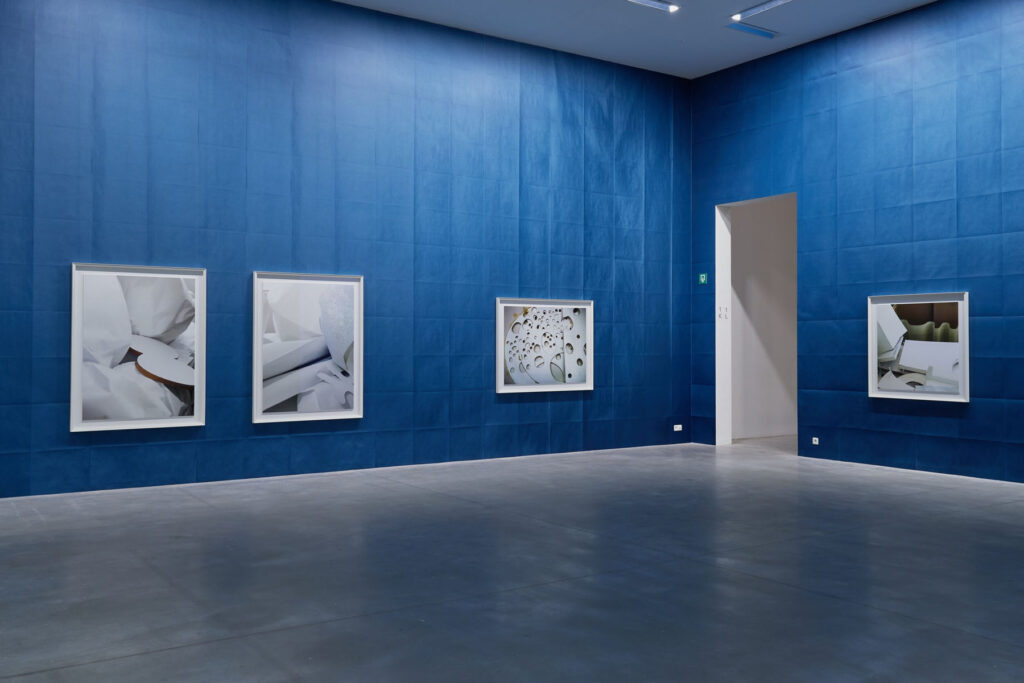
Your major solo exhibition ‘House of Card’ is on view until April 2021 at M Leuven museum in Belgium. It coincides with the release of your book House of Card with Mack, which focuses on your relationship to architecture and the collaborations you have done with architects. Your series Model Studies which also serves as an introductory point in House of Card, was honoring through photographs taken during your visit at the Getty Museum in Los Angeles, 13 unreleased projects and discarded structures made by well-known architect John Lautner. This was also the first time for you not to photograph models of your own.
HoC is the show and the book, which works as a standalone, but it is the book to the show.
Could you delve into your engagement with architecture over the last decade?
I noted over the years that architecture developed a specific interest and response towards my work, I heard of competitions which were won with my images as examples, architectural schools did seminars about it and architectural biennales invited me many times to contribute. I also worked since my first exhibitions with display features, exhibition architecture and embraced challenging spaces to show the work without compromising neither the architecture nor the pictures. All that established long-termed collaborations with a number of architects. I think that prepared the situation in which I started thinking about architecture as a promising claim for my thinking and obviously there are a number of approaches imaginable for me: looking at it, using it and now also doing it myself. That’s what the show is about, plus collaborative aspects which come along, as architecture is always a team effort.
How does your work resonate with architecture? In your opinion, how do abstraction and architecture correlate?
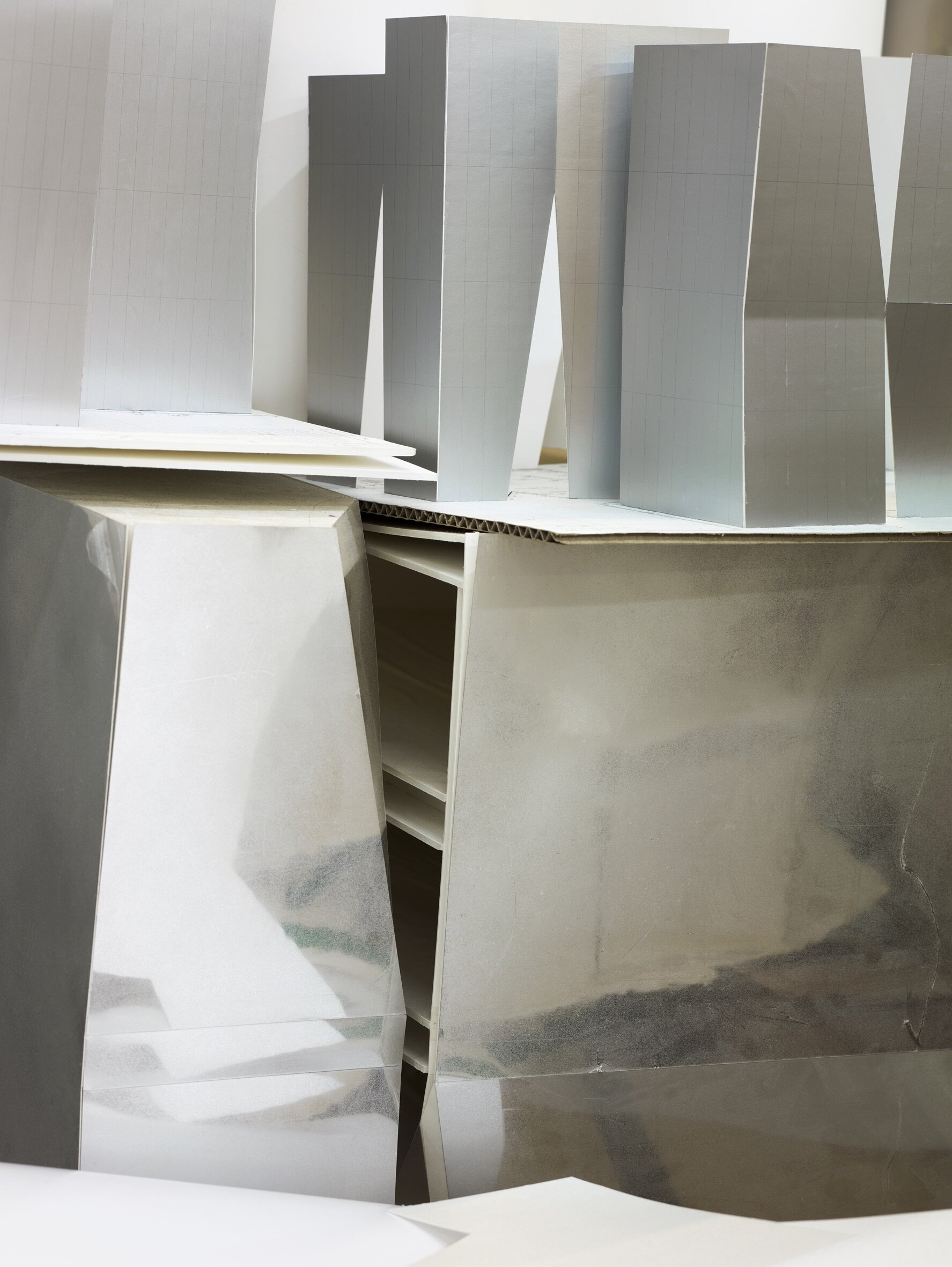
Architecture, not unlike photography are figurative. The process might be very abstract, but what is built is concrete. But there are stages in the design process which are open and not about doors, faucets and fire regulations, and those interest me, as they shadow a bit what I enjoy in my work, when ideas become form and forms become figures. I consider my Model Studies series as my most photographic work to date but also my most abstract. In the end the source is becoming irrelevant, you won’t recognize a Lautner building nor a dress by Alaïa on my images.
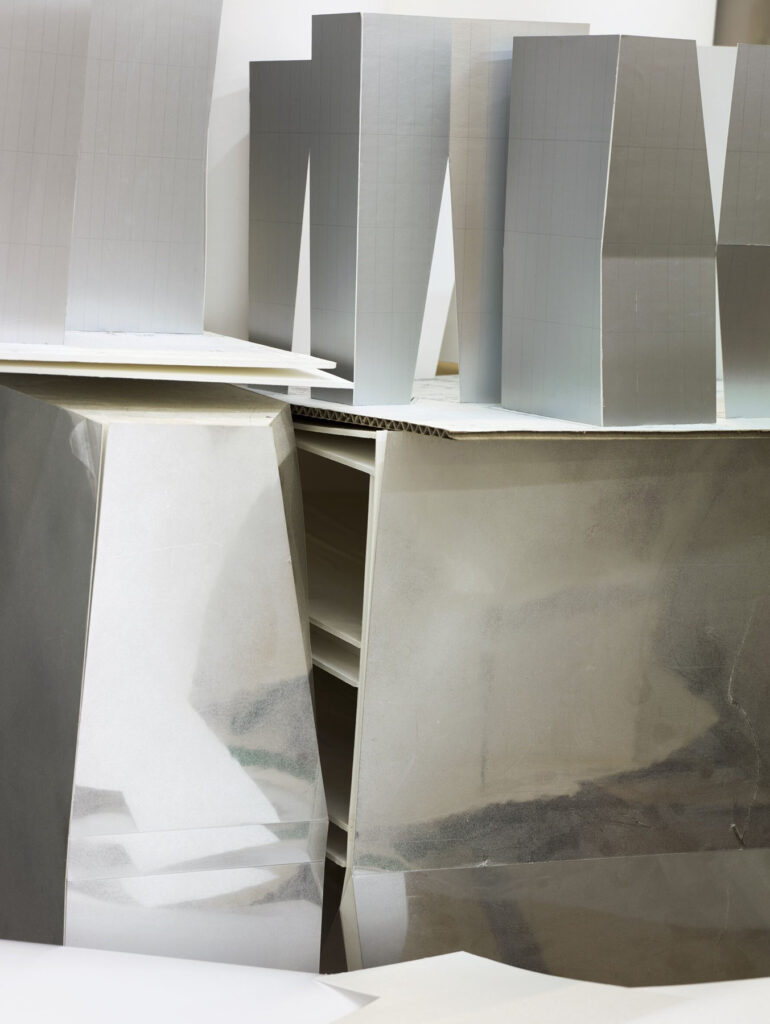
You have spent time recently in Tokyo in the offices of the architects Kazuyo Sejima and Ryue Nishizawa, also known as SANAA. Your 2015 show Latent Forms at Sprüth Magers in London displayed the close-up images you took of their paper and cardboard architectural models during your visits at SANAA offices. Those images part of Model Studies II, became abstracts and fragments of ideas of buildings that may not come to realization. Why were you interested in working with SANAA?
Besides the fact that they are amongst the most astonishing and original firms in the field of architecture, I was approached by them to contribute to their Venice architecture biennale exhibition in 2010. I visited them in Tokyo and found the most amazing and confusing office they worked in, which just fascinated me. So, when I moved to L.A. I decided to fly every few months over there to see how that place changes. Their design process is highly influenced by the use of very low-key simple paper models, which they make in a minute to communicate ideas. Once such idea is used or abandoned for one project it might have an afterlife in another project because it just sits there amongst what looked like a 1 million other models. So, it felt familiar for me as a studio situation, but also it was used for completely different purposes.
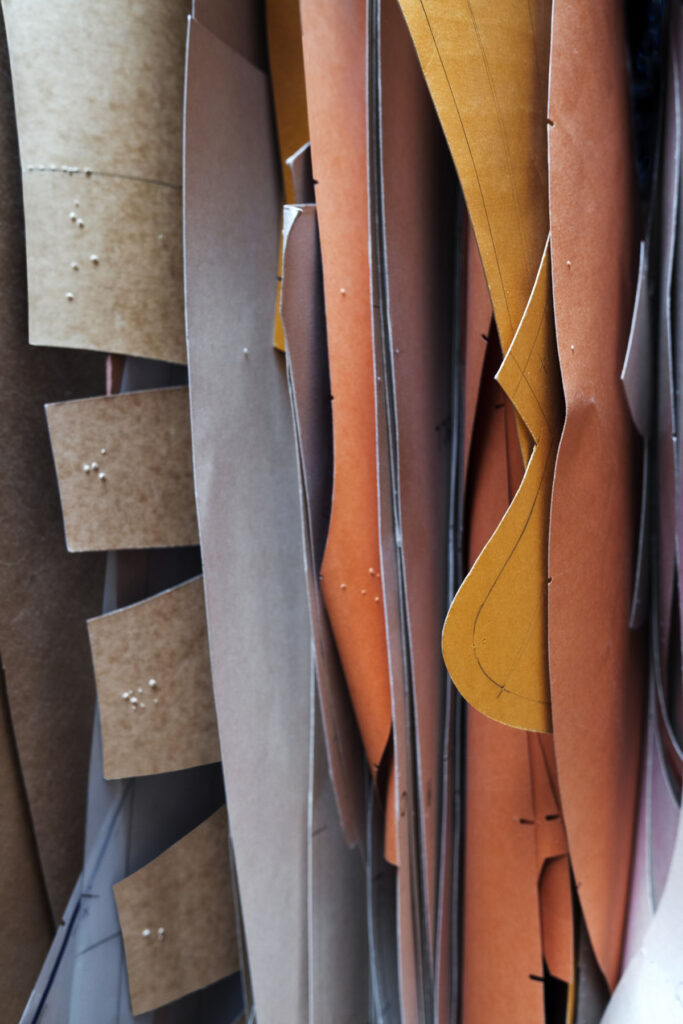
Could you tell us about Model Studies IV and the inspiration you had from the late fashion designer Azzedine Alaïa’s pieces?
I had the pleasure to have lunch with him once or twice in his atelier, and at the same time I had planned to work with the patterns which are used in clothes making for many years. Although I never found the right picture, I kept searching. It reminded me of the discarded leftovers on Matisse’s floor in his studio in Nice, where he did the cut outs in colored paper. Again, it felt familiar but wasn’t an artist’s studio. Important in all cases is for me also that these people think with their hands, which is really important in a time when the digitalization is taking over any aspect of our life.
Last year you realized your first collaboration with a fashion brand, for Prada and you’ve decided to create anonymously a series of images titled Hanami (meaning cherry blossoms, a symbol of youth and love) created for each window of every Prada stores across the world. This was also a first for Prada to officially collaborate with an artist. You have had a close relationship with Miuccia Prada and Fondazione Prada for the last decade. How did that collaboration unfold? Why also the desire for anonymity? Could you tell us more about the narrative behind the series and what was the inspiration behind it?
Over the last 15 years I did nine different projects in all different shapes and ambitions with the Fondazione Prada. I saw it developing into an amazing organization, which never used the art for marketing reasons, very unlike most other efforts in that field. The trust in the artist and the generosity when it comes to making things possible is the connection to the core of the company and in the end their idea of luxury. So when MP asked me if I would consider to give permission to use my work in a seasonal campaign worldwide – it was spring 2020 – I considered the cooperation with company a chance to try out my work on a global audience without making it a marketing move on my part. I mean every Prada shop in the world, all of them in prime locations, and most of the windows were designed specifically. What a roll out!
It seems that artists and fashion brands are collaborating more and more. You have mentioned before that fashion is time and identity related and I think we can find those elements in your work too. What are some other fashion houses that you would want to collaborate with?
I find it a relatively confusing message to have a shop window with handbags and then having an artist name on top of that, possibly even with a social mission. I think the handbag should convince in itself and the shop window should do the best to create attention and context, full stop. But as I said, contemporary art is a niche and fashion is an industry, I think there can be very interesting combinations, as long as they respect the autonomy and maybe auratic character of an artwork. Also, the series ‘Blossom’ was existing, we aligned and composed it anew for the purpose, but it was not a commission in the sense of the word. But I really admire what Prada has built over the years, that’s why I was open to the request, not because I wanted to combine my ‘brand’ with theirs or any other strategic consideration.
Coming back to architecture, your most recent project currently under construction, is very very exciting. It is a Pavilion at the Headquarters of design-innnovation leader Kvadrat, a contemporary textiles and textile related products for architects and designers, company in Denmark. Could you tell us about this collaboration?
Again, that grew over the years into a long ongoing and trustful relation. Anders Byriel, the CEO, is very interested in contemporary Art and approached me decades ago when I had a show in the Museum Louisiana, and was just trying find his way around in the arts. It wasn’t really about commercial interests on both sides. We became friends since, did a few projects which were all great fun and showed convincing results, and so when he decided to build some kind of meeting place next to the company headquarters, he asked me if I have ideas or if I want to do it. And I said yes, instantly. You need to understand, very rarely an artist has the chance to build an entire house or in this case three of them. And I am trying to make it in some kind of Gesamtkunstwerk, where I am doing everything you touch and consider everything in it’s visual appearance and all follows the logic of paper. As it is my first, of course I needed help and asked CarusoStJohn to facilitate my ideas, I have also done a number of projects with them in the past, so it is a constructive and sensitive dialogue.
Are there other projects that you are working on at the moment?
I am working on a film about which I can’t say much right now, we will open a show in London next week, I am developing a large show for Garage in Moscow, which will include a direct collaboration between me and SANAA, as well as a contribution by Alexander Kluge and a show at the Fundacion Botin in Santander, called Mundo del Papel, with a very ambitious exhibition architecture in their wonderful Renzo Piano Building. Let’s hope the world is back on track by autumn, when it all will be realized.