Archive page:


Kayra Atasoy

“if I don’t experience and understand the moment I’m capturing, I can’t capture it properly”

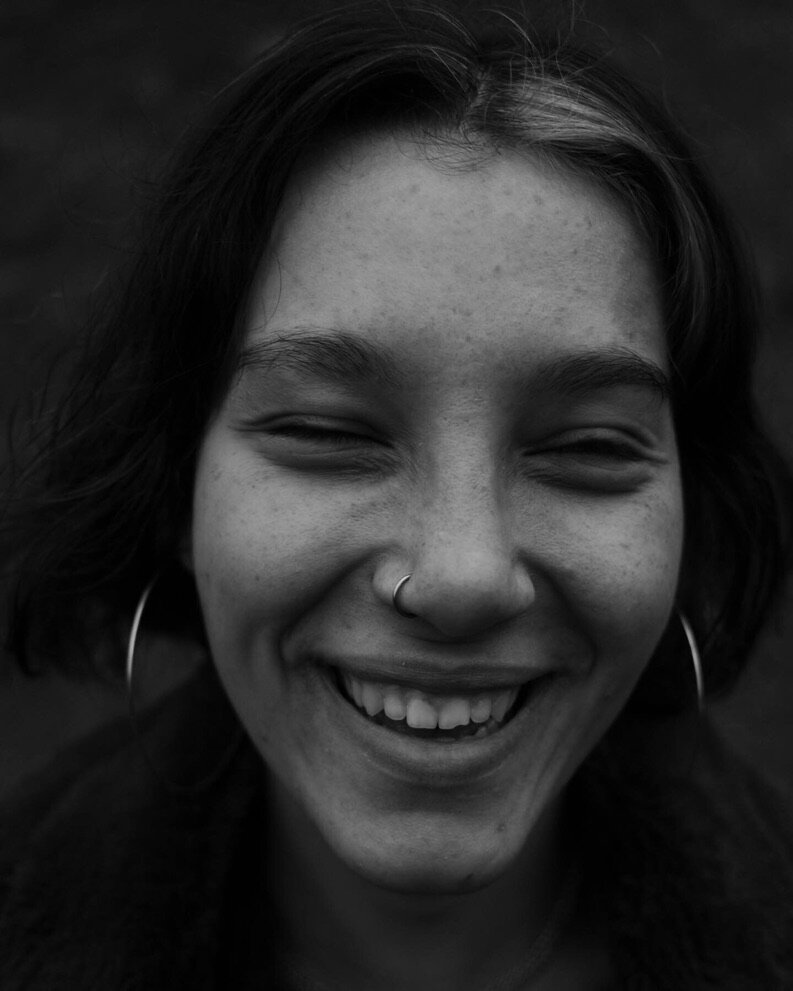
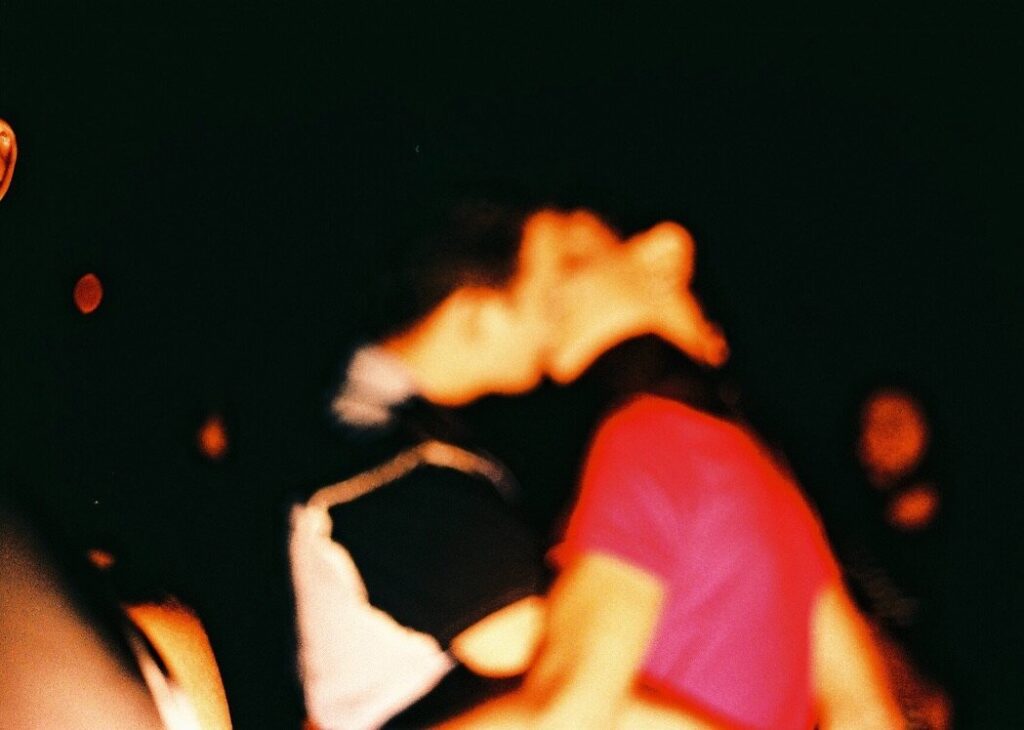
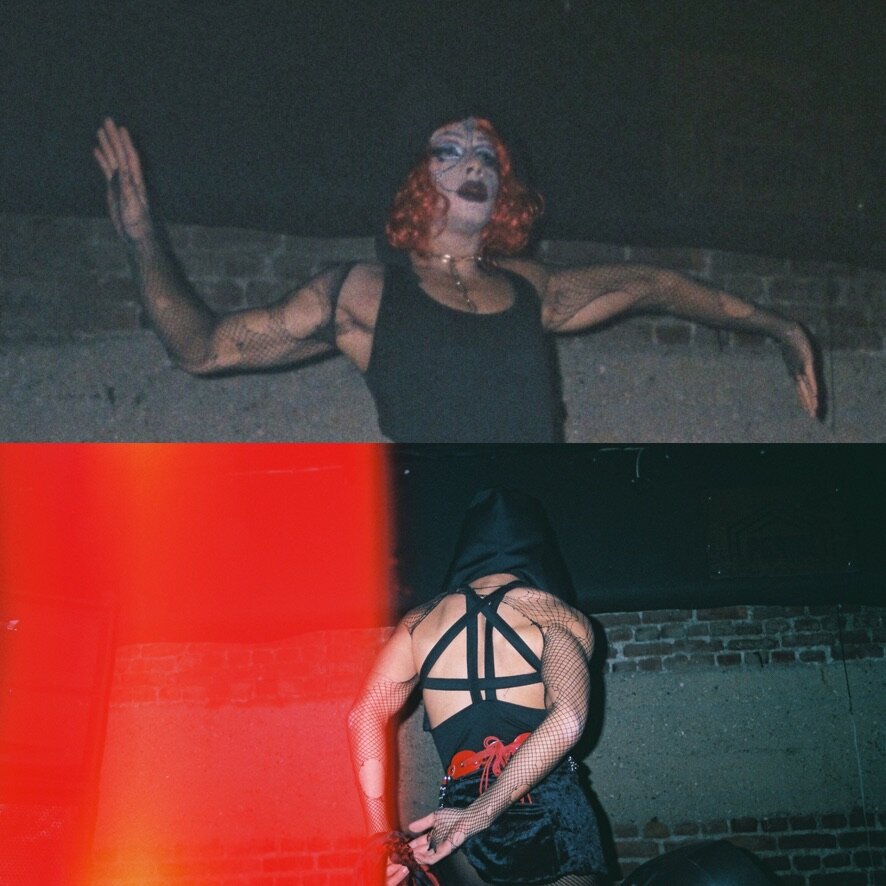
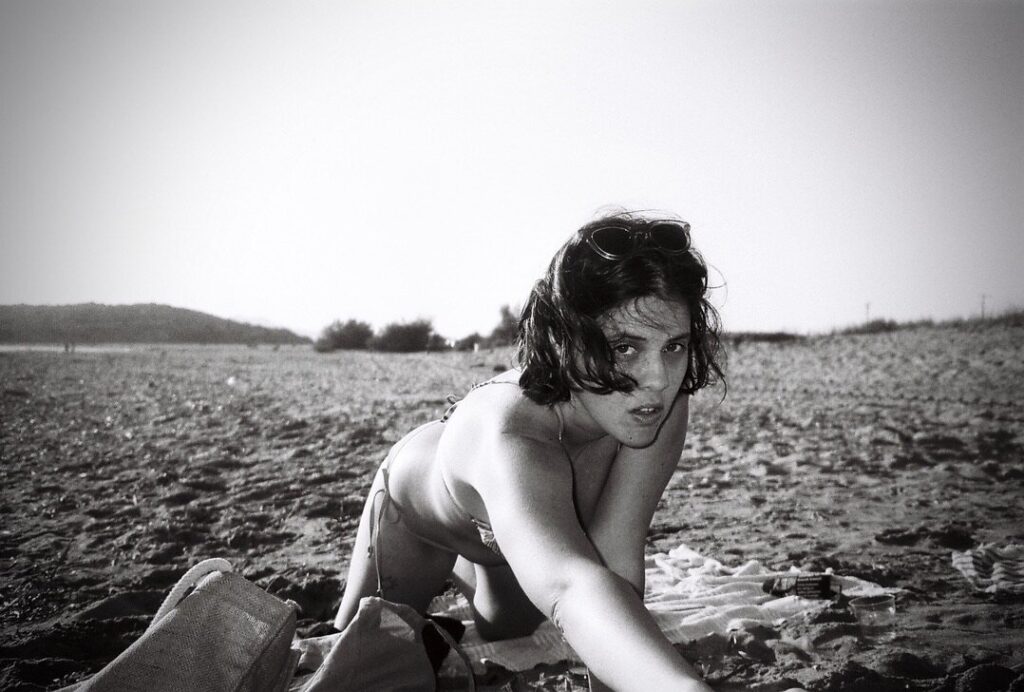
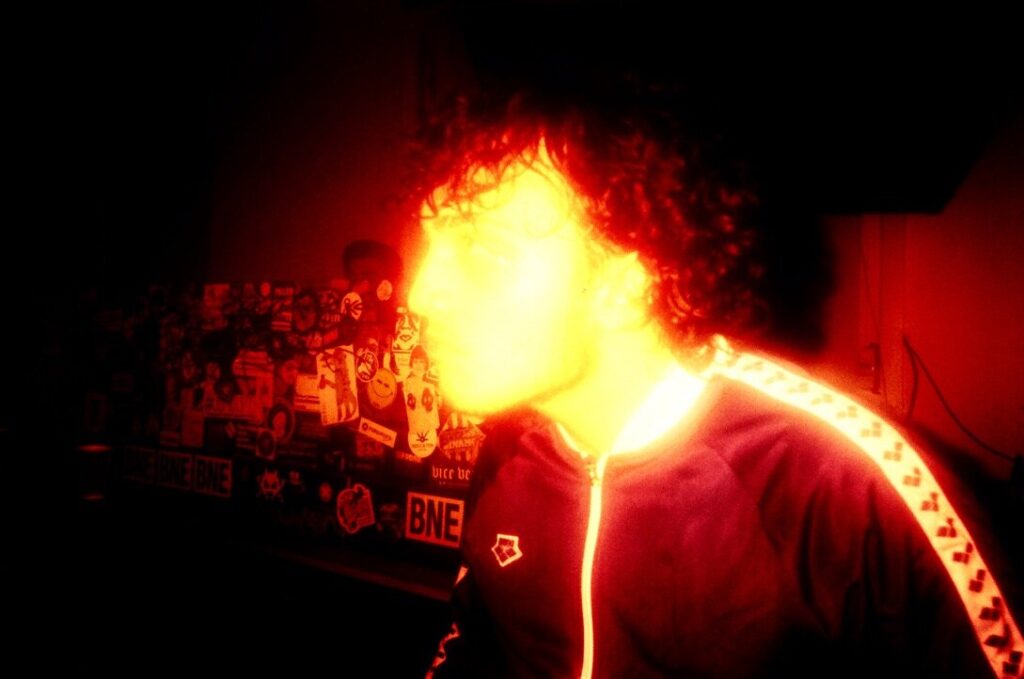
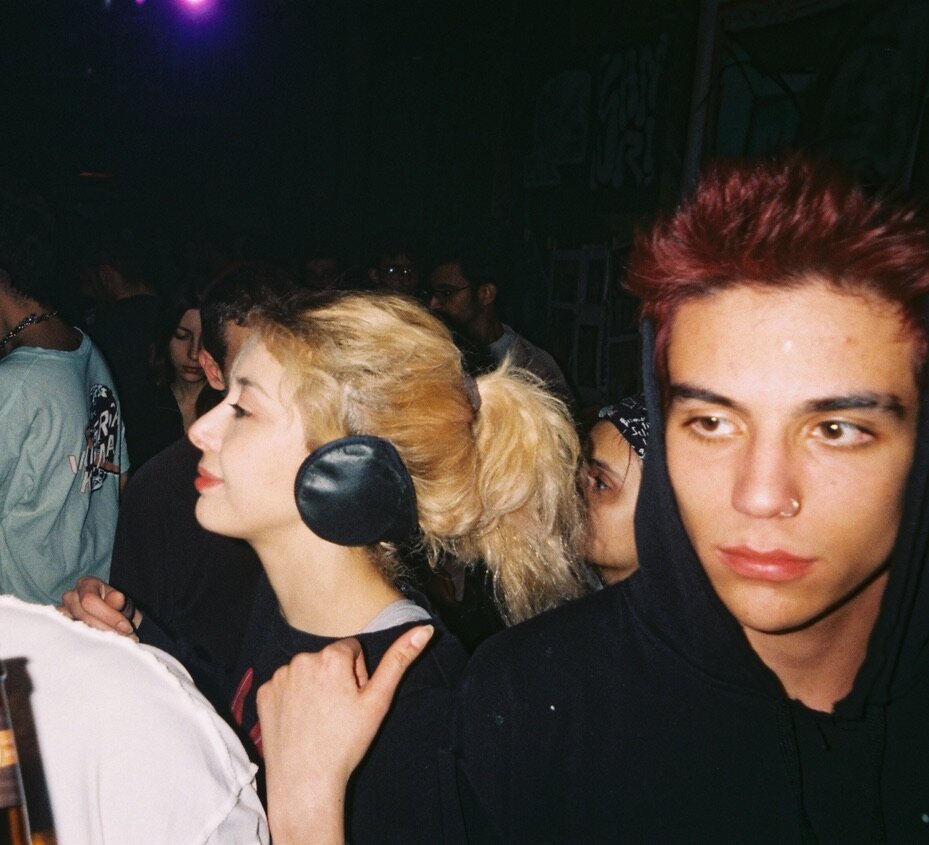
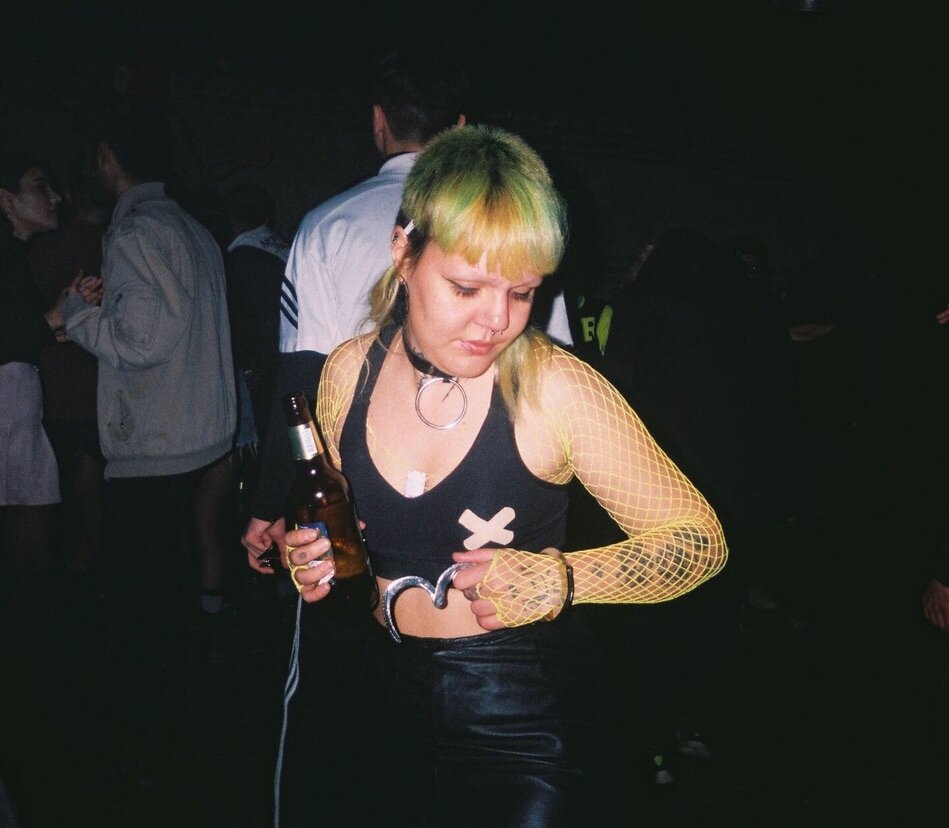
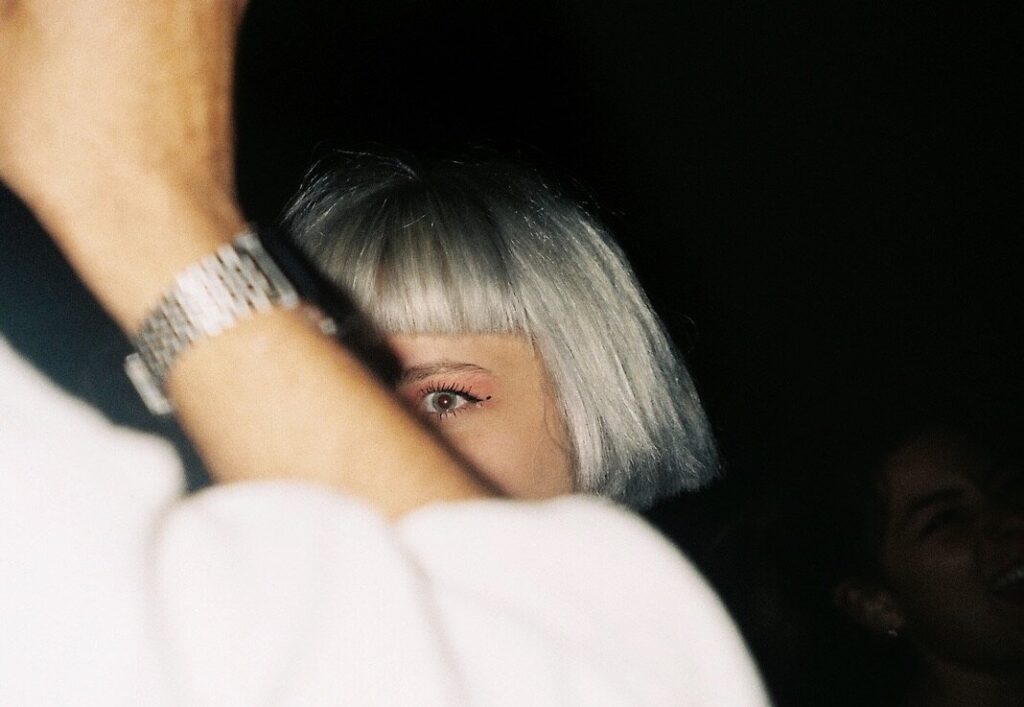
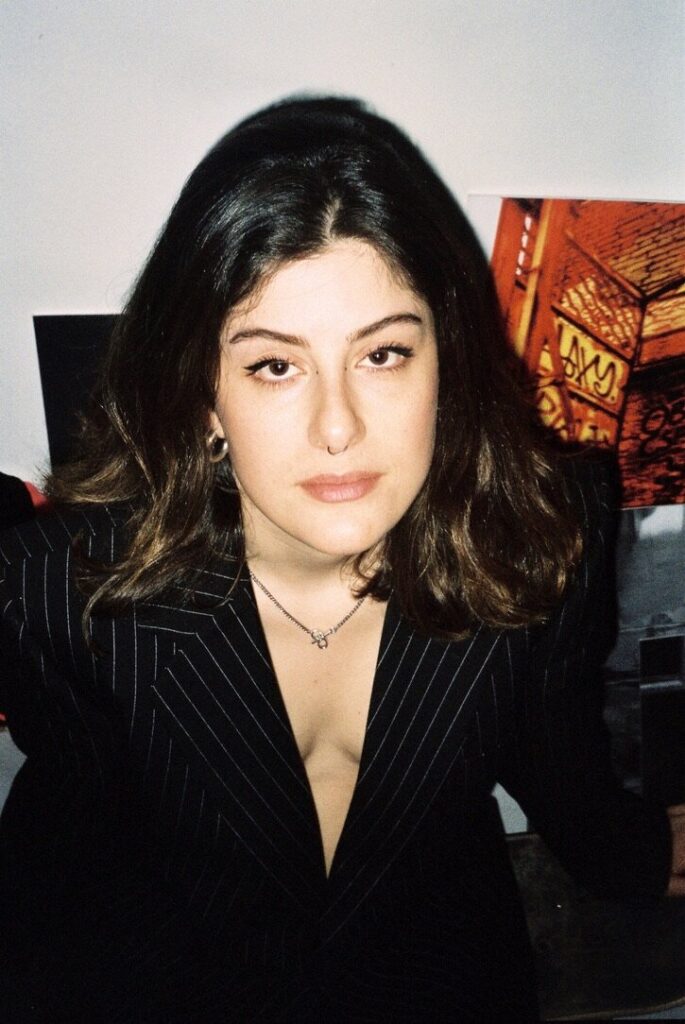
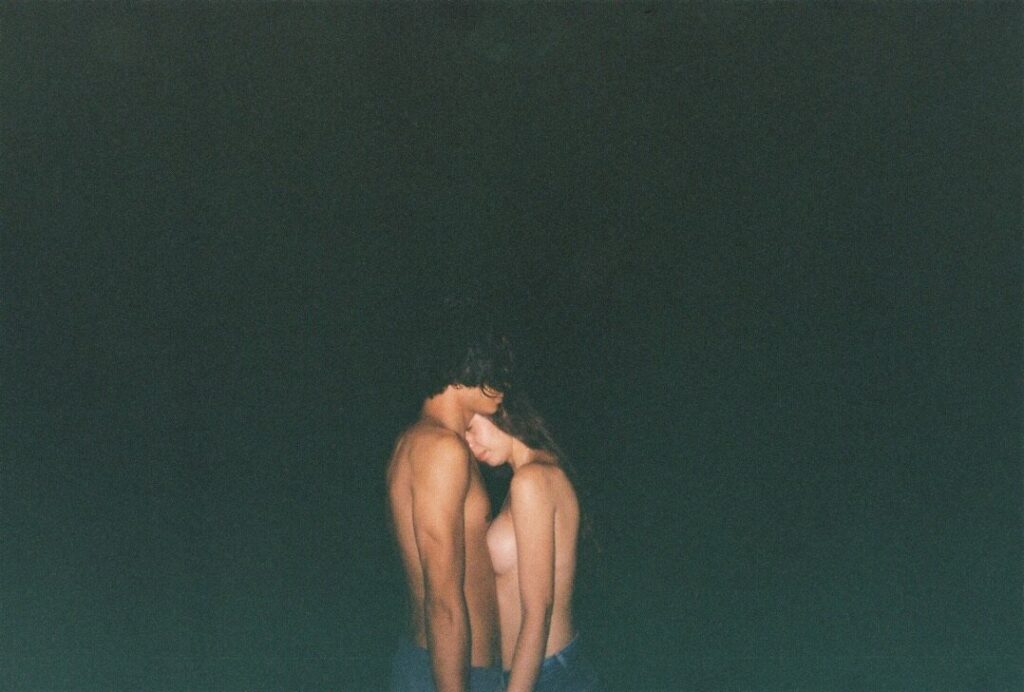
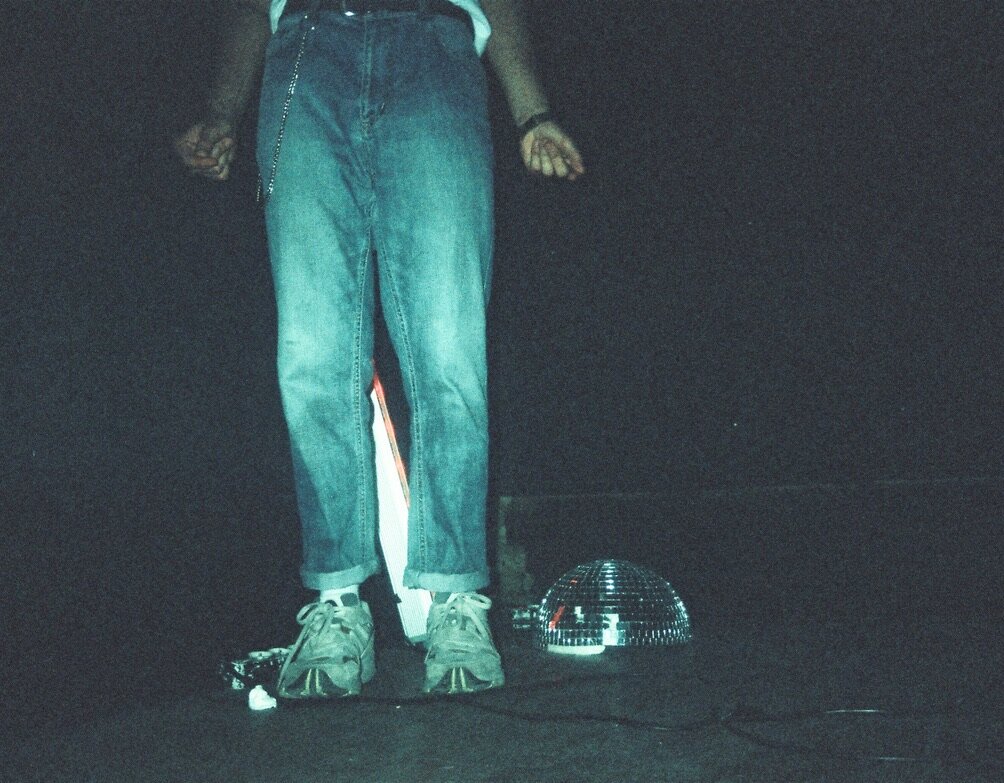
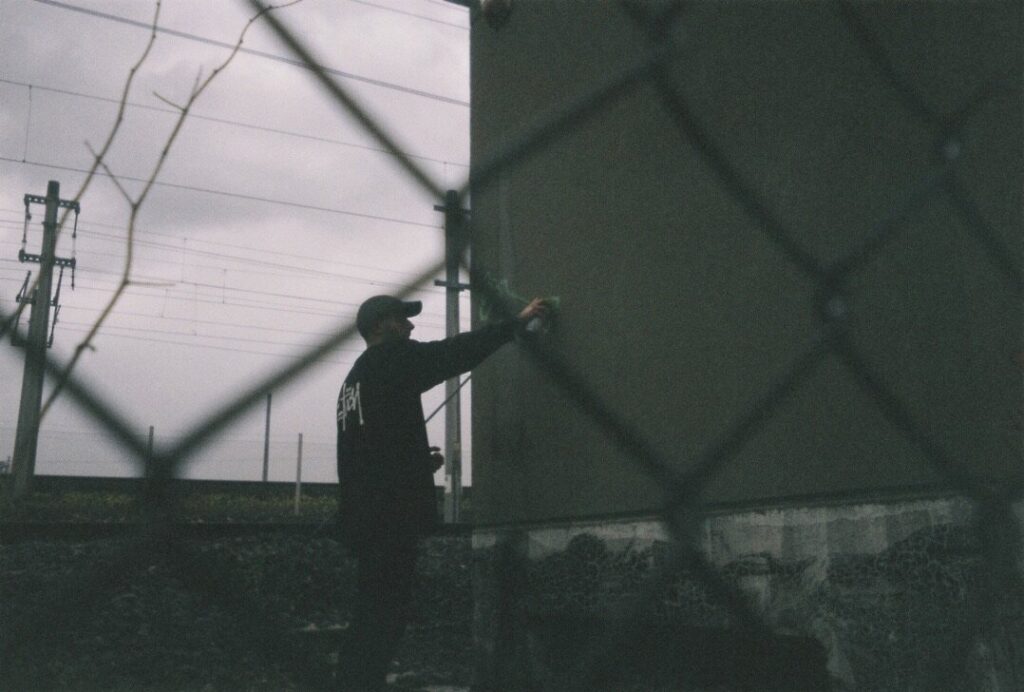
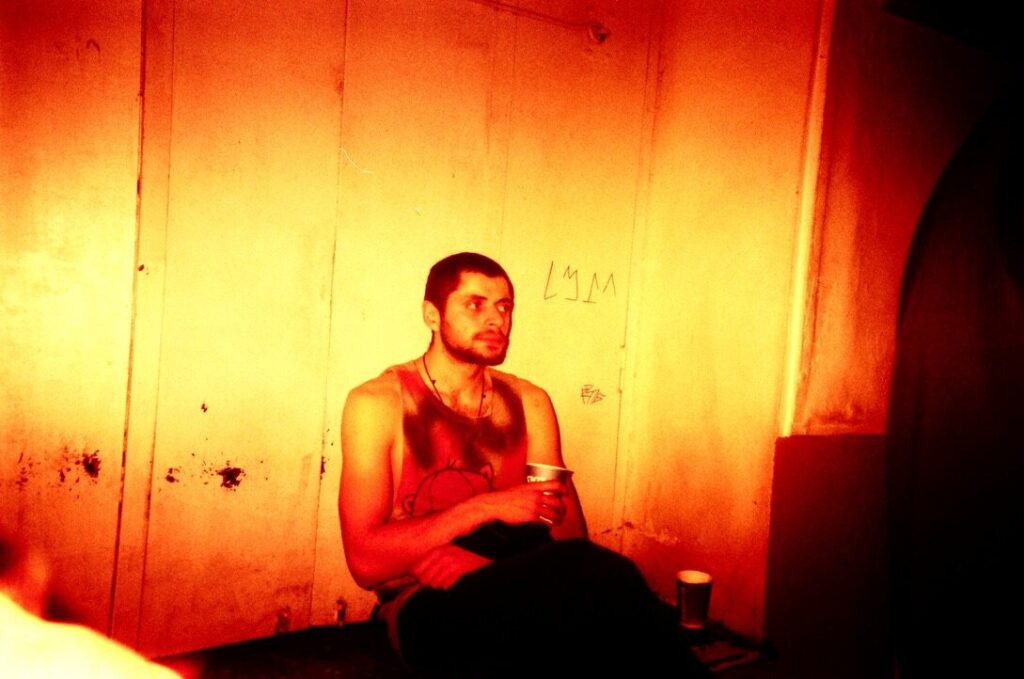
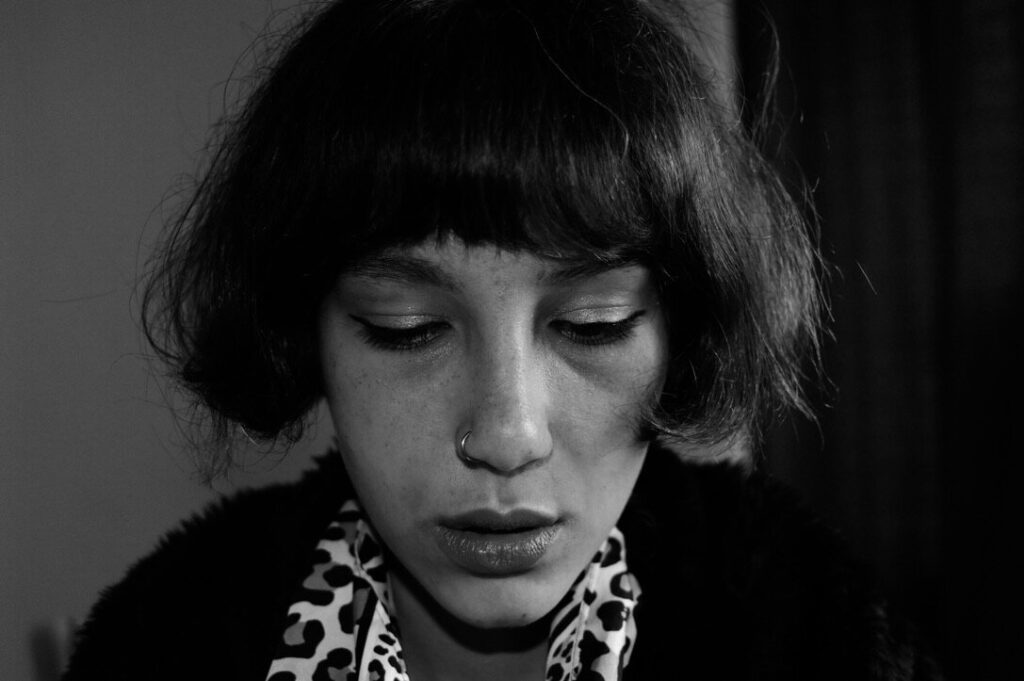
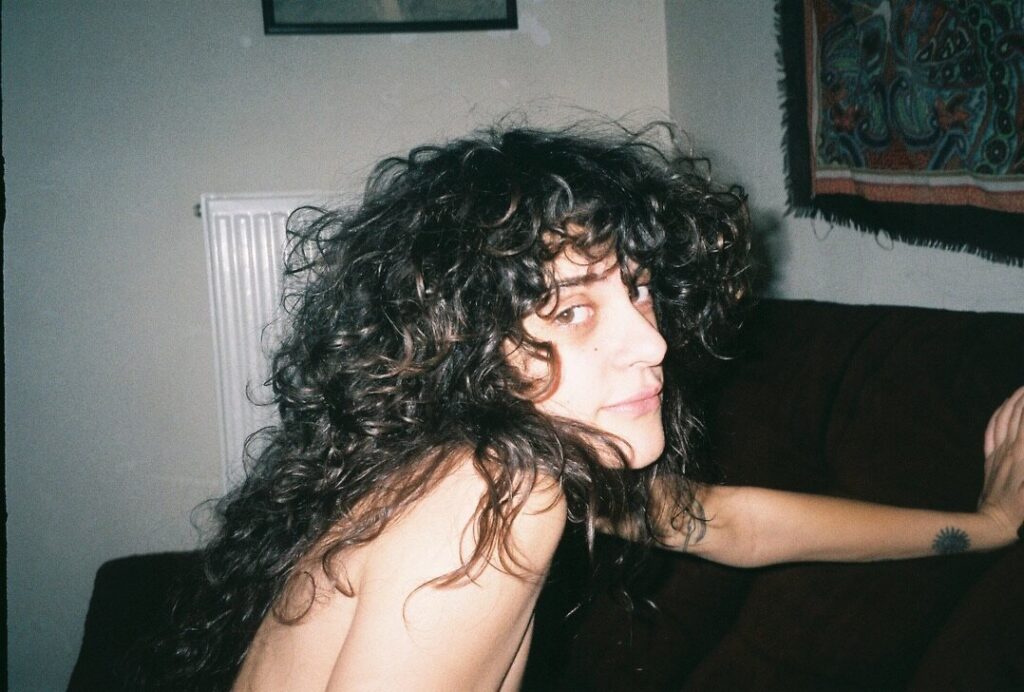
Dissatisfied with Turkish society’s attitude towards the country’s contemporary youth culture, photographer Kayra Atasoy captures the power and momentum of techno and rave culture in her project ‘Blame the Youth’ and uses the medium of photography as an outlet to explore and express aspects of her own identity. The ongoing project is inspired by the autonomy of the Berlin rave scene – a subculture that Atasoy resonates strongly with. Atasoy captures candid moments of these subcultures in her own country, that reflect the honesty and sense of freedom that she values most about these underground collectives.

‘Blame the Youth’ not only reflects the angst of the photographer, but also serves as a kind of visual manifesto for Turkey’s emergent youth culture, who Atasoy claims is simultaneously overlooked and criticized by the country’s older generation. The series features the influence of rave culture from overseas and how social spaces have been reshaped during the Coronavirus pandemic.

In the early hours of the morning, when time is irrelevant and all limitations disappear, Atasoy observes everyone’s true selves. It is in these magical moments that she is able to investigate her own identity through the lens.

NR Magazine speaks with Atasoy to learn more about the inspiration behind the project and what it is like being part of the subcultures she documents.

What initially attracted you to photography as an artistic medium?

For me, photography is a profession that offers immense excitement to my life.

A camera provides me with all the power of capturing, interpreting, and reflecting my point of view of a single moment, which is an amazing feeling. My way of truly living and experiencing life is through observing. Regardless of the topic, I always feel the strong urge to observe and watch. This is one of the main reasons I chose photography as an artistic medium. I love to observe life, and I love reflecting on the way I perceive it. Photography is my way of communicating my own perspective.

What’s been the biggest lesson learned from creating your series ‘Blame the Youth’? Have you discovered anything about yourself in the process?

One of the main things I learned was how various aspects of my life such as my environment and my mental health affect my work directly, and how this happens without me even realising it. One of the biggest takeaways I got from ‘Blame the Youth’ was that it helped me to fully understand what I want to do with my life.

Could you talk a bit about how you feel Turkish society blames the youth?

Unfortunately, I think we are a minority in Turkey. I believe the ‘youth’ that has been blamed by society is representing a minority. This isn’t something I’m always reminded of, as I’m always surrounded by this ‘minority’. Our struggles, our ways of having fun and creating aren’t understood by the rest of Turkish society. I think ‘Blame the Youth’ is a unique resource. It doesn’t matter where I take my photos; I could take photos for this project in Turkey, Germany, Spain, etc. The places where I feel this sense of ‘blame’ changes of course. I’m not a professional – I’m still trying and learning. Most of the support I get for my work is from abroad. This is obviously really motivating, but at the same time, not getting the same support from my own country is a bit upsetting. Even though I’ve got appreciation and encouragement from the people around me, my work doesn’t get the overall support I hoped for from my country. ‘Blame the Youth’ is a project where the name and the photos both contradict and complement each other. I believe that this juxtaposition reflects the current attitudes towards Turkish youth culture within our society. In Turkey, people are used to being judged and blamed. We don’t feel safe the second we stray from our circles. We learn to live by the rules, limits, and judgemental looks. I think my work documents all the moments where society feels it has the right to judge us. It’s not only about the parties, alcohol, and drugs – it’s also about the way we dress and the way we choose to live. As I continued to travel and explore, I realised that the way I choose to live makes it hard to live peacefully in Turkey. As I’ve mentioned before,

“I’m not the best with words, so even though I can’t stand up to this problem verbally, I try to communicate my principles visually through my photography.”

Do you set out with an aim in mind for shooting, or is it more a case of enjoying the freedom of the moment? I imagine it makes more sense to go with the flow and to fully immerse yourself in the moment when photographing techno and rave culture. And is living in the moment important to you?

I’d say yes, as the foundation of my photos is rooted in being in the moment. I am always looking for ‘the moment’. Observing and capturing spontaneous moments gives me much more joy and excitement compared to setting up a shoot. It might seem like I’m missing out on the moment while trying to photograph it, but this is my way of experiencing that moment. I have a strong desire to show my interpretations of things. When I take photos for ‘Blame the Youth’, I don’t just stand back and observe – I experience the same moment with the people I photograph, and I think this has a great influence on that desire. I strongly believe that if I don’t experience and understand the moment I’m capturing, I can’t capture it properly.

“Even though it might seem like I’m just a bystander, I see myself as the main character living in that specific moment.”

Are there any particular aspects of the techno and rave scene that influence you the most?

The first time I experienced techno music was in Berlin. It was the first time I was introduced to this music culture, and it had an immense impact on me. After that, I started reading, researching, and listening to it more. After scratching the surface, I discovered that these rave scenes have so many levels to them. The rise of techno music after the fall of the Berlin Wall, empty factories were being taken over to host illegal raves and there was a lot of rebellion amongst the people who were separated by the wall – this affected me deeply. I realised how the rebellious nature of techno music correlates with Berlin’s history. Just like ‘Blame the Youth’, I also realized how these things are rooted in a specific frame of mind, and not solely about partying. This led me to give more thought and understanding towards the meaning of music and I began to watch people even closer. Even though techno and rave scenes don’t have the same history in Turkey, I wanted it to reflect the rebellion and suppression within itself.

How has your work been received in Turkey? Do you find your way of working to be controversial or rebellious?

As I mentioned before, my photographs haven’t received a lot of recognition in my country. Even though I took those photos in Turkey, I felt more understood by other countries. This is quite an upsetting situation, as I believe my work honestly reflects Turkey’s reality. To put it another way, despite Turkey’s prejudice and ignorance, we are here, and we will always be here. Our struggle isn’t built on our desire to be completely accepted. We just want to live freely and not feel any guilt or shame about it. I want to do my job freely and have fun doing so. For those reasons, I consider my work to be both controversial and rebellious.

“It’s a struggle to just live and to make ourselves seen.”

Do any aspects of your own life influence your work?

My life and the photos I take are pretty much integrated, and I love that. I’m a part of the culture that I try to photograph. When I’m photographing, I capture myself in some of the shots. I won’t work on ‘Blame the Youth’ forever, so I like to experiment with different ideas, and will continue to do so. I think ‘Blame the Youth’ will represent a culture and an era that will live on forever. I want to reflect on life the way I experience it. I don’t want to share a moment if I haven’t experienced it.

There is a story and a continuation of subjects in my work. The people I photograph are a part of my life, so I’m able to shoot them in a rave scene, and also capture them at home in a completely different atmosphere.

You’ve mentioned that Berlin is a big inspiration for your work, and how you felt a different sense of freedom there compared to being in Turkey. Could you talk a bit more about that?

In Turkey, it is hard to live as a woman, and it is even harder to stand on your own as a female artist. When I was in Berlin, I felt safer, and I had the chance to observe different subcultures. The government-supported techno parties are incredible. I think that was the reason I always considered Berlin to be my inspiration. I bought plane tickets to Berlin when I first got the chance. I stayed there by myself and got an incredible opportunity to observe. Every time I came back to Turkey, I just felt increasingly restricted. One of the biggest reasons for this was feeling judged – another core aspect of ‘Blame the Youth’. We were always told that we were doing something wrong.

“Being able to confidently say ‘I’m a photographer’ isn’t an easy thing to do in Turkey. That’s why I don’t feel like I truly belong in my country.”

How has the pandemic affected youth culture in Turkey? Have you found it a struggle to stay creative and inspired?

Two years ago, just when I started to recognise my career growth, the pandemic hit. Around that time, ‘Blame the Youth’ was getting recognition not just from Turkey, but around the world. When we were quarantined at home, it was a real struggle to find motivation. I forced myself to be motivated for a couple of months, and I realised that the potential of ‘Blame the Youth’ extended beyond the streets, clubs, and parties. The people I photographed were still the same, and so they would continue to be a part of this culture regardless of time and place. During the lockdown, I began to photograph moments of distress that we all felt. Throughout this period, I tried some work, but despite how much I tried, I found that I was always better at capturing an instantaneous moment. Even though I was working on editorials, I was only fully satisfied with these instantaneous little moments I captured. The lockdown provided us with a break to be introspective I turned my camera away from the chaos around me, and focussed on fewer interactions, fewer people, but still the same audience.

You’ve discussed capturing ‘magical moments’ – what do these moments look and feel like to you?

‘Magical moments’ are the moments where people are being their true and spontaneous selves. They are when I capture people dancing without the fear of being judged or watched. The photos I take are divided into two groups: the people who know that my camera is on them, and the people who don’t. When people are aware that they are being photographed, it disturbs the truth and the spontaneity of the moment. When people aren’t aware of the camera, I’m able to shoot pure moments that I define as being ‘magical’.

What are your favourite moments to photograph?

Probably the moments I capture without overthinking – they end up being the best possible moments. When I’m out there with my camera I’m always in a rush: observing, running, dancing – there’s only an instant between observing and shooting. I usually realise later that I pressed the shutter button at the perfect time, to capture a moment that I wouldn’t have been able to capture if I pressed the button even a second earlier. These are the shots that turn out to be the most satisfying ones. These are the shots where the subject is completely in their element, unaware they are part of this perfect moment. I always want to capture reality, but from my perspective.

What do you have planned for your work in the future?

After graduation, I would love to create a path that enables me to travel more and experience different cultures. I will be spending this winter in an analogue studio’s darkroom in Budapest for an internship. I’ve also received exhibition offers from London. If everything goes according to plan, I will spend around two weeks in London for this. I want to create deeper levels of meaning with ‘Blame the Youth’, whilst also observing new cultures and new people. I will eventually head back to Turkey, but for a while, I just want to travel and shoot. I want to be able to make a living through my photography. I can’t picture myself doing anything else.

Credits

Discover Kayra Atasoy’s work here www.kayraatasoy.com
Images KAYRA ATASOY

Claudia Andujar

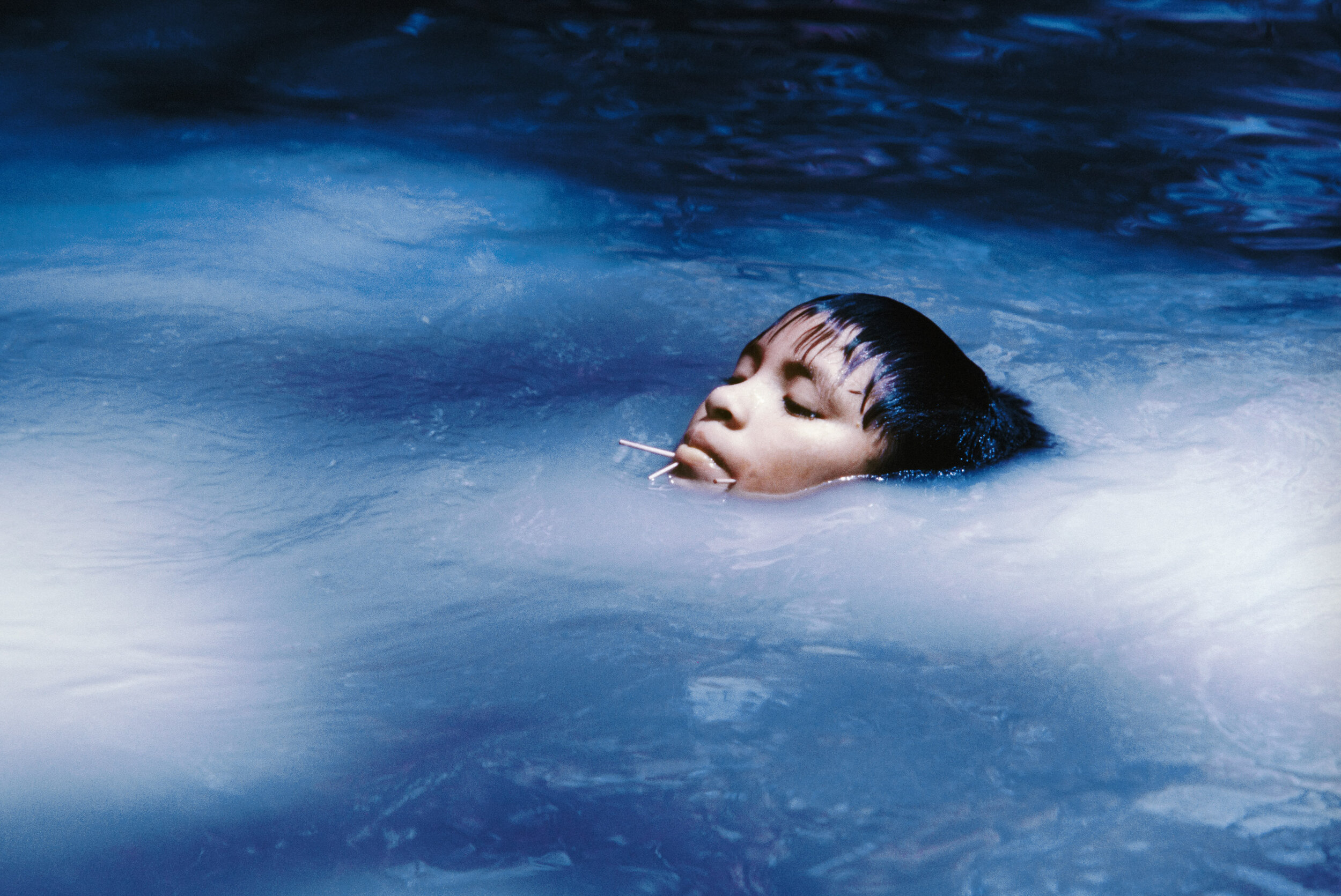
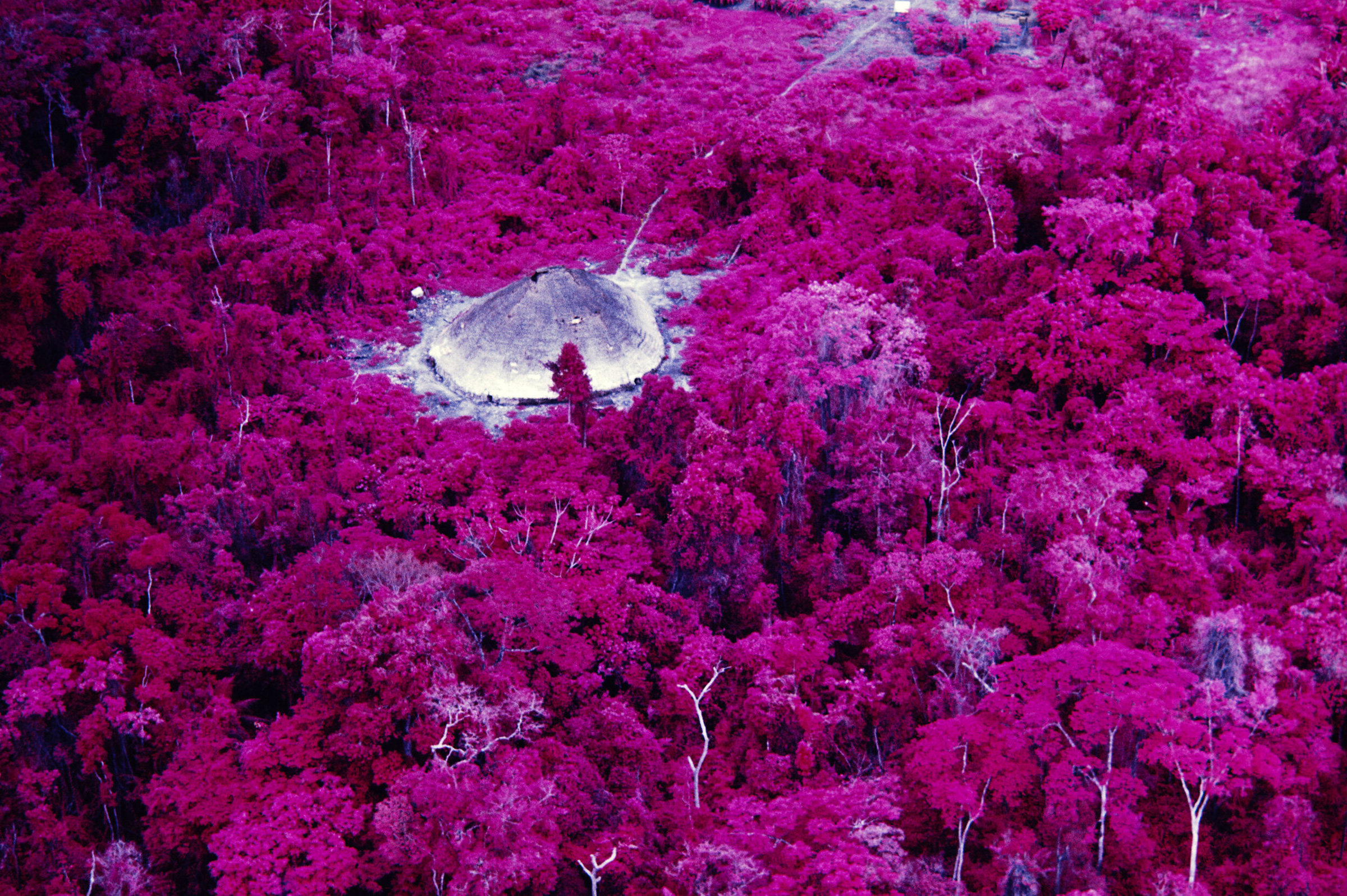
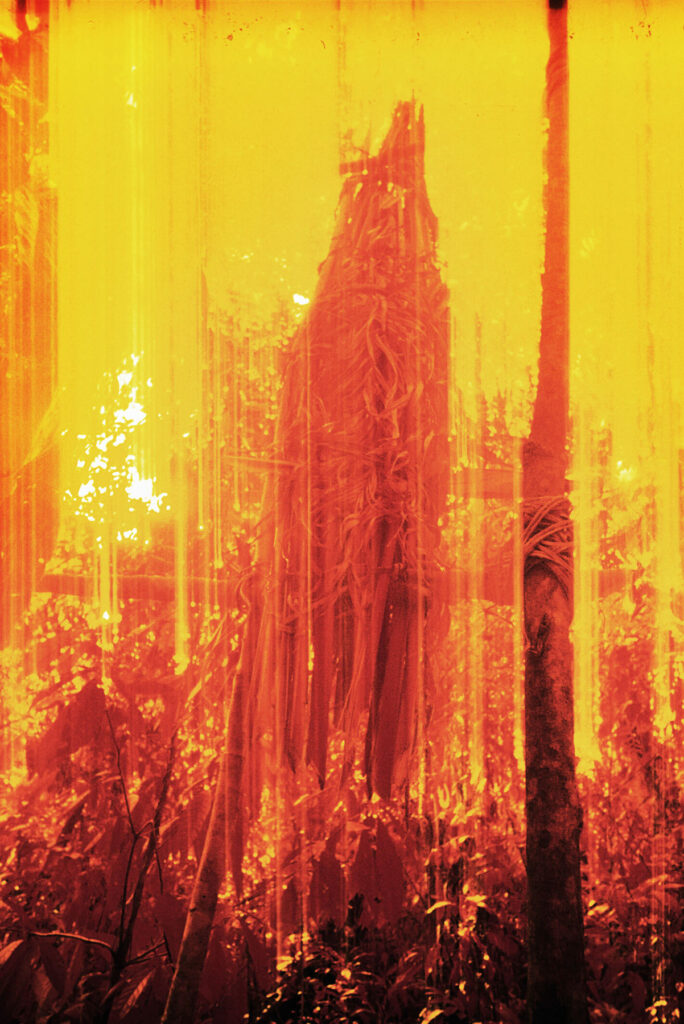
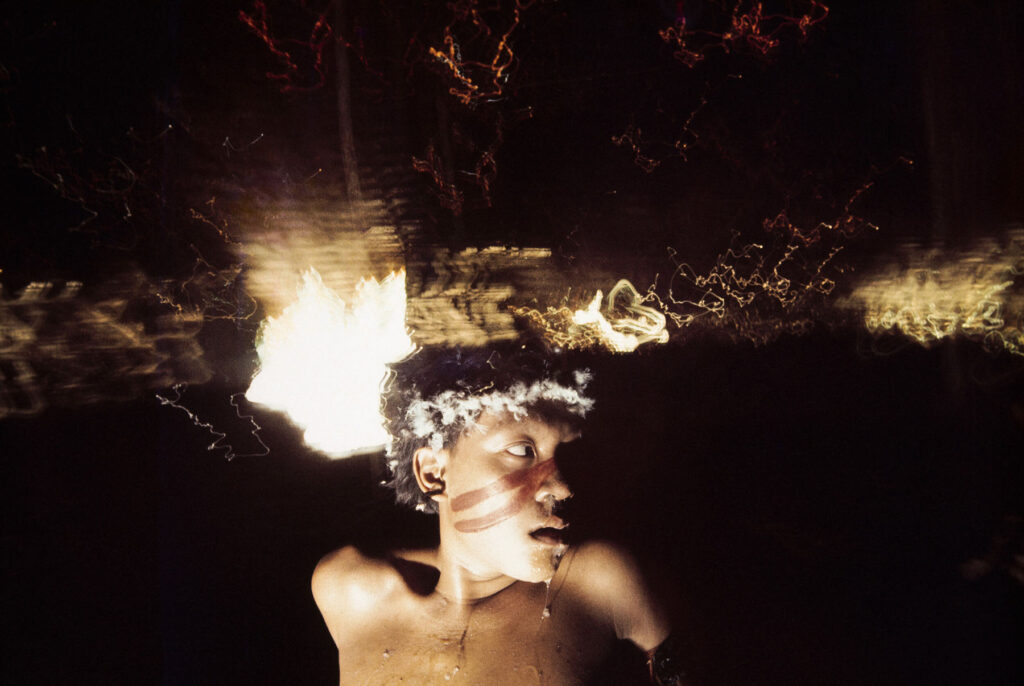
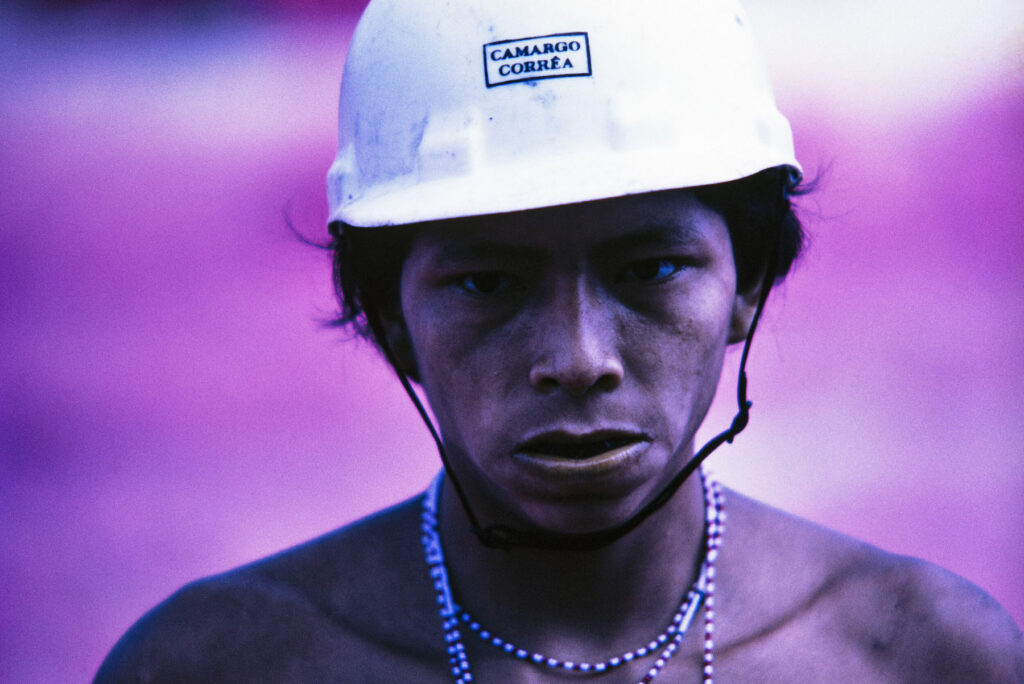
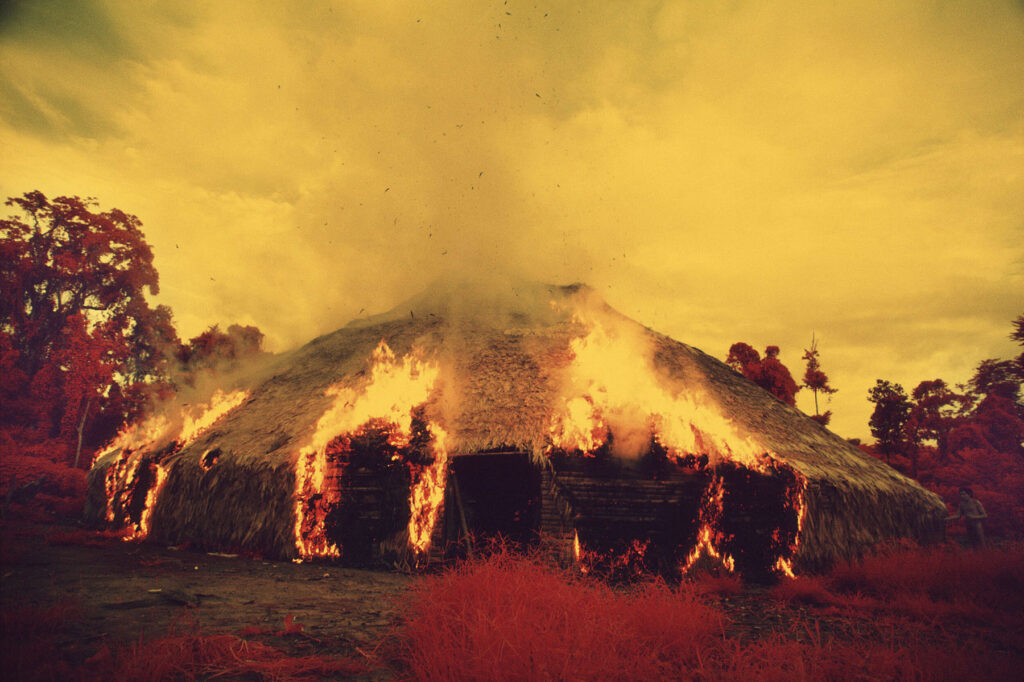
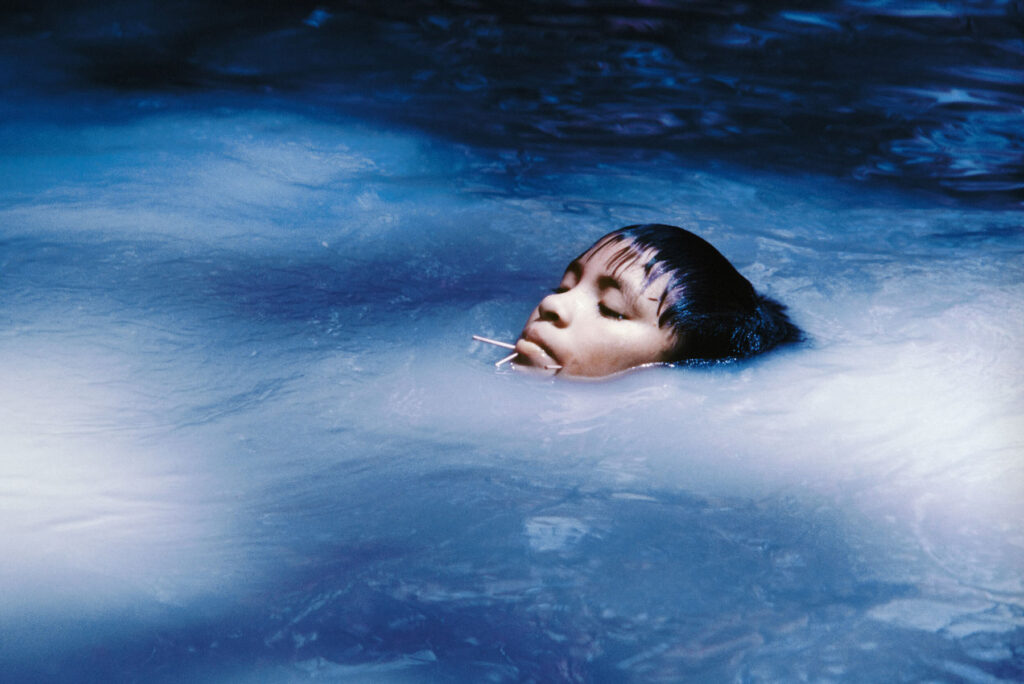
Andujar often applied Vaseline to her camera lens, used flash devices, infrared film, and oil lamps to create visual distortions

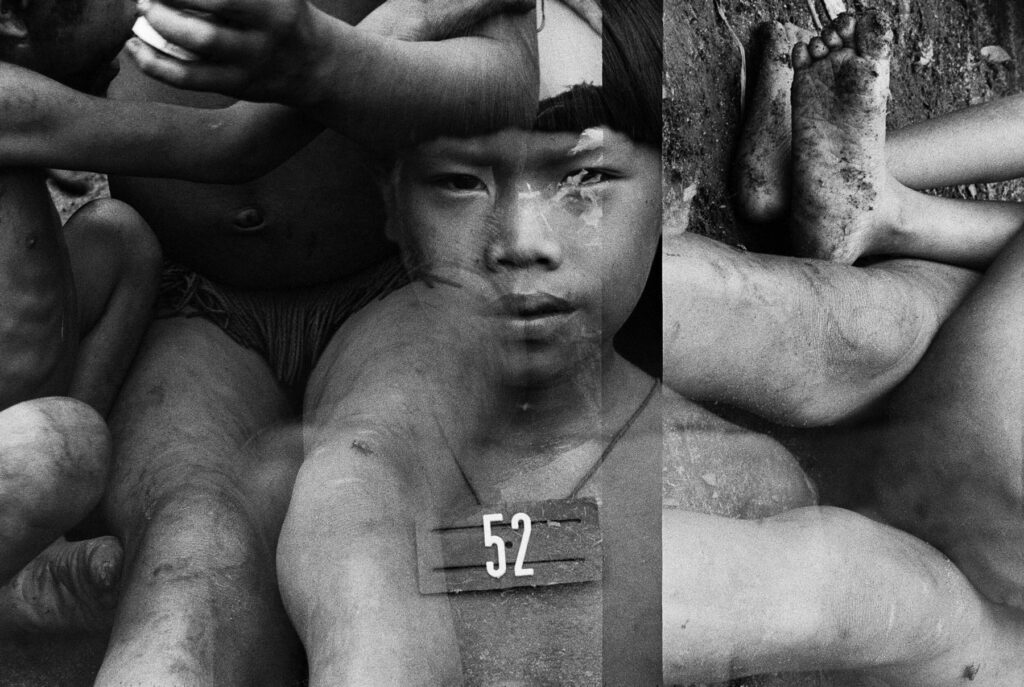
The Barbican’s latest exhibition explores the work of Claudia Andujar, a Swiss-born Brazilian photographer and activist who has spent her life documenting and defending the Yanomami, one of Brazil’s largest indigenous peoples. Through a collection of over 200 photographs, an audio-visual installation, and a series of drawings by the Yanomami, the exhibition explores Andujar’s relationship with the Yanomami that spanned five decades, and details periods of direct activism amongst the indigenous communities.  

The exhibition is housed in The Curve, featuring powerful photographs from Andujar’s first six years living with the Yanomami and explores how the photographer used her camera as a tool to drive political change. At a time when the Yanomami’s territory and way of life is being threatened from continued illegal mining and the spread of Covid-19, the exhibition holds particular significance: it shows how Andujar dealt with visually interpreting a complex culture, and how her art serves to amplify the voices and struggles of the Yanomami.  

From the start of her career documenting the Yanomami in the 1970s, Andujar’s photographic approach differed greatly from the traditional documentary style of her contemporaries. The photographs she took during this period experiment with a range of techniques to visually translate the shamanic and ritualistic culture of the Yanomami. Andujar often applied Vaseline to her camera lens, used flash devices, infrared film, and oil lamps to create visual distortions of light streaks and saturated colours that imbue her work with an ethereal quality. The exhibition also features a series of more sober black-and-white portraits of the Yanomami that focus closely on their faces and bodies, using an intense chiaroscuro to create a strong sense of intimacy. 

By the late 1970s, Andujar had reached a pivotal point in her career. With the Amazon region opened to deforestation and invasive agricultural programs, entire Yanomami communities were destroyed. Andujar deepened her commitment to the Yanomami struggle, and in 1978 she helped found the ‘Commissão Pro-Yanomani’ and began a campaign to protect their homeland. Andujar’s artistic career at this point was abandoned in favour of using photography solely to raise awareness for the cause.

As a photojournalist and a European, Andujar’s project is still a complex one: it cannot be wholly separated from the history of the colonial gaze on indigenous people. Yet it is clear that she has been welcomed by the Yanomami – films, drawings and texts by the community leader Davi Kopenawa throughout the exhibition demonstrate. It is without a doubt that Andujar’s work powerfully captures the struggles of the indigenous peoples and delivers both a unique peek into the lives and worldview of the Yanomami and a potent condemnation of the violence enacted on them.

‘Claudia Andujar: The Yanomami Struggle’ is on at the Barbican Centre until 29th August. Discover more here barbican.org.uk  

Auroboros

“Agender and body inclusive, the clothing line is establishing a community evolving around the limitless nature of digital”

What could questionably be the most important aspect of contemporary fashion, if not its attempt in shaping the light of tomorrow, or, as others would say, the future?

In light of the countless issues and social discrepancies, the role of fashion cannot detract itself from accountability any longer. Being the second most polluting industry worldwide, and probably one of the most disregarded powers in promoting cultural, political and ethical change, nowadays fashion has landed onto a battlefield that requires much more than it used to. Producing clothes, projecting a vision: time requires engagement, it expects creative voices to speak, and bring light to what more than ever should matter now, change. So here I am, hoping for a brighter tomorrow that I ask myself, what is the ethics of the future? Where should fashion be standing within such instances?

The correlation to luxury not only became to represent a myth, it has rather bonded itself to an idea of culture which cannot survive within time. What we are experiencing is a crisis of values, where the reward of luxury is nothing, but individualistic. Looking back at the etymology of luxury, it is clear that its original meaning of ‘abundance’ cannot fit within the contemporary scenario anymore. The act of consumption of the rarefied can no longer withstand, rather, one should question what it could eventually mean today. With the advent and unprecedented development of technology and digital platforms, how can luxury fit within the cyber realm and culture? Digital currency, digital art, the world of NFTs is slowly redefining the meaning of luxury. People are investing in it, they are questioning the principles of its value, making implications that could dismantle our preconception of worth.

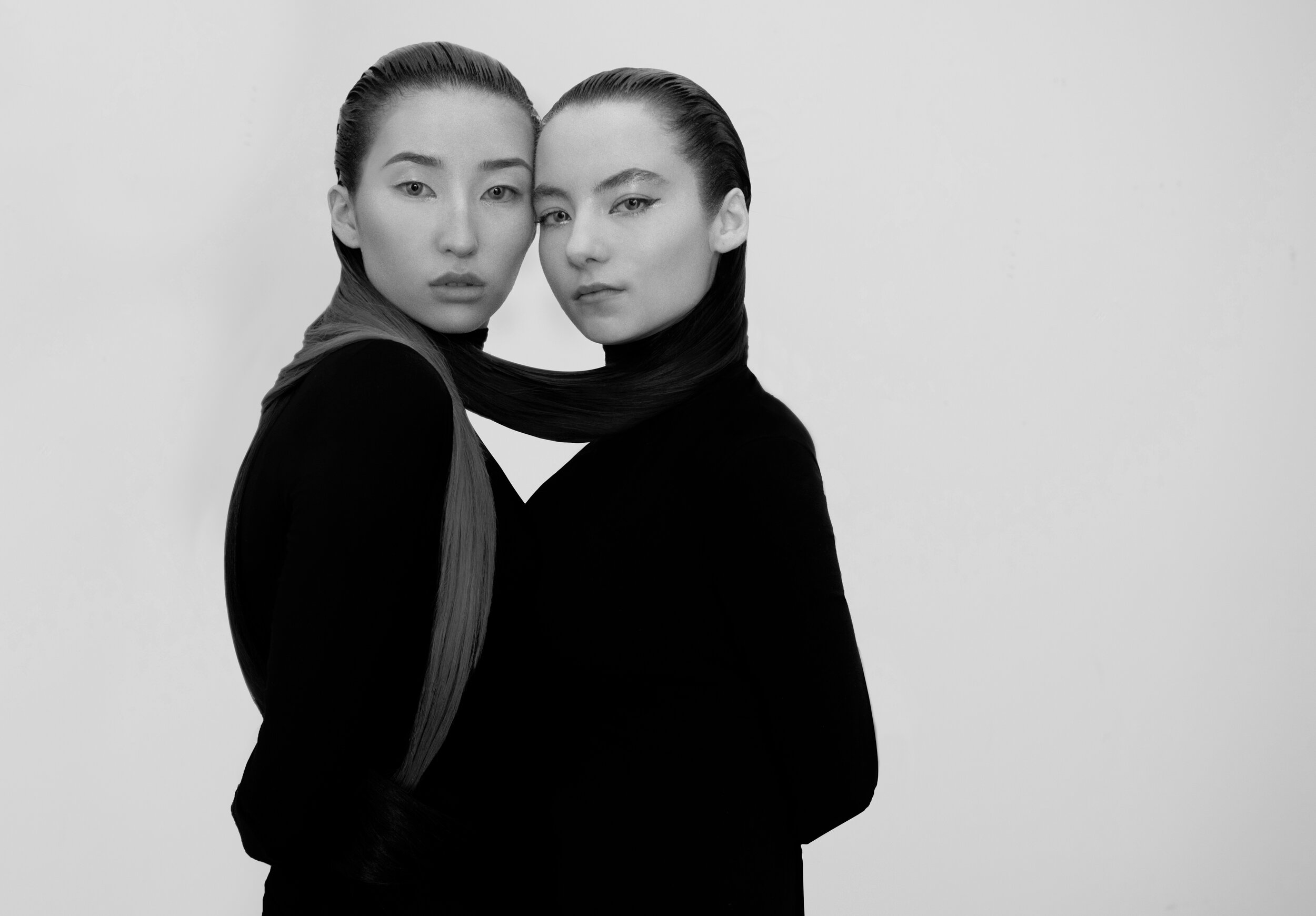
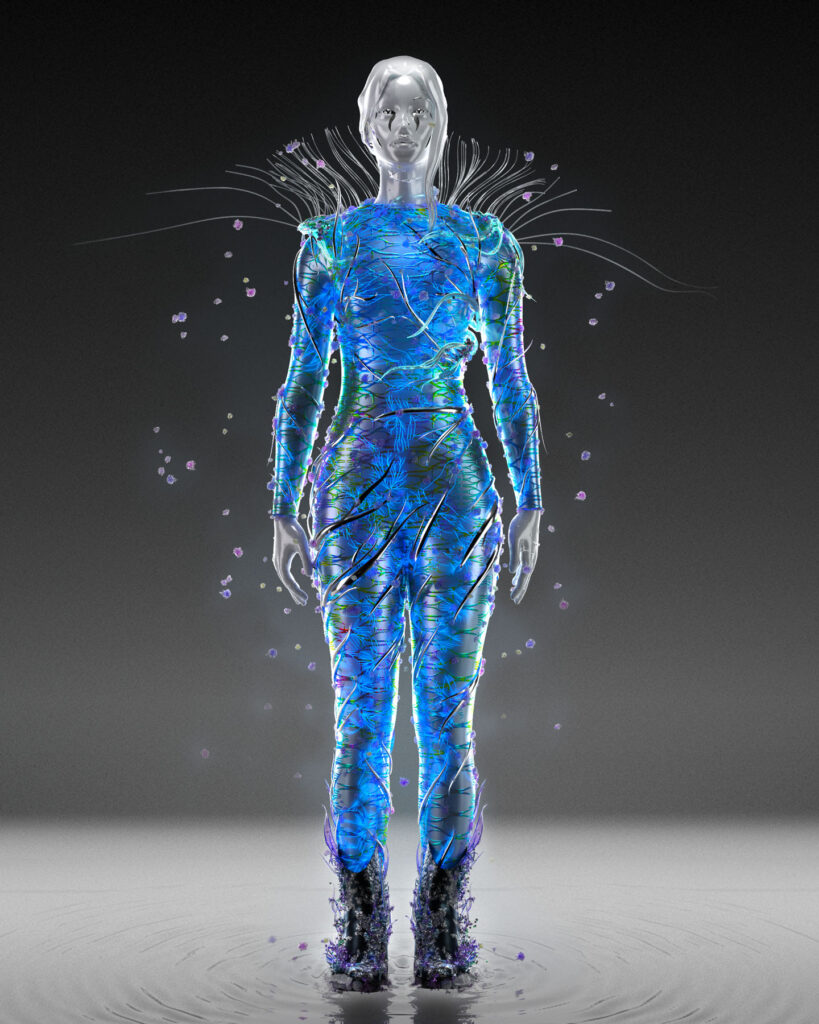
Striking attention this spring is nonetheless the digital creator AUROBOROS. Member of The Sarabande Foundation by Lee Alexander Mcqueen, the uprising high-tech brand is deconstructing the boundaries of fashion, placing itself under the spotlight as the first-ever digital fashion house.

The founders Paula Sello and Alissa Aulbekova, respectively digital designer, and director of visual communication, have been merging forces in bringing to life the first brand blending physical haute couture to digital-only ready-to-wear design. With innovation at the core of their project, the designers are morphing their sci-fi and nature inspiration, to project the wearer into another world, into other realities: to take the physical experience onto unexplored territories.

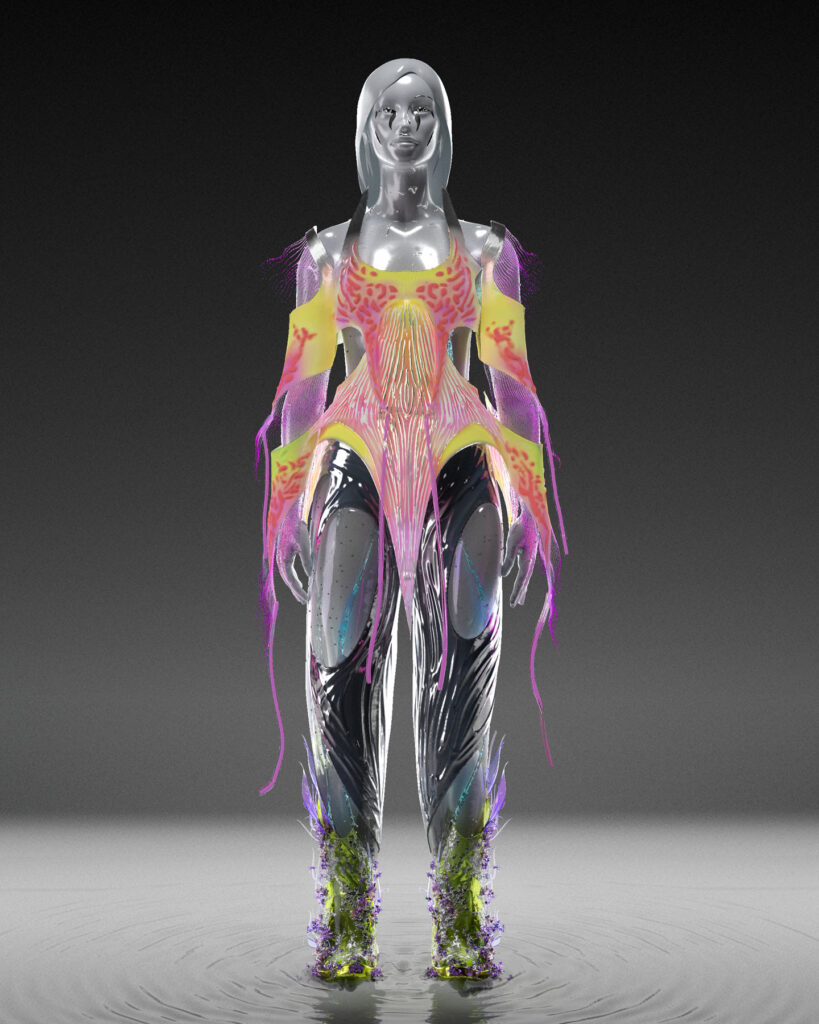
Two are the lines the brand is currently covering: physical couture and digital RTW. The first, focused on innovative science, employs never-used-before materials in correlation to temporality. Designing pieces that grow over a longer period of time, the brand’s couture creations project patterns from nature onto the wearer’s bodies, transcending the evolution of the materials from the very first stages of their conception, to their growth and final disintegration. On the other hand, AUROBOROS’ RTW line is instead debuting on a full-digital basis: capping material wait to 0, and addressing luxury to a much wider audience. Agender and body inclusive, the clothing line is establishing a community evolving around the limitless nature of digital: a domain where body diversity and disabilities can be fully represented, bringing self-expression to an innovative brand new stage.

AUROBOROS allows the wearer to encapsulate the garment onto any visual source. it allows materials exchangeability, including fire, jellyfish, metal: in other words, a limitless asset of opportunities. Not only is RTW being deprived of its infamous idea of luxury, the brand is also actively opening it to a wider dialogue, demonstrating the power of technology in generating utopia rather than dystopia.

As pointed out by the designers, digital fashion should not dictate, it should rather push us to explore identity, and reconnect to nature. Imagine a world where anything could be worn: with creativity being the only limit, it is within such instances that luxury is pushed to an idea of experiencing something that you would have never thought of before.

With this in mind, how could consumerism accept the digitalisation of fashion to become the ultimate luxury?

Dropping their debut collection this June during London Fashion Week in official tech partnership with the Institute of Digital Fashion, the brand’s hopes fall within the understanding of their creative process as an effort in creating a new world, rather than a mere digitalisation of a tangible experience. What this seems to be all about, is to suit fashion to the customer, erasing its impersonal contemporary status. AUROBOROS has successfully demonstrated the necessity for accessibility, but, most importantly, has opened up a discussion that has been required for a long time. How we engage with technology is what will define our future.

Credits

Images · AUTOBOROS

Atelier Caracas

“we consider it an exercise in design and investigation to see what can happen when you decontextualize architecture’s components”

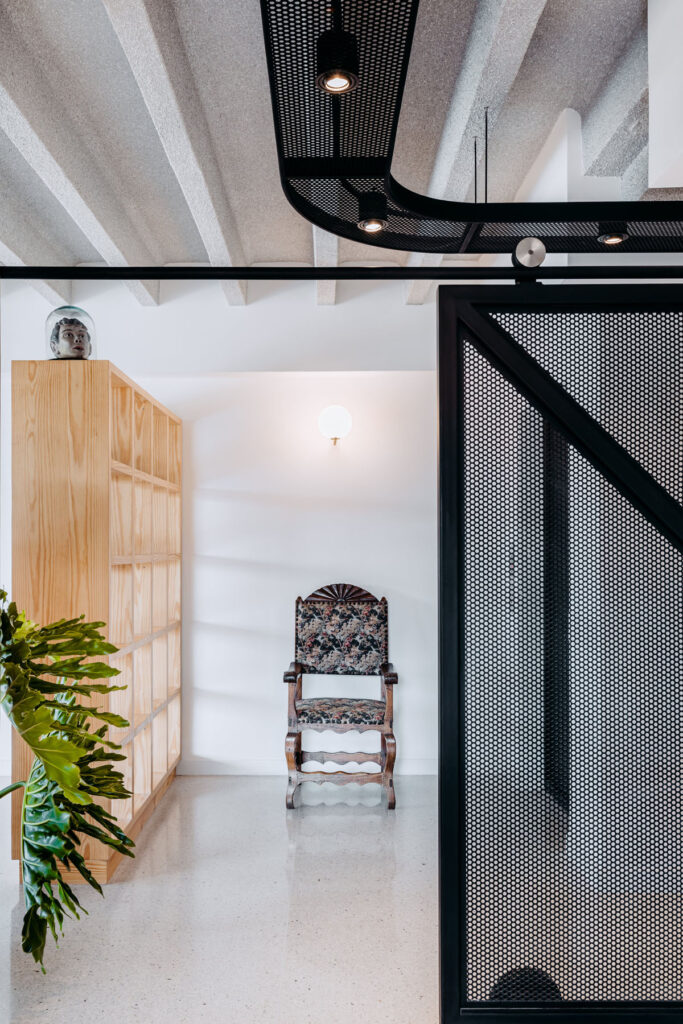
Founded in 2015 by Julio Kowalenko and Rodrigo Amas, the Venezuela-based architecture studio Atelier Caracas explores a range of formal, aesthetic and cultural attitudes across the realms of architecture, furniture and fashion. The studio claims strong influences from found objects and pop culture and utilises them to craft captivating spaces that are charged with the energy of the city of Caracas. 

Submerging their visitors in other-worldly and carefully stylised spaces, Atelier Caracas works with a unique vision, emboldened with colour and personality that speaks to the passion and creative vision of the studio. 

NR speaks with Julio Kowalenko to learn more about the studio’s innovative projects 2020: A Spa Odyssey and Fun Maze.

You mention that Atelier Caracas operates as a platform that spans across furniture and fashion – how much do these elements inform your architecture?

We like to think of architecture as a medium through which we communicate our ideas towards contemporary problems. These problems could be related to anything, not necessarily just architecture. Although we’re both architects, we’ve always shared an affinity for fashion design and furniture – it’s an important source of inspiration for Atelier’s design process.

There is a sense of freedom behind fashion design and furniture that we envy (in a good way). This freedom trespasses the boundaries and formalities of the architectural practice and focuses on expressing ideas about social, political and cultural issues – we try to channel this in each one of our projects.  

Jan Kaplický once said “We don’t want to be fashionable architects, but we are interested in the idea of fashion”. That’s exactly how we feel.  

What would you say are the main influences from pop culture on your creative practice?

We embrace pop culture in a very Venturi/Scott Brown kind of way, in that we have a fixation with ordinary things. We like to state that our architecture doesn’t always come from architecture itself, but rather emanates from ordinary or simple things. Every time we approach a new design, whether it is a piece of furniture, a building or even a garment, we always have mood boards that are a compilation of images, sometimes very incoherent, but once forced to coexist on the same canvas something starts to appear – a new language, a new construction detail, a new possibility that might have once been thought as a flaw or failure.

80s Punk flyers, NBA logos, Mid-Century Venezuelan Architecture, Shiro Kuramata (among other design heroes); these are all things that for us, in terms of hierarchy, have the same weight as references when it comes to conceiving architecture. We like to think that things carry a DNA – whether that be a texture, a chromatic palette, or a certain detail of a building – that we like to extract and construct into our own universe.

“It’s a sort of clinical dissection of popular imagery as a design strategy.”

One of my favourite projects of yours is the 2020: A Spa Odyssey. What attracted you to Stanley Kubrick’s film or science fiction in general, and were there any other conceptual inspirations?

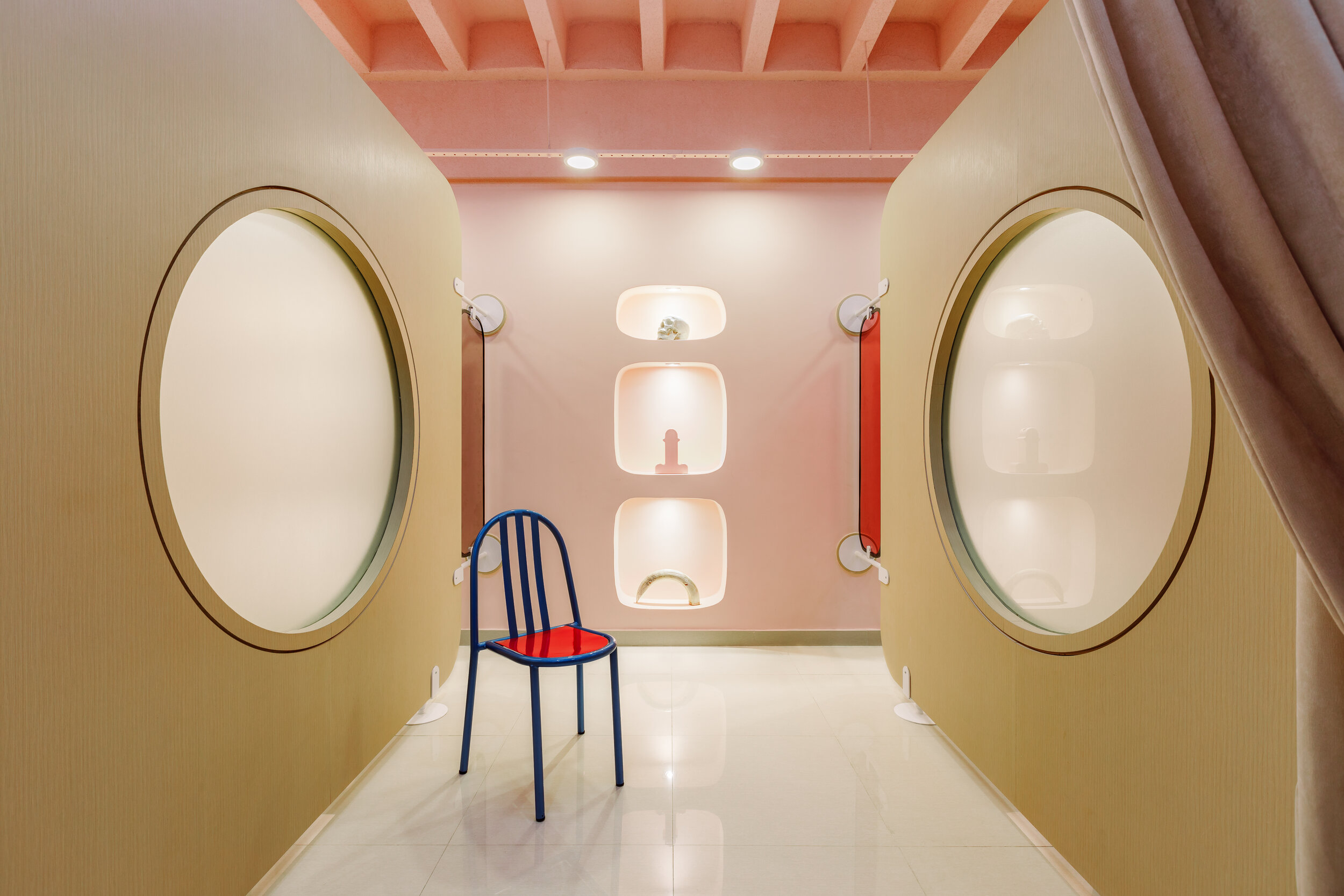
When we were asked to design the spa, we were told explicitly to “make something out-of-this-world”, we took that very seriously.

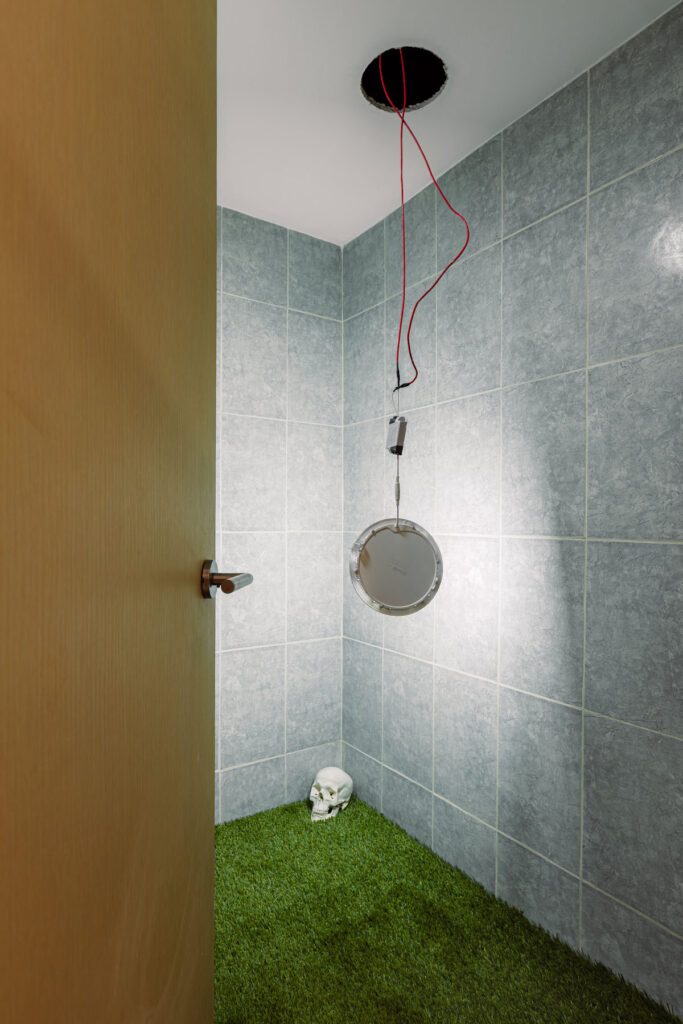
Immediately we started searching for and filing images related to outer space exploration and science fiction. NASA, Isaac Asimov, Akira and related cinematography became constant reference sources in our studio during the design process. It wasn’t long before we knew that 2001: A Space Odyssey would be the definitive reference pool for inspiring us during the development of the project.

The dissection of the film became a fundamental part of our design process, even to the point that the Spa’s name is a play on words. Studying Kubrick transcended into something greater, and we understood the project to be a succession of scenes that use colour, light and symmetry to engage with certain sensations and things the filmmaker applied in many of his works. Ever since we did 2020: A Spa Odyssey, we utilise this in all our designs. 

What was the process like when creating the furniture for the spa?

A tight budget and “outer space” artifacts didn’t seem to be synonymous at all. This led us to the idea of conceiving furniture made from ready-mades.

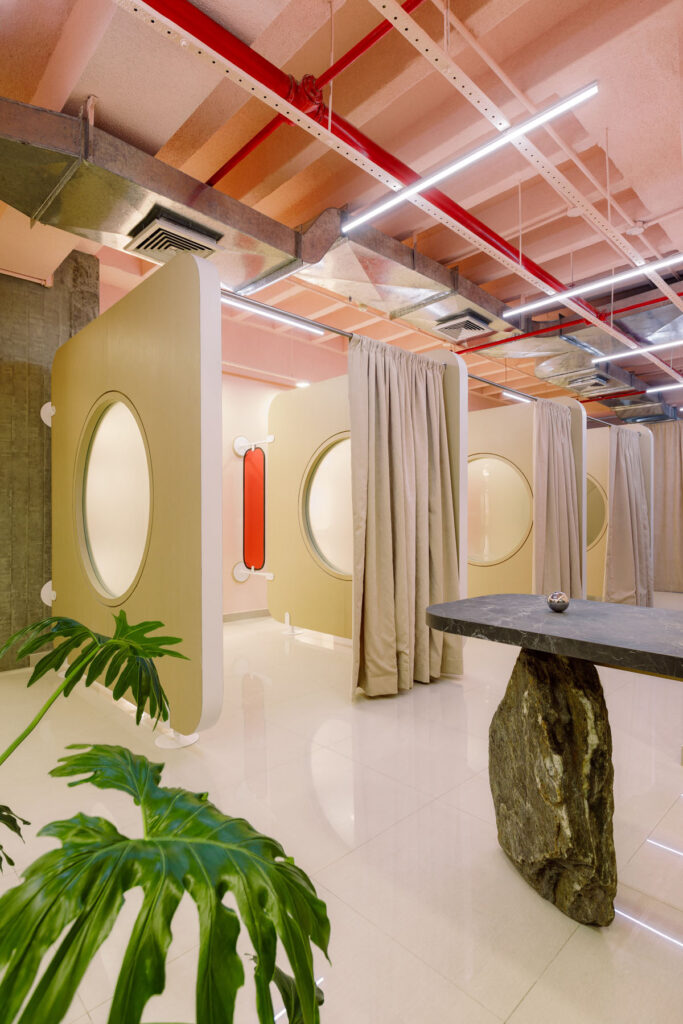
With the ‘other worldly’ theme we wanted the furniture to underscore and exalt the project’s narrative potential. Thus came about the idea of a ‘meteorite’ floating in space for the reception desk. Something heavy like a rock lightly posed and acting as a fulcrum disturbs the notion of gravity in space and throws the viewer off balance and out of the immediate environment, which is a very busy area of Caracas.

Our approach is particularly scenographic when it comes to designing space and furnishings. This project, with its obvious cinematic reference, was the perfect opportunity to test all our ideas about generating a narrative through design. 

Are there any subtleties of the design of the spa that you’re particularly proud of?

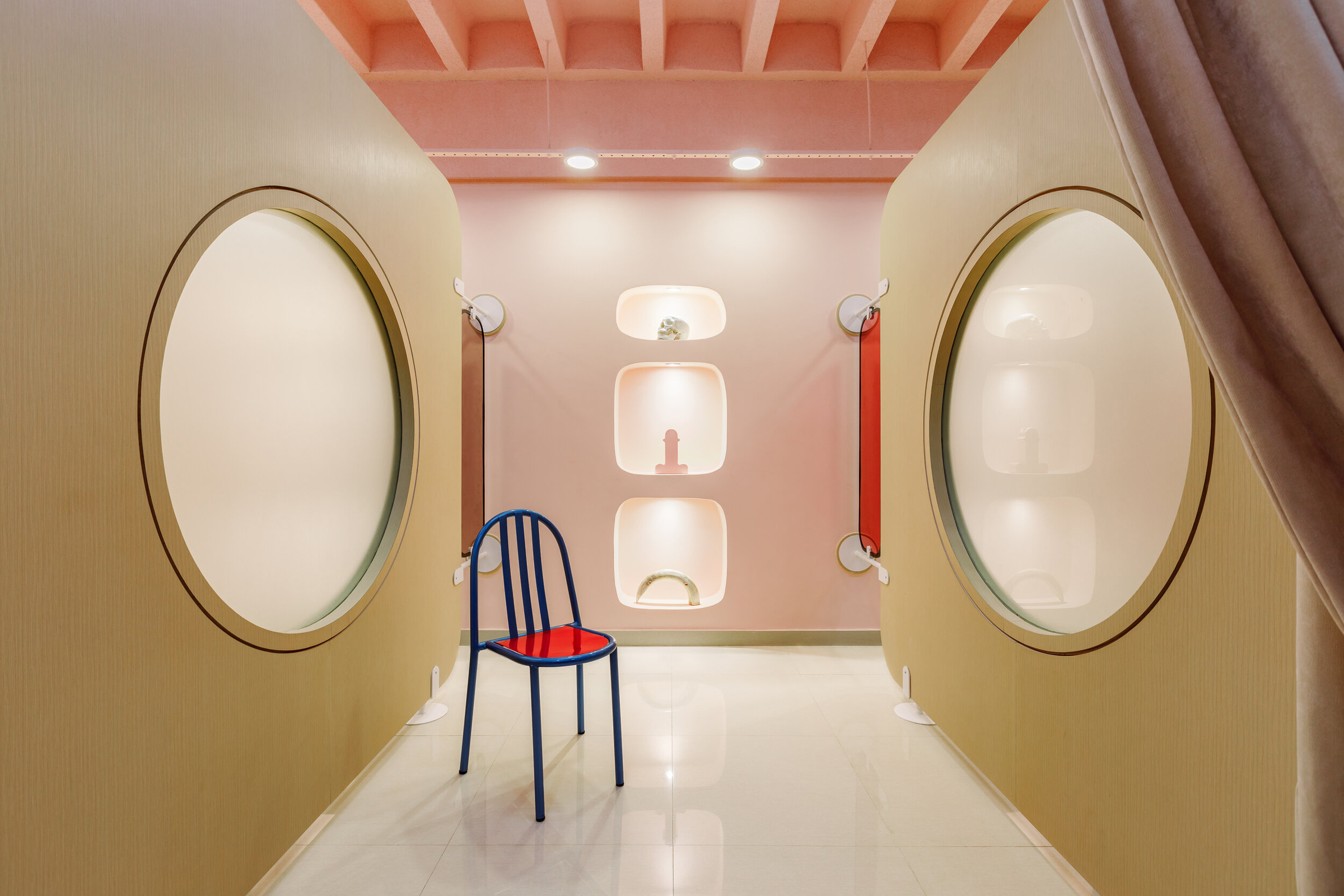
Something that pleasantly surprised us was the visual and spatial effect of the translucent plexiglass panelling. It gives off an indefinite boundary and a ‘spacey’ vibe to the massage cubicles.

Also, considering that the Spa is located in a particularly busy area of the city, we’re very happy that the project acts as a pleasant hermetic bubble, an airtight space isolated from the noise of the city and where the often-polluted environment seems to simply disappear. 

How much does the Venezuelan landscape impact your work?

Very much, in every single way. For us, Venezuela and above all, Caracas is an ever-present muse. Born in the 90s and growing up in the 2000s we’ve been through a lot of political and social turmoil. We consider this to be a formative and educational phase in our lives.

Living in Venezuela has taught us that good design has no limits when it comes to budget and scarcity of means. 

Understanding landscape as something that can transcend into a cultural concept, we’re very proud of our artistic and cultural legacy, and we seek to express that in our work. The presence of small gimmicks and intentional references within our projects (what we like to call architectural quoting) serve as small respectful homages to the masters of Venezuelan architecture. More than a ‘copy-paste’ kind of architecture, we consider it an exercise in design and investigation to see what can happen when you decontextualize architecture’s components. 

“We never did our post graduate studies, so this is also our way continuing to study architecture.”

Another design of yours that stood out to me was the Fun Maze. What were your aims and inspirations for the project?

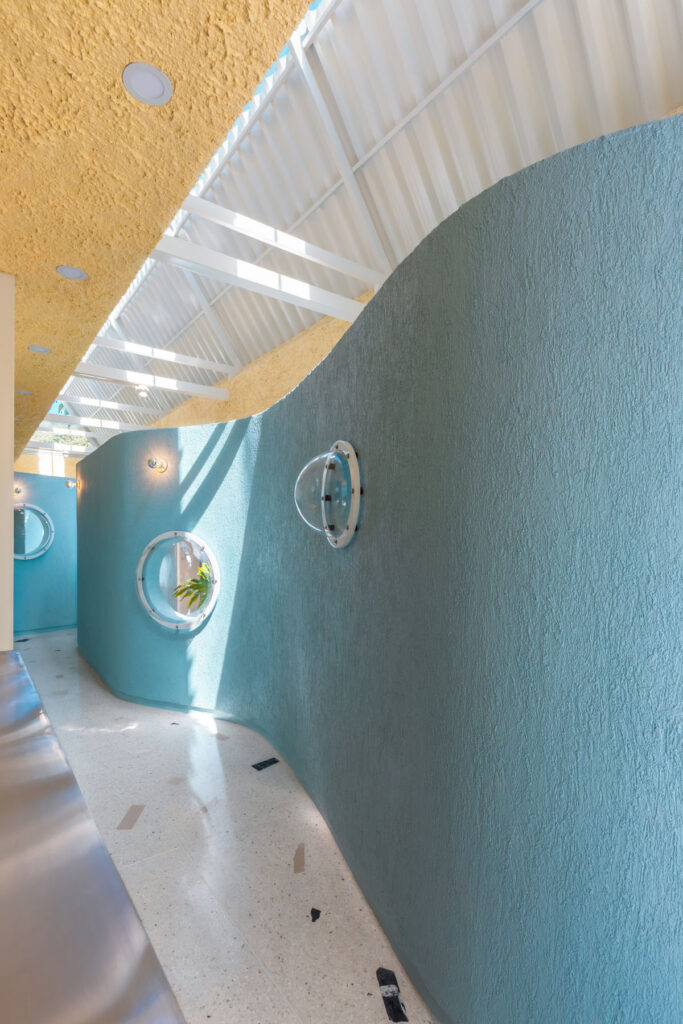
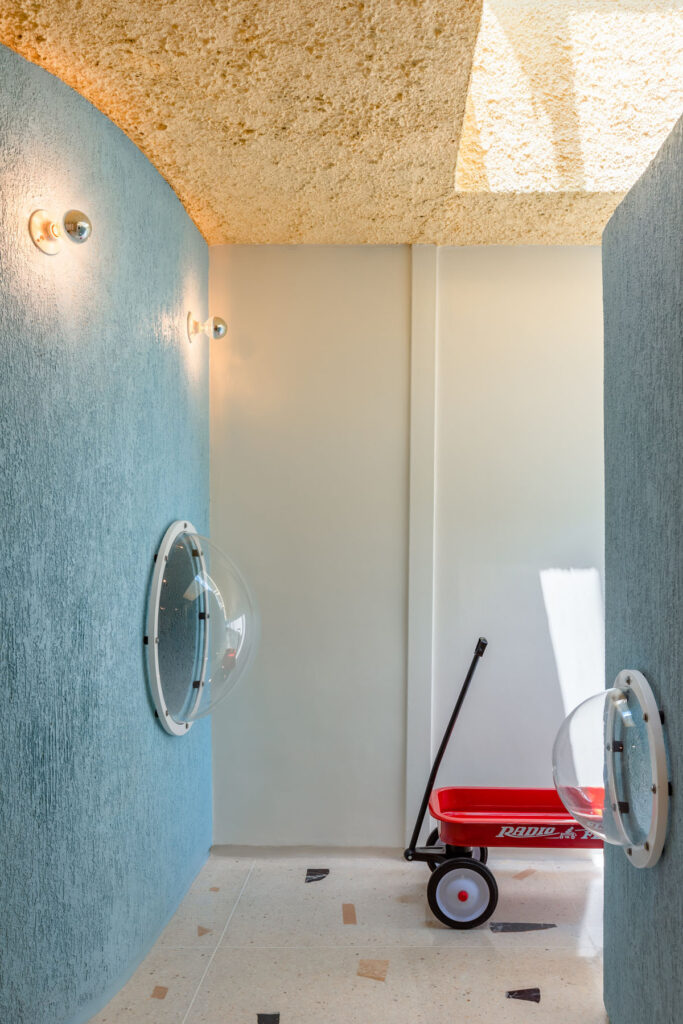
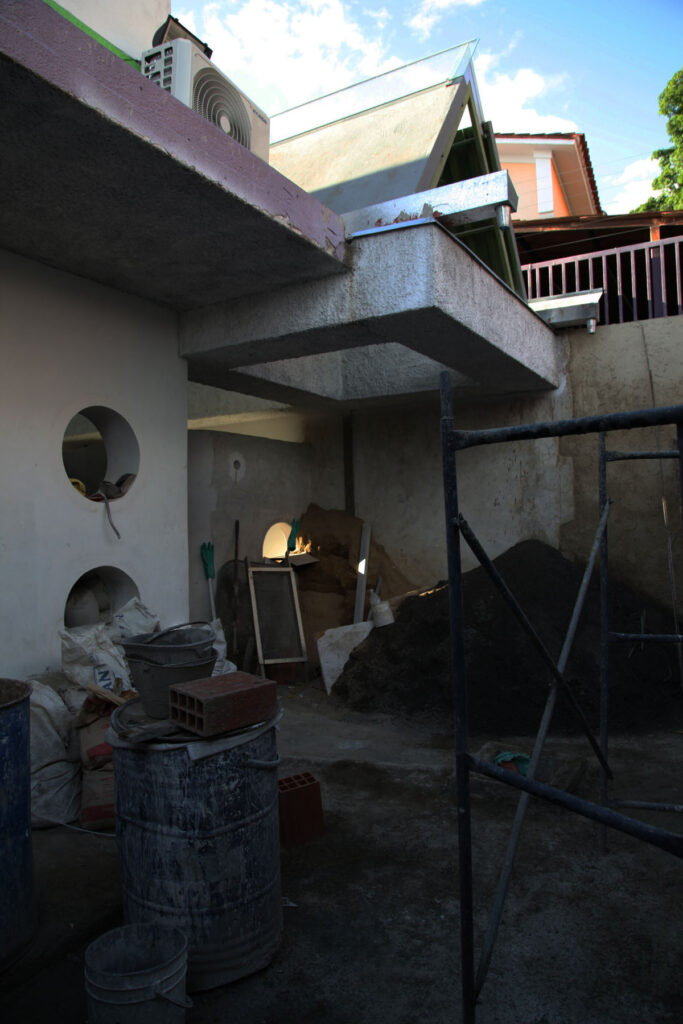
Fun Maze is a motor therapy and rehabilitation centre for children with mental disabilities, so our main goal was to humanize the doctor’s consultation office, to eradicate the cubicle and use it as a way of promoting alternative ways of socialising amongst visitors. 

The idea was to create an infrastructure that transforms therapy spaces into lineal parks where parents, therapists, pets and children can reimagine how their bodies can relate to and interact with scale, light and space. 

In terms of inspiration, this project has two main references. First, we intentionally evoked the universe and code of forms in John Hejduk’s architecture, especially his exercises and explorations in Diamond House C, where a series of biomorphic volumes have a dialogue with an orthogonal space system, creating residual spaces for phenomenological narratives. And secondly, creating a covered boundary space with the dimensions of a long corridor immediately recalled the architectural work of our deceased professor and mentor Joel Sanz, especially his exercise on “El Techo de Sol/Techo de la Lluvia” (“Roof of The Sun/Roof of The Rain”), and his seminal project “Casa de mi Madre” (“My Mother´s House”).

How important was shape and colour when designing this space?

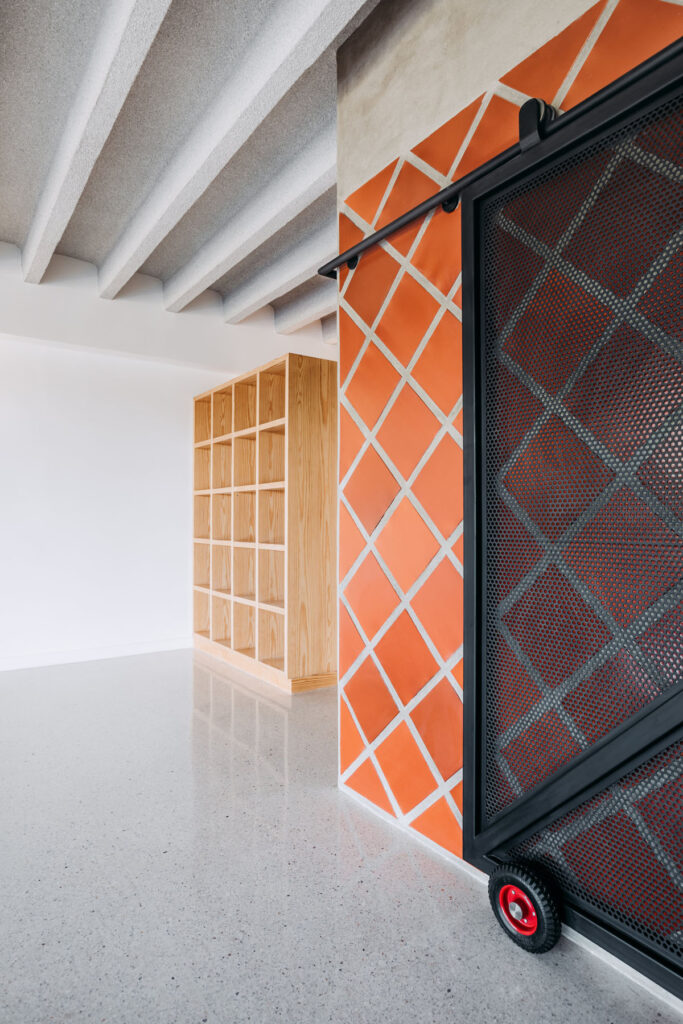
For us, colour and form held a key role in the design process. Having a space with no windows forced us to be precise about how we utilized natural light. The roof, the coloured biomorphic volumes and the terrazzo flooring were crucial in how sunlight enters the building and can then be reflected through the different therapy modules.

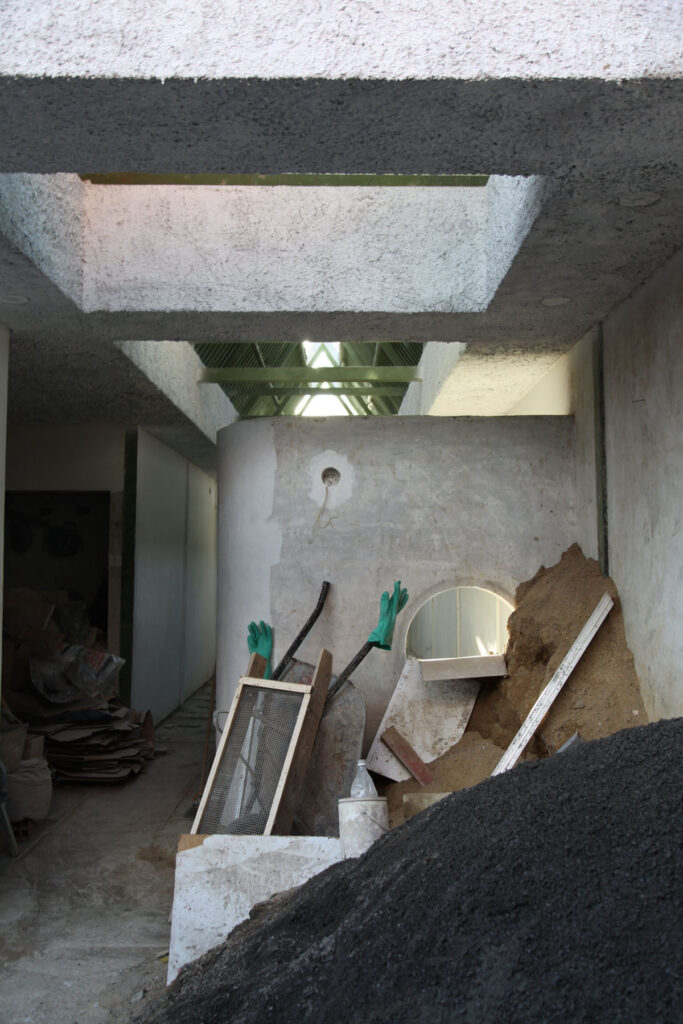
Since we were on a tight budget, we started experimenting with textures with similar materials. The whole project derives from variations of cement stuccos that take on different textures at different times of day under natural light. The sunlight hitting the interior walls generate a range of chromatic and sensorial experiences.  

The pastel colour palette was also used for both psychological and functional reasons. Through our research we found that bright colours boost creativity, productivity and self-awareness, and as a functional aspect, it helped to reflect sunlight and generate a fresh environment inside.

What’s next for Atelier Caracas?

We’re currently finishing a lot of projects that we’ve had under construction, so hopefully this year we’ll be publishing some of them on several digital and printed platforms. 

We’re also planning to launch our second furniture collection with design gallery Studio Boheme by the end of this year. We can’t reveal anything yet, but as a teaser all we can say is that it is called VENUS. 

Credits

Atelier Caracas was nominated for the Royal Academy Dorfman award in 2019. Their work has been featured internationally in Domus, Architectural Digest, Dezeen, Frame, Divisare, Vogue and more. 

Images · ATELIER CARACAS
https://ateliercaracas.com/

Danny Augustine

“I’m guilty of having quite a short attention span”

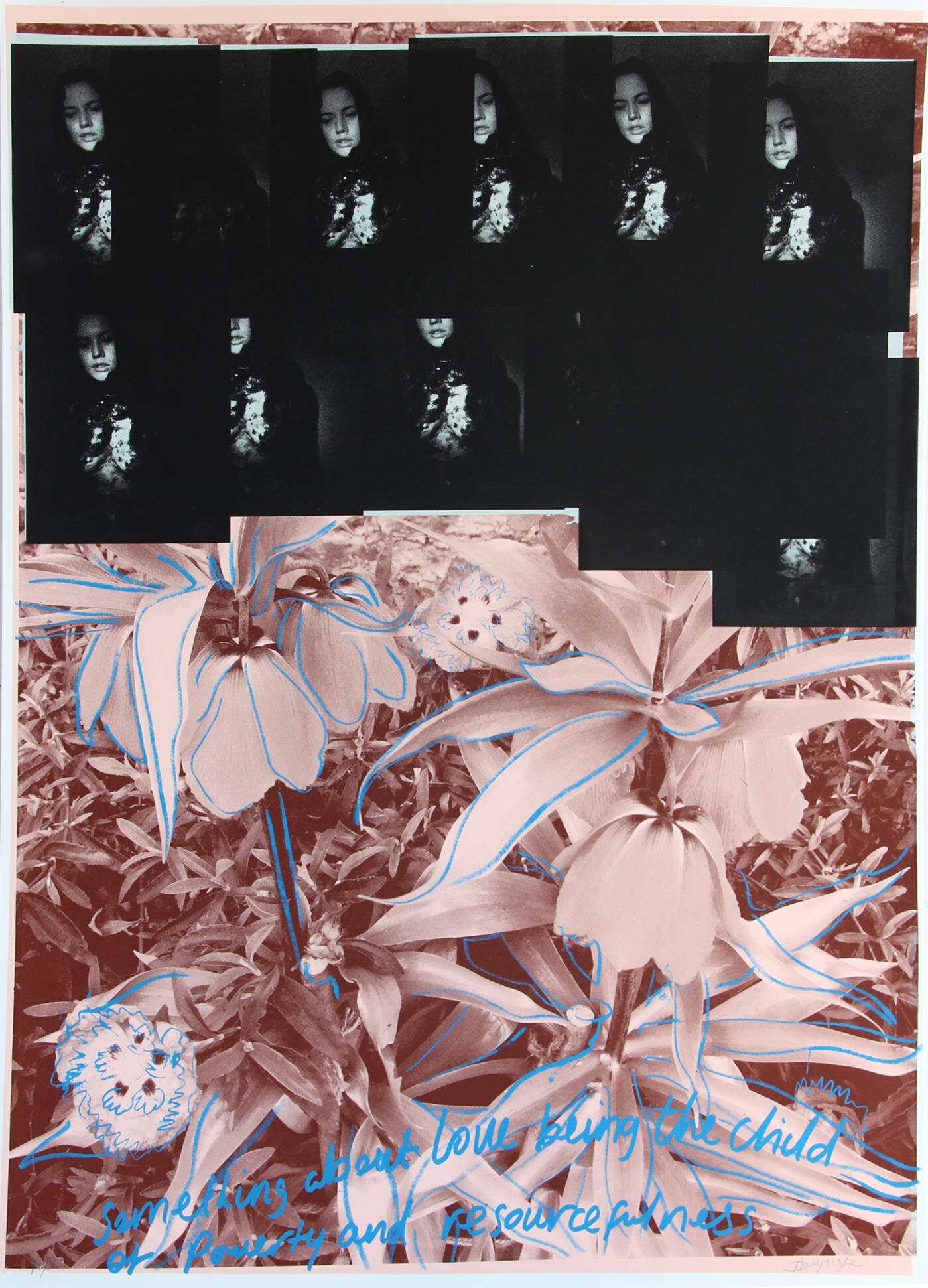
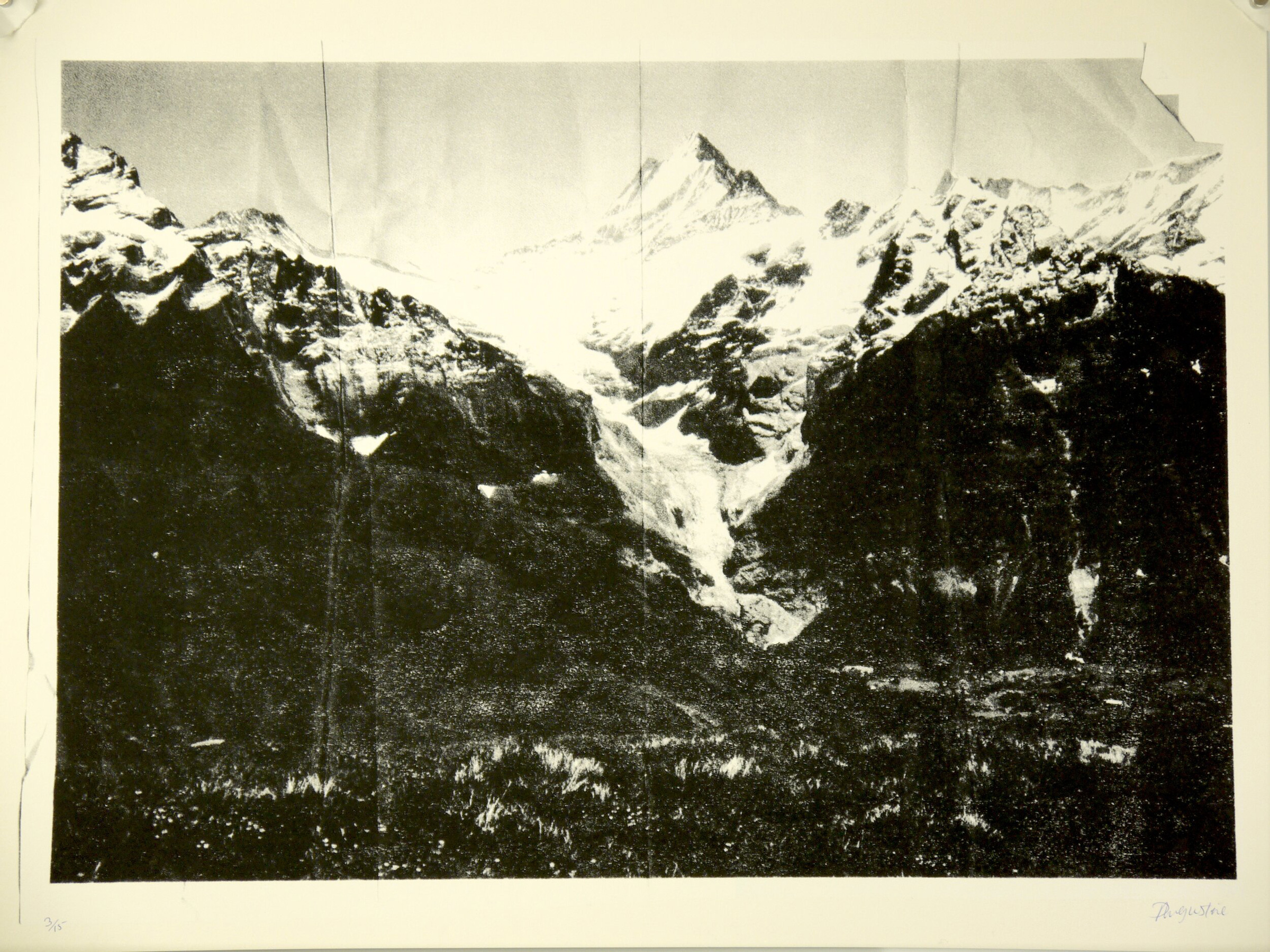
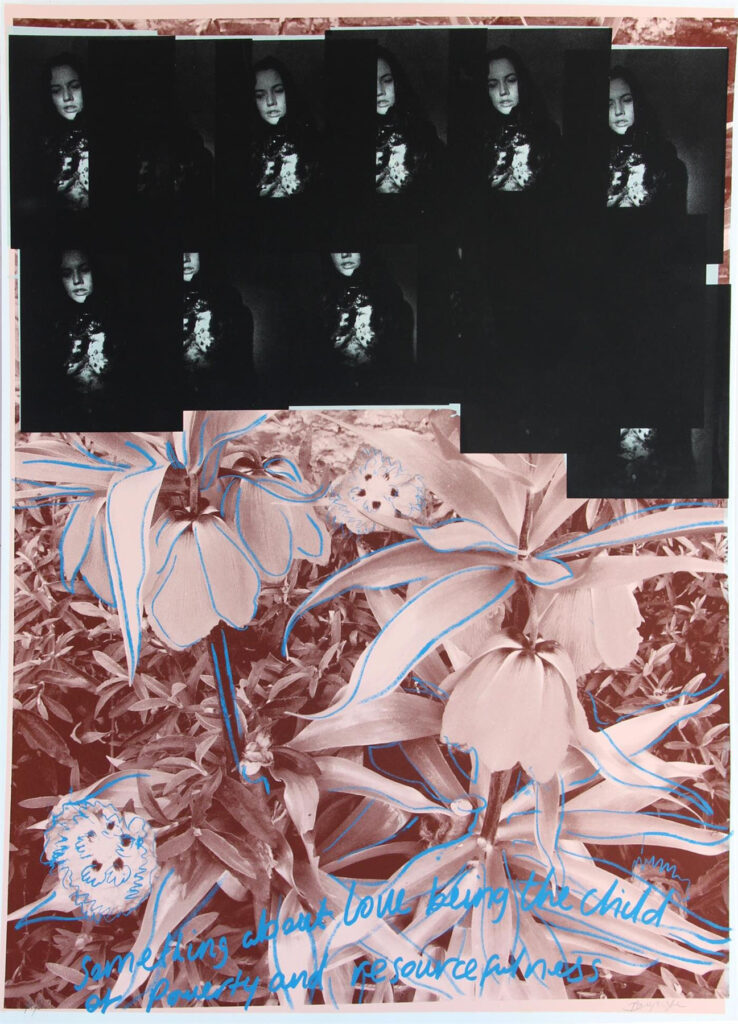
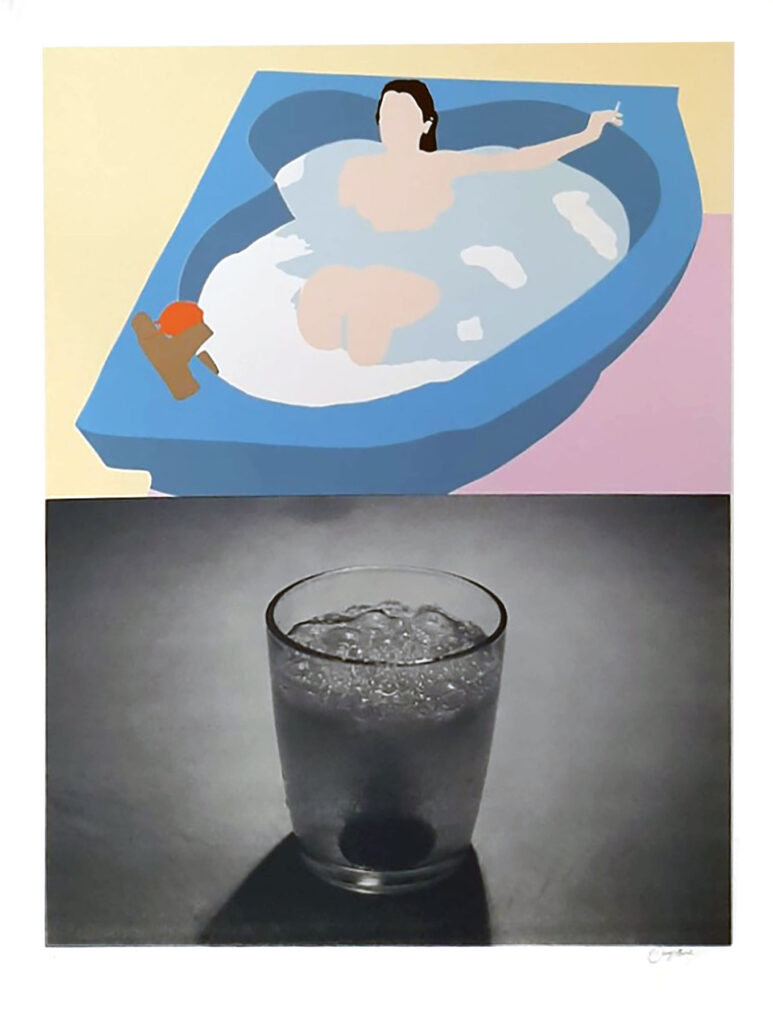
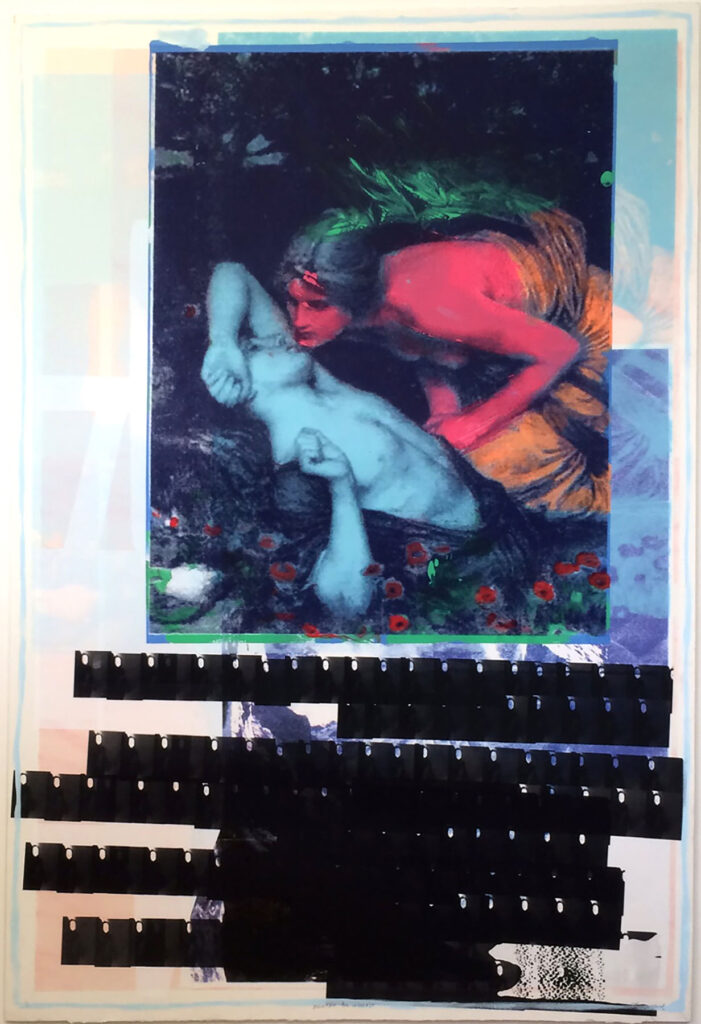
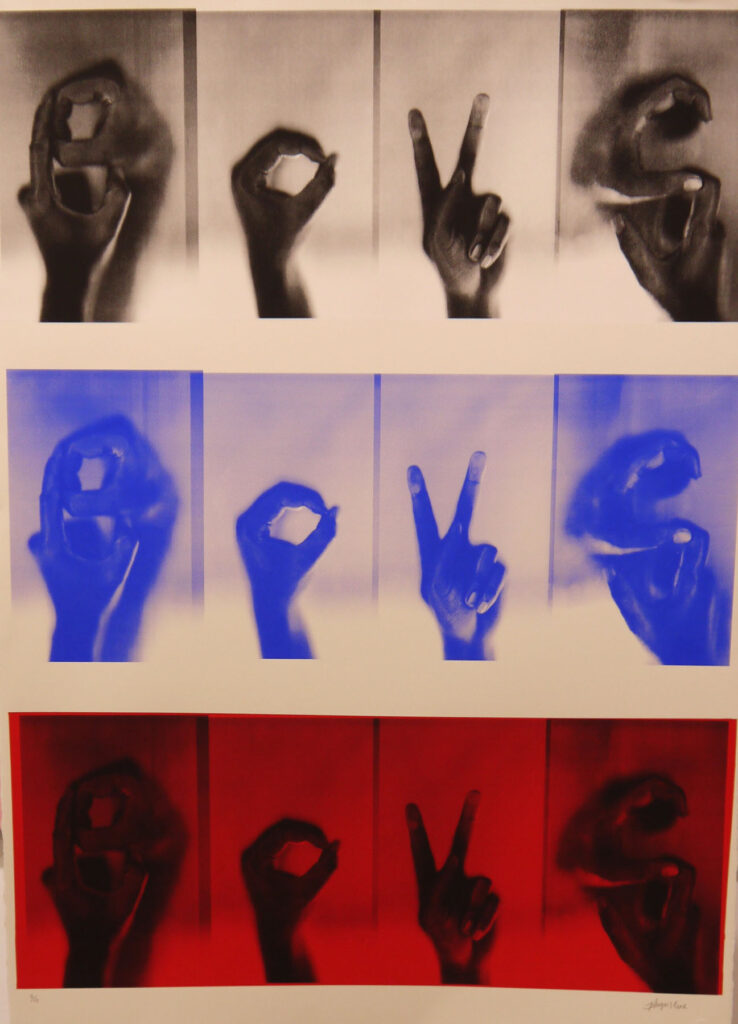
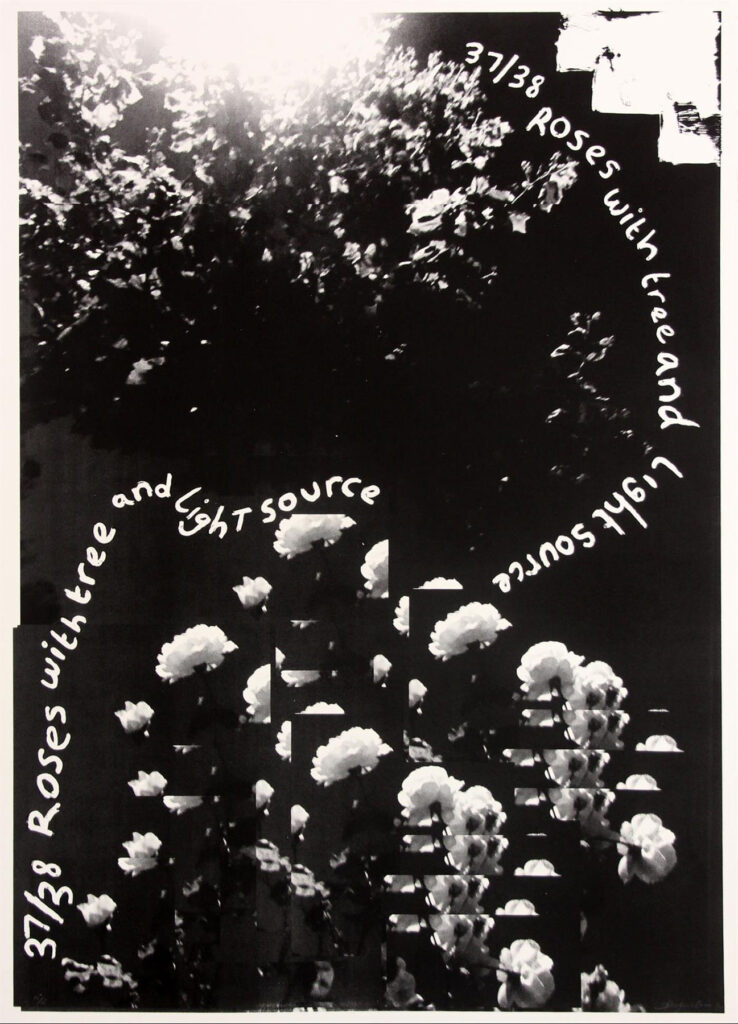
Raised in East London, artist and printmaker Danny Augustine explores ideas of identity in his work, primarily addressing topics of race and gender politics. Danny works predominantly with the medium of print but has a unique and painterly approach to his projects, toying with different narratives that prompt his audience to think about modern society’s views and obsessions surrounding race, gender and sexuality.

NR speaks with Danny, discussing his background, influences and how he has navigated his artistic career.

What attracted you to first start working with print?

First, I wanted to be a fashion designer, then a photographer, then a filmmaker and then finally a painter. The problem was that I wasn’t great at any of those things. I’m guilty of having quite a short attention span. I always want to work big, and I want instant gratification, so print works really well with appeasing those traits.

You grew up in Hackney, how has living in East London impacted your work and you as a creative individual?

I’m of the generation where I ever so slightly missed or was too you young to realise what was going on in regards to the YBAs, but the water mark was clearly visible. Coming from a Caribbean family and growing up in Hackney I felt gave me the licence to push and become an artist – there’s never been a doubt in my mind.

Are any other locations inspirational to you?

Berlin and Venice – those places rock me every time I visit.

Your work deals mainly with ideas about gender and identity, does exploring these narratives come naturally to you, or is it a struggle to express them creatively at times?

I think my work ends up talking about or outlining those points on its own. I didn’t realise it was happening until I had a bit of hindsight. I think it’s pretty natural still.

“I’m not sure why it’s like that but I’m happy that the work walks out on its own and is what it is.”

What’s your usual process when designing and printing a piece?

I usually start with an idea and instantly start to build a collection of works that explores that. I like to think about it like how a fashion designer builds a collection for a new season. I hardly ever just make a singular piece.

What other artists inspire you?

Tim Mara, Eduardo Paolozzi, Frank Bowling, Cy Twombly, Francis Bacon, Kate Gibb, David Hammonds, Billy Childish. I have loads more: Hockney, Louise Bourgeois, Lucien Freud. We’re in an incredible time because so much has passed and there’s a lot to look back on for inspiration.

How have you navigated the past year in the pandemic as an artist?

Minus the horror stories that people went through during this time, I found I was able to concentrate on making loads of small prints and send them to people who wanted them, no charge.

“Knowing when it arrived and how it cheered people up, I felt happy that I was able to connect with people for no reason other than being able to make something and then send it out.”

Have there been any seminal experiences that have impacted your work or your practice?

Having my son was an incredible thing. When he was born, I knew I wasn’t going to make anything as beautiful as him (cheesiest thing I’ve ever said). My work has changed since having him – I think it’s possibly more grown up, but I won’t know until I start working more.

What does your body of work aim to say in terms of confronting issues about gender and identity politics?

I don’t think it aims to say anything, but perhaps it prompts the viewer to possibly say something.

What was it like transitioning from studying Fine Art to specialising in your printmaking MA? 

It was nuts, I probably wasn’t ready for it. Maybe I should have had a year between them rather than going straight in, but at the same time I think I had to be thrown straight in after university. I had to learn the language pretty fast.

Are there any particular figures you draw the most inspiration from?

I think probably Cy Twombly and Lucien Freud. As soon as I open a book my brain goes crazy and thoughts and ideas start flooding in.

Are you working on any projects at the moment?

Yes, I’m working on a few large screen prints mainly dealing with colour and abstract forms leaning heavily on a specific way of printing.

Credits

Images · DANNY AUGUSTINE
www.jealousgallery.com

Virginia Arcaro

“I learned to rediscover myself, my body and my mind through photography”

Virginia Arcaro is a visual artist whose work spans the realms of painting, collage and photography and explores personal connections with contemporary culture, art and high fashion. Working with the likes of Dior Homme, Acne Studios, Arcaro’s editorials integrate elements of fashion and art history with her own personal vision. The result is an impressive and authentic body of work that is sleek and carefully considered. Arcaro’s practice draws inspiration from a range of subcultures and the limitless potential of photography as a medium.

NR looks into Arcaro’s influences and creative process across both her personal and editorial work to learn more about their artistic production. 

You have a really interesting body of work that ranges from high fashion to more intimate, personal pieces. What have been some of your favourite photography projects to work on? 

Definitely the projects in which I had the freedom to express myself and my creative vision without many boundaries and limits. And those in which I tried to simultaneously blur and establish the lines between art and fashion.  

How did you start getting into photography? 

Since I was very young, I’ve always had my camera with me. I was constantly shooting. It has always been a passion. On a professional level, I started immediately after graduating from the Academy of Fine Arts, collaborating with my boyfriend at that time, shooting the collections of his brand and also curating the creative direction of every photographic project with him. Soon after, I started working as a backstage photographer during fashion shows in Milan, Paris and London, and at the same time I was shooting editorials for magazines and commercial works for various luxury brands.  

How much does fashion influence your work and creative process? 

Fashion is both a means of expression and a source of inspiration. It definitely affects me a lot, but not so much to overwhelm my creative process. When I started working in fashion, I was quite clueless about how complex the industry was. Working in the field and having had the opportunity to meet and collaborate with so many different people helped me learn a lot. I feel honoured and will forever be grateful to have had the opportunity to document the incredible work of designers I love and admire. 

What has impacted your creative vision the most? 

My background and cultural experiences, music, my love for rebellious youth cultures and subcultures – when they could still be defined as such. And having studied art history for years, I can’t deny that traditions and classical references also played an important role in impacting my vision.  

What people and places do you draw the most inspiration from? 

From authentic people, radically different people, confident outsiders. I’m inspired by any place I have a connection with – a connection that is not only physical but also mental. From all the places I’m sentimentally attached to for some reason. 

How have you managed to stay present and creative during the past year? 

Last year was surreal, but I think it had a positive impact on my life and it helped me a lot on a creative level. My job has always led me to travel continuously, and I’ve always loved traveling in my free time too. I had to learn to stop and be in one place for months, so I had time to recharge, time to reflect and time to develop new creatives projects. I learned to rediscover myself, my body and my mind through photography, immersing myself deeply in the essence of art.

How do you choose your subjects and the people you photograph? 

Each person is unique, and I choose them for different reasons. There’s no rule. I understand immediately when I like a subject. 

Is there a main message you want to say with your more personal photographs, or do you find it’s more of a relaxed and natural process? 

It’s a combination of both. I feel it’s a natural process for me to shoot something with a meaning, or a plurality of meanings. Each image contains messages and symbols that lead to a different dialogue. Interpret as you will. 

Virginia Arcaro’s work has been featured in Dazed Digital, AnOther Magazine, Vogue Paris, Vogue Italia, Vogue UK, Harper’s Bazaar UK, Highsnobiety and more.

Arcaro’s work can be found here virginiaarcaro.com

Snoh Aalegra

Snoh Aalegra on signing to Roc Nation, her music making process and ‘Ugh, those feels again’

There was a moment last summer when it felt as though one song in particular was seeping from every open window on a warm day; it seemed to be the backing music to Instagram story capturing a stream of sunlight falling upon the interior of an airy apartment. ‘I want you around’, Snoh Aalegra sings on the song of the same name – velvety lyrics dabbling in the simultaneous thrill and uncertainty of a new love, above a pared-back beat.

In fact, the entirety of her most recent album, Ugh, Those Feels Again, felt like the soundtrack to the summer. And for Snoh, her music provides the soundtrack to her life; each album or project is a ‘mini movie’ of encounters, experiences and feelings. That Snoh speaks about her music through references to movie soundtracks is testament to a childhood spent watching, and falling in love with, the film scores of Walt Disney movies. ‘The big strings, the orchestras and the choirs,’ she enthuses, ‘they feel so grand; all these instruments and sounds that I love.’ Similarly, the layers and theatrics in the oeuvre of Michael Jackson had a significant impact of Snoh’s taste. It’s clear from the influences she has cited – Lauryn Hill; Nina Simone; Whitney Houston; Stevie Wonder – that Snoh follows in a long tradition of R&B icons. Somewhat fittingly, the album cover for Ugh, Those Feels Again has a touch of Sade about it – something Snoh’s been hearing a lot of.

The artistic direction behind the covers of her releases prior to this album, 2017’s Feels and 2016’s mini album Don’t Explain, took a different direction, however. Both covers were designed by the artist Joe McDermott; the pop art illustrations making reference to the movies of old Hollywood. When I first heard Don’t Explain, the combination of McDermott’s album art with Snoh’s smoky vocals over grand orchestral compositions felt timeless. In many respects, it’s only upon hearing features from rappers Logic, Vic Mensa and Vince Staples on Feels that bring Snoh’s music into the present day. It’s fitting, then, that she walked for Thierry Mugler’s A/W 2020 show in Paris earlier this year. ‘It’s a class brand that I’ve always loved, you know; it’s timeless and contemporary at the same time,’ she explains: ‘that’s what I relate to a lot.’ It’s something that she tries to do with her music, but progression is important too. In fact, the day before I spoke to Snoh on the phone, it was announced that she’d signed onto Jay-Z’s Roc Nation – a huge step forward if ever there was one. 

NR: First of all, it’s just been announced that you’ve signed with Jay-Z’s Roc Nation; how does that feel, and what does this mean for your music? 

Snoh Aalegra: Yeah, I mean, I’m very happy about it all. Me and my team, we’ve been working our asses off, doing everything ourselves for so many years. And I have a really small team of like three people, and at some point, we were like, ‘Ok, it’s time to expand.’ I mean, we work around the clock and we needed to delegate some of this insane workload. Talking to labels was a natural next step in my journey, and our journey as a team. I think choosing Roc Nation was just the most organic way to go; there’s a pre-existing relationship and respect there already, you know. No I.D. [Snoh’s producer] is close with Jay-Z, TY TY, Jay Brown and everybody, and I feel like no matter how big their company gets, they still operate like one big family. And I think that’s something that’s very important to have for me, in contrast to other cutthroat, hype-driven labels. I look at Jay-Z, his close circle of people and see the insane careers they’ve built for themselves and the help they’ve given so many other artists. And as far as my creative process goes, that will stay the same. I mean, I always strive to evolve and learn, but I definitely have a particular way of how I like things to be done and that will probably never change. 

NR: Something that interests a lot of people is that Prince was your mentor when he was alive; what do you think he’d say knowing where you’ve got to today? 

SA: Yeah, it’s interesting cos he really told me to never sign with a major label, and when I met him, I was with a major label. He was like, ‘Get out of this deal!’ and I did; I went indie. But, funny enough,

“I know one person that he [Prince] really respected and trusted, even with his own catalogue, was Jay-Z. So, I feel like I’ve made the right decision and he probably would have supported this too.”

NR: How do you find the space to create new music, and is having a certain space to work in important to you? 

SA: I think it’s important to live and to have something to write about; to take your time and have space. Like, I thought I needed more time to start making music again after this album, but I’ve already started making music and I think that’s because I naturally have things to write about. If I don’t, I’m not gonna force it, you know? I’m very real with what I say,  and not say, before I get into the studio. I go in with that mindset like, ‘Ok I want to write about this.’

NR: When it comes to the composition, where do you begin? Do you start with the lyrics, an idea or a sound?

SA: It really begins with me, walking into the room, knowing the mood – there’s always a mood. Sometimes, it’s just only me and an engineer, and I’m there writing the whole thing myself, either to a beat, or I make up melodies and lyrics – and then I have somebody come play for me. Sometimes I like to bounce off ideas with a co-writer or with a producer and work that way. I’m all for either ways. It’s really about myself and my life, so it’s super important that it’s all authentic to me. And if I bounce off with somebody, they need to know that it’s really personal to me. And that’s why I don’t really write with a lot of people. So, sometimes, I already have a lyric idea; sometimes it’s like, I’m jamming to a beat. My favourite is probably jamming to live music where I’m just jamming with live musicians. That’s probably my favourite way to work.

NR: Ugh, Those Feels Again was a year or so in the making: How do you know when something’s complete and ready to go?

SA: I think it’s just a feeling you have. Like, I’m ready to put this out; I’m ready for people to hear this. And it’s not always that it’s perfect, or that you feel like, ‘Oh I have a hit, I have this, I have that’. I had no idea how people would react to the album. All I knew was how it made me feel and that it was, you know, a good feeling. For me, it’s about what I want to have said on a project, and if I expressed these emotions. My projects are like time capsules of my life. So, this album that’s out right now, was the sum up of what happened after a break up and what I was going through – reminiscing back on why we broke up, how we broke up. Songs like Charleville 9200, Pt. II, songs like Love Live That and You, reflect on the break up. And then, I was single for a whole year making the album, experiencing new love or situations, so songs like Situationship and I Want You Around describe that feeling when you just met somebody new, and you want them to be around them, but you don’t really know where it’s gonna go. So, that’s a mix of a whole year for me. 

NR: Once you’ve put an album out there, do you move on, or do you look back at that period and remember how you felt? 

SA: Well, in real life I move on. I’ve moved on from those relationships and stuff, but I can never escape it all the way because I have to perform! But sometimes, I’ll channel another feeling, or I’ll think about something else. Every time I’m performing certain songs, I’m not standing there thinking about my ex, do you know what I mean? But some songs, like Time, every time I’m thinking about my dad. So, it can be hard because I’m always thinking about something – cos I really get into the vibe when I’m performing. 

NR: Your lyrics are very personal to you, but I think people connect to them because you really capture emotion. How does it feel that people might listen to your songs and put their own experiences and feelings onto them?  

SA: And they do, and I notice that they do, which is really surreal. I grew up listening to music as a fan, and I know what music does to me so, to be able to do that for other people as an artist is kind of unreal. But, I think that was a part of why I wanted to become an artist, you know. I want to inspire; that’s why we do music I think. But it’s kind of crazy; there’s been people come up to me saying I’ve saved their life, and that listening to my album has stopped them from doing something. That’s feels crazy to me – that that’s helped even one person. It just shows how powerful music can be, and how it can connect people at the same time. 

NR: In a similar way, you’ve previously mentioned some of the musicians that inspired you growing up. But, for you now, how does it feel that your music could inspire a young generation?

SA: I mean, it’s surreal because I just know how I was feeling as a little kid listening to artists I looked up to. I was inspired by Whitney Houston; when I heard her voice, that’s when I knew that I wanted to be an artist. So, it’s crazy if somebody feels that way hearing me. At the same time, I would feel nervous for them because I know how tough this industry can be, and what a tough journey I’ve had to get this far. It’s all been worth it, but I don’t know how much I would advise somebody else to get into this industry! But, you know,

“if I can inspire somebody to do their own thing- no matter what it is – if they want to be an artist, a lawyer, or a nurse, whatever they want to be; if I can inspire that, that’s a beautiful thing.”

NR: Being able to look back on the journey you’ve taken, is there anything you would have done differently – or something that you’ve really learned from that’s shaped who you are today?

SA: I’ve learned to not be a people pleaser; I used to be a people pleaser because, you know, I was signed for the first time when I was thirteen. And, I had a lot of respect for authority, listening to people telling me what to do, and what not to do. I didn’t have my own voice. Things were really different when I was thirteen, or even when I was eighteen, to being a teenager now. We’re way more educated, smarter, we have more access to information, to make music and to have a reach. When I was a growing up, there was no SoundCloud or Instagram. So, for me, I had to go through labels –that was the only option. I put a lot of trust in other people around me and I didn’t know what I was doing; I was a kid. So, I think yeah:

“that’s something I’ve learned – stop being a people pleaser. Do your own thing. Life’s too short to do something you don’t want to do.”

And, I stand up for myself more than ever and I don’t take things personal. It’s a whole big game for everybody in the industry; it’s not just about the artists – there’s a whole political game. For artists, nothing is set for us, basically. It’s crazy how it’s a whole world of politics, and artists get really affected by this. And now I work with family so I know that they would never fuck me over. 

NR: Finally then, if you were to work on a film score of your own, what would be the ideal project for that?

SA: James Bond. 007. That’s always something that’s been on the bucket list; if that were ever to happen, that would be super crazy. It’s been a goal of mine cos I’m a big fan of the James Bond soundtracks. License to Kill – Gladys Knight, Golden Eye – Tina Turner, or like, Gold Finger – Shirley Bassey: they’re some of my favourite songs and compositions. So yeah, that would be a dream cos I would want to make a song like that. 

Team


Photography EMMAN MONTALVAN
Photo assistants ANGEL CASTRO and PATRICK MOLINA
Fashion SHAOJUN CHEN
Make-Up CHERISH BROOKE HILL
Hair SCOTT KING   
Words ELLIE BROWN
Creative Direction NIMA HABIBZADEH and JADE REMOVILLE
Special Thanks to GOOD MACHINE PR

Designers

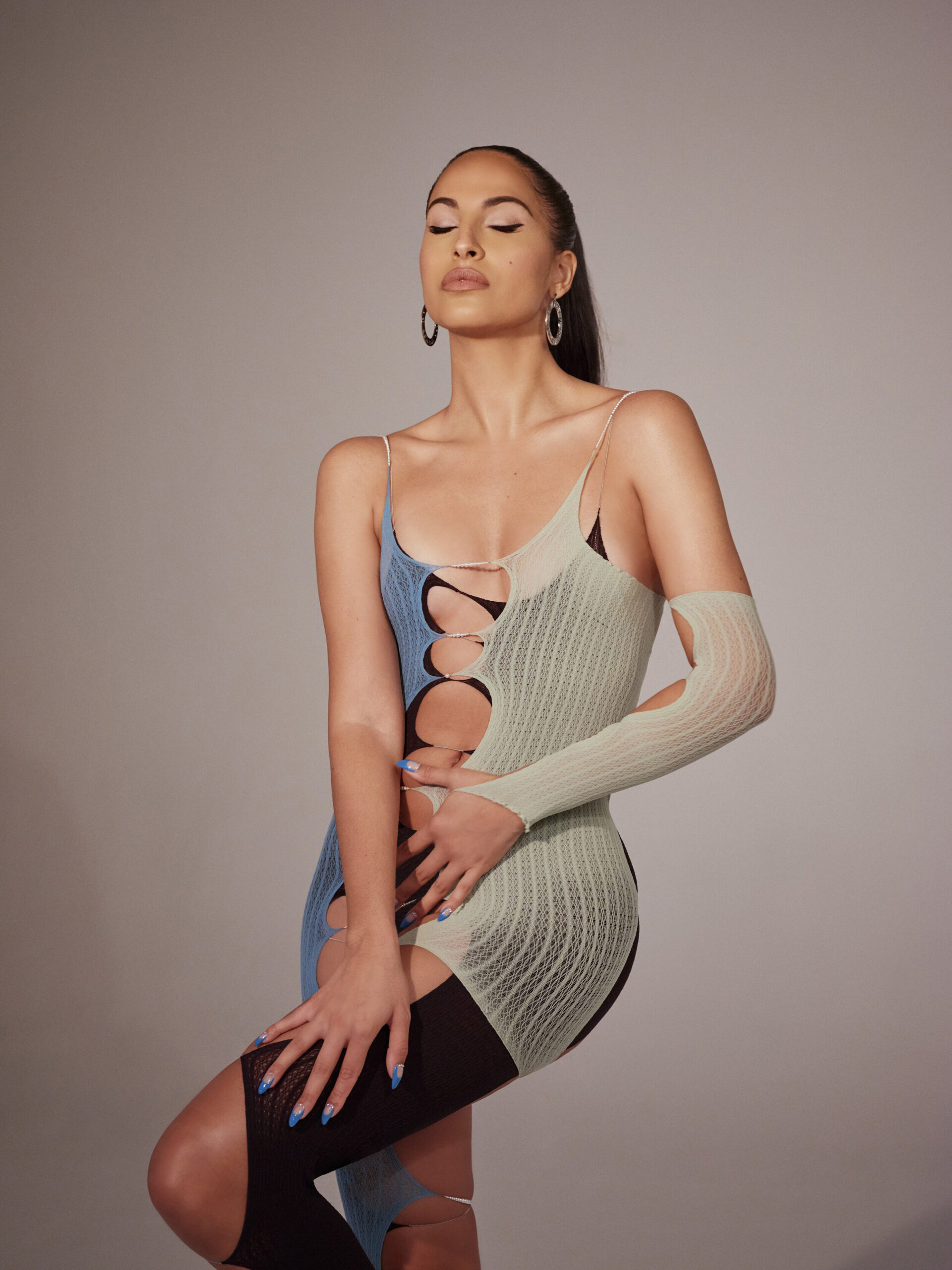
  1. Body Suit RUI ZHOU Earrings MISBHV
  2. Swimsuit RUDI GERNREICH Jacket VERSACE Shorts R13Boots PYER MOSS
  3. Swimsuit RUDI GERNREICH Jacket VERSACE Shorts R13Boots PYER MOSS
  4. Swimsuit RUDI GERNREICH Jacket VERSACE Shorts R13Boots PYER MOSS
  5. Body Suit RUI ZHOU Earrings MISBHV
  6. Bra, Jacket and Pants I LOVE PRETTY Shoes ALEXANDER WANG
  7. Bra, Jacket and Pants I LOVE PRETTY Shoes ALEXANDER WANG
  8. Dress PYER MOSS Earrings MISBHV
  9. Full Look HELIOT EMIL Earrings MISBHV

Valeria Amirova

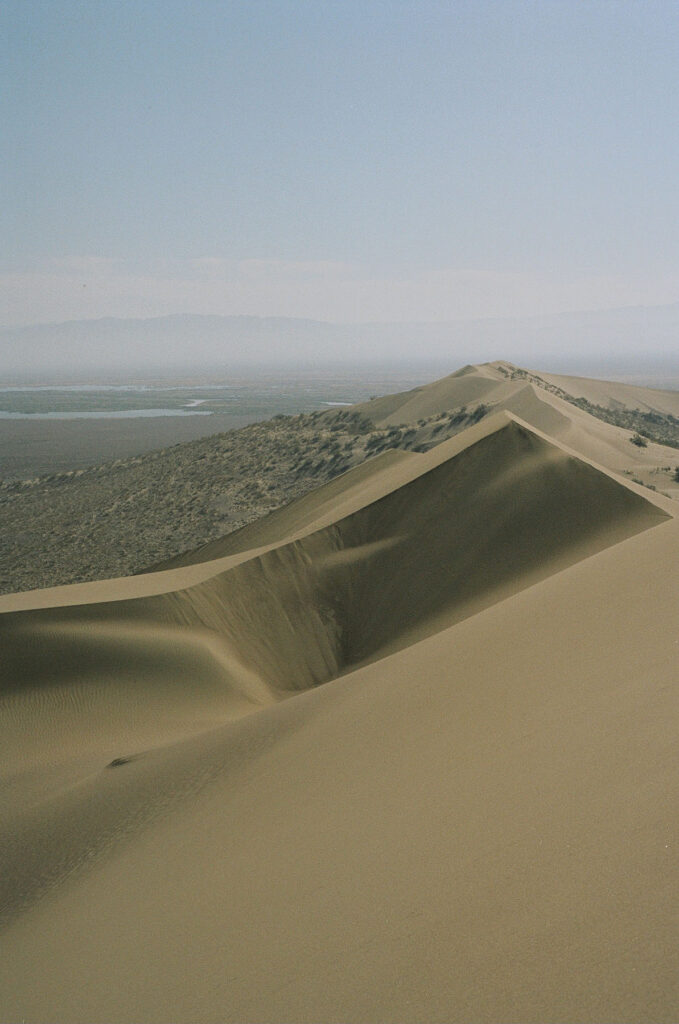
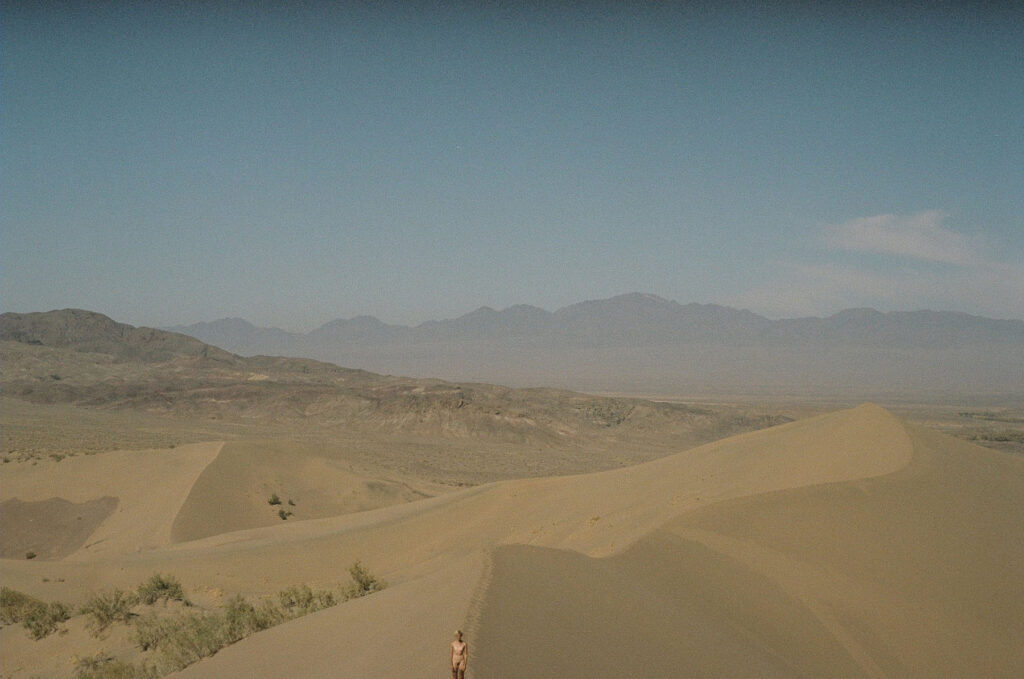
Kazakhstan

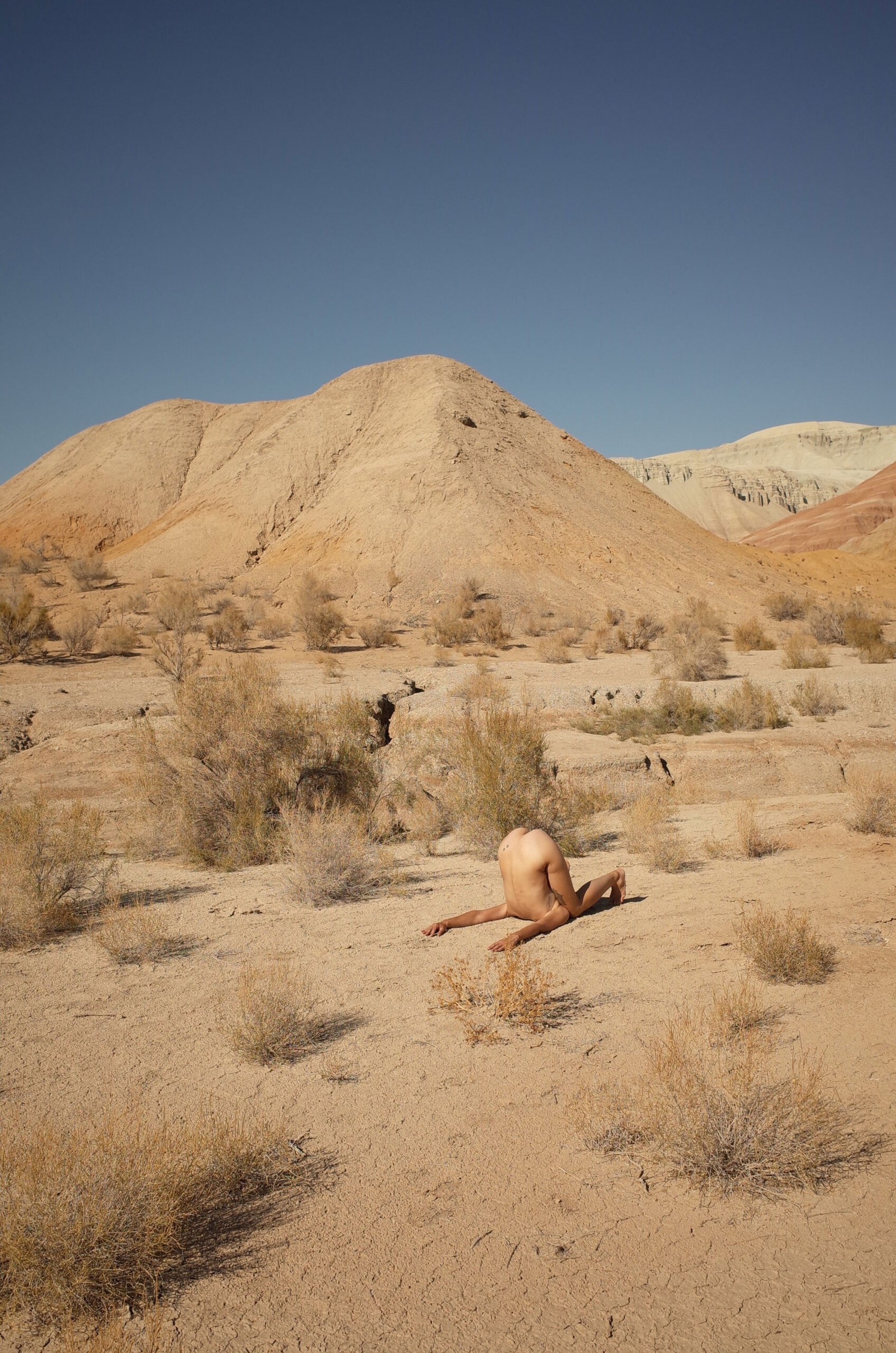
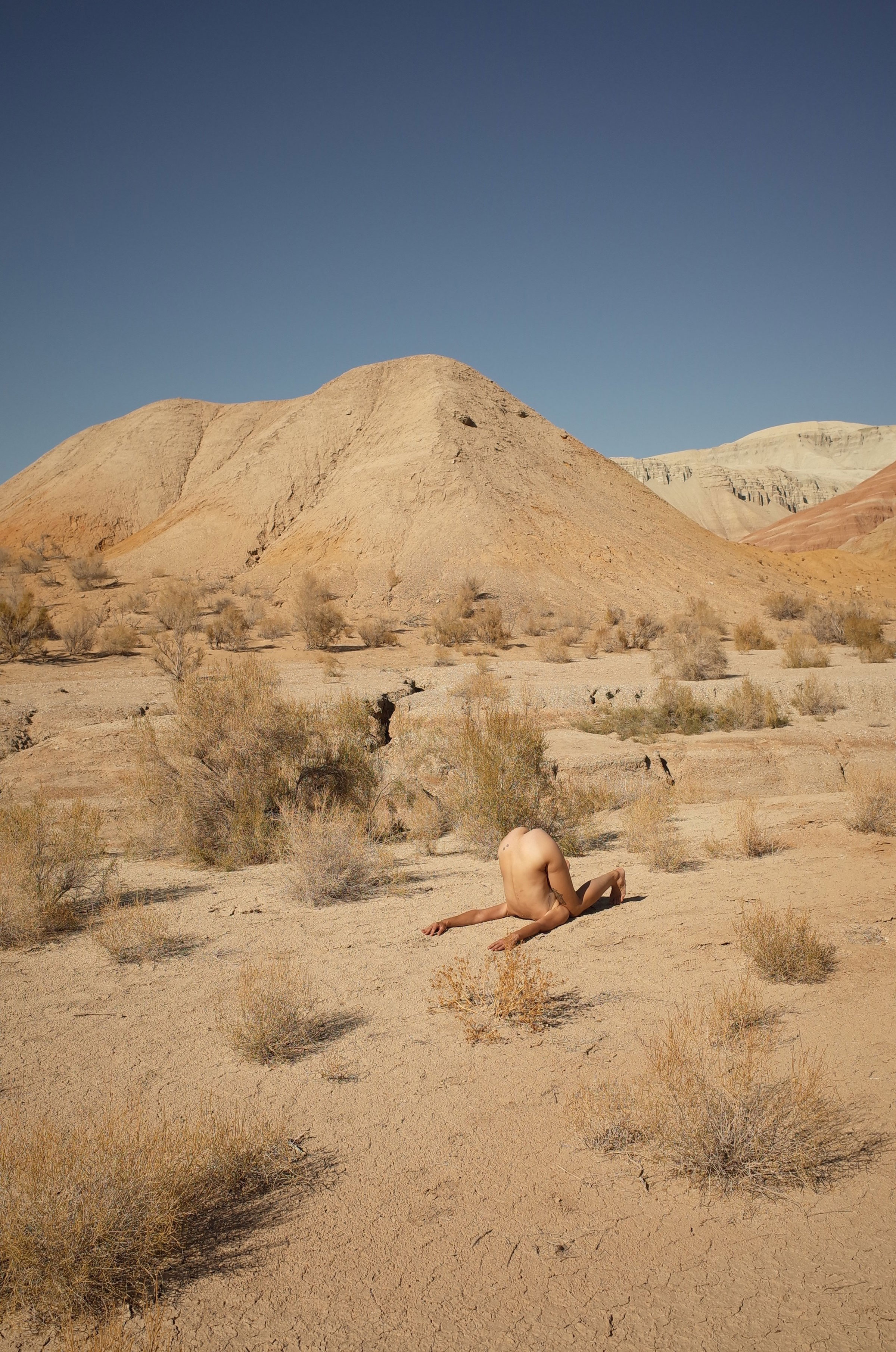
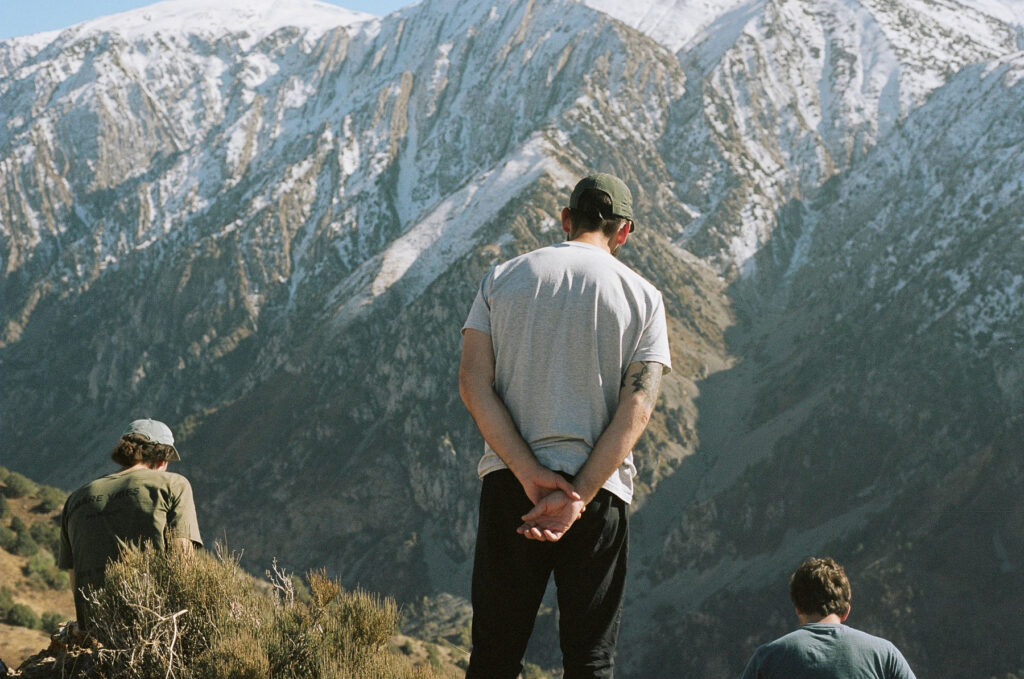
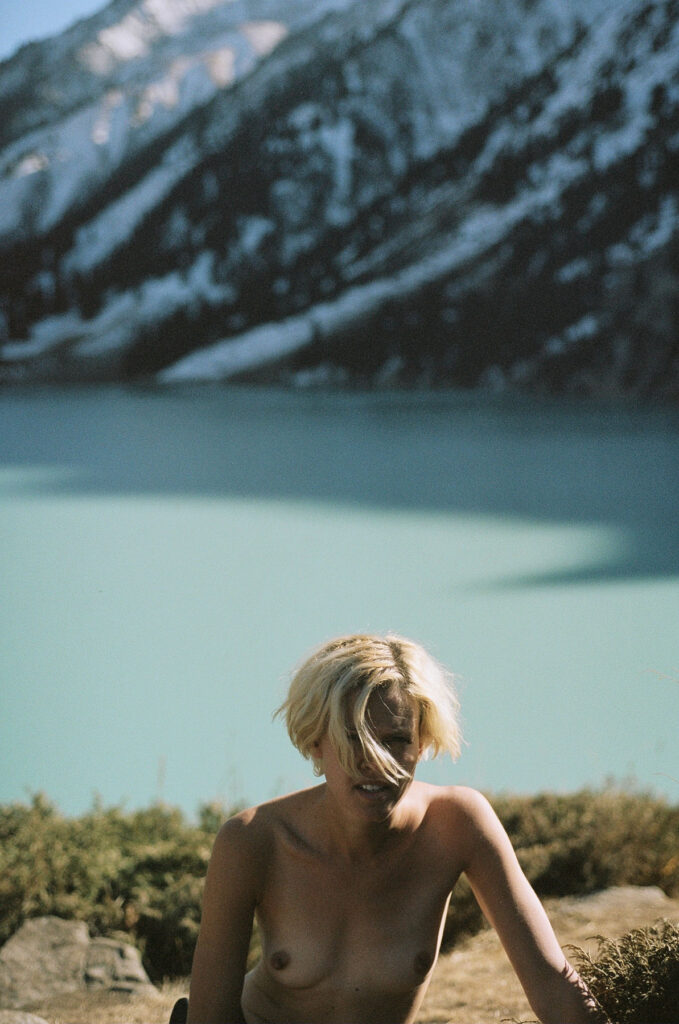
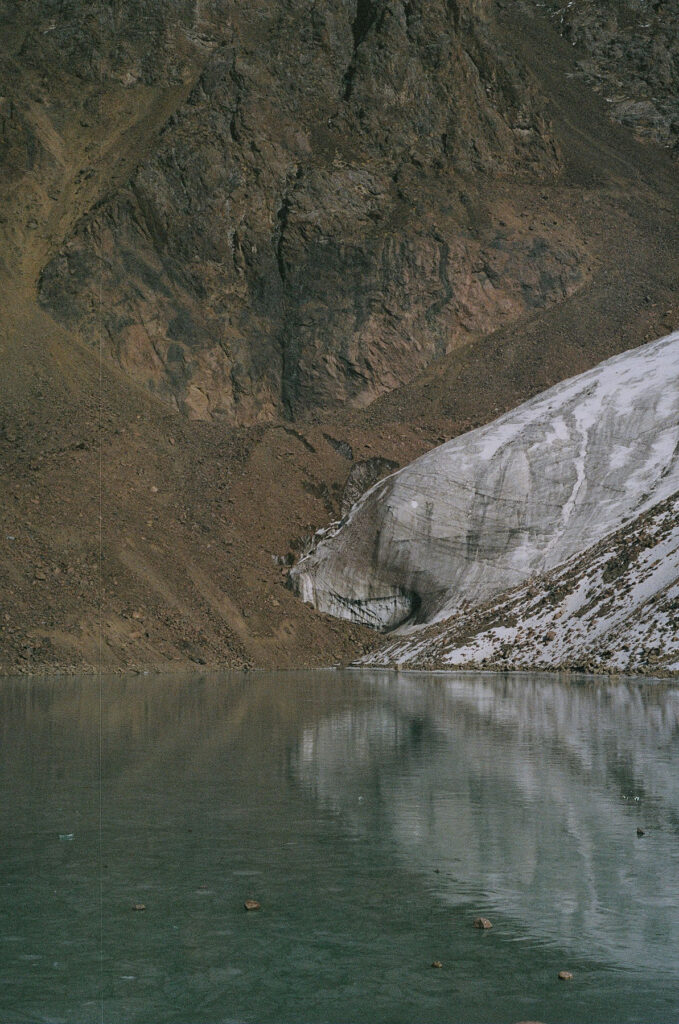
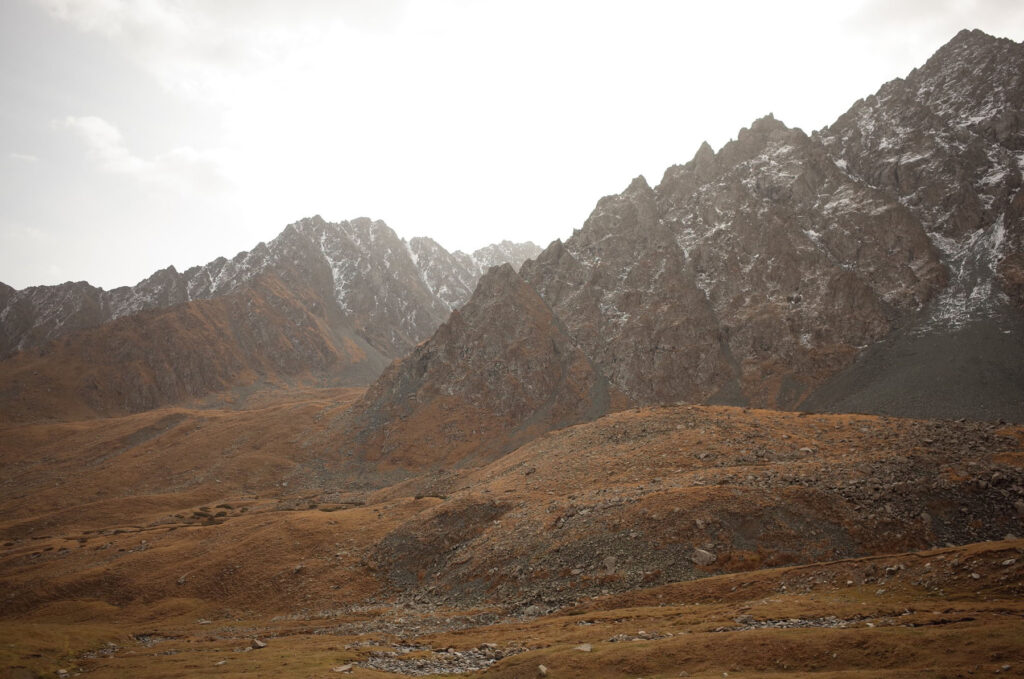
My mom and I left Almaty, Kazakhstan for Canada in 1994. I was 9 years old. When you’re a refugee, you can’t go back to the country you came from for at least 3 years. We went back after 5 years.

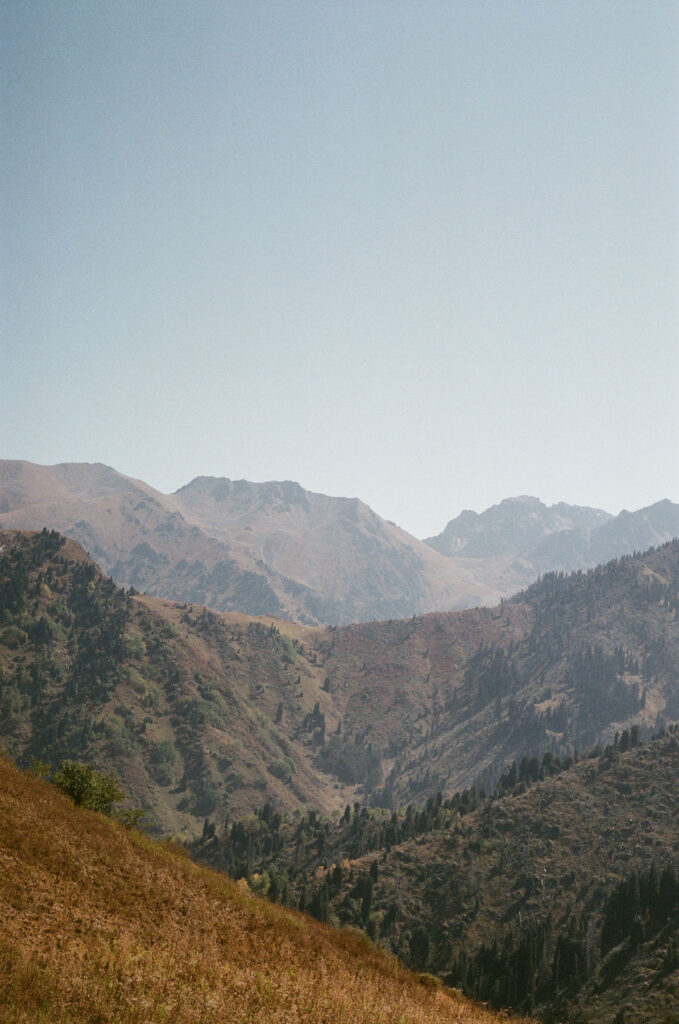
My mom was sent to prison for obscure reasons almost immediately after our arrival in Almaty. We left as soon as she was released. I always hated Kazakhstan. I never missed the mountains that my mom always talked about. I never felt any connection to the place where I was from.

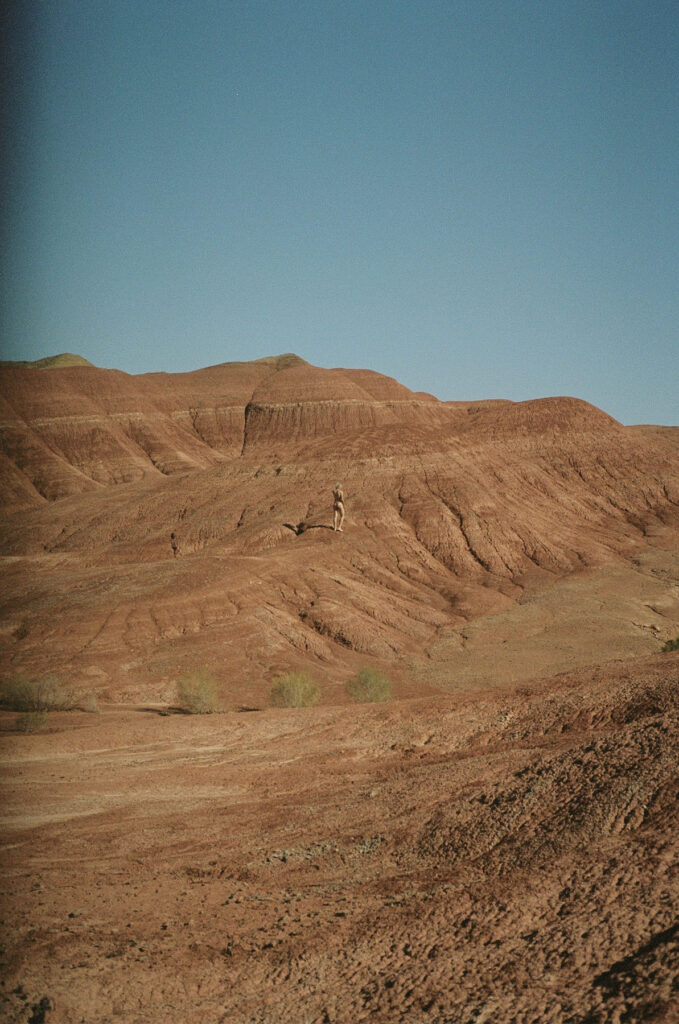
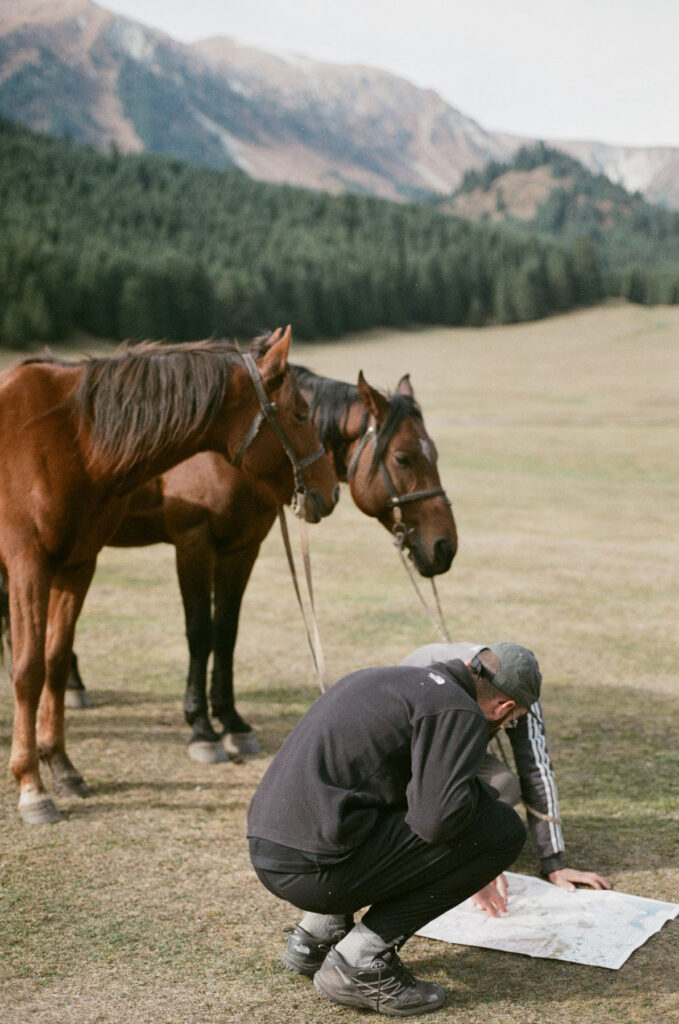
Growing confused about my identity, seventeen years later I decided to go back. I hiked the mountains where I grew up, slept in yurts, ate the food and spoke the language.

Being back home felt wonderful!

Credits

Photography and Words · Valeria Amirova

Jonas Åkerlund

Jonas Akerlund

“Sometimes a blank canvas is not always the best idea, it’s nice when it becomes about dialogue”

Like water through a closed fist, success seeps before permeating, so often we are only left with a feeling. Uncurling his wet fingers to peer down at the traces left to puddle in the creases of his fissured palms, Jonas Åkerlund yields a single flick of the wrist, scattering droplets skyward before running it through the tresses of his long, greased, black hair. It’s hot, midday in Los Angeles after all and sweat begins to bead as abstraction is traded for sensation. The Grammy-award winning director oscillates between fatherhood, soggy cereal and a full-house in the face of COVID-19 and chatty meetings surrounding the debut of Clark, a new, Netflix show he co-wrote about a Swedish libertine whose crimes forged the spine of the term Stockholm Syndrome before carving out some time to chat.

Having worked in the industry for almost 30 years now, Jonas has established himself as a prodigious, music-video director capable of wielding a colossal range spanning across genres and decades before situating himself more comfortably in writer’s rooms and director’s chairs on sets of feature-length films. “People expect me to take them out of their comfort zone, they expect me to have a voice,” says Jonas. Mind you these “people” include the likes of Beyonce, The Rolling Stones, The Prodigy, ABBA, Dior, Paul McCartney, Madonna, Givenchy and Lady Gaga. His most recent film, Lords of Chaos (2018),showcased a sublime bridging of his raw sensibilities with the creation of the kinds of omniscient visual languages he is known for. Yet as he unclenches and clenches his fists again, peering down into introspection, Jonas shies away from what we think he is looking for. Remaining wary of success because it is too often a ceiling, he is still learning to use his wings, coasting on the jetstreams of his own creativity. The legacy he is building values hindsight as vision and resilience is the only feeling he is chasing with arms outstretched, grasping, reaching.

You’ve got such a distinct style and have worked with such a wide range of clients in the entertainment industry ranging from music, to film, to fashion, garnering much awareness to your visual world but we wanted to give you more of an opportunity to talk about the experiences and perspectives that shaped your lens — more so than just your lens itself. When you were a child, where did you get your ideas about the future from? Can you think of any particularly formative experiences from your childhood that you can remember?

Growing up in the seventies and eighties was probably the best time to grow up in. I wouldn’t wish that I was born 10 years earlier or 10 years later. Everything was just perfect, especially from a cultural and musical perspective because all the best music came out of that era. This was a time when bands did an album and a tour every year and for some weird reason they always came to Stockholm. Music was a big deal in my life since my early teens I would say and it was really one of those things where people just picked up the instrument and did it. I really thought that I would work with music but I was always drawn more to the visual aspect of it. I was the guy who came up with the name, I was the guy that made the logo, I was the guy that thought about where the instruments should be on the stage. I didn’t know back then, but I realize now that I wasn’t a very good musician. I was always a film guy, always loved films and I had as many film posters on my wall as I did with music posters but it wasn’t until I did military service where for some weird reason, I ended up taking pictures for an army magazine of sorts, that I realized for the first time in my life, I had a lot of confidence. It was the most natural thing in the world for me and almost in an instant, I stopped playing music. When I discovered film editing specifically, not just photography, it was like I met God. Mt first year in production I was an assistant to a director who was very, very skilled in editing, very ahead of his time and we’re talking early nineties here. A lot of his techniques and a lot of the way he prepared for a shoot and put stories together was to always have the edit in the back of your head, that’s how I learned. I never stopped hanging with musicians and I never stopped loving music but my focus quickly became the fact that I was the guy with a camera instead of the guy banging the drums.

Right and thinking about music as a whole, there’s obviously such an emotional release or sense of catharsis that is innate to it. Examining the editing process, that’s seemingly how you shape and communicate emotions visually. I’m wondering if you can give verbal form to your own visual language and explain how editing renders the emotionality that goes into music and film as a whole.

I think what I discovered was that I was very limited when I played music because I didn’t really write songs or lyrics, but what I learned quickly with editing was that I could easily use small details to change how you looked at something. I could move a frame or two and you see the whole thing completely different. I could add a sound effect and all of a sudden it’s scary, add another sound effect and you would feel something else entirely. It was incredible, it almost made me feel like a magician to see how I could manipulate people to think and feel with my edits. I still love that and unfortunately when you make music videos and commercials as I’ve done with the bigger part of my life, you never get to see your audience and experience it with them. So when I started making movies and had the chance to be a part of the audience and to watch their reactions, I couldn’t get enough of it. It was so interesting to feel the shifts in emotions, moods and energy and how what I made would move them around.

Right and with art as a whole, some people want their art to be “understood” verbatim, they want their audience to know what the message is that they’re trying to communicate and for them to get it. When you’re in the audience watching their reactions, is this what you desire? Or are you open to having people feel what they’re going to feel and walking away with their own interpretation of your work? How in control do you need to be?

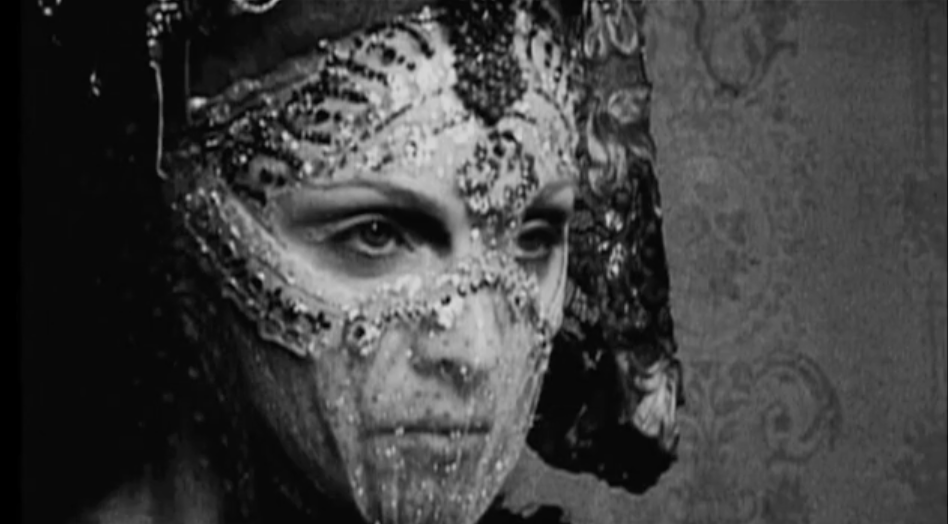
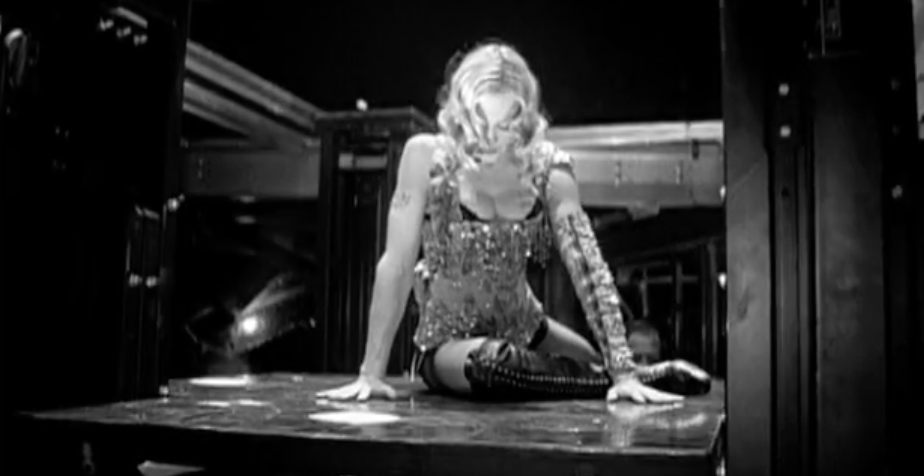
I mean we always have a vision and we always have an idea when we set out to create things. For example, I remember so clearly thinking that when I did The Prodigy’s music video Smack My Bitch Up, that it was funny. I thought it was a comedy and I showed it to some friends in Sweden and they were laughing their asses off so when it came out, I couldn’t believe the reaction and that it upset a lot of people. On the flip side of that, I remember when I premiered my movie Spun at the Arc Lightwhich I actually thought was a pretty serious movie, that during the first scene everybody was laughing and I’m like, why are people laughing? This is serious shit. It took me years before I realized that Spun is actually a comedy. But especially now when I’m writing, I always have an idea of where I want to go with it. I’m not just doing it and hoping for the best but it takes years before you learn to see stuff for what it is. Even for my video Ray of Light [with Madonna which he won a Grammy for in 1999], it took me 10 years before I was proud of that video. I thought it was way too simple and I remember coming back to Sweden after I made it and I didn’t want to show it to my friends because I thought they would say, ‘oh, so you go to America and work with Madonna and this is what you come back with?’ It took me years before I realized that that’s just the best package ever, that album, the Mario Testino pictures and when I was in that moment, I couldn’t see it, you know?

Right and is that frustrating at all or are you now resigned to the fact that some things are just better seen with hindsight? Does it mar the experience of making it?

Yeah, but it goes the other way too because sometimes I’ve done what I think is some of my best work and people didn’t really respond to it or didn’t even watch it. Timing is something you cannot plan.

Do you mean like the cultural timing of what people are going to be thinking or have references to in that moment of a project’s release?

Yeah how you release stuff, how you market stuff, it’s all so sensitive, you know? I think we all know that feeling of when we discover a movie that we’ve never seen before and we ask ourselves ‘why didn’t I ever see this movie?’ It’s not a given that just because it’s good, that it’s gonna work or be successful, you know? We also know that some really bad stuff is making it big simultaneously. We can never learn a way to control that, it’s impossible. In my point of view, all my favorite artists, my favorite directors, favorite musicians, they all fail once in a while because they’re brave and they choose to believe their gut feeling and go with it. I’m not a big fan of these smart artists who always get it right, if you know what I mean. [laughs]

Yeah because then creation is coming from a place where it’s for others instead of yourself, it becomes unhinged.

Yeah I think so. Obviously with a lot of my jobs I’m the director for hire so I always need to think about my clients and the artists I’m working with since I’m ultimately there for them.

Definitely but when you are working with clients who may not align with your aesthetic or your vision per se, what are you willing to compromise on? Where do you draw the line?

That’s a tough question. Number one, I’m really happy and blessed that I get to work with brave clients and artists who really want to make good stuff. Number two, I kind of ended up being the guy to go to if you want something special, so people expect me to take them out of their comfort zone, they expect me to have a voice. Often times with commercials, my job is to understand the DNA of the company and product and to figure out what it is they want to do and that’s half the battle. I’ve always kind of done the same with music videos and out of my 300 music videos or so, I don’t think I ever was on an ego trip. I just try not to do what they’ve done before and pull them out of their comfort zone without making them feel too far away from who they are. It’s kinda my job to push it a little bit.

Right. The idea of comfort zones is really interesting because they seemingly are the boundaries to our own identities and affinities. In taking your collaborators out of their respective comfort zones, what does that process really look like for you?

I mean, it’s so different from time to time. There’s not a manual for how it goes down but I think it’s a mixture of several different things. One of them is the fact that I don’t like to repeat things and I always try to do something that’s never been done before. Especially in music videos, if you take a specific artist, usually you can backtrack easily and see what they’ve done. It becomes about balance and you always have to stay within the DNA of what the artist is all about. You can’t just take an artist and put them in a clown outfit and say, this is something different, you know, it’s got to be within their ethos. So sometimes when I say to take them out of their comfort zone, it could be the tiniest push that could take them there, it could be as simple as a hat. Some artists have been pushed in so many different directions that it’s really hard to come up with an idea that will make your approach to them different in the sense that is illuminating. I have often found that it’s sometimes about simplifying stuff, it’s easy to hide behind what’s big and gigantic. My strength is usually to listen to the music and figure out what the timing is, what the song is about, whatever it is. From there I’ve found the best situation is when the artist has some sort of initial thought that could trigger an idea for me, it cascades from there. Sometimes a blank canvas is not always the best idea, it’s nice when it becomes about dialogue.

Especially with music videos and performance in general, you really do get to play with the idea of multiple selves as our identities because it’s always changing. Do you too feel like you get to play with the duality of performance in terms of your style and your own relationship with yourself?

Well it actually used to trouble me a little bit because I felt like I didn’t have a style. A lot of my favorite directors and photographers that I’ve always looked up to had such distinctive styles and specific things to where you could see a mile away if they had done something. Meanwhile, I felt like I was going too broad. One day I was doing an H&M commercial with children’s clothes and the next day I was doing an Ozzy Ozbourne video. It actually took me a few years to be proud of the fact that I could do that. I also realized that it fuels me, to where one thing leads to another, one thing makes me more inspired. There was also a time when I was really snobbish with music videos, I turned down stuff because I personally didn’t like it and that became such a limitation for me. I remember clearly when I said ‘yes’ to work with Christina Aguilera because I had said that I wasn’t going to work with any of those pop artists. When we did the video for Beautiful, it was such a life changing moment for me because it really made me think that I should say yes to stuff. Now I realize that 25 years into my working life that a lot of these fantastic, life changing moments have been a result of me saying yes to stuff instead of saying, no. Sometimes I joke that I built my career on saying yes. [laughs]

Right and I feel like so much of that comes from being naturally empathetic as it allows you to move easily between realms, genres and contexts while knowing what you bring to the table as a director in each scenario. I feel like it also fuels growth and ultimately longevity that hinges on a strong sense of resilience.

You wear so many different hats and I actually feel younger than ever as a director even though I’ve done it for so many years. But you do get to a point where every problem and challenge you face is kind of something you’ve encountered before. There’s a reason why a lot of big directors not only have a long career but that they also get better and better. With most professions you kind of get weaker as you get older but as a director and a writer, you get a little smarter and you begin to approach challenges in a smarter, calmer way. I still see that I definitely have the best ahead of me. I now have confidence as a writer which I never had before in my life and there’s a lot of things that happen to me as a director now that makes it easier for me to take on things. I also think it’s an addiction. It’s such a rush through your body when you’re done with a project, you get the same rush each time you get a new idea and every time you start up a new project, it’s amazing. A lot of these big directors could have stopped years ago and lived pretty good lives and then there are those who stop because they don’t have more to give. I feel like I’m spreading out my creativity over my whole life because I have always seen myself as a slow starter.

But ultimately you cannot be a filmmaker without being some sort of businessman and understand that somebody is paying you. Unfortunately, filmmaking is not something you can just do for fun because it’s so expensive to make films and it involves so many people. Sometimes you’re sitting with an idea for years that may never happen. I was thinking of Lords of Chaos for 15 years before I got to make it. It is a weird lifestyle if you try to explain what it is you’re doing to a normal person. There’s always a risk you take because you can work so hard for so long and even then it might not even happen, it’s never a safe bet.

Yeah and thinking specifically about projects like Lords of Chaos, previously you used the phrase expectation of voice in relation to your work and I think that’s something that is an interesting hallmark. You were able to essentially turn a rather harrowing account of coming of age and tarnished dreams into a story of brotherhood, vulnerability and relationships.

Lords of Chaos was a journey even for myself because it didn’t really start it off like that initially. I thought I was doing a movie about black metal, what happened in Norway and the church burnings and all of that but it actually took me all the way to the edit to realize that this story is about the relationships between these three boys. A lot of people had already decided what Lords of Chaos was gonna be about before they saw it and they were surprised when they did see it because it wasn’t what they expected. We all think we know the story better than everybody else, but nobody ever talked really about the fact that these boys were young and there was an extreme bond between these three boys. I guess the biggest lie of that movie is me thinking that I knew how they felt and the depth of the other relationships they had. I can imagine how they felt and I can imagine how horrible everything was but it’s really hard for me as a director and writer to know for sure. That’s originally why I added based on truths or lies to the opening of the film because the point is that we’re walking right into the privacy of these young boys and their families and all the relatives that are still mourning and it’s fucking sad.

Right we touched a little bit on how getting into writing was also a big deal for you. There’s a certain door to vulnerability that is opened with writing in general. Can you talk us through the process of getting to know your own writing voice and what it means to tell someone else’s story through that voice?

Historically writing has been a struggle for me because I’m very dyslexic. I grew up in a time when this dyslexia was seen more as a handicap but today the approach to it is a little different. It was my biggest nightmare when people asked me to write down my ideas but when I started to work in America and write in English, I always figured that it was okay to write a little wrong because English is not my first language. It actually gave me more confidence because I felt like the margin of error was excusable and it was like if you don’t understand, you can ask me, you know? In filmmaking, writing it’s the hardest thing in the world and so often you are starting from scratch. For so long I’ve respected it from afar but I didn’t realize that’s also actually what I do. Even if you write something that’s four minutes for a music video, or 15 minutes for a short film or even 30 seconds for a commercial, you’re still a writer, it’s still the same challenge and who knew that I had been doing it for so many years.

When I was going to write Lords of Chaos, I had to remind myself that I already had it in me so when I finally sat down to do so it came so fast, it just poured out of me. I wrote the first draft in a few weeks. I brought on Dennis Magnusson, who is a dramaturge, because sometimes it’s very lonely to write and it’s always great to have a second pair of eyes. Dennis really helped me to work through some of the story plots and we added the voiceover featured in the film together. I know exactly what my strengths and weaknesses are when it comes to writing, for instance I’m really good at adding tone, writing dialogue.

A project that I’m working on now is writing this series for Netflix with two other guys. I would say it’s one of the most fun things I’ve done in my life. It’s a six-episode, limited series but it’s basically like making three movies in a row. It’s based on Clark Oloffsson who is a very infamous criminal, bank robber and womanizer who has been called Sweden’s first “pop-gangster.” He was present at the Norrmalmstorg robbery whose events resulted in the creation of the phrase “Stockholm syndrome” to describe them.

That’s super exciting! When you’re collaborating with other writers and having to know what you bring to the table, what do you think makes you good at things like dialogue, tone, those sorts of very nuanced things?

Oh, wow. I have no idea. I just always liked to study people, listen to how people talk, walk, dress differently on all fronts. I’ve always been a student of human behavior and with some of my friends, it’s all that we talk about. I’m not very educated but I got a big portion of common sense in my life by being street savvy and a lot of the things that I pick up when I write jokes and stuff is from real life.

Right and especially being as established as you are, to have this idea where you are still learning from those around you all the time is remarkable. With that in mind, whose opinion matters to you? Where does validation come in?

I’m a pretty good listener and somebody could say something about something without not even meaning it and that could take me down a mental rabbit hole of something else entirely. Those words could come from anywhere, a comment, or a question about something I did and then suddenly I understand it or see it from another point of view. When I’m working on a music video, I’m so blessed to work with creative people and their input makes me better and takes me to places where I didn’t think I could go. Madonna being my number one example of this because we have such a history and she also caught me during a time when yeah, I had been working for almost 10 years before we met, but I didn’t know much. She brought me into scenarios that I never thought I could do and opened my eyes to the fact that you as a director have the right to change your mind or that you have the right to ask questions and that you can ask for a lot, but you always ask most out of yourself. I look at all of these amazing relationships I’ve had throughout my career and I’m always learning something from them. I never really shut anybody down and try to take everything in. I also have my crew around me, some of whom I’ve worked with for 30 years or so, I’m kind of a long relationship type of guy.

I love the longevity in terms of working relationships, there’s a respect for time and real growth. It’s interesting if you begin to look at the upcoming generation of creatives who are shaping the music scene in a totally different way today and there’s an overall feeling of transience, a constant rush to produce. Is this new generation as influential or as inspirational to you as the one you grew up in?

It’s so hard to say, I’m always kind of like that grumpy old man who thinks that everything was better before, especially in music. I try so hard to listen to new music but I always go back to the old stuff, it’s just who I am. I don’t have many references anymore, period. I’ve gone through all types of different periods of my life. There was a time when I was hugely inspired by fashion, photographers, I used to read all the magazines, watch all the movies and after a while you just stop that and you start to go back to yourself more. That’s the biggest growth creatively that I’ve ever felt, to stop feeling like I needed to know what other people were doing and to start to think about what I do. That’s a huge thing in your life. But I think creativity in general is blooming bigger than ever today. I have four children so I see what’s going on and it’s incredible. It’s so easy to be creative and do all these amazing things instantly. It’s amazing to see what everybody can do at home with their phones and they actually do it. I think it’s inspired them to do even more.

Right and I feel like why your work is so successful is because there’s this strong presence of originality and nowadays we are always grasping for another reference, always on social media looking at what other people are doing and being influenced by it. What allowed you to find peace with your own creativity, to turn inwards and to not feel the need for references despite having to produce all of these ideas and create?

I find it a good compliment and a good question all in one, but I don’t really know how it happens and when it happens. I think you’re born with a certain amount of creativity and you have to make sure that you use it well and use it smartly. I was always so insecure in my creativity up until a point where it suddenly felt easier for me. I feel like if you are insecure, it’s so easy to look around and see what other people do. I know how easy it is to be influenced by the world around you and how easy it is to want to do what other people do when it’s great. I know how easy it is to step into those traps but I can tell when I look back on my career what the different sources of inspiration have been, and where they’ve come from, I’m aware of that. It’s not like I’m not interested in what other people do anymore, or it’s not like I’m not still a student of creativity, but I’m not influenced in the same way. I don’t pick it up. I get influenced by other stuff. You know, it’s like I get influenced by a feeling or I get inspired by something someone said, I get inspired by a smile or the way something looks. I think it’s just a natural part of development and you should be really happy if you get there. The fact that I still leave the building at the end of the day, working on my confidence and see things as part of a bigger picture than I used to do, is ust a healthy thing for my work.

Yeah and where do you draw the line between influence and inspiration?

That’s a tough one. It’s a fine line between and my fear is always that if I start to analyze it too much, I’m, I’m worried I’m gonna lose it . For example, take Stephen King’s book, On Writing, I bought the audiobook and I listened to Stephen reading it himself and it’s just incredible how he speaks and how he talks about his writing process but I had to stop listening because I was worried that I was going to learn something from it that was going to ruin my own way of writing. I never went to school, I’m not technically a good writer in any way, but the ideas, scenes, the characters and the jokes, still pour out of my hands and I was just thinking, I’d rather have that than to learn how to actually write, you know? I couldn’t finish the book because I was worried that I was going to be too caught up in those things, trying to pretend that I’m Stephen King and writing the way he does, which is never gonna happen anyway, so I was like, okay, I’m not gonna do this.

Definitely and how do you define success there? What kind of emotions do you want it to leave you with, audience aside?

I mean when you do as much as I do, the hallmarks of success could come in so many different ways. It could be an extremely happy client. It could be that the product really worked and we sold a lot of stuff. It could be that we had 10 million downloads in the first three days. It could be the sense of fulfillment and desire to share. There’s not one answer for it. The one thing that keeps it all together for me is knowing that I did the best I can. The worst thing in the world for me is — even if the project was a success by another markers — feeling like I did a sloppy job. Even if I made a film that might not be that great, if I did the best I could do, that’s still a success for me because it still leaves me with a good feeling. But then again, it’s so hard to really define because when you’re in the moment you don’t really know how to gauge it outside of feeling. I can list the 10 moments in my career that took me further in life, or my 10 biggest hits and it’s easy to see them now when I’m looking back. But you don’t really know when you have success on your hands.

Right so what do you think endures and is it important for you to leave a legacy?

I’m not there yet, but it seems like the older you get, the more keen you are on these thoughts. Every artist that I’ve looked up to has some sort of book written about or by them, they’ve done work on a biopic or documentary and then if they’re lucky, there’s a movie about them. That’s what people seem to do but I’m a behind the scenes kind of guy and unfortunately my art is not meant to last. Movies don’t have the lifespan that music could potentially have or books could potentially have, movies get old, they often lean more towards entertainment and the present moment than art. I’m lucky that I have a few music videos that people remember but that’s not the purpose of them, they’re really just tools to create a moment that is now and then never again. I’m not meant to be remembered. I’m meant to entertain you now and that’s it, you know?

And is that okay with you? Is that what you want?

Yeah, I think it’s okay. Even some of the biggest filmmakers in the world are going to be forgotten unfortunately and that comes with the job. It’s more so just about telling the story and having it be understood. I can’t speak for other people, but it’s all about learning, moving forward and seeing past things to see the bigger picture. The worst fear in my life is to not be able to see beyond what’s in front of me. I always hope I’m learning. I hope I’m becoming better and I think about it every day and I think that goes for the people that are around me as well.If we understand that everything we do has an effect, and if we can see the bigger picture, that makes it easier.
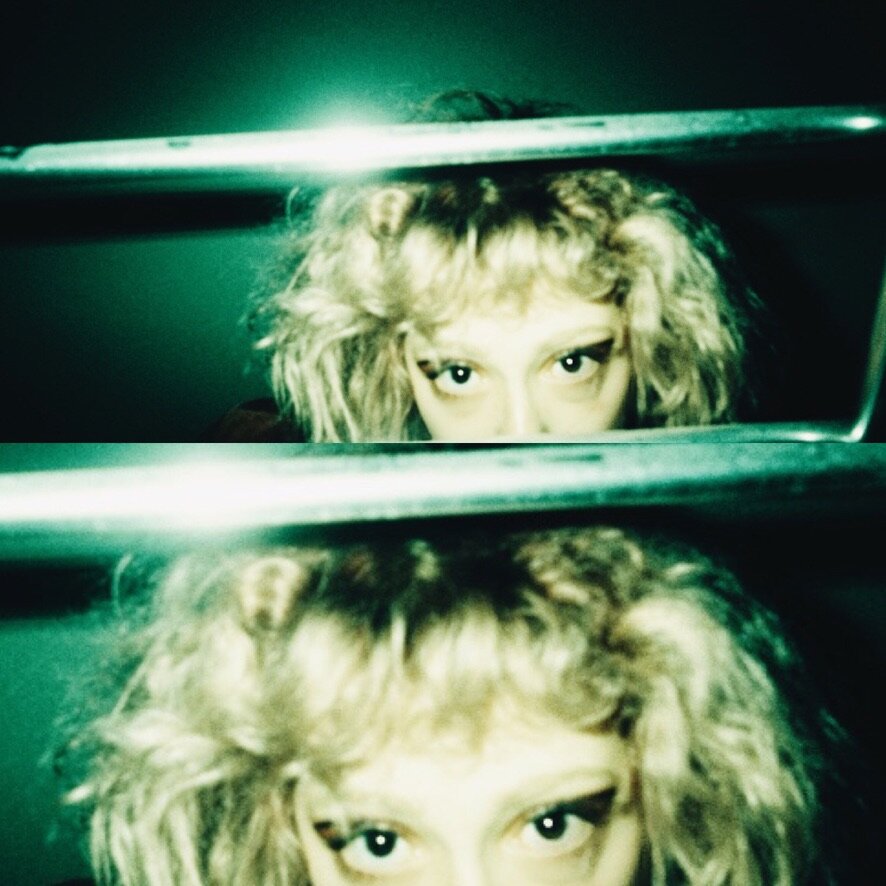
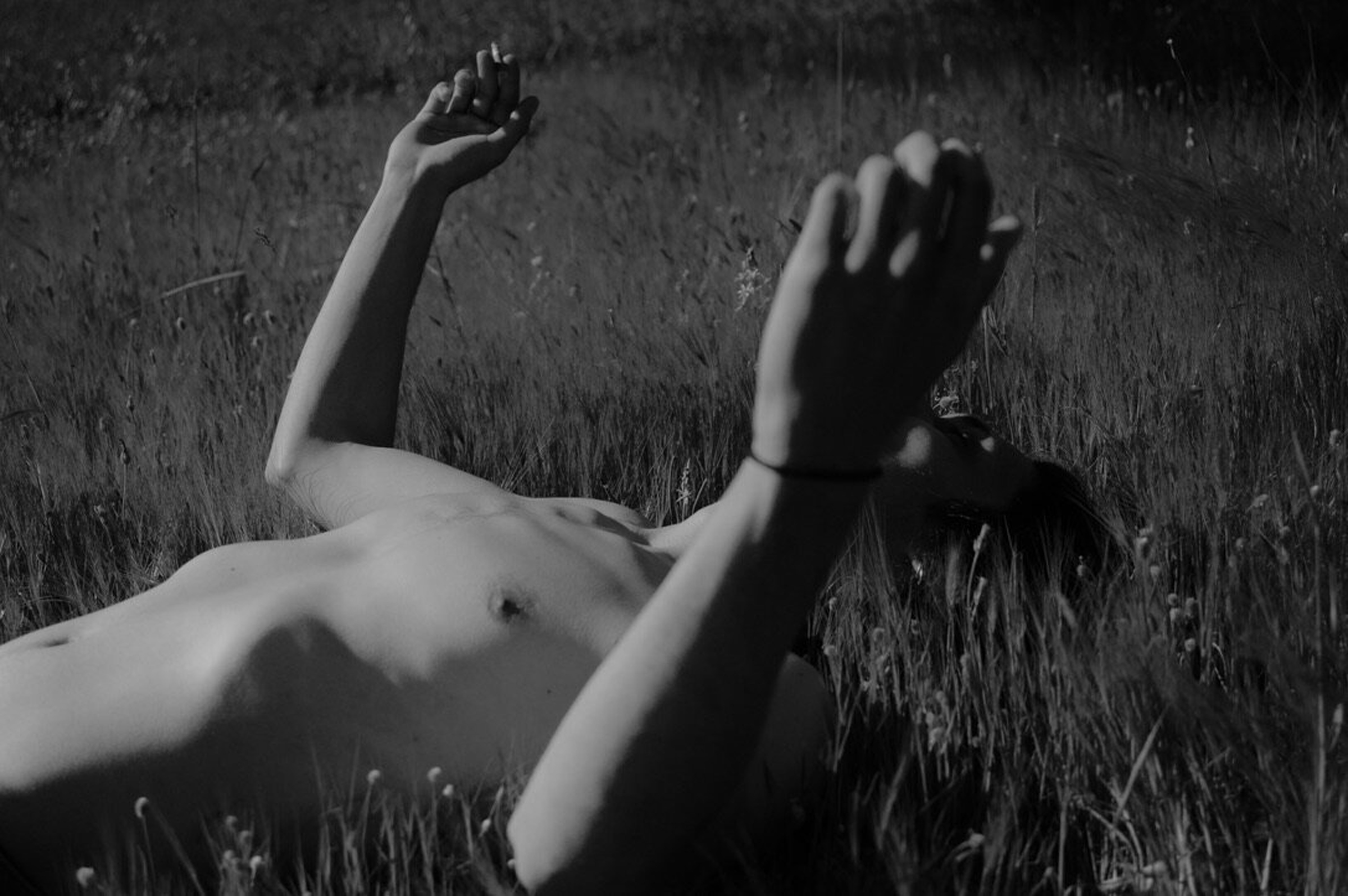
Subscribe to our
Newsletter