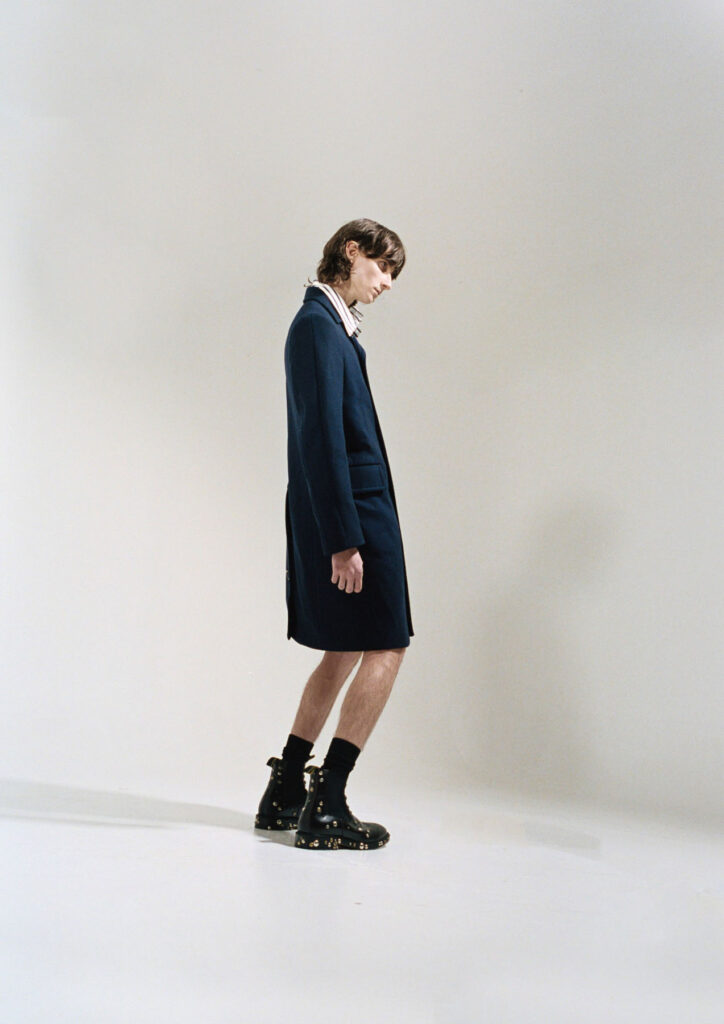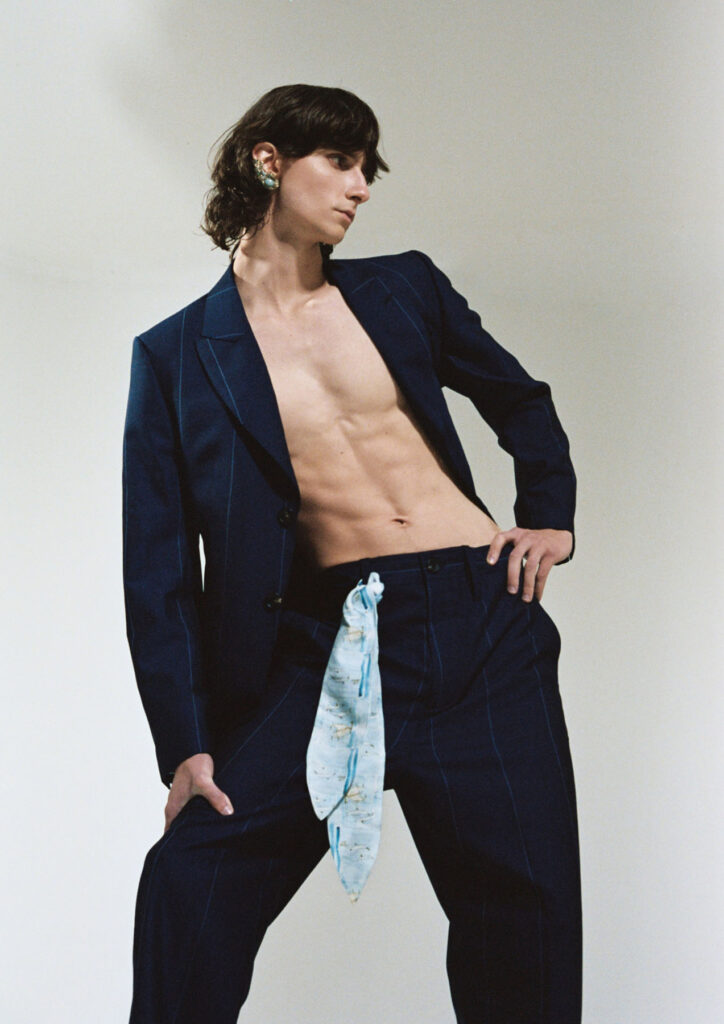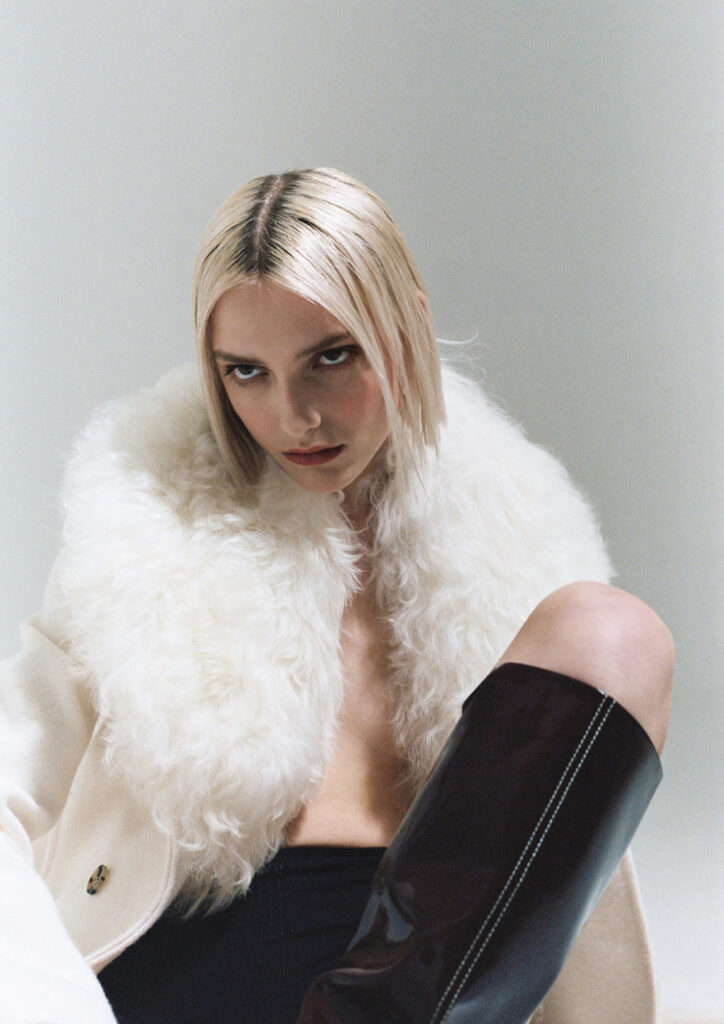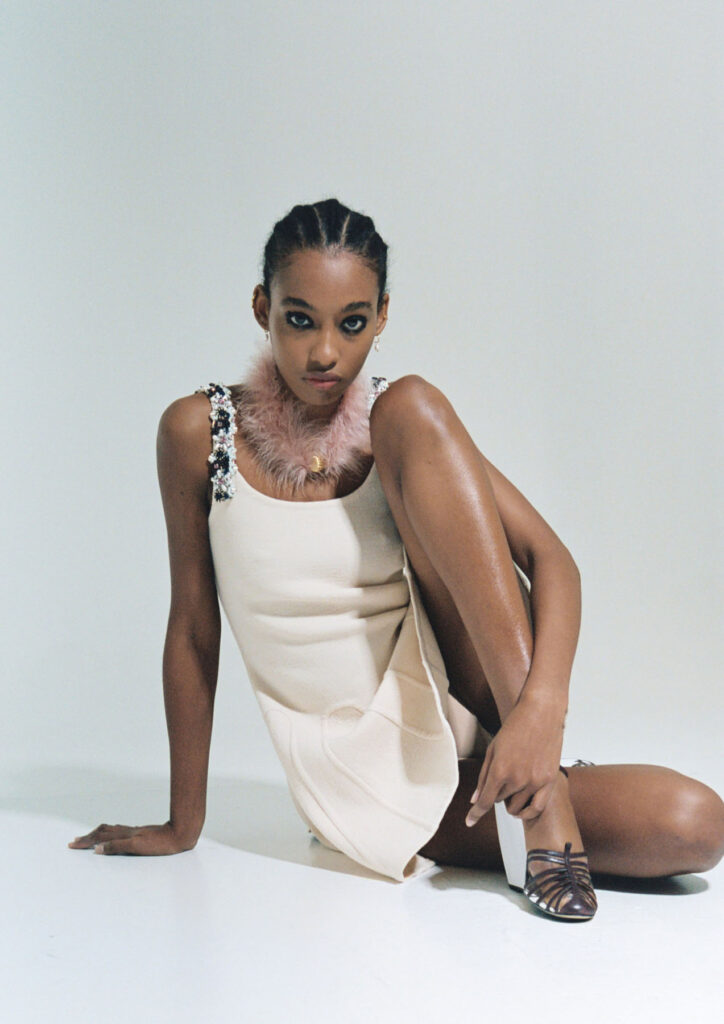
Archive page:


Dhillon Shukla

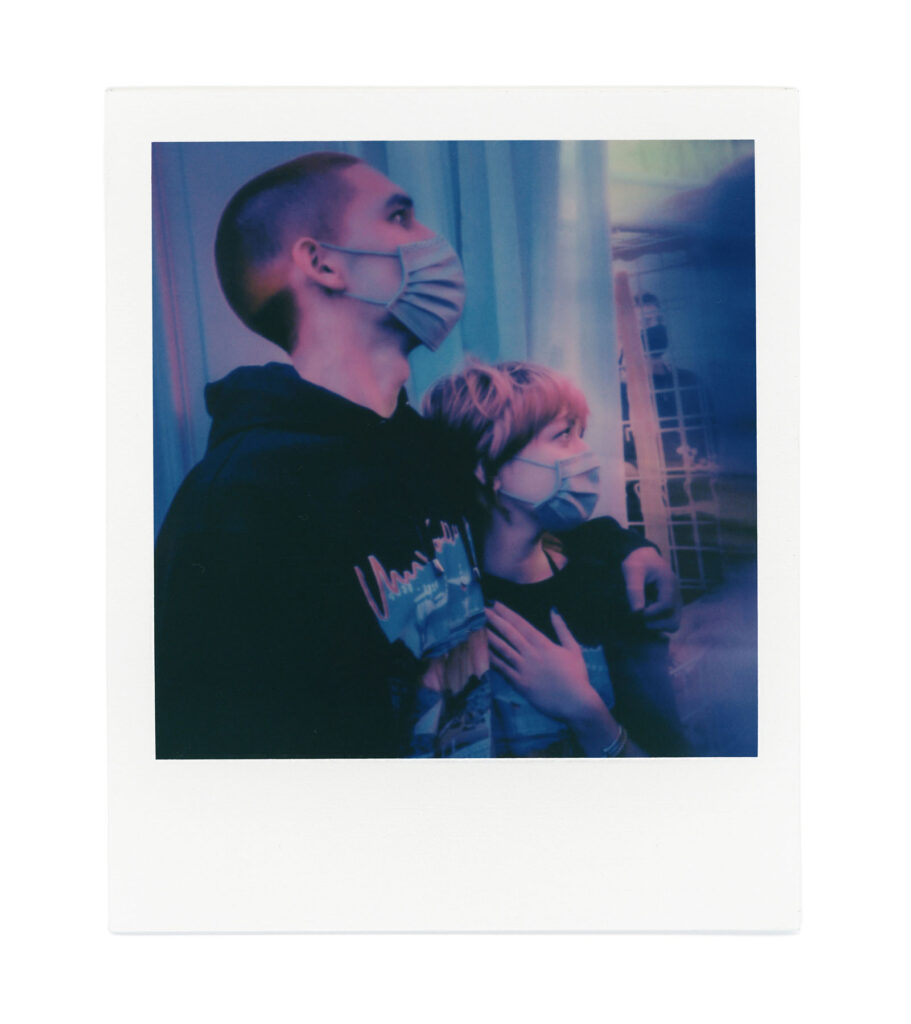
«I need to know the mood of a space before I can start to imagine who occupies it»

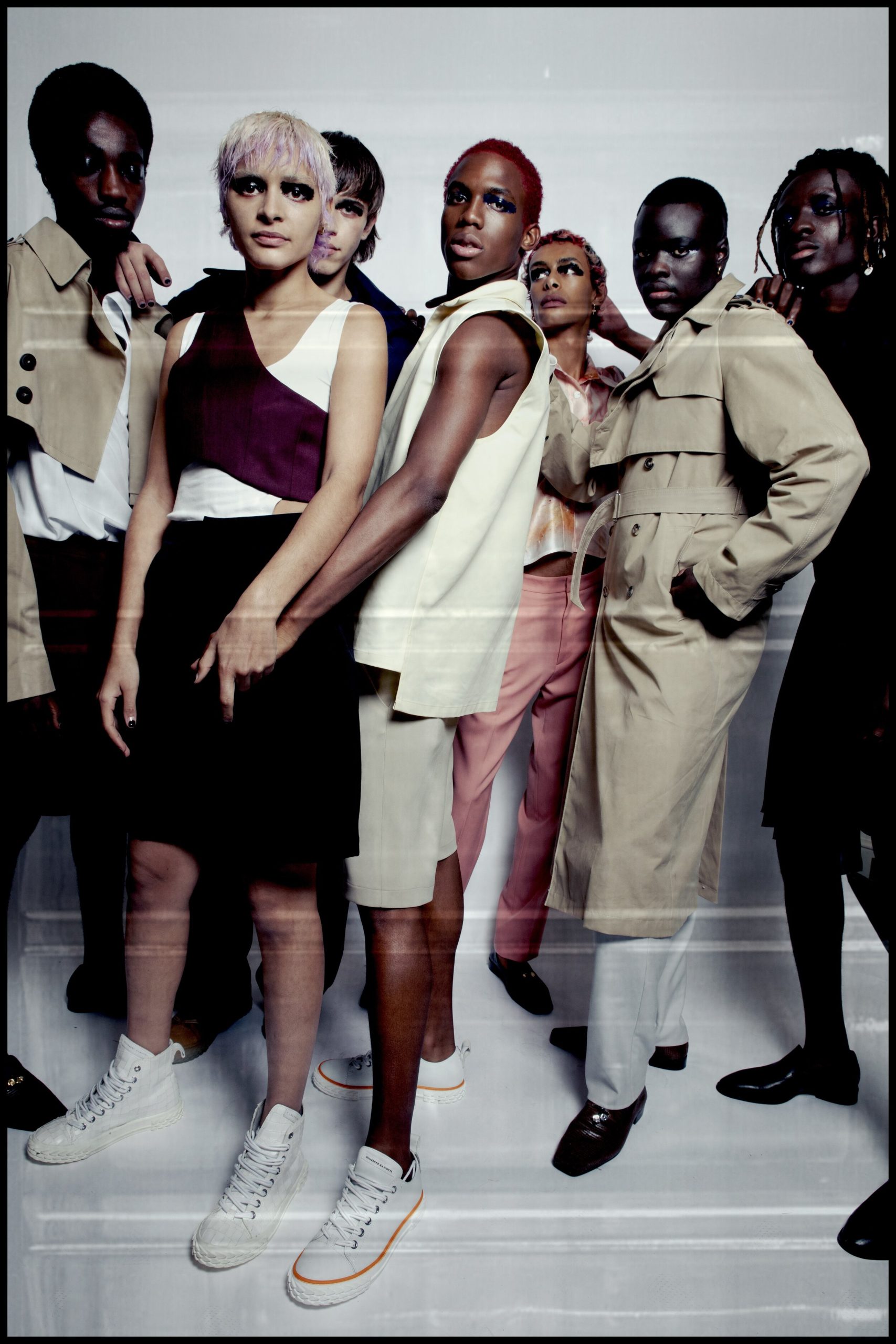
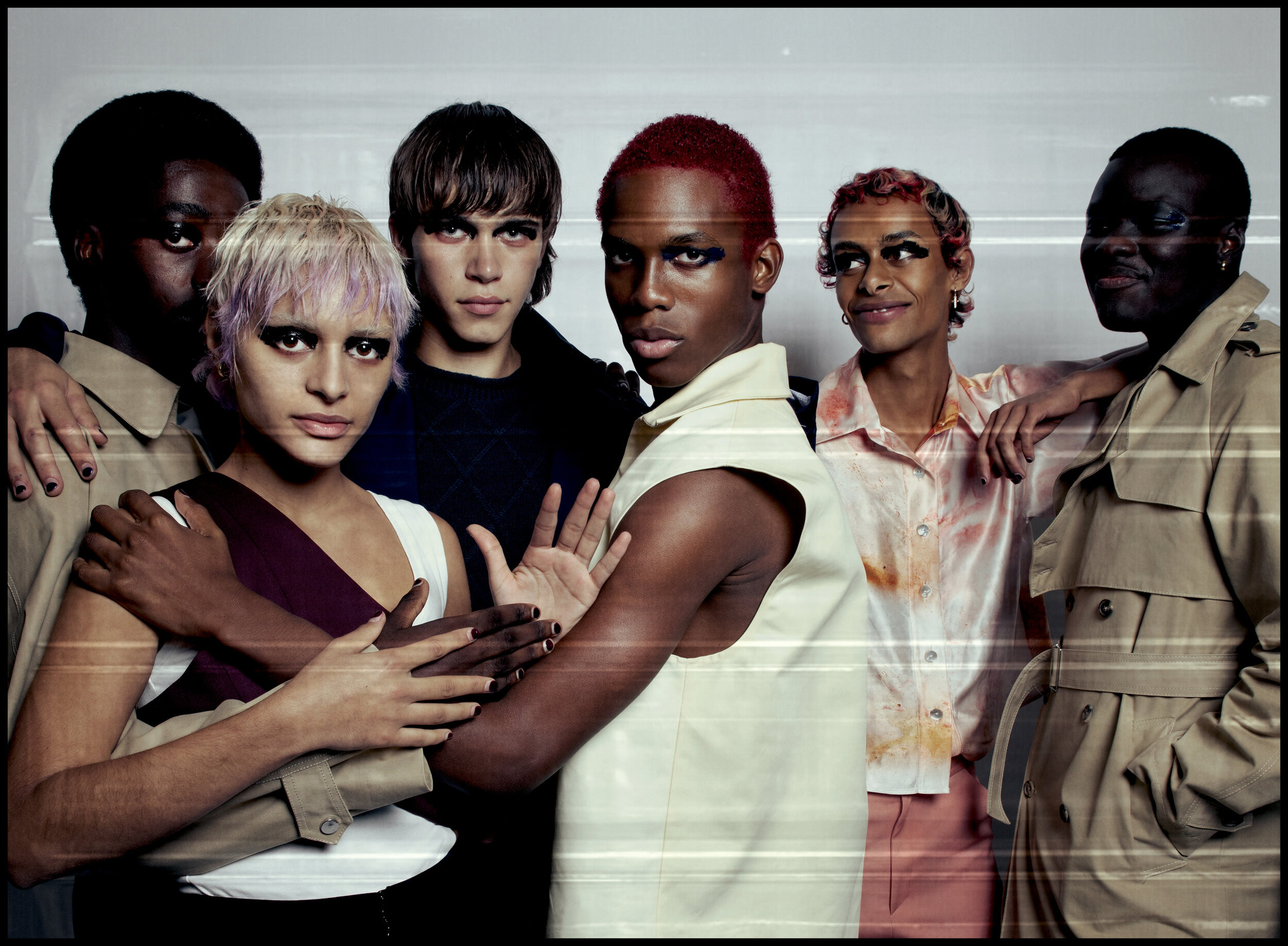
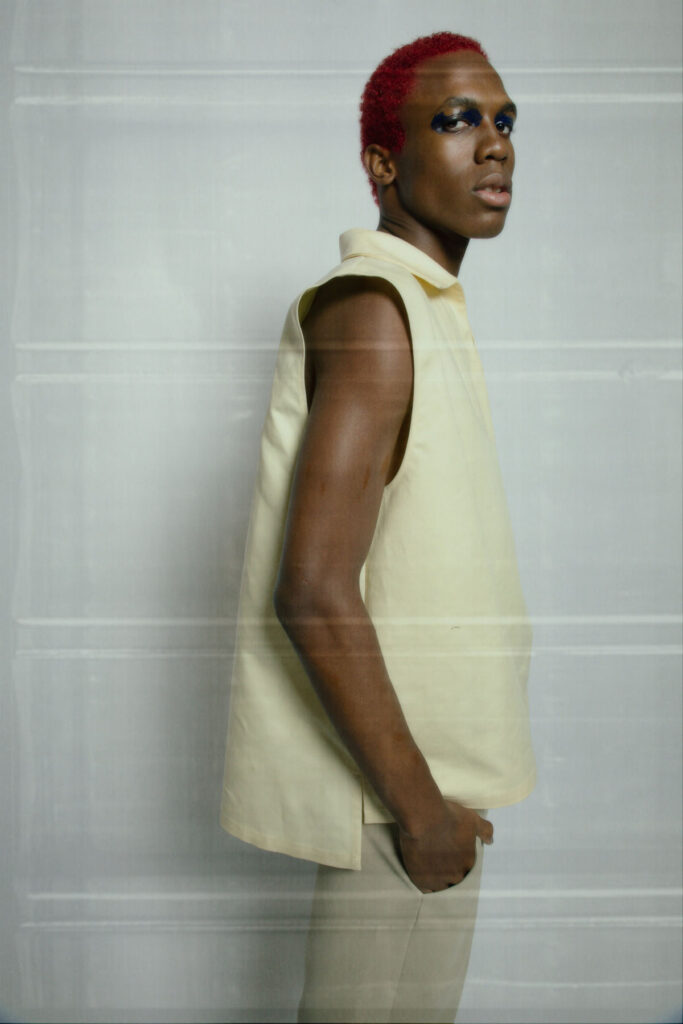
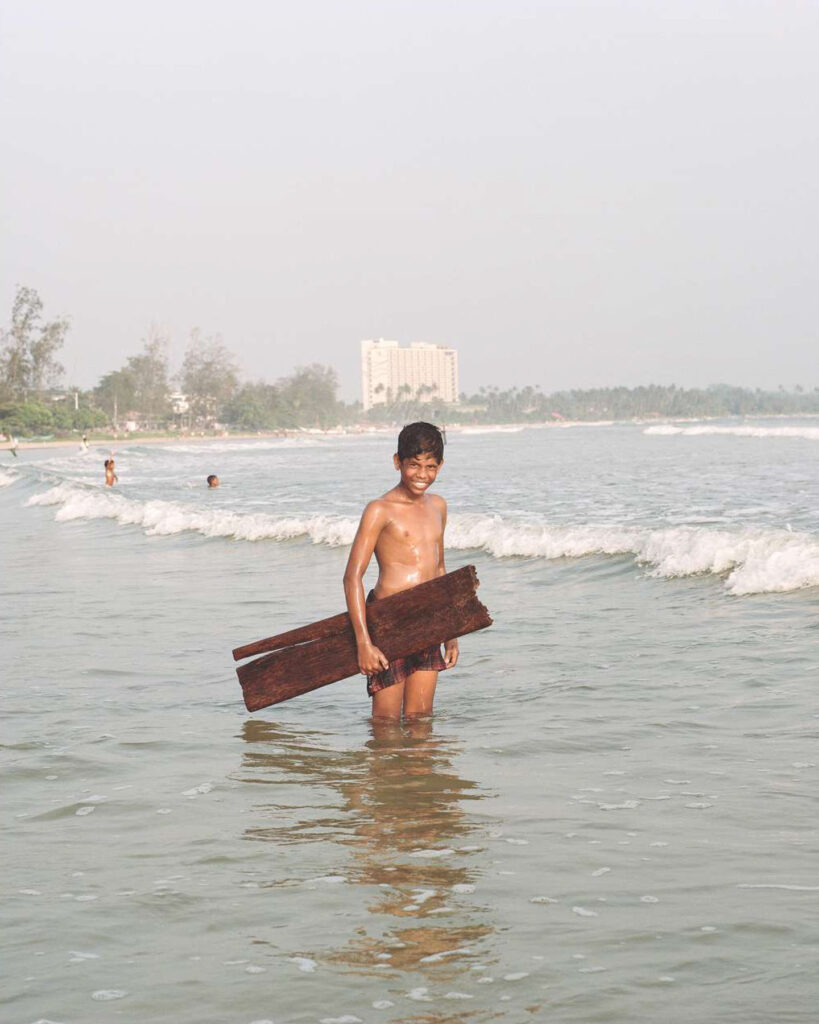
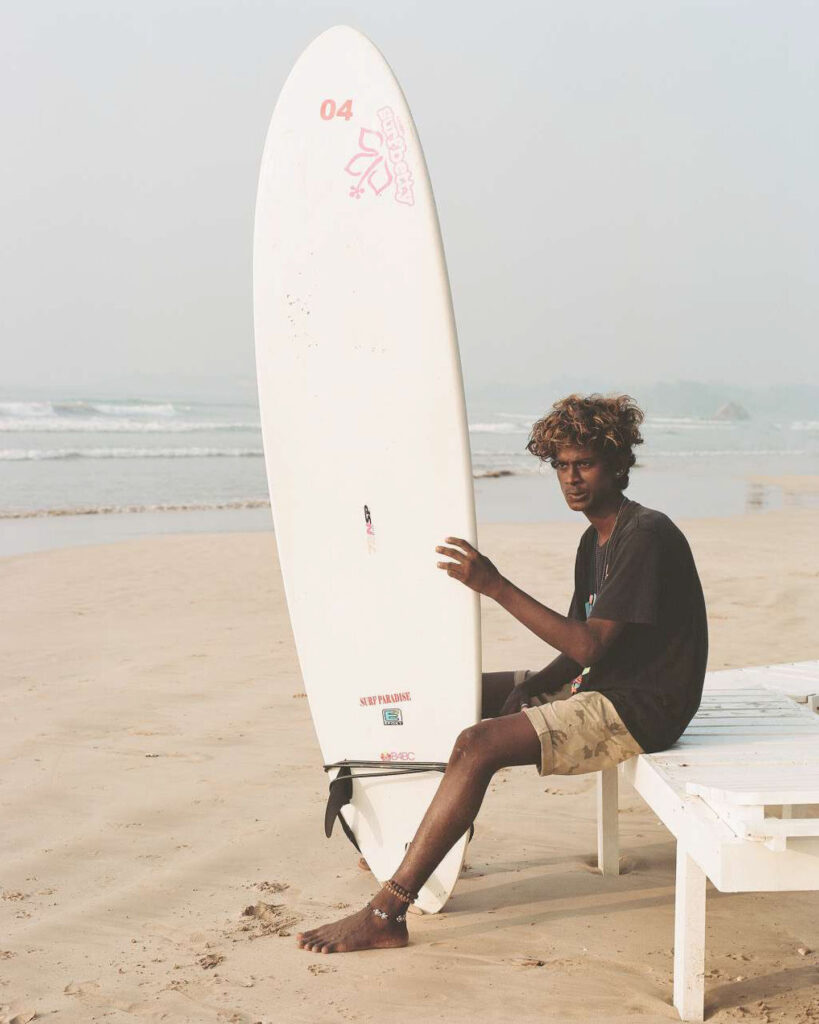
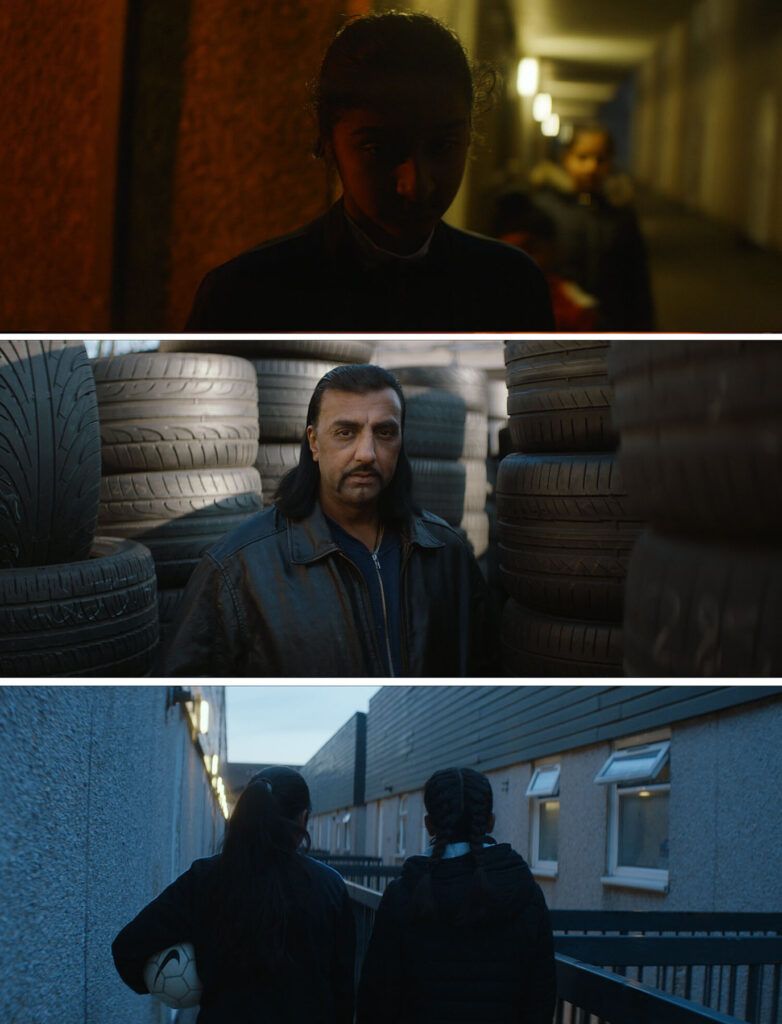
In the yellowy November gloom, a young Londoner tries to scrape together enough money to take his crush on a date. Money Up, named after the schoolyard game, is a film that captures the “spirit, grit, and resilience of young Londoners in a lighthearted and poetic tone.”  The film has been garnering attention for Dhillon Shukla, whose previous works range from photographing young Sri Lankans who have adopted Californian surfer culture to collaborating with music artists such as Jessie Ware, Disclosure and Gorillaz. NR Magazine joined Shukla in conversation.
As both a filmmaker and a photographer how do you think your previous experience with photography projects informs your filmmaking process.

I think it’s changed over time. When I started taking pictures I was a teenager, I used to walk around and shoot locations I thought would be interesting to set a film in. I had this massive archive and I used to look through it and try to imagine a story. Then a couple of years later I started to work with musicians who were quite established, a lot of them had really creative personalities and sometimes our visions wouldn’t aline so I had to learn how to navigate that. After a few of those experiences, it began to feel natural to work with talent and for sure that’s fed into directing and working with actors.

You have stated that you predominantly worked with music and documentary. Do you find that you include those elements in your fictional works and if so how?

I take a lot of influence from music when starting a film, for me, it’s one of the best ways to find an emotion or feeling and put yourself in the headspace of a character. Then recently I completed a documentary which was shot over 4 year period and in a really observational style when I started it I only planned to shoot for 3 months, I had quite a rigid idea of what it would be but then there were a lot of surprises and the story told me it wanted to be something else. I had to listen to that. Looking back that was probably one of the best projects I could have done as it taught me to really think about an edit while shooting, I was always reacting to a moment and simultaneously trying to capture it whilst thinking of questions to ask and how I would build that into an edit. Creatively I became a lot sharper and able to generate ideas a lot quicker than I used to which helps with fiction work and to not be too attached to the script as it’s always evolving.

What was the most exciting filmmaking project you worked on?

I’d probably say Run Outs – the short film I’m making with the BFI at the moment. Like Money Up, it’s set in London but it’s darker, more ambitious and also quite impressionistic. I’m excited by how it’s developing, it feels quite fresh and more in line with the direction I want to go in.

You stated that you wanted to show the lighter side of London in your film Money Up. Do you find that people tend to have a negative stereotyped view of London and do you think your film works to change those perspectives?

I just felt that a lot of youth-orientated stories in London revolved around drugs and violence and while that’s obviously a reality for some people they’re also a lot of peoples experience that doesn’t reflect that. The intention of the film was to reframe that for sure and also show multicultural London kids in an innocent way.
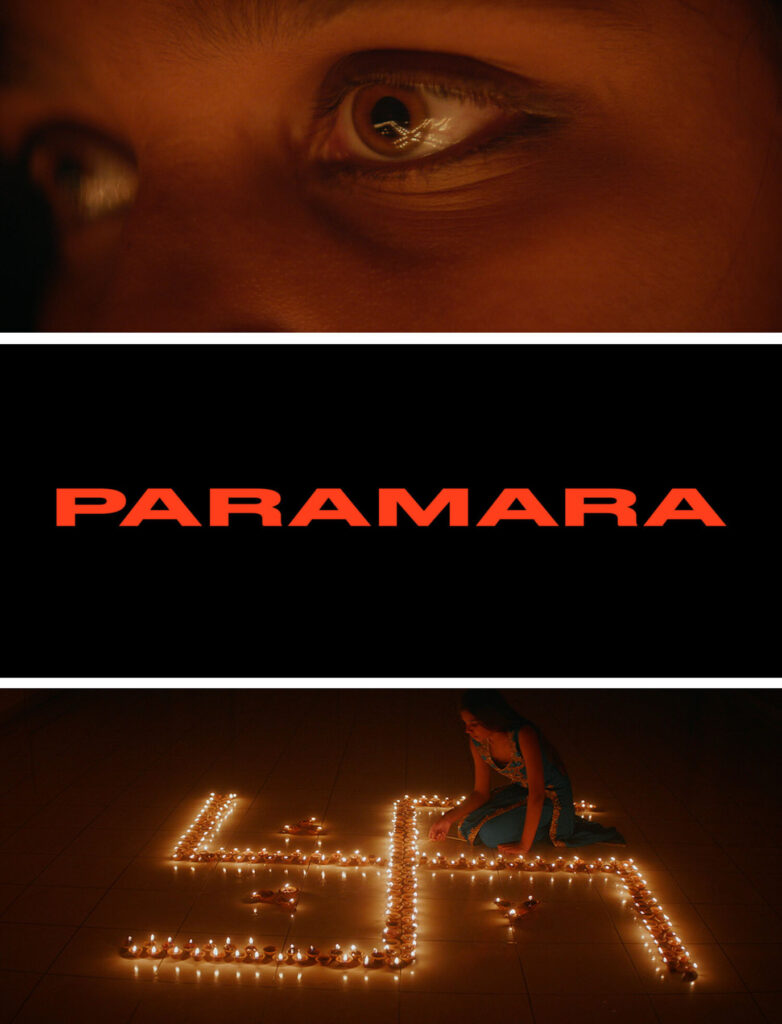
You mentioned you are working on a script for a large scale work set in the future. Can you tell me more about this project?

Not really at the moment, just that it’s finished and the plan is to make it my first feature film.

What filmmakers and directors do you draw inspiration from and how do you apply that inspiration to your work?

I think when I’m writing I’m more inspired by music or locations. I need to know the mood of a space before I can start to imagine who occupies it. That’s where most ideas come from for me. They’re not many films I would say are perfect but the ones below are and I find it hard to not think about them from time to time.

Chungking Express

A Prophet

The Tree of Life

Barry Lyndon

Apocalypse Now

You shot Money Up on a small budget. What was the process you had to go through to see the film to fruition?

I wrote the script for an open call for the BBC and got selected. My exec producer connected me with an amazing casting director. They’d worked with people like Nicholas Winding Refn, Lars Von Trier and Gaspar Noe but they’d also cast all the seasons of Top Boy which made me feel they’d be perfect for the film. They were great and found all the actors in about 3 or 4 weeks. We shot in November during a lockdown so it complicated things a bit, we weren’t able to rehearse or even meet each other before we shot it. Then for all of the post-production, we had to work via Zoom as well. It was quite a different way to work but I think in the end everyone who was in it and worked on it was pretty happy with the result.
How do you think Covid will affect the indie film scene in the future?

I’m not sure but it’s been a shame all the film festivals have moved online because they’re really important for indie filmmakers to connect with people and continue to keep making work so I hope they’ll come back soon.

What advice do you have for young creatives looking to work with film and documentaries? 

Start by making something independently where you can have creative control. It’ll allow you to develop your style and attract the right collaborators for you.
What are your plans for the future?

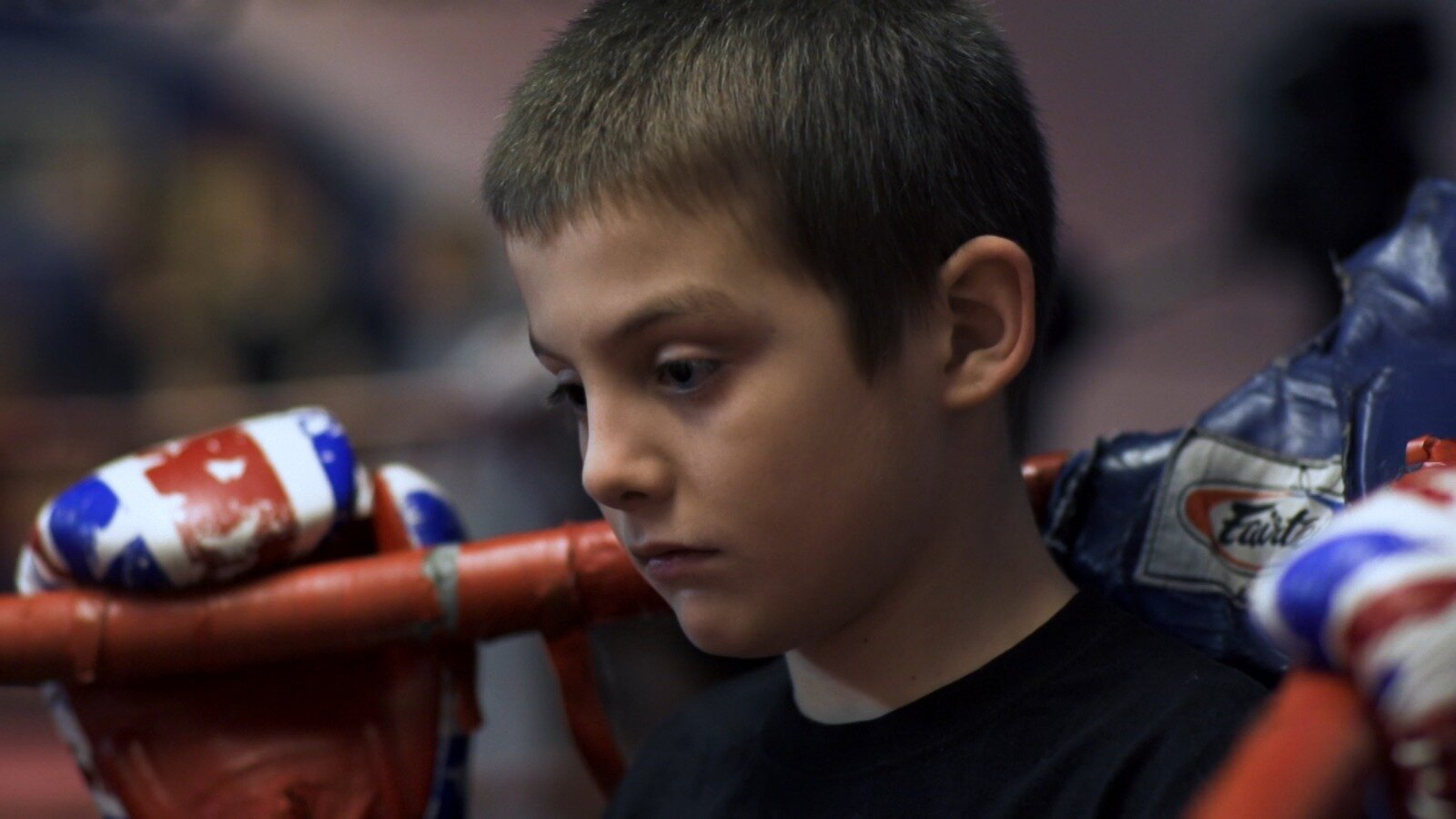
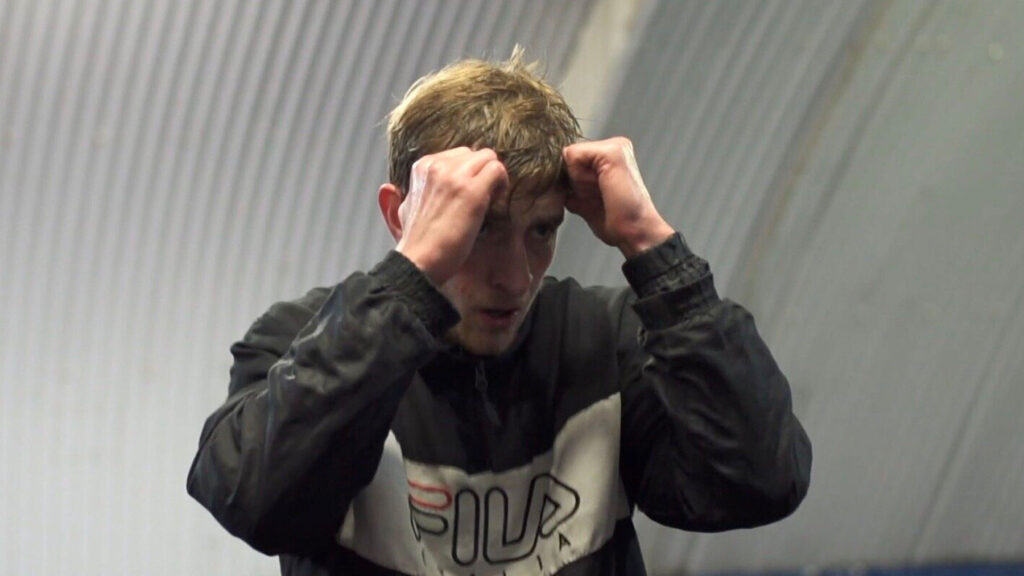
As I mentioned before I’ve recently completed a 40-minute documentary called The Prodigy which follows 23-year-old Muay Thai world champion Greg Wootton and his 9-year-old prodigy Jimmy Clarke, they both fight out of the KO Gym in Bethnal Green which has produced over 25 world champions. It’s about two young Londoners’ pursuit for greatness in the sport which leads them to find a deeper meaning in their lives. It’s been quite an epic project so I’m really excited about releasing that later this year and also completing Run Outs. Then beyond that, I’ve got another short I’m going to make before doing my feature film.


Credits

Images · DHILLON SHUKLA
https://www.dhillonshukla.com/#1
Tobi Shinobi

«Shoot what you love and love what you shoot»

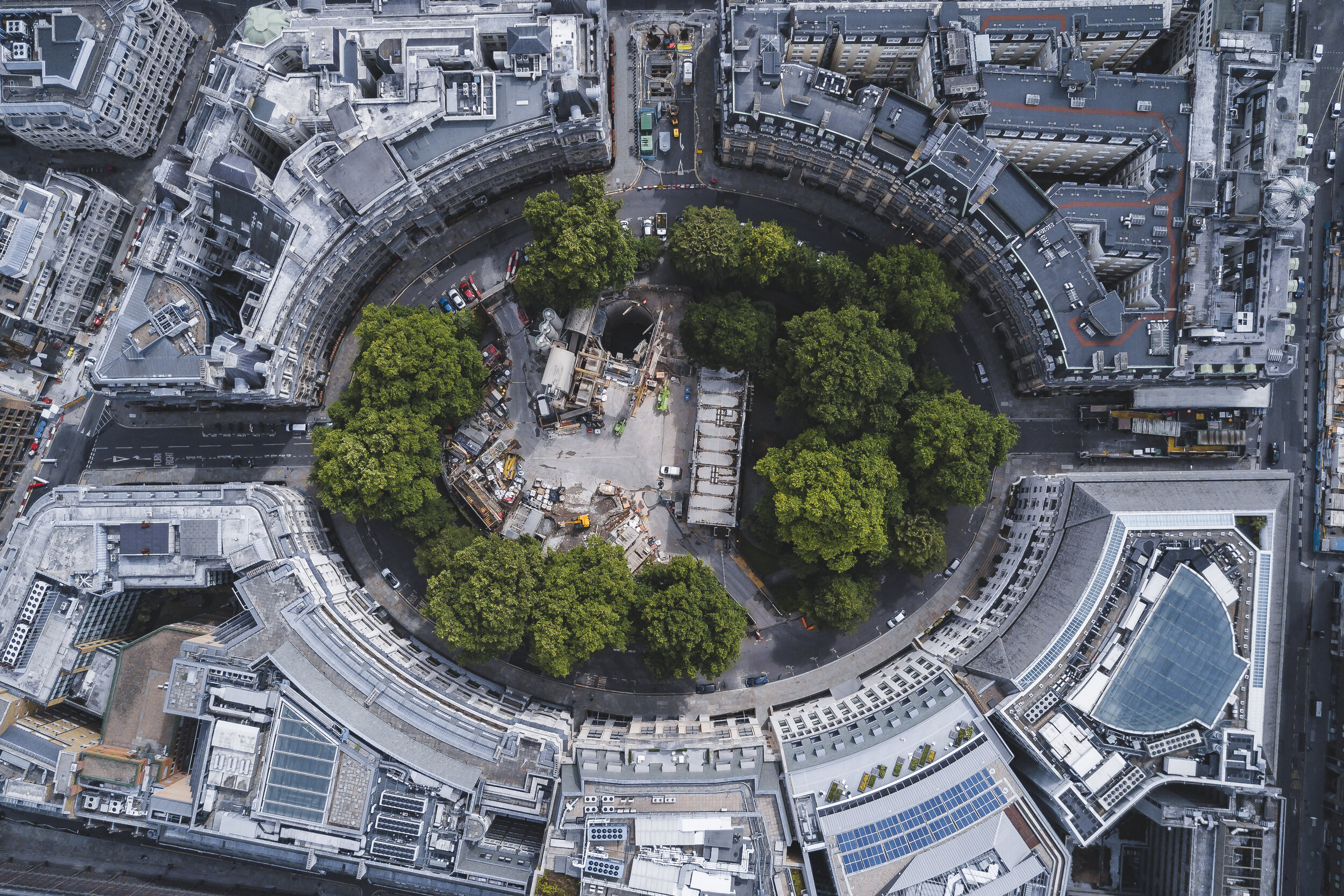
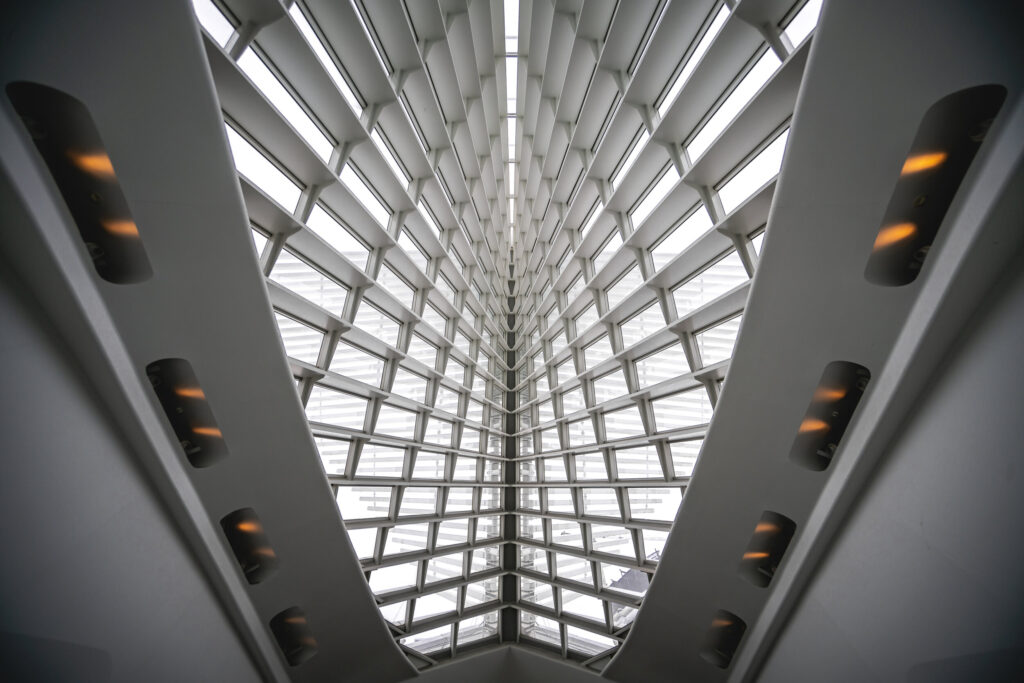
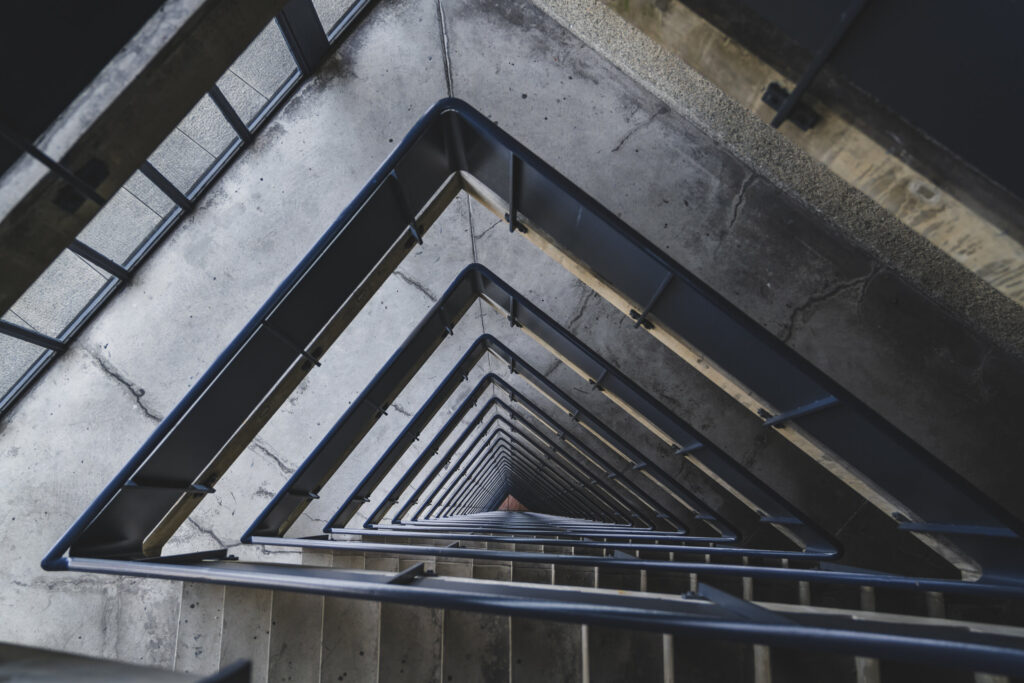
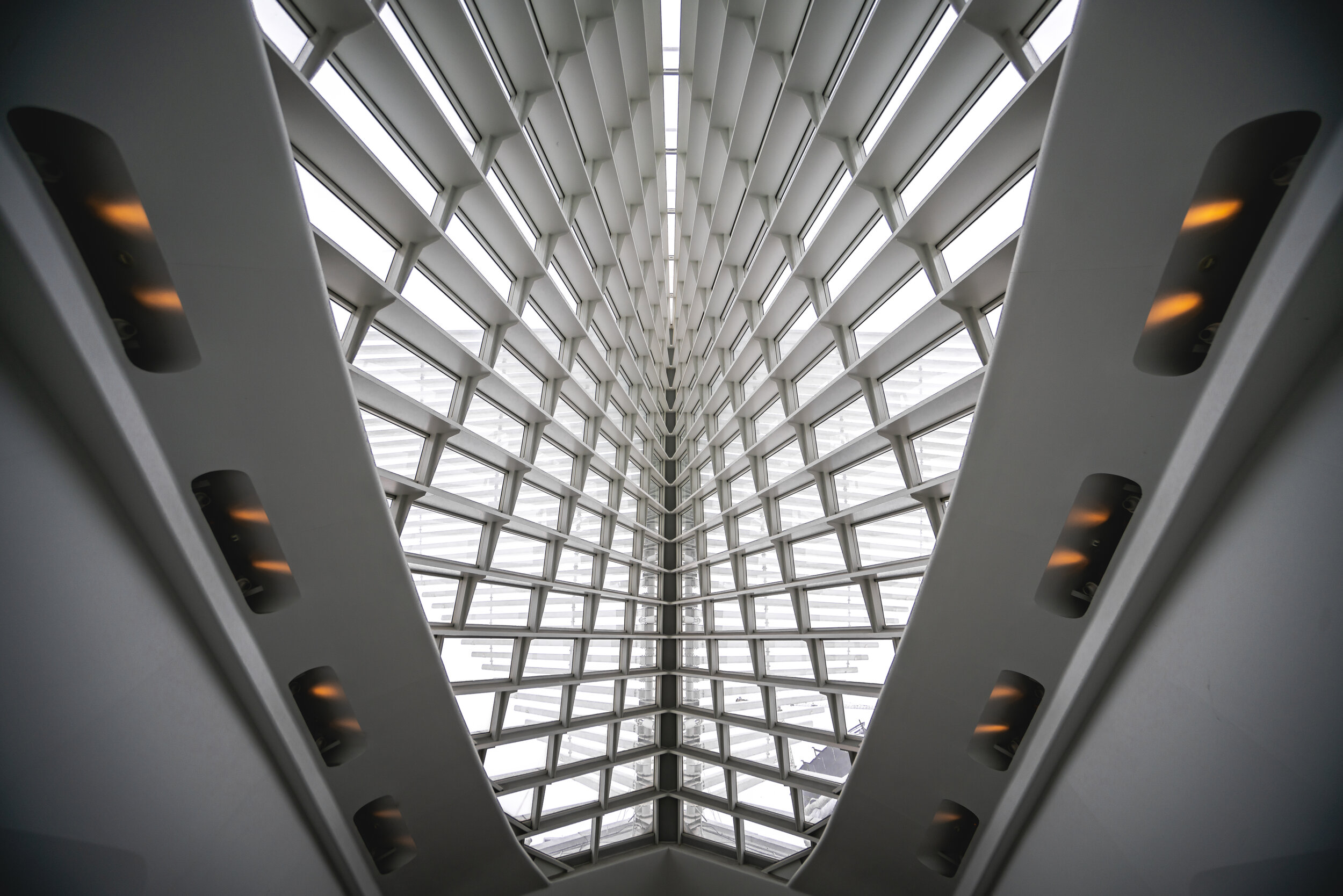
Self-taught and award-winning photographer Tobi Shinobi has worked in many major cities around the world. He is known for his distinctive images of architecture and symmetry for which he gained recognition on social media. Born in East London, Shinobi worked as a litigator before his hobby of snapping pictures on his camera phone became his full-time job. Now, when he’s not jetting off around the world and working on commissions for companies like Apple, Audi and Coach, he haunts the streets of Chicago, capturing the city with his unique style of street photography. NR Magazine joined the photographer in conversation.

What is it that makes a good photograph stand out from the rest, particularly with the over-saturation of photography that we see on social media every day? 

I really appreciate great composition, something that catches you almost immediately. Though the photo doesn’t need to be technically perfect to be great, it helps if the photographer takes the time to nail the focus and avoid distracting features which can detract from the ‘illusion’ that the picture aims to create. When I take a picture I’m trying to get you to see what I see and bring you into my world, distractions destroy the seamless transition from someone’s reality to my surreality. With that being said, a good photo can be portraiture, street, architecture, or a great shot of an event: it doesn’t matter – a good photo just catches you.

Does your approach to your photography change depending on which city you are working in and if so how?

My approach doesn’t change particularly unless I have to be particularly mindful of my surroundings. Some places that I have been aren’t the most visitor-friendly tourist spots, so sometimes I have to be aware. With that being said the usual respect and appreciation for the locals and their customs and some good old fashioned street smarts has kept me in good graces. There are many times when I capture street photography and locals don’t necessarily appreciate their photo being taken and I respect that entirely.

What was the most exciting project you worked on and why?

Honestly, I don’t have a single project that I can point to that has been the most exciting one. I have been blessed with a lot of cool experiences, I guess I can say working with Sony last year, I was in front of the camera for a shoot for the launch of their long-awaited A7s3. It was a secret so I couldn’t tell anyone and one or two of my shots actually made it into the final video. I was also featured in front of the camera for Lightroom, as one of their ambassadors, showcasing my architectural photography around Chicago. Both great experiences during a challenging year.

You were a lawyer before you became a freelance photographer. Does your background in law ever influence your photography work and if so how? 

Up until very recently, the vast majority of my work has focused on balance and perspectives. In a literal sense, this has presented itself as a heavy focus on symmetry and geometry. My fascination with these themes forms the basis for my first solo photography book Equilibrium. The metaphor of balance in my work shows up in a number of ways. One example is one is that there have been occasions when it would seem that my work appeared to be too “urban” to be mainstream and too mainstream to be “urban”. To bring it back to the question, the theme of perspectives comes from my legal background where I learned to always consider the other side’s ‘arguments’. I had to consider other people’s points of view, so as to be armed with the best argument. Similarly, symmetry can be seen as me trying to get my visual message across, in as straightforward a way as possible. 

«These themes have also been a subtle nod to me seeking to address the imbalances I come across in life. Namely my own personal challenge of feeling that I don’t quite fit in, no matter where I am.»

With photo-sharing apps like Instagram getting your photography out there has become easier and easier. However, do you think there are negative sides to apps like these and if so what? 

Apps like Instagram have great upsides, it’s important for me to say as much, given how much it has changed my life for the better but there are also some challenges that come with it. The mental strain that comes from the pressure to always produce quality work is a lot. The algorithm rewards consistency. Artists aren’t factories that can just churn out work. We need time to live life, learn, laugh, loathe and then live some more. Consistency is only sustainable for so long. I hope app and platform developers start to realize the strain that they are putting on artists and act accordingly.

Are there any photographers and artists that you draw inspiration from or are particularly interested in? 

One of my favourites in recent years is Carlos Serrao, he is a photographer’s photographer and I am a big fan. I have also been blessed to be able to make a friend and mentor out of the legend that is Sandro Miller. A great human being and an awesome source of inspiration. I take inspiration from all over really. It could be music, religion, sport, film, comics, anime, art you name it. I just consume and then feel that creative spark to create my own and then share. I also take inspiration from the people around me which is why I think it is of the utmost importance to make sure that you surround yourself with positive, creative and inspirational people. I came across a quote the other day that said ‘show me your friends and I will show you your future,’ and I think there is some truth to this notion that the people you surround yourself with will have a profound effect on your outcomes.

You use drones for a lot of your shots. Do you find that the tightening restrictions around drone use, particularly in cities have hindered your work? 

To be honest yes it has slowed things down but I understand why the authorities have had to take some of the steps that they have taken. Some people have little regard for others and have endangered some folk so the authorities were bound to clamp down on it.

What are some of the best spots in London for street photography? 

I’d have to say that Shoreditch and Soho are the best spots in London for the best street photography. You can get some cool stuff in the Square mile too. An 85mm or a 50mm and you can capture some gold at the right time of day.

What advice would you give to young creatives who are interested in photography? 

Keep shooting. Shoot what you love and love what you shoot. Spend more money on travel than you do on equipment. Chase the dream, not the competition. And by this I mean it is easy to just do what everyone else is doing in terms of your style and there is an element to which we learn from imitating others but at some point, you will need to discover and nurture your own style and not rely too heavily on the influences of all those if you want to stand out.

Are you working on any projects at the moment and what plans do you have for the future? 

I’m always thinking about some project or another. I am going to keep on being the best Tobi that I can be. Continuing to evolve, marinating in my creative process. Really trying to sit on it and not force or rush it. That’s going to include video, music in some form, maybe collaborating with musicians. I have agency experience and I have the freelance experience. I do dig down and bury into the artist route or the employed route? I work in the Creative Lab at TikTok as a Creative Strategist, teaching big brands how to make. better TikToks. I want to collaborate with cool people around the world and enjoy all the opportunities that come with that. With everything opening back up I am in the process of planning what the next chapter looks like.

Credits

Images · Tobi Shinobi
http://www.tobishinobi.com/

Alec Soth

«Alec Soth does wander but he does it in a territory that he knows best»

When you think of an exhibition from a world-famous photographer, it would not be unusual to assume it would be located in a big city known for its rich cultural heritage such as London, Tokyo or New York. Certainly, your mind would not immediately go to a tiny green island between England and France. But Guernsey, which is part of the Channel Islands, is where you can find photographer Alec Soth’s exhibition Looking For Love.

Of course, this is not the first time a big name has been associated with the island, it was the home of exiled Victor Hugo and inspiration for his book The Toilers of the Sea. There are several paintings by Renoir of the rocky coves and caves of the southern cliffs. In addition to this, the Channel Islands were the only part of Great Britain that was occupied by German forces during World War II and this history inspired the best selling novel and subsequent film adaptation The Guernsey Literary and Potato Peel Society. 

In recent years the island has also become known for its photography festival involving well-known photographers such as Martin Parr CBE and Mark Power. Now the Guernsey Photography Festival welcomes Alec Soth to that list for its ten year (plus one due to delays caused by the pandemic) anniversary.

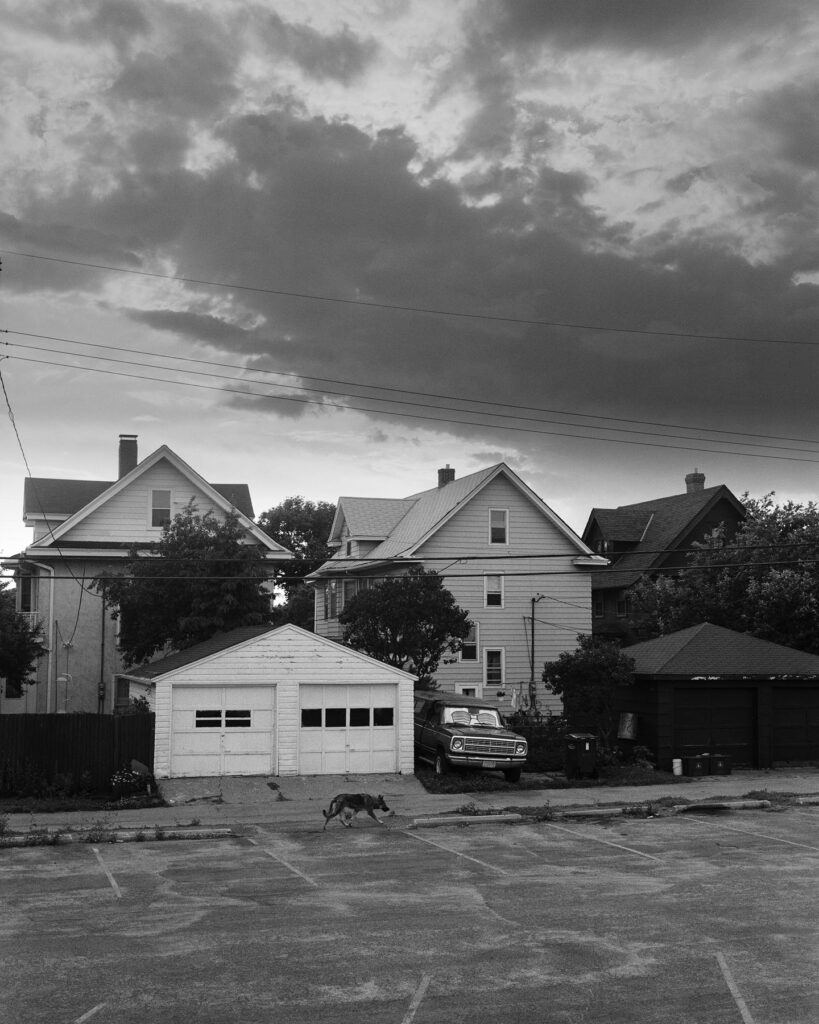
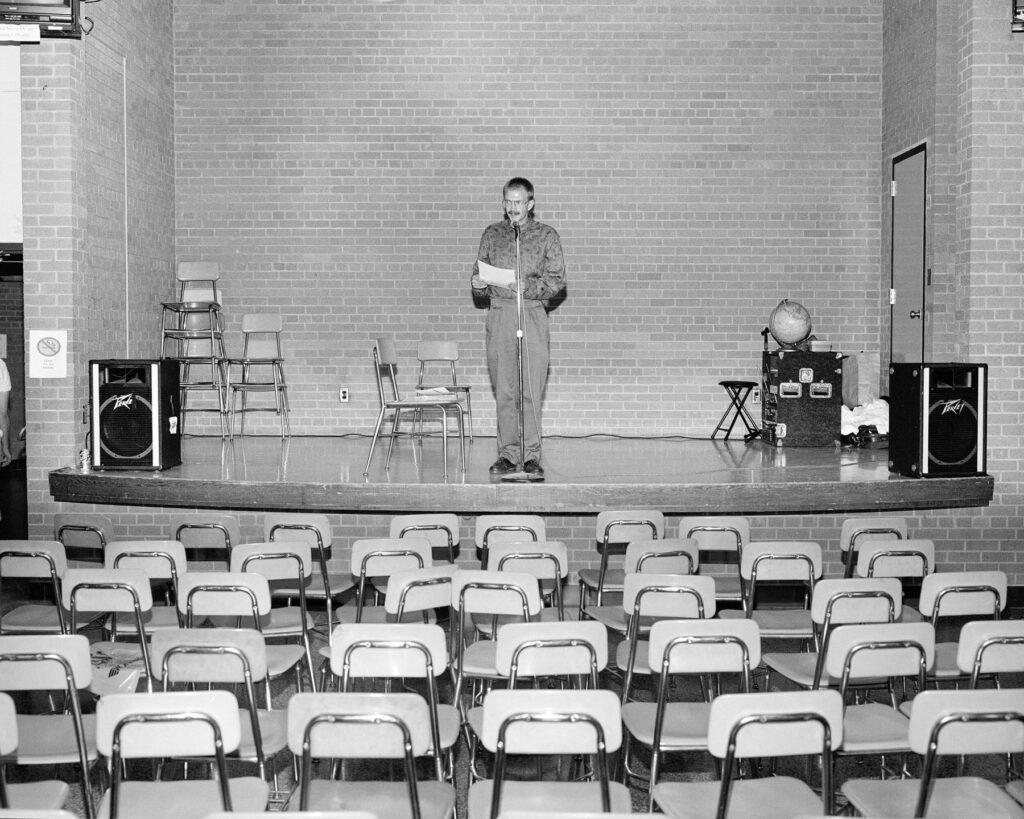
Alec Soth is an American photographer who was born in Minneapolis, Minnesota. He gained fame for his colour photographs which he takes on a large-format camera. His work has been described as being based in the ‘documentary style’ and much of it consists of the people and landscapes in the rural and suburban American Midwest and South.

This particular exhibition of Soth’s work ‘Looking for Love’ consists of earlier works of his, taken before the projects which propelled him into the spotlight of the art world. NR Magazine was joined by Jean-Christophe Godet who is the Artistic Director of the Guernsey Photography Festival and the curator of ‘Looking for Love’ at Guernsey Museum at Candie.

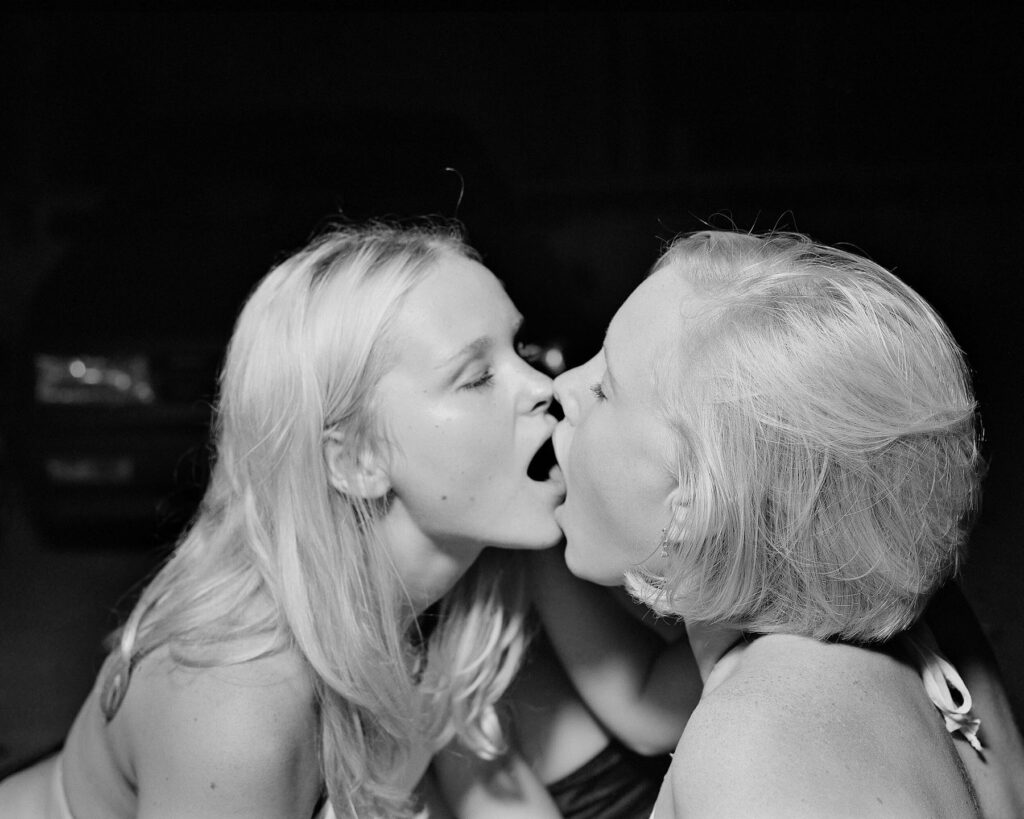
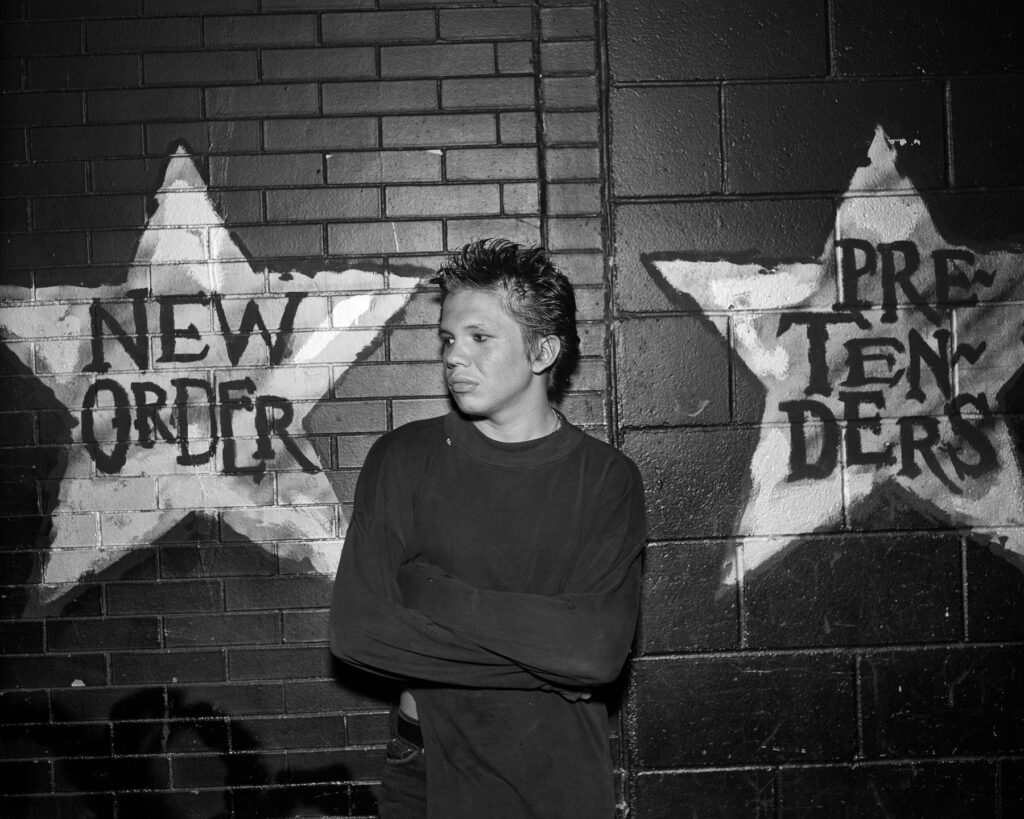
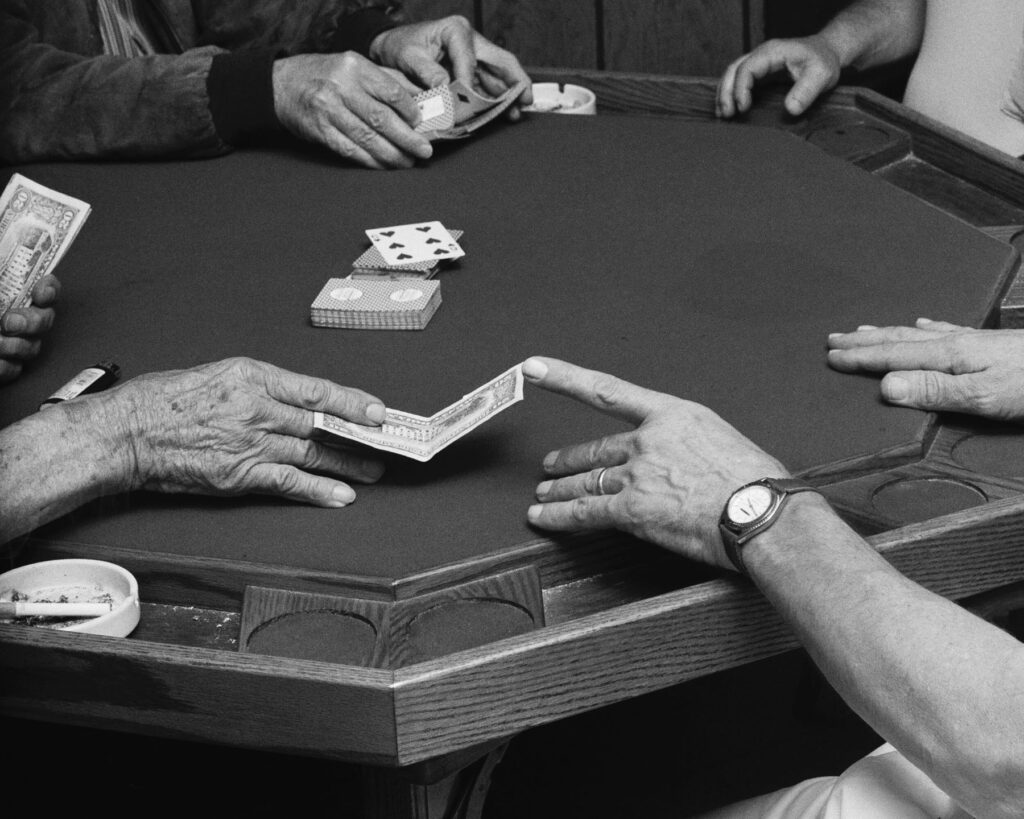
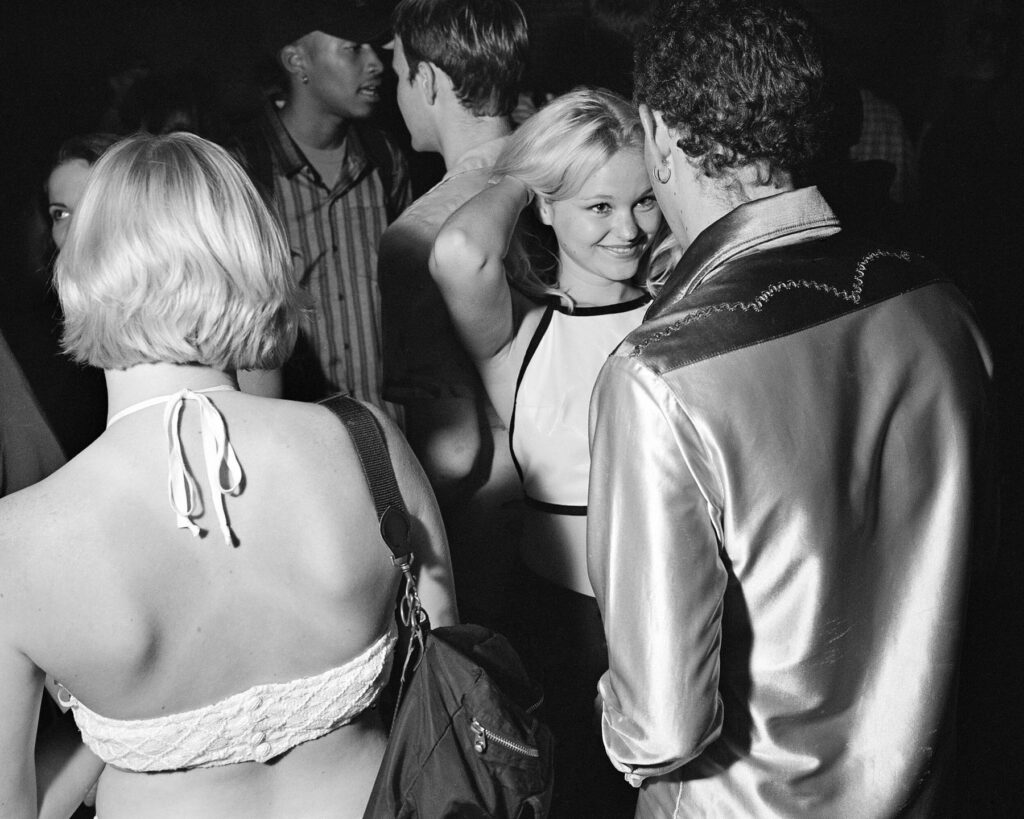
Upon entering the gallery one is greeted by a sea of black and white photographs of people with a few landscapes dotted in here and there. The introduction on the wall tells us, in Soth’s own words, about the time in his life that the pictures were taken. Jean-Christophe Godet expands on that text. “People think this exhibition is one project but it isn’t, it’s a collection of projects. This was a time when he was quite young and feeling miserable, as we all do when we are young. He didn’t know what he wanted to do with his future but was still interested in photography. His job at that time was to work in a photo lab where he processed all the films. In the evening he would go to bars, and meet people and take their photographs. At this stage, he was in a learning process. That’s why we were interested in this exhibition because we wanted people to know where Alec Soth came from.”

The photographs in this exhibition were not taken on a large-format camera like much of Soth’s work, Godet explains, but on medium-format. “The next projects he did, which is what he became famous for, that’s when he started shooting on large-format with the big camera. He likes taking his time when he shoots people, so setting up the camera gives him a chance to meet and talk with the people. It helps him relax as well because he’s an introverted person. He’s the type of guy, if you sit next to him on a plane, he won’t talk to you. He learned how to be more social from doing this exhibition.”

Godet walks over to a pair of photographs, “There’s no story in this exhibition. Soth liked that, it’s up to you to decide the story of the characters you are going to meet. From a curatorial aspect, I wanted people to be able to infer their own meaning onto each picture, but also at the same time some pictures work together to tell a story.”

He points at the duologly, «For example, I decided as a curator to put these two pictures together. The two middle-aged men in one picture appear to be looking at the young girl in the other, who seems to be flirting with a boy. You question who the girl is and if that’s her boyfriend? Then when you put the two pictures together you question if the two old guys are at the same party? Are they perverts or are they nostalgic about the time when they are younger?”

Godet gestures to the rest of the exhibition enthusiastically “There’s no information about these images because Soth is more interested in human nature. He’s not a documentary photographer, he’s not telling the story of the people in a town in Midwest America, it’s more about understanding feelings and emotions. He wants you to decide the story behind them. He wants you to imply your own experiences onto them.”

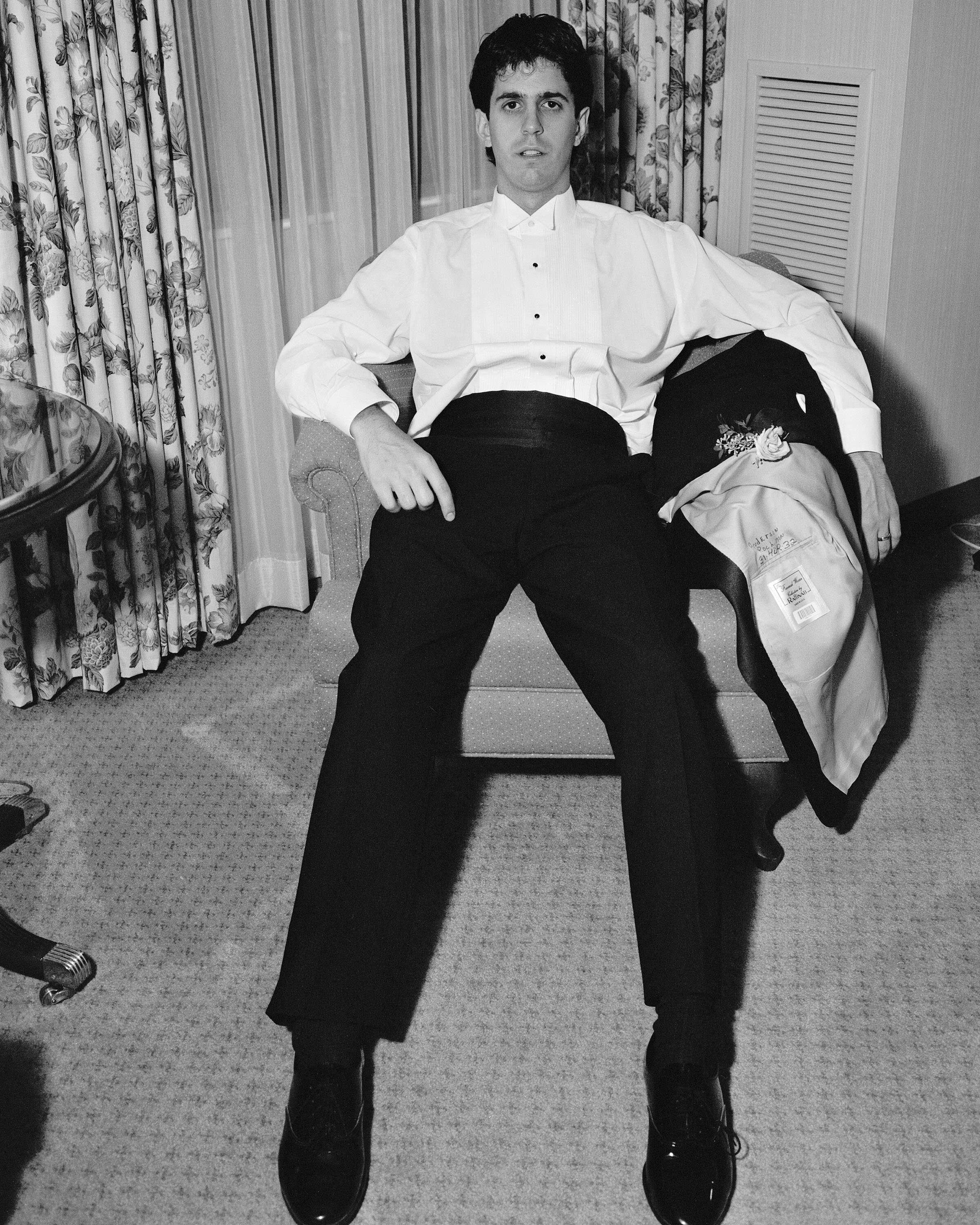
He leads me to another image, this one of a young man in a suit, easily missed in the sea of photographs. “This is Alex Soth’s self-portrait. He took it the night before he was getting married. He looks quite relaxed, maybe half drunk and he looks like he is feeling quite satisfied with himself. There is something there that he is trying to tell us because his work is always about him as well, it’s about the way he feels and relates to the world. At the beginning of the exhibition, we are told that he is miserable and alone but now we discover that at some point during this project, looking at people looking for love, he found his love, in some way, by getting married. But it’s up to us to decide how we think he is feeling about this.”

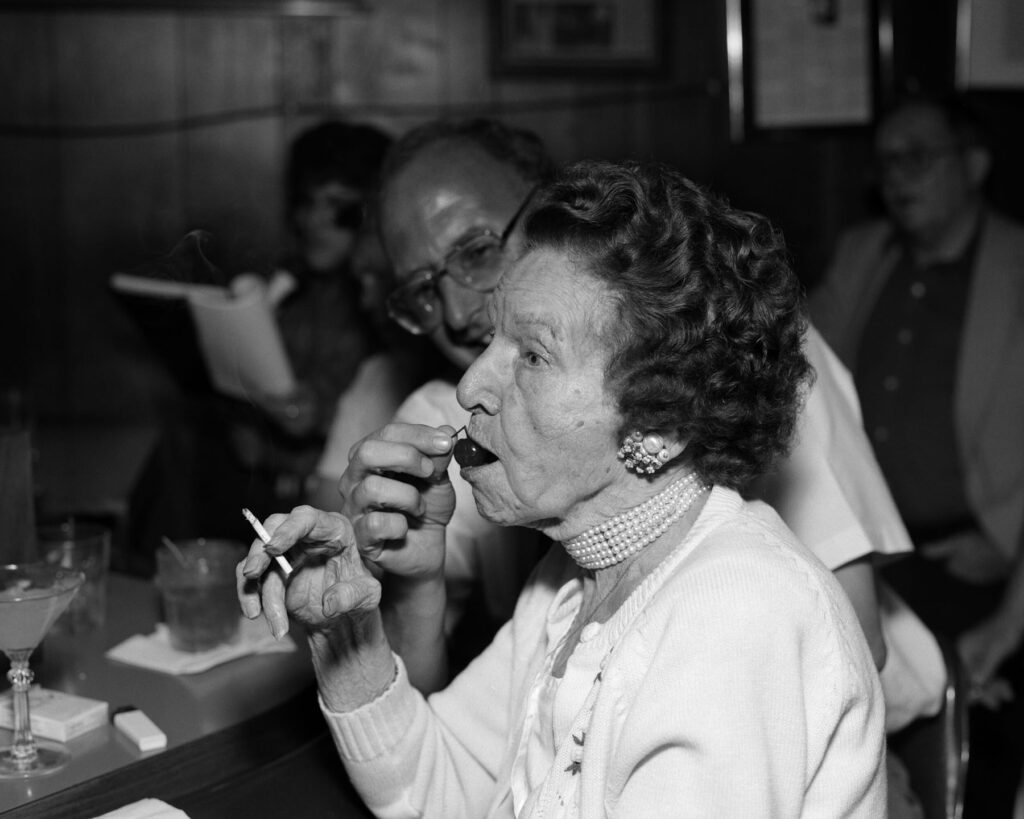
Godet beckons me to the centre of the room. “In this central part of the exhibition, we changed the tone so it looks like it could be the inside of a bar or a club. In this section I was able to put three generations of three different women telling their own story. The young teenager clinging to her lover, the middle-aged women on her own in a bar looking strong but also a bit lonely, and finally the glamorous old lady with her cocktail. I love how, with Alec Soth, you can connect these together. This exhibition is about loneliness and searching, about feeling disappointed and neglected but also hope. Overall it’s kind of dark and lonely because that’s how he felt at the time, but there are plenty of layers. For me, I think that’s how he became famous because he reaches us with his human emotions which is universal.”

He continues walking around the exhibition. “He’s not trying to impose anything on us, by saying ‘oh look how beautiful that is’ or ‘I’m going to show you what love is’, it’s up to us to integrate the raw human emotions he has. You need to take your time to absorb the photos, it’s not like the Wildlife Photography of the Year exhibition. It’s not like ‘oh that shot is spectacular’, and then you forget it when you move onto the next one. With Soth’s work, it’s like you suddenly slow down and you really appreciate how much is in each photo. The images are so strong they stay in your mind for a very long time.”

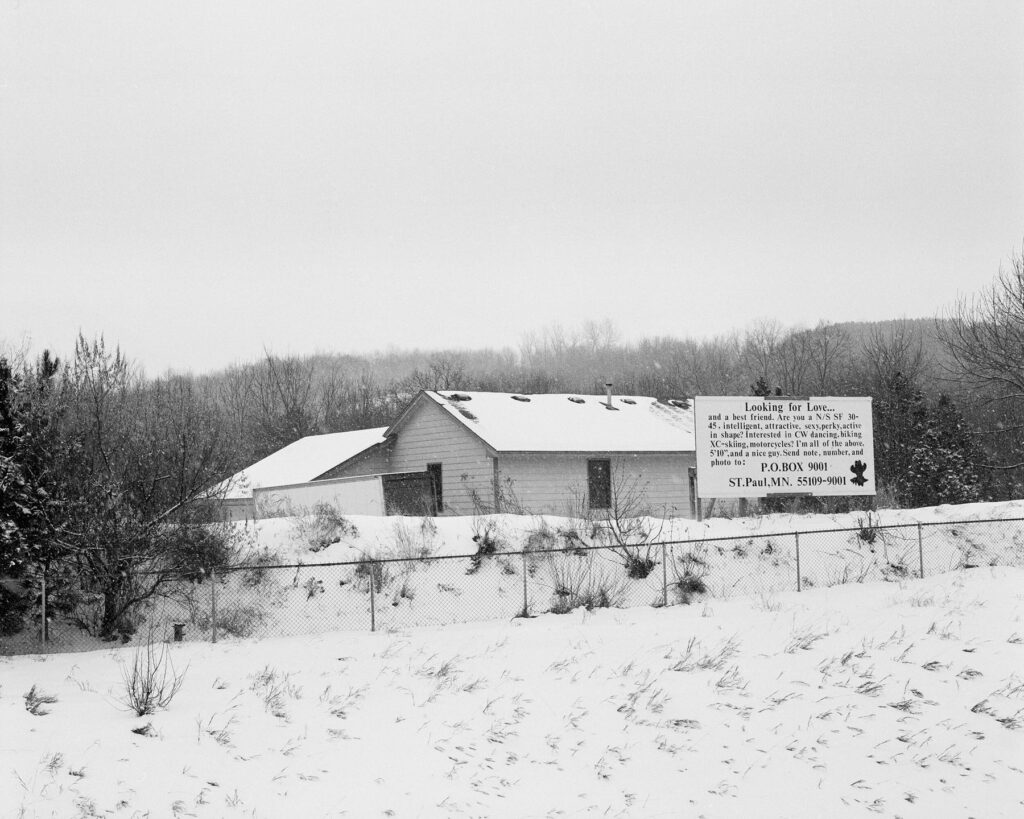
Back near the start of the entrance, he points at one image which has been blown up to cover an entire section of the wall. Against a snowy backdrop is a billboard upon which is a personal ad titled ‘Looking for Love’. It’s one of the few texts to be found in the exhibition, a deliberate choice Godet explains. “Soth is a massive reader of poetry, but he doesn’t like associating the two because he says poetry and photography tend to reject each other and I understand why he says that, because there’s already so much poetry in his photo he doesn’t need more.”

«But what is the difference between Soth’s work and the images of everyday life you can find on social media?” I ponder.

Godet tells me that, “I would say Fine Art photography makes you think. That’s why the Guernsey Photography Festival focuses on contemporary photography and fine art photography because you reach a different level. Everybody says it’s quite easy to take a photo and that’s true. We have the technology to take a good photo readily at hand, but for example, if you take a photo of the sunset on one of Guernsey’s popular beaches like Cobo.” He gestures dismissively, “‘Wow great photo’. The problem is those photos will be distributed on the net and there will be a million photos of Cobo and the sunset and they all look the same. They all look pretty in terms of colour and they have the wow factor but then you forget them. Because we have been oversaturated by them. It’s like reading a good book, when you read a good book it stays with you for a very long time and the reason it stays is because it triggers emotions within you and makes you think about life, your own and others, and that’s where the difference lies.”

Curious, I ask Godet how Soth came to be a part of the Guernsey Photography Festival. He is only happy to tell us the story and talk more about both Soth’s art practice and personality.

“I met him in Paris seven years ago when I introduced him to the idea of coming to Guernsey. At the time I remember he said, “What?” and I said, “Guernsey…”,  “Where is that?” And I said “Oh it’s a small rock in the middle between France and England’ and he started laughing about it. I think he didn’t take me seriously because at the time we were just starting the Guernsey Photography Festival and we were not well established like we are now.

But then word started spreading internationally that there was something quite interesting developing in Guernsey for photography and also we had Martin Parkin and Mark Power come over. Mark Power is a good friend of Alec Soth and all those people were our best ambassadors and they were saying “Oh yeah I’ve been to Guernsey, I’ve met Chris and the team there and it’s been a fantastic experience, it’s a great festival” so slowly we gained a good reputation.

So I met him in Paris again for another big photography festival, and he recognised me and I told him that we were going to celebrate our ten year anniversary. And he said, «Oh yes I’ve heard about your festival now and I’ve been told good things.” He was supposed to come last year but unfortunately, because of the pandemic, he couldn’t make it.

In my opinion, he is one of the biggest names you can get in the world of contemporary fine art photography so the moral of the story is never give up. But he’s a really nice guy, intelligent and modest as well. There’s nothing pretentious about his work. Everything is coherent with Alec Soth. When he takes a landscape, every single detail in that photo has some kind of significance. And it’s all about what he know’s best, which is America. Soth has never been a travel photographer, there is this myth about being a photographer that you travel a lot that you travel the world, the lifestyle of freedom and wandering the world. Alec Soth does wander but he does it in a territory that he knows best. All his personal work has been related to the midwest of America. I love that about him because what’s the point of sending a photographer to say the Middle East when they don’t know anything about the culture. It’s much better to ask someone local to take the photos and give us the reality of things.”

Speaking of keeping things local, “Do you think Guernsey has the potential to become a big cultural hub of photography and Fine Art?” I ask him.

He laughs, “I’ve been working on that for the last ten years. I do believe there is potential there, but I think to reach that there is a necessity for a political drive for cultural development. I think unless we reach an agreement on a political level there will always be a bit of a struggle. Because if you want to be a cultural hub you need to invest in it. You can’t just rely on a small amount of public funding and donation and sponsorship. I’ve worked on lots of different major projects in major cities and you need funding for it. With the Guernsey Photography Festival, we have tried our best and we have proven it is possible, but I think a political position is necessary. I think there is a tendency in Guernsey to be satisfied with what we have, and while I don’t criticise that, there is so much more in the world to discover in terms of the profile you can create. It’s important to help and support local artists, but I think if we want to attract people to come to Guernsey as a hub local artist won’t be sufficient. You need to have big names like Alec Soth. Then people hear about it and think ‘oh wow this is pretty cool place to visit and live, not only can you enjoy the beaches and wildlife and historical culture but you have names like Alec Soth as well.’”

Before he leaves I ask a final question, “What are the plans for the future of the photography festival.”

“This is just the starting exhibition for this years festival,” Godet tells me, “because on the 23rd of September we are having a big open night for the Guernsey Photography Festival with the Guernsey symphony orchestra and we will have a multitude of international artists. I think in total we have 25 exhibitions planned in celebration of our ten year (plus one) anniversary. We have some really exciting artists but I’m not going to mention any names, you will have to wait for the press release, but it’s going to be big!”

Later, as I walk away from the museum I think over Soth’s work exploring the beauty and complexity of the mundane and Godet’s thoughts on the need for local governments involvement in local culture. Lost in thought I stumble on another small outdoor exhibition of different photographers work, about ten minutes walk from the gallery. It’s concise and wonderfully accessible to the public. It reminds me that Soth’s most famous work was created in the region he was born. With the pandemic making us rethink travel, perhaps it’s time to look away from larger cities and instead demand for art and culture to also be brought to, and created in, our own tiny pockets of the world. Something the Guernsey Photography Festival has already been doing for ten (plus one) years.


Credits

Find out more about the exhibition on www.museums.gov.gg
Images · ALEC SOTH
www.alecsoth.com/

Bradley Sharpe

«It has developed, suffered and excelled – all in one breath»

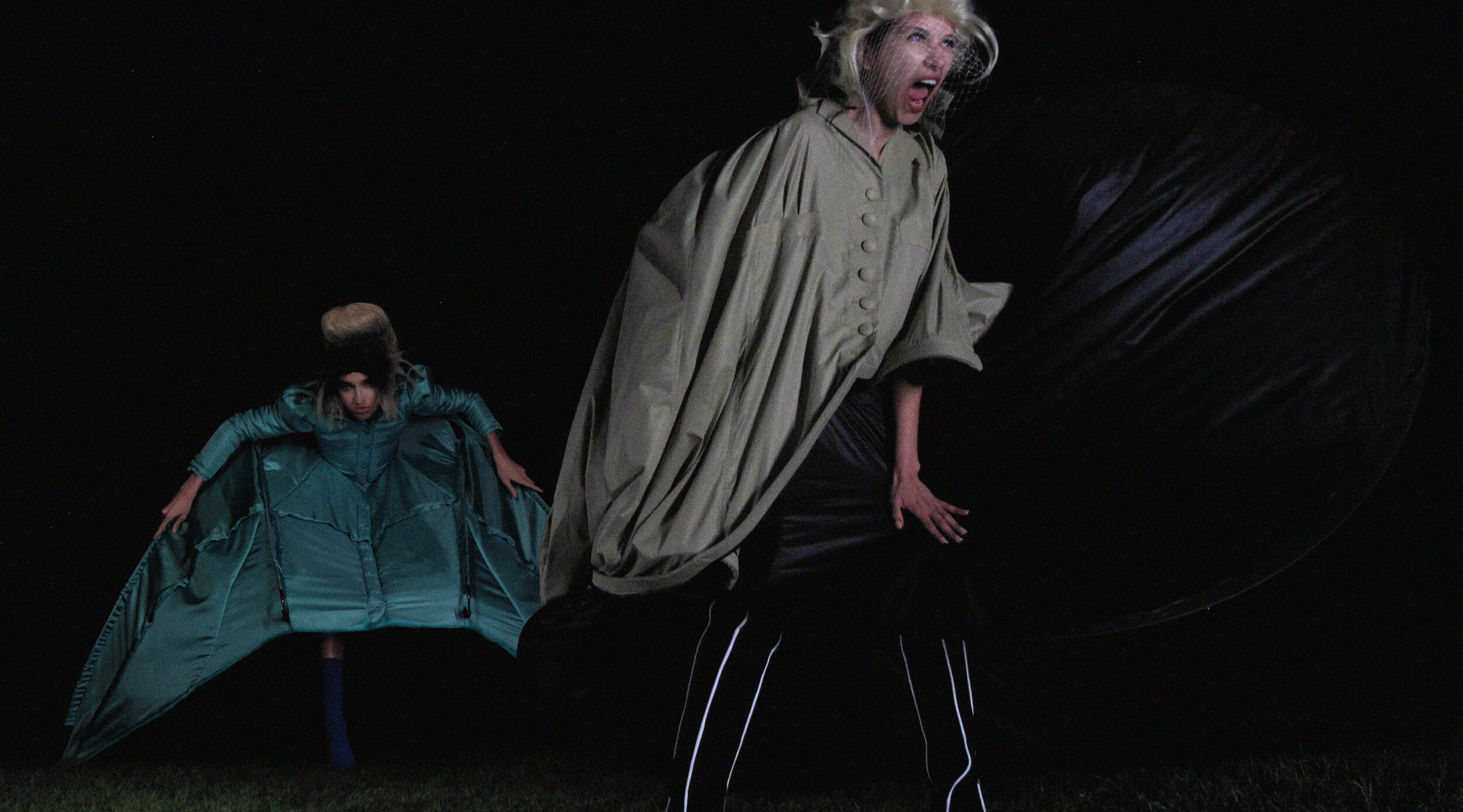
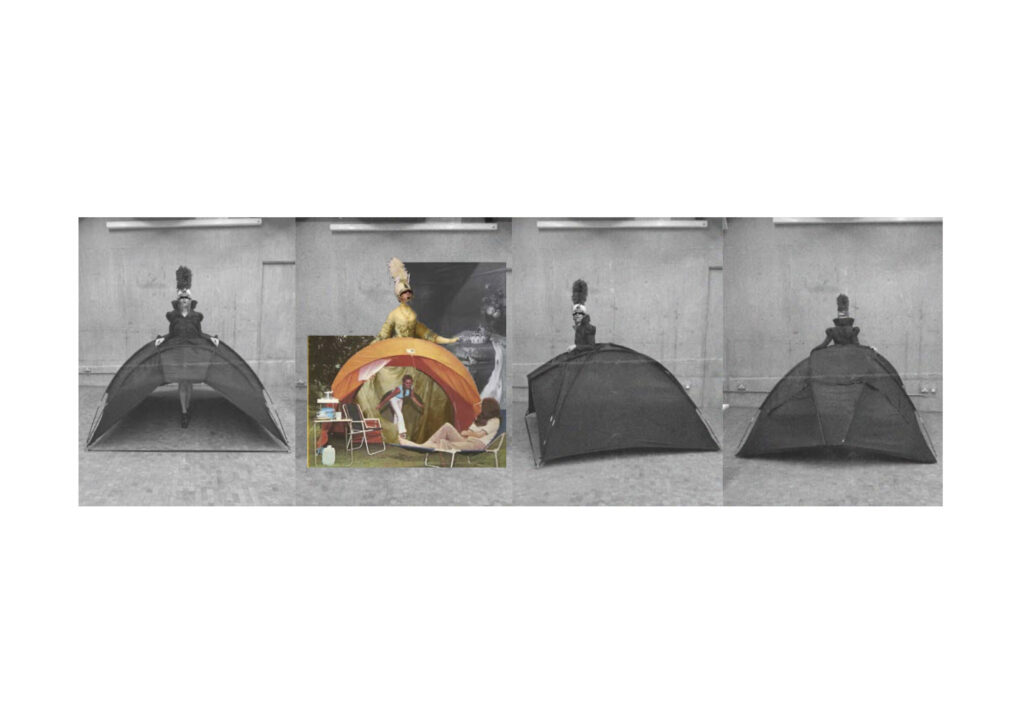
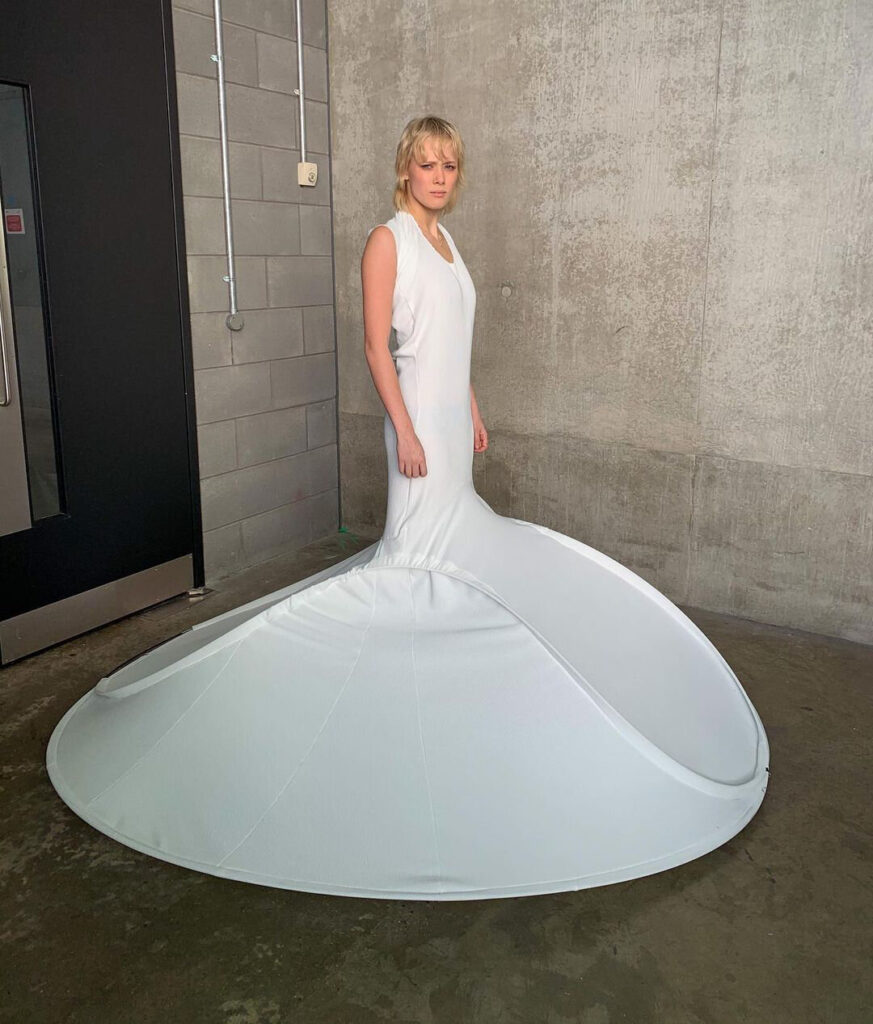
How could one forget the wearable gargantuan mantua tents that, no longer than a year ago, stole the spotlight of fashion?

We are talking about it today, and we’ll definitely be for a while. British designer Bradley Sharpe graduated from Central Saint Martins last summer, and his vision has not skipped a beat since. The visionary creator opened up to NR about the launch of his own brand, his debut collection and the responsibilities descending from being a contemporary designer.

Authenticity remains at the core of his priorities, admits Bradley. Not only are we looking at what we put out to the world, but, most importantly, what we say. A highlight of his process falls onto accountability as well – a gentle reminder that fashion should never be taken with a grain of salt – “It’s not just about you.”, to have a voice, implies responsibilities. Bradley Sharpe: get ready, you will not be bored.

Your graduate collection hit the world with a bang this past year, can you talk us through the inspirations and process behind it?

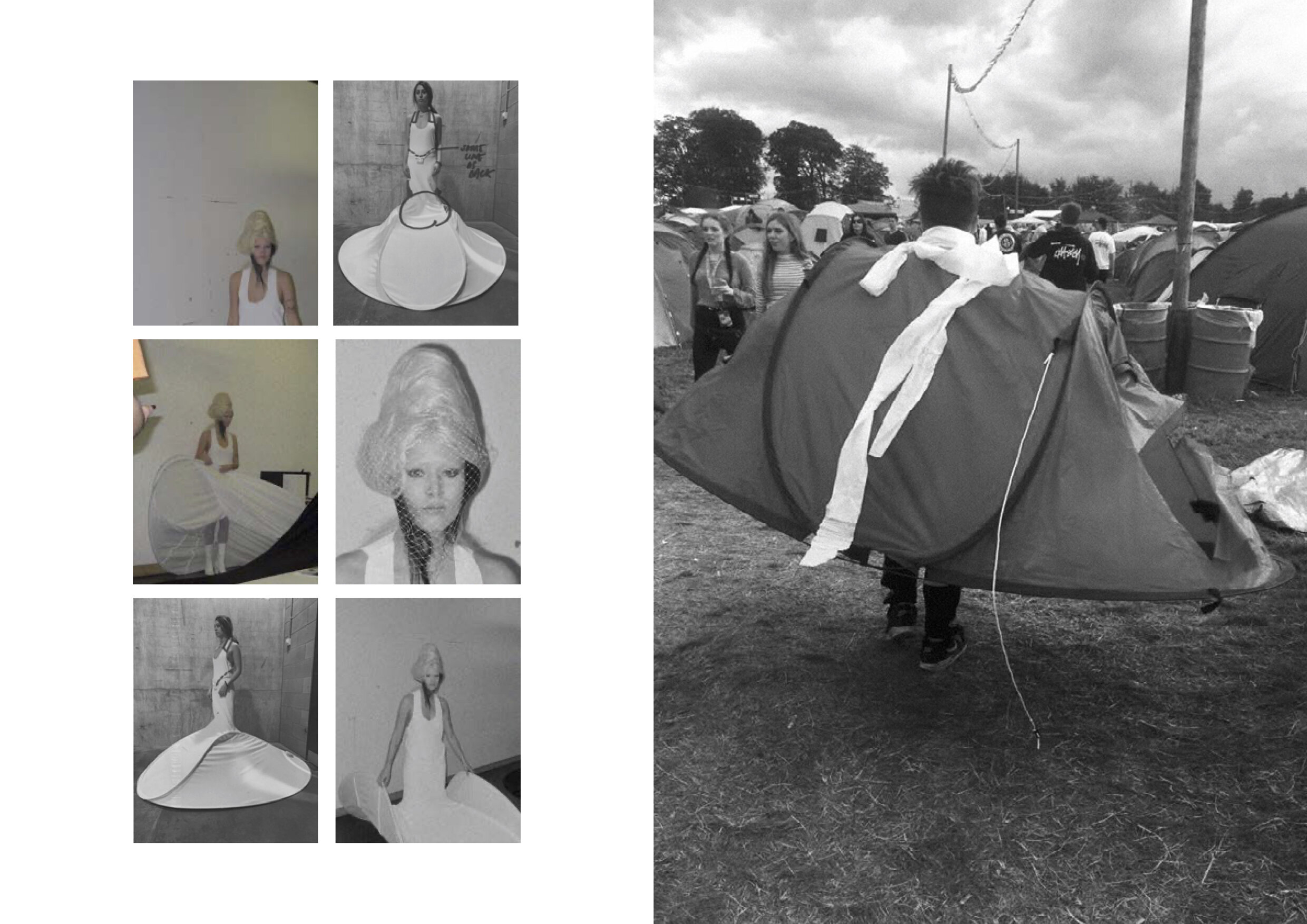
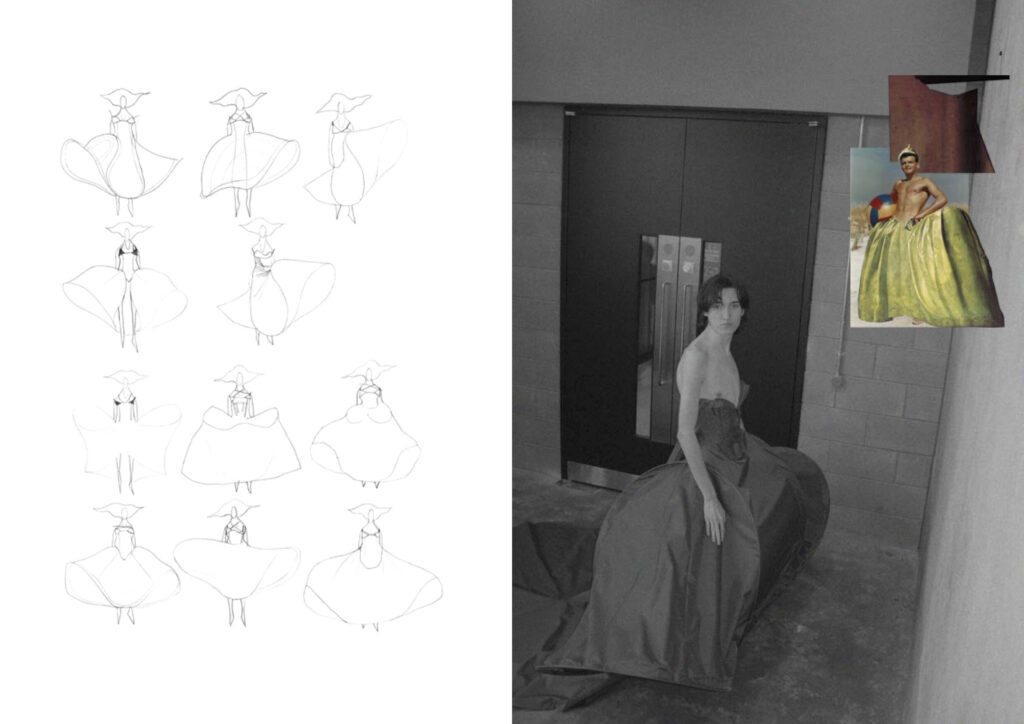
Working at a sex club to financially support my final year, I became fascinated by its unrestricted public hook up culture. I began looking into the historical aspects of hooking up and became fascinated when I discovered the tales of Molly houses and court events. I wanted to find a way to reinterpret the Mantua – a gown worn by aristocratic women in the 18th century – and, after coming across a tent in a charity shop, I naturally began pursuing its idea of volume.

That said, I’m quite a tactile person. My work is always inspired by a body of experiences or things that I’ve come across naturally… Nothing is ever forced, rather completely authentic. I also really liked the idea of a consumer buying a gown, but still having to literally build it themselves.

What hides inside these tents?

My sleep paralysis.

What inspires and pushes you to create?

I’m privileged to live in London. To be surrounded by relentless creativity which always pushes me to do more.

What has been your greatest achievement so far?

Probably working with some incredible people recently. From Lady Gaga and Tim Walker, to my fantastic and ever inspiring studio team.

Looking back at your experience at Central Saint Martins and Marc Jacobs in New York, how has your view on fashion changed?

This year alone, the industry has changed astronomically. It has developed, suffered and excelled – all in one breath. More than ever, the difference between then and now is that the future of fashion lies within its young designers.

«People are no longer looking towards the successful fashion houses for an opinion, they’re looking towards us»

What is the most valuable lesson you have learnt from it?

To be authentic.

Stepping into the world of fashion during such hard times must have demanded a lot of backbone. How have the first months of your career outside of university been?

It’s been a breath between exciting and manic. I’ve learnt so much by getting things – so – wrong: that is just the process of growing independently. I’m still so blessed to have a small team that’s so committed to the vision.

After my graduation (Ed.), it’s taken me a while to get started again: I am not in any rush to put out my debut collection. St. Martins felt so unnecessarily rushed. I cannot talk about, nor consider sustainability, if you’re going to work yourself or your team like a horse. Good things come at a good time, and I’m comfortable with that.

What are the biggest challenges for a young designer to start up their own brand?

It is probably about getting your head around the construction of a brand, and how to entirely build one from the ground up. Being an adult, configuring a business, it is totally different from being an 18 year old who just wanted to have their own brand. You can be street wise, but still, you have to be smart and make responsible moves. It’s not just about you.

What responsibilities descend from having a voice in contemporary fashion?

You have to be authentic and use your practice as a way to ascend your voice. Popular opinions aren’t necessarily always correct – just do what you want and say what you think.

We are all very excited for what is next to come. What are you working on at the moment?

I’ve been working on my new collection these past few months and it’s finally started to take shape. I cannot wait to share it with you very soon.

Credits

Images · BRADLEY SHARPE
https://www.instagram.com/bradleysharpe/

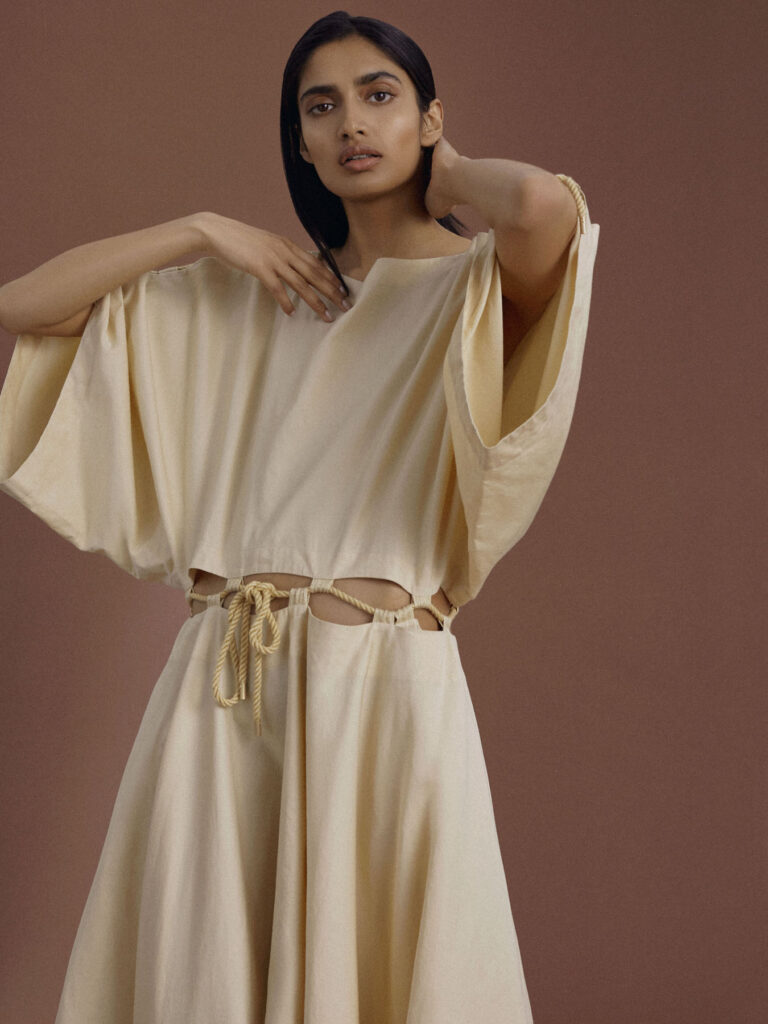
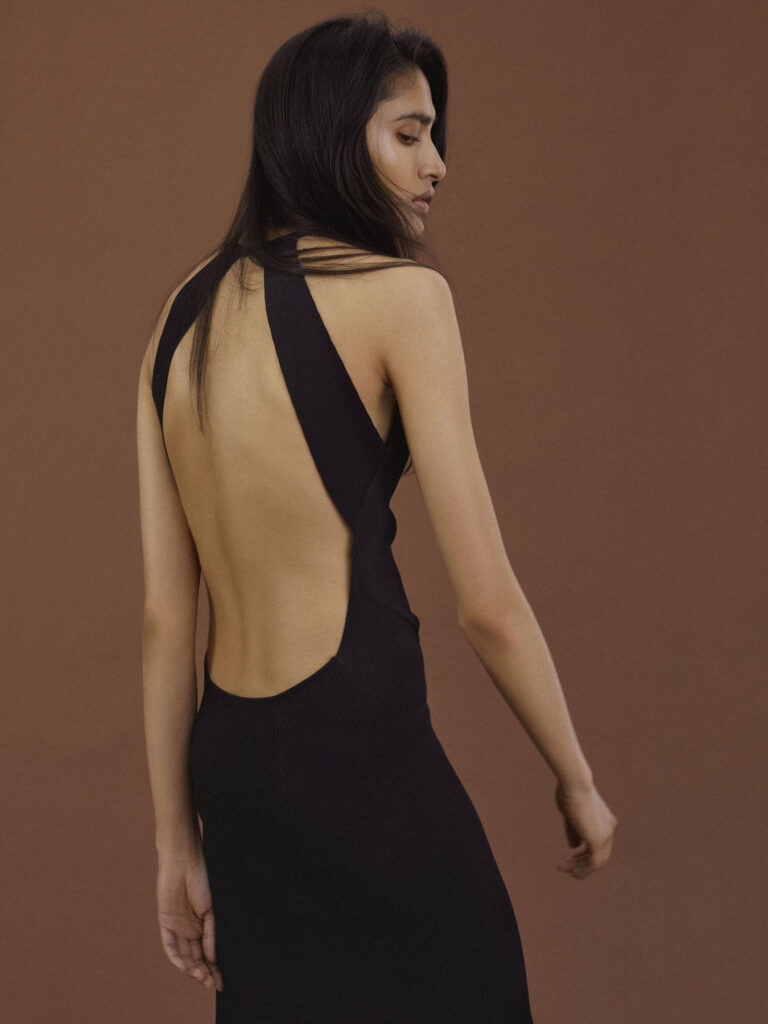
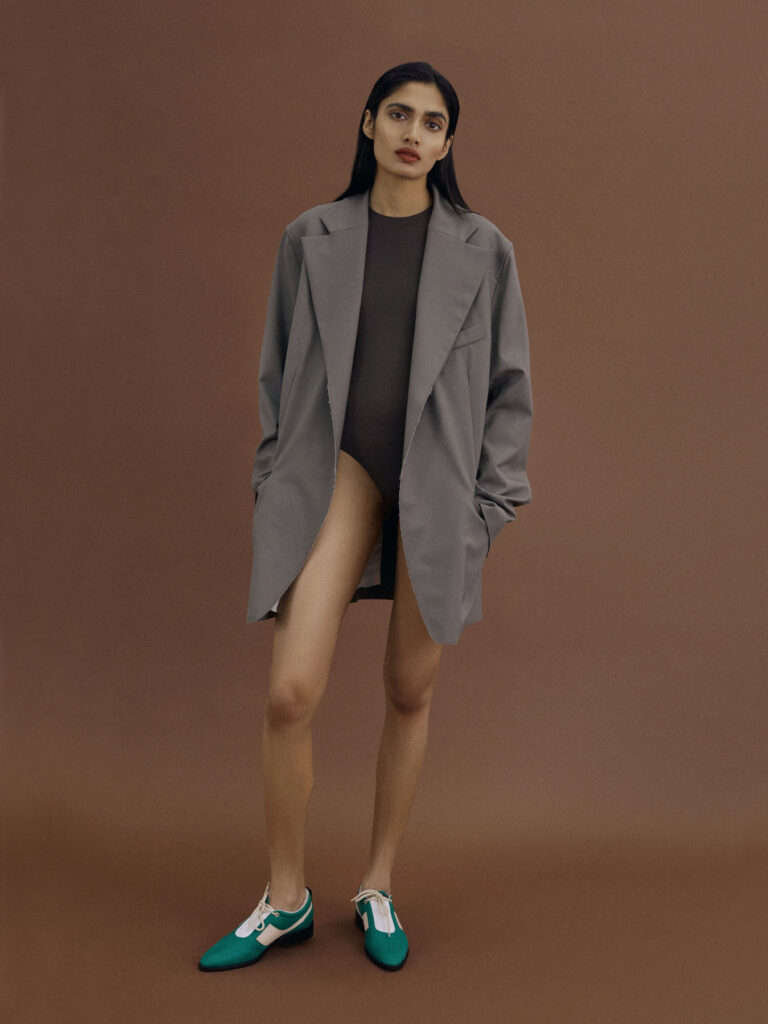
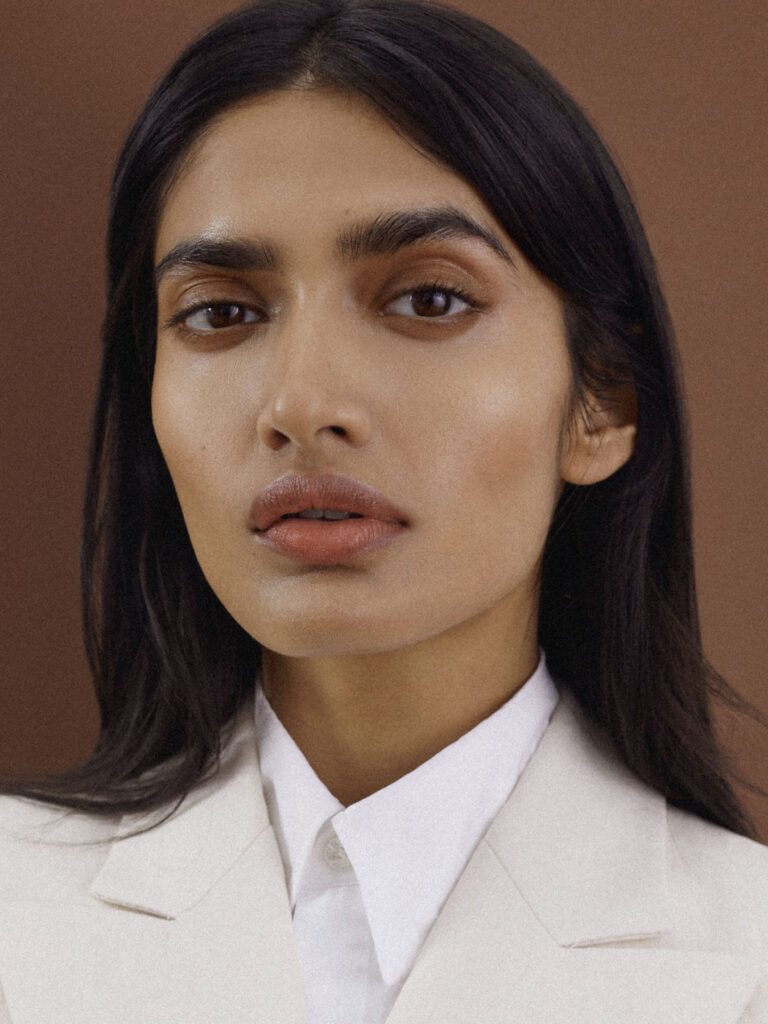
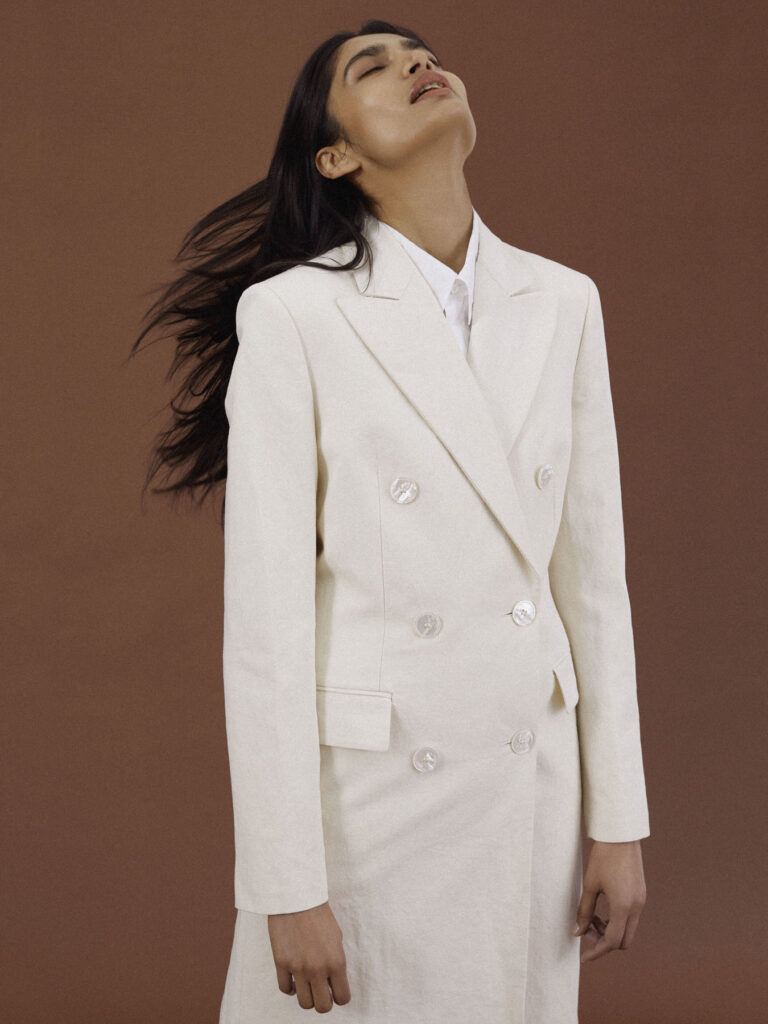
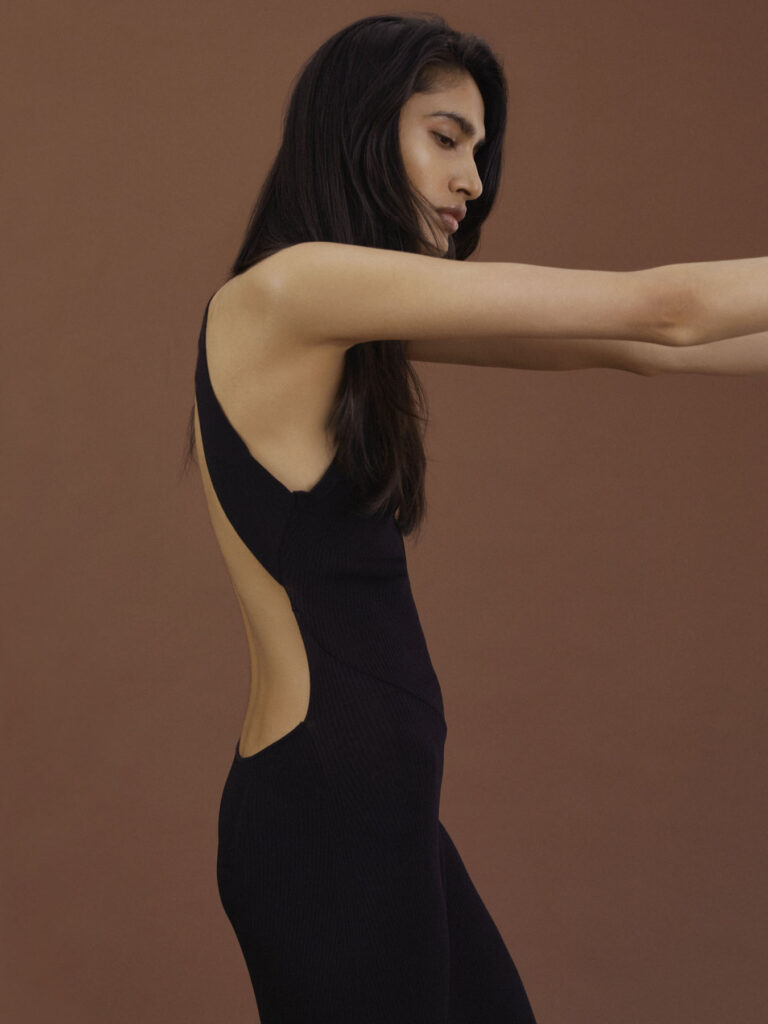
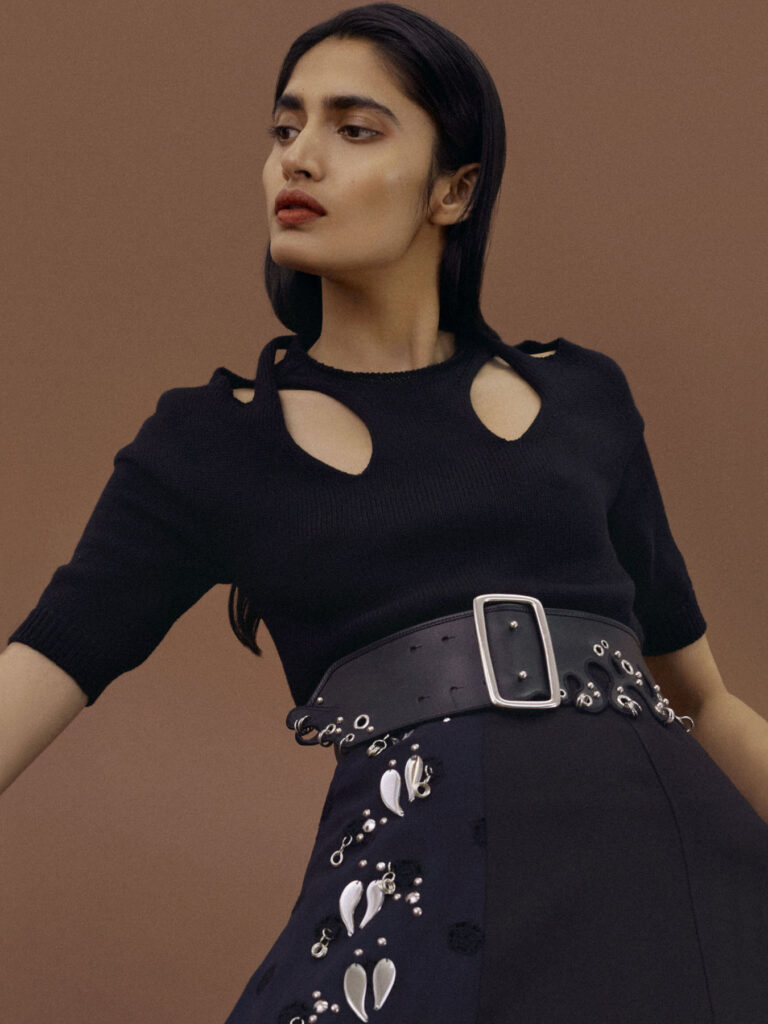
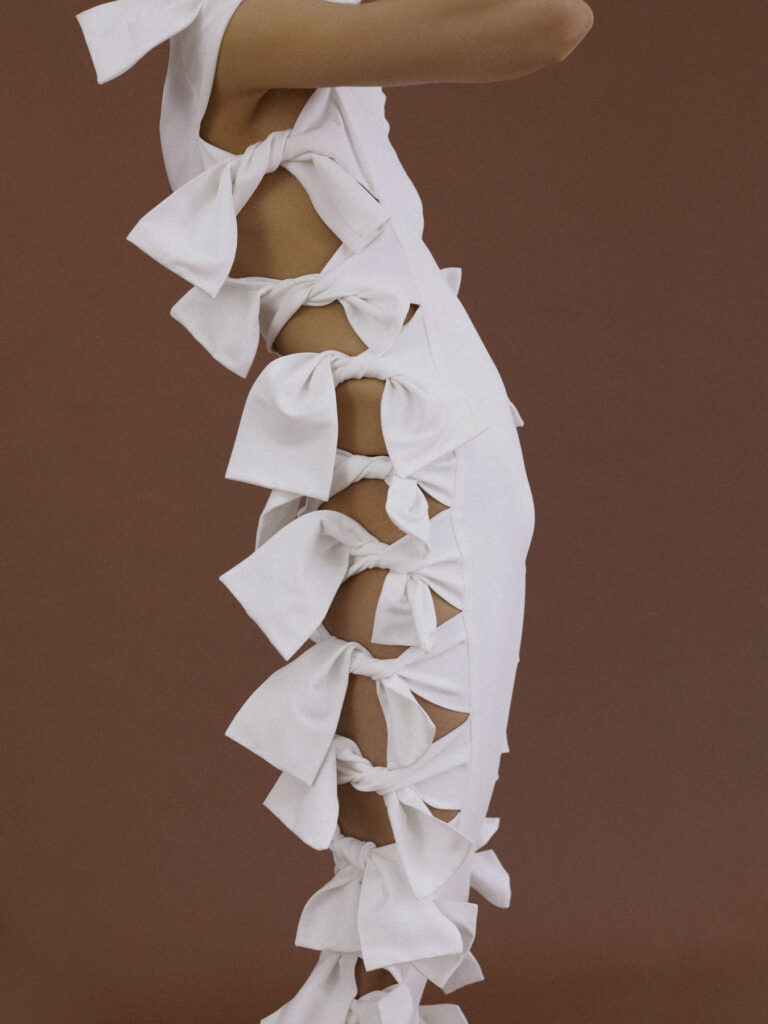
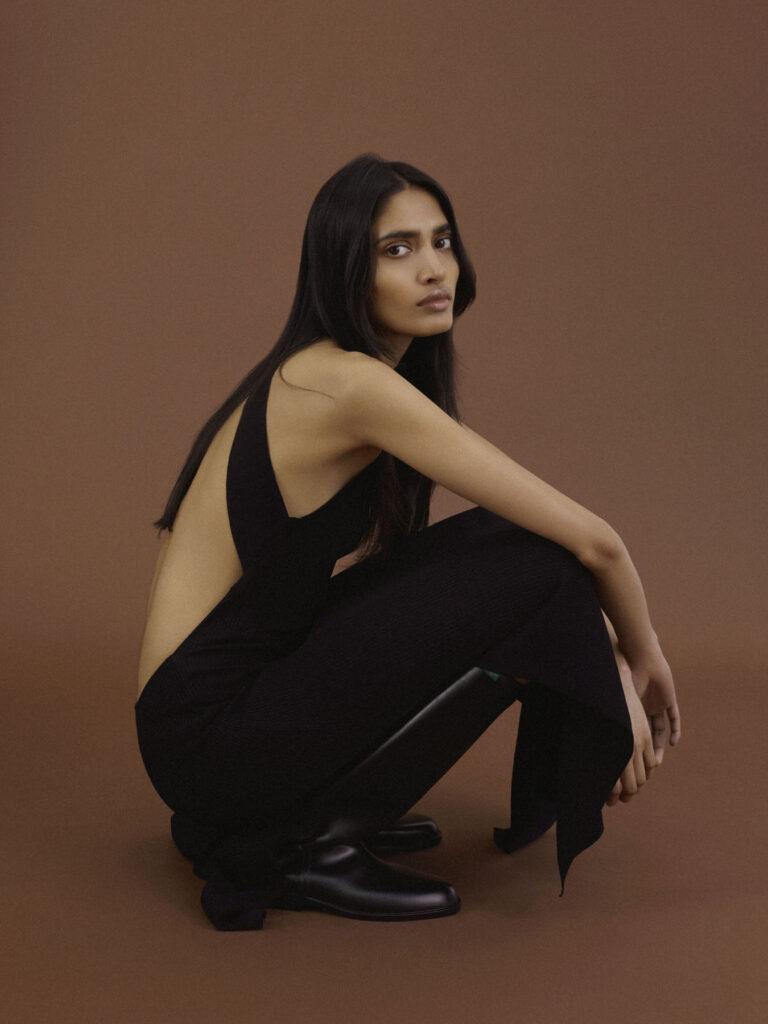
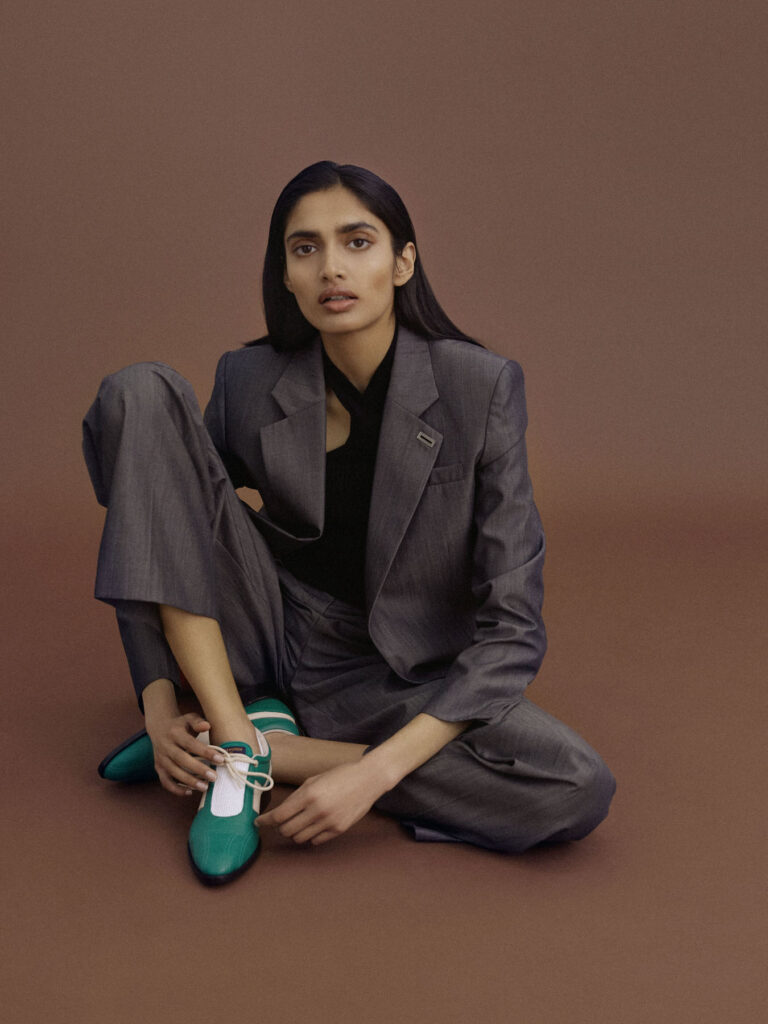
Helene Sandberg

Evolve

Team

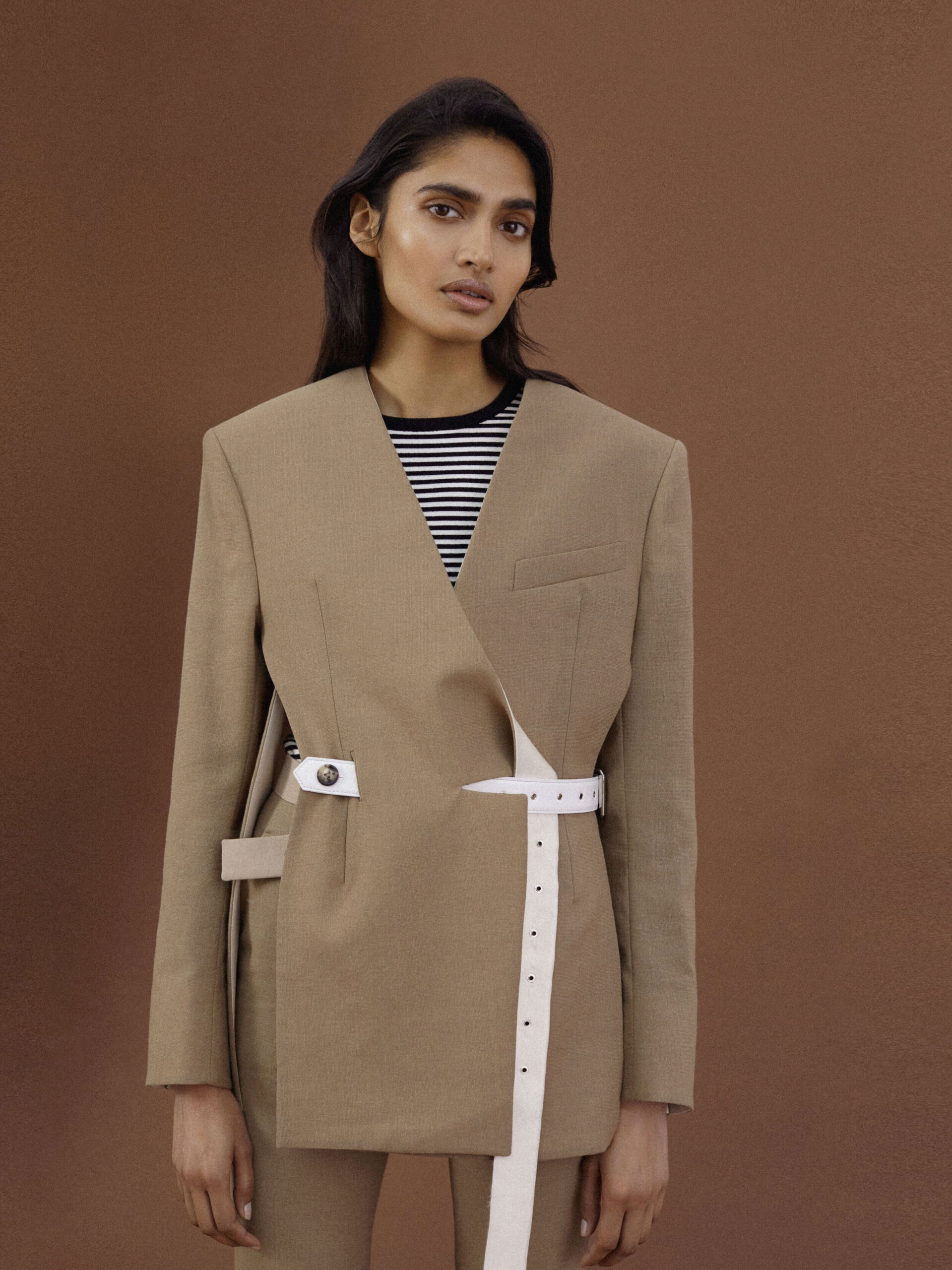
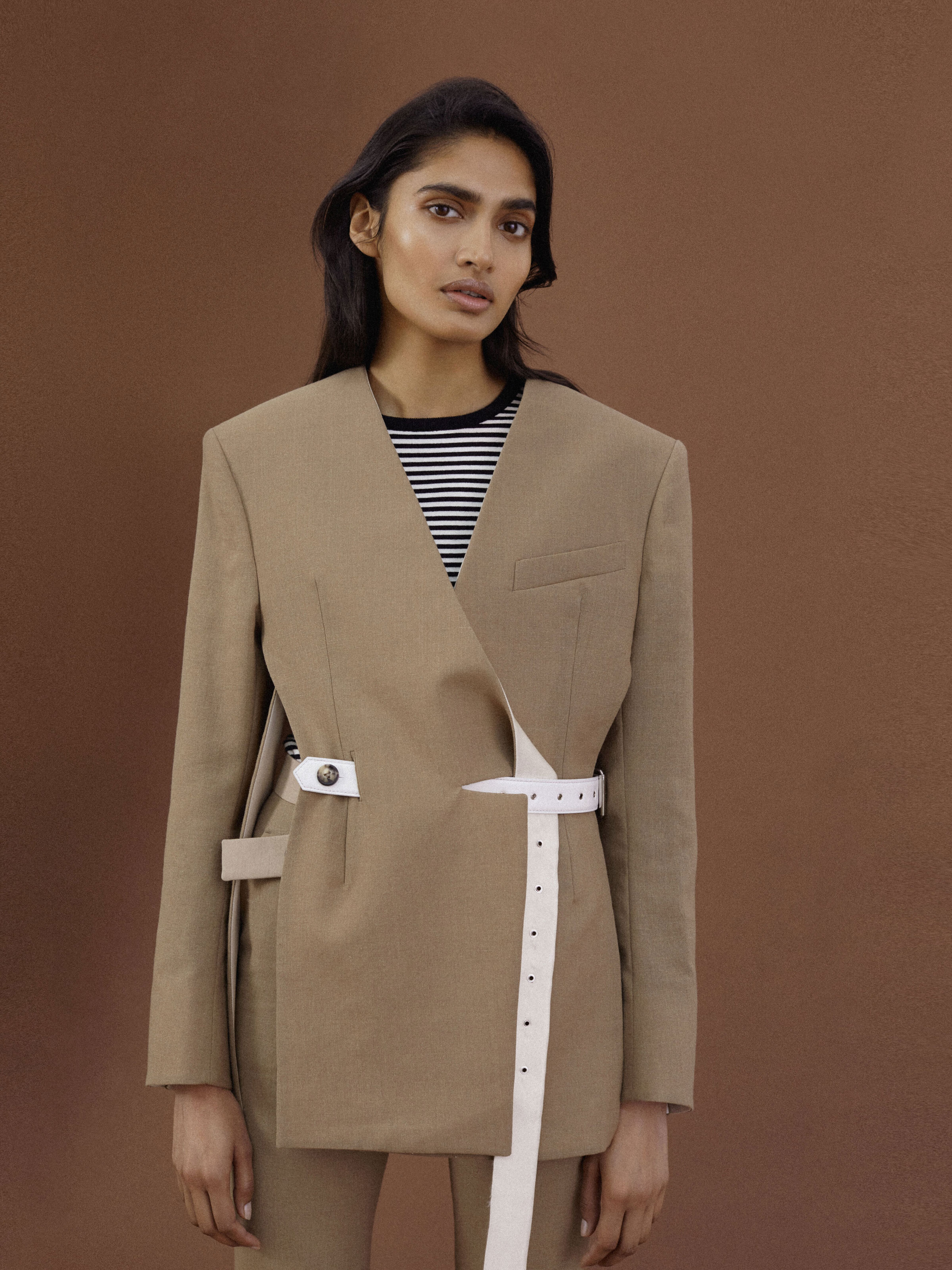
Photo · HELENE SANDBERG
Fashion ·  TARA GREVILLE
Hair · AKIKO KAWASAKI  
Make-Up · MARTINA LATTANZI using CHANEL Rouge Coco Bloom and CHANEL le lift Lotion
Nails Martina Lattanzi using CHANEL Le Vernis Ballerina and CHANEL La Crème Main
Casting Director · TROY WESTWOOD
Model · Aishwarya Gupta at VIVA


Designers

  1. Full Look LOUIS VUITTON
  2. Full Look ISSEY MIYAKE
  3. Full Look BARBARA BUI Shoes Stylist’s Own
  4. Jacket and Bodysuit GAUCHERE Trainers LOUIS VUITTON
  5. Shirt GAUCHERE Coat MICHAEL KORS COLLECTION
  6. Shirt GAUCHERE Coat MICHAEL KORS COLLECTION
  7. Full Look JIL SANDER
  8. Full Look BARBARA BUI Shoes Stylist’s Own
  9. Full Look EMILIO DE LA MORENA
  10. Full Look CHLOÉ
  11. Full Look EMILIO DE LA MORENA
  12. Full Look BARBARA BUI Shoes Stylist’s Own
  13. Top LES FRIDAY Jacket and Trousers BARBARA BUI Trainers LOUIS VUITTON
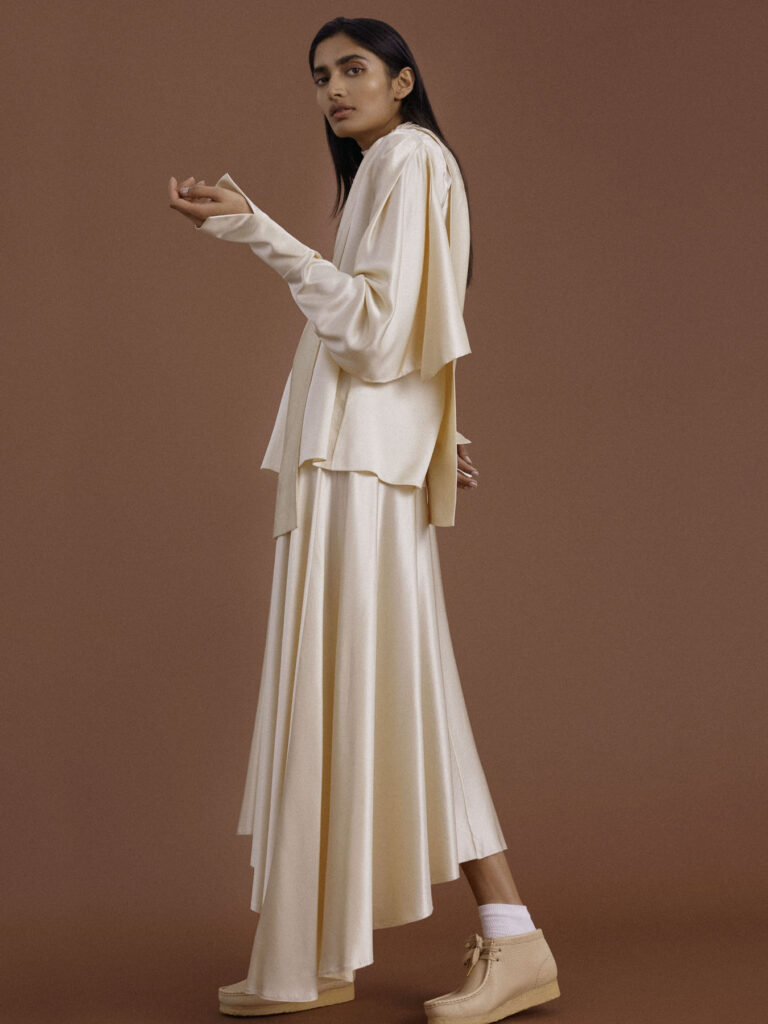
  14. Top and Skirt ROKSANDA Shoes CLARKS ORIGINALS x SPORTY AND RICH

Reuben Selby

«making the industry ‘less worse’ is not enough»

Creative and modelling agency co-founder, fashion designer, sustainability advocate and researcher, set designer and collaborator… These are just a ‘few’ of the many shoes that took Reuben Selby’s work under the spotlight… Sounds a lot? Forget it. The designer seems to be only at the very first steps of a very promising career.

With Maisie Williams being his number one collaborator and girlfriend, the creative duo is actively challenging fashion normativity, making a change one step at a time.

When I first met Reuben and Maisie on a photoshoot set last fall, I remember them talking us through the message and intentions leading the freshly born brand. Today, Selby took a second to explain us the importance of collaboration, change and sustainability within his vision.

“Introspection is at the heart of the brand” suggests the designer, outlining the hopes and passions intertwined within his creations. What we are witnessing, it’s an inspiring act of love for creation, an invitation for reconsideration of our true identity.

Following a successful opening of FASHION FOR GOOD’s “GROW” exhibition, and an upcoming show planned to take place at the next LFW, we couldn’t be more excited to see what the future of the brand holds.

Where does your passion for fashion come from? What pushed you to start up your own brand?

My passion for fashion comes from my desire to create and bring art into the world. I wasn’t surrounded by fashion growing up, but I’ve always been fascinated by the idea of storytelling and building new worlds.

«I see fashion as one of many art forms that I use to express myself, which is also the true driving force behind my brand.»

For as long as I can remember, I have always wanted to run my own brand and curate shows.

What have been the greatest challenges throughout this past year?

Navigating the impact of Covid and Brexit on the fashion industry. I want the brand to be focused on fashion shows and collaborative projects more than bringing garments into production; however, the small runs we’ve planned to bring out have been massively disrupted.

What inspires you? What kept you pushing?

Striving for something bigger than myself is what truly inspires me. Creating an artwork that transcends, and connects deeply with an audience.

«I’m inspired to create new perspectives, to encourage people to look internally, in the hope to make the world a better place.»

We loved your latest homage to Christo and Jeanne-Claude’s legendary work. How has the collaboration come together?

Jeanne Claude and Christo’s work has always been a massive inspiration to me as an artist. However, only recently have I been able to come to terms with a deeper meaning to their work. Their pursuit of creating self-funded art on a grand scale is as equally, as admirable, of the work itself. The vision, the determination and drive resonate deeply within me: they reinforce the importance of being patient, reminding me how powerful an everlasting image can be.

You recently took part in FASHION FOR GOOD’s “GROW” exhibition in Amsterdam. Tell us more about your collaboration with Infinited Fiber.

Another core pillar of the brand is sustainability. Beginning with the brand’s conception, we felt responsible for building it the most ethical way possible. For our debut collection, we put a lot of work into the research and sourcing for partners to collaborate with. We were so inspired when we found Infinited Fibre: we thought of it as a fantastic opportunity to tell their story, and highlight their amazing work. Infinited fibre has a technology that turns cellulose-rich waste – a discard that would otherwise be landfilled or burnt into something precious – a 100% circular premium textile fibre. It reduces the world’s reliance on materials. We used the fibre for the cargoes and shirting in the collection.

The rumor has it we shall see a new collection coming up soon. Do you want to talk us through the inspiration behind it?

This June, we will be presenting our first show in London during LFW. I’m so excited for this project as I will be going deep into my cultural roots and my connection to the city. We’ve been working on this show solidly for seven months, compared to the two months that we spent on a daily show in Paris. We are taking things to a whole new level, and this will be the first time people get to see what our creative team is capable of. There will be a lot of raw energy and excitement, and I can’t wait for people to absorb it.

What statement lays at the core of your brand?

Introspection is at the heart of the brand. We often say we created the brand for introverts. To feel comfortable, without having to stand out or identify. The brand is the catalyst for self-expression: it aims to create an image that builds confidence, to push individuals to stay true to themselves.

Do you believe in change? What are your hopes for the future of fashion?

I 100% believe in change, but I also think that change is not easy, and perhaps, it is sometimes not welcomed. For change to happen, it has to be approached systematically, we have to realise how things are intertwined first. We need more people coming together, collaborating, and solving challenging problems, rather than performing individually. Also, the focus should project onto the roots of the problem: making the industry «less worse» is not enough.

Production and consumption must be reduced, which means businesses and people need to reconsider their motivations, in order to ensure an ecological and abundant world in the future.

«It is my deep hope to center fashion around creativity and storytelling, rather than profit and consumption.»

How has Maisie supported you in becoming one of fashion spokesmen?

Maisie is my number one collaborator. She brings so much of the energy and drive that pushes me to create. Maisie has a beautifully contrasting mind to my own, and she constantly questions how things should be done. She broadens my peripheral view when it comes to conceptualising what we’re going to create. I often have such a clear vision and focus, meaning that I’m not looking at the things I’m unaware of.

«To have someone on your side always giving creative energy means you will never create something that isn’t exciting.»

What is next to come for your brand?

My focus for the brand is to do good, and this can take any form. We want to collaborate and create projects that inspire people, and that’s all.

Credits

Images · REUBEN SELBY
https://reubenselby.co/
https://www.instagram.com/reubenselby/

Rick Schatzberg

«conversations helped to create the atmosphere I needed to portray vulnerability»

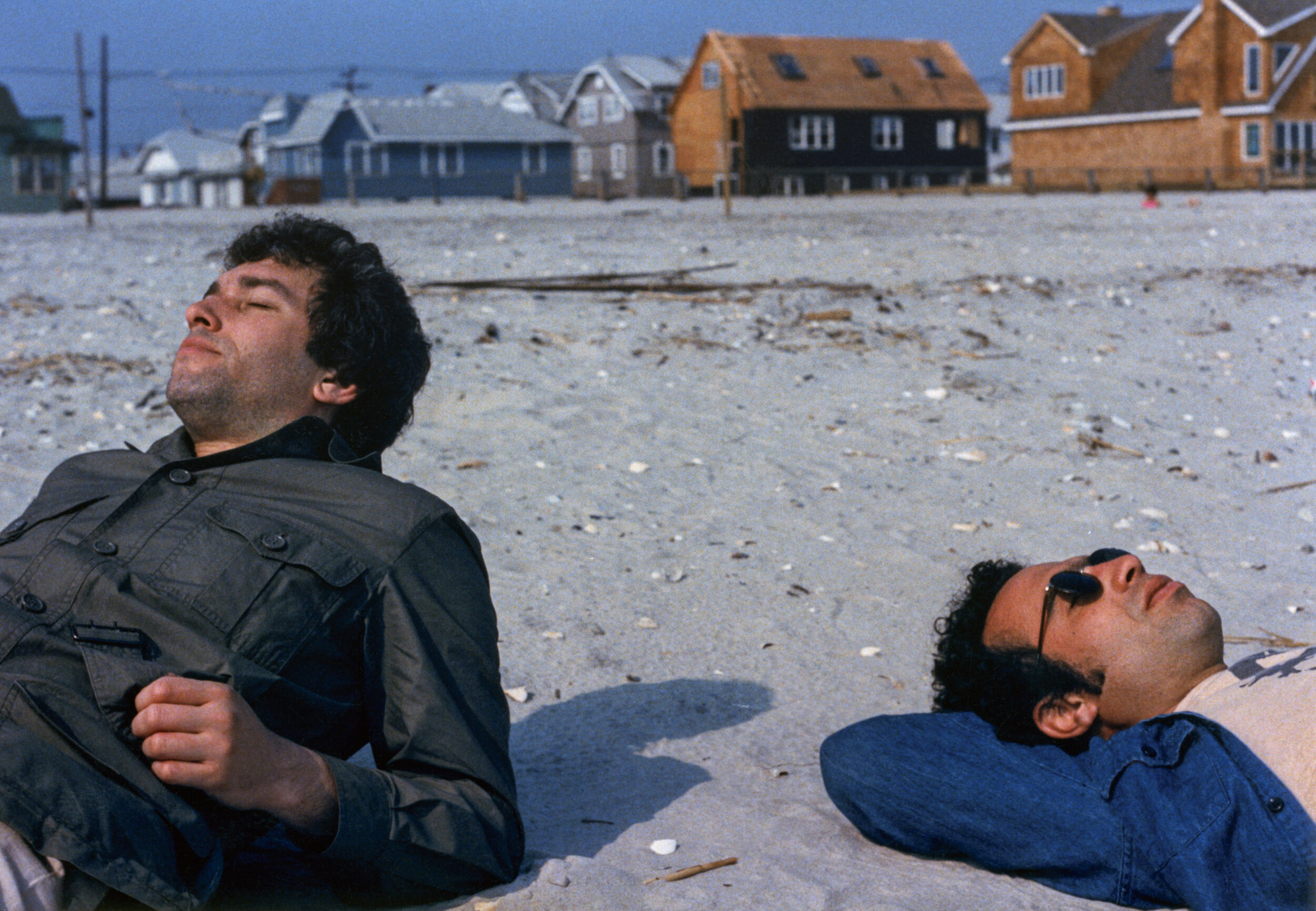
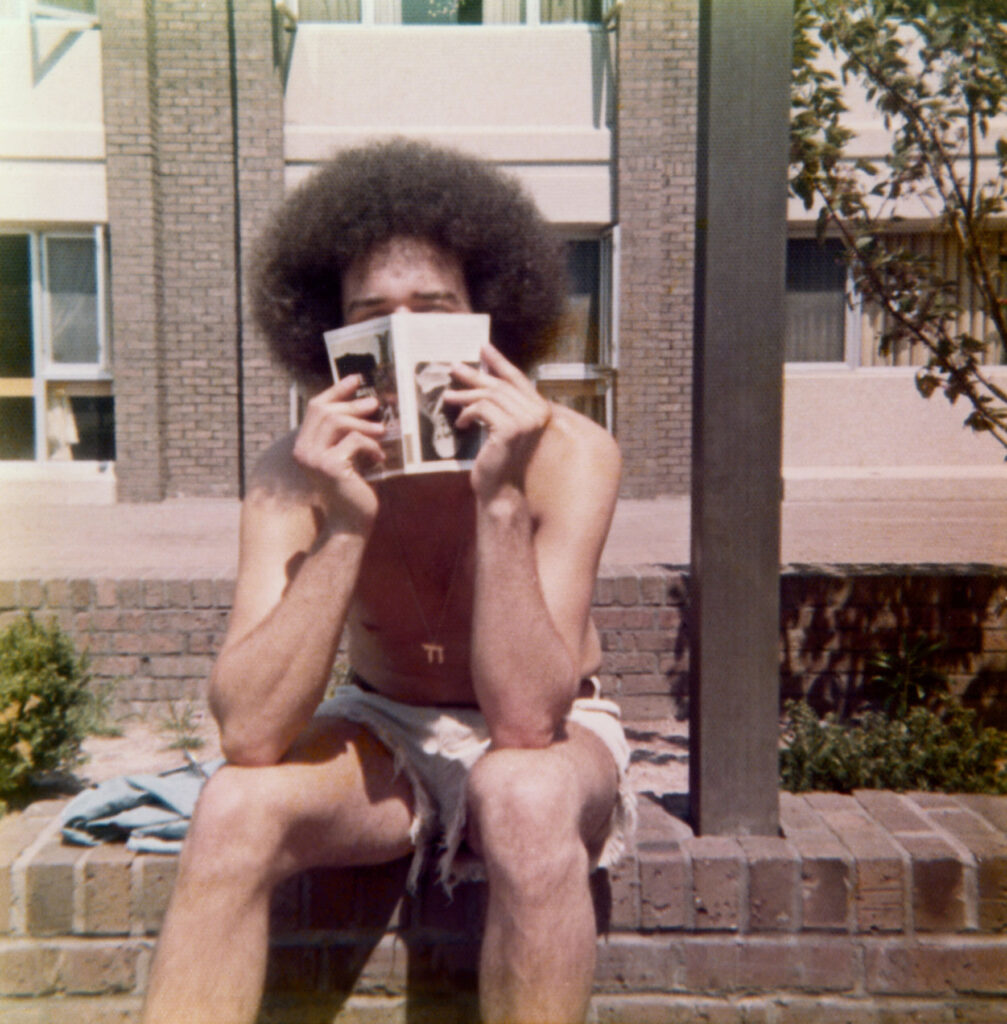
Rick Schatzberg grew up in a suburb of Long Island in the 1950s – a place constructed out of nothing but a post-war optimism for prosperity and abundance. A place that, by Rick’s own admission, was in reality, characterised by its monotony and it’s ‘nowhereness’. Surrounded by the comfort of middle class living, Rick and his friends discovered the world by hanging out in one another’s bedrooms, the local mall or a wooded area not far from their suburban enclave. As teenagers, the boys (as they came to be known amongst themselves) would experiment with alcohol and drugs, and hang out with girls; an upbringing unremarkable to anyone who wasn’t there at the time. As they grew older, the boys took on different careers. Rick moved to New York and became an entrepreneur, the others would become teachers, taxi drivers, salesmen, realtors and healthcare workers But they remained what Rick calls a ‘cohesive entity,’ eternally bound together by their childhood moniker.

The Boys, the second photobook by Rick Schatzberg, is the result of both his pivot into photography and the unexpected death of two of his friends in close succession. Confronted with the fragility of life, Rick began in earnest to take photographs of the remaining boys. Using a large format camera, the images of himself and his friends, now in their mid-60s, are a stark reminder of the passage of time. In and of themselves, Rick’s photographs are tender portraits capturing the toll of time and age on the human body. But in the book, these images are interspersed with snapshots and photographs from the boys’ youth. Aged bodies become youthful, smiling faces – hanging out, experimenting with weed. Though Rick is quick to outline that The Boys isn’t nostalgic, there’s something poignant in flicking through the book’s pages and recognising the quirks and characteristics of each of the boys as time passes by. Addressing the responses he’s had so far about the book, Rick sums this feeling up well in our interview below: ‘anemoia: nostalgia for a time or place you’ve never known’. Many of the old photographs included in the book are snapshots that had been forgotten about – forgotten in the almost immediate aftermath that they were taken. They raise questions of memory; can the boys even recall the time and place that the photograph puts them in?

Alongside the images, old and now, are twelve short texts. One is an email exchange between Rick and two of the boys trying to piece together the facts of a fight that happened at a wedding. Their recollections of what actually occurred differ; evidence of the unreliability of memory. To celebrate the release of the book, Rick spoke in conversation with the photography writer and curator, David Campany in early 2021. As well as discussing the subject matter of The Boys, something that came up as crucial to the book’s release is its design. As part of the book launch, Rick shared a video of himself going through the book to demonstrate that the large format photographs of his friends feature as fold out pages (something, he tells the audience via Zoom, his mentors and peers from his photography course advised against). But something that also stands out in the structure of the book is that the 12 texts Rick includes in The Boys read like snapshots themselves.

An accompanying essay to the book by the writer, Rick Moody, raises this point, writing about the ‘relationship between a still image and the kind of expressive power that we associate with narrative activity.’ In the context of The Boys, as a photobook, this takes on historical significance. Writing about the 1920s, a time of the proliferation of the photobook and the photo essay, the academic Andreas Huyssen describes how a new form of literature appeared.

The “modernist miniature”, popularised by novelists like Franz Kafka and critical thinkers like Walter Benjamin, sought to capture modern life with photographic precision through words. In that way, then, Rick’s book is much more than a selection of photographs of his peers – young and now old – it’s a reckoning with how we navigate time, memory and our existence through the lens of modern life.

How did your experience of studying photography influence The Boys?

My work on The Boys was influenced by my art school education in several ways. To begin with, the photography MFA program I was enrolled in at Hartford University, Connecticut, is heavily focused on photobooks, and I went knowing I’d be making one. I thought I already knew a fair amount about photobooks, but the breadth of what I was exposed to by teachers, guest artists, and student colleagues was eye-opening. I had to examine my motivations to make any work and to think about how I would make a book that wasn’t just a collection of interesting pictures, but something with substance and depth.

In grad school, one of the challenges of making work that you hope to eventually present to the world is interpreting and deciding what to do with the near constant feedback you receive. You go to art school to not be limited by your inclinations. But there’s also the danger of gearing your work for approval of teachers and fellow students. In the end, I had to absorb what was helpful and discard what wasn’t; making that distinction was sometimes a confusing struggle. 

At the virtual launch, you emphasised that this book had to be universal, and not nostalgic. What feedback have you had from people about The Boys? Does it differ from the boys themselves, those who come from the same place/time, and those with no real connection to the American suburb?

For me, the work is not really nostalgic; I feel that the almost forensic nature of the large format portraits grounds the work in the present. But I may have overstated my case against nostalgia a bit. The feedback has been consistent in that the work evokes an emotional response, which I find very gratifying. But judging from what people have written or told me, the way into the work has really varied. For some, the immediate connection is nostalgia for their youth or that time or place. For others, typically younger readers and often European, it may be anemoia: nostalgia for a time or place you’ve never known. (Like films and novels, photography is good at evoking this.) I’ve heard from people for whom the portrayal of enduring friendship was the hook, and after reading the book they either felt the urge to reach out to friends they have not been so attentive to or lamented that they didn’t have friendships that lasted into adulthood.

Obviously, this work is radically specific: a very particular group of white guys of a particular generation, raised in a very particular American suburban community.

«From the outset though, my feeling was that if this work isn’t felt to be universal then it’s a failure. Mortality, after all, is the bedrock of our biology.»

You mentioned the importance of collaboration in making the book – did this collaboration extend to your friends? Or did they feature just as subjects? Why did you use a large format camera for the portraits? 

I discussed the deeper underlying themes of the project – aging, loss, memory, mortality, friendship – with my friends during our photo sessions. Though my directions for posing were minimal, these conversations helped to create the atmosphere I needed to portray vulnerability. I also explained that I planned to use the work as the basis of my master’s thesis so they understood that there would be a critical audience for the work beyond our circle. Their attitudes went from gracious acceptance to genuine interest. It was as though they became partners with a stake in the outcome.

«It was clear that I would be making unheroic portraits that might not be flattering, and they understood there was good reason for doing so.»

The word that often came to mind in these photo sessions was ceremonial. Using a 4×5 film camera, with all its fussy rituals and storied traditions, felt performative and serious. The slow, cumbersome, and mysterious (to my subjects) process helped amplify the psychological intensity surrounding the project. In the face of our brothers’ deaths, together we were creating a formal certificate of presence (to use Roland Barthe’s expression), using traditional tools.

That said, it is was not a true collaboration because the power to select specific portraits for use in the book was mine alone. My friends did not even see the images I was choosing between, nor did they know how I would ultimately deploy the portraits in the book. They trusted me. It was important to assert my authorial voice, but without entirely drowning out the voices of my friends, which they asserted through the written word, their snapshots, and their gestures in the portraits.

We’re faced with the processes of ageing, time and mortality in The Boys – when returning to your childhood home and neighbourhood for the book, had the nowhere place you came from aged too?

In the winter, with the trees bare, the neighborhood looks very much like it did 50 years ago. In the warmer months the trees, mature and leafy, give the neighborhood a homier, more established feel. The automobiles in front of many of the homes are now more numerous and luxurious, probably more a sign of growing consumer credit and a shift in values than of greater wealth.

The short texts in The Boys read like snapshots, how and why did you choose the texts you include?

I was interested in constructing narratives to loosely link text and images that would stand as discrete memories – not stories as such but fragments that help tell the larger story. I chose to write short texts that could function in different ways: sometimes straight narrative; sometimes like vague, recovered memories; sometimes as meditations; and sometimes more as dream than narrative. The one outlier is the story about my father. I didn’t initially think to include this in the book. I was having a conversation with my editor and I related the story to her.

«She told me to write it down and as soon as I did, I knew it belonged in the book.»

In his essay, Rick Moody refers to a good photograph as one left in a drawer for 30 years. Did the archives of photographs of yourself and the Boys ever come to light in the intervening years leading up to the making of this book? If so, in what circumstances?

Several of the snapshots have been circulating for ten years or so on social media. Others, which I found loosely strewn in boxes stored away for years, may have been passed around shortly after they were taken but were mostly forgotten. Time conferred poignancy as Rick Moody describes, but curating enlarged full-bleed versions astride pictures of old men and stories of death, makes new meaning. Even the more familiar old snapshots felt like new discoveries.

Credits

Images · RICK SCHATZBERG
https://rickschatzberg.com/

Alessandra Sanguinetti

New-York based photographer Alessandra Sanguinetti often explores through her work, changes, experiences and feelings in society. Sanguinetti’s photography is infused with a certain serenity and a beautiful melancholia showing a certain level of trust between her and her subjects.

Her decade long project The Adventures of Guille and Belinda captures two cousins growing up together in the rural province of Buenos Aires, in Argentina. It is a testimony of family, a study of love, tracing the girls’ lives between every day and imagination from the ages of 14 to 24 and their passage from girlhood to young womanhood. The series which began in 1998 is the subject of two booksThe Adventures of Guille and Belinda and the Enigmatic Meaning of Their Dreams (Nazraeli) and ten years later,The Adventures of Guille and Belinda and the Illusion of an Everlasting Summer(Mack).

Recently, Alessandra Sanguinetti shot a cover for Vogue Italia for their January 2021 Animal issue which aimed at bringing awareness to the urgency of the environmental problem.
When I was nine years old a book I began to get curious about the books on our living room coffee table. Amongst books about nature and old ‘masters’ (Caravaggio etc) there was a Lartigue, a Chim (David Seymour), Dorothea Lange book , and Wisconsin Death Trip, by Michael Lesy. It was the latter that made me beg for a camera. I had a gut reaction to that book – it was the first time I saw, or paid attention to, images of people long gone, and it was the first realization that I was going to die and disappear as well. I panicked and had immediately associated photography with death, life, and memory.

I did receive a camera for Christmas and set out to memorialize everything in my life.

That’s the way it’s been since.

As far as my practice, it was in my twenties that I consciously realized photography was a way to relate to the world and a way to make a living. I’d never thought of myself as an artist or anything in that neighborhood, until then.

Credits

Images · ALESSANDRA SANGUINETTI
https://www.instagram.com/alessandra_sanguinetti/

Designers

  1. Cecilia
  2. Christen
  3. Hadil, 2003
  4. Mayelin
  5. Jessica
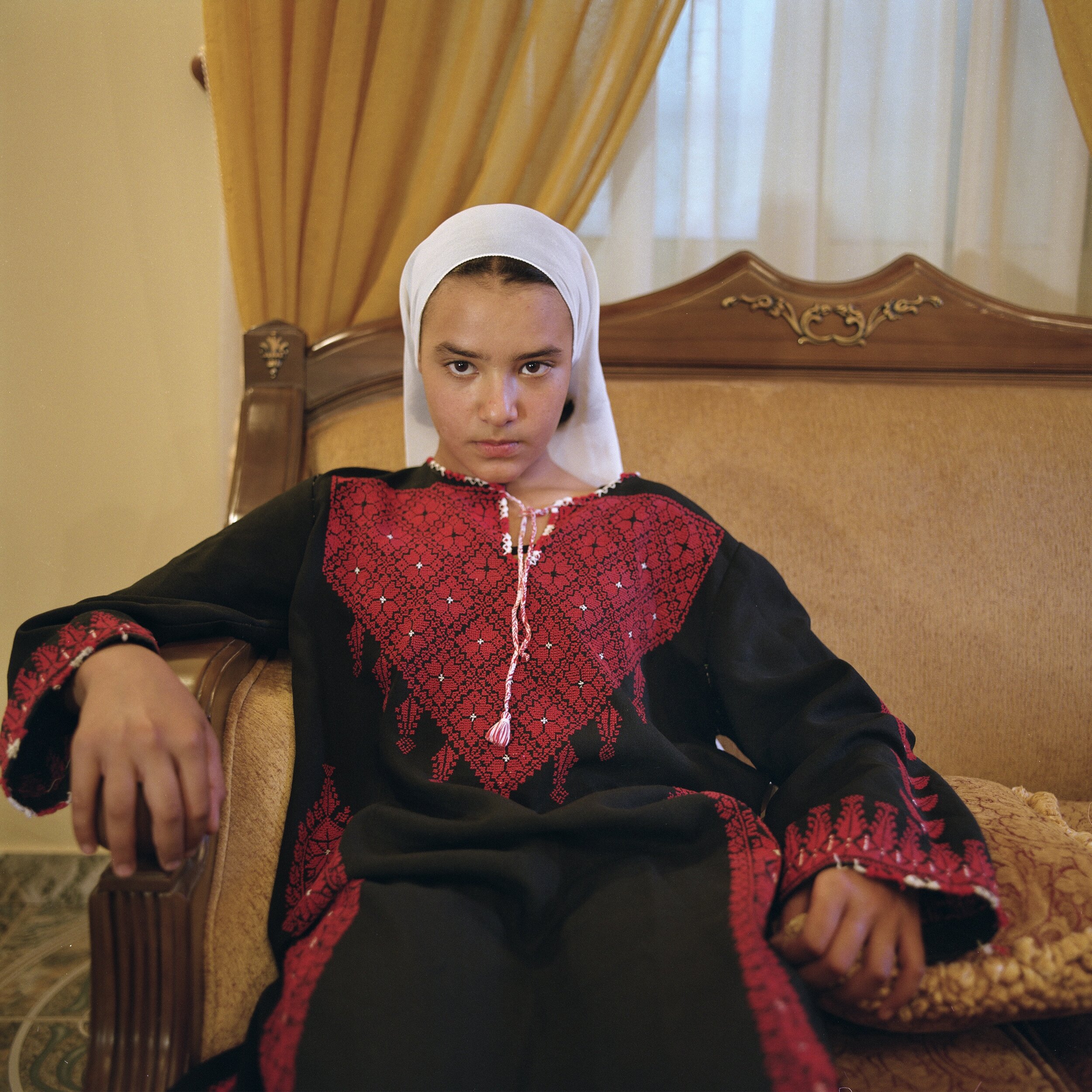
  6. Miriam. Aida Refugee Camp, West Bank, Palestine, 2004
  7. Sarita
  8. The Couple
  9. Mothers, 1999
  10. Untitled, 2009
  11. The Blue Dress, 2000
  12. Untitled, 2009

Bruno Sialelli

«Being at home, not being able to live a ‘normal’ life, does not mean that you cannot dream, have fantasies, expectations for yourself»

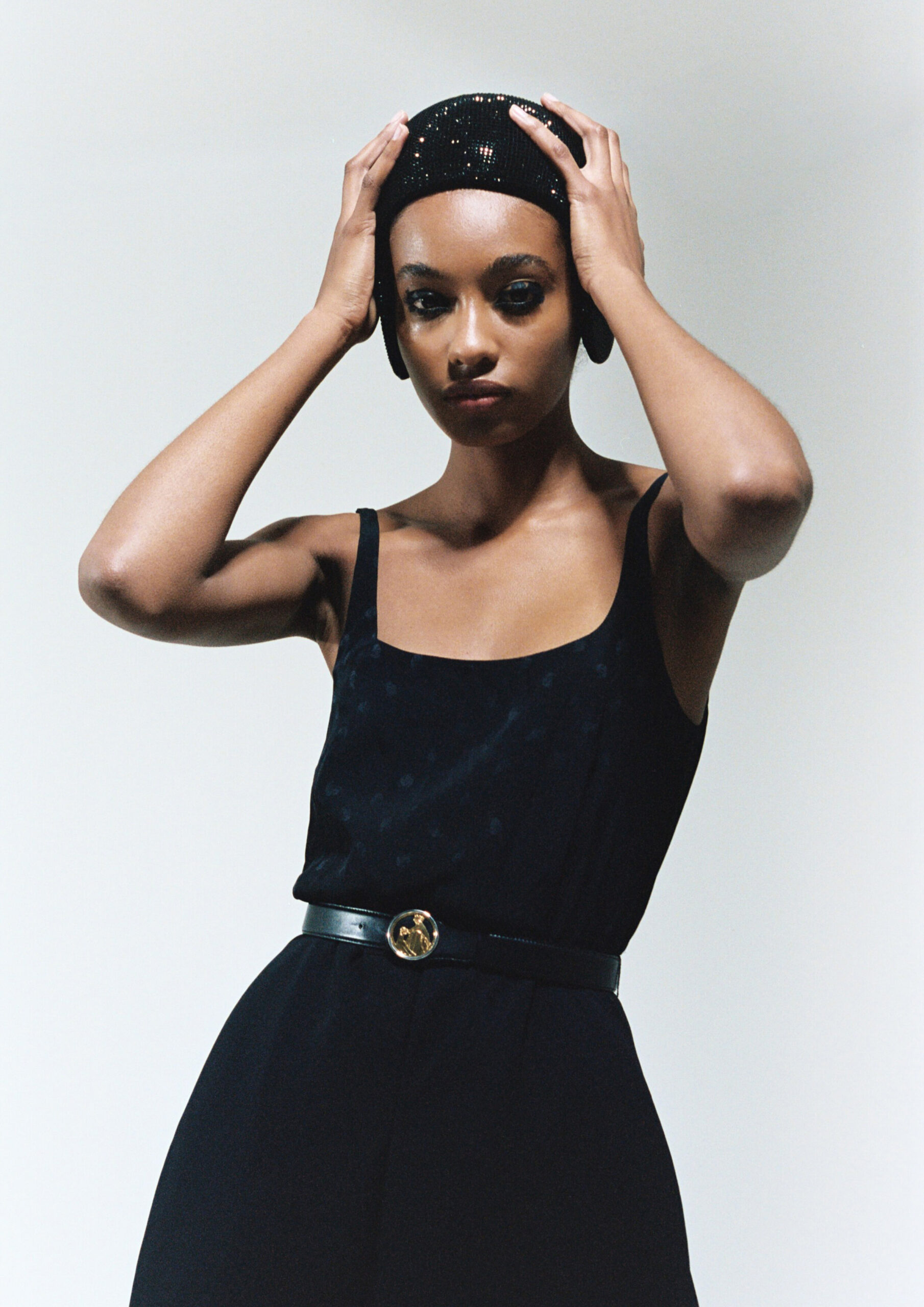
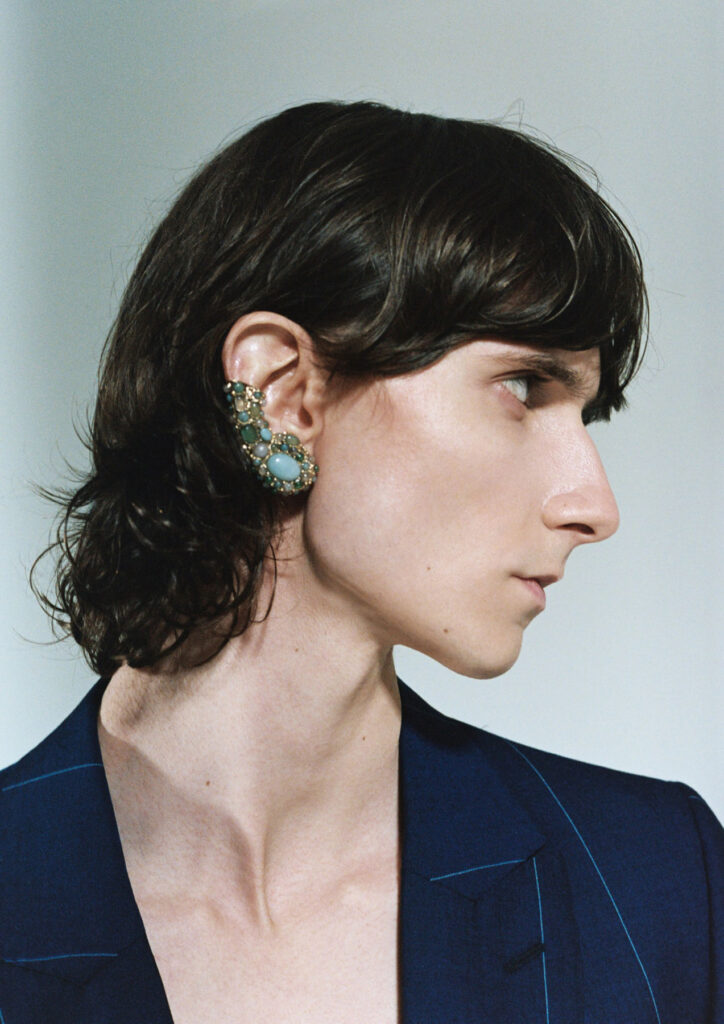
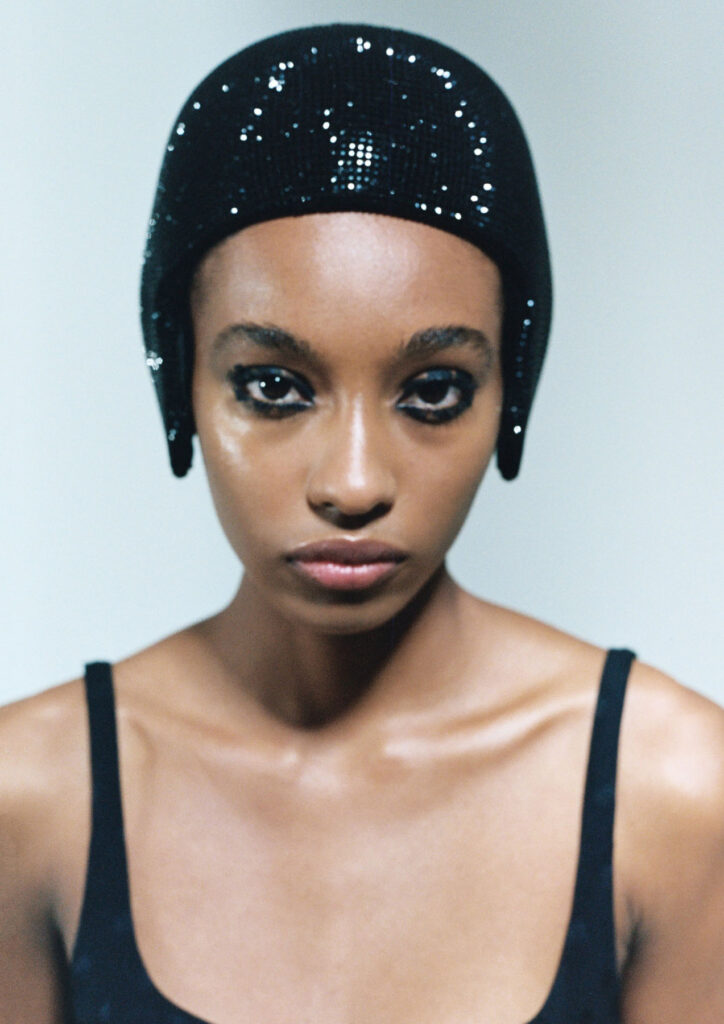
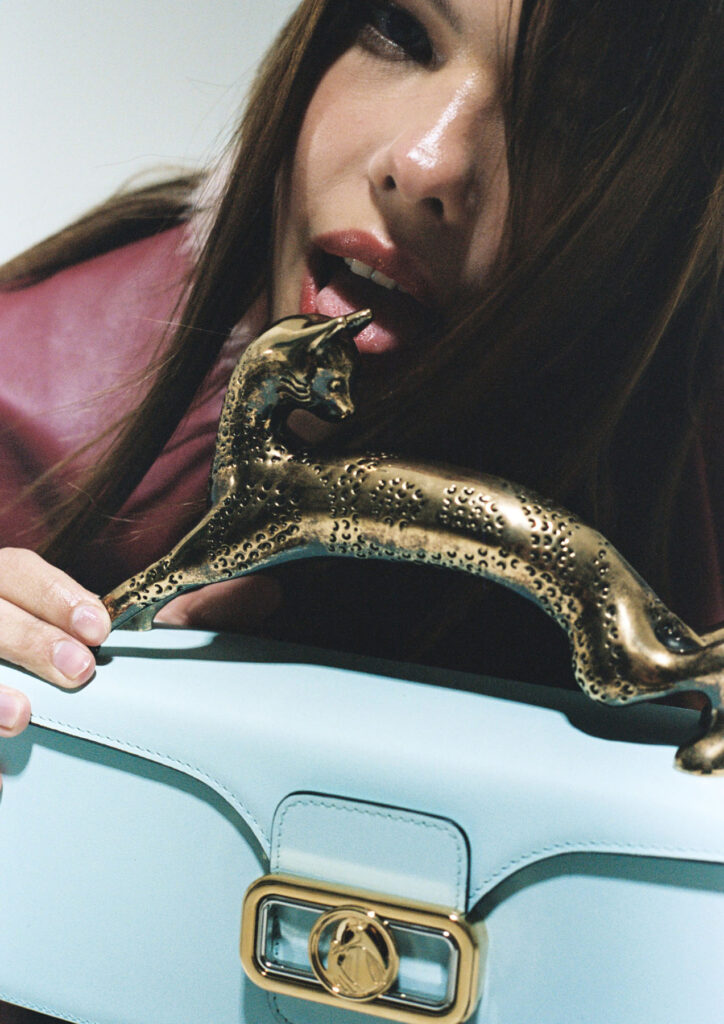
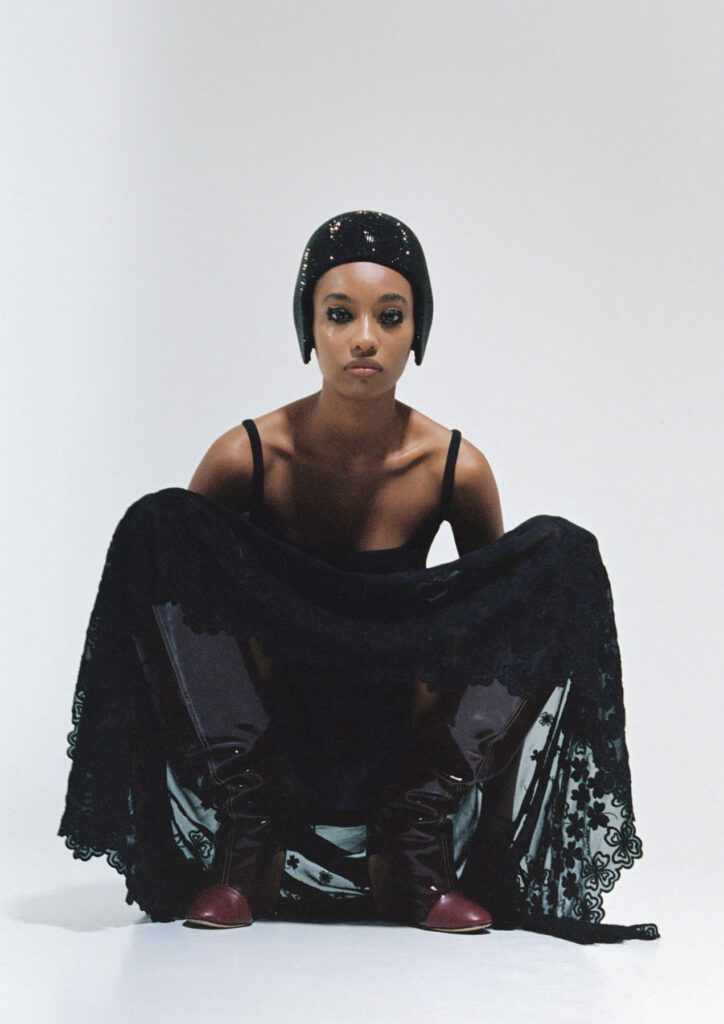
When Bruno Sialelli’s recent collection as Lanvin’s creative director was unveiled back in February, it was rich in a kind of French bourgeois opulence; perfectly coiffed hair, glossy lips, impeccable tailoring and strut with the air of je ne sais quoi. Stylistically, the collection finds its inspiration somewhere between the 1920s with sheer, ankle-gazing cocktail dresses and feathers – and the 1960s; flapper-esque headbands that verge on space age, bouffant femme fatale waves and dramatic eyes. But within barely weeks of show, the glamour and sultriness that Sialelli envisioned for this season were already overshadowed by a wave of another kind. 

There’s little need to dwell on the fact that sales of athleisure and loungewear have soared for the best part of a year now, especially as many parts of the world enter a second lockdown of some kind, as pandemic infections rise and restrictions follow. That doesn’t so much concern Sialelli, however. For one, the AW20 collection took inspiration from the brand’s namesake, Jeanne Lanvin, who crawled out of poverty, the eldest of 11 children, starting as a milliner’s apprentice at age 13, before going on to found the fashion house in 1889.

And of course, Sialelli’s collection could not pre-empt what this year would entail, but pandering to a current demand for soft, comfortable clothing is not on the cards for Lanvin. Has the house had to adapt to a potential shift in customers wanting more casual attire? No, as the creative director explains over email, ‘I do not think this is a mission for a house like Lanvin. Being a couture house – the oldest still in activity today – brings responsibilities.’ Responsibilities, that is, to both ‘the legacy and to the clients.’ 

Since Sialelli took the helm at Lanvin in January 2019, he’s been quick to outline that he intends to elevate the brand’s heritage and Jeanne Lanvin’s legacy. By making his loyal commitment to the Lanvin legacy and client clear, however, Sialelli demonstrates that he truly means business as the brand’s creative director – pandemic, or no pandemic. ‘Being at home, not being able to live a “normal” life, does not mean that you cannot dream, have fantasies, expectations for yourself,’ he explains,

«being dressed up, being elegant, being fabulous remains essential to our lives – even more today, and mandatory tomorrow!»

‘To me, Lanvin is here for those reasons.’ There’s always been a demand and desire for the glitz that Lanvin affords. During the interwar period, when fashions veered towards a rejection of the constraints that lingered from the nineteenth century and loose-fitting dresses reigned supreme, that era at Lanvin is rememberable for the robe de style. It was a look that referenced the romanticism and elegance of the eighteenth century, with full skirts and ornate beading. Not quite 100 years later, that mentality returns to the fore under Sialelli: the SS21 collection was envisioned and created under the first lockdown and is ‘all about elegance, optimism, and joie de vivre, the ingredients of today’s world.’  

That ethos of grace and hope is so deeply woven into the fabric of the Lanvin image that it cannot be compromised. Especially so considering, as Sialelli explains, Jeanne Lanvin’s vision during the interwar years remains synonymous with the “French look” of that time. ‘Still today, when you refer to this period, only Lanvin silhouettes come to mind.’ Jeanne’s eponymous brand ‘brought a very unique style that remains a reference today,’ and Sialelli sees it as being part of his mission as creative director to reimagine that for a contemporary audience and client. For the SS21 collection, staged in Shanghai, the opening look made a resounding reference to Jeanne’s heyday; a bejewelled black robe de style coalescing French and Chinese culture and style. 

After a tumultuous few years at Lanvin, following the departure of the house’s much-respected creative director, Alber Elbaz, in 2015, much pressure lay on Sialelli’s shoulders. He was the fourth designer to head the house in as many years; relatively unknown and only 31 years old, he wasn’t the kind of superstar appointment that has been made at other houses in recent years. This, as it turns out, has landed in Sialelli’s favour. Though he’s keen to emphasise the importance of continuing the legacy that Lanvin has left on the fashion world, the appointment has also enabled him to carve out his own legacy.

With almost three years in the role, how does he perceive the mark that he’s made on Lanvin? Objectively speaking, it is, he says, ‘very difficult for me to answer that!’ But it would be the ‘deep and constant dialogue I initiated with Jeanne Lanvin. Understanding who she was, as a woman, as a fashion genius and as an entrepreneur.’ But also, ‘why she did what she did – the genesis of her story, and what still exists today,’ he explains:  

«I guess I place myself as a filter through which I digest, project, and establish Lanvin today.»

Sialelli’s approach to creating a new look for Lanvin is apparent in the ways he re-uses the brand’s heritage now. For the most recent collection, the brand collaborated with the estate of the French-Swiss art deco artist, Jean Dunand (a friend of Jeanne’s), whose prints perfectly encapsulate that early-twentieth-century fascination and cross-cultural fusion of styles between the west and China. Sialelli’s inspiration for each season comes ‘from everywhere, on purpose,’ from people he sees on the streets, to stand-out iconography. 

Lanvin under its current creative director is the perfect blend of classic, French style and a savvy for knowing what a heritage fashion house should be today. Sialelli has definitely tapped into the power that an iconic look can hold in the twenty-first century (his Instagram is brimming with beautiful close-ups of the Lanvin collections and images that clearly serve as personal inspiration). Whilst the house has had to rethink and adapt to the changes this year has brought, evaluating and reaffirming the Lanvin vision, Sialelli has been using his time differently – doing what he previously couldn’t find time for;

«Looking, reading, listening to things that I would not have managed to prior to these lockdowns.»

And though Sialelli is, like the rest of us, uncertain as to how deeply the pandemic will affect the fashion industry – he is hopeful for Lanvin’s future. ‘My responsibility is to (not for now and, I hope, not in a very long time) hand over the reins to another creative director one day who will come to continue the story we are drafting.’ Despite a few hiccups, Lanvin finds itself as the oldest French fashion house – a feat coupled by the accomplishment of never having lost its distinct charm and elegance.

Team

Photography · TERESA CIOCIA
Fashion · MARCO DRAMMIS
Interview · Ellie Brown
Creative Direction · NIMA HABIBZADEH and JADE REMOVILLE
Casting · Isadora Banaudi
Make-Up · ANDREA SAILIS  
Hair · YU NAGATOMO
Photo Assistant · GIUSTINIANO MODARELLI 
Fashion Assistant · FEDERICA MUSELLA Make-Up Assistant · DANILO MASALA
Hair Assistant · MARTINA PORCELI
Models · SONYA MALTCEVA and JULIANY MORAES at FABBRICA MILANO, THORLEIF ENDSJO and MASSAER SECK at D’MEN and MARIA BAZA at ELITE

Aaron Stern

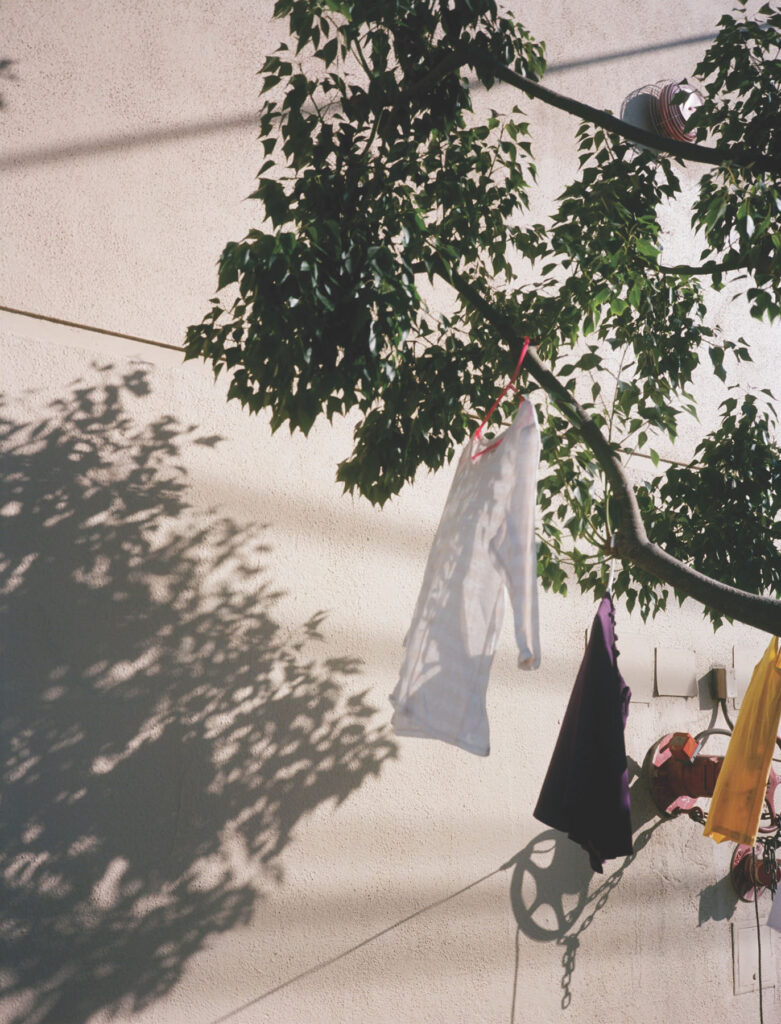
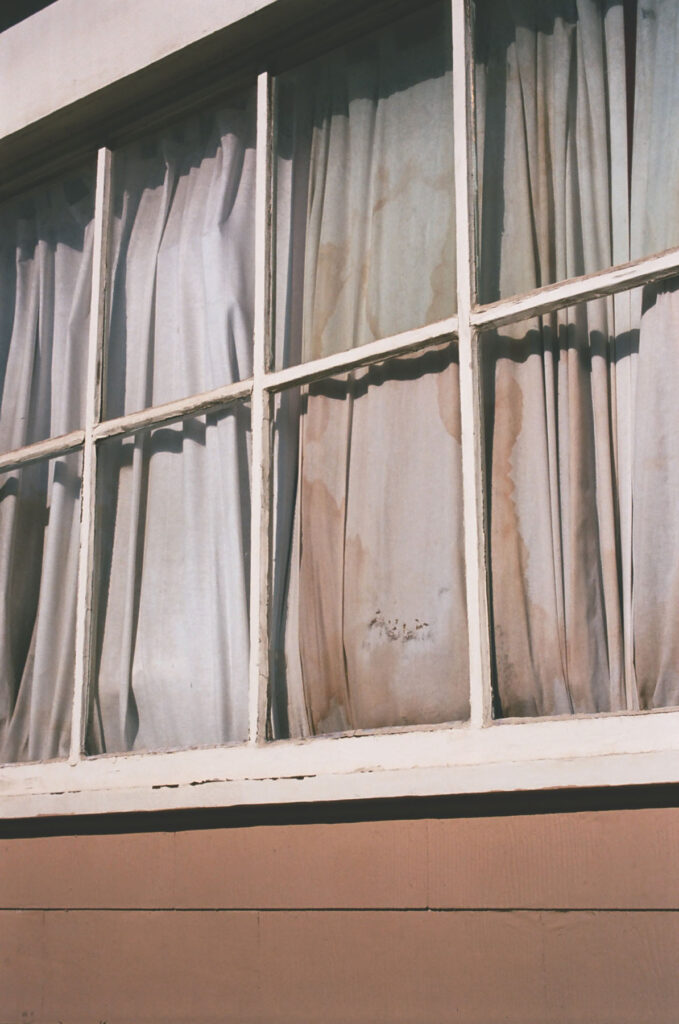
Los Angeles
2007–2018

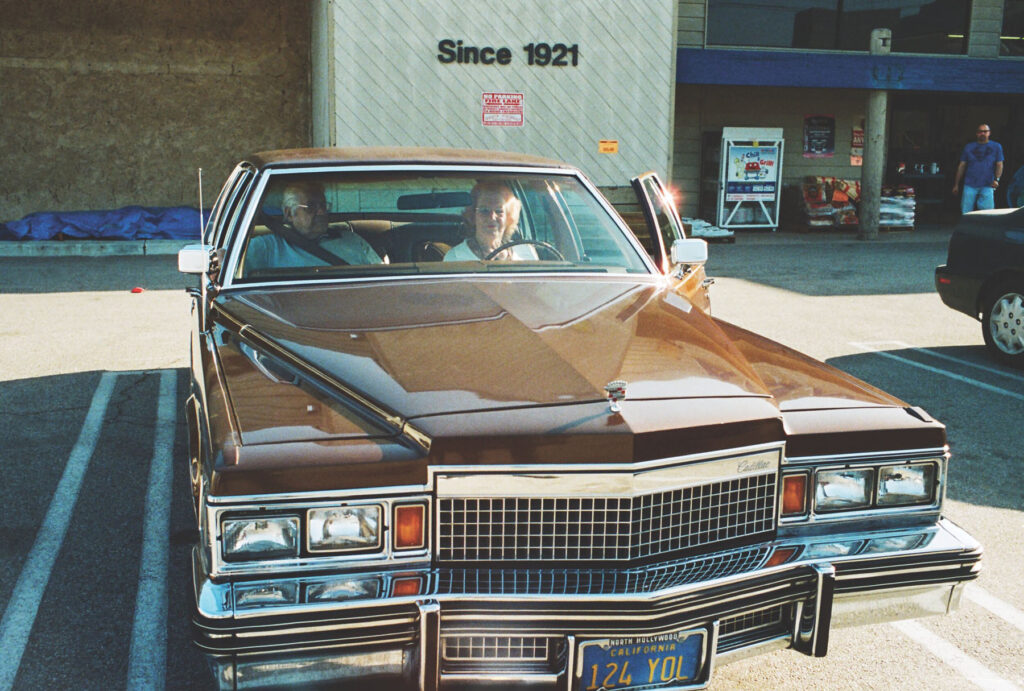
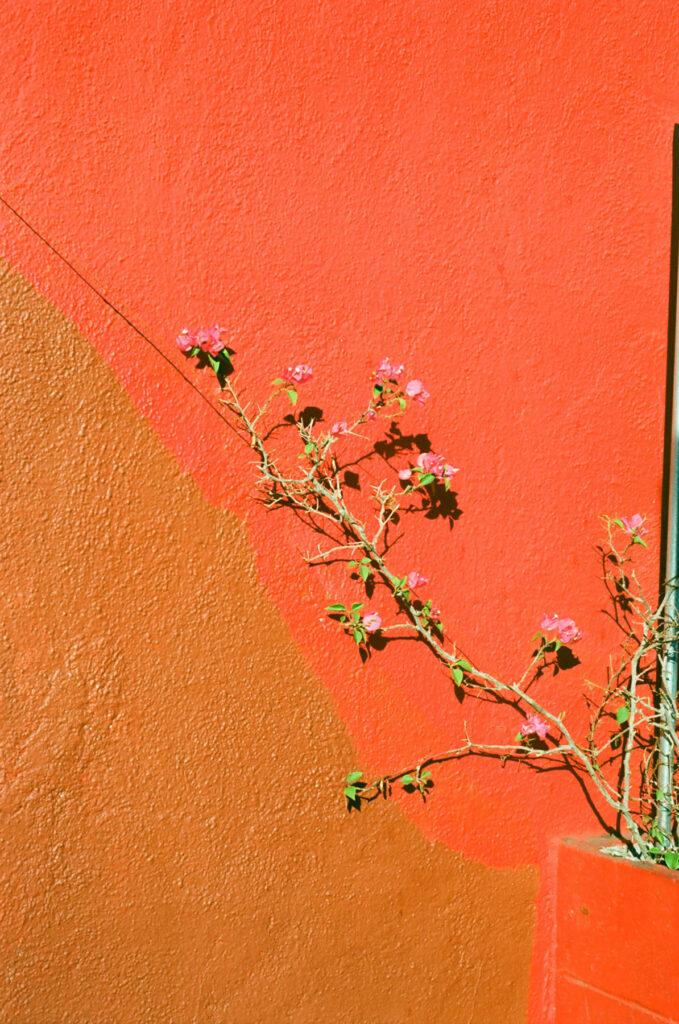
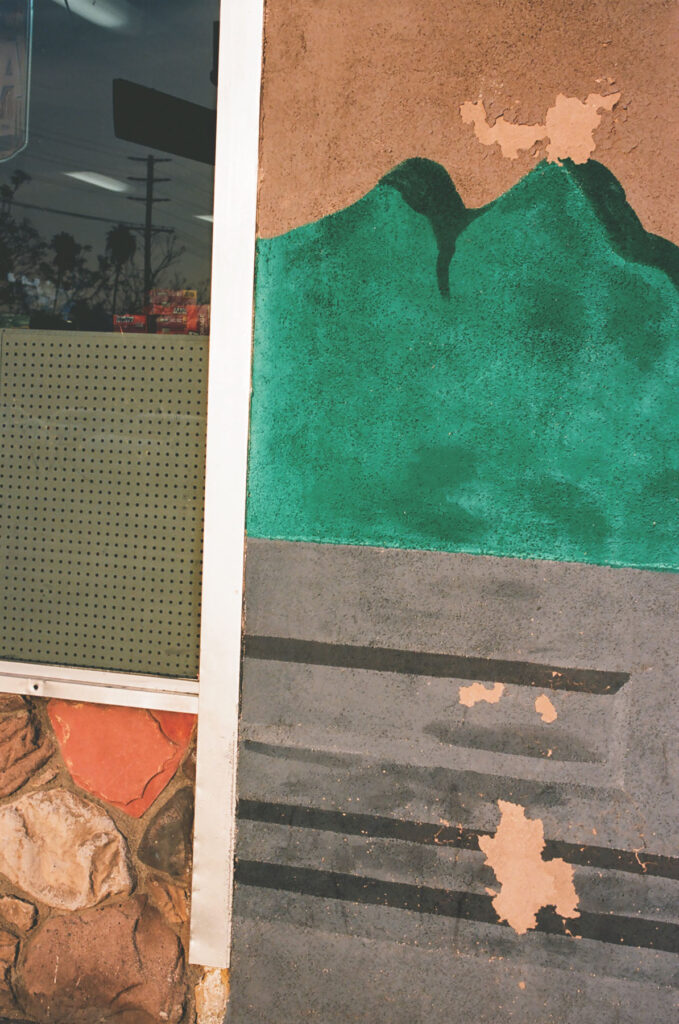
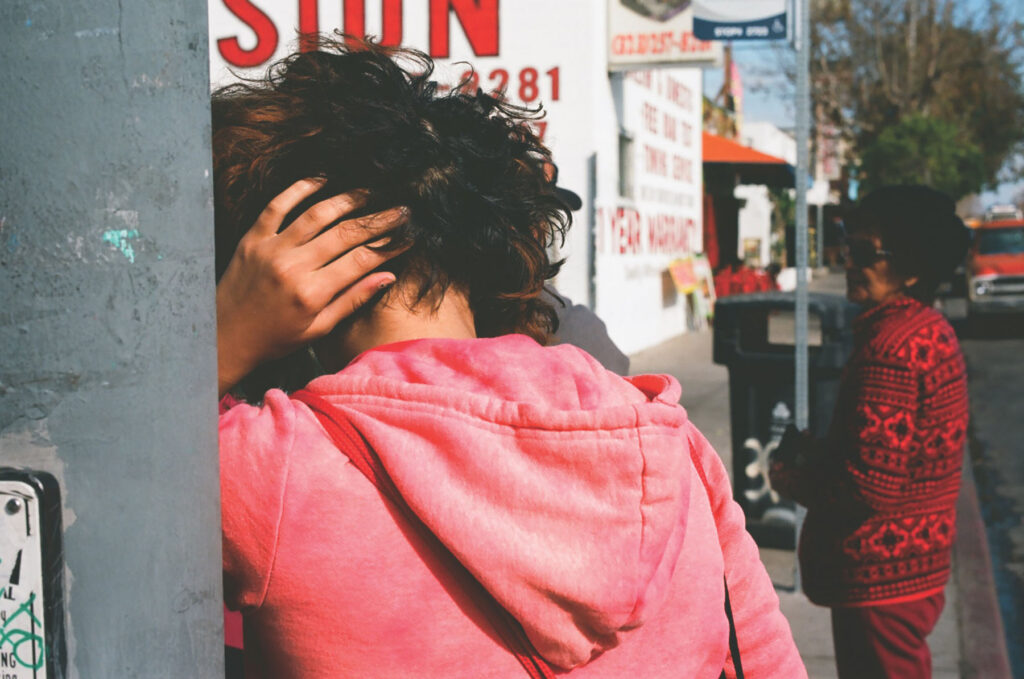
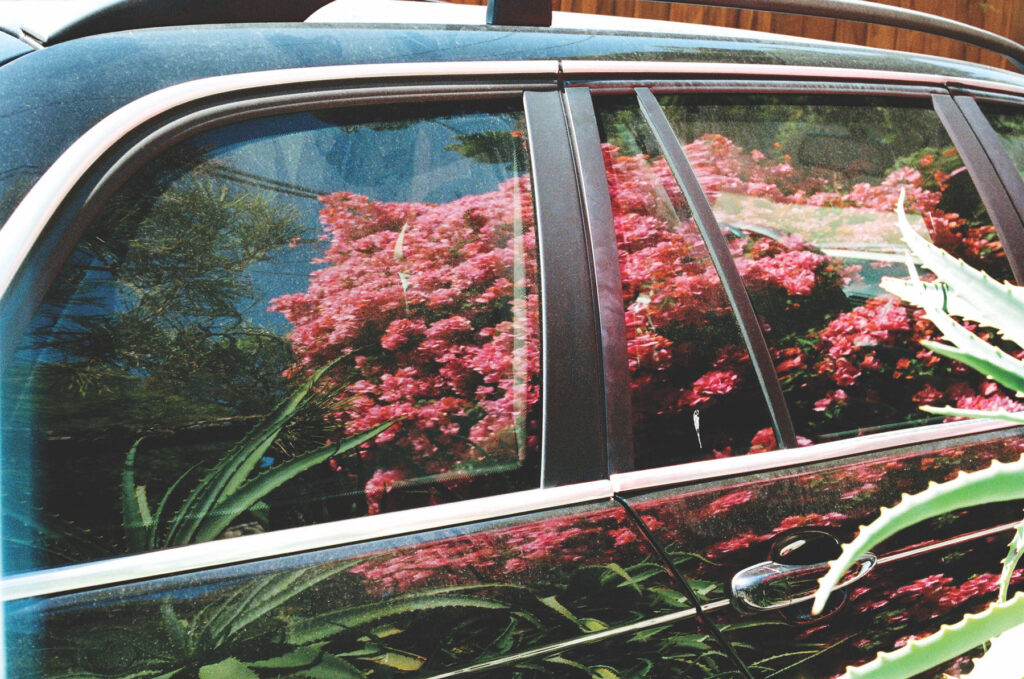
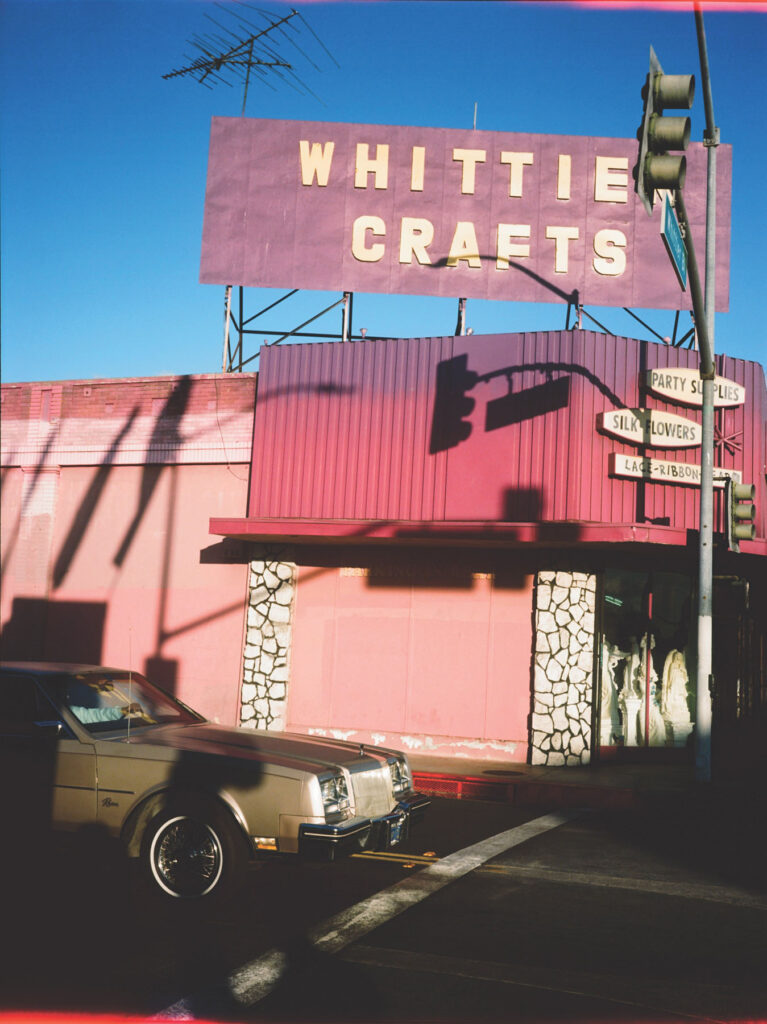
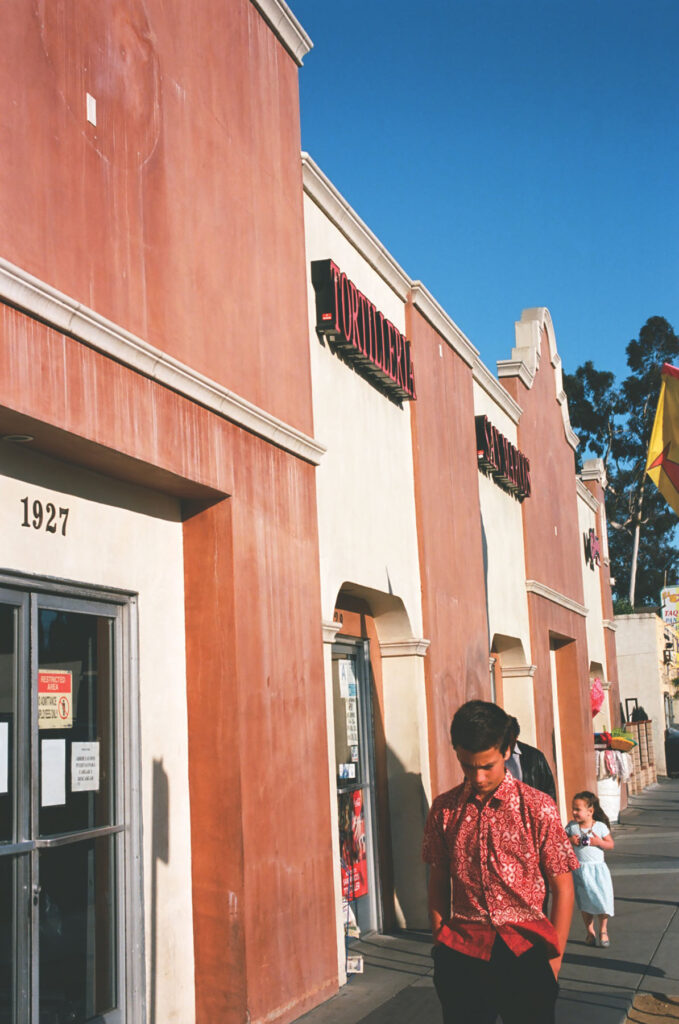
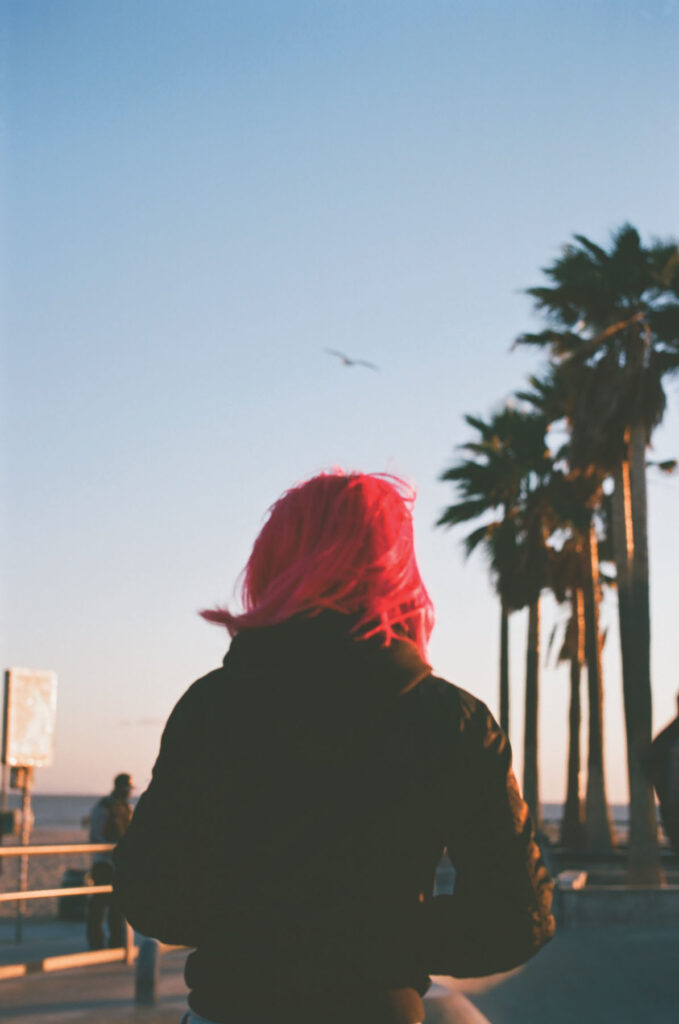
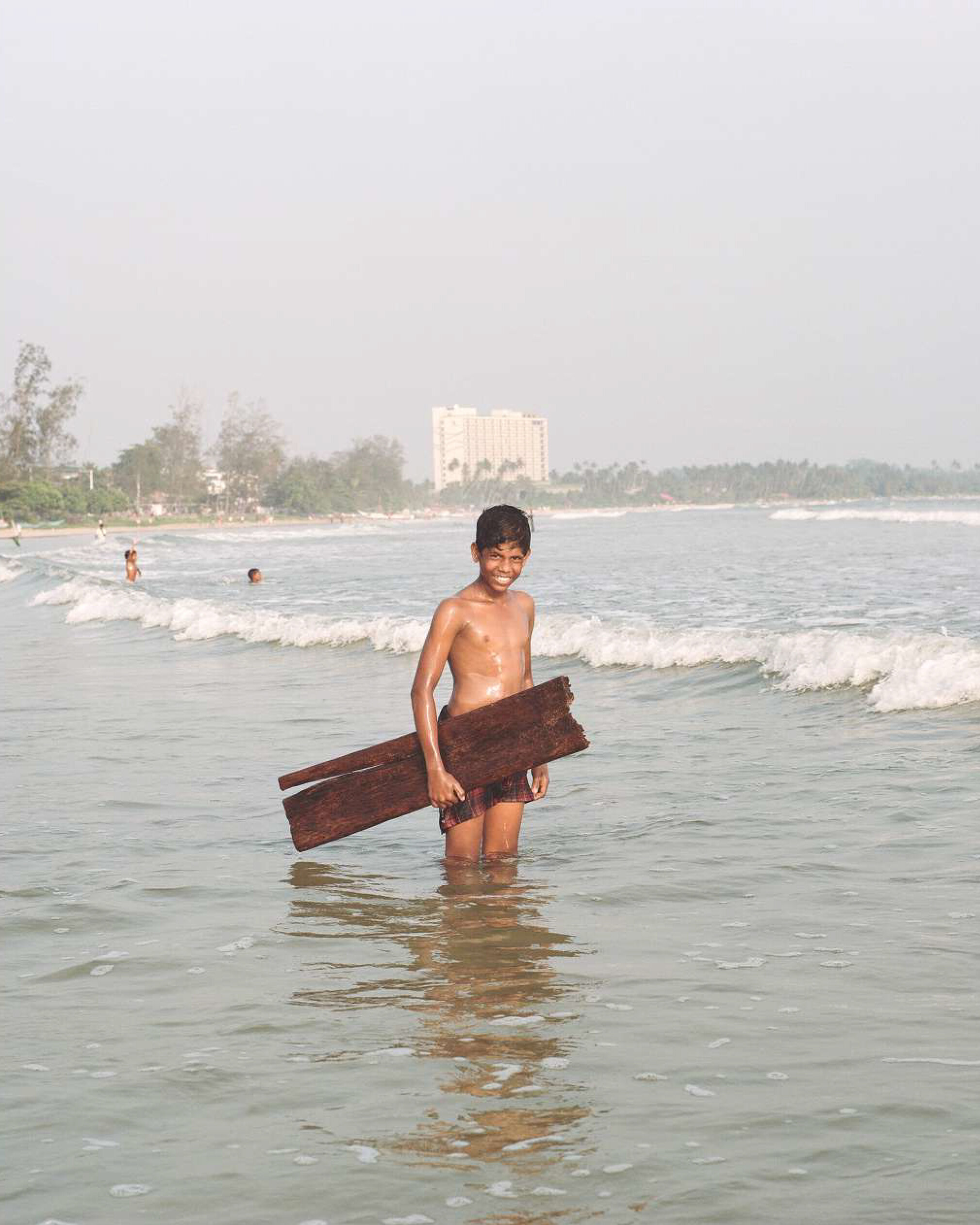
Aaron Stern is an artist and author living in New York City. His photographs, books, poetry and curatorial projects have appeared in publications and institutions such as Perrotin, Photo Saint Germain, International Center for Photography, Paris Photo, Los Angeles Art Book Fair, Index Art Fair, The Paris Review, Vogue, Teen Vogue, The New York Times, Dazed&Confused, Purple Magazine, Italian Vogue, Interview Magazine & The Last Magazine. Stern is owner & co-founder of the curatorial service, A Medium Format.

Subscribe to our
Newsletter