Archive page:


Blackhaine

Blackhaine’ poetic yet brutal investigation of reality with unique soundscapes, choreography and cinematographic visuals.

Tom Heyes, also known by his artistic moniker Blackhaine is a rapper, poet and choreographer from Lancashire, UK. Known by many for his projects with Kanye West (Donda 1 and 2) and more, the multidisciplinary artist has forged for himself a solid path, establishing his own unique artistry. Chicago drill, industrial, ambient, experimental hip hop are some of the genres combined within Heyes’ unique soundscapes. With producer Rainy Miller, Heyes worked on delivering visceral releases first Armour, then And Salford Falls Apart. Released in June 2022, Armour II follows the trail of the two earlier bleak releases, perhaps an ending, nonetheless part of the bigger journey the audience embarks on when listening to Heyes. With tracks featuring the likes of Blood Orange, Iceboy Violet, Moseley, Richie Culver and Space Africa, Heyes is also giving space for other artists to enter his universe. Re-contextualising his anger, Heyes delivers poetic yet brutal narratives which juxtaposed with cinematographic visuals, immerse the viewer into Heyes’ inner world. Choreography plays a pivotal part in his practice as he continues to investigate reality. 

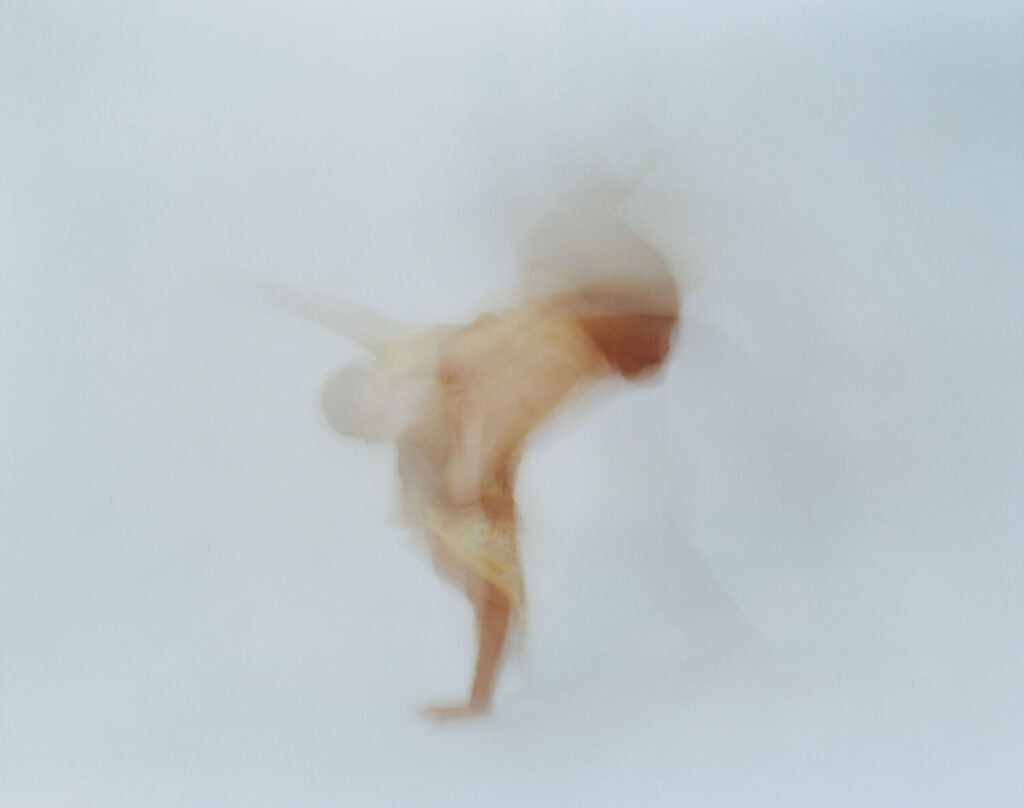
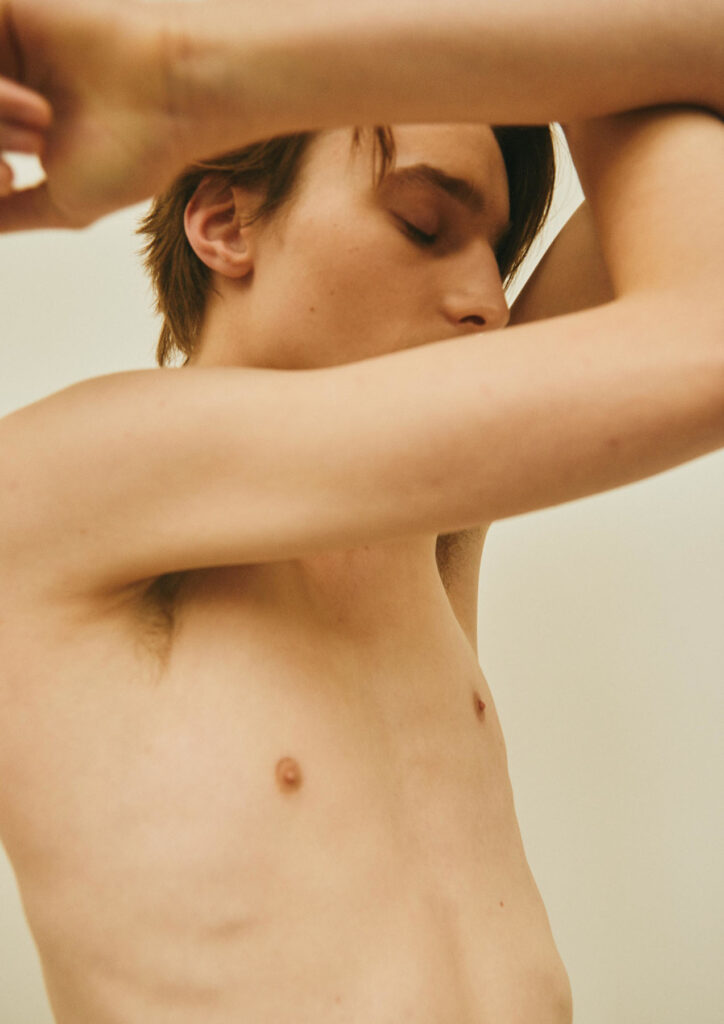
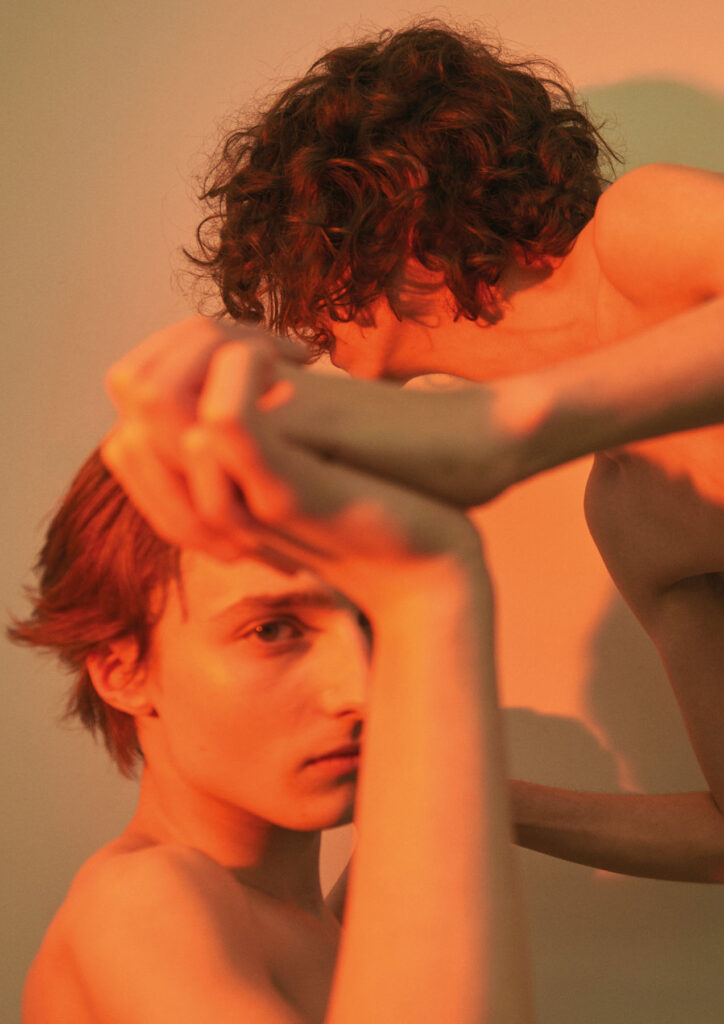
Here photographed in London by Berlin-based photographer Joseph Kadow, we witness an artist in his element, creating as he breathes, once again narrating a story of his own. Heyes talks through his genesis, the process and inspirations behind his body of work, spanning across choreography, music, spatial design. 
When and how did you start? 

I’ve been interested in film since I was young, from there I started to learn about sound and movement.

I held an interest in art and between jobs managed to make some decent pieces and work on other’s people’s visions for quick cash. 

During the pandemic I started creating my own film and sound pieces, releasing my first track Moors – and some film projects I created + a project named Armour made in collaboration with Rainy. 
Blackhaine is a node to the French cult classic La Haine on violence and inequality in the suburbs of Paris. You come from Lancashire, UK. How has the landscape of living on the margins and of social and regional inequality, influenced your practice? 

I’ve always felt detached from the current sound, I think being in isolated yet restricted places; Blackpool, Blackburn ect you have no expectations of being accepted by a mainstream crowd. This gives room for experimentation. 

I read Passing Time by Michel Butor recently and was inspired by the detail he created in his idealised Manchester, taking monuments/icons of the city and glitching them. It’s what I had been doing to Lancashire. 

Darker versions of locations feature in my work such as the M6 or the Moors, Rawtape and I used scans of Blackburn high street and Blackpool tower to create a world in Hotel. In my writing I talked about experiences here in tracks like Saddleworth or Stained Materials. 

“Using ultra realistic scenes that verge on boredom and taping a bleak-psychedelic lens to the camera was a huge influence in building the Blackhaine world.”
How is Manchester’s cultural environment and how is it influencing your writing? 

The environment is too self contained, and concerned with itself and it’s history when what we should be doing is looking outwards and ahead. There’s not much interesting happening here at the moment because there’s too many people left over from the 10s. 

The city hasn’t impacted my writing aside from being influenced by Joy Division. 

Drill, experimental hip-hop, ambient, industrial and electronic are genres part of your soundscapes. Are you more influenced by Chicago Drill or Brooklyn Drill? What are some of your musical influences? 

I’ve been into Chicago Drill since the start, however it was UK Drill that got me into writing.
I would say the industrial sound was an influence but the earlier post-punk side, not as much what’s happening there now.
At the moment I’ve been listening to Carti, Zone 2 and some more experimental stuff whilst I
work on my album. 


First Armour, then And Salford Falls Apart. How does Armour II succeed to these? 

There’s the obvious narrative link.

“Sonically I used a softer palette and wrote about a contracted hate that became inverted by gradual unease and paranoia.”

I put more focus on working with melody and traditional songwriting before my album. 

Armour II is death of Blackhaine before a burial. 
How do you usually work with producer and composer Rainy Miller? 

I write alone and with the ideas Rainy sent, before we sent parts back and forth online but with Armour II we started renting a studio together with Space Afrika so we could spend time in there. 

You showcase a unique choreography rooting itself from an extreme creative process. Could you talk more about this? Who are some of your favourite choreographers or a contemporary dance piece that moves you? 

My choreographic style is rooted in perversion and deconstruction of traditional technique, not an anti-technical statement but a separatist practice. I utilise improvisation and sculptural design in the process instead of overt unison structure, and when the work features this form of choreography it’s effect is exhaustion and depletion to the body/mind of the performer, allowing accessibility into new realms.

Choreography a subliminal art, the same modes I work in with writing and sound. The narrative structure of Armour II leading from my previous work is a context for myself and the listener however it is no anchor, this is world building with intent to suture between and deconstruct inside of reality, whilst considering base reality and boredom, hence the exhaustive features within my work. I was initially more interested in examples of choreography I could find in day to day life, the way the bodies on top deck moved whilst the bus turned a corner, a drunk body or the result of excessive strain on specific muscle in the arm.
Pre-tense is naturally prevalent in choreography.

“I think embodiment kills honest movement to a degree and my service as an artist is to
investigate reality within abstract art.”

My favourite choreographer is Tatsumi Hijikata, I developed my practice whilst watching Butoh videos and abusing drugs in my room and hotel apartments, around the time of the Manchester spice epidemic.
I’m watching a lot Gisèle Vienne, Louise Vanneste, studying Sun Ra’s relationship with dance and sound. I would say Philippe Grandrieux’s use of movement in his work as well as Steve McQueen’s in Shame has impacted my choreography also. 


How do you envision the live shows and how do you feel about finally being able to perform gigs in front of physical crowds? Visceral stage performances, atmospheric, intimate and raw sets are some of the comments from people who have already been to your live shows. How do you want the listening experience to be? How do you approach the spatial design situation too?

It’s great, during the first tour I worked intensively with spatial and atmospheric design.

“I want every show to be different, switching between shows of an exhaustive release for the audience and myself and shows that focus more on subtleties with performance and design.”

I work with heat and scent a lot, as well disorientation from lighting source. Playing drill between harsh noise/drone, these are elements that I work with impulsively, so I live edit the lighting, track list and other utilities whilst on stage with my team.
I don’t believe that playing all the hits equals satisfaction for the audience I want to create a journey for people to follow, experiencing the themes within my work physically and mentally having to endure moments discomfort before being allowed to feel gratification by silence or melody.

The feedback I have had has been great, everyone I have spoke too has had a different experience I’m grateful for everyone who comes to a Blackhaine show to experience. Thank you.
How did your collaboration with Blood Orange and Icebox Violet for ‘Prayer’ unfold?

I had the ideas of the track for a while, I was sent a rough loop from Rainy that triggered something in me. I kept revisiting the narrative and developing this film scene I had in mind, even down to the shots I wanted in the film that was made.

In And Salford Falls Apart and previous releases I didn’t work with other voices. A design focus of Armour II was to curate outside artists and let them inhabit my narrative, even to allow this to influence and lead me at times. I wrote to Iceboy Violet and Blood Orange to ask them to feature on the track and they delivered these beautiful verses back.

The theme of this issue is IN OUR WORLD, in your mind, what does England mean to you?

“Apathy.”
Now that Armour II is out for everyone to experience, what is next for you? 

I am building an infrastructure named Hain. This will act as a container for future work/curation and ideas beyond Blackhaine and an investment in culture.

Team

Talent · Tom Heyes (Blackhaine)
Photography · Joseph Kadow
Creative Direction · Jade Removille
Fashion · Azazel
Grooming · Linus Johansson
Photography Assistant · Masamba Ceesay
Fashion Assistant · Olivia Abadian
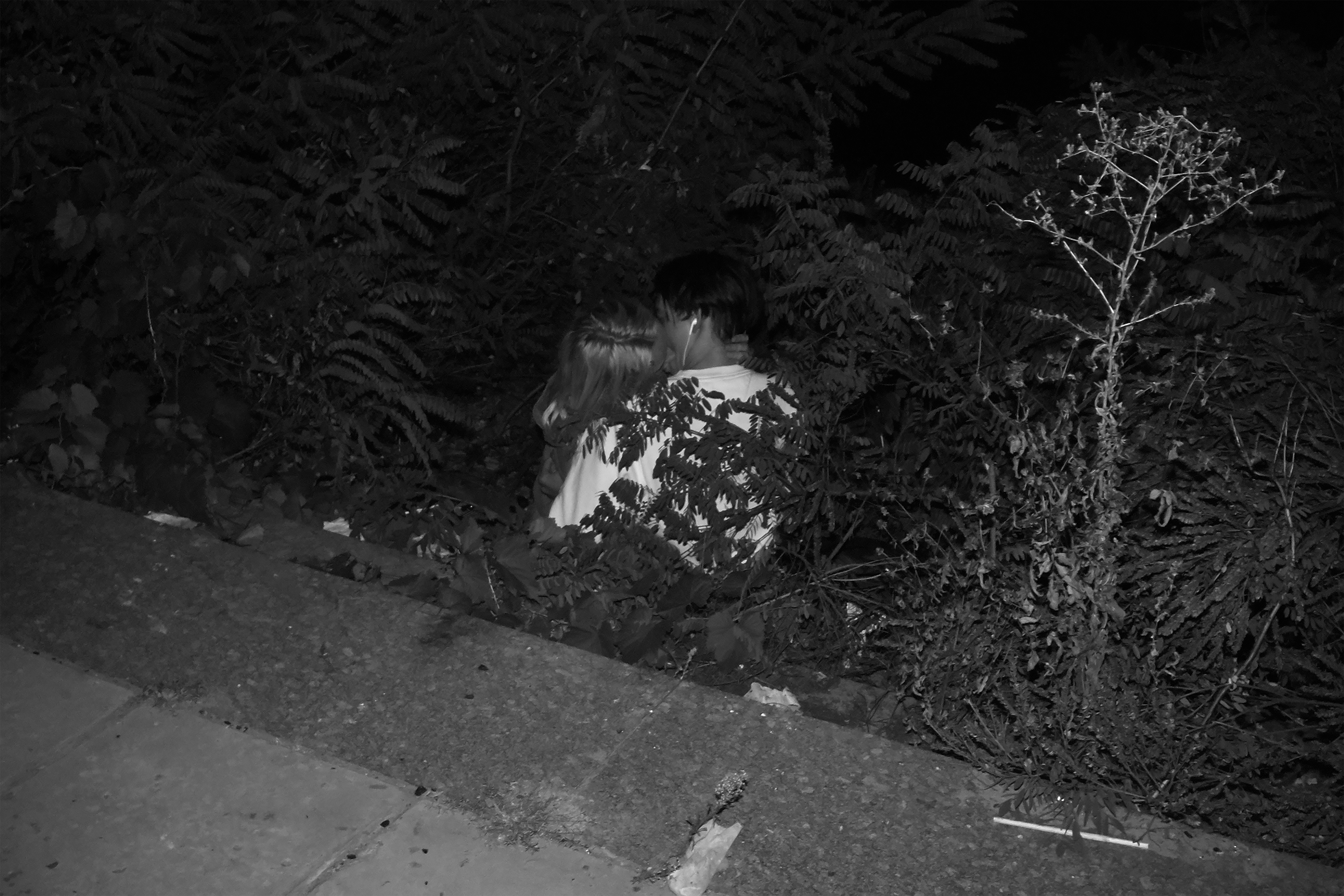
Patrick Bienert

East End of Europe

Credits

Photographs · Courtesy of Patrick Bienert

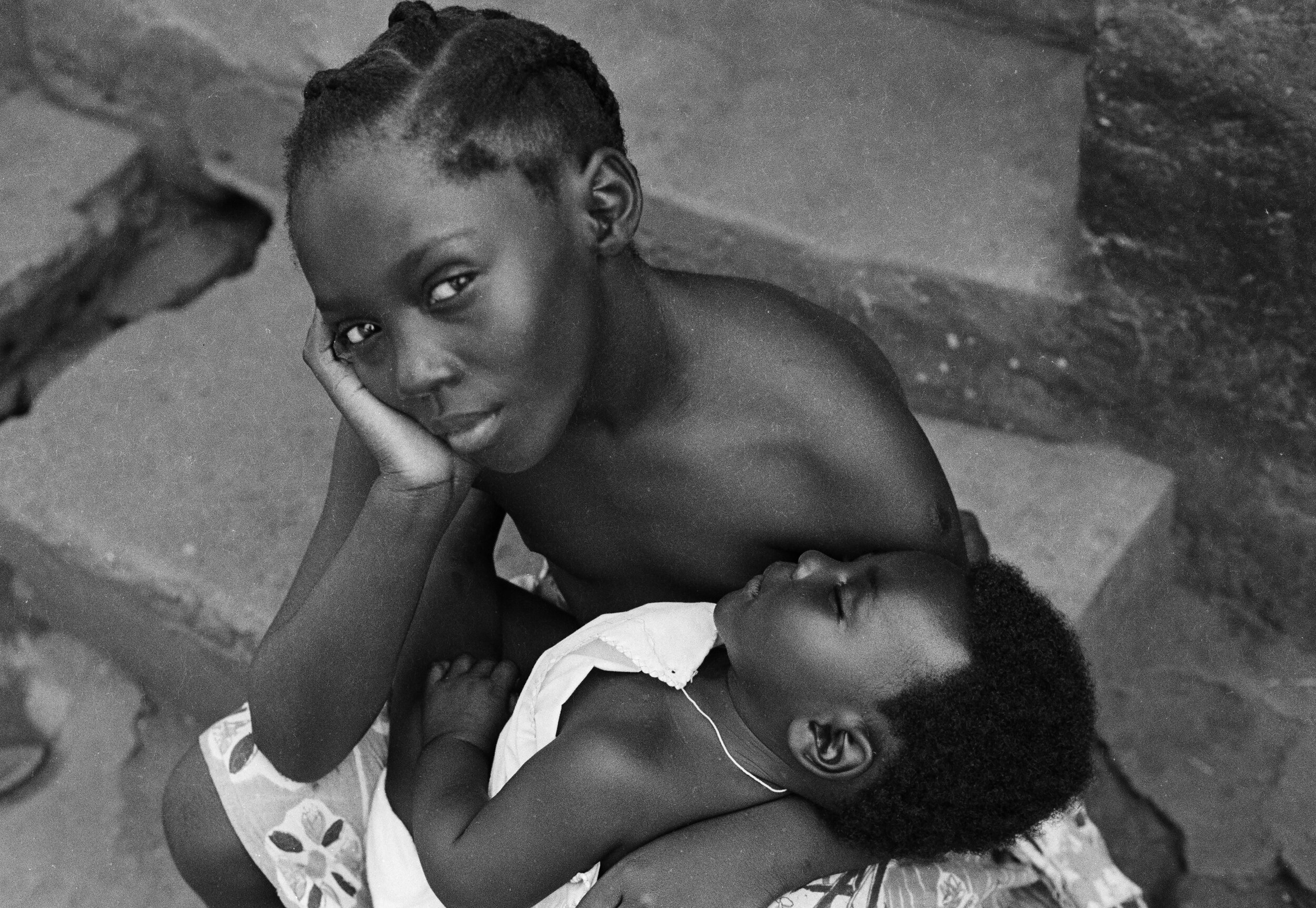
James Barnor

Exploring the nuances and societal transitions in the 1950s and 1960s, as London was blossoming into a multicultural capital

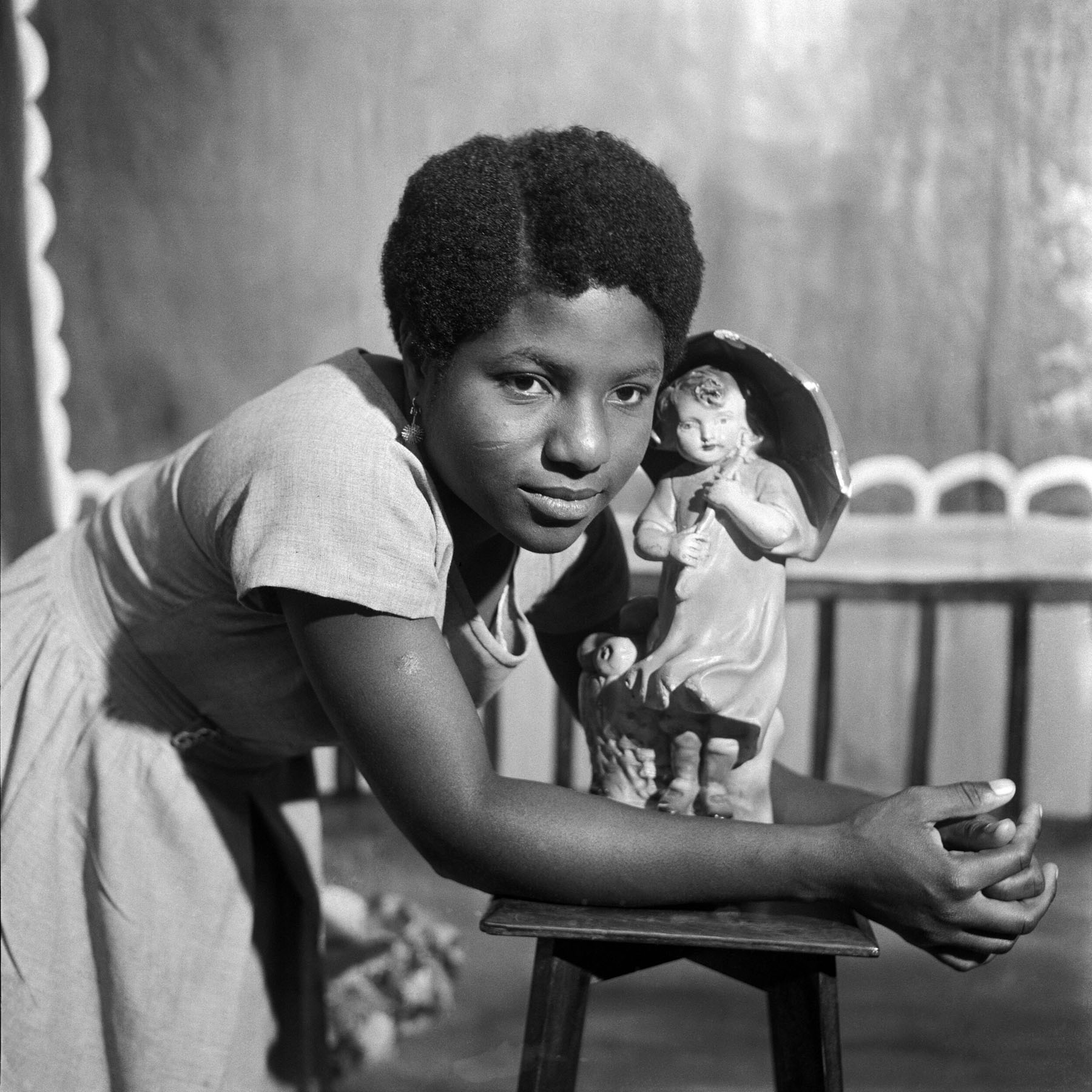
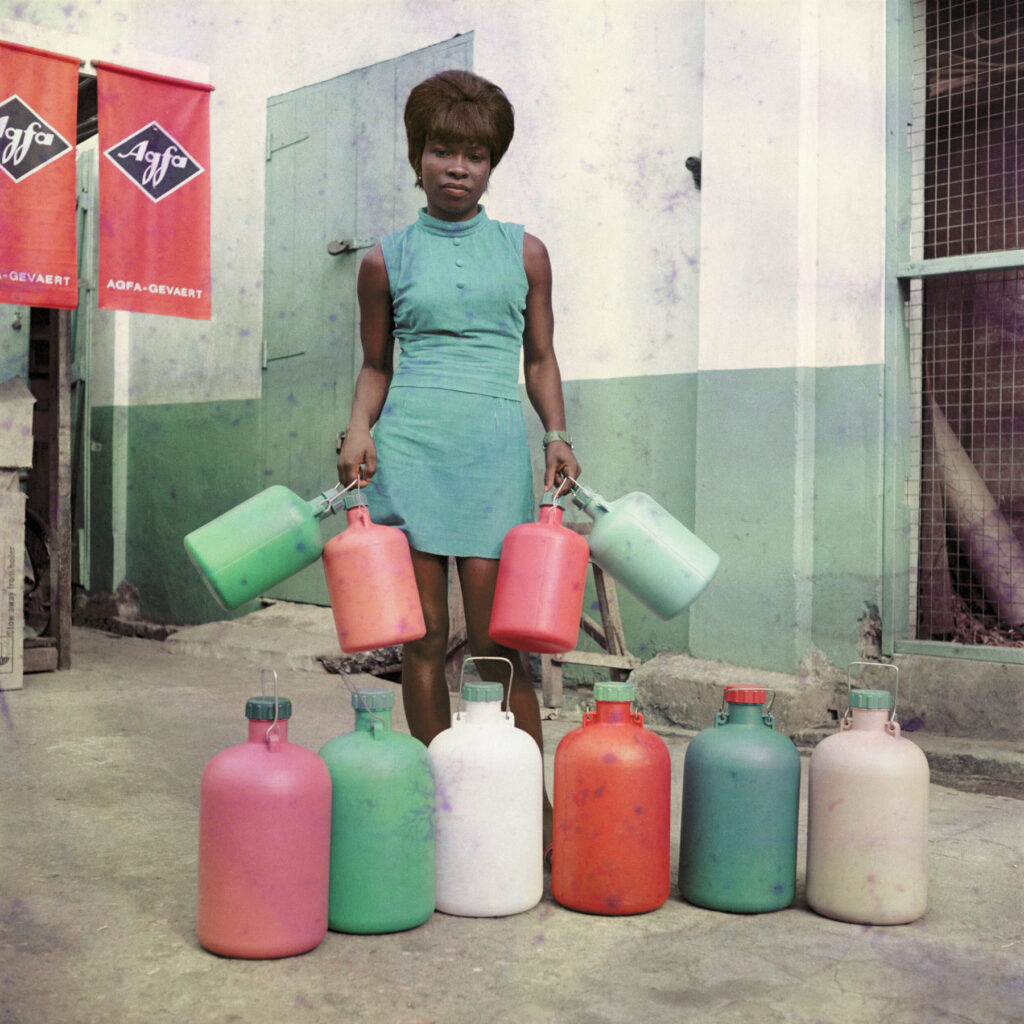
London’s Serpentine Gallery presents an overview of the career of British-Ghanaian photographer James Barnor. Working over two continents and over six decades as a studio portraitist, photojournalist and Black lifestyle photographer, Barnor’s career covers a multitude of photographic genres and offers a wider social commentary, documenting major socio-political changes in London and Accra.

On the cusp of Ghana’s Independence in the early 1950s, Barnor set up his famous Ever Young studio in Accra. Arriving in London towards the end of the decade, he began working with the South African magazine Drum, capturing the experiences of the African diaspora and the style and creative spirit of the period. Barnor returned to Ghana in the 1970s, where he continued his work with portraiture, established himself in the music scene and created the country’s first colour processing lab.

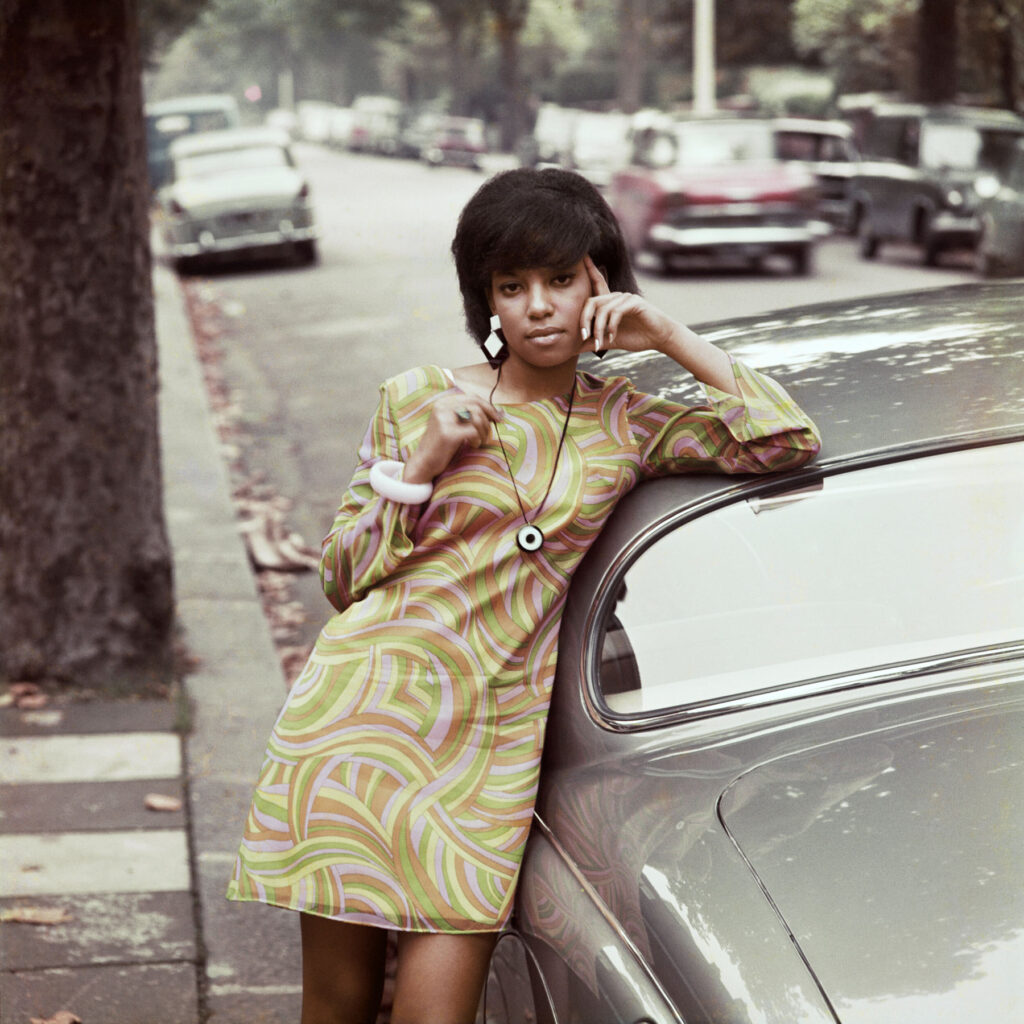
Barnor’s street photography explores the nuances and societal transitions in the 1950s and 1960s, as London was blossoming into a multicultural capital. Returning to the city 1994, Barnor’s work focussed on documenting the Black communities that had settled in London – something that had previously been documented by mostly white, European photographers. His portraits of the African diaspora in London focus on the members of the Black Power Movement, while also capturing different fashion trends present in Britain’s Black community during the 1960s.

Barnor’s body of work spans six decades and possesses a clarity of vision and a sense of community and sensitivity that he both extends towards and brings out in his subjects. The Serpentine’s exhibition displays Barnor’s work from 1950-80 and draws from his archive of around 32,000 images, all mapping the flourishing cultures of two cities and reflecting Barnor’s ceaseless uplifting and creative energy.

‘James Barnor: Accra/London’ runs until 22nd October at the Serpentine North Gallery.

Bobby Buddy

Youth is a State of Mind


Team

Photography · BOBBY BUDDY
Fashion · VICTOIRE SEVENO at KAPTIVE Hair KEVIN ROUX
Make-Up · AURELIA LIANSBERG at WISE AND TALENTED
Casting Director · REMI FELIPE
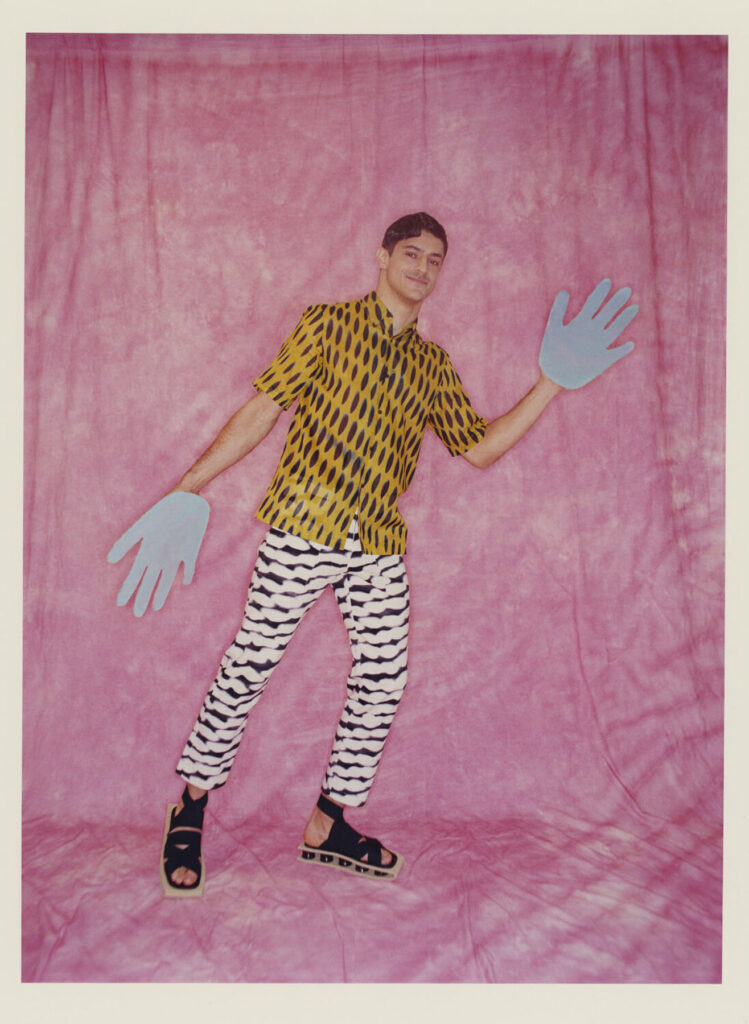
Models · AXELLE DOUE, CYRUS AMINI, GINETTE MENDES, ZIYI HE & RAPHAEL DUMAS 
Fashion Assistant · ANJA PITT AND VALENTINE SEVENO
Special Thanks to · CAROLE CONGOS at KAPTIVE and MARINE at E-STUDIO


Designers

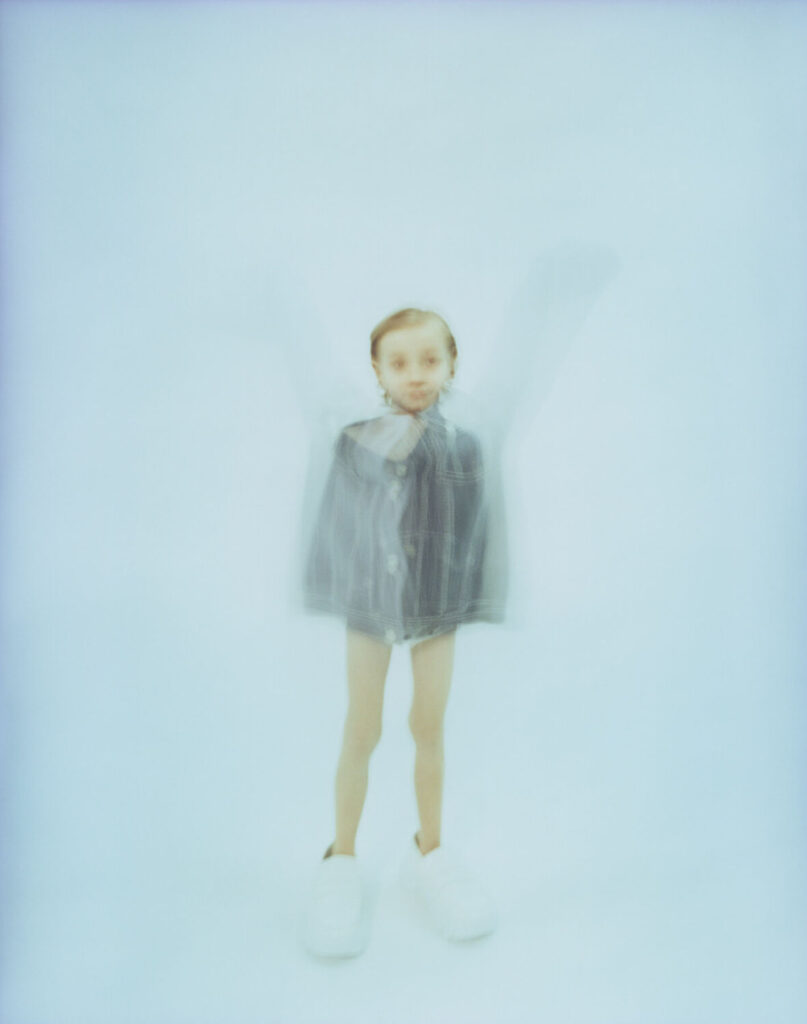
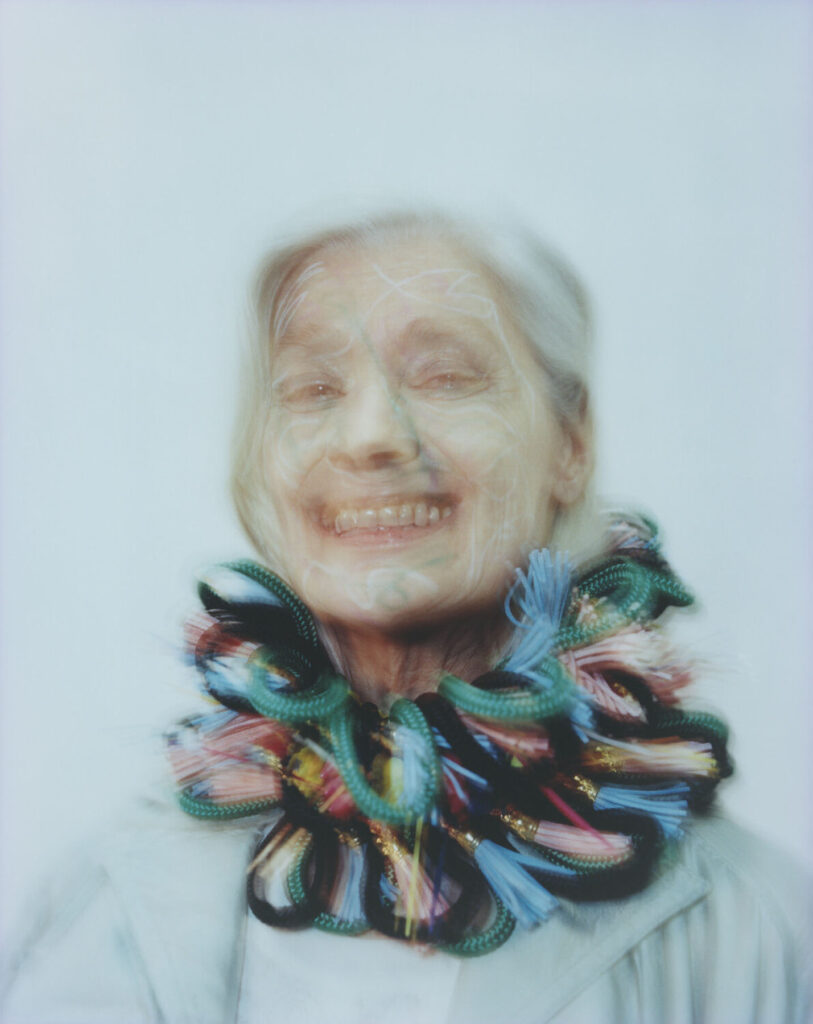
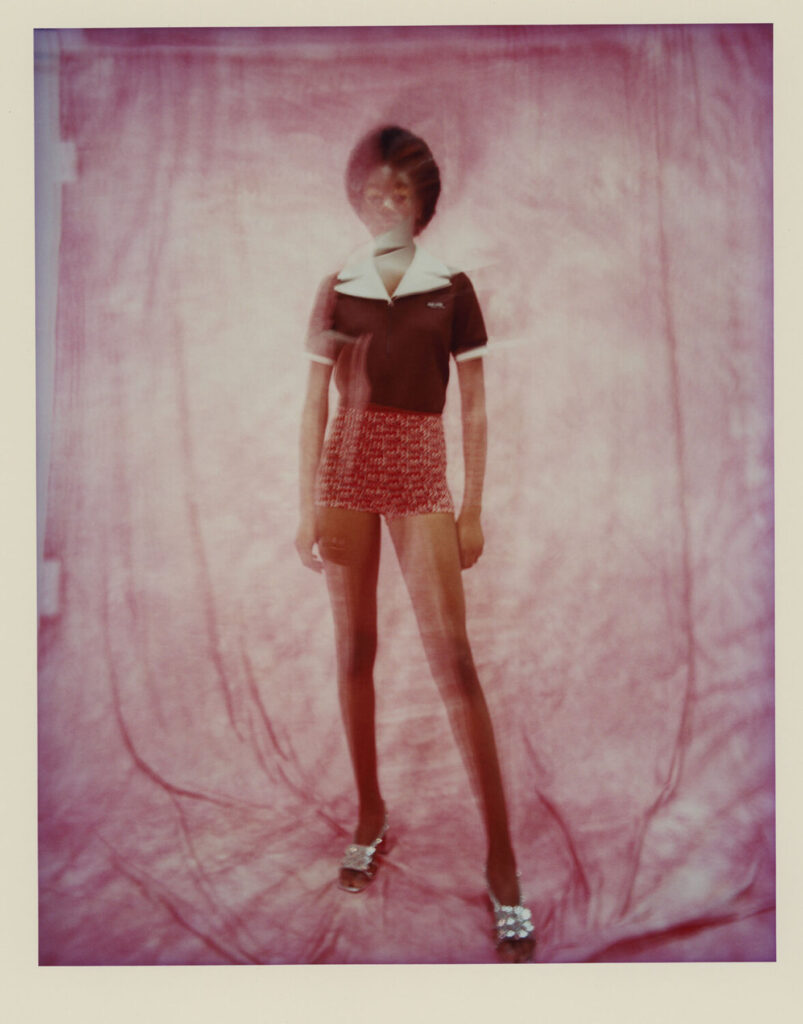
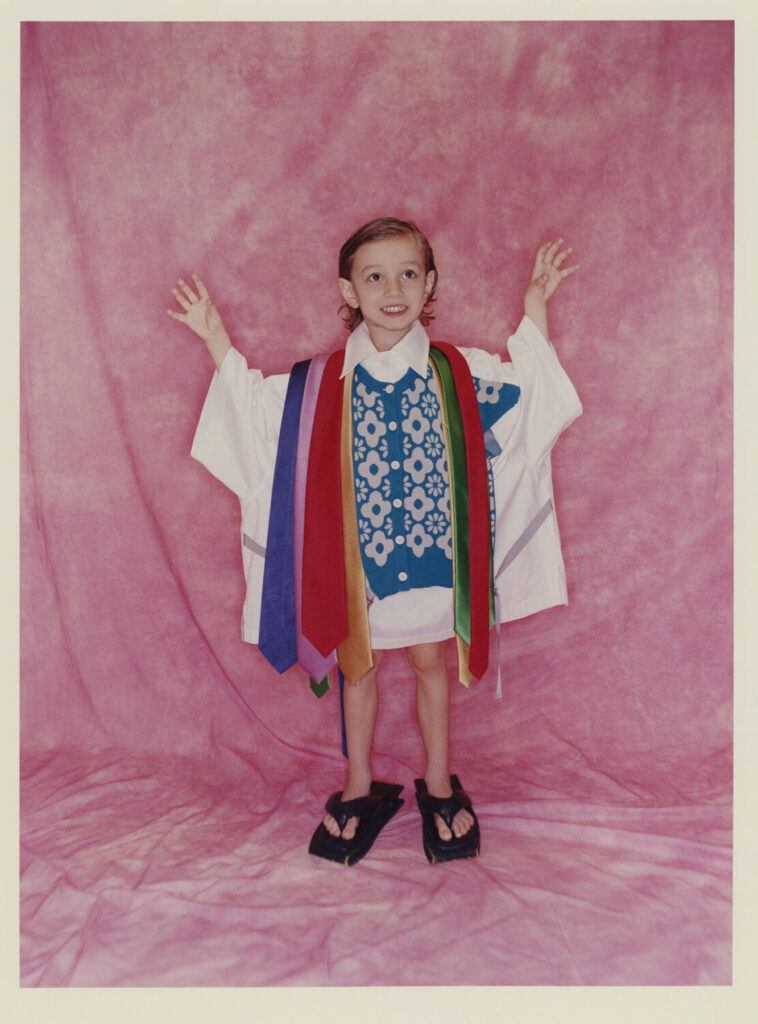
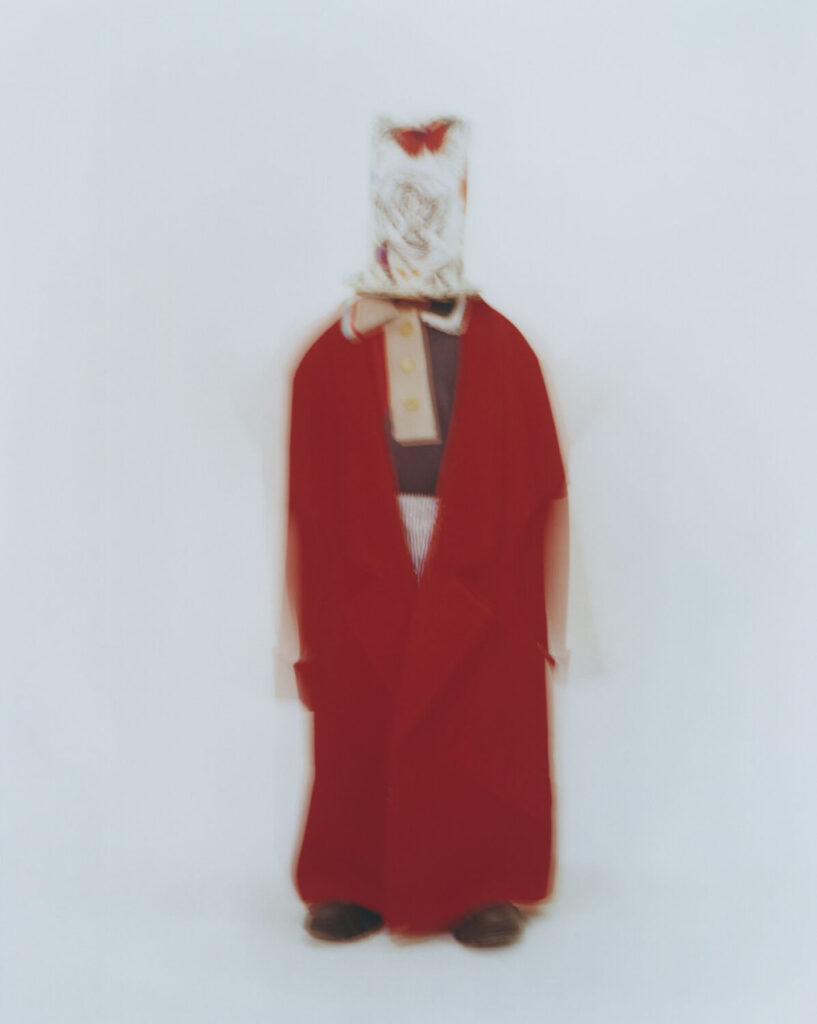
  1. Jacket BESFXXK Shoes LANVIN Tights CALZEDONIA
  2. Sweater LANVIN Trench Arthur Avellano
  3. Shirt and Trousers DRIES VAN NOTEN   Shoes KENZO
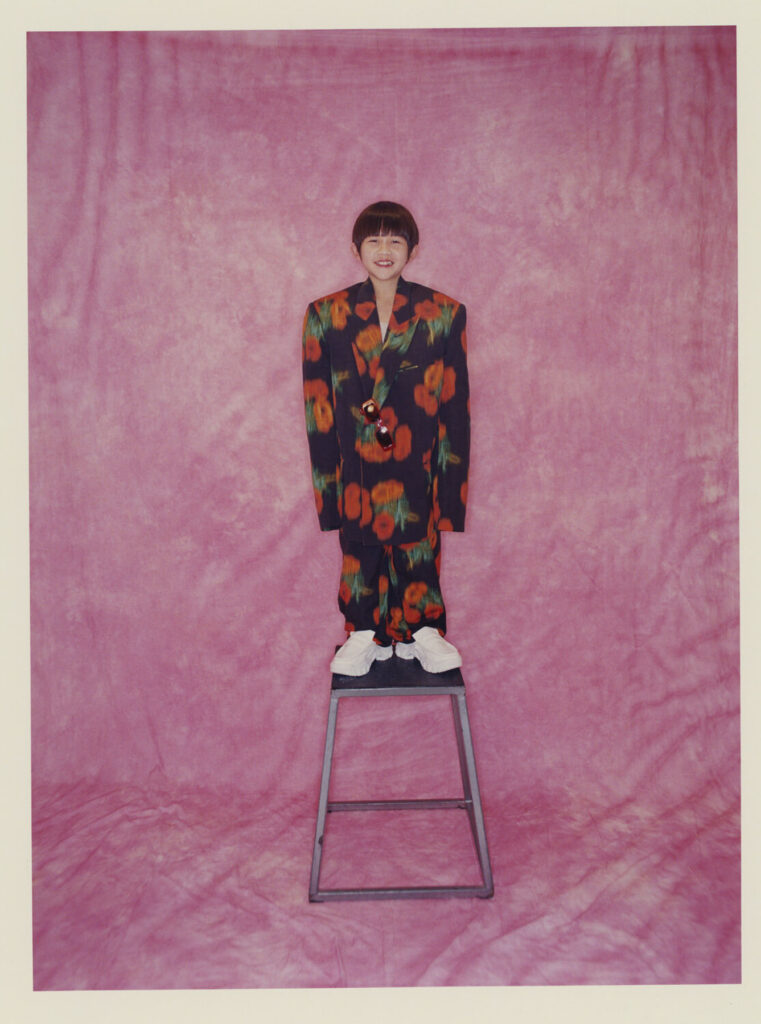
  4. Jacket and Trousers KENZO Top NEHERA   Shoes ROMBAUT Sunglasses G.O.D EYEWEAR
  5. Jacket BARRIE Shoes ROMBAUT
  6. Necklace TOM VAN DER BORGHT Trench VIRGINIE
  7. Full Look MIU MIU
  8. Shirt KOLOR Ties CHARVET Shoes KENZO
  9. Coat TOM VAN DER BORGHT Shoes CROC’S
  10. Coat TOM VAN DER BORGHT Shoes CROC’S

Juan Brenner

Juan Brenner - NR 12

Nueva Estetica

JB 048

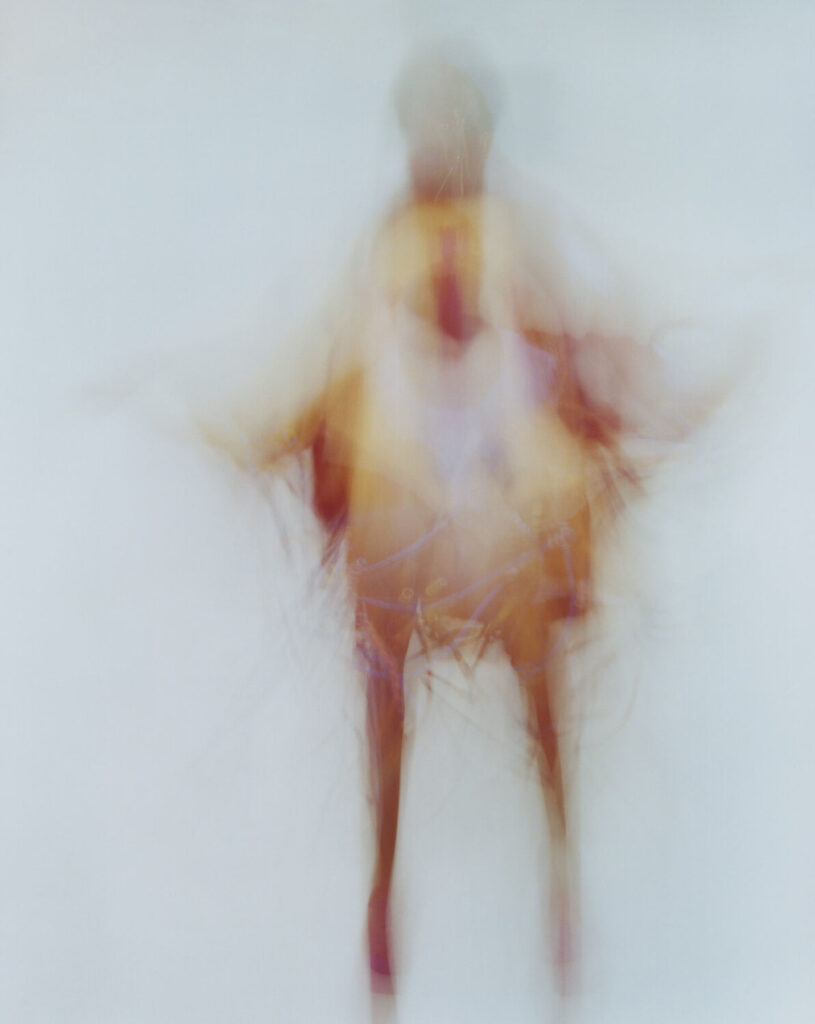
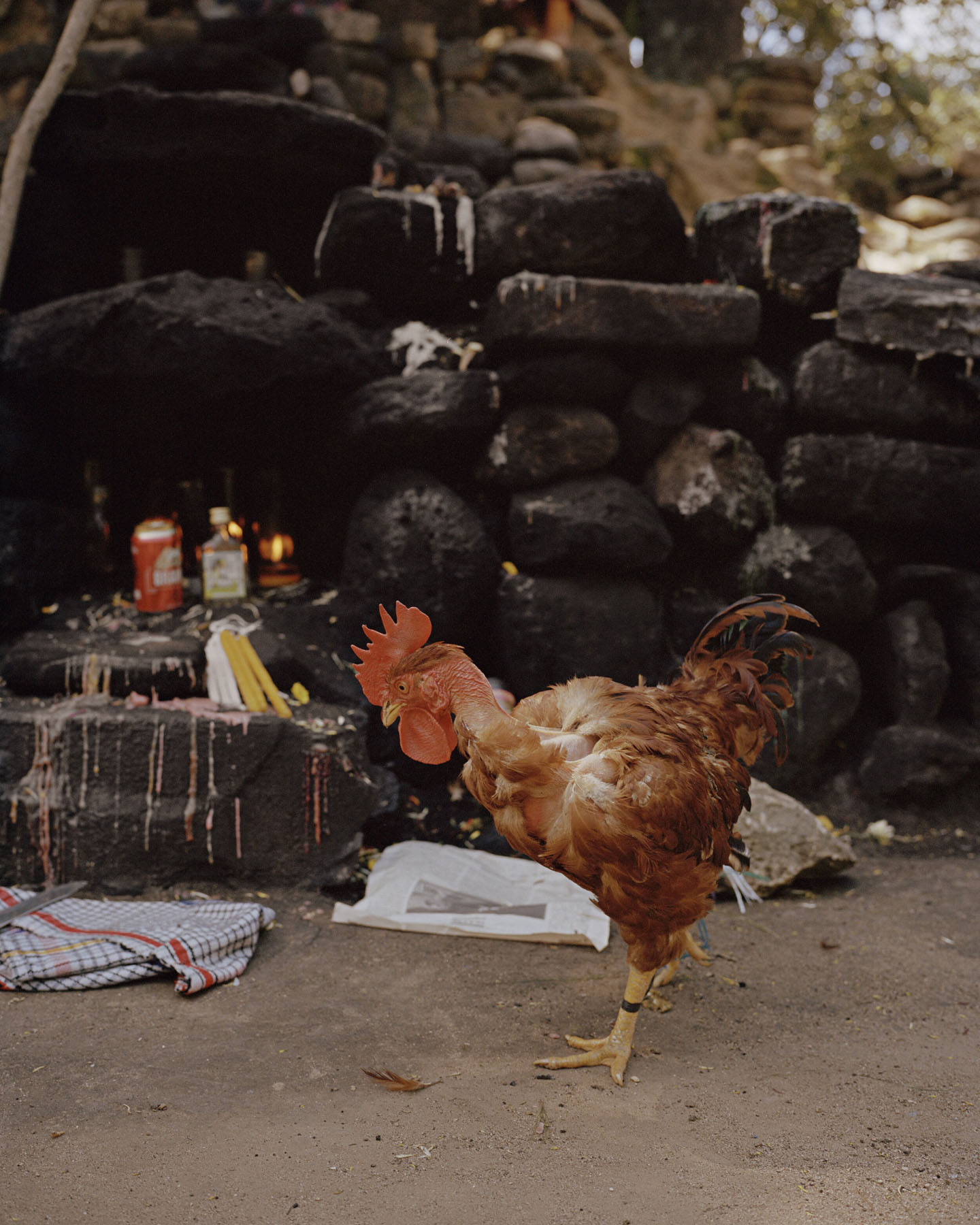
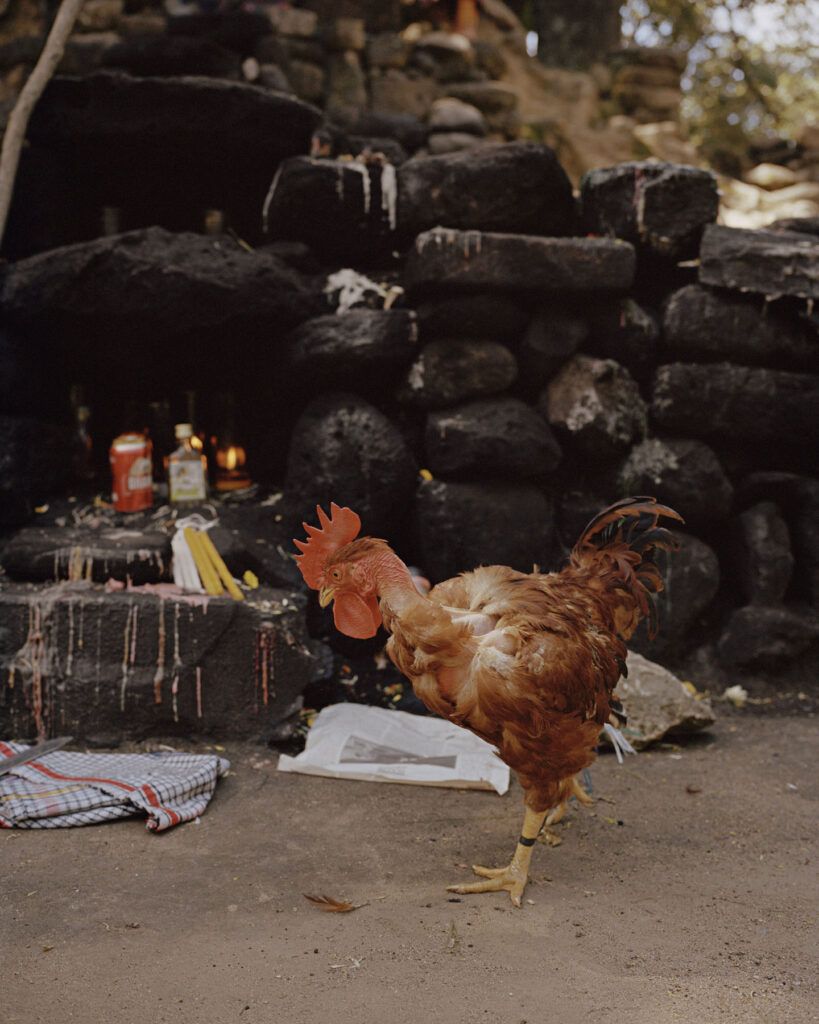
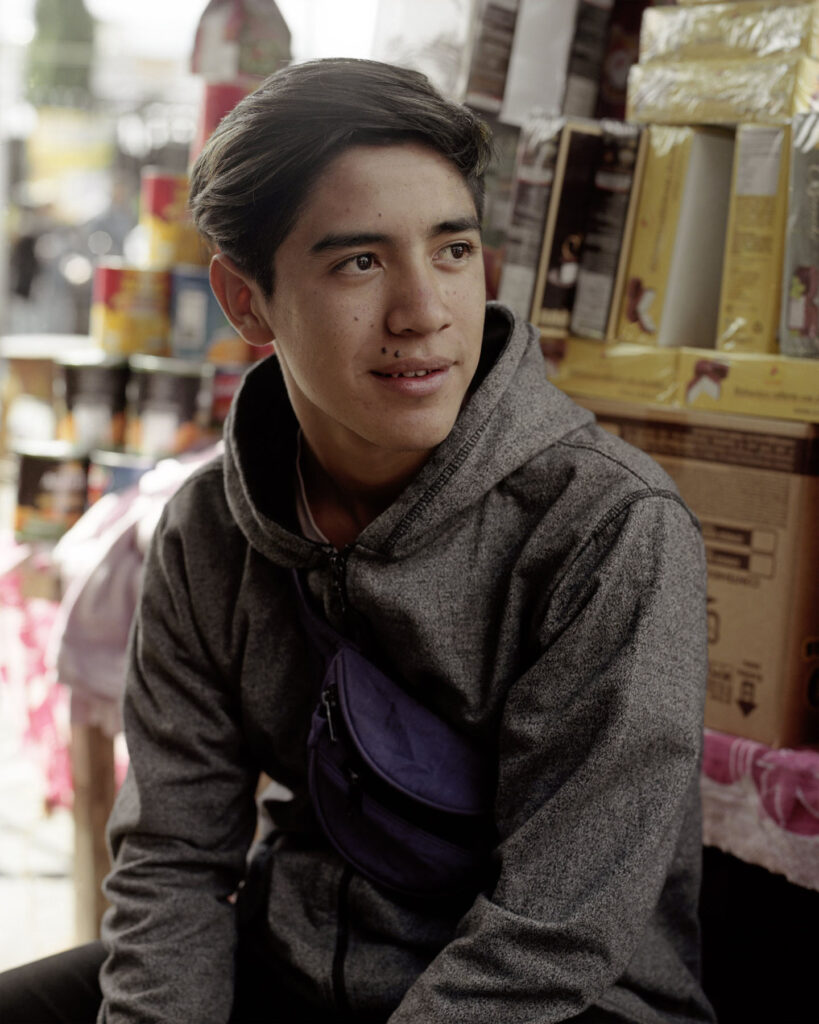
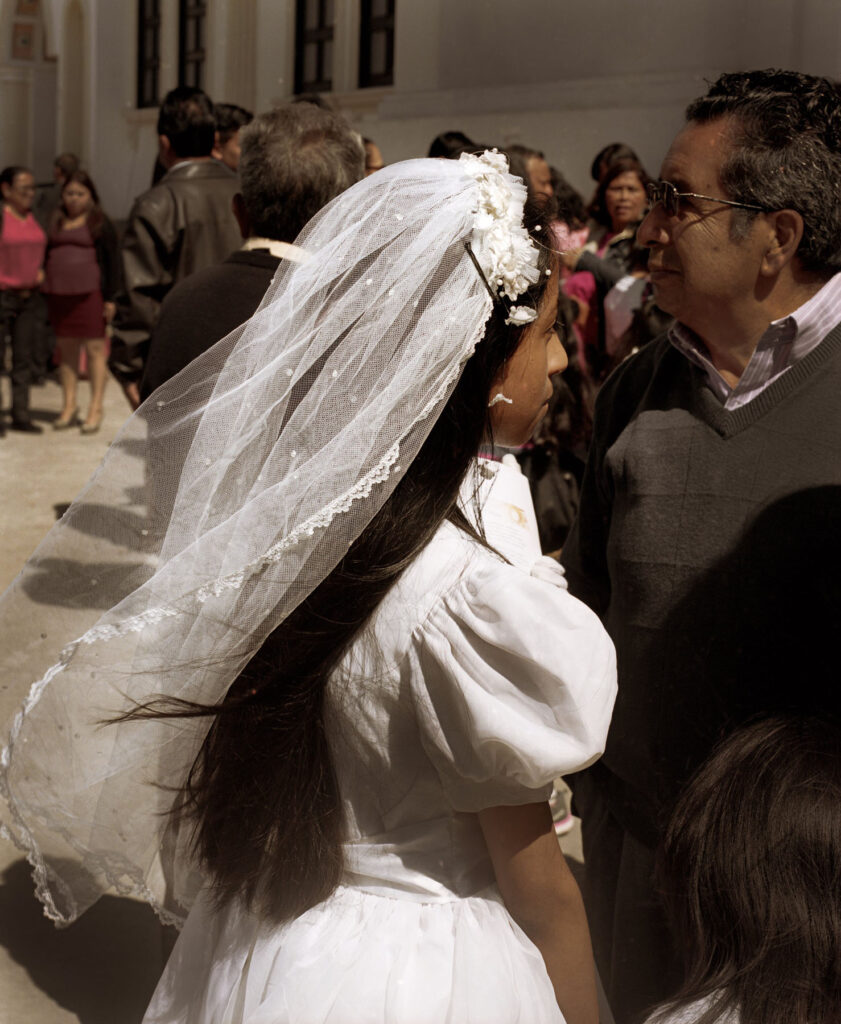
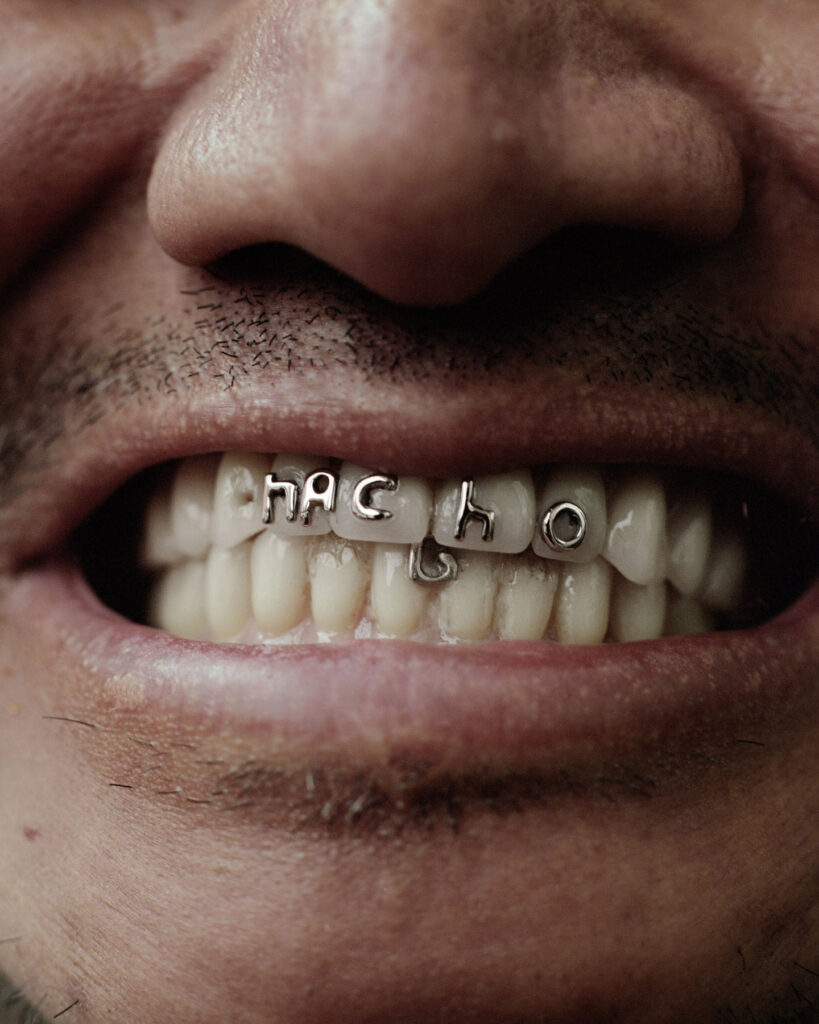
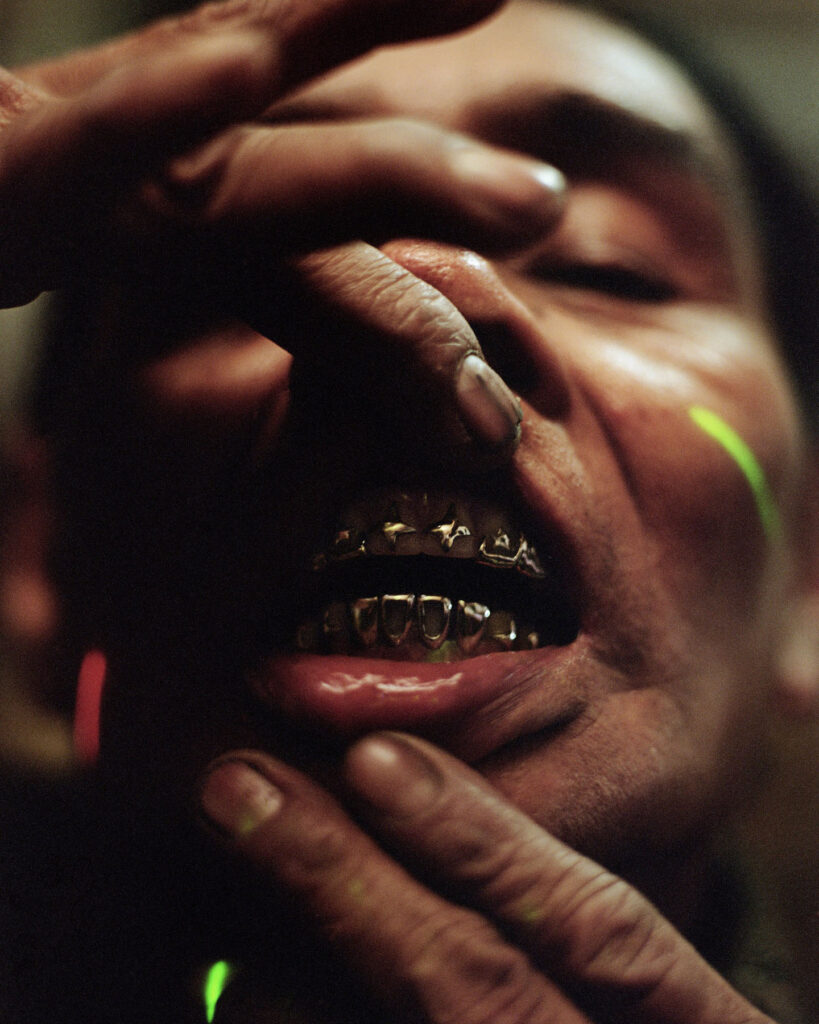
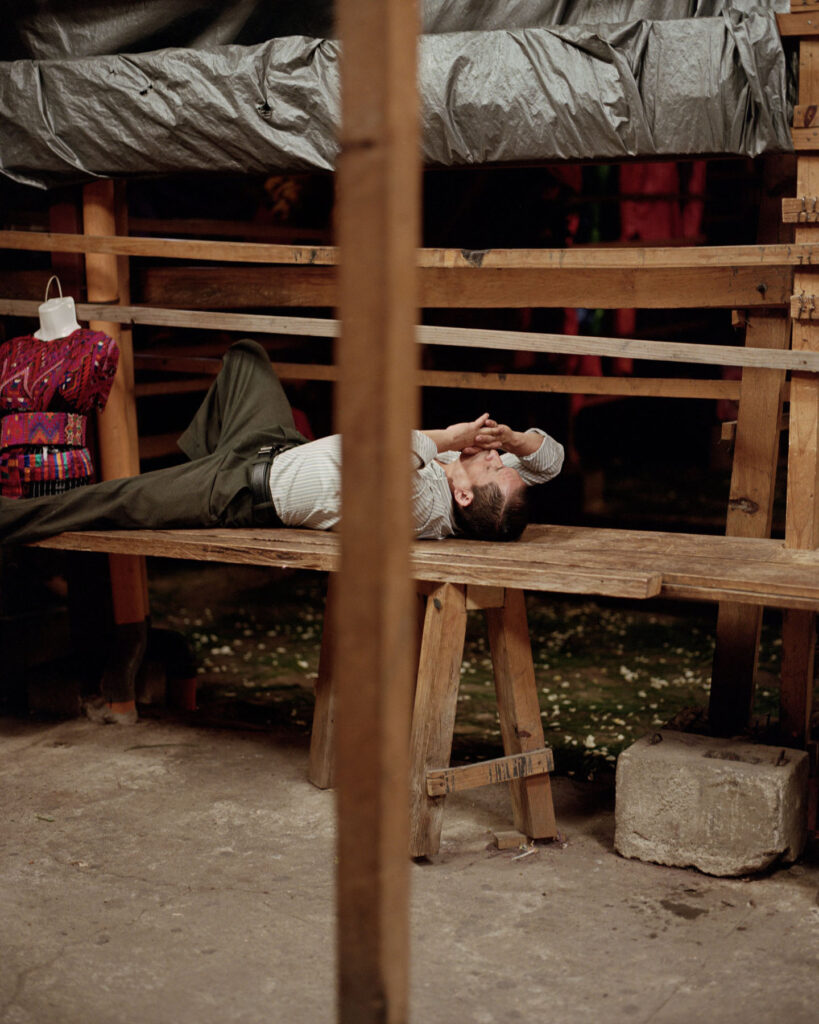
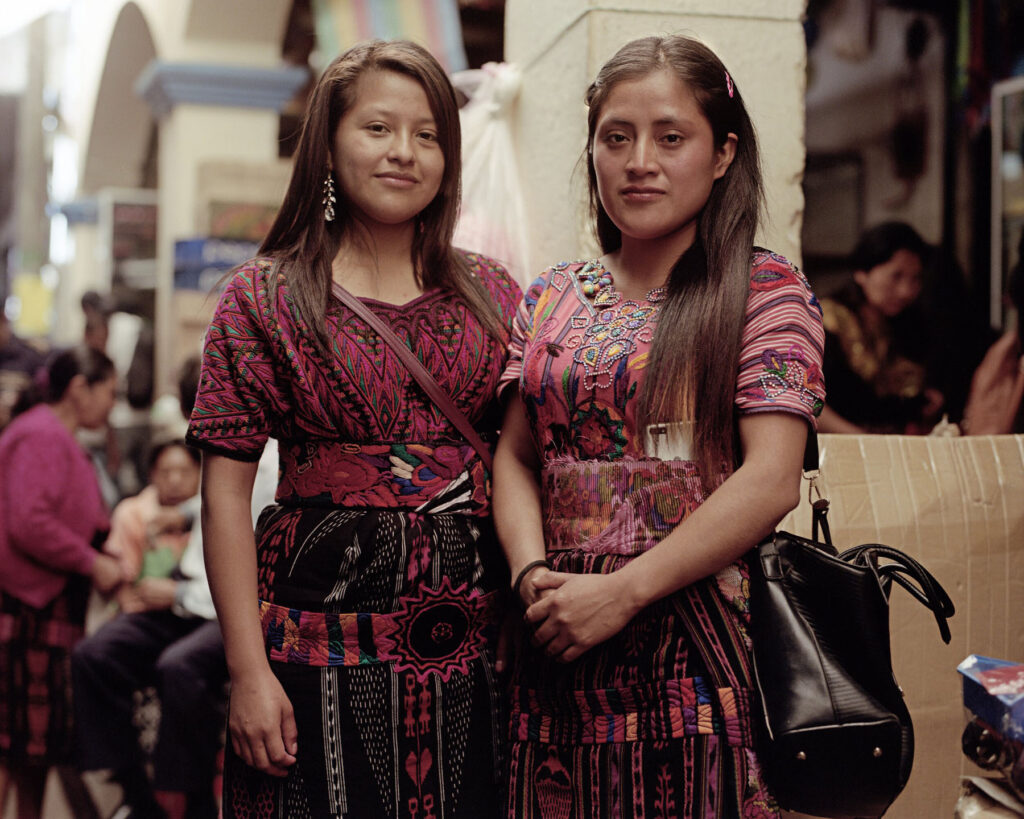
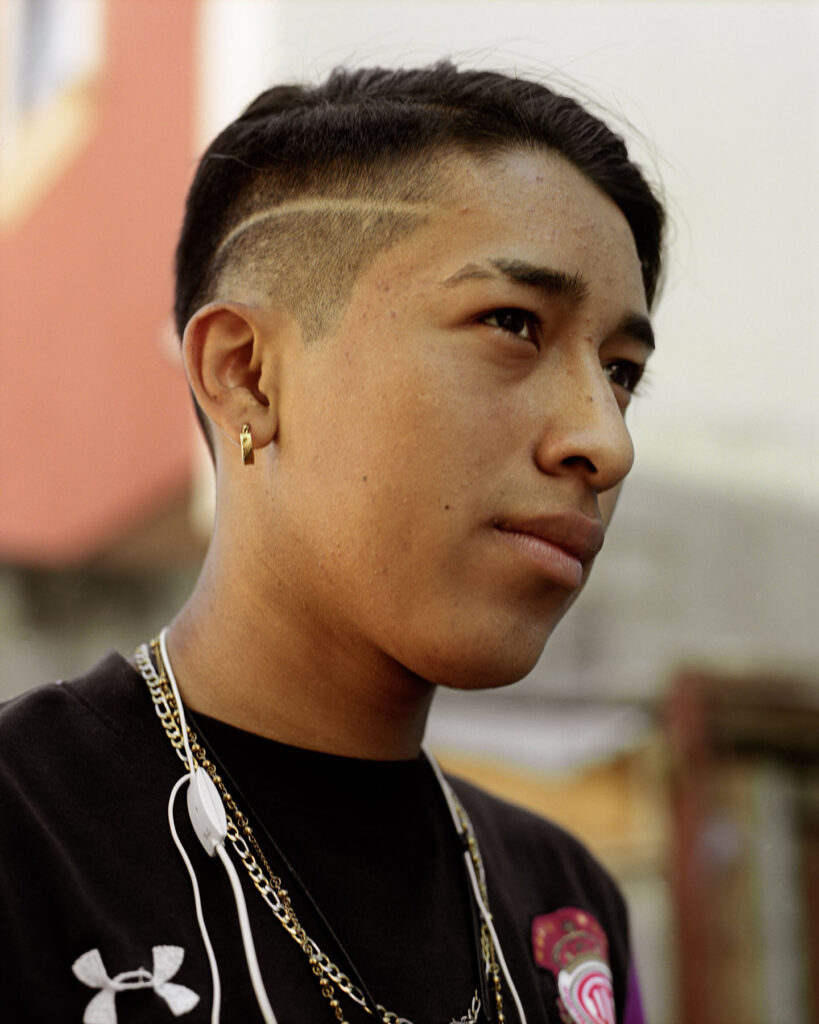
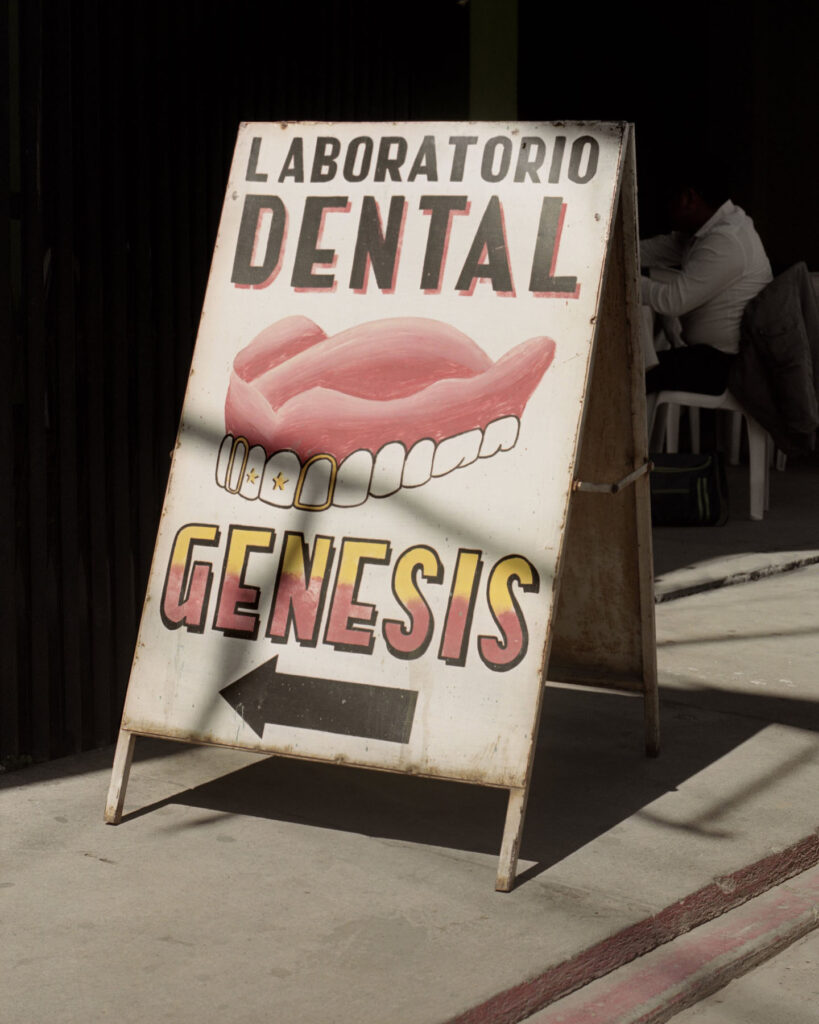
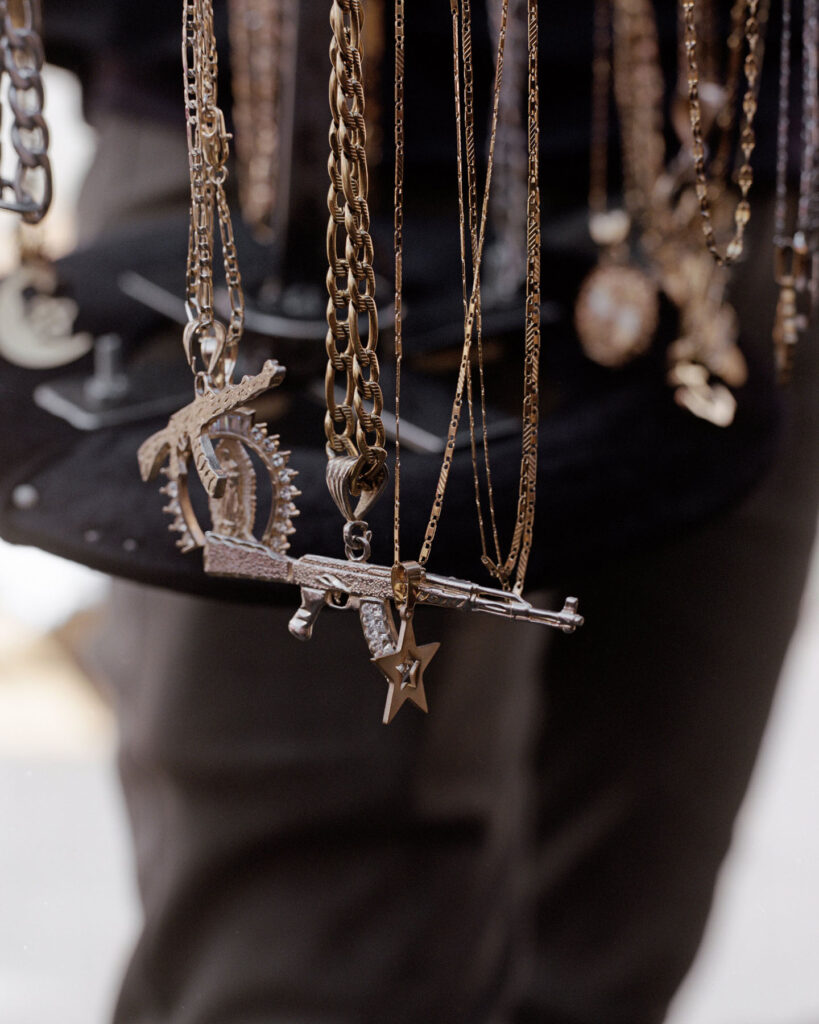
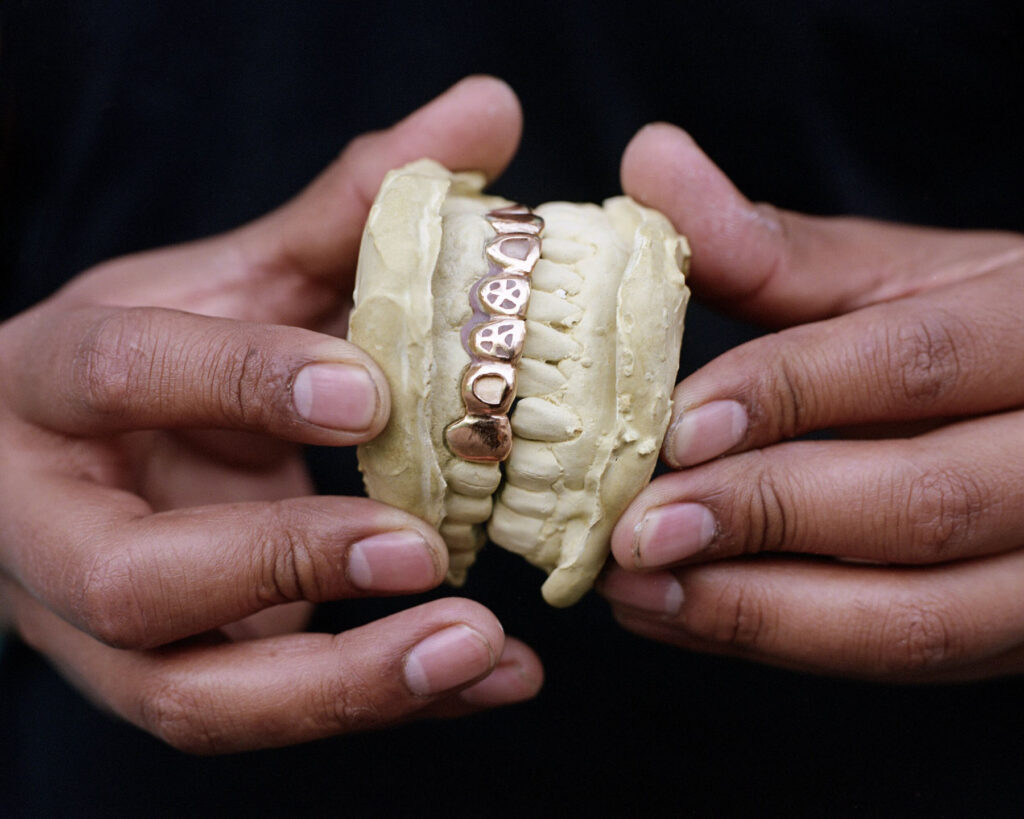
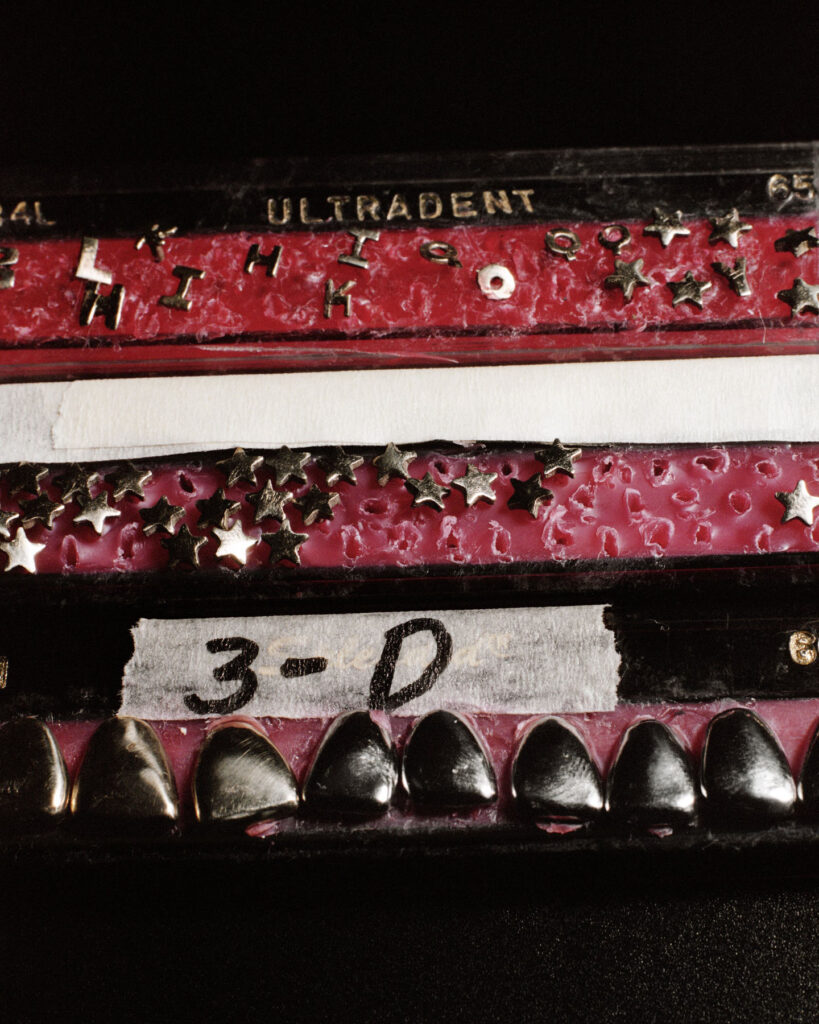
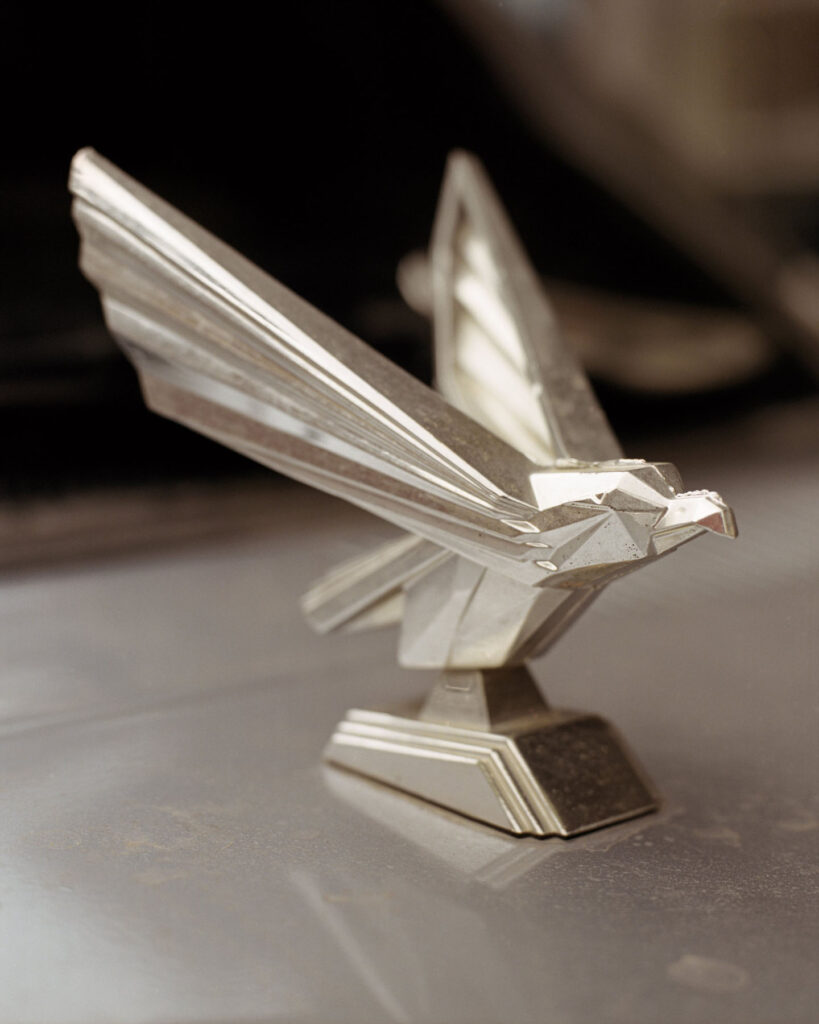
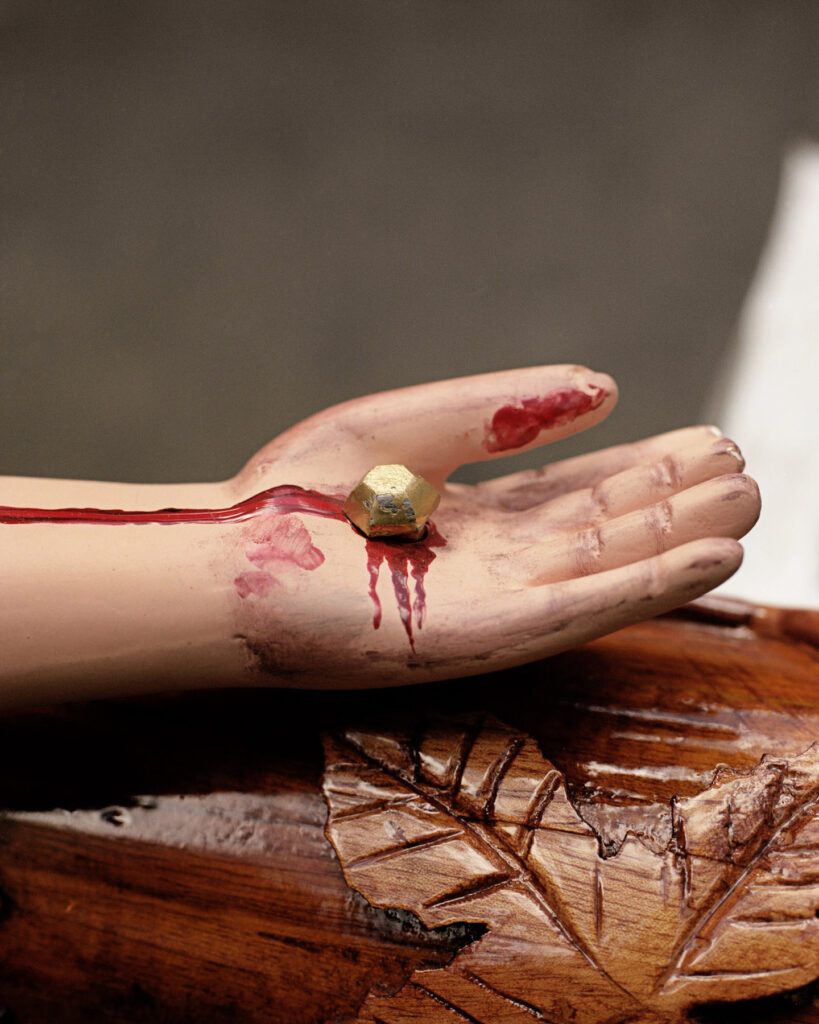
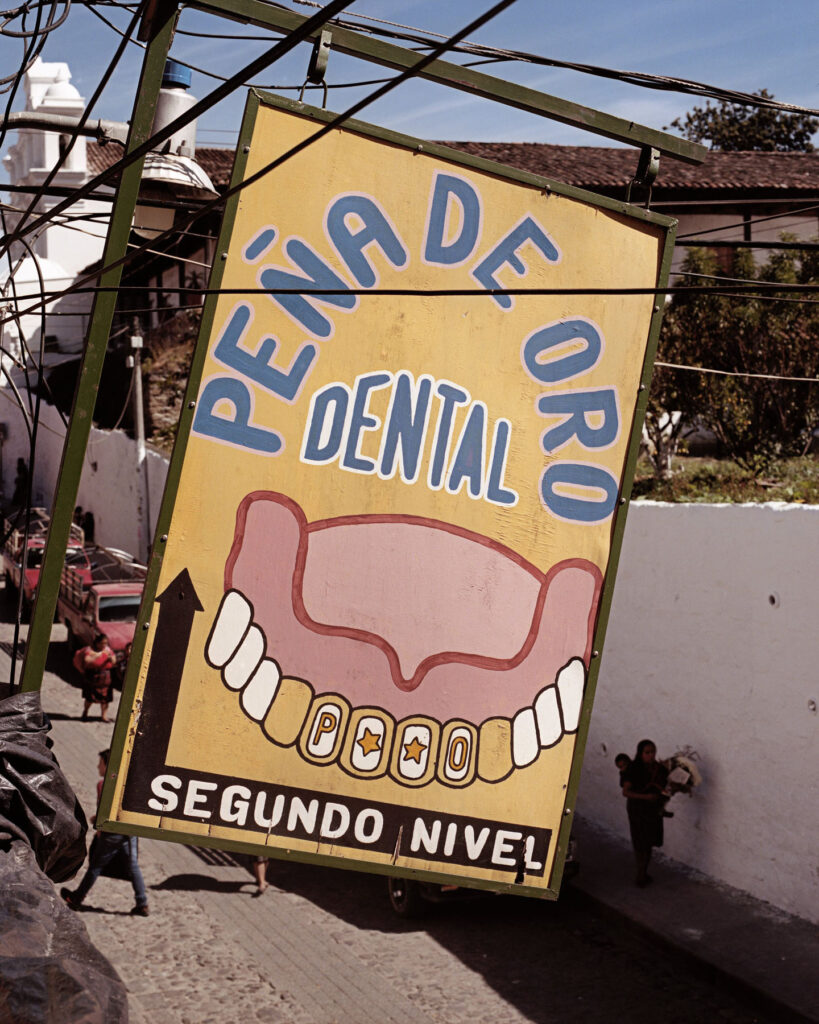
GUATEMALA CITY — After I finished shooting Tonatiuh, I needed to go back to the highlands and reach deeper into a new aesthetic developing up in the mountains, those densely populated towns are a vast source of images, images that document how the new generation understands their origins and are shifting to new trends, specially for their attire, their way of absorbing globalization and the genesis of a new “bourgeoise”. Gold is still very important, or at least the idea of it, my research is in progress and I’m fascinated with the extent these individuals would go to look opulent, to play the part.

The Guatemalan highlands define our identity in so many ways, I am fascinated by the beauty of the region but more than anything by its complex reality. Money sent from USA, Agriculture and Religion are probably the 3 most important pillars of the economy, it’s known that drug money is being laundered in many ways, and definitely thru those pillars, so I’m very carefully investigating and trying to understand how much of this boom is tied to illicit Cartel money.

This new body of work focuses on a new aesthetic, economics, globalization and the inevitable abandonment of very old practices that once defined us as a nation; as a territory.

Photographer and independent art director, Juan Brenner lives and works in Guatemala City.

Between 1998 and 2008 works in New York as a fashion photographer, his images have been published in international magazines such as Nylon, People, Oyster, L’Uomo Vogue and Anthem among others.

He is a founding member of Proyectos Ultravioleta. In the middle of 2017 his project MACÚ (in collaboration with Byron Marmol) is curated in the book CLAP, 15 years of the best books of Latin American photography published by 10X10 Books in New York. His work is part of collections in Belgium, Japan, Australia, Italy, the United States, Colombia and Sweden, and his photographic publications (MACÚ 1, MACÚ 2 and Tetano) are part of the permanent library of the MOMA and the TATE collection.


Credits

www.instagram.com/juan_brenner
www.juanbrenner.com
photo JUAN BRENNER

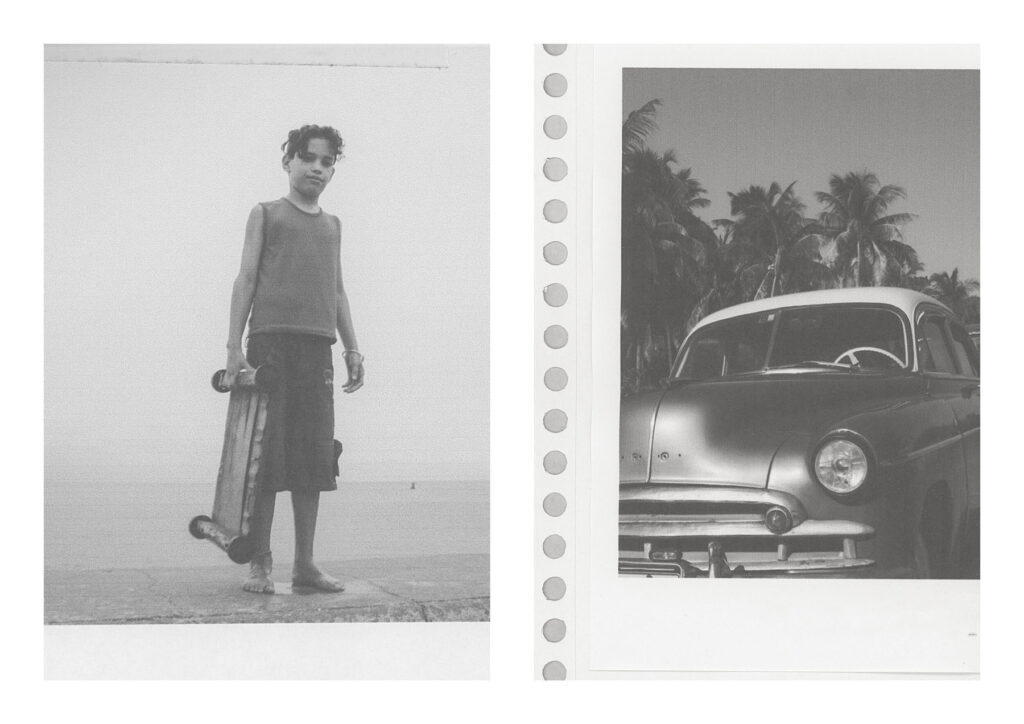
Victor Bensusi

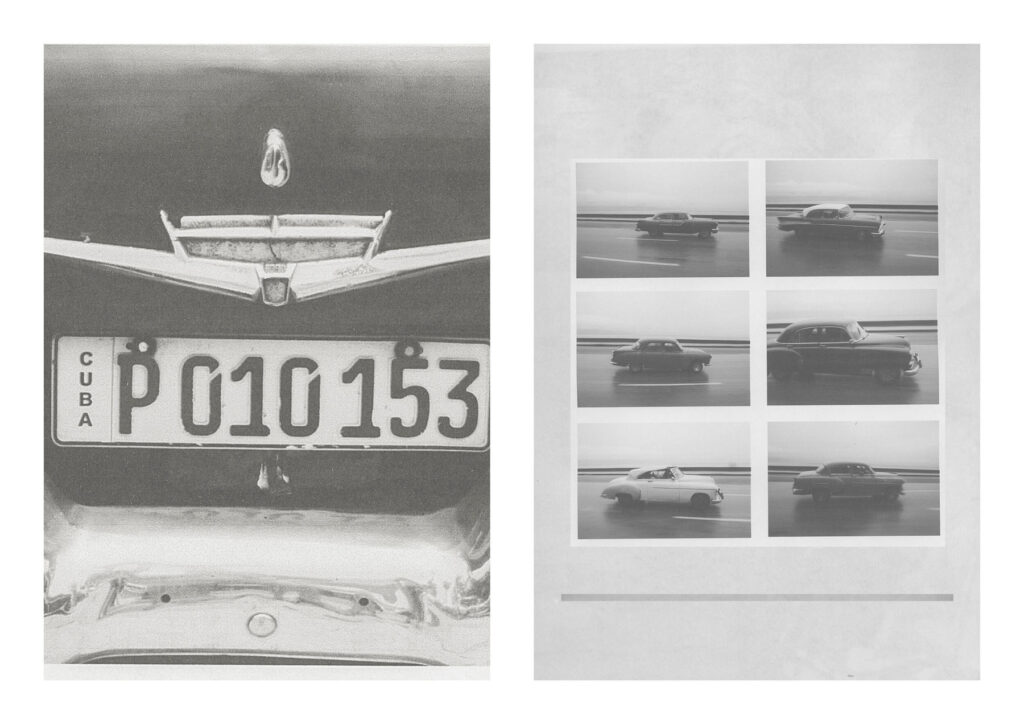
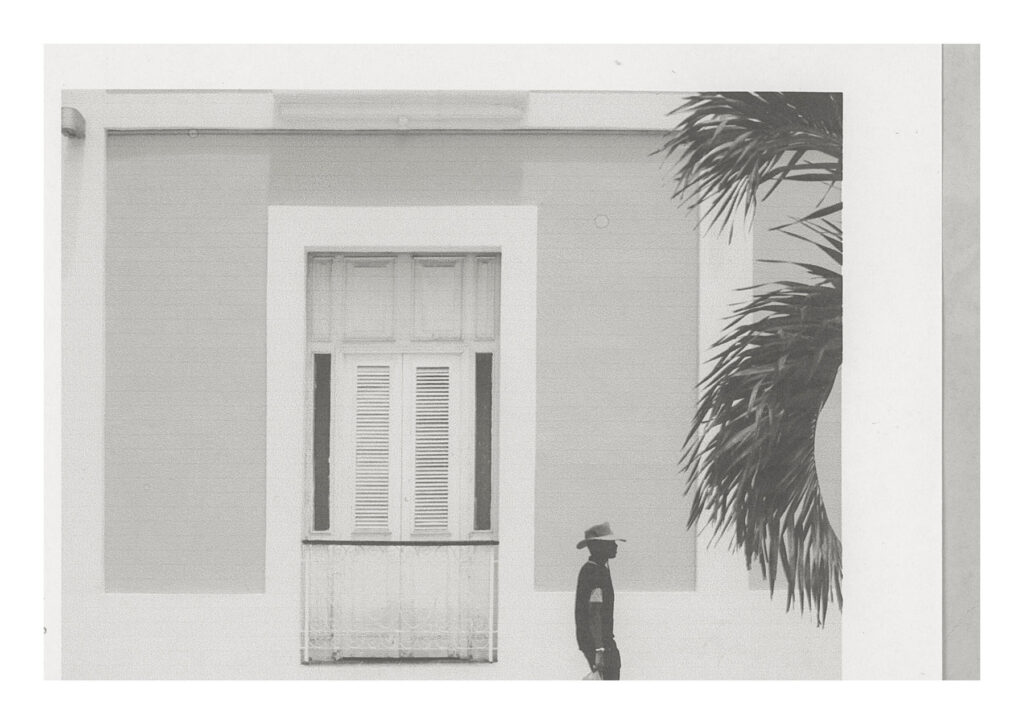
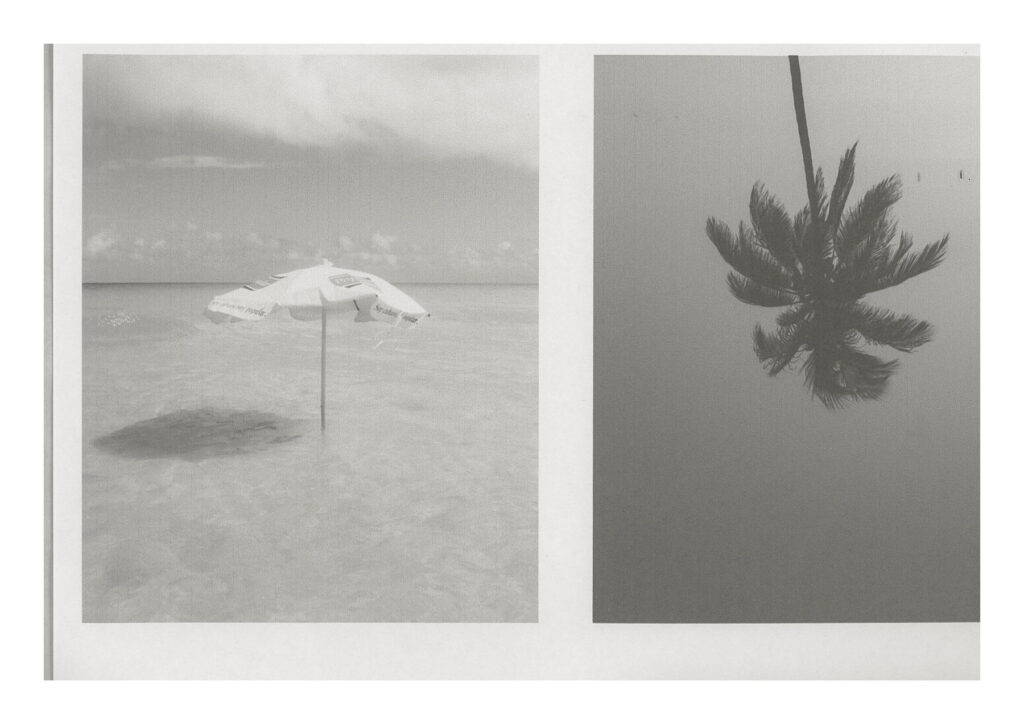
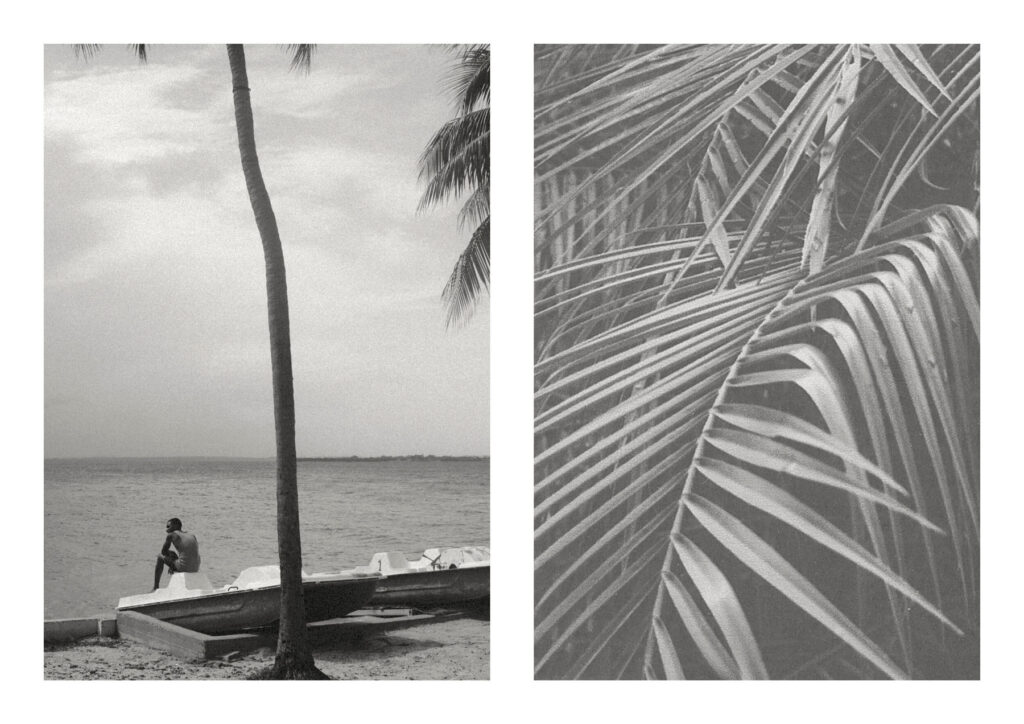
Cuba


Credits

Víctor Bensusi currently lives in Madrid working as a freelance photographer and director.
www.instagram.com/bensusi
www.bensusi.com

Yoann Bourgeois

“The relationship with physical forces has an eloquent capacity that can be very big; it has the kind of expression that is universal.”

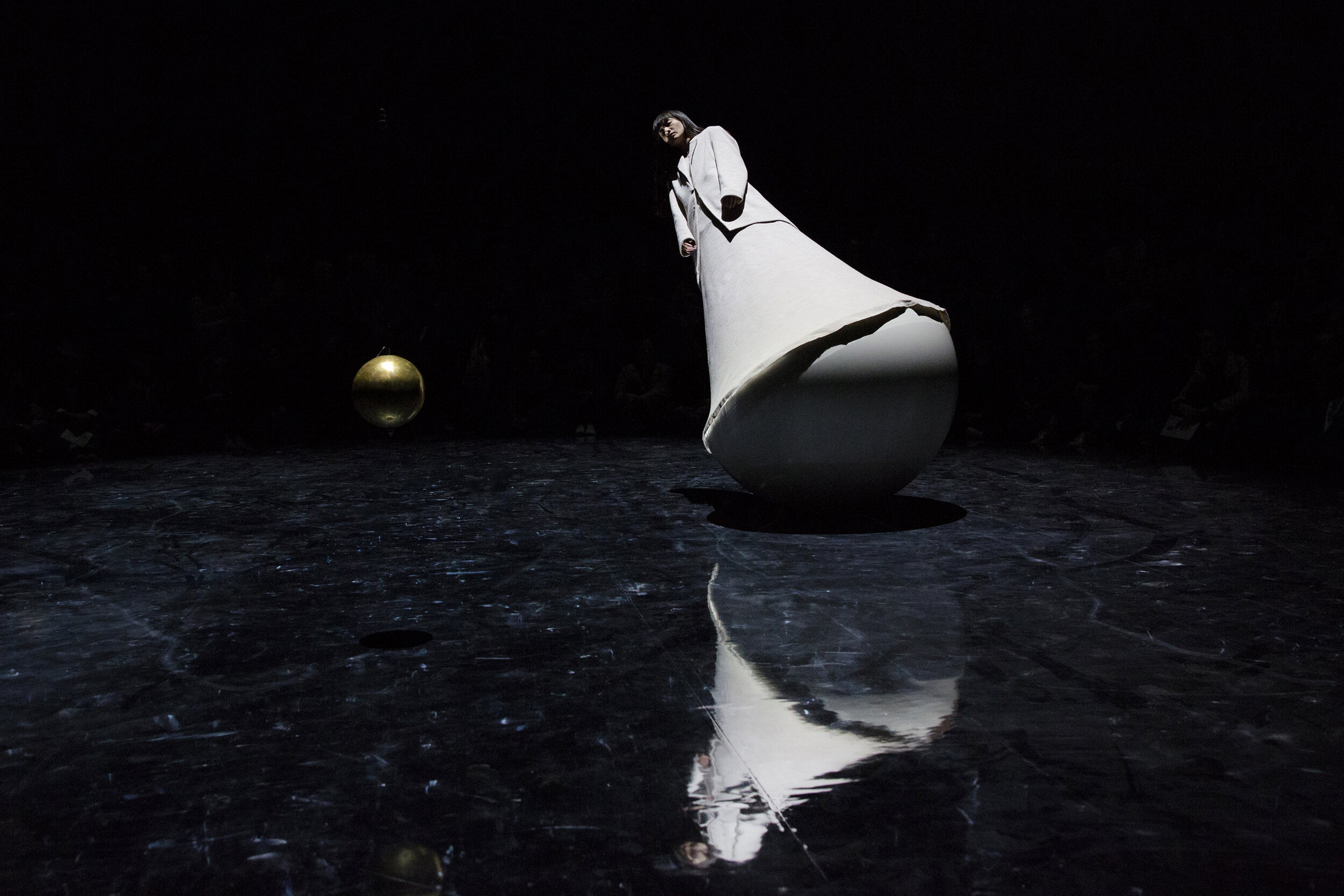
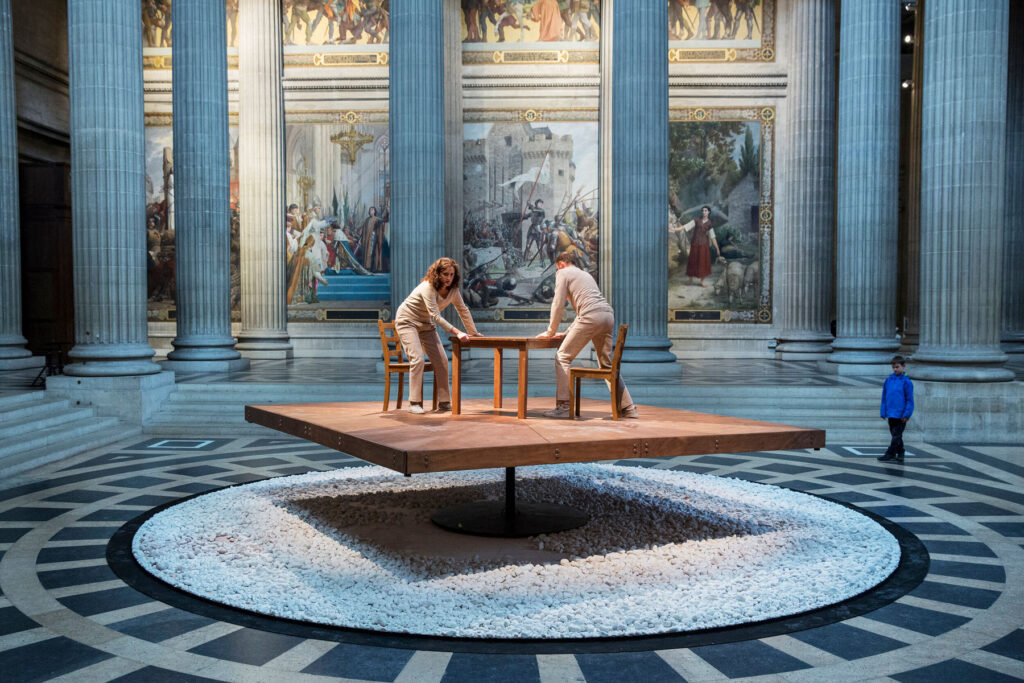
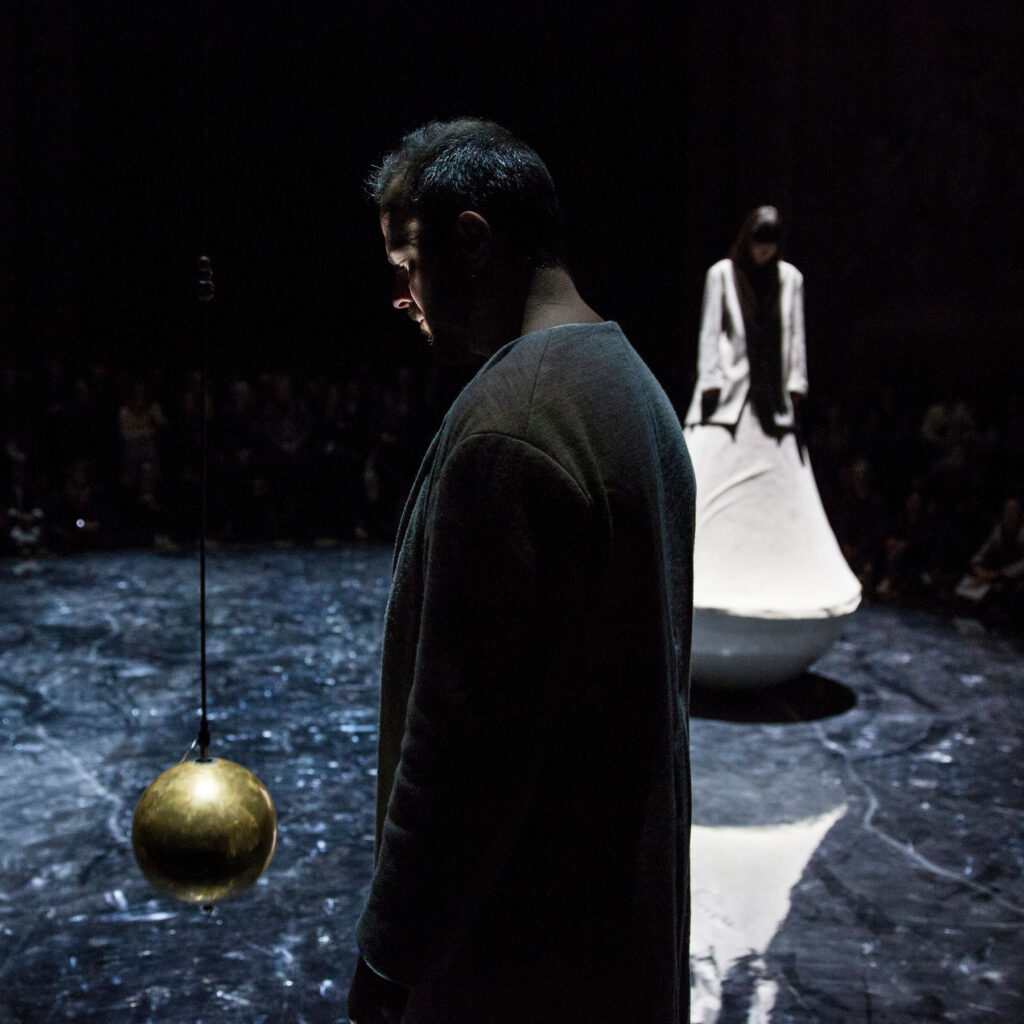
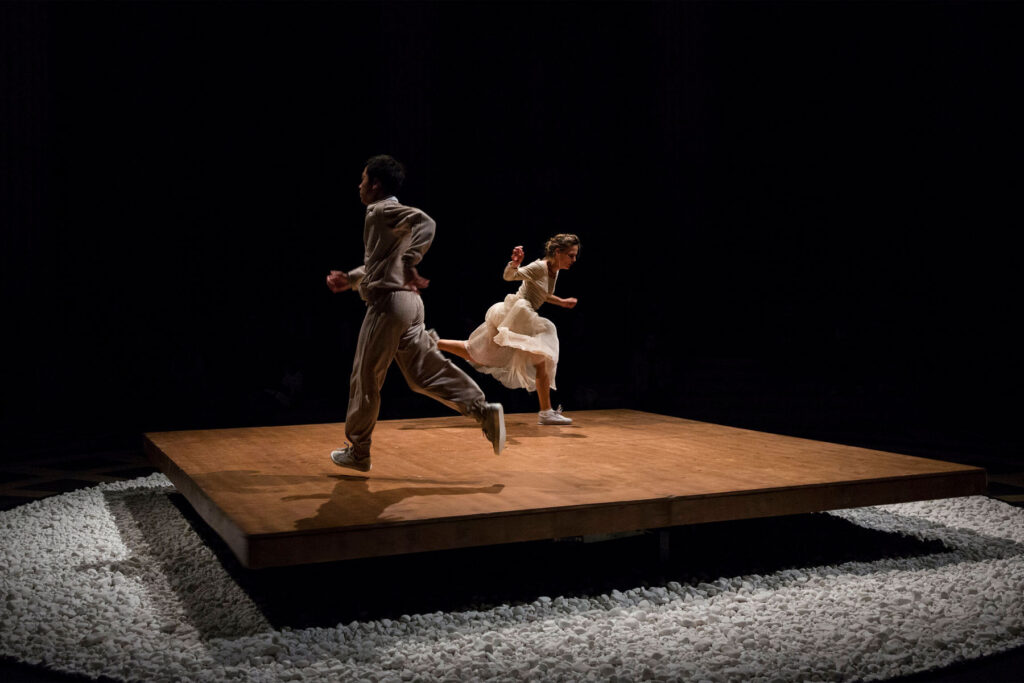
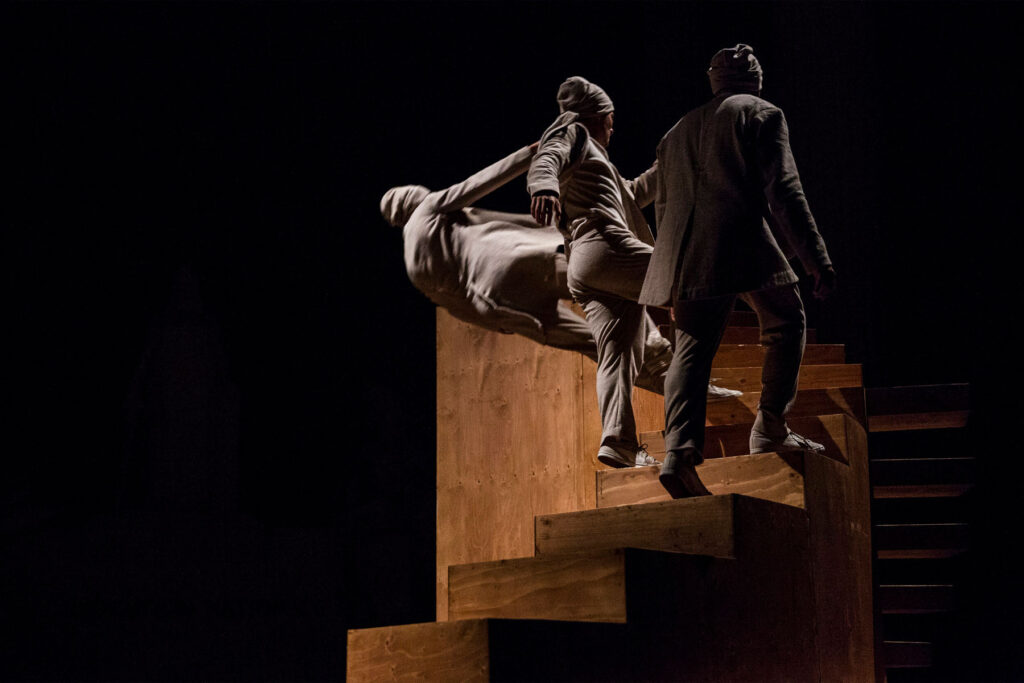
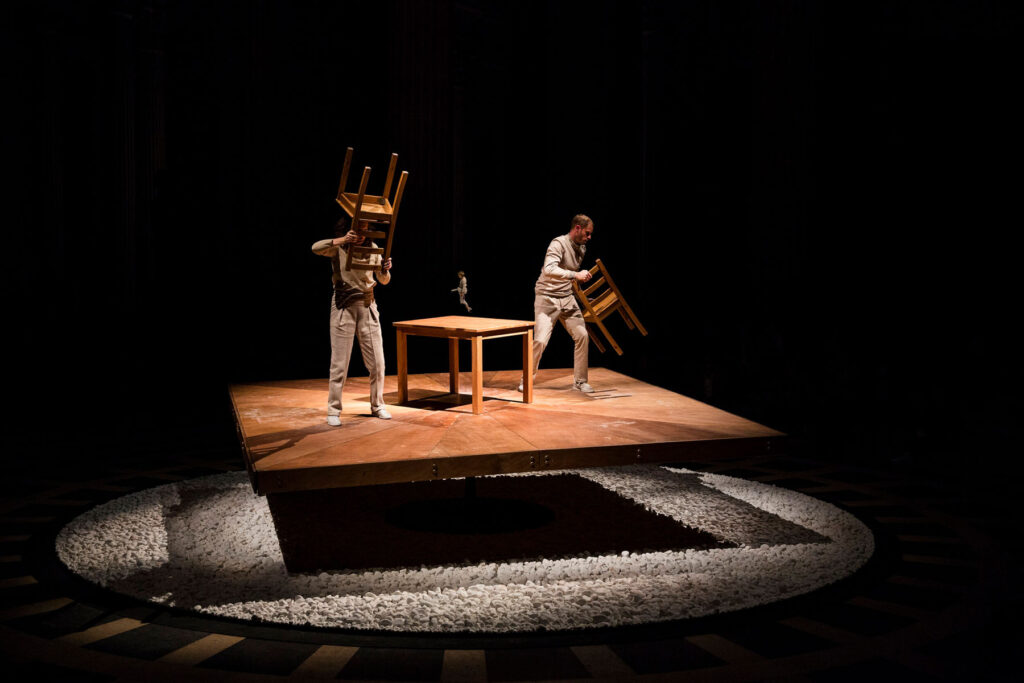
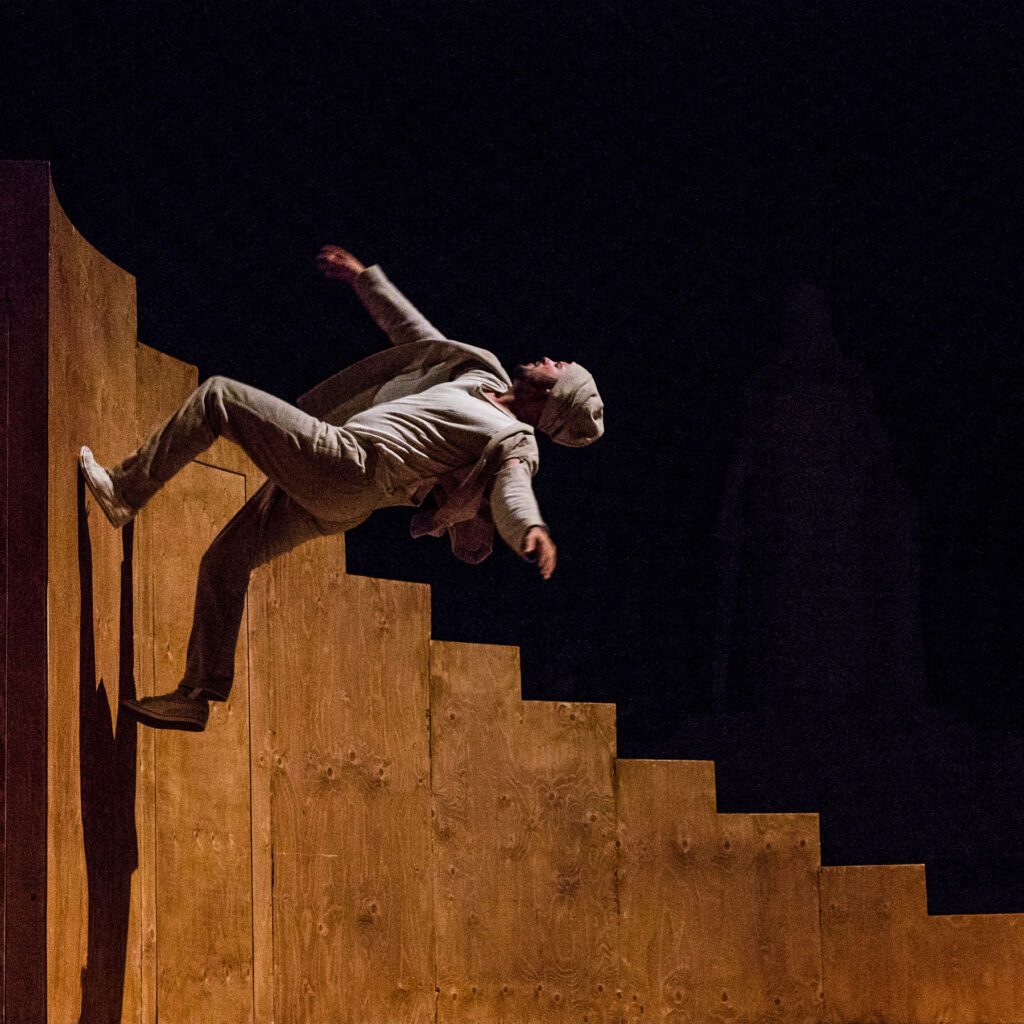
Online footage of performances choreographed by Yoann Bourgeois, such as the 2014 piece, Celui qui Tombe, can be disorientating to watch. Six performers navigate a suspended platform which moves and tilts at varying, and at times, uncompromising, angles. At first, the six are disengaged from one another but, as they become increasingly restricted in their movements, begin to interact as a group. At moments, members of the group fracture off, only to realise that they cannot go it alone; at one point, the six appear increasingly discombobulated as Frank Sinatra’s My Way plays eerily in the distance. Celui qui Tombe becomes, like many of Bourgeois’ performances, the universe – society as a whole – in a microcosm. There is something quite fantastical about Bourgeois’ work, as is the case in La mécanique de l’Histoire, an instalment at the Panthéon in Paris in the Autumn of 2017 – the third edition of the annual ‘Monuments en mouvement’ event organised by the Centre des Monuments Nationaux. Within the interior of the Panthéon, a series of separate performances take place simultaneously; like the dancers in Celui qui Tombe, these performances are detached, but not unconnected. In front of François-Léon Sicard’s monument to The National Convention, four performers, clad in grey, climb a spiral staircase, each taking turns to fall off the steps onto a trampoline enclosed below within the rotating structure; which, in turn, springs the fallen performer back onto the staircase. Ad Infinitum. 

Nothing is left to chance in Bourgeois’ work – not the choice of the four figures in grey who, from, from a certain angle, seem indistinguishable from Sicard’s figures, nor the precision of each movement. For Bourgeois, who was trained in circus art at the prestigious Centre national des arts du cirque, it is our relationship with time, space and the physical forces that is central to his practice. His performances unsettle the equilibrium and, often, induce a sense of vertigo, but it is through this process of exploring the constraints of the physical forces that our humanity is brought to the fore. Though it can be almost reassuringly soothing to watch as a figure repeatedly falls and rises on a rotating structure, it also brings to mind an endless stream of questions.

Namely, given the importance of site specificity in Bourgeois’ work, can watching footage of performances of La mécanique de l’Histoire come close to capturing the overall experience? The question of recording presents its own set of rules, Bourgeois believes, as different mediums present different possibilities; ‘I think, if we try to transfer living art into video, we will only be disappointed, but that goes both ways; things can appear in the video that aren’t possible to see in real life.’

How did you develop your practice?

It starts with where my practice came from, as a child who had this desire to never stop playing. There’s a moment when a child chooses a direction, as part of growing up, and that is a step that I never managed to take. Fortunately, I found the circus, which allowed me to remain undisciplined. Within circus, I realised that what really resonated with me was the relationship between physical forces. Of course, circus isn’t just about this but, personally, I wanted to be able to make closer contact with these forces. So, I worked with a team to build structures that would enable me to research the interactions that we have with the physical forces. 

What is the relationship between the body of the performer and the structure of the set? 

I would call it a device rather than a set; it’s through this device that the individual becomes a subject. The devices amplify specific physical phenomenon. In science, we’d call them models – they’re simplifications of our world that enable me to amplify one particular force at a time. So, the individuals, when they become the subject of these particular model worlds, they are able to engage with forces in a new context. Together, this ensemble of devices, this constellation of constructed devices, tentatively approaches the point of suspension. And so, this makes up a body of research; it’s a life’s research that doesn’t have an end in itself. 

Is the space that surrounds a device important to the overall performance? 

Yes it is; all the performances are site specific, so when I talk about ‘suspension’, that also involves the relationship that the device has with the environment. As such, the art work is poetically enhancing the environment, and vice versa; the environment is poetically enhancing the device. I’m looking for something that works both ways, and it’s also through this that I’m looking for the point of suspension. 

La mécanique de l’Histoire, performed at the Panthéon in Paris, embodies that relationship between the device and the environment – would you be able to explain the concept behind that work? 

So, it was following the same line of enquiry as global research into the point of suspension. The Panthéon is emblematic of our history, and so I wanted to make something that would be appropriate to that space. It’s a place that embodies the footprints of our history, a history that is both eventful and full of conflict. So I presented a series of devices which could be seen in 360 degrees; the audience could move around the devices because they were all placed in spaces that would allow for that circular movement. In the centre of the space, there was Foucault’s Pendulum, a device which, in the nineteenth century, provided tangible and visible proof that the earth turns.  At the heart of this work was this fascination with movement. 

What is the relationship between physics and performance?

The relationship with physical forces has an eloquent capacity that can be very big; it has the kind of expression that is universal. This is something I look for through my work, because the physical phenomenon is something that happens across cultures. 

Are the costumes of performers important or secondary in a performance? 

No, the costumes are actually quite important for exploring the relationship with the physical phenomenon. The costumes help to create something concrete. I’m trying to make our humanity visible, it’s not about being a specialist acrobat or a dancer. I’m playing with the most elementary gestures of our daily lives – like, just standing up, for example. The costumes work to enhance this elementary simplicity that I’m looking for.  

How do you want viewers to engage with your work?

I think it links a bit to the previous question, in the sense that I’m trying to generate empathy from the audience. The essential question is one of relationships, I’m considering the idea that, as beings, we are about relationships. A performance is something that only exists through the relationships of the present; it exists only here and now. Something that is extremely important to me is seeing our relationship with the universe, in times of ecological catastrophes, looking at our relationship to the earth. And it’s here that the poets have their role to play. 

Credits

Photography GÉRALDINE ARESTEANU
www.instagram.com/yoann_bourgeois
www.instagram.com/celuiquitombe

Designers

  1. La mécanique de l’Histoire (All photos)

Niklas Bergstrand

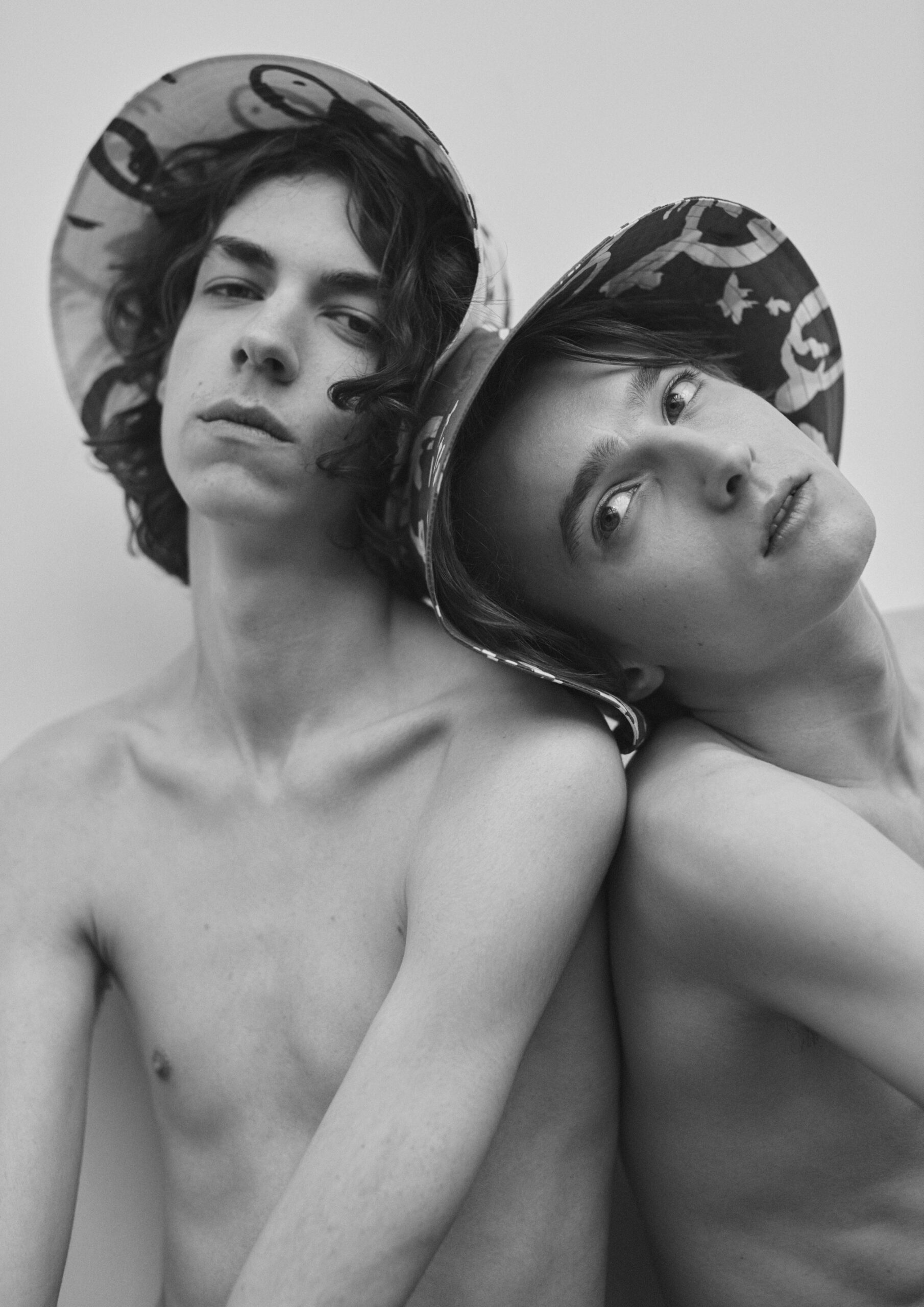
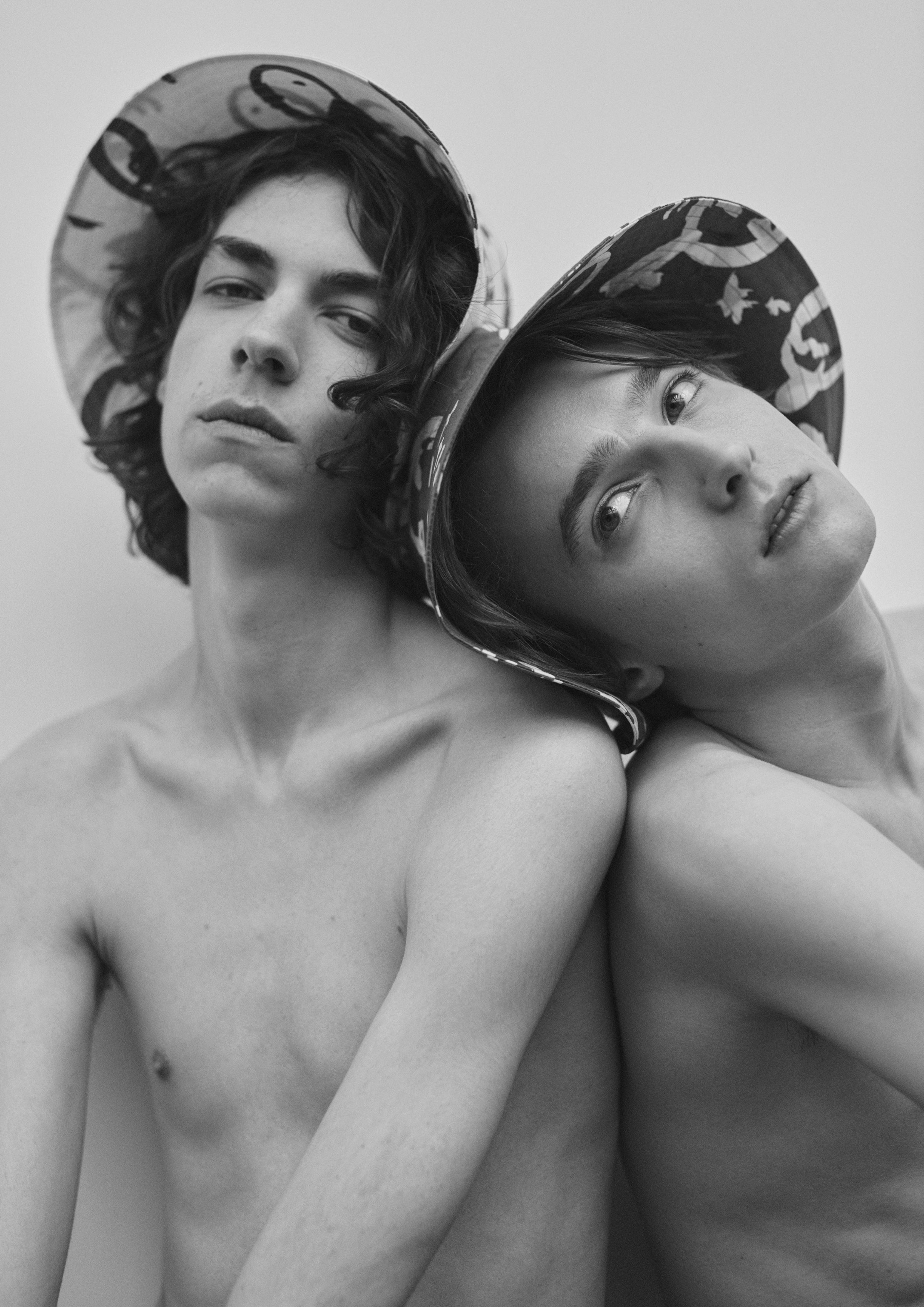
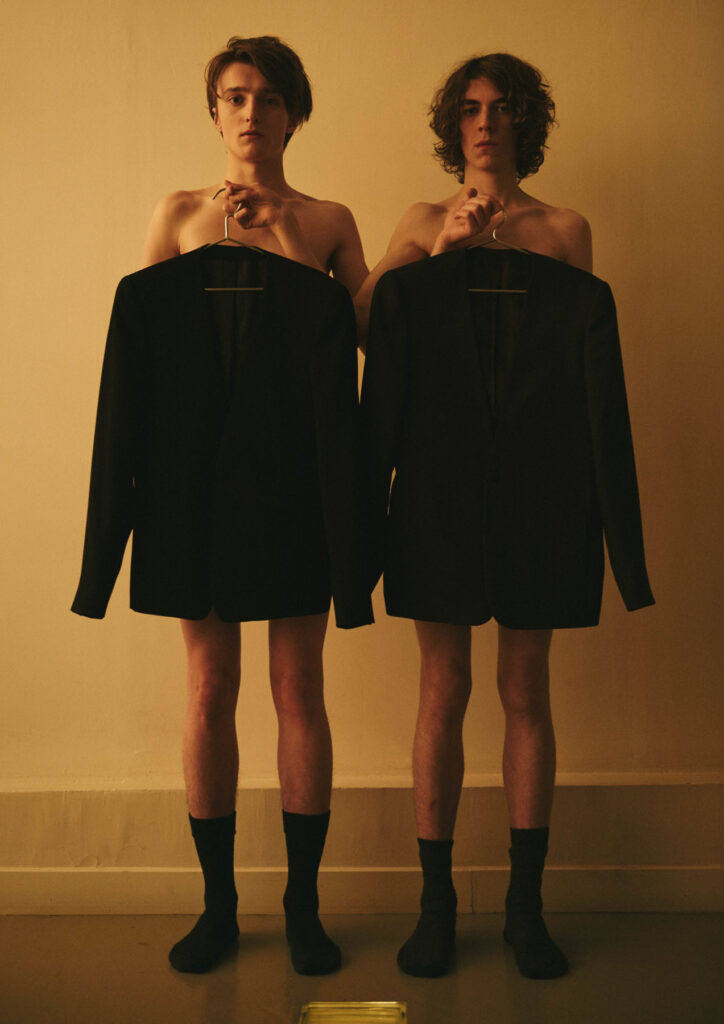
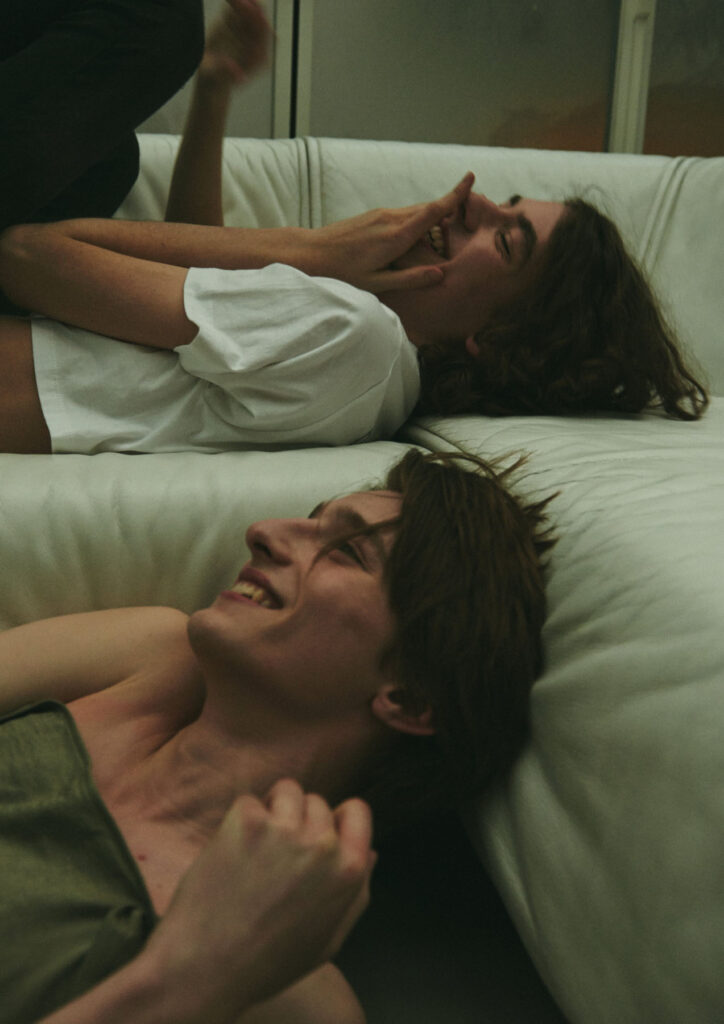
Credits

Photography Niklas Bergstrand
Fashion Lani Elisé Dafter
Creative Direction Mateja Duljak + Lani Elisé Dafter
Make-up and Hair Marta Tayanouskaya
Discover more from this editorial in the Empowerment issue

Designers

  1. Hats Tsumori Chisato
  2. Jackets Rives Paris Socks Model’s Own
  3. Oleg wears T-Shirt Andrea Crews Jeans Acne Studios Wojtek Jumpsuit Acoté

Luisa El Bouyahyani

Space in Between

Space can be seen as a free and borderless. As I searched to fund out how to visually capture an in-between space, a creative process developed. is creative process consists of taking photographs of places and textures, defining forms out of the surrounding and recombining all of it.

I define ‘natural’ as in something you do that feels good, pleasurable, right and authentic to you no matter what the activity might be. When you follow what holds your interest, are true to yourself and do what you really love and what defines you as a person.

To me talent is the successful synergy of passion and soul. It’s something that differentiates people from one another. Talent is being yourself. It’s an ability, a skill set, an expression of a passion that is located in you, sometimes hidden, sometimes more obvious. I think everyone has a certain natural ability, something they are good in without trying hard or even being aware of it.

Talent is something that grows. Something you might need to train through learning about yourself and your passion, being in a right and positive environment, overcome fear and self questioning, staying curious and open minded about your passion – and as a creative – trying to work on personal projects, experimenting and expressing your mindset (visually), no matter how individual or non-suitable it seems to be for the majority.

Jessalyn Brooks

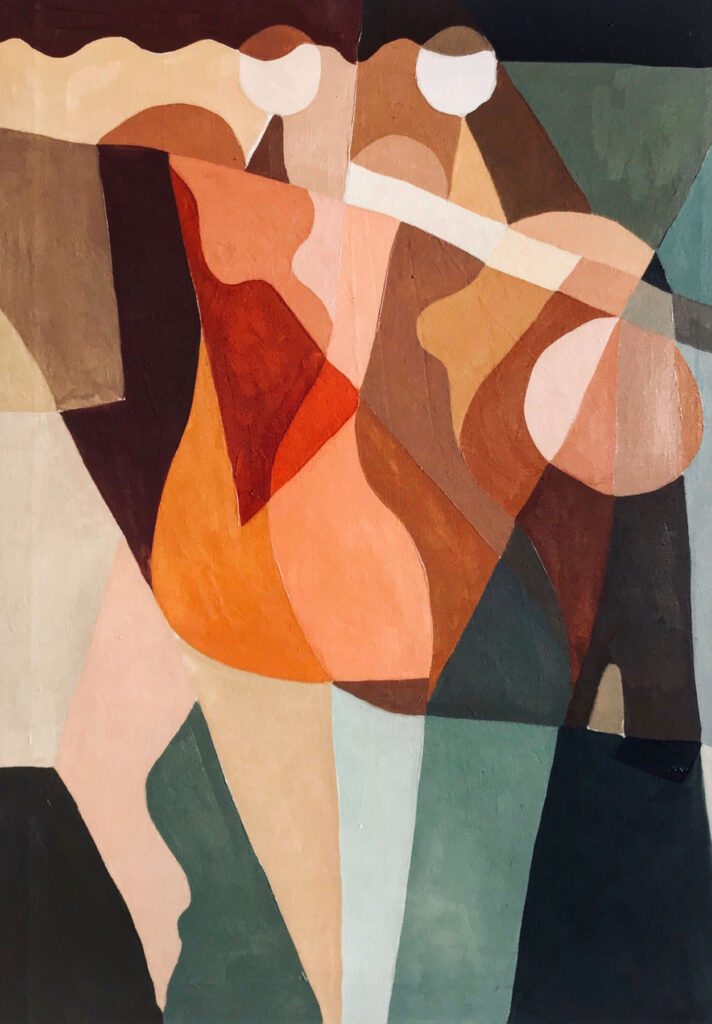
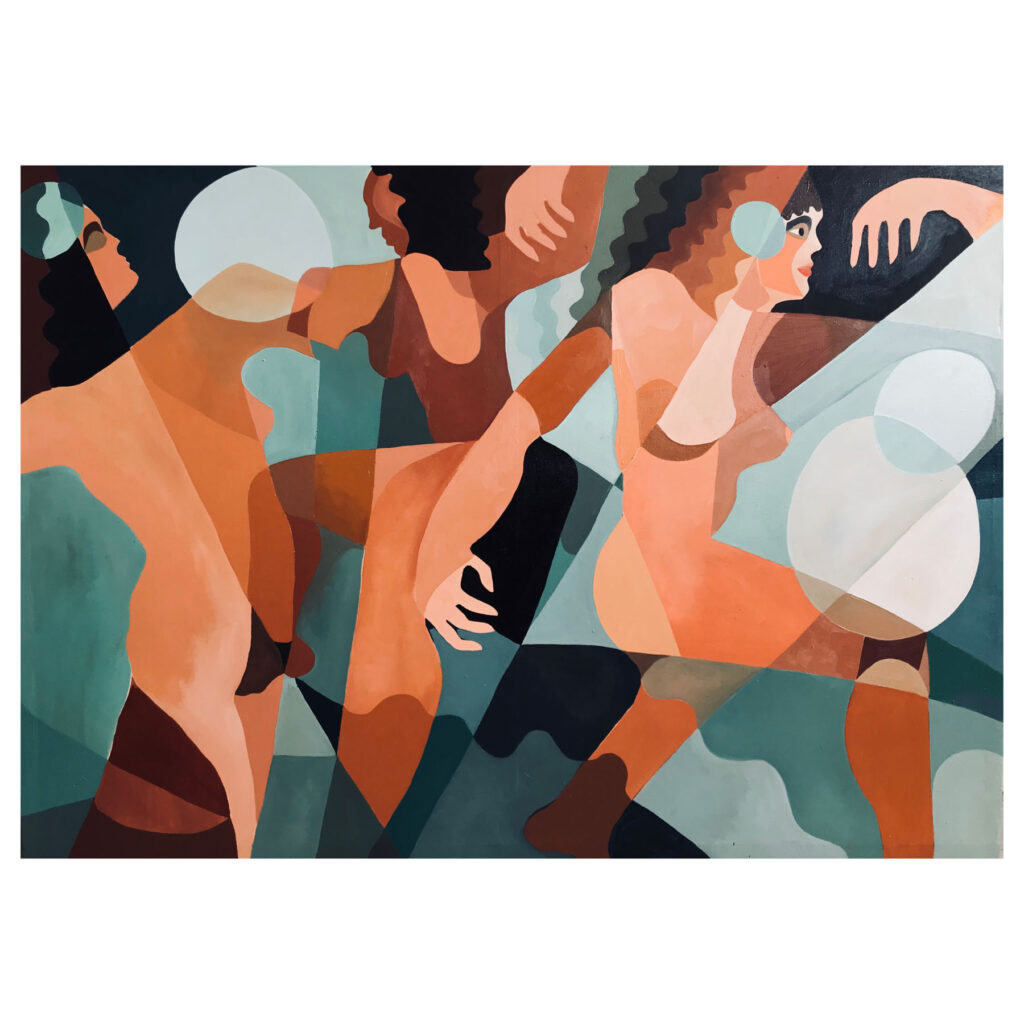
“The beginning of popular, female beauty standards didn’t start in magazines, it started in paintings and sculptures – all made and decided by men”

When did you start painting and creating and what pushed you towards it?

I first started painting when I was about 15 years old. I stopped after my first year of art school. After not touching a brush for about 13 years, I started back up again. I have no idea why. Maybe it’s just that thing where people say “fuck it” when they’re in their 30’s. I started small, just doing drawings and small paintings. Then my dog of 13 years died in November of last year. That’s when I went all in. It helped me cope.

How do you find the balance between the vision you have and the mediums you are using?

Right now I’m using oils. I don’t know how I forgot how messy and frustrating (and dangerous!) they could be. Working quickly with patience is something I’ve always been good at. Mixing thinners with oil bodies speeds up drying time and still giving it a good finish and texture. I don’t even know if what I’m saying is right. I’m still so new at this. It’s been a lot of trial and error. That being said, color is very important in my work. The mixing takes most of the time. The placement of the color blocking is always the challenging part. I move back and forth between monochromatic and complimentary colors-, contrast and muted palates. It’s rare that I ever map or plan anything out, so I kind of just rely on my instinct. The oils are a pain in the ass when you’re being precise but the organic feel- the natural pigments and hues- are so much more important to me.

What inspired your style of work?  Where do you get inspiration from? Are there any particular artists, photographers, painters drawers you look up to their works? 

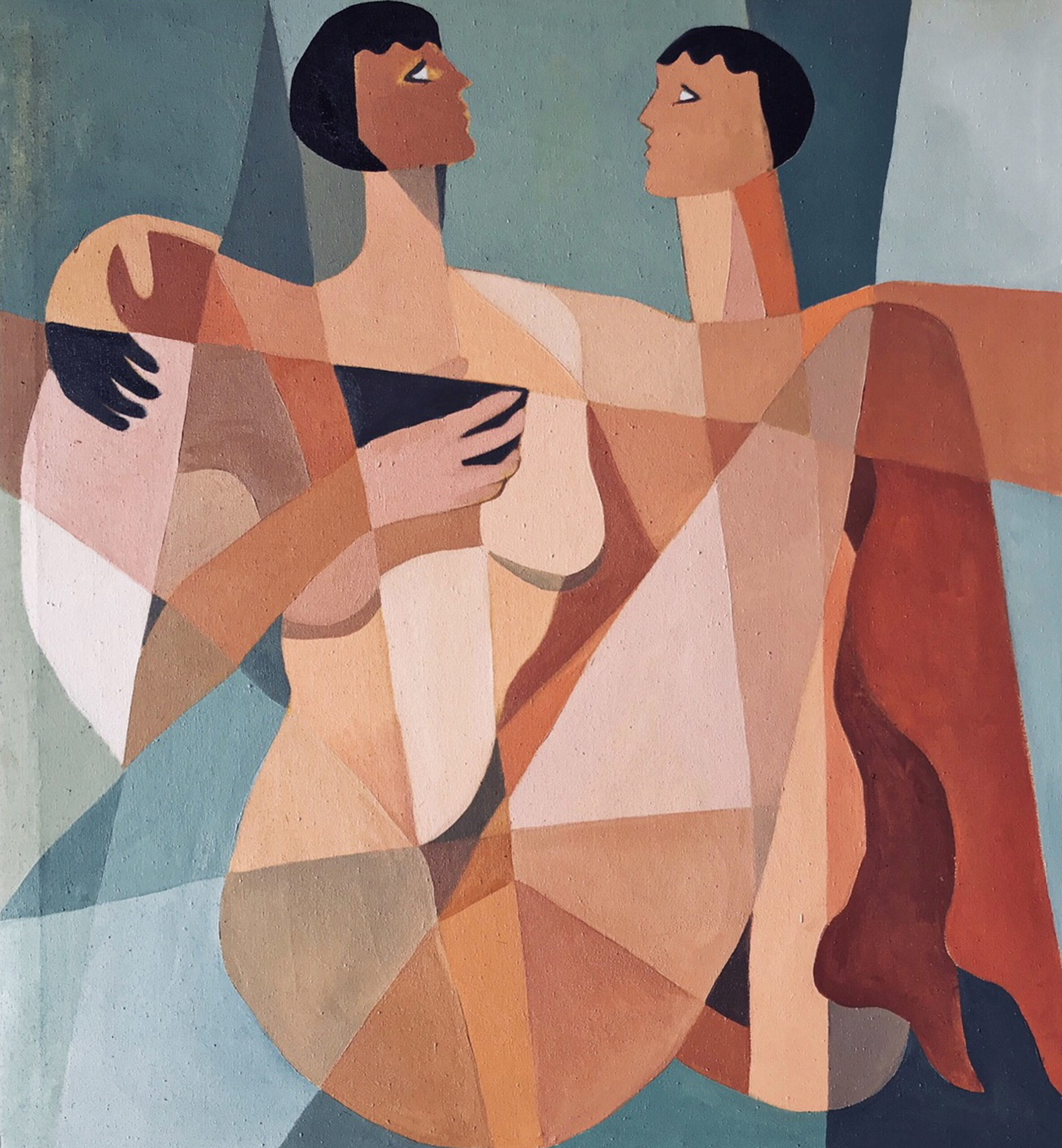
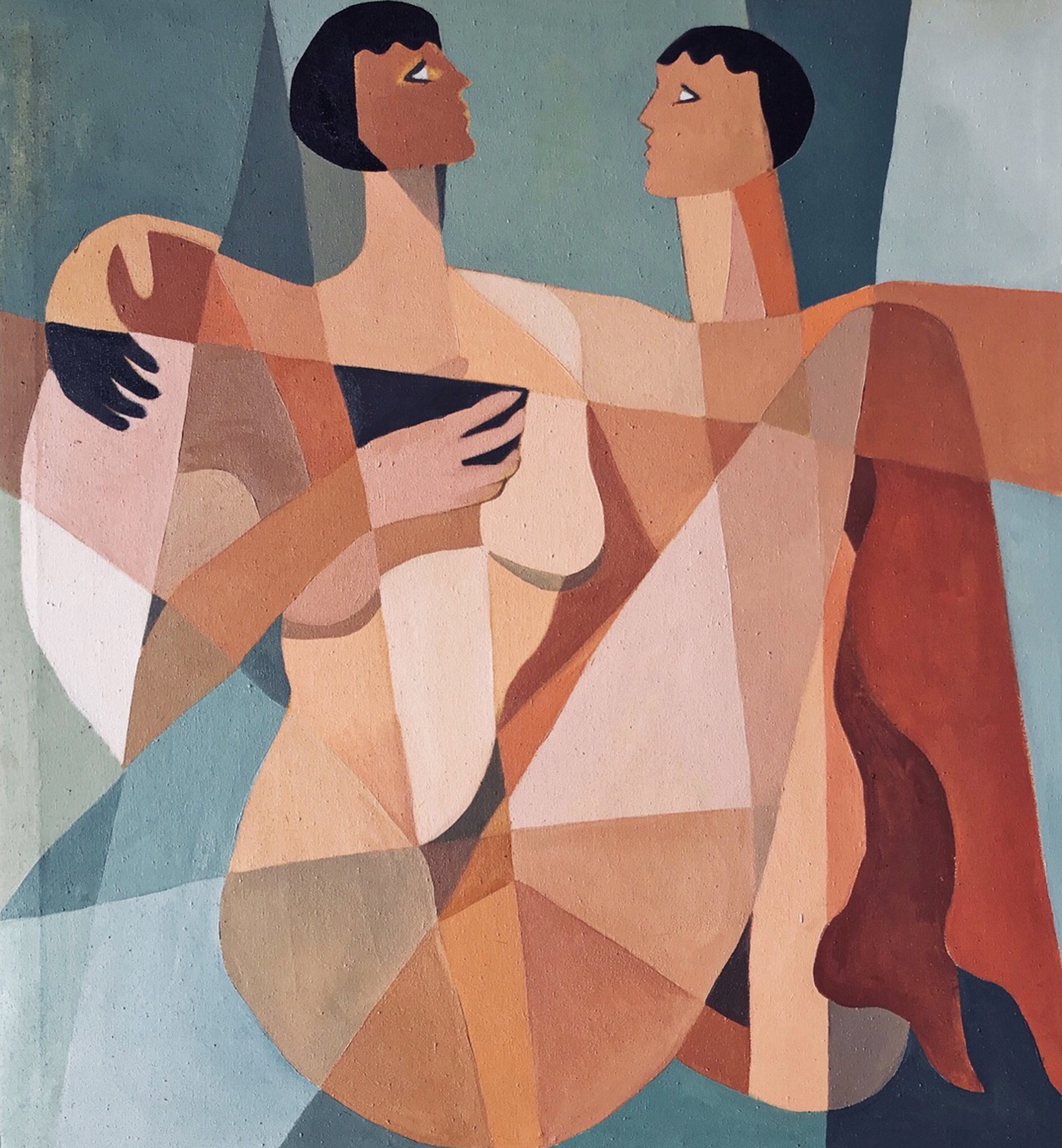
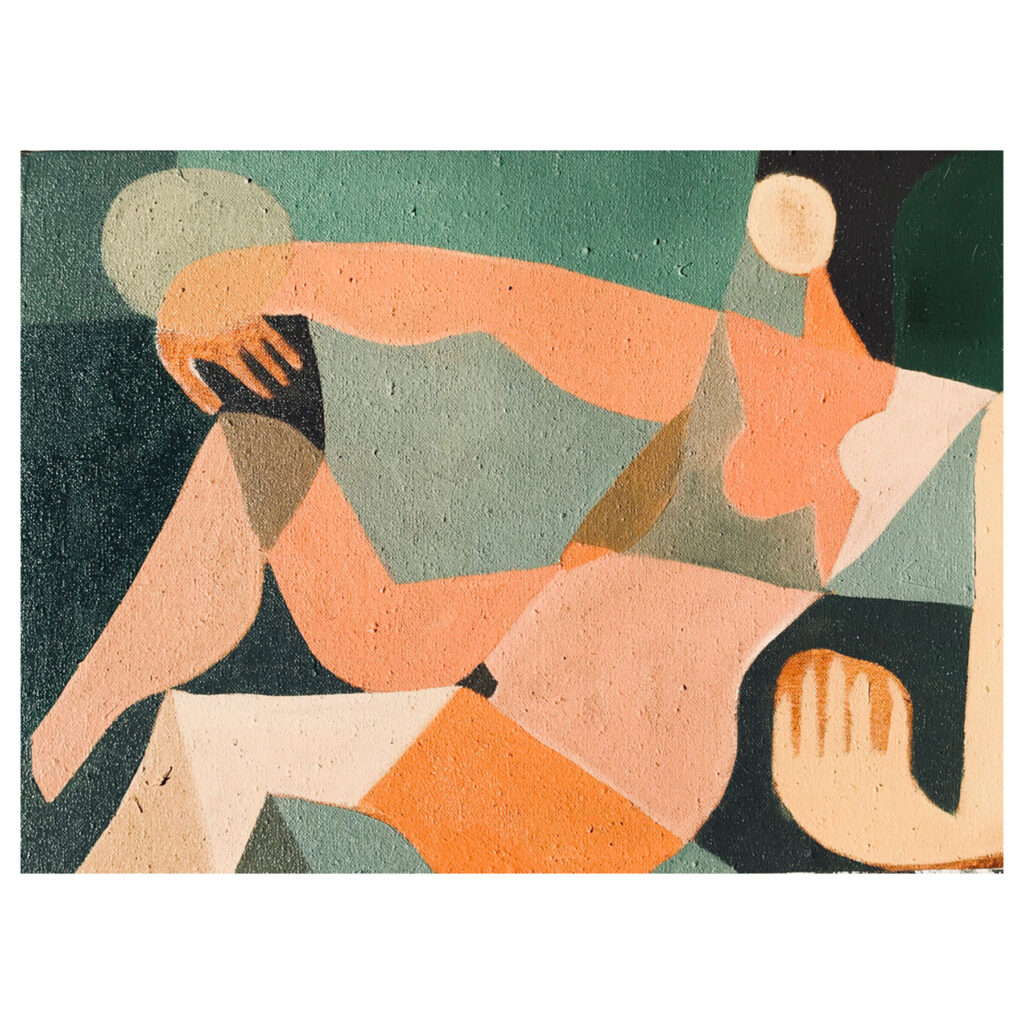
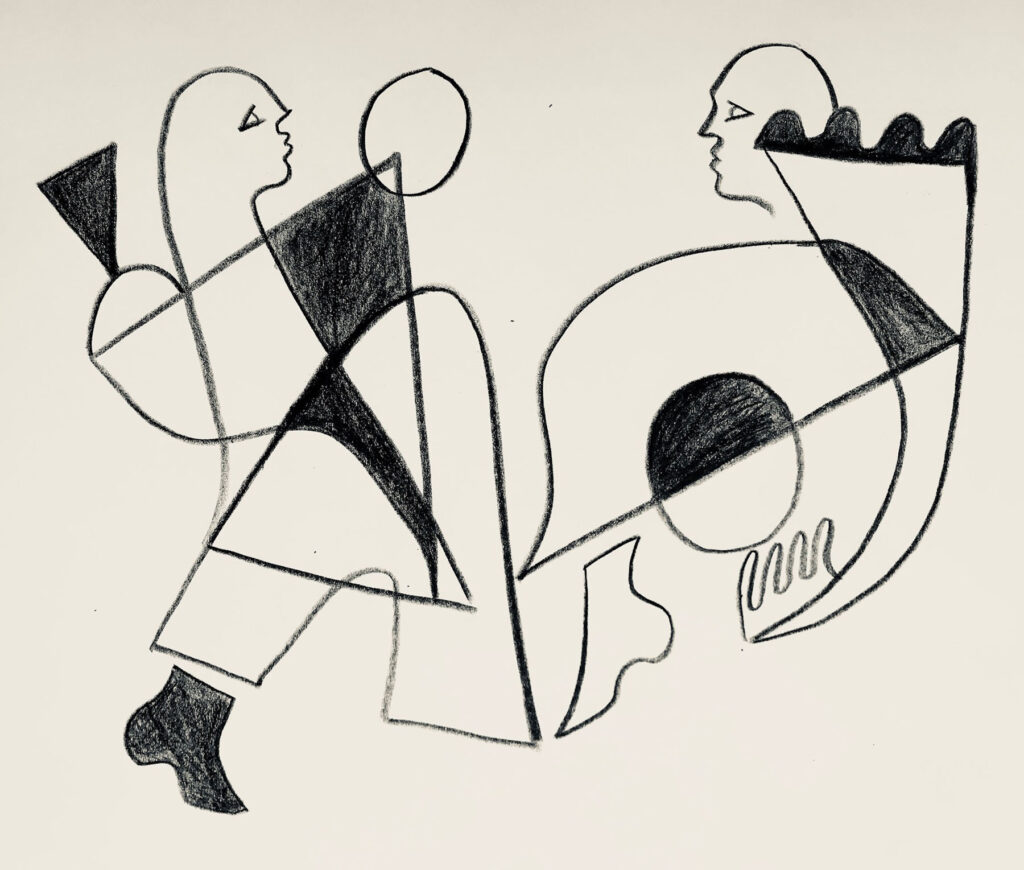
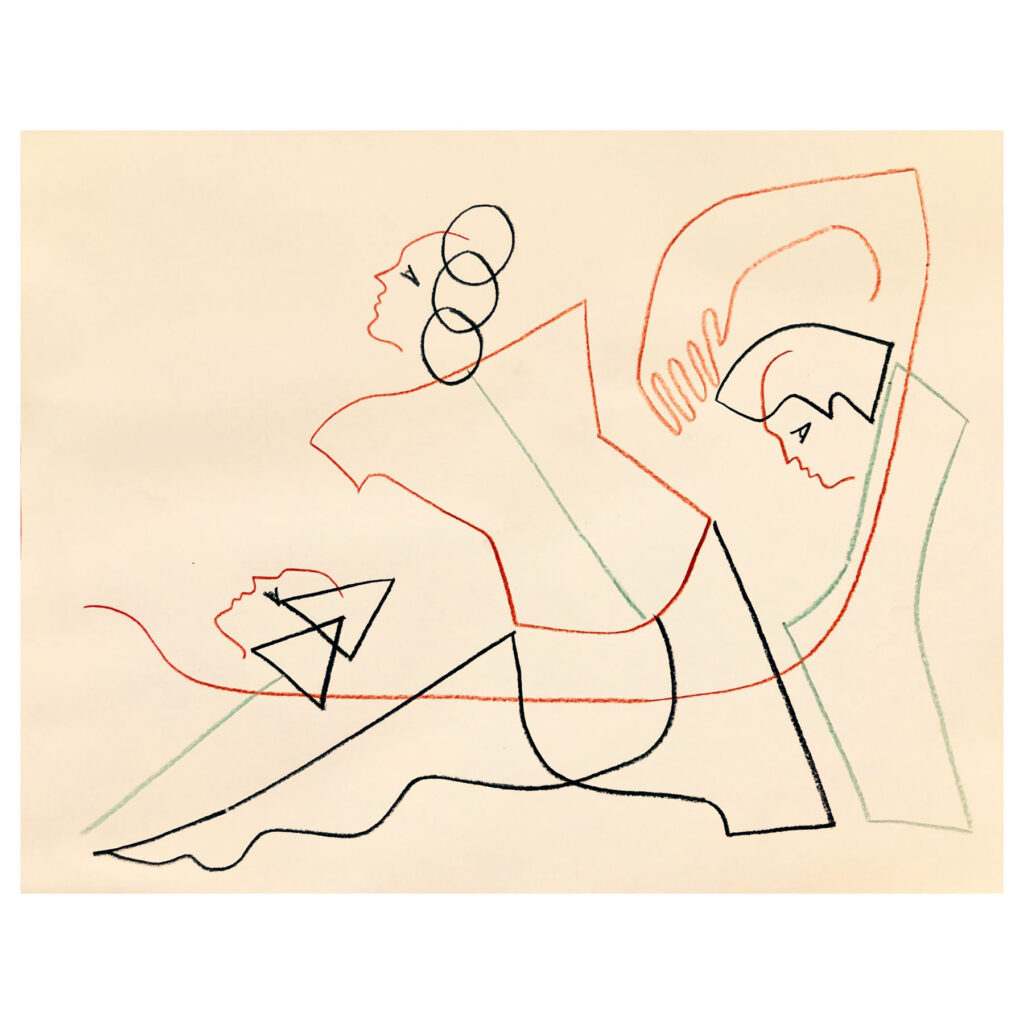
I guess I’m mostly inspired by artists of the early 20th century cubist movement. Braques, Klee, Picasso, Severini, Picabia, etc. I’m inspired by the romance of industry: machines, shape, metal, volume, movement. I’ve actually been living in a factory for the last seven years here in Los Angeles. It was built in 1910 as a textile factory and still to this day functions as one (I just live here illegally…) A lot of the shapes I’m inspired by come from the old relics that live around this building- the furnace tower outside my window, the layers in the stairwells, the half-moon windows in the mezzanine. I’m surrounded by industrial life, I guess it’s only natural it finds its way into my work.

How long does it take to create a piece? What is the process being it?

Each piece is obviously different. Some of my larger pieces may take me days, some of the small ones take me an hour. I normally start with an oil wash- normally an umber or cadmium orange of some sort, then I move on to the composition, where I use a light oil wash to make my forms. When that dries, I start the color blocking process, which is when I just go on auto pilot. The mixing takes about half the time. The colors have to shout at me before they find their way onto the canvas.

Would you say that there is a main thread connecting all your artworks and if so, which is it? 

The main thread in my work is typically a strong, angular, full-bodied woman (or two, or three). It’s the only thing I’m certain of- That I am a body and that I work. A lot of my work is really just me and what I remember about my body and the environment I’m in.

What kind of talks would you like to hear around your artworks? 

I’d like to think that my work is more than just pretty nudes. For centuries in art, the female form was made solely for the male gaze. The beginning of popular, female beauty standards didn’t start in magazines, it started in paintings and sculptures – all made and decided by men. Most of my followers are women. I am a woman. There are no beauty standards applied to my paintings, yet you still know it is a form. The beauty is in the familiarity- the distinctive and almost subliminal contours of the female form that we sometimes neglect- the divot between the hip and thigh, the hill along the forearm, the bridge of the foot, the space between the armpit and the breast… THOSE are the shapes that I love. I try to really do those parts justice. haha.

Credits

Subscribe to our
Newsletter