Archive page:


Bettina Pittaluga

“I find my inspiration in reality, so usually everything is already there.”

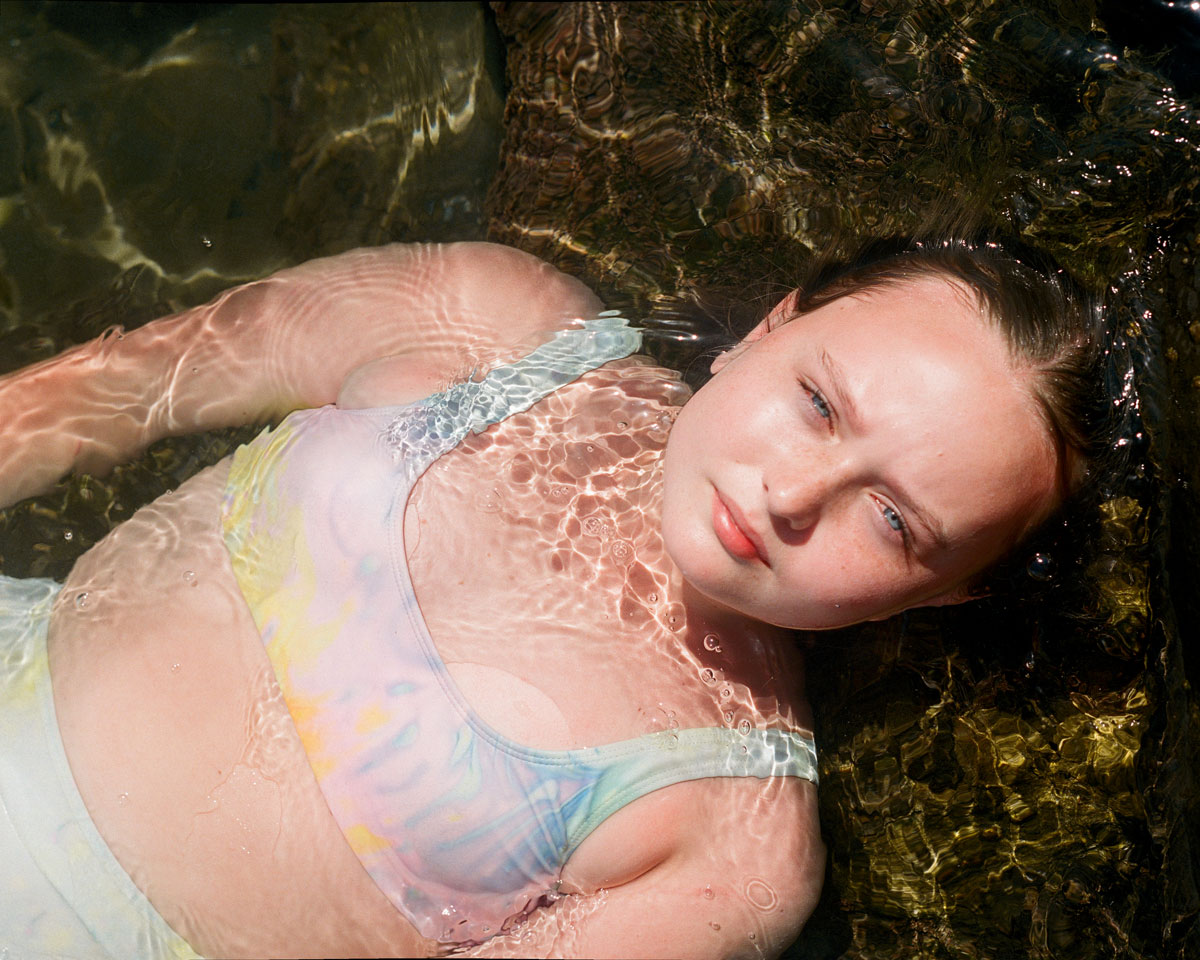
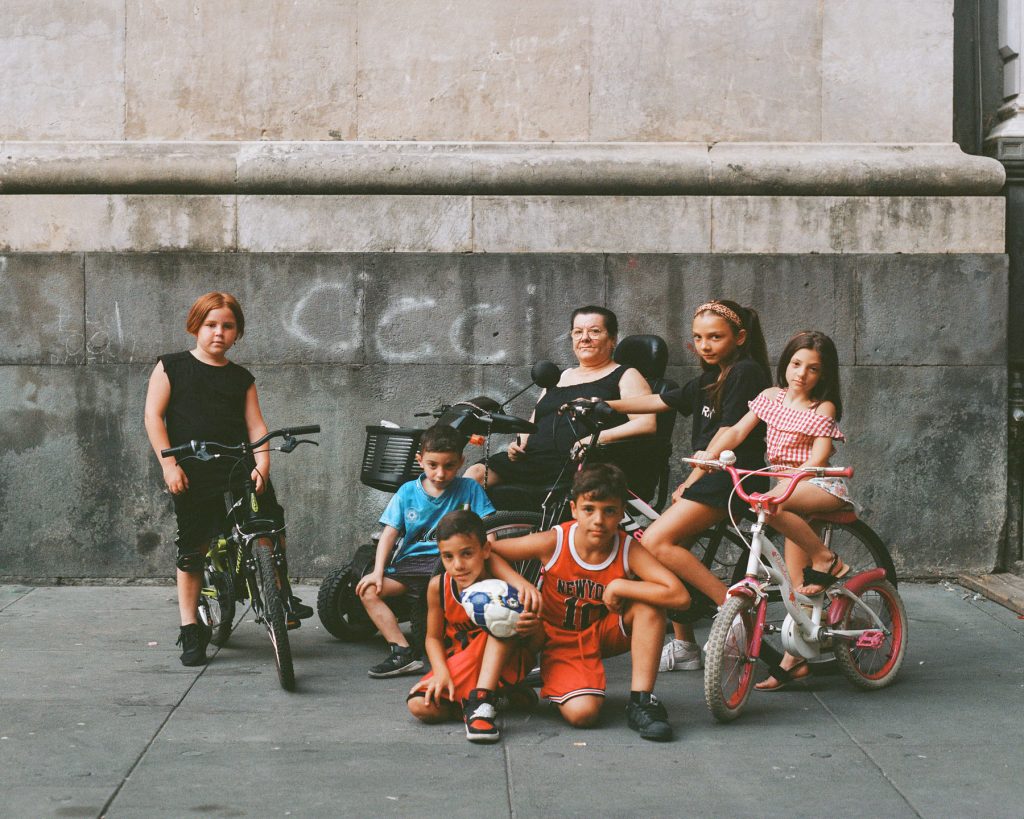
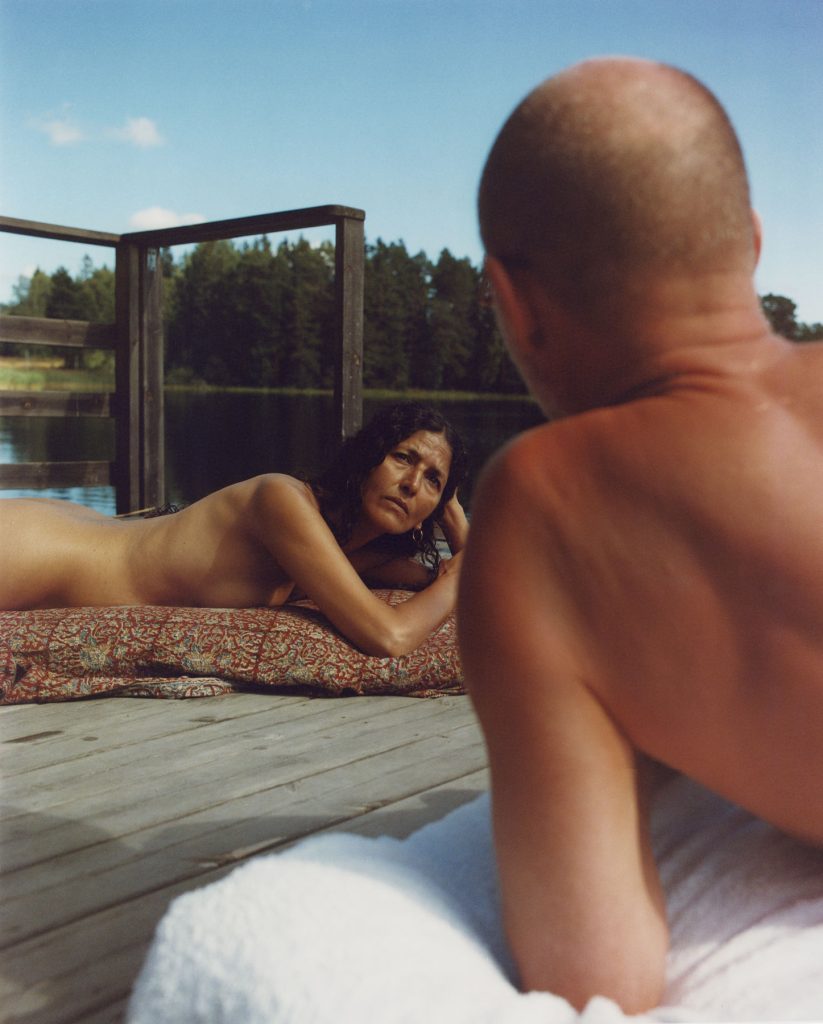
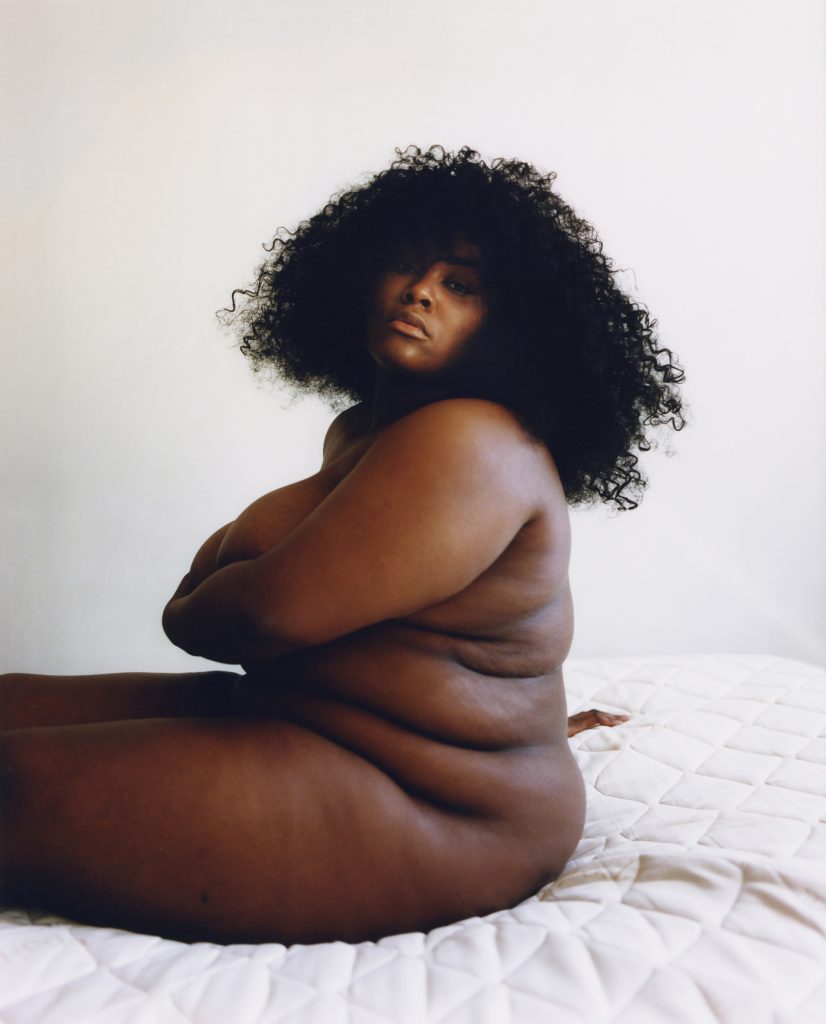
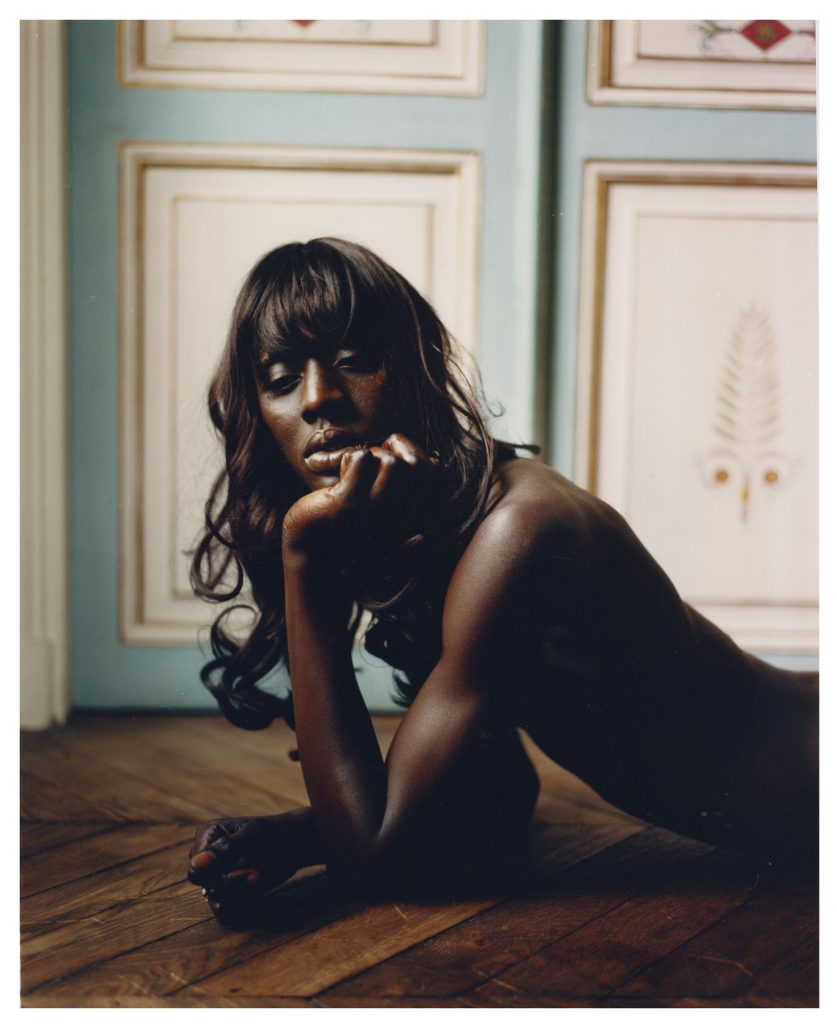
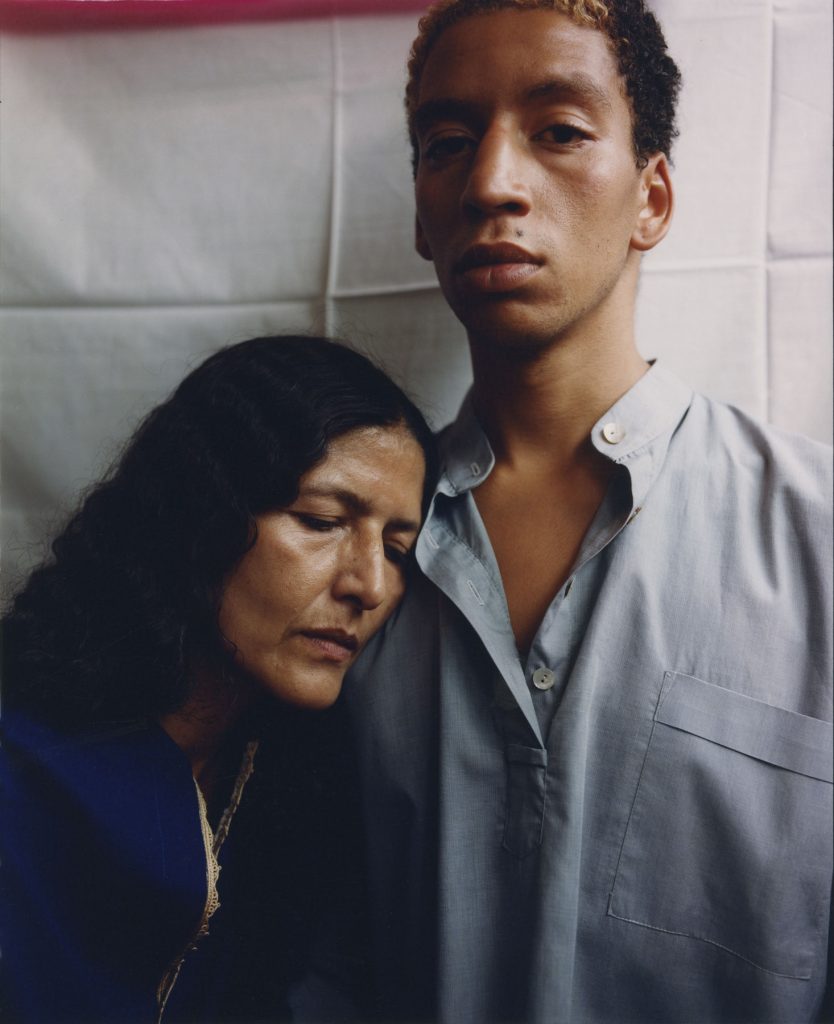
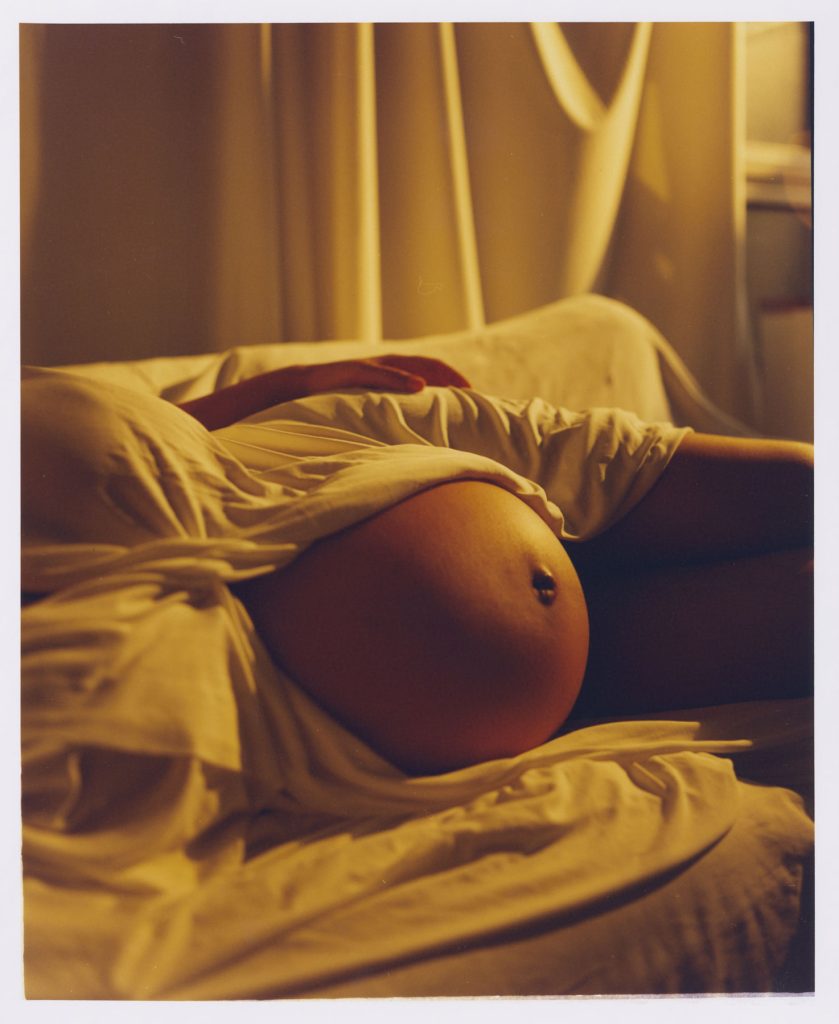
When photographer Bettina Pittaluga talks about developing film, she describes it as painting a picture – retrieving the details within the image, matching the exact skin tone of her subject. If the photographer finds joy in the technical processes of her work, it’s equally joyous to look at the final result. It is evident in Pittaluga’s photography that she approaches the development of each photograph in the context of its individual circumstance, ‘painting’ colour as it is most appropriate. In the broadest sense, her photography evokes a warmness, which Pittaluga communicates in different ways. Sometimes, her images are so dark that it’s only in the contrast of illuminated features that we see the subject, as in Pittaluga’s portrait of Dior’s Maria Grazia Chiuri for Le Monde’s M magazine. Elsewhere, her work highlights barely the curves of an upper arm, the contours of a profile, or the soft glow of a pregnant stomach. But other images can feel like an explosion of colour – a vivid red, or a minty green. It just depends on the natural lighting that the photographer finds herself working with. 

Pittaluga’s photography is defined by the moment that it captures; natural lighting plays a part in that, but so does the emotional bond that the photographer forges with her subject. Regardless of whether she is working on commercial and personal projects, Pittaluga maintains that having a connection to her subject is essential. “My way of communicating does not change,” she tells NR, “I will always be looking for what the person wants to give me.” In a way, Pittaluga is sharing with the viewer what the person, or people, she photographs wanted her to see in the first place. The issue’s theme of celebration is an apt opportunity to contemplate Pittaluga’s work (or, rather, celebrate it) because every image is a celebration of some kind. Whether photographing a milestone – birth, love, and so on – or just capturing a moment that becomes immortalised by her camera, Pittaluga’s work is always a celebration of being human. 

NR: There’s a warmth and intimacy to your work and the way you photograph people; is this an approach that you’ve always had in your work, or something that you’ve adapted over time?

BP: I don’t think I could take a photograph in another way. I think the way I photograph is intrinsically linked to the way I communicate; I need to communicate with the other person in order to capture them, in every sense of the word.

NR: You’ve previously mentioned the importance of forging a relationship with the person you’re photographing, whether that’s over a couple of minutes or much more established over time. But besides that, are there any other fundamentals that are important to a good photograph?

BP: I would say that the fundamental thing in a good photograph is to convey a truth; the reality of the moment. Of course, I need intimacy too, but I am always looking for truth. That’s the thing that want me to take a photo.

NR: When it comes to a composition, how much of the staging is a collaboration with the subject?

BP: I find my inspiration in reality, so usually everything is already there. I don’t prepare the set; it’s much more about lighting – natural light – which give me an idea of what I want. I also look for the shape and the form that I see with the light; the colours; the way the person is sitting or looking. Suddenly, it’s like I see something – I don’t know how to describe it because it’s very instinctive.

“When I am looking at the picture [afterwards], I can recognize the composition, but I would not be able to explain it when I am taking them.”

NR: What’s so compelling about your work is the fact that it doesn’t, as you say, look staged. It looks very natural. 

BP: I love to shoot people in their own home because of that. I know that I will find something very intimate, not because of the intimacy, but because you can really learn about the person. Usually, I don’t know where I’m going to [shoot], so the only thing that I will ask is whether there is natural light that I can play with. But then it’s also a conversation. Sometimes people are like, “what should I wear?” and I always respond by asking, “how do you want to be represented?” I really want the person to feel comfortable and to be represented like this. And then it’s just about materials and colours – because the lighting is not the same with silver, or it’s not the same with pink or green. But again, it’s about the moment – it’s a feeling actually.

“The detail is the most important thing, it’s the emotion, which I cannot prepare in advance.”

It depends on the person in front of me. I’m following [them] in a way, I’m following what they want to give.

NR: You mention how different colours can affect the photo. Over the course of your time as a photographer, have you learned different techniques for using colour and how it will affect a photograph? 

BP: I started photographing in black and white at first because I wanted to develop the film myself. I wanted to know how it works, so it was very important for me to oversee the whole process from beginning to end, when you have the pictures actually in your hand. People [had] said that it was very complicated to develop colour. And it’s really not the same process, it’s very long. But I learned how to develop colour two years ago. I think it’s true that I can see the evolution in my work [when] colour suddenly had more importance. Developing colour is like painting, it’s amazing. You have something neutral, and you can add the colours that you saw. At first, I spent, I don’t know, like seven hours on the same picture, just playing with colours, getting the exact colour of the person’s skin. By developing yourself, you can get great reds, or a really great yellow – so it’s true I am more obsessed by colours now than before. And it’s also about seeing colours with light – it’s a completely different world. Before, maybe I was seeing in black and white without knowing it, and now I can see colour. 

NR: When you do the whole process yourself, it changes the way you feel about it – you don’t just press the button and wait, it’s the whole thing.

BP: I don’t take that many pictures because, with analogue, I only have ten pictures per roll.

“That’s why I love this process because it’s about taking time, I’m not in a hurry. “

Well, sometimes I only have one minute to take a photograph, but sometimes you can be really in the present and one minute feel long, so it’s how you take the time. That’s why I really love it also, it’s about taking time. 

NR: It’s interesting that you describe developing colour film as being almost like a painting and it made me think, do you see your work as more being about reportage? Or is it more art? 

BP: I don’t like labels and I don’t see my work as just one thing, but maybe I’m a portraitist? It’s more this way that I see my work, but it can be a lot of different things. It can be a portrait for press [work], or it can be more artistic. But I always feel poetic. No matter what the project, at the end of the day, it’s about human beings so, that’s why I think I identify more as a portraitist because most of my work is about human beings. 

NR: The theme of this issue is celebration and I guess what’s lovely about your work is the way that it celebrates people, it celebrates the human form and the diversity of what it means to be a person. How do you feel celebration comes across in your work?

BP: Actually, I’m so glad you asked that. I think it’s one of my favourite questions ever and this is the first time that someone has asked. To be asked as a photographer to photograph a celebration of any kind – celebrating a child, love between two people, a transition: any kind of celebration. To me, it’s truly an honour. I think it’s the most beautiful thing about my job to be given this extraordinary trust and to be there together, to celebrate, because in a way, I am also celebrating that moment, you know? 

NR: I think that ties in with something I wanted to ask you, which is that you’ve spoken previously about the concept of beauty and authenticity, whether that’s a relationship, or of a moment. How much of your role as a photographer is about being there, in that moment, and how much of it is just about pressing the button and waiting for that one shot?

BP: I don’t think you can separate one from the other. And maybe that’s what’s magical in the end – to be able to share the present together and look at it later in pictures. Usually now, with social media, we can take pictures all the time. [So as a photographer], it’s also about the fact that you cannot look at [the photographs] because it’s analogue.

“I cannot look at it straight after, so in a way, I continue to be in the moment.”

NR: As an analogue photographer, does having access to instant photography, with a phone and on social media, does it make you appreciate film more?

BP: I feel lucky to live in a moment of time when it’s so easy to take pictures. My cameras are very big and heavy, so I cannot have them [on me] all the time. To be able to take pictures anytime – and I film a lot because I like that an instant can last more than just a second, it can be longer. I love being able to record a long moment of softness or a long moment that I found beautiful. So, I’m always recording with my phone, and I love it so much, it’s amazing to be able to record so many things that inspire me in the day. No kidding, I think I have 30,000 videos [on my phone] and I buy a lot of memory. As a human being, it’s my way to express myself, to take 100 pictures of a flower in front of me if I want. It’s freedom. But with analogue, like I said, I really draw a portrait of someone, so it takes time and I love that. 

Credits

Images · Bettina Pittaluga
https://www.instagram.com/bettinapittaluga/
Photographer Hal

“My photography is not possible without a relationship of trust with the subject.”

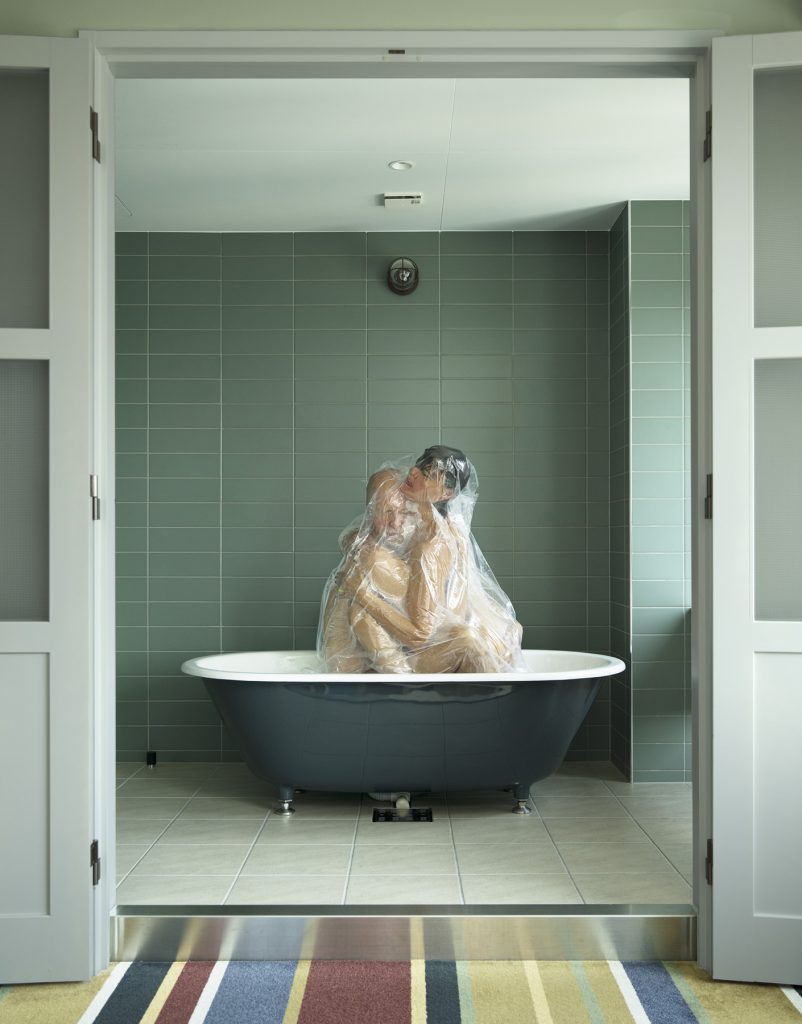
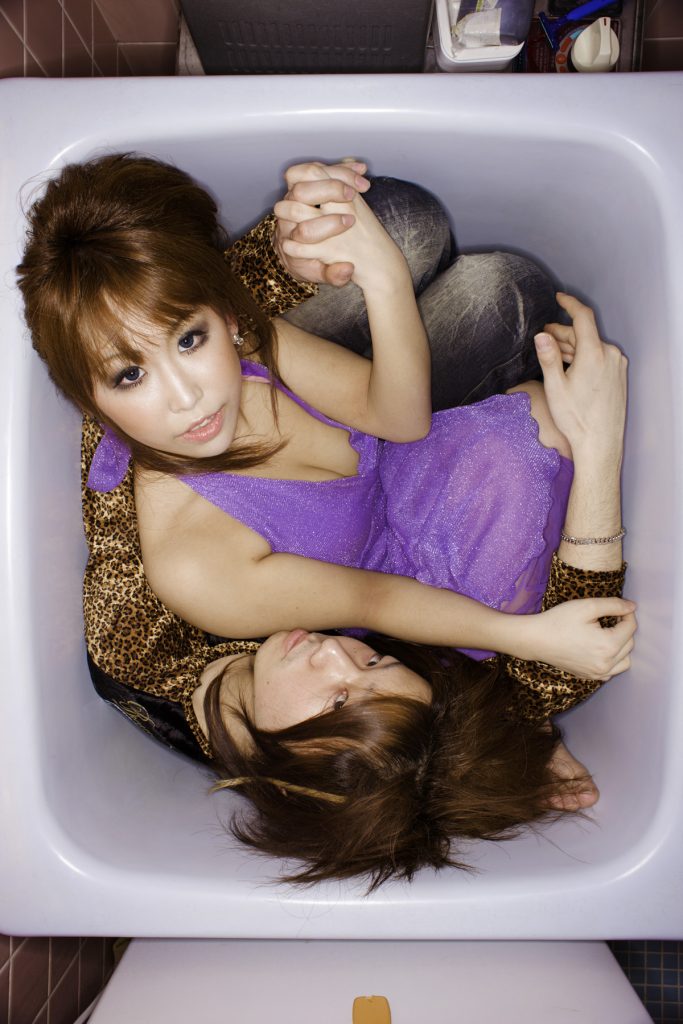
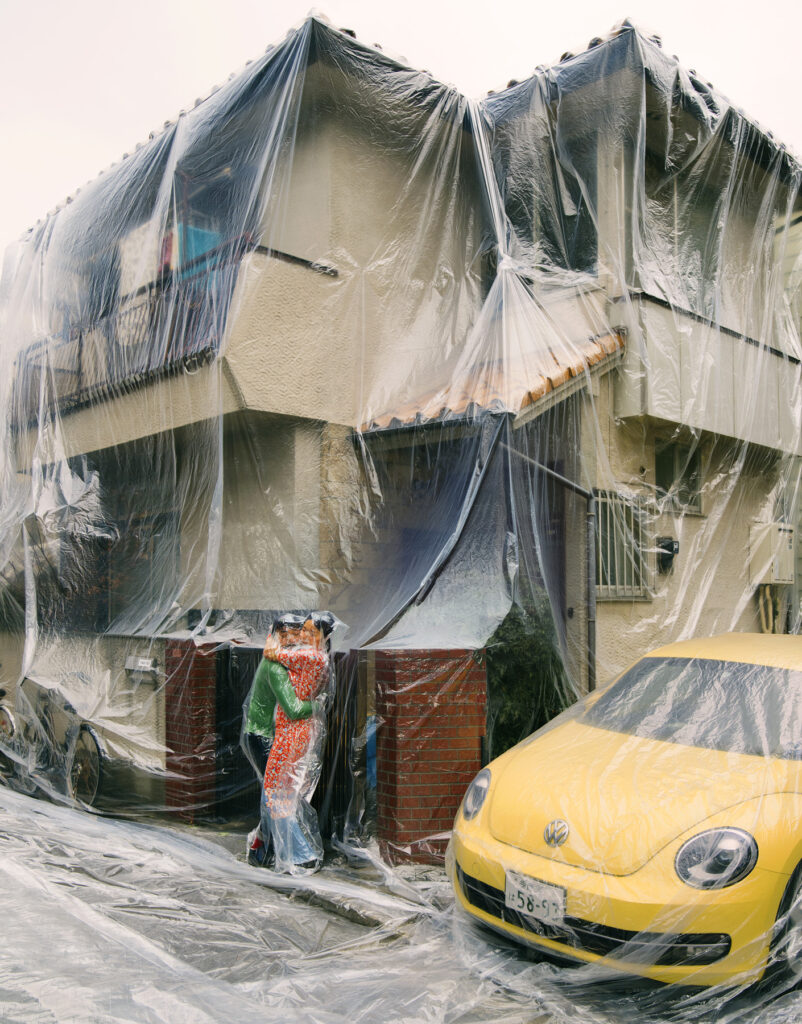
Though Photographer Hal takes his moniker from the artificial intelligence character of the same name in Stanley Kubrick’s 2001: A Space Odyssey, there are not too many similarities between them. Whereas the sentient HAL 9000 becomes wholly untrusting of his human peers, ‘trust’ is a fundamental component of Hal, the photographer’s, work. Over the course of his career, Hal has dedicated his time to photographing couples – couples he often approaches in bars in his hometown, Tokyo – with the aim of capturing a sense of their love for one another. In his early series, Pinky & Killer DX, Hal invited couples to pose as if they’re inside a purikura (a Japanese photo booth in which the photos are printed onto stickers with effects added over the top). Later, Hal moved his couples to the bathtub and captured the ways in which his (often clothed) subjects arranged themselves in such a contained, small space. Naturally, Hal has also photographed couples pressed against the transparent plastic door of washing machines, but it is his various Flesh Love series that take the idea of capturing a couple’s intimacy to another level. 

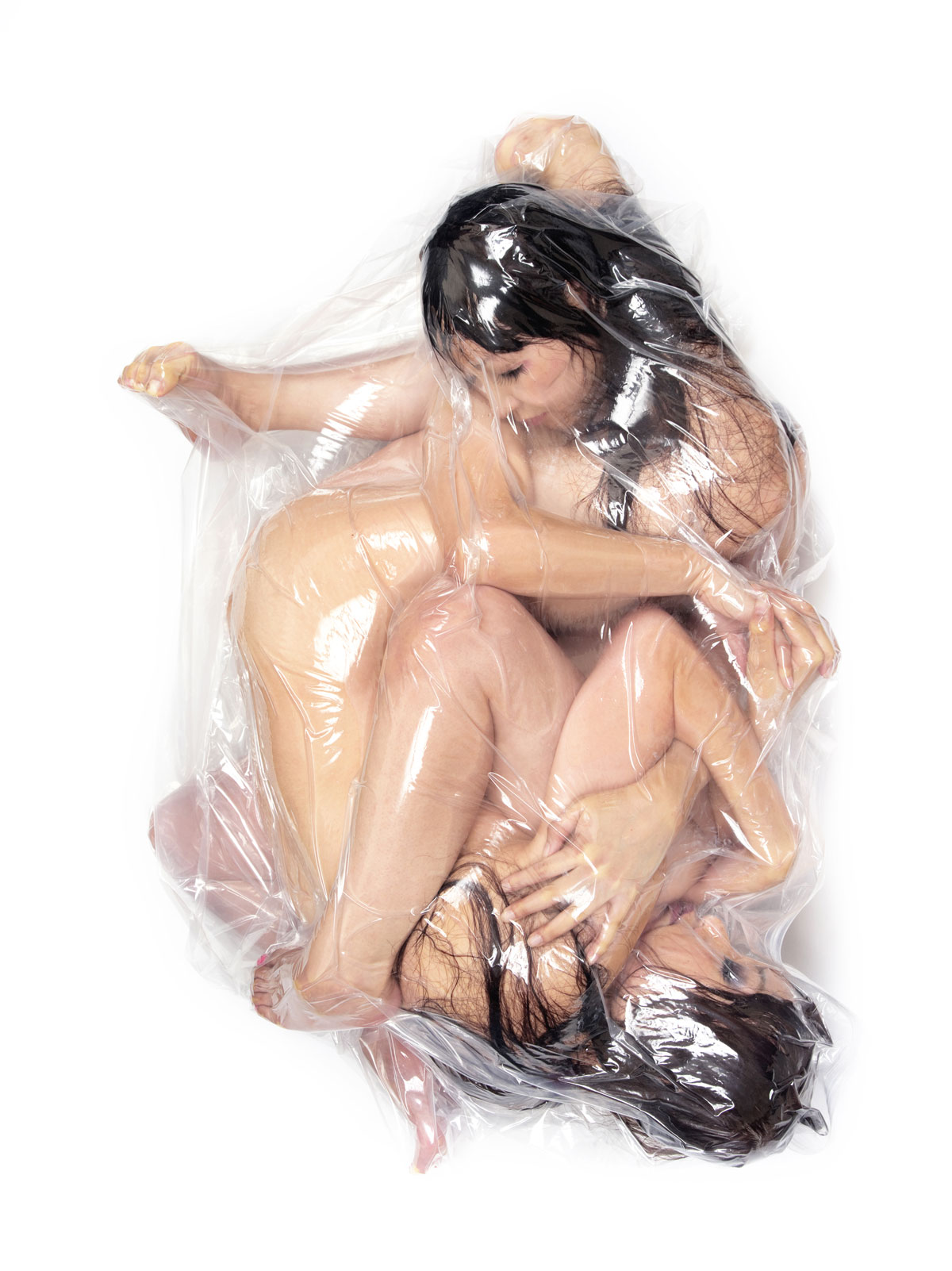
In Flesh Love, Hal vacuum packs couples in custom-sized plastic bags; their shrink-wrapped bodies carefully positioned in a way that captures the unique bond that defines that couple’s love (no vacuum-packed couple will be the same). It’s here that trust really comes into being in Photographer Hal’s work. Approaching strangers – again, often in bars – to invite them to be photographed in an oxygen-free environment is a big ask. Working with assistants who help arrange a couple into position, Hal has mere seconds to take one or two shots after the vacuumed subjects have been sealed up before reopening the bag. I ask Hal where the concept for vacuum packing couples comes from, to which he replies that new ideas always come from previous work. “It may be close to the process by which manufacturers improve their industrial products,” he suggests. And indeed, over time Hal has updated his own formula; in Zatsuran, couples are photographed in and amongst their possessions. It’s interesting to see the extent to which ‘stuff’ can shape the personality of a particular couple’s bond – a love of music could be characterised by a collection of vinyl records or, say, guitars.

In Flesh Love Return, Photographer Hal places his sealed couples amongst other settings, whilst in Flesh Love All, his subjects’ possessions are also wrapped in plastic. The result is a series of beautiful images that raise questions (namely – “how?” which is answered below), but also of what the material and built environments around can say about love. At its most intimate, Hal’s work shows how love can exist in the absence of anything else, but as humans, we instinctively build stories and connections with one another amongst the objects and environments that surround us. That’s something that, no matter how sentient he may have been, HAL 9000 could never understand. 

NR: How do you capture a sense of the personality and the style of the couple in your photos?

PH: I used to choose models and the clothes or props they wear, but these days I do not have [that] much control. I thought that would bring out the individuality of the subject. I recently held my retrospective exhibition [at the Gallery Tosei in Tokyo last year] and noticed that the age, clothes, and shooting method of the subjects were linked to my age at that time. So even if you shoot a work ten years ago, it won’t be the same.

How does your work celebrate the idea (and the power) of love?

“The basis idea of my work is ‘to shape love’.”

In order to realize that, I mainly focus on couples a subject and shoot an image of two people using different methods (such as the vacuum-sealed bag or bathtub). With regards to the Flesh Love All series, I location scout first; in that time, I decide on an angle, the lens etc. Then I measure everything in the range of the camera. Based on this, I make a [big enough] plastic bag with staff over ten to fourteen days. I take it to the scene on the day of shooting, and then pack and shoot everything.

There’s an intimacy to your work – whether capturing couples in a bathtub or in a vacuum pack, do you ever feel like you are intruding on this intimacy?

My photography is not possible without a relationship of trust with the subject. We have enough meetings before shooting to [build up] communication.

What has your work, and meeting so many couples, taught you as an individual and as a photographer?

At first, I was shooting love as ‘sexual love’, but as I continued shooting, the types of love expanded to love as devotion and philanthropy towards the outside world. My on-going series,

Flesh Love All contains a message that we can connect with, not only to ourselves, but also with outside society and we can shape the direction of love.”

You only have one or two chances to release the shutter for your photographs; are you always happy with the outcome? 

I have never been, and will never be, satisfied with the pictures I take. Because there is no limit to the quality of the work.

Credits

Images · Photographer Hal
http://www.photographerhal.com/

Nicolò Parsenziani

Nicolò Parsenziani

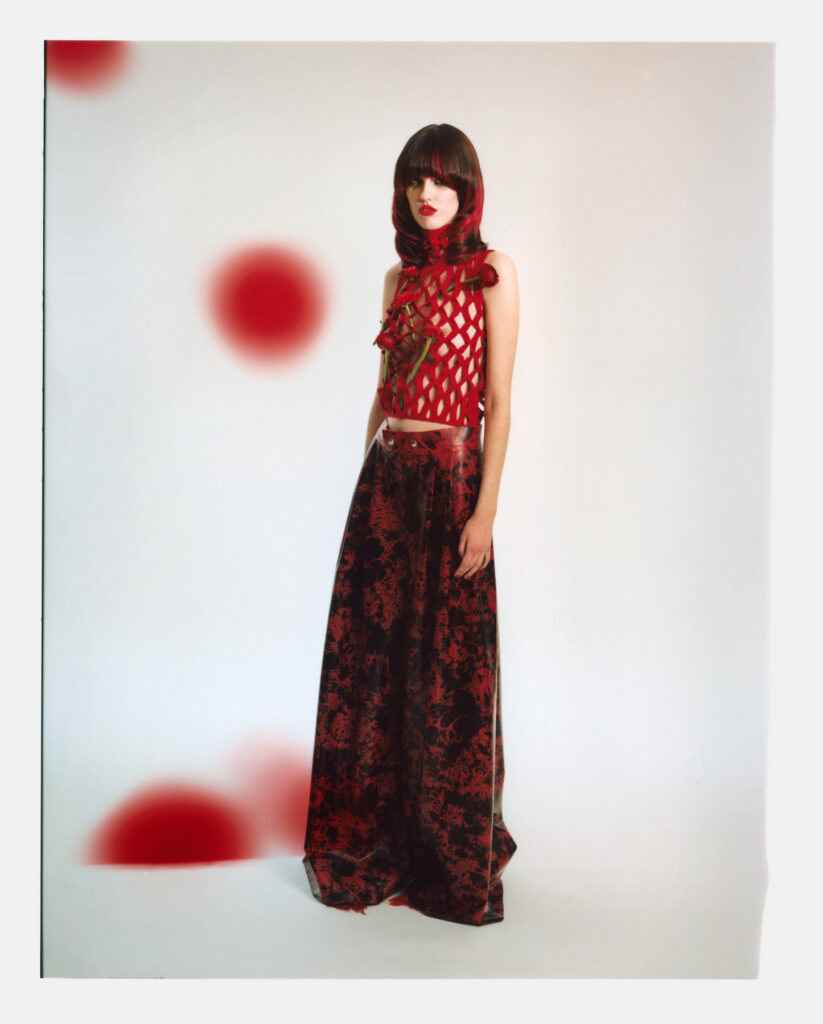
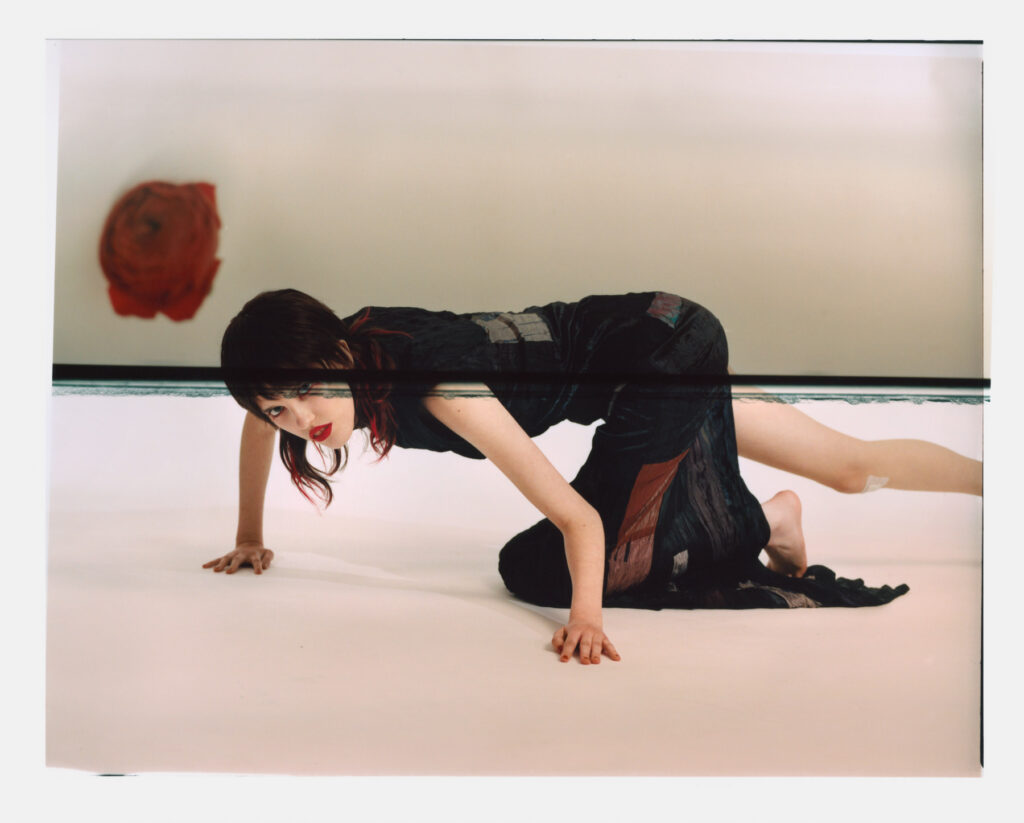
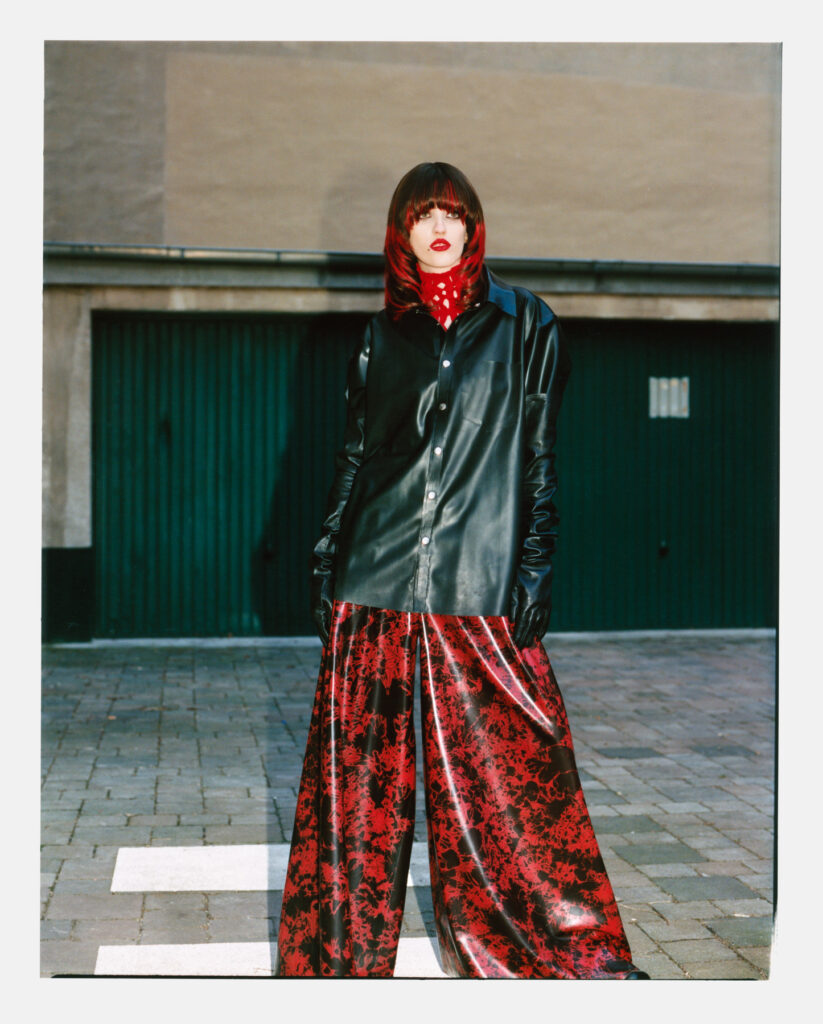
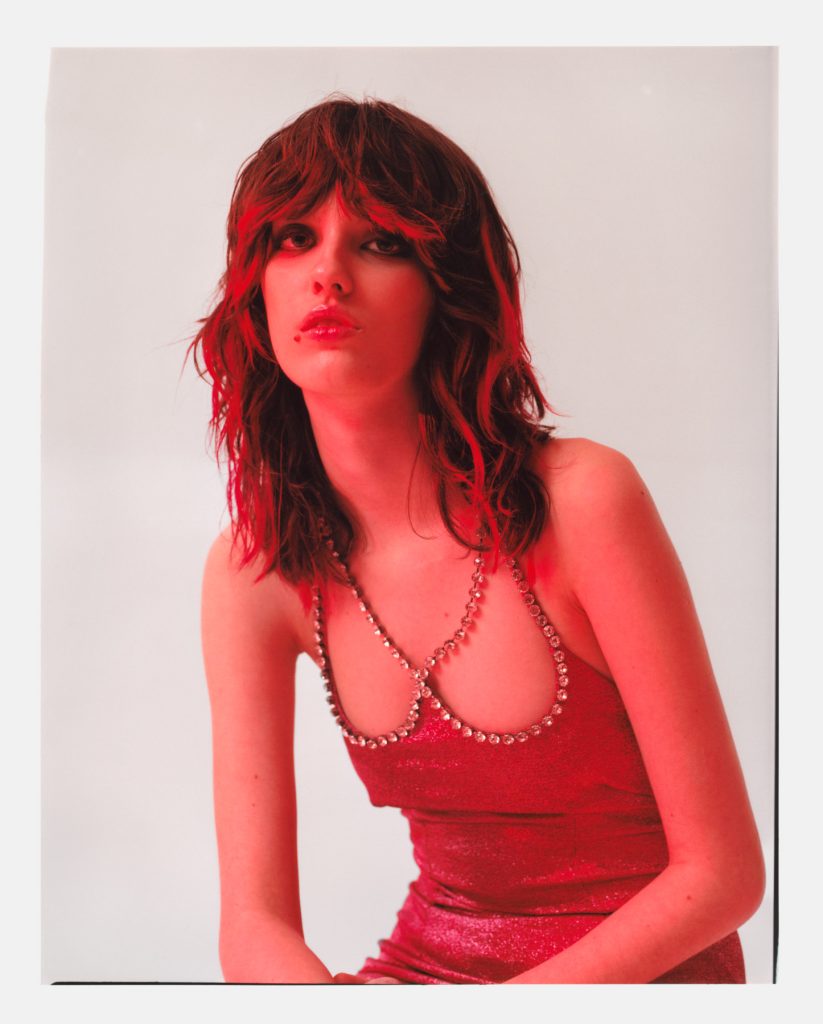
Spring has Sprung

Credits

Models · DAMI ADERONKE and CECILIA GIGLIO TOS
Photography · NICOLÒ PARSENZIANI
Fashion · DILETTA ARIANO
Casting · MATTIA MARAZZI
Set Designer · ALICE ARIANO
Makeup · CLARISSA CARBONE
Hair · ERISSON MUSELLA
Digital Assistant · DAVIDE LIONELLO
Fashion Assistants · DILETTA RIVIERA and ANNA BIANCHI

Fabrizio Narcisi

Present Tense

Credits

Director · FABRIZIO NARCISI
Stylist · ENRICA MILLER
Cinematographer · ALESSIO PANZETTA
Producer · BRYANNA KELLY

Fashion Assistant · DJORDJE VELIKOVIC, IVAN OBRADOVIĆ and MICHELA MONTANDON

Gaffer · PIERPAOLO MASSAFRA
Original Music & Sound Design · GIUSEPPE MAFFEI
Recording Engineer · NICOLA RECCHIA
Editor · JADE REMOVILLE


Hair · MATTEO BARTOLINI using BALMAIN HAIR COTURE
Make-Up and Prosthetics · GRETA GIANNONE
Make-Up Assistant · CAMILLA OLDANI
Casting · MONSTER BADD
Casting · Director POLLY PAOLA RUTA

With · JEAN, SOFIA CONOCCHIARI, JATHSON, GIACOMO GORLA, ELISA CICARDINI, CLAUDIA VERONESI, LORENZO BIGI, SARIAN SESAY, MIRIOS, SAMI, EMMA, LORENZO BELLI, LORENA SANTAMARIA, GIOSUÈ UGO, TAITU, LOLITA and PEDRO DE SOUSA

Film Developing · RICCARDO PASCUCCI
Film Scan · ANTONIO D’AGOSTINO
Shot on · KODAK SHOOTFILM 16MM

Raffo Marone

After Party

Credits

Photography · RAFFO MARONE
Models · DIANA SKOWRON at NEXT MODELS and HANNA KOBIALKA at FASHION
Fashion · MIRKO DE PROPRIS and VITTORIA ROSSI PROVESI
Casting · MATTIA MARAZZI
Set Design · VERONICA FERRARI
Makeup · FRANCESCA GUERRA using LORD&BERRY
Hair · PIERA BERDICCHIA at WM MANAGEMENT using BUMBLE&BUMBLE
Fashion Assistant · PIETRO CAVALLARI, REMI VANACORE and MORGAN DILDAR

Malerie Marder

Malenie Marder

“We only have a short time on this planet and it’s impossible for me not to be in touch with people’s pain… So maybe I’m celebrating people’s vulnerability and softness”

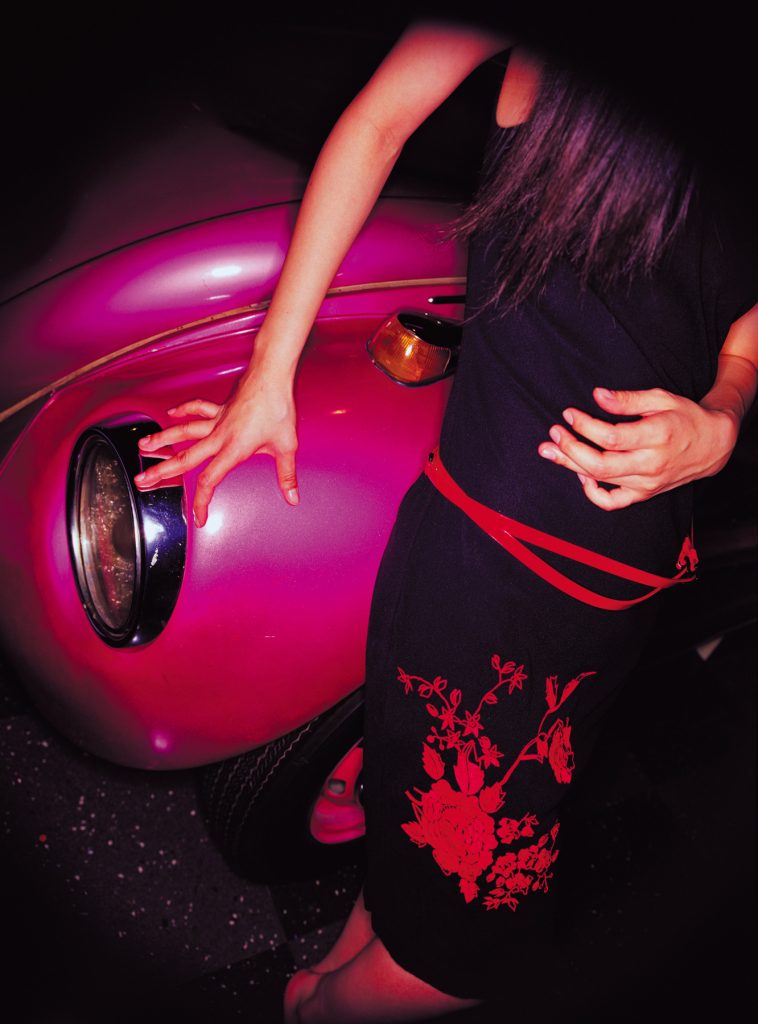
If Malerie Marder is something of a voyeur, her subjects are never unaware that they’re being viewed by the photographer, her camera and us, the audience. In fact, the subjects of Marder’s intimate work often know the photographer intimately herself. In Carnal Knowledge, a body of work published in 2011 spanning ten years, Marder photographed family, friends and herself – usually in a state of total undress, often in seedy motel rooms or within the interiors of suburban Middle America. Despite the voyeuristic quality that exudes in her work, Marder somehow pulls back from an overtly sexual image. Perhaps this is because of a mundane, yet alluring, encounter the young Marder had, as a photography student under Stephen Shore’s direction at Bard College in the early 1990s – one which would define her future practice. Marder was invited to photograph a family friend engaging in an illicit affair with a married lover in a hotel suite, using the techniques she’d just been learning at college. But if the lasting impact of that first commission speaks to the mise-en-scène of the photographer’s work now, so does the fact that the lover, after the affair ended, demanded for the negatives afterwards. “I’ve been trying to re-create those pictures ever since,” Marder told Artforum in 1999, “simply because they were worth burning.” Naturally then, some of Marder’s images verge on the erotic – capturing a moment that feels, as the viewer, like an intrusion. As the photographer tells NR, there’s always something of a mystery within her work, where it’s not always quite clear what is going on.

But Marder’s work is never accidental, and often staged. This is most obvious with pictures that seem to make direct reference to art history; take Bath House (2001), for example, in which a scene of (majority male) nude bathers are positioned in such a way to recall one of Paul Cezanne’s paintings of bathers from the late nineteenth century. More recently, Marder’s second body of work, Anatomy (2013), plays with art historical references for different effect. The series, taken over four years, sees Marder photograph sex workers in Rotterdam, positioned in different settings within the private spaces in which they work. If Anatomy captures an intimacy like Carnal Knowledge, it’s less the fact that we feel like we’re intruding on a private scene, than a behind-the-veil glimpse into the lives of these women – the spaces they occupy, the relationships they make with one another, Marder, and the camera’s lens. In one image, Marder’s subjects are positioned in a way that recalls Henri Matisse’s La Danse (1910) – but if that painting has a joyful lightness to it, Marder’s photograph, in response, is more grounded. And perhaps that’s where the essence of Marder’s work lies; between the emotion that the sight, or the thought, of the nude body evokes, and the candid nakedness that we really see.

NR: Since that first encounter, shooting a family friend and her partner, (how) has your approach to photographing changed?

MM: I think that first encounter showed me what an illicit affair actually looked like. Those are the moments I centred on – the explosion of emotions, the secrecy, the desire — the fact that I was actually able to capture that when I was in the whirlwind of what was unfolding showed me I could perform under pressure. I think my set ups have become more tactile and I can more easily identify what I’m looking for, but the more comfortable I become, the more I push myself. I try to transcend what I’ve done. There’s always resistance, both externally and internally, but this is universal. This is not just endemic to me. 

NR: How do you negotiate with your subjects when taking their photograph? How much is staged by you, and by the subject themselves?

MM: I decide on the setting and then we both figure out what comes next. Some of it is more choreographed by me, but usually I end up capturing an aspect of them that is revealed.

“It’s like writing — you have a sense of what you want to say but you haven’t yet written the words.”

NR: What informs the setting in which your subjects are photographed? Do you choose a location depending on the subject, or vice versa?

MM: Both — sometimes I’ll see a place and wait for the perfect person to match that character, or I’ll meet someone and try to hone in on where I should photograph them. I find people are more fascinating than most places, so settings are harder to procure. 

NR: How does ‘celebration’ tie into your work; if you were to ‘celebrate’ something, what would that be?

MM: That is a genuinely a fascinating question. I like the idea of celebrating people’s beauty. I’m a fanatic about light and I like there to be a certain mystery — I feel both create a kind of romanticism, even if it’s on the melancholy side. But that does not mean it is any less of a celebration. We only have a short time on this planet and it’s impossible for me not to be in touch with people’s pain… So maybe I’m celebrating people’s vulnerability and softness…

NR: Something that has been said of the Anatomy series is the lack of ‘you’ being in the work; how important is it to have a relationship with your subject, and is it important that there is an element of “self-portraiture” in your photography? 

MM: It’s only important when I’m purposefully playing a part in the picture. Often times, I end up being in the picture and I’m just part of the shadow… helping the image along, but then there are times where it is more compelling for the viewer to know it is me.

“Self-denial plays a large part of what I do; I sincerely doubt I am in any of my pictures.”

NR: In terms of creating an image, how does colour (or its absence) play into your work?

MM: It plays a big role. For me, black and white is more like a sensual memory and colour is closer to present tense. So, when I try to create a dream-like state, I find it easier to say it in black and white. I still attempt to do this in colour as well. I group images by colour, and certain colours mean certain things — or elicit certain emotions or feelings. I try to saturate as much colour into an image as possible even if it borders on garish. A little like how Douglas Sirk filled his compositions in “Imitation of Life” with flowers — one long funeral. I am not sure what the saturation of colour means, but I think it is my attempt to overwhelm reality with as much beauty as possible — otherwise the darkness creeps in. You can still see it, of course. 

Credits

Images · Malerie Marder
https://maleriemarder.com/

Alessandro Mannelli

Credits

Models · Ara Ha (Fabbrica Milano), John Godswill (The Claw), Igor Szymanski (Why Not Models), Rashida Mamudu (Select Model Management)
Photographer · ALESSANDRO MANNELLI
Stylist · MARCO DRAMMIS
Makeup · ALESSIA STEFANO
Hair · ALESSIA BONOTTO
Casting Director · IRENE MANICONE
Stylist Assistant · ROCCO COLLAZZO
Stylist Assistant · GIULIA BASILE

Laila Majid

“I’d like to situate my work within a moment like that, one which teeters on an edge between oppositions.”

For the artist Laila Majid, exploring the relationship between materials and the body is a recurring theme. Her artwork, Rosie (2019), for instance, is a close-up shot of the imprint of a trainer on the calf of a friend’s leg having been sat cross-legged for a period of time. The markings of the shoe and stitching of the fabric are punctured by the ever-so-slight presence of hair regrowth – the effect is an almost surreal investigation of the similarities between the two surfaces (the now-absent trainer; the skin after wear). Rosie was exhibited as part of the Nude show at Fotografiskia, Stockholm, as well as being selected for the prestigious Bloomberg New Contemporaries show in 2021, with Majid explaining in an interview for the exhibition’s platform that, by “morphing [the body] into a new and unfamiliar form” what we think of as being real is destabilised. That much is apparent in Crease (2021), exhibited at the Slade School of Fine Art MA degree show, in which a black and white photograph of what appears to be a fairly innocuous antique chair, on closer inspection, features erotic mouldings.

The artist is now studying Film Aesthetics at the University of Oxford. It’s a logical step for Majid, who often turns to video and film in her practice – “I’ve never studied film in such a focused way before,” she tells NR over email, “so it’s also helped me to dig deeper into current interests.” In particular, the artist has been “looking into the close-up shot, and the relationship that this sort of shot has to both intimacy and abjection (as facilitated by the camera’s proximity to that which is being filmed).” In previous video works such Macro (2020) and concave/convex (2018), Majid furthers her investigation of the body – animal and human, respectively. In both pieces, the natural surfaces of Majid’s surface (fur, saliva, tongues) take on an almost unnatural quality, creating an interesting counterpoint to the way in which the artist grants synthetic fabrics, by contrast, an organic quality. By turning to a range of materials, mediums and methods throughout her practice, Majid’s work challenges, or distorts, the boundaries of that which we might think of as being diametrically opposed: to that end, how concrete, and how different, are what we think of, or see, as being ‘real’ or ‘alien’?

NR: Am I correct in thinking that Rosie is printed on latex, which makes me wonder how the layering of material features in your work?

LM: Rosie is actually printed directly to vinyl, the printer however uses latex inks (commonly used to produce banners, outdoor signage, etc.) Although the work isn’t printed onto latex, this is a material which I frequently use in my work, and one that I always seem to come back to. I’m interested in the close relationship between latex and the body. It is a stretchy, skin-like material that, in its use as a material of fetishwear, sits directly on the surface of the body, fusing to the form of the wearer in a moment of sweaty skin-on-skin contact. I think this speaks to a layering of surfaces that you bring up. Latex definitely operates in this way; as a non-porous material often used to craft tightly fitting garments, it effectively sticks to and becomes an extension of the body of the wearer, and an extension of the skin itself. Layering, in this case, works to facilitate transformation through dress (change in appearance and physique/sexual release/role play etc.)

NR: What is your process of working with, and sourcing, different materials? And how do you navigate working in different mediums?

LM: Sometimes this is quite an intuitive process, of feeling seduced by the physical properties of a given surface. I also think that it’s important to pay attention to what an image or object may need, be it a specific surface or printing ink. With Rosie, for example, I knew that the image needed to be printed on vinyl given the connection that this material has to window displays and advertising.

“I’ve always felt it important to approach image and surface in such a way whereby they feel bonded or dependent on one another.”

NR: You recently had a joint exhibition, not yet, with your on-going collaborator, Louis Newby at the San Mei Gallery – what does the process of collaboration, more generally, look like for you?

LM: I’ve always been drawn to collaboration given the potential to enrich one’s work through the inclusion of new voices. This was much the case with the video piece in not yet, where we worked with different collaborators who were able to contribute to and elevate the work in various ways, through animation, sound design and AI programming. 

NR: And, in terms of your work with Louis Newby, how do you navigate your separate artistic practices to create collaborative work, and a joint show?

LM: Our collaborative practice truly sits in the space between our separate practices. Louis and I have spoken before about the idea that our collaborative work depends on our own practices/individual interests to take shape in the way that it does, and yet does something different to each of our practices as it sits between the two.

Laila Majid

NR: Found objects (film, comics, journals) feature in not yet, whilst your Instagram account combines your work, personal photography and other imagery – does the concept of the archive, and the act of archiving, feature in your work? 

LM: Instagram is tricky, I can never really figure out how to use it. For now, it exists as a combination of different sorts of images, as you’ve described. I also struggle with the app given its harsh terms and conditions and censorship rules. Instagram aside, images have always been important to me. They feed directly into the work I make and are an invaluable source of research (found images, pixelated screenshots, scans of images from magazines, my own photographs). I enjoy the process of collecting images, perhaps this act of collecting can be thought of as archival. Louis and I also have a shared archive of found images pulled from a vast array of sources which we use to generate print works.

NR: How do you negotiate the human body and other animal forms (real, imagined) in your work? 

LM: One thing that immediately comes to mind is the undifferentiated body – a form that points to a potential growth/change/development. I find it interesting to think about how one could present a moment of transformation— how a still image, for example, could hold this moment.

“When does one body morph into another, or suggest a form exterior to its appearance?”

This is something that you often see in science fiction/supernatural horror – for example, at which point does the arching of the spine/contorting of the body tip into an anatomical language that suddenly becomes unfamiliar? I’ve been thinking a lot about [Soviet film director and theorist, Sergei] Eisenstein’s idea of ekstasis in this way, which he explores as a transition ‘to something else’, from one state to another (‘to be beside oneself’).

NR: You’ve spoken previously about seduction and repulsion in relation to beauty – how do these two, supposedly opposing, concepts feature in your work more generally? 

LM: I think I focus more on how the two come together, in such a way that they rely on one another to produce a specific effect/affect. I suppose that seduction and repulsion go well together in that their marriage can be used as a tool to reconsider beauty. Pushing oppositional forces together within the same pictorial space also creates tension; it’s a combination which unsettles. I don’t think this is necessarily specific to the seduction/repulsion relationship, but in broader terms I’m reminded of the movement of the body during pleasure- contorted, arched, muscles clenched on the one hand, and giving into total pleasure and bodily sensation in a moment of release on the other. I’d like to situate my work within a moment like that, one which teeters on an edge between oppositions.

Credits

Images · LAILA MAJID
https://lailamajid.net/

Sanchos Madridejos

Sanchos Madridejos

Creating an identity, a system, and a language one fold at a time

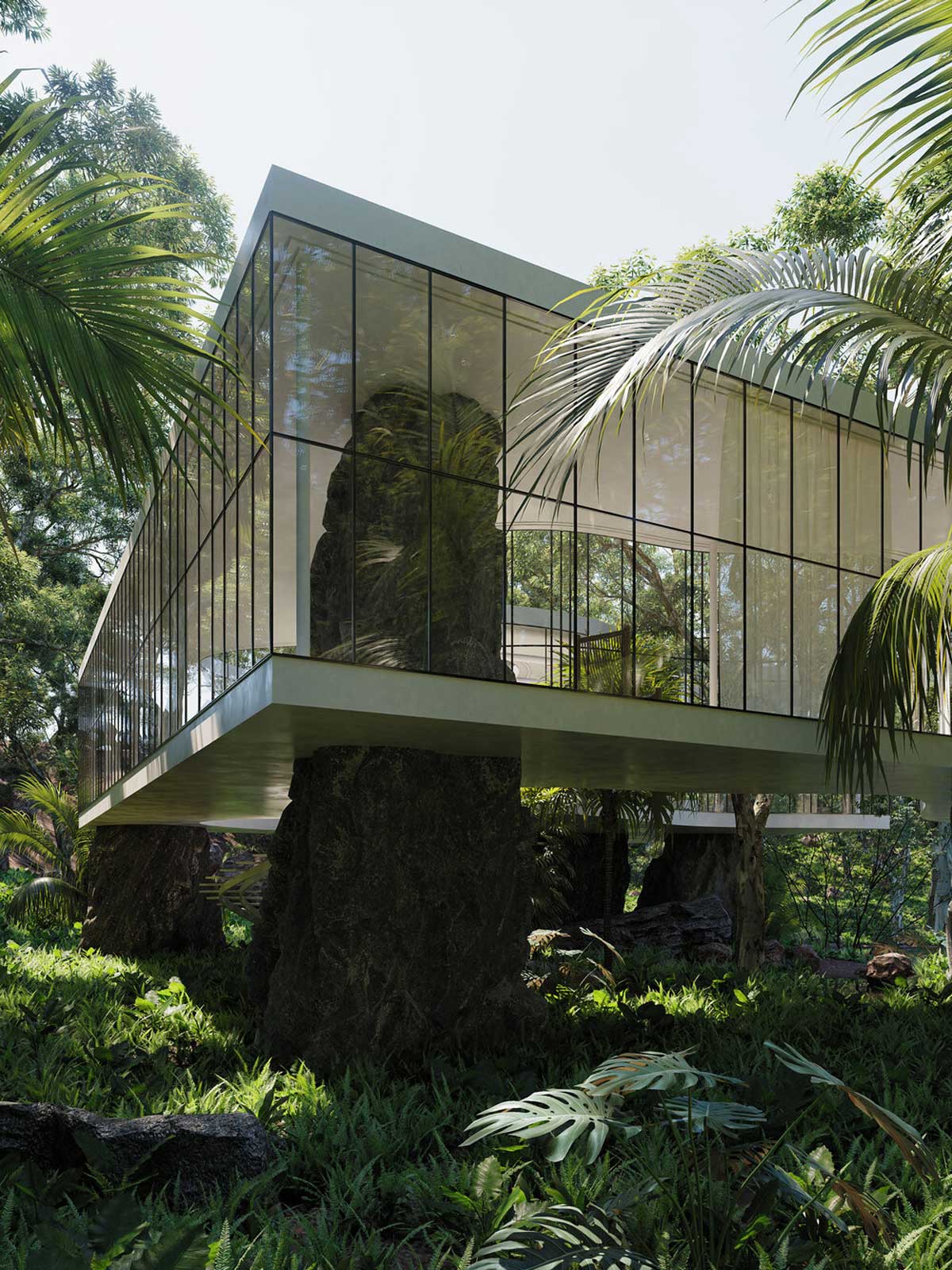
The construction of a new system, a new process, and a new language marks the beginning of Juan Carlos Sancho and Sol Madridejos’ work at their Madrid-based practice Sancho-Madridejos Architecture Office, established in 1982. Gazing upon their architecture and design, the structure bends and folds, an inquiry on the limits of the materials. The flexibility of the duo’s minds materializes into products of architecture and designs that they have developed, a signature that now lines their ethos: the concept of fold.

The analysis of each item starts with what they call a base-fold – the foundation that contains all of a project’s required DNA – that generates a process tailored to the work, defining a line, an identity, and a language of its own. The spatial quality becomes elevated, enhanced by the structure’s relationship with light, orientation, or location that swings from one criterion to another. “From this starting point, many of the pieces are prone to a specific location or a specific time, bringing out variables from the context which we sometimes only discover later on. These processes are not linear since each step has a permanent effect on the rest,” the duo states. For NR Magazine, the concept of fold coincides with the concept of celebration.

NR: I would love to start with the idea you developed and grew: the concept of fold. How did it happen, and what kind of research did you have to go through to materialize this?

SM: We have worked with the concept of fold for the past 20 years. It all began with an interview with the sculptor Eduardo Chillida, during a walk in Chillida Leku, where his works are exhibited. He told us that ‘the fold creates a spatial, formal and structural unity’ and that ‘the fold creates spaces.’ This encouraged us to investigate the role it had to play in the field of architecture. 

In this part, could you guide us on how the concept of fold works?

A fold works as a formal-spatial unit. This is the core concept of a fold. Not everything that folds is a fold; it can also be a pleat.

The process reminds me of origami. Are there cultures that influence your work ethics and design flows? How do you infuse them into your projects?

A fold is not origami. It can seem like it, but it is basically the opposite. To fold is to generate a strain, an action, a cut on a plane, and study how it transforms topologically because of this action. It is easy to confuse them, but they are nothing alike.

You mentioned that your process touches upon a unique spatial quality that is enhanced by its relationship with light, orientation, or location. Without one or two of these elements, would you say your space would be incomplete? How essential is it to form these three elements into a single force?

“Form, space, and structure along with light, location, scale (the human being), and material, form the single conjunction of a fold.”

If any of these variables are missing, a fold is incomplete and does not work. They all carry the same weight and deliver specific qualities.

Could you elaborate on this statement of yours: These processes are not linear, since each step has a permanent effect on the rest.

These processes are laborious and take up a lot of time. In our office, we have around 500 different fold models with some of them very alluring, but not all of them are folds; some are pleats.

“A fold has, in the first place, to answer to mechanical behavior. It has to be structural and coherent by itself. Once this is the case, work can continue.”

As we focus on Celebration, I’d love to know how you celebrate creativity and architecture outside of your office?

There are several levels of celebration. First, seeing a finished work moves us, and that is the first celebration. This is best enjoyed among the people that have taken part in the design and the construction processes.

Taking photos of a finished building and participating in the photo essay also stimulate us as we get to see the project from other positions and points of view.

Friends and architects visiting a building enriches the perception of the project.

Finally, its use by the client is also a celebration, seeing a building in use complements its own meaning.

Credits

Images · Sanchos Madridejos
https://www.sancho-madridejos.com/

Alain Levitt

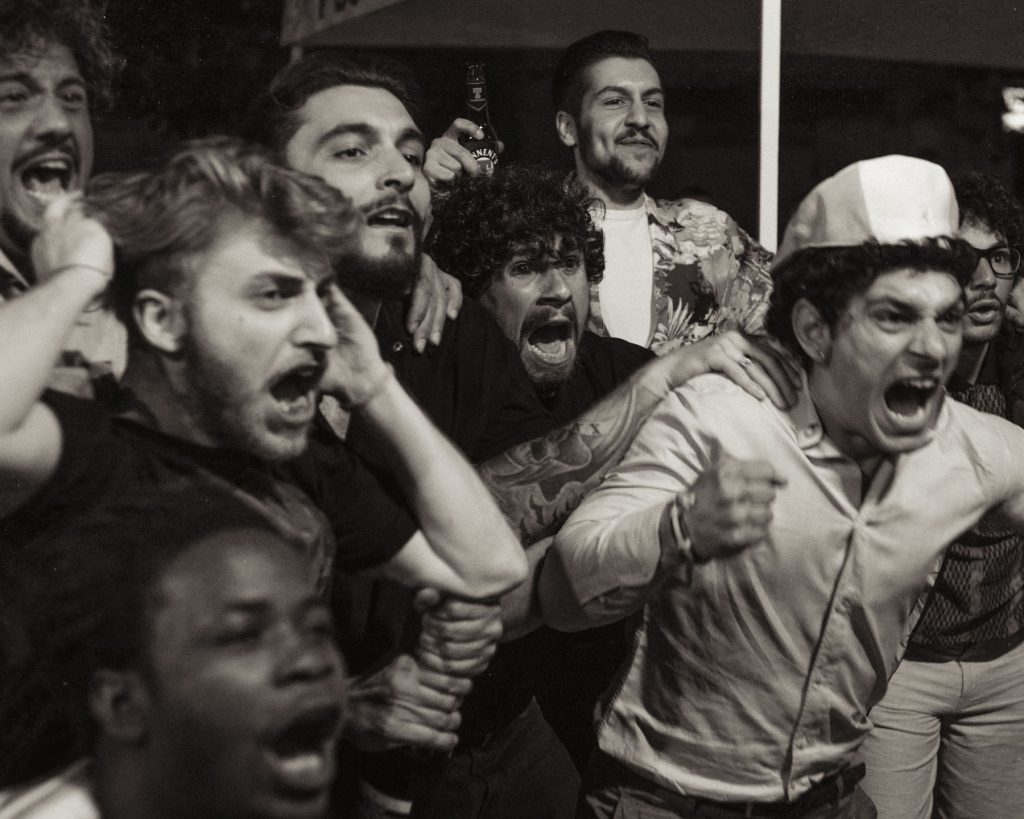
“For a long time, I felt like I had failed as a photographer.”

Last year, Alain Levitt started sharing his archive of photography on a dedicated Instagram account. As a photographer in New York in the aughts, Levitt had turned his back on photography by the time the decade was out. In the intervening years, Levitt’s photographs gathered dust, whilst film photography was supplanted by the rise of social media. From the perspective of 2022, it doesn’t seem a stretch to say that, since its launch twelve years ago, Instagram has changed our relationship to photography. In its early days, the photo-sharing app was characterised by a limited choice of filters and corresponding borders to boot; the more vintage an Instagram post looked and seemed, the better it was. But what happens when photographs – real 35mm photographs – taken in the years just before Instagram’s launch reach an age where they become ‘vintage’ themselves? For something to be deemed ‘vintage’, it has to be at least twenty years old; one particularly striking photograph shared by Levitt on Instagram is of the New York blackout of 2003. 

Having moved to New York in the early aughts, Levitt started photographing and documenting the people and the scene(s) around him. The city’s nightlife and streetlife, bodegas and bars, its residents – native and adopted, making it, or faking it, are captured with an energy and nonchalance that Instagram users could never. Looking at Levitt’s photographs is a who’s who of New York life, and a glance at the Instagram comments on his posts confirms as much. Director Spike Jonze is photographed simultaneously taking Levitt’s picture – does he have Jonze’s photograph of him, one commenter asks? There are shots of Chloë Sevigny, Kim Gordon, Cat Power (under a table) and Mischa Barton, as well as photographs in which the Levitt’s subjects see themselves, an old flatmate or someone who was once a familiar face around town. Recognisable faces from New York’s skate scene also appear frequently – from the late Harold Hunter, photographer Tino Razo, Fucking Awesome’s Jason Dill, filmmaker William Strobeck and artist Mark Gonzales.

Levitt’s photographs may be from an era before Instagram, but they’re as relevant as ever. Last year, Vice profiled Levitt’s photography – linking a previous feature that he had contributed to on the site. A banner at the top of the page warns: “FYI. This story is over 5 years old.” The feature is, in fact, from 2007, but it’s a curious moment when photography that was made and shared on the internet in its infancy is now old enough to be vintage. Coincidentally, the newest social media app, TikTok, recently declared the return of “Indie Sleaze”, a catch-all for the fashions and music of the aughts. Enough time has passed for the early 00’s to seem cool again (or just cool, for those too young to have been there the first time round), and Levitt’s work is (re)finding itself. Indeed, a photograph of the late artist, Dash Snow, that was taken by Levitt appears on a t-shirt for Supreme’s upcoming S/S 2022 collection. And in February this year, a book launch party for Levitt’s collaboration with Spotz Club took place at Public Access – an East Village gallery founded by Leo Fitzpatrick of Kids fame. Time passes, places change and people seemingly move on, but as Levitt’s photography shows, the energy of youth is timeless. 

NR: What was it like revisiting these photographs for the first time?

AL: It wasn’t easy. For a long time, I felt like I had failed as a photographer. I took pictures every day but never got much work and certainly was never able to make it into a career. I wasn’t thinking of these pictures as what they were, documents of a beautiful moment in time, but as validation of my own inadequacies. Thankfully I got over it.

NR: And what led you to revisit these in the first place?

AL: Just prior to the pandemic a friend needed early aughts images for a potential project. I didn’t go too deep, but what I found brought back not just memories but how I felt back then. That really surprised me.

“What I thought was going to be painful ended up being more like finding the fountain of youth. After that, it was on.”

NR: Apparently ‘Indie Sleaze’ has returned; what does it feel like to see the return of this aesthetic of the aughts?

AL: I love it. For a year in high school, I dressed in nothing but thrift store bought disco era clothing. Bell bottoms, tight striped shirts with giant lapels, etc. I completely romanticized that era. I can only hope this is coming from a similar place. Luckily, I was taking the pictures. I cringe when I think of my style back then.

NR: Do you think the New York you captured on camera still exists? If not, at what point did it become “the past”?

AL: It definitely does. This city is alive right now. Everybody’s an artist, everyone’s working on a project. It’s vibrant. The energy is so similar to when I arrived in 2000. I’m very inspired by it but just a little too tired to want to participate. 

NR: You’ve been sharing your photographs on Instagram, what’s it like seeing people share their stories and memories of them?

AL: It’s beautiful. I can put up an image and have twenty people comment with completely different memories. I have the picture, but collectively we tell the story. 

NR: If your photographs from the aughts could be characterised as celebrating one thing, what would that be?

AL: Youth for sure. We were young enough to not give a fuck. Young enough to think that anything was possible and not deal with the repercussions of our actions. And young enough to feel like we were special.

“It was a beautiful delusional time. Real life came after.”

NR: Has sharing your work made you want to pick up a camera again?

AL: It did! I stopped carrying a camera right after my first daughter was born in 2012. I still shot photos but mostly of my kids and like almost everybody, they were taken on a phone. After going through my archive, and getting some much-welcomed attention, I realized how much more weight I give to my images when shoot them on film. It’s silly but I care more about them; they mean more to me. So out came all of my cameras from storage and I kind of felt like it was time to finish what I had started. I don’t go out much at night these days but when I walk around, I always have at least one on me. It feels right.

NR: Did you keep in touch with the people in your photographs? And has sharing your photography rekindled any lost friendships (for you, or for others in the comment section!)

AL: Luckily, I have. My wife and I have owned a restaurant on the Lower East Side for the last fourteen years. Because of it we’ve stayed connected with many of the people from my images. But it’s been sporadic. Someone comes into town and then you won’t see them again for years, sometimes. When I started posting photos on IG, it was like everybody was visiting at once; we were a group again. Sharing memories and stories from what was the most magical time in many of our lives, it was like a hipster high school reunion. No offence, everyone.

Credits

Images · Alain Levitt
https://www.instagram.com/alainlevitt/

Subscribe to our
Newsletter