Archive page:


Richie Culver

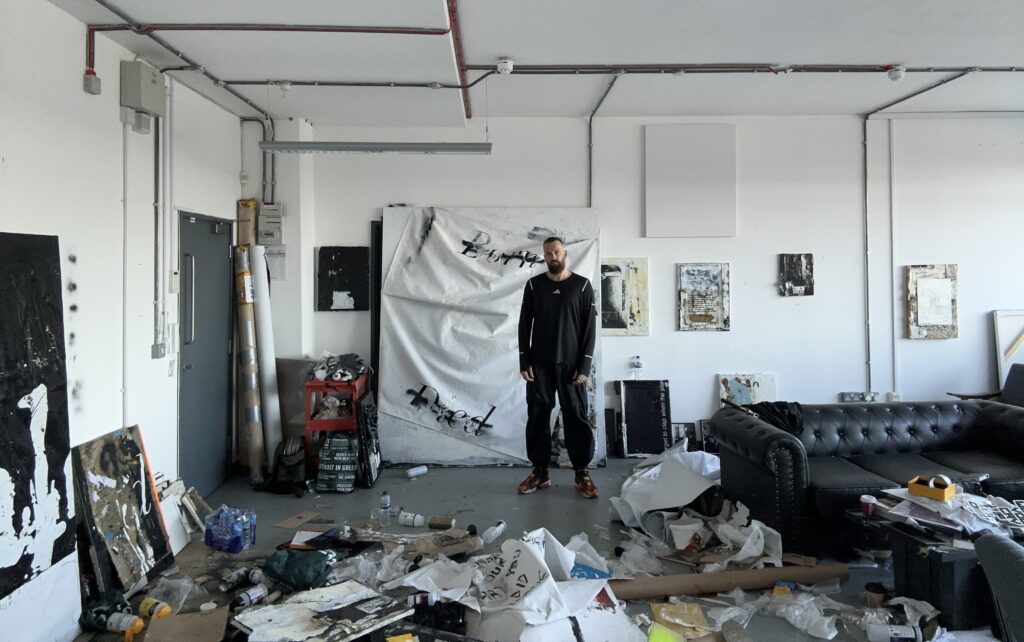
Richie Culver in his studio.

Seizing the Unresolved, Preserving the Moment 

Richie Culver’s work emerges from a compulsion to make, to repeat, to test the limits of a gesture. Across painting, collage, sound, and performance, his practice resists resolution, unfolding through cycles of construction and erasure where intention is often recognized only after the fact.

What appears as fragmentation is a sustained negotiation with control. Works are not composed as much as they are encountered, shaped by accident, material resistance, and the persistence of past forms. The boundaries between mediums dissolve into a continuous state of production, where meaning remains provisional.

In The Builders Daughter, these tensions converge. The exhibition draws from personal memory while refusing sentimentality, grounding itself in gestures of rebuilding. Meaning is deferred, held between abstraction and lived experience, where the work remains within the void, always leaving room for chance, accident, and the unspoken logic of materials. For Culver, that state of flow “is the only thing that really makes sense,” where a minute turns into hours and he is still there inside it.

In this conversation with NR Magazine, Richie Culver maps a practice grounded in uncertainty, where making precedes meaning. Moving between sound and image, control and chance, he traces a language that is never fixed, only continuously negotiated.


Curated by PASSAGEThe Builder’s Daughter will be on view at All-U-Re, Tsar Kaloyan, 1000 Sofia, Bulgaria, from 15th–18th May 2026, with the opening on Friday 15th May, from 7pm.

Your entry into the art world was almost accidental, walking into Tate Modern at 17 with a magazine and a cutout. How did that moment shape everything that followed?

I was making work in a really naive way, for the sake of doing something. It felt very natural to make things at that point. There was an exhibition at Tate Modern for outsider artists, and someone suggested I take one of my works to the curators. I did, and it got exhibited. That was the first time I had something shown. After that, I started to take things more seriously. I began experimenting with different mediums and just continued making. I had always been making things, DJing, producing, writing poetry, but I had been more scared to make paintings or collage.  I think I overthink things. It is quite normal now. People either have short attention spans or they overthink everything, especially with social media. Even though I had not been to art school, I was obsessed with making, but I would always ask myself what the concept was. For a long time I was just making things to quiet my head, but I kept questioning it. What does it mean, why have I made it. To not fall into something decorative, I felt everything had to have meaning. I did not think I had that much to say.
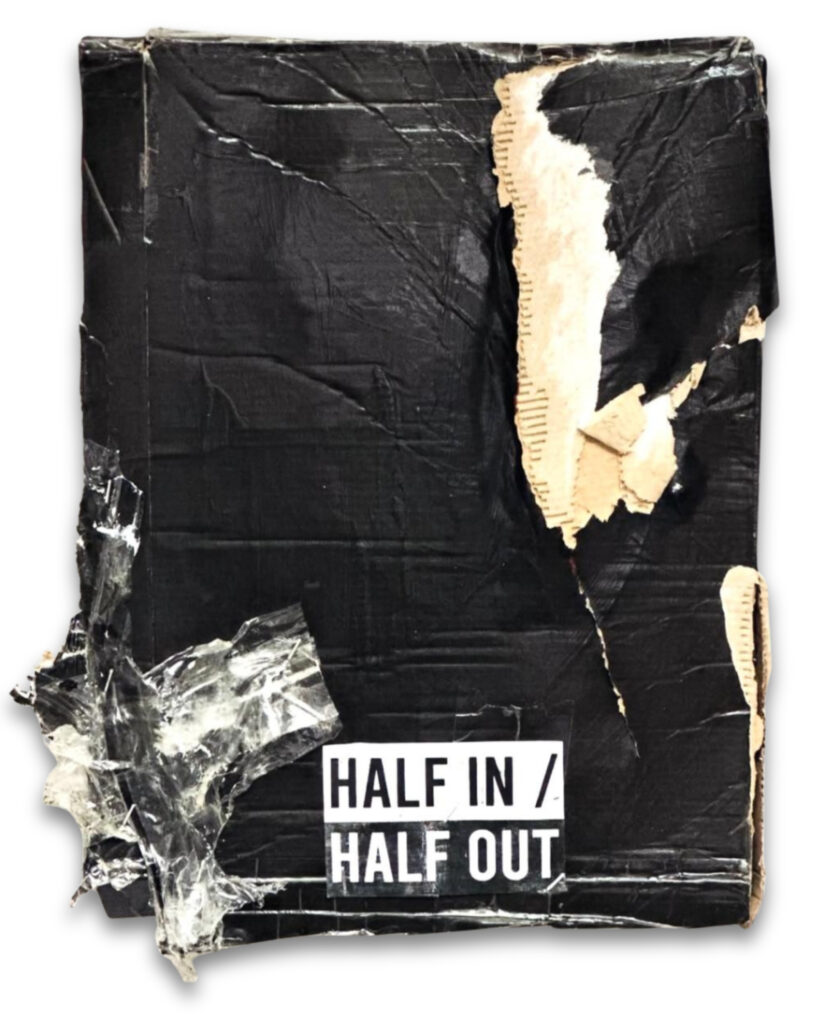
You have spoken about being scared to make paintings. Did that ever shift, or is it still something you carry?

I still struggle with it. That is why I constantly have to make things. I see a DJ set as painting anyway. When I play at places like Berghain or Tresor, it feels exactly the same as being in the studio. There is a thousand people in front of you, but it is still about curating something, shaping a journey. The tracks become colours. It is all feeling. That state of flow is the only thing that really makes sense to me. Something where a minute turns into four hours and you are still there inside it. Because of that, the concept almost comes after. I make something first, then I figure out why I did it, what it is, what sits behind it. If I try to begin with meaning, it breaks that state. It stops feeling honest. You have to be careful not to lie to yourself.

Your relationship with sound started very early, in quite a physical way. What stayed with you from those first experiences?

I remember being six or seven on the waltzers at a funfair, getting thrown around with happy hardcore and an MC. There were all these airbrushed images everywhere, Freddie Mercury, horror characters, all these strange combinations. I remember losing myself slightly. It felt like a small glimpse into something underground, something you did not fully understand but could feel. Then when I went to my first rave at fourteen or fifteen, it felt familiar. That same feeling that you should not be there, that something secret is happening, that you are part of something without fully knowing why. From very early on I was obsessed with the extreme. What is the darkest, weirdest music, how far into the grey area you can go without it collapsing or being pushed too far. That is still what excites me.
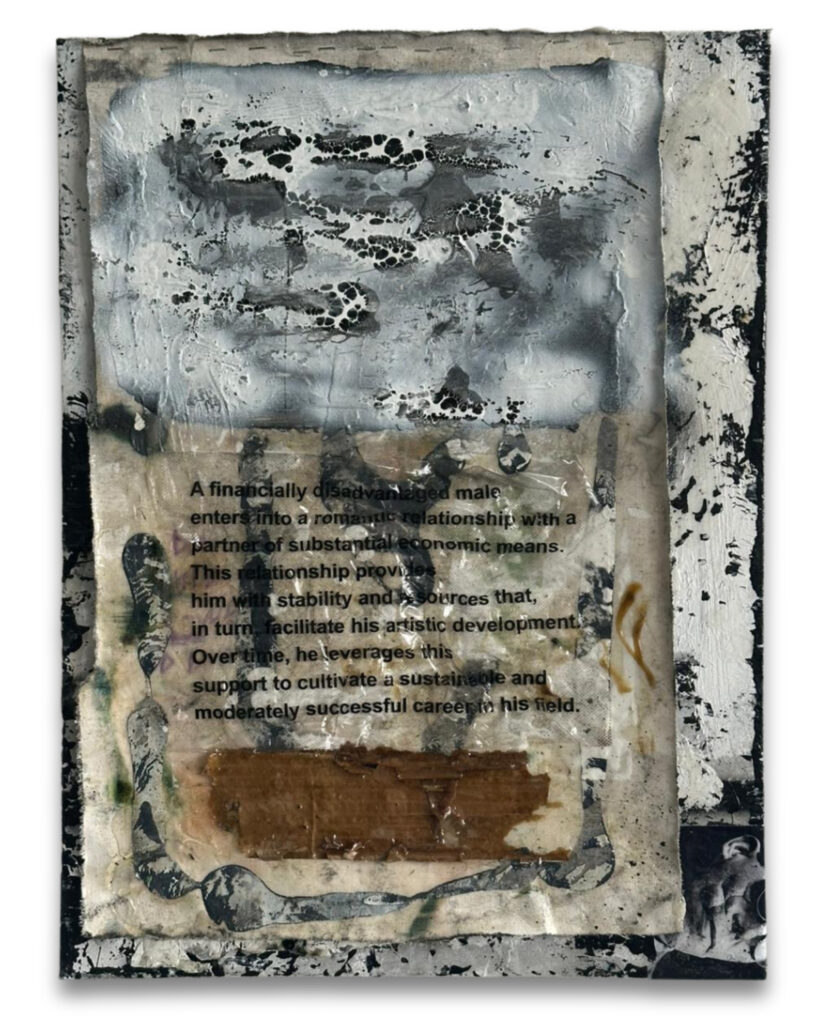
You often return to abstraction and nothingness. What is it that holds you there?

I have always been into abstraction. It is the work I am most drawn to, the kind of work I look at and wish I had made. More recently I have started questioning it. Seeing my kids get into abstraction made me think about it more. Why am I so interested in nothingness. Why do I not respond in the same way to a figurative painting that took years to make. What I make visually has to match what I make in music. There is nothing figurative in my noise and techno world, so it makes sense that it carries through. I have also been thinking about why there have been so many male abstract painters. Maybe it is because men do not want to look deeper, or do not know how to. Maybe it is easier to stay within something that appears to mean nothing. But at the same time I see it as something very academic. If you can stand in front of a Mark Rothko painting and feel something, then you can sit and listen to harsh noise in exactly the same way. It is either nothing at all, or it is the highest level of thinking. Either it means absolutely nothing and we are all kind of laughing, or it becomes something very intense, where you are forced to go through your own mind and sit with it.
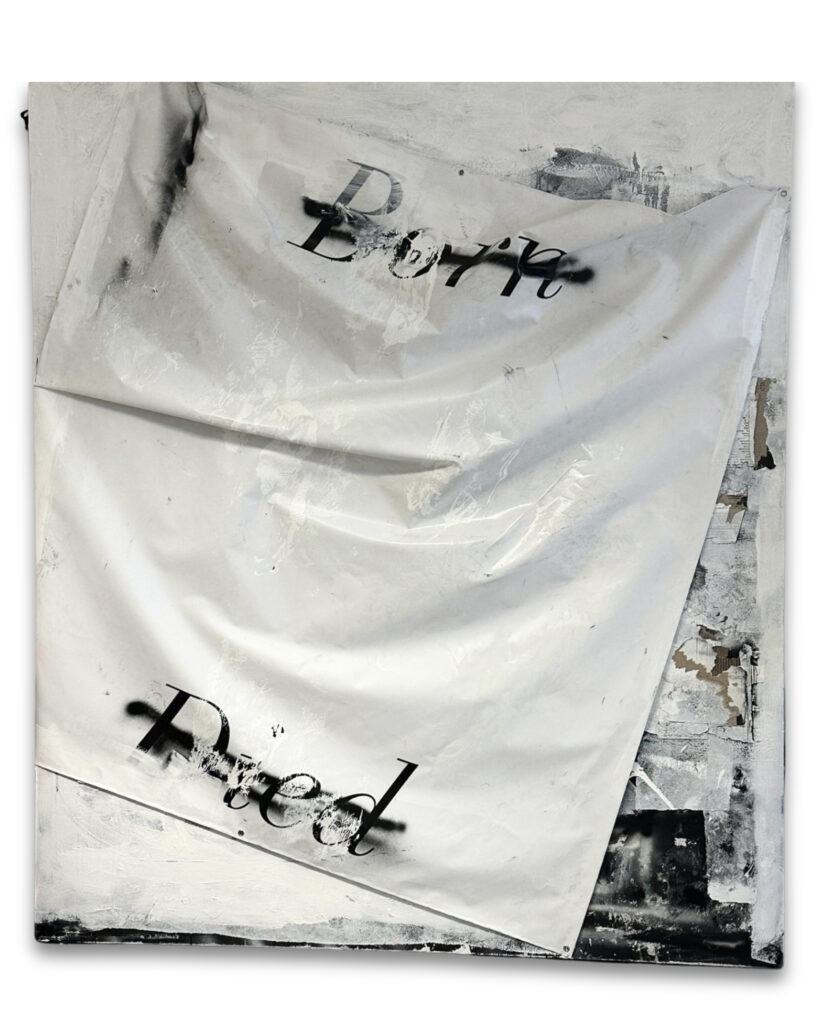
During your time at the RCA, you began thinking about how we look at a painting. What changed for you?

I started asking myself how long you can look at a painting. If you do not know anything about the artist, can you just stand there and accept it for what it is. Or do you need the background, the story, the context to make sense of it. I try now to go into galleries without reading the text, without informing myself too much, just to look at the work as it is. But at some point you learn about the artist and everything shifts. You feel something different, you read it differently. It is something I am still battling with, that balance between looking and knowing.

Your recent works come from destroying older pieces and rebuilding them. What drives that process?

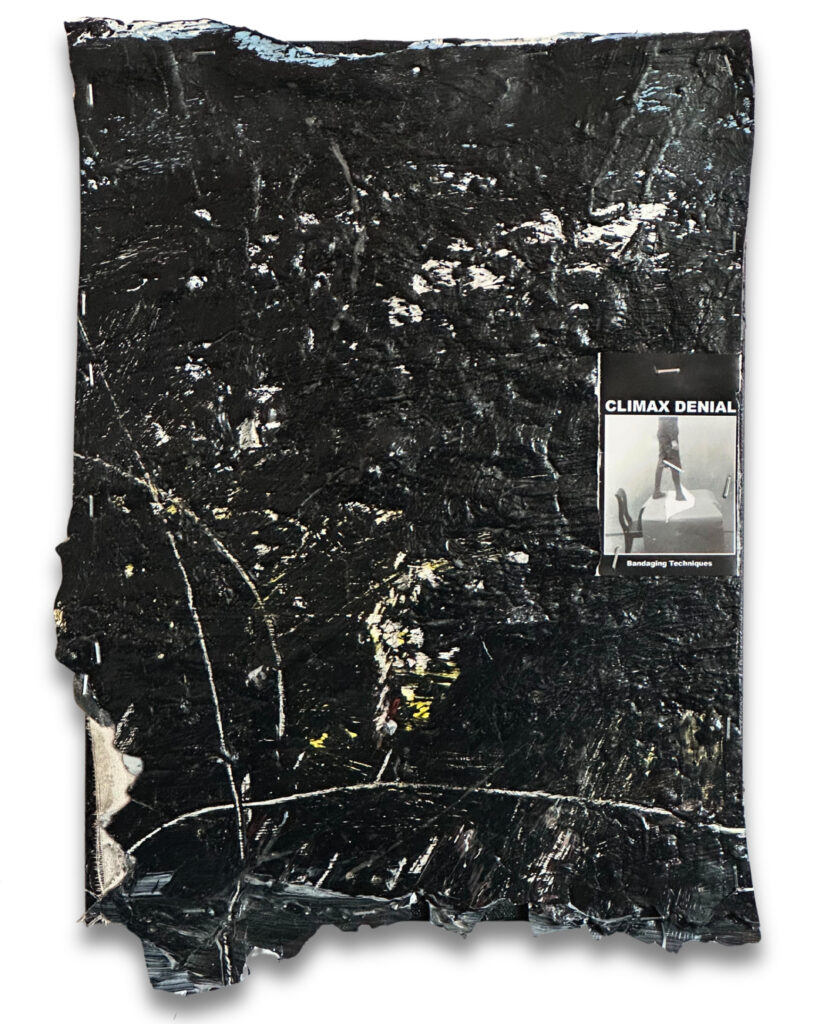
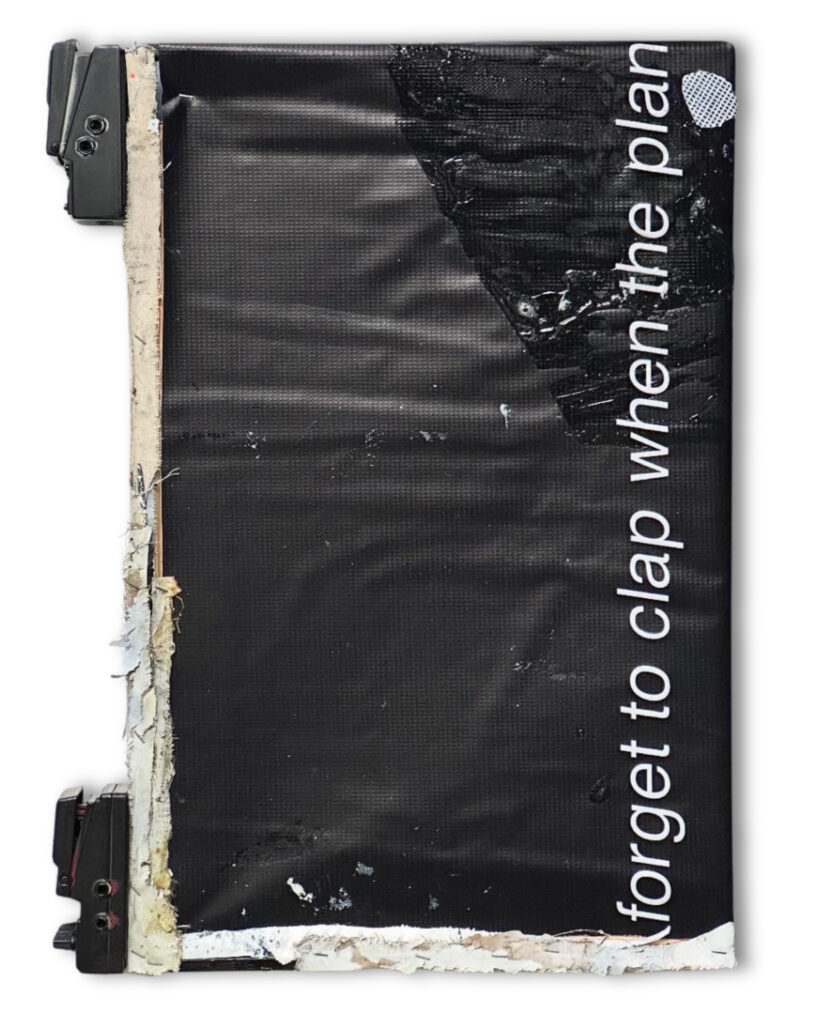
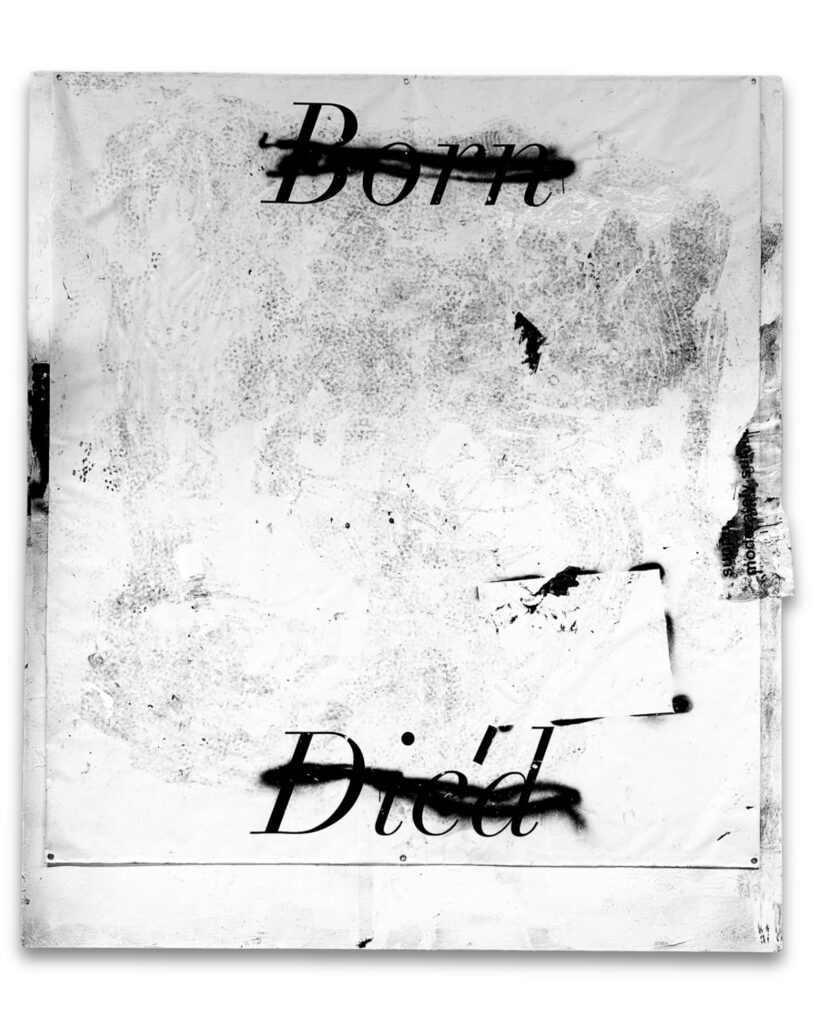
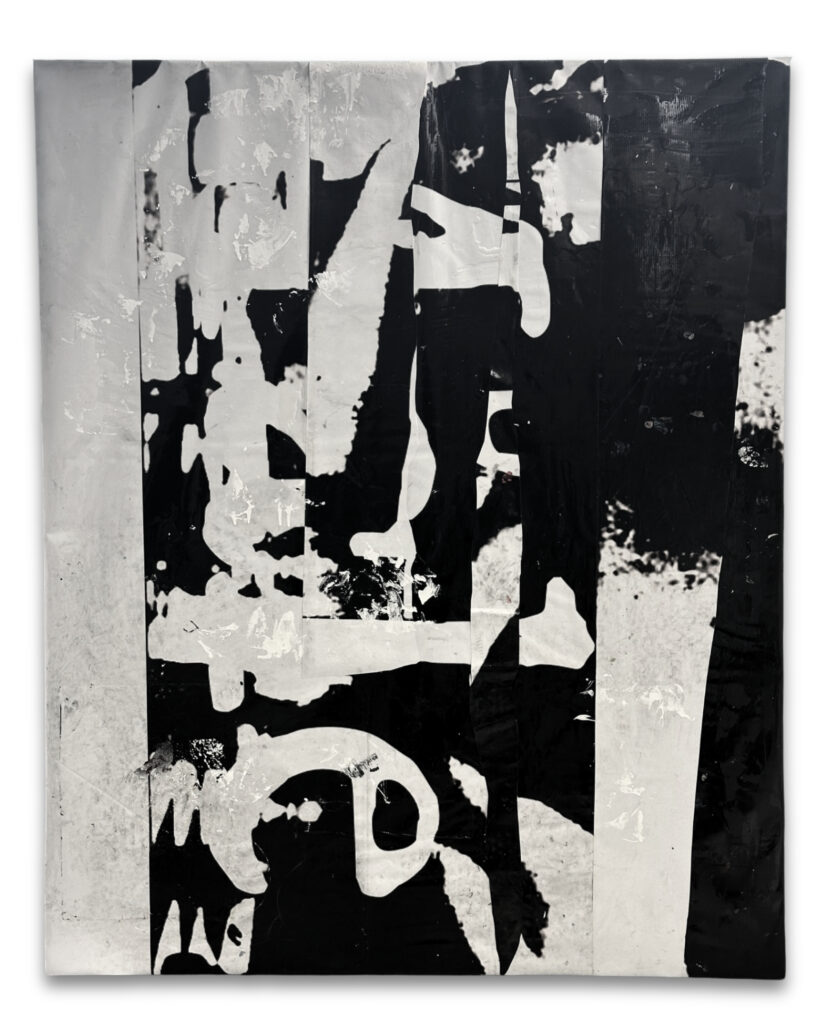
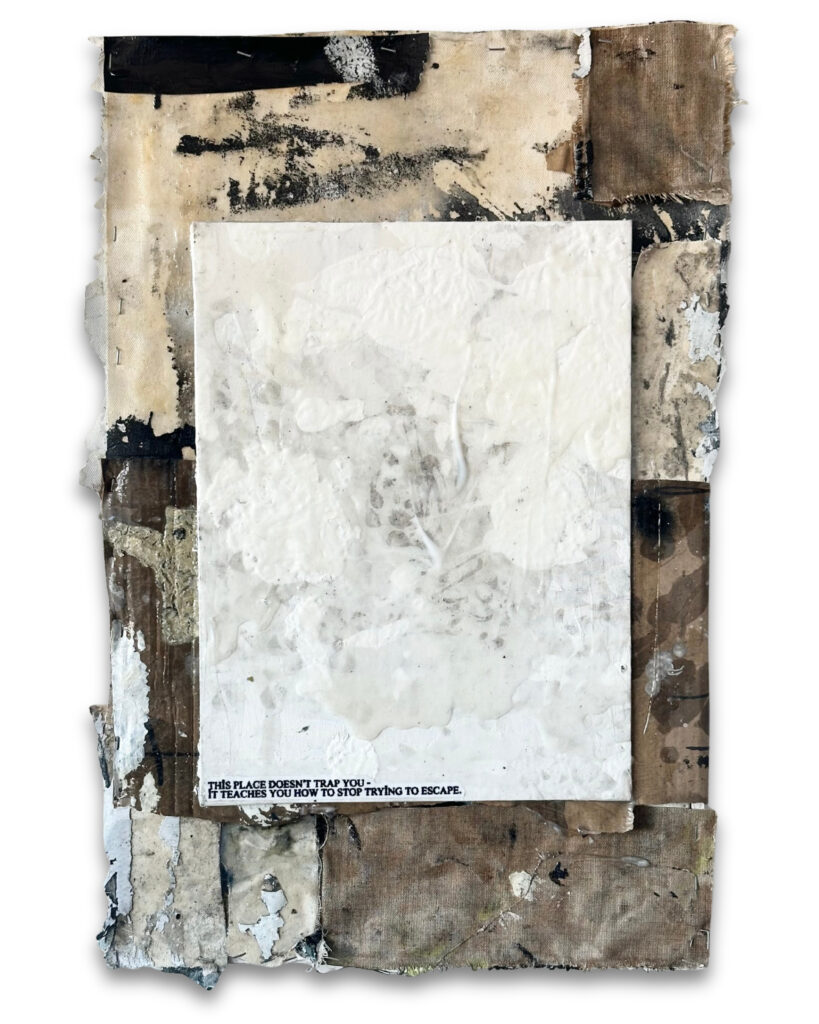
I was stuck between different directions, whether to paint, to photograph, to perform. So I started destroying old work in the studio. Then I went back to where I started, just putting things together in a very naive way. They became very physical, layered, almost sculptural. I also started bringing in my musical work and collaborations. I had always tried to keep everything separate, but eventually it all comes back together. I try not to control it too much, to let it happen rather than forcing it.

You once described earlier collages as suicide notes. What did that refer to?

That was from a much younger version of myself. Something from a long time ago. But like most artists, death is an interesting topic. It is something inevitable, something you think about at different points.
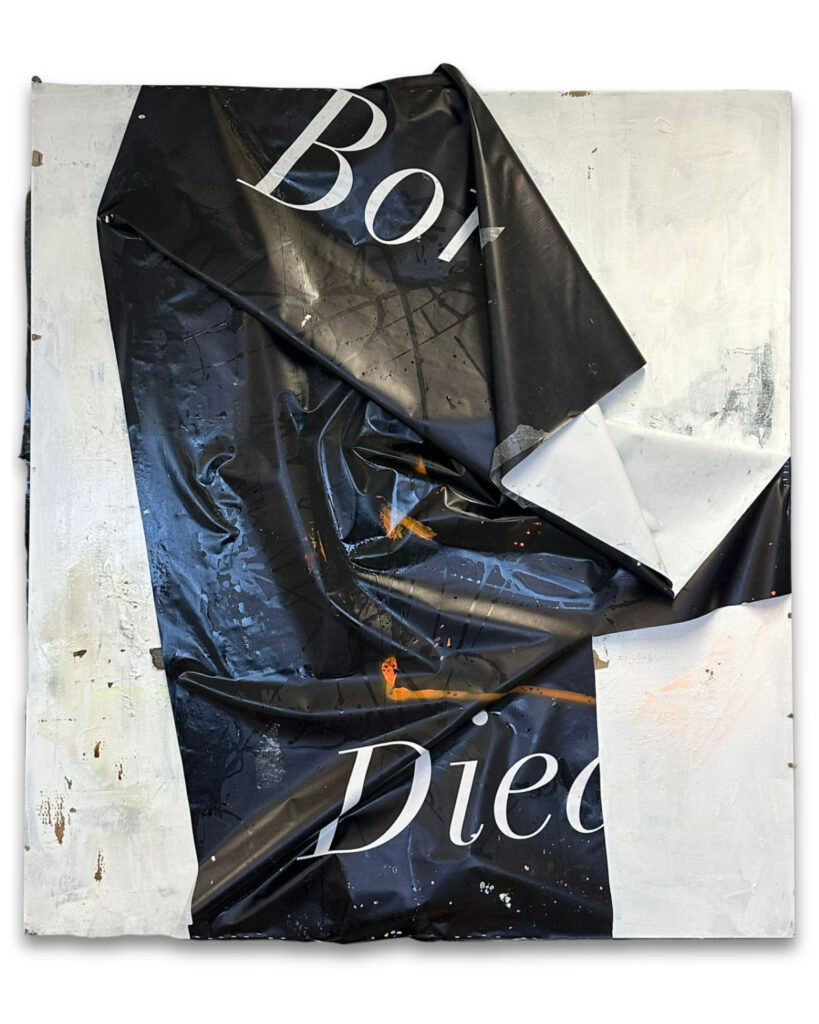
The Builders Daughter comes from a very specific personal story. How did that become the anchor of the work?

It comes from where my mum lives in Hull. After my stepdad passed away, she was still there, and the community around her really came together. There was this woman, the builder’s daughter, who became very close to her. Someone I do not really know, but who stepped in and became like family. The works came first, rebuilding old pieces, and then the title made sense. It tied everything together in a way that I had not planned.


When did you feel the title was right?

The title felt right straight away. It was quite immediate. The work, I still go back and forth on it. I have lived with it for a long time now. But it feels honest. It connects to everything I am doing, music, performance, photography. If I can perform with the works on the wall and it makes sense together, then I am happy with that.

Your studio process seems to leave a lot open to chance. How do you think about control in your work?

My studio is chaos. There is nowhere to put your feet. I will use something, put it down, forget where it is. If I cannot find a stapler, I will use tape. Things happen in a way that is not planned, not controlled. I like luck being part of it. I like not being fully in control of what is happening. When something is finished, it is not about whether I am happy with it or whether it is perfect. It is just what happened in that time. It almost feels like someone else’s hand is in it, like there were easier ways to do it but something else happened instead.

You move between the art world and the noise world. Do they feel separate to you?

They are far apart but also very close. You look at people like Genesis P Orridge or Cosey Fanni Tutti from Throbbing Gristle. They come from underground noise but end up in major exhibitions. So there is always crossover. They are closer than people think.
Your work moves between working class references and high fashion. Where does that tension come from?

I grew up around markets, car boot sales, working class environments in the north. That stays with you. At the same time I have always been really into fashion. From these environments to designers like Carol Christian Poell. For me that is the end point, in the same way that noise is the end point in music. I like everything. Fake, expensive, it does not matter. I am interested in how things look, how they are worn, how they exist.

Your sculptural works, embedding Nike sneakers in cement or preserving worn Reebok Classics, feel like archives of lived experience. What is it that you are preserving within them?

When I used to go raving every week, I kept my shoes. They had been in places that are hard to explain. If you know, you know. So I started turning them into objects. Putting them in cement, melting them, preserving them. They become relics. It is like collecting moments from people’s feet. Traces of collective movement and embodied experience. 

The underground now circulates almost instantly. Do you think it can still remain protected?

I do not really know anymore. Everything becomes mainstream at some point. You have to survive, you have to put your work out there.The real underground probably exists in places we do not see, because it is not on our phones. But it is still there. It just looks different now.
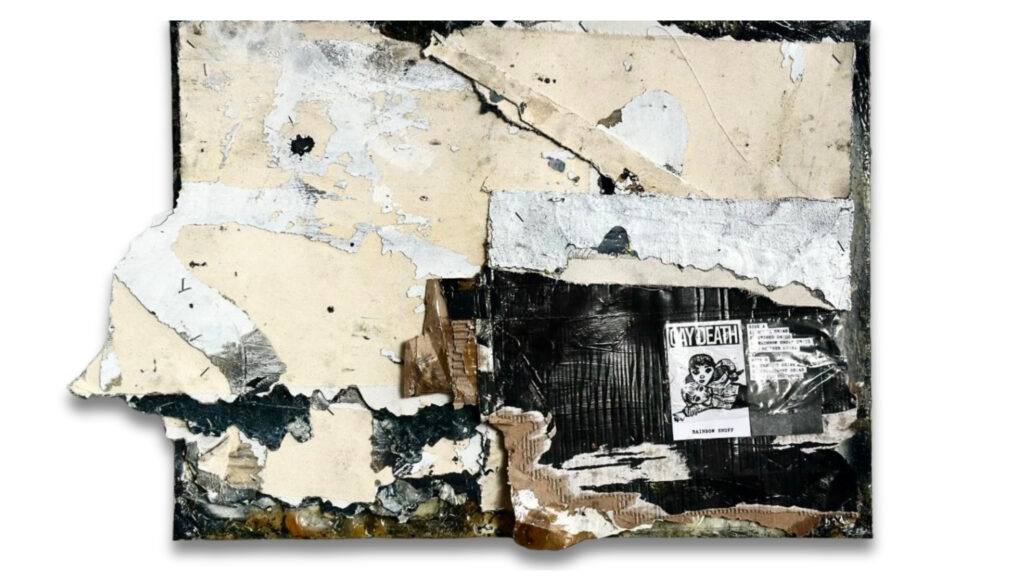
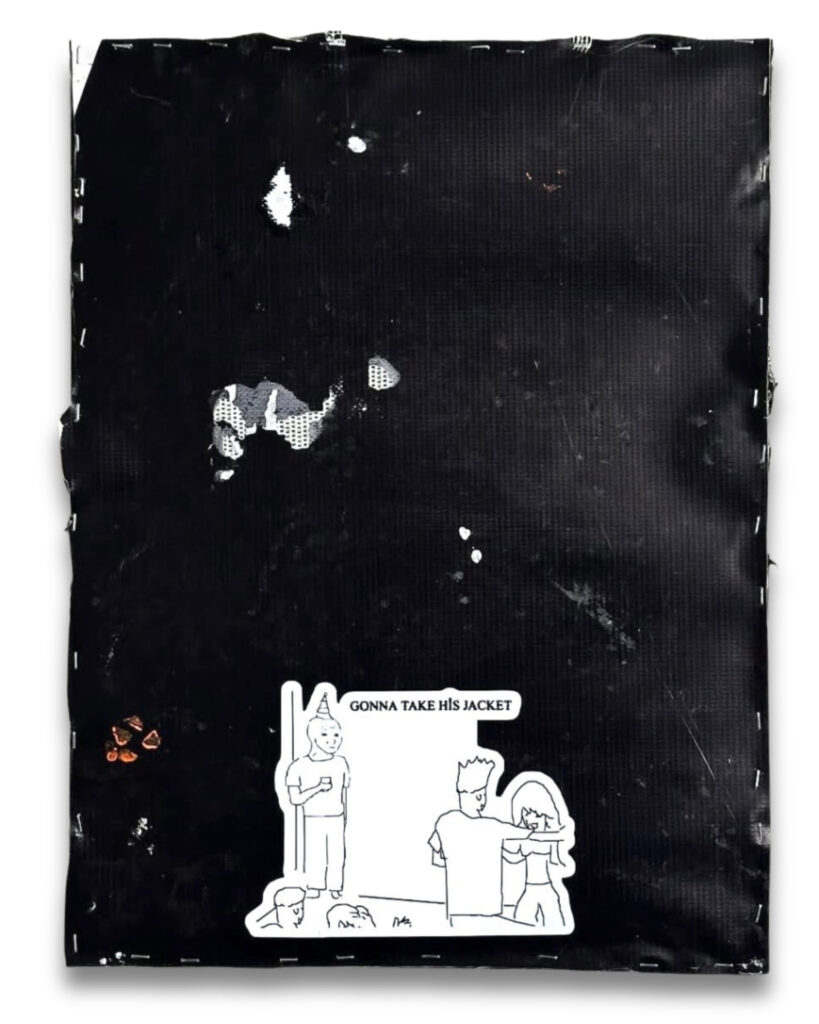
Richie Culver, Rainbow Snuff, 2025. Mixed Media on canvas, 80x60cm.

Your work resists being pinned down to one language or style. Is that something you aim for?

I do not think I will ever be that artist where you can instantly recognise the work. I have too many different things going on. This body of work feels like a step towards abstraction again. Towards making work about nothing. Falling into the void.

What still feels unresolved for you?

A lot of things. I have a new record coming out as Quiet Husband, more shows, more work. But unresolved, we would be here for a long time. I am one of those people where the glass is always half empty. I want less screen time. I wish that whole thing would just disappear. Being in the moment is the goal. That is where the work comes from. Or at least I hope so.

Credits

All images courtesy of Richie Culver.
Discover more on richie-culver.com

Chanel Beads

The Feeling Remains

What is a feeling? neither us nor Shane Lavers from Chanel Beads might have a correct answer for it. That being said, NR spoke with him about navigating fleeting emotions through music, internal contradictions, and what drove —and bothered— him one week prior the NYC band’s debut album Your Day Will Come would see the light.

Hi Shane, how’s it going?

I just woke up, I’m in the middle of moving, so it’s been.. chaotic, but I am good!

And, most importantly, your first LP is on the way! How do you feel? How have the last weeks leading up to it been?

Yeah, it definitely feels like something new, but I try not to have any expectations, really. And then everything’s a happy surprise.

I’ve known about your work since fairly recently, actually. I’ve gotta come clean. I listened to your music for the first time in Paris, around November.

You were at the Bagnolet show, right?

Attending that show was a great moment for me, as it had been more than a couple of months since seeing someone play live –I came there being so curious about the whole thing..Your setup, and the way you guys performed felt refreshingly different. One thing I am wondering ,now that things are maybe starting to change, is about the shift from smaller, intimate venues to larger ones, like the recent gig you did at SXSW. What I loved about your show was its intimacy, and maybe some of it might be lost in bigger settings. How do you feel about this potential change in how your music is experienced? Are you adapting to it?

Settings like SXSW are complicated –We played a couple of outdoor daytime shows, and that’s just not a great fit, at least for what I’m trying to do. That show you just mentioned, if i’m not mistaken, the place was almost a gallery or a studio, it didn’t have a stage, but was still loud enough: That felt like an ideal place to perform. I’m uncertain about adjusting to formats where there’s a significant distance between me and the audience. Most of the live performances I’ve done are just kind of this weird act. It’s not acting per se, but it’s a really naked moment –Me trying to embody my music really plainly, really close to people. So yeah, I’m kind of nervous, and I don’t really know what to do if there’s like a gate and, you know, 20 feet between me and people. But I guess we’ll cross that bridge.

You maybe lose that conversational element that your music possesses.The Bagnolet show was the first time ever I listened to your music –I didn’t know anything about your work prior to that. A friend invited me to the show telling me it would be a good one so I decided to go in blindly, without listening to anything beforehand. I just wanted to be surprised by something new. Maybe that’s why I perceive this presence of a conversation between you and your listener, and that is something that an intimate live experience embodies better. Do you consider the relationship between your music and its audience, allowing space for their interpretation alongside your own narrative? Or do you primarily focus on expressing your own story, regardless of the presence of a stage or audience?

It’s kind of complicated. I mean, it’s definitely closer to the latter. It is always a bad idea to try to imagine what other people are thinking, and that is sometimes because you can never really picture a stranger’s mind. I don’t purposefully try to not-think of what other people will think, and I feel very lucky at the moment because that kind of distinction doesn’t even cross my mind because I am too focused on myself as the listener, or trying to have a conversation with myself.

It feels very insular, though, and sometimes after a songs’ made, I’ll kind of notice that I think that I’ve written something very specific and detailed, but then I am like “wait, there’s only like four or five lines in this song and not that much of a context for them.” Even I may not fully know what the song is about as it shifts as you write it. However, as long as it means something to me, I’m happy, I am excited. 

Your songs often present two distinct voices or perspectives, a sense of internal conflict or contradiction. This duality seems particularly pronounced in some of the songs from your upcoming record, especially now that yours and Colleen’s singing alternate and layer more substantially, perhaps reflecting this conversation or dialogue within yourself you just mentioned. I had a question in that sense, but I guess you’ve already touched on this aspect, acknowledging the presence of two voices conversing or two parts of yourself engaged in dialogue –An interplay between different perspectives allowing abstract feelings to resurface and attempting to give them tangible expression.

Yeah. Context always changes in what I write, but it’s almost like..the feeling remains the same, there’s a consistency of an emotion lingering through and through. It’s akin to moving from one scene to another, seemingly unrelated, yet still connected by a common thread despite the shifting of time and space.

Without the need of a specificity.

Yeah. [pauses] The feeling remains.

It’s intriguing how your composition process seems to mirror this idea. I’ve noticed a very distinct style, and sound, in your music, even from the first time I encountered it. Despite this being your debut LP, your consistent approach to composing and shaping sonic palettes over the years has been evident. Was this new record an opportunity to crystallise and refine that style further, or was you just going for an experimental take on longer narrative possibilities or a more cohesive output of material?

It’s both of those things really, it kinda just felt like, “Okay, now I’ve got an album.” But I definitely was trying to match an emotional and lyrical sentiment with the sonics. I always felt kind of frustrated with the way I composed in the past and I know that a lot of musicians or artists might feel like they’re aspiring to something, but they’re kind of stuck making something else. It’s kind of a cliche, so I try not to think about it too much, like the one of sitting down with the guitar and then getting really into it, making beats or something like that. I think such things are kind of boring, and self mythologizing in a weird way.

Industry tricks 101: The creative journey’s sentimentalisation..

I’ve been talking about this with friends a lot. I felt really free with this project, I finally was able to let the floodgates open and release stuff because I felt in a position where I’m not interested in distinctions anymore, and whatever i do is just gonna exist as it is and I’m not gonna give a shit If people think it’s rock music, electronic music, or whatever. I’ve been having interviews where people keep asking me about Coffee Culture, because it’s kind of the record’s outliner, but I actually feel like I make more music similar to it than, let’s say, Police Scanner. And I guess this kind of feels like a cliche too –To be like “Fuck the listener, I don’t even care about the listener.” But yeah, I didn’t really like thinking about distinctions like “who’s listening to it? Am I listening to it or is someone else listening to it,” I am kind of practicing ignorance almost as a virtue, lately, in that regard. [laughs] 

Have you been putting things out because you just finally felt really like it?

Yeah. And I try to stay away from distinctions and intellectualising stuff. It’s way more interesting to go back before those lines were drawn.

I get it! Sometimes, as I interview people, it’s almost weird because when I come there, I have all my stuff prepared, questions, notes. I’ve been reading, listening, informing myself on the artists’ work, weaving narratives around and intellectualising it. It all feels a tad funny sometimes, because I think of myself first and foremost as a listener and sometimes I think that maybe I should just focus on enjoying the music and, as you said, it is simpler, and maybe more interesting. How do you feel then when talking about music, your music specifically? 

Well, I think it’s fun to over intellectualise things, I just don’t want to do it to myself. [laughs] It’s flattering to talk about your music with people, but it also feels weird sometimes –And don’t get me wrong, I’m getting good at PR training. If someone asks me a question, I’ll just be like “next question,” if I don’t want to say anything about it– The strange thing with talking about my own music is that, often, the whole point of it is that I’m not able to just talk about the things i want to communicate with it. If I could, just talking about them would have been fine, but because I don’t feel like I can do that via simple words, I resort to music. Whatever you’re trying to express, I feel it has to come out via the best channel you can express it through, so a complicated feeling or a complicated thought can come out with all the nuances it deserves. What I like about the way I’m approaching music is that it allows me to work with stuff that I’m still parsing through –It’s me trying to figure out how I’m feeling, and what I’m thinking or what the world is, in an external and internal way at the same time. 

How long do you feel this record has been growing within you? A part of you may still be processing the themes woven into this record, and while you may have physically composed the record recently, it feels listening to you like its inception and development may have been with you for much longer. 

A lot of what I do, not only with music but with visuals too, I approach it with a “waiting to strike” attitude, kinda like getting really prepared for something that is going to happen so that you can move quickly about it. It’s not improvising. It’s more like operating in real time, that’s why maybe I am so fond of playing live shows. Things always happen quickly and impulsively, but at the same time thought out and prepared. I’m not really interested in super constructed music, but rather in quick bursts that then are shaped from there. I have this kind of motto, “Never let them see you sweat,” which is like..You can think about stuff and prepare it, but ideally you shouldn’t be in control of all the variables, so then you can kind of discover new stuff in that moment. I don’t know if that answers your question, but that’s a complicated answer to give you, because I wrote the album pretty quickly, but there’s one song on it called Urn that I wrote, like in 2018, and it kind of came out way different when I finally recorded it again, so timelines are, let’s say, variable.

Like with Idea June, you released two different versions, very similar in their underlining, both songs’ sentiment feels the same, but they still are very different, maybe two sides of the same narration? It’s interesting that you decided to release both. The bit about not wanting the artifice behind things to be seen really resonated with me. When I saw you live, it felt..digital, electronic maybe, in a way. Your setup was hybrid, a computer playing the record and you playing over it, singing over it and adding vocal and sonic layers to it..but it felt very different from listening to the record versions of your tracks, because you don’t just execute the song, i feel it varies from set to set and is closer to what you said about doing the prep in order to be ready to change things on the fly.

Zach and Maya make their own guitar parts, and we just play the whole song front to back, they improvise a little but usually just once, and we get stuff like 90% locked in. As we refine it, especially during tour runs, it becomes less about improvisation and more about solidifying the structure. Still, there’s always this sense of recreating the song each time we perform it, even though the tracks remain consistent. It’s like discovering how the song should function anew with each rendition. Also, we’re not the type of band that heavily engages with the audience too much, like I’m not trying to crack jokes too much, which is what I do when I get nervous. I tend to funnel any nervous energy into the performance itself, though it’s more of an internal dynamic rather than trying to rile up the crowd. The live show is crucial because it feels like an ongoing dialogue with the audience about the sound and atmosphere of the music. We’ve encountered various venues with unique setups, like a show in Seattle held in an old drugstore, where our sound ended up heavily distorted due to the setup. It was mostly just kind of like shoegaze and punk bands playing, technically, like a festival –You just weren’t supposed to hear the vocals anyway, so they had a setup that was really not ideal for what we usually do. Rather than fighting against it, we embraced the challenge and improvised, adapting to the space on the spot. There was no respect or adherence to how the songs sounded initially, we just blasted the sound, fully screamed our lungs out and got over it, using it to our advantage. It’d be such a nightmare to just try to be like “Oh, this is not supposed to sound like this,” and fight with that. It’s way more interesting and compelling to just try to adapt to the room on the spot.

Are you aiming to maintain the same approach when performing in more standardised venues or supporting bands like Mount Kimbie? It’s a different dynamic, with different expectations and preparations for the show. How do you plan to stay true to your style and maintain some level of absence-of-control in these more controlled environments? It’s an essential aspect of what you do. Initially, when I saw you play, I found myself wishing for a full band and a more elaborate, proper, setup. But as I became more familiar with your work, I began to appreciate your approach to live music more and more. It really started to make sense and felt refreshing, new. How do you plan to maintain this chaos-theory approach to live music as your career progresses?

Our current approach is highly adaptable and, despite occasional suggestions to add a drummer –mostly from drummers themselves –I’m intrigued by its current possibilities. I’m not focused on delivering what people expect, so I’m not inclined to follow traditional paths. Mount Kimbie are an amazing band, they’re fantastic musicians, but as for myself, I’m currently not interested in playing an instrument onstage. Singing without any other responsibilities allows me to fully immerse myself in the moment, embracing any awkwardness that may arise. I’m just going to go with it and enjoy the experience.

Fuck it we ball.

It’s nice talking about the live shows and setup so much in this interview because it really provides a lot of the backstory behind our process. Most of the songs were written specifically for the way we play live right now –So many of the songs have multiple layers of singing in them because I got really into melodics and rhythmics that are fun to reproduce and alter during a live show. It’s compelling when we’re like in SXSW, a real, proper capital-R Rock festival..we’re in the belly of the beast, the beast being people telling us we need a drummer and stuff like that, but we still come out and do the show regardless and win people over.

It can be a great selling point, you have your way of doing things, that’s what won me over anyways. If you get, you get. If you don’t, you don’t. I think you don’t need a drummer, personally..for all that matters. [Laughs] A slight detour towards intellectualization: What served as the primary inspiration or driving force behind this record? Was it a specific narrative or theme you wanted to explore through your writing, or were you more focused on crafting a particular sonic palette and incorporating specific musical elements? 

It’s definitely about the sound. While I was writing the lyrics, I did worry that I might end up with similar songs. Ideally, they all serve as cohesive glue, but I understand if someone were to criticize that aspect. When I begin a song, it’s usually because I have a particular sound or energy in mind. Then, I sit down and think about what’s been bothering me.

What has been bothering you?

I often think of the inability of things, or maybe myself, to change. I’m kind of in a pessimistic era these days. I mean everybody is, so..

It’s not like the world is in a great state, pessimism makes perfect sense. But your record still feels full of hope, in a way. It has mixed feelings and even tender undertones at its core –Like being very pessimistic about certain things, but still hoping to be wrong about it.

Well, I think there’s freedom in acknowledging how fucked things are, because then you are not deluded, but then you don’t wanna delude yourself about thinking that you are more fucked than you actually are. That’s maybe the real frustration for me..trying to find a point that feels good enough between these two extremes. 

Maybe, life is just a pendulum swinging between deluding yourself and bringing yourself back towards a sense of reality. Chanel Beads’ take on Schopenhauer’s pendulum.

I guess we’ll find out.

Credits

Photography, Art Direction and Styling · Jack Pekarsky
Featured Artworks · Michal Alpern
Special thanks to Matthew Fogg and Olivia Larson.

Frederik Fialin

From Denmark to Berlin: Frederik Fialin’s Unique Approach to Furniture Design

Today, we have the pleasure of sitting down with Frederik Fialin, a designer hailing from Denmark but based in Berlin, specialises in crafting bold yet whimsical minimalist furniture using durable, frequently recycled materials. He enjoys playing with contrasts, blending elements like sturdy construction steel with vibrant velour upholstery. Despite his traditional training as a cabinet maker, Fialin consistently challenges conventions and explores new possibilities in his work.

Frederik, your furniture pieces are characterized by their bold yet playful aesthetic. Can you tell us more about your creative process and what inspires your designs?

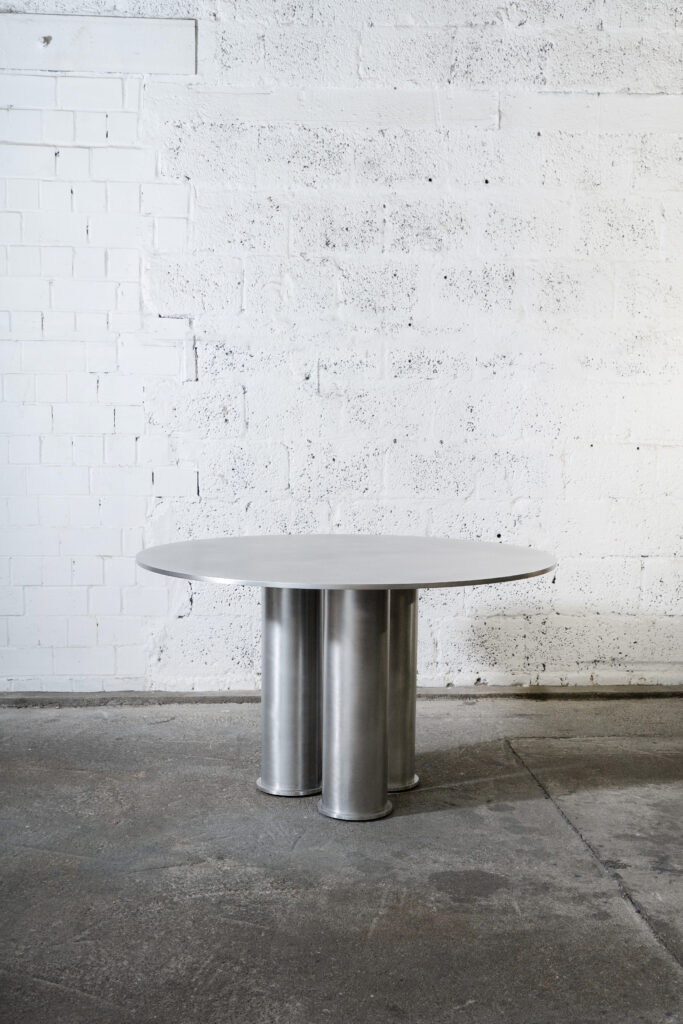
I’m usually content with my work when it makes me laugh and wonder at its oddness. I aim for it to be disproportionate or unexpectedly shaped, yet maintain a clear and simple structure. I find great beauty in simplicity and honesty, and I strive to infuse these qualities into my furniture. I often make only minor tweaks to the original concept, mainly to address functionality and overcome technical hurdles. I enjoy exploring extremes and using the full range of sizes available, whether from ready-mades or custom fabrications. Why stick with a 50mm pipe when you can use a 270mm one? It might be unnecessary, but it’s decorative and adds a touch of humour.

How does your background influence your approach to furniture design and craftsmanship?

Clearly, my background as a classically trained cabinetmaker must have some importance, but never in any directly noticeable way. If anything, not having a theoretical background has probably benefited me in some ways and has potentially given me a more naive approach, which I think is clear when you look at my furniture. Starting out not knowing design history, theory and the mere fundamentals has both been challenging and rewarding. I think not taking it all that seriously is probably the main one. After all, it’s just furniture, and theorising on a particular piece or subject is generally pointless. Either you like it or you don’t.

Your pieces often challenge the notion of industrial design. What other design categories or influences do you draw inspiration from?

Do they? I don’t see it like this at all. My furniture makes use of very well- known and often basic materials. I usually try to simplify as much as I can and remove all unnecessary elements. I don’t take inspiration from anyone or anything in particular and I work based almost solely on gut feeling, but almost always to make myself happy. I like the framework that using mainly common geometric shapes gives me though. For me, it’s about combining these well-known shapes and placing them in unusual ways, adding or decreasing thickness, changing the diameter, or something else that can turn a simple circle or cylinder into something interesting, aesthetically pleasing, and most importantly, a functional piece of furniture.

How has Berlin’s dynamic cultural scene influenced your creative process and the development of your designs?

I doubt that Berlin has had any particular influence on my work. It’s more a place I happened to be while maturing and realising how I want to spend my time professionally.

Could you tell us about any specific challenges you’ve encountered while experimenting with materials or pushing the boundaries of design?

As with everything; finding the balance between beauty, functionality, humour and self-interest.

What role does sustainability play in your work, particularly considering your use of recycled materials?

I haven’t used recycled materials in quite a while; instead, I try to make use of materials that are not transported thousands of kilometres and should they eventually be thrown out, it would probably be aluminium (which is infinitely recyclable) or wood. I don’t believe that what we do in my studio has any particular influence on the status of the world. We produce furniture in very small quantities, sometimes in exotic materials, sometimes not. It doesn’t matter in the greater scheme of things and is not something I worry about.

Looking ahead, what are your goals or aspirations for your furniture studio, and how do you envision the evolution of your designs in the future?

At the moment, we are planning the next year. There will be some shows and design festivals as well as further developments of already existing pieces and new ones. I simply hope to be able to continue doing what I do and have fun with it.

In order of appearance

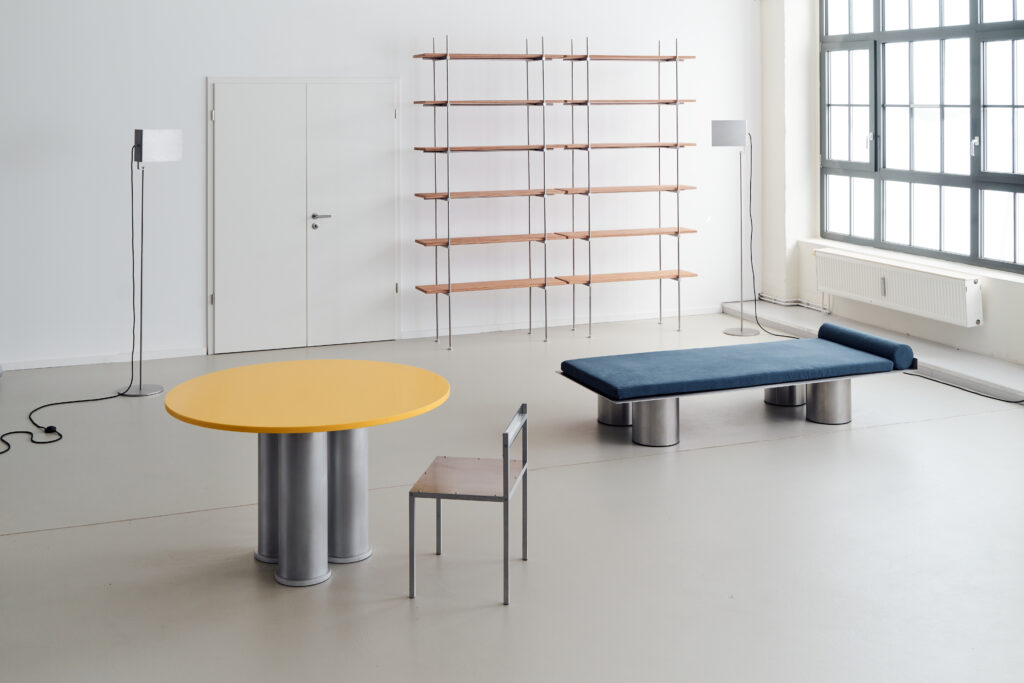
  1. Flagpole Lamp, Elephant Tripod Table, AC01 Dining Chair, Spaghetti Shelf System, Monteverdi Daybed. Courtesy of Frederik Fialin.
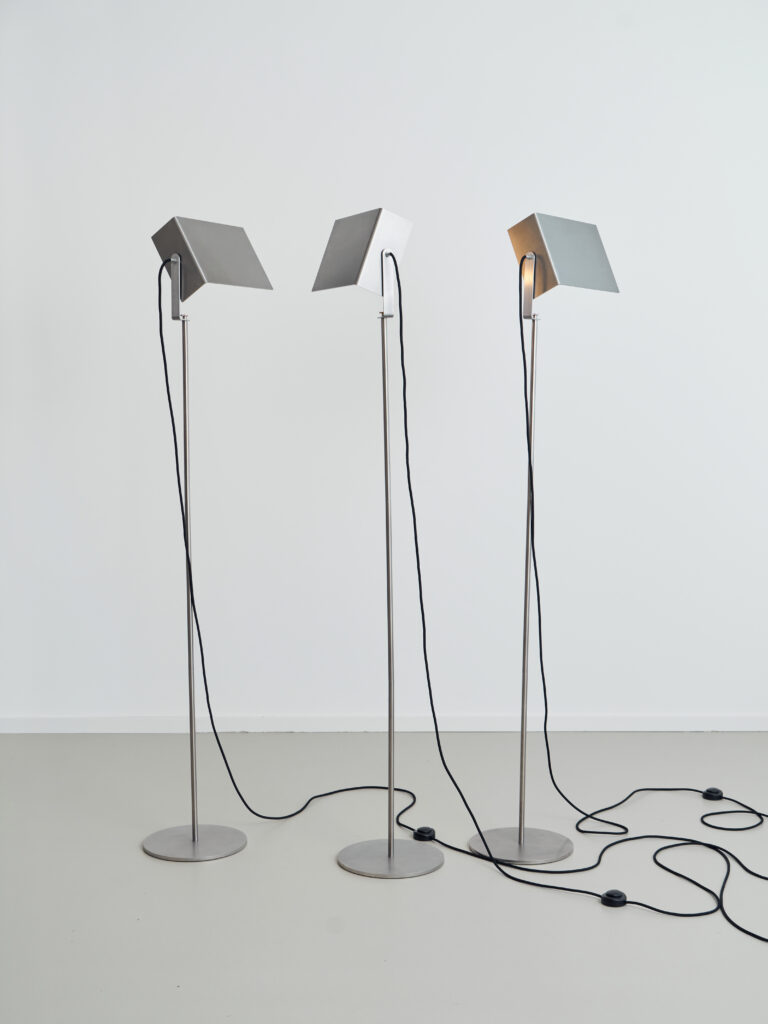
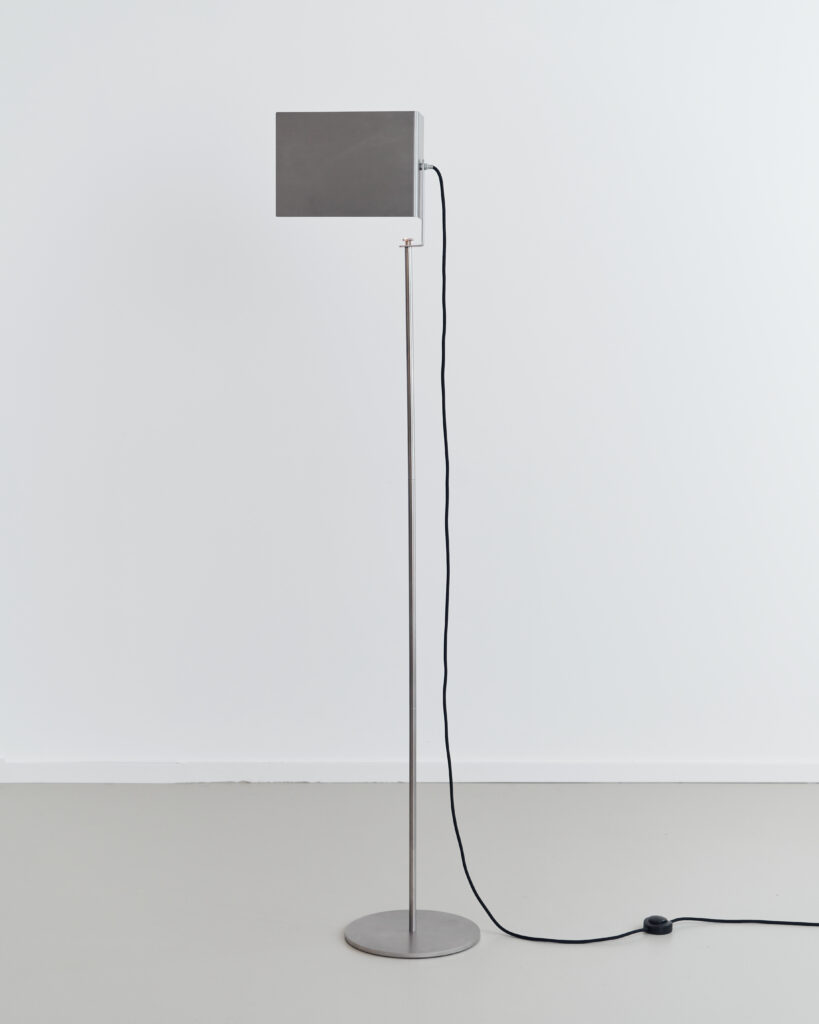
  2. Flagpole Lamp, 2023. Courtesy of Frederik Fialin.
  3. Elephant Tripod Table, 2023. Courtesy of Frederik Fialin.
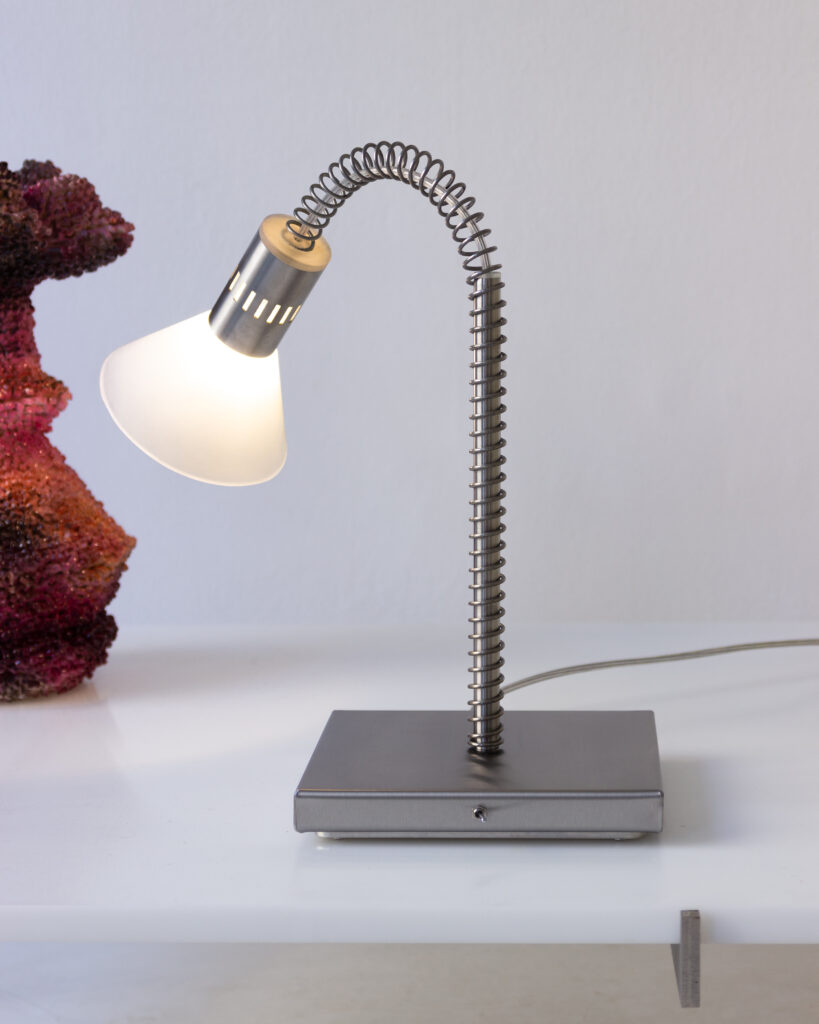
  4. Springloaded Light, 2024. Courtesy of Frederik Fialin.
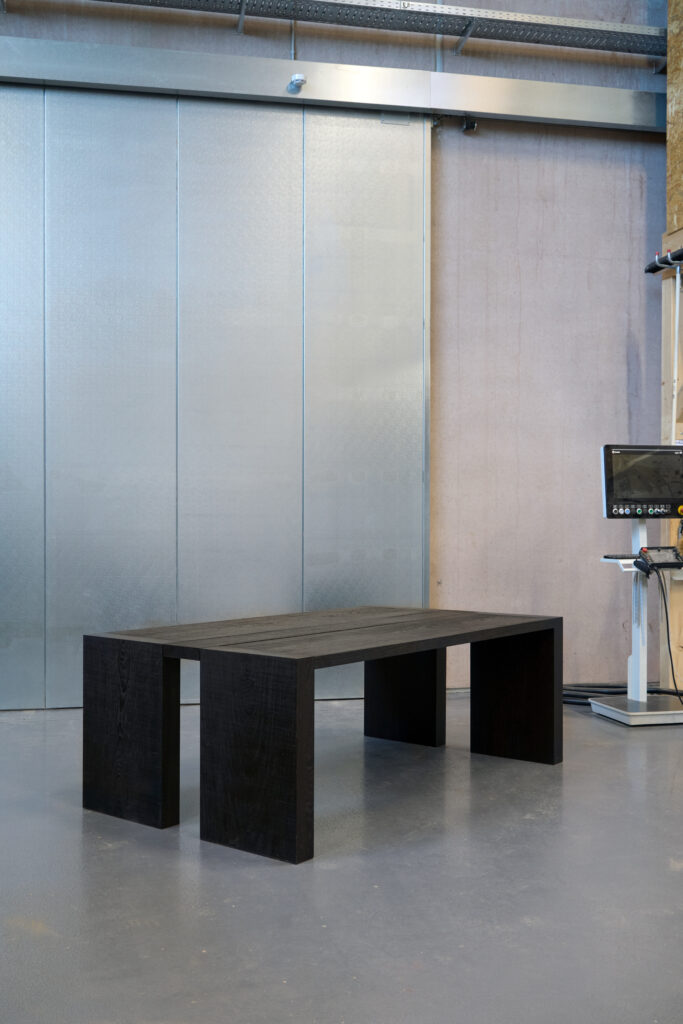
  5. Hefty Table, 2024. Courtesy of Frederik Fialin.

Subscribe to our
Newsletter