Archive page:


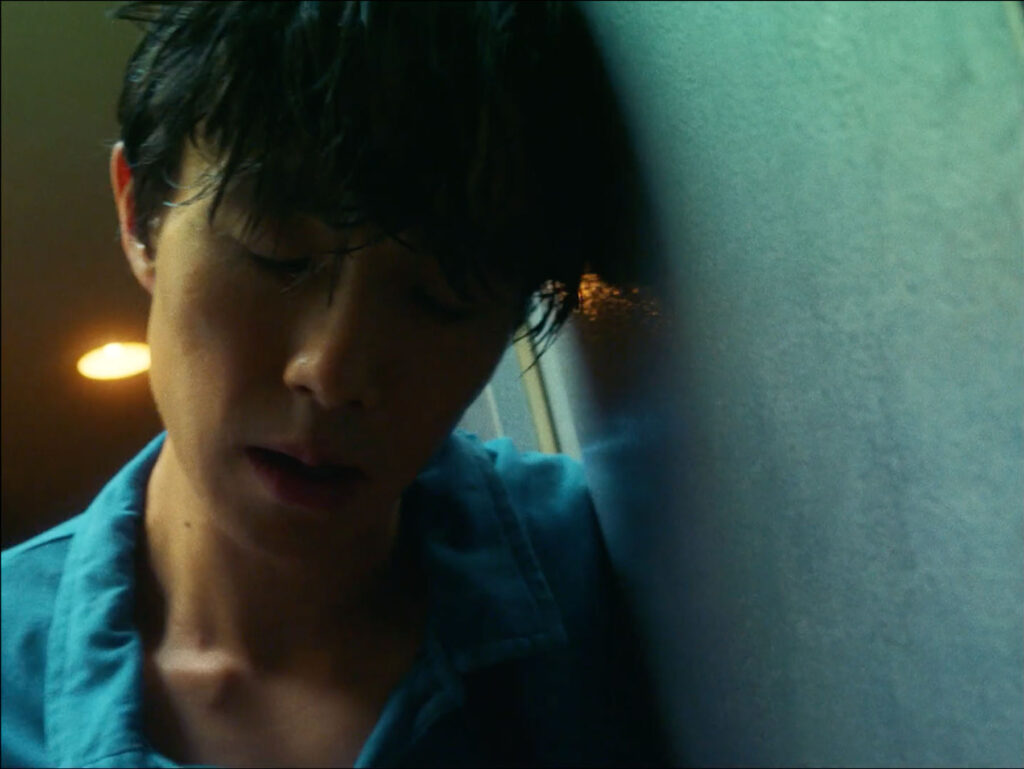
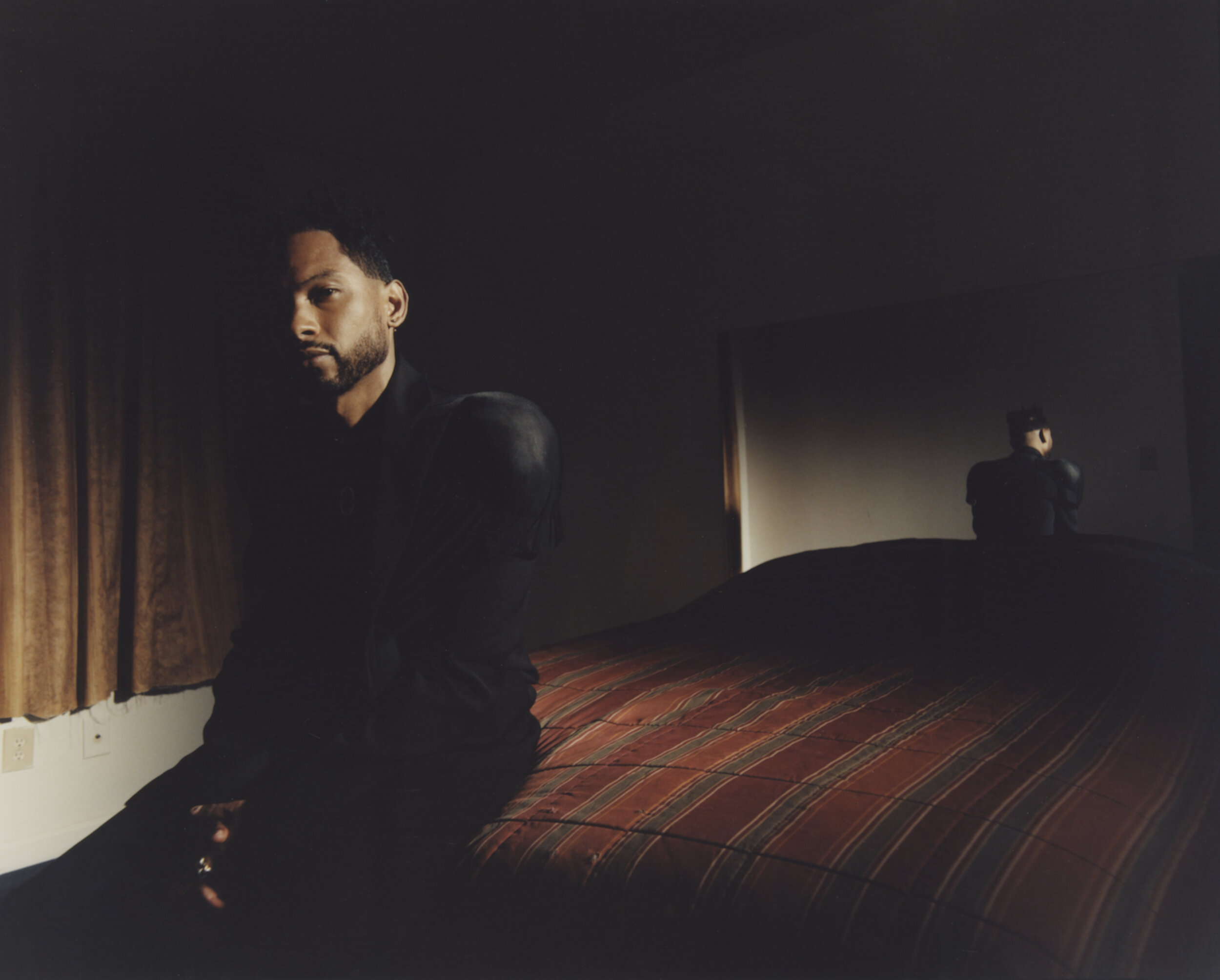
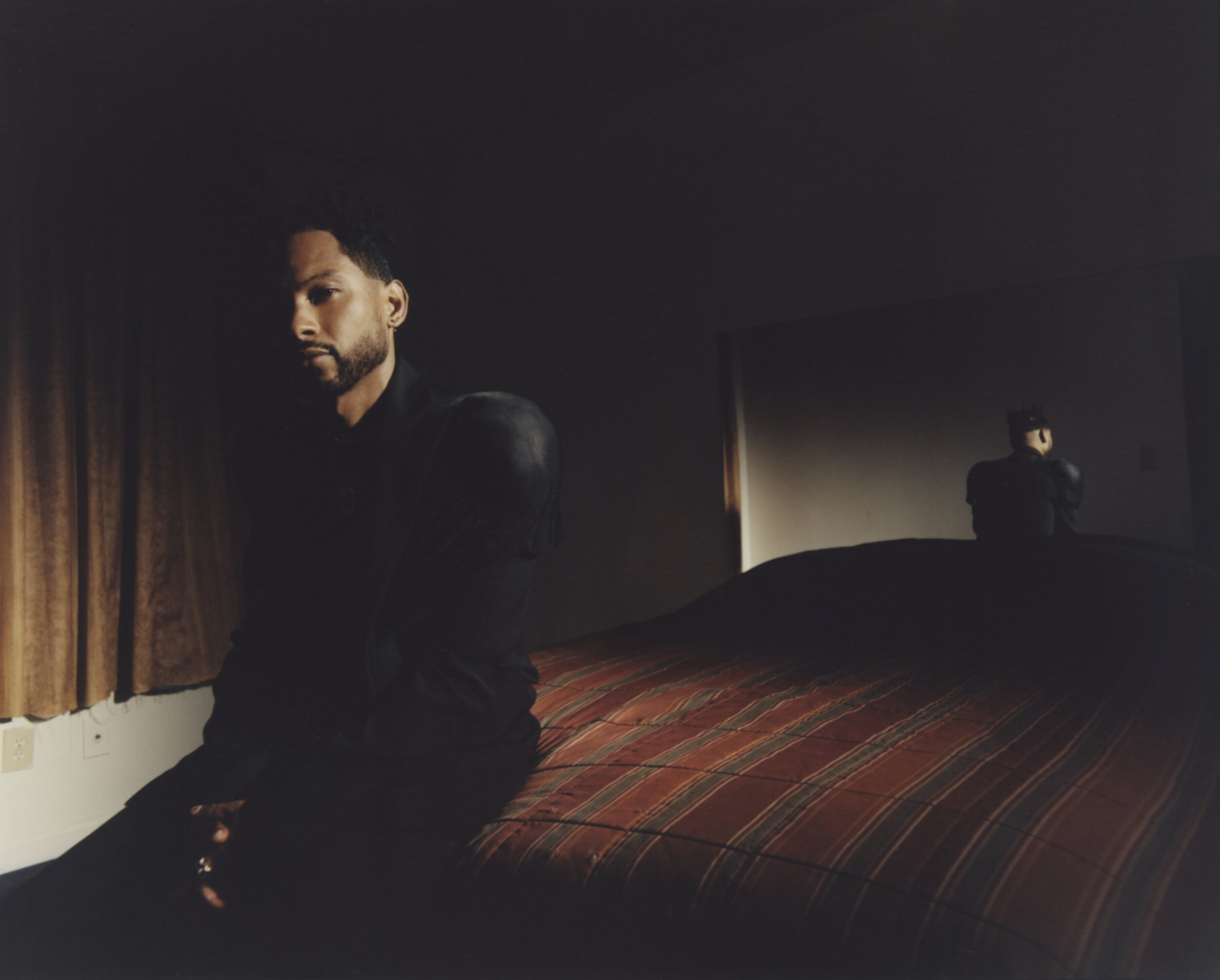
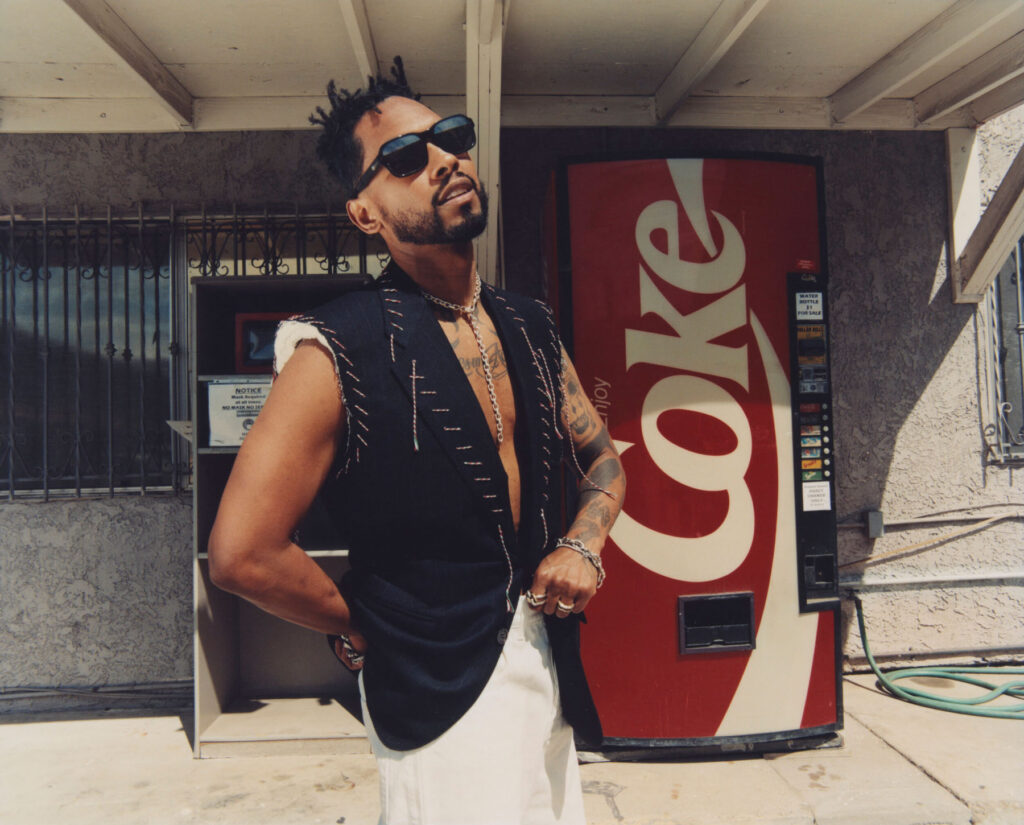
Miguel

“I’m more interested in exploring the subtext of the why”

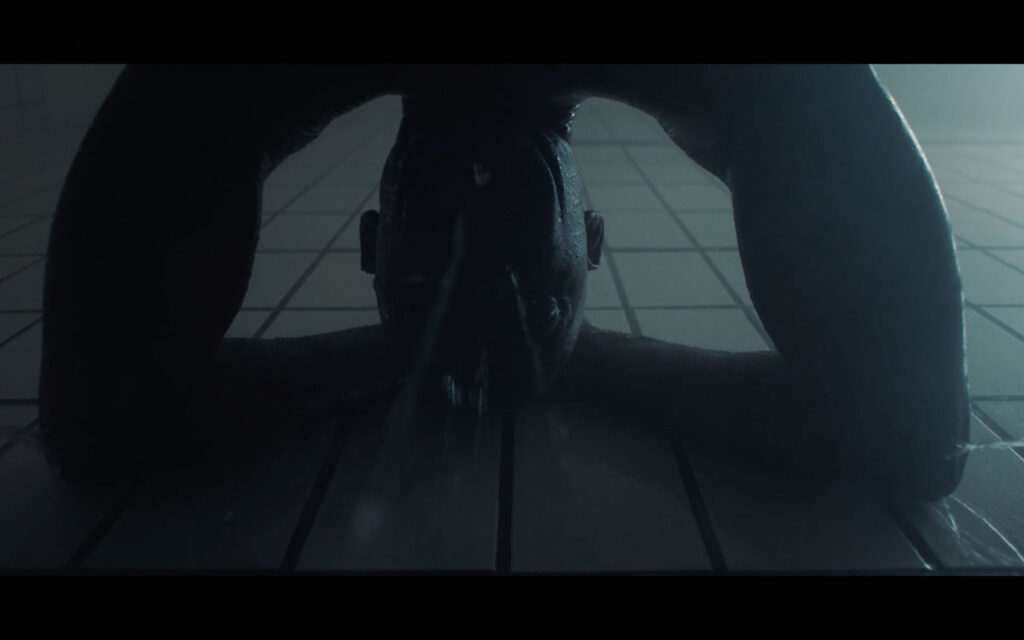
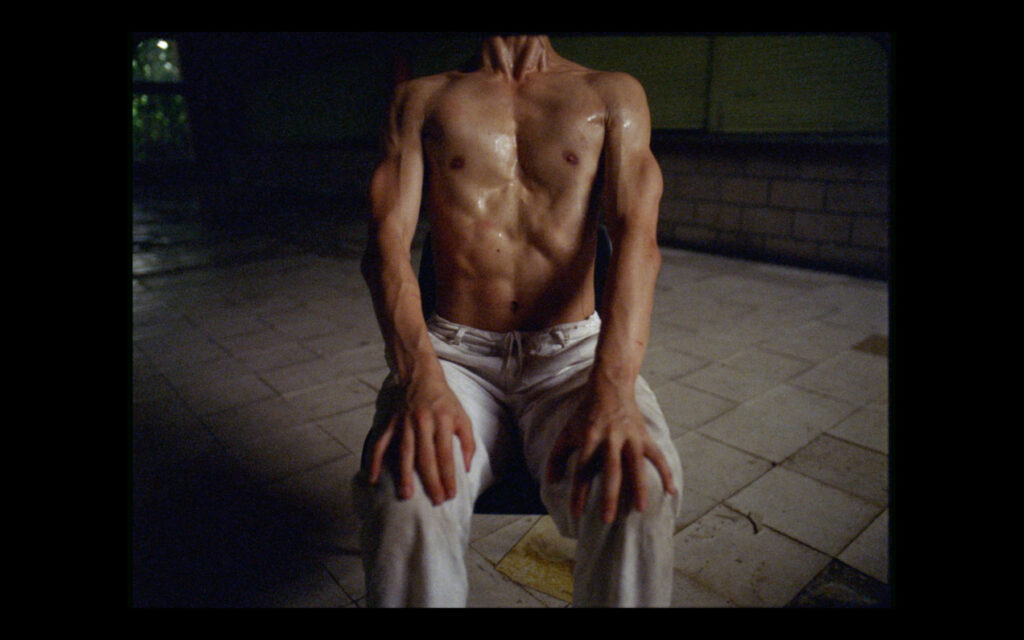
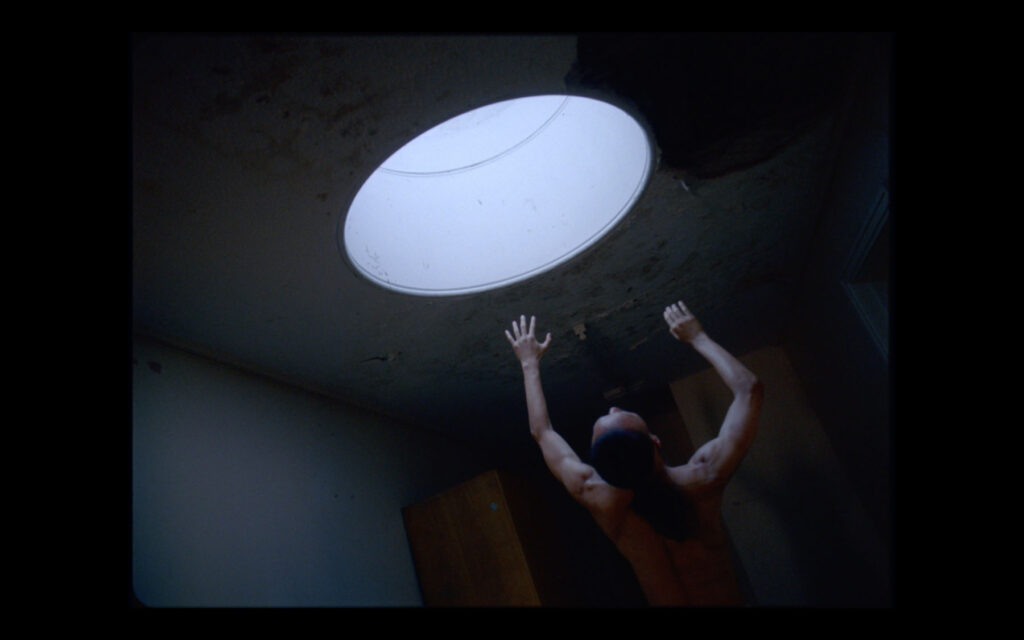
Why does purity have sex-appeal? What happens when you ask desire to strip? Is it cumpassion or compassion standing there? Have the closed fists of a lover around your heart understood what it meant to pray? Did they pray for you or did they just have you on your knees? 

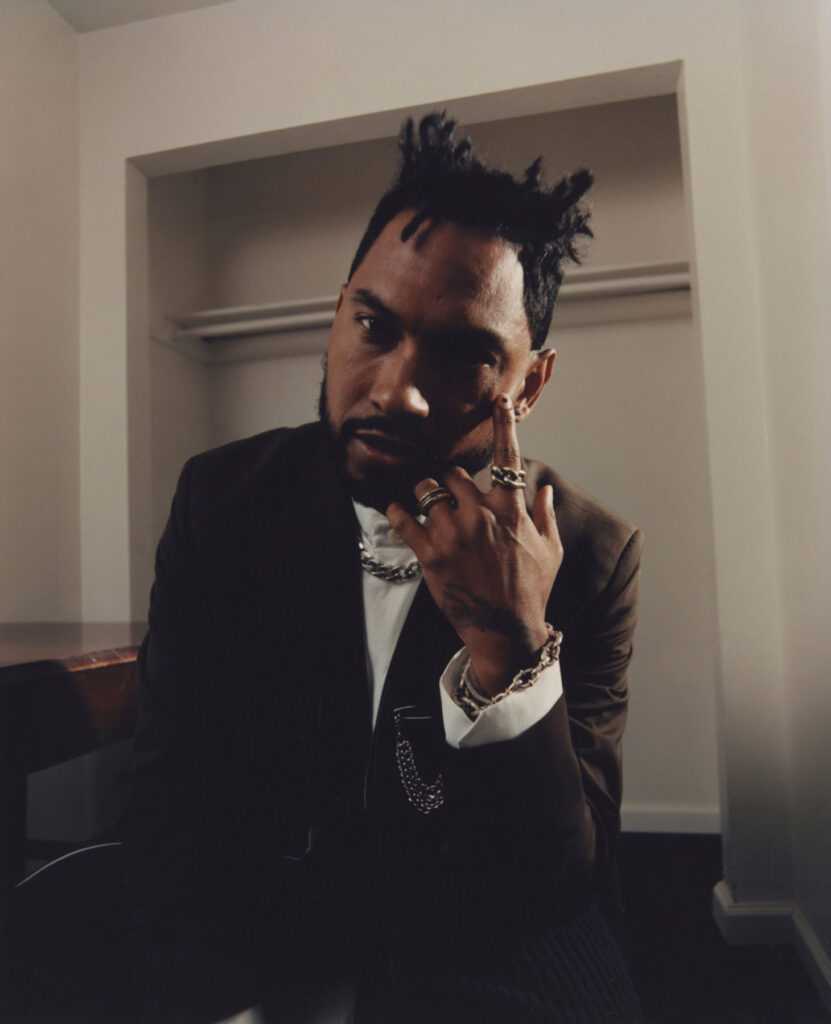
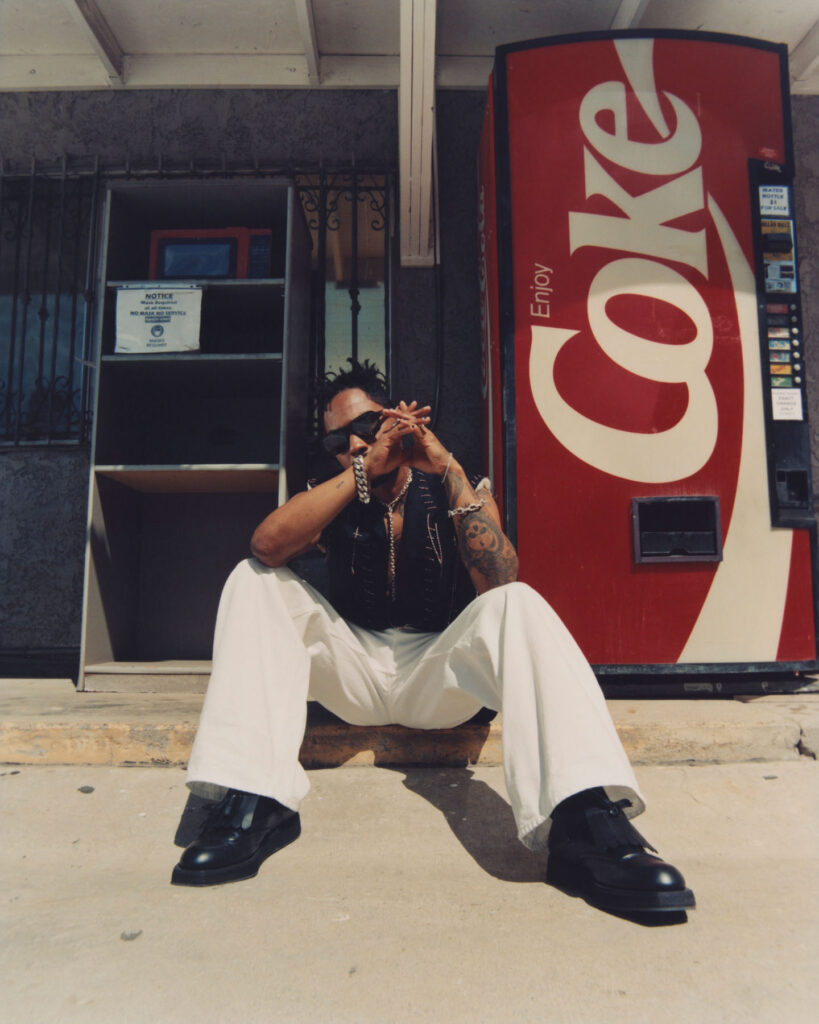
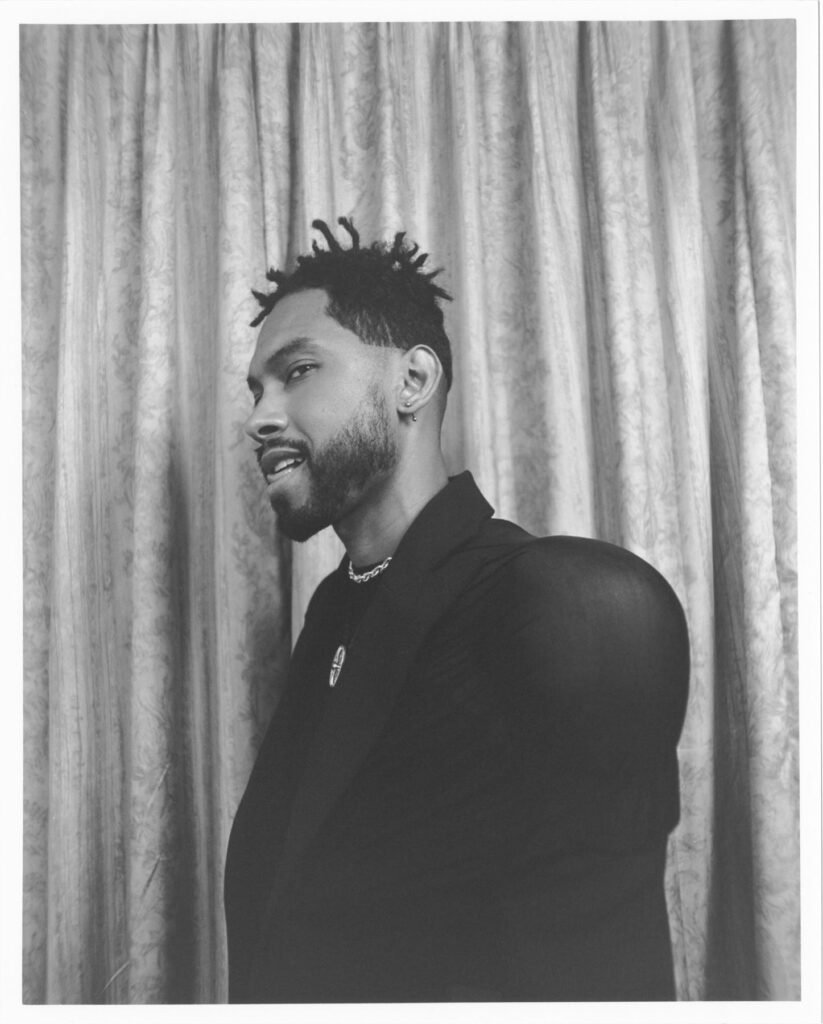
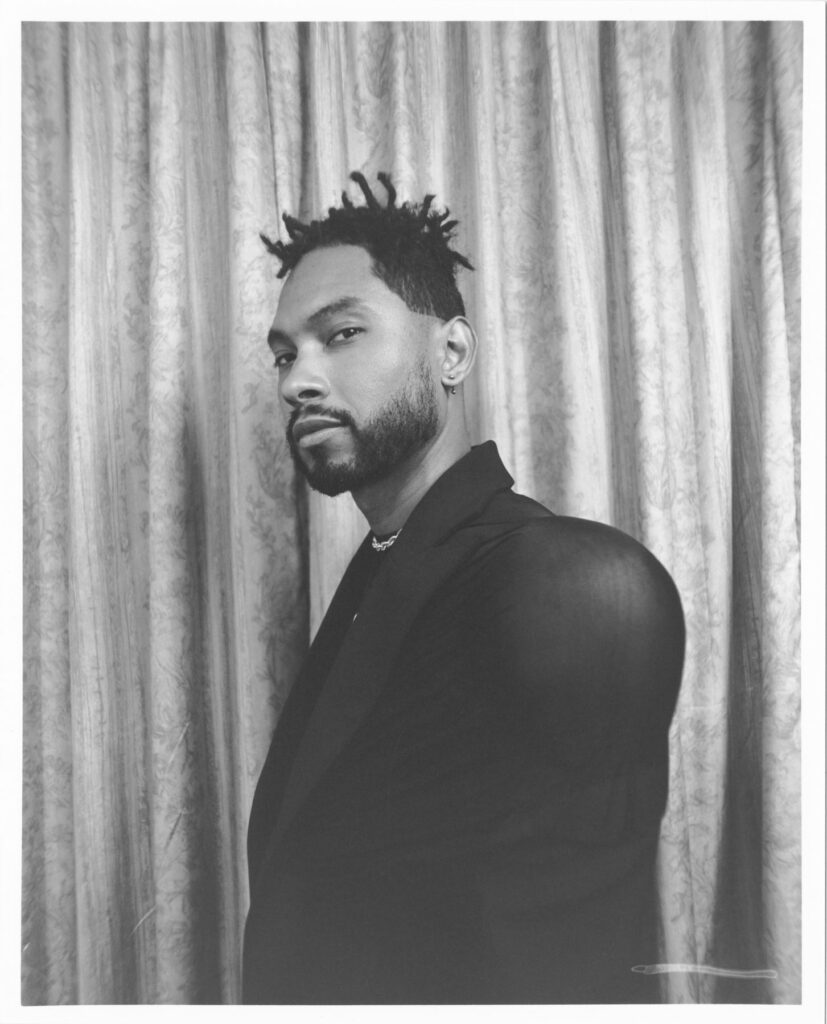
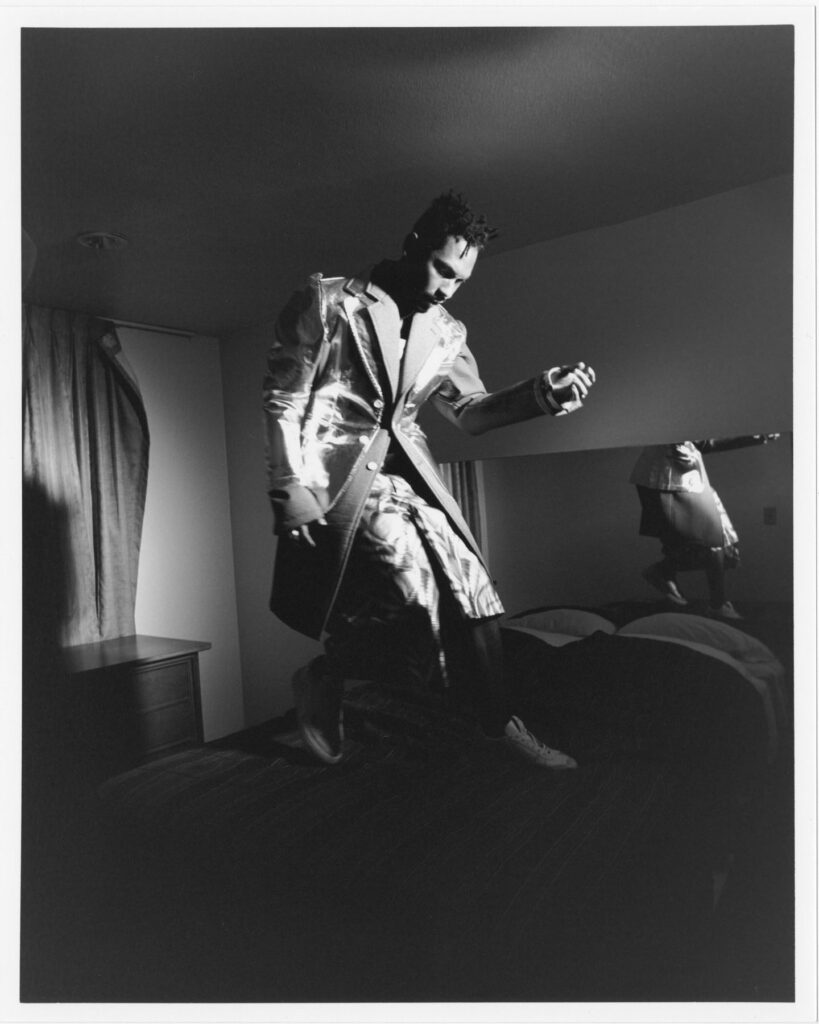
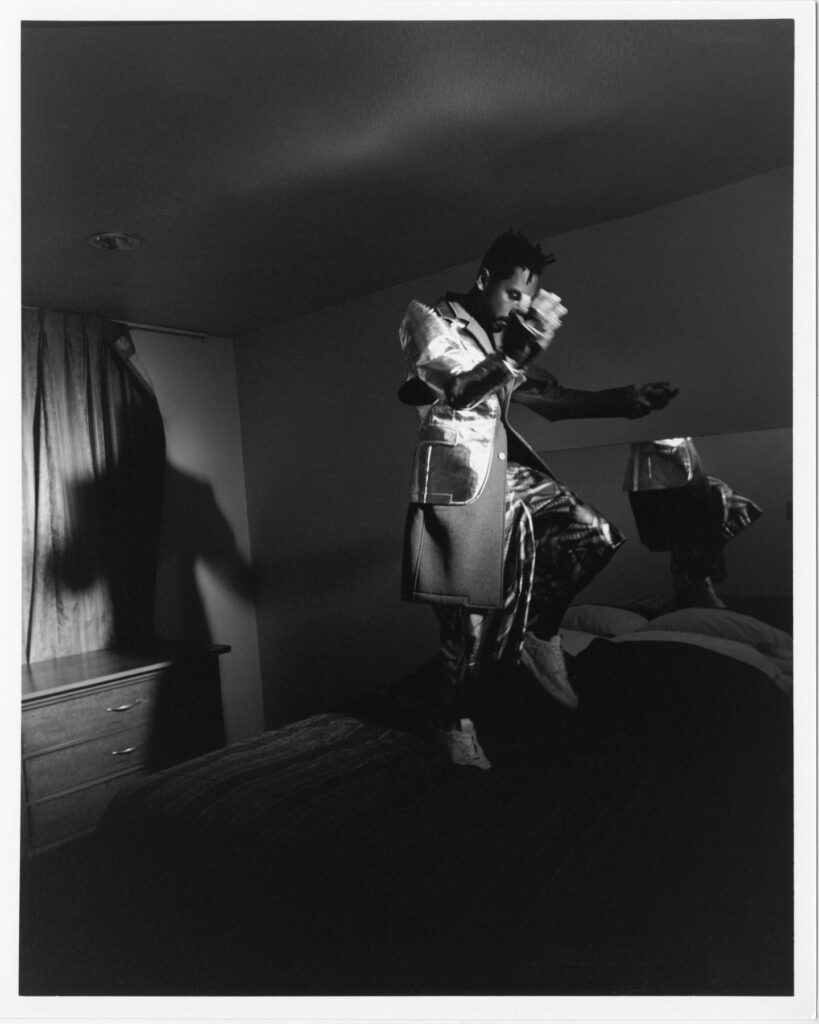
The difference between intimacy and sex has long evaded many of us for far too long as we wrap our naked bodies in sheets instead of awareness, checking our phones before we even turn to see if the person next to us has batted an eye in waking consciousness. When we’re unable to communicate with ourselves or our better halves, we turn to music, we turn to Miguel. The Grammy Award winning artist is known for his sensual ballads. His 2017 critically acclaimed album War & Leisure, debuted at #1 on the Billboard R&B Albums chart and #9 on the Billboard 200 chart. But as we’ve been waiting for our next, favorite slow-jam, waiting to read the lips of an angel before they even part, Miguel turns the lights on. 

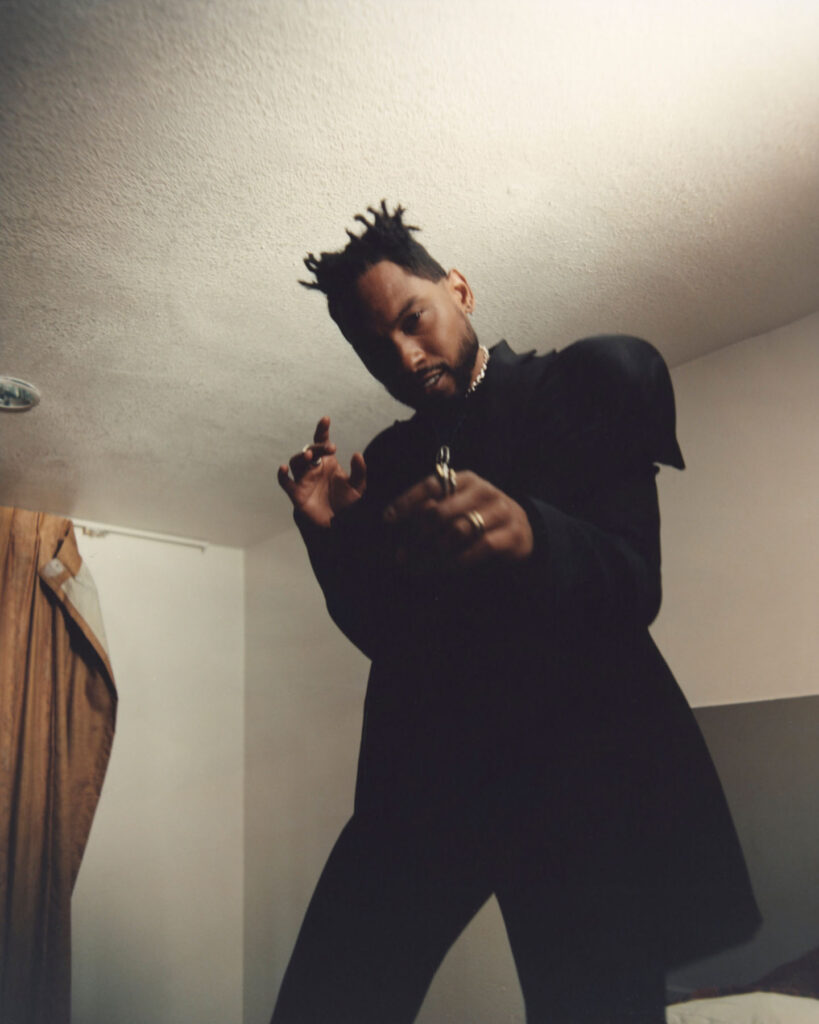
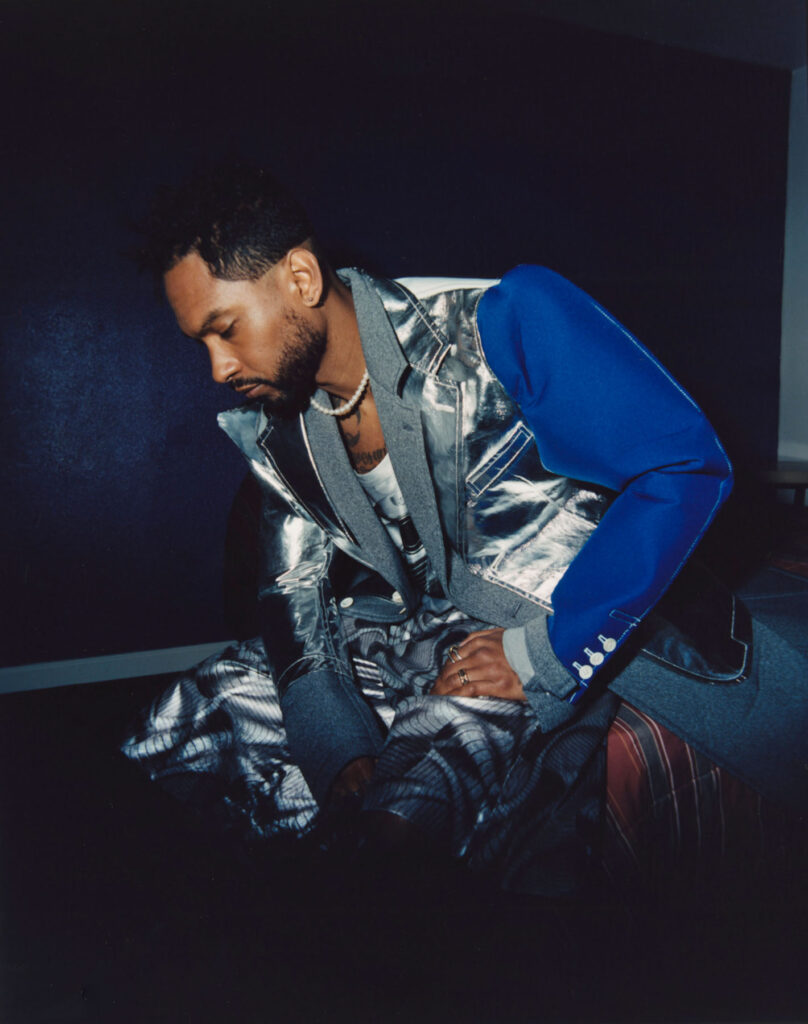
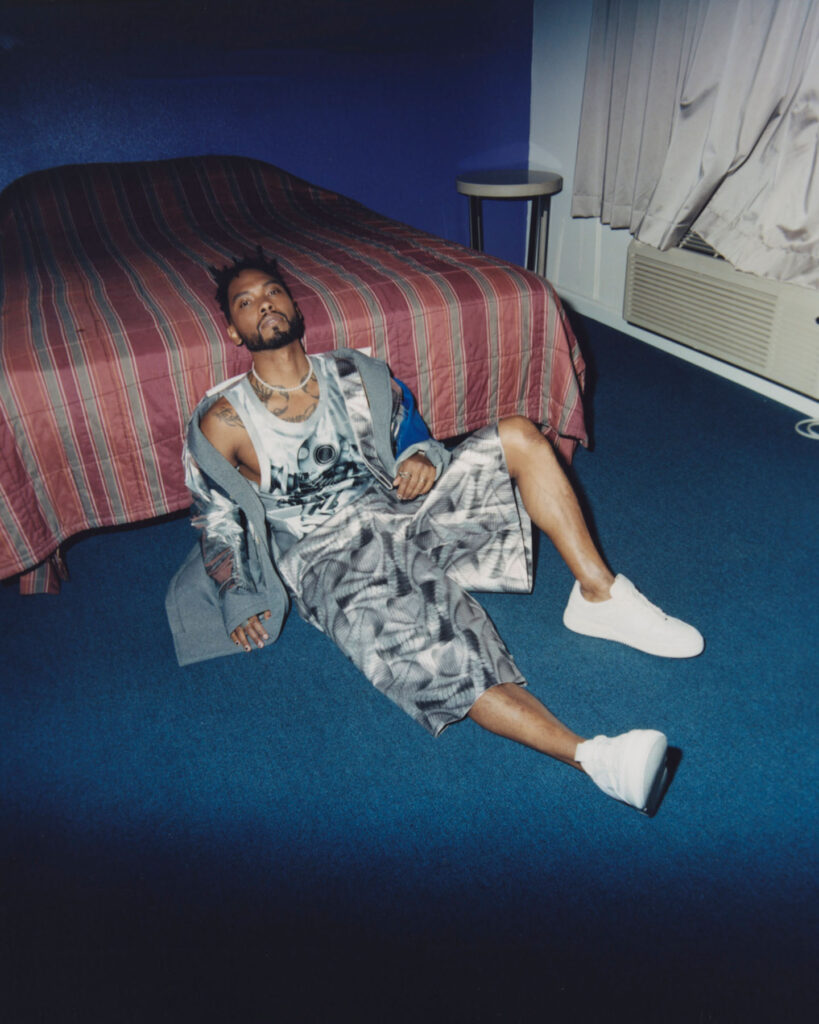
He needs more, he is more and his cravings no longer can be fulfilled simply by tender embraces and physicality chained to emotion. Miguel is looking for something deeper, looking to fill up space as he is, instead of carving it out of self-censorship, longing and lust. As he matures, he’s been making an effort to become his own friend, admitting to the fact that for some time, the person in the mirror blinked back but didn’t look like the person he wanted to be. He’s focusing on genuine understanding, relatability instead of selfhood dependent on difference and exploring darker tones with his new music because as he says, “there’s no way to tell the whole story without actually presenting the whole. I’ve shown everyone one side of me but now let me show you the other side, too.”
I know you’re also close with your grandma who left Mexico, sacrificing her own career in music to make a life for your family in the States, helping to shape your identity and inform your relationship to music and home. My own grandma recently turned 100 so I’ve been thinking a lot about matriarchy and home in general. 

My grandmother’s are almost polar opposites in terms of their temperaments. I didn’t get closer to my grandmother on my mom’s side until I was an adult and that’s been a whole other, fun relationship to develop that I didn’t expect to have at all. She was stern because she had to be and I only am able to see that now. The opposite goes for my grandmother on my father’s side, who you mentioned. She was always really warm, affectionate and loving but as I got older and business and life made it much harder to be there physically and it just wasn’t as much of an adult relationship. I look at family as being a sense of not only your journey as an individual, but as a representation of the bigger journey.

It’s like your legacy almost?

Yeah and not even as a measure for your accomplishments but just in your disposition, your humanity.  

“Our temperaments, our choices, our affinities are informed by our families.”
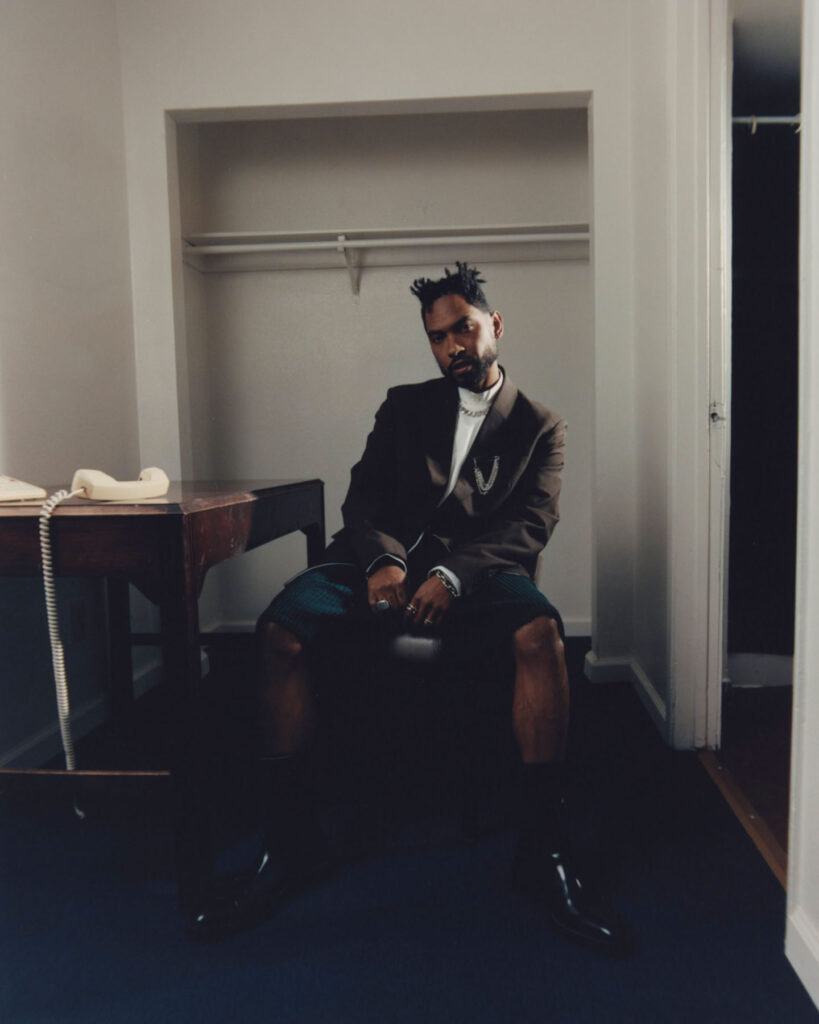
Yeah it’s this idea of a foundation. You’ve been likened to Prince and been a sex symbol in the minds of many and that was your foundation almost on which your career was initially built. But as you matured, you’re shifting that foundation as sex perhaps becomes intimacy with yourself as you begin to explore these darker tones in your work? 

I am anything I want to be, everything I want to be and sometimes that is sexy but not all the time. I welcome whatever it is that people need to connect with and I don’t control it. If I am sexy to certain people, great, that’s awesome but I just know that that’s not all I have to offer. It’s certainly not what keeps me interested in anything. I gravitate to things that feel sexy but I’m more interested in exploring the subtext of the “why” that is and so much of that comes from the depth of the darkness and the light, the interplay of it all.

It’s interesting because we aspire for depth but we don’t always equate it to being anything to do with darkness per se, we see it as a positive thing associating it with emotional growth. We’ve all been exploring this within the past year as we’ve had to confront ourselves. In what ways have you become more intimate with yourself and what do you feel more distant from?

I’ve been going back to this analogy recently because it’s the easiest way for me to remind myself but think about how often the operating systems on our phones get upgraded, now it’s like every couple of months, there’s something new, something better, a more efficient version. Life for humans should be experienced this way, in abundance, happiness and fulfillment. For me it hasn’t necessarily been new things, it’s just being able to see what needs optimizing and sometimes that means having to discard things we once needed.
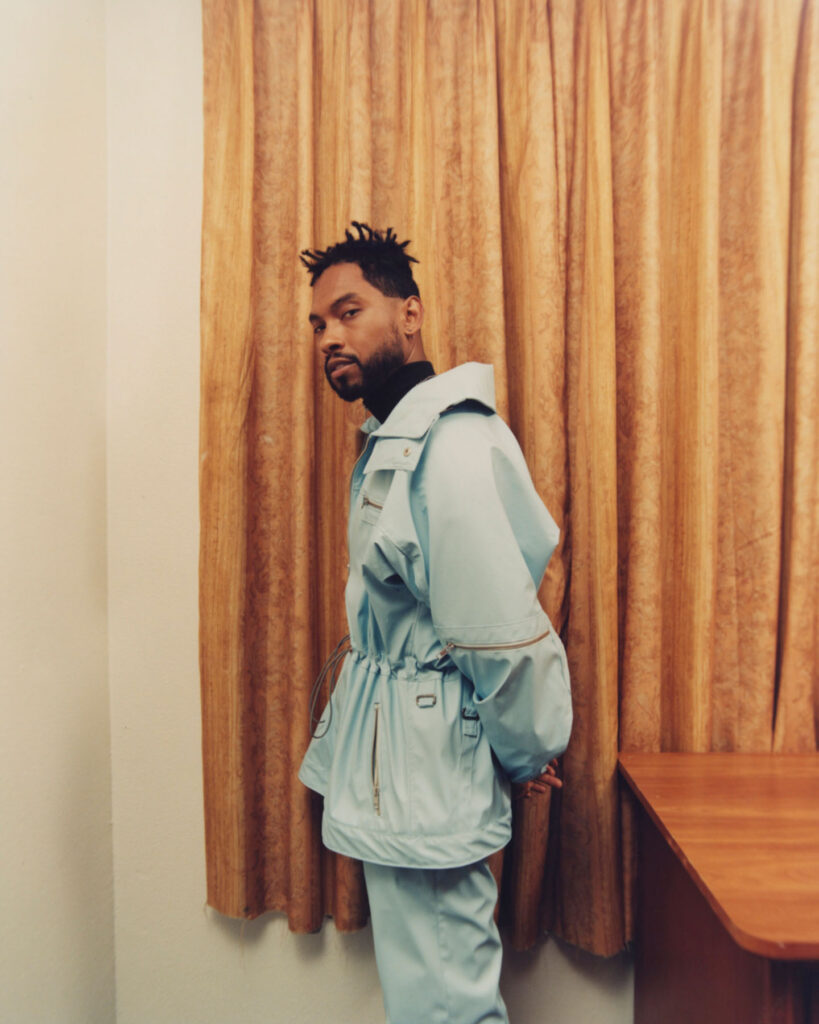
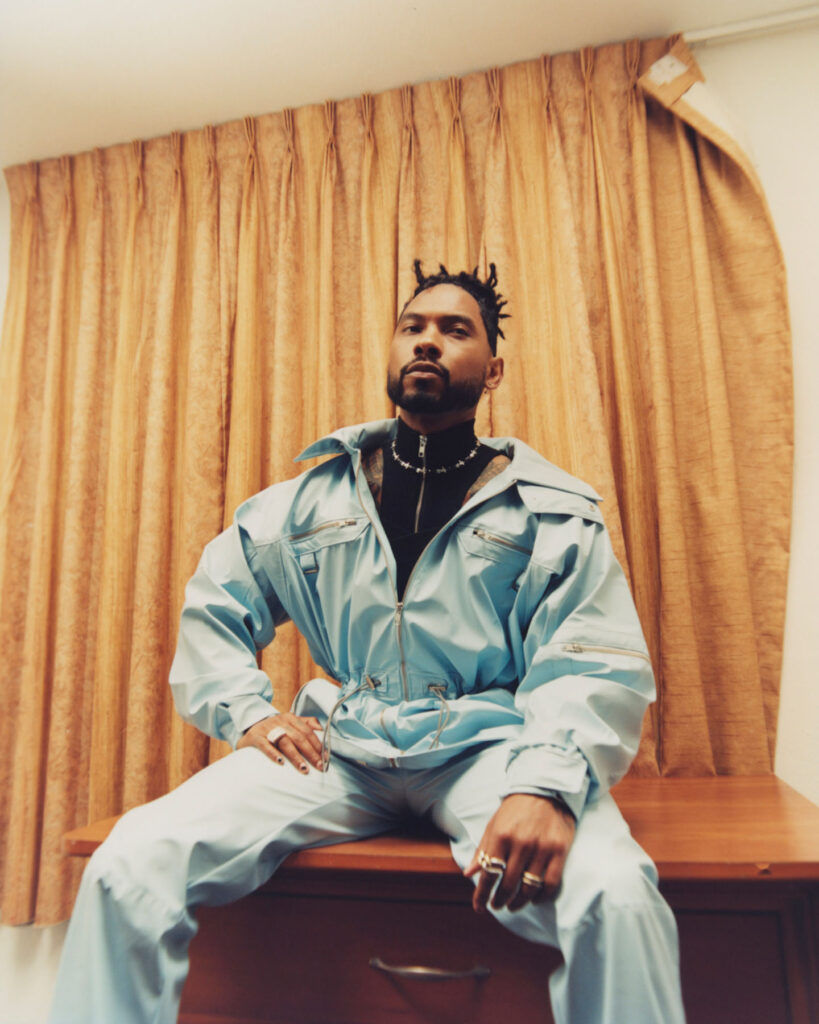
What are some of those things for you that you’re cutting out of your system?

A lot of fear-based survival stuff, a lot of choices that reflect growing up having to move around, or not necessarily being in a place where we could afford things everyone else had, or feeling like an outsider based on the fact that I’m brown and black. What we do throughout life is to find ways to protect ourselves and for a lot of people that becomes their reality and stays their reality. For whatever reason, I was really lucky. I had parents that even though they weren’t together, they still held me down as much as they possibly could. I had enough of a support system to believe in myself, which is really at the end of the day, the core factor of anyone doing anything fulfilling. That ends up in great ways, fueling you and then in other ways, maybe weighing you down.
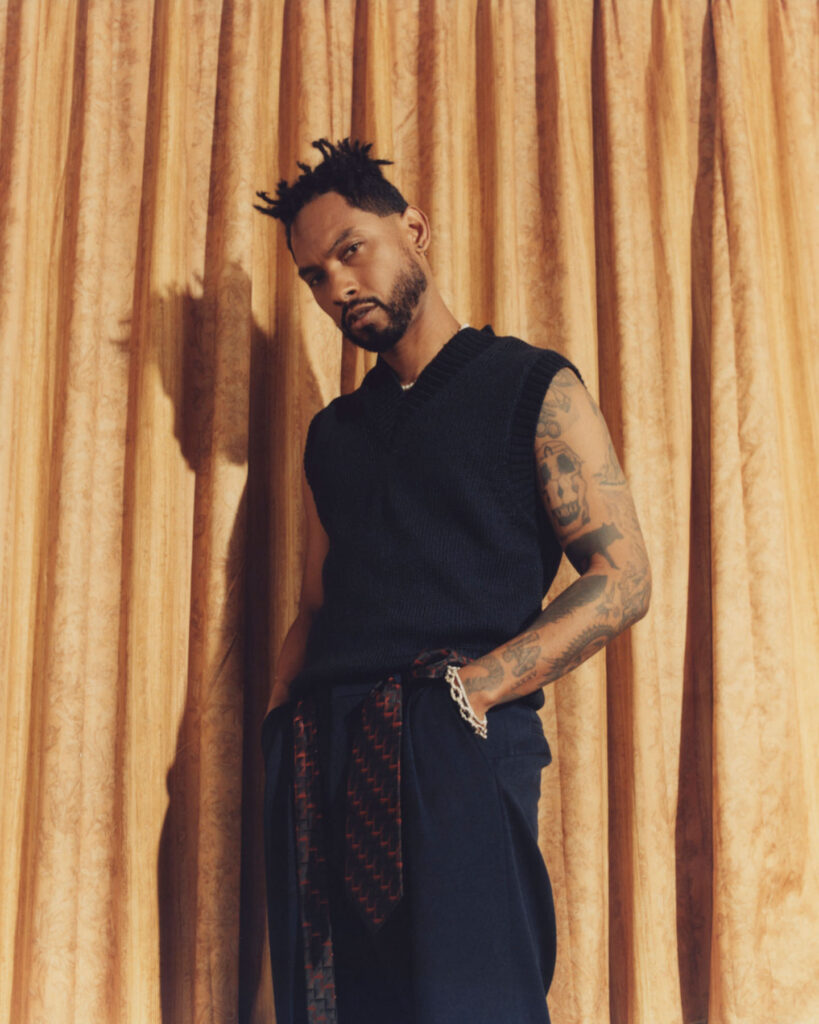
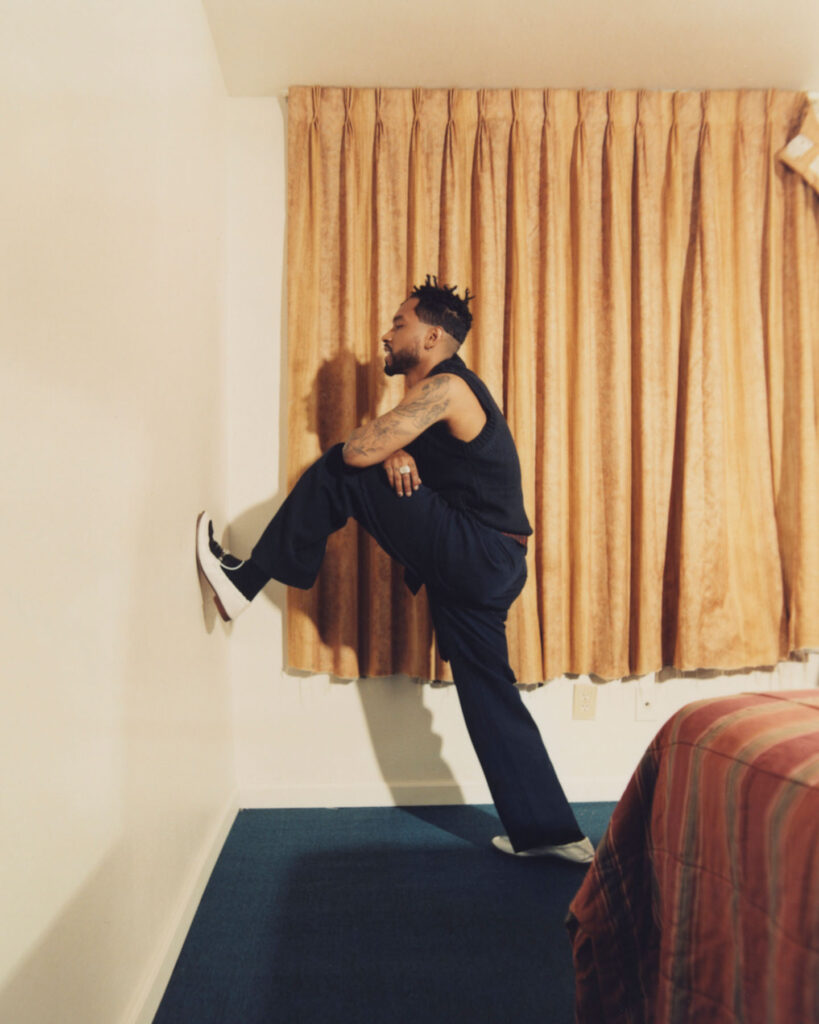
Right so it sounds like fulfillment to you is synonymous with self acceptance and we see that manifests on the Art Dealer Chic EP series. It’s funny when you realize what the difference between creating space and filling it up as you are feelis like. People seem to be gravitating towards this place you’ve stepped into especially with the release of Funeral and the new music on your greater horizon. 

Yeah I definitely just want to do the work. At the end of the day, an artist is about their work and I want to do my work with as much freedom from my even from my own feelings of requirement, or efforts to tick any kind of boxes per se. Inevitably, when you know your livelihood comes from your art, it’s going to find its way in one way, shape, or form so you need to be vigilant about creating clear boundaries. I’ve definitely experienced those moments where it becomes a challenge to see clearly and remember what the whole point of the gig is and I just remember that hey, I’m here to share, that’s what I’m here to do and I found a means of doing it through music.

“I get to be of service when I am my most honest here in this arena.”
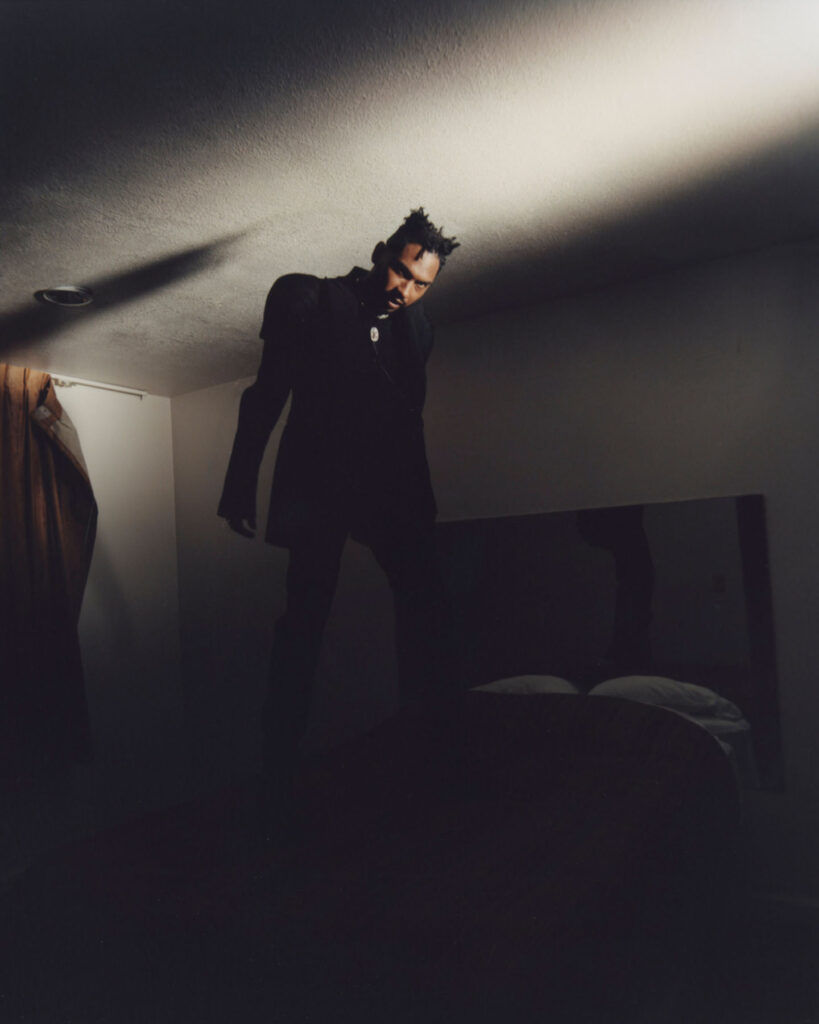
Why is sharing so important to you? Why is that your driving force?

Probably because of the feeling that it generates. There’s been a couple of really awesome conversations I’ve had with my friends and fans that have shown me to the moon type support and they never really knew me but the connection was so genuine and there was a lot of belief there. I think of those people, and the people who I haven’t met yet but that I might meet through my music that I could possibly help to just feel good.

“That’s the awesome thing about any medium – the opportunity to connect with someone else that makes you forget your differences.”
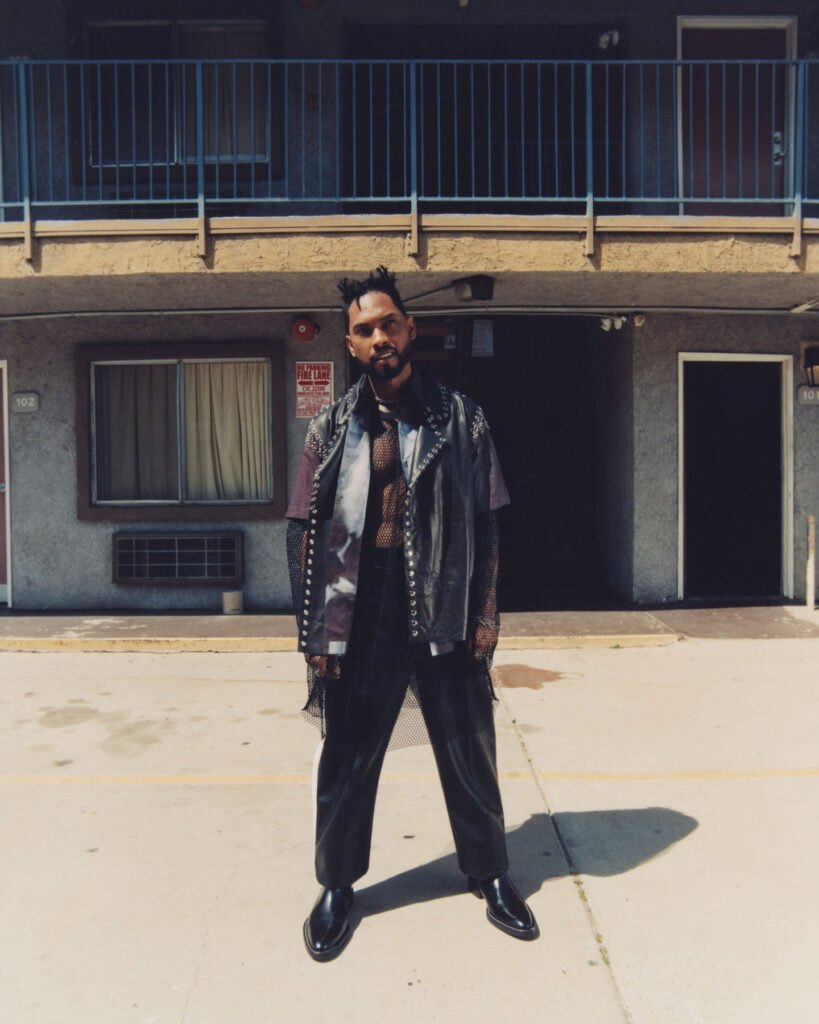
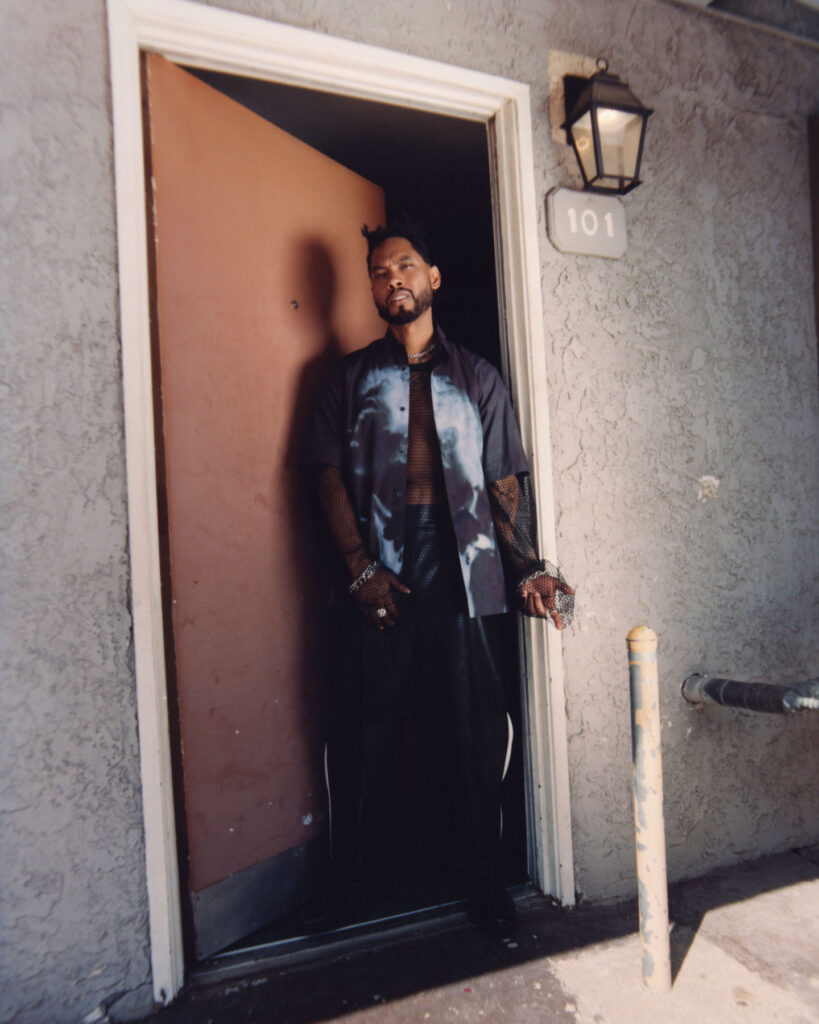
Sharing is also interesting because like you said you might not know these people and nevertheless, that boundary you previously mentioned, begins to dissipate and maybe that’s the thing that we’re all looking for. The work you do as an artist is a lot emotional labor, you’ve broken down the boundaries yourself so that those listening are free of inhibition and able to access the parts of yourself that you’re putting forth in a way that mirrors intimacy. 

To add to that, it might be that I’m craving deeper connection in my life so I’m looking for ways to build that however I can and obviously that starts with a deeper connection with myself. I’ve really made a genuine and consistent effort over the past few years to really hone in and check in with myself, asking, “how are you feeling about you?” The more I’ve become my own friend, because I don’t know that I necessarily was, I realize how important this lesson was and it allowed me to shift, transition. I proved that I can write a good, even great, love song, I provided that I can do sexy, but what is that? Is that fulfilling? Does that fulfill me? I don’t think it really fills the cup all the way. 
What fills your cup all the way then? Even when you say you’re seeking out these deeper connections — what does that look and feel like to you? What is a “deep connection”?

Just like complete support, you know? I think that I’ve yet to really tap into what makes me relatable as a human being. I think that’s probably where I feel the most excited, the most uncomfortable and undeveloped. I don’t always lead with that. It’s interesting to look at the ways that we do our best to stand out and for a long time that was very, very important to me. But as I’m maturing and looking at the world, I’m going that’s not how I help right now. I used to champion being “an other” or different but like, we get it. You’re different and so is that person, and that person, and that person but let’s find the connection. 

Credits

Photography · RICKY ALVAREZ
Fashion · SHAOJUN CHEN
Creative Direction · NIMA HABIBZADEH and JADE REMOVILLE
Grooming · NADIA MOHAMMADPOUR
Production · THIRTEENTH PRODUCTION
Location · PEERSPACE
Interview · LINDSEY OKUBO
Special Thanks · Edge Entertainment
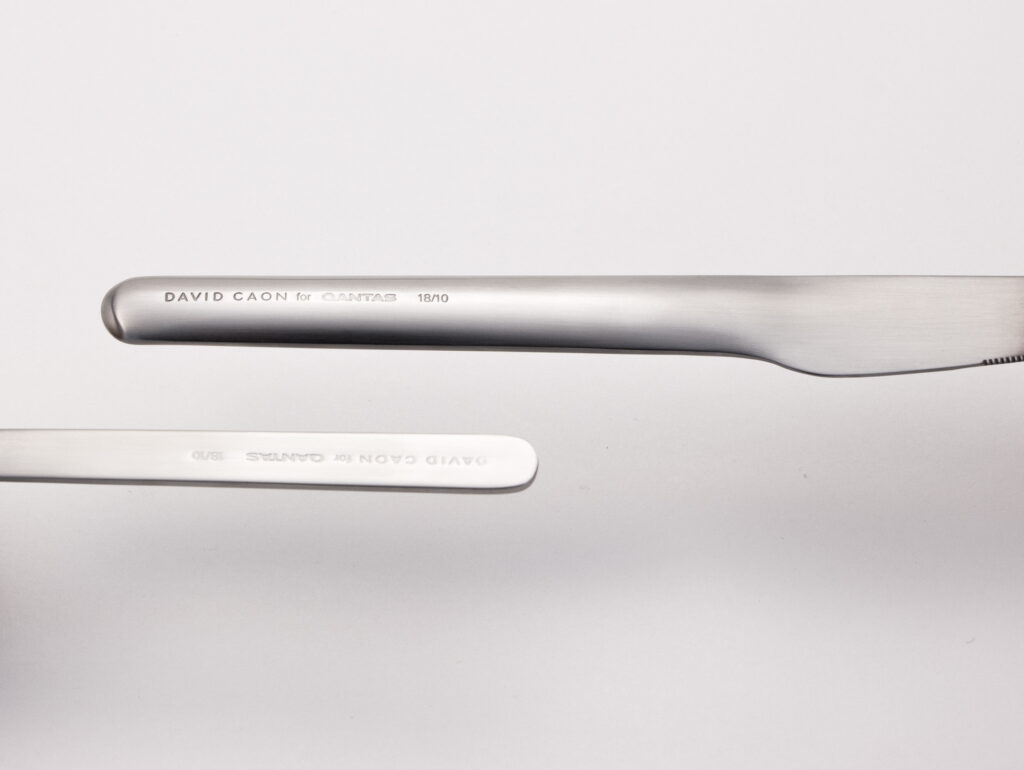
David Caon

“equally useful, simple and beautiful”

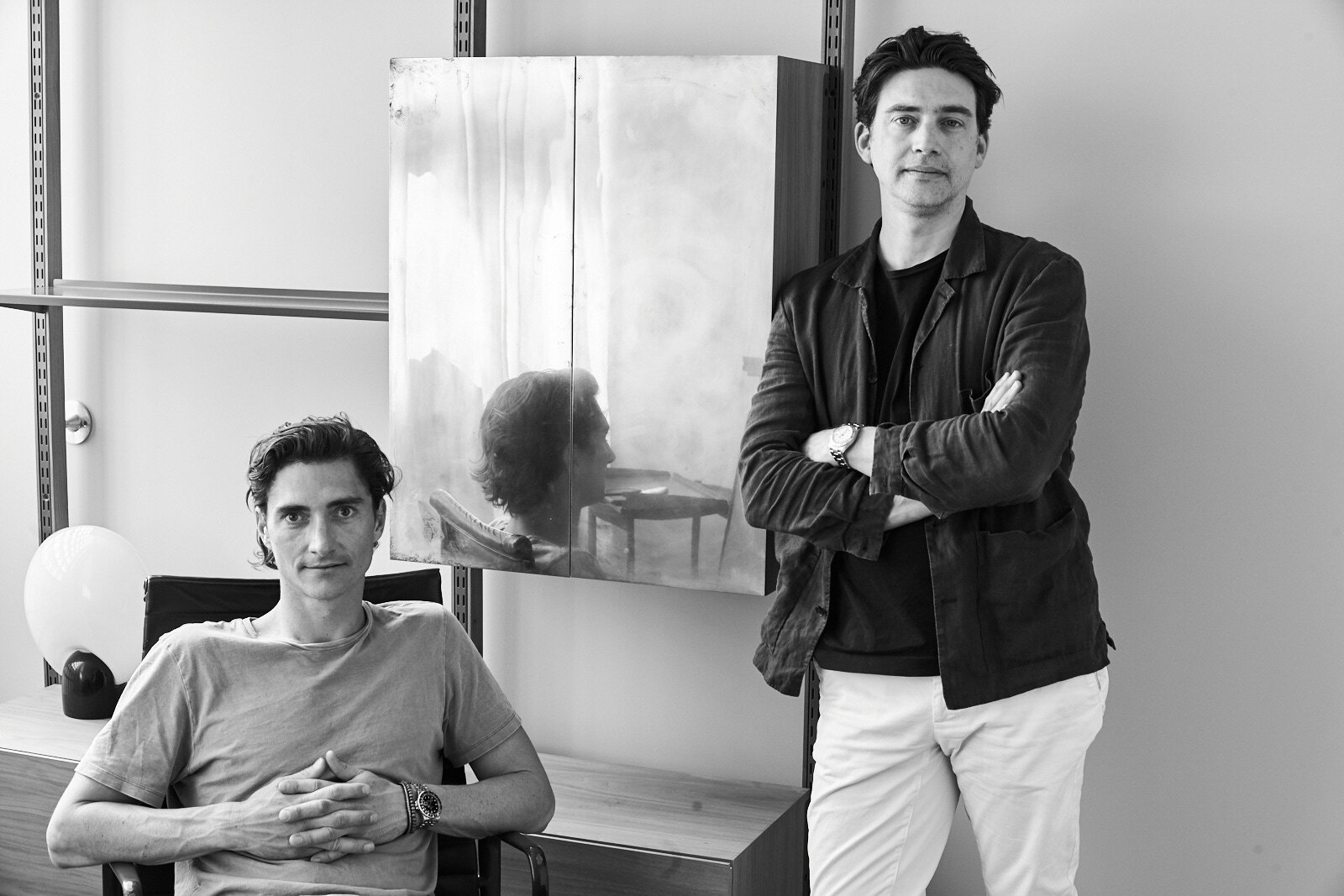
CAON is a multi-disciplinary design studio based in Sydney, Australia and founded in 2009 by David Caon, a graduate of Industrial Design at the University of South Australia. Specialised in industrial, transportation, aviation, product, graphic and interior design, CAON provides innovative solutions. From aircraft interiors, tableware to furnishings for the workplace and home, Creative Director David Caon has mastered the art of applying design thinking to industrial design across different disciplines. The CAON philosophy is simple: precision analysis and bespoke response lead to unique outcomes appropriate to each individual case. Collectively, they believe that in the right hands design has the power to heighten human experience and enhance quality of life.

NR delves into the studio’s projects and partnerships with the likes of Qantas airlines on multiple occasions (whether it has been or the airline’s tableware or its fleet’s interiors), the studio’s take on sustainability as well as their plans for the future.

CAON is a multi-disciplinary design studio specialising in industrial, transportation, aviation, product, graphic and interior design. Did you study anything related to any of these fields? Did you study product design, architecture or interior design?

I studied Industrial Design (product design) and commenced a masters of transport design which I left after about 3 weeks in.

Caon studio seems to be very focused on industrial design. What led you to create your own practice? What is it that you are exploring or tackling with your work?

My ambition in the early days of my career working for designers was always to one day have my own studio. I spent my initial years working in Europe. Once I returned to Australia, I decided to realise my goal after working for a large multinational architectural practice. I realised that I liked being part of a smaller, more familiar unit. My focus is to create designs that are equally useful, simple and beautiful. I’m trying to create things that avoid trend and thereby stand a chance of being timeless. You can’t create something that’s timeless, you stumble upon it by chance, which I kind of like. But you can try for it.

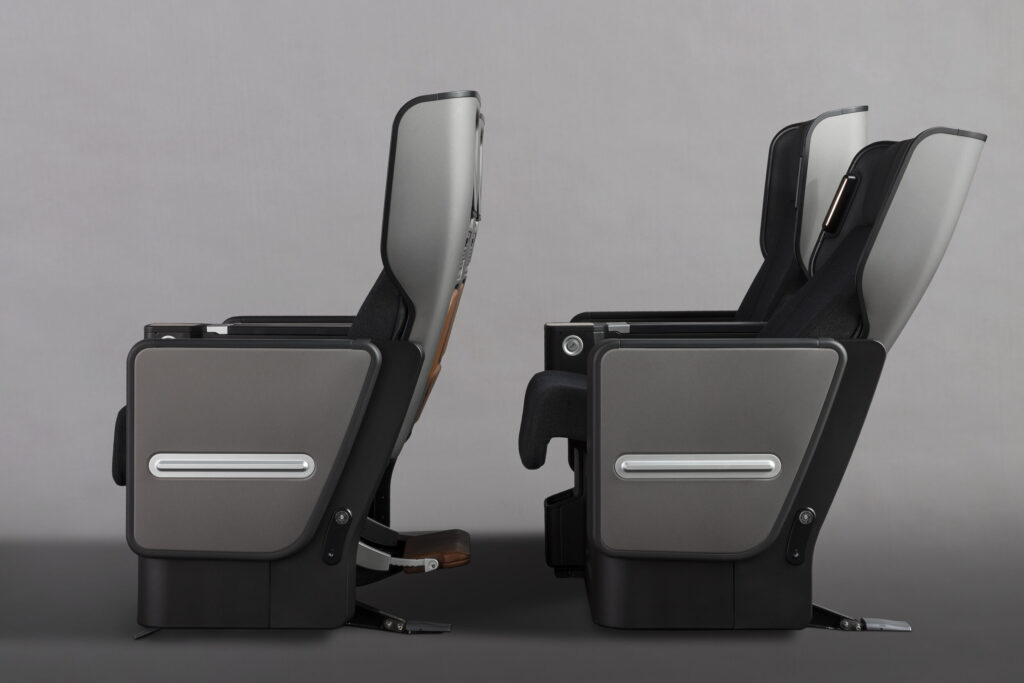
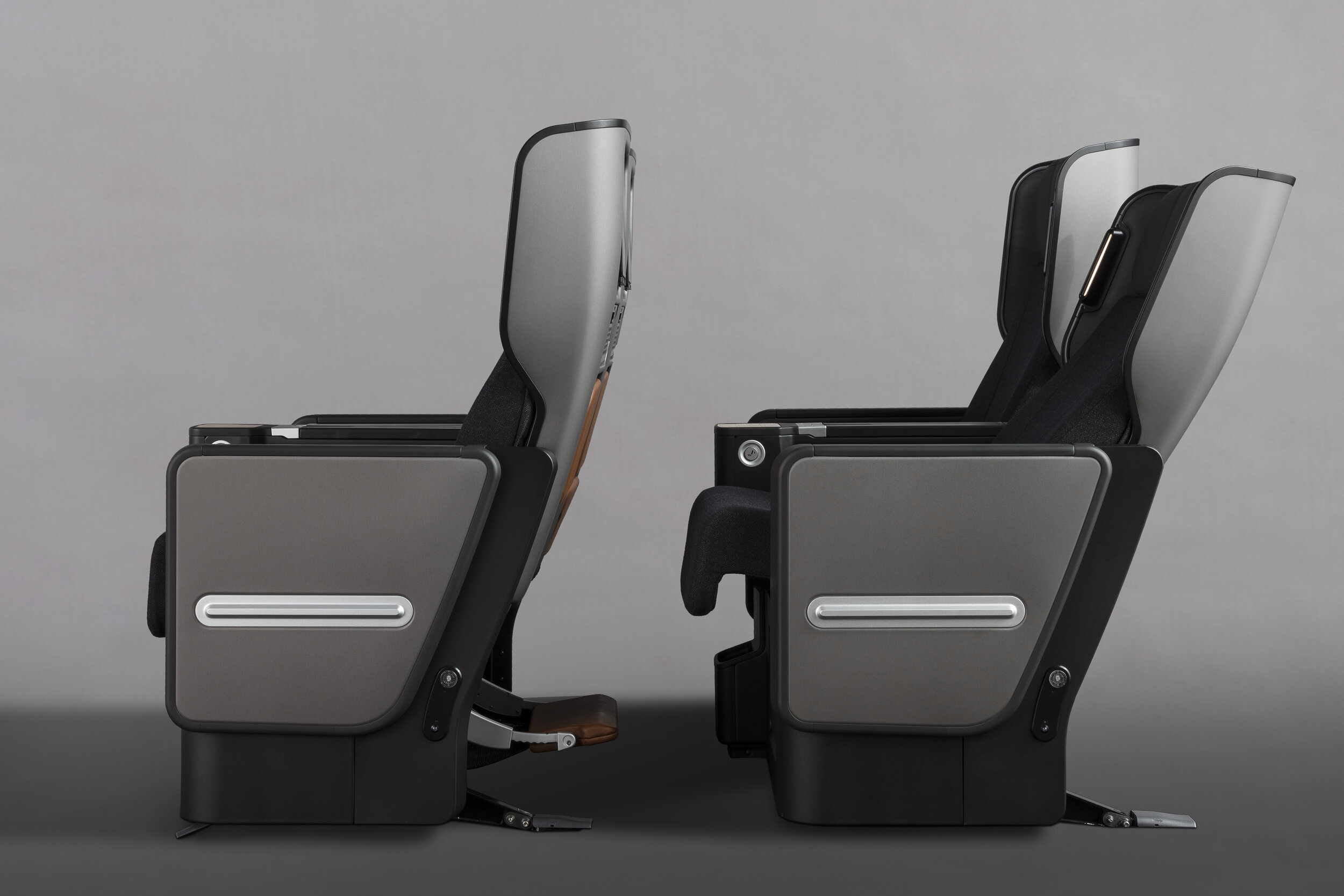
This is not the first time that CAON is doing projects for Qantas Airlines (for instance the Qantas Airlines Economy Seatings and the interior of Qantas A380). How did the collaboration come about? As a designer, do you enjoy doing collaborative works?

I’ve worked with the airline in some form since about 2003. My first introduction was whilst working in the studio of Marc Newson. Once I started my own studio, they were almost my first client. So there has been a wonderful consistency and evolution in the relationship. As a designer, having a long term collaboration with a client is a wonderful thing, and in some ways a bit old school. When it comes to new projects, it means that we are already on the same page, speaking the same language. The brand also means a lot to me, it’s been such a big part of my career for so long. I want them to do well out of every collaboration. 

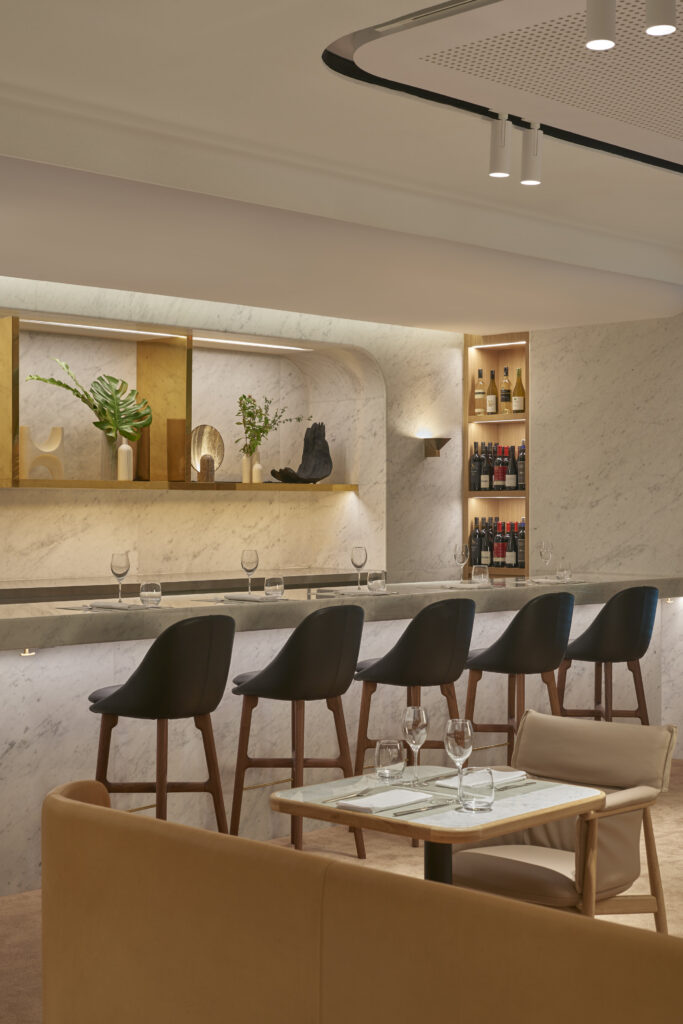
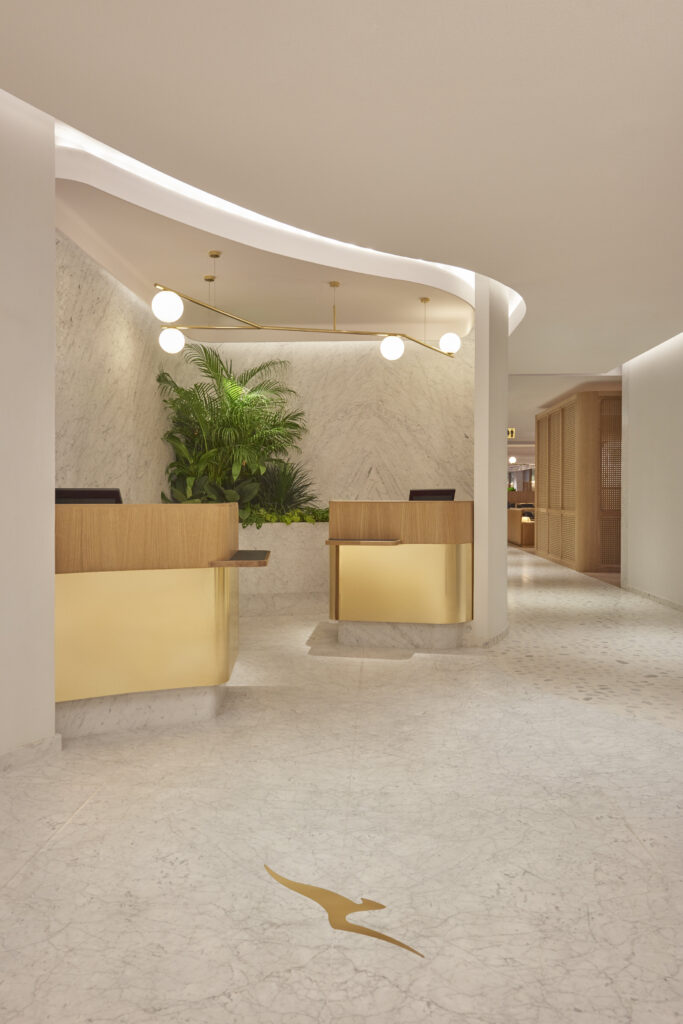
The colour palette and material palette both feel very relaxing and wellness focused. Was this something you wanted to make a point of? Travelling does take a toll on the body but well- designed spaces can heighten human experience and enhance quality of daily life and it feels that the Qantas First Class Lounge Interior in Singapore has achieved that. How did the collaboration with Akin Atelier unfold?

I try to limit the interior design projects I take on because I’m very detail-focused which isn’t necessarily efficient when designing spaces. My general design approach is guided by industrial design practice, so I’m quite aware that I’m biased towards smaller scales. I know its best if I collaborate with designers that are able to take a broader view. The collaboration with Akin was born out of my friendship with Kelvin Ho, who is the director of Akin Atelier. These projects are important to Qantas and I want to make sure they are as good as possible and as enjoyable as possible, so bringing Akin into the project ensured that and also meant that I had a sounding board. The feeling we have tried to create was a conscious decision to make the space feel more like a sophisticated lounge room, part Sydney, part Singapore. Functionally, space is very food oriented as well because lay over times tend to be short and we wanted to give the passengers as much opportunity to refresh and reinvigorate before the next leg.

What have been some of the responses to your projects? Is there a particular project you have worked on that was particularly well received and did this inform your future projects? As your method of design seems to rely or be influenced by the relationship between people and their surroundings, how does the way people react to work affect the way you create? You have also designed tableware products such as bottle openers and furnishings for the workplace and the home, which is a nice way to connect people to the things they use in their daily lives.

The Premium Economy seat for Qantas was really well received but it didn’t mean that we didn’t think it could be evolved when we came to update it for the A380. It’s funny, as a designer, people are a bit reticent to tell you anything that might be wrong with your design, but I’m keenly focused on progressing our process and honestly evaluating our work. I’m wary of praise and I try not to rely on it as a measure of whether a design has been successful. So I guess I’m saying that no, reaction to one project hasn’t driven the direction of another project. I try to involve my colleagues, from across a range of disciplines, in my design process, as a way of stress-testing ideas. And when I’m designing I tend to think of my friends and family, people that I know well, and imagine how they might use the objects or what they might think.

Do you have a particular effective method to approach projects as they seem to be quite bespoke and tailored projects?

The basic structure of our methodology is quite a traditional one. Research, ideation, prototyping and development. Given that we are often heading into unknown territory, we try to learn as much as possible about the type of product or object or space that we’re working on. With a lot of our projects, especially the more specialised transportation projects, design is a cog within a system, so we are working within a framework. Critically, I think our role is push beyond that framework somewhat so that we can introduce new ideas and find space for innovation. Depending on the structure of the project and our role, we will adopt our process.

How has been in Australia influenced your design method?

It doesn’t so much influence our method as it does the reality of our business. Design studios in Australia do not necessarily have the immediate connection to the broader world of clients, whether they be furniture houses, big iconic brands like Nike or the tech giants like Apple. We’re in a funny time zone and quite remote. And its a shame really because due to those limitations, studios here tend to be quite inventive. We have to manufacture a lot of our own work in order to have an output. I think this approach could bring a lot to the bigger clients out there.

Sustainability has been very much on a lot of companies’ radars in various fields whether it be fashion or design and architecture. As you are dealing in a few of your projects with an airplane company and air transport, which is one of the most polluting means of transport and thus has a consequential environmental impact, what are your thoughts on incorporating a more sustainable approach?

I’m 100% for it. Air transport is a challenging arena for innovation because of how careful manufacturers and suppliers need to be around safety. So innovation happens slowly within the bounds of certification and the like. Introducing new materials is a complex process, something I have tried on a number of occasions with limited success. That said, there is a desire to be more sustainable across the board which is palpable. We are making things as light as we can in order to be more and more efficient, burning less and less fossil fuels. I think the industry really does need a couple of technological step changes to really begin to contribute to reducing pollution.

What are some of the projects that you are working on for 2021?

There are a few things. CAON operates two brands in-house at the moment and we’re busy developing new products for those. Additionally we’ve established a brand in partnership with my friend Henry Wilson called Laker. Laker has been in the works for a number of years but we officially launched at the end of 2020. We’re also doing a new restaurant for Neil Perry in a beautiful part of Sydney called Double Bay. We’re doing that in collaboration with our friends ACME. Finally we’re continuing our explorations into the future of transport with a couple of research projects. 

Credits

Images · CAON STUDIO
https://www.caonstudio.com/

Rina Yang

“the pandemic happened, and I think the drama world struggled more than commercials”

When she was younger, Rina Yang would keep in contact with her best friend in London by making, editing and sending ‘video letters’ from her hometown in Japan. Rina later moved to London to study and while there, saw an ad for a film school. The course was mostly theory with very little practical work, she told Lecture in Progress in 2017, but nonetheless gave her a reason to remain in the UK. Rina’s first roles in the industry involved working as a camera assistant on short projects. ‘I only did it properly for a couple of years,’ because as she tells me over the phone, it was a stressful role. But she did find common ground talking to directors during breaks about the creative processes behind the work. ‘I was better at that, than looking after the camera.’ And so, she pivoted – cutting her teeth in music video and short films jobs that her friends would ask her to work on. ‘One thing led to another,’ Rina adds – and she was able to carve out a space for herself as a director of photography (DP), a notoriously difficult role to break into and succeed in.

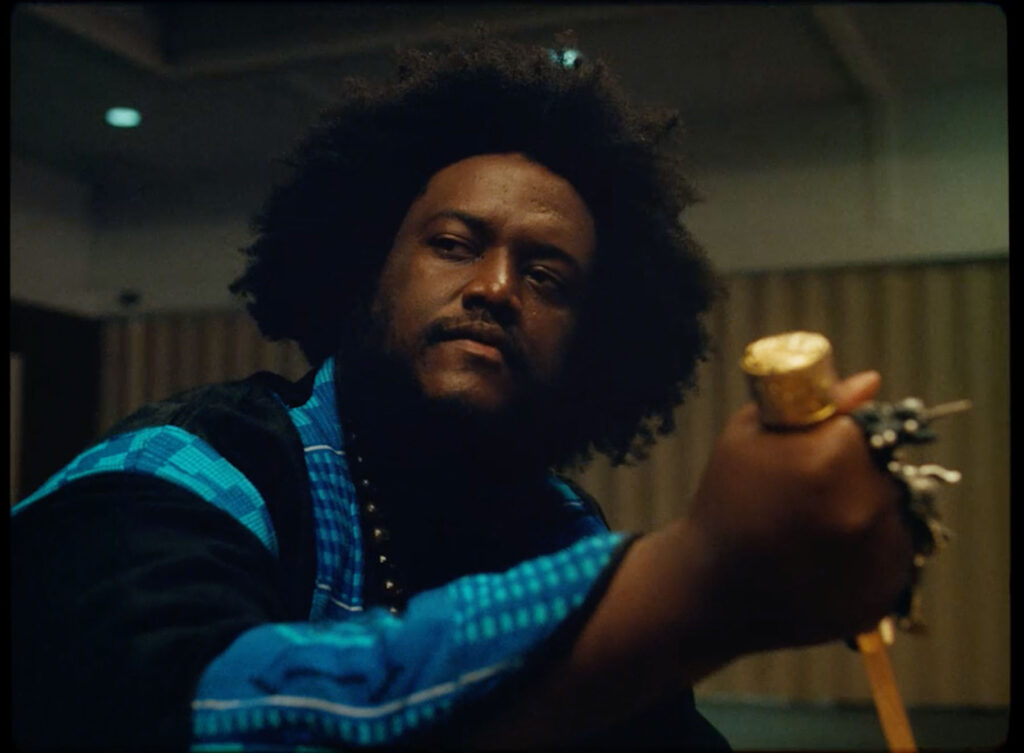
As a DP, Rina has worked on music videos for artists including Kamasi Washington, Vince Staples, Björk and FKA twigs (including the “controversial” and “risqué” ‘do you believe in more’ advertisement that twigs directed and soundtracked for Nike in 2017). Rina regularly balances projects across music videos, commercials and narrative work, a crossover she tells me is quite uncommon. And though her approach may differ depending on the project, her work consistently demonstrates an aptitude and eye for capturing the people and characters in front of the camera. A scene from the BBC’s Windrush drama, Sitting in Limbo, from last year, or the third series of Top Boy (for which Rina shot a number of episodes) are as beautiful and captivating as, say, a Rimowa commercial with Adwoa Aboah or her work for Sephora. 

Rina’s talent and vision as a DP have made her a sought after name in the industry – even at such an early point in her career. She was named by British Vogue as one of the 14 rising stars in the creative industries back in February, described as a “New Wave of boundary-breaking visionaries bringing fresh, exciting perspectives to the creative industries”. Her portrait to accompany the piece was shot by Campbell Addy who, like Rina, is part of a new vanguard of young talent. Last year, Rina was also included in the BAFTA Breakthrough list for 2020. Being recognised by organisations like BAFTA is great, Rina tells me, but it’s not something she’s had much time to think about, ‘I haven’t properly got my head around it.’ But, she adds, she definitely feels as though she’s at an interesting point in her career. That said, having faired the storm caused by the pandemic, Rina is now remarkably well-placed to continue to grow and nurture her skill. 

You’ve done a lot of commercial work with the likes of Nike, Rimowa and many others, and TV work for shows like Sitting in Limbo and Top Boy. How do you balance the different projects you work on? Is there something specific that draws you in?

I think the selection of the projects really comes down to your personal taste and what you find interesting. When I do commercials, I’m less selective because it is a very short commitment, and it’s a good opportunity to meet new directors and new collaborators. So I’m less picky and I’ll take the risk to work with new people. When it comes to narrative, it’s a whole different conversation. There’s a lot more boxes to tick to see if it’s the right project to do. It’s a different process, but I do like doing both. With my narrative work, you get paid less but I think it’s more of a romantic thing.

With that said, I love that your commercial work don’t just feel like adverts. They’re like short stories in their own way.

The directors and all the creatives I’m drawn to tend to have that kind of style. I don’t find the very straight up advertising that interesting. I mean, to be honest, sometimes we just do very boring commercials. You just don’t shout about it. But I think the ones that I get to shoot, they tend to be creative ads with slight narrative threads. And I’m grateful that I’ve been able to shoot some of them. You kind of flex your narrative muscle a little bit, but it’s a very different working environment in commercial compared to narrative. 
You’ve got a very distinctive use of colour, texture and lighting. How did you develop that style? 

When I started out my style was a bit more documentary because it’s hard to afford to do a big lighting setup. But even with documentary style, I don’t want it to look like what it looks like with the naked eye. So I try to heighten what you see, by using different lenses, or how you expose the sensor or the film – to add your take on the reality you see. 

As I progressed in my career, I could afford to have a good crew with me and all these big lights. And I guess that’s when I started using a bit more colour. I did go through a period of using a lot of colours because I kept getting asked to do that. I think with any artist or DP, we’re versatile so it’s nice not to get pigeonholed into one look. In general, I like to heighten the reality of a scene, and I think, “what if I did this” – I talk about a lot of what ifs, and still do some colourful lighting here and there.

So as a DP, how do you tell a story and create narrative?

How would I tell a good story? First of all, there has to be a good script, and there has to be a good director to execute that. I can only advise how I think we could shoot things, or collaborate with the director. In the beginning when I started out, it was quite hard to find directors on that level. One the hardest things in the beginning is to find a director who can execute the narrative in the way you see it, or better than how you imagined it. So I think I really collaborate with my directors, talk about how we see it. 

I guess it’s such a collaborative process; you’ve got to be able to work together well.

Yeah, definitely. The level of collaboration is different in music videos, commercials and narrative. With commercial, they tend to come with already established ideas –  with exactly how they want it to look because they’ve gone through a lot of chats with the clients and agency, and they tend to have have every exact visual references that I will need to execute. So there’s no huge room for us to create the look from scratch. And then music videos, you can be a little bit more funky with it. And with narrative, if it’s a TV show and you’re the first block DP, you can create the look with your director and showrunner. If you’re coming into the TV show in the middle of it, then you have to replicate what’s been established. And then if it’s a movie, there’s a lot more room to experiment. That’s why a lot of DPs prefer to do movies and the first block of TV shows. 

Has the pandemic changed your work process and schedule much over the past year?

Before the pandemic, I was going to shoot TV shows or films in 2020. I was shooting a lot of commercials early in the year because I was going to work hard on commercials until the spring, so I could afford to do a film or TV show that I like. But then the pandemic happened, and I think the drama world struggled more than commercials, so they’ve been on pause for a lot longer than advertising. Now, I’m reading scripts and trying to decide what narrative projects I should do next. This past year has been an interesting switch I think, because I was going to shoot a drama this year, and after doing commercial for a year, I’m really ready to shoot another long project, TV show or movie. 

Does it help having the balance of both commercial and narrative work, and being able to fall back on one or the other?

For sure – I take influence from both commercial and narrative. But, you know, I do switch my brain; if I’m pitching for a film, I’ll switch my brain to a narrative aesthetic and approach. My visual references would be quite different from what I would put in for commercial work because I think the commercial world is more like eye candy. It has to be catchy because we only have a minute or so to tell something. You have to say something in a very short amount of time. But when it comes to narrative, there’s a lot more room to grow and develop.

Credits

Images · RINA YANG

Ishiuchi Miyako

“Photography is the work of evoking time using light”

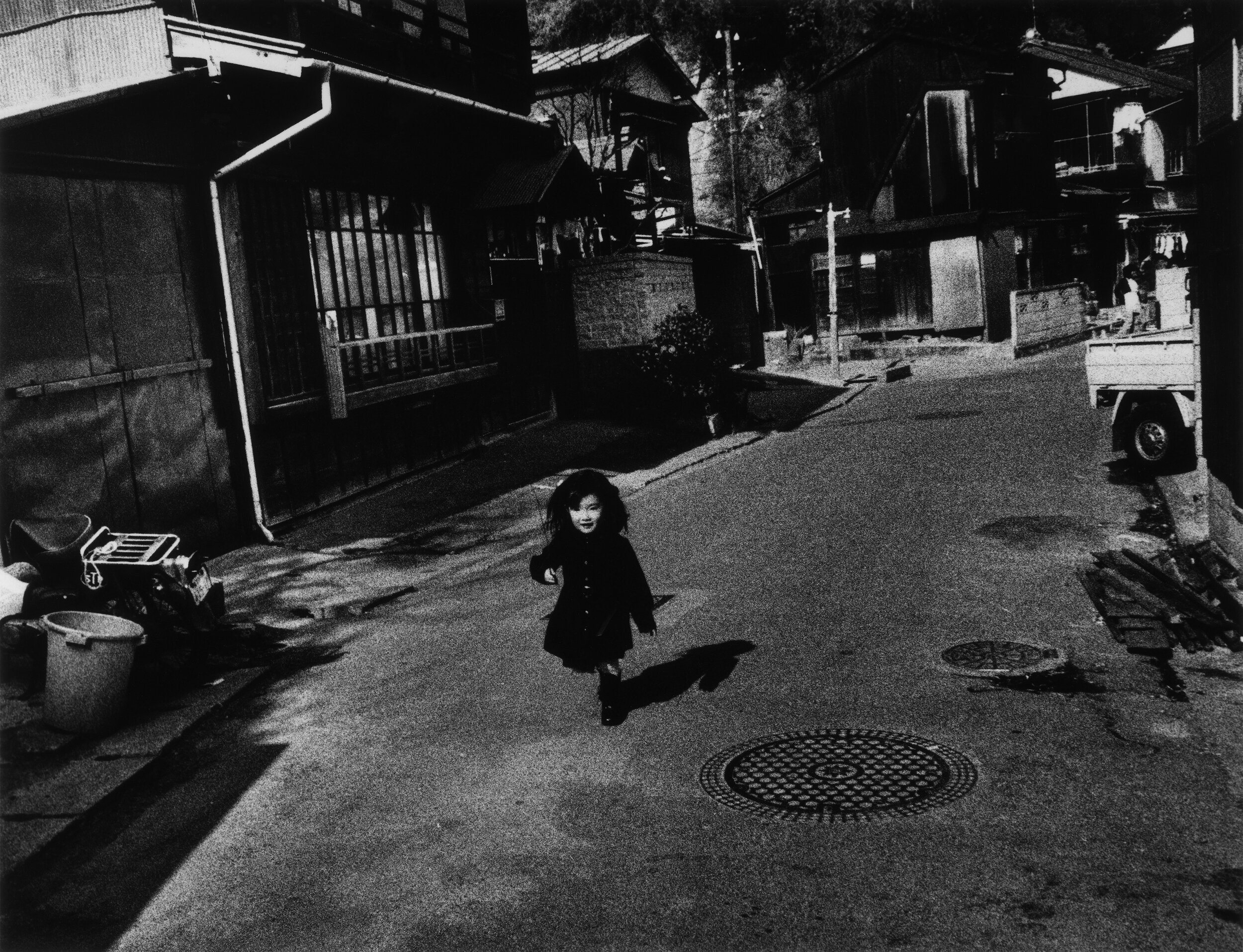
The photographer, Ishiuchi Miyako, grew up in the Japanese port city of Yokosuka in the aftermath of the World War II. Yokosuka is one of the largest overseas US Naval base, and it was against this backdrop that Ishiuchi Miyako grew up. She went on to study textiles and weaving in Tokyo in the late 1960s, and whilst there, discover a passion for photography. Ishiuchi Miyako returned to Yokosuka in the 1970s to confront the place that brought joy (in the form of American exports like jeans and pop music), fear and anger, as a city overrun by the – sometimes sinister –  pleasures of the military occupation. Once there, Ishiuchi Miyako began documenting the city in grainy black and white images that capture a place shrouded in confusion surrounding its identity. Her images are scenes of a Japanese urbanscape, that much is clear, but the lingering presence of Americanisms here and there in oftentimes deserted scenes feels alienating and menacing. Ishiuchi Miyako titled this body of work Yokosuka Story after a hit Japanese pop song, and its release as a book in 1979 launched her career in a male-dominated field. 

Ishiuchi Miyako would later create a series of work around the time of her 40th birthday, in which she contacted women of the same age to photograph their hands, feet and bodies up close. The work, 1∙9∙4∙7, captures imperfections, wrinkles, and scars as evidence of the life’s impression on the human form, not quite young but not old either. What is striking about Ishiuchi Miyako’s photography is that many of her projects seem to inform the next body of work. After the book publication of 1∙9∙4∙7 in 1990, Ishiuchi Miyako turned her attention to another series, Scars – a tender exploration of scarred bodies. One particularly striking image, Scars #13 (Accident 1976), shows a woman’s torso in soft focus; a lengthy scar etched into the natural dip of her stomach. ‘While a person hopes to remain unblemished through life, we must all sustain and live with wounds, visible and invisible,’ the photographer explains in the afterword of the 2005 book, Scars; ‘It is an imprint of the past, welded onto a part of the body.’ 

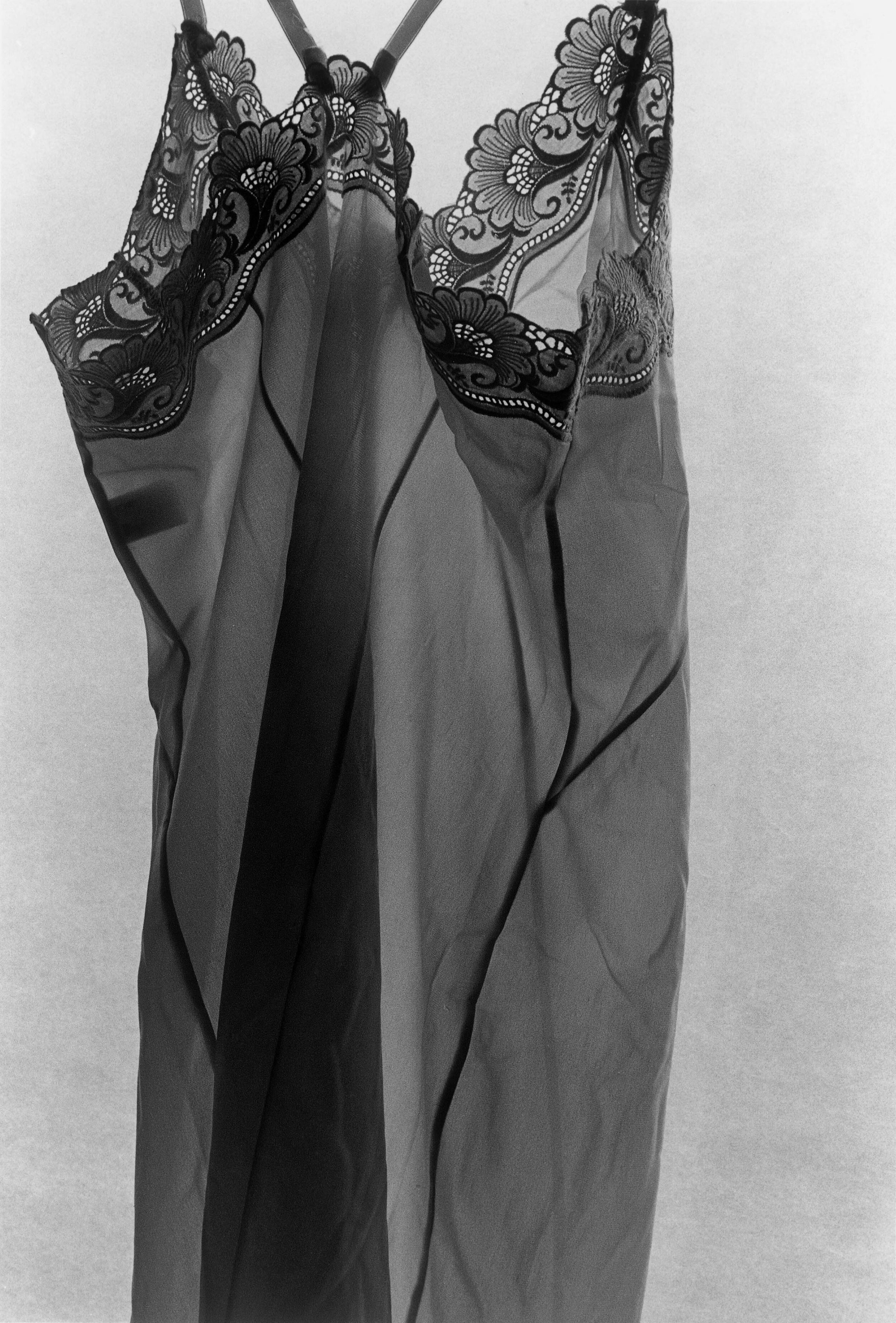
In 2000, when Ishiuchi Miyako had been working on the Scars series for almost a decade, she persuaded her mother to take part – hoping to document scars from a cooking accident that left their mark on a large part of her body. Unbeknownst to both Ishiuchi Miyako and her mother however, the latter would be diagnosed with liver cancer not long after the photographs were taken and died within a short space of time. Left with her deceased mother’s belongings, Ishiuchi Miyako began working on her next series, Mother’s. In attempting to grapple with the grief she was experiencing, coupled with a complicated relationship with her parent, Ishiuchi Miyako turned to photographing the shoes, underwear, dentures and make up left behind. A hairbrush is captured with strands of her mother’s hair still entangled in its spokes. In one image, Ishiuchi Miyako photographs a snapshot of her mother from the 1940s stood in front of a vehicle. Her mother drove an ammunition truck during the war; another reminder of Japan’s fraught history.
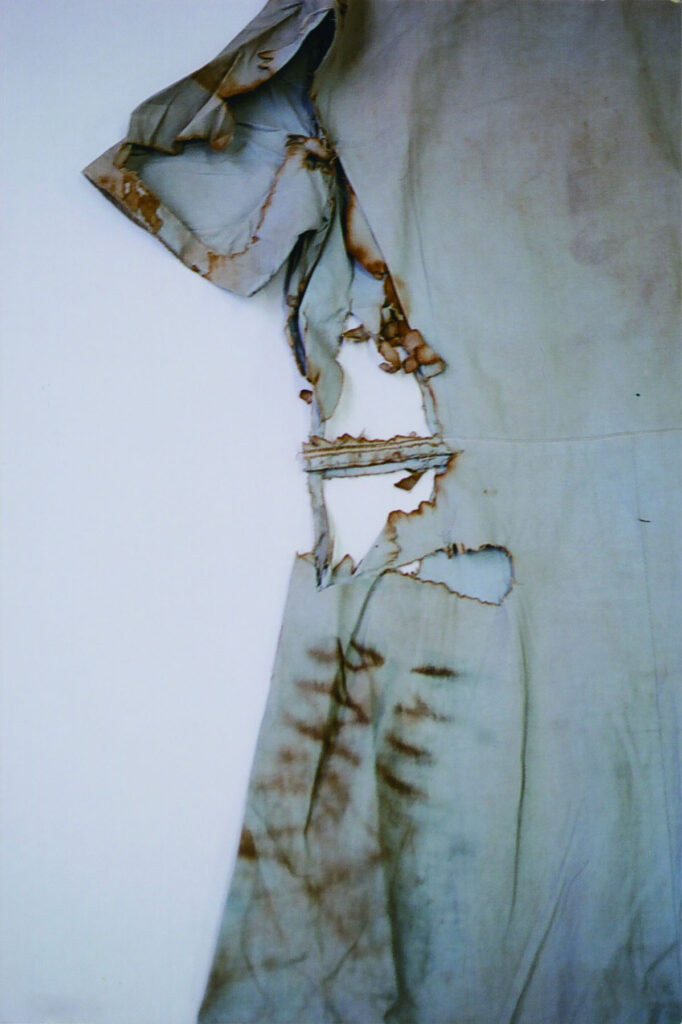
Mother’s was shown in the Japanese pavilion at the 2005 Venice Biennale; it was after that that the photographer was approached by the Hiroshima Peace Memorial Museum to photograph clothing and accessories belonging to the victims of the atomic bomb. Without the familial connection to the belongings of a parent, in hiroshima, Ishiuchi Miyako forges a relationship with the objects themselves. For the series, the photographer carefully positioned each item of clothing – sometimes talking to them, the curator of the museum told Getty in 2015. The images are beautiful, affording an almost anthropomorphic feeling to a dress or a blouse. But these images are hard to look at too; after noticing the detail of a collar, intricate needlework or the vividness of a print, the eye turns to the tears and charring in the fabric. As Makeda Best, Curator of Photography at Harvard Art Museums, wrote in 2015, ‘These “scars” on the fabric serve as metaphors for the bodies of bomb victims and of a nation.’

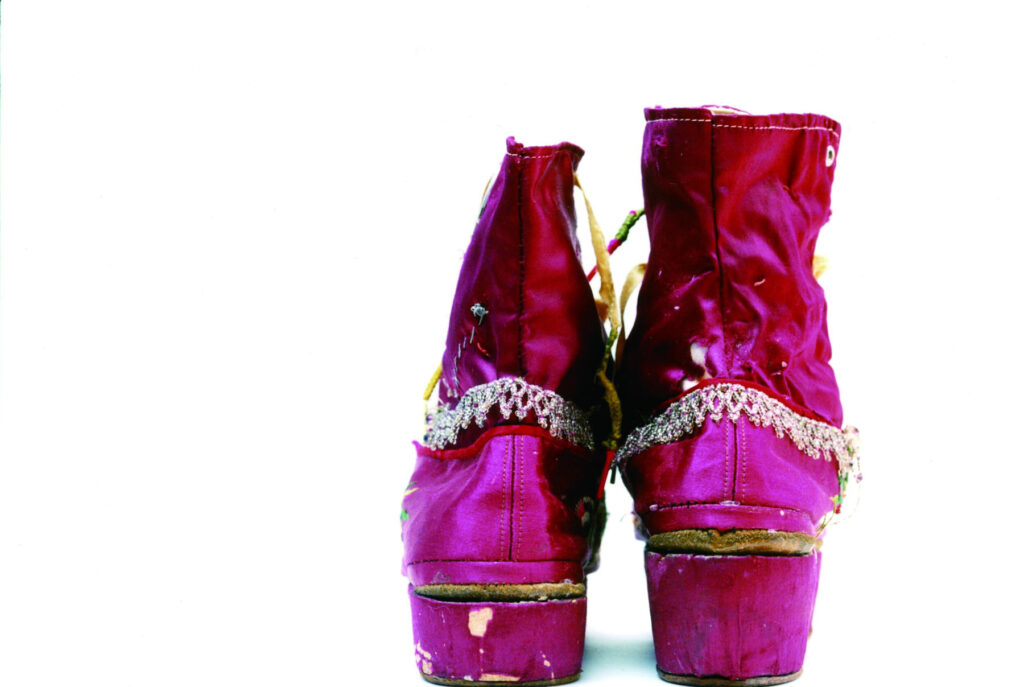
Following hiroshima, Ishiuchi was commissioned by the Museo Frida Kahlo in 2013 to photograph 300 of the artist’s belongings, sealed in the bathroom of her home in Mexico until 2004. The result is a body of work that both forms a bond with the clothing of someone the photographer never knew, and begins to build an impression of a woman’s life. Over the course of her career, Ishiuchi Miyako’s photography has worked to leverage an intimate portrayal of women and womanhood, of time, suffering, loss and memory, into a world of brutality and hardship. 

Has your outlook as a photographer changed over time? 

Photography has always been a product of its time, and has always changed with the times. My photographs may change in superficial terms, but what I am basically expressing and my mentality remain unchanged.

You mention that it was photographing your mother’s lipstick that led you to take colour photography. What difference is there between shooting in B&W and colour, and what impact does this have on the final image? 

I can do every step by myself when I’m working in black and white. My ideal here has been to take full responsibility for every stage: shooting, developing, printing. When I’m working in colour, I just take the photographs and have the rest of the work done at a lab. When I started doing this, it was very refreshing to have the works be out of my hands and be able to look at them more objectively.

With black and white, I felt like I was clinging to the photographs throughout the entire process. When I started working in colour, I felt in a way as if I had been liberated from photography. Black and white is a world of artistic creation, while colour is the world of everyday life. At the same time, both black and white and colour are just approaches, and it doesn’t matter which you use.

The photographs of Yokosuka are commended for their grainy texture. What are the attributes that make a powerful image? 

The Yokosuka photographs are not intended to have a powerful impact. When I printed my first photograph, I realized that a photograph is a collection of ink grains on paper. I wanted to print those particles properly, so I developed the film at a high temperature. Grains are like units of time, and I tried to make prints as if I were counting them one by one.

I like the analogy between your background in weaving and the process of photographic development.

Do you think there’s something similar with the photographs themselves; weaving moments of time into history? 

Photography and textiles are very similar – they are both water works. It was a revelation to me that the colour-fixing liquid used for dyeing yarn and the stopping liquid used for photography are the same thing. Making textiles is very labour-intensive work. Photography is the work of evoking time using light. Both of them are jobs done by hand.

A lot of your work involves photographs of objects and possessions. Do you see photographs as being objects and possessions too? 

“A photograph is a narrative that documents and renders memory visible in two dimensions, transcending objects and possessions.”

Photographed subjects are given new value and meaning, and by becoming part of a photograph they become almost eternal.

Did you take a different approach photographing the possessions of your mother and Frida Kahlo, compared with the clothing of Hiroshima victims (whose identity we might not know)? 

/hiroshima, Mother’s, and Frida all share the same intent in that they focus on what has been left behind. I took the same approach to photographing these three subjects, but Mother’s began as my own personal project, then after being shown at the Venice Biennale it became a photographic work that transcends my own personal concerns, expanding from the private to the public. This later shaped the specific development of /hiroshima and Frida.

I find it interesting that you don’t attach messages or captions to your photographs. How does that relate to the objects (clothing/possessions) that you photograph? Do you try to interpret the meaning that their original owner gave them? 

I consider my photographs to be creative rather than documentary, and I take them from my own point of view and with my own values. I believe that adding a message or caption to my photos would take away the viewer’s freedom of thought. I want people to be free to see my photos from their own perspectives, and to attach their own words to them. 

I cannot photograph the past. My work is based on encounters with things left over from the past, but which are in front of me, in the same space and time, in the reality through which I am living in now. In particular, the bombed artefacts of Hiroshima cannot become part of the past.

/hiroshima is very different to Yokosuka Story – how do they capture the aftermath of the war in Japan and the country’s relationship with America? 

I made my debut with Yokosuka Story, a series that is kind of a personal sentimental journey.

“I was born in the post-war era and spent my adolescence in a community with an American military base, and I enlarged these prints to exorcise emotions like scars I felt I had received from the Occupied Japan city of Yokosuka.”

There is a connection between Yokosuka and the history of the atomic bomb dropped on Hiroshima, which played a huge role in ending the war, and which I documented about 30 years later. Yokosuka still serves as the home port for Asia’s largest nuclear-powered aircraft carrier. The post-war period is not yet over, and the reality is that Japan is still under US control. My photographic work, which started in Yokosuka, inevitably turned toward Hiroshima, and /hiroshima is still an ongoing project.

Credits

Images · ISHIUCHI MIYAKO
Special Thanks · THE THIRD GALLERY AYA

Yis Kid

Spiders and Religious Mysticism

Credits

Photography · Yis Kid
https://yiskid.com/

Sumayya Vally

Sumayya Vally From The Johannesburg-Based Architectural Studio, Counterspace, On Amplifying The Lived Experiences Of Those Who Have Historically Been Overlooked

When Sumayya Vally founded the Johannesburg-based architectural studio Counterspace in 2015, it was against the backdrop of a deeply entrenched narrative of western hegemony. As an architectural student in South Africa, at the University of Pretoria and then the University of the Witwatersrand, Sumayya found the curriculum pivoted around a western worldview. And as the name implies, Counterspace seeks to redefine such a narrative, to amplify the lived experiences of those who have, historically, been overlooked. Earlier this year, Sumayya’s efforts to incorporate marginalised and underrepresented architectural ideas into an existing lexicon were internationally recognised when she was included as one of the TIME100’s most influential people.

Sumayya’s architectural perspective is one shaped by her experience growing up in a place less openly inclusive, though equally diverse. Now 30, Sumayya’s early life was spent in the final years of Apartheid-era Pretoria. And as child, she experienced first-hand the impact that architecture and design can have on people’s lives. As South Africa nears 30 years since Apartheid’s end, it’s a country that remains deeply segregated by race, class and wealth. Architecture and city planning is not an innocent bystander here and have been used throughout history as tools for control, subordination, and exclusion. Sumayya’s exposure to this complicated reality informs the interdisciplinary, and often imaginative, work that Counterspace does.

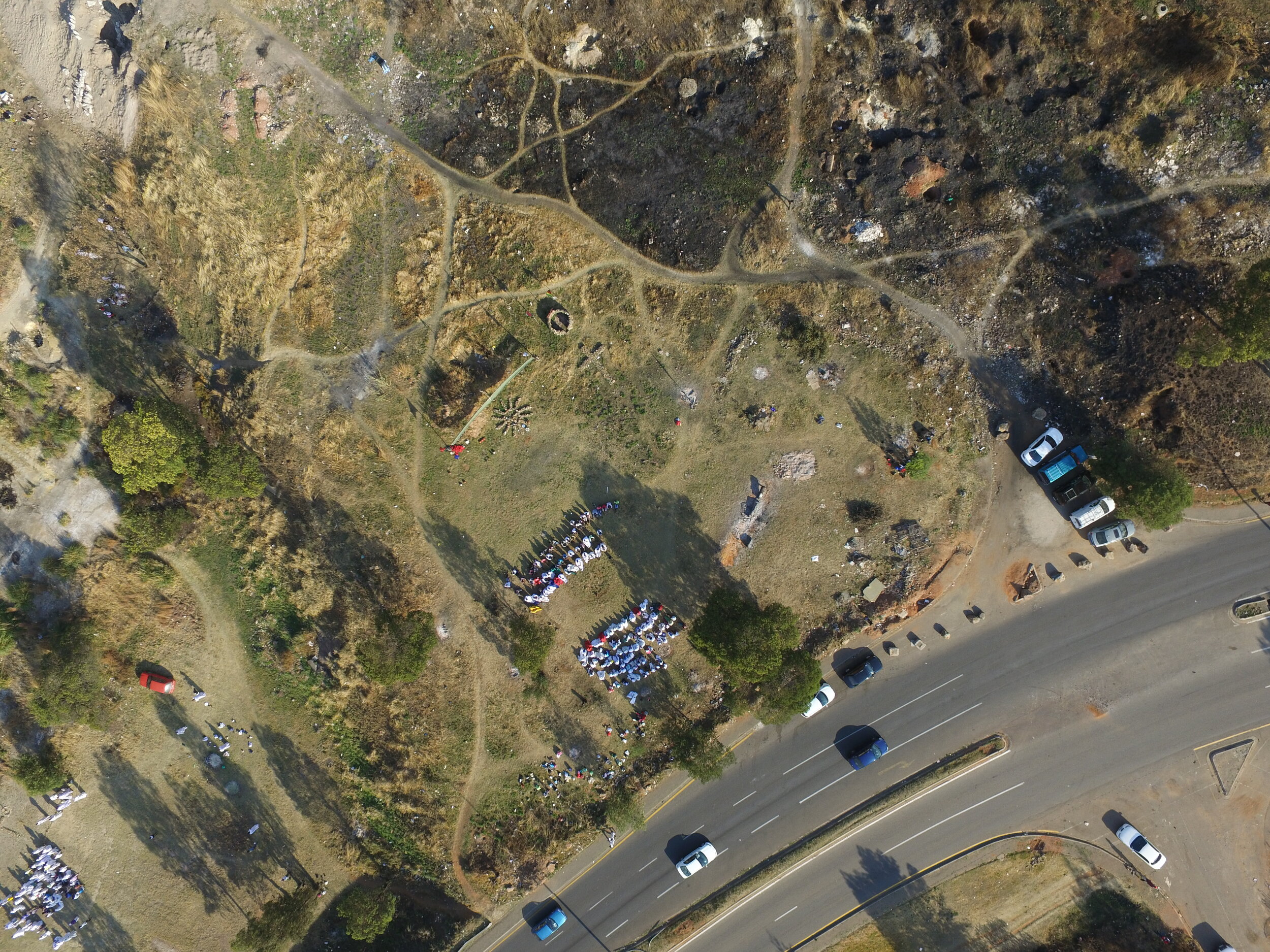
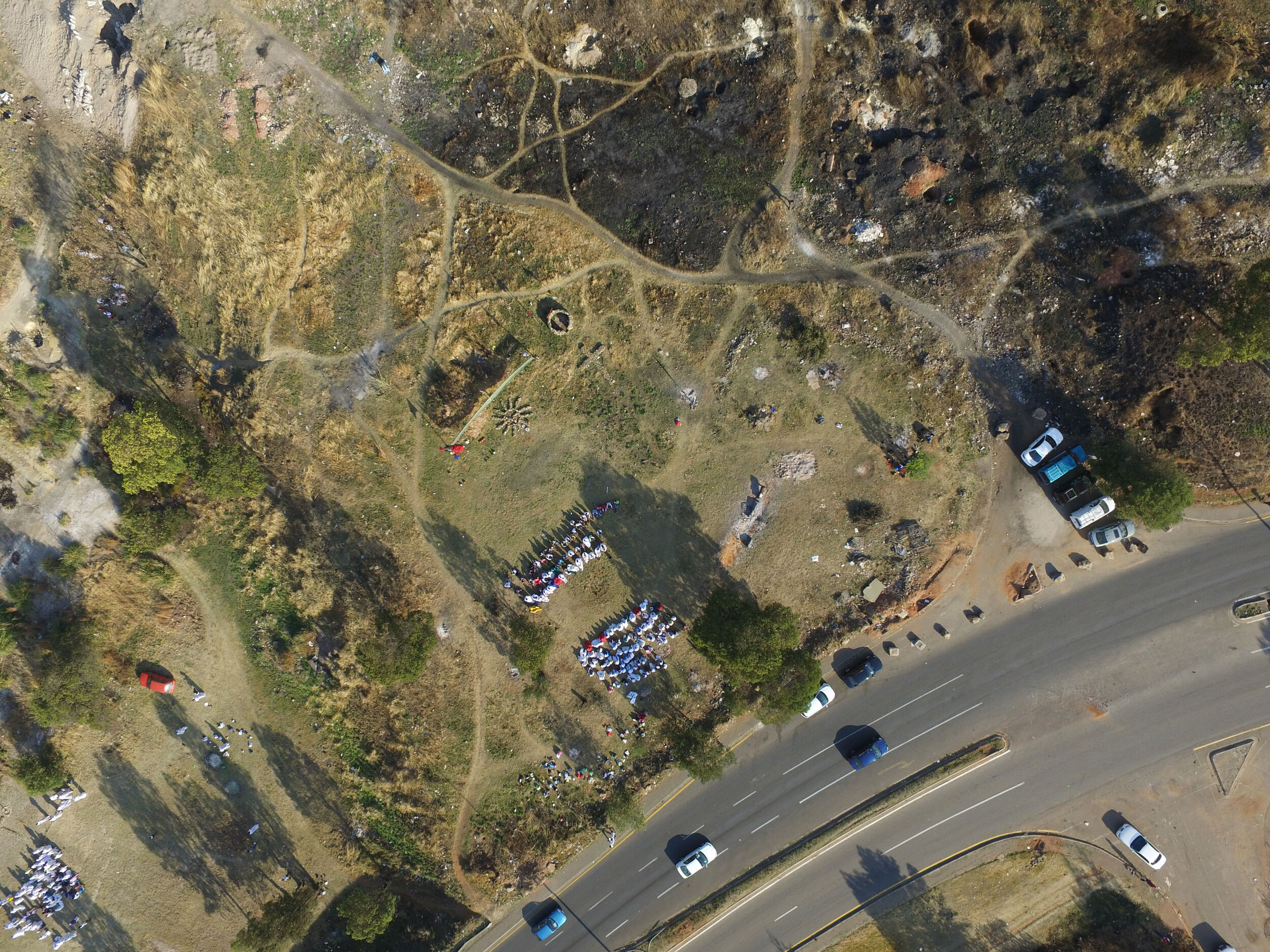
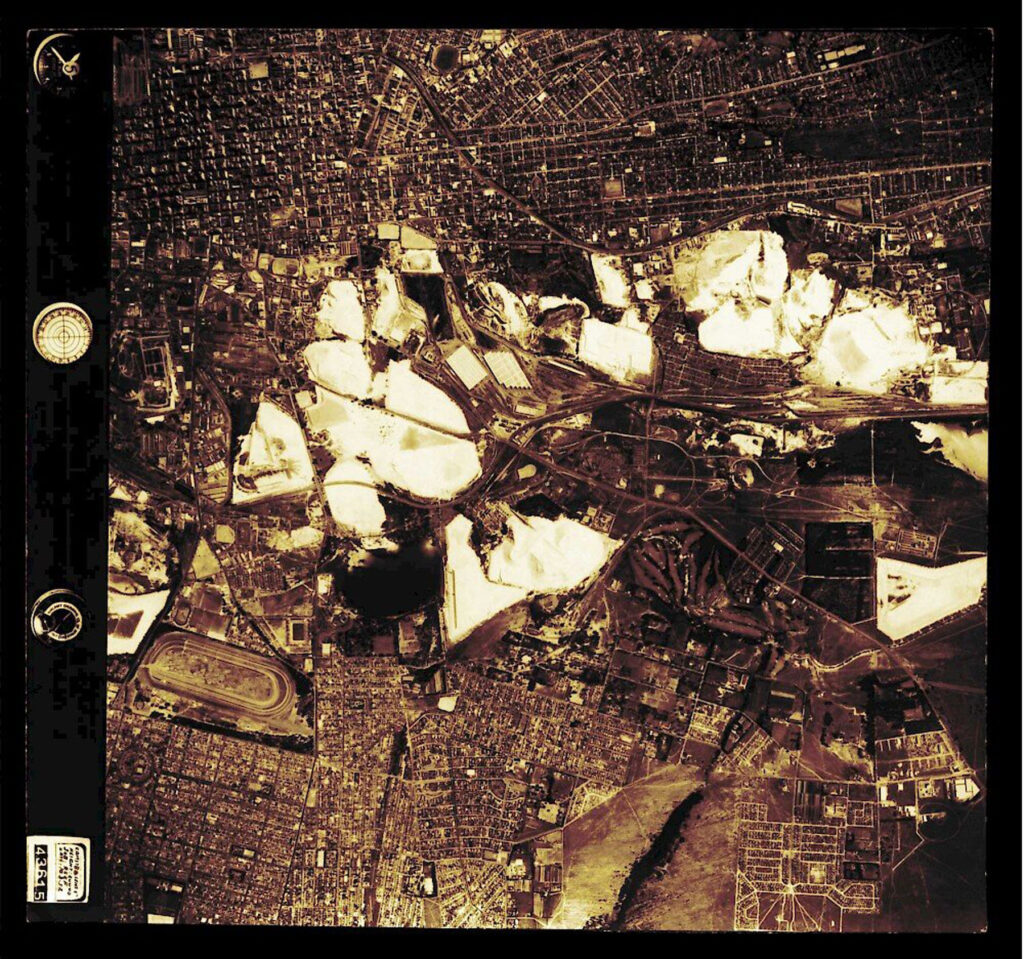
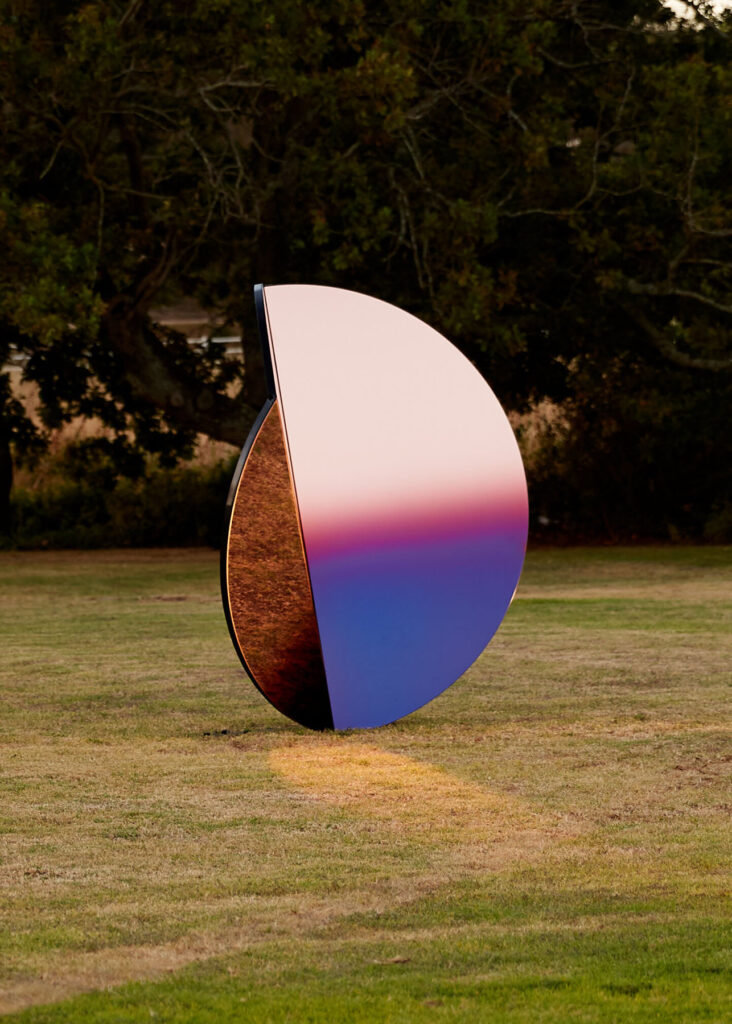
In 2019, the studio unveiled Folded Skies – a series of three sculptural structures made from interlocking tinted mirrors. The iridescent glow captured in the surfaces of the structures appears to represent the history of a city built on the vast gold deposits discovered in Johannesburg in the 1880s. While the legacy of this glittering past is reflected in the city’s colonial architecture, Folded Skies recalls instead the ecological aftermath of the gold rush. The city remains blighted by toxic pollution emanating from the equally vast number of waste dumps left behind from abandoned gold mines. The presence of these dumps is a reminder both of the aphorism that ‘everything that glitters is not gold’ and of the country’s history of segregation and suffering.

Johannesburg was a city divided right from the start, with mine-owners, wealthy from the gold rush, living separated, then segregated, lives from a black population who were eventually forced into townships in the city’s suburbs. The hangover of that gold discovery continues to wreak havoc. The large domineering heaps act as a physical barrier between rich and poor, black and white neighbourhoods; a reminder that segregation still exists. Toxic fumes from the dumps, which are themselves now being mined for the fragments of gold they may contain, are carried south by the wind, poisoning the black communities who live in their path – environmental racism in practise. Though human-made, the waste heaps demonstrate how materials can be used to control, to divide, to enslave people; as tools to construct a built environment, or as resources to build global trade.

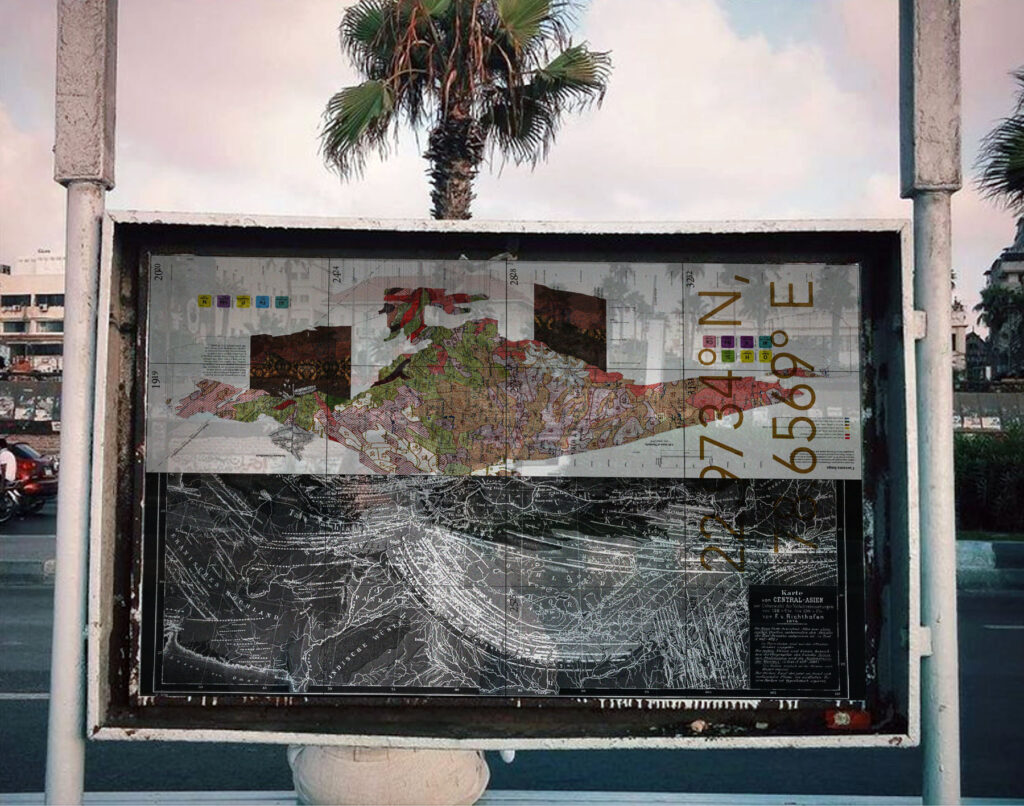
By engaging with Johannesburg’s complicated history, Sumayya and Counterspace’s practice is as much social history as it is about designing for a better future. Uhmlaba, a film made in collaboration with the Guggenheim Museum, will explore South Africa’s history of segregation using soil (as land) as both its catalyst and focus. The studio often uses film and photography (archival and contemporary) to animate their ideas; visual evidence to demonstrate the fluidity of life and people in an urban environment. And if Johannesburg exemplifies how the architecture is used to control and segregate, the architect’s plan cannot always anticipate the unpredictability of the lived city experience. Counterspace celebrates, and designs, with small acts of subversion in mind. And so, as Sumayya explains in our conversation below, a new approach to architecture and the way we look and engage with urban spaces begins with interweaving unheard and overlooked histories into the fabric of our built environments.

Would you be able to share some insight into the upcoming film Umhlaba?

Umhlaba translates to land in Zulu. The land in South Africa, like many places in the majority world has been implicated in our histories of movement, dispossession and displacement, empire and extraction. The film considers the depths, scales and layers of connection (and violences) in our relations to land – through the narration of recipes, stories and ingredients that become part of our cultures and constructions of belonging – to the violence of breathing toxic dust and the zoomed out segregation and separation of bodies from land in Apartheid city planning. The film is a collage of these various scales and entities, and weaves together connections and links between what was assumed unconnected and innocent.

How did you develop the approach that Counterspace takes through research, practice and pedagogy?

Johannesburg has served as a source of immense inspiration for the practice. Because so much of the city exists below the surface, so many ritual, economic and other practices have developed incredible resistances and are able to surface and exist, despite being excluded by our city’s histories and infrastructures. There is so much that lives beyond the limits of traditional planning, design and beyond the tools of the architectural plan, section and elevation. These ways of being invite us to imagine different ways to draw – to find tools to learn, absorb, understand, listen to and interpret our conditions. Many of them are aural, oral, atmospheric – which has given rise to drawing through film, performance, choreography, the digital, sonic and atmospheric field notes, temperature, colour, etc., to develop an expanded lexicon and ways of reading and seeing Johannesburg.

What informs your approach as an architect to incorporate performance, the medium of video/film, cultural histories into the practice?

Rituals, ways of being and the lives of people in my city – and this intent to draw, make visible, amplify and sharpen aspects of our histories and cultures that cannot be included in the traditional tools and ways of archiving that the discipline and the profession of architecture has inherited.

Counterspace’s work delves into materials like sand, soil, everyday detritus, so I’d love to know what you see as the cultural importance of “material”? 

I very much see materials as shifting earth and land; constantly being negotiated, reconstituted and reconfigured. Whether implicit or explicit, all projects stake a political claim in their approach to materials. I am very interested in the use of detritus, in traces and reconfigured leftovers, in how these give us a reading of our relationships to the earth. Materials are not neutral – everything, from cane and cotton, to concrete and gold – is a reading of our ties to each other and our histories (and consequential futures). I am also interested in blurring the binaries that we have drawn between ourselves and the world we are in, and a part of. Johannesburg has also given me an implicit desire to be resourceful and to piece together a lot with very little.

How do you navigate the kinds of architectural malpractices/Western authority that shaped the studio’s raison d’être?

I see my practice as an effort to realise design languages from places of difference – different ways of being and seeing, different histories and stories – and in that sense it has always existed tangentially to the dominant canon. I think things are changing now, but for a long time this meant that the work was quite invisible to the dominant canon. I very much see myself as part of a generation and a movement working to translate and embody our own positions of difference and bring a critical mass of them into the world. Any identity that is different to the dominant discourse is a lens with which to see the world from a different perspective – which is so needed, now more than ever.

It’s interesting to think of spaces where people gather as places that weren’t always envisioned as serving those very purposes. How did growing up around Johannesburg shape your understanding of this?

Our city, of course, has a history of clandestine meeting and organising – from pirate radio setups on kitchen tables to underground jazz during Apartheid. The city has such a divisive understanding of what public is and looks like. In many regards, we never had public spaces that are truly designed for everyone and that have truly drawn on our ways of being and our understandings and cultures of what ‘public’ is and looks like. But, in many other ways, the resilience of practices and gathering that exist outside of, and despite formal limitations, has been a revelation. Being able to see and read these, and learning from the atmospheres and spaces that are created by people and their practices of gathering and constructions of belonging – whether at a carwash, at a petrol station, for a lunchtime gathering, or church on a patch of leftover veld grass in the centre of the inner-city – has been deeply fundamental to my practice.


Matthew Genitempo

Mother of Dogs

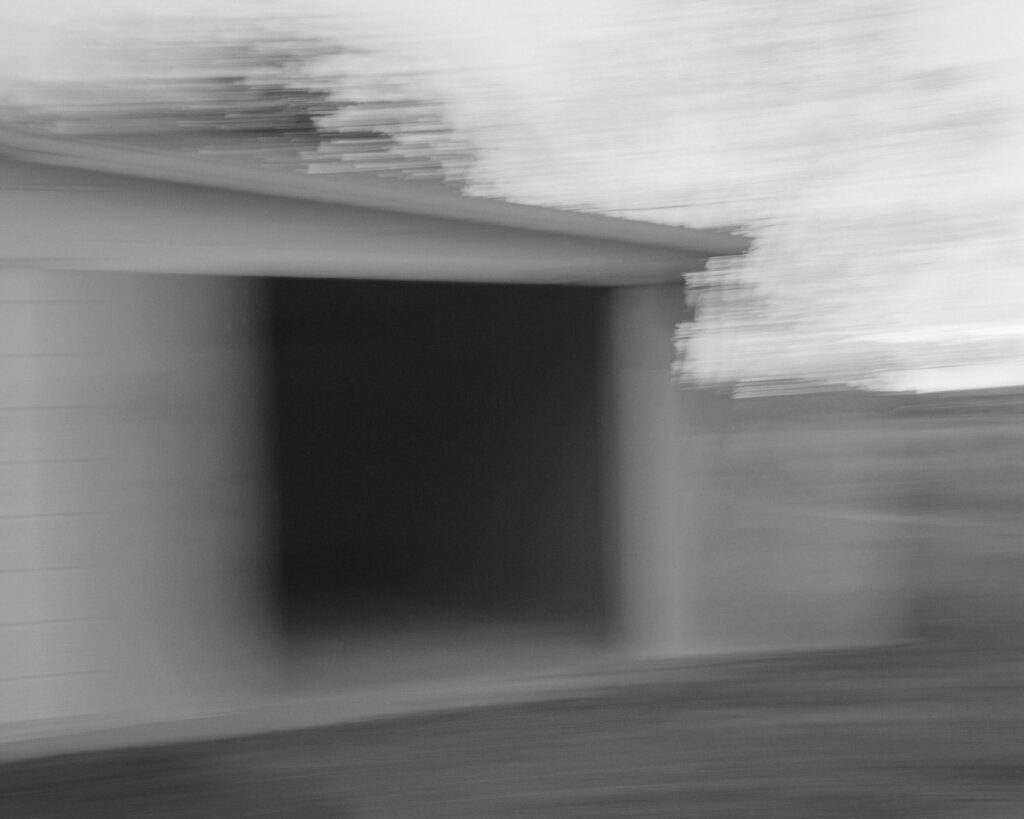
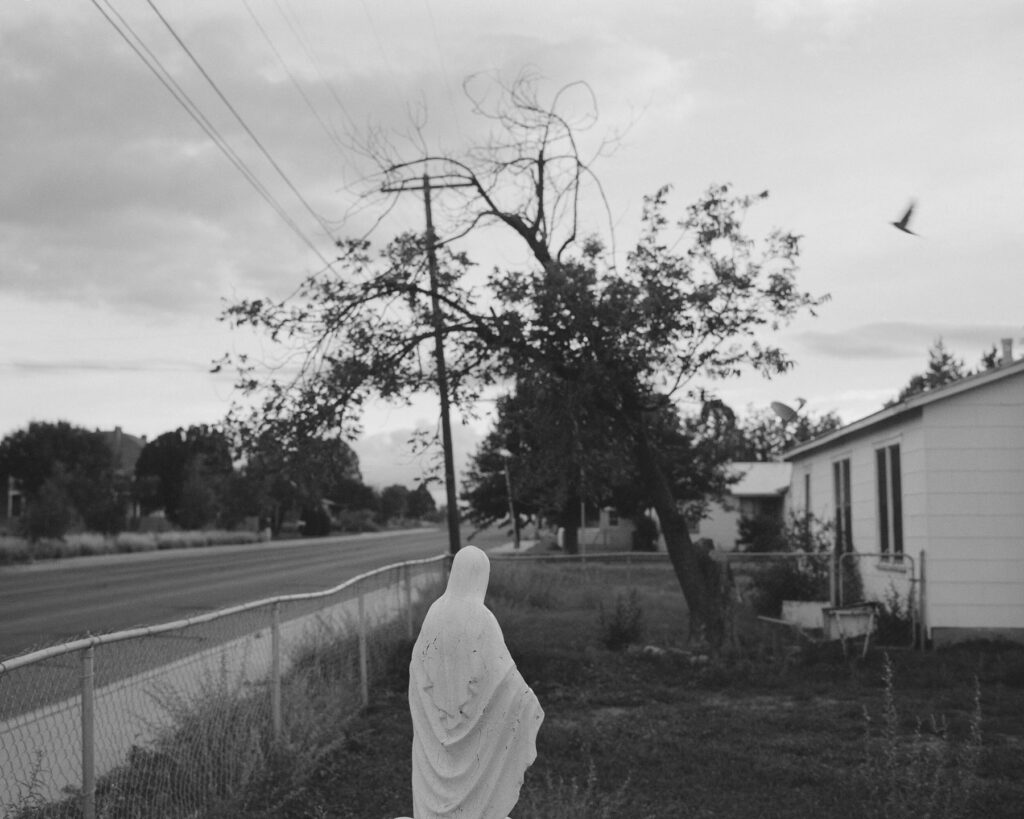
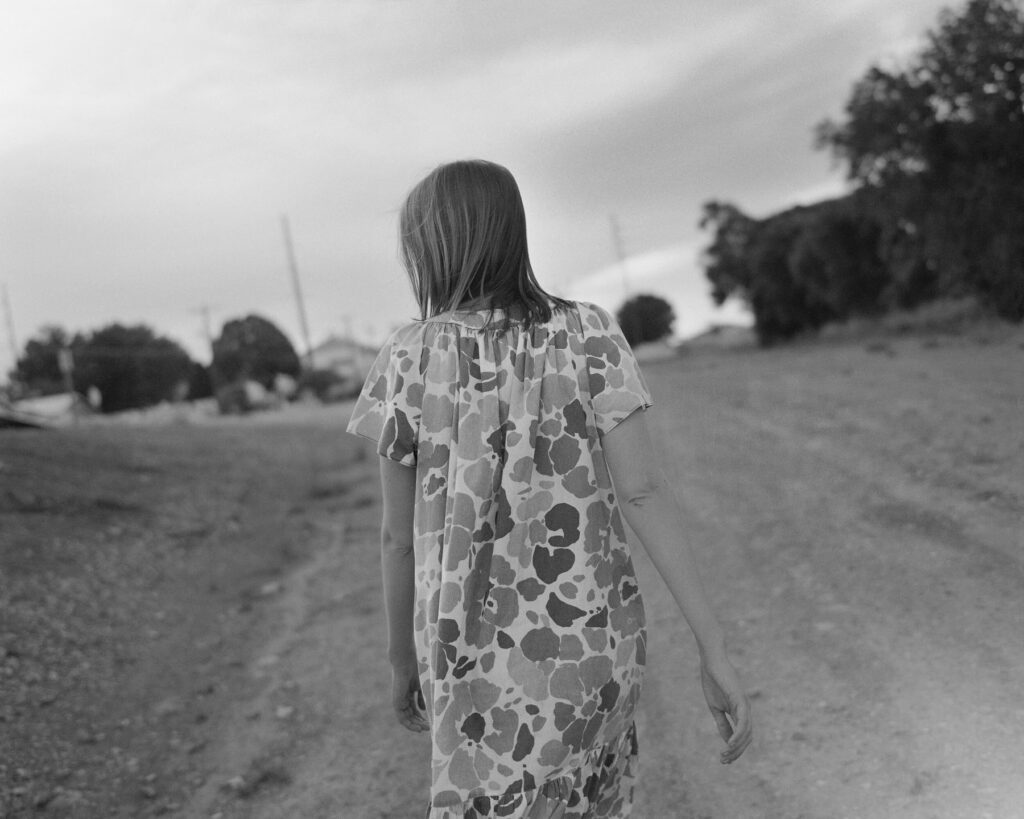
Mother of Dogs is a project that I began and completed at the beginning and middle of quarantine. Life had been tossed in the air once the pandemic hit, so my partner and I began taking daily walks by the train tracks next to our house in order to introduce some stability. That project could be related to growth considering our development towards balance and steadiness.”

Alessandra Sanguinetti

New-York based photographer Alessandra Sanguinetti often explores through her work, changes, experiences and feelings in society. Sanguinetti’s photography is infused with a certain serenity and a beautiful melancholia showing a certain level of trust between her and her subjects.

Her decade long project The Adventures of Guille and Belinda captures two cousins growing up together in the rural province of Buenos Aires, in Argentina. It is a testimony of family, a study of love, tracing the girls’ lives between every day and imagination from the ages of 14 to 24 and their passage from girlhood to young womanhood. The series which began in 1998 is the subject of two booksThe Adventures of Guille and Belinda and the Enigmatic Meaning of Their Dreams (Nazraeli) and ten years later,The Adventures of Guille and Belinda and the Illusion of an Everlasting Summer(Mack).

Recently, Alessandra Sanguinetti shot a cover for Vogue Italia for their January 2021 Animal issue which aimed at bringing awareness to the urgency of the environmental problem.

When I was nine years old a book I began to get curious about the books on our living room coffee table. Amongst books about nature and old ‘masters’ (Caravaggio etc) there was a Lartigue, a Chim (David Seymour), Dorothea Lange book , and Wisconsin Death Trip, by Michael Lesy. It was the latter that made me beg for a camera. I had a gut reaction to that book – it was the first time I saw, or paid attention to, images of people long gone, and it was the first realization that I was going to die and disappear as well. I panicked and had immediately associated photography with death, life, and memory.

I did receive a camera for Christmas and set out to memorialize everything in my life.

That’s the way it’s been since.

As far as my practice, it was in my twenties that I consciously realized photography was a way to relate to the world and a way to make a living. I’d never thought of myself as an artist or anything in that neighborhood, until then.

Credits

Images · ALESSANDRA SANGUINETTI
https://www.instagram.com/alessandra_sanguinetti/

Designers

  1. Cecilia
  2. Christen
  3. Hadil, 2003
  4. Mayelin
  5. Jessica
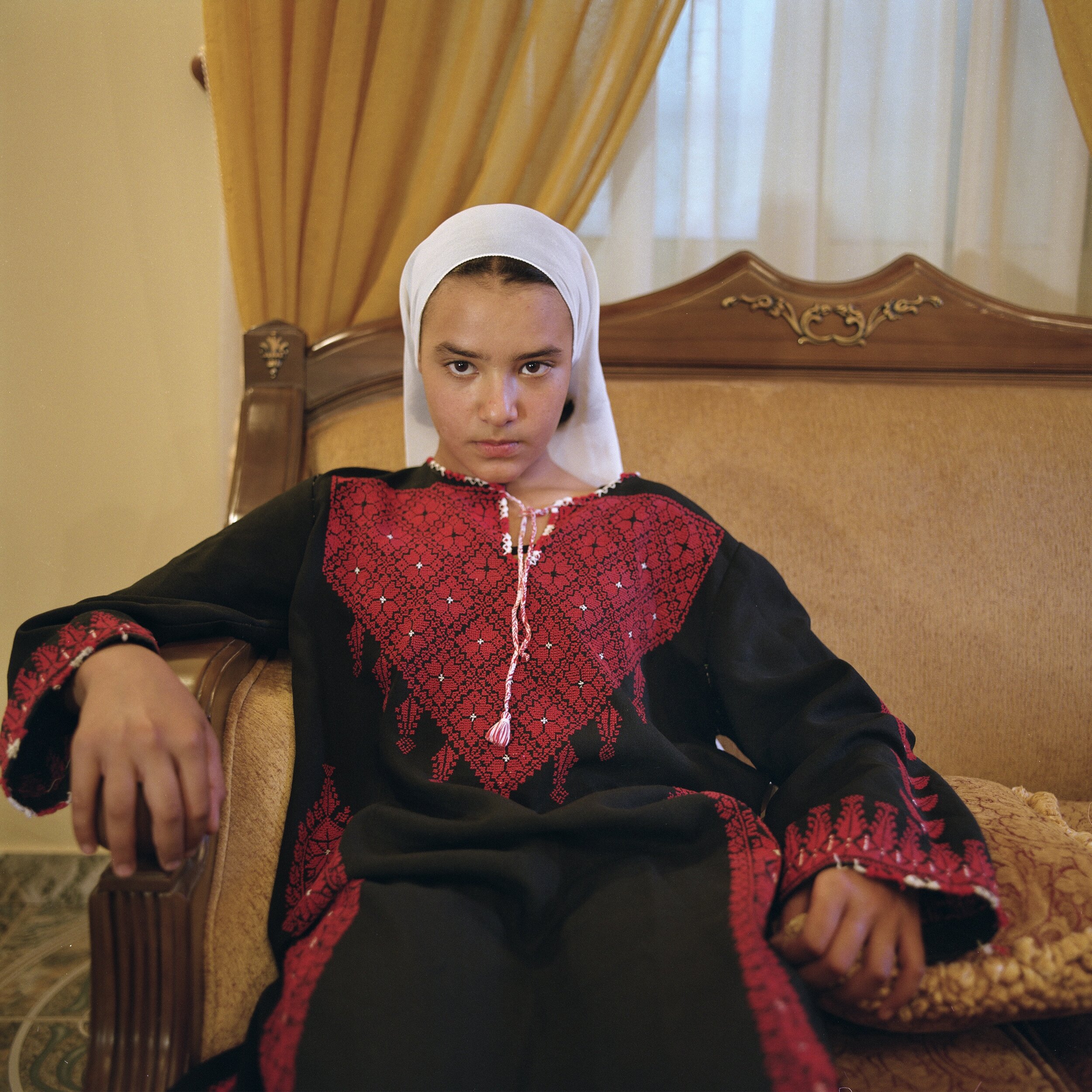
  6. Miriam. Aida Refugee Camp, West Bank, Palestine, 2004
  7. Sarita
  8. The Couple
  9. Mothers, 1999
  10. Untitled, 2009
  11. The Blue Dress, 2000
  12. Untitled, 2009

Pelle Cass

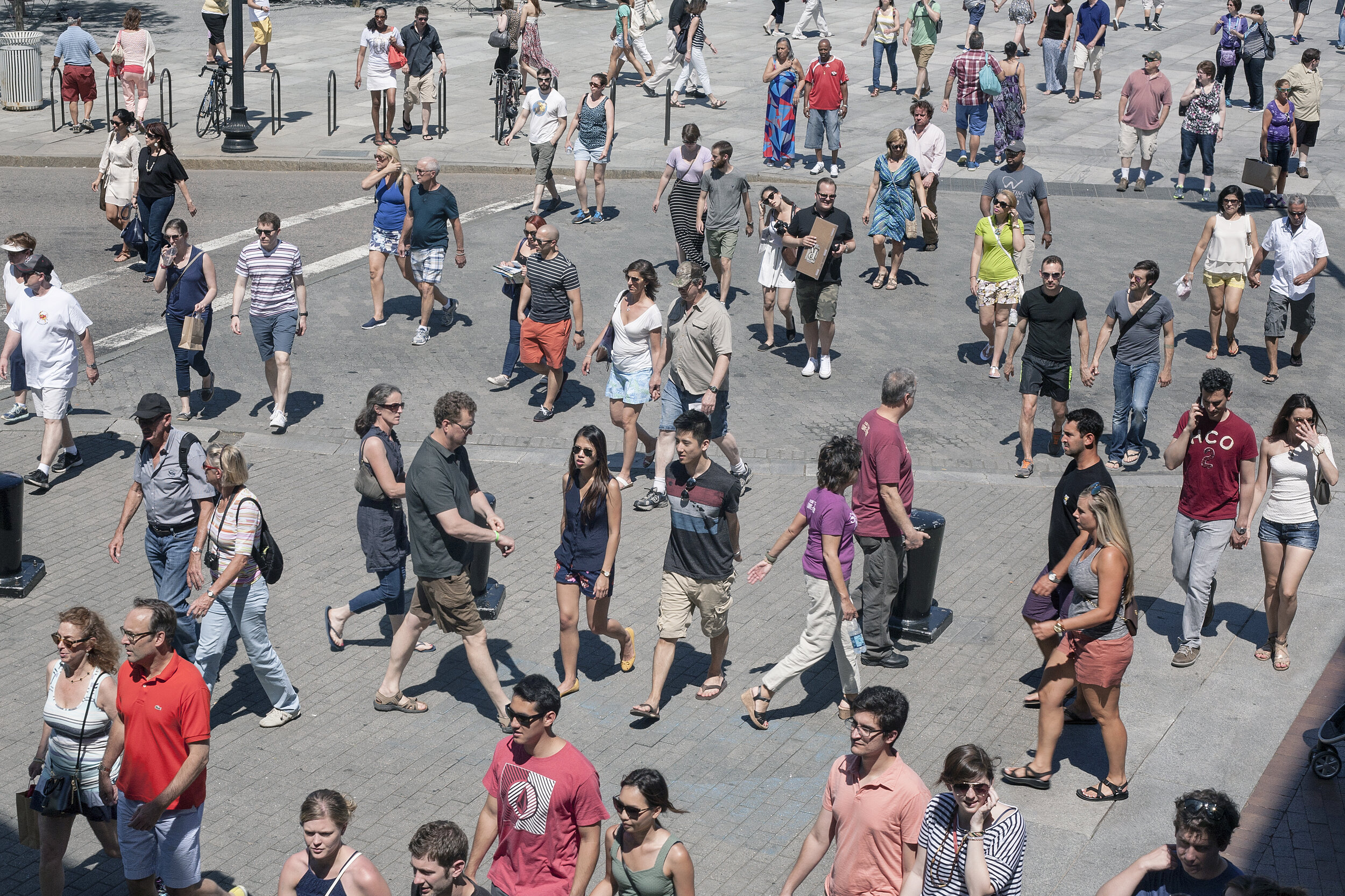
Selected People

Credits

Images · PELLE CASS
https://pellecass.com/

Rick Schatzberg

“conversations helped to create the atmosphere I needed to portray vulnerability”

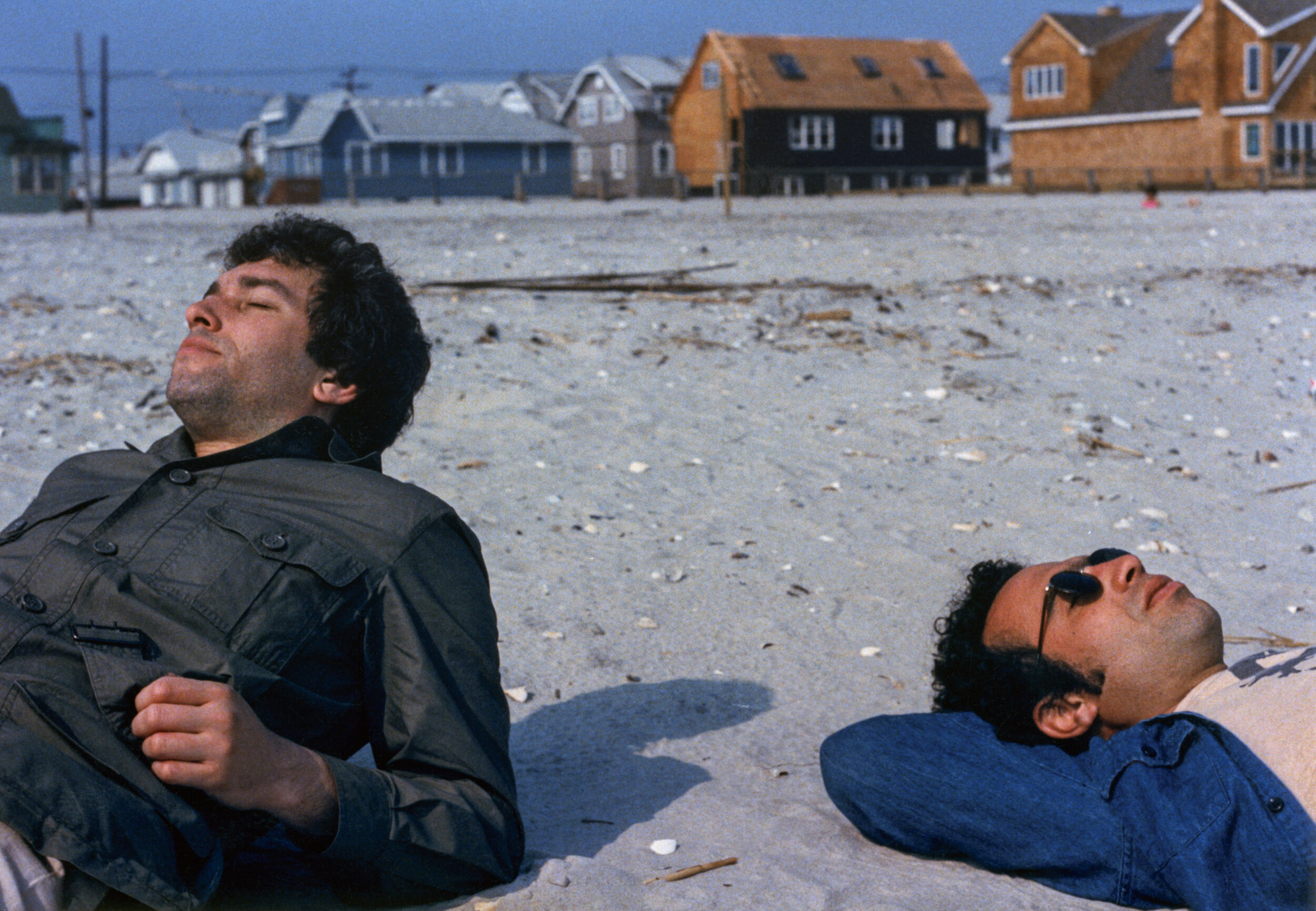
Rick Schatzberg grew up in a suburb of Long Island in the 1950s – a place constructed out of nothing but a post-war optimism for prosperity and abundance. A place that, by Rick’s own admission, was in reality, characterised by its monotony and it’s ‘nowhereness’. Surrounded by the comfort of middle class living, Rick and his friends discovered the world by hanging out in one another’s bedrooms, the local mall or a wooded area not far from their suburban enclave. As teenagers, the boys (as they came to be known amongst themselves) would experiment with alcohol and drugs, and hang out with girls; an upbringing unremarkable to anyone who wasn’t there at the time. As they grew older, the boys took on different careers. Rick moved to New York and became an entrepreneur, the others would become teachers, taxi drivers, salesmen, realtors and healthcare workers But they remained what Rick calls a ‘cohesive entity,’ eternally bound together by their childhood moniker.

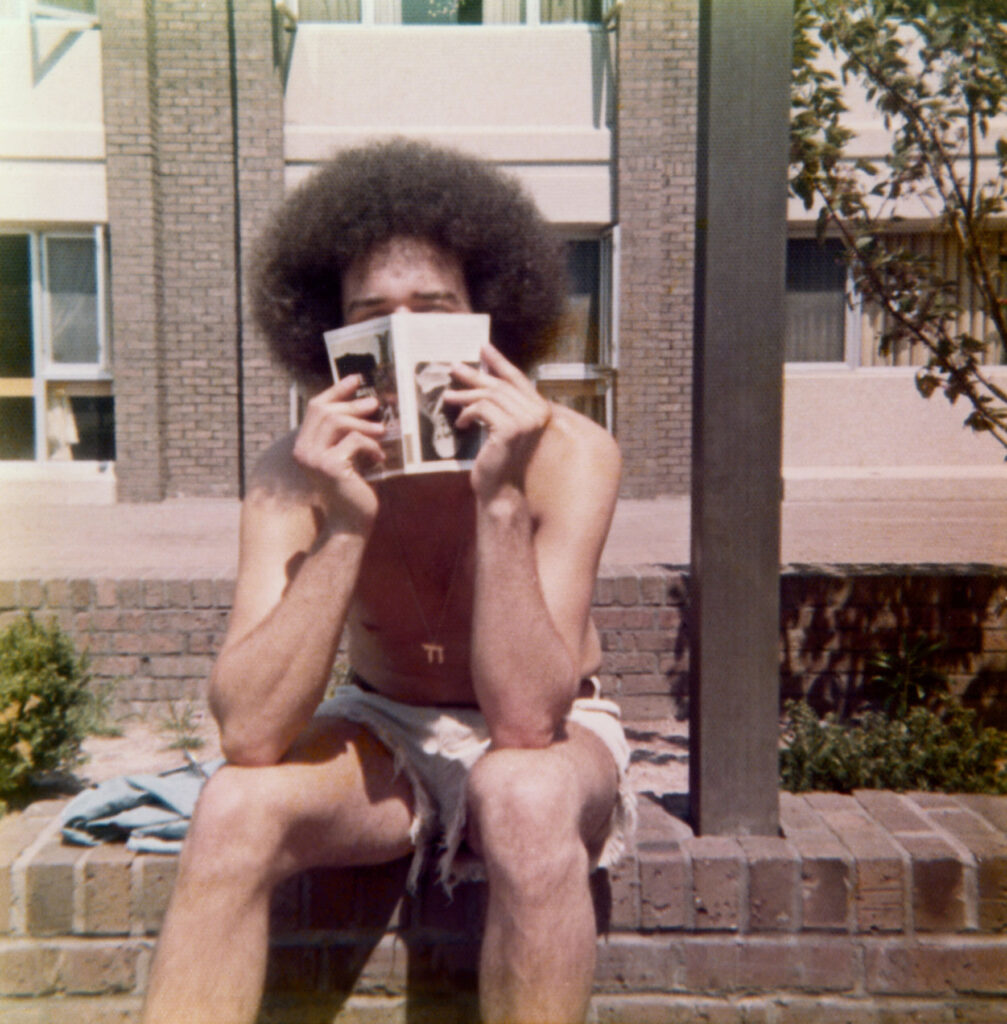
The Boys, the second photobook by Rick Schatzberg, is the result of both his pivot into photography and the unexpected death of two of his friends in close succession. Confronted with the fragility of life, Rick began in earnest to take photographs of the remaining boys. Using a large format camera, the images of himself and his friends, now in their mid-60s, are a stark reminder of the passage of time. In and of themselves, Rick’s photographs are tender portraits capturing the toll of time and age on the human body. But in the book, these images are interspersed with snapshots and photographs from the boys’ youth. Aged bodies become youthful, smiling faces – hanging out, experimenting with weed. Though Rick is quick to outline that The Boys isn’t nostalgic, there’s something poignant in flicking through the book’s pages and recognising the quirks and characteristics of each of the boys as time passes by. Addressing the responses he’s had so far about the book, Rick sums this feeling up well in our interview below: ‘anemoia: nostalgia for a time or place you’ve never known’. Many of the old photographs included in the book are snapshots that had been forgotten about – forgotten in the almost immediate aftermath that they were taken. They raise questions of memory; can the boys even recall the time and place that the photograph puts them in?

Alongside the images, old and now, are twelve short texts. One is an email exchange between Rick and two of the boys trying to piece together the facts of a fight that happened at a wedding. Their recollections of what actually occurred differ; evidence of the unreliability of memory. To celebrate the release of the book, Rick spoke in conversation with the photography writer and curator, David Campany in early 2021. As well as discussing the subject matter of The Boys, something that came up as crucial to the book’s release is its design. As part of the book launch, Rick shared a video of himself going through the book to demonstrate that the large format photographs of his friends feature as fold out pages (something, he tells the audience via Zoom, his mentors and peers from his photography course advised against). But something that also stands out in the structure of the book is that the 12 texts Rick includes in The Boys read like snapshots themselves.

An accompanying essay to the book by the writer, Rick Moody, raises this point, writing about the ‘relationship between a still image and the kind of expressive power that we associate with narrative activity.’ In the context of The Boys, as a photobook, this takes on historical significance. Writing about the 1920s, a time of the proliferation of the photobook and the photo essay, the academic Andreas Huyssen describes how a new form of literature appeared.

The “modernist miniature”, popularised by novelists like Franz Kafka and critical thinkers like Walter Benjamin, sought to capture modern life with photographic precision through words. In that way, then, Rick’s book is much more than a selection of photographs of his peers – young and now old – it’s a reckoning with how we navigate time, memory and our existence through the lens of modern life.

How did your experience of studying photography influence The Boys?

My work on The Boys was influenced by my art school education in several ways. To begin with, the photography MFA program I was enrolled in at Hartford University, Connecticut, is heavily focused on photobooks, and I went knowing I’d be making one. I thought I already knew a fair amount about photobooks, but the breadth of what I was exposed to by teachers, guest artists, and student colleagues was eye-opening. I had to examine my motivations to make any work and to think about how I would make a book that wasn’t just a collection of interesting pictures, but something with substance and depth.

In grad school, one of the challenges of making work that you hope to eventually present to the world is interpreting and deciding what to do with the near constant feedback you receive. You go to art school to not be limited by your inclinations. But there’s also the danger of gearing your work for approval of teachers and fellow students. In the end, I had to absorb what was helpful and discard what wasn’t; making that distinction was sometimes a confusing struggle. 

At the virtual launch, you emphasised that this book had to be universal, and not nostalgic. What feedback have you had from people about The Boys? Does it differ from the boys themselves, those who come from the same place/time, and those with no real connection to the American suburb?

For me, the work is not really nostalgic; I feel that the almost forensic nature of the large format portraits grounds the work in the present. But I may have overstated my case against nostalgia a bit. The feedback has been consistent in that the work evokes an emotional response, which I find very gratifying. But judging from what people have written or told me, the way into the work has really varied. For some, the immediate connection is nostalgia for their youth or that time or place. For others, typically younger readers and often European, it may be anemoia: nostalgia for a time or place you’ve never known. (Like films and novels, photography is good at evoking this.) I’ve heard from people for whom the portrayal of enduring friendship was the hook, and after reading the book they either felt the urge to reach out to friends they have not been so attentive to or lamented that they didn’t have friendships that lasted into adulthood.

Obviously, this work is radically specific: a very particular group of white guys of a particular generation, raised in a very particular American suburban community.

“From the outset though, my feeling was that if this work isn’t felt to be universal then it’s a failure. Mortality, after all, is the bedrock of our biology.”

You mentioned the importance of collaboration in making the book – did this collaboration extend to your friends? Or did they feature just as subjects? Why did you use a large format camera for the portraits? 

I discussed the deeper underlying themes of the project – aging, loss, memory, mortality, friendship – with my friends during our photo sessions. Though my directions for posing were minimal, these conversations helped to create the atmosphere I needed to portray vulnerability. I also explained that I planned to use the work as the basis of my master’s thesis so they understood that there would be a critical audience for the work beyond our circle. Their attitudes went from gracious acceptance to genuine interest. It was as though they became partners with a stake in the outcome.

“It was clear that I would be making unheroic portraits that might not be flattering, and they understood there was good reason for doing so.”

The word that often came to mind in these photo sessions was ceremonial. Using a 4×5 film camera, with all its fussy rituals and storied traditions, felt performative and serious. The slow, cumbersome, and mysterious (to my subjects) process helped amplify the psychological intensity surrounding the project. In the face of our brothers’ deaths, together we were creating a formal certificate of presence (to use Roland Barthe’s expression), using traditional tools.

That said, it is was not a true collaboration because the power to select specific portraits for use in the book was mine alone. My friends did not even see the images I was choosing between, nor did they know how I would ultimately deploy the portraits in the book. They trusted me. It was important to assert my authorial voice, but without entirely drowning out the voices of my friends, which they asserted through the written word, their snapshots, and their gestures in the portraits.

We’re faced with the processes of ageing, time and mortality in The Boys – when returning to your childhood home and neighbourhood for the book, had the nowhere place you came from aged too?

In the winter, with the trees bare, the neighborhood looks very much like it did 50 years ago. In the warmer months the trees, mature and leafy, give the neighborhood a homier, more established feel. The automobiles in front of many of the homes are now more numerous and luxurious, probably more a sign of growing consumer credit and a shift in values than of greater wealth.

The short texts in The Boys read like snapshots, how and why did you choose the texts you include?

I was interested in constructing narratives to loosely link text and images that would stand as discrete memories – not stories as such but fragments that help tell the larger story. I chose to write short texts that could function in different ways: sometimes straight narrative; sometimes like vague, recovered memories; sometimes as meditations; and sometimes more as dream than narrative. The one outlier is the story about my father. I didn’t initially think to include this in the book. I was having a conversation with my editor and I related the story to her.

“She told me to write it down and as soon as I did, I knew it belonged in the book.”

In his essay, Rick Moody refers to a good photograph as one left in a drawer for 30 years. Did the archives of photographs of yourself and the Boys ever come to light in the intervening years leading up to the making of this book? If so, in what circumstances?

Several of the snapshots have been circulating for ten years or so on social media. Others, which I found loosely strewn in boxes stored away for years, may have been passed around shortly after they were taken but were mostly forgotten. Time conferred poignancy as Rick Moody describes, but curating enlarged full-bleed versions astride pictures of old men and stories of death, makes new meaning. Even the more familiar old snapshots felt like new discoveries.

Credits

Images · RICK SCHATZBERG
https://rickschatzberg.com/

Subscribe to our
Newsletter