Archive page:


Virginia Arcaro

“I learned to rediscover myself, my body and my mind through photography”

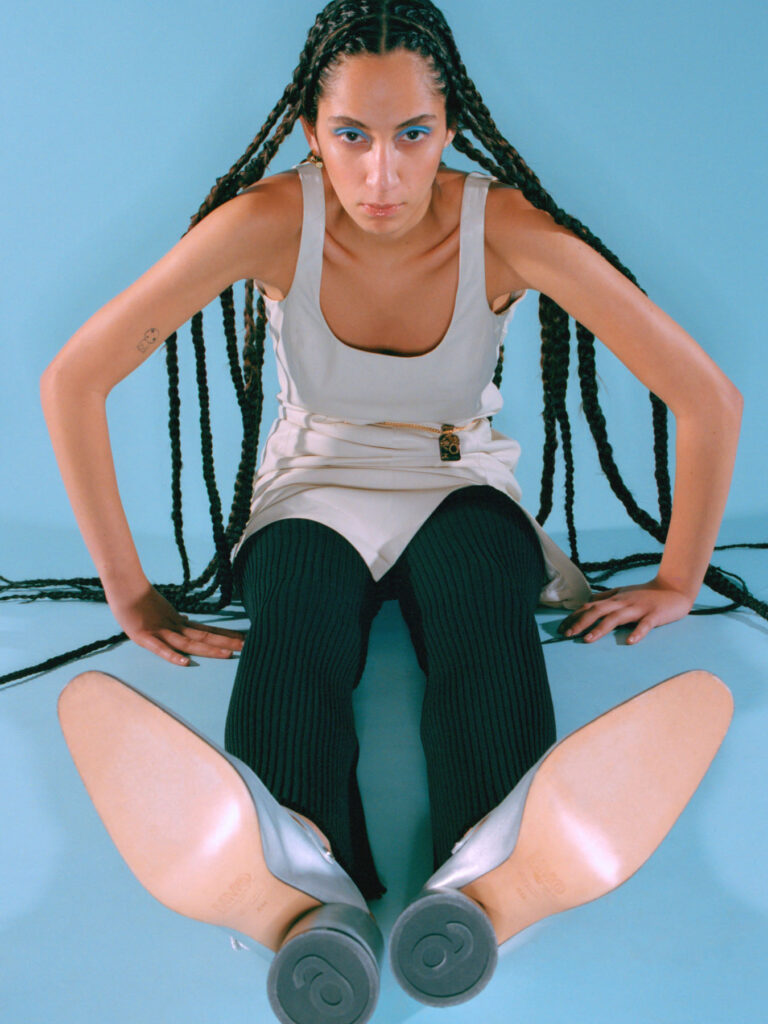
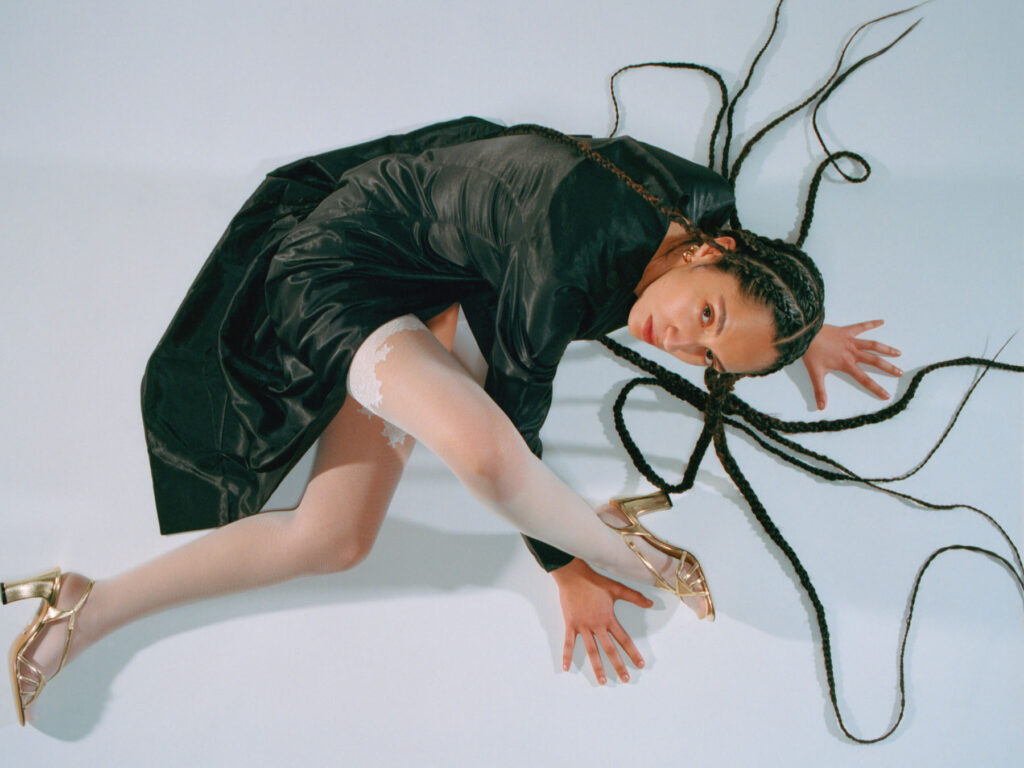
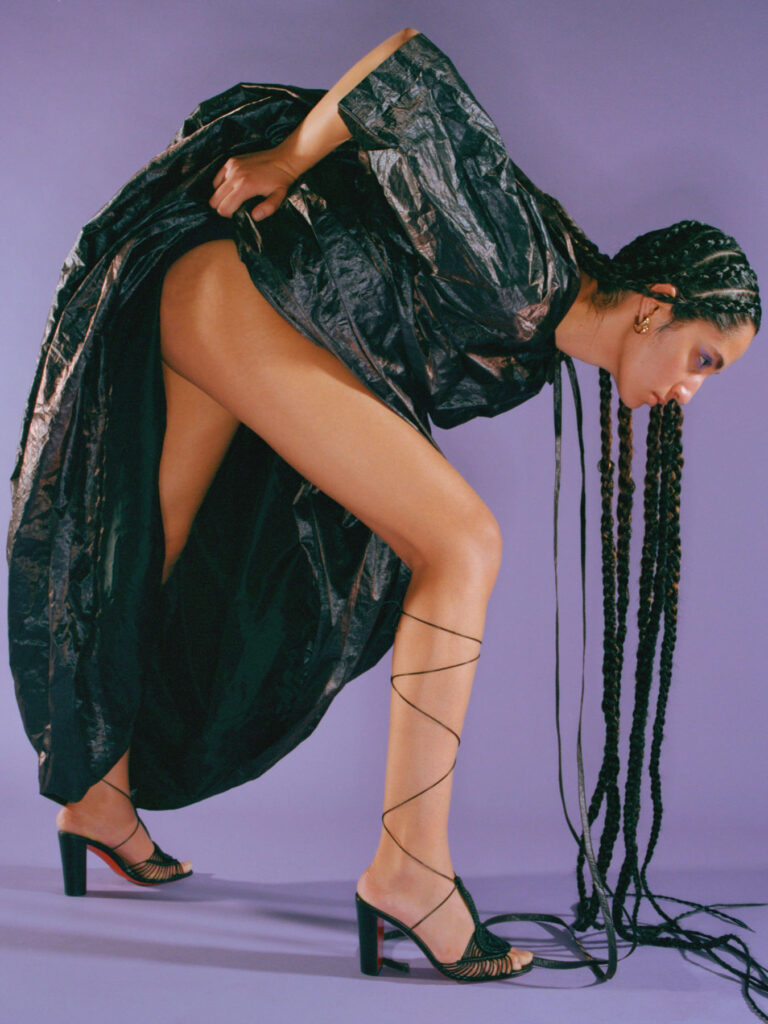
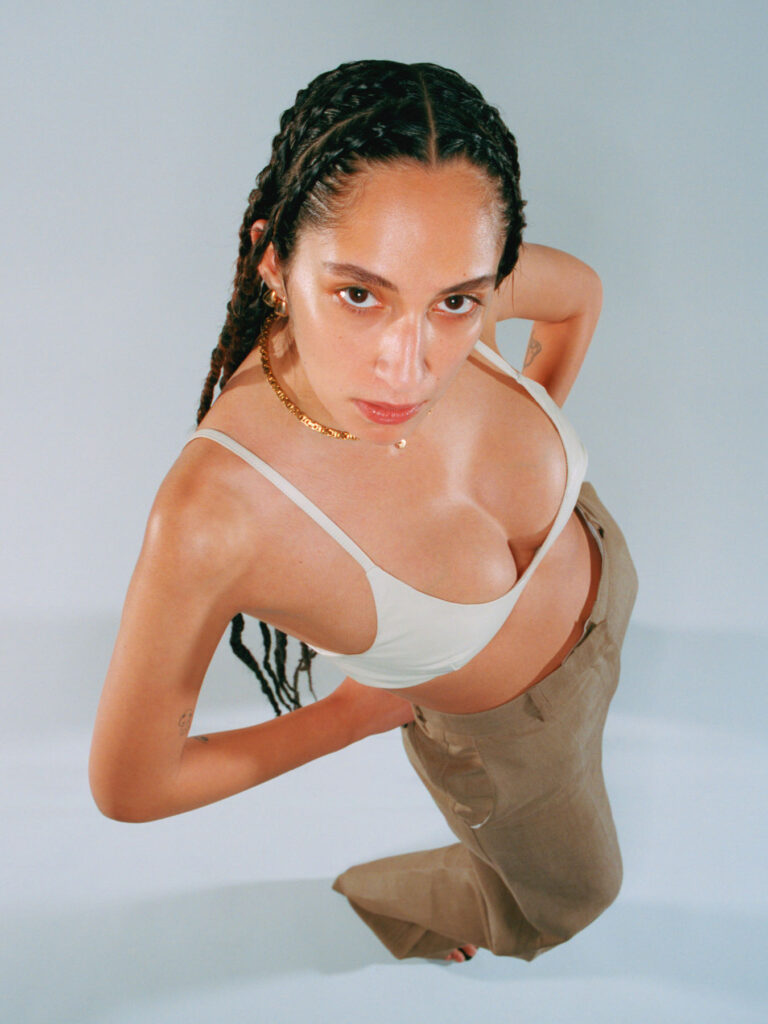
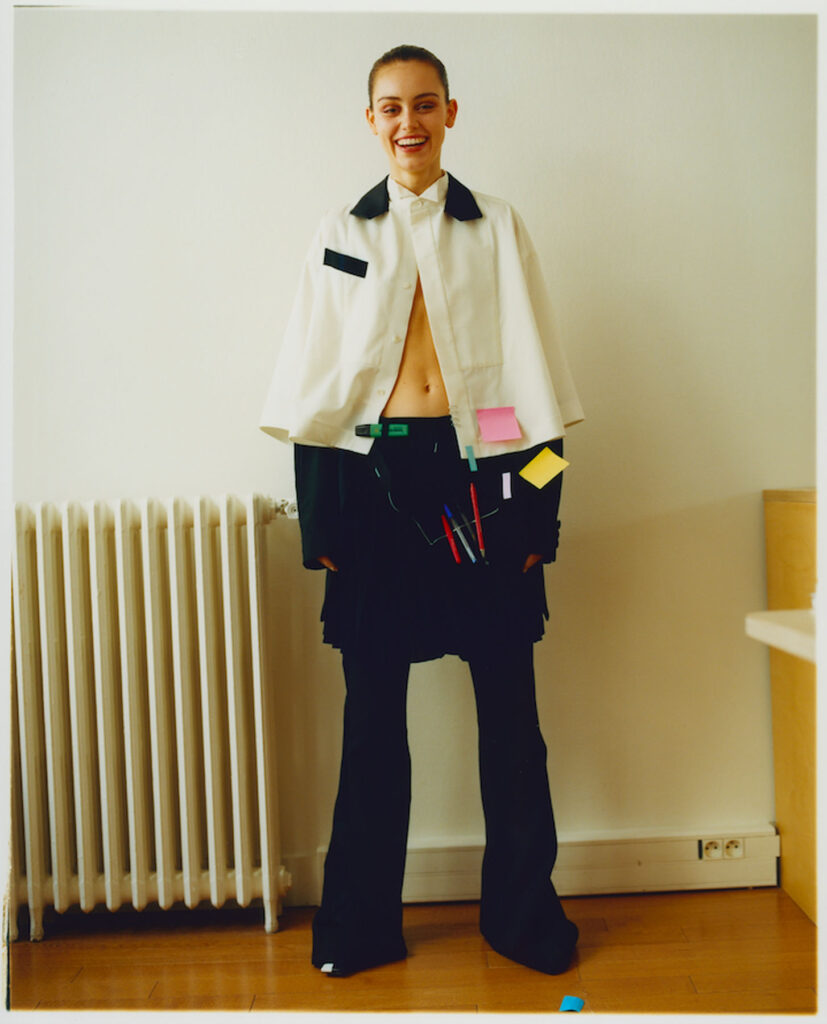
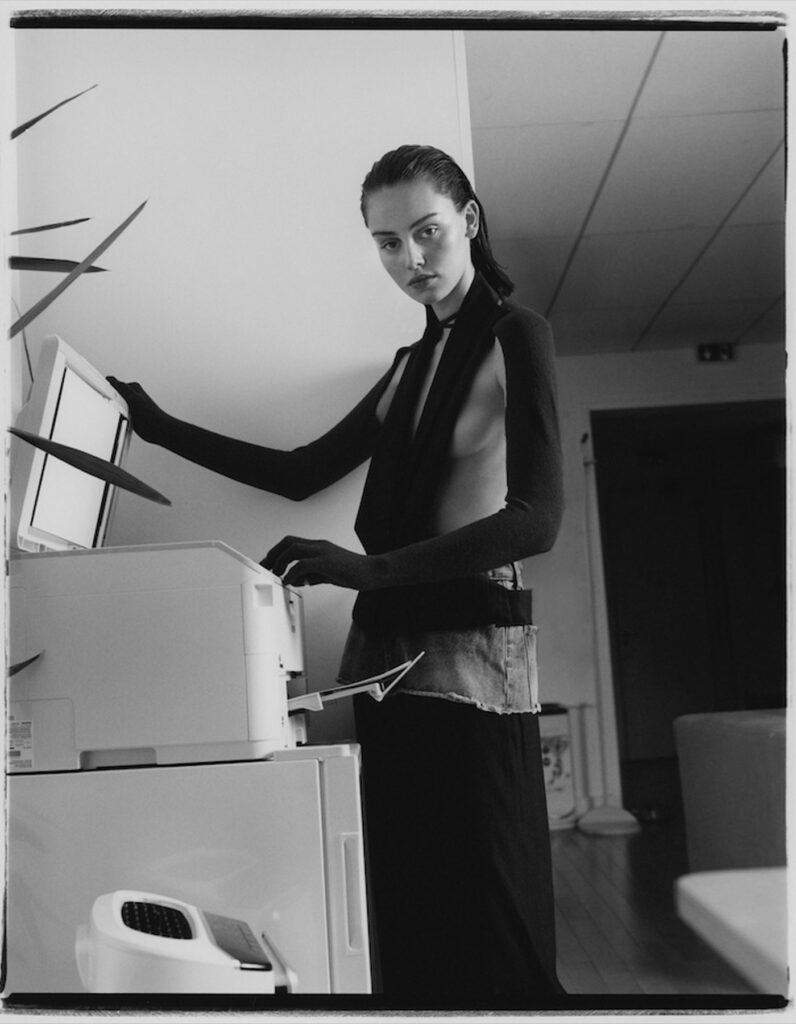
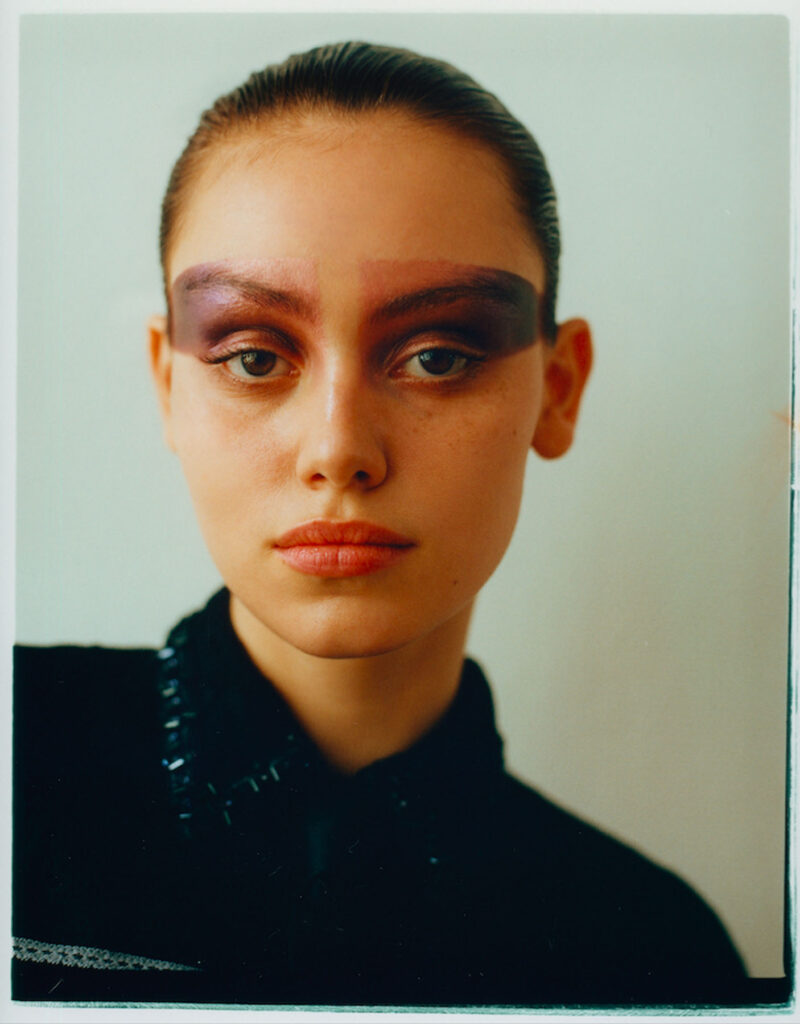
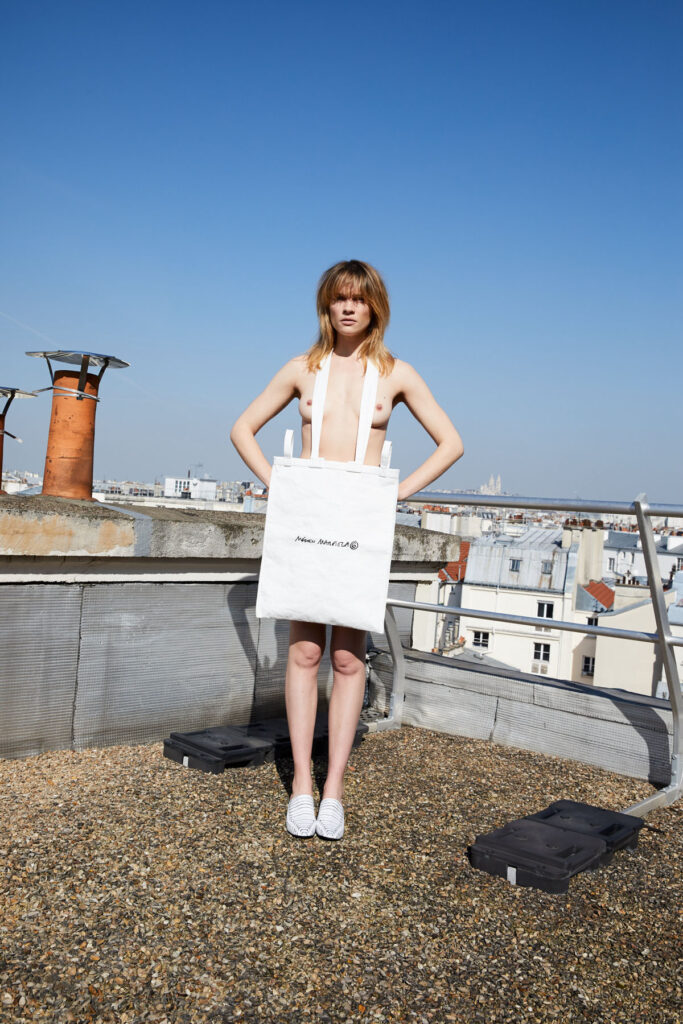
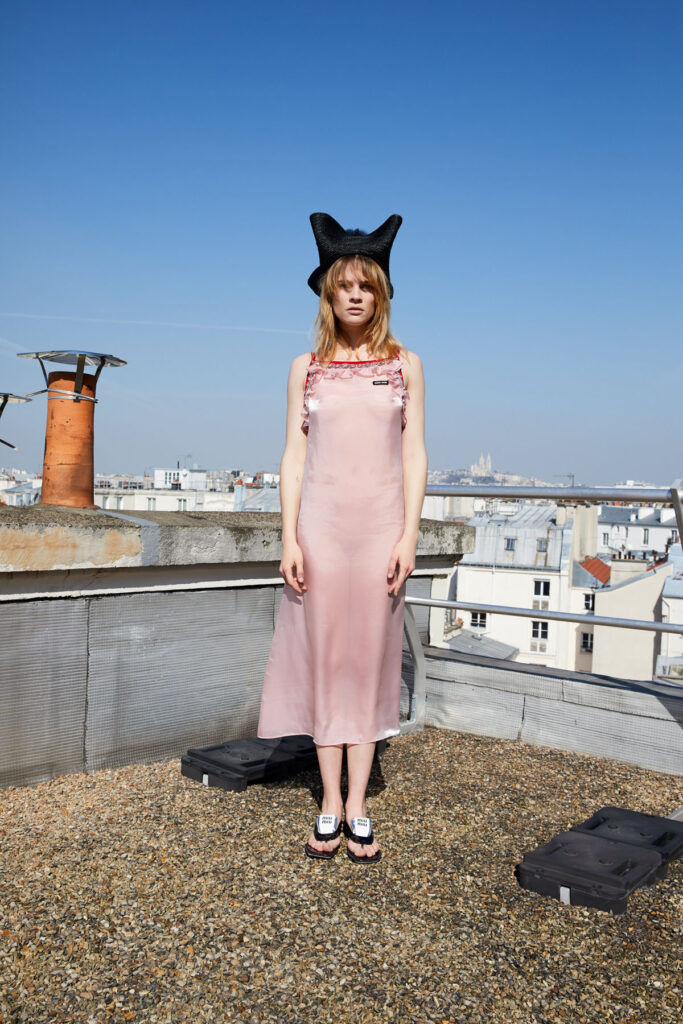
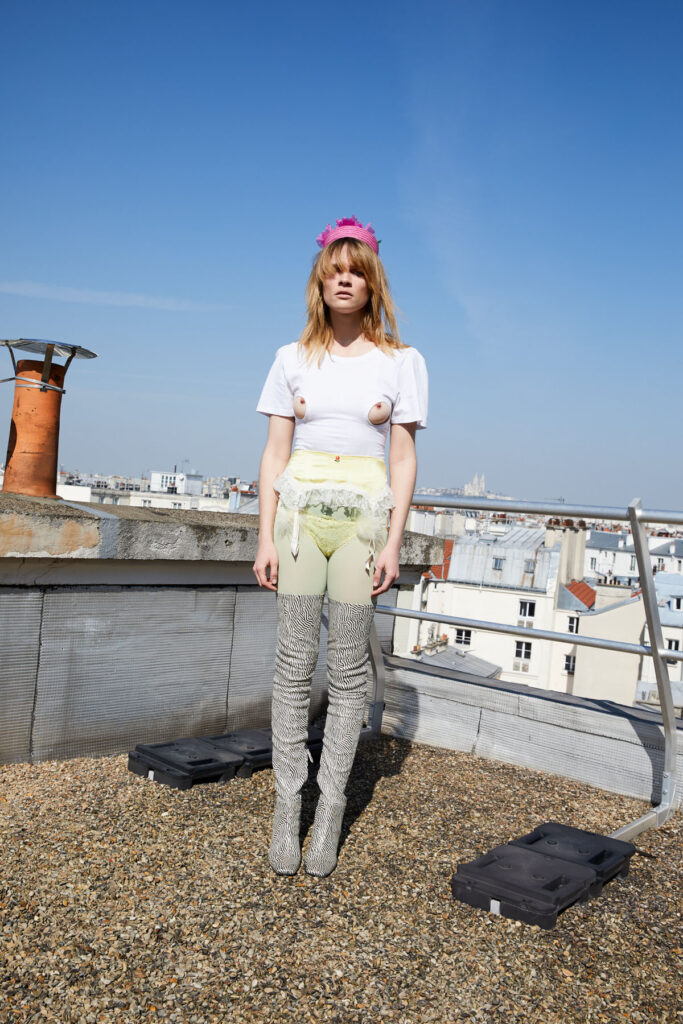
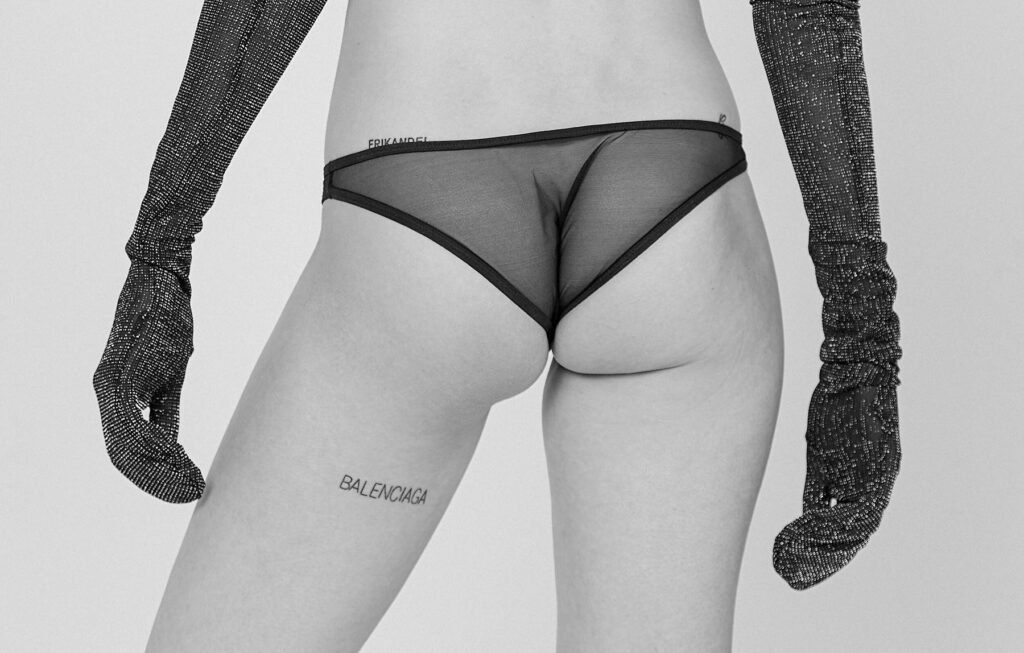
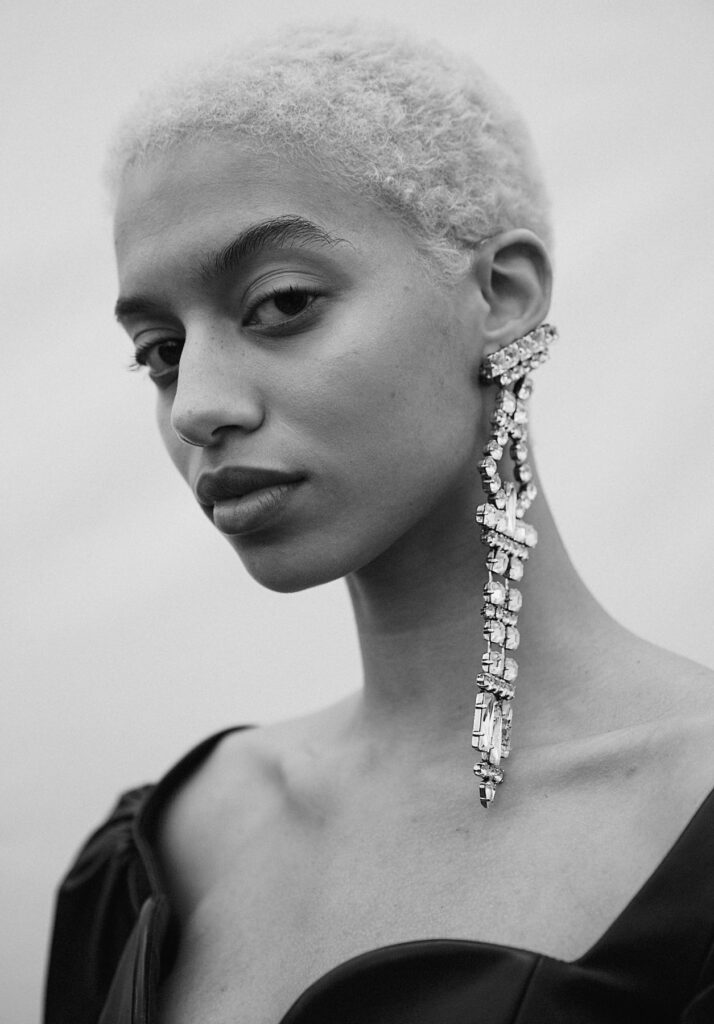
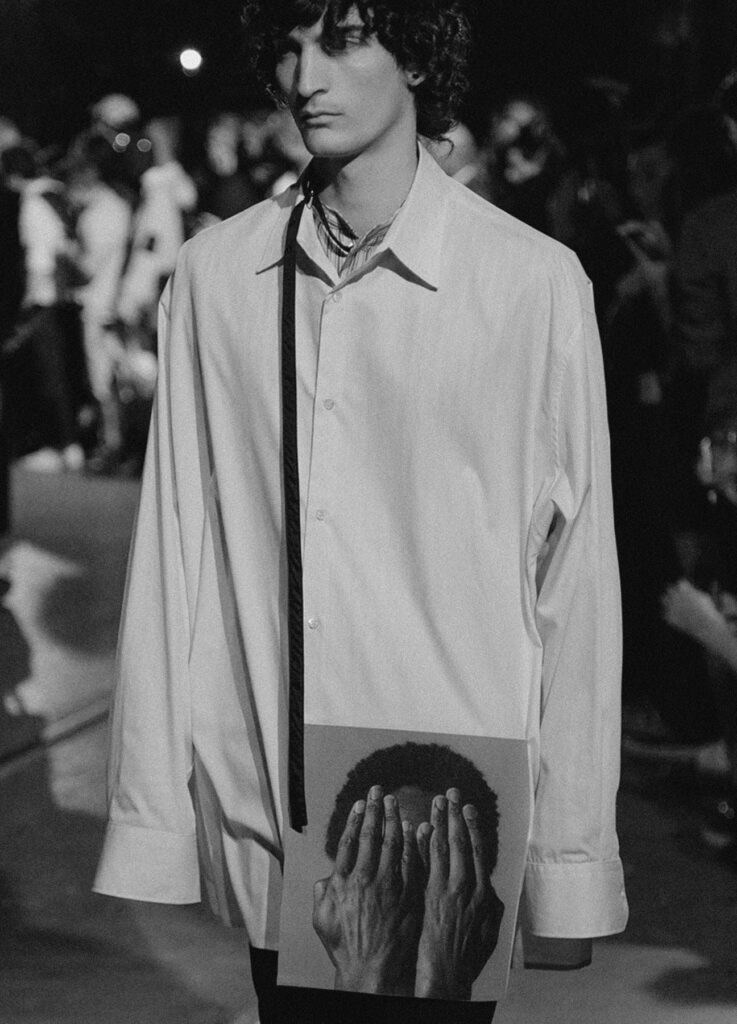
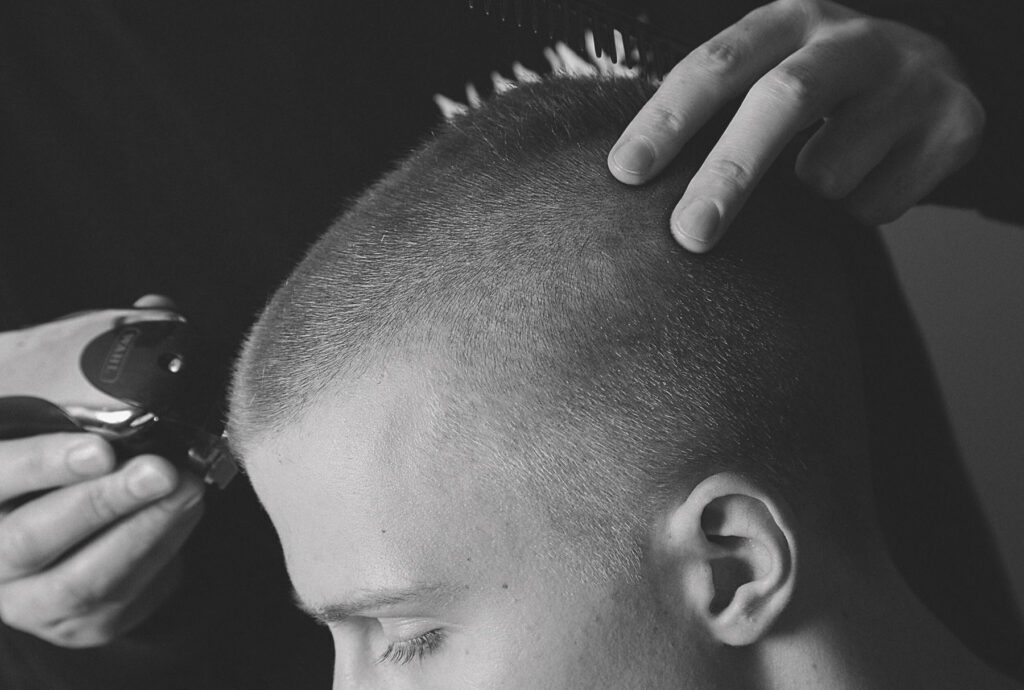
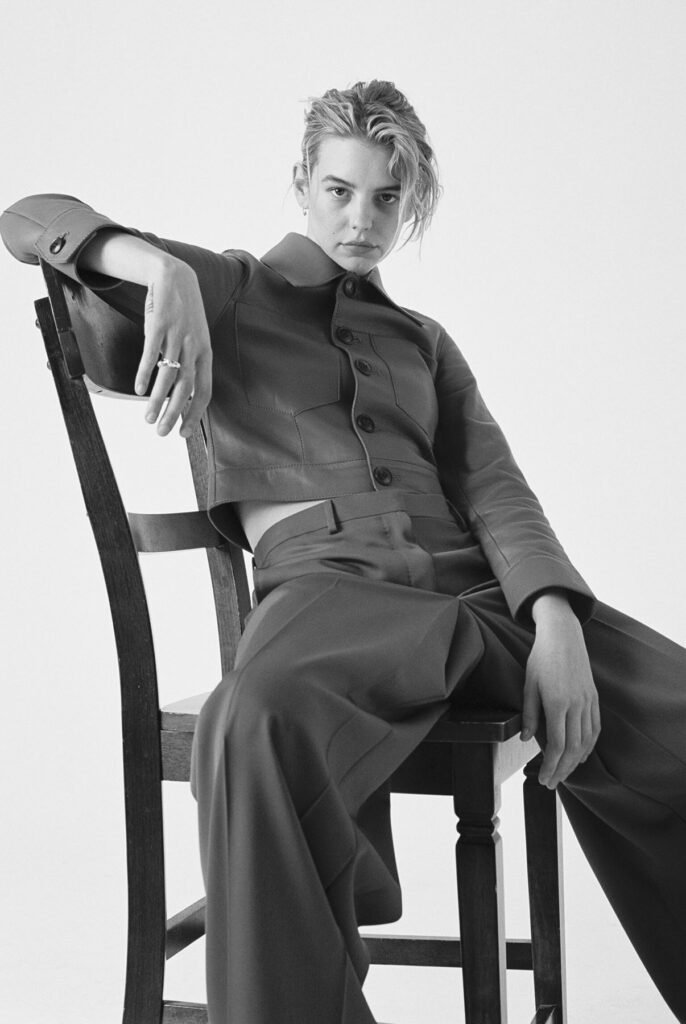
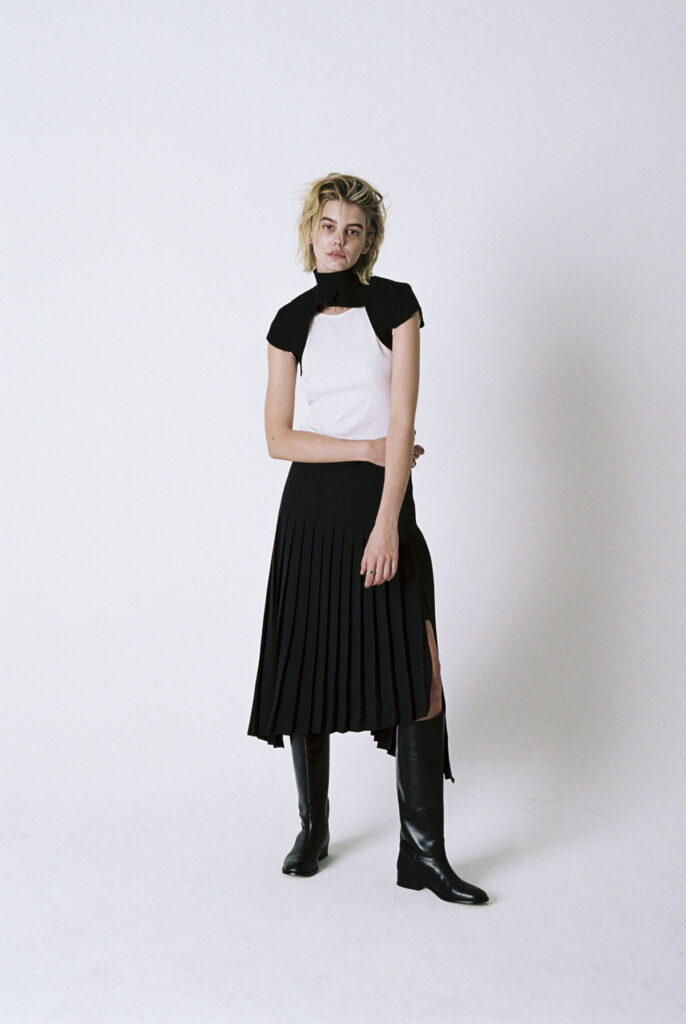
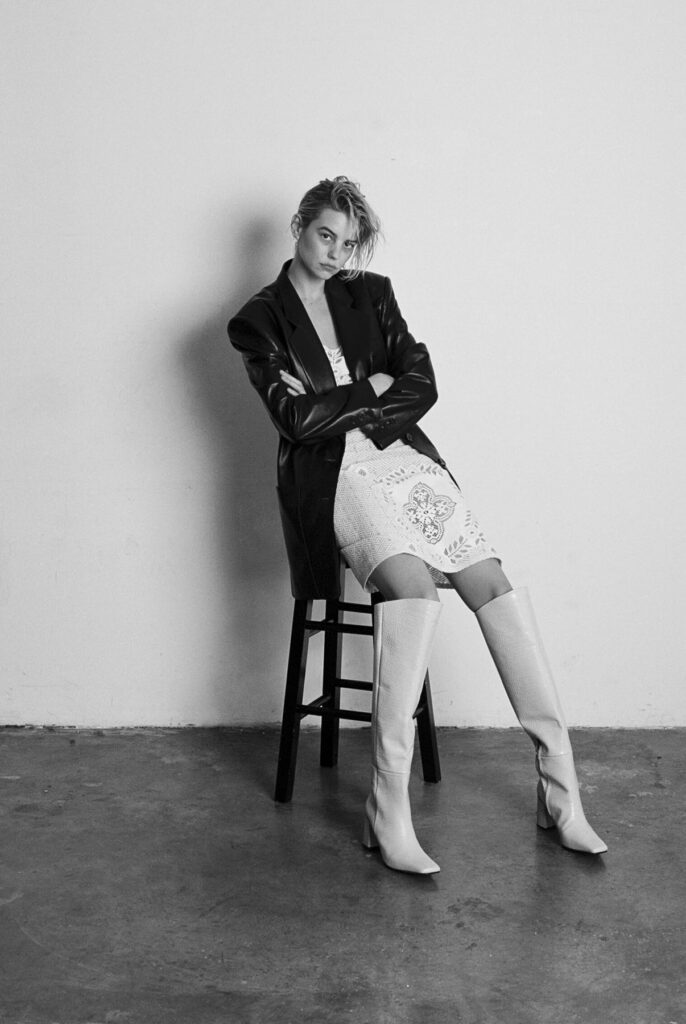
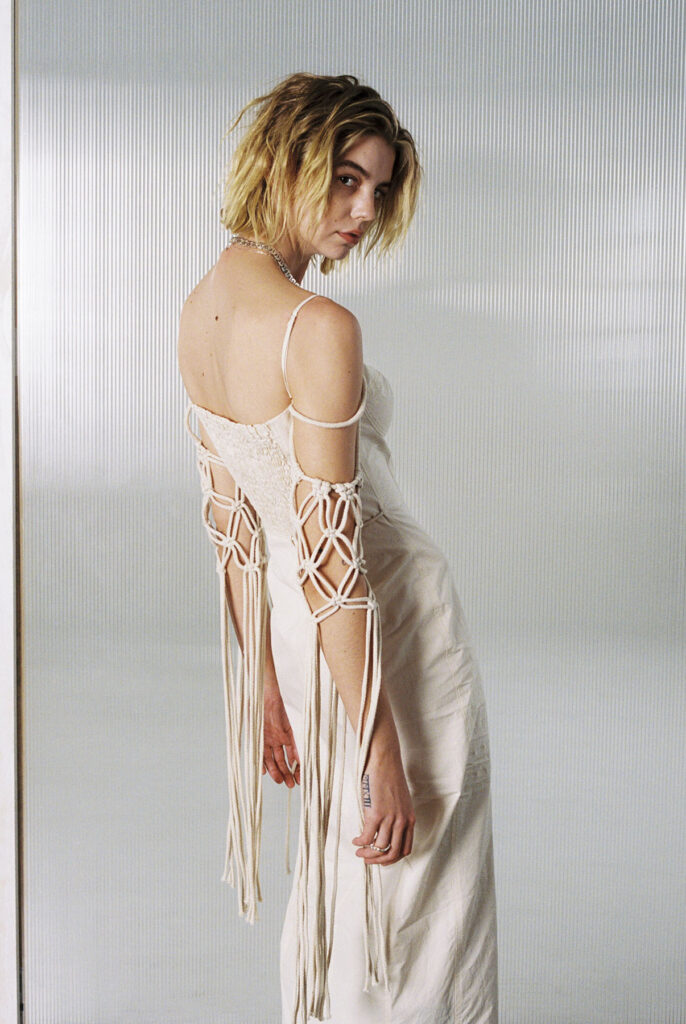
Virginia Arcaro is a visual artist whose work spans the realms of painting, collage and photography and explores personal connections with contemporary culture, art and high fashion. Working with the likes of Dior Homme, Acne Studios, Arcaro’s editorials integrate elements of fashion and art history with her own personal vision. The result is an impressive and authentic body of work that is sleek and carefully considered. Arcaro’s practice draws inspiration from a range of subcultures and the limitless potential of photography as a medium.

NR looks into Arcaro’s influences and creative process across both her personal and editorial work to learn more about their artistic production. 

You have a really interesting body of work that ranges from high fashion to more intimate, personal pieces. What have been some of your favourite photography projects to work on? 

Definitely the projects in which I had the freedom to express myself and my creative vision without many boundaries and limits. And those in which I tried to simultaneously blur and establish the lines between art and fashion.  

How did you start getting into photography? 

Since I was very young, I’ve always had my camera with me. I was constantly shooting. It has always been a passion. On a professional level, I started immediately after graduating from the Academy of Fine Arts, collaborating with my boyfriend at that time, shooting the collections of his brand and also curating the creative direction of every photographic project with him. Soon after, I started working as a backstage photographer during fashion shows in Milan, Paris and London, and at the same time I was shooting editorials for magazines and commercial works for various luxury brands.  

How much does fashion influence your work and creative process? 

Fashion is both a means of expression and a source of inspiration. It definitely affects me a lot, but not so much to overwhelm my creative process. When I started working in fashion, I was quite clueless about how complex the industry was. Working in the field and having had the opportunity to meet and collaborate with so many different people helped me learn a lot. I feel honoured and will forever be grateful to have had the opportunity to document the incredible work of designers I love and admire. 

What has impacted your creative vision the most? 

My background and cultural experiences, music, my love for rebellious youth cultures and subcultures – when they could still be defined as such. And having studied art history for years, I can’t deny that traditions and classical references also played an important role in impacting my vision.  

What people and places do you draw the most inspiration from? 

From authentic people, radically different people, confident outsiders. I’m inspired by any place I have a connection with – a connection that is not only physical but also mental. From all the places I’m sentimentally attached to for some reason. 

How have you managed to stay present and creative during the past year? 

Last year was surreal, but I think it had a positive impact on my life and it helped me a lot on a creative level. My job has always led me to travel continuously, and I’ve always loved traveling in my free time too. I had to learn to stop and be in one place for months, so I had time to recharge, time to reflect and time to develop new creatives projects. I learned to rediscover myself, my body and my mind through photography, immersing myself deeply in the essence of art.

How do you choose your subjects and the people you photograph? 

Each person is unique, and I choose them for different reasons. There’s no rule. I understand immediately when I like a subject. 

Is there a main message you want to say with your more personal photographs, or do you find it’s more of a relaxed and natural process? 

It’s a combination of both. I feel it’s a natural process for me to shoot something with a meaning, or a plurality of meanings. Each image contains messages and symbols that lead to a different dialogue. Interpret as you will. 

Virginia Arcaro’s work has been featured in Dazed Digital, AnOther Magazine, Vogue Paris, Vogue Italia, Vogue UK, Harper’s Bazaar UK, Highsnobiety and more.

Arcaro’s work can be found here virginiaarcaro.com
Bradley Sharpe

“It has developed, suffered and excelled – all in one breath”

How could one forget the wearable gargantuan mantua tents that, no longer than a year ago, stole the spotlight of fashion?

We are talking about it today, and we’ll definitely be for a while. British designer Bradley Sharpe graduated from Central Saint Martins last summer, and his vision has not skipped a beat since. The visionary creator opened up to NR about the launch of his own brand, his debut collection and the responsibilities descending from being a contemporary designer.
Authenticity remains at the core of his priorities, admits Bradley. Not only are we looking at what we put out to the world, but, most importantly, what we say. A highlight of his process falls onto accountability as well – a gentle reminder that fashion should never be taken with a grain of salt – “It’s not just about you.”, to have a voice, implies responsibilities. Bradley Sharpe: get ready, you will not be bored.

Your graduate collection hit the world with a bang this past year, can you talk us through the inspirations and process behind it?

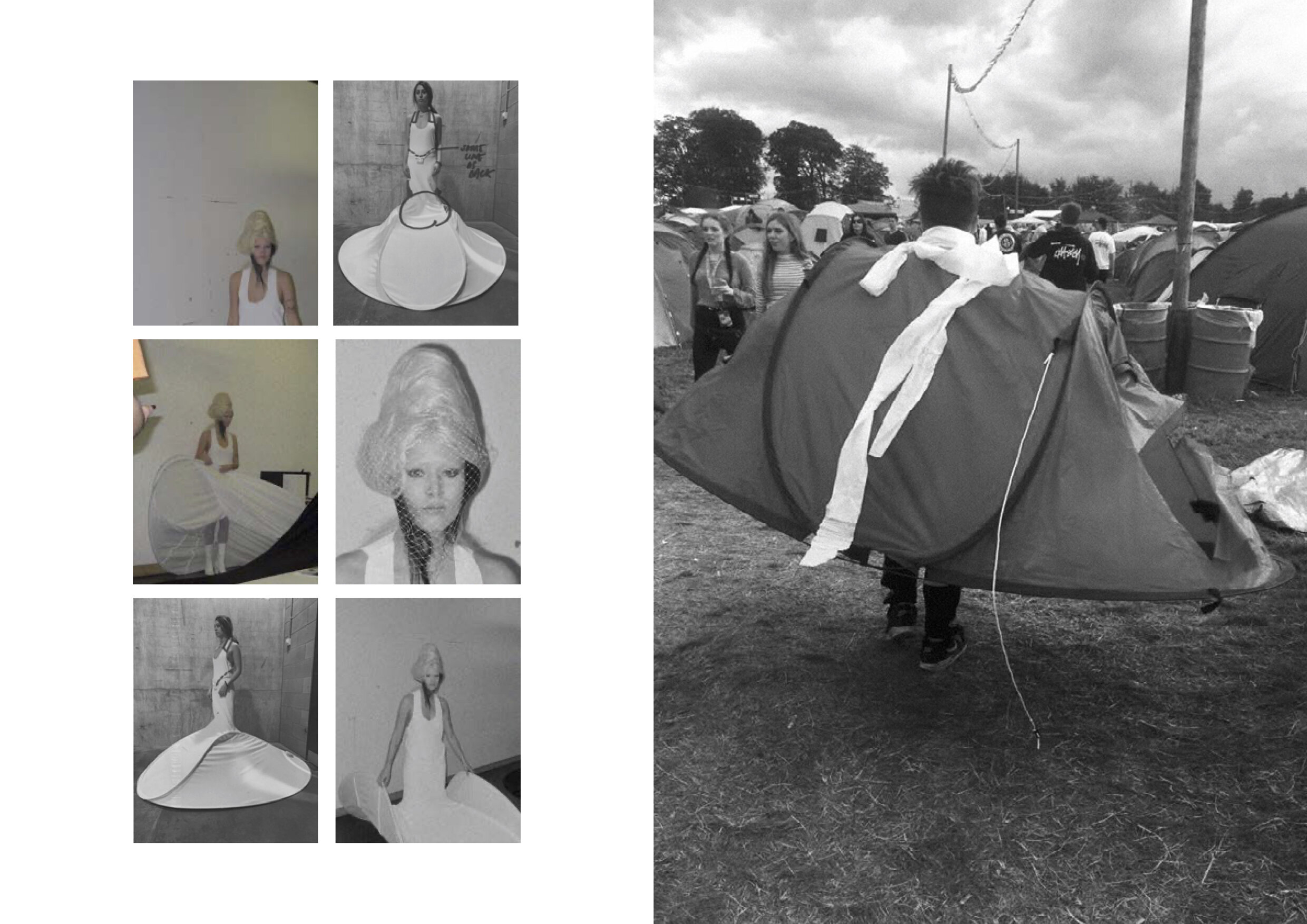
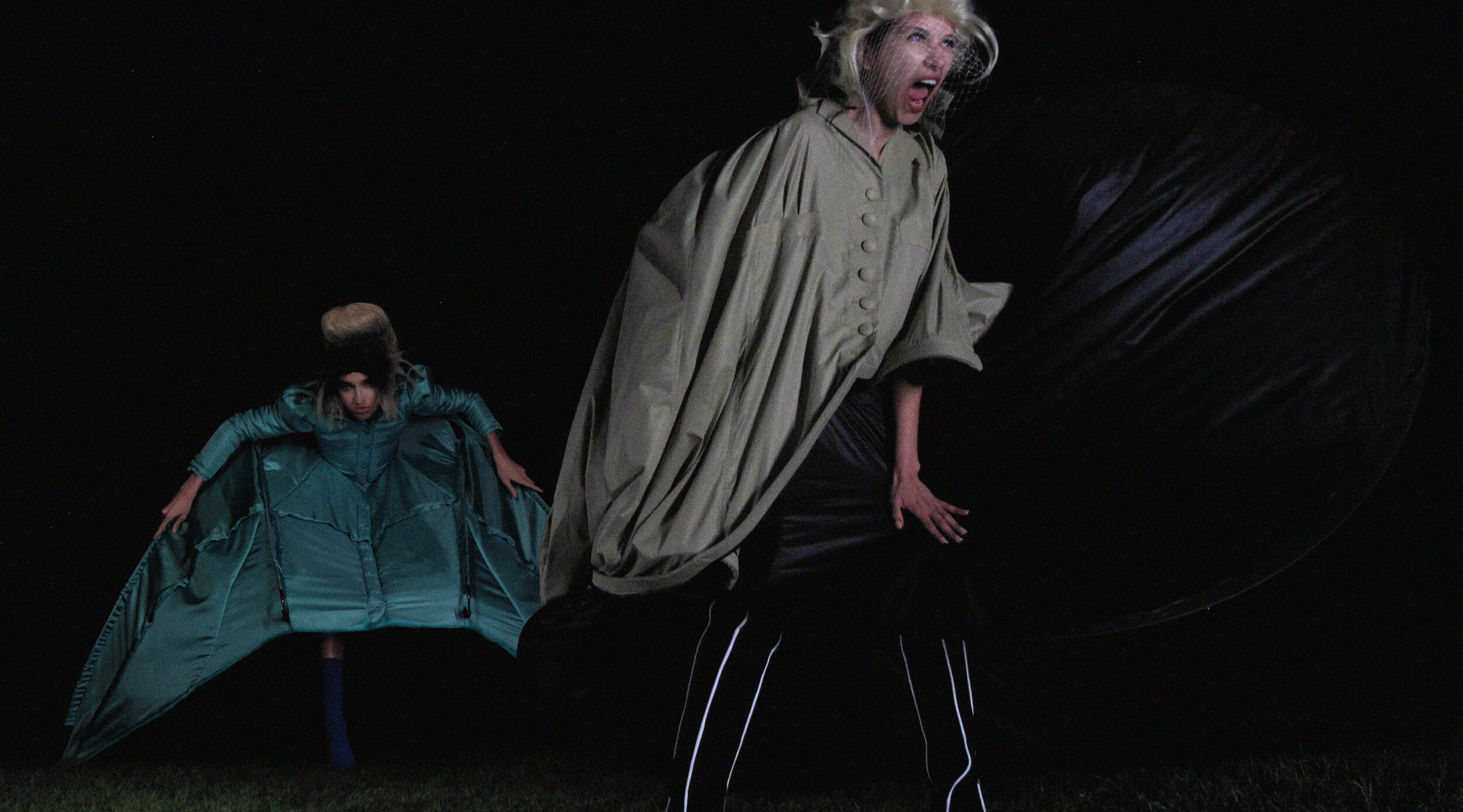
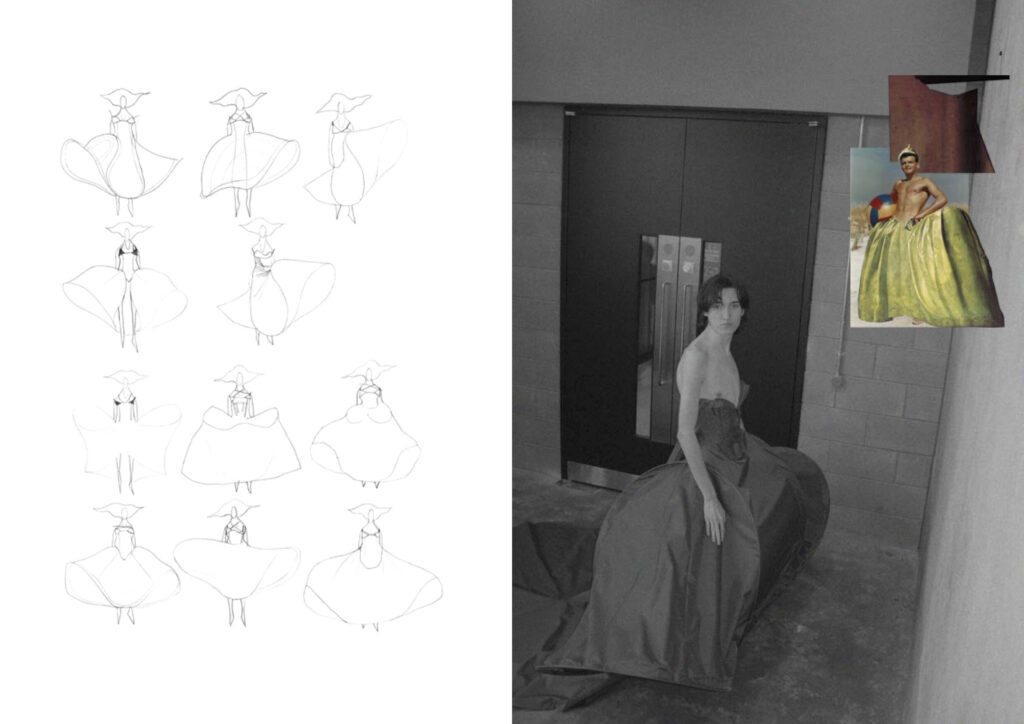
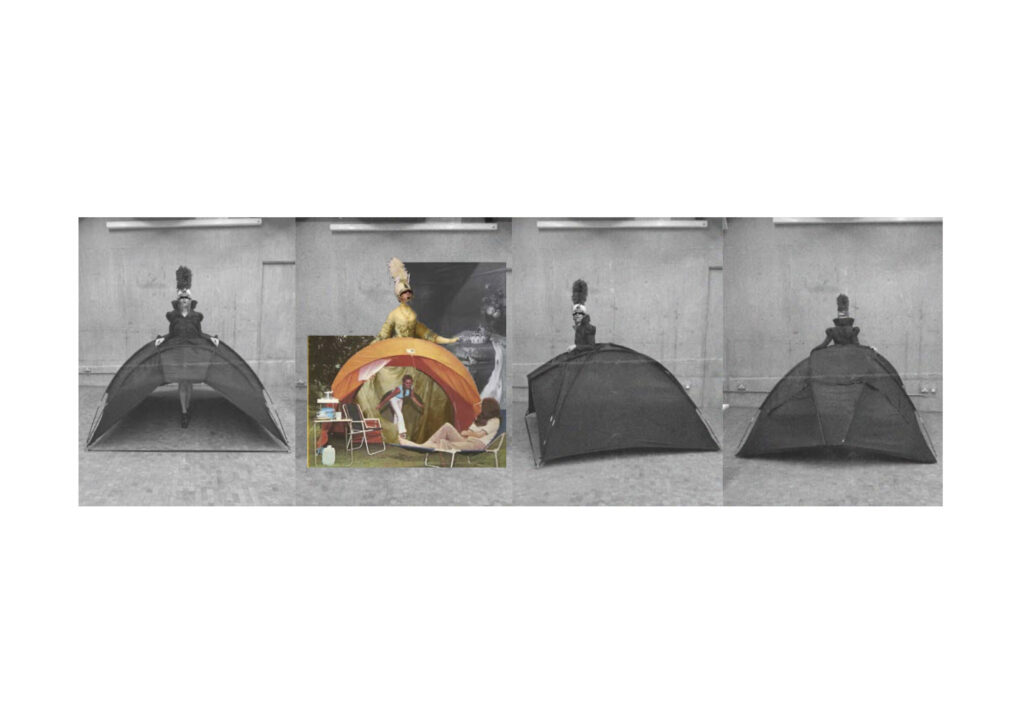
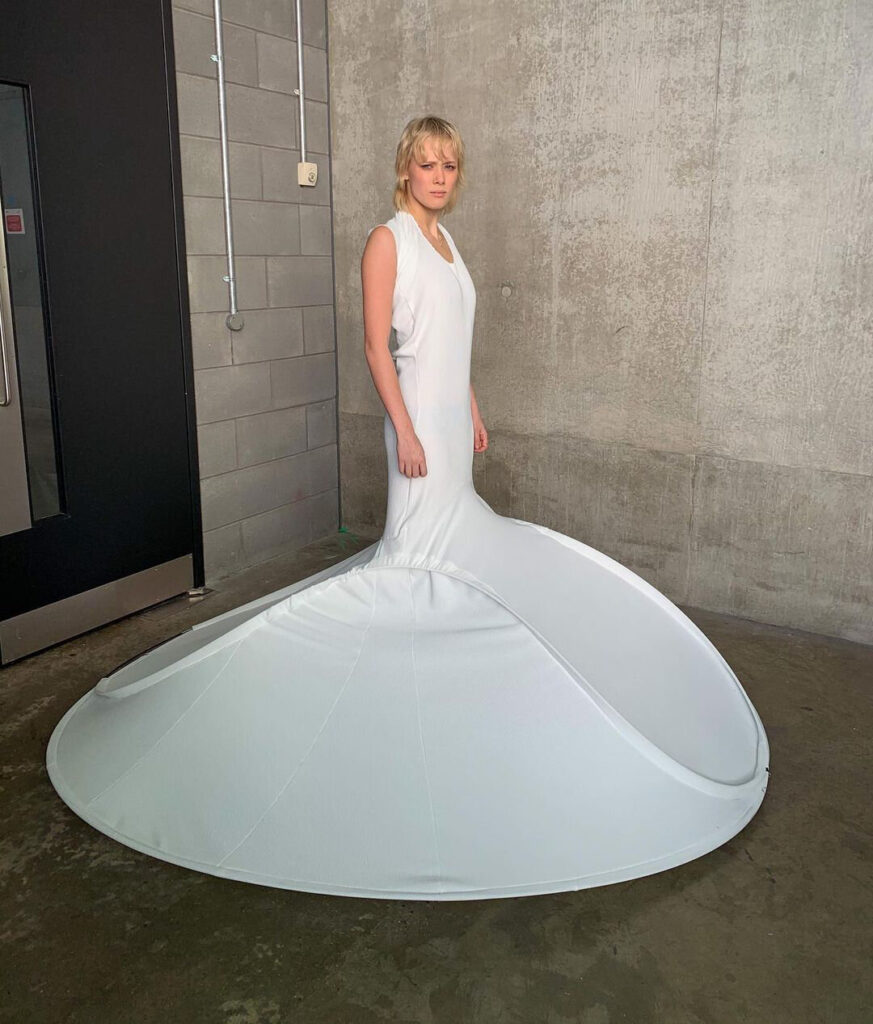
Working at a sex club to financially support my final year, I became fascinated by its unrestricted public hook up culture. I began looking into the historical aspects of hooking up and became fascinated when I discovered the tales of Molly houses and court events. I wanted to find a way to reinterpret the Mantua – a gown worn by aristocratic women in the 18th century – and, after coming across a tent in a charity shop, I naturally began pursuing its idea of volume.

That said, I’m quite a tactile person. My work is always inspired by a body of experiences or things that I’ve come across naturally… Nothing is ever forced, rather completely authentic. I also really liked the idea of a consumer buying a gown, but still having to literally build it themselves.

What hides inside these tents?

My sleep paralysis.

What inspires and pushes you to create?

I’m privileged to live in London. To be surrounded by relentless creativity which always pushes me to do more.

What has been your greatest achievement so far?

Probably working with some incredible people recently. From Lady Gaga and Tim Walker, to my fantastic and ever inspiring studio team.

Looking back at your experience at Central Saint Martins and Marc Jacobs in New York, how has your view on fashion changed?

This year alone, the industry has changed astronomically. It has developed, suffered and excelled – all in one breath. More than ever, the difference between then and now is that the future of fashion lies within its young designers.

“People are no longer looking towards the successful fashion houses for an opinion, they’re looking towards us”

What is the most valuable lesson you have learnt from it?

To be authentic.

Stepping into the world of fashion during such hard times must have demanded a lot of backbone. How have the first months of your career outside of university been?

It’s been a breath between exciting and manic. I’ve learnt so much by getting things – so – wrong: that is just the process of growing independently. I’m still so blessed to have a small team that’s so committed to the vision.

After my graduation (Ed.), it’s taken me a while to get started again: I am not in any rush to put out my debut collection. St. Martins felt so unnecessarily rushed. I cannot talk about, nor consider sustainability, if you’re going to work yourself or your team like a horse. Good things come at a good time, and I’m comfortable with that.

What are the biggest challenges for a young designer to start up their own brand?

It is probably about getting your head around the construction of a brand, and how to entirely build one from the ground up. Being an adult, configuring a business, it is totally different from being an 18 year old who just wanted to have their own brand. You can be street wise, but still, you have to be smart and make responsible moves. It’s not just about you.

What responsibilities descend from having a voice in contemporary fashion?

You have to be authentic and use your practice as a way to ascend your voice. Popular opinions aren’t necessarily always correct – just do what you want and say what you think.

We are all very excited for what is next to come. What are you working on at the moment?

I’ve been working on my new collection these past few months and it’s finally started to take shape. I cannot wait to share it with you very soon.

Credits

Images · BRADLEY SHARPE
https://www.instagram.com/bradleysharpe/

Jenn Kang

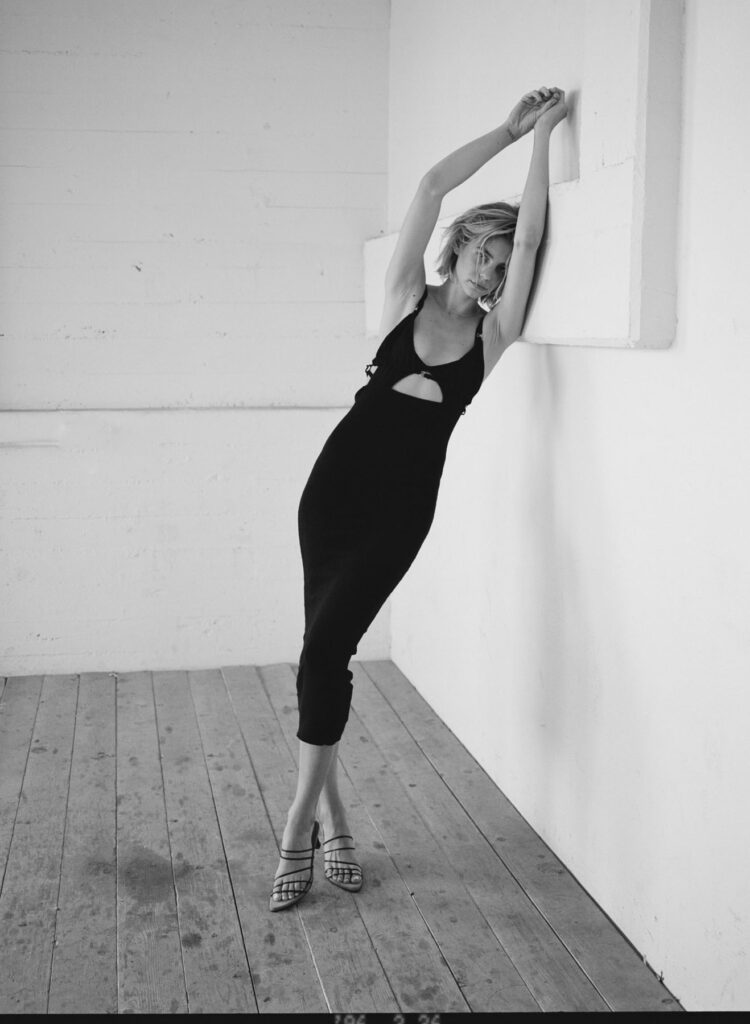
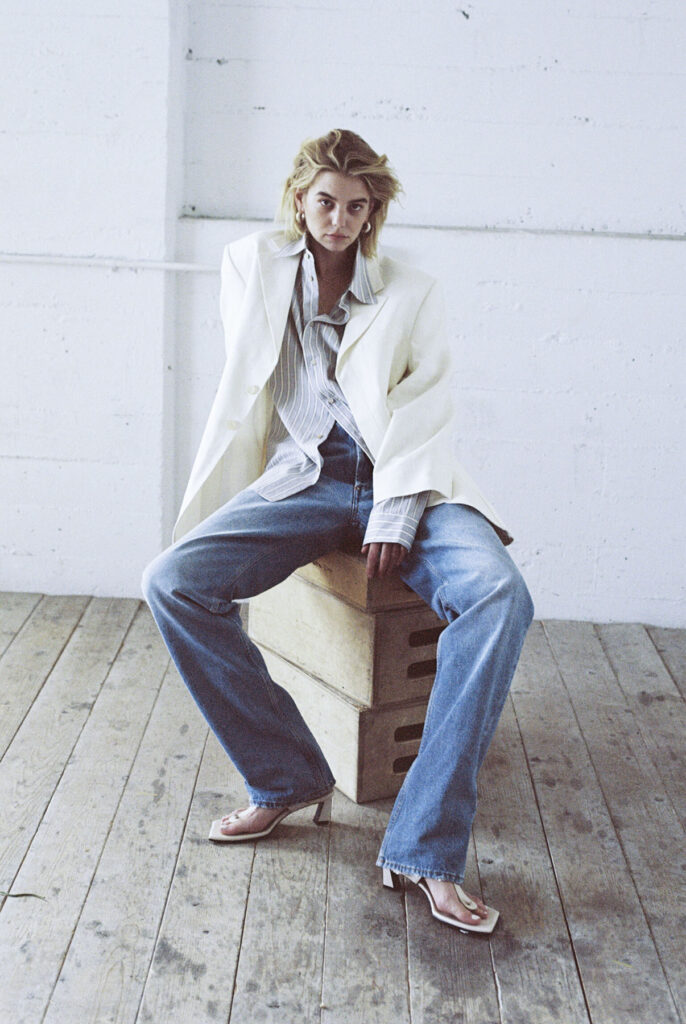
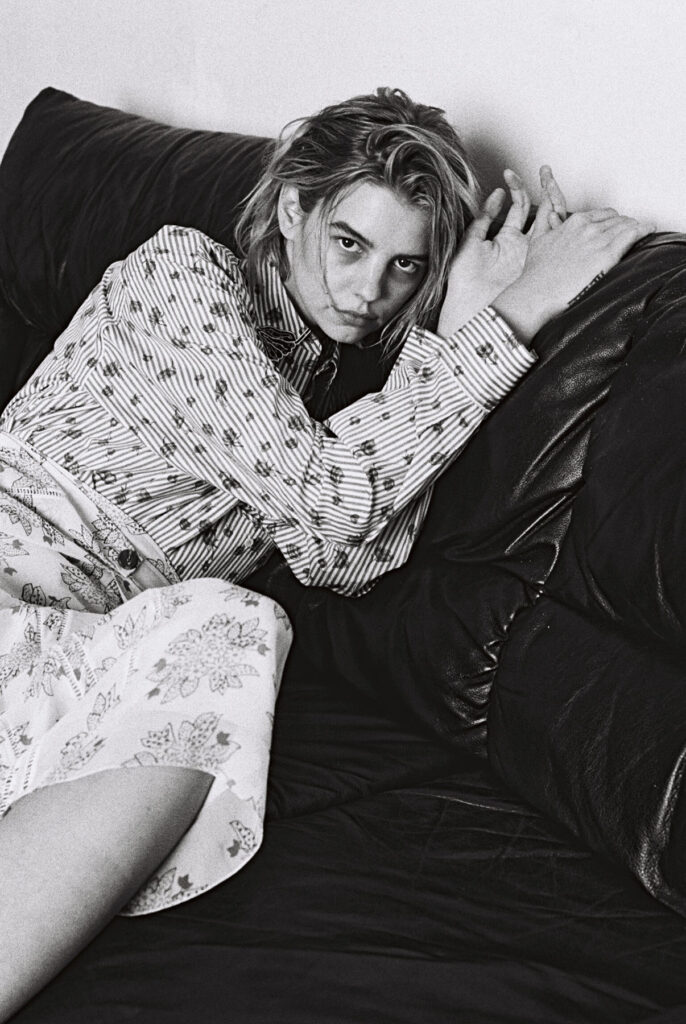
Journey

Team

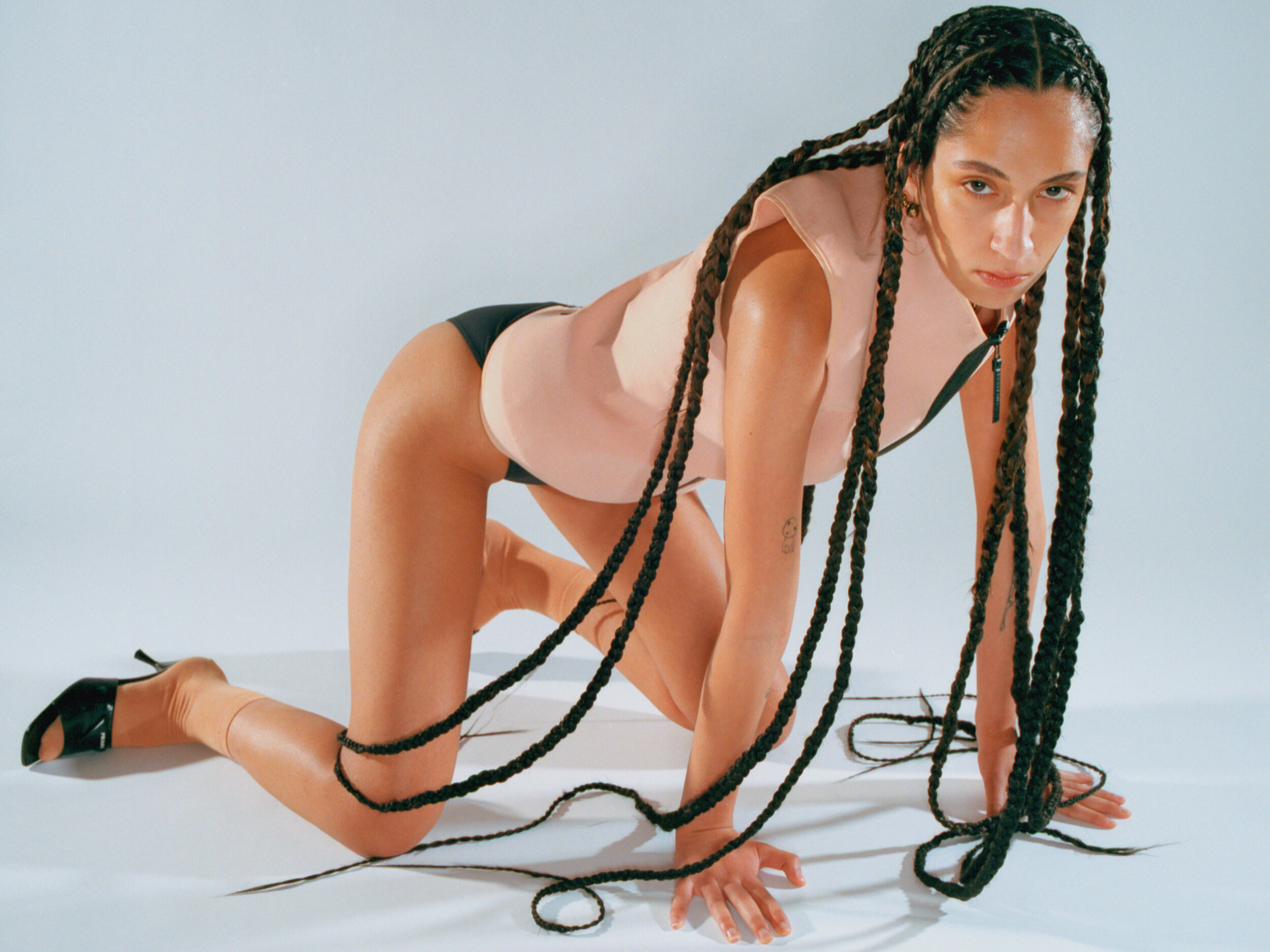
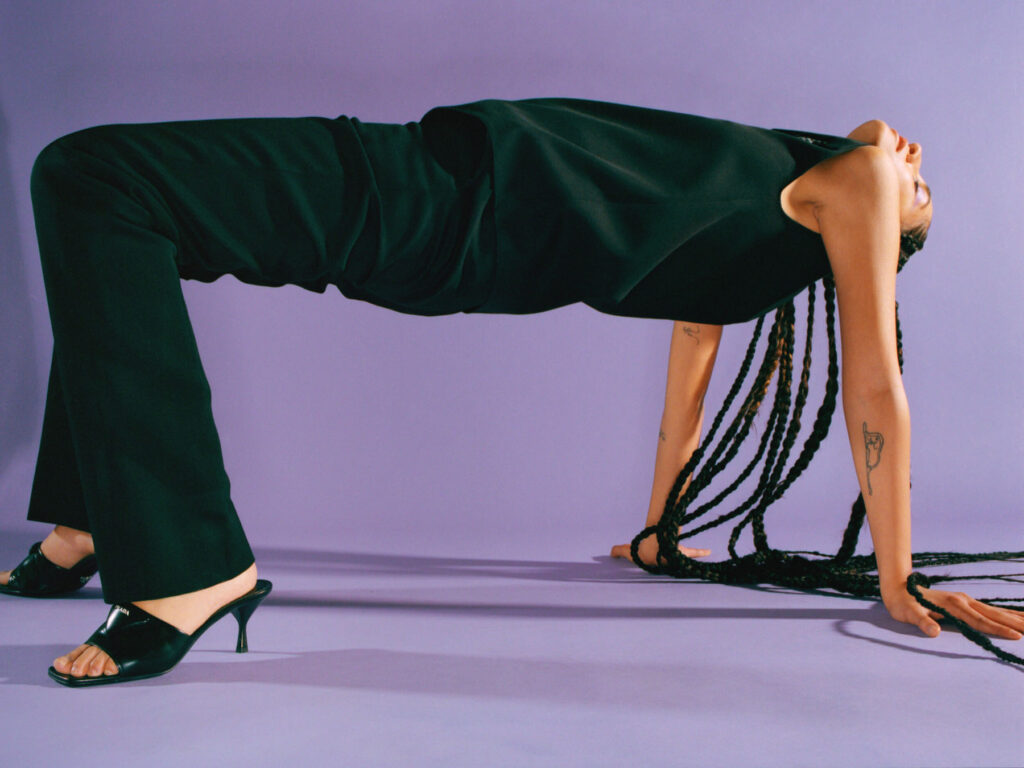
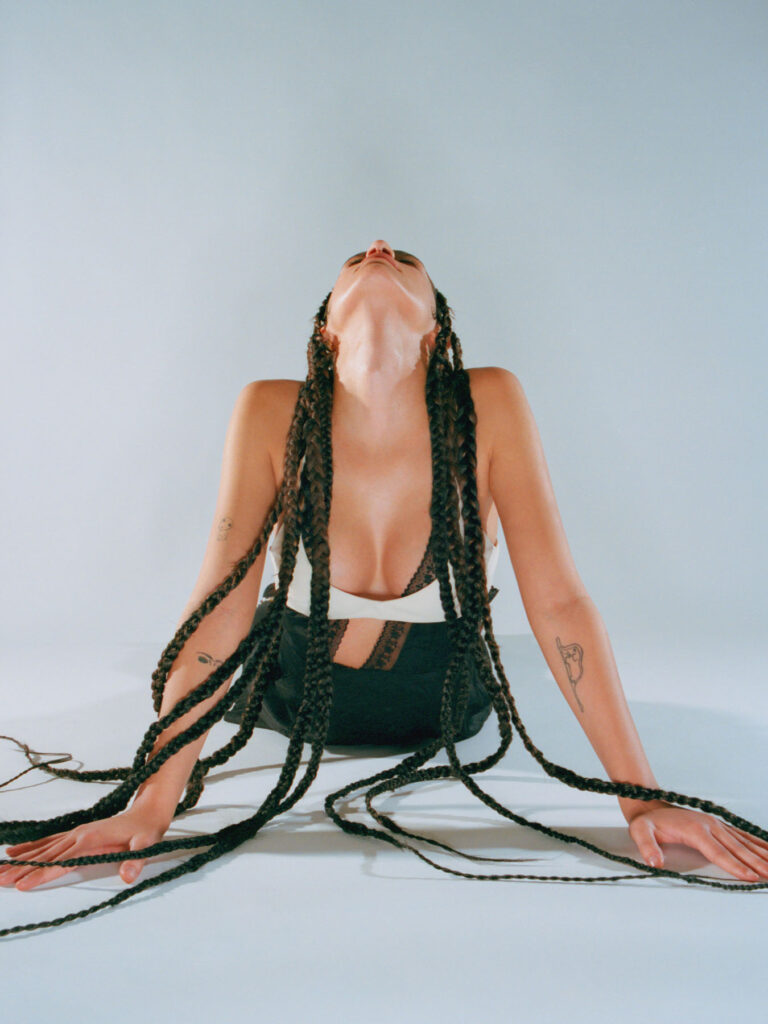
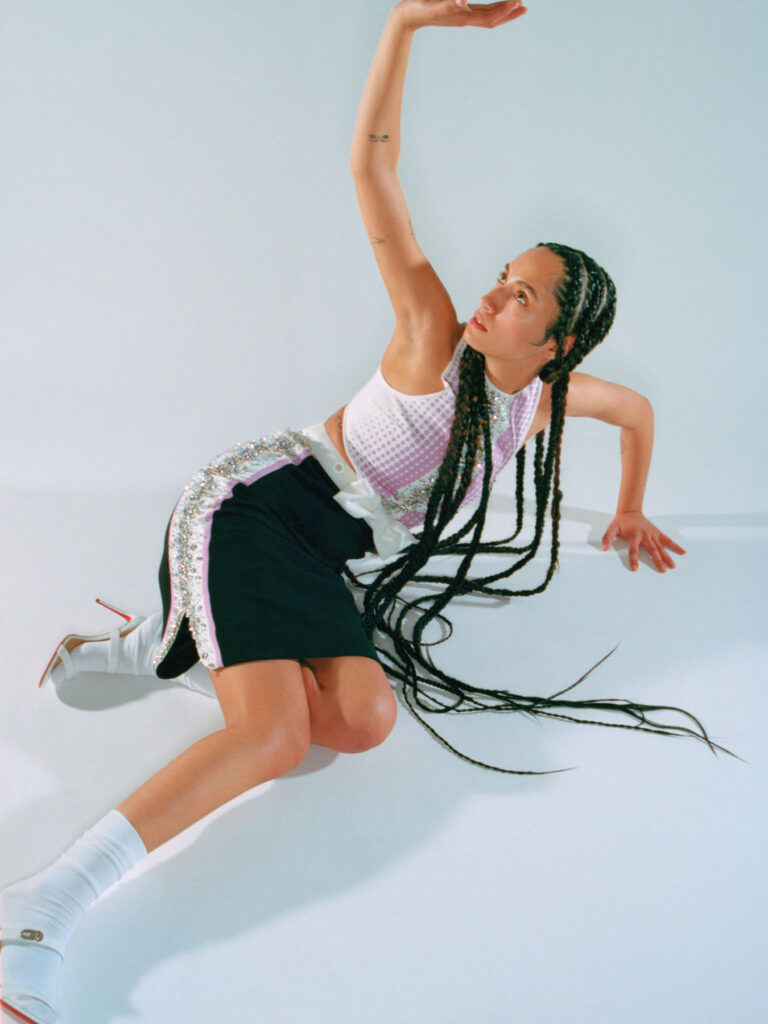
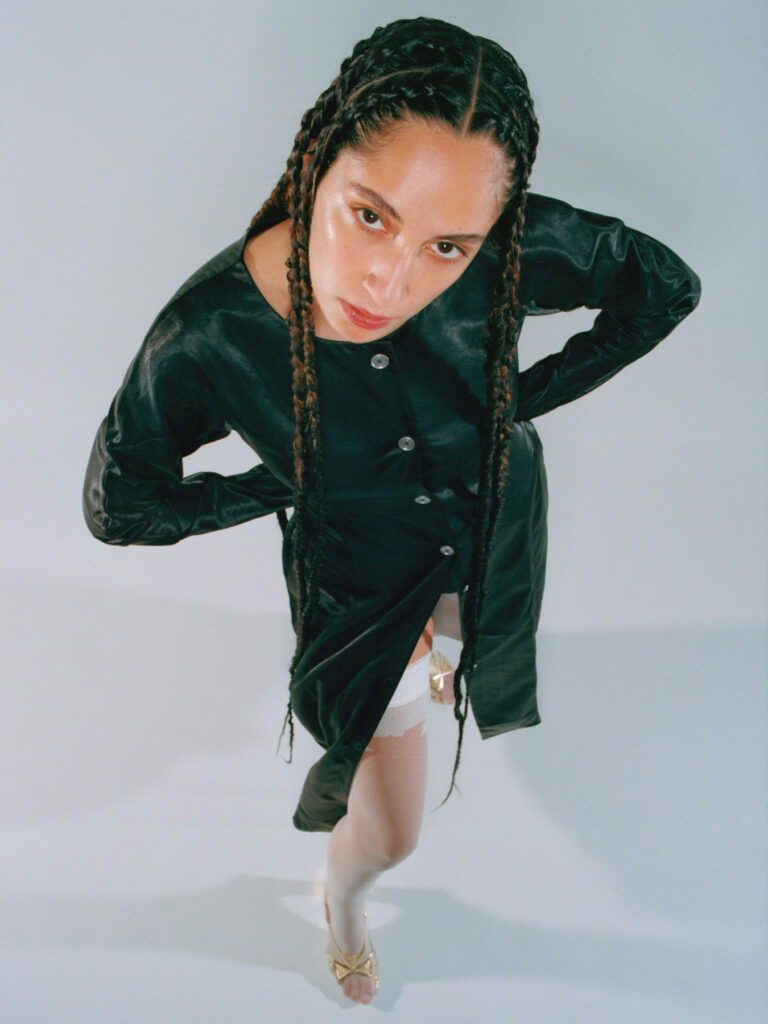
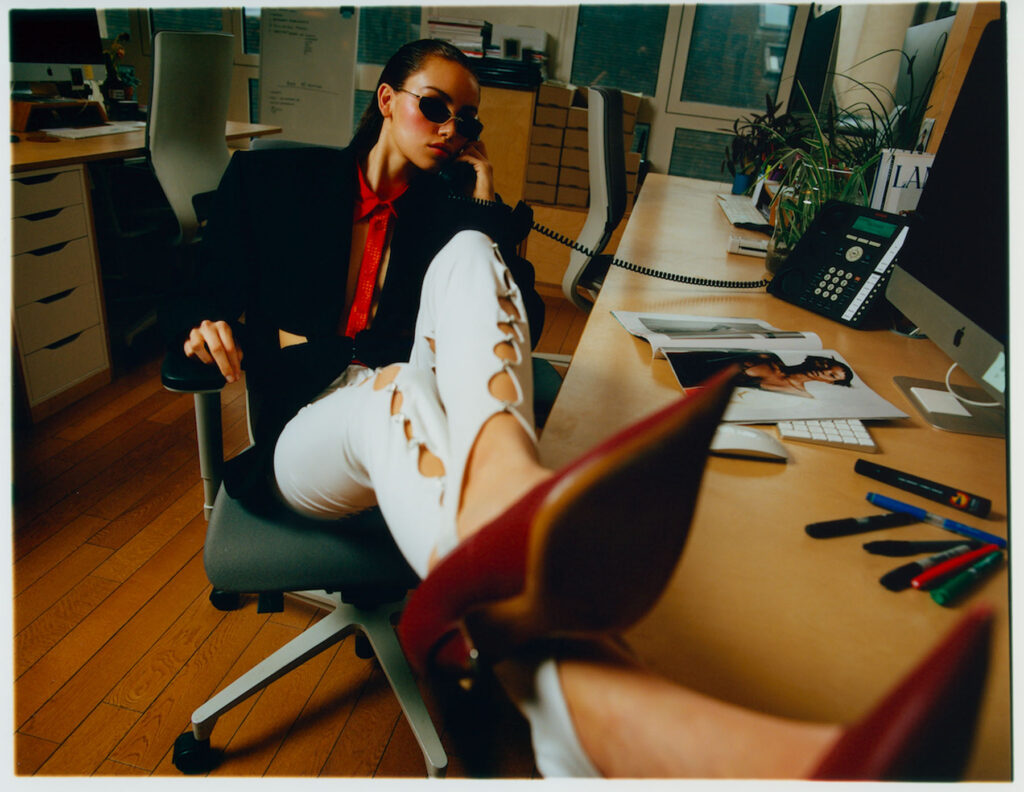
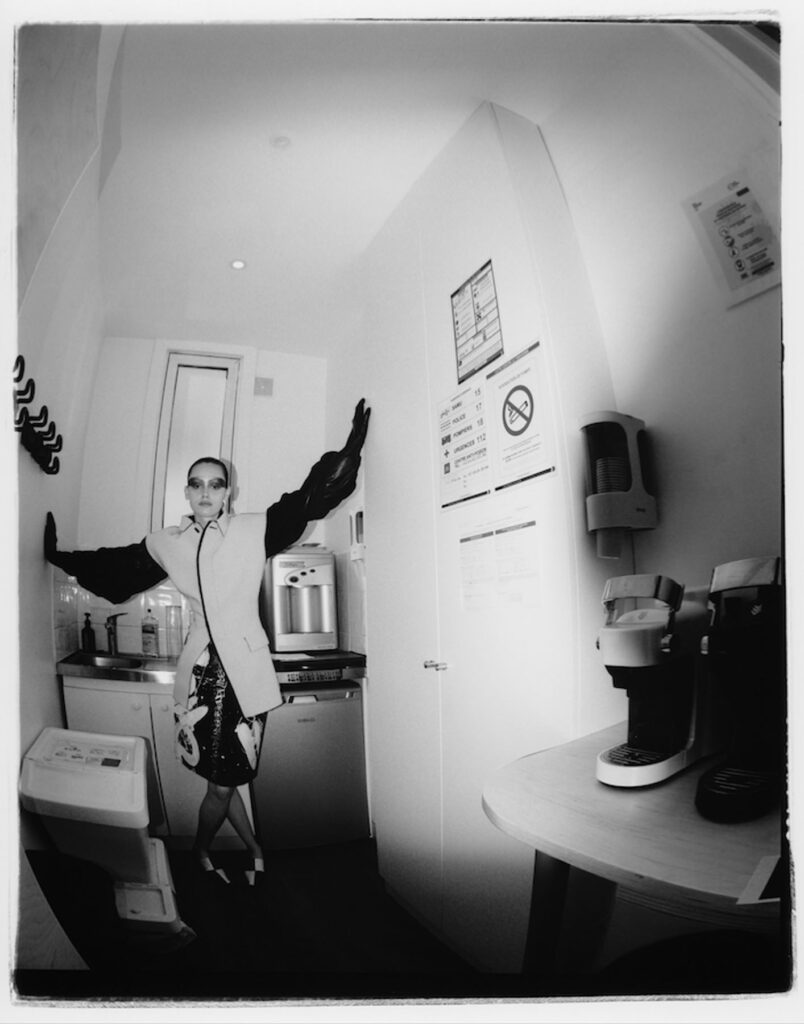
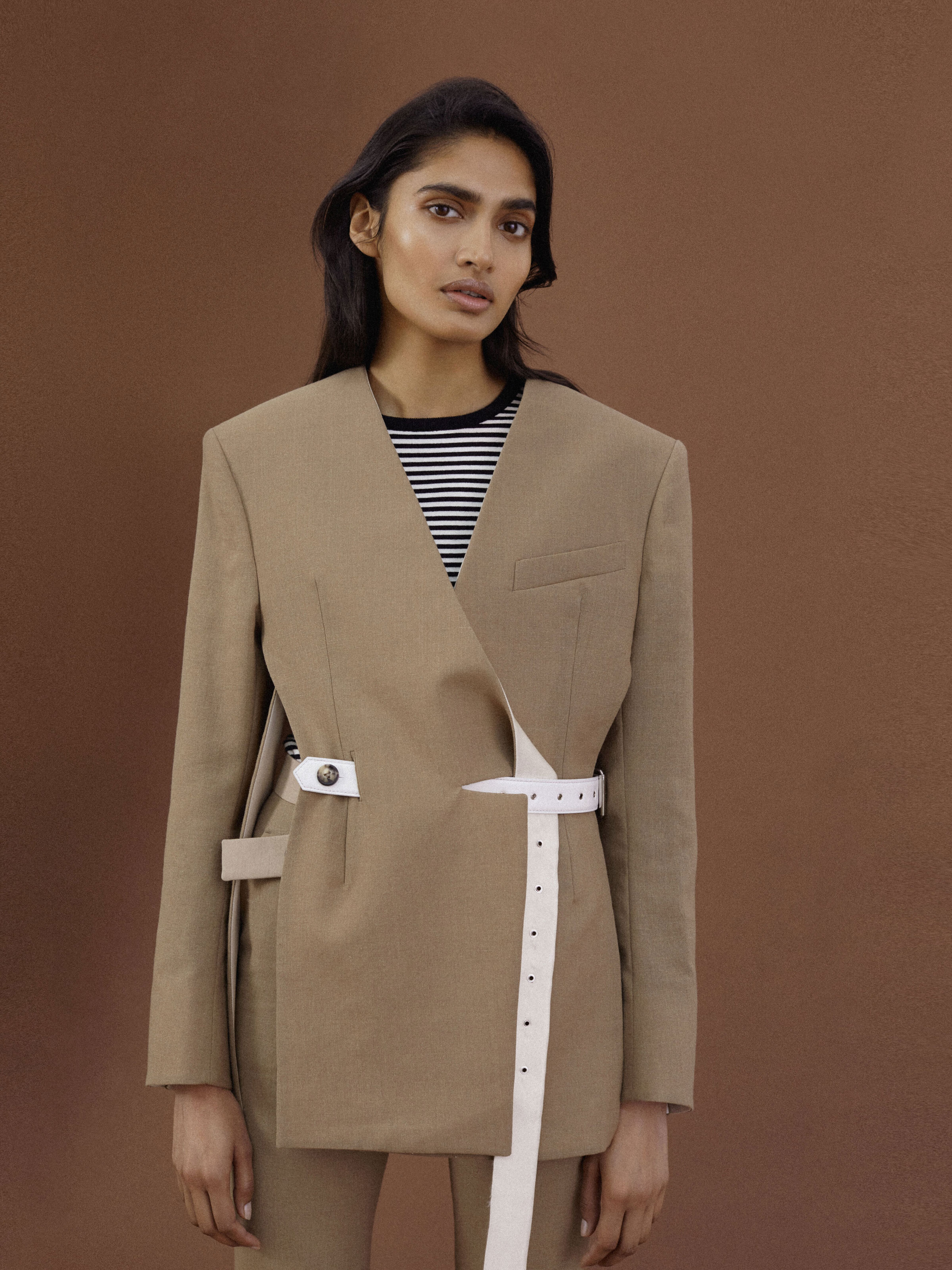
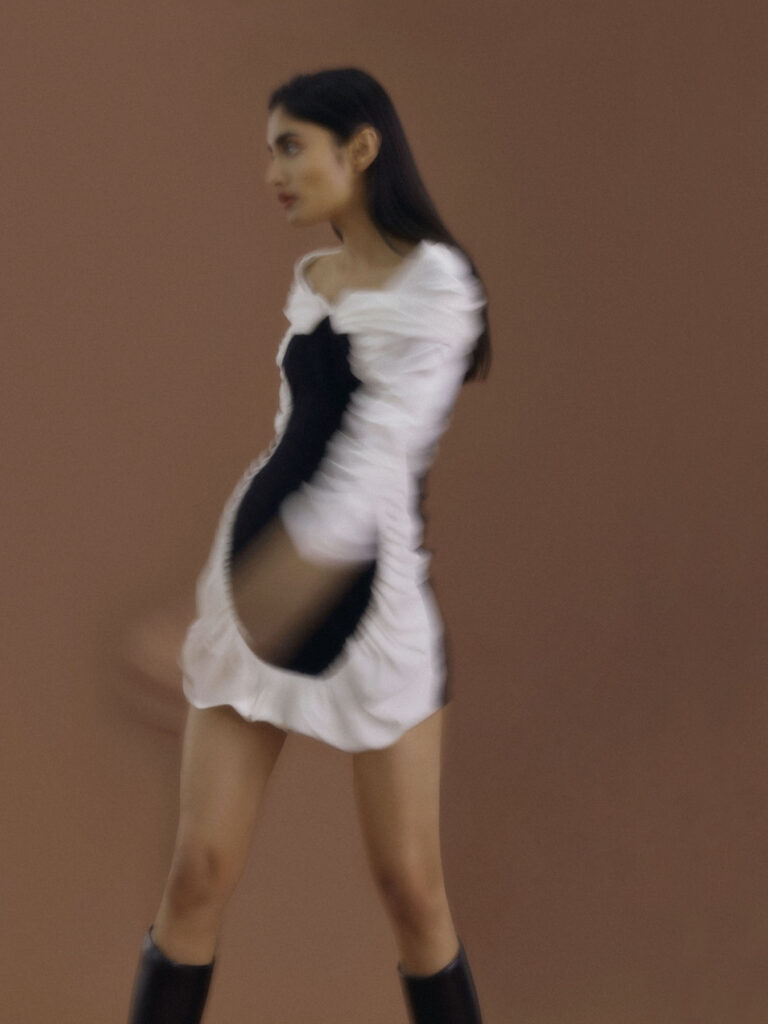
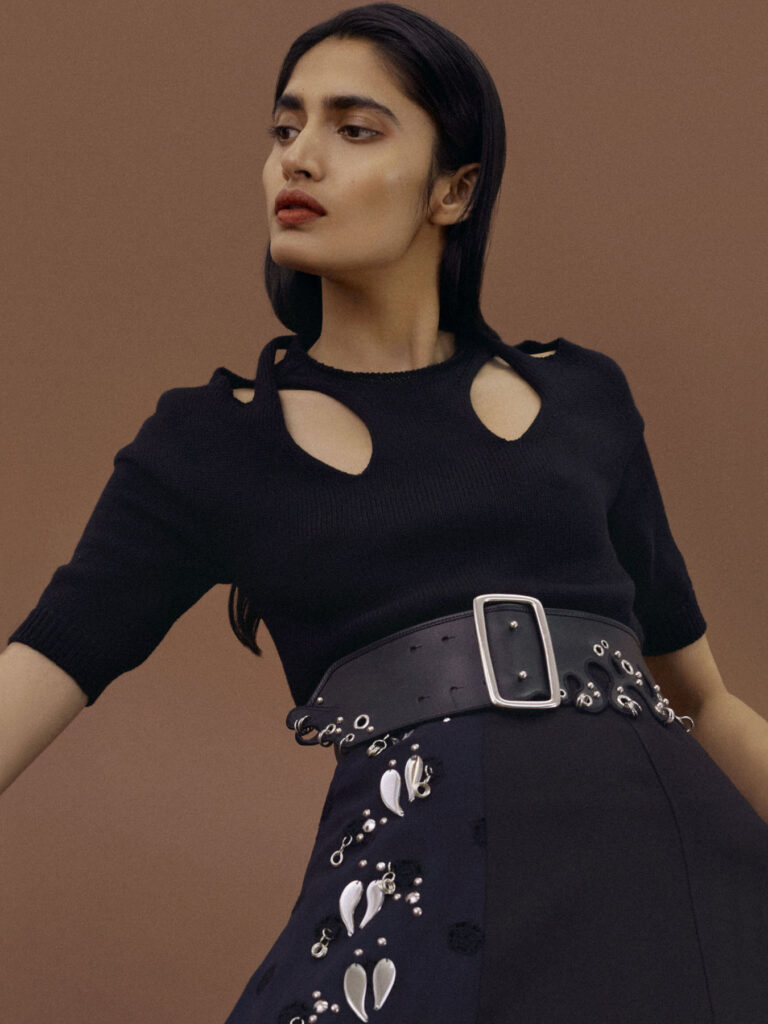
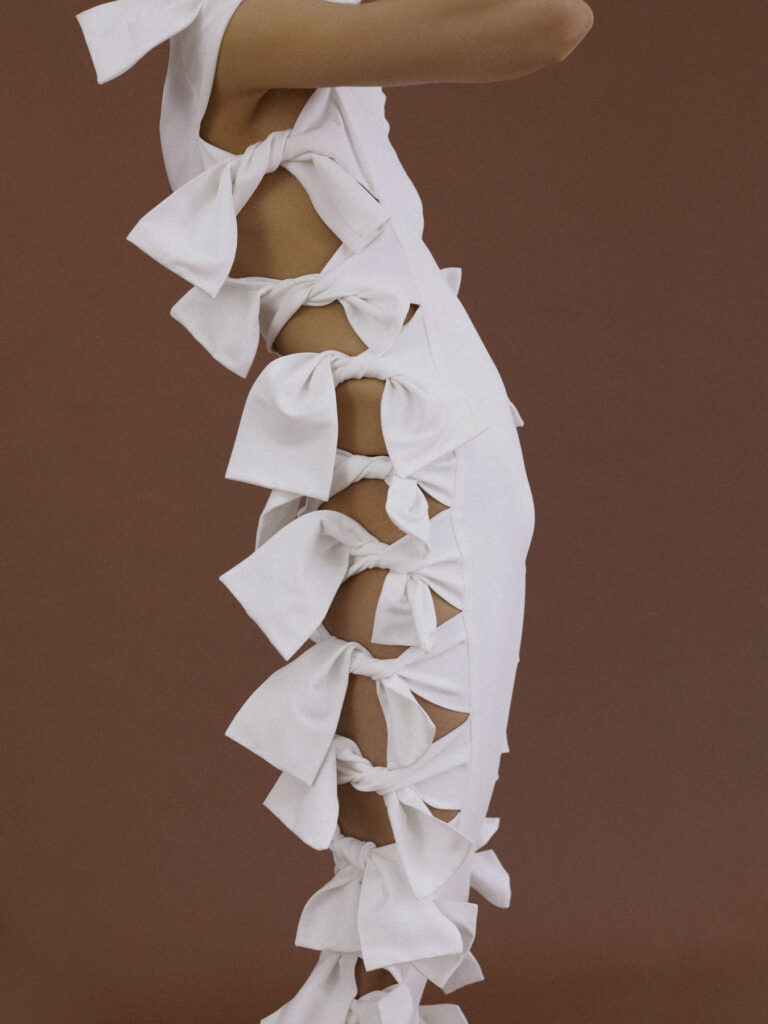
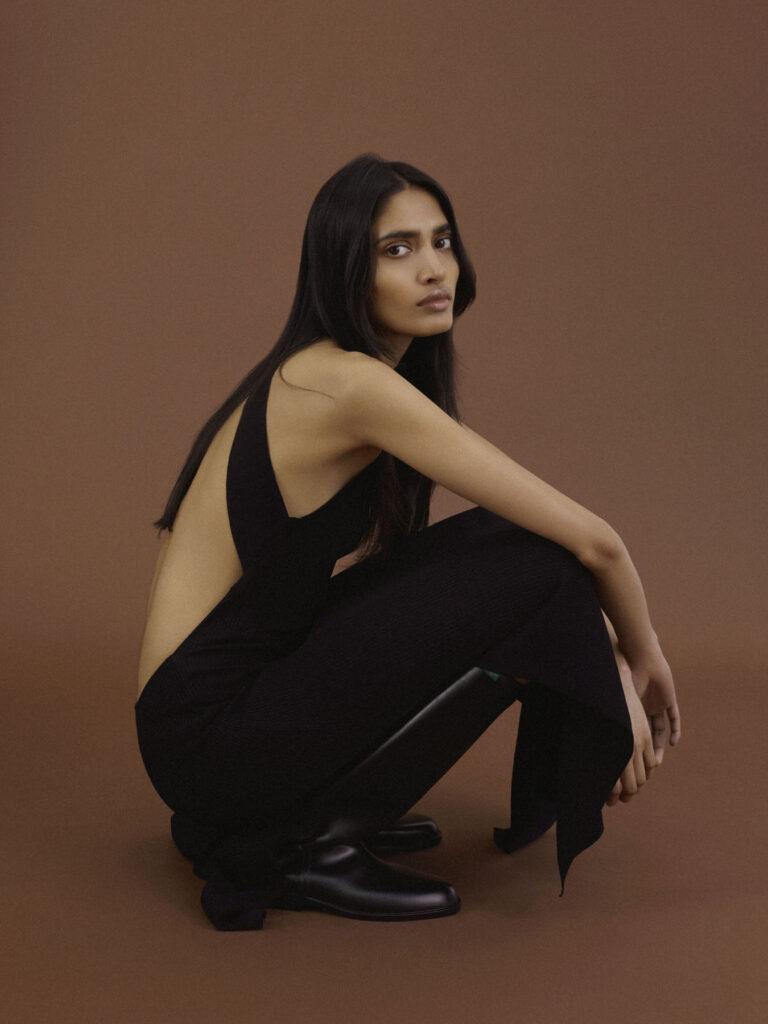
Photography JENN KANG Fashion TRUDY NELSON Hair ANDRES COPELAND Make-Up WENDY MARTINEZ Model MICHI DELANE Photo Assistant ALEX FOSTER  Fashion Assistant REGINA DONALD

Designers

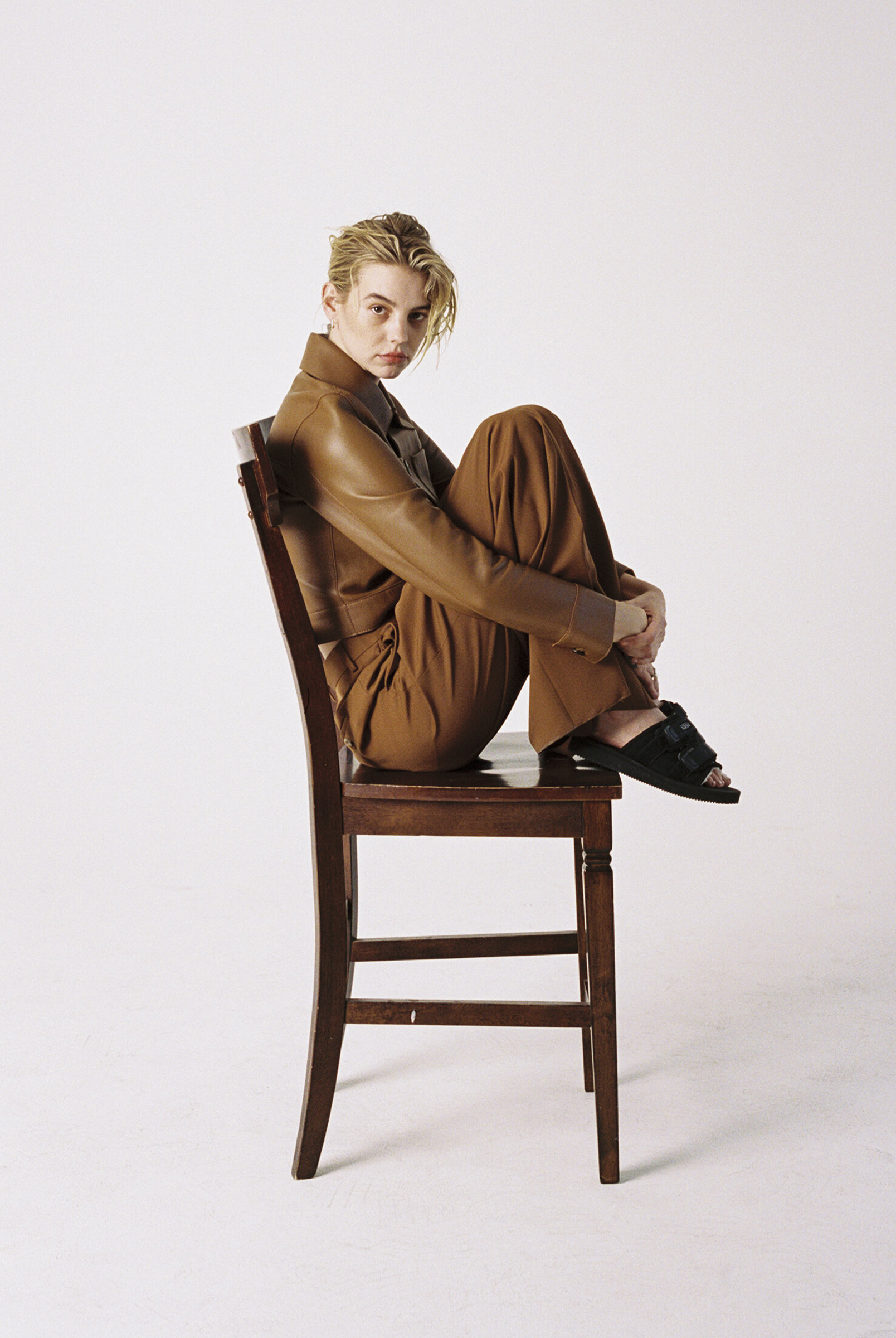
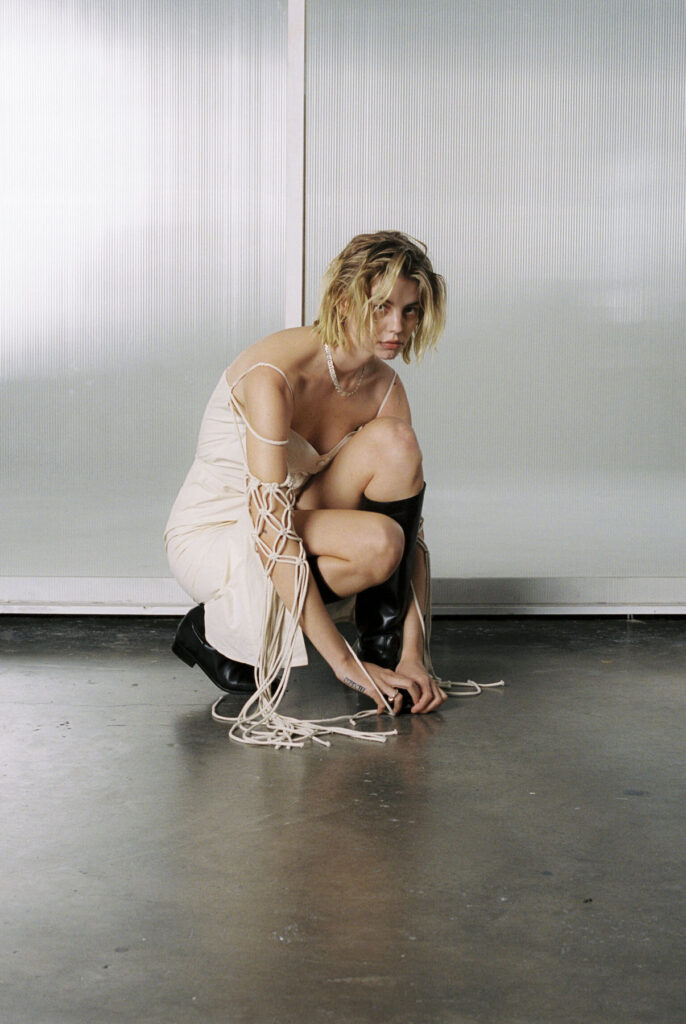
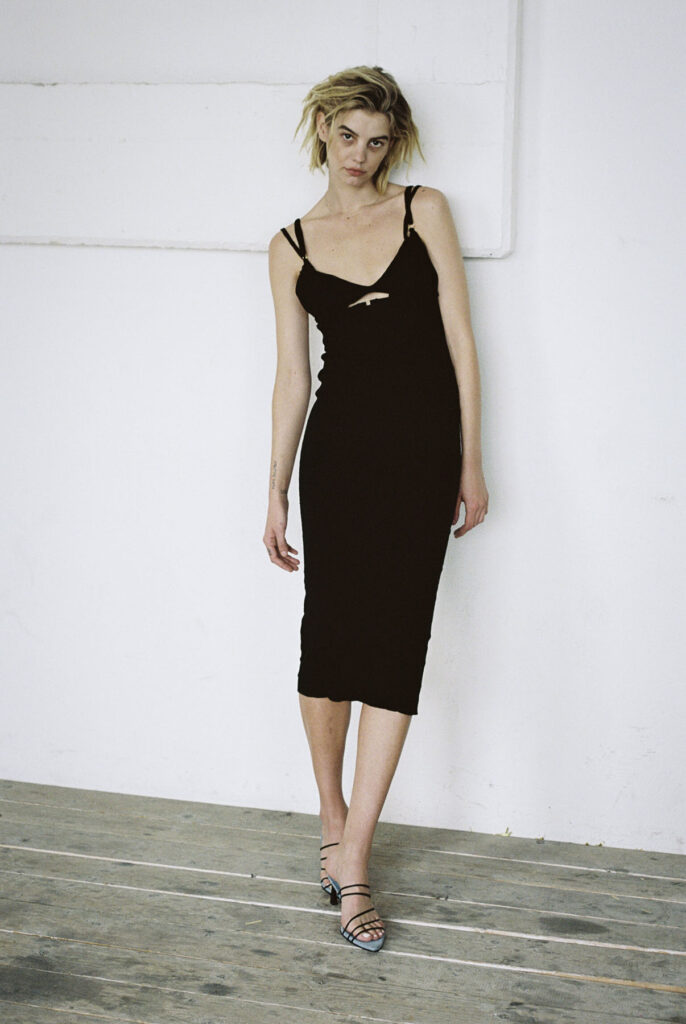
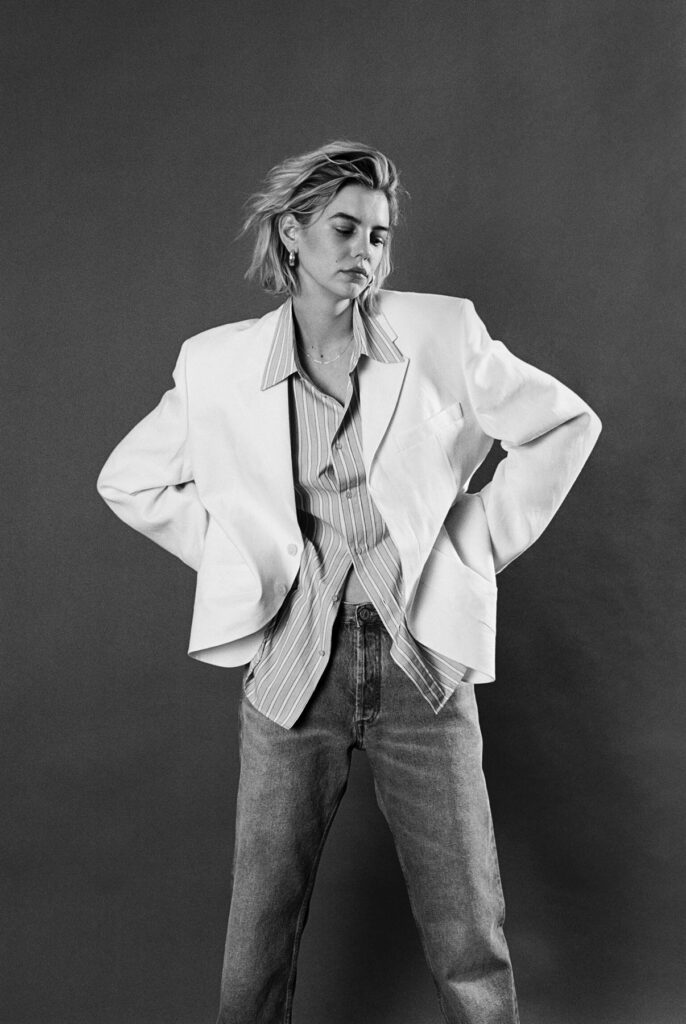
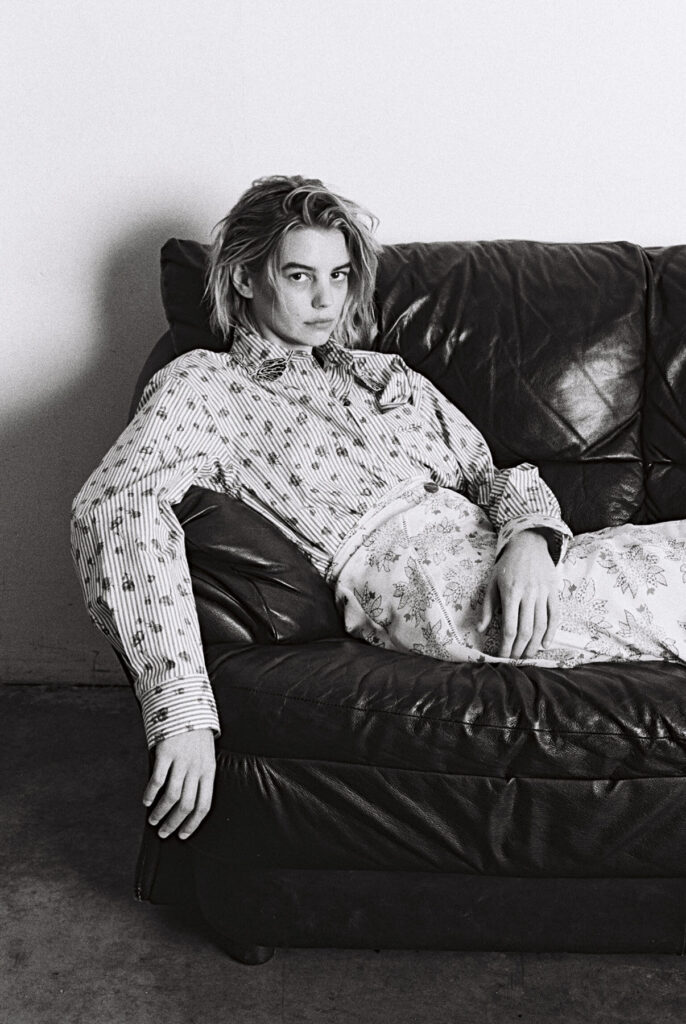
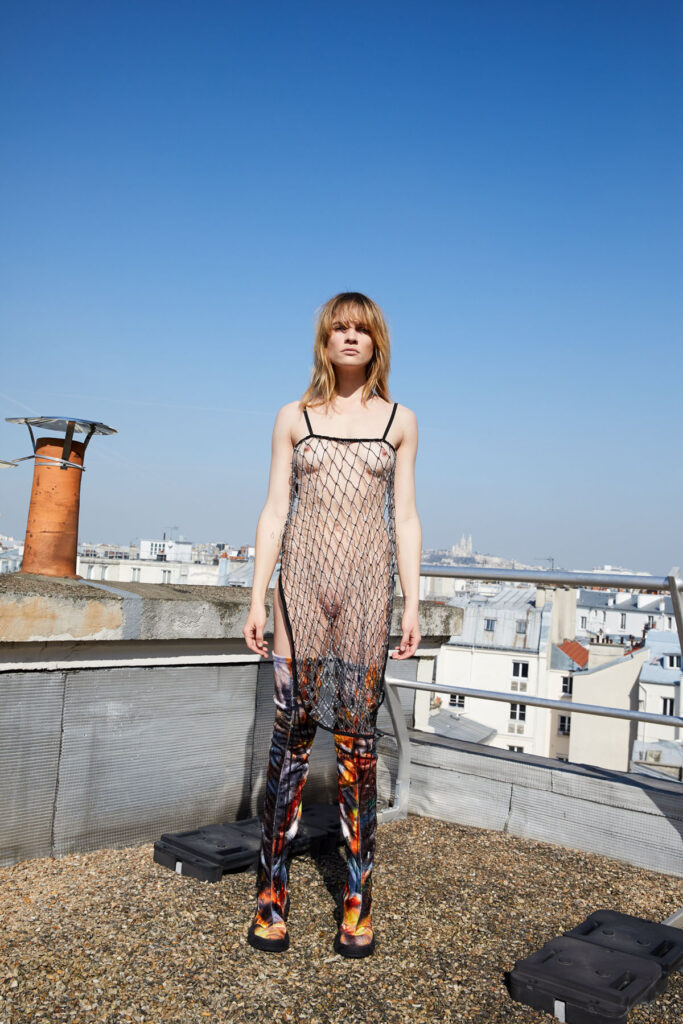
  1. Top AMI Trousers LANVIN Shoes SUICOKE Ring LEIGH MILLER Earring and Necklace LOREN STEWART
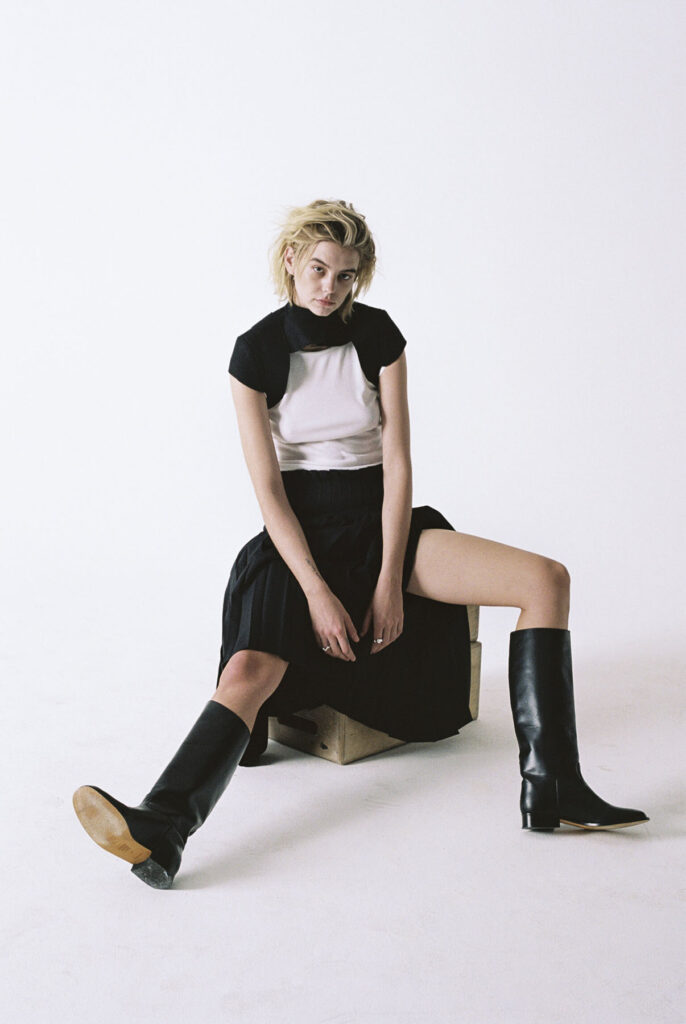
  2. Halter VERA WANG Skirt SYSTEM T-Shirt and Boots MARYAM NASSIR ZADEH Ring LEIGH MILLER Earring and Necklace LOREN STEWART
  3. Dress MARYAM NASSIR ZADEH Jacket NANUSHKA Boots REIKE NEN Jewellery KATHLEEN WHITAKER
  4. Dress NANUSHKA Boots MARYAM NASSIR ZADEH Necklaces LOREN STEWART Ring LEIGH MILLER
  5. Dress JACQUEMUS Shoes REIKE NEN   Necklace LOREN STEWART
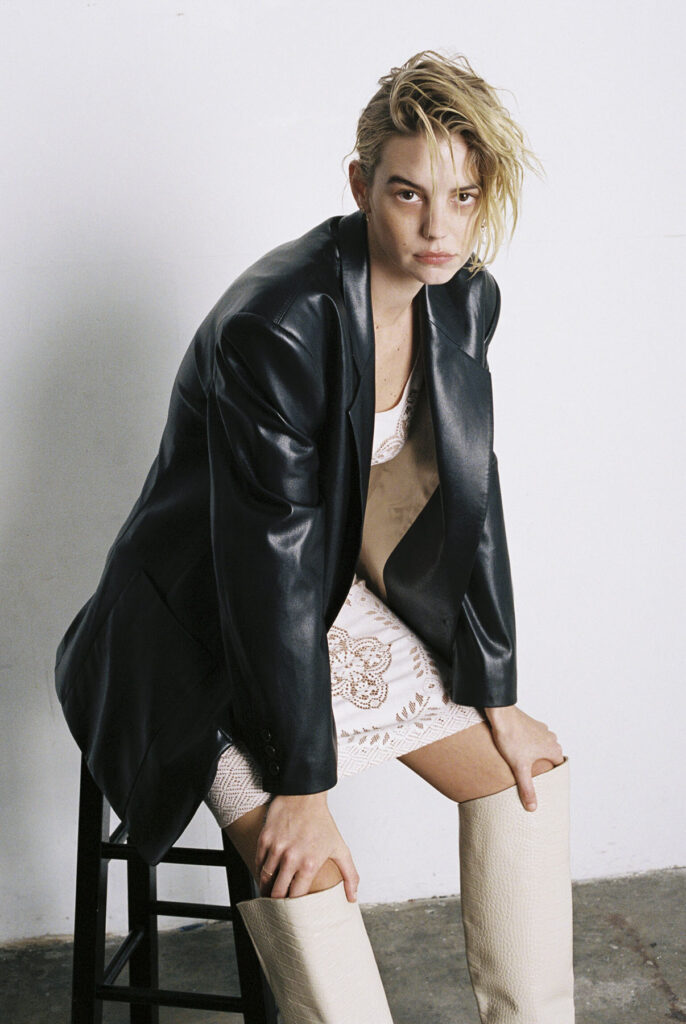
  6. Blazer JACQUEMUS Shirt GUCCI Jeans THE ATTICO Shoes REIKE NEN Rings LEIGH MILLER and LOREN STEWART Necklace LOREN STEWART Earrings LEIGH MILLER
  7. Full Look CHLOÉ
  8. Top AMI Trousers LANVIN Shoes SUICOKE Ring LEIGH MILLER Earring and Necklace LOREN STEWART
  9. Halter VERA WANG Skirt SYSTEM T-Shirt and Boots MARYAM NASSIR ZADEH Ring LEIGH MILLER Earring and Necklace LOREN STEWART
  10. Dress MARYAM NASSIR ZADEH Jacket NANUSHKA Boots REIKE NEN Jewellery KATHLEEN WHITAKER
  11. Dress NANUSHKA Boots MARYAM NASSIR ZADEH Necklaces LOREN STEWART Ring LEIGH MILLER
  12. Dress JACQUEMUS  Shoes REIKE NEN   Necklace LOREN STEWART
  13. Blazer JACQUEMUS Shirt GUCCI Jeans THE ATTICO Shoes REIKE NEN Rings LEIGH MILLER and LOREN STEWART Necklace LOREN STEWART Earrings LEIGH MILLER
  14. Full Look CHLOÉ

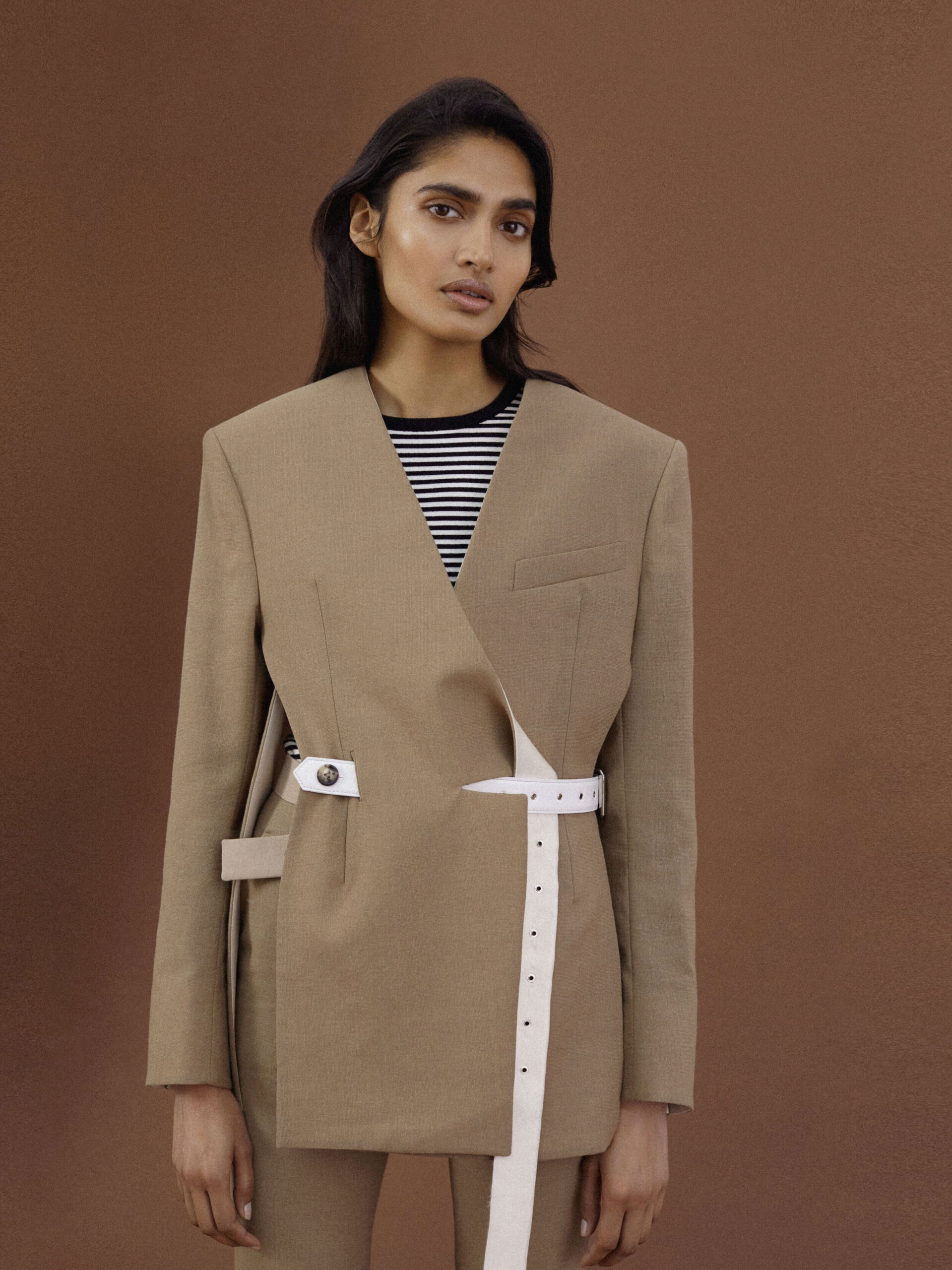
Helene Sandberg

Evolve

Team

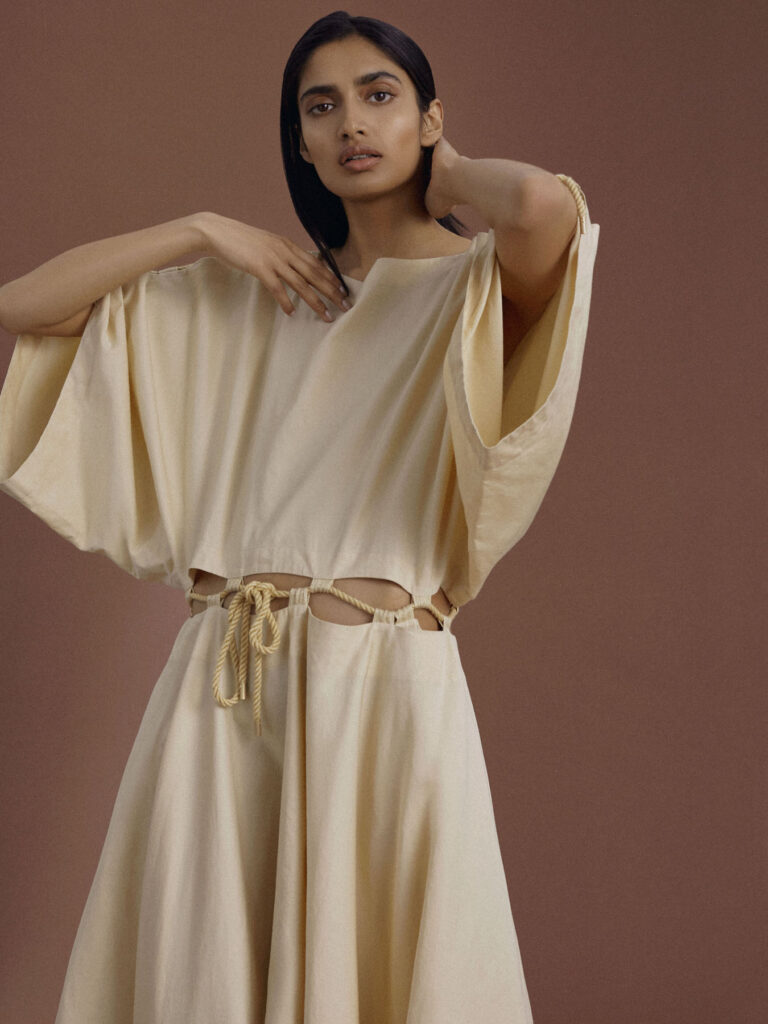
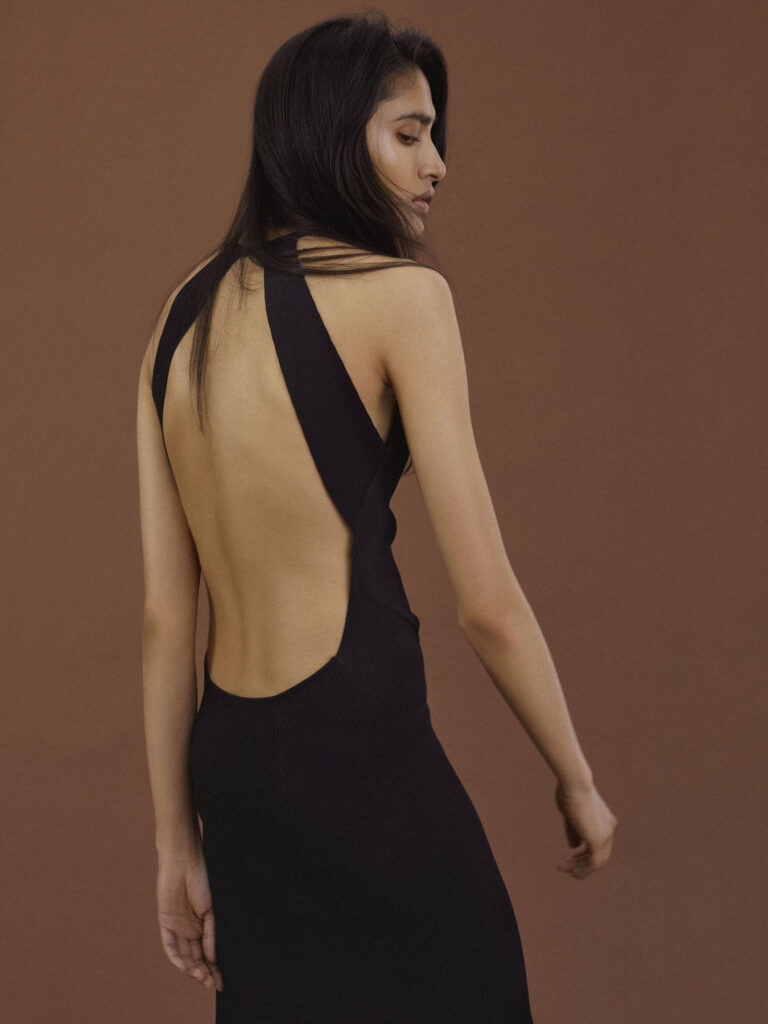
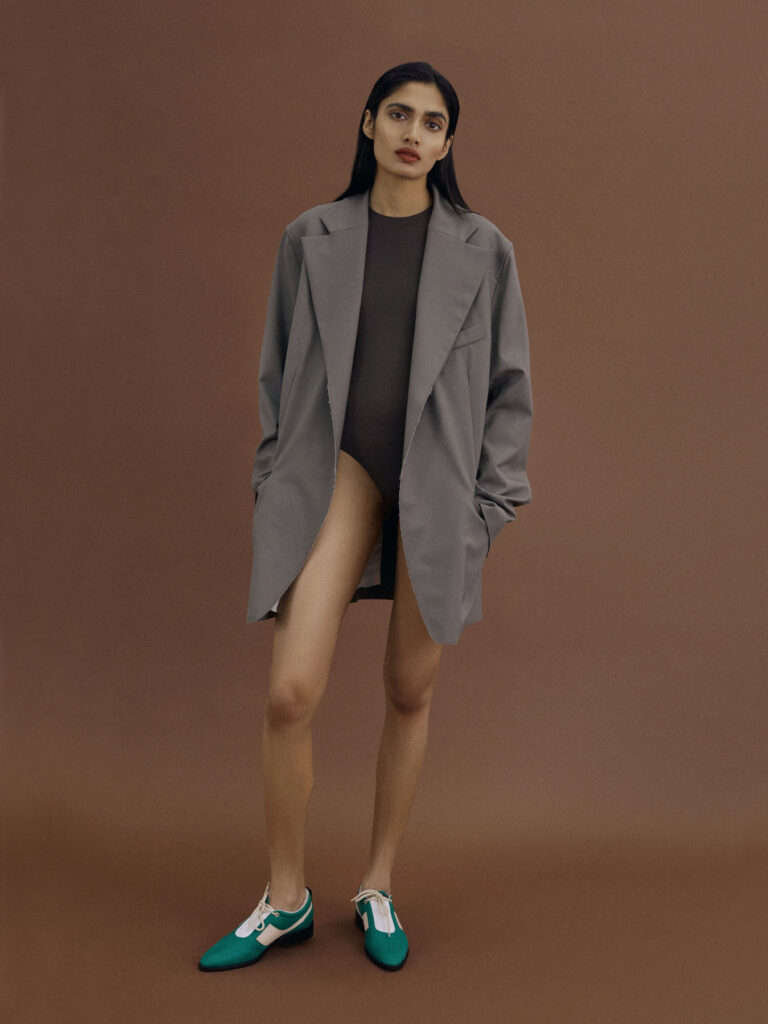
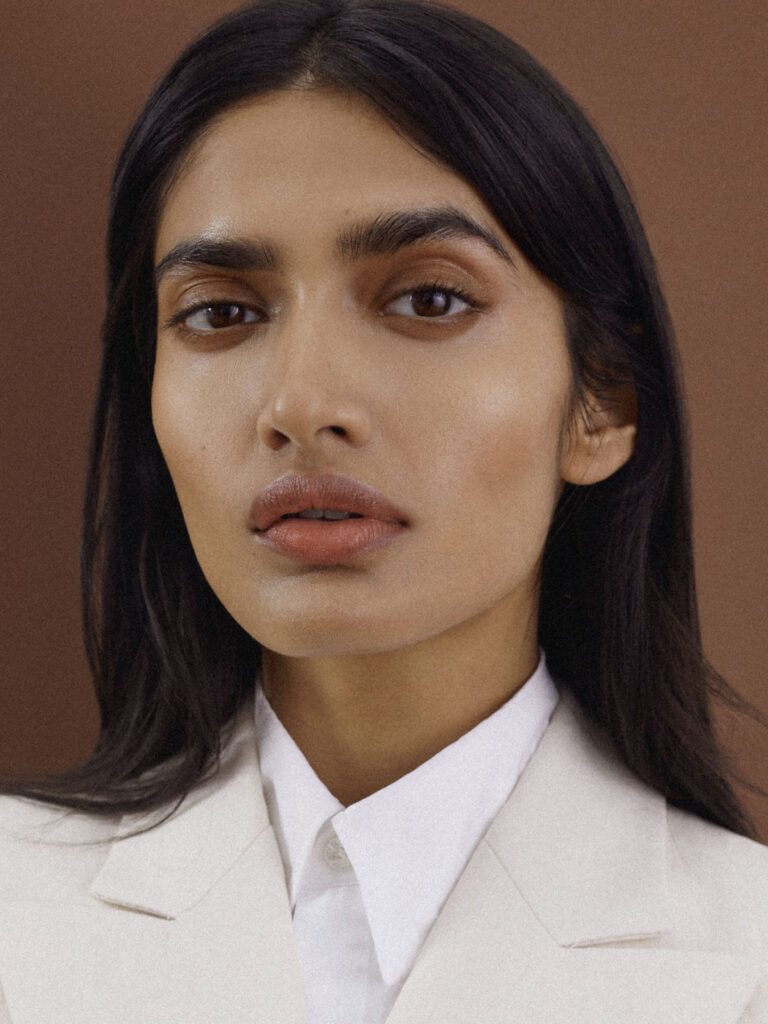
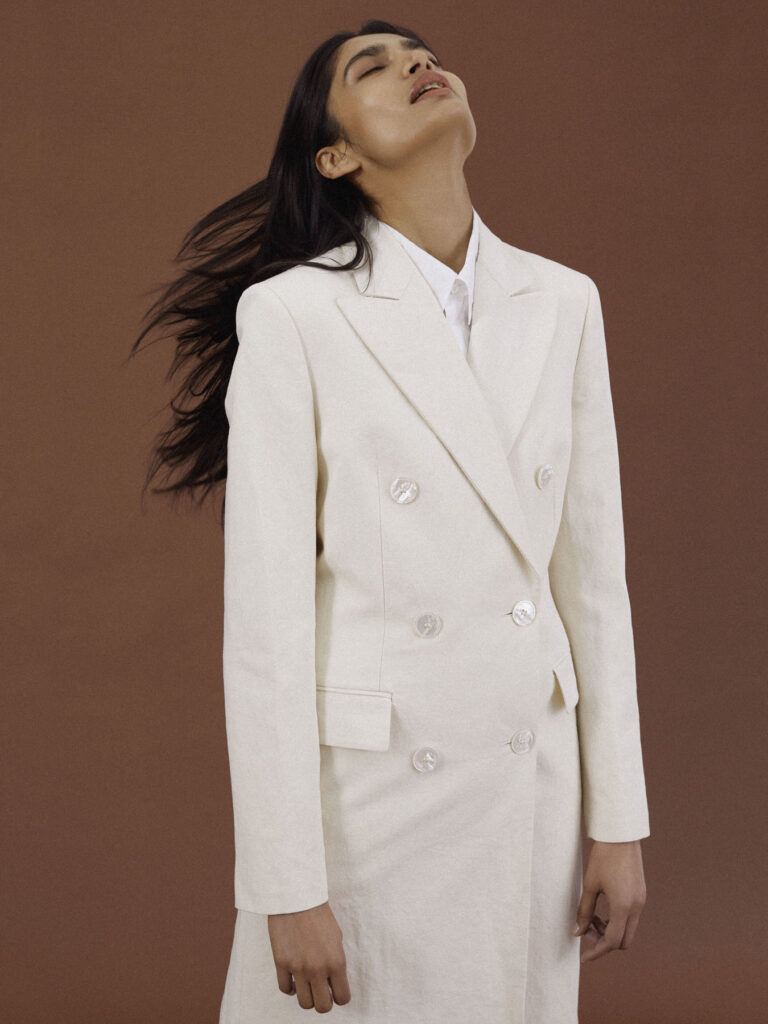
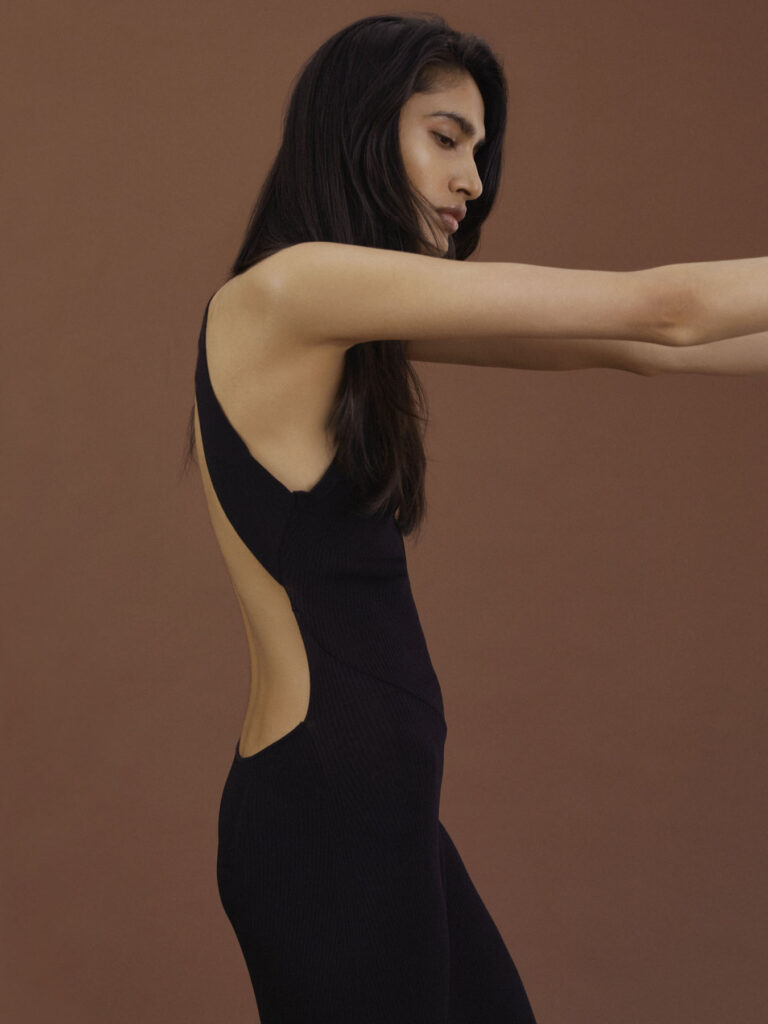
Photo · HELENE SANDBERG
Fashion ·  TARA GREVILLE
Hair · AKIKO KAWASAKI  
Make-Up · MARTINA LATTANZI using CHANEL Rouge Coco Bloom and CHANEL le lift Lotion
Nails Martina Lattanzi using CHANEL Le Vernis Ballerina and CHANEL La Crème Main
Casting Director · TROY WESTWOOD
Model · Aishwarya Gupta at VIVA


Designers

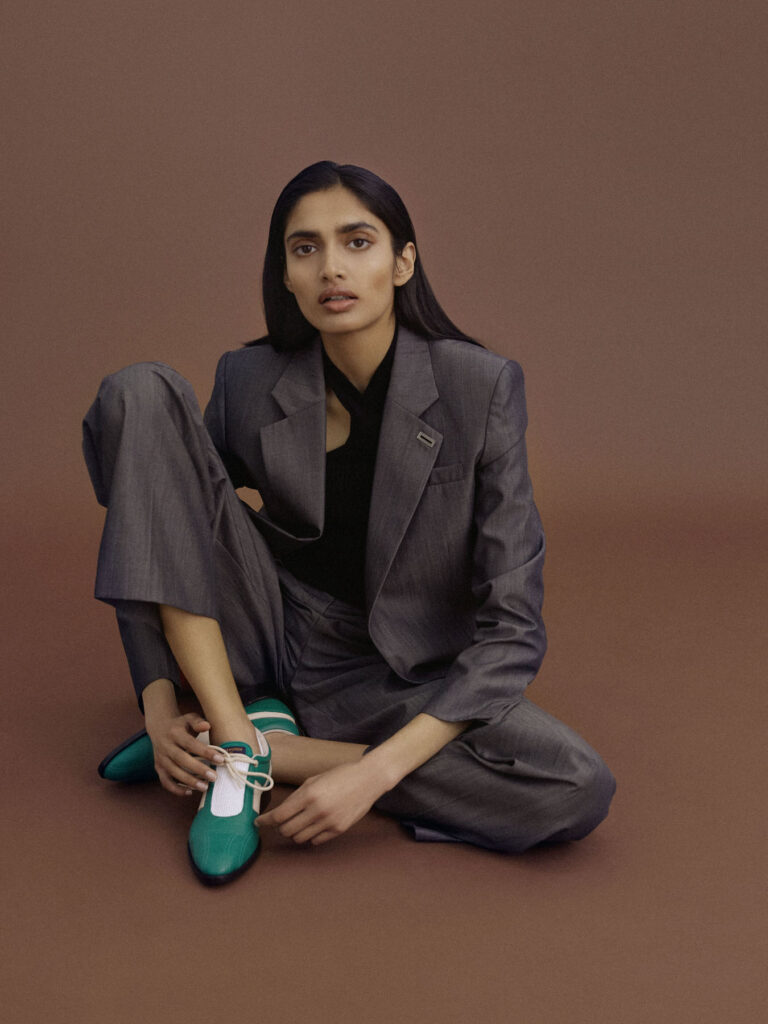
  1. Full Look LOUIS VUITTON
  2. Full Look ISSEY MIYAKE
  3. Full Look BARBARA BUI Shoes Stylist’s Own
  4. Jacket and Bodysuit GAUCHERE Trainers LOUIS VUITTON
  5. Shirt GAUCHERE Coat MICHAEL KORS COLLECTION
  6. Shirt GAUCHERE Coat MICHAEL KORS COLLECTION
  7. Full Look JIL SANDER
  8. Full Look BARBARA BUI Shoes Stylist’s Own
  9. Full Look EMILIO DE LA MORENA
  10. Full Look CHLOÉ
  11. Full Look EMILIO DE LA MORENA
  12. Full Look BARBARA BUI Shoes Stylist’s Own
  13. Top LES FRIDAY Jacket and Trousers BARBARA BUI Trainers LOUIS VUITTON
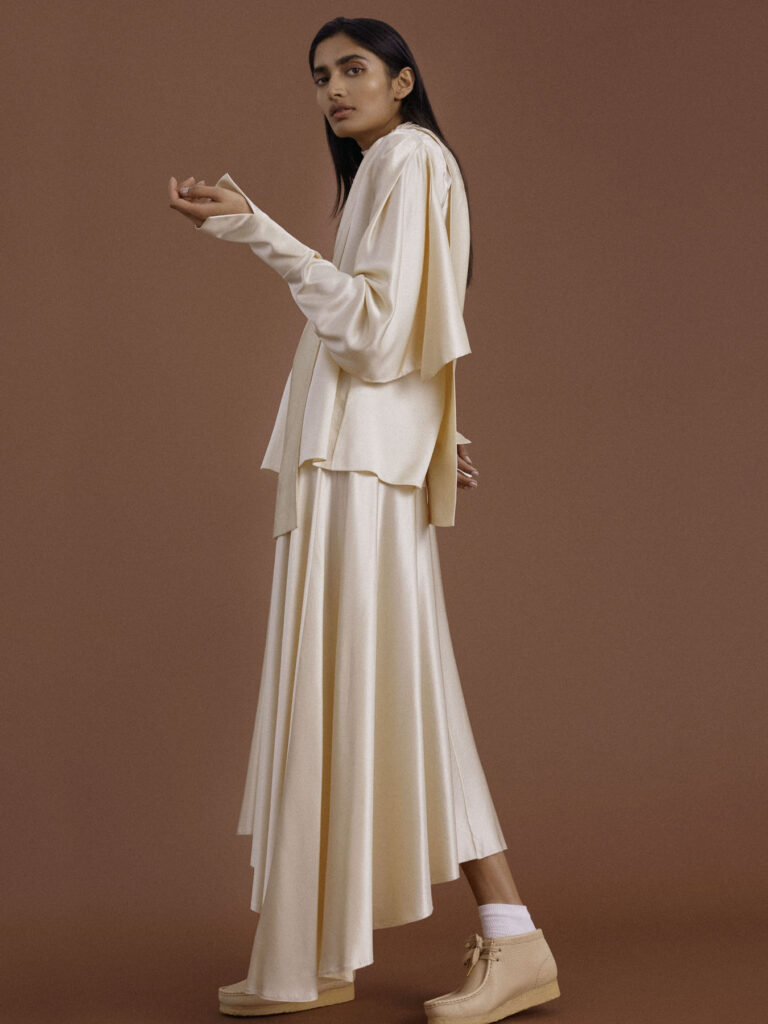
  14. Top and Skirt ROKSANDA Shoes CLARKS ORIGINALS x SPORTY AND RICH

Fernando Livschitz

“Take a camera or computer and do things that motivate you. Do, do, do and do, that’s the way.”

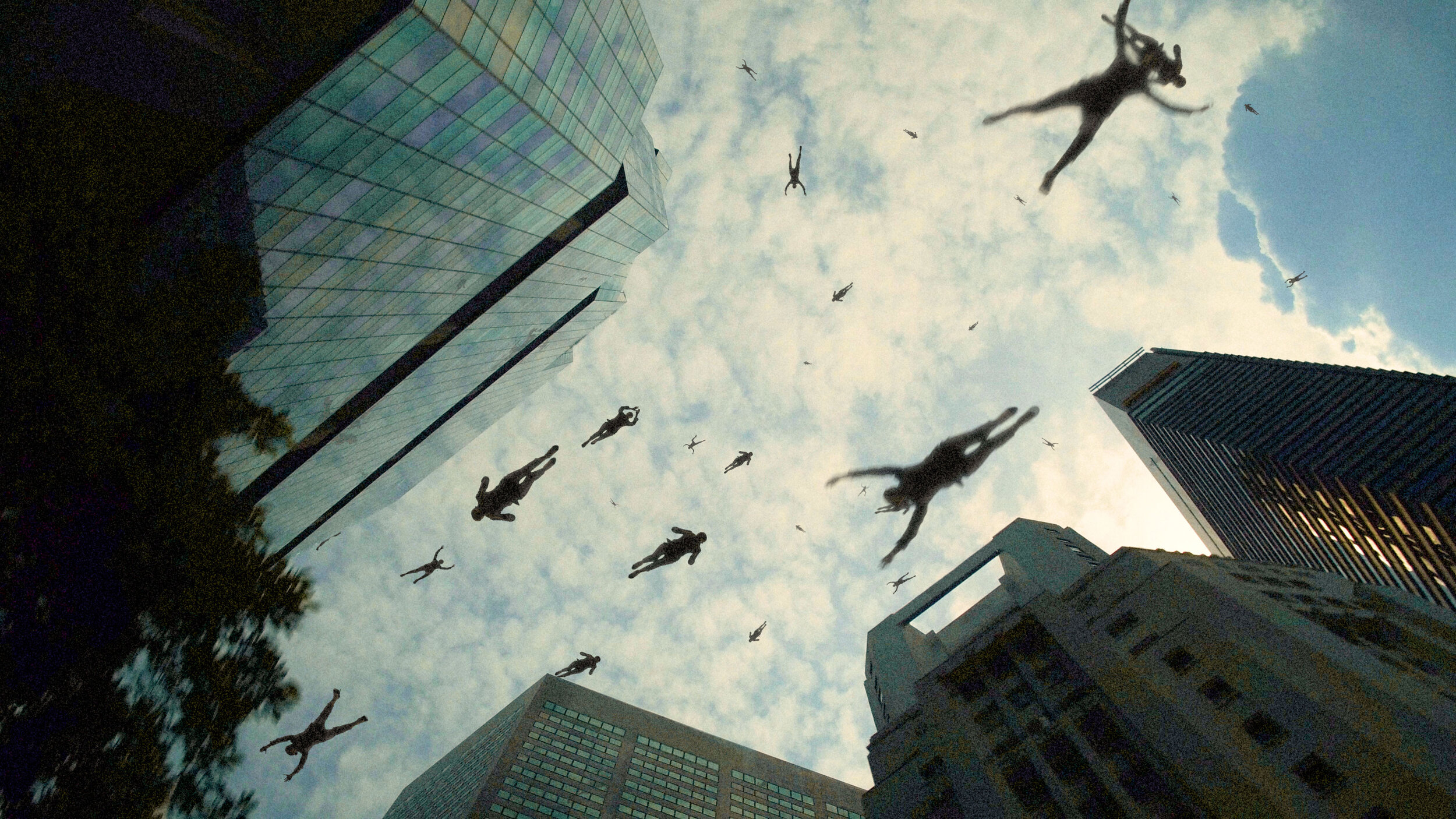
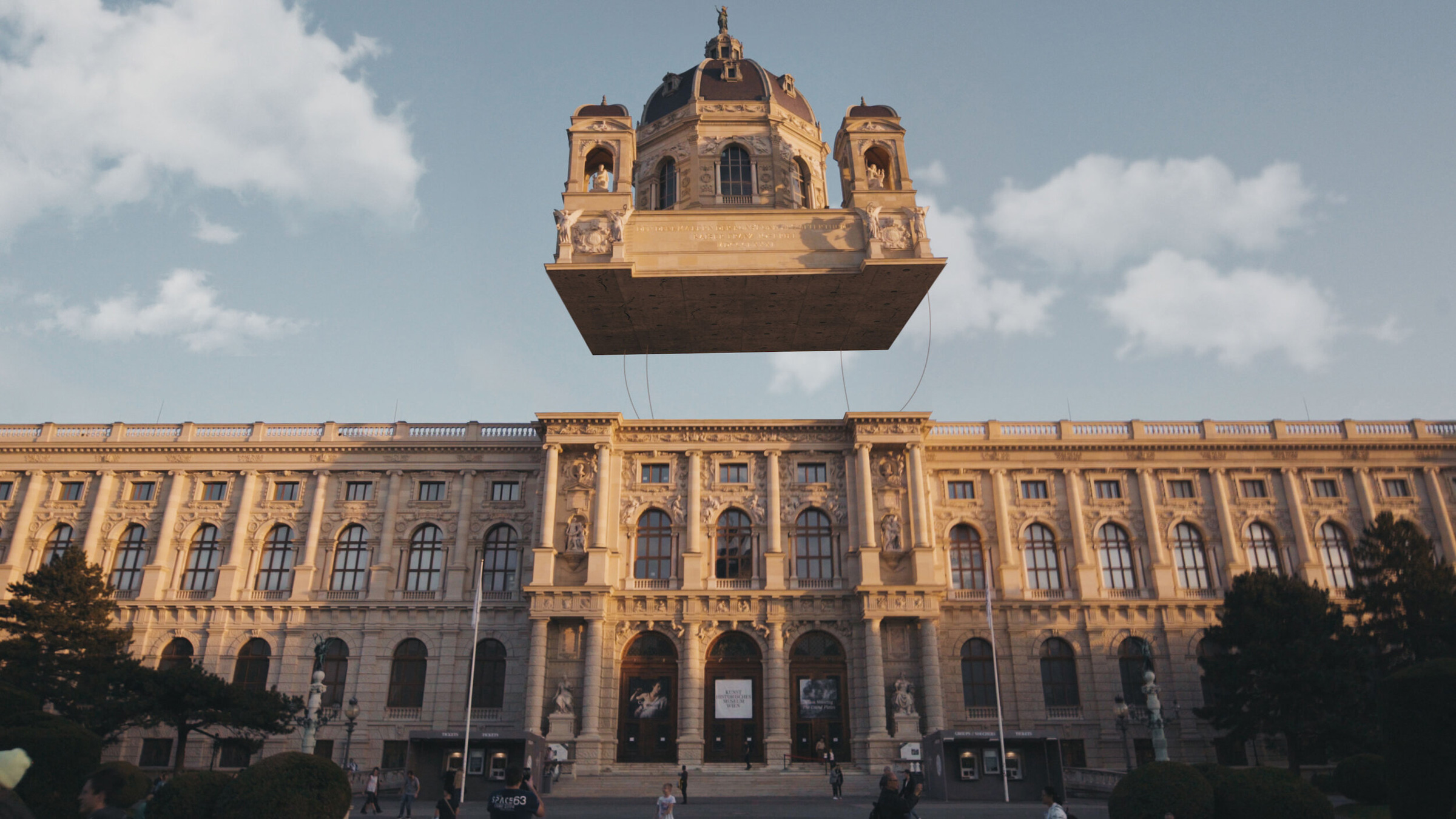
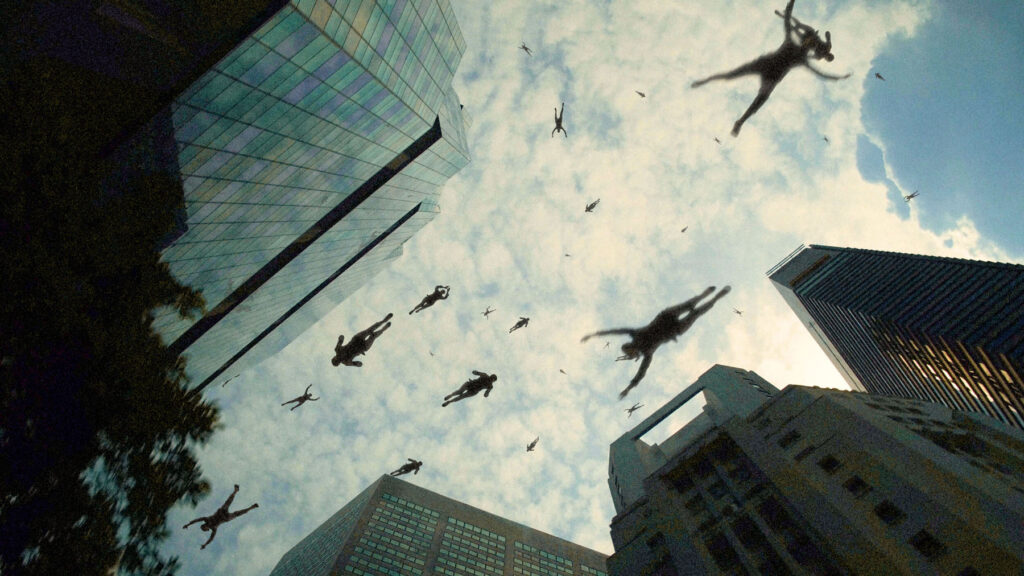
A whale splashes about with its calf in a garden swimming pool, a speed boat spins in circles upon a galaxy of stars, and famous buildings just up and float away. These are just some of the worlds Argentine filmmaker Fernando Livschitz brings to life in his short films. “His stories unfold organically showing the extraordinary as something ordinary and common. Going deeper into reality through the wonder that is in it by creating a charming and mind-boggling mood.”

Indeed, his works are inherently surrealist by nature, incorporating the mundane with the absurd, but there is an inherent youthful playfulness to them that offsets their obvious technical conception. They invoke all the innocent creativity of a young child, who has been set loose in reality and has been given the power to make it their plaything. In doing so they remind us all of the freedom of childhood imagination, unconstrained by adult worries such as gravity or logic.

Livschiz’s films are viral by nature and have been seen by over a hundred million people. He has directed all over the world, winning The Young Directors Award at the Cannes Lions and worked with well-known brands including creating the opening credits for CBS’s The Late Show with Stephen Colbert.

How long does it take for you to make each project/video and what’s your artistic process when coming up with ideas for your work? 

It could take one day or months to make a project. there is no logic there.

Usually, I start from a small idea or concept I want to show and then the process can lead in other directions.

Which is your favourite project and why? 

I’m not sure, maybe “Buenos Aires Inception Park”. This project is 10 years old, and it has opened all kind of doors in my career.

You stated that during lockdown you didn’t feel very positive because of the current situation, is that what inspired you to make Anywhere Can Happen, which is a very uplifting and positive work. 

Well, I’m not sure if it was the lockdown period. Life is complicated beyond this crazy time. I feel we can see things as different, more positive.

Which was the most difficult project you worked on and how did you overcome the challenges you faced while making it?

Each project has its complications. When I start with a project I’m not sure how I’m going to do it. As I progress, I discover the complications. Sometimes I feel that my work is based on gradually solving the problems that arise.

Is there anyone/anything in particular that you draw inspiration from (ie, literature, films, artists, creators etc) 

Yes, lot’s of artists: Slinkachu, Michel Gondry, David Lynch, Tim Burton, Leandro Erlich, Pablo Rochat, Fubiz, Vimeo Staff Picks, Nowness.

How do you think working on an international level affects the creation of your work? 

I think it affects it in a positive way. The greater the knowledge, the greater the possibilities.

What advice would you give to young creatives looking to work in animation and film? 

Do not wait for things to come from outside. Take a camera or computer and do things that motivate you. Do, do, do and do, that’s the way.

In the BTS of Lost in Motions, I saw your daughter helping you to spray paint the individual pieces you used to create the stop motion. Do you often include her in your creative process? 

Yes!, she has an innocent view of things and life and I love her opinion. She has great ideas.

You have a background in photography and design how did you transition into creating these kinds of works? 

I think in my work, everything is connected. Photography, animation, analogue, digital, design, music. What I do now came from all those backgrounds.

Are you working on any projects at the moment? What can we look forward to seeing from you in the future? 

Yes, I am working on several projects. But shhhhh. I can’t talk about them yet.

Artem Kononenko

Ambivalent

Photographer Artem Kononenko captures Lucie and Bintou for online. Featuring looks from Roger Vivier, Azzaro and more


Credits

Photography · Artem Kononenko
Creative Direction · Plamena Karaliyska Fashion Belishi
Make Up · Olga Kruglova Hair Mayu Marimoto
Models · Lucie At Women Management And Bintou At Supreme
Location · Presswall Studios

Vivien Canadas

“It began as a necessity, and quickly became a FUNdamental step of my process”

To paraphrase Fellini, things are not always what they seem. It is incredible how individuals’ minds can correlate images, objects, colours and shapes which do not originate from the same context. His name is Vivien Canadas, and his latest collection, A sip of fresh air, is an ode to visual culture and its boundless limits.

If I were asked what tortellini and a handbag have in common, I would probably call my grandma, asking the same question. On the other hand, the recent Central Saint Martins MA graduate, might have something to say about it. Taking inspiration from the simplicity of everyday life, the French designer took us on a wonderful journey across his process and peculiar eye for silhouette and shape.

“To show humour, but also recall some kind of old-fashioned elegance” points out Vivien. The collection struck fashion’s preconceived notion of mundanity, and here we are, a second later, witnessing the evolution of a trumpet, into a pair of trousers.

Being able to surprise the world with such a brilliant MA collection, followed by your project in collaboration with Tod’s must have felt as an incredible achievement, congratulations!

Tell us more about your vision and inspiration in the process of making it.

Thank you for your kind words! I’m very glad, my final collection and my Tod’s project caught the eye of NR Magazine. My design reflects my fascination for the ordinary and mundane. Through my research I visually collect artefacts, explore customs and incorporate these elements into my draping process. A trumpet evolves into trousers, a tortellini becomes a bag etc. A playful approach that does not intend to be literal. I aim to create a silhouette that shows humor, but also recalls some kind of old-fashioned elegance.

Part of my draping process for my MA collection was about recreating the movement of a garment caught in a storm. I designed voluminous skirt and dress that were based on a simple circle of fabric. Using such a shape was a direct reference to Christian Dior and his New Look silhouette. Subverting traditional techniques and volumes used in Couture is fundamental in my process.

Your collection, ‘A Sip of Fresh Air’ is an open invitation to escapism, to look at things under a different light. What would you like people to reflect on when looking at it?

In less than a century, humanity has completely transformed its natural habitat by escaping the countryside in favor of the city. A radical mutation that built some form of nostalgia.

My collection is an invitation for a city getaway.

“A moment to reflect on what is ‘modernity’ and how the ideal of countryside life redefines or transforms this concept.”

It is a celebration of the bridge between traditions and Mankind’s – perhaps odd? – progress.

The wind is blowing and taking everything on its way. Full skirts are flying, coats are pushed on the front of the body. “A sip of fresh air” is also about re-iterating and re-thinking our temperamental relationships to the elements.

Tell us more about Tod’s and the ‘Tortellini bag’.

For my project for Tod’s, I decided to explore the Italian food culture and gastronomy. One of the main references was the movie Roma by Fellini. A scene in particular was key to me: It’s evening and people are eating on a restaurant’s terrace.

“A moment of life that depicts with humor, and splendour, the Italian cuisine and its mise-en-scène.”

I was intrigued by the construction of the Tortellini. An emblematic ring-shaped pasta dish that is made from a flattened square dough and stuffing. Following the same construction, I thought of adding Tod’s elegance to the recipe. The result? A funny shoulder handbag in various colours.

Can you talk us through the collaborative aspects of your MA collection?

Fashion is about sharing. It is a human adventure that reaches its fullest when you get to collaborate, interact and create with others. I couldn’t imagine this project to be only about my own exploration. I wanted to incorporate other visions, and give them the space to express themselves. The shoes were designed in collaboration with Baptiste Faure. They are made from recycled Wellingtons, reworked into a pair of shoes, suited for urban life.

Collaborating was also a way to celebrate Daum’s savoir-faire, a crystal company founded not far away from home-town, Remiremont – France – in 1878. Using their unique craftsmanship of casting and colouring crystal, we designed “trompe l’oeil” headpieces. Resembling wet hair, the prosthetics reiterate our temperamental relationship with the elements, but also reflect my desire to build a new bridge between tradition and modernity.

The global circumstances in which you found yourself developing such a high caliber of work must have not been the easiest ones. In what way have you managed to adapt your practice to such a restrictive situation? What have you learned from it? How did you adapt your creative process to it?

Working on these projects was a chance: it forced me to stay resilient and pro-active despite the world situation. The lockdown pushed my process to evolve: more than ever before, I used my own body for my draping experimentations and fittings.

“It began as a necessity, and quickly became a FUNdamental step of my process.”

Things might not go the way you are planning, or you might not have the fabric you wanted: this experience taught me the essential value of being flexible.

Your journey into fashion started long before applying to CSM. Tell us more about your background and training.

Following a Masters degree at Sciences Po, Paris, and after completing a couple of internships, I worked as a junior designer at Maison Margiela for almost two years. Not your typical pathway… I hadn’t formally studied design before commencing the program at Central Saint Martins!

Looking at fashion Today, what are your hopes and concerns?

I hope fashion could go back to a more human scale.

The urge for relevancy in the work we produce has never felt more important than now. What do you have to offer?

As fashion designers, we are not only developing garments, we are creating a world. As a matter of fact, it is essential to take part in the ongoing conversation, and to reflect on the message behind my work. It appeared crucial, within my process, to understand who I am and what I represent, in order to support a progressive message that acknowledges and elevates others, no matter which gender, race, sexuality…

What can we expect to be seeing from you in the near future? Do you have any new projects coming up?

I would love to keep working on my own practice, and see where this takes me.

Credits

Images · VIVIEN CANADAS
https://www.instagram.com/viviencanadas/

Tess Roby

Abstractions of Daily Life and Subtle Portraiture

These photographs were taken in Montreal, Toronto, Los Angeles, Venice, and Washington State between 2017 and 2020. Shown together, they share what Roby is most drawn to in photography: abstractions of daily life and subtle portraiture. Gathered over time, her photographs ethereally capture her movements, presenting minute everyday occurrences that blur visual boundaries.

Reuben Selby

“making the industry ‘less worse’ is not enough”

Creative and modelling agency co-founder, fashion designer, sustainability advocate and researcher, set designer and collaborator… These are just a ‘few’ of the many shoes that took Reuben Selby’s work under the spotlight… Sounds a lot? Forget it. The designer seems to be only at the very first steps of a very promising career.

With Maisie Williams being his number one collaborator and girlfriend, the creative duo is actively challenging fashion normativity, making a change one step at a time.

When I first met Reuben and Maisie on a photoshoot set last fall, I remember them talking us through the message and intentions leading the freshly born brand. Today, Selby took a second to explain us the importance of collaboration, change and sustainability within his vision.

“Introspection is at the heart of the brand” suggests the designer, outlining the hopes and passions intertwined within his creations. What we are witnessing, it’s an inspiring act of love for creation, an invitation for reconsideration of our true identity.

Following a successful opening of FASHION FOR GOOD’s “GROW” exhibition, and an upcoming show planned to take place at the next LFW, we couldn’t be more excited to see what the future of the brand holds.

Where does your passion for fashion come from? What pushed you to start up your own brand?

My passion for fashion comes from my desire to create and bring art into the world. I wasn’t surrounded by fashion growing up, but I’ve always been fascinated by the idea of storytelling and building new worlds.

“I see fashion as one of many art forms that I use to express myself, which is also the true driving force behind my brand.”

For as long as I can remember, I have always wanted to run my own brand and curate shows.

What have been the greatest challenges throughout this past year?

Navigating the impact of Covid and Brexit on the fashion industry. I want the brand to be focused on fashion shows and collaborative projects more than bringing garments into production; however, the small runs we’ve planned to bring out have been massively disrupted.

What inspires you? What kept you pushing?

Striving for something bigger than myself is what truly inspires me. Creating an artwork that transcends, and connects deeply with an audience.

“I’m inspired to create new perspectives, to encourage people to look internally, in the hope to make the world a better place.”

We loved your latest homage to Christo and Jeanne-Claude’s legendary work. How has the collaboration come together?

Jeanne Claude and Christo’s work has always been a massive inspiration to me as an artist. However, only recently have I been able to come to terms with a deeper meaning to their work. Their pursuit of creating self-funded art on a grand scale is as equally, as admirable, of the work itself. The vision, the determination and drive resonate deeply within me: they reinforce the importance of being patient, reminding me how powerful an everlasting image can be.

You recently took part in FASHION FOR GOOD’s “GROW” exhibition in Amsterdam. Tell us more about your collaboration with Infinited Fiber.

Another core pillar of the brand is sustainability. Beginning with the brand’s conception, we felt responsible for building it the most ethical way possible. For our debut collection, we put a lot of work into the research and sourcing for partners to collaborate with. We were so inspired when we found Infinited Fibre: we thought of it as a fantastic opportunity to tell their story, and highlight their amazing work. Infinited fibre has a technology that turns cellulose-rich waste – a discard that would otherwise be landfilled or burnt into something precious – a 100% circular premium textile fibre. It reduces the world’s reliance on materials. We used the fibre for the cargoes and shirting in the collection.

The rumor has it we shall see a new collection coming up soon. Do you want to talk us through the inspiration behind it?

This June, we will be presenting our first show in London during LFW. I’m so excited for this project as I will be going deep into my cultural roots and my connection to the city. We’ve been working on this show solidly for seven months, compared to the two months that we spent on a daily show in Paris. We are taking things to a whole new level, and this will be the first time people get to see what our creative team is capable of. There will be a lot of raw energy and excitement, and I can’t wait for people to absorb it.

What statement lays at the core of your brand?

Introspection is at the heart of the brand. We often say we created the brand for introverts. To feel comfortable, without having to stand out or identify. The brand is the catalyst for self-expression: it aims to create an image that builds confidence, to push individuals to stay true to themselves.

Do you believe in change? What are your hopes for the future of fashion?

I 100% believe in change, but I also think that change is not easy, and perhaps, it is sometimes not welcomed. For change to happen, it has to be approached systematically, we have to realise how things are intertwined first. We need more people coming together, collaborating, and solving challenging problems, rather than performing individually. Also, the focus should project onto the roots of the problem: making the industry “less worse” is not enough.

Production and consumption must be reduced, which means businesses and people need to reconsider their motivations, in order to ensure an ecological and abundant world in the future.

“It is my deep hope to center fashion around creativity and storytelling, rather than profit and consumption.”

How has Maisie supported you in becoming one of fashion spokesmen?

Maisie is my number one collaborator. She brings so much of the energy and drive that pushes me to create. Maisie has a beautifully contrasting mind to my own, and she constantly questions how things should be done. She broadens my peripheral view when it comes to conceptualising what we’re going to create. I often have such a clear vision and focus, meaning that I’m not looking at the things I’m unaware of.

“To have someone on your side always giving creative energy means you will never create something that isn’t exciting.”

What is next to come for your brand?

My focus for the brand is to do good, and this can take any form. We want to collaborate and create projects that inspire people, and that’s all.

Credits

Images · REUBEN SELBY
https://reubenselby.co/
https://www.instagram.com/reubenselby/

Ekow Eshun

An Infinity of Traces, a selection of work from eleven Black women and non-binary artists

Walking into the airy gallery space from a quiet London side street, one is immediately struck with a powerful sense of joy, exuberance and pride in an exhibition that discusses incredibly serious topics surrounding Black identities in the UK. An Infinity of Traces, which showcases a selection of work from eleven Black women and non-binary artists, was originally planned to open shortly after a summer of intense discourse surrounding the Black Lives Matter movement and subsequent protests but was delayed due to Covid restrictions. The delay is not a bad thing as the exhibition serves as a compelling reminder of the ongoing nature of this discourse. There is always work still to be done. 

Immediately Jade Montserrat’s series of work draws the viewer into a discussion of Eurocentric beauty standards and colourism and how Black women are forced to navigate their bodies and thoughts within these structures. 

Across from this stretching line of mixed media drawings is Liz Johnson Arthur’s work, Spring… Times, which dominates the space. Three images from Johnson’s archive are blown up in black and white on banners that hang above the viewer. Anyone who took part in the BLM protests in London last summer will be immediately drawn to the image on the left. A Black Muslim woman stands on the seat of a car, holding on to the frame for support with the door flung open behind her, her fist raised in salute. 

During the London BLM protests, there was often a buildup of traffic due to the sheer amount of protesters that filled the roads. However, this traffic became a part of the protest as motorists would blast their horns and raise their fists in support. This sense of powerful community and strength was both incredibly touching and a potent motivator, something this particular image encapsulates perfectly. 

An Infinity of Traces contains a large number of video works, a medium which is often overlooked by gallery visitors who tend to briefly pause in front of the screen before zipping off to the next artwork, seemingly unwilling to commit to placing earphones over their heads and immersing themselves in the artwork. In the case of this exhibition it would be a mistake to do so as, with the exception of the forty one minute film by Alberta Whittle, it is quite possible to watch the entirety of all the video works in under half an hour. 

Alberta Whittle’s work, Between a Whisper and a Cry, is well worth the extra time though, exploring, through the mariner’s rhyme: “June too soon, July stand by, August it must, September remember, October all over,” Britain’s historical, cultural and political relationship with the Caribbean. Whittle’s practice is rooted in the history of the transatlantic slave trade, however, one is reminded of Britain’s treatment of Caribbean immigrants, in cases such as the Windrush Scandal, which is still an ongoing issue. 

Ayo Akingbade’s Tower XYZ film is full of bright colours and youthful hopefulness, following three young women around London neighbourhoods and featuring 1970s Brutalist landmark, Trellick Tower. A young female voice raps the words “Let’s get rid of the ghetto.  I hope I don’t die for a long time. I still got things I want to do and look at and boys to talk to. I wanna see an African spirit or like sleep on top of a volcano.” The work simultaneously invites you in, as an older Black man, holding a sign saying ‘All is well’, smiles welcomingly at the camera but then pushes you away, as the camera follows three young Black women into a lift and they turn to stare, making the viewer feel like an unwelcome voyeur into their private lives and thoughts. 

The last artwork in the exhibition is a film by Rhea Storr titled Here is The Imagination of the Black Radical. Exploring the Bahamian Junkanoo and recontextualising it as contemporary art Storr’s work discusses ideas of Afrofuturism and radical imagination alongside such practicalities as what happens to carnival costumes and floats after the event. Interspersed with these discussions  is archival footage of carnival, with performers in elaborate costumes dancing to infectiously upbeat Afro-Caribbean music.

The exhibition will run from the 13th of April to the 5th of June at the Lisson Gallery on Bell Street and visits can be reserved here

Subscribe to our
Newsletter