Archive page:


Sumayya Vally

Sumayya Vally From The Johannesburg-Based Architectural Studio, Counterspace, On Amplifying The Lived Experiences Of Those Who Have Historically Been Overlooked

When Sumayya Vally founded the Johannesburg-based architectural studio Counterspace in 2015, it was against the backdrop of a deeply entrenched narrative of western hegemony. As an architectural student in South Africa, at the University of Pretoria and then the University of the Witwatersrand, Sumayya found the curriculum pivoted around a western worldview. And as the name implies, Counterspace seeks to redefine such a narrative, to amplify the lived experiences of those who have, historically, been overlooked. Earlier this year, Sumayya’s efforts to incorporate marginalised and underrepresented architectural ideas into an existing lexicon were internationally recognised when she was included as one of the TIME100’s most influential people.

Sumayya’s architectural perspective is one shaped by her experience growing up in a place less openly inclusive, though equally diverse. Now 30, Sumayya’s early life was spent in the final years of Apartheid-era Pretoria. And as child, she experienced first-hand the impact that architecture and design can have on people’s lives. As South Africa nears 30 years since Apartheid’s end, it’s a country that remains deeply segregated by race, class and wealth. Architecture and city planning is not an innocent bystander here and have been used throughout history as tools for control, subordination, and exclusion. Sumayya’s exposure to this complicated reality informs the interdisciplinary, and often imaginative, work that Counterspace does.

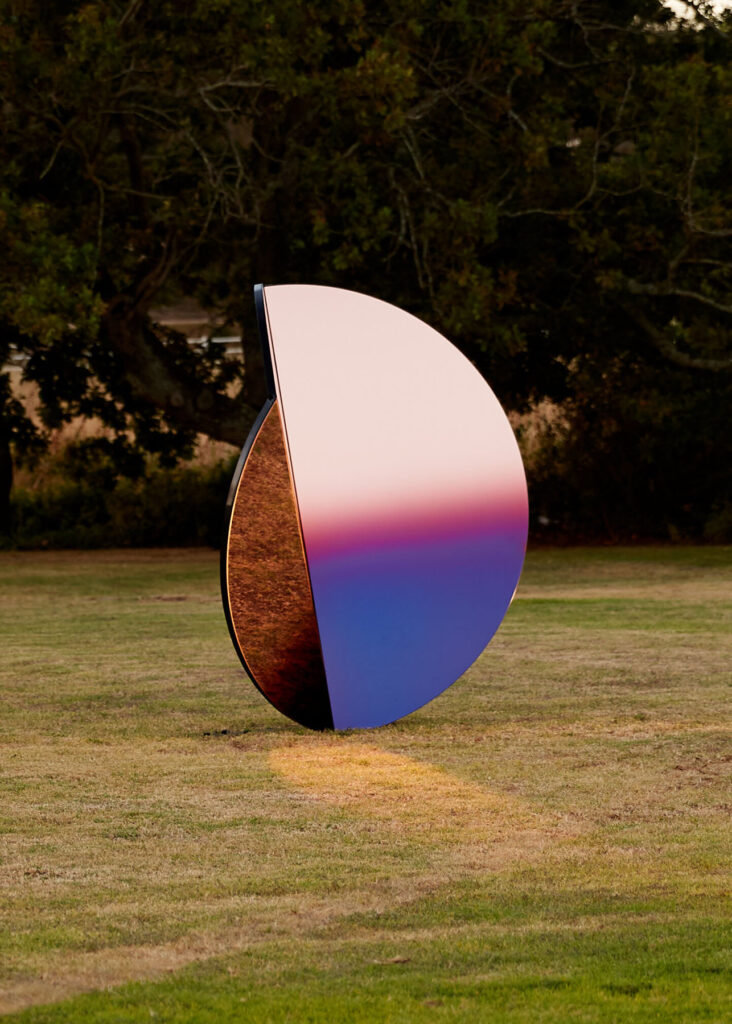
In 2019, the studio unveiled Folded Skies – a series of three sculptural structures made from interlocking tinted mirrors. The iridescent glow captured in the surfaces of the structures appears to represent the history of a city built on the vast gold deposits discovered in Johannesburg in the 1880s. While the legacy of this glittering past is reflected in the city’s colonial architecture, Folded Skies recalls instead the ecological aftermath of the gold rush. The city remains blighted by toxic pollution emanating from the equally vast number of waste dumps left behind from abandoned gold mines. The presence of these dumps is a reminder both of the aphorism that ‘everything that glitters is not gold’ and of the country’s history of segregation and suffering.

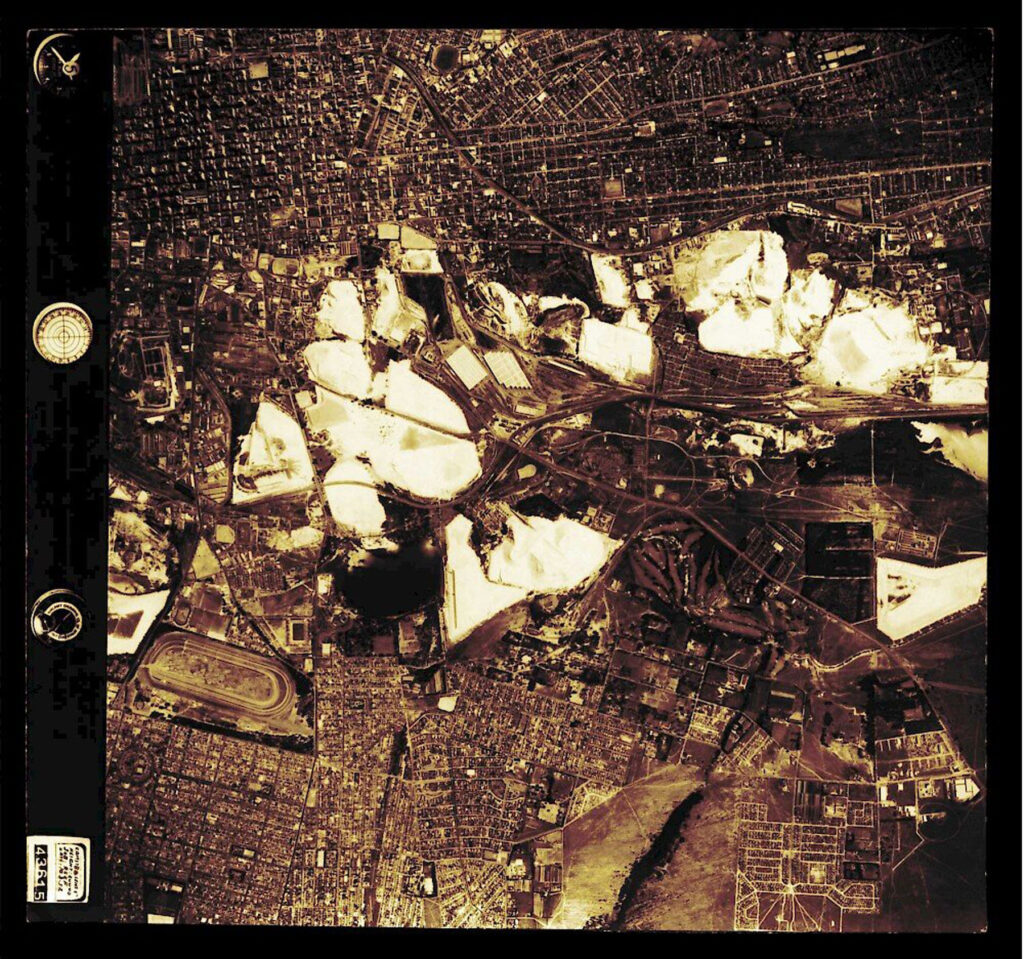
Johannesburg was a city divided right from the start, with mine-owners, wealthy from the gold rush, living separated, then segregated, lives from a black population who were eventually forced into townships in the city’s suburbs. The hangover of that gold discovery continues to wreak havoc. The large domineering heaps act as a physical barrier between rich and poor, black and white neighbourhoods; a reminder that segregation still exists. Toxic fumes from the dumps, which are themselves now being mined for the fragments of gold they may contain, are carried south by the wind, poisoning the black communities who live in their path – environmental racism in practise. Though human-made, the waste heaps demonstrate how materials can be used to control, to divide, to enslave people; as tools to construct a built environment, or as resources to build global trade.

By engaging with Johannesburg’s complicated history, Sumayya and Counterspace’s practice is as much social history as it is about designing for a better future. Uhmlaba, a film made in collaboration with the Guggenheim Museum, will explore South Africa’s history of segregation using soil (as land) as both its catalyst and focus. The studio often uses film and photography (archival and contemporary) to animate their ideas; visual evidence to demonstrate the fluidity of life and people in an urban environment. And if Johannesburg exemplifies how the architecture is used to control and segregate, the architect’s plan cannot always anticipate the unpredictability of the lived city experience. Counterspace celebrates, and designs, with small acts of subversion in mind. And so, as Sumayya explains in our conversation below, a new approach to architecture and the way we look and engage with urban spaces begins with interweaving unheard and overlooked histories into the fabric of our built environments.

Would you be able to share some insight into the upcoming film Umhlaba?

Umhlaba translates to land in Zulu. The land in South Africa, like many places in the majority world has been implicated in our histories of movement, dispossession and displacement, empire and extraction. The film considers the depths, scales and layers of connection (and violences) in our relations to land – through the narration of recipes, stories and ingredients that become part of our cultures and constructions of belonging – to the violence of breathing toxic dust and the zoomed out segregation and separation of bodies from land in Apartheid city planning. The film is a collage of these various scales and entities, and weaves together connections and links between what was assumed unconnected and innocent.

How did you develop the approach that Counterspace takes through research, practice and pedagogy?

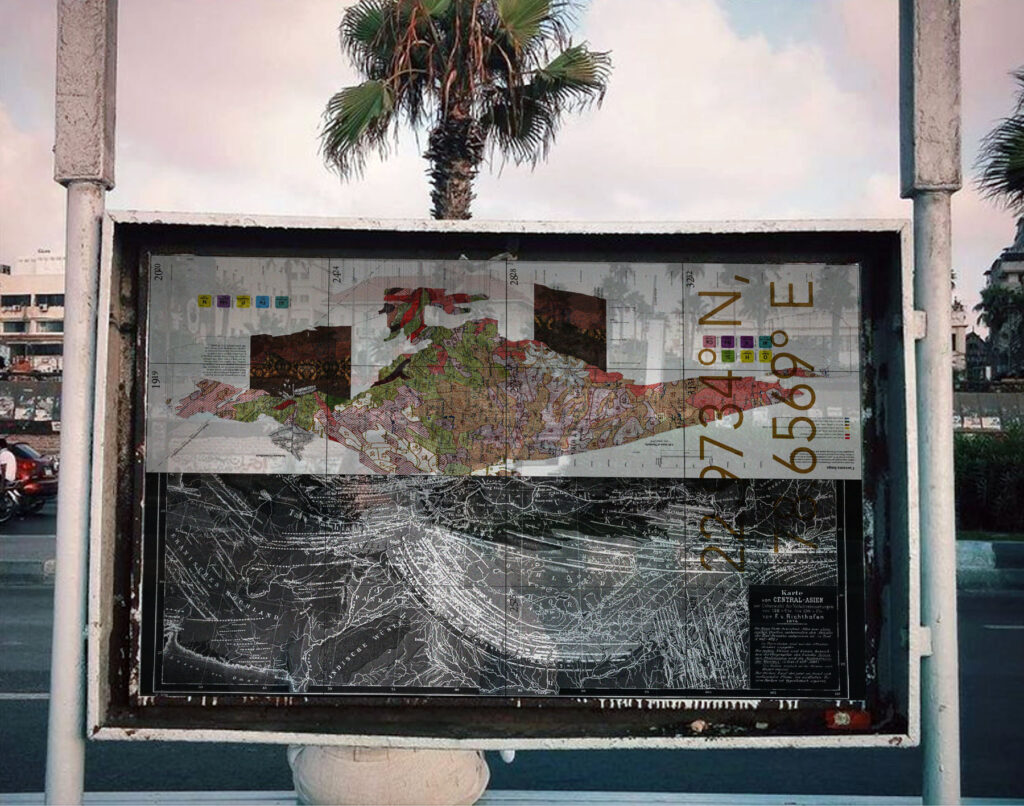
Johannesburg has served as a source of immense inspiration for the practice. Because so much of the city exists below the surface, so many ritual, economic and other practices have developed incredible resistances and are able to surface and exist, despite being excluded by our city’s histories and infrastructures. There is so much that lives beyond the limits of traditional planning, design and beyond the tools of the architectural plan, section and elevation. These ways of being invite us to imagine different ways to draw – to find tools to learn, absorb, understand, listen to and interpret our conditions. Many of them are aural, oral, atmospheric – which has given rise to drawing through film, performance, choreography, the digital, sonic and atmospheric field notes, temperature, colour, etc., to develop an expanded lexicon and ways of reading and seeing Johannesburg.

What informs your approach as an architect to incorporate performance, the medium of video/film, cultural histories into the practice?

Rituals, ways of being and the lives of people in my city – and this intent to draw, make visible, amplify and sharpen aspects of our histories and cultures that cannot be included in the traditional tools and ways of archiving that the discipline and the profession of architecture has inherited.

Counterspace’s work delves into materials like sand, soil, everyday detritus, so I’d love to know what you see as the cultural importance of “material”? 

I very much see materials as shifting earth and land; constantly being negotiated, reconstituted and reconfigured. Whether implicit or explicit, all projects stake a political claim in their approach to materials. I am very interested in the use of detritus, in traces and reconfigured leftovers, in how these give us a reading of our relationships to the earth. Materials are not neutral – everything, from cane and cotton, to concrete and gold – is a reading of our ties to each other and our histories (and consequential futures). I am also interested in blurring the binaries that we have drawn between ourselves and the world we are in, and a part of. Johannesburg has also given me an implicit desire to be resourceful and to piece together a lot with very little.

How do you navigate the kinds of architectural malpractices/Western authority that shaped the studio’s raison d’être?

I see my practice as an effort to realise design languages from places of difference – different ways of being and seeing, different histories and stories – and in that sense it has always existed tangentially to the dominant canon. I think things are changing now, but for a long time this meant that the work was quite invisible to the dominant canon. I very much see myself as part of a generation and a movement working to translate and embody our own positions of difference and bring a critical mass of them into the world. Any identity that is different to the dominant discourse is a lens with which to see the world from a different perspective – which is so needed, now more than ever.

It’s interesting to think of spaces where people gather as places that weren’t always envisioned as serving those very purposes. How did growing up around Johannesburg shape your understanding of this?

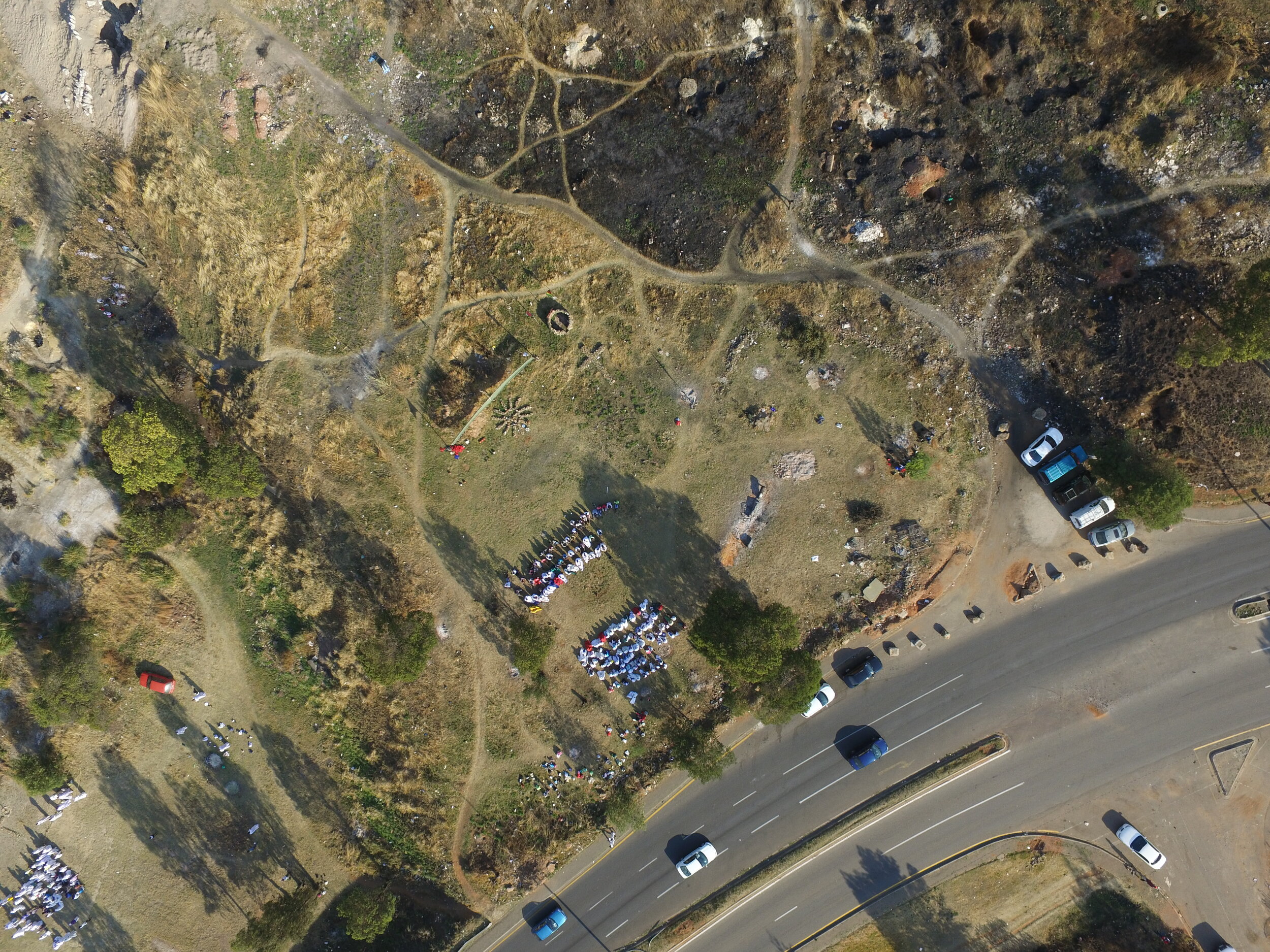
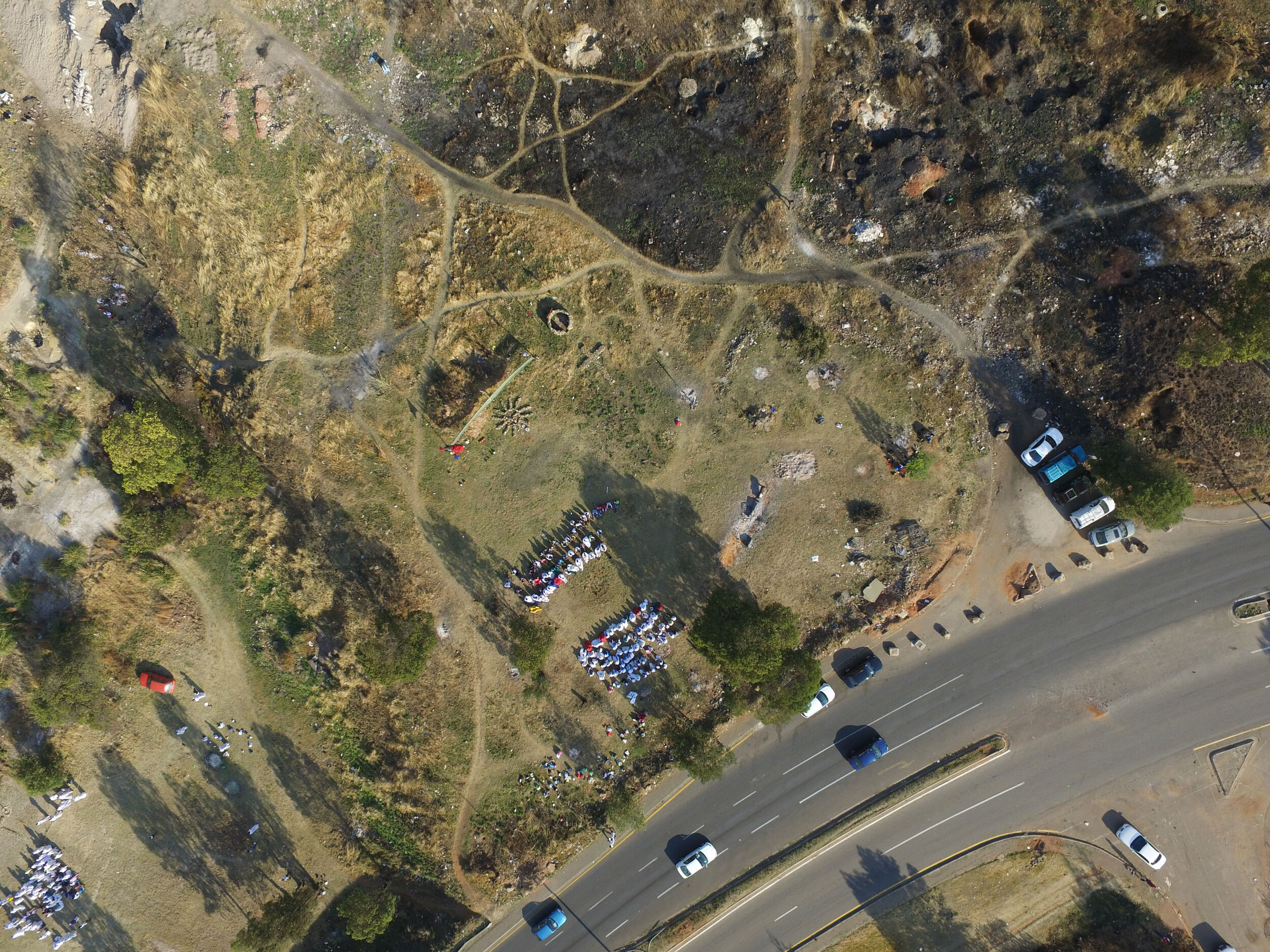
Our city, of course, has a history of clandestine meeting and organising – from pirate radio setups on kitchen tables to underground jazz during Apartheid. The city has such a divisive understanding of what public is and looks like. In many regards, we never had public spaces that are truly designed for everyone and that have truly drawn on our ways of being and our understandings and cultures of what ‘public’ is and looks like. But, in many other ways, the resilience of practices and gathering that exist outside of, and despite formal limitations, has been a revelation. Being able to see and read these, and learning from the atmospheres and spaces that are created by people and their practices of gathering and constructions of belonging – whether at a carwash, at a petrol station, for a lunchtime gathering, or church on a patch of leftover veld grass in the centre of the inner-city – has been deeply fundamental to my practice.


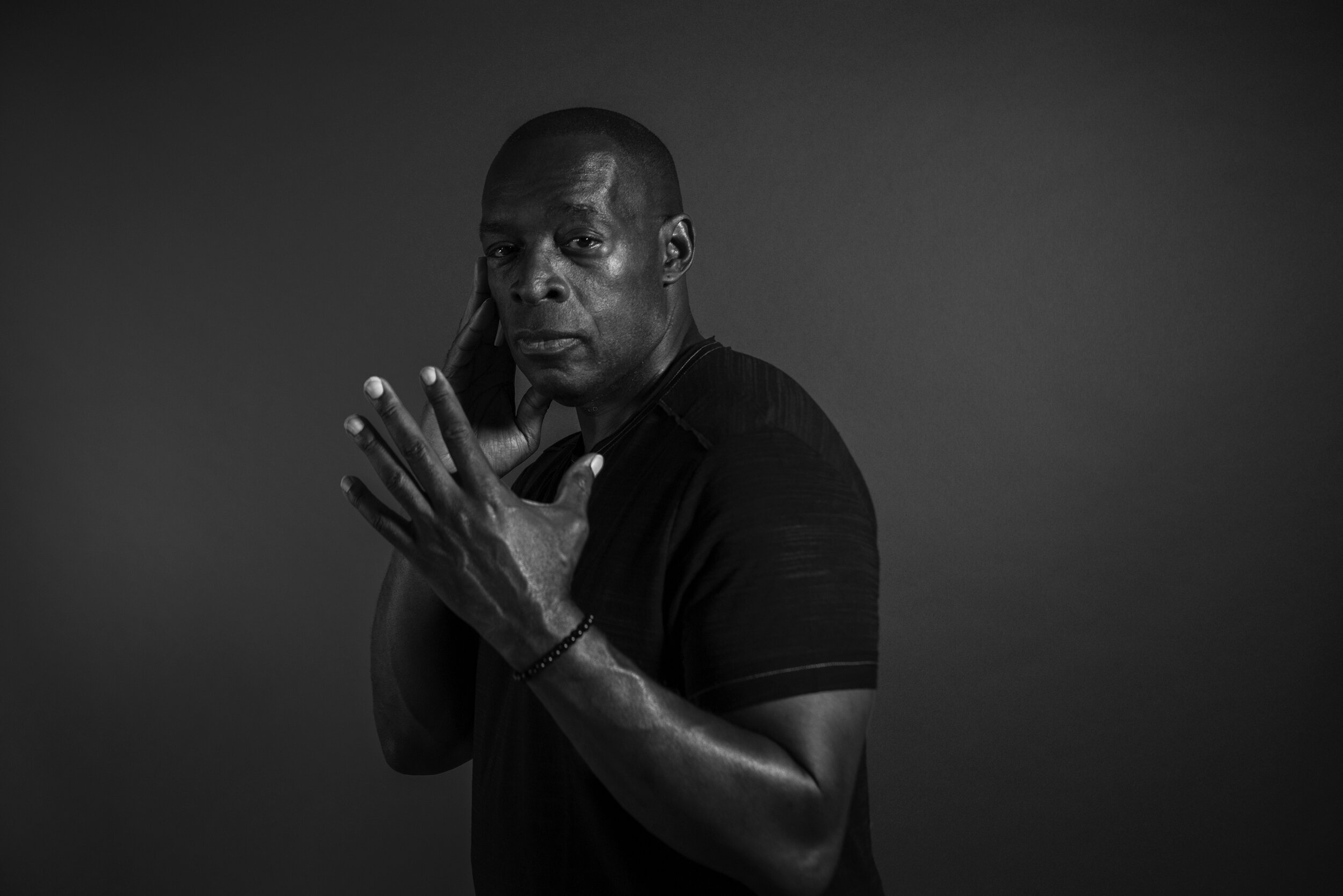
Kevin Saunderson

“no matter how big we became, it was always a struggle back home”

Back in June, Kevin Saunderson of Inner City made headlines when he claimed, in an interview with Billboard, that the music industry had failed Black artists. And he’s got personal anecdotes to back that up – recalling, over the phone to NR, the time himself and fellow Detroiter, Derrick May, played a festival in Australia almost ten years ago. The pair found themselves playing a stage with around 200 capacity; the Canadian EDM producer, Deadmau5, was on the main stage, playing to an audience maybe 20, 30, 40 times the size. 

It’s a story that captures dance music perfectly in a nutshell. Back in the 1980s, it was Kevin, Derrick and their high school peer, Juan Atkins, who pioneered and popularised techno in Detroit; young, Black producers making music for people like them. ‘Our crowd was 90% Black,’ Kevin explains – sure, the crowds were smaller than they are now, but that’s because EDM music exploded into a billion-dollar industry. An industry whose most well-known faces are male and white; Deadmau5, Skrillex, Diplo, David Guetta, and so on.

What’s the solution? Kevin thinks that it starts with promoters, agents and general management because, at the end of the day, ‘they’re who put music in front of you.’ There needs to be more Black management in the industry to ensure that people of colour are getting more opportunities and not being ‘taken for granted’; he sees it as a collective responsibility to bring other artists up. All that said, Kevin sees the scene as being in a good place, pandemic aside; there’s a more diverse sound coming through the next generation, much more so compared to back in the day. 

Kevin was born in New York, before moving to Belleville, a suburb in Detroit, as a teenager. It was there that he met Derrick and Juan, and it was also there that, together, the three would define the sound that became Detroit techno. The 1980s provided the perfect environment for a new genre to grow; in Chicago, there was house – pioneered by the likes of Frankie Knuckles and Marshall Jefferson, and in New York, there was disco (and later, garage). Though the scene in New York pivoted around gay culture, Kevin would travel back and forth from Detroit to New York for the music, going to legendary clubs like Paradise Garage to see Larry Levan play. It was an inclusive scene in an otherwise segregated music world;

“I was always inspired to make music for everyone because I was inspired by New York where it didn’t matter who the music was for.”

When Kevin formed Inner City in 1987, he brought that inclusive nature of the disco scene to the techno sound he’d found in Detroit. 

At the time, music by Black artists was regarded with hostility in America – something Kevin and Inner City found ‘no matter how big we became, it was always a struggle back home.’ It was when the band’s first hit single, Big Fun, recorded with vocalist Paris Grey, was included on British DJ, Neil Rushton’s compilation album, Techno! The New Dance Sound of Detroit (1988) that Inner City found success. And though Inner City’s second hit single, Good Life, is now recognised as a definitive anthem of the era, Kevin notes that no amount of global success changed their prospects back home. Artists who’d found success in the UK and beyond were met with doors slammed in their face back in the States; ‘they’d hear that agents are full up, “our rosters are full.”’ 

It never put Kevin off. Since those early days, he’s produced under many different names, from E-dancer to KS Experience, and in 2019, he brought Inner City back from retirement with the help of his son, Dantiez, and the singer Steffanie Christi’an. Back in August, the band released their first album as a new formation (and Inner City’s first in almost 30 years). We All Move Together is a celebration of dance music, from its formation in Kevin’s early career, to the present day. After being shown a clip of the actor and DJ, Idris Elba playing Big Fun by his friend Dennis White (Inner City’s original tour manager), the idea was floated to bring him into the mix for the album. ‘When I saw that, it sparked something to contact Idris.’ The result was the album’s opening track of the same name, in which Idris provides a spoken word history of the dance music industry. The album plays like a crossover between old and new, sidestepping the otherwise white-washed EDM scene. 

Working with Dantiez and Steffanie has given Kevin the chance to shape Inner City for a new audience, whilst being able to also keep its legacy going. When it comes to Steffanie’s vocals, it’s been great to create new songs that are shaped around her voice; ‘at the beginning, it was just previous stuff and that’s always difficult for anybody trying to sing someone else’s song.’ Kevin’s also open to using technology differently to the first-time round.

“Technology back then was more hands on, more hardware-based – you had to touch something. Software imitates what was done in the past, it’s recreating what I created.”

It was because of the technology that he got into producing in the first place, using sequencers like the Squarp, and drum machines like the 909, 808, 727. 

Kevin ‘appreciates both ways’ now – sure you ‘had to put the work in with the old ways,’ but newer software, like Logic and Ableton are shaping the future. It’s clear that Dantiez’s influence has rubbed off on his dad; it’s something Kevin has been sure to emphasise since Inner City reformed. And it makes sense because, at the heart of his music and the philosophy that underpins it, is a desire to push forwards. It was the futuristic sound of the German band, Kraftwerk, that had a huge influence on Detroit techno. How did a band from Dusseldorf end up on the radar of a teenager living in the suburbs of Detroit? Via the radio station of the Electrifying Mojo, who had a profound effect on Kevin, Derrick and Juan.

“Kraftwerk used technology to make music and it was so future sounding”

—Kevin explains. It provided the tools to create a definitive sound of the era, one that was able to reach a global audience without interference from the music industry guard. Risen from the ashes of a city decimated by the decline of the car industry that revolutionised the twentieth century, came a genre of music that would change the world once again. And, as Kevin points out, the legacy remains; ‘Detroit is Detroit – DJ’s always want to come to Detroit to play.’ 

Credits

www.instagram.com/kevinsaunderson
www.kevinsaunderson.com
Words · ELLIE BROWN
Photograph · Scott Sprague
Thank you to the Prizm Network

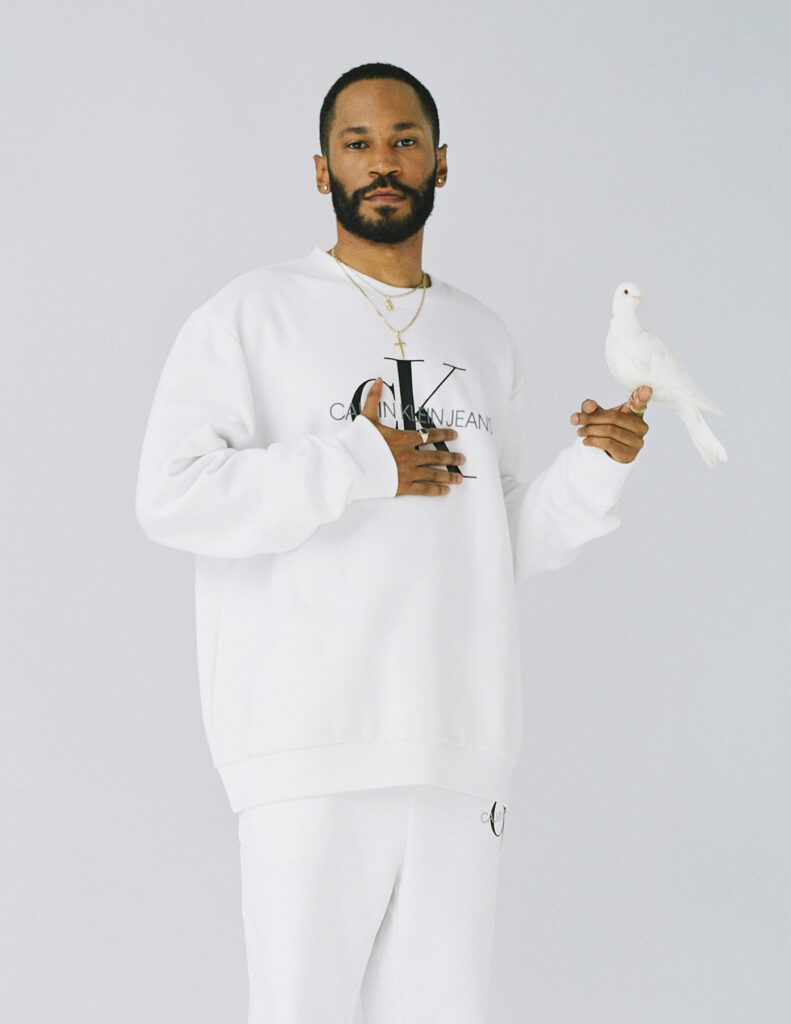
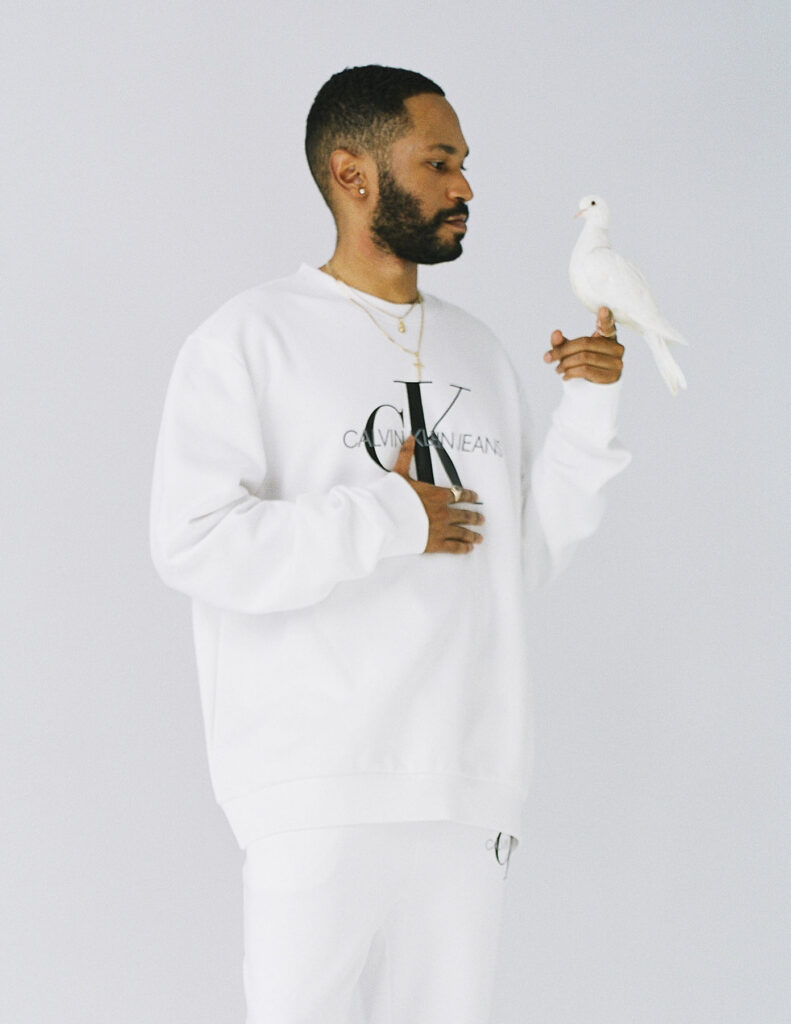
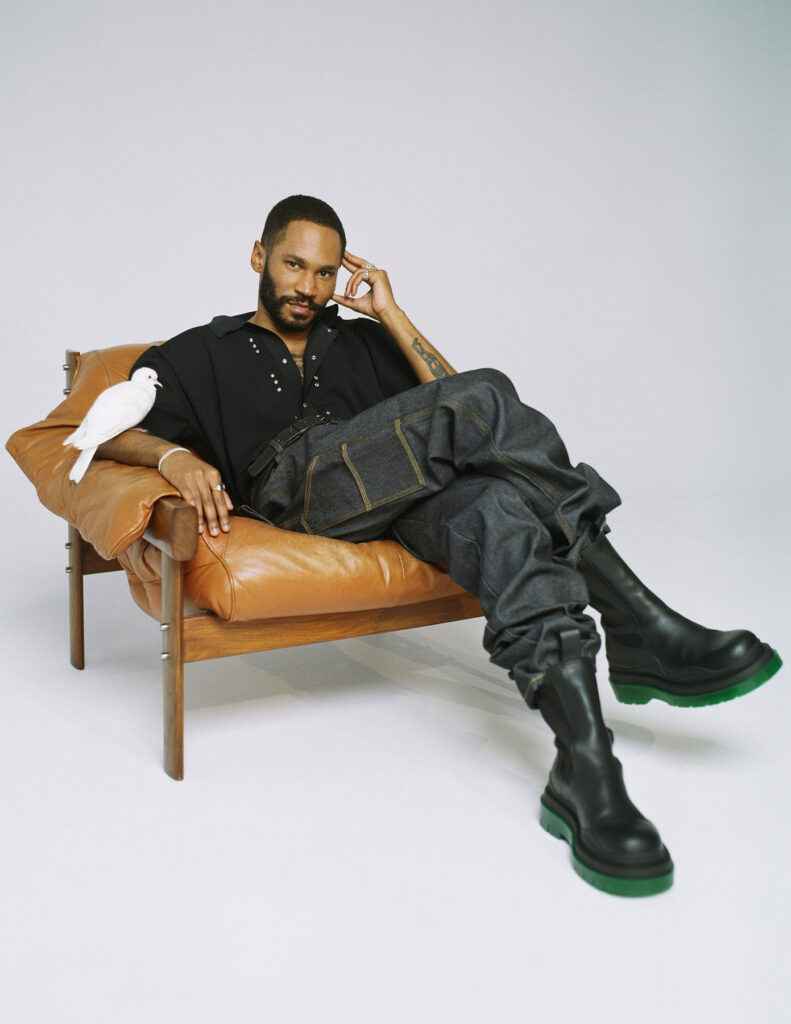
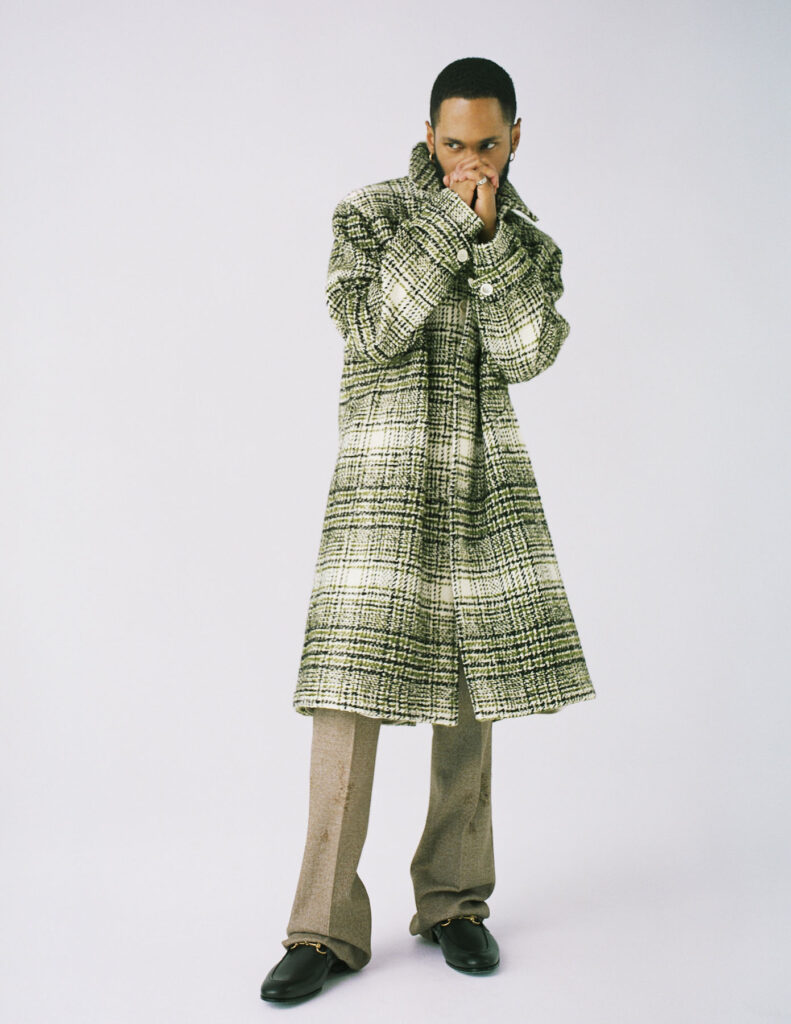
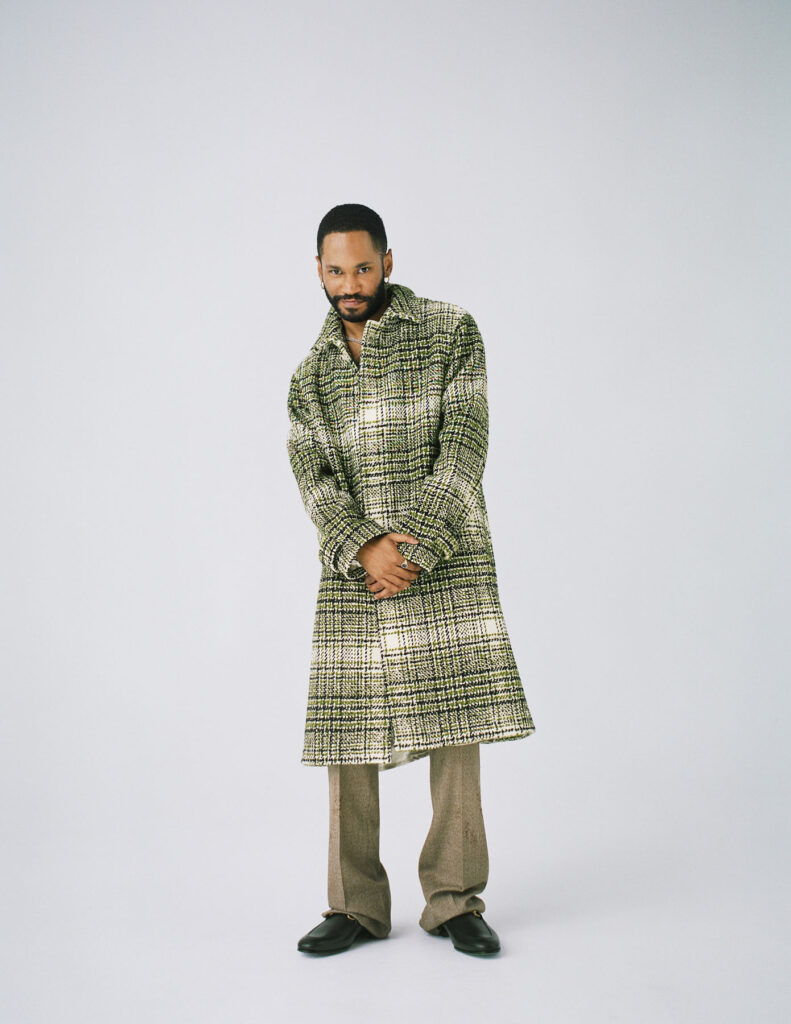
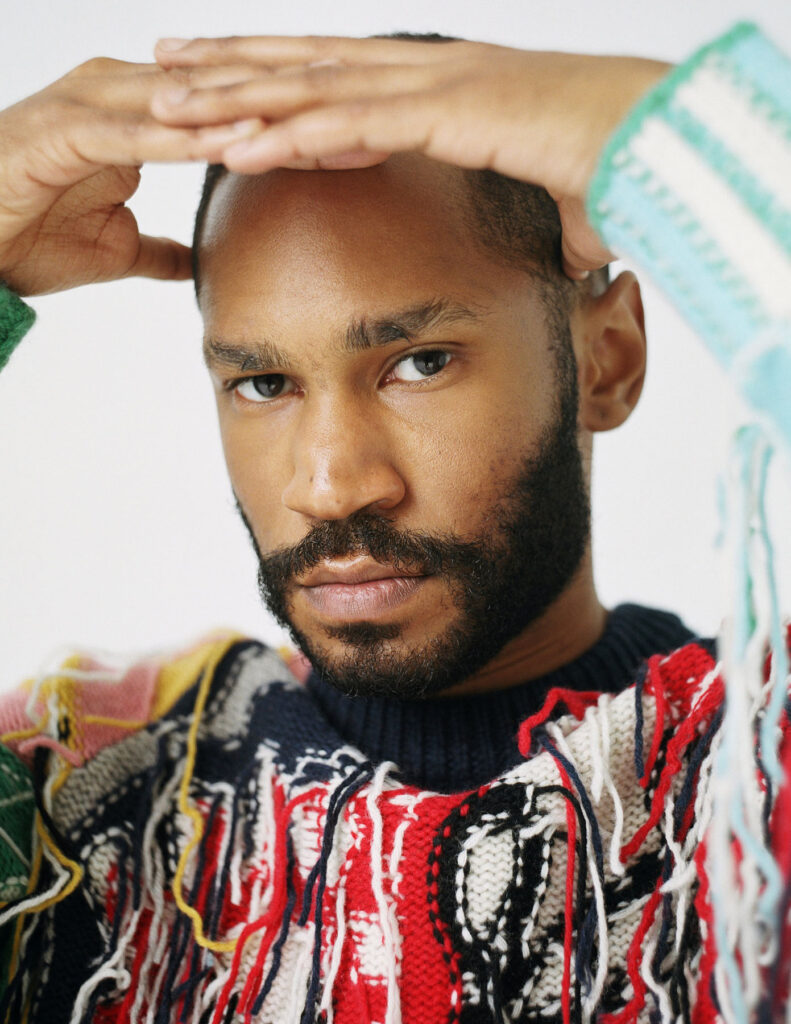
Kaytranada

Pivotal points and personal breakthroughs

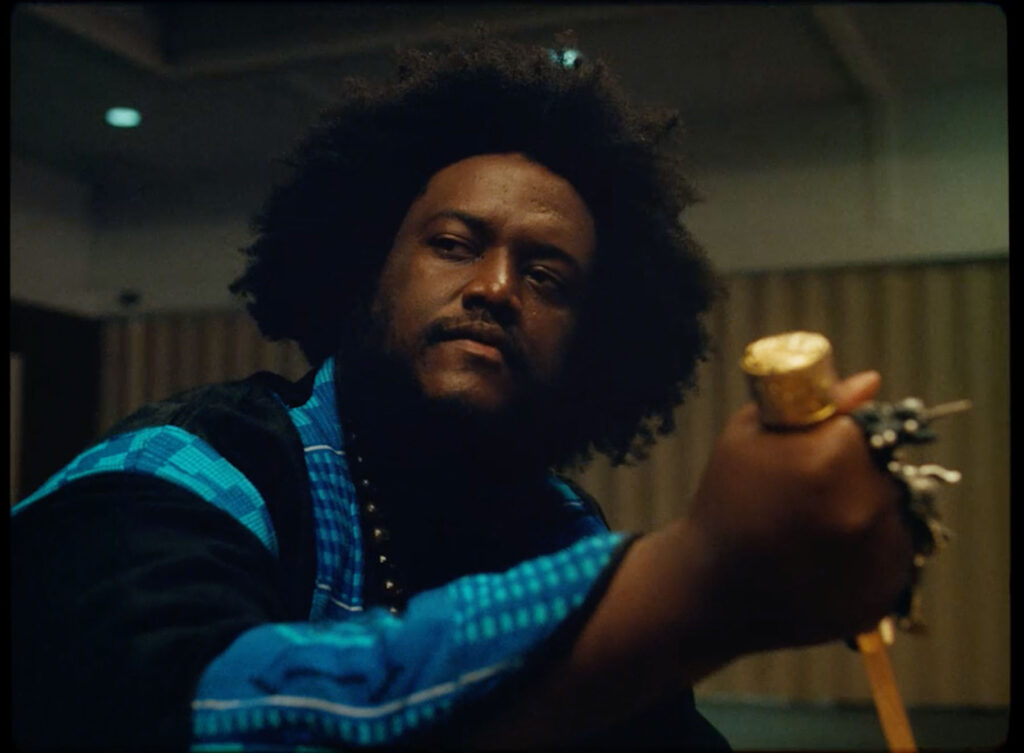
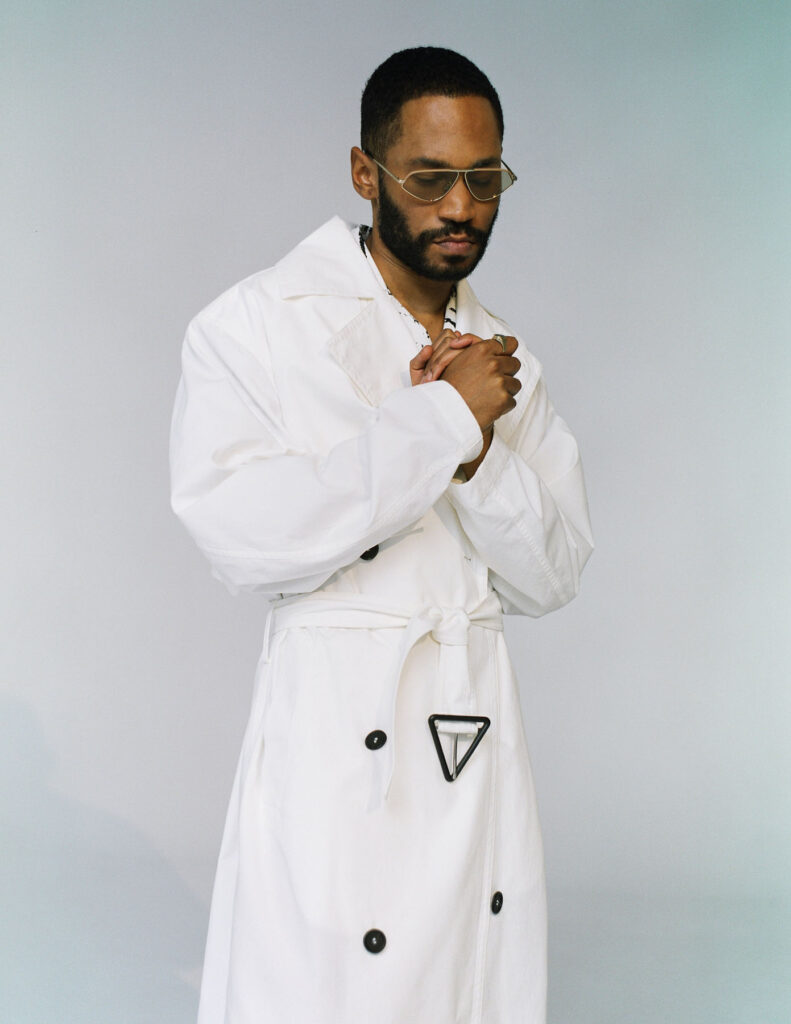
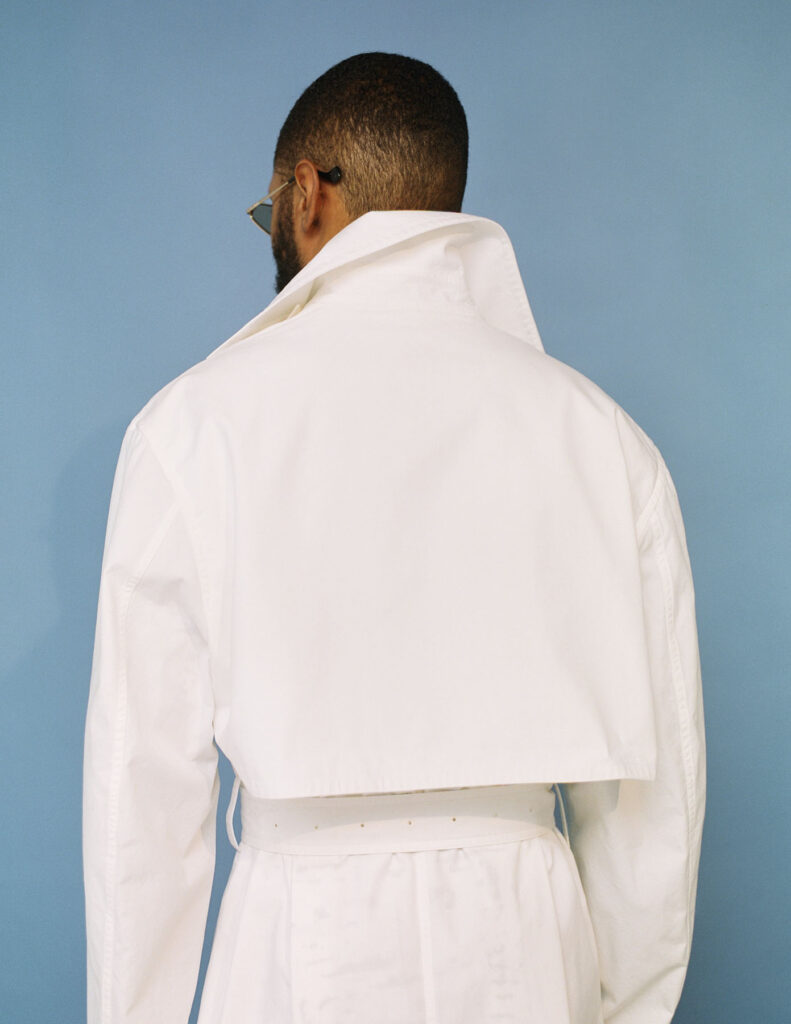
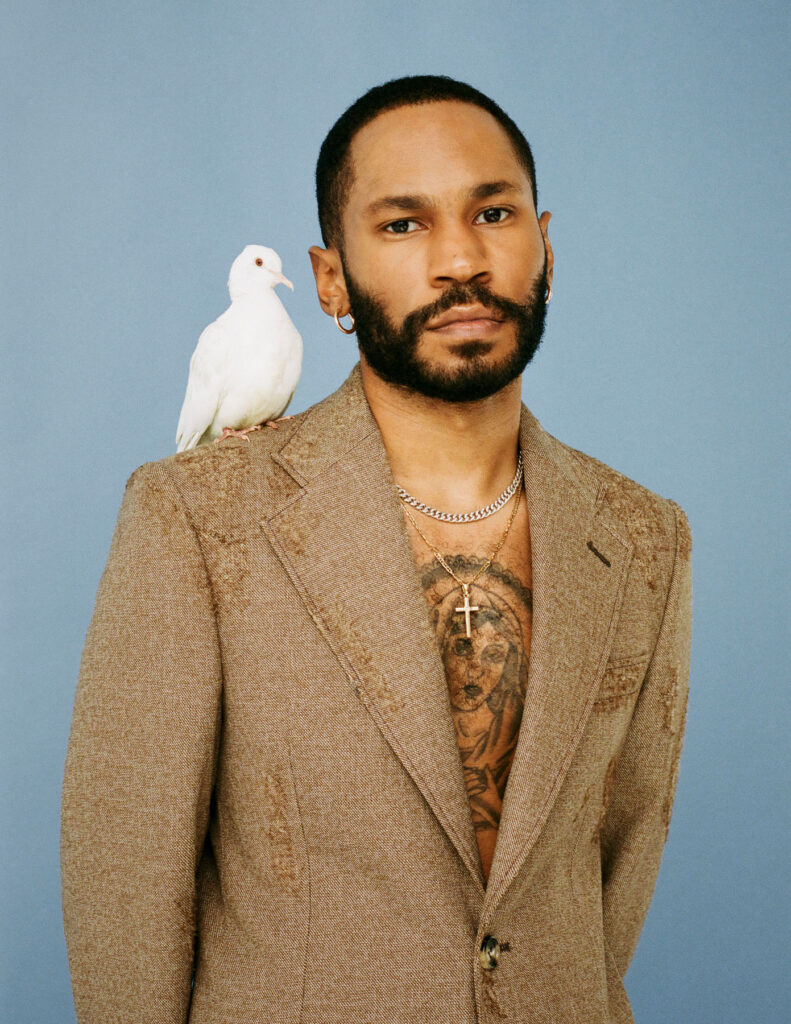
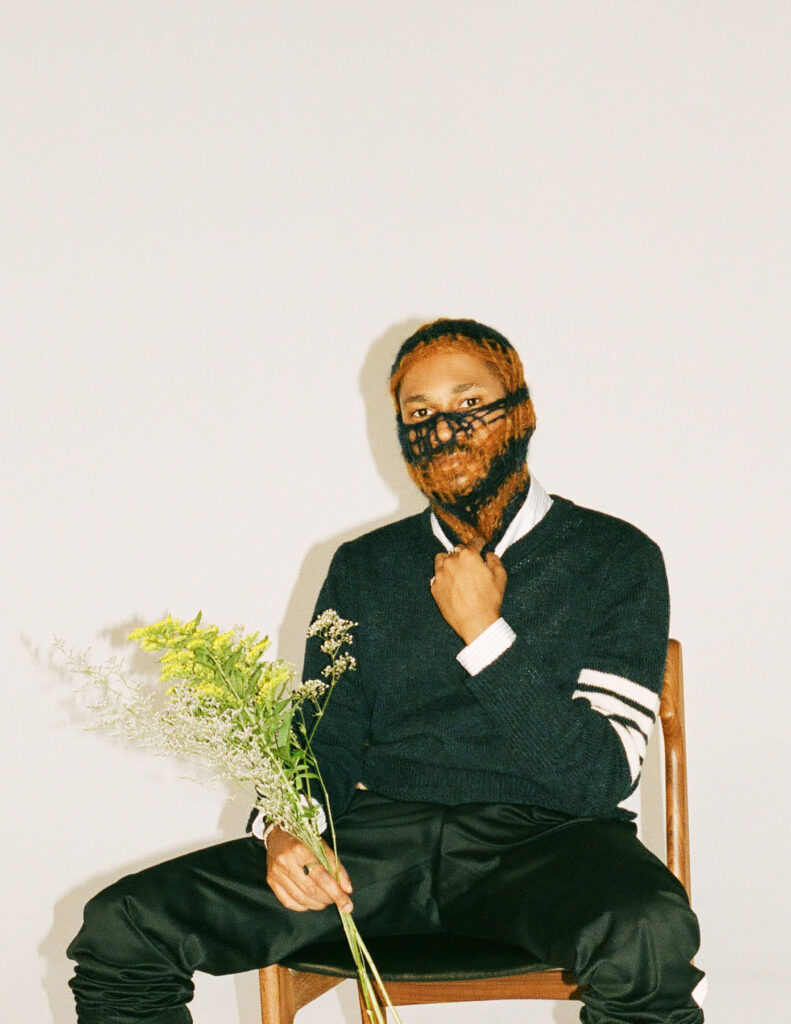
As the sun sets earlier and the air gets colder–as the weather folds–Louis Kevin Celestin (also known as Kaytranada) is returning to Los Angeles to pick up where he left off pre-pandemic, with a new understanding of himself. When the coronavirus broke out, he was in the midst of lining up studio sessions with artists, shooting a new series of visuals, and transitioning to a more collaborative creative process. Bubba–his sophomore album–had just been released and he had tour dates booked around the globe throughout the year. Be that as it may, he had to wrap things up and return to shelter in his Saint-Henri apartment. The pulse and tempo of his raw and distinctive take on out-and-out dance music would also have to stay confined in the custody of TikTok dancers for the time being. 

2020 was meant to be everyone’s year, but our most ambitious intentions subsided to a transformative journey of trials and tribulations as things went a whole other way. Abundant introspection has brought many of us to retrace our own pasts and re-imagine our futures in tides of hope and fear. The conversation Kevin and I shared was the occasion to revisit pivotal points of his life and personal breakthroughs of the past year, as well as the impact it has had on where he stands today, in the world and within himself. 

Born in Haïti and raised on the outskirts of Montréal, his notion of belonging has been in continuous motion over the years. Grappling with his perspectives on queerness lead him to find multiple groundings for his identity, as an artist and as a person. Growing into the power of only saying “yes” when he means it, of setting boundaries and maintaining them has meant asserting a much truer self. After spending the summer re-connecting in different ways–with nature, with friends, with other creatives, with himself, with film, with literature, and so on–he is back in phase with his own rhythm. 

Over the years, you’ve shared with me how touring and the acclaim that has come with it has been a source of relief at times, and the cause of distress at others. How has your relationship with being on the road shifted? 

In 2014, I was going on my first tour. The ‘If’ and ‘Be Your Girl’ remixes were buzzing, I had shows in Montréal getting sold out, people were showing up, it was kinda crazy, everything was growing at the same time… so my first tour in Europe was… a first tour. It wasn’t a disaster but my manager and I were learning a lot, especially my manager because I was always counting on him. I’d never been to Europe. I went to London first to just chill then we went to Italy for the first show and the hotel was in the middle of nowhere in some outskirts really far from the city and I was like “what the fuck, that’s Milan?” *laughs* […]. 

Touring was like an escape for me; when I went to LA for the first time, I met my label and the Soulection people, and it was like wow I’m finally there. When I’m in LA, I’m in a good space that’s nourishing to me, good vibes.. that’s what I’ll pay attention to– seeing, things I’m aware of… I used to not deal with it the right way and wouldn’t do much out there, now I’m trying to be more present mentally and trying to be less shy too, not that there’s something wrong with being shy– just not overthinking or holding myself back. 

All this LA shit happened before my first European tour actually, which is crazy. I was in LA, I was finishing school, which I didn’t even finish… I got the Boiler Room LA offer, then I went to Europe that summer. I came back to Montreal and right off the plane I had to head for Murale Festival, one of the first ones. That’s when I saw that a lot of people were there just to see me, there were so many people dancing to my shit, I played some unreleased stuff that later became hits.

A true homecoming. So when did the feeling switch up? 

Yeah, so when I went back on tour, my first album wasn’t out yet, I had only released 2 singles with XL– so I was on tour with no new music, which really bothered me because I was either playing other people’s music or songs from 99.9% that wasn’t even out yet, and people wouldn’t recognize [them]. 

I would often tell my manager ‘I can’t do this anymore’ and he would be like ‘hang on man, you can do it’, to a point where I got really sick on tour– overworked, stressed, I couldn’t eat, and thank God my brother was there because it really saved me.

“I would be trembling with shivers, I had to perform sick and go right back to bed shaking, throwing up my meds, I couldn’t eat, I had to force myself to eat soup… at the same time I was drinking a lot and I didn’t know that drinking was gonna kick my ass the way it did, like every night getting drunk, my head was hurting, it was killing me… there was so many things that I didn’t realize, I was kinda overweight too… I was not well.”

All that back to back stress accumulating into a burnout… how did you cope with that? 

I stayed home for much of 2015, I had money though, which was cool, so I was really like “okay this career shit works, I’ll be back on tour later on”. It was bitter-sweet because I loved to perform but I didn’t like traveling from a city to the next, so it would’ve been a lot better if I had like 3 days off in Berlin, because I wanted to see Berlin, I wanted to see Philadelphia… 

I had to take a long break, I was at home, I really wanted to move out and get my own spot– my mom couldn’t understand it– but I was like ‘I’m still sharing my room with my brother and I’m 24 years old this is ridiculous’… I hadn’t come out of the closet yet, so that was just before I put out 99.9%. 

So while there was so much changing on one side of your life, it was more of the same on the other 

Yeah so then I stayed home, worked on the album; I didn’t even work in the studio with anyone on that album, I mixed it by myself and then I turned it in, and the album came out in May 2016, a couple of weeks after the article where I came out. 

I came out years before but I had to re-come out again– because I had told my family I was bi to be more acceptable, but

“it got to a point where I told them ‘I’m not gay anymore, I’m delivered’, forcing myself to not-be-gay and to have girlfriends, because my friends would ask me ‘so when are you gonna have a girl?’, my uncles, everybody was worried for no reason, like, mind your business.”

Did that help you understand yourself better? 

I mean, there was a typical identity of being gay, so I wasn’t sure of myself because there weren’t gays like me that listen to Madlib or like Mobb Deep or Tribe Called Quest or M.O.P., raw shit like that– that’s what I listen to every day. I got my own divas that I like but it’s like Mariah Carey or Janet, she worked with J Dilla you know– because they’re hip hop. 

Yeah, even Mariah singing over Shook Ones or Cam. 
While a lot of people have been adapting to the concept of remote working, you’ve said you like working that way better from time right? 

Yeah I mean at the time I used to, but I don’t want to do that anymore, because I always know [how it’s gonna turn out] when I work remotely, so now I really wanna be out there and create with the artists, its more fun. And I used to get too much in my head when I would try to create with an artist and that wouldn’t come out as nice but yeah I know now I’m not gonna just work remotely, and it worked ’til covid happened– like I was ready, I put out Bubba, which was what I really sound like personally, so people reached out and those that did because of the album, it made me more confident to just do my thing, so that was working out until covid happened and I had to go back home. 

It’s ironic that right as you were becoming more comfortable with that way, everything had to shift back to remote working. 

Yeah, it makes me forget that I was that way, that I was ready to work with people. Some days I’m like– I’m going to LA soon, so– I forgot– I feel like I’m back to my old ways. 

So let’s revisit how the year went down; how did going into lockdown unfold for you? 

Okay, so– the pandemic was hard for me. I had a tour planned after putting out Bubba in December, so I was ready to go on tour for April-May-June then go to Europe after that– I had my whole year planned. I had done the Australian tour in January, which was amazing but a lot of problems came after that and everything kind of went down. 

I was in LA when the pandemic happened and I was working with people, on what was perhaps going to be the second part of Bubba that I was talking about, which didn’t happen because I had to go home right after doing the Need It video, and things went downhill… 

I went through a breakup in June, and that really messed my head up at a crazy level and I don’t know why, it’s funny because I didn’t need anybody but the breakup was hard to take, and day-to-day life, making beats, was harder than it used to be, I really lost myself. 

I grieved for I guess 3 weeks then I got up like, you know what– I’m not gonna spend my whole summer crying and shit– so I went to my friend’s studio. Alex from BADBADNOTGOOD got a nice farm somewhere in the countryside and we took shrooms, made a lot of beats. He has a beautiful spot, a bunch of vintage synths, a nice lake in the back, all to him and his fiancé… it’s amazing, his dogs are very nice, his cat too, that’s the best shit ever for me… I regret not going earlier or more, but next year I definitely will. Even when we’re not making music, we’re just listening to records, we talk about records a lot, so he just brings out the dopest Brazilian records.. and we just sunbathe and drink wine. That’s the fucking Life, I swear.. so it was really that state of mind… 

“I tried to distract myself from this breakup and I managed to have one of the best summers I’ve ever had still. Maybe less beats, but all the beats that I made were made on purpose and were dope. I found a new formula, I felt elevated.”

Your creative process? 

Yeah, my approach is so different now, and I sample less too, which is crazy.. all my records are just sitting there not being sampled it’s just weird. *laughs* Now I just rather create my own samples and add drums at the end and its a completely original production. It feels great to have that. 

A lot of things have been leading you back to yourself. 

Yeah, sort of.. even this breakup made me want to go to therapy, so I started therapy for the first time and it really blew my mind. I didn’t know why self-love was so important– why loving myself was so important… seeing friends that remind you that you’re the shit, because I was so invested in my relationship. When I was freshly single it was like “okay I gotta find distractions I guess“; good distractions– my friends really helped me, all the people that were there for me this summer, I didn’t know I had that many true friends. 

Having folks really show up for you. 

Yeah, so on top of that it just feels good to have that, and realizing in the long term, “okay this is connected to what happened before: this is why I act this way, this is why I react this way to this breakup“, its all related to what I’ve been through before, and who I am today. It was really an awakening I had inside of me, being in touch with myself and now I feel good about being by myself too. 

What are some self-care habits that have helped with that? 

Meditating, reading at least 15 minutes a day, making beats, reaching out to people and collaborating more, going to the farm, spending time in silence. 


Team


Photography KANE OCEAN
Fashion SAMUEL FOURNIER
Interview ALEX MOHAMMAD
Creative Direction NIMA HABIBZADEH and JADE REMOVILLE
Grooming CAROLE MÉTHOT
Prop Stylist ANA LONTOS
Photo Assistant SAM NOVACK
Dove Provided by Alan Greenberg
Stream BUBBA now


Designers

  1. Full Look CALVIN KLEIN JEANS Jewellery Talent’s own
  2. Full Look CALVIN KLEIN JEANS Jewellery Talent’s own
  3. Full Look BOTTEGA VENETA at HOLT RENFREW Jewellery Talent’s own
  4. Jumper CHARLES JEFFREY LOVERBOY Trousers ECKHAUS LATTA
  5. Full Look BOTTEGA VENETA at HOLT RENFREW Sunglasses LOEWE at HOLT RENFREW
  6. Blazer MARNI Jewellery Talent’s own
  7. Full Look THOM BROWNE at HOLT RENFREW Mask RAF SIMONS
  8. Full Look EMPORIO ARMANI
  9. Jacket and Trousers MARNI Shoes GUCCI at HOLT RENFREW

Collard

“I think it’s okay to just be easier on yourself now”

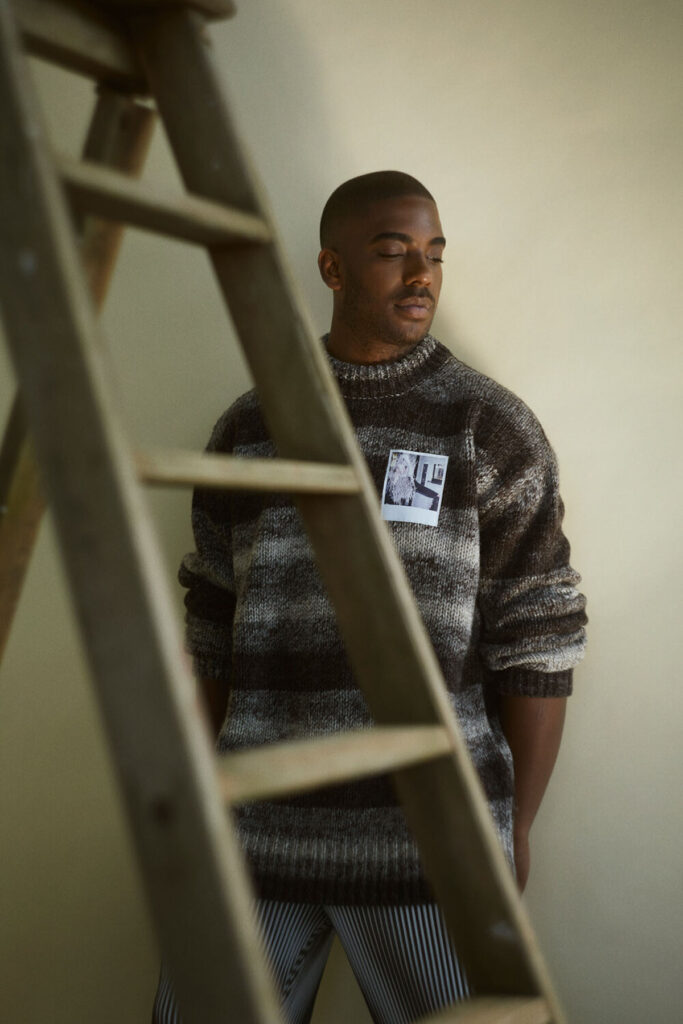
Josh Collard, the singer from South London better known by his alias, Collard, has just returned from Milan when we speak via video call. He’d been flown out to perform at the Bulgari event for MFW. It was the first time he’s been able to play live since lockdown hit, and though it may not have been the dream show – ‘I only got to do three songs, it was great but, you know, no one knew who I was really except the people that booked me.’ It was, he says, a tough crowd, but it was also likely the first time in half a year that the fashion set would have been able to see each other. He had good fun though; ‘it was just nice seeing my guitarist again as we’ve not had a reason to be face to face yet.’ 

Collard’s upbringing is one of the first things you’ll find when you Google his name; brought up in a strict Mormon household, too much of a troublemaker to be baptised at the age of eight (then becoming convinced he was a sinner), surrounded by music by the likes of Janis Joplin, James Brown and Prince. He joined the hip-hop collective Last Night in Paris at the age of 19, but it wasn’t really him. ‘I was doing crazy performances that I didn’t enjoy, that didn’t feel was a direct reflection of me. I felt like I was always up there emulating something else. I’m not a jump about person – there was a lot of jumping about and rapping. I’ve got asthma; I’m a two-stepper slow grinder, that’s what I do.’ And so, he left.

‘I didn’t have my own intense love creatively for a genre,’ he recalls, rather a ‘love for different genres and different music that just felt like a hobby.’ He was just recreating what was popular, musically, at the time and not really pushing the limits of his potential. That changed on a trip to LA with his producer, Zach Nahome, where he began to experiment more and veer away from the realm of hip-hop and into the territory of a more eclectic mixture of soul and smoother R’n’B. ‘It wasn’t until LA that I let the shackles go a bit.’ And 2019’s Unholy, Collard’s debut release, encapsulated his new sound perfectly. The album received rave reviews, and comparisons to a modern-day James Brown of sorts – James Brown with the addition of a feature with rapper, Kojey Radical.

When listening to Unholy, it’s possible to hear all the different elements that come together in Collard’s current sound; the influence of Motown, the references to religious themes, and the inherently twenty-first century twist. He speaks about creating something that takes from the past, with a modern outlook – something you can propel forward and make completely your own. That, Collard notes, is how music changes to reflect a new era, through exploration and design. He has a keen eye for detail, appreciating the visual side of making music as much as the sound – which is apparent in the way he enthuses about scrolling through albums on his phone, being visually stimulated by seeing the artworks, condensed and filed. 

When it comes to the visuals that supplement your music, is there anything you gravitate towards?

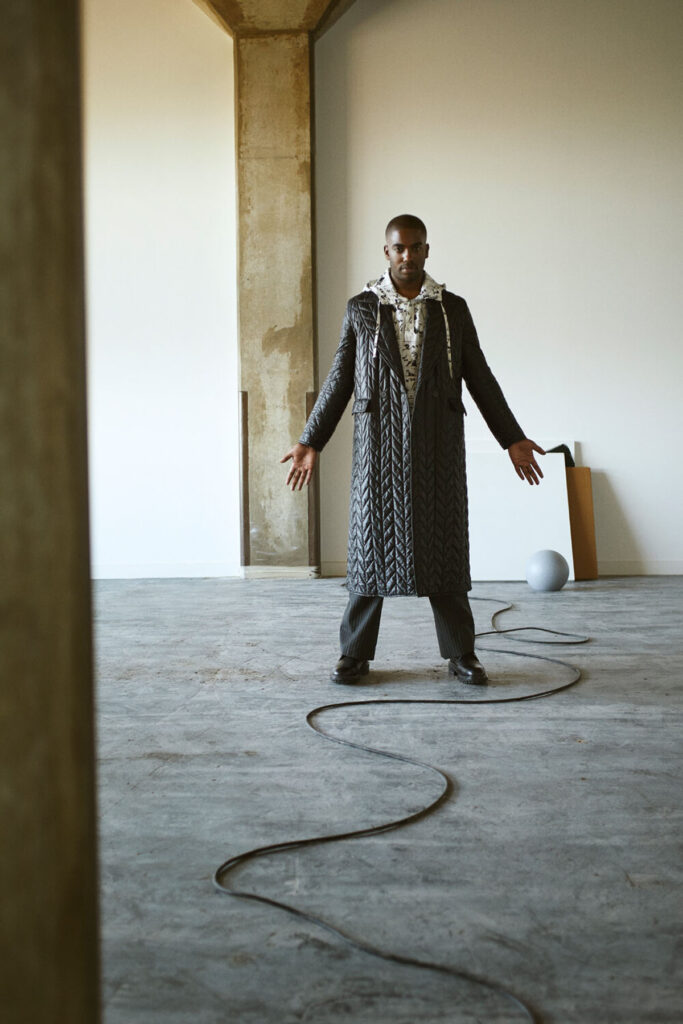
I like uniform, order, structure. I like the kind of Wes-sy Anderson aesthetic, or Stanley Kubrick, where everything’s got a purpose; all the colours have got a purpose, it all makes sense and it’s all uniform. I liked the shoot [for NR, at Purpose: The Archives in Tottenham] because I think it worked with my creative direction; the colours were pretty uniform, the backdrop was pretty uniform, the grey, the cement, everything. It looked pretty futuristic in a way. My favourite city is Stockholm – that place feels like a glimpse into the future. I’d say that visually, that’s my thing: with my creative directors, everything is about accentuating my love for uniformity and the need for things to make sense and kind of mesh. That’s what I’m visually attracted to.

Do you apply that same logic to making music, or are they quite separate approaches?

Yeah, no – it’s not chaotic at all. It’s actually very uniform in terms of my layout. What I think about might be chaotic, or the situation might be chaotic, but I like to get it into a neat form so I can contain myself, you know? I like to start with the chorus – I always go with the chorus first – and once I’ve got the drift of what I’m really piecing together, that’s when I get into the verses. And I still love a uniformed 3:20 song. I love it you know; when it sounds like it could be at the end of a movie, or something like that, and you’ve got to fit within the constraints of that, which is beautiful. That you can fit something so wild, so personal, and you know, say the most out of this world things (which I sometimes say in my tracks), but fit it into this orderly fashion – that’s how I create for sure. 

A lot of stuff has happened this year, and in light of that, it would be interesting to know if the past seven-eight months have changed how you make music and your outlook on things?

I think my outlook has changed because I realised I wanted to be more present in music. I do like uniformity; I do like creating catalogues, but I think it made me want to explore different ways of presenting myself and my music. Not so rigid, and not so time-consuming. I’m excited to do another album, but I’m also dreading it, you know? I can’t speak for other people but, for me, it’s such a – it’s a positive, but positively-draining process that I don’t know if I want to dive back into. So, having the quarantining time and then not having to release anything [at that moment], I got into a thought process where I was like, this doesn’t need to be for a catalogue, maybe it can be just a theme. Just two songs; you love it, just put it out. Every artist’s thing is that they won’t make anything as good as the last song that did well, but I think if you get caught in that loop, you really stop yourself from just putting your art out there. Not that you should be hitting it all the time with “content, content, content,” but I think it’s okay to just be easier on yourself now. I think that was a big thing for me to learn, so I think that’s my plan in future – I’m going to fall into making an album, but my releases are just going to be fluid and what feels right.

Have you been able to making anything in the past couple of months? 

So, I didn’t get into the studio for a while because I work really closely with Zach and, at the time I was like, if I’m working, I’m only working with that guy because I know him and he’s a very hygienic man – you know what I’m saying. And we waited because he’s got a household and I’ve got asthma so we chilled for a while, but since we got back in, we’ve been able to actually make quite a few songs. We haven’t stopped. That’s just the way we work though; we get in, make three-four songs, you know – so we got right back up to speed at least. I’ve been working with him for a decade – nearly a decade now – so the process is always easy to get back into. I mean, it was the same as how we always work: just me and him, so with social distancing, I mean, maybe I spent a bit more time in the booth while he was in the control room, but that’s about it. 

You mention being a bit more fluid when it comes to making music now, but the sounds and themes of Unholy were quite specific to that album, so are you likely to consider veering off to explore other topics or inspirations? 

Yeah, I think that’s the bit I’m trying to protect right now and not force. It’s not the continuation of the sound, but the continuation of the narrative; I don’t want to force the narrative on the next album. So, it’s about figuring out what will fit for this one, what I want to talk about. I think, in terms of organisation, I don’t want to see myself swaying from a 10-track album: and the timings, I love an interlude dead in the middle. I don’t think I’ll change from that format, it’s a nice “Collard” format. But who knows? Sometimes, I’m two songs in, like with Unholy, it was after one and a half songs that I realised what it would sound like. Once I’ve found those one or two songs and the narrative for the next album, I’ll know what to do and what direction to go in. And obviously I’m not trying to make a carbon copy of Unholy, but in terms of musical components – a live sounding album will never leave me; I just love instruments too much. 

So, when we eventually get back to live shows that aren’t just a one-off like Bulgari, what will you be looking forward to? 

The whole band getting back together; I love my band. Signing with a major label [Virgin], I was lucky enough to get what I wanted in terms of my live set up – so I have the whole works. But, the drum solos, the guitar, hearing new music live, even just being able to rehearse and perform that. There’re talks of a show at Jazz Café next year, so I’d be super excited about being on that stage. Headlining would be amazing because that’s the first place I ever performed. I’m looking forward to that, hearing new songs and performing new songs, just even rehearsing new songs cos everyone in my band’s so good. Sometimes, I don’t even want to sing I just want to hear how it all falls together – I’m excited for it.


Team

Photography DAVID REISS
Fashion SAM CARDER
Interview ELLIE BROWN
Creative Direction NIMA HABIBZADEH and JADE REMOVILLE
Grooming EMILY PORTER  
Set LUCY WHEELER
Photo Assistant TAYO NELSON Fashion Assistant Harley O’Connor
Discover more of Collards music on Apple Music
Listen to Collard’s curated playlist for NR


Designers

  1. Jumper and Shirt QASIMI Gilet CP COMPANY Chinos NAPAPIJRI Shoes JIMMY CHOO
  2. Jumper MARNI at MATCHES FASHION Trousers EMPORIO ARMANI Earpiece RATHEL & WOLF
  3. Coat EMPORIO ARMANI Hooded Shirt LANVIN Trousers PRADA at MR PORTER Boots JIMMY CHOO
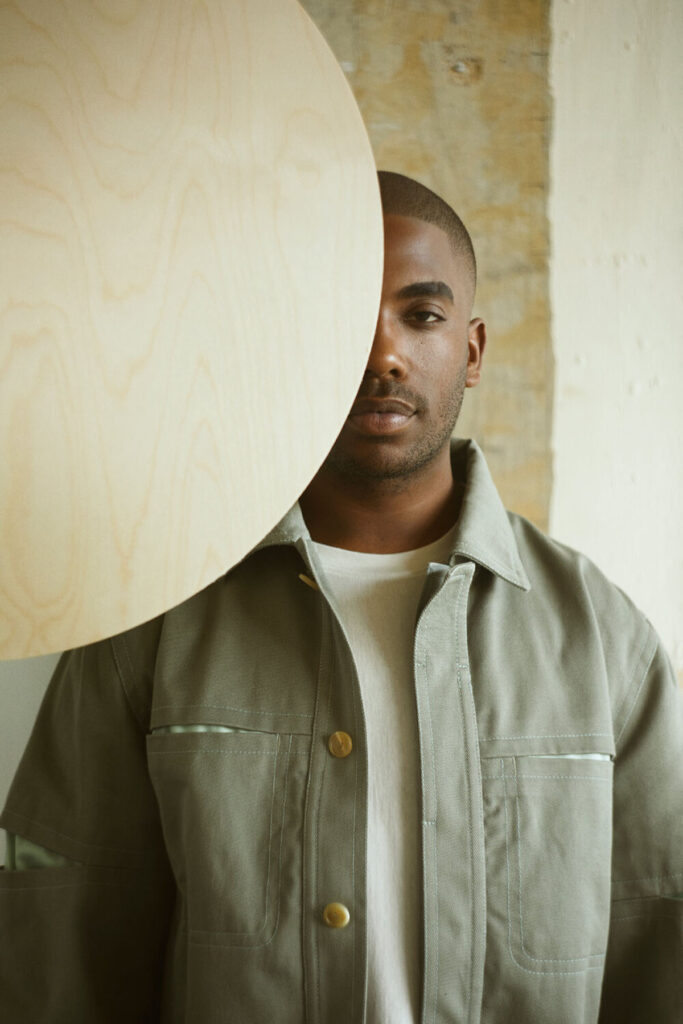
  4. Shirt Jacket JACQUEMUS at BROWNS FASHION Long Sleeve T-Shirt HOMME PLISSE ISSEY MIYAKE
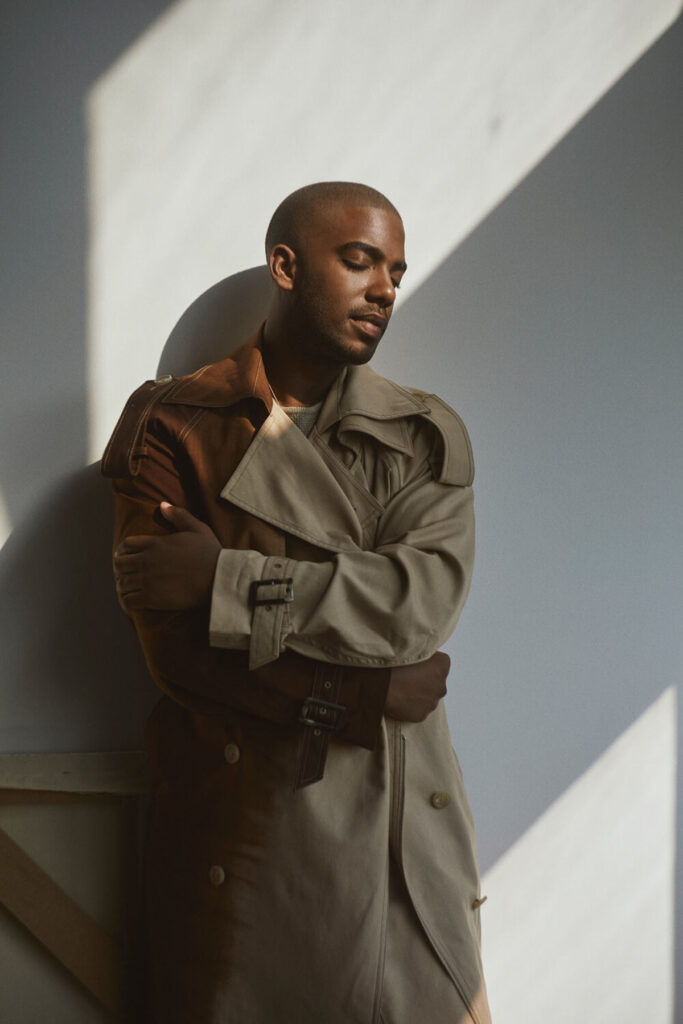
  5. Trench Coat FENG CHEN WANG
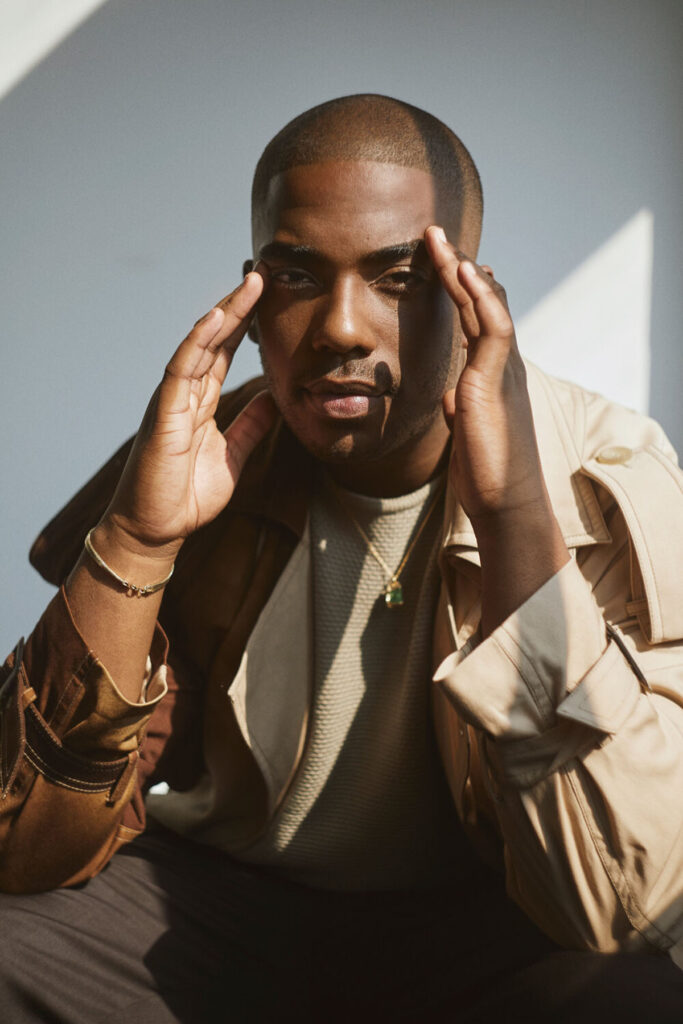
  6. Trench Coat FENG CHEN WANG Necklace BLEUE BURNHAM Jumper HOMME PLISSE ISSEY MIYAKE
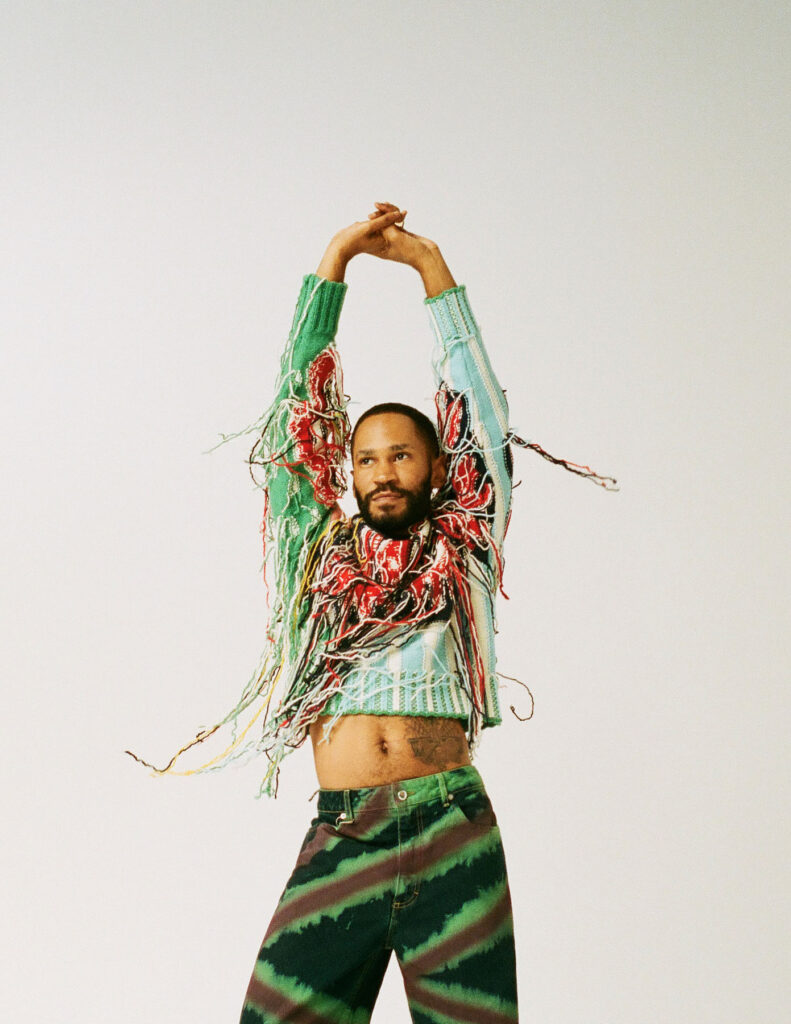
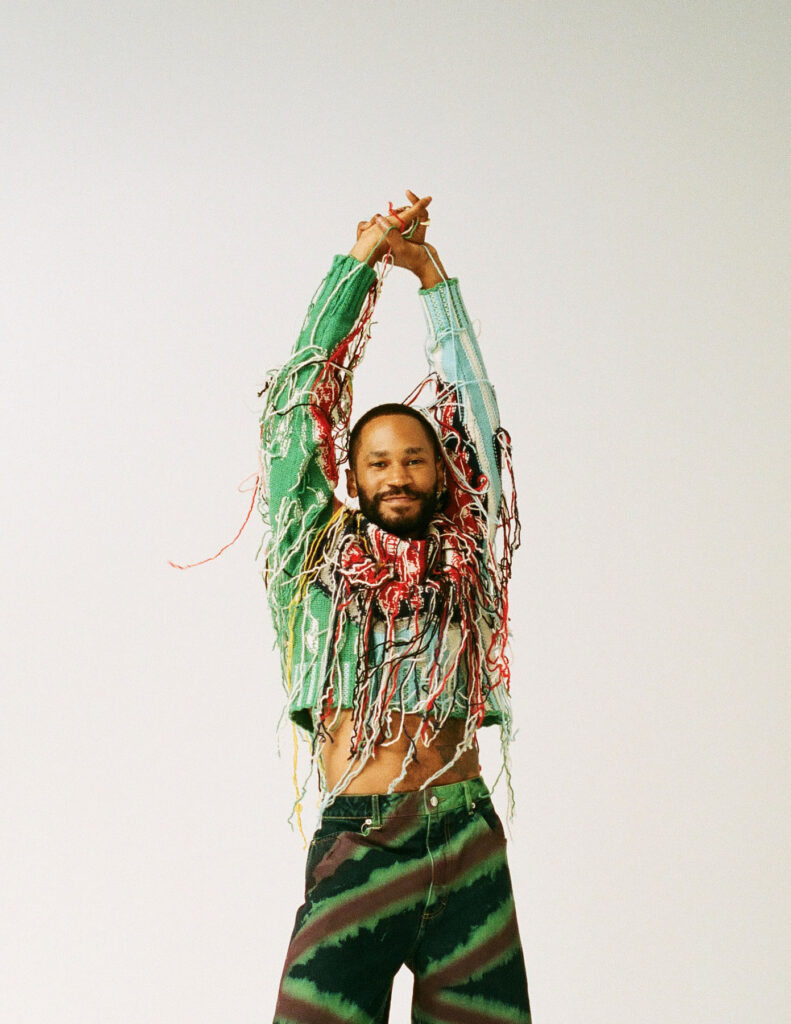
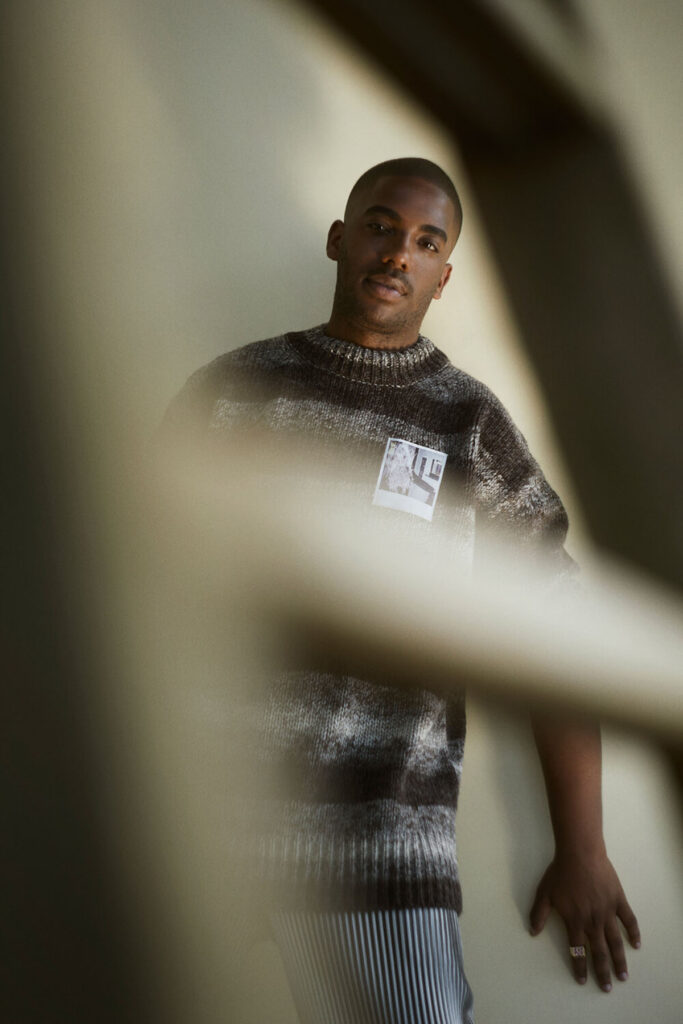
  7. Jumper RAF SIMONS at MATCHES FASHION Trousers HOMME PLISSE ISSEY MIYAKE Ring BLEUE BURNHAM
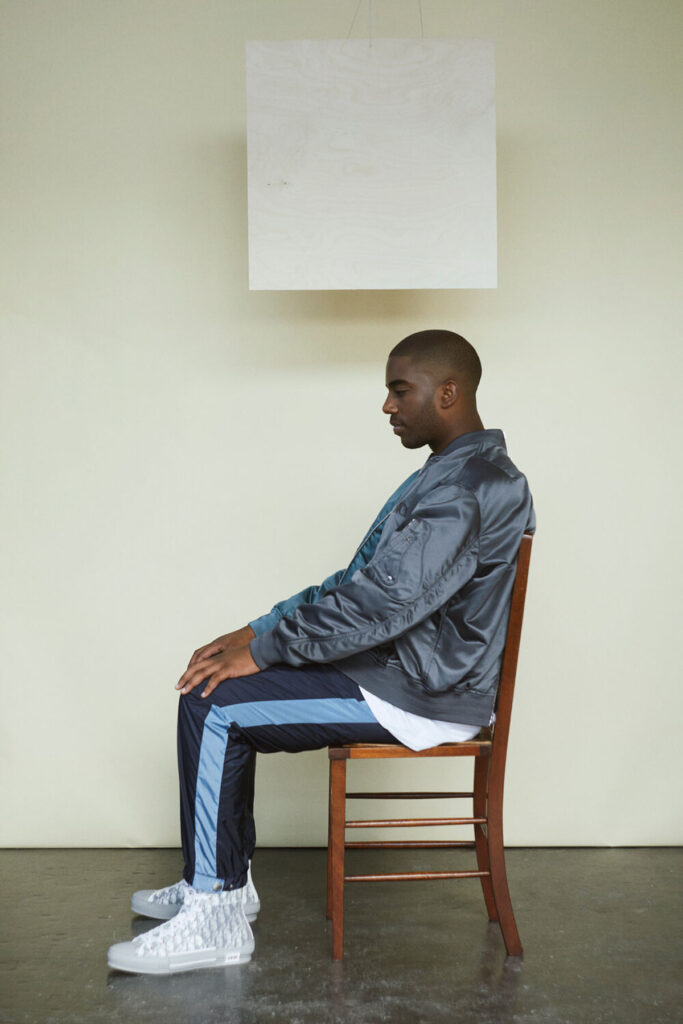
  8. Bomber Jacket and Trainers DIOR T-Shirt Y/PROJECT at MATCHES FASHIONTrousers PRADA at MR PORTER
  9. Jumper RAF SIMONS at MATCHES FASHION Trousers HOMME PLISSE ISSEY MIYAKE Ring BLEUE BURNHAM
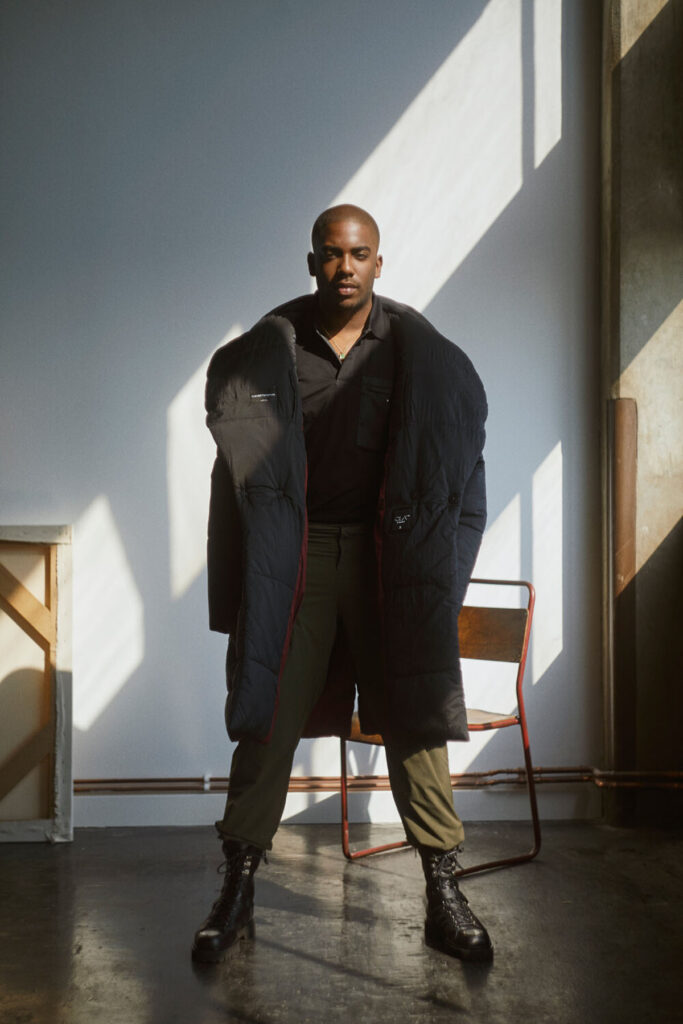
  10. Coat and Boots EMPORIO ARMANI Polo Shirt PRADA at MR PORTER Trousers CP COMPANY

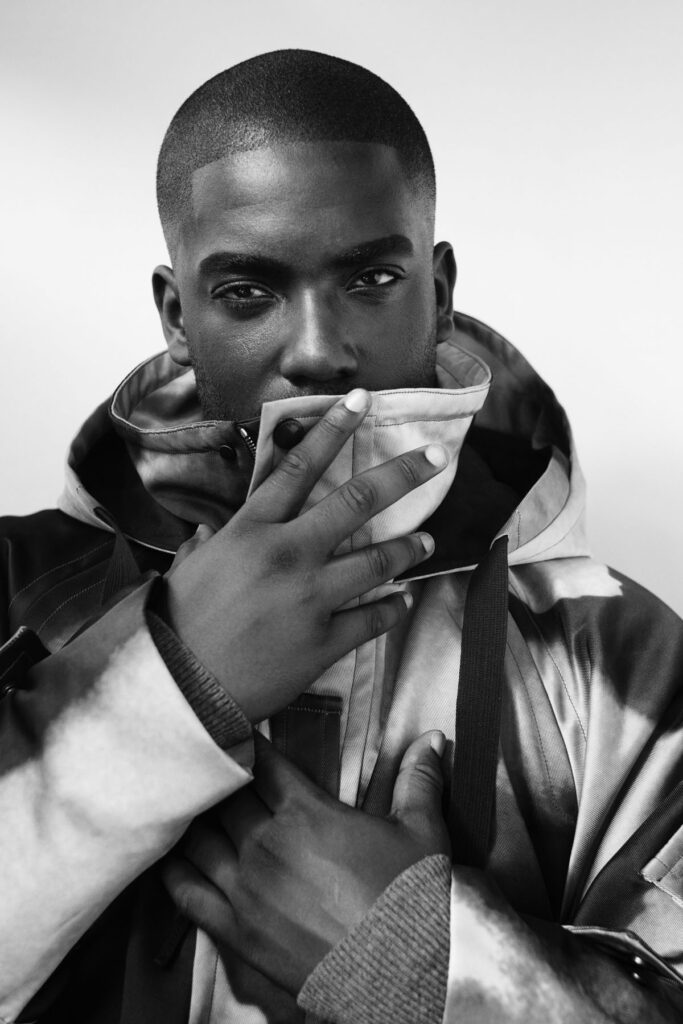
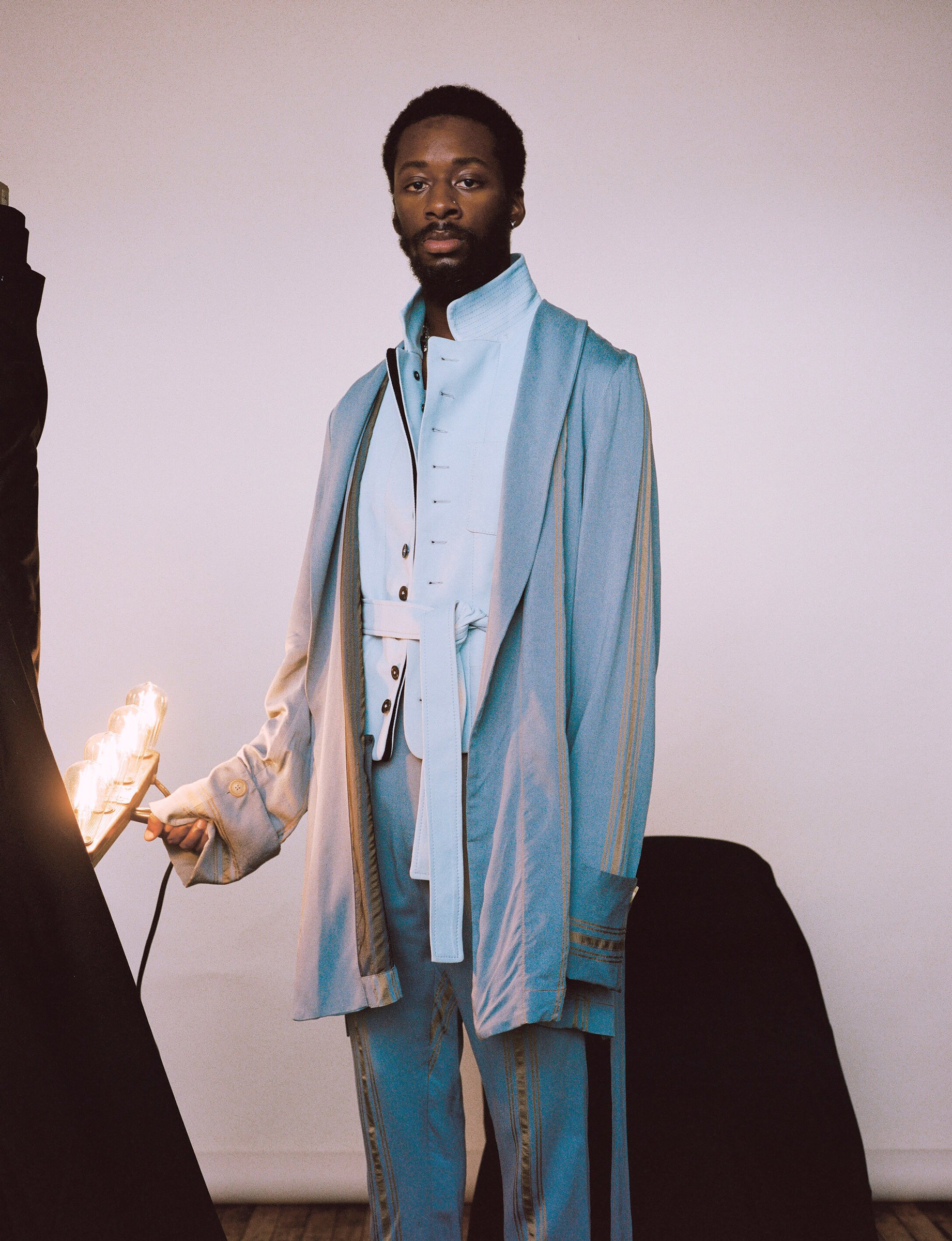
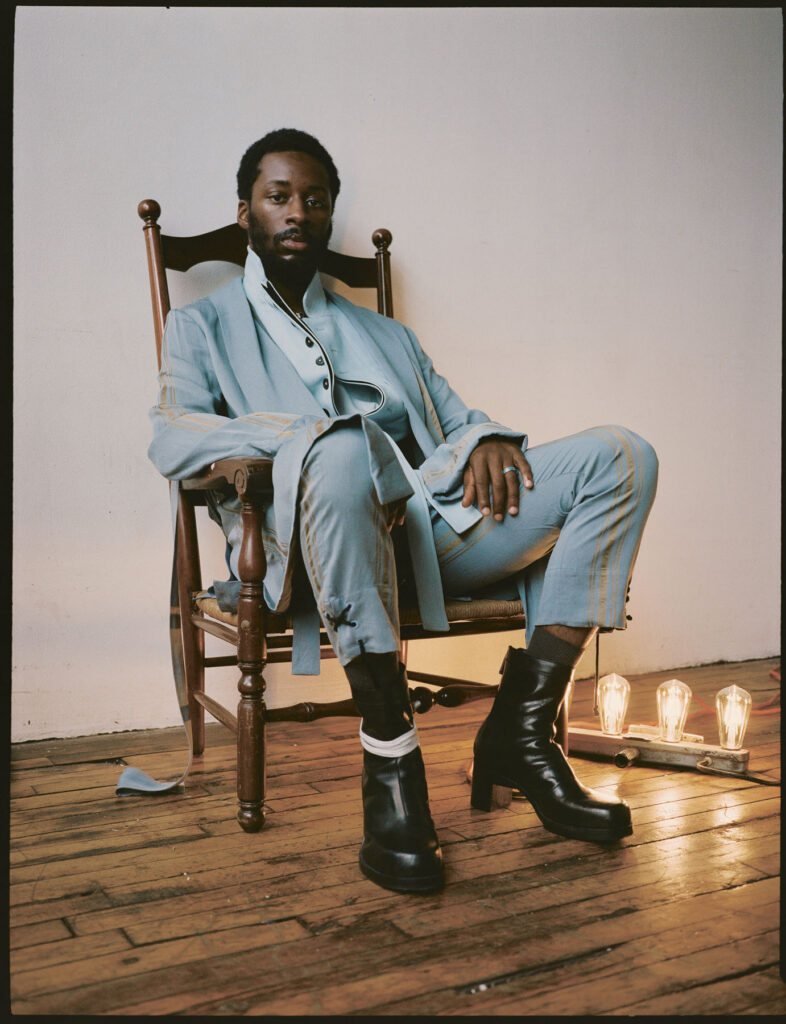
Goldlink

“It’s just that algorithm of life, greatness takes time”

Nostalgia knocks on D’Anthony Carlos’ front door with branlike knuckles. Memories materialize into wispy shapes and heavy eyelids flutter conjuring the fading, fluorescent pink lights reminiscent of discos past. Blink twice and the heavy strobes from sold-out shows and basement parties alike flash as he drifts in and out of jet-lag induced sleep still hours before dawn. The DMV (meaning places accessible in Washington DC, Maryland and Virginia by the metro) native is better known as the Grammy-nominated rapper, Goldlink. He’s home for a few days between touring with Tyler, The Creator on his US Igor tour and gearing up for his personal biggest tour to date of the European continent to promote the release of his newest album Diaspora, and he’s trying to recalibrate. Having become a household name in the hip hop industry having birthed sans uterus a genre of his own called “future bounce,” Goldlink splices thumping house, eyes-wide-open club and silky R&B, to create an auditory landscape solid enough for his hometown to call a foundation. An identity turned dance floor. 

When Goldlink’s home, he doesn’t leave the house. Success becomes clear when he returns to standing in front of his bathroom mirror, where his reflection remembers and exhales on its own. If the shower’s running the steam gathers to spell out retribution. He’s come to understand the rest of the world by first understanding his city and considers comparison to be a fruitfully empathetic lens. The DMV’s rich culture is steeped in its “Chocolate City” roots, wrought by fables of the American Dream, gentrification and dancing feet that echo the drum snare. He strives to preserve the city’s original vibrance by coloring sound with feeling and you can bet that it evinces in shades of brown. Having grown up as a product of divorced parents in the District’s darkest years as the grim reaper plucked lives with outstretched hands and eyes closed, Goldlink turned to music as his forever sensei. Through it he’s been able to find the answers to the lingering questions of ‘why me?’ as his path is hand laced with perseverance. This unwavering dedication to his community has in turn grown to understanding that sometimes to love home, means having to leave it. Growth is not only an open wingspan, it is the flight itself, a reinvention without reincarnation. 

Whether it’s from reading previous interviews or dissecting the verbal homages that live between the bars of your lyrics, it’s no surprise that home and the DMV, not only mean a lot to you but it’s a defining factor of your identity.

Home for me is the space that you’re most comfortable being in. A place that you can reset yourself you know. That’s really it, I’ve been a lot of places that feel like home but there’s no place like home really. 

When you’re kind of talking about resetting yourself I think it’s this idea of like holding up the mirror per se. I don’t know if it’s this way for you, but for me and being from Hawaii, it’s going to my grandma’s house or something like that. What does resetting yourself look like? 

Yeah it’s chopping it up with the homies, seeing my son, seeing my family, resetting in that. It is the mirror aspect you were talking about and being able to look at and see yourself clearly in that mirror. It also allows you to see all the things that you’ve been able to accomplish while you were away and it’s the perfect time to do that. 

Right and I feel like it’s also this level of honesty that you’re forced to face and it causes you to question what your personal definitions of fulfillment and success are. For you, you’re an artist, a musician and pioneer per se but you’re also a father, a son, a friend. Have your definitions of success and fulfillment changed at all?

It hasn’t changed much. It’s changed a few times throughout the course of my career but it’s kind of stayed the same recently. I think it’s as simple as focusing on something, accomplishing that task and that’s generally what succeeding means to me. Success can be anything really, it doesn’t have a linear definition as in like, oh this is what it is. I feel like I’ve just set certain goals for myself, accomplished them and then reset new goals and then I try to accomplish those things next. 

Right and it exists in tandem with a level of perseverance. In regards to your music you’re always striving to have people understand how you grew up, your home, things like that but where does this need to be understood come from?

Being understood is a basic human need because it’s what we need to be supported. I also know that there’s a balance to it. People won’t understand everything, let alone understand it right away so I never really look for the acceptance of understanding immediately depending on what it is that I want to do. When I released Diaspora, I understood that it would come with delayed gratification. I ask myself if what I’m doing serves a purpose immediately and then if it will continue to serve that purpose in time.

What do you what do you mean by delayed gratification? 

I am much a delayed gratification person because I understand where music is going, I understand the trajectory of things and I make it a point to do a lot of research to remain ahead of my time. Sometimes you need to be ahead of your time to serve a purpose in the landscape of today. We need those unsung heroes and I try to be that as much as I can. 

And with Diaspora too I feel like you know obviously At What Cost from 2017 was so much about home, life in the DMV, creating that sound and then with Diaspora it seemed like you were extending outwards. Was it more so about just taking the next step in your career?

Yeah, it felt like the next step. It was like I tried to find myself locally and then was able to travel internationally to understand myself and my home even better. 

Yeah there’s something to be said about leaving home and what it does to your own understanding of yourself. 

I mean I still haven’t left but I’m okay with leaving because you have to grow as a person. I don’t feel like people should stay somewhere if they feel like they can grow somewhere else but you just stay where you’re needed. I’m never going to leave home entirely and I’m not confined to the definition of what leaving is, there’s multiple definitions of what leaving can mean. If you really love your home, you have to leave it to make it better. If I left and go around the world and compare my home to things that are happening in other cultures to understand and get a better read of why my home works the way it does. You know in order for you to change something entirely, you have to understand it from an external point of view. 

Right. What does growth mean to you and is it always synonymous with change? 

Yes. Like in order for me to grow I have to change so I think change and growth are like the same thing, not always but they should be. 

How are they different?

Growth and change? Well, in order to grow you have to change. In order to change, it doesn’t mean you have to grow. It’s not like backwards compatibility, it’s not like it works only one way.

Yeah but it’s interesting in conjunction thinking about this idea in tandem with the concept of diaspora and the array of experiences that both differ from and are similar to our own. What does diaspora mean to you? 

To me now, it really just means that everybody and every community is experiencing the same social economic problems and are dealing with it in the same way but they’re just different things. That’s really what diaspora means and we’re very much connected. You might do a Harlem Shake but in Hawaii you call it something completely different thing and in DC, we’ve got our own version too but we can understand each other and empathize through our own lenses. 

You’ve mentioned having to deal with survivor’s guilt and the inherent inequalities of the American Dream and now that you’re in the spotlight it must feel like it’s been magnified. I think it doesn’t really necessarily go away, maybe it changes but I think it sticks with you.

Yeah it just kind of changes. Instead of being weird about it and feeling guilty, that guilt grew into me doing something about it, whatever that may be. It’s asking yourself, “that’s how you feel, now what do you want to do about it?” My answer was that, I’m going out and trying to make it fair for kids like me to be able to find a place to make it feel like they’re a part of something.

“I want to create the necessary stepping stones to making sure that that guilt continues to transform into something positive really.”

This issue is obviously called the reinvention issue and I think it’s interesting to think about reinvention in relation to sacrifice. 

Ultimately it just depends on what you’re trying to accomplish in everything because everything is some sort of sacrifice and we all make sacrifices. I sacrifice my time, often my social life, to make sure that I accomplish my goals. I don’t feel any guilt anymore, I felt it at the time, just because I felt like “Why me?” I found all the answers to those questions. So it’s like I don’t feel that anymore and it doesn’t make sense to feel that way anymore actually.  If you want to succeed, you decide to make the necessary sacrifices to get to that goal and you keep working through that goal indefinitely, and when you succeed where is the guilt? What is the guilt? 

Right but it’s also perhaps also having to feel guilty for your success sometimes right? 

Right, it’s just knowing that I’ve done everything I’m supposed to do to succeed. I knew what I wanted. I went to go get it by any means necessary and I worked really hard. I don’t smoke. I don’t drink, I’m not fucking, I’m just working and trying to be great. But what happens? You succeed at writing poems.

I felt guilty because it was so surreal, I’m going back to the community, writing the song, but why me? Why me? I have to tell myself it’s because you fucking tried and you cared. You did everything right. So you just succeeded. 

Yeah. And I know you also talked about this whole idea of taking the slow road versus the fast road.

“Reinvention takes time but in a world of instant gratification we don’t give ourselves the time to process things.”

A lot of great people take the slow road. It’s just that algorithm of life, greatness takes time. Nothing and I mean nothing in the world comes fast and works forever. I don’t care what, who, and how you are, it’s never going to work. Things need to balance and things need a base. When you go too fast, you’ll miss it all. You’ll miss the hard part of things. You’ll miss the important thing that create sustainability. That’s why you can’t just be the greatest pianist overnight. You don’t know what it feels like to not be great. You don’t know what it feels like to lose. You don’t know what it feels like. Or, Steve Jobs is a perfect example of that, people like Jay-Z and Kanye West are good examples of people who take their time, every time they did something it felt like it was the first time but then when you look up it’s been 20, 30, 40 years, they take their time to learn something new. To continue to grow is a hard thing to do. There are certain things you can’t cheat, the universe you can’t cheat. If you think of anything that’s worked immediately, it never works forever, ever. It’s like a rule of thumb. I just always make sure that I’ll take the right road. 

I think the misconception about me is that I could have blown up a really long time ago but I didn’t because that’s not what I wanted to do. It’s not that I can’t get on a track with Beyonce — granted that’s a hard thing to do. But it’s just like how am I going to enjoy being on Beyonce’s song if I’m one or two tapes in? That’s not smart.  Beyonce has been making it for 25 years and that’s because she’s doing something right consistently and it still feels like she hasn’t dropped the biggest album of her career because she continues to grow, it’s amazing to see. It only feels like she can only get better. So that’s why a lot of the greatest people told me to take your time, so I take my time.

Yeah. And I’m wondering do we go through multiple reinventions or just one turn of the tide?

You go through multiple reinventions throughout your career, you can reinvent yourself as many times you want as long as you decide to grow. You’re not going to be the same person as you were when you’re 20, you’re going to be different when you’re 25, 32, you should decide when to be different, to reinvent. It’s nothing changing. It’s just adapting.

Team

Photography · BRENT CHUA
Creative Direction · NIMA HABIBZADEH and JADE REMOVILLE
Fashion · LUCAS CROWLEY
Grooming · MARCO CASTRO
Interview · LINDSEY OKUBO

Designers

  1. GoldLink wears custom pieces made for his current tour through- out.
  2. Full Look ANN DEMEULEMEESTER

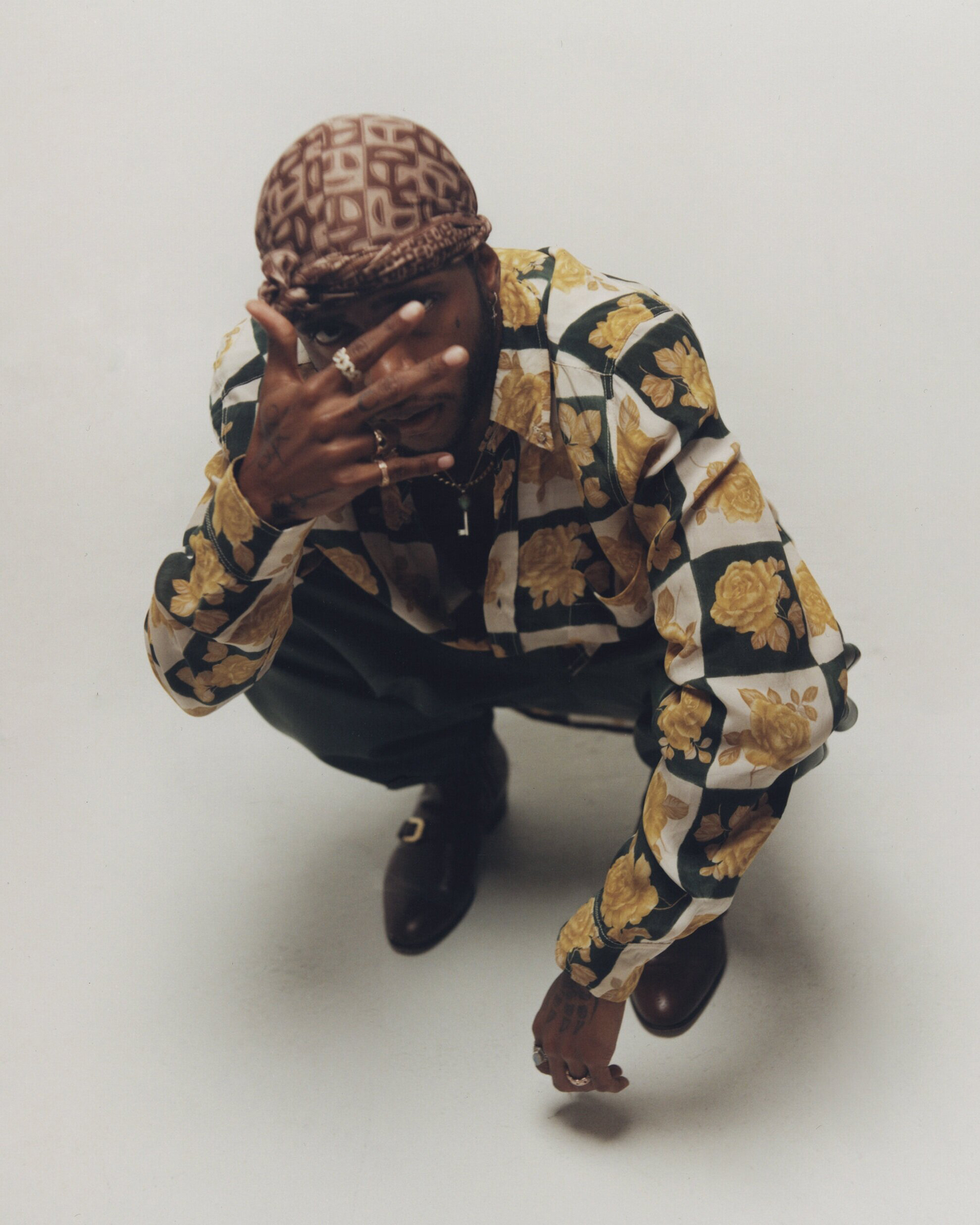
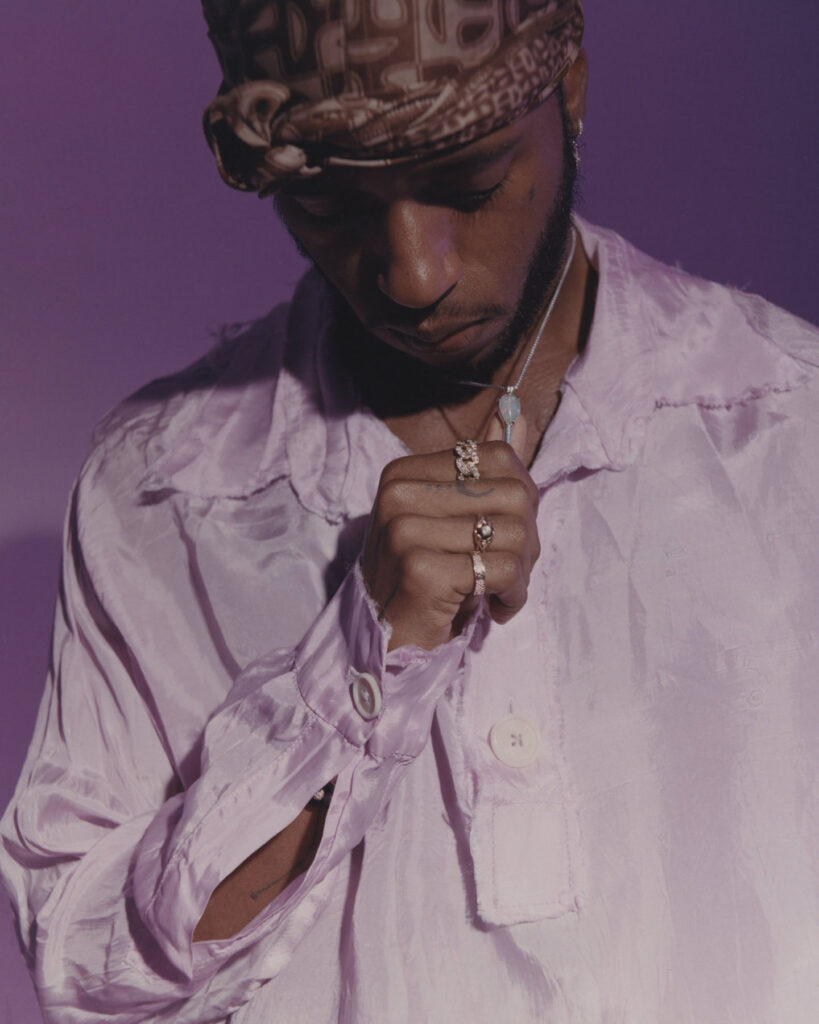
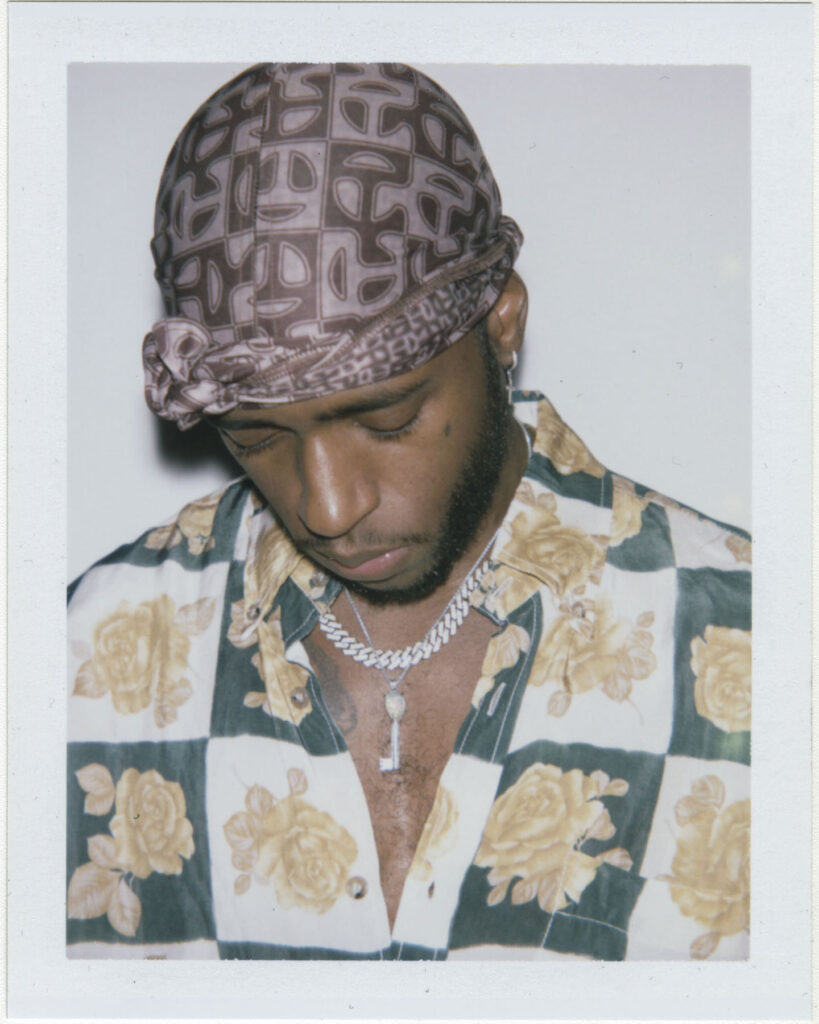
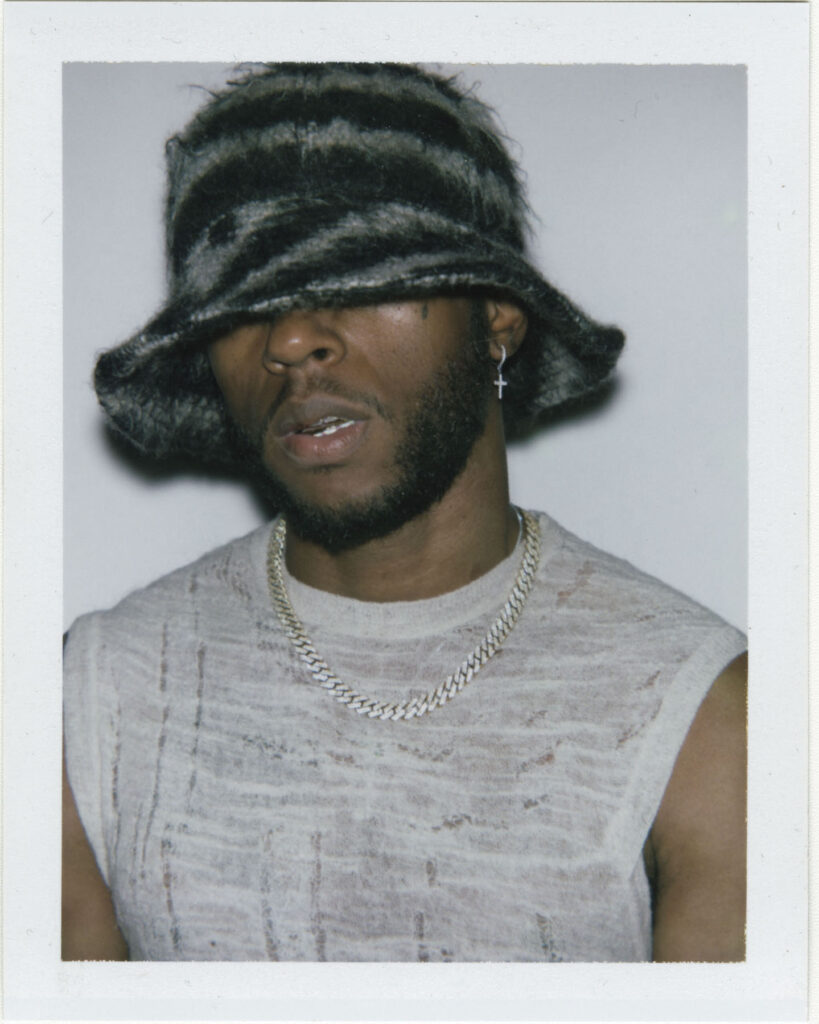
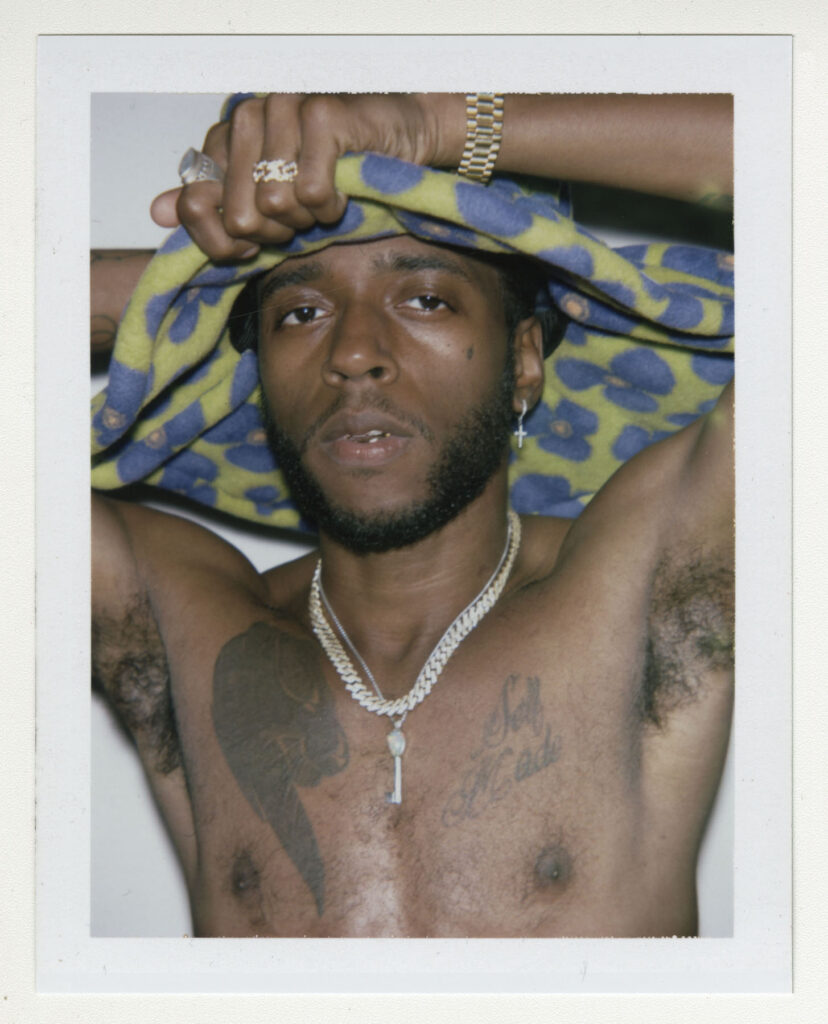
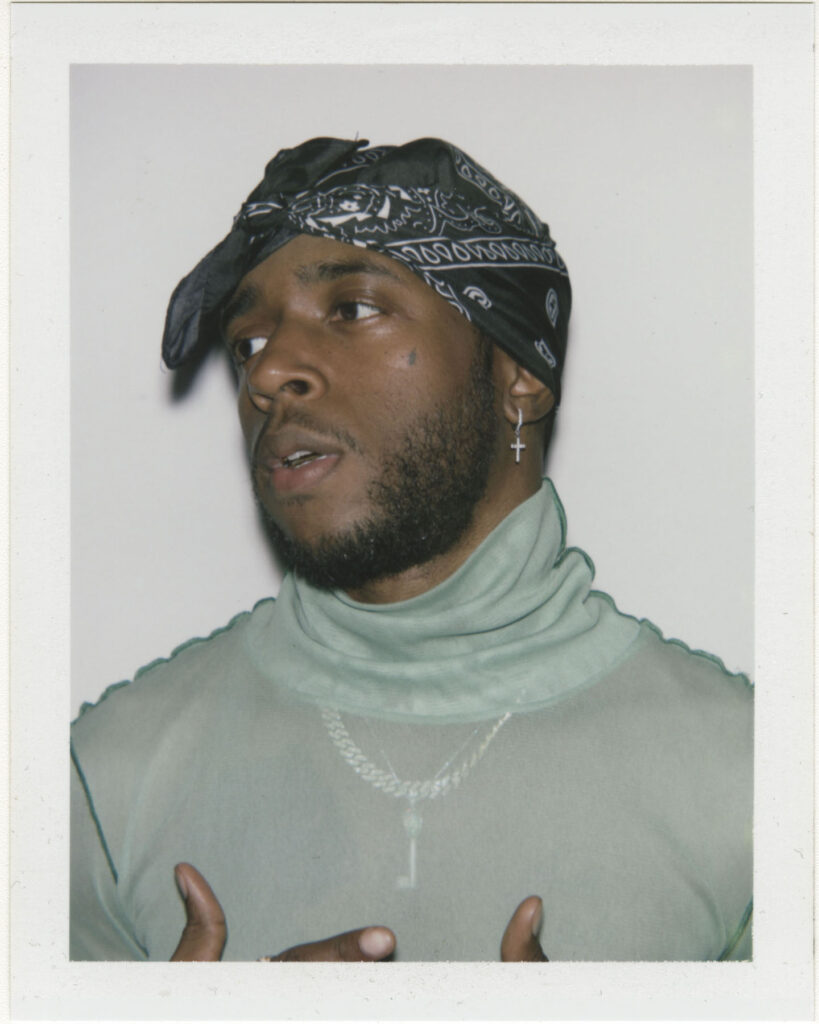
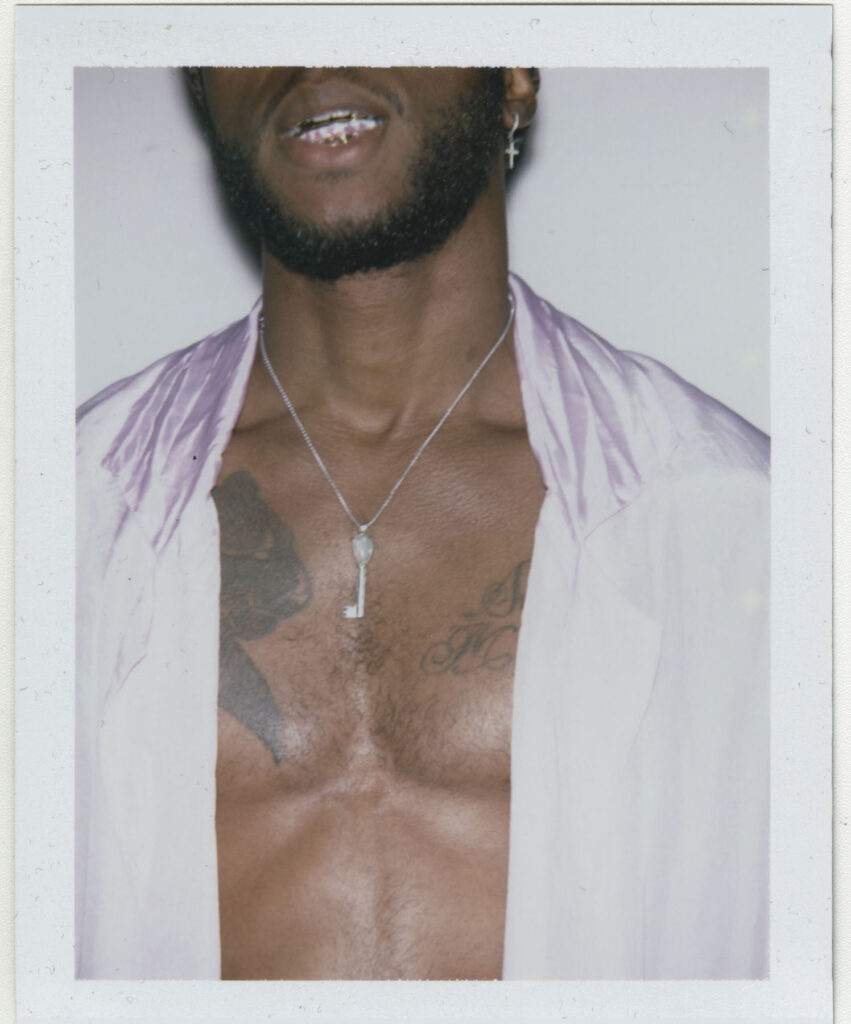
6lack

“I’ve made some of my best music and had some of my best moments from being resilient, pushing through, getting through the struggle”

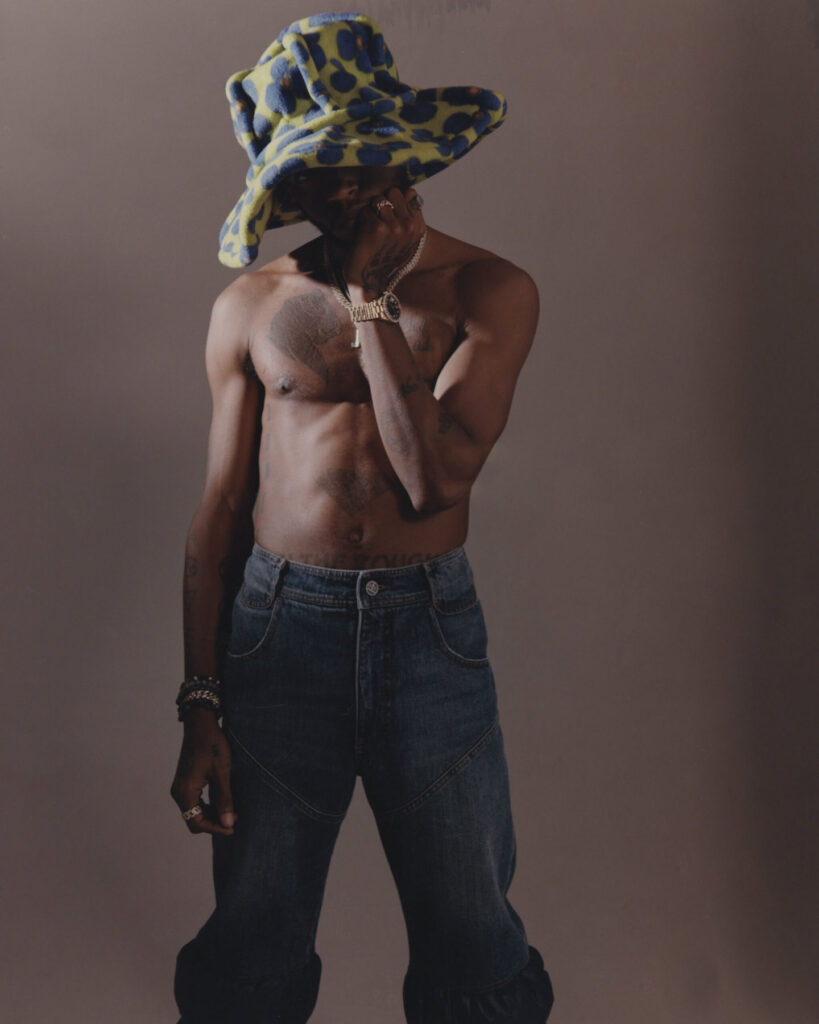
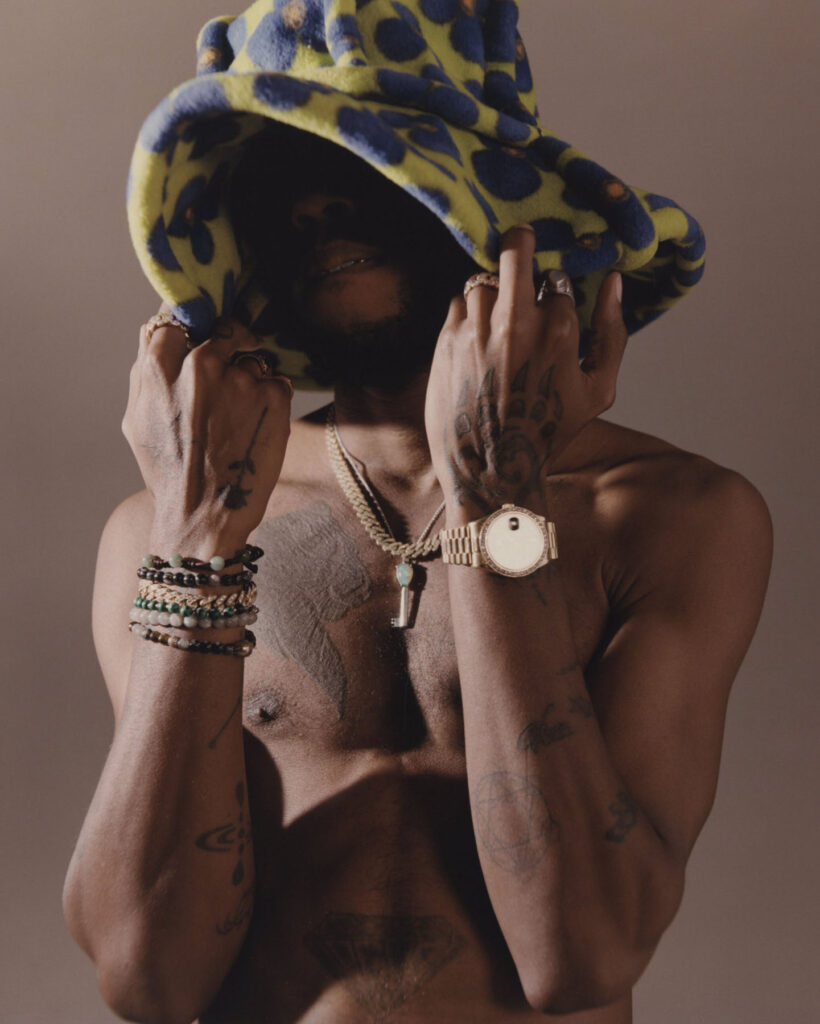
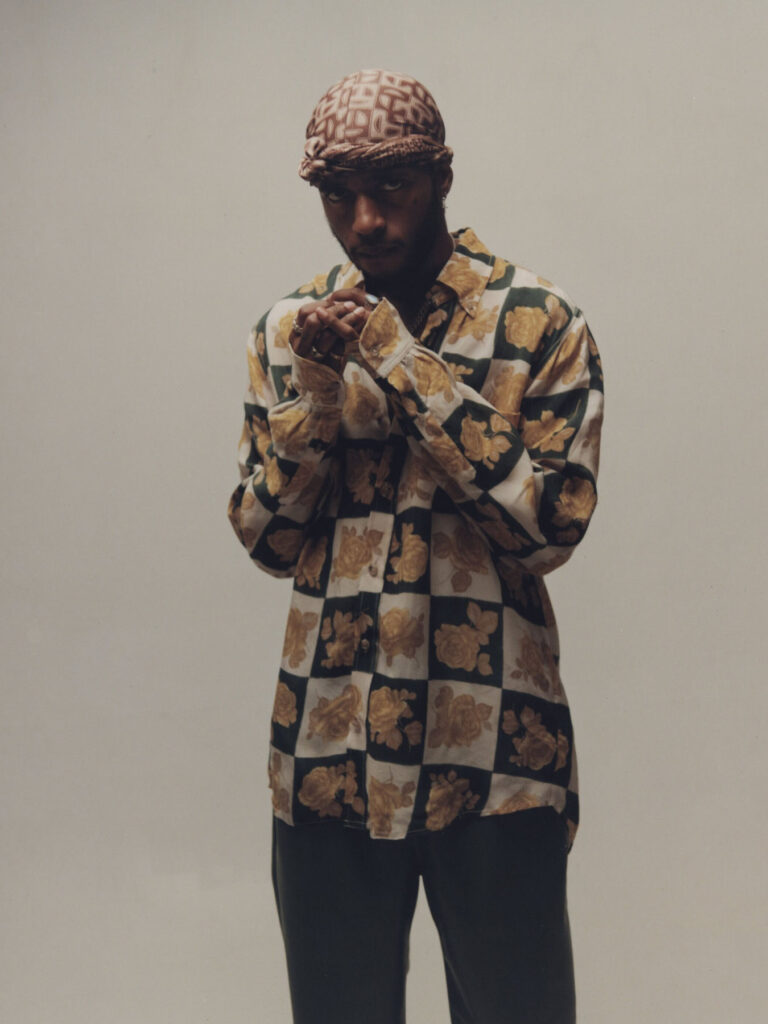
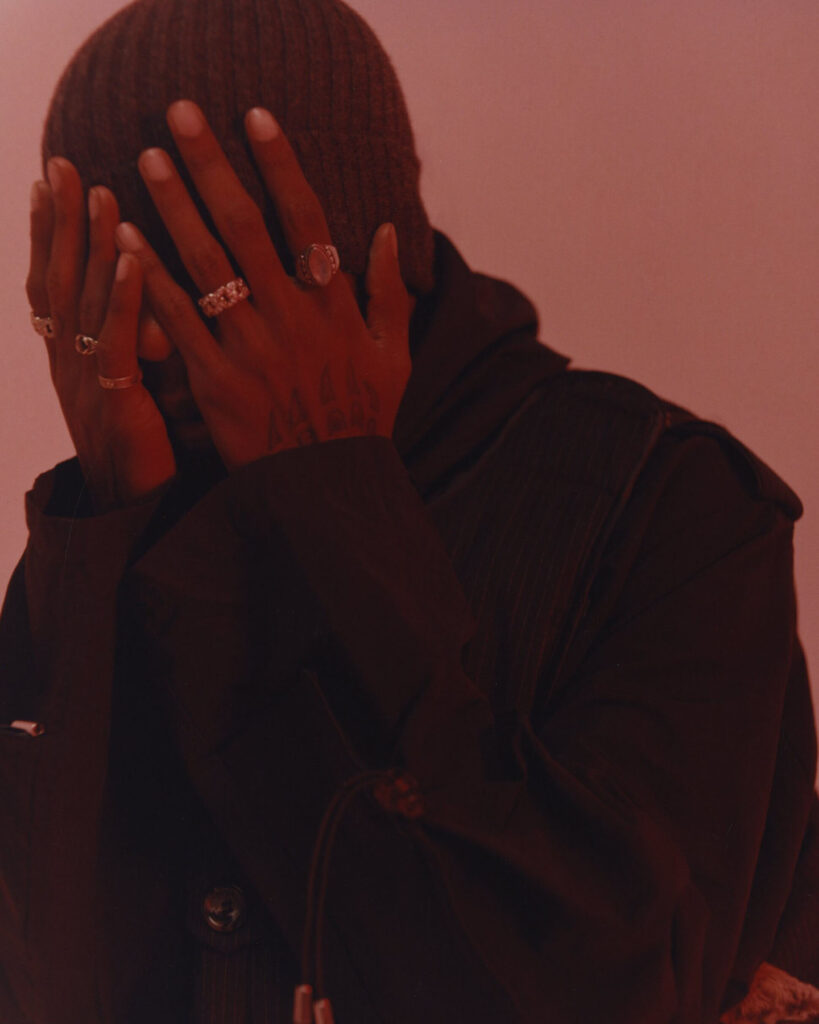
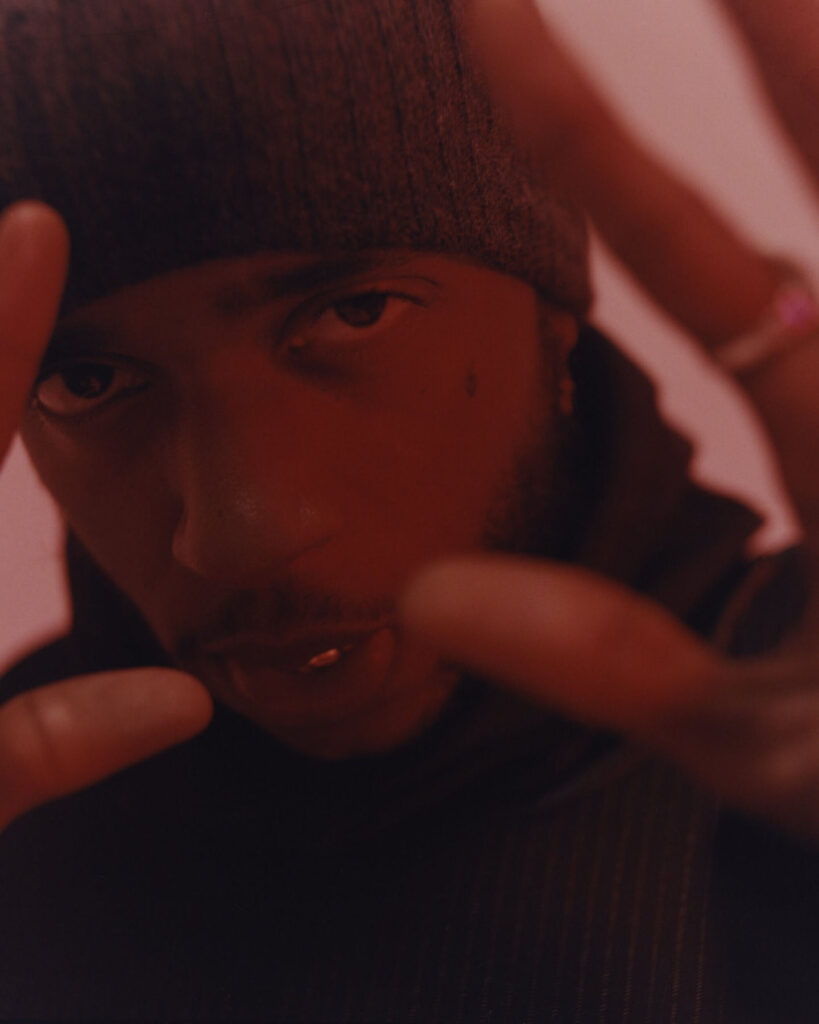
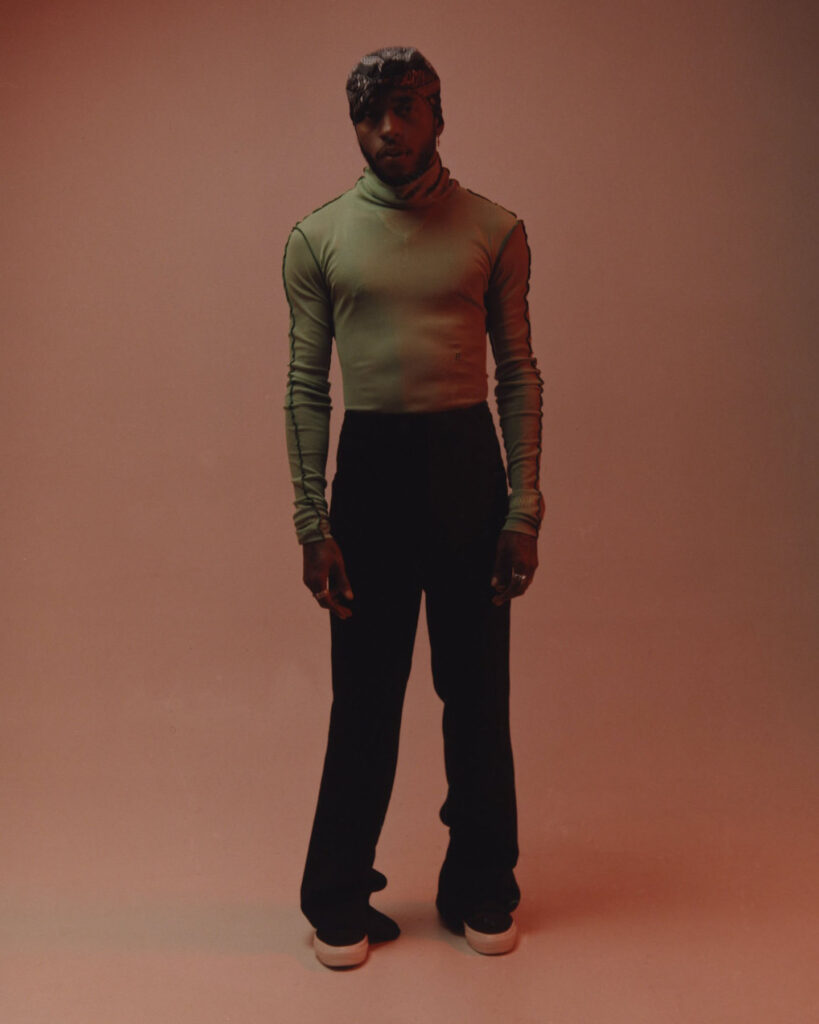
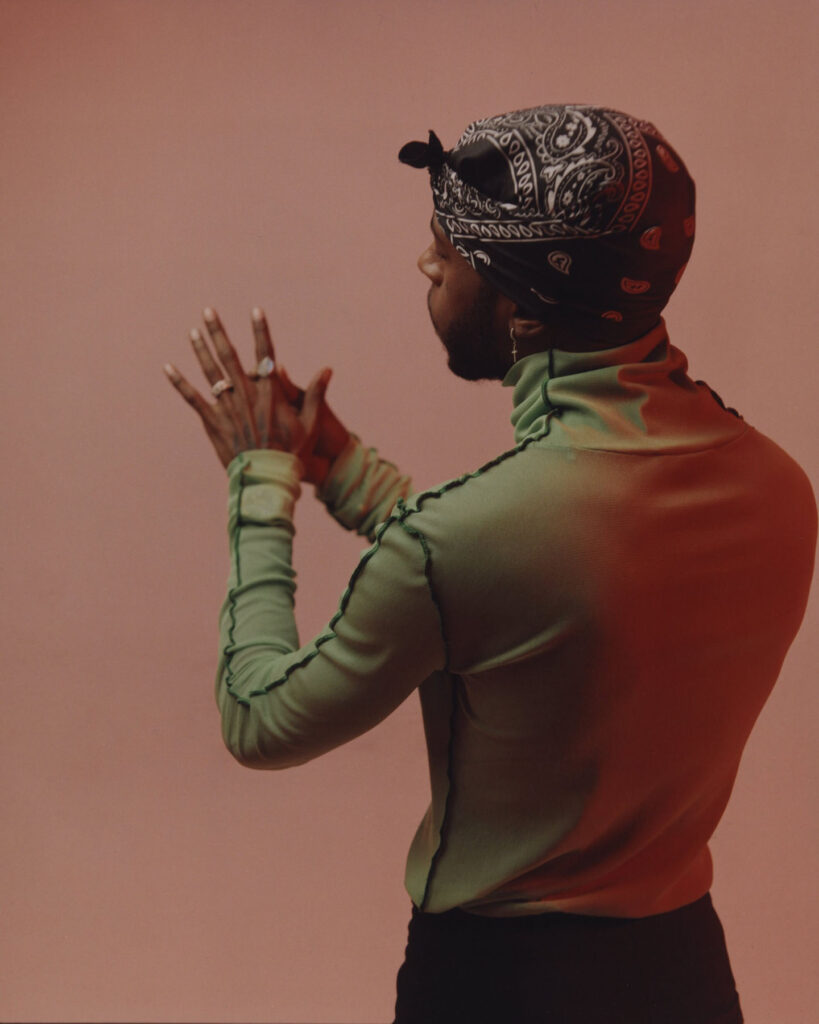
Speaking with a cadence that lends itself to the kind of familiarity one feels at the turn of a season, Ricardo Valdez Valentine, better known as 6LACK, holds no reservations when it comes to speaking about change. As it moves him, with the wind when the feeling is right, he finds himself peering over his shoulder. Flitting between Los Angeles and Atlanta, 6LACK has become a resident of the in-between, a finely cast shadow that dances upon reflection itself. As presence and absence oscillate, a sense of introspection grows and calls forth the demons from 6LACK’s own mind so that one day he may address them as angels. Would you recognize insecurity if it told you its name was now faith? Having released his latest EP 6pc Hot in June of this year, the recording artist and recipient of 3 Grammy nominations who has collaborated with heavyweights like Future, Young Thug, Offset, Sir Elton John via The Gorillaz and Selena Gomez to name a few, has begun to adopt a different approach to his career and life itself. Utilizing his emotional candidacy and the art of conversation, 6LACK ruminates on his own transgressions, projections and desires in the pursuit of total clarity. He wears no halo but the latter has given him wings.

6LACK has always made music with the intention of resonance but instead of weaponizing his own vulnerability and using resilience to romanticize strife, we see him walk away from these sad boy fantasies laced with martyrdom and move towards a crossroads in which utopia begins to look like the life he already has. The foundations of this new outlook have been cemented by his role as a father and committed partner, bolstering his identity with a sense of purpose and directionality There now exists a healthy dynamism to his person and artistry as he continues to untether himself from the experiences and sounds that once defined him. Having gone on to create initiatives like 6lackbox, a platform that provides an array of tangible and affective resources for his community, 6LACK is letting go but remains held. All roads lead home.

The Irish playwright, George Bernard Shaw, famously once said, “the single biggest problem with communication is the illusion that it has taken place.” You had mentioned previously that it was easier for you to communicate via music than in real life. Taking that into account and coupling it with quarantine and the collective growth that occurred through time for introspection, voluntary or not, what kinds of conversations were you having with yourself and what are you telling yourself as you emerge?

I think that in the beginning of quarantine, I was going through something similar to what everybody else was going through where we started off relatively strong and as time dragged on, we got a little bit dry. I reached a point where I was trying to figure out what I needed to do for myself before I even began to make music, just to be able to express myself, communicate, grow, learn, I felt super stagnant for a second. I realized I had to get back to myself, get back to being curious, get back into reading, get back into doing other things that sparked my creativity because I didn’t realize that I had stopped. I had put everything into music for so long and the setting and meeting of every goal only had me looking at the next one. It became a matter of okay, what do I do now? What do I do now? This way of operating ended up becoming a block of other parts of my life and that was one thing that I identified and began to do something about. I recently started therapy too, so that’s been cool to talk to an outside person who can give me advice or tell me what I’m thinking is cool, or not cool, or is me, or not me. So therapy, self-reflection and creating new routines has helped me to feel a lot better now versus how I felt at the beginning of quarantine.

Totally and with therapy in general, there’s a lot of trust involved. Do and would you say that you’re someone who trusts people easily or are you known to put your walls up? 

I’m not too bad on trust, I give people a lot of chances and benefit of the doubt so I’ve never really struggled with that part of it. I guess really it’s more so just trusting myself in a lot of different situations.

Right and in terms of trusting yourself, how much of that is synonymous with being honest? There are ugly truths inherently wrapped up in self-reflection and we often don’t want to see ourselves as we are. 

Yeah I think it’s a tough thing, I feel like most people will kind of look at that and think it’s automatic, or an easy, or natural type of thing but I’ve learned over the last few years that honesty, even with myself, is embarrassing. Sometimes it feels shameful, sometimes it’s humiliating, it’s not always my favorite stuff to talk about but being able to resolve situations that have transpired from those things has been one of the toughest things I’ve ever had to do in my life. And it’s not because I don’t like to be honest or anything like that but when you go through a lot of things that aren’t necessarily favorable, why would you want to shout that out? Why would you want to tell somebody? Why would you want to trust somebody else with that information? So I’ve learned to speak on it more and every time I do a new album or get into a cycle of making music, I have to stop, I have to reevaluate everything, I have to see how I feel about where I am and where I want to be. I have to get to a point of being honest with myself before I start writing because otherwise, I would just be writing from the viewpoint of the last album.

Right exactly, there’s a certain voluntary vulnerability that is hard to give access to even with yourself, it becomes a question of how do you get there? We all arrive “there” differently, can you give us more of a window into your thought process? Put us in the room with you as you’re starting to write and come upon a closed door per se. 

Definitely, recently this year I spent a lot of time in a studio just sitting there. I wasn’t being hard on myself but I didn’t want to walk if I was going to walk the same way I walked last year. I would go there thinking I was going to work, I’d fire up a beat or flip through like 20 beats and eight hours would go by, ten hours would go by and then it’d be time to go. I’d be sitting there the entire time because I was sorting through my thoughts, trying to figure out what specifically is going on and what I needed to get myself going. I really just needed to be brave enough to sit down and have all the conversations that I needed to have with the people in my life because naturally, when you hear things that you don’t like especially pertaining to your person, you want to deny or fight or reply in a way that isn’t always reflective of who you truly are. I had to remember that those feelings aren’t natural and it’s more so about getting it out there and allowing other people to make the decision of what to do for themselves, giving them a choice versus choosing for them.

I can imagine you being in the studio, sitting there and feeling maybe a bit unfulfilled and obviously there’s this idea of success and respective markers of it like putting out a new album, garnering press, outside validation etc. But I’m wondering for you, as someone who is more so an artist than an entrepreneur or performer, how do you differentiate between fulfillment and success? 

I’m honestly just trying to keep a gauge on just how grateful I am. This year, I had to check myself and look at what I was doing and realize if you want to feel fulfilled, if you want to feel clear, if you want to feel creative, if you want to feel all the things that you want to feel, you have to remember to do things in your everyday routine that echo and practice that. Otherwise you’re going to find yourself in a daze or at a point where you’re not in the driver’s seat, miles from where you want to be. I had to get back into practicing, whether it was waking up and eating something right for myself, writing something down in a journal, reading something out of a book, or watching a documentary, I had to refocus myself to get back to that. I got so far away from those things because mentally, with music and my career, it’ll engulf you. It’ll make you feel like this is all you have and those thoughts start to take up space in your mind alongside your personal life and in order to stay clear and fulfilled, I had to remember to be super thankful. Gratefulness created balance for me. No matter what your intent is, every single day, you keep running into problems because you are explaining your intention instead of making them clear through action.

Preach, good intentions are too often used as the scapegoat for shortcomings! What are those things that you want to be more intentional with?

Primarily the relationship that I’m in and making sure that I’m giving the equal amount, if not more than, what someone is giving me especially if they’re a source of positive reinforcement in my life and are there to teach me things where I need to learn. I was in a space where I’ve always been the mentor to everyone else, so transitioning to have somebody else to do that for me was out of the ordinary and a bit difficult. It’s hard to let go of the reins because I was just so used to doing things by myself, sorting through my thoughts by myself, dealing with my emotions by myself — so when somebody else is there and they’re like, “you don’t have to pull the weight by yourself,” you just have to be willing to let go.

Wow yes, and so often we think that love never asks us to change who we are but why can’t change be synonymous with adaptation for the better? Why does sacrifice have to hold a negative connotation? Love is a difficult thing, it forces you to face things about yourself that you might not necessarily want to see or be willing to see. To what capacity has she held up the mirror per se and made you see? 

I would say that the biggest thing is letting go of that feeling that I had to do so much on my own. You kind of go through life in the neighborhood, in the classroom, and studio, all these different rooms that I’ve been able to live in, change and adapt to and teach people and when I got to a point where I met someone who could teach me instead, I had to be able to stop myself. I had to think about what I’m saying or not saying, what I need to listen to, what I can actually learn from the situation versus continuously trying to be on this mission to teach everybody else.

Yeah and if you’ve always been in this position as the teacher of sorts, to what extent is it kind of like being a martyr? How comfortable do you allow yourself to get with excess weight on your shoulders? You’ve said you’re someone who trusts people easily but I feel like, if you’ve been carrying that torch around for people, you’re not really letting people in or exist in your life in the ways that they might want to. 

That’s another thing that was pointed out in therapy too, these effects might not show up in the form of you breaking down or crying but all those things stick with you. As time goes on, the requests, the demands, the advice that you give, flows out of you and you keep moving and more things stick on you but you keep moving and eventually, you get to a point where you’re like, I’m tired and I don’t know why. It’s because you either haven’t mourned, you haven’t let it go, you haven’t actually solved it, you haven’t given yourself a minute to just focus on you because you’re carrying a torch or pulling the weight of doing the work for so many other people.

And I think in doing so, you don’t really open yourself up to being vulnerable. We want our men, our partners, to be strong but half the time they don’t even commit time to addressing the ongoing internal battles within themselves, let alone even recognizing that they exist. Your platform 6lackbox is a resource for so many people and I don’t know if this is something you’ve envisioned but I can also see it existing as a space to normalize mental health issues? 

Yes, it’s definitely something that we’ve been trying to put more energy and planning into. However we can get more people involved so that it becomes a community thing and not just a me-to-them situation because I have created different communities with my fans and developed a lot of long-term relationships with them. It’s always been cool to figure out a way to let them know that beyond the music that y’all aren’t in this shit by yourself. If you got shit that you need to figure out, or if you have something that you’re going through, that’s what the music was made for, that’s literally what we’re here for. One day we’ll figure out how to specify that and nail down an actual plan.

There’s been so much talk around this whole idea of community recently and for you, what does that really look like? Is it a utopia of sorts? 

I think it’s just a collective group of people who have a purpose towards something specific. A lot has been going on, in the country, in the world in general and I don’t think that the primary way that we fix that is by focusing on like the higher ups, or what’s going on on TV all the time. I think we really need to narrow it down and get back to home, our neighbors and the people around us and remember that if we create a stronger community and a stronger bond with each other than everything else will be in a better position to find resolution. This past election is a good example of people coming together because they felt something and wanted to do something about it as a whole. However, we can continue to do things like that on a smaller scale, everything on a larger scale will start to iron itself out.

Speaking of small scale, home is also something that maybe you’ve been thinking about recently? It’s such a subjective word, you find home in people, you find home in your music and we’ve all been inside, in our homes, in our own head spaces. Is home a place or is it a  feeling? 

Home is definitely a feeling right now. Physically, I live between LA and Atlanta and I have really great reasons to be in both. When I go to Atlanta and I get to be with my kid, I feel like I’m at home, no matter who’s around, or what I’m doing. When I’m out in LA and I get to spend time with the person I love, I feel like I’m at home. That’s the best version of home that I could ever really ask for in just having something to look forward to, having something to have fun with, having something to learn from.

You mentioned fatherhood briefly and I grew up with a single dad too. He’s my rock and not always the most vocal person but he recently told me that he thinks we’re pretty similar which was shocking and endearing for me to hear. What have been some of the unexpected lessons of fatherhood?

It’s taught me a lot of clarity, not even to compare it to music but everything that I did album wise before that point was a lot of I don’t know, I don’t know, I don’t know, I’m trying to figure it out. Since then, I’m closer to figuring it out because somebody’s watching me. Other than that, it’s been a really good opportunity to express myself fully, to be a kid again, to be an adult, be every single thing that I am because you get to practice it with somebody who doesn’t know anything bad about you necessarily, who doesn’t judge or have any predetermined thoughts about you. They just are happy to see you and want to be fulfilled in some other way. My thing with her is just making sure I give her the stuff that I didn’t have, which was constant reassurance. I want her to know that she can be herself, she can express herself. I was talking about that the other day in therapy, how at some point in my life that reassurance disappeared and I didn’t realize it until I was able to say it out loud. When that disappeared, my life started to shift a little bit, I started doing different things, my grades started to shift, my personality started to change, my insecurities started to form and these were all things that were a result of my relationship with my parents changing.

Right and thinking about the word reassurance, I think especially in relationships, whether that’s with another person or with yourself, it is sometimes something that we seek for the wrong reasons, out of insecurity and that’s a hard thing to admit. .

It’s definitely a hard thing to gauge. I think knowing the specific kind of reassurance that was missing for me, I know that it’s not doing too much to just let your kids know that hey, you look like me and those are good features, or you remind me of so and so and that’s a great thing, or that they’re doing good. It’s about spending time with them and being the type of energy and person who they’ll want to have a conversation with. I think that reassurance can be a tricky slope. I also just learned about myself that I move, act and think in a way where I know that the people around me know who I am but that is not to say that I can go without making the effort to clarify something for them. I am aware that this is something that I can work on for myself and the people in my life. It’s something that I want to make sure Syx doesn’t have to think too much about you know, it’ll be just enough.

Right and thinking about what’s enough, that word itself can be such a trigger for so many people. We’ve all had to recontextualize our own definitions of what’s enough, especially, when we’re not doing all these external facing things anymore as of late. 

I think that has been an interesting thing to figure out too because something can definitely be enough to you and not be enough to somebody else. That’s the fun part and not so fun part to figure out that subjective definition in all of your relationships. The easiest and the best way to do it is by being able to sit down and have conversations where you detach your personal needs or ideas of who you want somebody to be and adopt an open standpoint.

Yeah and thinking about ideals and needs, resilience has also been a word that we’ve seen pop up again and again but to what extent is it sometimes overrated? To what extent are we expecting people to “bounce back” when certain services should be civic priorities instead of difficult circumstances? Why are we coloring struggle with promise?

I think it’s like a 50-50 type of word in feelings, situations and energy. I’ve made some of my best music and had some of my best moments from being resilient, pushing through, getting through the struggle, fighting through this, crying through that. It definitely creates a pressure makes diamonds type of moment where you’ll definitely get something out of it but it is most definitely also overrated because you don’t want to be working from that space, you don’t want to be doing more than what you necessarily have to do. You don’t want to become infatuated, obsessed or interested in that process to make it feel like it’s the only place that you can work from because I definitely have fallen into spots, consciously and subconsciously, where your back’s against the wall and you feed off of that.

Right and being an artist or someone who writes in general, it’s often easier to write when you’re sad and that can be a bit toxic. 

Absolutely. I had to check myself and just make sure that I was not holding on to that because that’ll always be there. If I ever need it, it’s something I know how to do but there’s no reason why I should be putting that first or to be writing songs with that in mind when that’s not where I am or where I want to be.

How do you write about things that are happy then? It sounds kind of like a dumb question but I feel like it’s hard to transition to even create from a different mental place?

That was a conversation we had in the studio and Childish Major helped me put the initial words to it. In order to be able to write about the happy stuff, the good stuff, I had to sit down and practice the shit that made me feel good. Since then, the music has grown into me talking about my growth. I still have the ability to be able to tap into the other side, the sad side, or the side that people recognize or remember but it gives me the range to be able to say more, do more, express more and help people get through more. I don’t want to just be a pacifier for somebody when they’re going through some tough shit. I also want to share in a moment where they can celebrate, have fun or feel good.

It’s allowing yourself to be a dynamic artist because when people begin to create and become known for something, they begin to become defined by that and it becomes hard for them to reclaim agency from the external validation. They compartmentalize who they are from the work they create. 

It’s definitely challenging. That was one of the first reasons why I cut my hair immediately because people off the bat were like, oh, he’s this, he’s that and I was like let me just reset because I felt myself becoming like a figurehead of whatever that was on the first album cover. As soon as I cut my hair, my life started to change. I started to make more eye contact, I looked up and moved on stage. I just had to realize what was going on but I didn’t realize what was going on because I was just too busy living  it.


Team

Photography · RICKY ALVAREZ FASHION SHAOJUN CHEN
Interview · LINDSEY OKUBO
Creative Direction · NIMA HABIBZADEH and JADE REMOVILLE
Grooming · DARONN CARR


Designers

  1. Shirt and Trousers NANUSHKA Boots GUCCI
  2. Hat SONG FOR THE MUTE Top ACNE STUDIOS Jewellery Talent’s Own
  3. Hat SONG FOR THE MUTE Top and Trousers ACNE STUDIOS
  4. Hat BENNY ANDALLO
  5. Hat BENNY ANDALLO Trousers TELFAR
  6. Hat BENNY ANDALLO
  7. Shirt and Trousers NANUSHKA
  8. Vest and Jumpsuit BORAMY VIGUIER Boots SACAI
  9. Vest and Jumpsuit BORAMY VIGUIER Boots SACAI
  10. Vest and Jumpsuit BORAMY VIGUIER
  11. Turtle Neck HELMUT LANG Trousers MAISON KITSUNE
  12. Turtle Neck HELMUT LANG Trousers MAISON KITSUNE
  13. Shirt EDWARD CUMING
  14. Shirt EDWARD CUMING

Diego Mur

“dance is my guide – it’s how I find meaning in life and my existence”

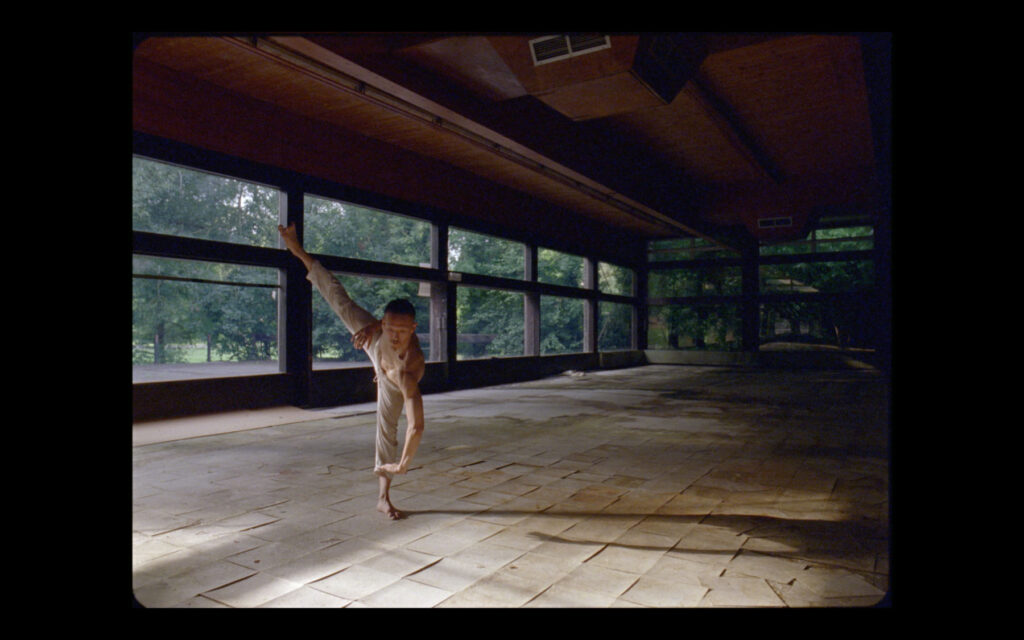
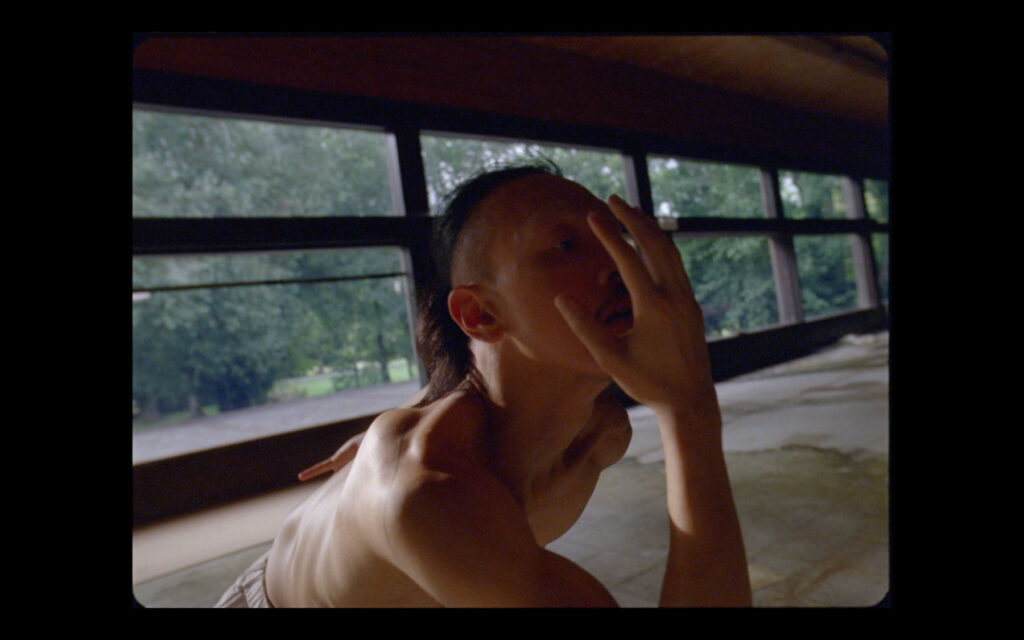
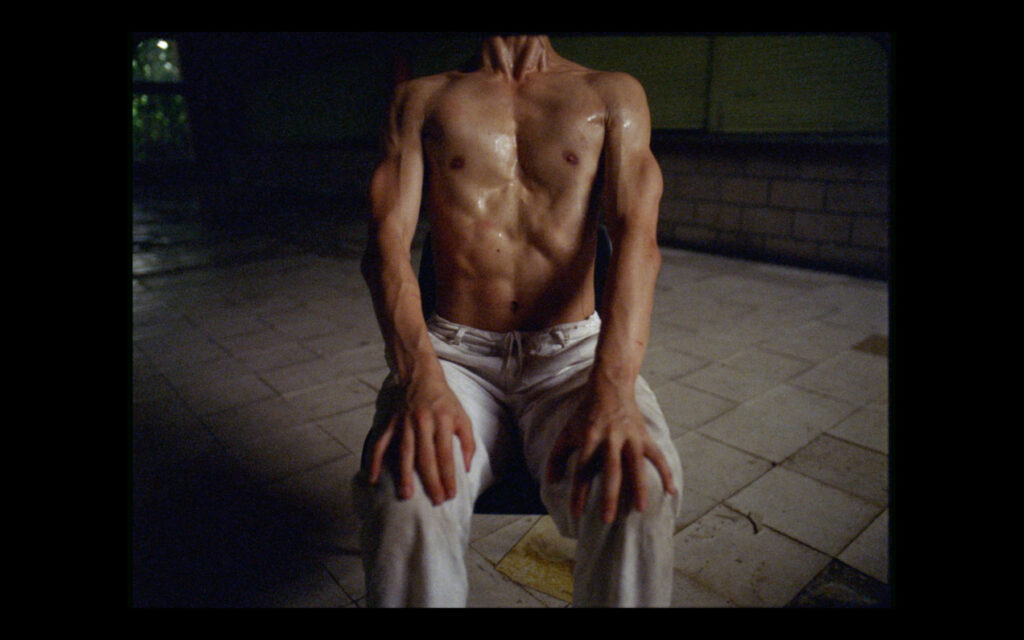
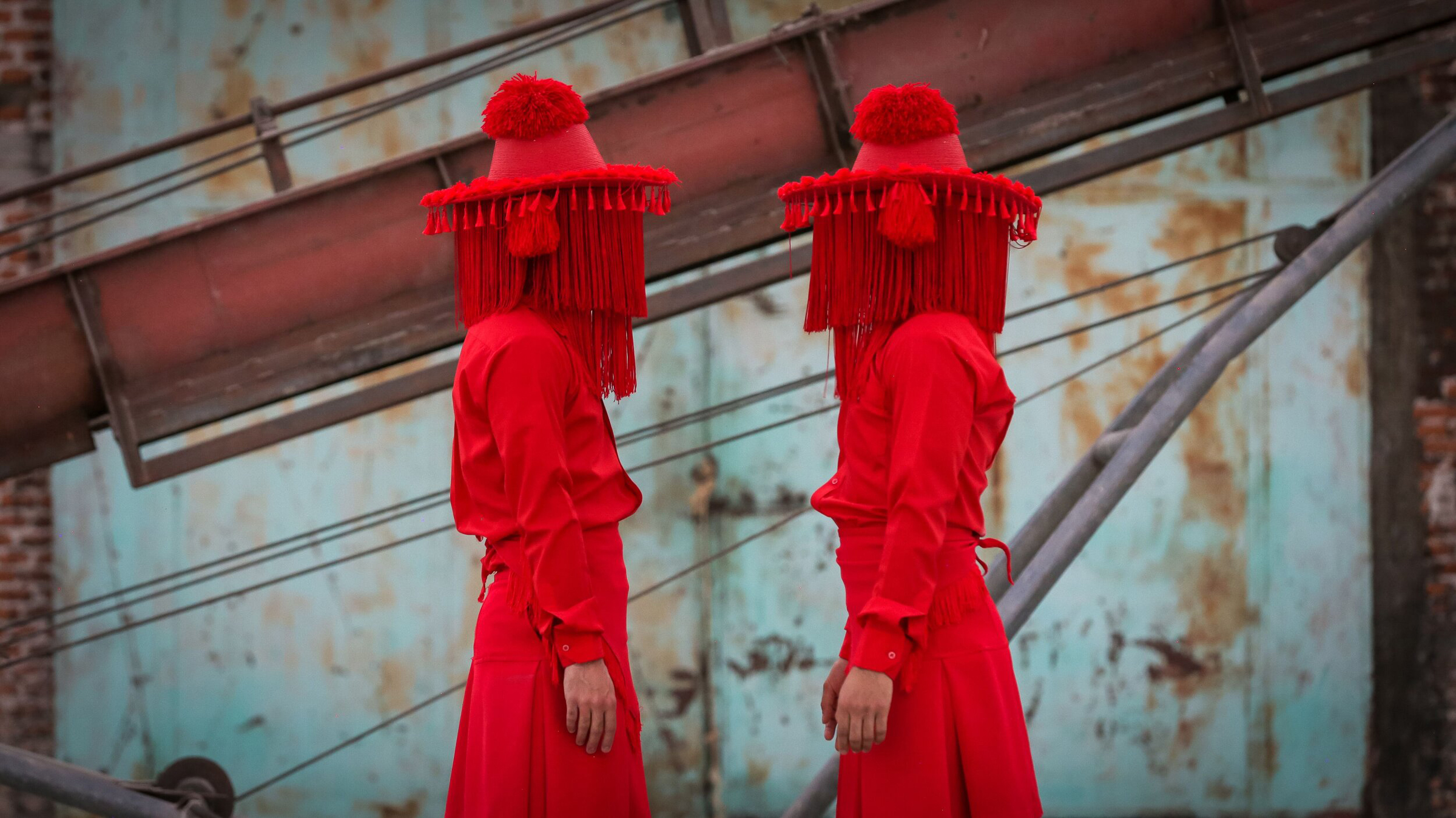
Behind the Mexican dance company, Nohbords, is Diego Mur, a dancer who, as he explains below, came to the profession by coincidence. And Nohbords is perhaps better described as a project than a dance troupe. Founded in 2014 in Mexico City, Mur wanted to create something that would be dedicated to the study of the body – its movements, its existence in relation to the surrounding environment. He also set out to provide an alternative approach to dance; underpinning Nohbords is the importance of collaboration, whether with photographers, filmmakers, artists, musicians or architects.

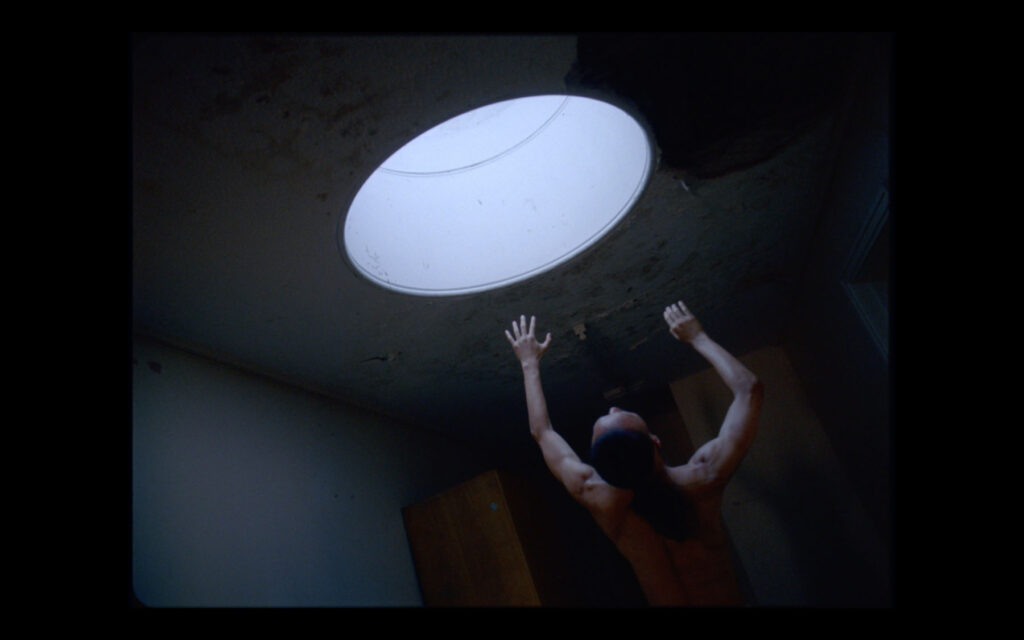
No more is Mur’s vision for Nohbords clear than in Ecos (2018), a performance in which dancers explore the potentials of the body’s ability to move, and filmed within the grounds of the iconic Casa Estudio, constructed by architect Luis Barragán in 1948. The vivid colours of Barragán’s design paired with the dancer’s motions – and scenically captured by director Andres Arochi – encapsulate the collaborative effort Mur aims to instil in his work. An acute awareness of, and response to, the environment in which Nohbords’ performances are presented transcends the dances themselves.

For Mur, Nohbords isn’t a bid to appeal to the established dance community in Mexico; rather, it’s an attempt at defying the odds. It is more likely that you’ll find Nohbords working with local folk dancers in Oxaca (as a residency at the Casa Wabi Foundation, aimed at exploring different forms of expression and dance, was), than attempting to impress dance connoisseurs. The alternative approach Mur has taken with Nohbords is as political as it is practical; by connecting and engaging with dancers, creators and audiences outside of the established community, his work is, in turn, inspiring a new generation of dance and performance.

How did your career in dancing and Nohbords start out?

I started pursuing contemporary dance in January 2010, as a student at Antares, which is one of the most important dance companies in Mexico, directed by Miguel Mancillas and Isaac Chau in Hermosillo, Sonora – a city located in the north of the country. It was quite accidental; I was visiting the school because a friend of mine was taking classes there, and one of the directors invited me to try the class. I said yes and took the class, and I did pretty well – I hadn’t taken a dance class before. I was offered an 100% scholarship, so I stayed and decided to dance professionally. After four years of studying, I travelled to Brussels in Belgium for an artistic residency and there, I [decided upon] directing my own project. In Belgium, I also started my movement investigations and created my first duet in collaboration with the Taiwan dancer Hong-Lin Cheng for an art festival. Going back to Mexico, I moved to Mexico City, where Nohbords is based. 

Could you explain what Nohbords is?

Nohbords is a project dedicated to the research of the body and movement in order to create dance pieces. One aspect of the project is that we are a self-managed group; instead of relying on government support or subsidies, we focused on creating and funding our own production.  We are a project that understands the importance of collaboration [more than anything], so we look to present our pieces in alternative presentation spaces and at the same time, we value the work of each artist or professional that we work with. 

Is there anything in particular about the body and its movements that interests you?

I have a big interest in the body, the mind and their connection. I am interested in the body’s transformation; I visualize my dance as a sort of meditation that leads us to uncover complex physical and psychological states. The circle is one of the main movements we work with because it represents eternity; something that has no end, something cyclic, which is something I really relate to. I am also interested in the ‘control’ of the body as a principal tool in dancing. A smart dancer is someone who has a connection between their body and mind. They respond to their environment strategically and through the use of their emotions, being vulnerable, understanding the importance of the energy and how to communicate that experience on stage; breath in, breath out, breathing.

How do you approach choreographing?  

Since I was a child, I have been particularly interested in symmetry, order, synchrony, uniformity. When I saw Mexican folklore and traditional dances for the first time, I really enjoyed watching the bodies moving in the space with a particular rhythm and exactness, and I had the ambition to make that someday. Choreography is something genuine in myself, it happens without overthinking it, in an organic way. I am in love with creating.

What do you seek to achieve through dance?

I like thinking that we create parallel universes that allow us to elevate our consciousness to another level. There is an implicit mysticism in my work because dance has taught me the power of the mind, the imagination and transformation. I believe that that magical and exceptional lands [at the feet of] the audience. On a personal level, dance is my guide – it’s how I find meaning in life and my existence, and this makes me feel that this is my path, my motivation and my entire world.

Is there a big scene in Mexico for contemporary dance? And what is the reception in Mexico to Nohbords?

It is a complicated subject, but I will try and explain it as this: There is a contemporary dance scene in Mexico, but we are not part of it. The main scene relies on government support and subsidies, and for me, that scene represents everything that I am not that interested in and everything I don’t want my work and my art to be perceived as being. Politics in Mexico is full of corruption and genuine apathy towards art and art practices, but at the same time, the work coming out of the [government-endorsed] art scenes continue to represent the system itself. Nohbords is established from a different place, away from that scene, and the response has been marvellous. As a project, Nohbords has been recognised, loved and admired by a new generation of dancers who are looking to establish a more open dialogue and to shape a different understanding of what dance is. 

Collaboration across disciplines is an important part of Nohbords. How do you bring in different disciplines into dance?

We love, and always seek, to collaborate with other disciplines, rather than just integrate them into our work. I visualize other disciplines as a part of the team that helps create the concept of the piece. We have worked with movie directors, architects, sculptors, fashion designers, lighting artists, writers, graphic designers, musicians, etc. The pieces are conceived entirely as a whole; we create the dance pieces through this process of collaboration.  

How important is music to dance? And does music come before dance, or vice versa?

It’s a complex question. We regularly work with original music because I believe that the creation of a unique universe can’t be achieved by using something that already exists, like a soundtrack of a movie for example. Music is vital to the creation of the ‘world’ that shapes each piece, and it helps us in the development process, but learning the rhythm and time isn’t something that I necessarily consider that crucial. Some of our pieces happen in total silence, or we conceive of the music as being generated through the rhythm of the sound of breathing or the natural percussion of the body through movement.

What impact does recording have on your dances? And how do the dancers respond to the camera? 

Videoing brings big exposure, which is important for an independent project like Nohbords, especially as sometimes it’s hard to gain access to spaces to present our work. There are differing ideas about seeing bodies through a camera, or how dance happens on camera. For me, my vision focuses on the dialogue between the dance and the movie directors we collaborate with. It’s been a learning experience, and we’ve been able to develop an approach that works for us.

Designers

  1. Image by Sena Studio
  2. Image by Pablo Astorga
  3. Image by Paulo Garcia
  4. Image by Jacobo Rios
  5. Image by Pablo Astorga
  6. Image by Miguel Galo

Squidsoup

“We want people to suspend disbelief, to go with it and experience the work”

If you saw, or heard about, Four Tet’s string of dates at London’s Alexandra Palace last year, you’ll be familiar with the light installation that immersed the crowd for the duration of each show. The group behind this feat is Squidsoup, whose work for Burning Man in 2018 and again in 2019, you will likely have seen, like those Four Tet performances, via social media – if not in real life. Characteristic of Squidsoup’s work are visually and sensorially-arresting experiences, where light and digital art responds to physical space and the people who populate it. Yet, behind and beyond the ethereal qualities of Squidsoup’s work lies the technological and logistical realities that makes an installation of over 40,000 individual lights amongst a crowd of 10,000 people (as was the case for Four Tet’s Alexandra Palace shows) possible. Formed in 1997 by the artist and designer, Anthony Rowe, Squidsoup defines itself as an ‘open group of collaborators’ working across (digital) art, design, technology and research. Alongside Anthony and the group’s six core members, there is a team of full-time and part-time staff, freelancers, as well as a warehouse, workshop, studio space, and fabrication facilities. With Squidsoup’s trajectory corresponding more-or-less alongside the major digital advancements of the past 20 years, the group has been continually successful in bringing technological innovations into the realm of art, performance and the material world. 

As Anthony explains to NR over email, without the level of digital connectivity we experience today (such as 5G, the Internet of Things and “ever smaller processor sizes”), much of Squidsoup’s work would not be possible. Being able to adapt and change alongside the progression of technology and the digital realm is only one part of Squidsoup’s story, however. As Anthony notes, “interesting ideas are normally [those] pushing the boundaries of what is reasonably possible – either in terms of materials, software, engineering or logistics. Originality and novelty are highly-prized attributes in this kind of work; to achieve that, you need to be pushing the boundaries.” Now, as Covid-19 alters the ways in which we experience and use digital and physical space – perhaps, in some ways, irreversibly – Squidsoup are learning to adapt again. In response to the pandemic, the group have unveiled Songs of Collective Isolation, a piece which reconceptualises the larger, immersive installations that Squidsoup are known for on a more intimate, or individual, scale. “This is not a piece for massive social interaction,” Anthony outlines – rather, it’s a “contrast, a parallel track to our larger public artworks.” And as much as it is evidence of Squidsoup’s ability to respond and react to the world that their work is shaped by, it’s not the end of those bigger works: “Perhaps it is also in part a memento to those larger projects, and a sign of hope that those days will soon return.”

How did the idea for Songs of Collective Isolation come to fruition, and how will this piece work in real-life settings?

Songs for Collective Isolation emerged from a series of explorations, looking at the possibilities of minimal, slow-paced sound- and light-scapes, free from the need to think about practicalities such as people flow, visitor experience and dwell time. We wanted to create a piece that would slowly draw you in, using natural and unadorned sounds, and exploring the effects of layering multiple iterations of the same sound, each from its own speaker suspended in space. The result is a raw set of sampled sounds (a violin recorded very close up, played by Giles Francis) that gains depth and breadth when played independently through multiple speakers – it fills out; becoming an orchestra, rich and deep, from such simple beginnings. We also saw a parallel with the current global situation – social distancing, lockdowns and so on. The potential of what we can achieve together, and the fragility of isolation that we were suddenly confronted with, seem to resonate within the piece. The piece starts with a solo note that, only after quite a while, begins to build in strength and variety.

The work uses a hardware and software system we have been developing in-house for the past few years, that we call ‘AudioWave’. It is the same system that was used at Scottsdale Museum of Contemporary Art in Arizona to create a piece called Murmuration (2019-20) that comprised over 700 individual speakers and orbs of light, suggesting the movement of light and energy around the outside of that building. It builds on earlier iterations such as Wave at Salisbury Cathedral, Desert Wave at Burning Man and Canal Convergence, and Bloom, first commissioned for Royal Botanical Gardens Kew. This piece is much smaller, more intimate, with just 18 light/speaker orbs. It is designed to be seen in quiet, private or controlled spaces – again resonating with the current situation.

The footage of Where There is Light is poignant to watch; How was the work, with light responding to the stories of refugees and asylum seekers, developed?

From the outset our goal was to create an abstract space in which people could listen to some real stories from real people; refugees within their midst in Gloucester. It was also important, I think, that this was done in a positive way, as part of a non-lecturing experience. And finally, we wanted to bring attention to the amazing work of GARAS (Gloucester Action for Refugees and Asylum Seekers). An opportunity arose to show the work in Gloucester Cathedral, and we worked with Everyman Theatre and Music Works, two local organisations, to put  the piece together. 

Visually, we wanted each of the four testimonies to have a different feel, a different visual reference. And finally, there is a musical crescendo where we took the opportunity to let rip with the lights a little! The project was a collaboration with a refugee organisation local to the studio in Gloucestershire UK called GARAS. We all hear stories of refugees, but the enormity of their ordeals is so outside of our experience, that attempts to represent their lives becomes mired in the discussion of guilt, responsibility, economics and race.

How did Squidsoup’s work with Four Tet come about? 

Having created indoor and outdoor versions of a project called Submergence and shown it numerous times in various types of spaces and events, we felt that the approach of the work, using a walkthrough 3D array of points of light (controlled in real time) to create the impression of movement and presence in a shared physical space, could be adapted for use elsewhere, in particular in live stage performance. In 2015, Kieran Hebden of Four Tet was finishing the album Morning/Evening, that was, for him, something of a stylistic departure consisting of two long, meandering, Indian-inflected tracks, and was wondering about a live set. A mutual friend connected us.

“The plan from the start was to search out serendipities; happy coincidences where two working processes coincide, creating – hopefully – more than the sum of their parts.”

The first shows (Manchester International Festival, Sydney Opera House, Roundhouse) had a conventional stage layout, with our volume of lights behind Kieran on stage. For a gig at the ICA in London in 2016, Kieran suggested placing himself in the centre of the room, on a low riser, in the middle of the lights. The audience, also within the installation, surrounded him, effectively breaking down the wall between audience and performer – placing them in the same space and creating a different kind of audience experience. A hybrid of performance and installation; a blurring of boundaries between stage and audience space; plus, of course, the mixing of physical and digital inherent to the original idea of the work. The ICA had an audience of 300, as did National Sawdust and Hollywood Forever, US, which we then expanded to some 6-to-700 at the Village Underground (Shoreditch, London, 2018), and eventually the 9,000 plus at Alexandra Palace. Upcoming events in Berlin and the USA are currently on hold due to the COVID situation.

Has the collaboration with Four Tet changed the possibilities of experiencing live music?

New possibilities for experiencing live music are emerging in many ways, as technology improves and becomes more available. None of what we do would be possible without a myriad of technical innovations. We have been pushing the relationship between performer and audience, performance and immersive installation experience as described above, aiming to deliver new types of experience. But we are not alone in doing this. The collaboration with Four Tet is an example of a creative partnership looking for new ways to engage audiences and expand performance – to create novel kinds of experiences. In one key sense, this has been a rare opportunity. The relationship Four Tet has with his audience is unique: they are cerebral, with high expectations, but they do seem up for new things. Not every audience can be trusted to treat the work with the physical respect it needs: the LED strands dangle in among the audience – a different audience could easily pull and break them. 

What informs the ways that Squidsoup responds to different environments? 

Most of our larger commissions are awarded, so we respond creatively to a specific space or cultural brief, and we also use these commission as an opportunity to advance our own agendas and work. In effect, this means that we use the space, location, community/audience, and any brief we are presented with as a canvas, and the systems and technical approaches we have developed are the paint (or medium) to create a new piece. Enlightenment, a project we installed in the North Porch of Salisbury Cathedral, was informed and inspired by the symbolic importance of the cathedral, its history and presence, and was also a response to the nature of the space. At a practical level, we needed to take into account people flow into the building, and to consider how the light and sound bounced off walls, and so on; the affordances of the location. The Polaris work at Burning Man was almost the opposite in terms of approach and experience. The first time we did it, we had no idea what we were getting into; we just liked the idea of an LED cube driving around the desert. We were invited out by Cyberia, one of the camps at Burning Man, to give it a go using an ex-army truck. What could possibly go wrong?

“It was a baptism by fire, and the answer is pretty much everything went wrong (generators failing, dust getting literally everywhere), but we learnt what needed to be done for kit to survive out there.”

We were lucky to be invited to return the following year, where we both re-ran the Polaris project and were also commissioned to create a new work for Burning Man 2019: Desert Wave.

It’s fascinating to see Squidsoup’s progression from the early works to some of the large-scale bespoke commissions. Is there a direct connection between these earlier pieces with the present day? 

Definitely. Our work has always been about immersion – working to create beguiling trance-like experiences and making the tech an invisible enabler, rather than a prominent component. Visually, our works have moved away from using screens, as the screen is a boundary; a barrier between the viewer and what they are looking at. We wanted to break down that barrier, either by placing the viewer inside the content, as with VR, or by letting the media spread into our shared, physical world. For us, VR felt too lonely an experience, where you leave this world behind, so we looked for more hybrid approaches, eventually landing on the various approaches using arrays of lights (and sound) in physical, walkthrough, shared spaces.

As our work has developed, it has become more abstract. This is partly due to the nature of the media we now use, but it also feels right for us, as it allows for quite a primal, visceral form of engagement. It also allows each person experiencing the work to decide what it means for them. That, in itself, is an interactive and creative process. What is consistent throughout our work is a will to remove the technology from one’s conscious experience. We’re not pretending it’s not there (our work is quite technologically ambitious), but we don’t want people feeling that they are engaging directly with ‘computers’. This is partly because they are a means to an end, not a focus in themselves in our work, but we have noticed that people change their approach when confronted with digital/binary decisions. They start to think about how it all works, which is absolutely not what we are looking for.

“We want people to suspend disbelief, to go with it and experience the work with all their senses, rather than their intellect.”

What can people learn from Squidsoup’s interdisciplinary approach to combining technology and research with music and art?

Interdisciplinarity is increasingly necessary in our work, but I’m not sure that we actually see it that way. We see it more as collaboration between people with different skills, as we need a range of skills and expertise in order to make real our artistic visions. Learning advanced computer, materials, robotics, music, design and architectural skills, and so on, takes time and, if you’re not working with a trained professional, there will be a lot of learning by trial and error. Even when you are using a trained professional, we often end up asking them to do things that are out of their comfort zone anyway – so trial and error, and iteration, are the order of the day. Connected with this is communication. We often work remotely, even more so these days, by necessity due to current movement and social distancing restrictions, so getting an idea across clearly but accurately is vital when working with people from various disciplines. Although our projects generally start with a fairly clear concept and idea, there needs to be a degree of pragmatism involved during the development phase. Some aspects of an idea may be impossible, or better approaches may be uncovered along the way. Being able to see these and work around or with them when they arise, is crucial – and also down to communication. The flip side to that is that it can also be tempting to dilute an idea for the sake of practical expediency. Any changes of direction are carefully thought through to ensure that the core concept is not compromised.

Squidsoup is described as something that can ‘be experienced online […] and in shared spaces’; how do you anticipate the different ways in which participants might engage with the work, either in real life or via online footage? 

In mid-2020, the variety of ways that people can engage with our work are significantly compromised by social distancing, travel restrictions and other knock-ons from the current pandemic. Our best-known works are experiential physical spaces, in galleries or outdoors at festivals and other events. But we do also create permanent exhibitions, and smaller artworks that straddle the area between installation and art object. Currently this is a main focus; to make smaller works that can be experienced in private and smaller, more controlled, public spaces. Although our works have been shown many times, the world is a large place and the most effective way to speak to global audiences is through the web and social media. We have not made a web-based artwork for many years, but we try to document our work in an honest and truthful way, so that people who can’t actually make it to an installation can still get some understanding of what the works entail. However, most of the online content associated with our work is generated by visitors. Social media users have been kind – many of our projects are very selfie-friendly. There is a definite irony there, as one of our stated aims (as mentioned above) was to move away from screen-based experiences to physical ones. And yet here we are, with many more people knowing our work from digital content than from encounters with the physical work.

Credits

Find out more about GARAS at www.garas.org.uk

www.squisoup.org

Designers

  1. Submergence, 2019, Canary Wharf image by Rikard Österlund
  2. Four Tet, 2019, Alexandra Palace image by Rikard Österlund
  3. Four Tet, 2019, Alexandra Palace image by Rikard Österlund
  4. Four Tet, 2019, Alexandra Palace image by Rikard Österlund
  5. Desert Wave, 2019, Burning Man image by Travis Cossel / Black Label Films

Tomihiro Kono

“it was something I grew into loving”

Tomihiro Kono, a hair stylist and head props creator, currently based in New York City, is best know for his outstanding work with designers such as Jil Sander and Junya Watanabe. His launch of his own book ‘Head Prop’ is a ‘documentation of distinctive head prop work produced’ by himself. Not only does Tomihiro produce ‘visually striking head designs’ but ‘designs that focus on functionality in the beauty of form’. Kono has grown to become the master of a genre he created from himself.

I understand that your career started in Japan, where you worked as a hair stylist. But how did the idea of creating wigs and head props appear in the first place? What was the starting point for you?

I started my career as a hairdresser in Osaka, where I studied basic hair skills. Four years later I had gotten seriously obsessed with geometric haircut techniques and decided to master the method. I ended up working in a few different hair salons in Tokyo and acquired the best haircut skills. In 2017, when I branched into session styling, I moved to London. I started head props originally to satisfy my own creativity but I’ve always been obsessed with new hair and head creations. The act of hair styling and designing head props are, according to me, closely related to each other. They go hand in hand. Therefore, as a hairstylist it’s also my responsibility to keep working with hair designs in order to grow as a creative.

Was this all a part of your childhood dream or was it something you grew into as you got older?

When I was a young boy I wanted to become a veterinarian, which is quite different from what I do now. So I would definitely say that, as I got older, it was something I grew into loving. Even during the beginning of my career as a hairdresser I wasn’t dreaming about working abroad as a session stylist. I have just always been focused on doing the best I can and working hard. This is where it has taken me.

From a creative point of view, what was it like to grow up in Japan? Did the Japanese culture become a strong source of inspiration to you or was it just an influential cultural background?

Personally, I always got more inspired by the Western cultures. But when I moved to London I started to find more understanding of my own background. I think that the Japanese culture used to be something I would just take for granted. After moving to London, I created a Geisha inspired portrait series. This is a classic example of our distinctive heritage, which I’m proud of.

Many successful people have said that having access to a big city is always an important part of your career. After living in both London and New York, two of the largest fashion capitals in the world, what do you think is the most significant difference between the designs you’ve produced in each city? In what way did the city affect your work?

I believe that my first choice of city was the right one. London has a great hair culture, especially the avant-garde style with its young creative- and punk influential spirit. It’s a city where people really appreciate originality. For me,

“working in London was a mix of crazy dark, romantic goth and experimental design, which was very satisfying from a creative aspect.”

But I do think that New York is the best place to establish oneself. I always try to adapt my work to the city I’m in and its current fashion trends. Therefore, since I moved to Manhattan, my work has been quite clean and modern.

The line between most creative subjects and art is often very blurred. Do you consider yourself to be an artist? If so, did you always feel like one or was there a significant moment in your life when you realised that you wanted to become one?

If there is one hairstylist that could be called an artist, I might be that person. But that is not how I see myself. However if I could choose, I would much rather be the only one than the best one.

By being involved in the fashion industry, you are constantly surrounded by the idea of beauty and how it should be presented, but in what and where do you personally find beauty in the world?

Personally I find beauty in the world of nature, music and old Japanese films – which I like the aesthetics in.

Working with craftsmanship and creating each design by hand must be very creativity challenging from time to time. What is currently your biggest source of inspiration? When you lose track, where do you go to find it?

At the moment, my source of inspiration comes from wigmakers around the world. That is the subject I will build my new project around. Luckily, I never feel like I “lose track” so I always just keep moving.

What motivates you to grow and do better?

I motivate myself to be original at all times.

A lot of people tend to seek comfort in hiding behind their hair, do you ever feel like your bold and fearless style comes as a shock to people? Would you say that this is a part of the purpose for you?

My designs tell a story of what I do in life, if that tends to shock people, I take it positively. I know what I have done in the past three to four years is completely different to what most other hairstylists in this industry do. I personally like both natural hair styling and over-the-top head prop design at the same time, because I feel confident in both shadowing trends and being original at the same time. Whilst working in the fashion industry, you’ll always have the choice to create a trend as well as following a trend. So if head props become something that inspires upcoming artists and they want to follow that, or even keep building on this path I have created for them, that is something that would be very interesting to me.

Have you seen any good examples of how people have adapted your creative work into their everyday lives?

Except for my friends, wearing my creations on an occasional night out,

“I never think of my head props as being used in people’s everyday lives. I see them as head art.”

What is your best piece of advice for the people who want to follow your footsteps?

Be creative and work on building your originality. If you want to be a hairstylist and make head props as well, you need to learn about the basics of hairstyling, then play with your imagination from there on. This is how I started my career and I hope that my story can be helpful for young artists who want to pursue their dreams in Fashion.

You have worked with some of the biggest names in the current fashion industry and has had your work published in the most influential magazines and online platforms in the world. Now, just a couple of weeks ago you had your very first book launch as well. Where do you see yourself going from now on?

I never really expected my first book to get so much attention! It was a big surprise for me to see that people are curious about what this book was all about. I created the concept one year ago and I haven’t changed anything since. Towards the end of the process, after having had several meetings with some very talented good publishers, I decided to publish the book myself, because I wanted to keep the creation as pure and personal as I possibly could. I consider the release of this book too both mean the end of one chapter and the beginning of a new one. What’s next for me? Well, as you go, your career establishes your style and, for now, I have a lot of wig making to do. Hair will keep me busy for a while.

Credits

‘HEAD PROP’ by Tomihiro Kono is a documentation of distinctive head prop work produced by Hair and Head Prop Artist, Tomihiro Kono from 2013-2016.
Available to buy now with pink vinyl cover exclusively at www.konomad.com

Designers

  1. Copyright Tomihiro Kono
  2. Copyright Tomihiro Kono
  3. Copyright Tomihiro Kono
  4. Copyright Tomihiro Kono
  5. Copyright Tomihiro Kono

Hania Rani

“Creating makes you free wherever you are stuck”

When pianist and composer Hania Rani’s sophomore album came out in May and in the middle of a global pandemic, its title, Home, likely took on greater significance than when it was conceptualised. The album has been described as a ‘metaphorical journey’ through notions of the home; about places that ‘become our home sometimes by chance, sometimes by choice.’ The ambiguity that comes with calling a place ‘home’ is something that Hania surely knows well, dividing her time between Warsaw, ‘home’ home, where she studied classical piano at the prestigious Fryderyk Chopin University of Music, and Berlin, where she now works. As a result of the pandemic, she explains, this is the first time since she was at school that she has stayed in the same place for a long period of time. Hania has been at her parents’ house in Gdánsk, where she grew up, and where she first took piano lessons. The return to her childhood home, during which Home was released has led Hania to re-evaluate the album; ‘I guess we have all changed a bit.’

Back in late March, shortly after lockdown in the United Kingdom had been announced, the presenter Mark Coles profiled Hania for BBC Radio 4. ‘In difficult, troubled times I usually turn to music,’ he notes, ‘each night this week, at the end of the day in lockdown here at home, I’ve sat in the dark after everyone’s gone to bed, […] I’ve poured myself a drink and reached for [Hania’s first solo album, Esja], and lost myself in its simple, minimalist beauty.’ The gentle sounds of Hania’s music certainly provide a soothing experience at a time of upheaval and uncertainty, but also buried in both Esja and Home is a sentiment that allows you to be transported elsewhere. Esja, notably, is named after a mountain near Reykjavik, where Hania travelled in 2017 to record what would become this first album. The process of creating music, Hania explains, can ‘bring you to places that you could never buy a ticket to,’ no more so than when travel is largely not an option right now. ‘Creating makes you free wherever you are stuck at [that] moment,’ she adds, but it’s ‘not enough’ to use music purely as an escape. 

Hania came to prominence when Esja was released last April through Gondwana Records. Esja was not just a classical record – not even, strictly speaking, a classical record. A keen interest in the way the piano functions, as a mechanical object, and an appreciation for other genres, like jazz and electronica, gives Esja an ever so slight rawness. This surfaces in moments of sustained reverb, or in instances when the piano can be heard creaking beneath Hania’s craft. These subtle elements mark a deliberate distinction between Hania’s musical training and her role now; ‘As a classical pianist, I was just a performer. As a ‘neo-classical’ [pianist], I am a composer who also performs her own music.’ She likes the lack of limits imposed on neo-classical compositions, as it’s ‘[closer] to the values that I believe in.’ Those values, which begin to appear on Esja, take the forefront on Home. Hania has described her latest release as being the second part of a book, where Esja was the ‘musical prelude to a real plot.’ 

The transition from Esja to Home is immediately apparent on the album’s opening track, ‘Leaving’, where the piano makes space for Hania’s vocals. The addition of vocals and other elements that appear on the second album, including drums, guitar and synthesisers, confirms Hania’s transition away from classical music proper. It’s a shift that has been on the horizon for a while, too: ‘I have been experimenting with new things for years, but when I signed to Gondwana Records, we all decided to release a solo piano album first.’ The process of creating Esja afforded Hania the opportunity to try things out in the meantime, tracking her progress and maturing her style. Home is, therefore, a record that has been a long time in the coming. Hania describes the process of making Home as involving layers. For the opening song, ‘Leaving’, which was composed in 2018, she consolidated the piano composition and vocals into stems, ‘[editing] each layer a lot [until] I was happy with the result.’ This has become a familiar technique for Hania because of the endless possibilities it affords. Outside of this production process, the layering approach proved helpful in working out the sounds on the album more generally. ‘Each of the new elements came to me naturally,’ and each element was tried, recorded, and evaluated – from the double bass and the drums, to the string quintet that appears on ‘Tennen’ towards the album’s end.  

Credits

Photography MARTA KACPRZAK
www.haniarani.com www.music.apple.com/gb/artist/hania-rani

Subscribe to our
Newsletter