Archive page:


Danny Augustine

“I’m guilty of having quite a short attention span”

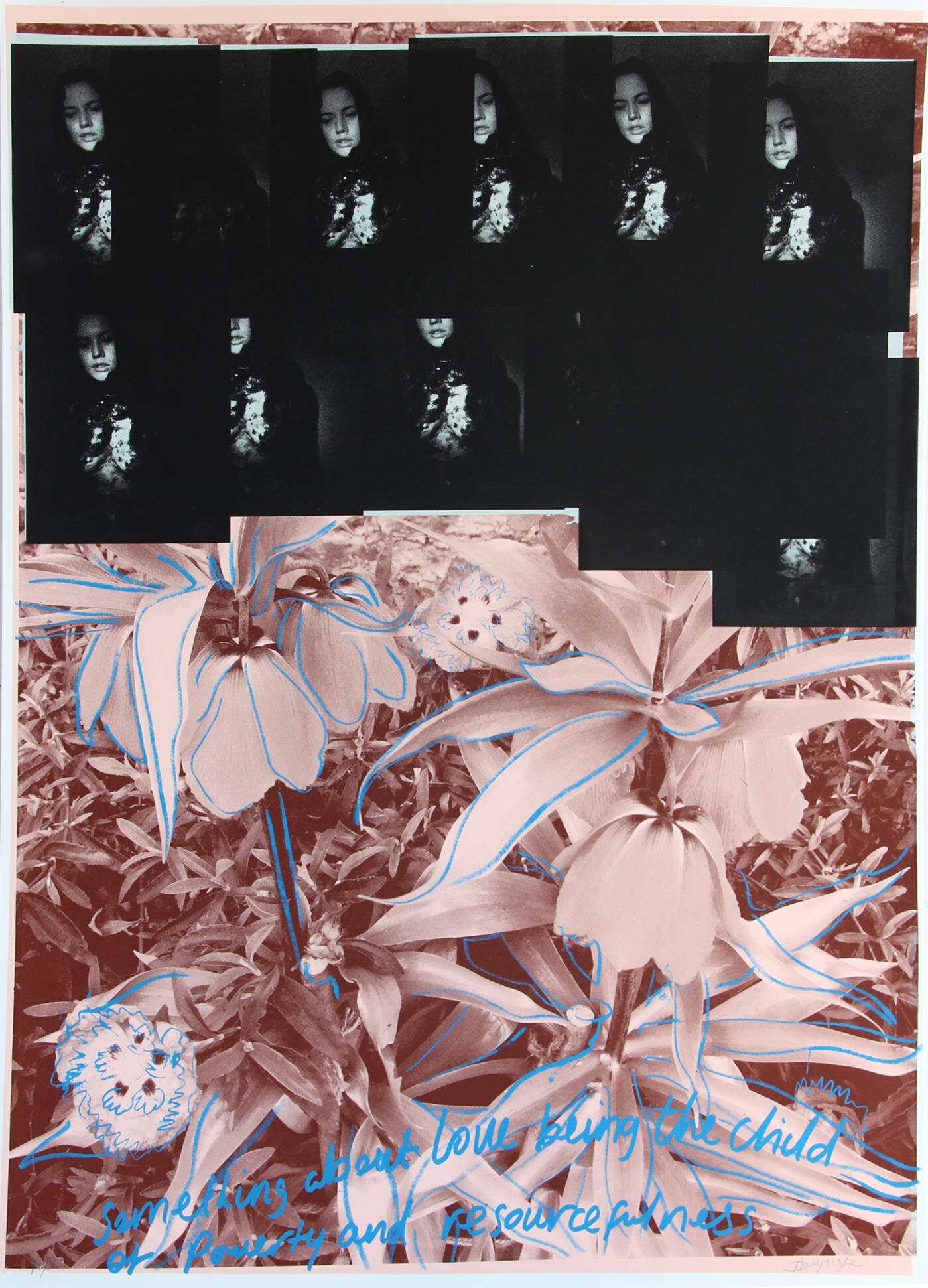
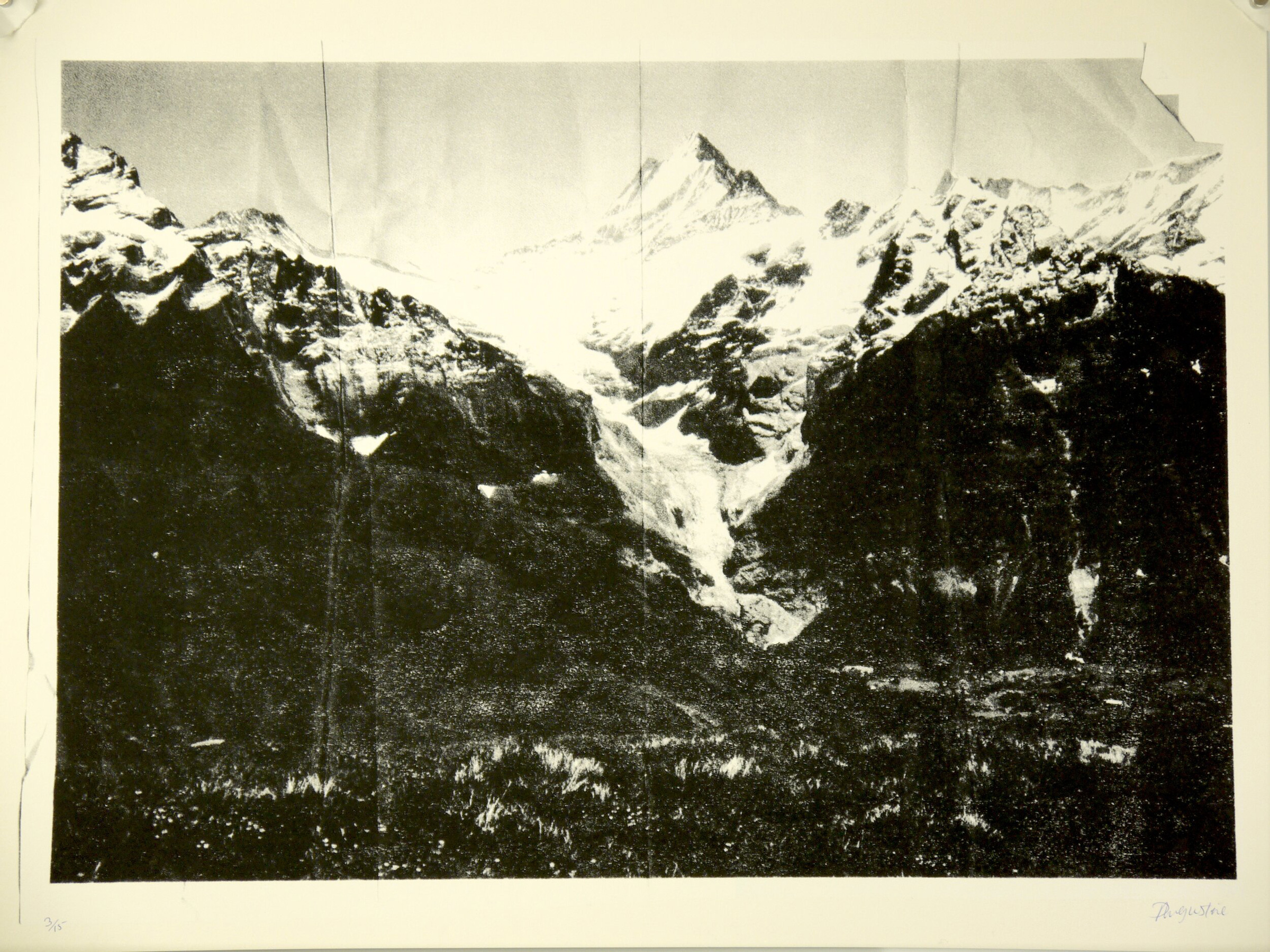
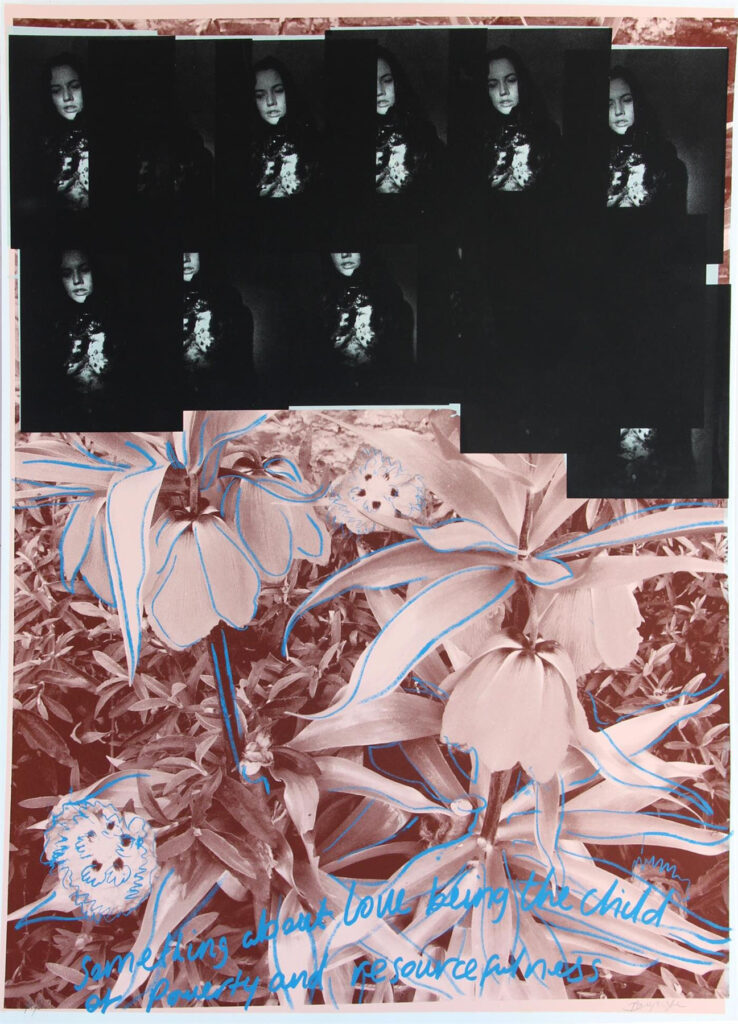
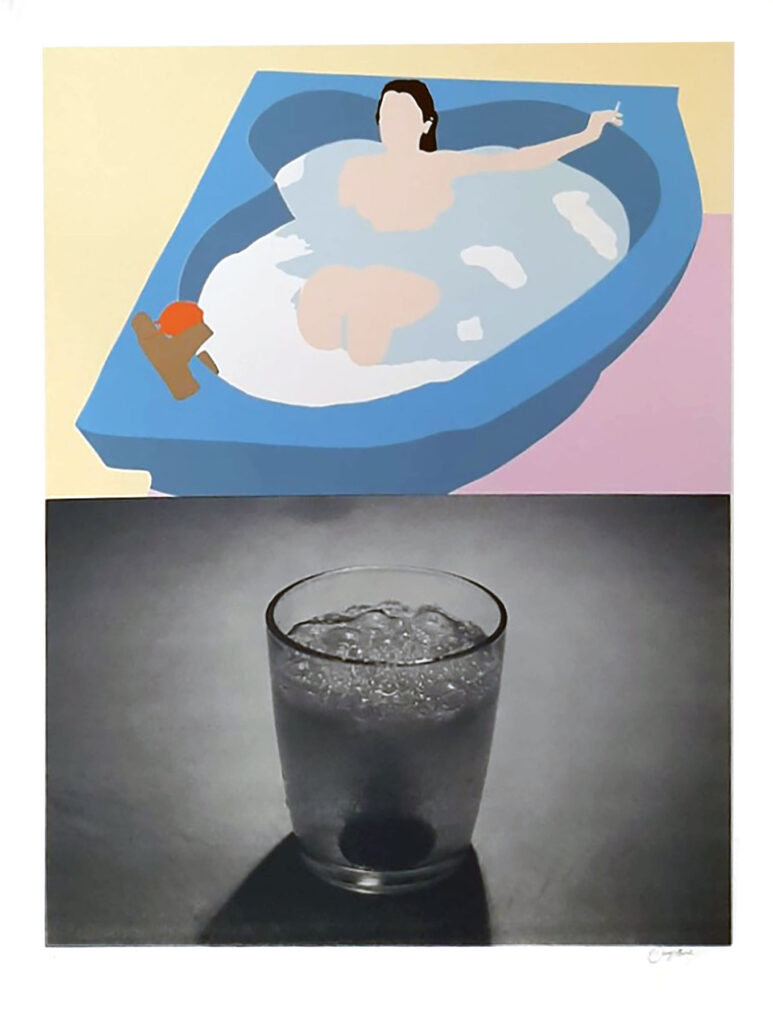
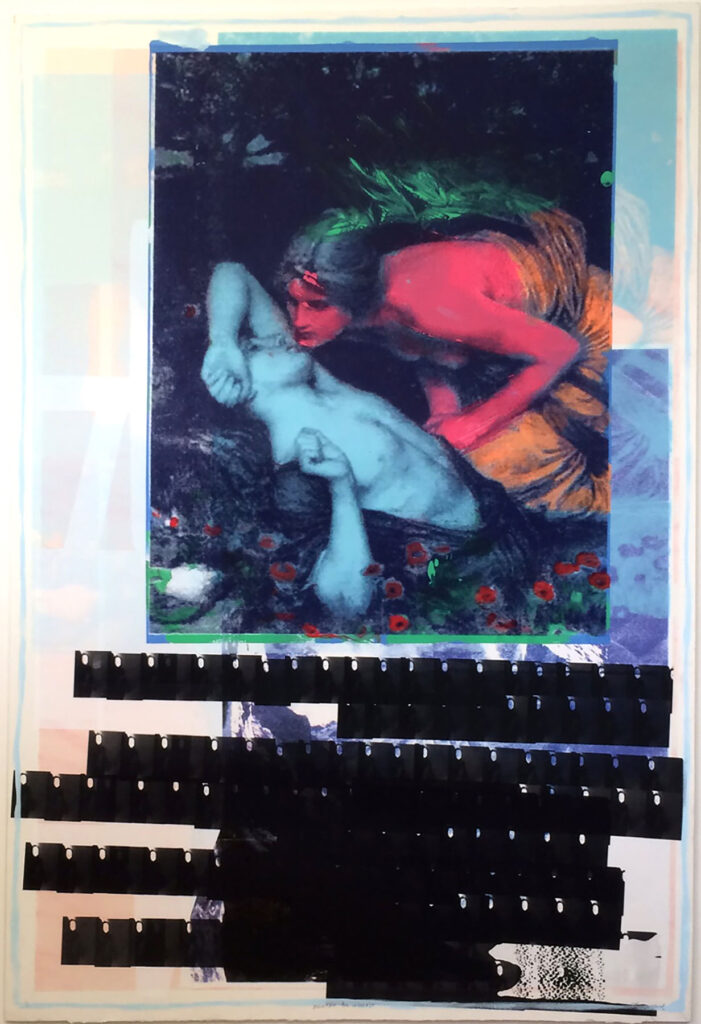
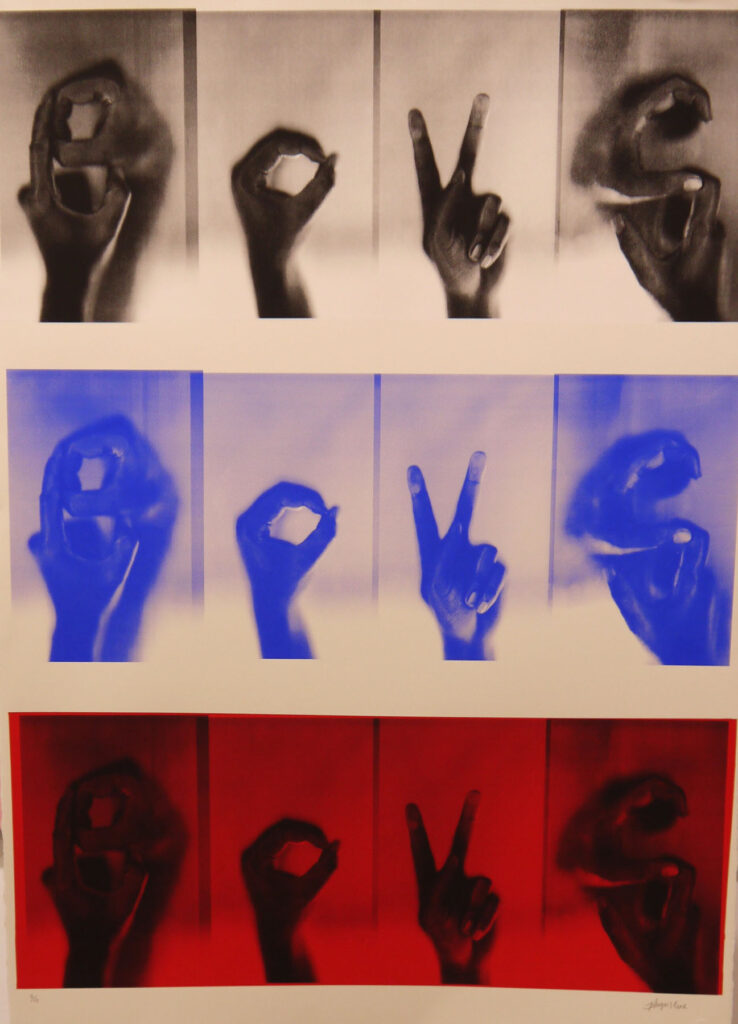
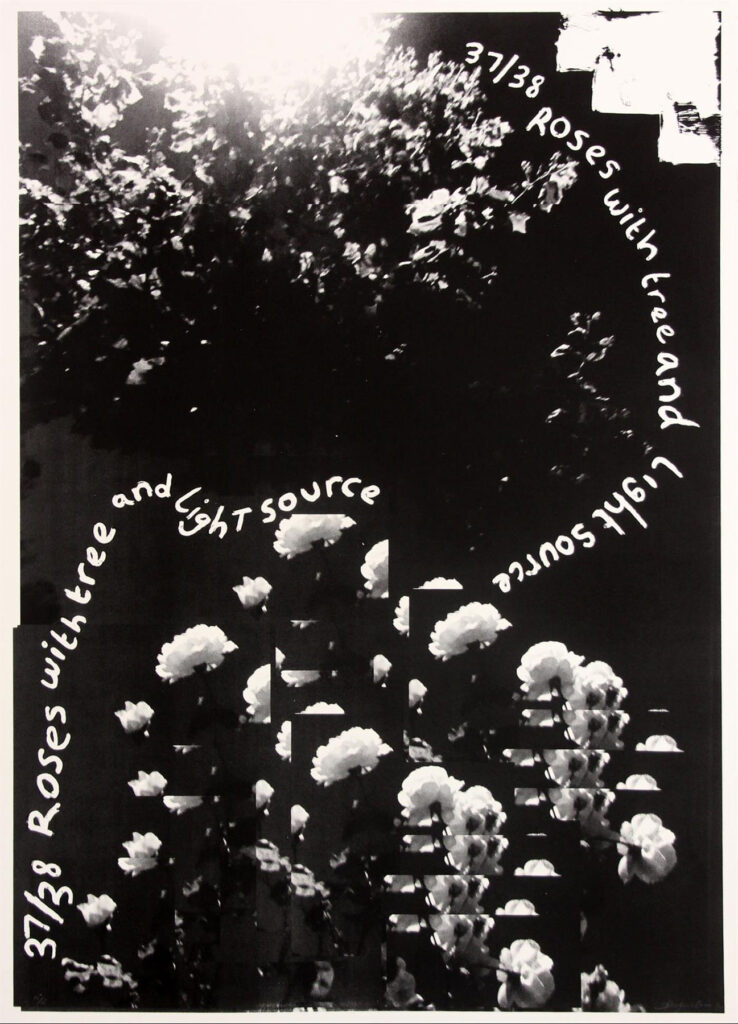
Raised in East London, artist and printmaker Danny Augustine explores ideas of identity in his work, primarily addressing topics of race and gender politics. Danny works predominantly with the medium of print but has a unique and painterly approach to his projects, toying with different narratives that prompt his audience to think about modern society’s views and obsessions surrounding race, gender and sexuality.

NR speaks with Danny, discussing his background, influences and how he has navigated his artistic career.

What attracted you to first start working with print?

First, I wanted to be a fashion designer, then a photographer, then a filmmaker and then finally a painter. The problem was that I wasn’t great at any of those things. I’m guilty of having quite a short attention span. I always want to work big, and I want instant gratification, so print works really well with appeasing those traits.

You grew up in Hackney, how has living in East London impacted your work and you as a creative individual?

I’m of the generation where I ever so slightly missed or was too you young to realise what was going on in regards to the YBAs, but the water mark was clearly visible. Coming from a Caribbean family and growing up in Hackney I felt gave me the licence to push and become an artist – there’s never been a doubt in my mind.

Are any other locations inspirational to you?

Berlin and Venice – those places rock me every time I visit.

Your work deals mainly with ideas about gender and identity, does exploring these narratives come naturally to you, or is it a struggle to express them creatively at times?

I think my work ends up talking about or outlining those points on its own. I didn’t realise it was happening until I had a bit of hindsight. I think it’s pretty natural still.

“I’m not sure why it’s like that but I’m happy that the work walks out on its own and is what it is.”

What’s your usual process when designing and printing a piece?

I usually start with an idea and instantly start to build a collection of works that explores that. I like to think about it like how a fashion designer builds a collection for a new season. I hardly ever just make a singular piece.

What other artists inspire you?

Tim Mara, Eduardo Paolozzi, Frank Bowling, Cy Twombly, Francis Bacon, Kate Gibb, David Hammonds, Billy Childish. I have loads more: Hockney, Louise Bourgeois, Lucien Freud. We’re in an incredible time because so much has passed and there’s a lot to look back on for inspiration.

How have you navigated the past year in the pandemic as an artist?

Minus the horror stories that people went through during this time, I found I was able to concentrate on making loads of small prints and send them to people who wanted them, no charge.

“Knowing when it arrived and how it cheered people up, I felt happy that I was able to connect with people for no reason other than being able to make something and then send it out.”

Have there been any seminal experiences that have impacted your work or your practice?

Having my son was an incredible thing. When he was born, I knew I wasn’t going to make anything as beautiful as him (cheesiest thing I’ve ever said). My work has changed since having him – I think it’s possibly more grown up, but I won’t know until I start working more.

What does your body of work aim to say in terms of confronting issues about gender and identity politics?

I don’t think it aims to say anything, but perhaps it prompts the viewer to possibly say something.

What was it like transitioning from studying Fine Art to specialising in your printmaking MA? 

It was nuts, I probably wasn’t ready for it. Maybe I should have had a year between them rather than going straight in, but at the same time I think I had to be thrown straight in after university. I had to learn the language pretty fast.

Are there any particular figures you draw the most inspiration from?

I think probably Cy Twombly and Lucien Freud. As soon as I open a book my brain goes crazy and thoughts and ideas start flooding in.

Are you working on any projects at the moment?

Yes, I’m working on a few large screen prints mainly dealing with colour and abstract forms leaning heavily on a specific way of printing.

Credits

Images · DANNY AUGUSTINE
www.jealousgallery.com

Bobby Buddy

Youth is a State of Mind


Team

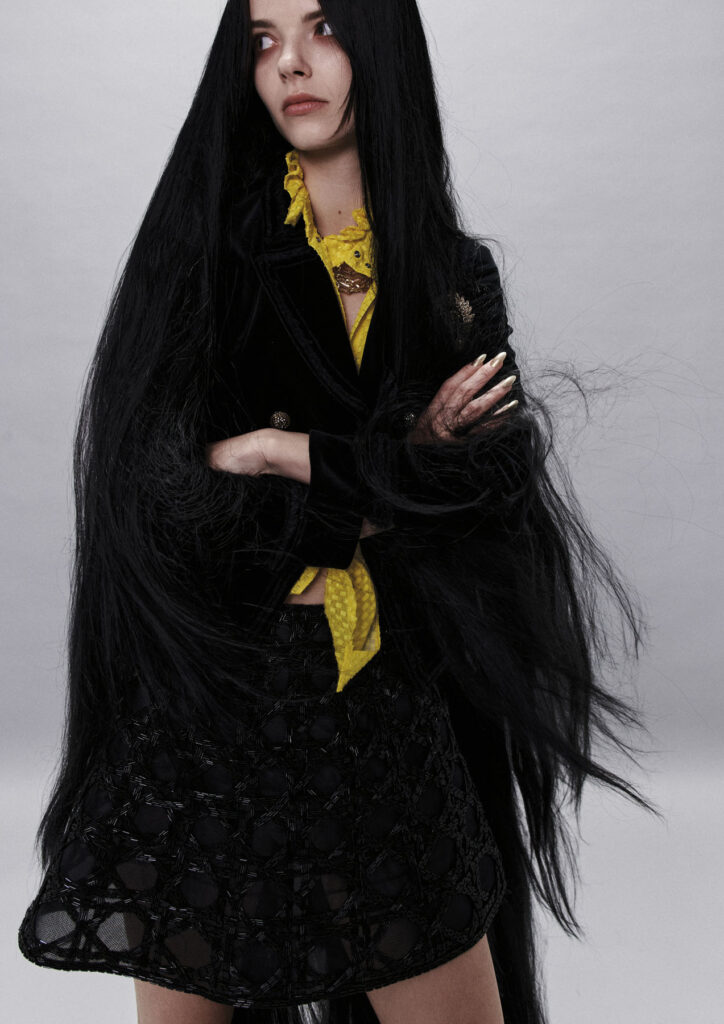
Photography · BOBBY BUDDY
Fashion · VICTOIRE SEVENO at KAPTIVE Hair KEVIN ROUX
Make-Up · AURELIA LIANSBERG at WISE AND TALENTED
Casting Director · REMI FELIPE
Models · AXELLE DOUE, CYRUS AMINI, GINETTE MENDES, ZIYI HE & RAPHAEL DUMAS 
Fashion Assistant · ANJA PITT AND VALENTINE SEVENO
Special Thanks to · CAROLE CONGOS at KAPTIVE and MARINE at E-STUDIO


Designers

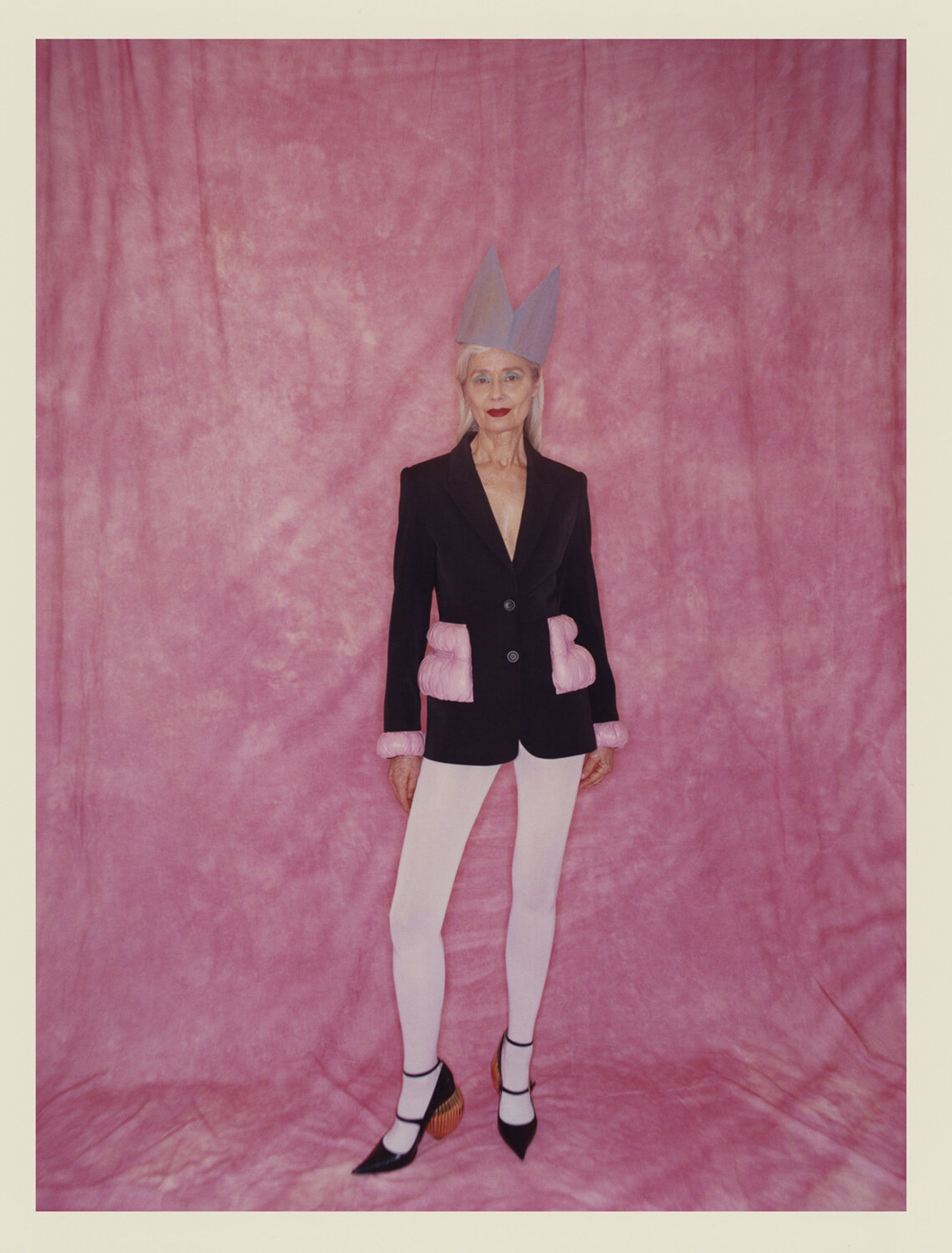
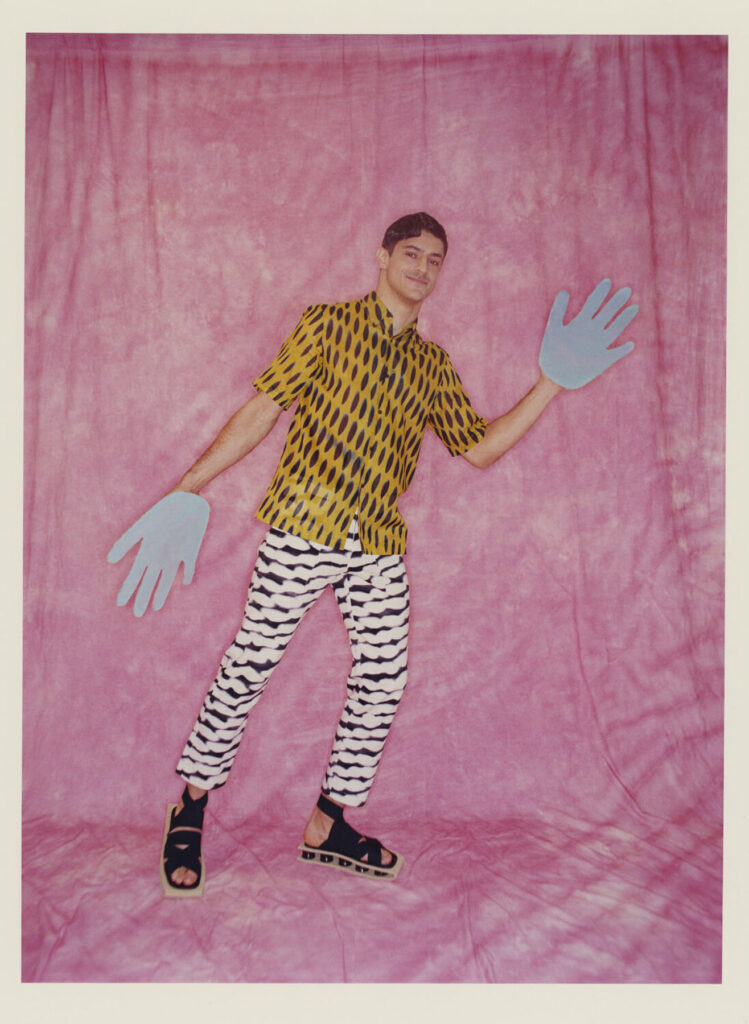
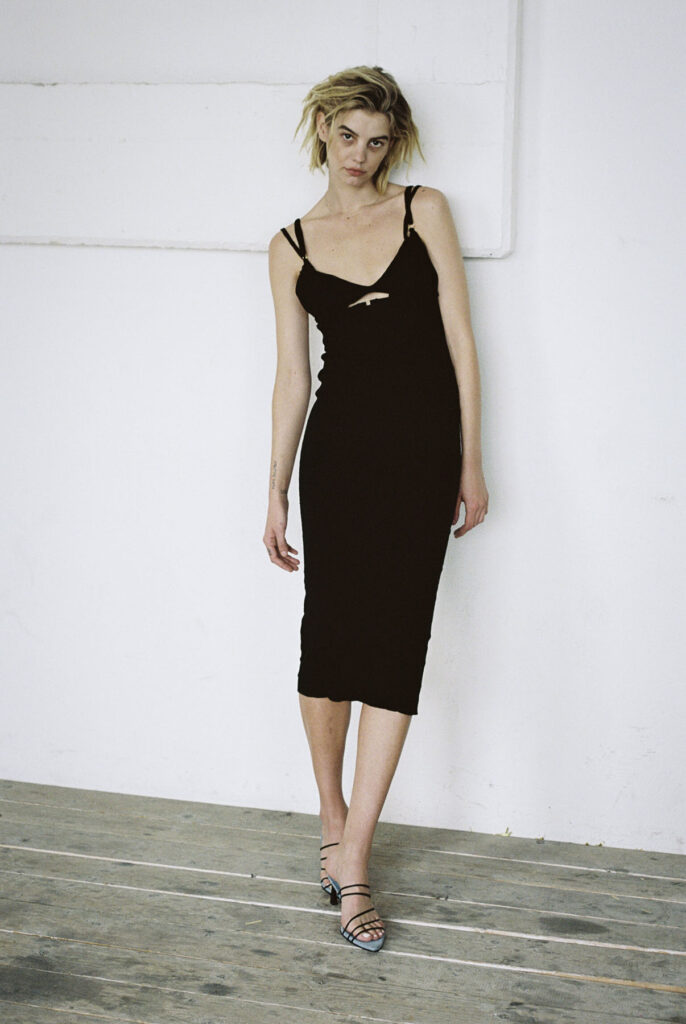
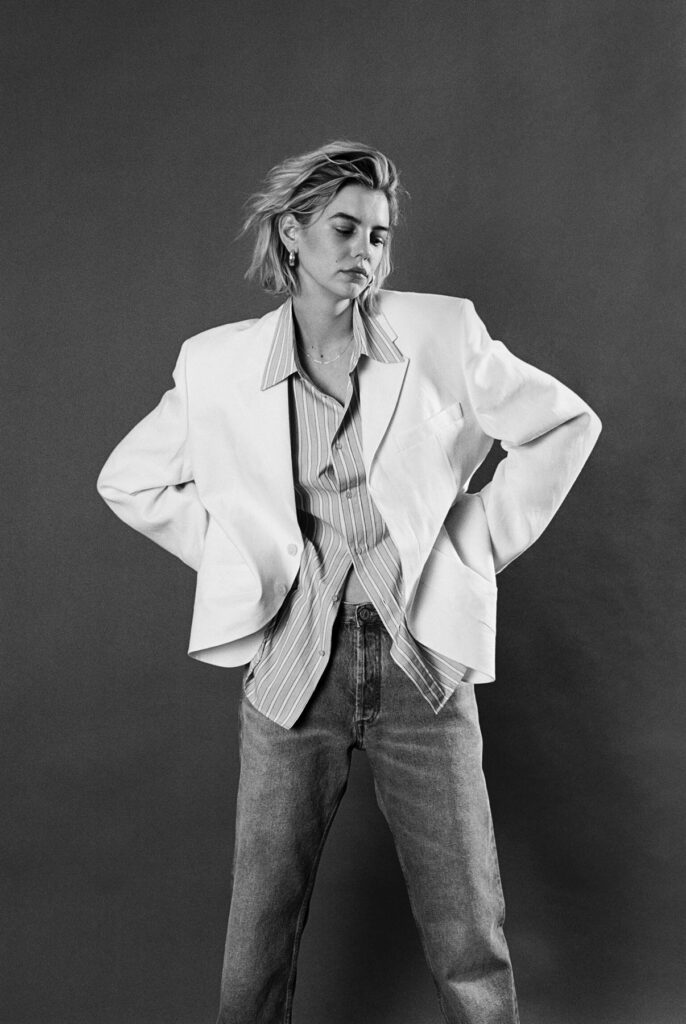
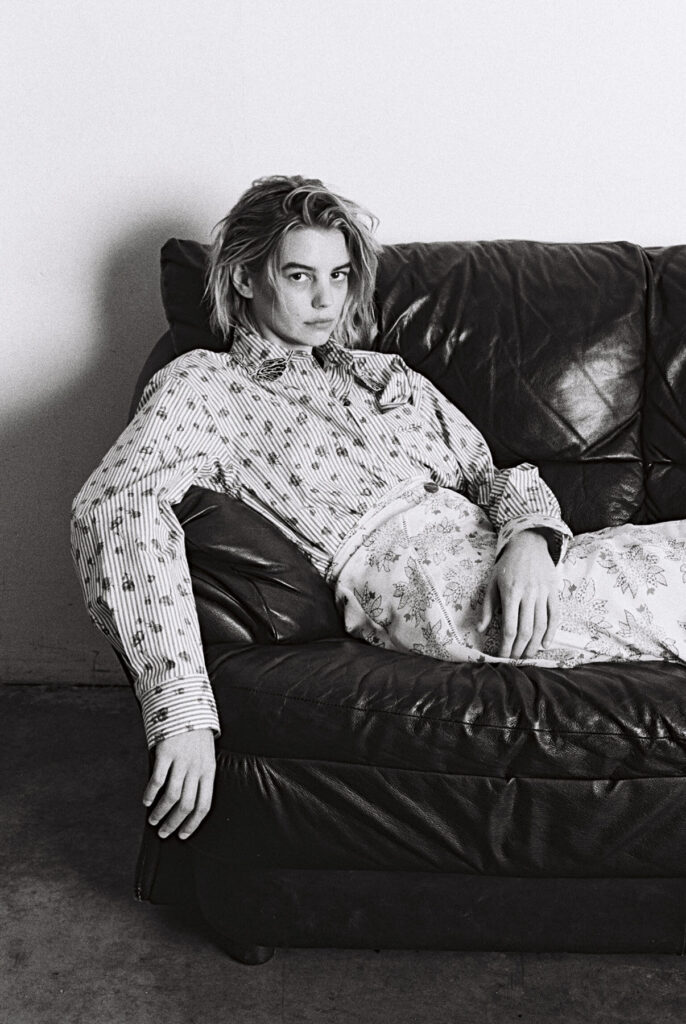
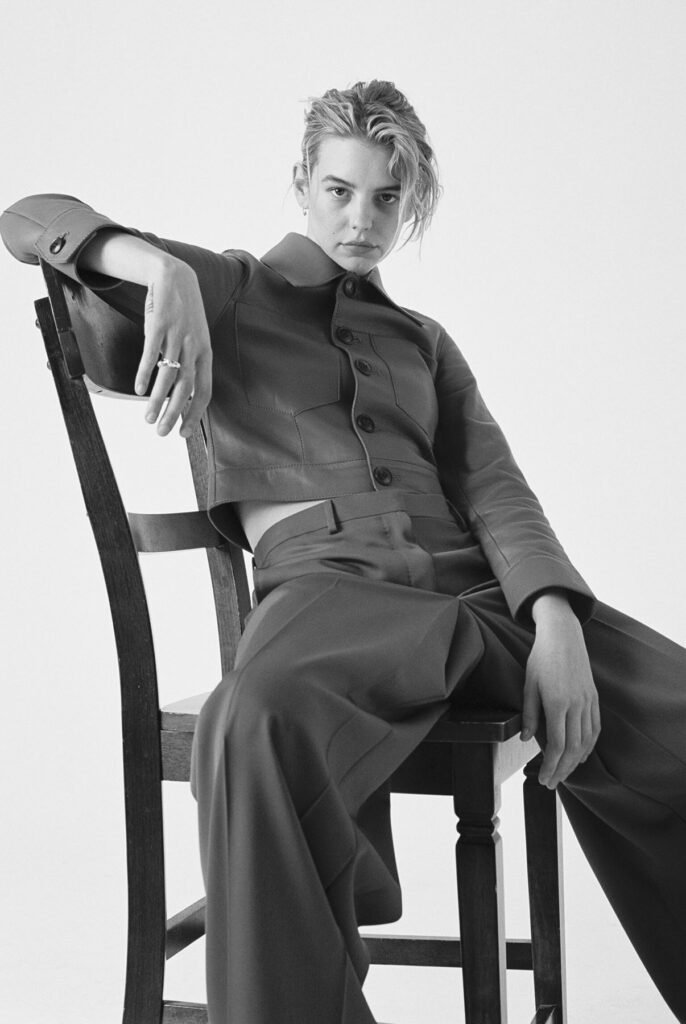
  1. Jacket BESFXXK Shoes LANVIN Tights CALZEDONIA
  2. Sweater LANVIN Trench Arthur Avellano
  3. Shirt and Trousers DRIES VAN NOTEN   Shoes KENZO
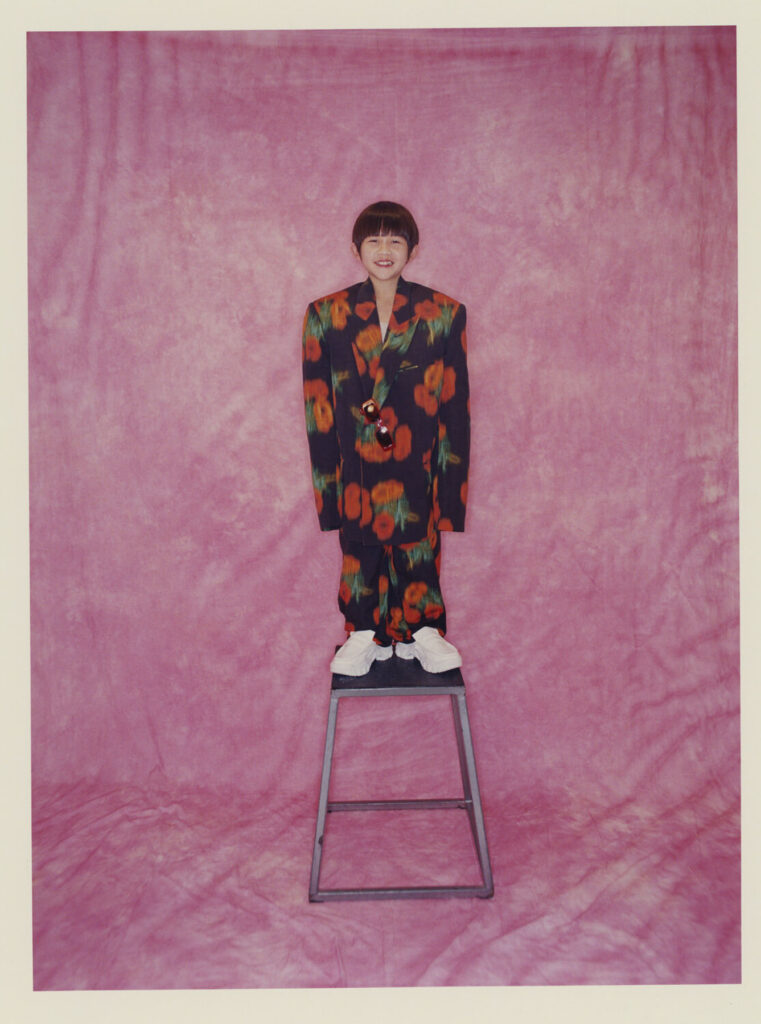
  4. Jacket and Trousers KENZO Top NEHERA   Shoes ROMBAUT Sunglasses G.O.D EYEWEAR
  5. Jacket BARRIE Shoes ROMBAUT
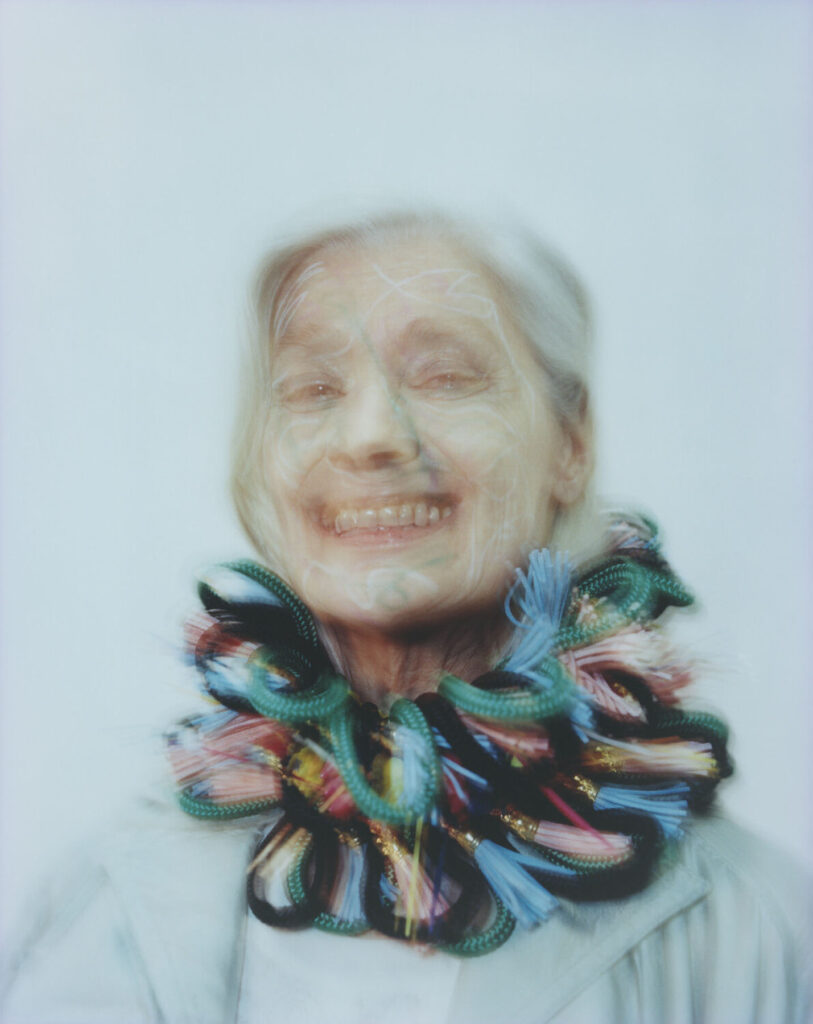
  6. Necklace TOM VAN DER BORGHT Trench VIRGINIE
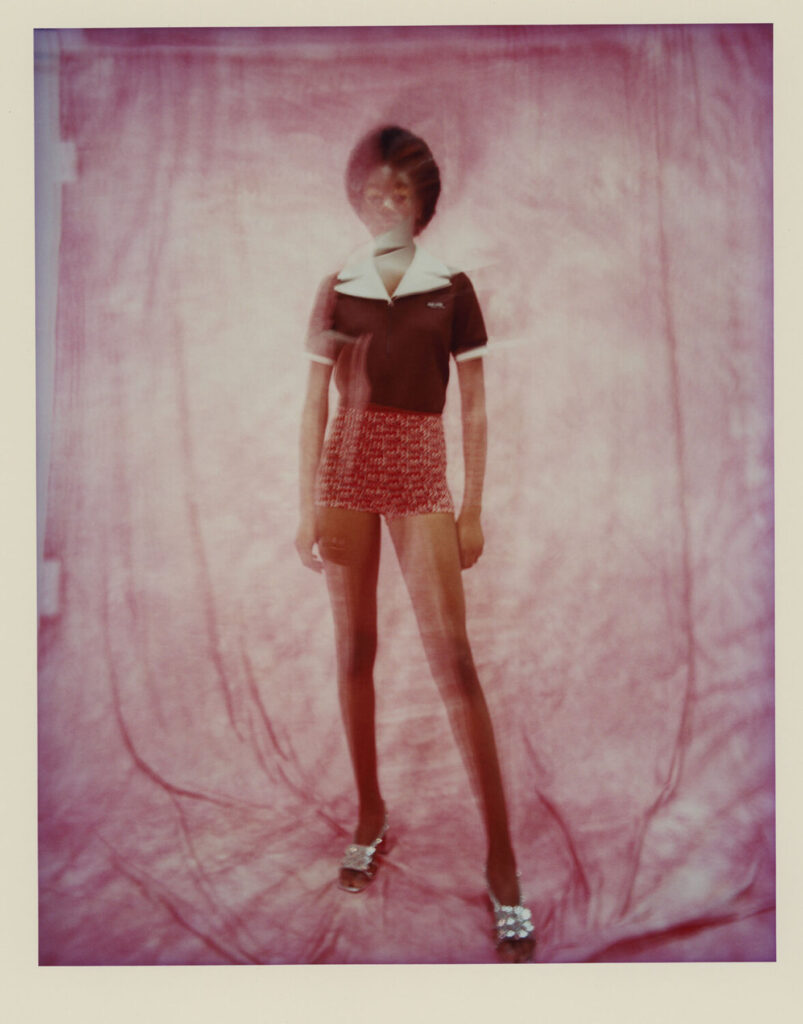
  7. Full Look MIU MIU
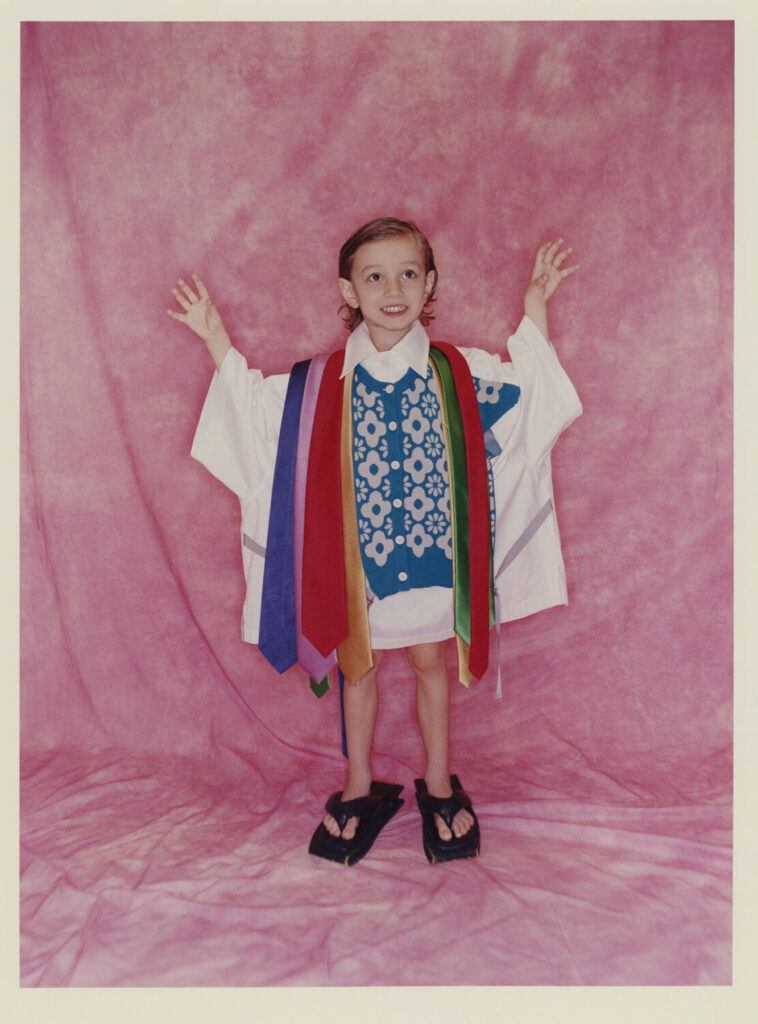
  8. Shirt KOLOR Ties CHARVET Shoes KENZO
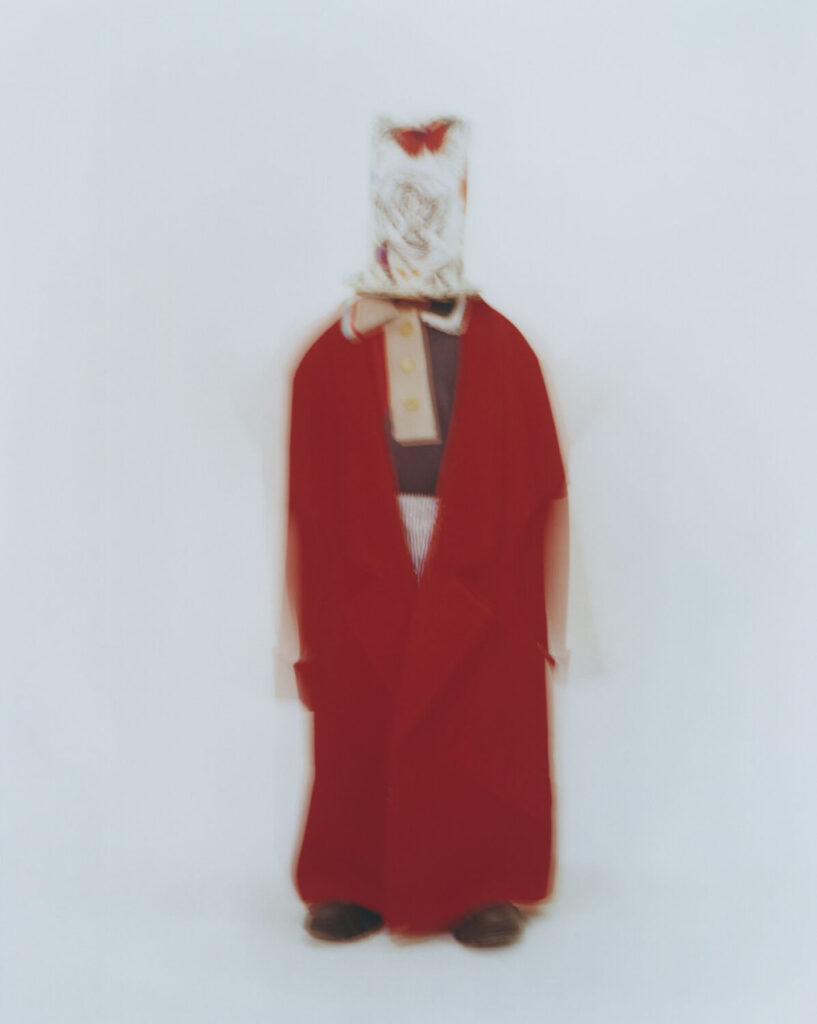
  9. Coat TOM VAN DER BORGHT Shoes CROC’S
  10. Coat TOM VAN DER BORGHT Shoes CROC’S

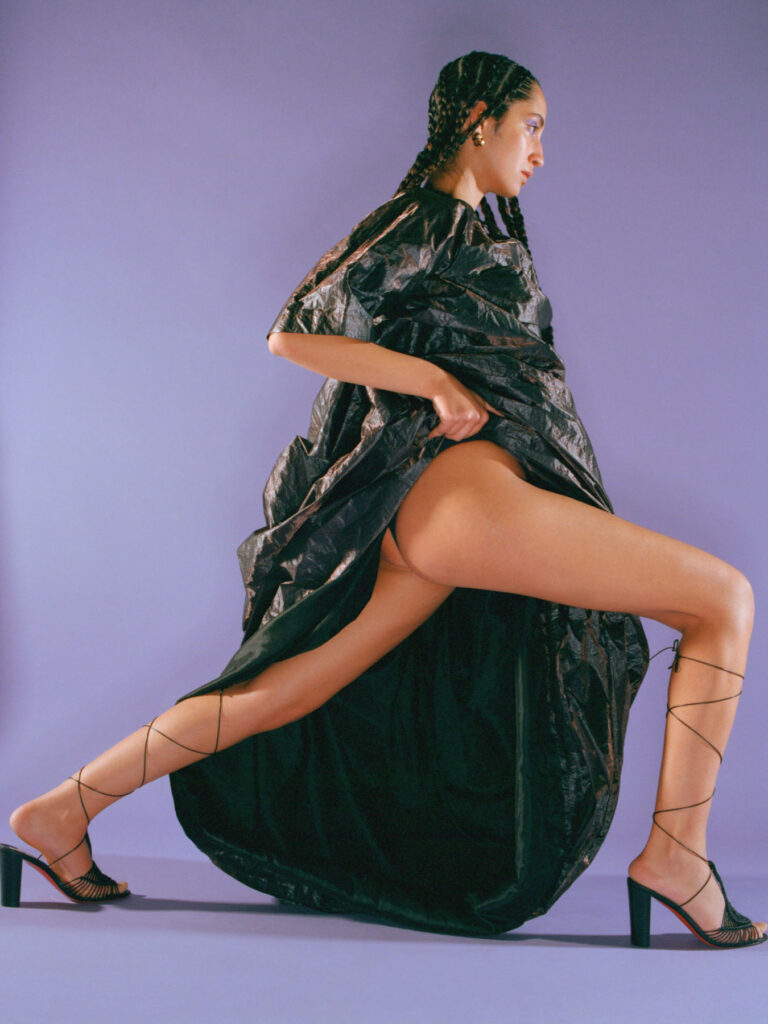
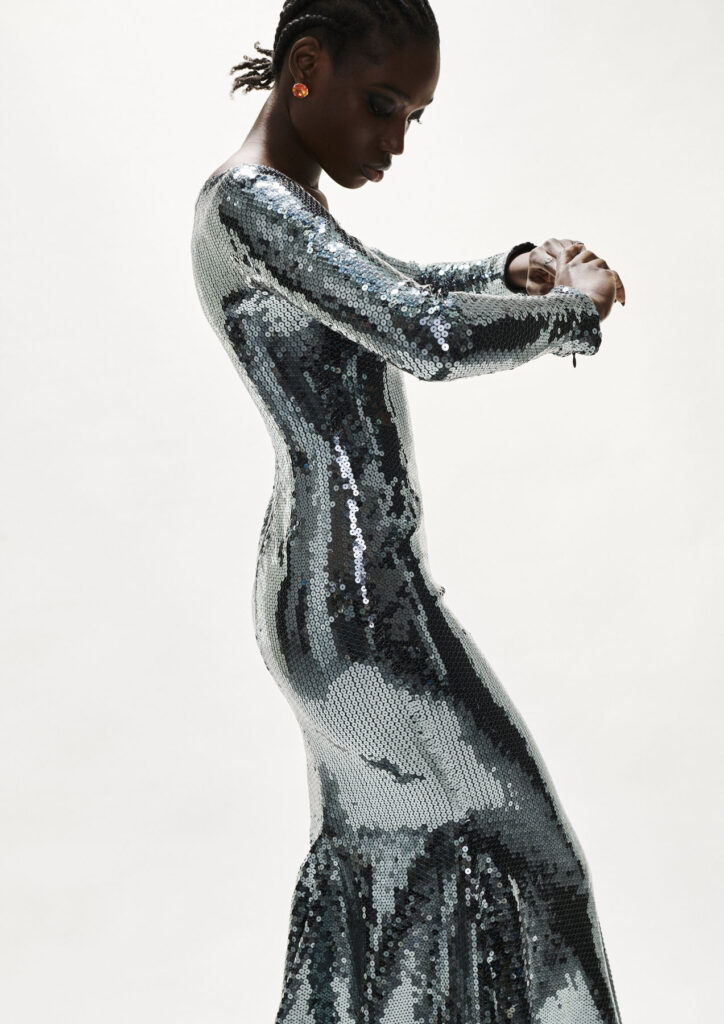
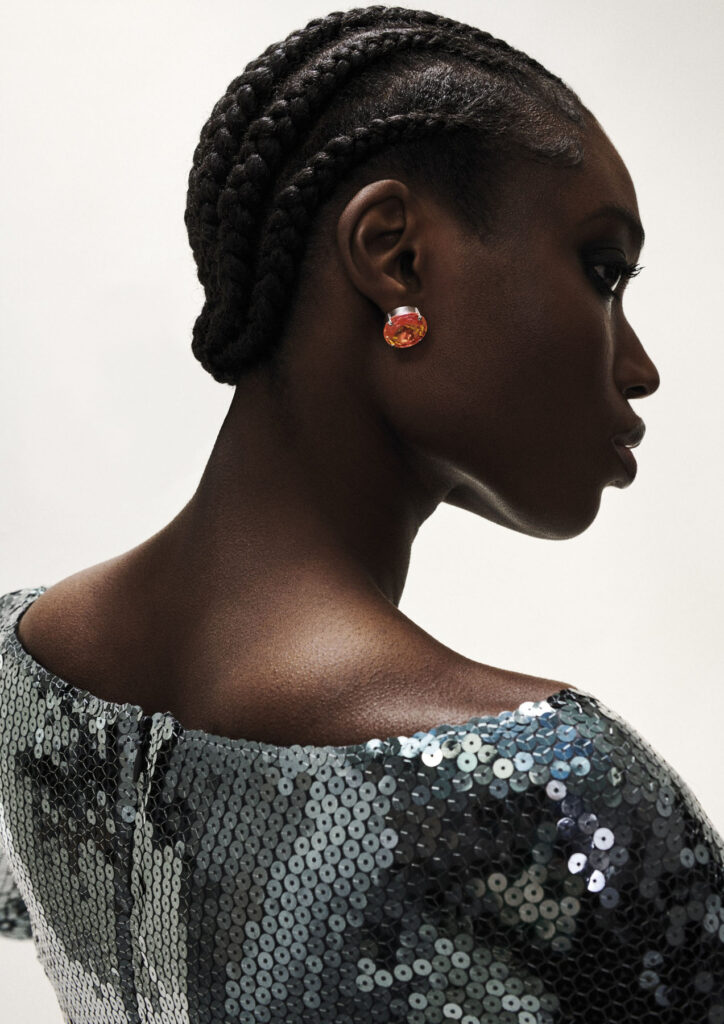
Michele Yong

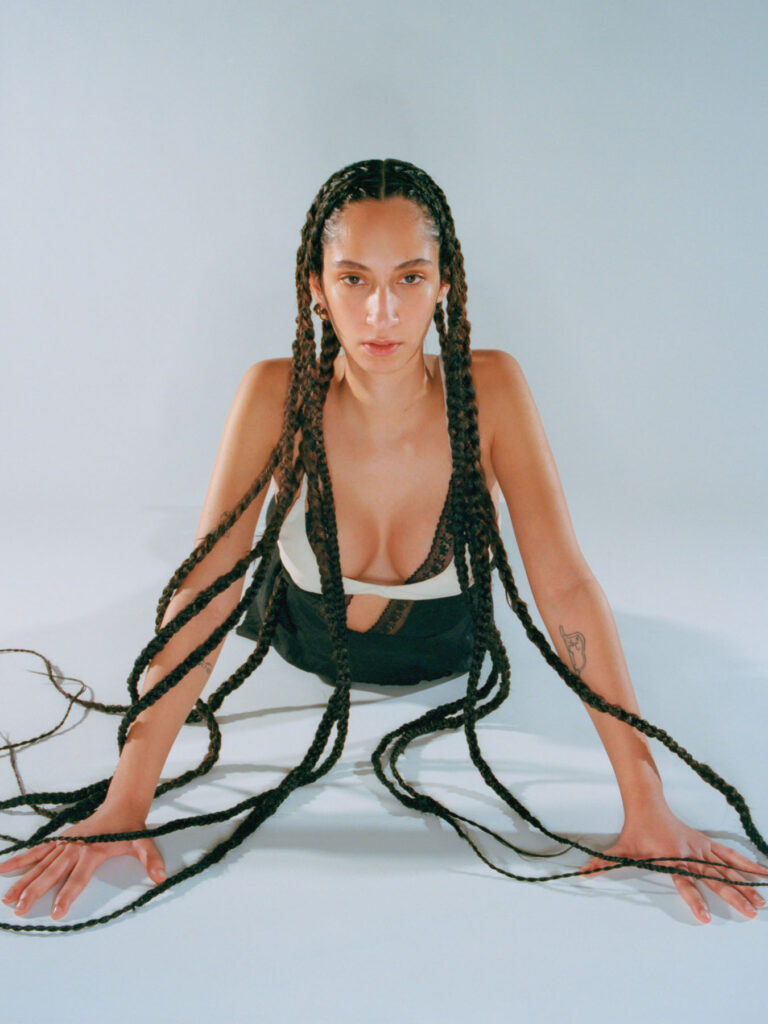
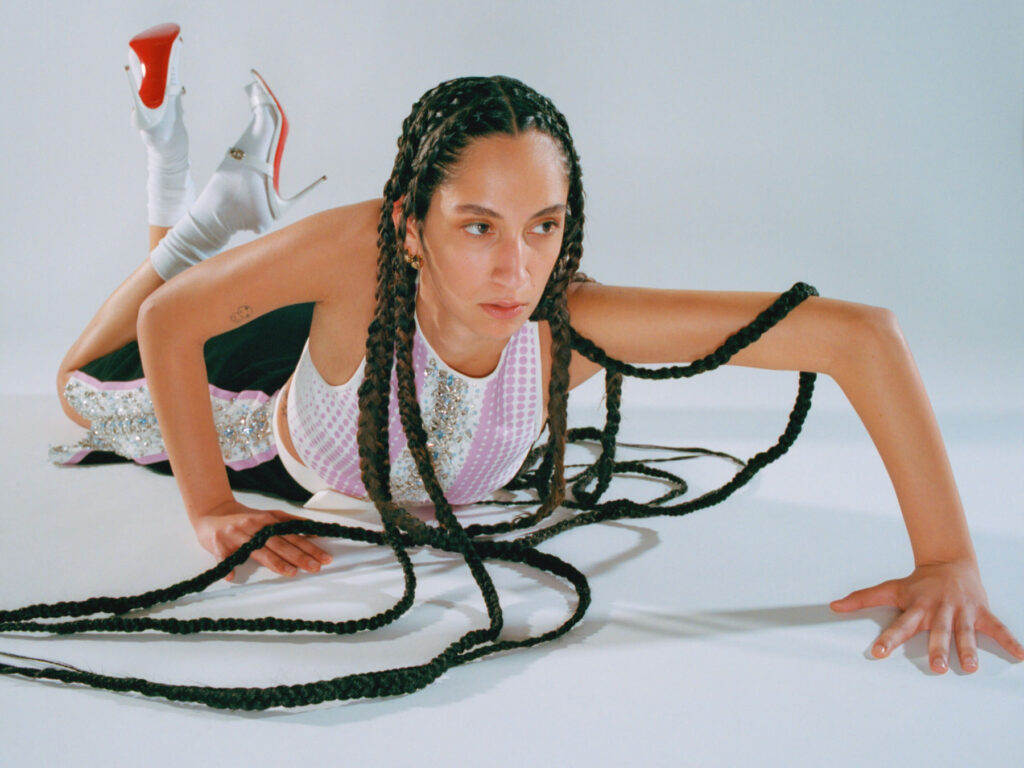
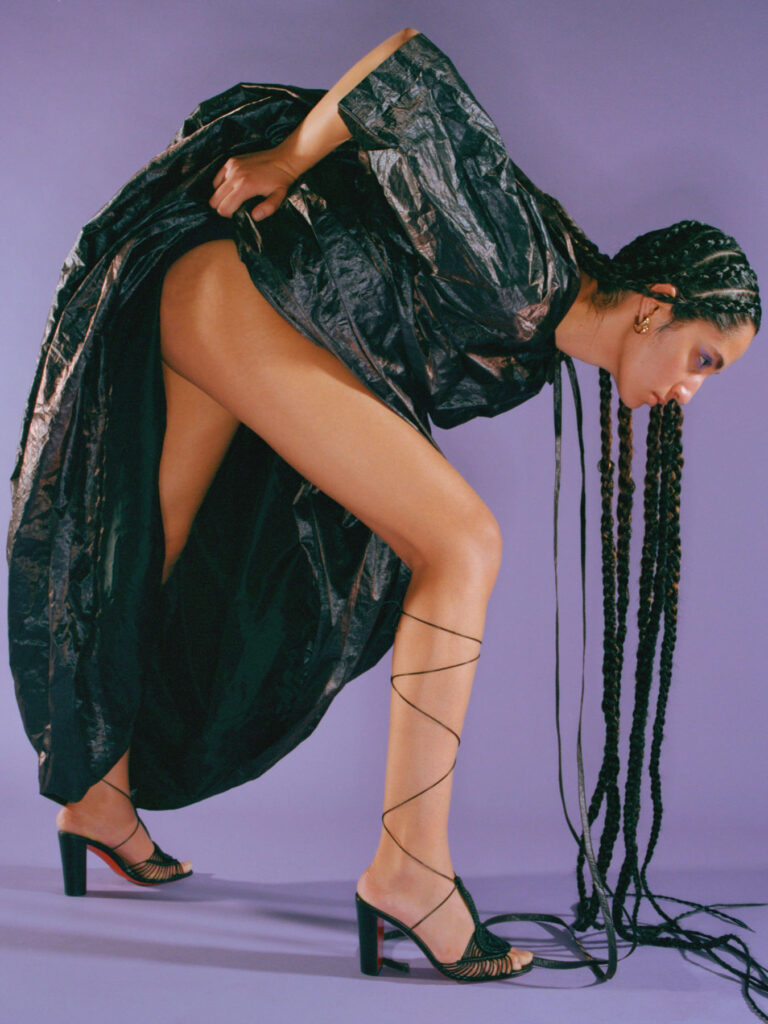
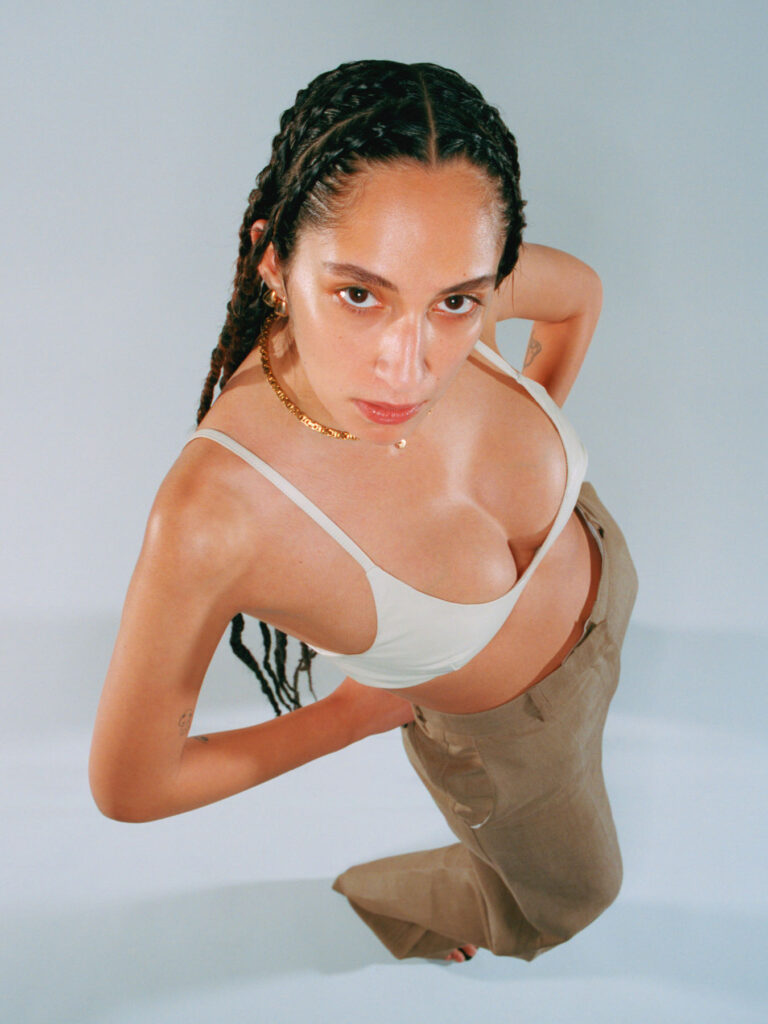
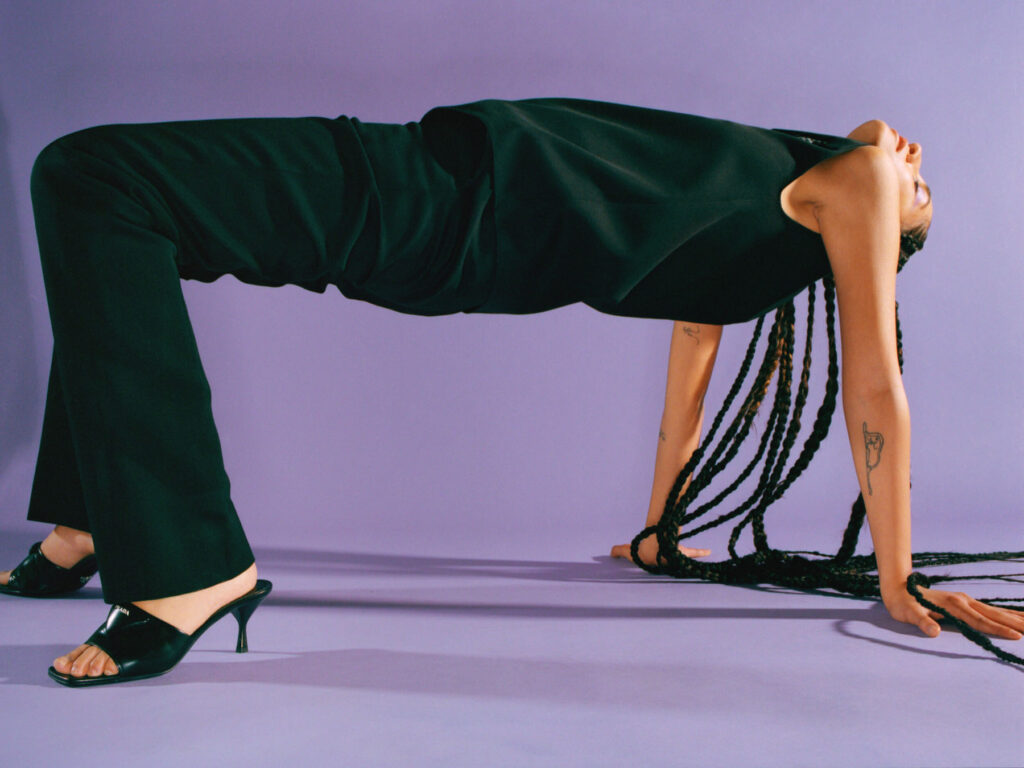
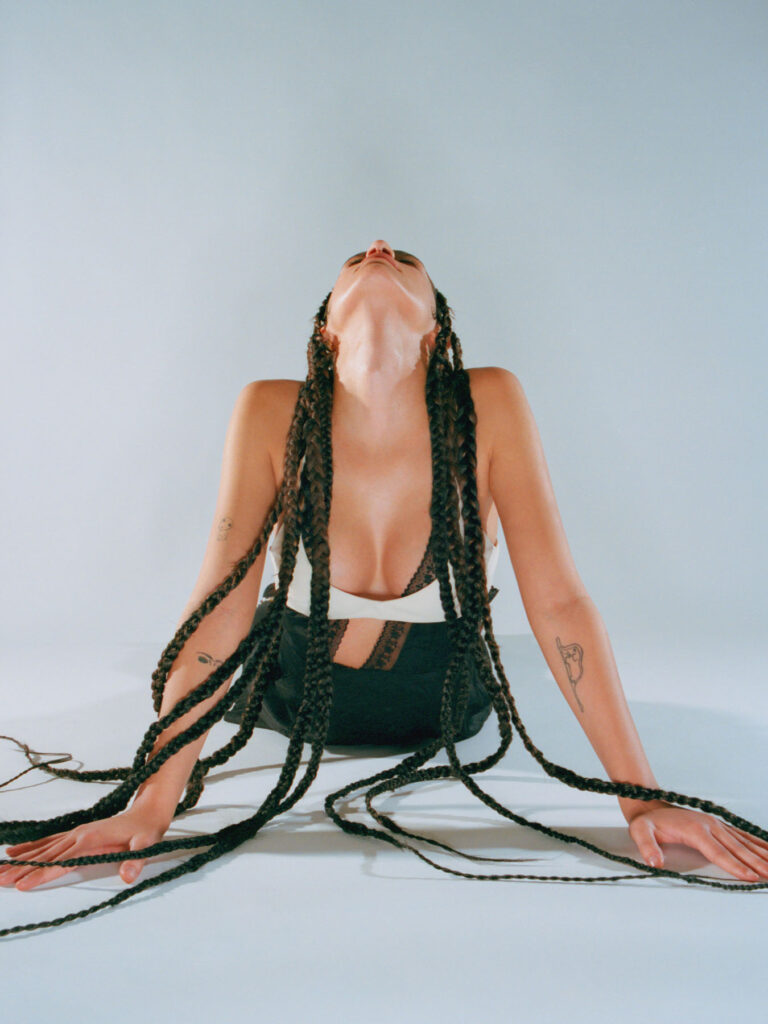
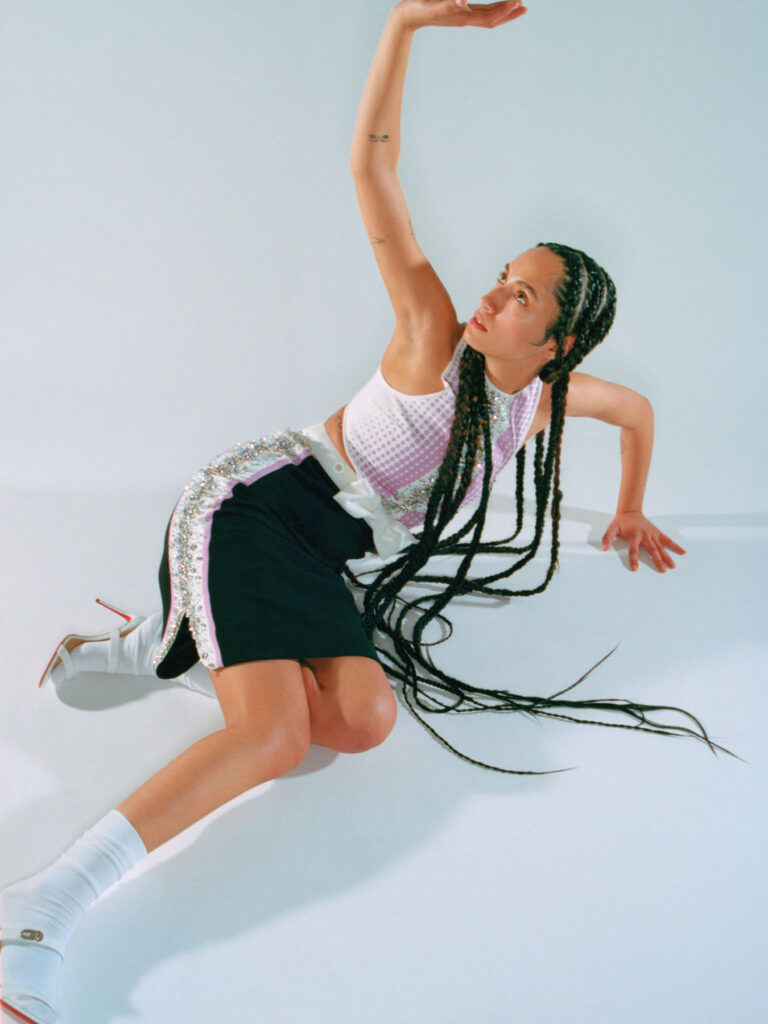
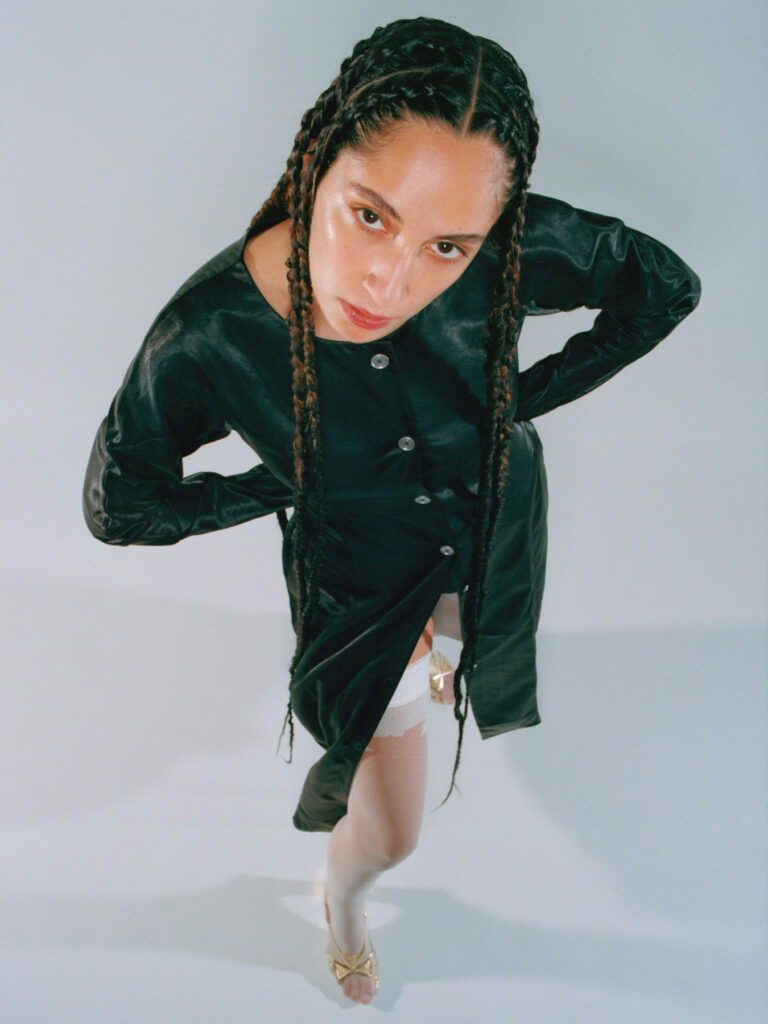
Trapped


Team

Photography · MICHELE YONG
Fashion · MIREY ENVEROVA
Creative Direction · NIMA HABIBZADEH and JADE REMOVILLE
Art Direction · LAURA GAVRILENKO
Hair · MAYU MORIMOTO  
Make-Up · MIKI MATSUNAGA
Model · EMNA SELLIMI at MARILYN
PRODUCTION THIRTEENTH PRODUCTION


Designers

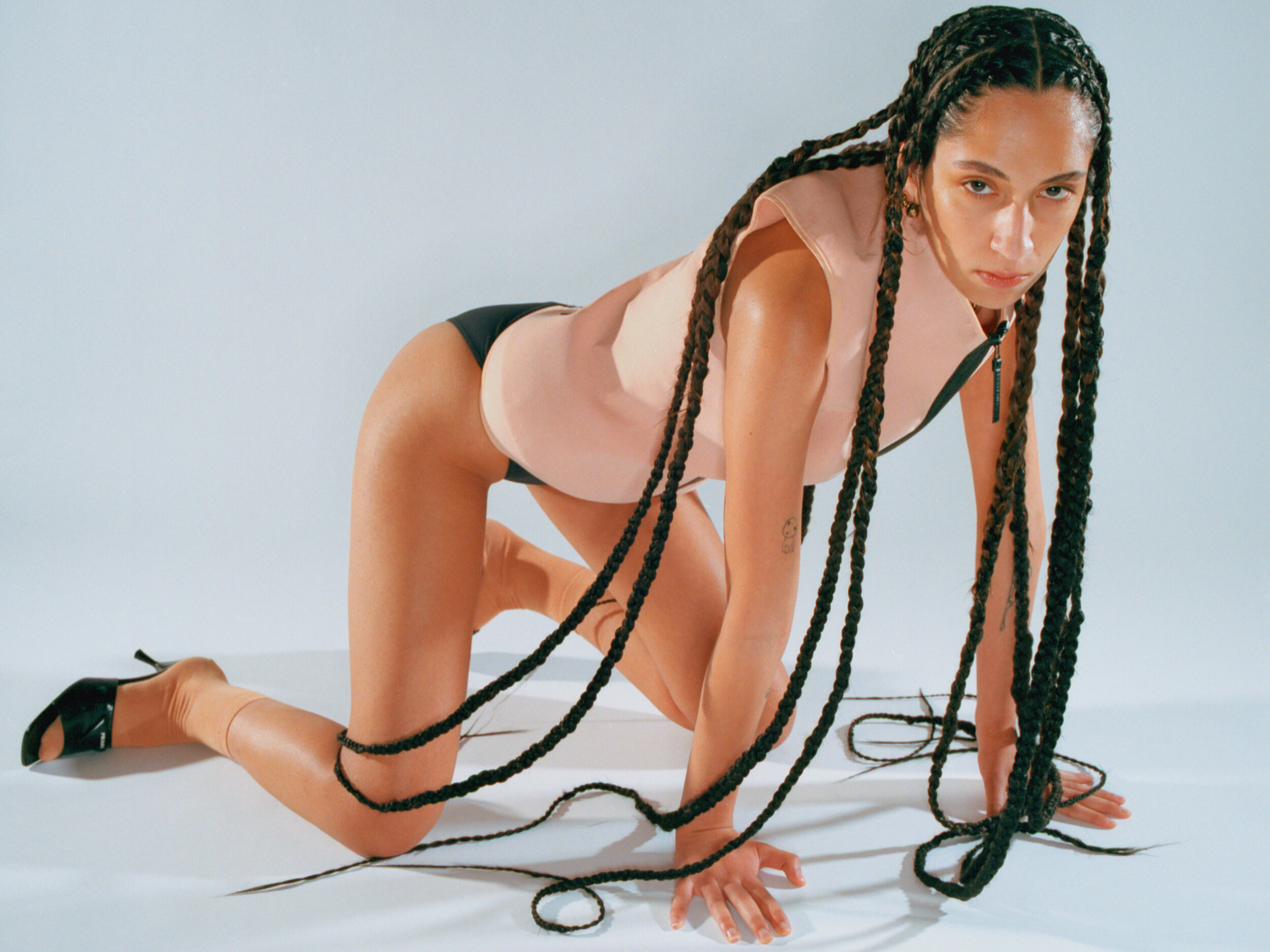
  1. Top ISSEY MIYAKE Panties ERES Shoes PRADA Socks FALKE Earrings Model’s Own
  2. Leather Bra DROME Trousers LANVIN Shoes PRADA Earrings Model’s Own
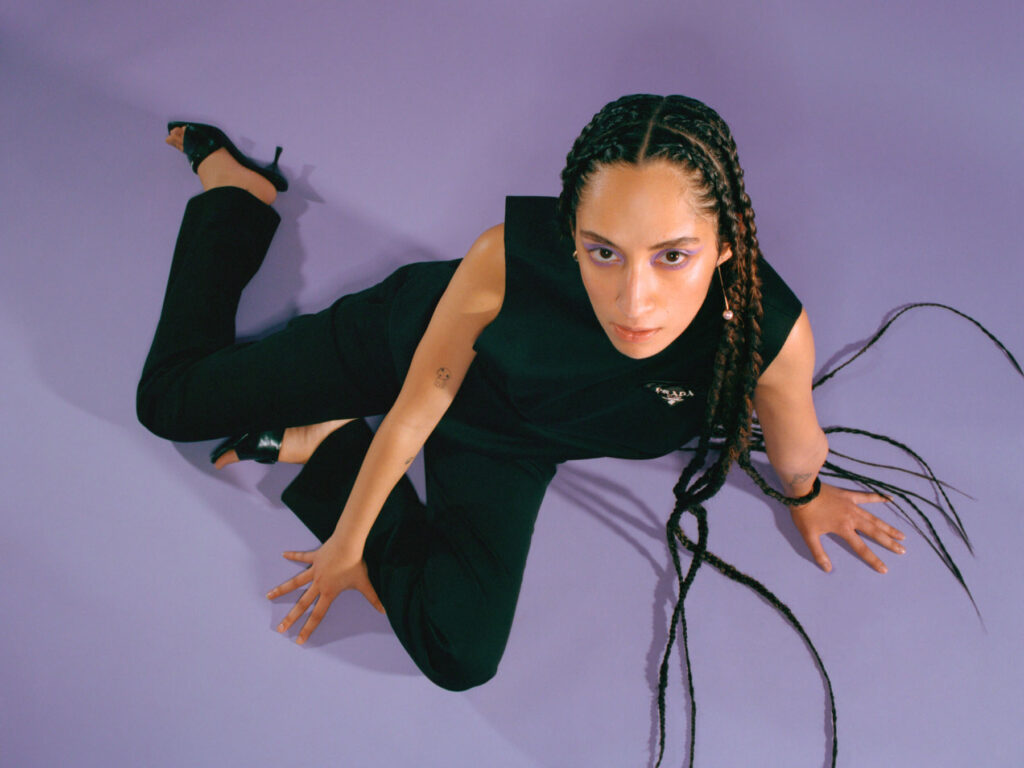
  3. Full Look PRADA Earrings Model’s Own
  4. Leather Bra DROME Dress and Shoes MM6 by MAISON MARGIELA
  5. Dress MIU MIU Shoes CHRISTIAN LOUBOUTIN Socks FALKE Earrings Model’s Own
  6. Top and Trousers DROME Shoes MM6 BY MAISON MARGIELA Necklace (worn as a belt) CHANEL
  7. Dress JIL SANDER Shoes GUCCI Hold-Ups FALKE  Earrings Model’s Own
  8. Dress ACNE STUDIOS Shoes CHRISTIAN LOUBOUTIN Panties ERES Earrings Model’s Own
  9. Leather Bra DROME Trousers LANVIN Shoes PRADA  Earrings Model’s Own
  10. Full Look PRADA Earrings Model’s Own
  11. Leather Bra DROME Dress and Shoes MM6 by MAISON MARGIELA
  12. Dress MIU MIU Shoes CHRISTIAN LOUBOUTIN Socks FALKE Earrings Model’s Own
  13. Dress JIL SANDER Shoes GUCCI Hold-Ups FALKE Earrings Model’s Own
  14. Dress ACNE STUDIOS Shoes CHRISTIAN LOUBOUTIN Panties ERES Earrings Model’s Own

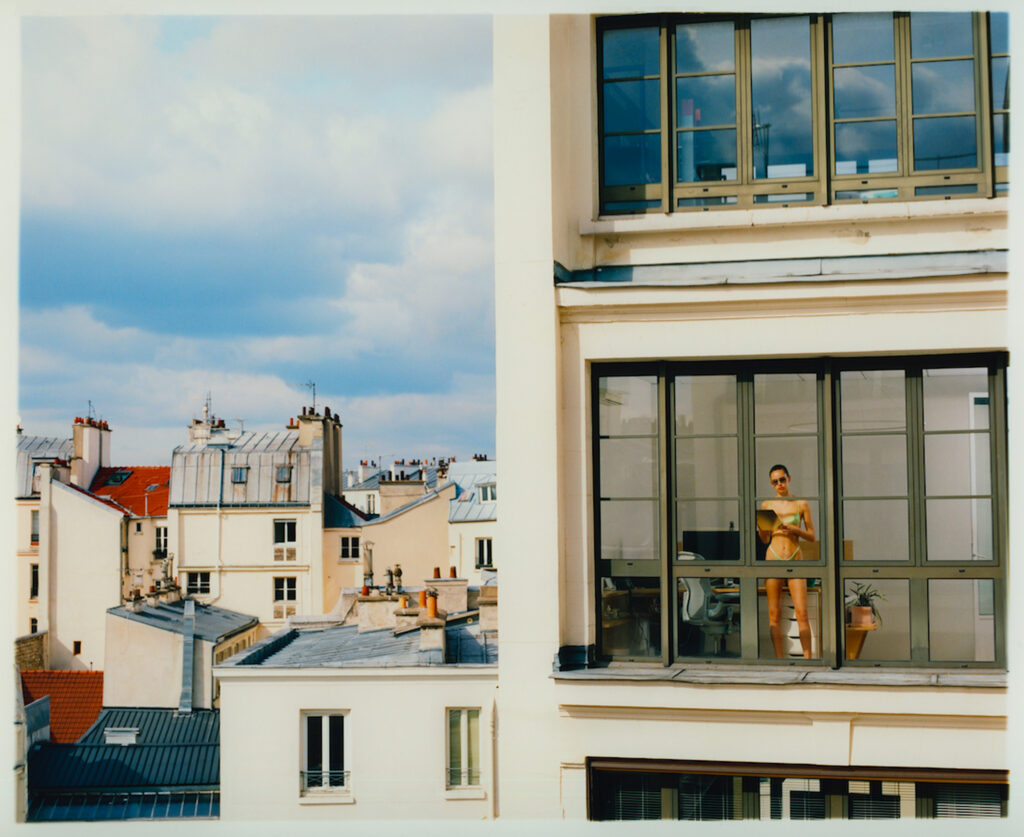
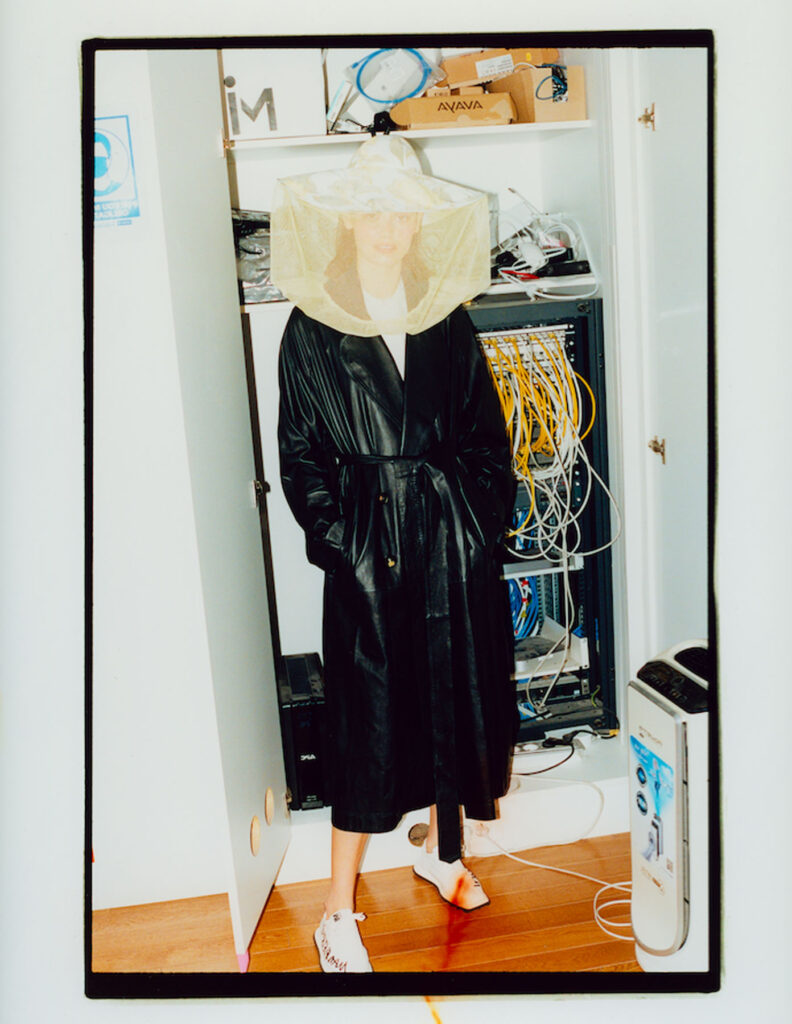
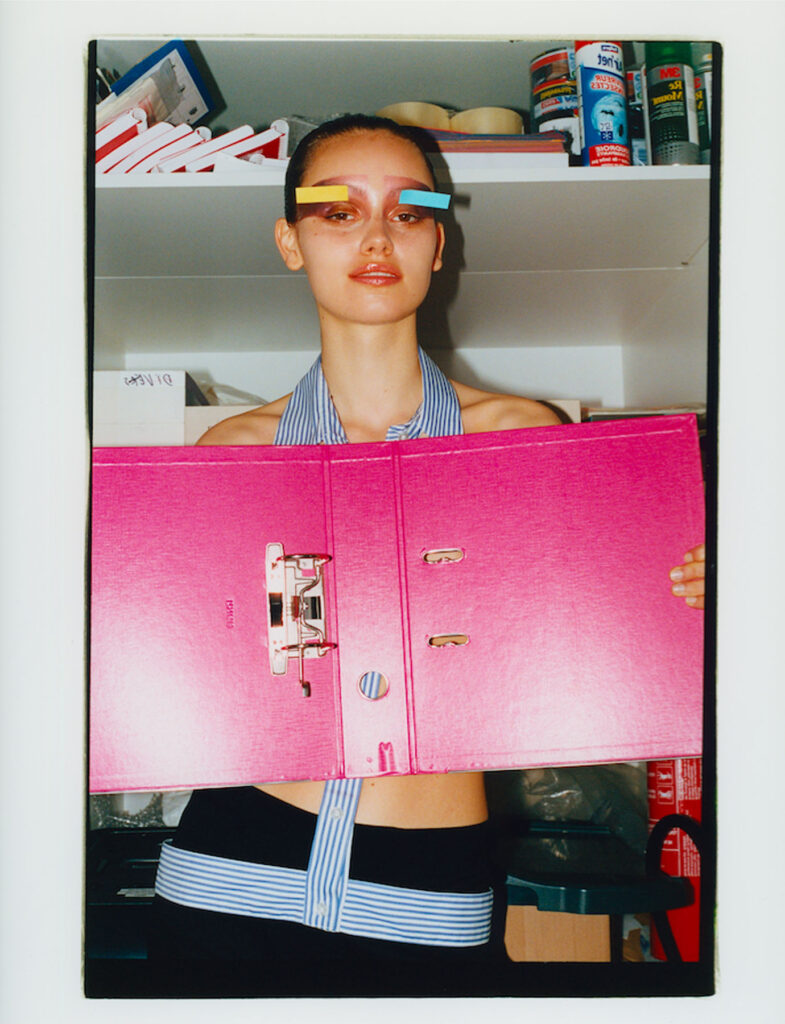
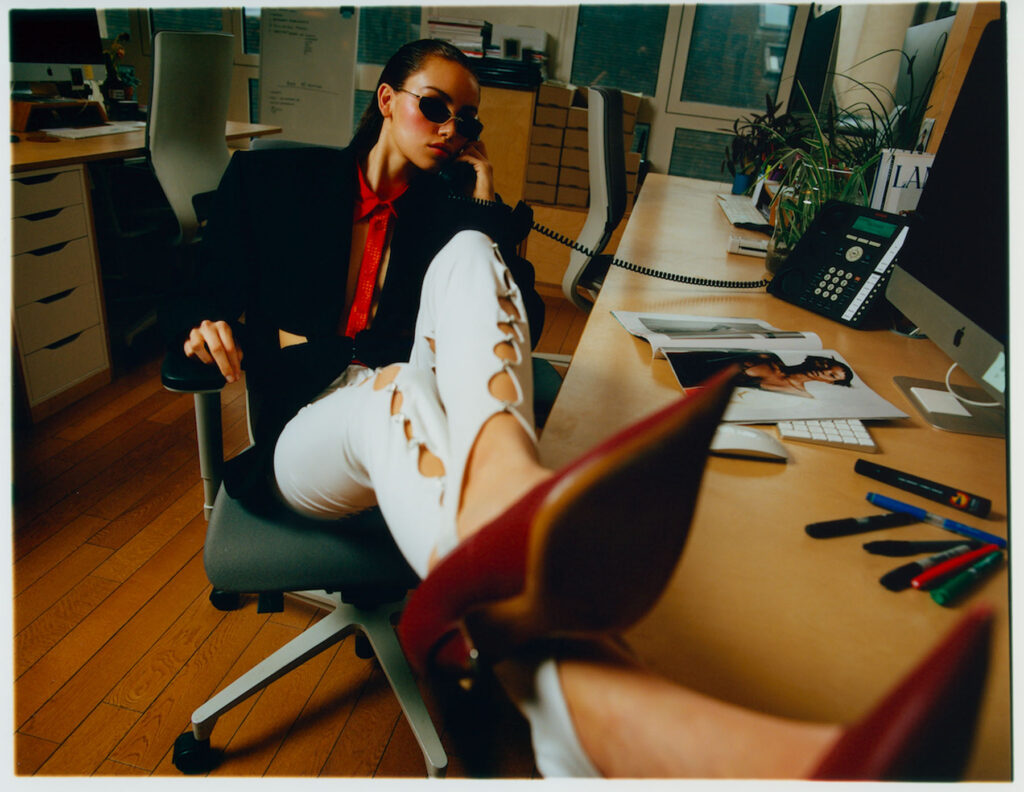
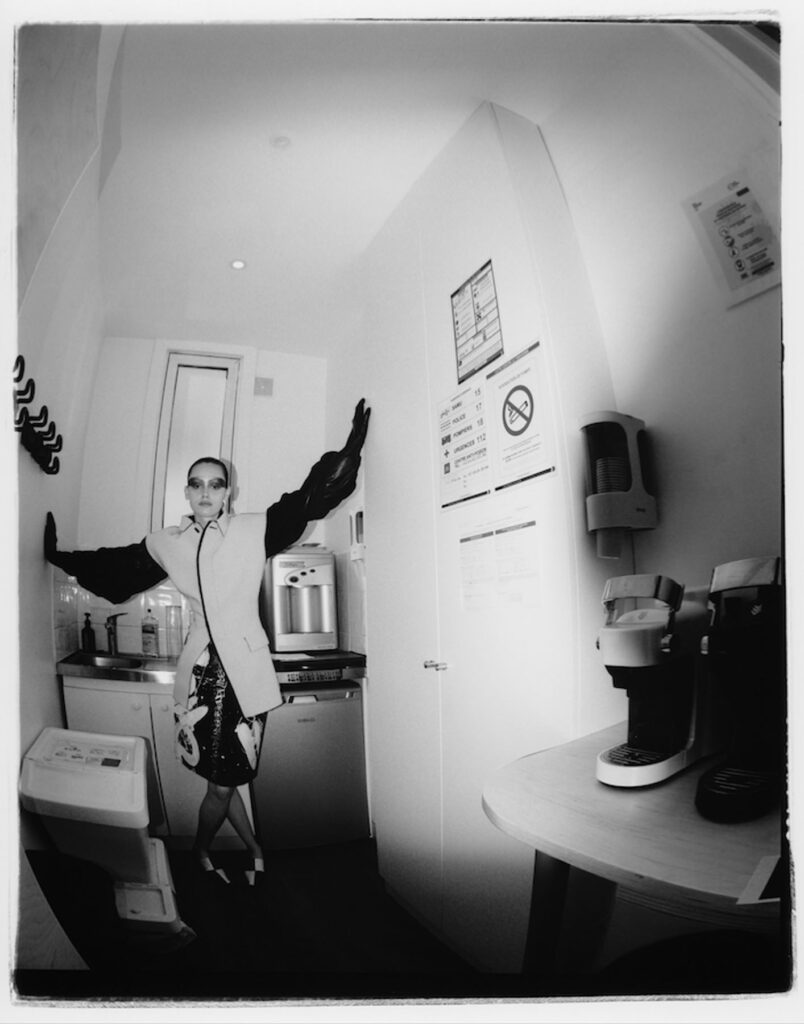
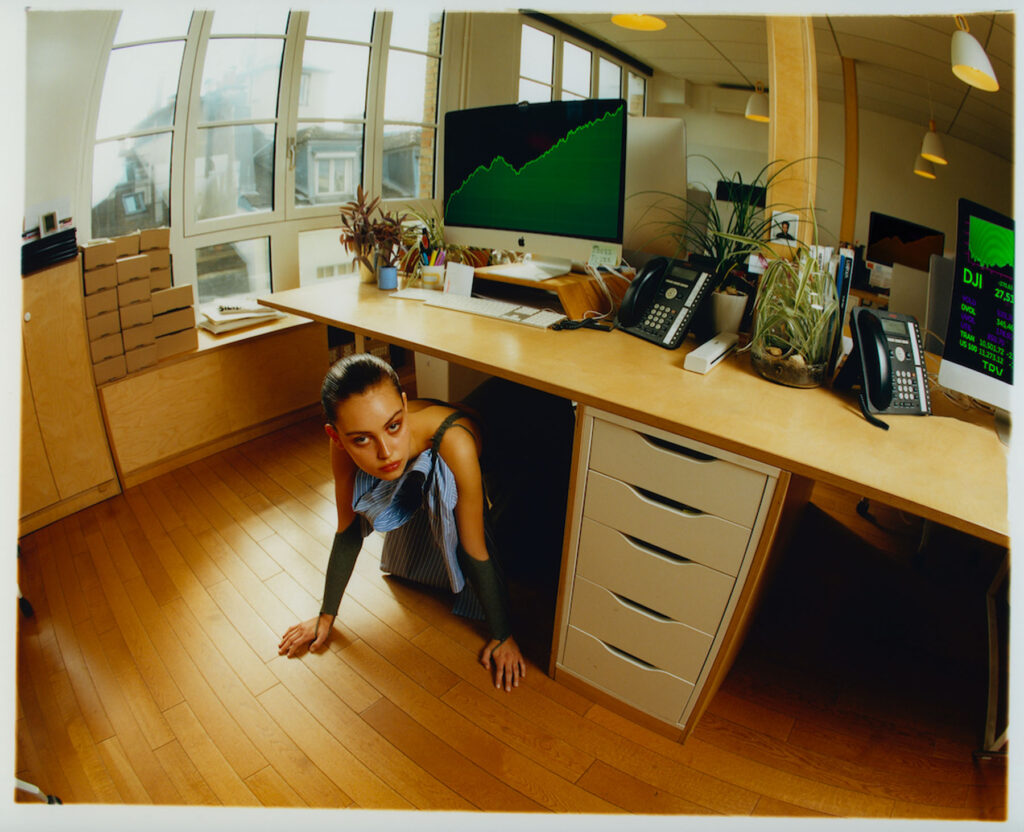
Matthieu Delbreuve

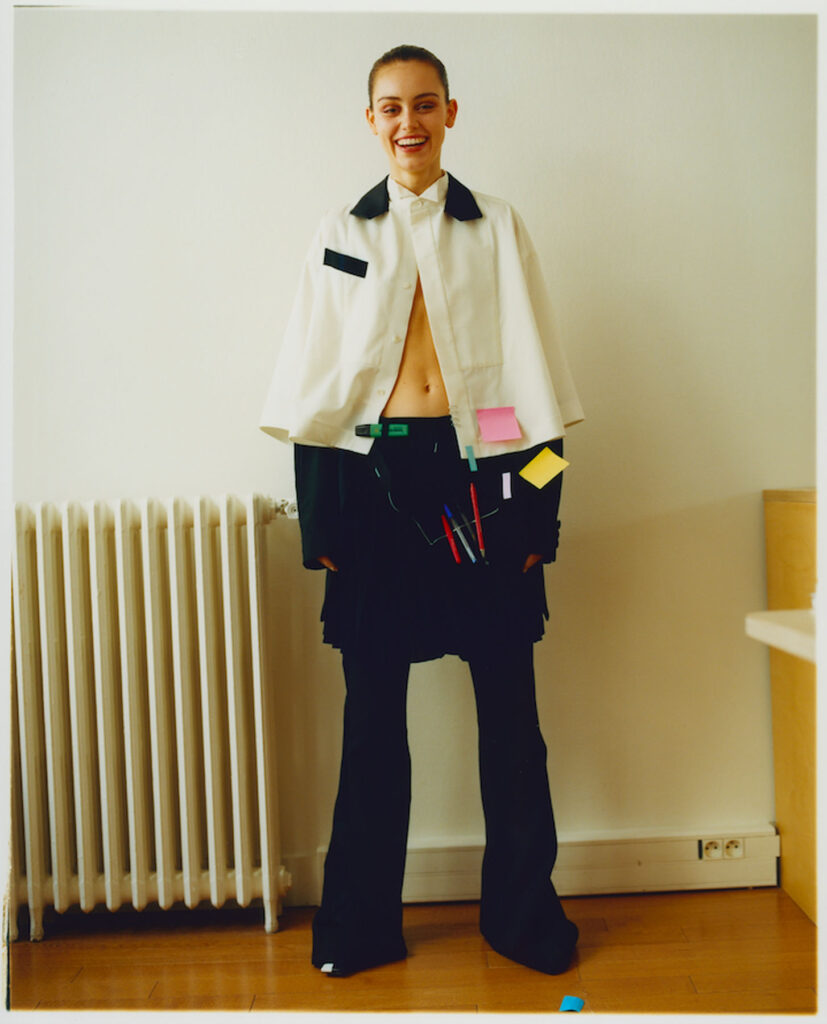
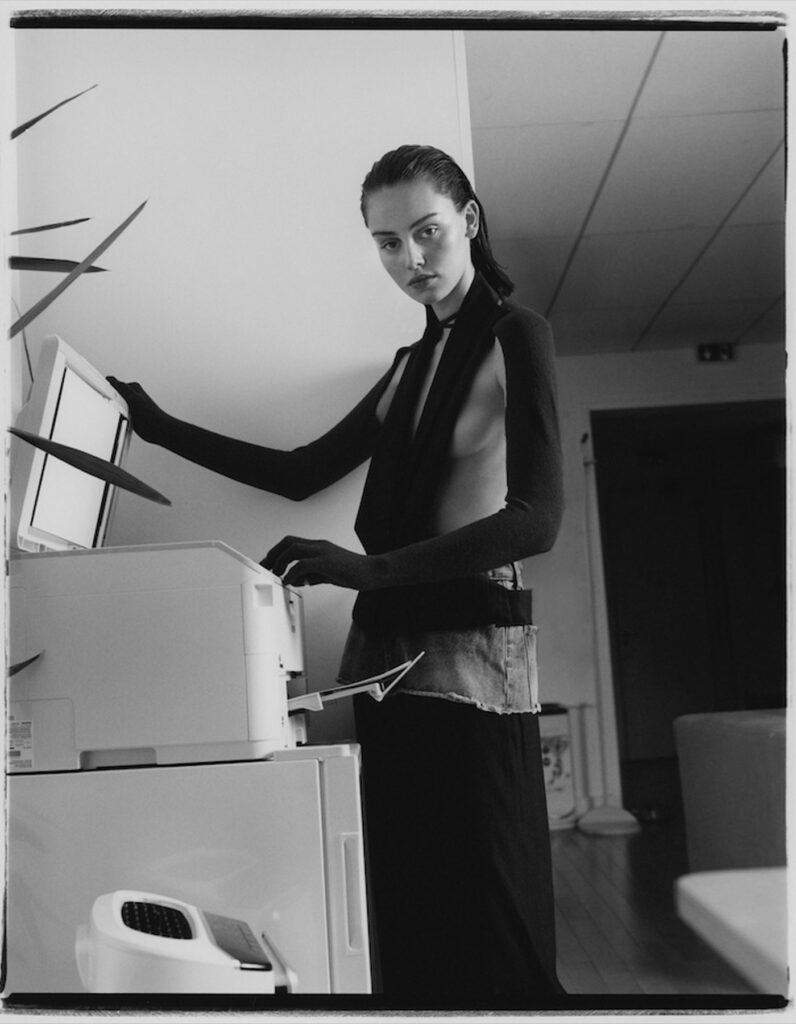
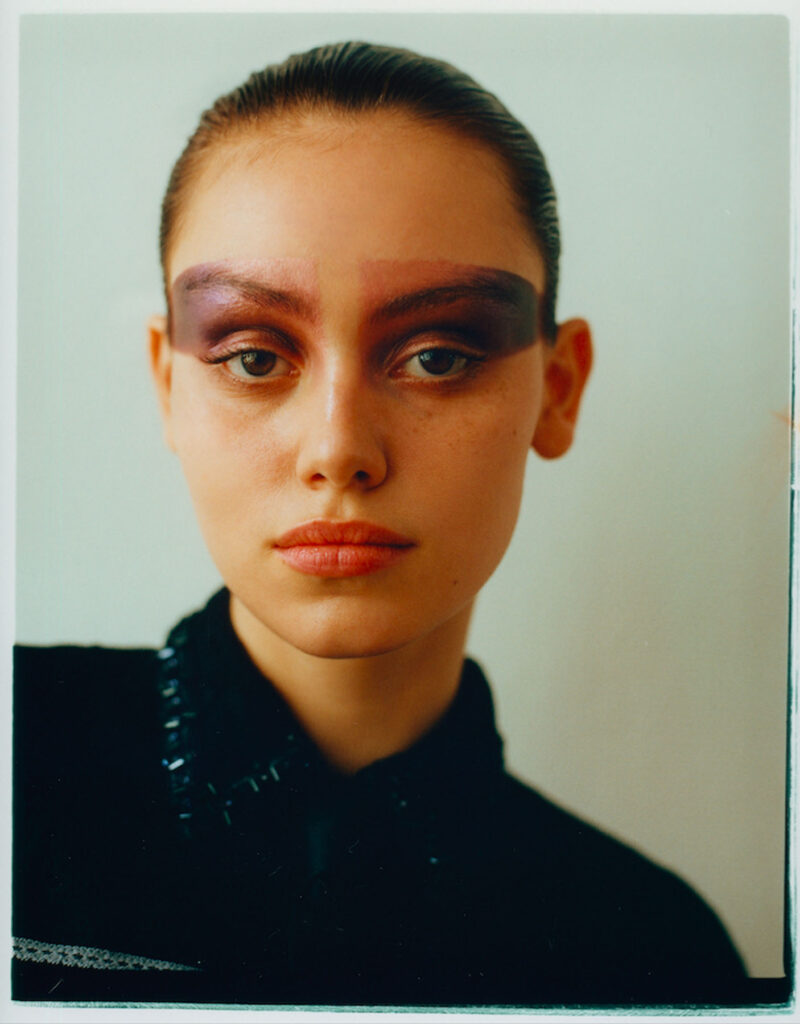
The Office


Team

Photography · Matthieu Delbreuve 
Fashion · Mirey Enverova
Hair · Mayu Morimoto  
Make-Up Emilie Plume 
Casting · Remi Felipe
Model · Caroline Reuter at OUI MANAGEMENT


Designers

  1. Swimsuit ISA BOULDER Sunglasses PAWAKA
  2. Hat KENZO Shirt LOU DE BETOLY Coat LANVIN Shoes MM6 by MAISON MARGIELA
  3. Trousers MUGLER Shirt Accessory VALETTE STUDIO
  4. Full Look SACAI
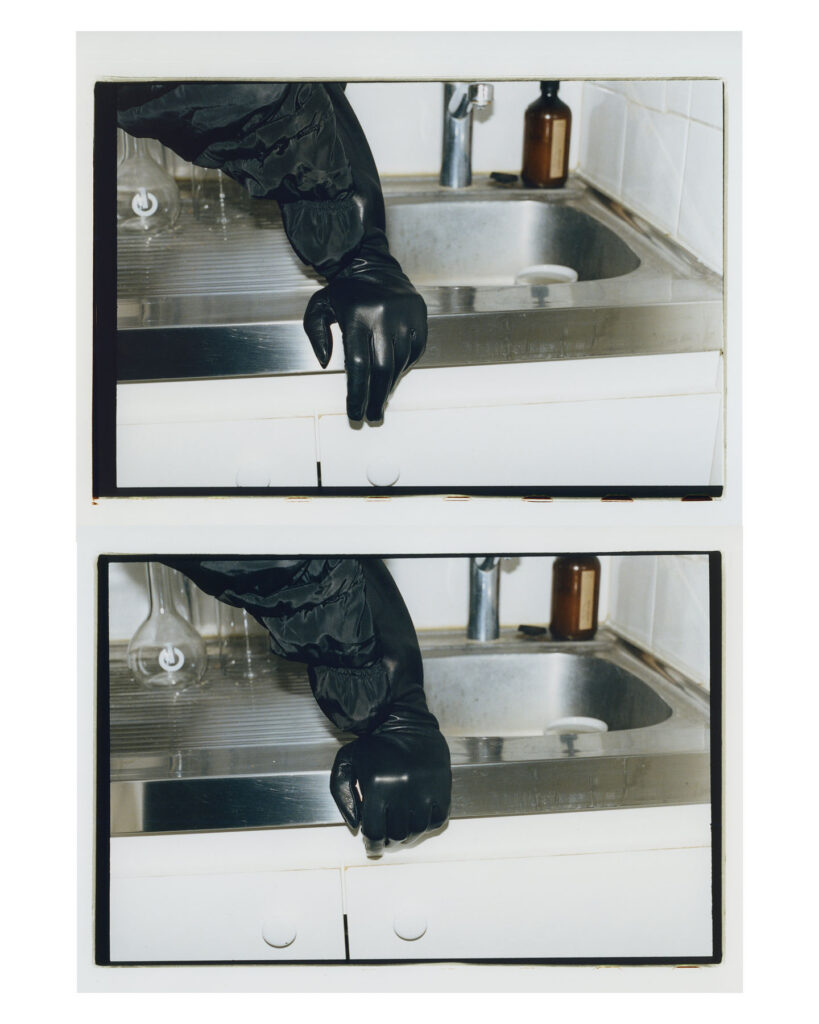
  5. Gloves ISA BOULDER Vest VALETTE STUDIO Skirt MM6 by MAISON MARGIELA
  6. Shawl LOU DE BETOLY
  7. Shirt KOCHÉ
  8. Blazer MUGLER Shirt Accessory VALETTE STUDIO Leggings VIRGINIE JEMMELY   Shoes LANVIN Sunglasses ANDY WOLF
  9. Blazer GAUCHERE Shawl LOU DE BETOLY Skirt CHAEWON SONG Shoes ABRA
  10. Dress ISA BOULDER Shirt DRIES VAN NOTEN

Virginia Arcaro

“I learned to rediscover myself, my body and my mind through photography”

Virginia Arcaro is a visual artist whose work spans the realms of painting, collage and photography and explores personal connections with contemporary culture, art and high fashion. Working with the likes of Dior Homme, Acne Studios, Arcaro’s editorials integrate elements of fashion and art history with her own personal vision. The result is an impressive and authentic body of work that is sleek and carefully considered. Arcaro’s practice draws inspiration from a range of subcultures and the limitless potential of photography as a medium.

NR looks into Arcaro’s influences and creative process across both her personal and editorial work to learn more about their artistic production. 

You have a really interesting body of work that ranges from high fashion to more intimate, personal pieces. What have been some of your favourite photography projects to work on? 

Definitely the projects in which I had the freedom to express myself and my creative vision without many boundaries and limits. And those in which I tried to simultaneously blur and establish the lines between art and fashion.  

How did you start getting into photography? 

Since I was very young, I’ve always had my camera with me. I was constantly shooting. It has always been a passion. On a professional level, I started immediately after graduating from the Academy of Fine Arts, collaborating with my boyfriend at that time, shooting the collections of his brand and also curating the creative direction of every photographic project with him. Soon after, I started working as a backstage photographer during fashion shows in Milan, Paris and London, and at the same time I was shooting editorials for magazines and commercial works for various luxury brands.  

How much does fashion influence your work and creative process? 

Fashion is both a means of expression and a source of inspiration. It definitely affects me a lot, but not so much to overwhelm my creative process. When I started working in fashion, I was quite clueless about how complex the industry was. Working in the field and having had the opportunity to meet and collaborate with so many different people helped me learn a lot. I feel honoured and will forever be grateful to have had the opportunity to document the incredible work of designers I love and admire. 

What has impacted your creative vision the most? 

My background and cultural experiences, music, my love for rebellious youth cultures and subcultures – when they could still be defined as such. And having studied art history for years, I can’t deny that traditions and classical references also played an important role in impacting my vision.  

What people and places do you draw the most inspiration from? 

From authentic people, radically different people, confident outsiders. I’m inspired by any place I have a connection with – a connection that is not only physical but also mental. From all the places I’m sentimentally attached to for some reason. 

How have you managed to stay present and creative during the past year? 

Last year was surreal, but I think it had a positive impact on my life and it helped me a lot on a creative level. My job has always led me to travel continuously, and I’ve always loved traveling in my free time too. I had to learn to stop and be in one place for months, so I had time to recharge, time to reflect and time to develop new creatives projects. I learned to rediscover myself, my body and my mind through photography, immersing myself deeply in the essence of art.
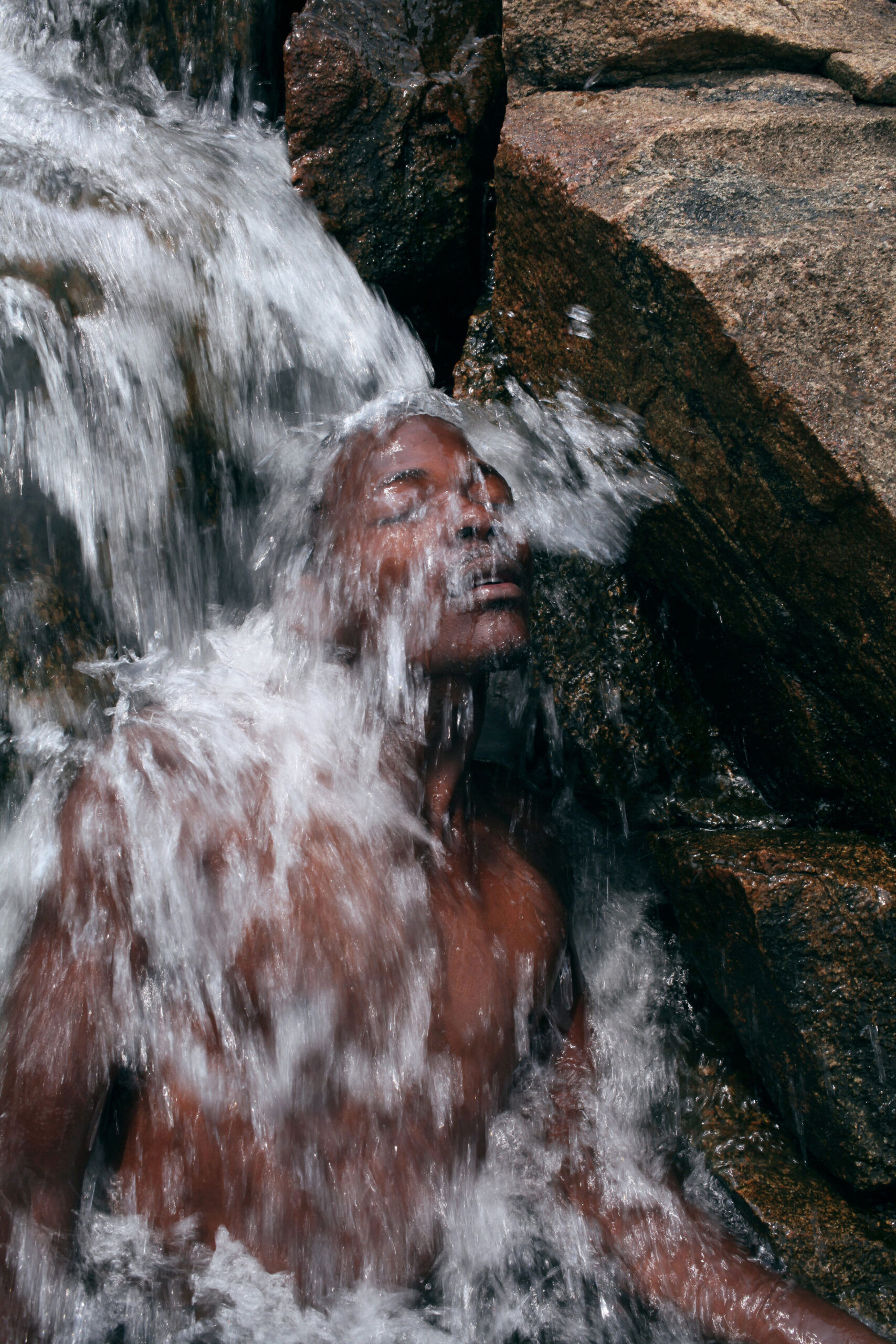
How do you choose your subjects and the people you photograph? 

Each person is unique, and I choose them for different reasons. There’s no rule. I understand immediately when I like a subject. 
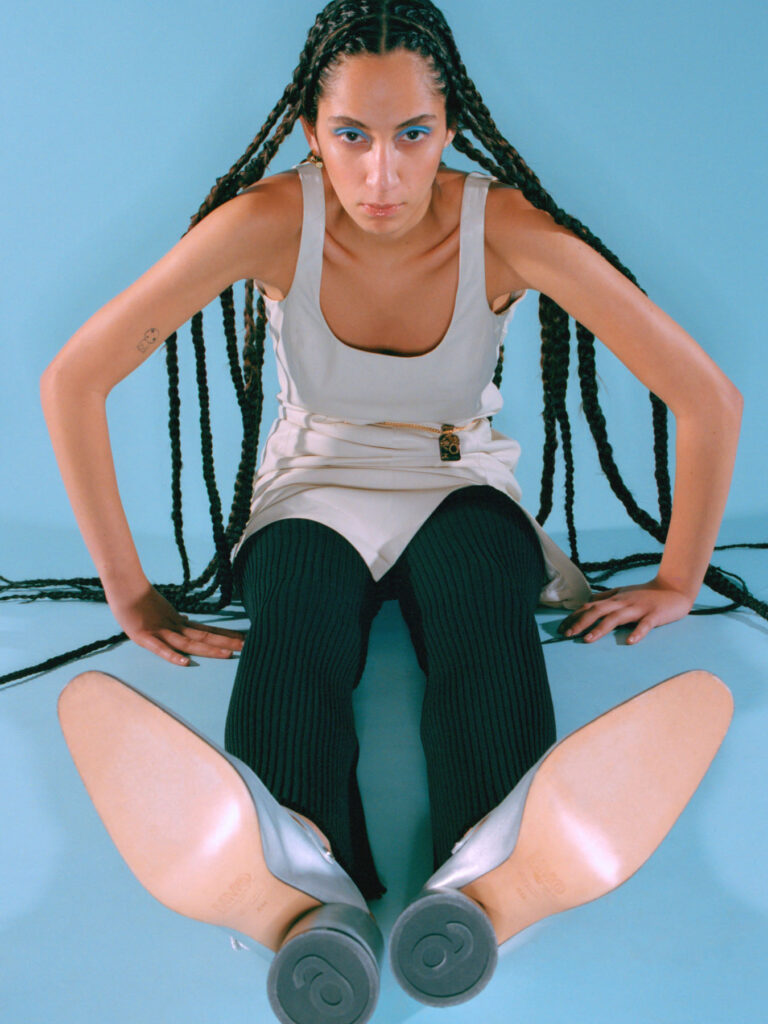
Is there a main message you want to say with your more personal photographs, or do you find it’s more of a relaxed and natural process? 

It’s a combination of both. I feel it’s a natural process for me to shoot something with a meaning, or a plurality of meanings. Each image contains messages and symbols that lead to a different dialogue. Interpret as you will. 
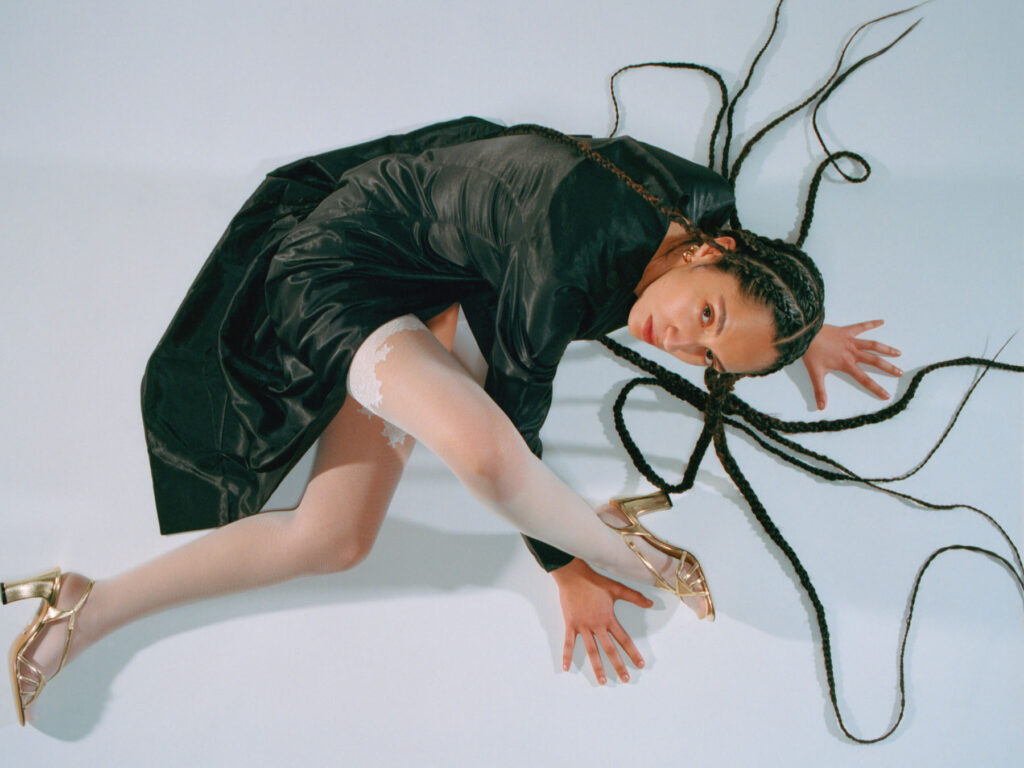
Virginia Arcaro’s work has been featured in Dazed Digital, AnOther Magazine, Vogue Paris, Vogue Italia, Vogue UK, Harper’s Bazaar UK, Highsnobiety and more.

Arcaro’s work can be found here virginiaarcaro.com

Jenn Kang

Journey

Team

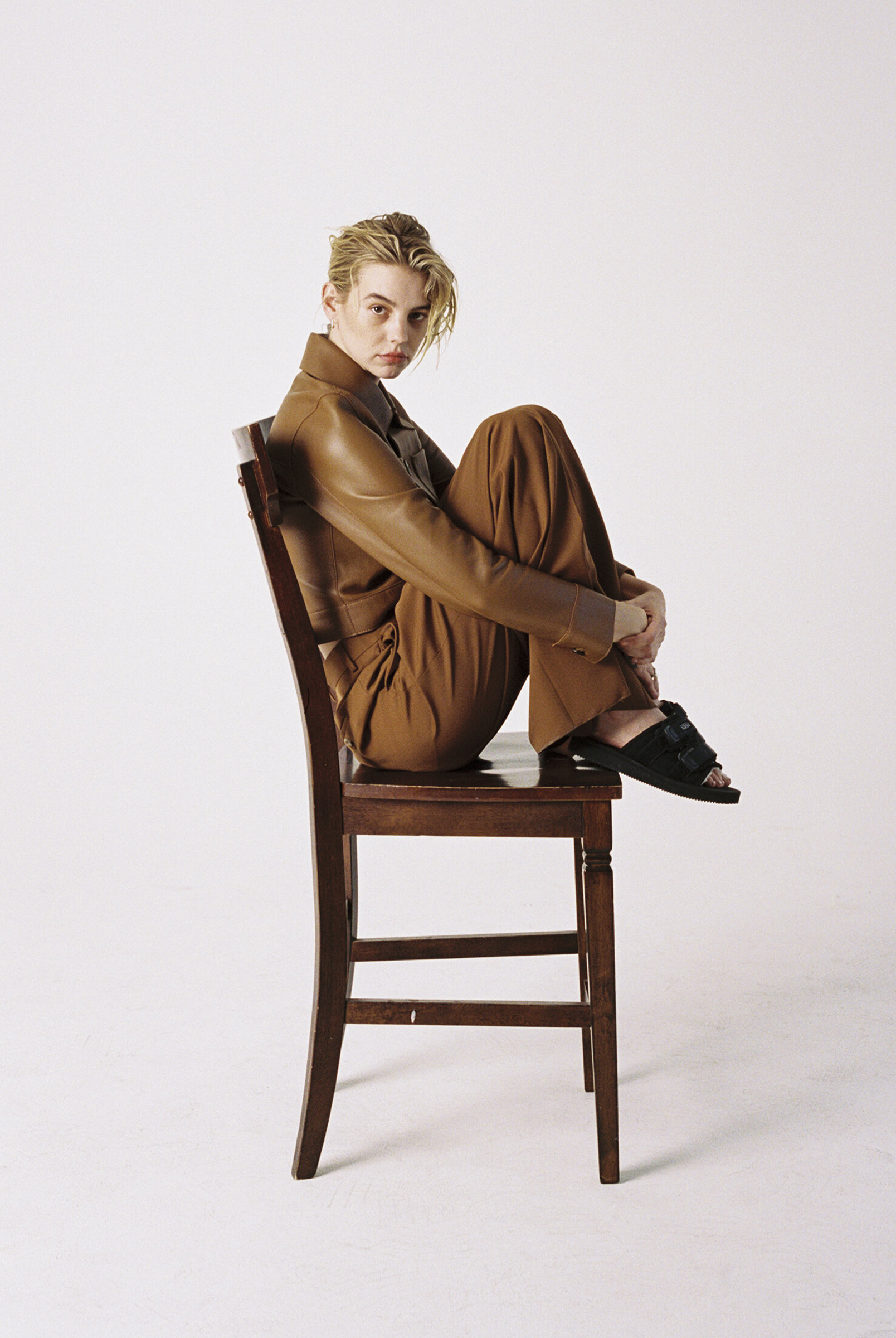
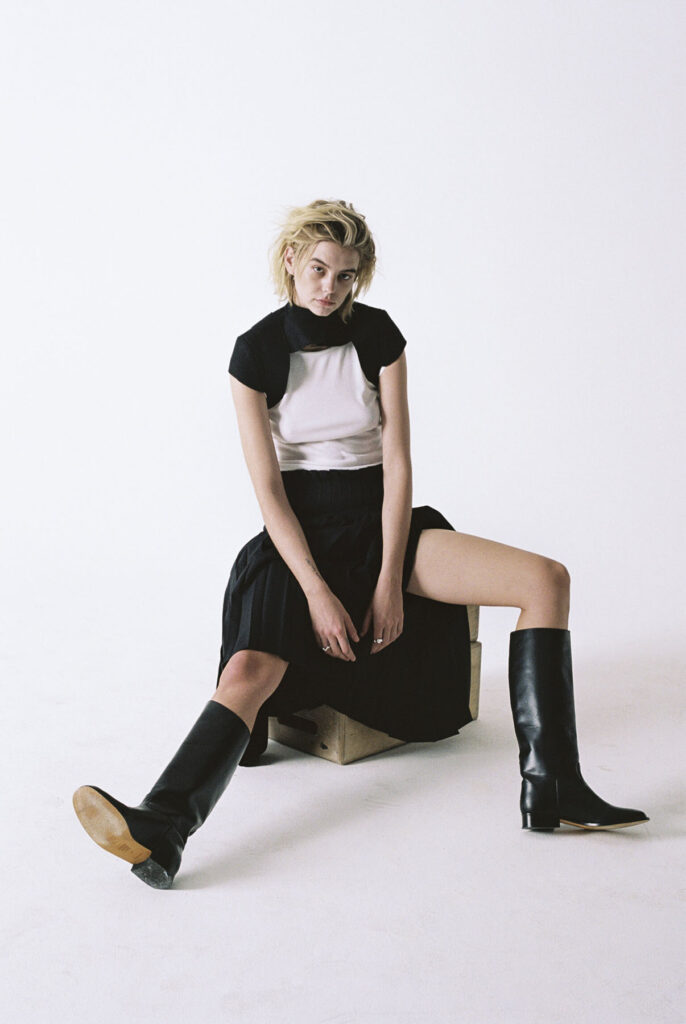
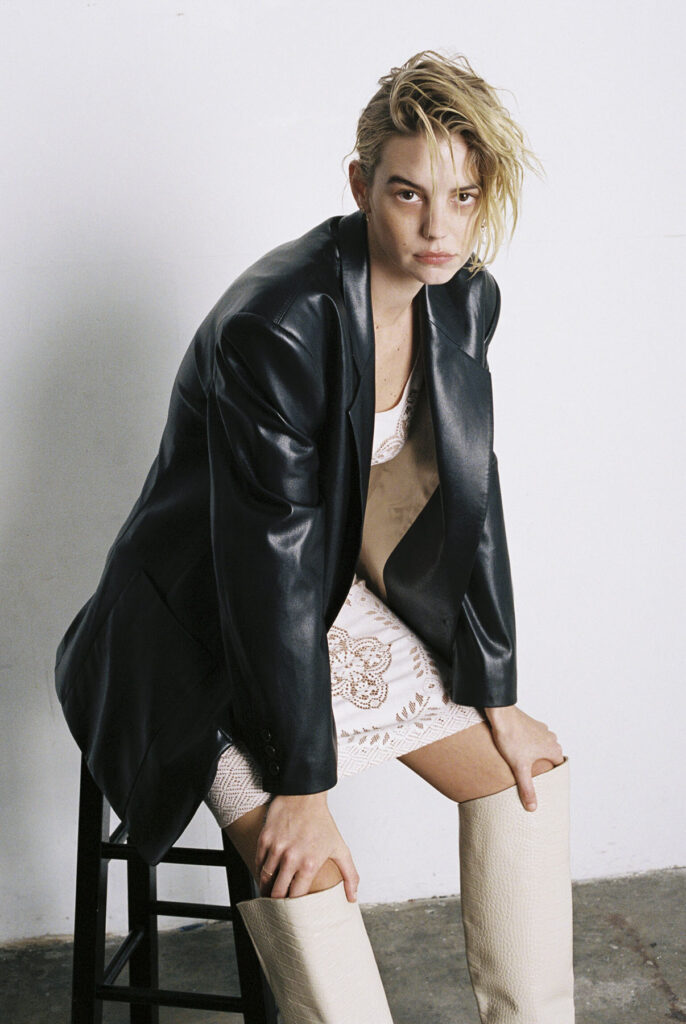
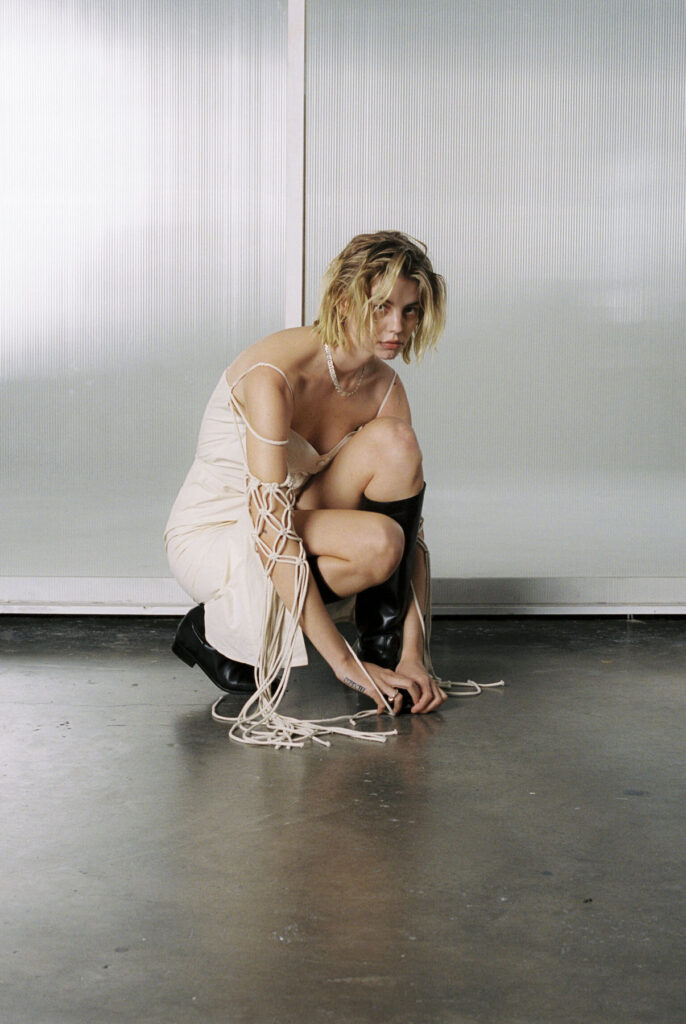
Photography JENN KANG Fashion TRUDY NELSON Hair ANDRES COPELAND Make-Up WENDY MARTINEZ Model MICHI DELANE Photo Assistant ALEX FOSTER  Fashion Assistant REGINA DONALD

Designers

  1. Top AMI Trousers LANVIN Shoes SUICOKE Ring LEIGH MILLER Earring and Necklace LOREN STEWART
  2. Halter VERA WANG Skirt SYSTEM T-Shirt and Boots MARYAM NASSIR ZADEH Ring LEIGH MILLER Earring and Necklace LOREN STEWART
  3. Dress MARYAM NASSIR ZADEH Jacket NANUSHKA Boots REIKE NEN Jewellery KATHLEEN WHITAKER
  4. Dress NANUSHKA Boots MARYAM NASSIR ZADEH Necklaces LOREN STEWART Ring LEIGH MILLER
  5. Dress JACQUEMUS Shoes REIKE NEN   Necklace LOREN STEWART
  6. Blazer JACQUEMUS Shirt GUCCI Jeans THE ATTICO Shoes REIKE NEN Rings LEIGH MILLER and LOREN STEWART Necklace LOREN STEWART Earrings LEIGH MILLER
  7. Full Look CHLOÉ
  8. Top AMI Trousers LANVIN Shoes SUICOKE Ring LEIGH MILLER Earring and Necklace LOREN STEWART
  9. Halter VERA WANG Skirt SYSTEM T-Shirt and Boots MARYAM NASSIR ZADEH Ring LEIGH MILLER Earring and Necklace LOREN STEWART
  10. Dress MARYAM NASSIR ZADEH Jacket NANUSHKA Boots REIKE NEN Jewellery KATHLEEN WHITAKER
  11. Dress NANUSHKA Boots MARYAM NASSIR ZADEH Necklaces LOREN STEWART Ring LEIGH MILLER
  12. Dress JACQUEMUS  Shoes REIKE NEN   Necklace LOREN STEWART
  13. Blazer JACQUEMUS Shirt GUCCI Jeans THE ATTICO Shoes REIKE NEN Rings LEIGH MILLER and LOREN STEWART Necklace LOREN STEWART Earrings LEIGH MILLER
  14. Full Look CHLOÉ

Helene Sandberg

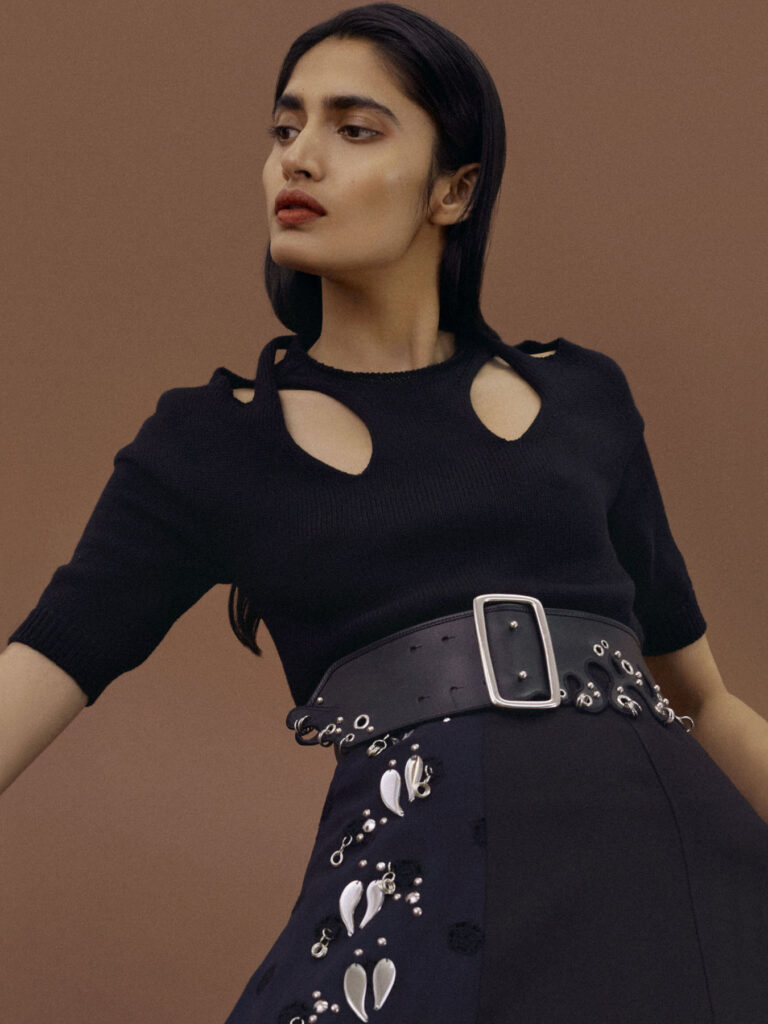
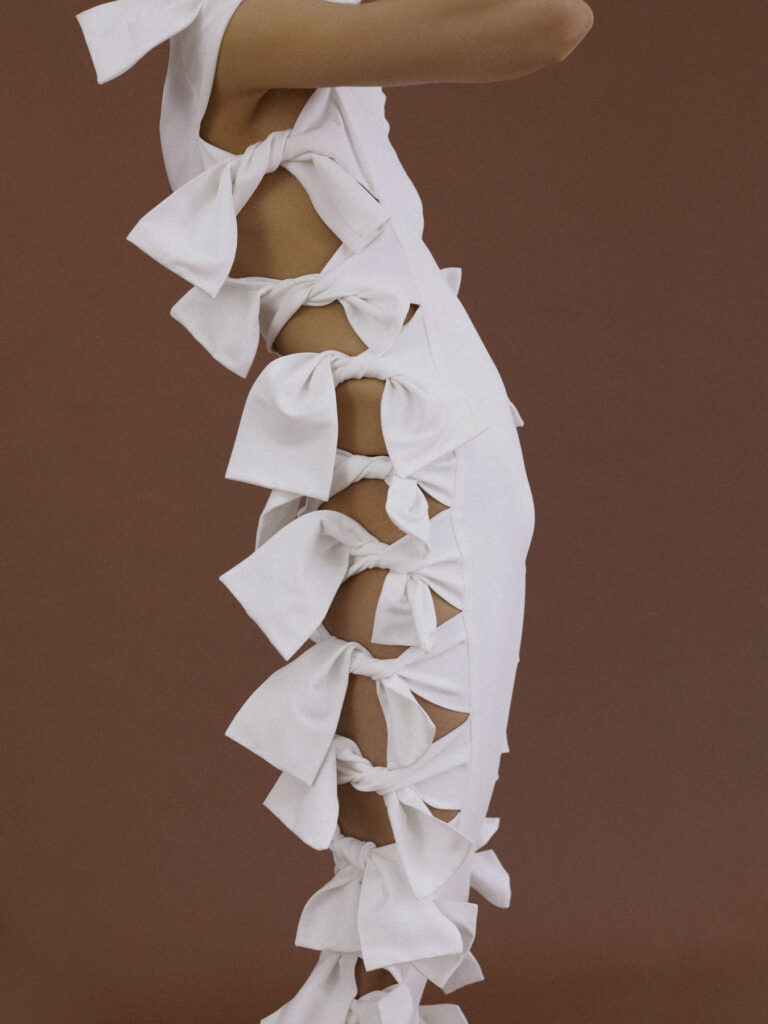
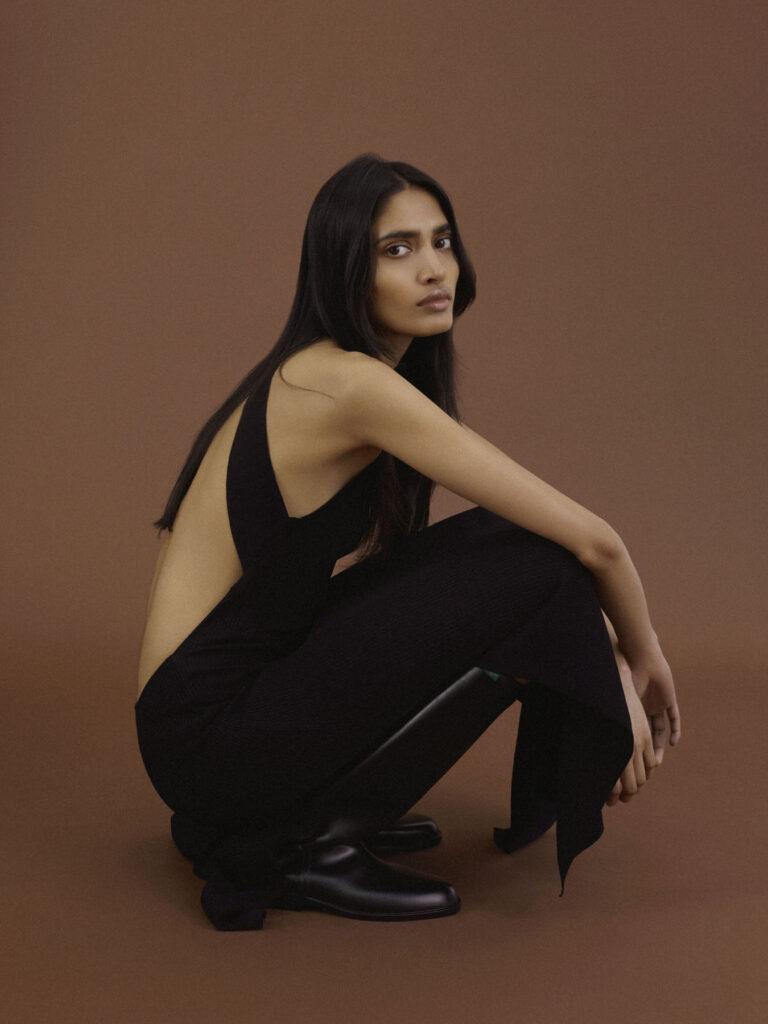
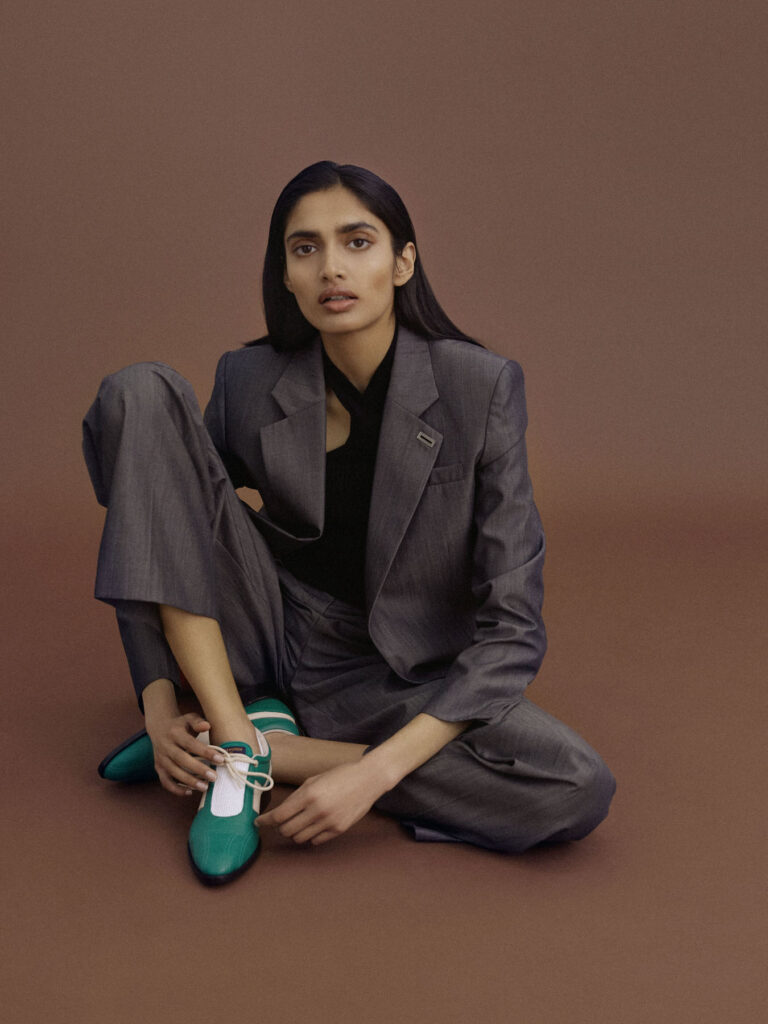
Evolve

Team

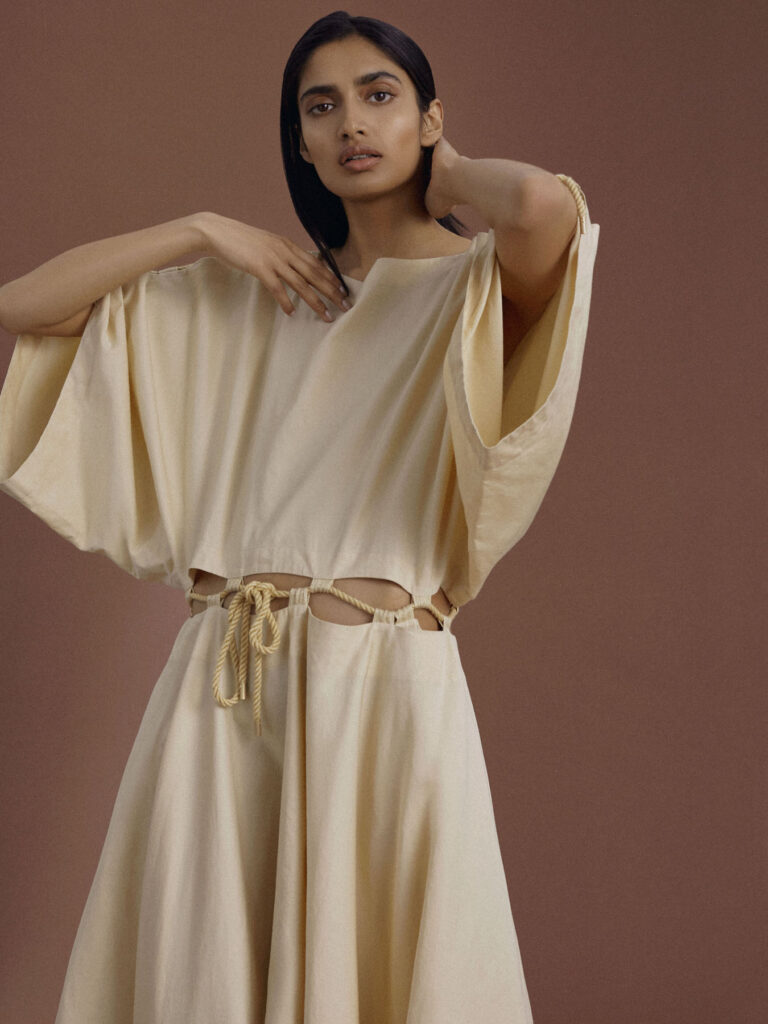
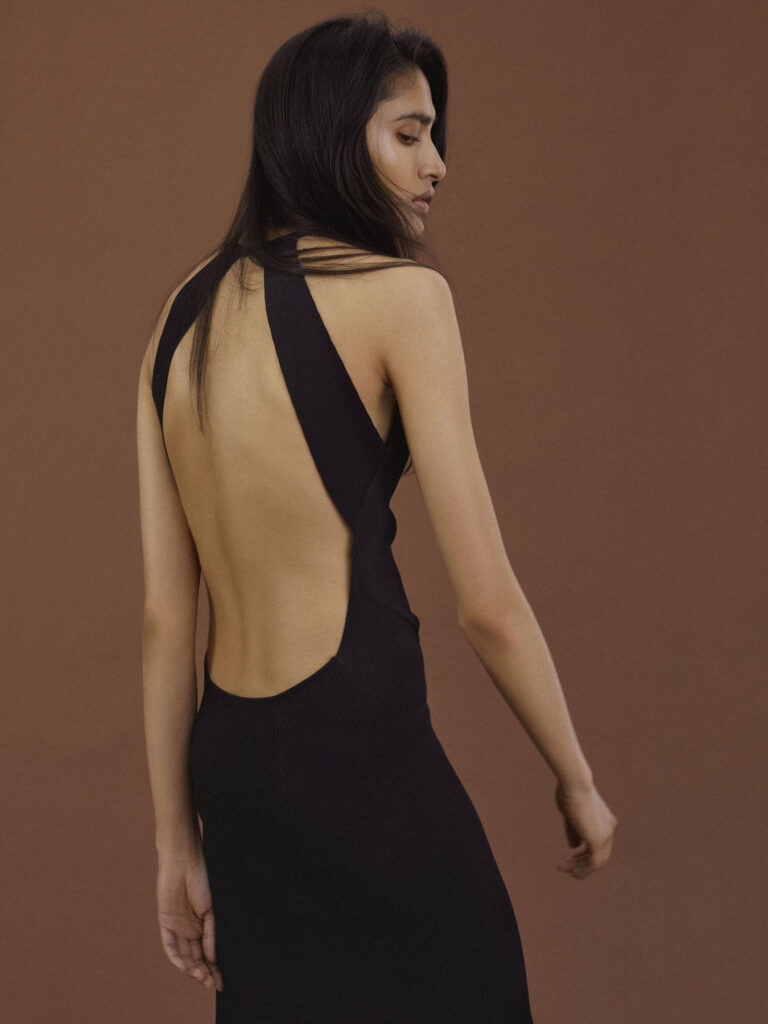
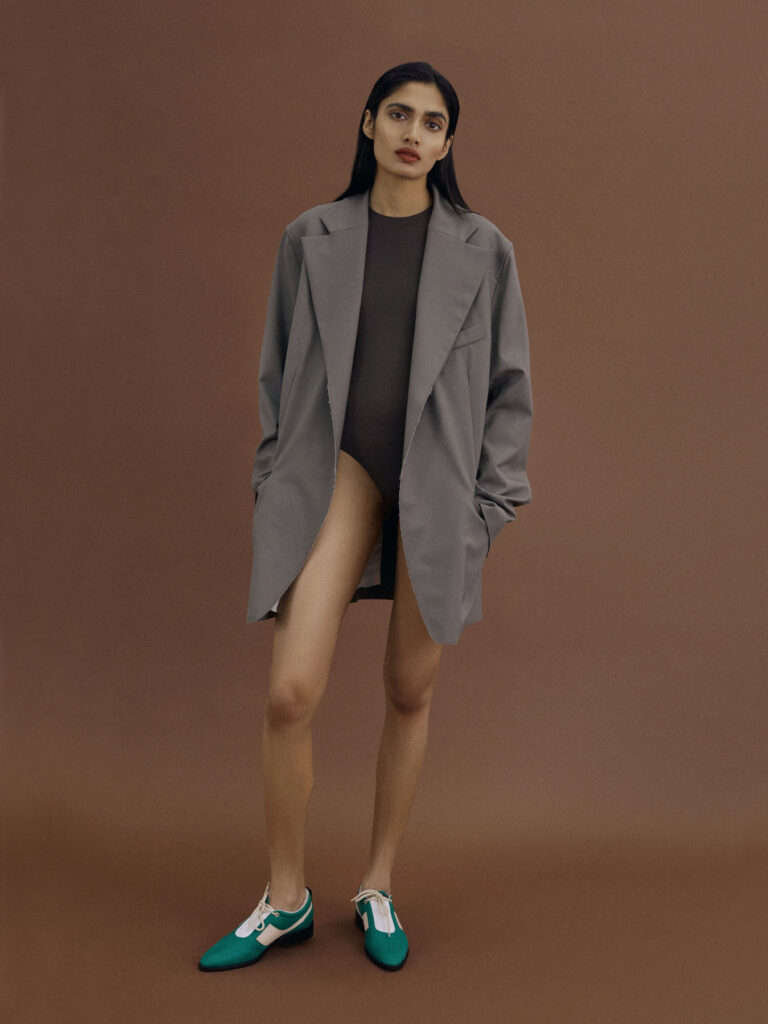
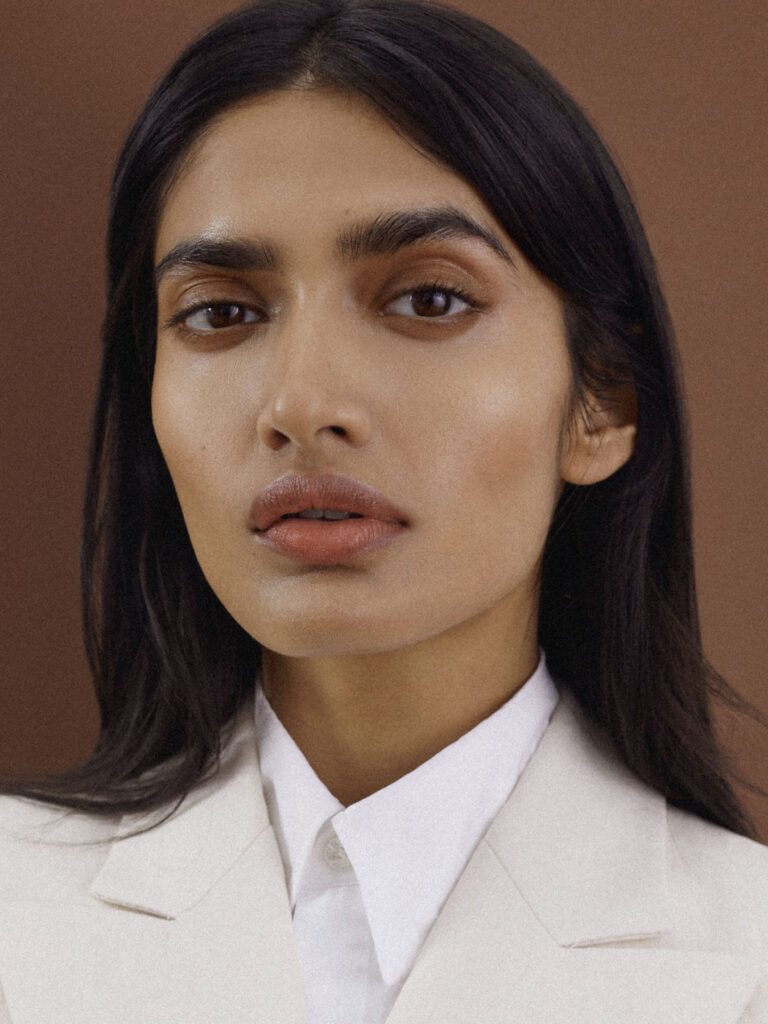
Photo · HELENE SANDBERG
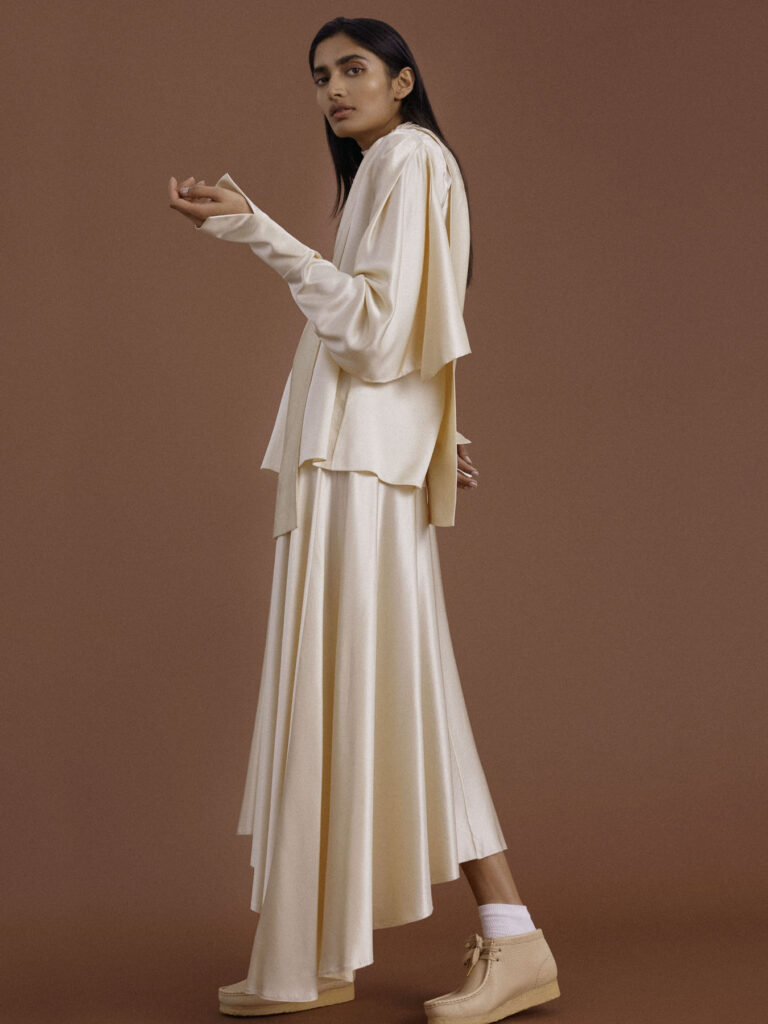
Fashion ·  TARA GREVILLE
Hair · AKIKO KAWASAKI  
Make-Up · MARTINA LATTANZI using CHANEL Rouge Coco Bloom and CHANEL le lift Lotion
Nails Martina Lattanzi using CHANEL Le Vernis Ballerina and CHANEL La Crème Main
Casting Director · TROY WESTWOOD
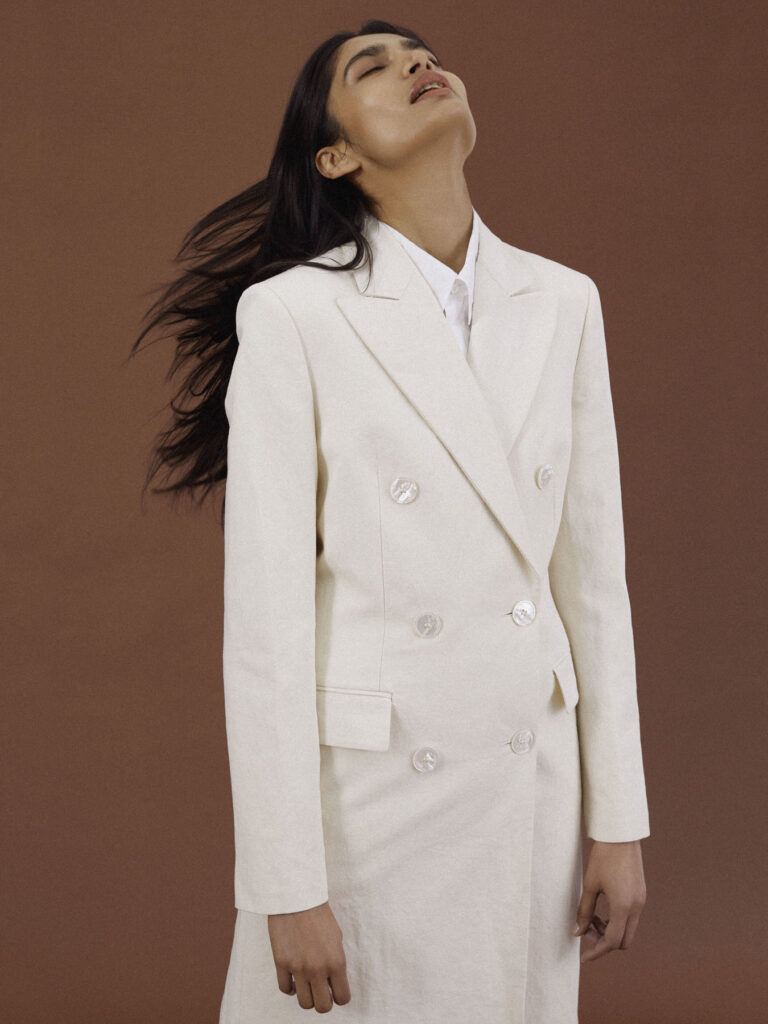
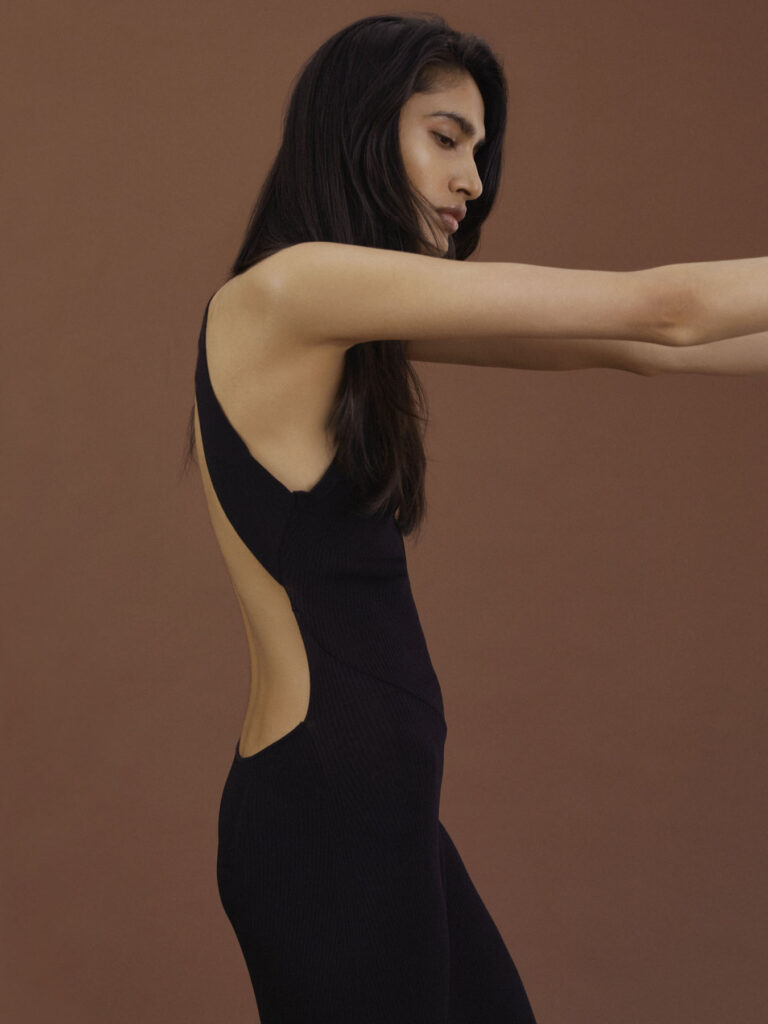
Model · Aishwarya Gupta at VIVA


Designers

  1. Full Look LOUIS VUITTON
  2. Full Look ISSEY MIYAKE
  3. Full Look BARBARA BUI Shoes Stylist’s Own
  4. Jacket and Bodysuit GAUCHERE Trainers LOUIS VUITTON
  5. Shirt GAUCHERE Coat MICHAEL KORS COLLECTION
  6. Shirt GAUCHERE Coat MICHAEL KORS COLLECTION
  7. Full Look JIL SANDER
  8. Full Look BARBARA BUI Shoes Stylist’s Own
  9. Full Look EMILIO DE LA MORENA
  10. Full Look CHLOÉ
  11. Full Look EMILIO DE LA MORENA
  12. Full Look BARBARA BUI Shoes Stylist’s Own
  13. Top LES FRIDAY Jacket and Trousers BARBARA BUI Trainers LOUIS VUITTON
  14. Top and Skirt ROKSANDA Shoes CLARKS ORIGINALS x SPORTY AND RICH

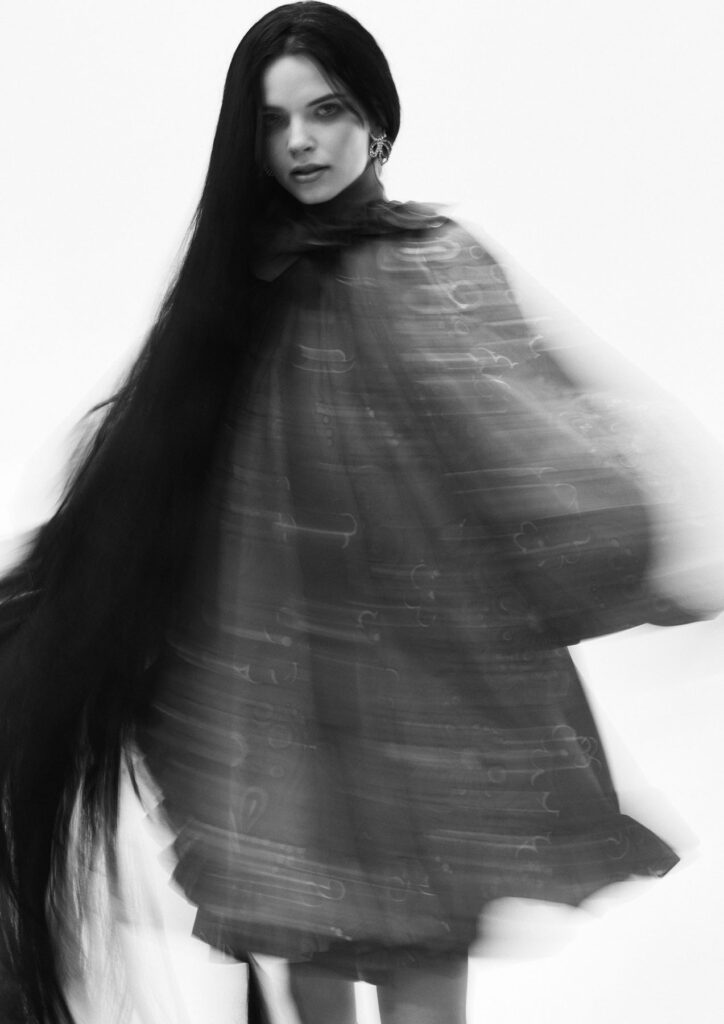
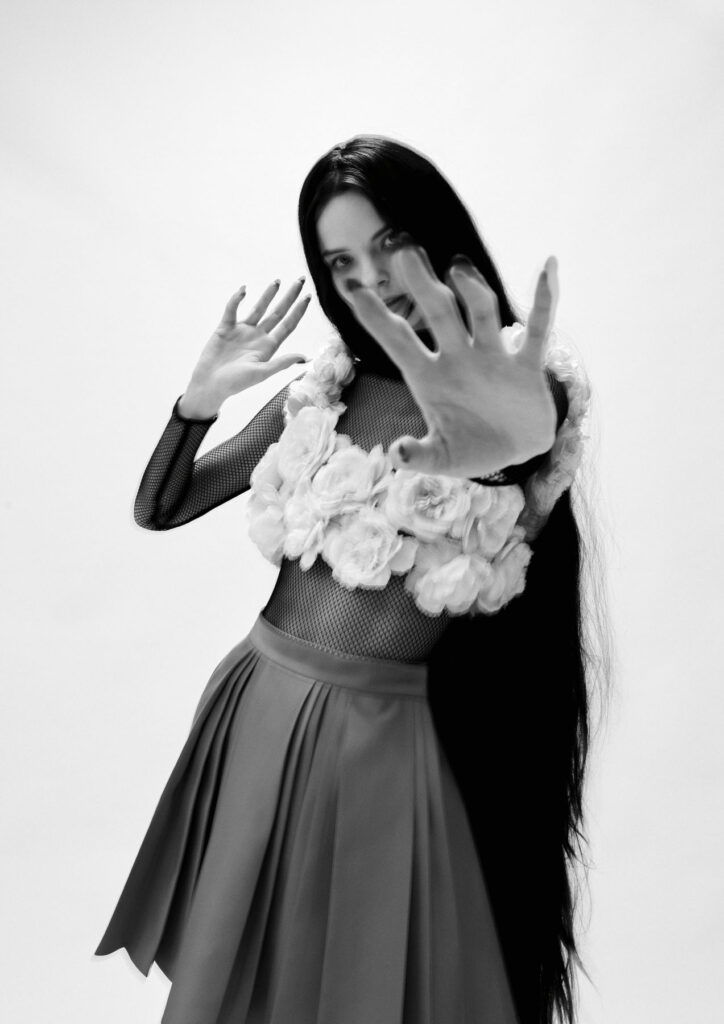
Artem Kononenko

Ambivalent

Photographer Artem Kononenko captures Lucie and Bintou for online. Featuring looks from Roger Vivier, Azzaro and more


Credits

Photography · Artem Kononenko
Creative Direction · Plamena Karaliyska Fashion Belishi
Make Up · Olga Kruglova Hair Mayu Marimoto
Models · Lucie At Women Management And Bintou At Supreme
Location · Presswall Studios

Tess Roby

Abstractions of Daily Life and Subtle Portraiture

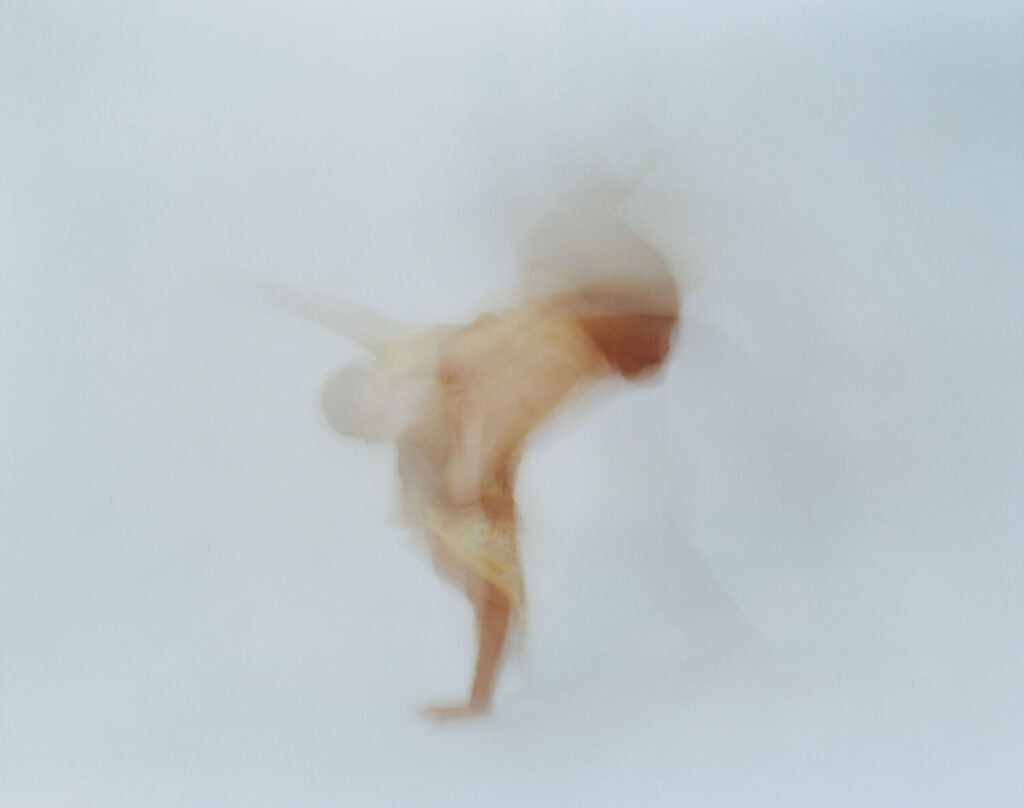
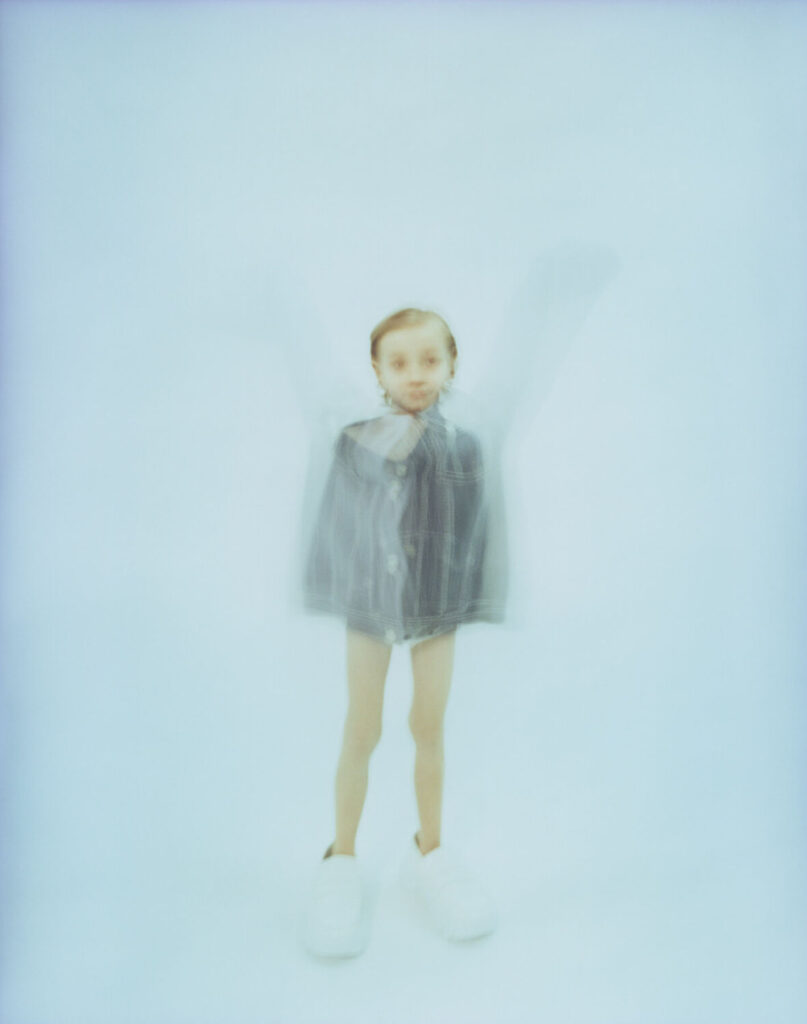
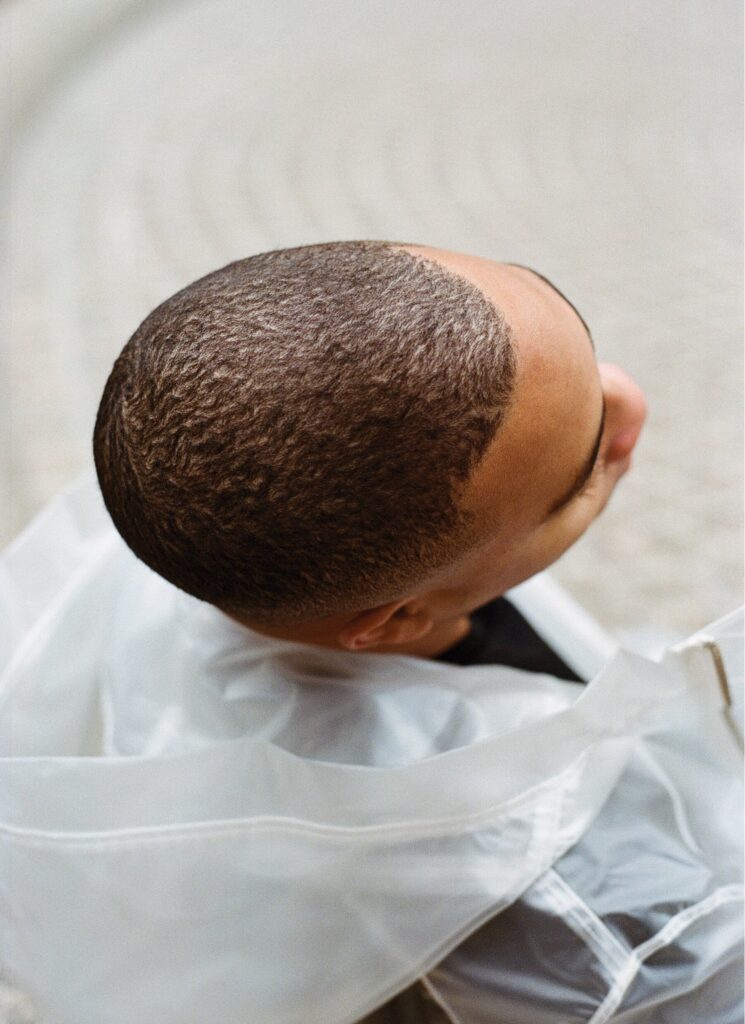
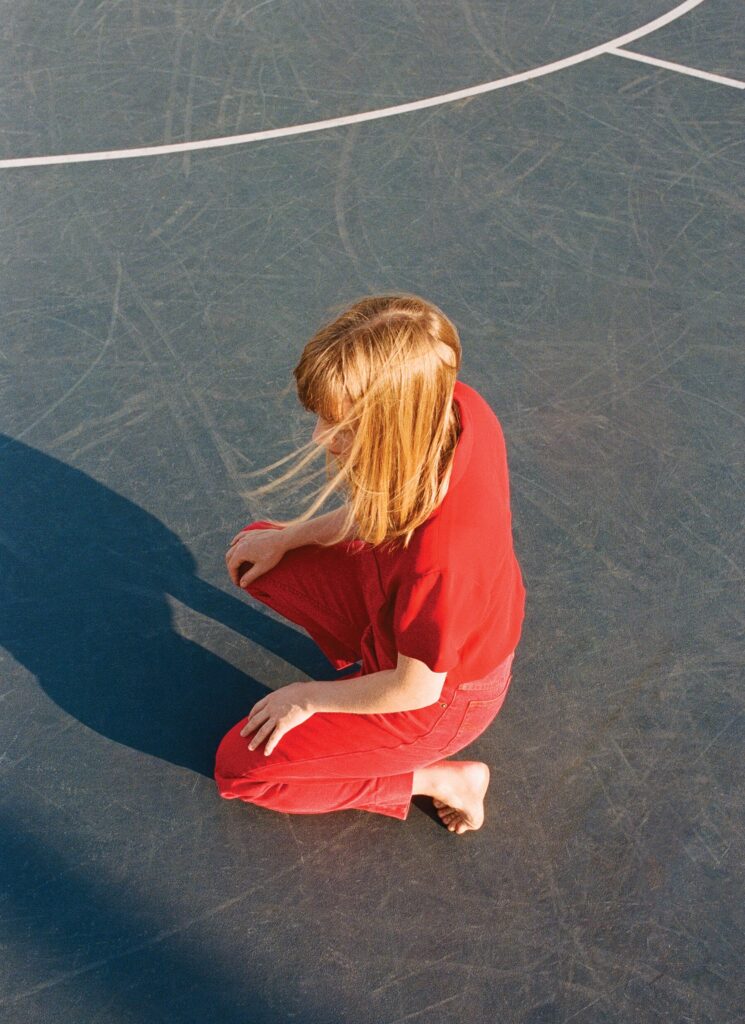
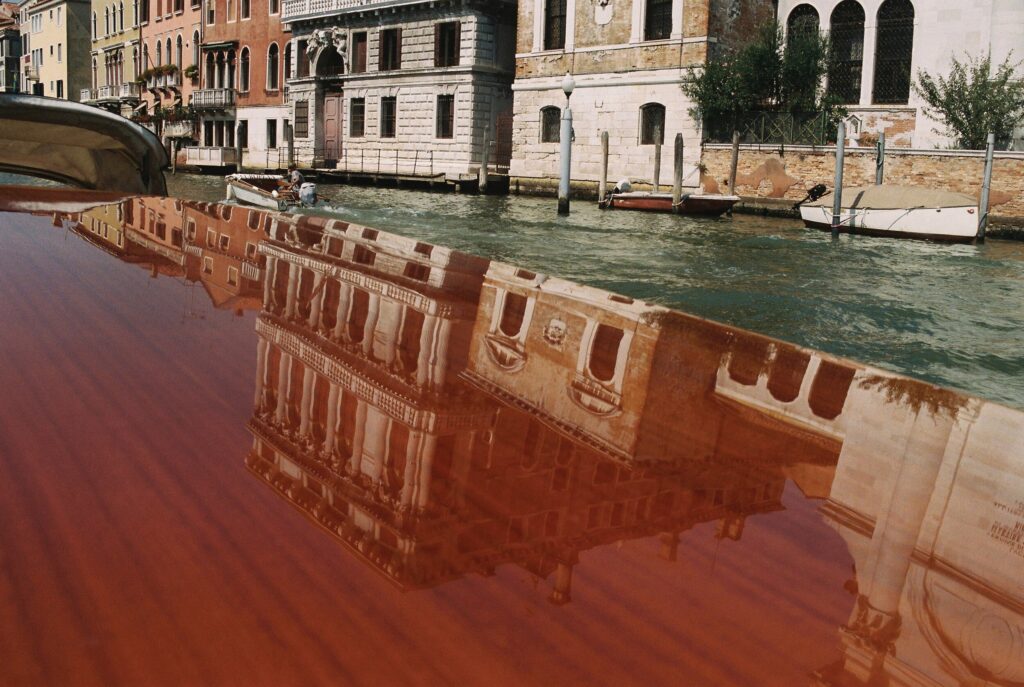
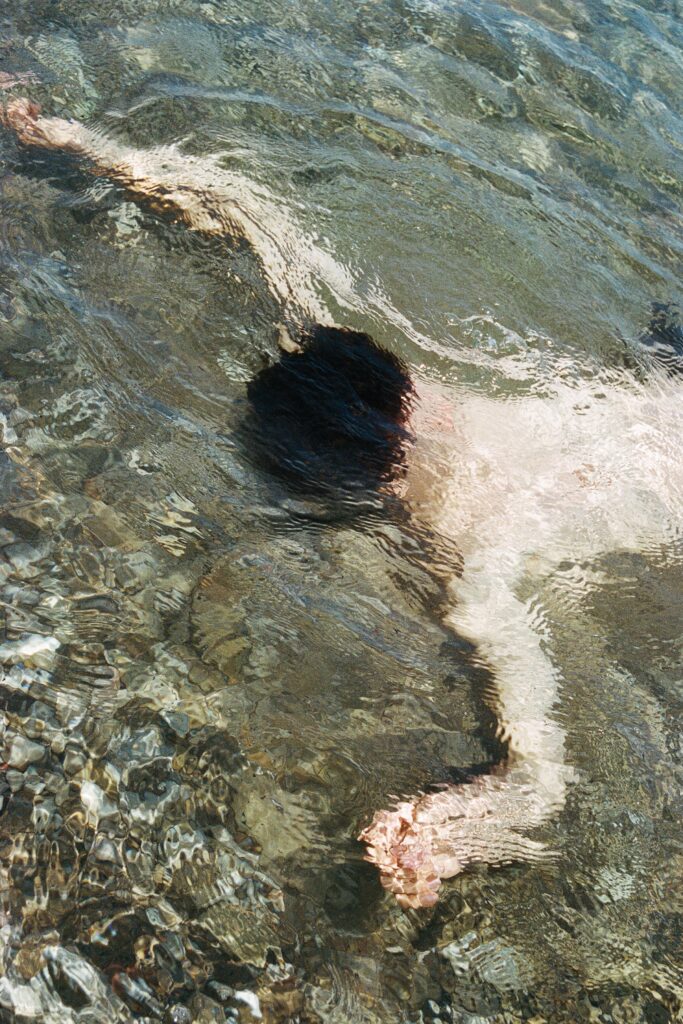
These photographs were taken in Montreal, Toronto, Los Angeles, Venice, and Washington State between 2017 and 2020. Shown together, they share what Roby is most drawn to in photography: abstractions of daily life and subtle portraiture. Gathered over time, her photographs ethereally capture her movements, presenting minute everyday occurrences that blur visual boundaries.

Ishiuchi Miyako

“Photography is the work of evoking time using light”

The photographer, Ishiuchi Miyako, grew up in the Japanese port city of Yokosuka in the aftermath of the World War II. Yokosuka is one of the largest overseas US Naval base, and it was against this backdrop that Ishiuchi Miyako grew up. She went on to study textiles and weaving in Tokyo in the late 1960s, and whilst there, discover a passion for photography. Ishiuchi Miyako returned to Yokosuka in the 1970s to confront the place that brought joy (in the form of American exports like jeans and pop music), fear and anger, as a city overrun by the – sometimes sinister –  pleasures of the military occupation. Once there, Ishiuchi Miyako began documenting the city in grainy black and white images that capture a place shrouded in confusion surrounding its identity. Her images are scenes of a Japanese urbanscape, that much is clear, but the lingering presence of Americanisms here and there in oftentimes deserted scenes feels alienating and menacing. Ishiuchi Miyako titled this body of work Yokosuka Story after a hit Japanese pop song, and its release as a book in 1979 launched her career in a male-dominated field. 

Ishiuchi Miyako would later create a series of work around the time of her 40th birthday, in which she contacted women of the same age to photograph their hands, feet and bodies up close. The work, 1∙9∙4∙7, captures imperfections, wrinkles, and scars as evidence of the life’s impression on the human form, not quite young but not old either. What is striking about Ishiuchi Miyako’s photography is that many of her projects seem to inform the next body of work. After the book publication of 1∙9∙4∙7 in 1990, Ishiuchi Miyako turned her attention to another series, Scars – a tender exploration of scarred bodies. One particularly striking image, Scars #13 (Accident 1976), shows a woman’s torso in soft focus; a lengthy scar etched into the natural dip of her stomach. ‘While a person hopes to remain unblemished through life, we must all sustain and live with wounds, visible and invisible,’ the photographer explains in the afterword of the 2005 book, Scars; ‘It is an imprint of the past, welded onto a part of the body.’ 

In 2000, when Ishiuchi Miyako had been working on the Scars series for almost a decade, she persuaded her mother to take part – hoping to document scars from a cooking accident that left their mark on a large part of her body. Unbeknownst to both Ishiuchi Miyako and her mother however, the latter would be diagnosed with liver cancer not long after the photographs were taken and died within a short space of time. Left with her deceased mother’s belongings, Ishiuchi Miyako began working on her next series, Mother’s. In attempting to grapple with the grief she was experiencing, coupled with a complicated relationship with her parent, Ishiuchi Miyako turned to photographing the shoes, underwear, dentures and make up left behind. A hairbrush is captured with strands of her mother’s hair still entangled in its spokes. In one image, Ishiuchi Miyako photographs a snapshot of her mother from the 1940s stood in front of a vehicle. Her mother drove an ammunition truck during the war; another reminder of Japan’s fraught history.

Mother’s was shown in the Japanese pavilion at the 2005 Venice Biennale; it was after that that the photographer was approached by the Hiroshima Peace Memorial Museum to photograph clothing and accessories belonging to the victims of the atomic bomb. Without the familial connection to the belongings of a parent, in hiroshima, Ishiuchi Miyako forges a relationship with the objects themselves. For the series, the photographer carefully positioned each item of clothing – sometimes talking to them, the curator of the museum told Getty in 2015. The images are beautiful, affording an almost anthropomorphic feeling to a dress or a blouse. But these images are hard to look at too; after noticing the detail of a collar, intricate needlework or the vividness of a print, the eye turns to the tears and charring in the fabric. As Makeda Best, Curator of Photography at Harvard Art Museums, wrote in 2015, ‘These “scars” on the fabric serve as metaphors for the bodies of bomb victims and of a nation.’

Following hiroshima, Ishiuchi was commissioned by the Museo Frida Kahlo in 2013 to photograph 300 of the artist’s belongings, sealed in the bathroom of her home in Mexico until 2004. The result is a body of work that both forms a bond with the clothing of someone the photographer never knew, and begins to build an impression of a woman’s life. Over the course of her career, Ishiuchi Miyako’s photography has worked to leverage an intimate portrayal of women and womanhood, of time, suffering, loss and memory, into a world of brutality and hardship. 

Has your outlook as a photographer changed over time? 

Photography has always been a product of its time, and has always changed with the times. My photographs may change in superficial terms, but what I am basically expressing and my mentality remain unchanged.

You mention that it was photographing your mother’s lipstick that led you to take colour photography. What difference is there between shooting in B&W and colour, and what impact does this have on the final image? 

I can do every step by myself when I’m working in black and white. My ideal here has been to take full responsibility for every stage: shooting, developing, printing. When I’m working in colour, I just take the photographs and have the rest of the work done at a lab. When I started doing this, it was very refreshing to have the works be out of my hands and be able to look at them more objectively.

With black and white, I felt like I was clinging to the photographs throughout the entire process. When I started working in colour, I felt in a way as if I had been liberated from photography. Black and white is a world of artistic creation, while colour is the world of everyday life. At the same time, both black and white and colour are just approaches, and it doesn’t matter which you use.

The photographs of Yokosuka are commended for their grainy texture. What are the attributes that make a powerful image? 

The Yokosuka photographs are not intended to have a powerful impact. When I printed my first photograph, I realized that a photograph is a collection of ink grains on paper. I wanted to print those particles properly, so I developed the film at a high temperature. Grains are like units of time, and I tried to make prints as if I were counting them one by one.
I like the analogy between your background in weaving and the process of photographic development.

Do you think there’s something similar with the photographs themselves; weaving moments of time into history? 

Photography and textiles are very similar – they are both water works. It was a revelation to me that the colour-fixing liquid used for dyeing yarn and the stopping liquid used for photography are the same thing. Making textiles is very labour-intensive work. Photography is the work of evoking time using light. Both of them are jobs done by hand.

A lot of your work involves photographs of objects and possessions. Do you see photographs as being objects and possessions too? 

“A photograph is a narrative that documents and renders memory visible in two dimensions, transcending objects and possessions.”

Photographed subjects are given new value and meaning, and by becoming part of a photograph they become almost eternal.

Did you take a different approach photographing the possessions of your mother and Frida Kahlo, compared with the clothing of Hiroshima victims (whose identity we might not know)? 

/hiroshima, Mother’s, and Frida all share the same intent in that they focus on what has been left behind. I took the same approach to photographing these three subjects, but Mother’s began as my own personal project, then after being shown at the Venice Biennale it became a photographic work that transcends my own personal concerns, expanding from the private to the public. This later shaped the specific development of /hiroshima and Frida.

I find it interesting that you don’t attach messages or captions to your photographs. How does that relate to the objects (clothing/possessions) that you photograph? Do you try to interpret the meaning that their original owner gave them? 

I consider my photographs to be creative rather than documentary, and I take them from my own point of view and with my own values. I believe that adding a message or caption to my photos would take away the viewer’s freedom of thought. I want people to be free to see my photos from their own perspectives, and to attach their own words to them. 

I cannot photograph the past. My work is based on encounters with things left over from the past, but which are in front of me, in the same space and time, in the reality through which I am living in now. In particular, the bombed artefacts of Hiroshima cannot become part of the past.

/hiroshima is very different to Yokosuka Story – how do they capture the aftermath of the war in Japan and the country’s relationship with America? 

I made my debut with Yokosuka Story, a series that is kind of a personal sentimental journey.

“I was born in the post-war era and spent my adolescence in a community with an American military base, and I enlarged these prints to exorcise emotions like scars I felt I had received from the Occupied Japan city of Yokosuka.”

There is a connection between Yokosuka and the history of the atomic bomb dropped on Hiroshima, which played a huge role in ending the war, and which I documented about 30 years later. Yokosuka still serves as the home port for Asia’s largest nuclear-powered aircraft carrier. The post-war period is not yet over, and the reality is that Japan is still under US control. My photographic work, which started in Yokosuka, inevitably turned toward Hiroshima, and /hiroshima is still an ongoing project.

Credits

Images · ISHIUCHI MIYAKO
Special Thanks · THE THIRD GALLERY AYA

Subscribe to our
Newsletter