Rethinking Wellness Hospitality
At Lefay Resort & SPA Lago di Garda, wellbeing extends beyond the treatment room, taking shape through a deeper relationship with oneself, the surrounding landscape and the rituals of everyday life. Founded on the belief that true luxury lies in the quality of this experience, Lefay brings together the principles of Classical Chinese Medicine and Western scientific research with an immersive connection to nature and a considered approach to nourishment.
To explore the philosophy behind the resort, NR spoke with Monica Mescoli, Spa Manager at Lefay Resort & SPA Lago di Garda, about the Lefay SPA Method and its understanding of individual wellbeing, and Michelin-starred Executive Chef Matteo Maenza, whose work at fine-dining restaurant Gramen translates the Lefay Vital Gourmet philosophy into a cuisine rooted in seasonality, creativity and respect for ingredients. Their perspectives reveal an approach to hospitality in which wellbeing is not a prescribed formula, but a personal experience shaped by the interplay of science, nature, space and the pleasure of living well.
Lefay was founded on the idea of redefining luxury through a deeper understanding of wellbeing. After almost two decades of developing that philosophy, has your understanding of what it means to truly feel well evolved? And, looking at the guest experience today, what do you feel Lefay offers that goes beyond the traditional notion of a wellness retreat?
Our understanding of what it means to truly feel well has certainly evolved, and it must continue to evolve. Our idea of wellbeing always reflects the evolution of everyday life: the more life pushes us in a repetitive, almost alienating direction, the more the concept of wellbeing will point the opposite way. Lefay offers programmes designed to guide guests towards defined goals, but it does so while allowing those goals to be reached in perfect harmony with the rhythm of a holiday, recognising that wellbeing must never become a paradox in which the very pursuit of it turns into a source of stress. Instead, wellbeing should find its place in the small things of everyday life. Living the simplicity of life, together with contact with nature and being at peace with ourselves, is the gateway to truly feeling well.
The Lefay SPA Method brings together the principles of Classical Chinese Medicine with Western scientific research. From your experience of working within the Lefay SPA Method over many years, what have you learned about the relationship between these two different systems of knowledge? And what do you think this dialogue can offer that neither approach could necessarily achieve on its own?
Bringing together East and West inevitably leads to a sense of balance born of opposites. Classical Chinese Medicine teaches us about the depths of the human soul and, above all, about the root cause of a disorder, which is very often emotional. Western scientific research contributes to the treatment of symptoms and to more immediate solutions that support our wellbeing. Both approaches serve wellbeing, but each addresses only one aspect of it. For a truly complete approach, bringing these parts together leads to a deeper awareness of one’s own psychophysical wellbeing, activating the mental strength to move in the direction that is best for oneself.
Wellness can often be reduced to a series of treatments or services, whereas Lefay seems to approach it as a process of greater self-awareness. What do you think people are really looking for when they arrive at Lefay, and what can a wellness experience offer when it begins not with a prescribed solution, but with an understanding of where each individual is in their own life and wellbeing journey?
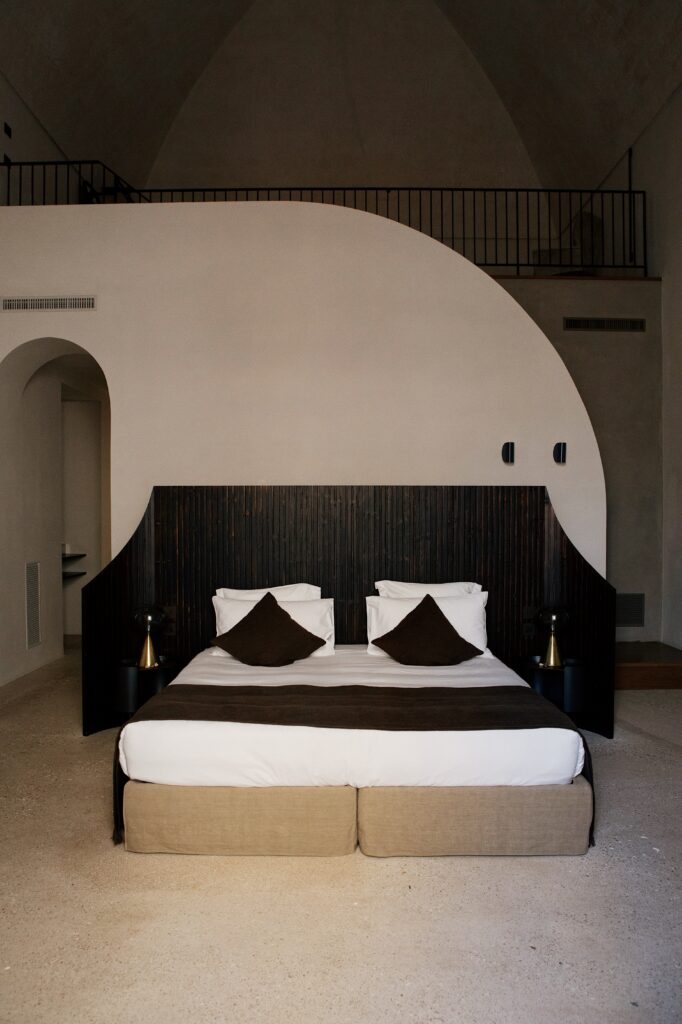
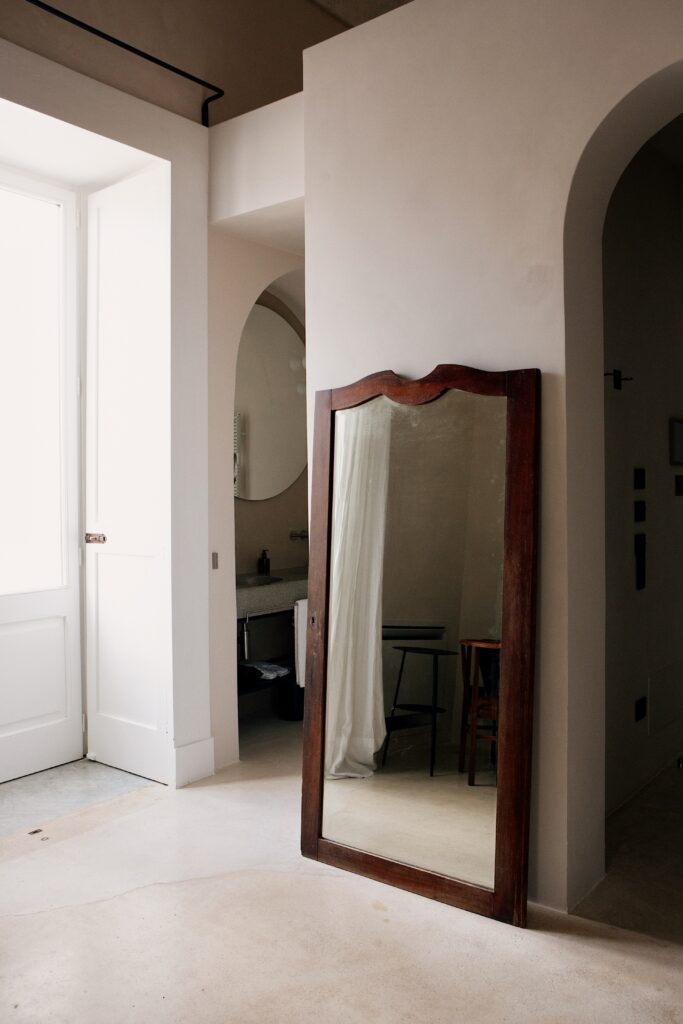
For Lefay, the approach to wellness is shaped by a whole range of factors. It is not just the treatment, nor just a whirlpool bath: it is the world in which one becomes immersed. The generous spaces, the views of nature that almost seem to flow within us, the materials, the colours, the sounds and the care of our team all allow guests to feel completely at peace, free to let their guard down. Letting go and feeling at ease opens us up to a process of “healing”, including healing from stress itself, and allows us to accompany each guest, hand in hand, towards a personalised experience of what is right for them at that precise moment.
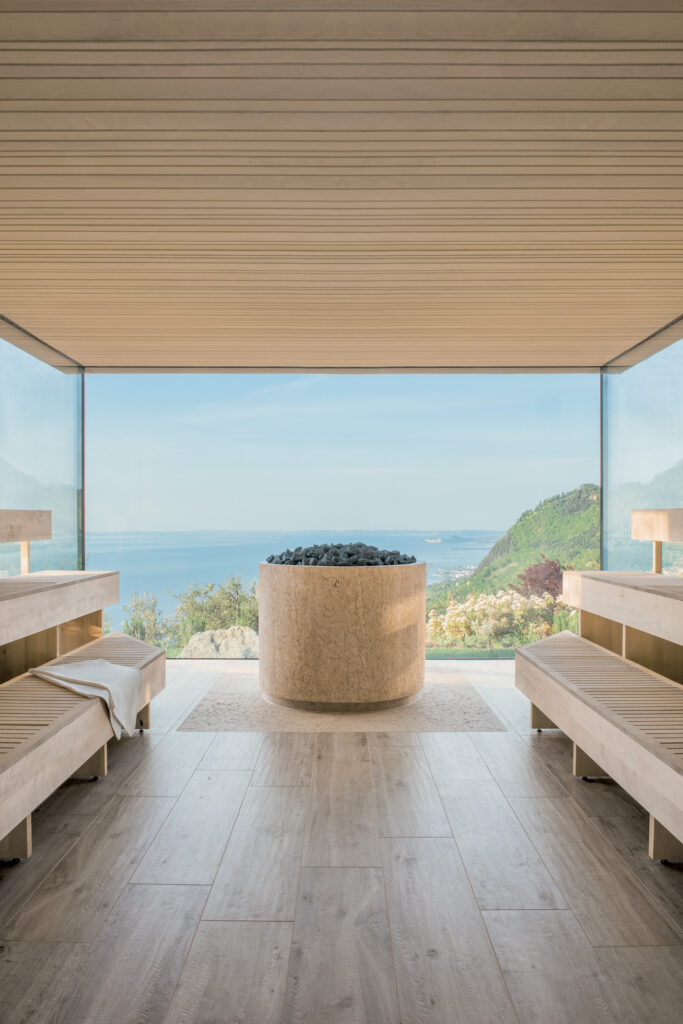
The landscape of Lake Garda is such an integral part of the experience at Lefay. Beyond its obvious beauty, how does the landscape actively shape the way you think about wellbeing? Is there something about this particular environment, its light, vegetation, climate, relationship with water and sense of space, that has influenced the philosophy of the resort itself?
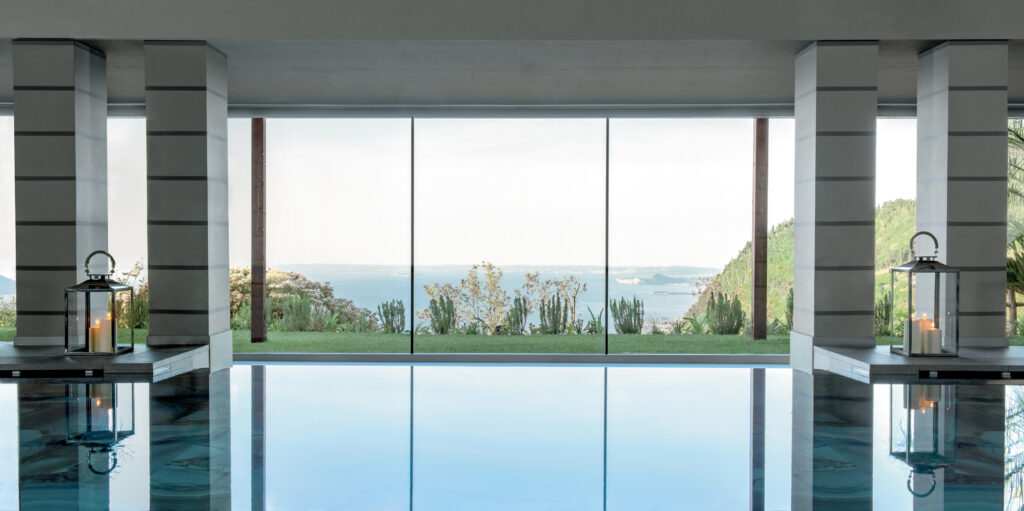
“The ability to see things from above”: this is what a Lefay experience at Lake Garda offers. The landscape, the nature and the sweeping views allow our minds not to fixate on single points, which narrows our thinking and makes us dwell too much on detail. Instead, they allow us to range freely, to rise above things, to put life’s events into perspective and to discover the infinite possibilities that life can offer.
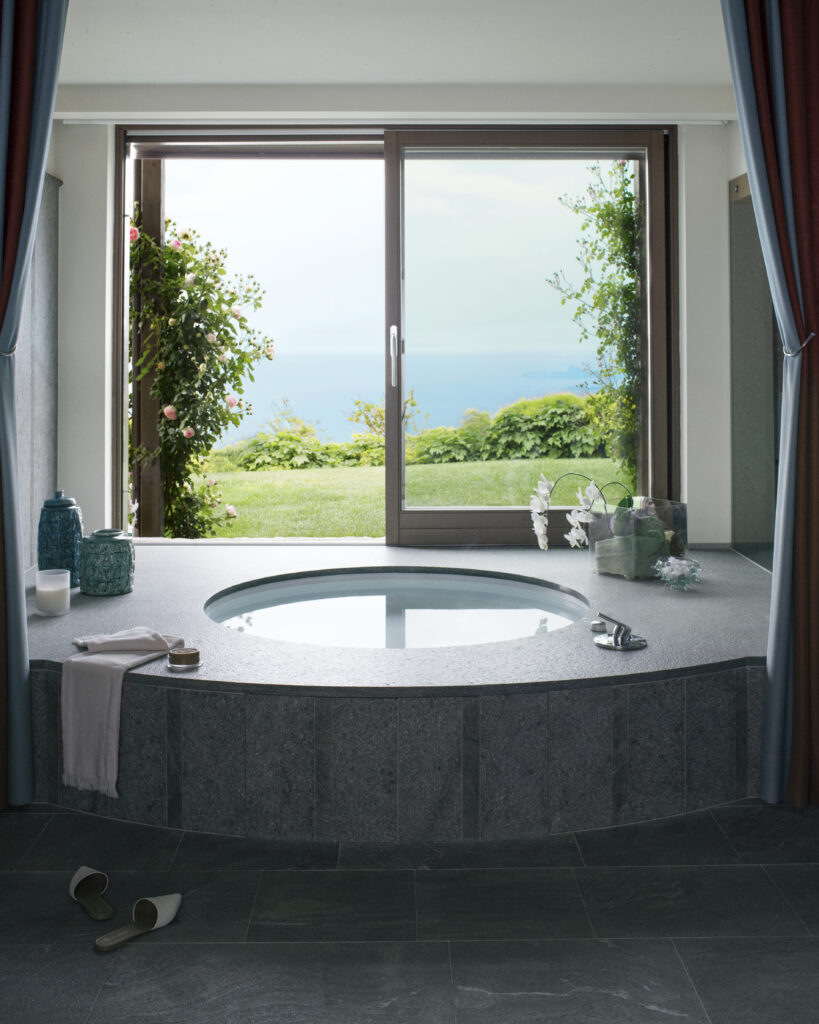
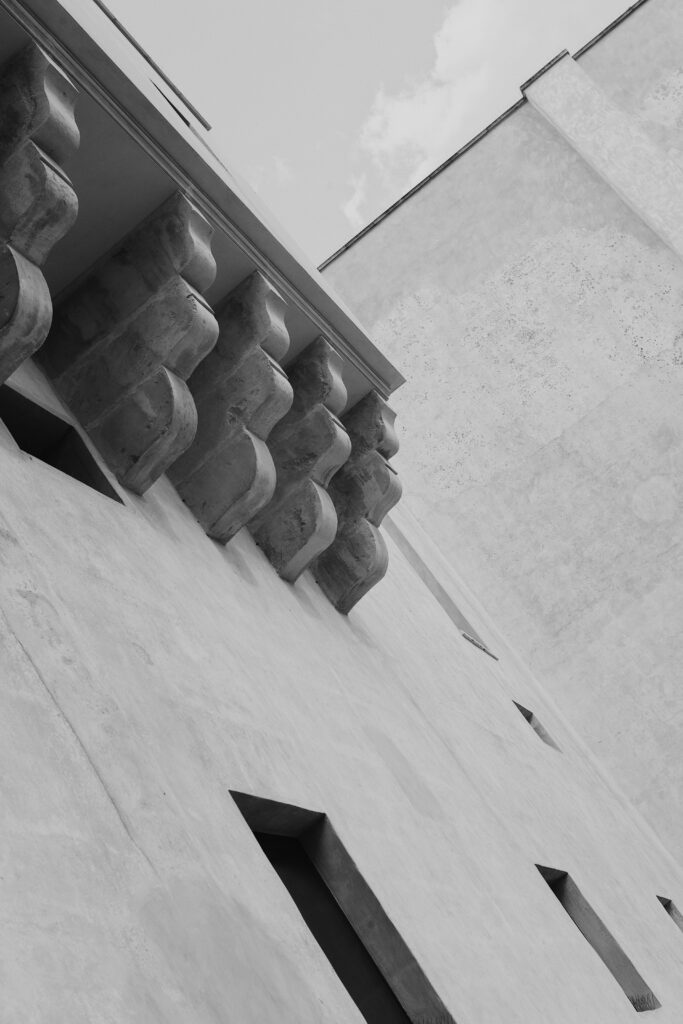
From its beginnings, Lefay has approached architecture as something that should exist in dialogue with its surroundings rather than apart from them. At Lago di Garda, the resort was deliberately integrated into the hillside, drawing on the language of the traditional lemon houses of the Upper Garda and allowing the “building system” to interact with the “nature system”. Do you believe this way of designing a place, where the boundaries between architecture, landscape and indoor and outdoor life become less defined, can itself contribute to a deeper sense of health and wellbeing? And, looking back at the original vision for the resort, how do you feel this relationship continues to shape the way guests experience Lefay today?
We need to feel part of nature. It is where we come from, and it is the only place where we can find peace and understand the rhythm of nature, which is the rhythm of life itself. Designing a place in perfect balance with its surroundings respects both people and the environment. From this respect comes the first true condition of wellbeing.
Gramen is described as the ultimate expression of the Lefay Vital Gourmet culinary concept, bringing together ethics, respect and balance. How have these principles shaped your approach to the restaurant and to the idea of food as part of Lefay’s wider philosophy of wellbeing? In creating cuisine that is nourishing and rooted in the Mediterranean tradition, how do you reconcile health and sustainability with the pleasure, creativity and emotion that are essential to the experience of dining? And how do the landscape of Lake Garda and ingredients produced by Lefay itself, particularly its extra virgin olive oils, inform the identity of Gramen and your relationship with the territory?
My approach to plant-based cuisine is not the result of a contemporary trend. It has always been an intrinsic part of my culinary identity.
I come from Puglia, in southern Italy, where the connection with the sea, seasonality and the extraordinary richness of vegetables is deeply rooted in our gastronomic culture. I grew up with a tradition in which fish and vegetables played a central role, and I have carried this philosophy throughout my professional journey.
Long before plant-based cuisine became so widely appreciated, our menus already featured entirely vegetable-based and vegetarian dishes, conceived not as alternatives, but as gastronomic creations in their own right, with the ingredient itself as the true protagonist.
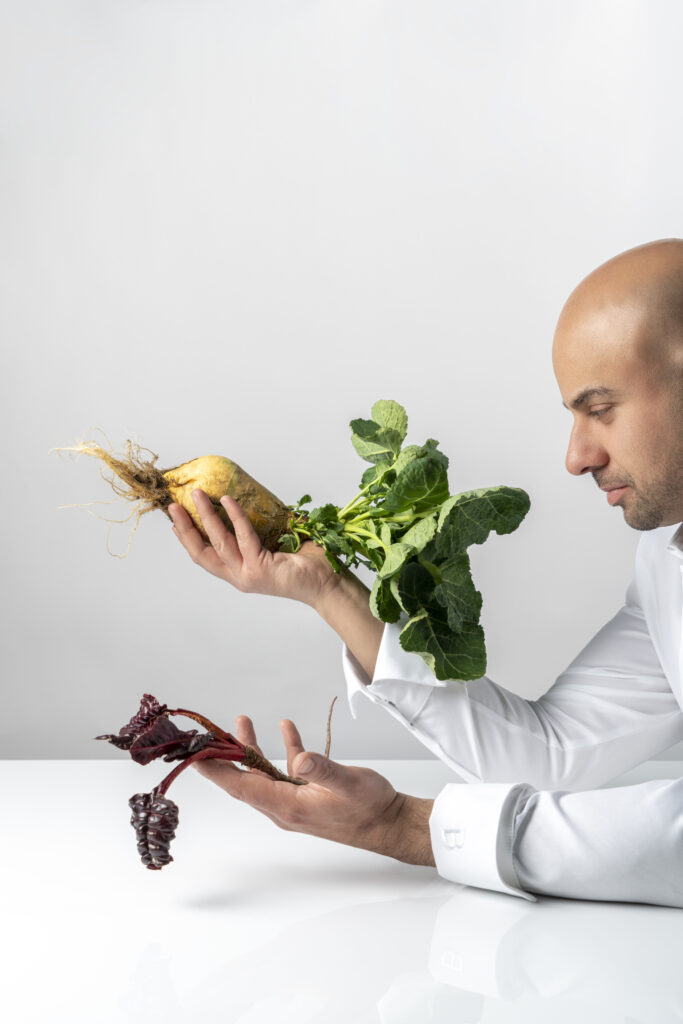
Gramen represents the natural evolution of this vision.
When I create a dish, my first objective is always pleasure through flavour. I believe the plant world offers extraordinary gastronomic possibilities. Through technique, creativity and a deep understanding of ingredients, we can achieve complexity, intensity and depth of flavour without relying on meat.
For me, wellbeing should never mean sacrificing pleasure. Rather than starting from nutritional restrictions, I begin with a gastronomic idea and the search for the best possible expression of an ingredient. Balance and lightness then become part of the experience, supported by a cuisine centred on vegetables and fish, with limited use of dairy products.
Seasonality is fundamental to my creative process. Each dish begins with an idea inspired by the season, and I then seek out the ingredients that best express it, giving priority to local producers whenever possible.
Lake Garda, with its distinctive microclimate, vegetation and agricultural traditions, provides a rich source of inspiration.
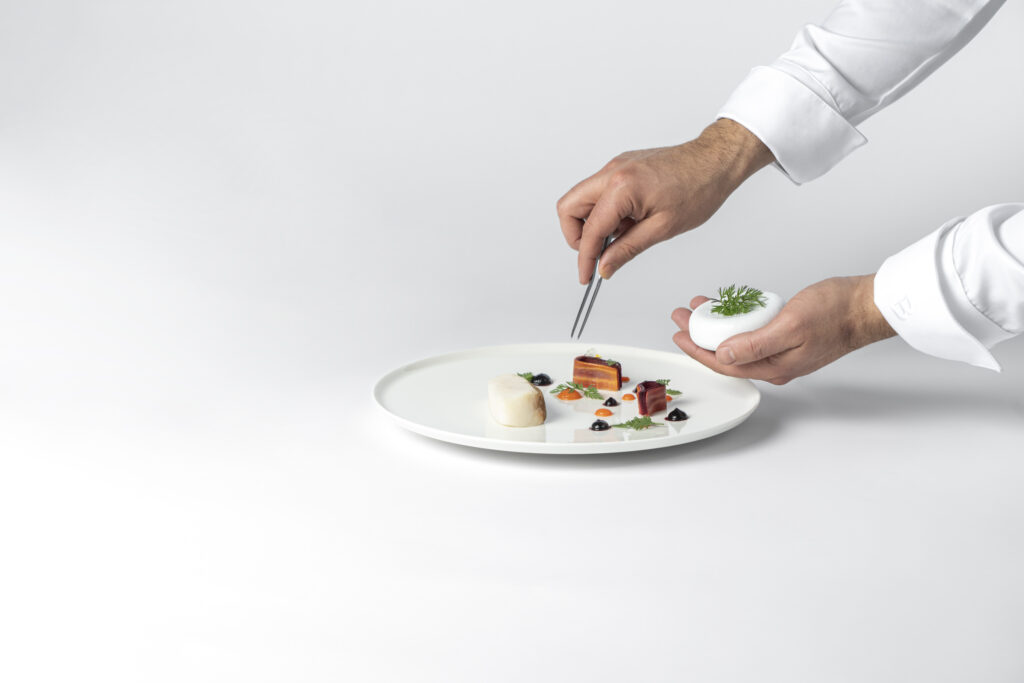
The extra virgin olive oils produced by Lefay are particularly important to our culinary identity. I don’t see olive oil simply as a finishing touch, but as an ingredient that becomes part of a dish from the beginning. Its aromatic character, bitterness and vegetal notes must interact with the other elements, contributing to the overall balance rather than overpowering the main ingredient.
Ultimately, my ambition at Gramen is to create a cuisine where ethics, sustainability and wellbeing coexist naturally with creativity, technique and emotion. A cuisine that respects its ingredients and its environment, but above all, one that gives genuine pleasure to those who experience it.
Lefay has spent almost two decades developing its own interpretation of wellbeing, while the wider conversation around health, longevity and wellness is changing rapidly. Having established such a distinctive philosophy, what do you think Lefay still has to discover? And when you imagine the next ten years, what do you hope the future of holistic hospitality will look and feel like?
Lefay simply needs to continue nurturing its great sensitivity in understanding human beings in depth: studying them, understanding what is happening around us and what truly makes us happy, or better still, what allows us to be moved. I am convinced that it can only remain at the heart of its founding concepts, which were far-sighted and pure in their essence. Over the next ten years, we may see wellness working closely alongside technology, with cutting-edge equipment and intensive therapies focused on prevention, together with ever deeper immersion in nature and in our connection with ourselves. As it moves forward, I believe Lefay will need to take care of the art of pausing.