Archive page:


Deadhungry

“I think you can get so stuck in trying to sell something, that you forget you can have fun and play around with it”

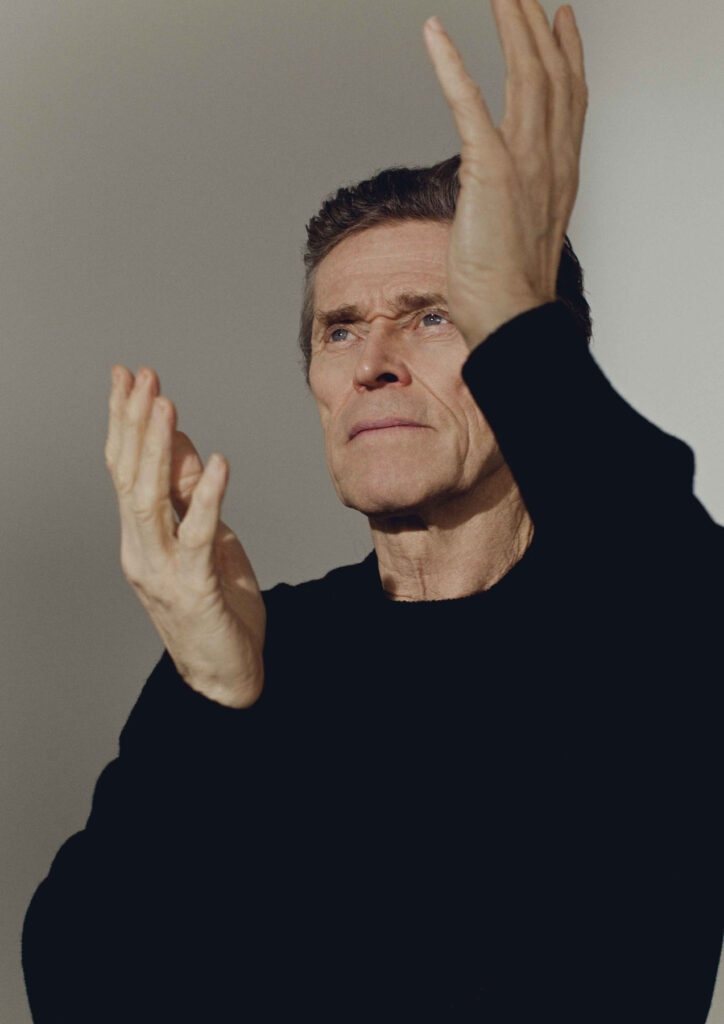
Chef and photographer Alex Paganelli has carved himself a unique position in the industry, operating with ease across the realms of food styling, film direction, menu designing and product development. Uniting the culinary, art and fashion worlds, Paganelli injects a vibrant energy into his creations, and has established himself as one to watch, having already worked on campaigns for brands like Skims and Bottega Veneta – but this is only one level of his flourishing food empire.

Growing up in the French Alps, Paganelli picked up his interest in French cuisine and cultural diversity, which came natural with Italian-British parents. Moving to London at 18, Paganelli took the techniques he learned from home with him to the kitchen and discovered a yearning for a creative process detached from tradition, and began shaping his own signature style, creating things that were stunning to behold, but also wonderful to eat.

Since establishing DeadHungry in 2015 – a studio, kitchen and creative hub for his food ideas, Paganelli has catered for specially-curated events and has built a strong reputation for daring menu design and serving eclectic, modern and experimental dishes.

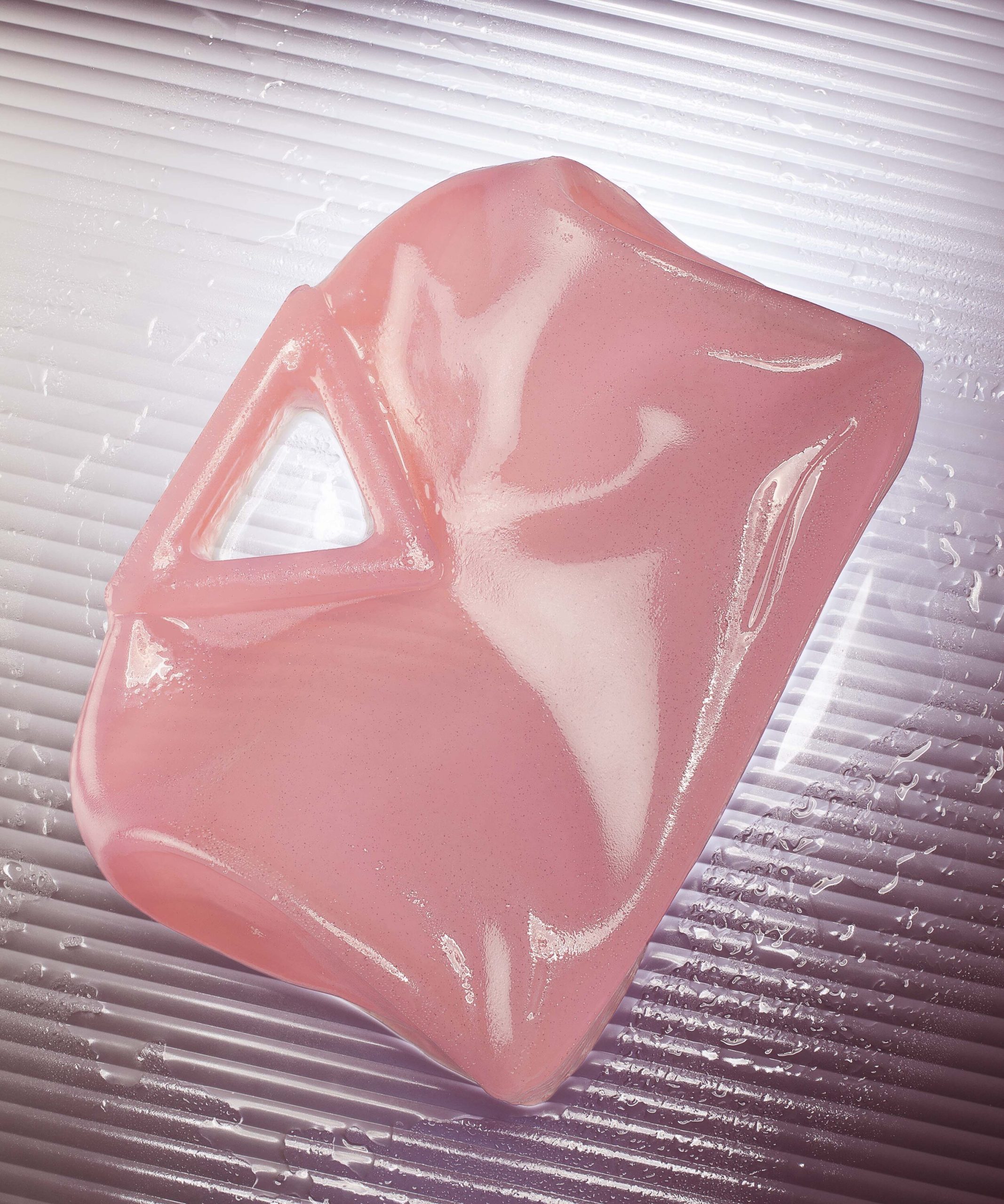
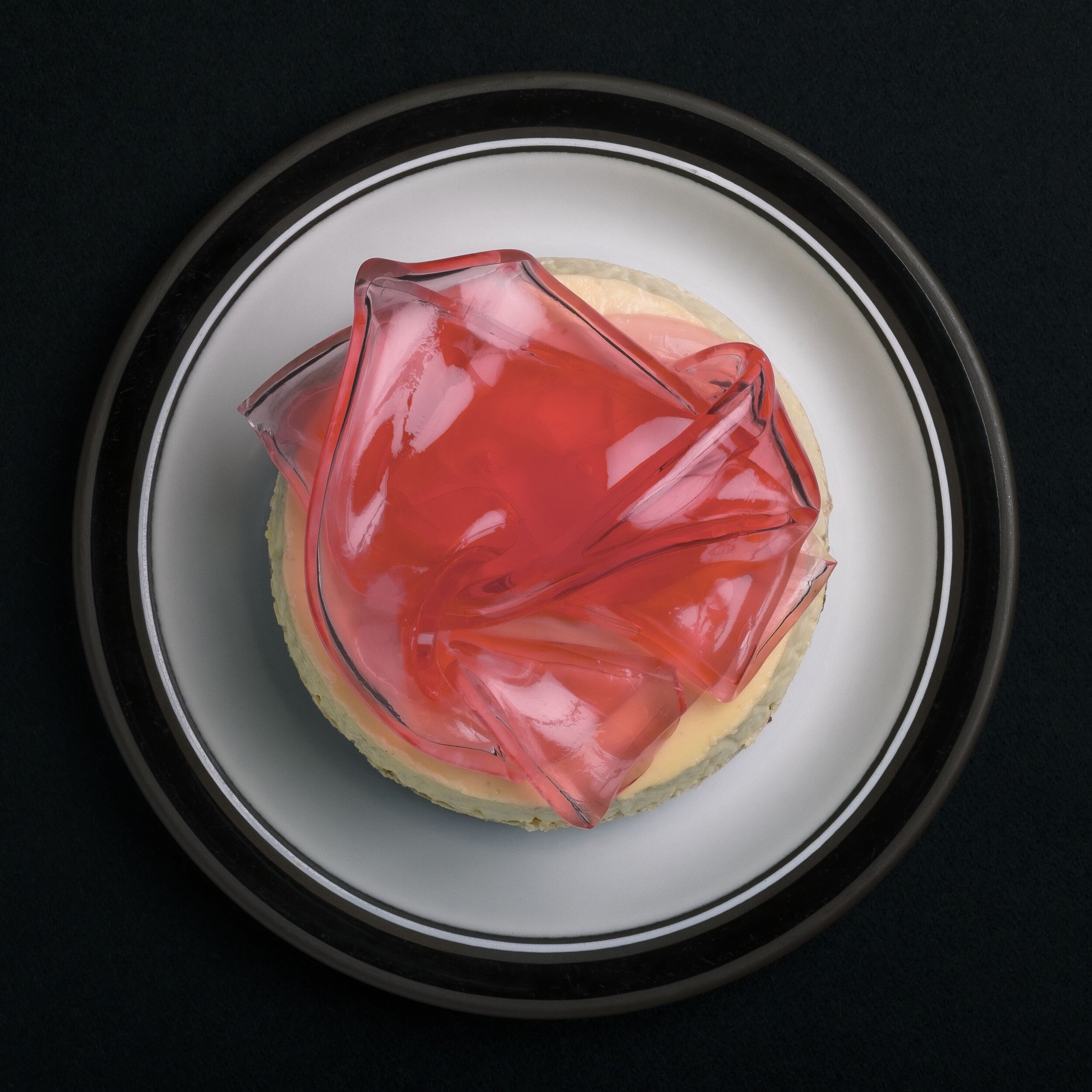
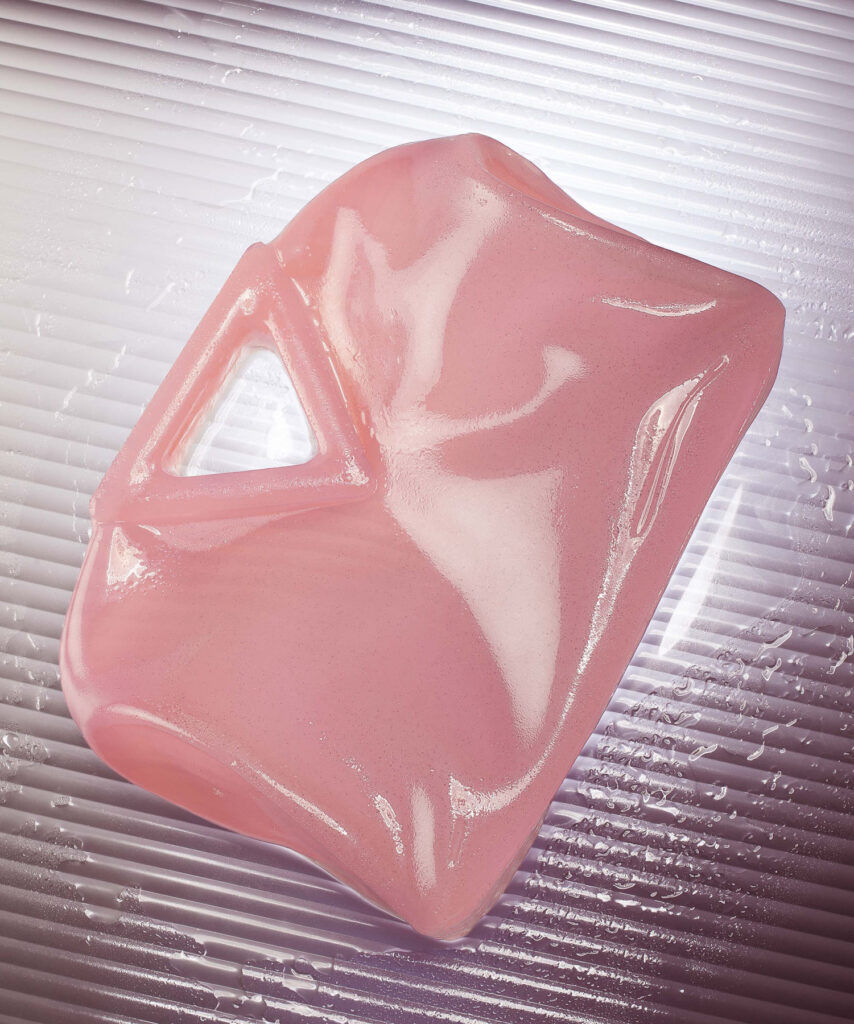
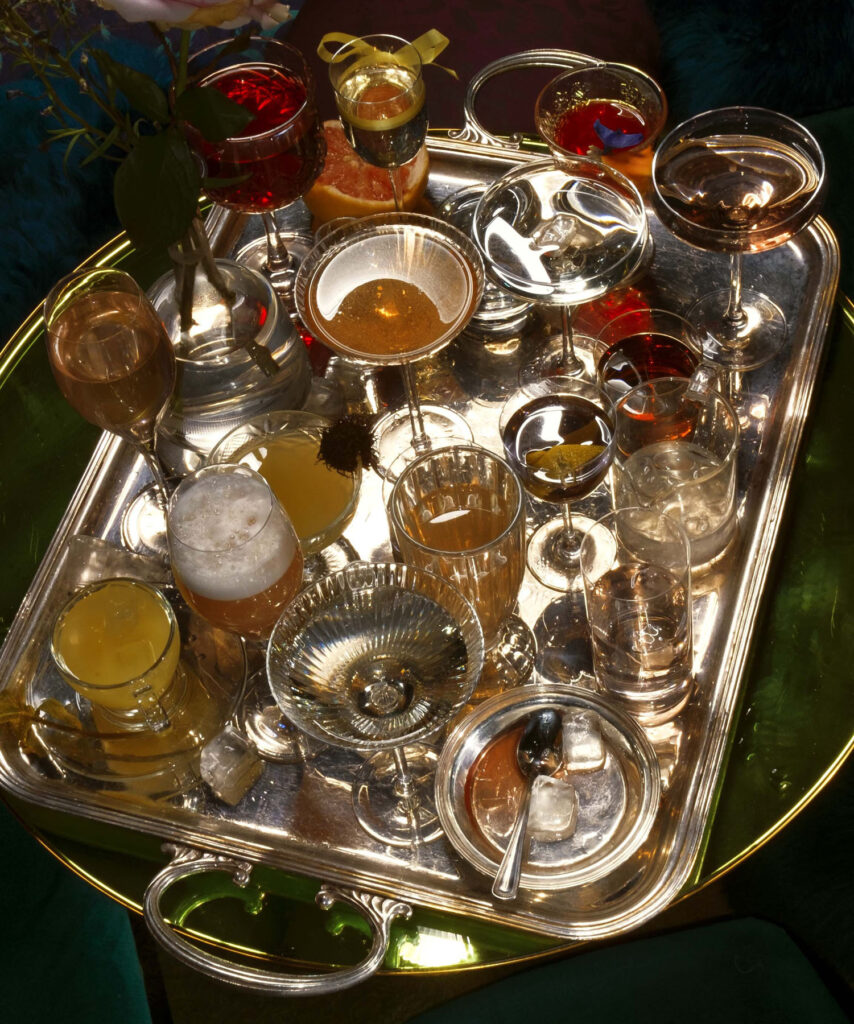
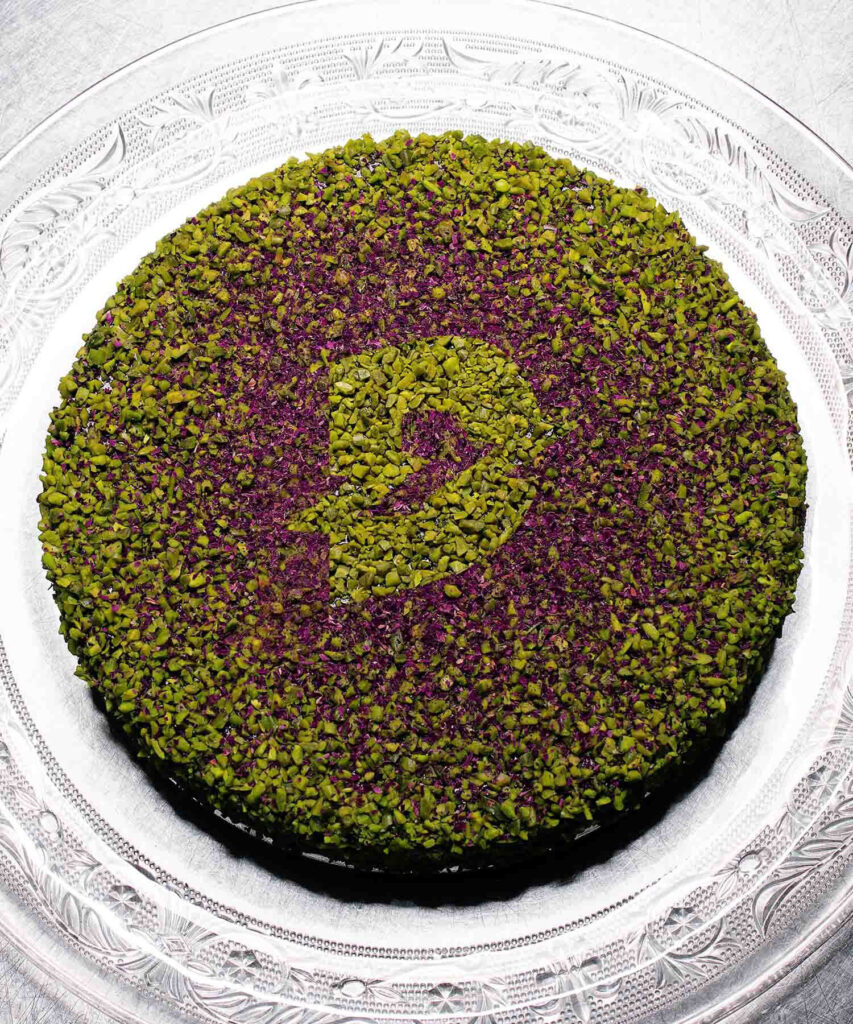
Paganelli continues to subvert the conventions of food photography and conjures up scenes and dishes that are optical feasts, including life-size jelly shoes and handbags, cartoonish pies and mind-bendingly visceral table settings.

NR Magazine touches base with Paganelli in London to learn more about his visual language and creative evolution.

Growing up in France – a culinary capital of the world, how did this influence you when you first started as a chef?

France influenced me a lot. I grew up there and I lived there until I was 18. My mum is from London, so I used to come and spend my summers here with my family. My dad is from Italy, but the whole family moved to France when I was a child and we used to live close to them. They were a typical southern Italian family, so I think I’ve been influenced by all three if that makes sense- my dad’s Italian family, my mum’s British family, and then of course me growing up in France. I think all three really had an impact on my work, what I cook with and what I like to eat.

I grew up more or less with a Mediterranean diet, but then moving to London I discovered so many different types of cuisine. I met and worked with people and chefs from all over the world, so later in life I realised that even if I’m drawn to more traditional food, London has added an element of modern cooking, in a way that I don’t think I experienced growing up in France.

When did you start to shape your own signature style?

It was something that happened over time. I think my style grew after I became a photographer, but that happened a little bit later. At the beginning of my career, I was just focussing on food, but then I started documenting my work and eventually started getting hired as a photographer. Eventually it all melded together and formed what is today my style. It took a little while though. At the start, when I was only working with food and wasn’t really photographing as much, I hadn’t really figured out what my style was, and I didn’t really understand fully what it was that I was trying to do.

Eventually I started using different techniques, like I stopped using animal products and started to create more vegan dishes. That defined it a lot more, and I think that’s what made me grow in a way that was quite unexpected. Up until then I was cooking in a more traditional way, using very traditional ingredients, and when I decided I was going to use more plant-based ingredients, I realised there weren’t really any rules for that because it’s such a new way of cooking. I think that’s what really influenced the way that I cook. I realised that it was this exciting, new territory, where I didn’t have to stick to such a specific and traditional way of doing things. I think that’s when I realised my career was starting to grow in a different direction.

Are you vegan yourself then, or is that just what you happen to cook?

I cook and eat more or less the same stuff. There are a lot of chefs that will cook very differently to how they eat at home, but for me it’s more about blending it together. I don’t really believe in cooking something that I wouldn’t want to eat myself. In London I would consider myself mostly vegan, but if I’m in a place somewhere in the world where it makes sense to eat a certain food, then I can easily be influenced by those local ingredients – I have no problem doing that. I was in Nice for quite a while, and I did eat quite a bit of fish there.

For me, it’s more about blending into the environment you’re in and eating what makes sense in that location.

Yeah, that makes sense. I’ve got a lot of family in Greece, and obviously their cuisine is based a lot around things like cheese and fish, so when you travel there, it’s hard not to eat those things.

Exactly, and I also think the quality is and important part of it. I think eating a packaged piece of cheese from the supermarket is different to eating some that has been made on a really amazing farm. It’s part of the culture there which makes a big difference.

What inspired you to create DeadHungry in 2015? 

I’d been working in restaurants for quite a few years, and I realised that the restaurant pace was quite draining. I couldn’t see myself doing that full time for the rest of my life. There was an aspect of photography that I’ve always loved, which started off as a hobby rather than a career. But from the beginning I decided I was going to pursue a career in food and with that and I knew there was an element of creating visuals that I was really drawn to.

I really love creating imagery with cooking, so I found a way of blending the two together. But I never thought I was going to become a photographer – it was never a goal, it just happened.

Your work explores the different textural potential of food and objects, and your film direction, particularly with Bottega Veneta employs similar aesthetics and sensory techniques to ASMR videos. Do you draw inspiration from things like that? It seems like exploring different colours and forms is a key part of your work.

I’m not specifically influenced by things like ASMR. I would say it’s more a case of me liking anything detail oriented. I like anything that focusses on a great depth of colours and textures in general, and I think that’s something that we don’t really see much in food photography, apart from real close-ups of food that I think feel quite commercial.

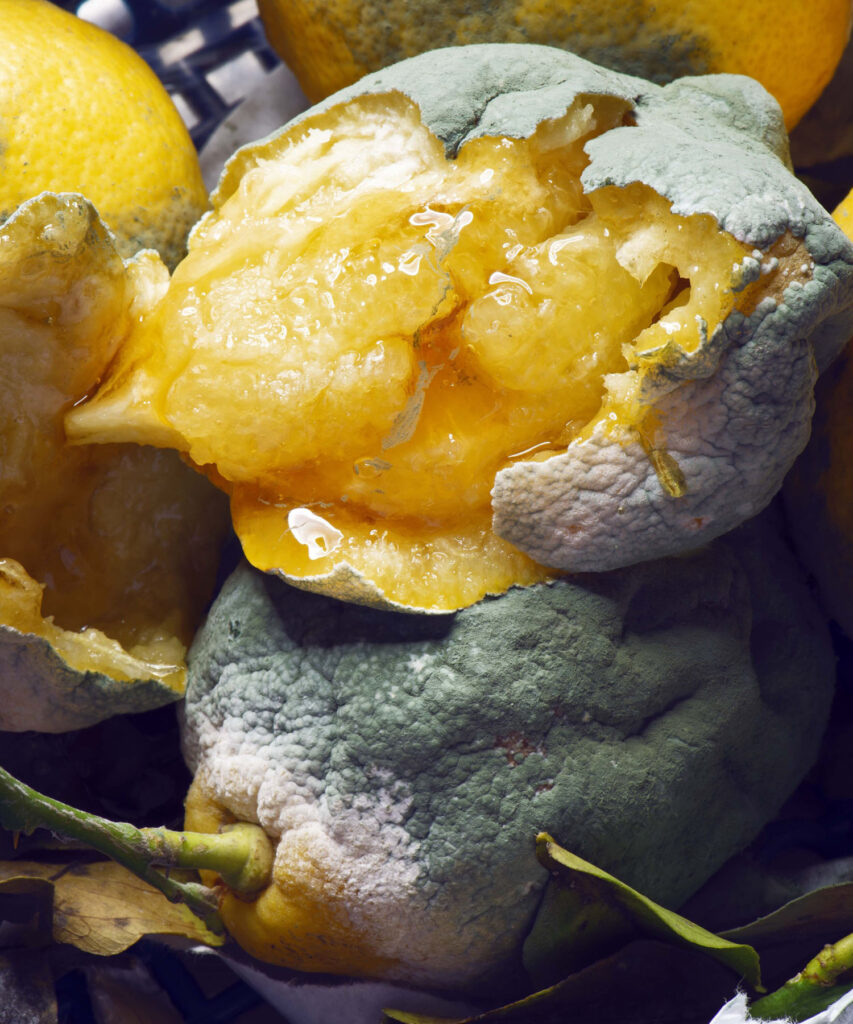
I was always interested in things that were odd and almost a little bit repulsive. That part of food photography is something that I don’t think a lot of food photographers touch on. That’s become my point of view over time. It’s more about photographing things that we’re not used to seeing, for example I love to photograph things that are rotting, but as a food photographer, that’s not really something that you’re going to focus on, but it’s something that I personally find really visually appealing.

Your work has a very playful feel to it and at times, a darker sense of humour that shows off a different side to food photography. What inspires you to combine the worlds of gastronomy with art and fashion in this way? 

Again, that wasn’t something that I specifically thought I wanted to do. Those were just the type of clients that started coming my way, and I realised I had to adapt my work to fit the fashion world and its products in that way.

I think I’m inspired more by fashion photographers than food photographers – like more art photographers and still life photographers. That’s where my references come from. It wasn’t a conscious effort of combining the worlds of food and fashion, but over time, working with a lot of fashion brands and clients, it evolved into that.

I also noticed that some of your photographs are reminiscent of classic still lifes, but with a modern twist. Some of your tables are set in the style of the 60s and 70s, and have a nostalgic feel to them, particularly with the colourful jellies. Do you draw much inspiration from these eras?

I think I’m inspired by those eras for sure. It’s embedded into my work somehow. It’s not necessarily something I’m specifically drawn to, but there’s definitely a nostalgic feel to what I do.

I’m just attracted to anything beautiful, and perhaps a little romantic at times. I think that’s just a product of my taste.

What’s your usual working process – how do you approach developing new ideas?

I approach new ideas in lots of different ways, it just depends on what I’m doing. If I’m thinking of a photoshoot, then it’s more about understanding the product. If I’m working with a brand, I try to understand what their idea is and how I can then integrate that into what I do.

If I’m testing and developing a new dish or certain flavours, then it starts with a couple of ingredients that I want to work with – usually something seasonal that’s just become available. In that case, it’s more a matter of just testing it in my kitchen until I have something that I like.

I follow quite simple guidelines with the way that I shoot – I’m either shooting a beautiful dish as it is, or I photograph the process of it, as sometimes that looks even better than the final product. There are certain things I’ll make that are delicious to eat but that might not necessarily look very good on camera.

In terms of pure photography when it doesn’t have anything to do with a really tasty dish, then it’s more about getting the right elements in the studio on that day and getting my team to do the things they are good at, and honestly just having fun and not overthinking too much.

I think the best ideas come when you have a solid idea in your head, you don’t overthink every shot and you just have an overall idea of what the mood is going to be. The rest just falls into place.

What artists and chefs inspire you at the moment?

There are some pastry chefs that I love like Cédric Grolet in Paris. He’s very famous now but I’ve been following him for quite a while. There’s also this amazing artist called Craig Boagey that I discovered who does these incredible paintings of mushrooms but I’m also a huge fan of Sam Youkilis who does lots of moving images of mountains and stunning landscapes (amongst other things including lots of food) which remind me of home. Things come and go. I get really obsessed with people over a few weeks or a few months at a time and then I’ll move on to something else.

Do you feel like your identity as a chef and as a creative is rooted more in France or London? 

I’ve lived in London my whole adult life, so I think everything that I’ve ever created with DeadHungry has been created here, so I’d say that my work is deeply rooted here. In terms of my inspiration, that definitely comes from other places. I grew up in the Alps and spent most of my childhood there, so that’s a very special place for me. Every time I go back, I feel really inspired.

It’s funny though, because I eat very differently when I’m there compared to how I eat here, and I think of food in a completely different way. I think London has this immense pressure – there’s this stress to deliver things that are exciting and different all the time, whereas in other places you don’t think of it like that. Instead, you think of food more as a necessity rather than an artform. I think they’re both very important and they’re both part of how I work. They’re two very different approaches but I don’t think I could do what I do without them both.

What do you find most interesting about the intersections of the culinary and fashion worlds?

When you work for a food client that wants to sell a product and wants to focus on what that food is for a restaurant or a hotel etc, I think you can get so stuck in trying to sell something, that you forget you can have fun and play around with it. What I really love about shooting food for a fashion brand is that it doesn’t really matter what the food is, as long as the overall image looks good or has an energy or an emotion attached to it that is interesting and visually appealing.

If you were just focussing on food clients, all you really want to do is make something look delicious, and that’s not always the best way of taking an amazing image. Sometimes trying to be too realistic takes away from the magic of creating an image. That’s what I really like doing with brands that aren’t necessarily always about food – you can have more fun with them without having to worry about what every element looks like. As soon as you start to do that you lose the sense of a really interesting image, and it just becomes more about the product.

With the theme of this issue being Identity, I thought it would be interesting to hear about your signature dishes or any favourite recipes from your childhood. 

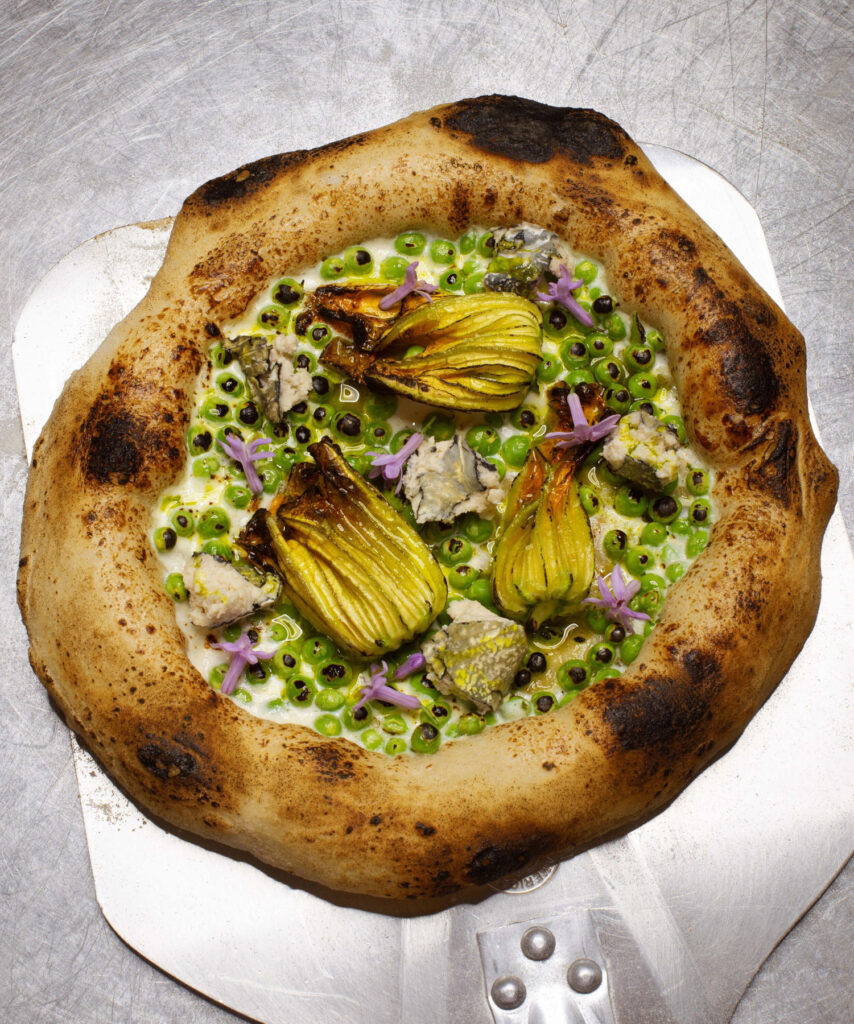
Honestly, the thing I love to cook the most is pizza. I know it sounds really basic, but it’s what I love to make the most. It’s so simple and it’s something that everyone loves, but its also something that is a lot more difficult than people think – it took me years to perfect a really good dough.

I also love pastries, and I love to cook with seaweed. I don’t really have a specific recipe that I go back to, but there are certain kinds of food that I seem to always go back to, and then maybe new flavour combinations will come out of that.

I’m really into cooking vegetable skewers at the moment, but things come and go depending on the season. Since I’ve been vegan, I find the versatility of an ingredient like seaweed to be really interesting.

What stands out to you most about the London food scene?

The level of the food industry is really high in London. When I go back to places like France, people always ask me ‘don’t you miss French food and French ingredients?’ and in Italy it’s the same. People say the food is disgusting in London, but I’ve had some of the best food in the world here. There are so many people from all over the world, and so many different communities – you can go east and see the Vietnamese community, you can go a little bit more north and see the Caribbean community, and every community has some stand out places that are incredible.

Something I miss when I go away is that idea that I can have food from all over the world. If you know where you’re going, you can find things that are incredibly special, and I love that.

The downsides are that it’s a very fast-paced city, and a lot of restaurants open and close really quickly, because its very expensive and its not necessarily financially viable to run a restaurant. I think in general, it’s a very hard city to break into. The food industry is one of the most difficult industries to get into. It’s very challenging to own a restaurant and I admire people who can actually run a restaurant 24/7, because it’s so demanding and such hard work. But I think it’s also a very special place for food.

I love it. It’s so diverse, and we have some of the best chefs in the world here. So many chefs come through London just to open a restaurant because they know the clientele is here.

Do you think you would ever live anywhere else?

That’s the question I’m asking myself! I’ve been here for 14 years, and I love it, it’s an exciting city, but I think the older I get, the more I realise I’m ready to live a life that’s a little bit more relaxed.

I think as long as I have a foot in London then that’s fine. I’d still want to be in the city, because it’s an exciting place to be, and I think you learn so much from other people here and get so easily inspired. I don’t think the level of creativity would be the same in a smaller city, and I think I would miss that if I left. But I’m definitely drawn to a more relaxed lifestyle with a bit of sun.

Is sustainability important to you and your work?

Yes, its really important! It wasn’t something I thought was that important when I started working, but now I think every chef in the world has some level of responsibility and should understand that we can’t really be cooking in the same way that we were 50 years ago. I think if we want to move to a more sustainable food chain in general, and we want to really improve our systems, whether that’s the way we farm and fish or the way that we eat – I think it’s a collective effort.

I think chefs have a responsibility to show people options and to make good examples. I take it quite seriously, that’s why I don’t cook with meat and fish anymore. Especially in a big city, you hear lots of people say, ‘what if we all bought meat and fish from sustainable farms?’ and that’s great if you have the money to do that. I don’t disagree with the idea that we should still be eating meat every once in a while, I just don’t think it should be part of our diets in the way that it is now – I think it should be something we do extremely rarely.

The problem is that it’s cheaper to buy a kilo of chicken wings in a supermarket than it is to buy really good quality vegetables. I think that’s where the responsibility for chefs lies, in breaking away from that broken system.

How would you define your visual language?

It’s quite dynamic and has a touch of camp to it. There’s something very raw and vibrant to it as well. The idea of photographing things that are very realistic doesn’t appeal to me. I like things that are a bit surreal. That’s what’s fun with photography – being able to replicate something that you don’t always see with your own eyes. I don’t understand the point of photographing things the way that you see them in real life. Why not have fun with it?

There are amazing photographers that do documentary and journalistic work. Some people are very good at that, but for me, it’s more about being able to capture something that is a little bit surreal.

What’s been the most daring or challenging thing you’ve done in your career so far?

I think generally, opening the studio a couple of years ago – that was very challenging. So far, it’s been trying to establish myself as a chef and a photographer on the same level. That was something that before I had the studio, I was really struggling to do, and my career was moving more towards creating imagery and less towards cooking, so being able to establish that has been very important. It has been challenging but also very rewarding, because I realised how important they both are, and how I couldn’t really be doing one without the other.

I think the most challenging things are yet to come. I’m looking at opening a new studio – something a bit more stable and solid, that could be running a more regularly than what I’m doing now. At the moment my studio is here, but I only open it every once in a while for dinners, so I’m looking to open something that could be a bit more permanent.

Chiron Duong

“All things come from nothing and their presence in the present is a miracle of creation”

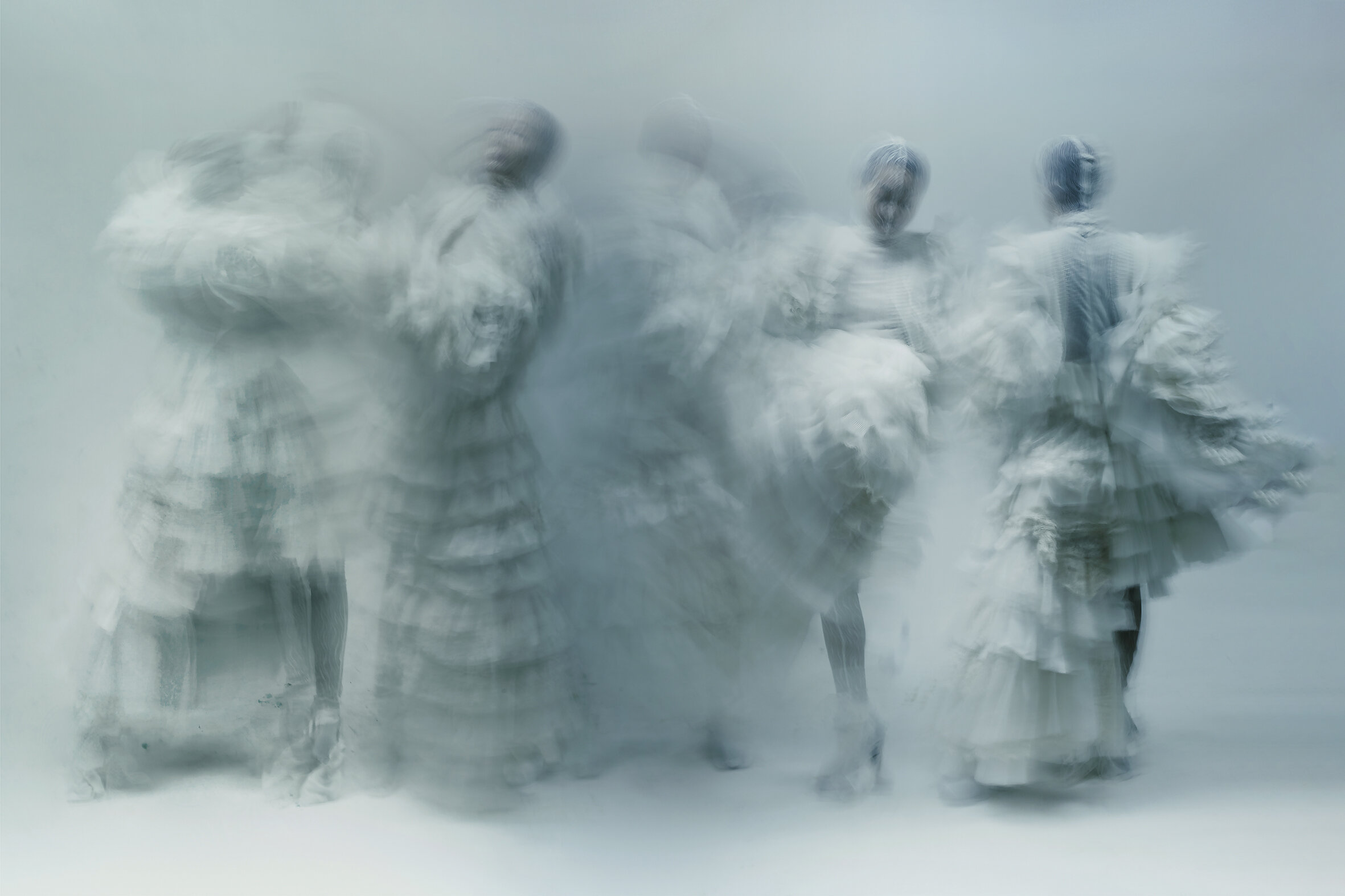
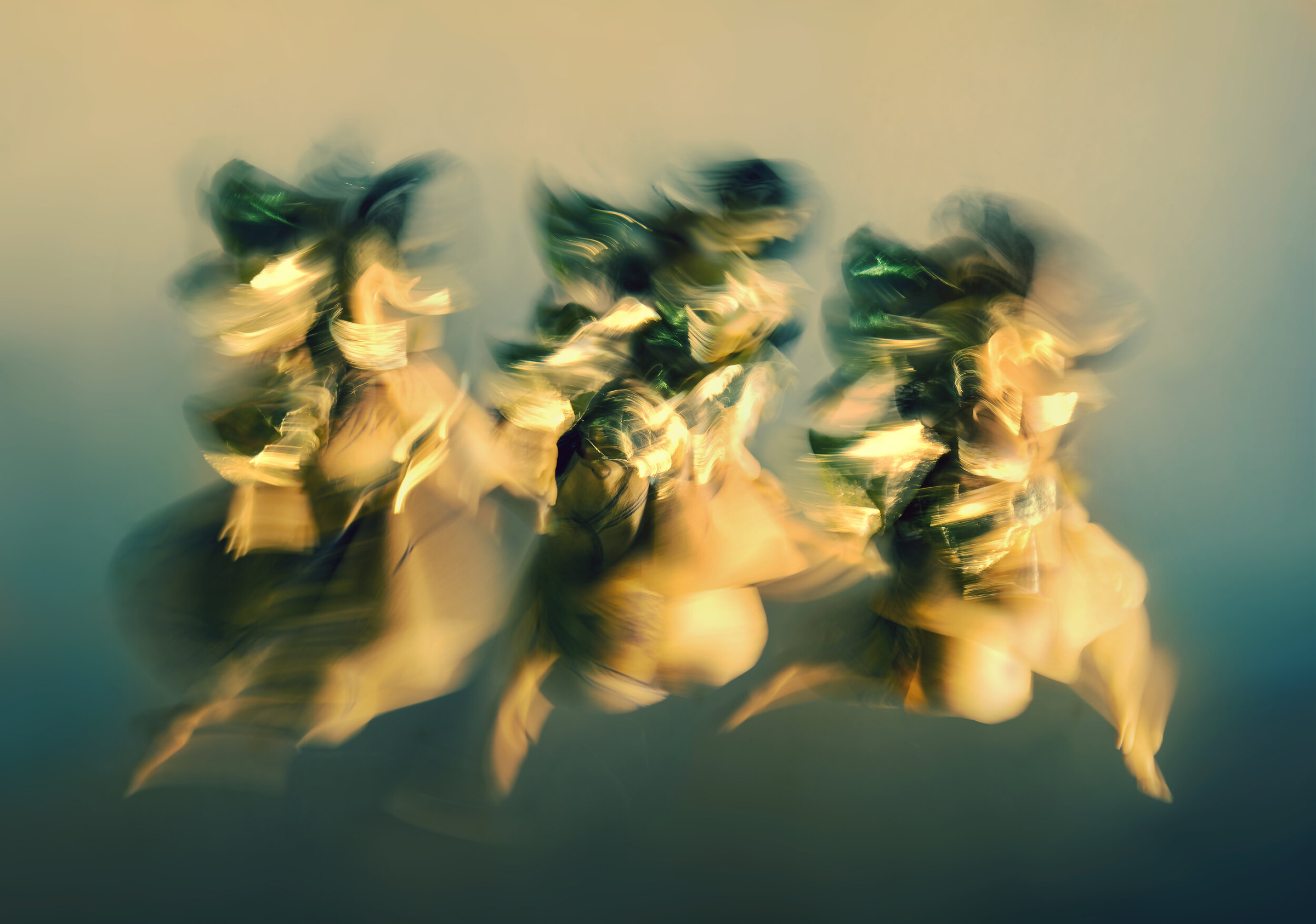
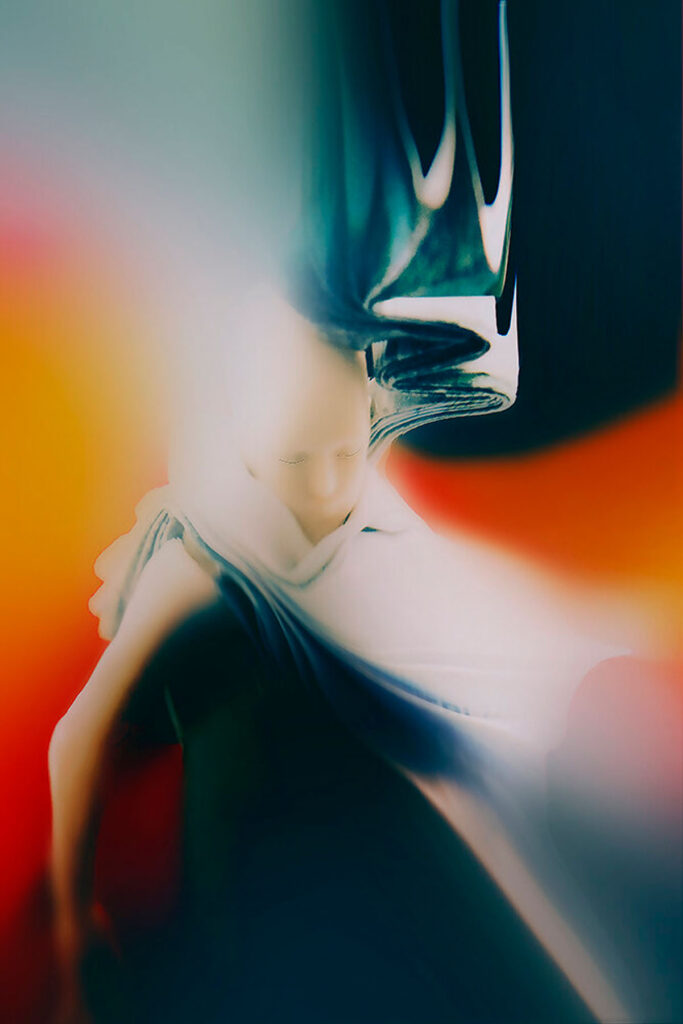
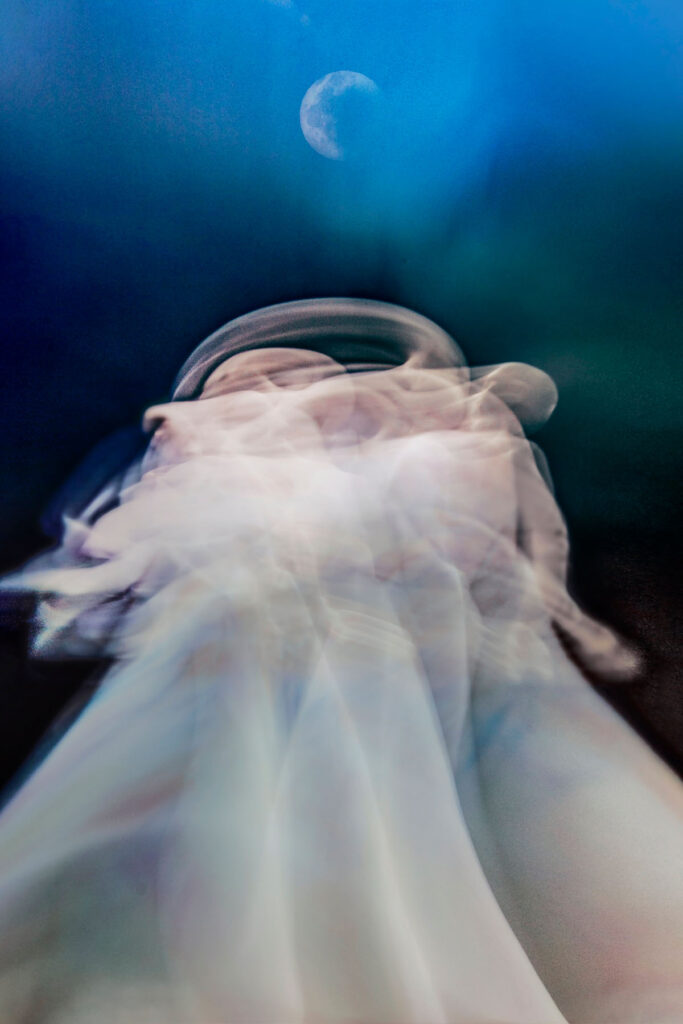
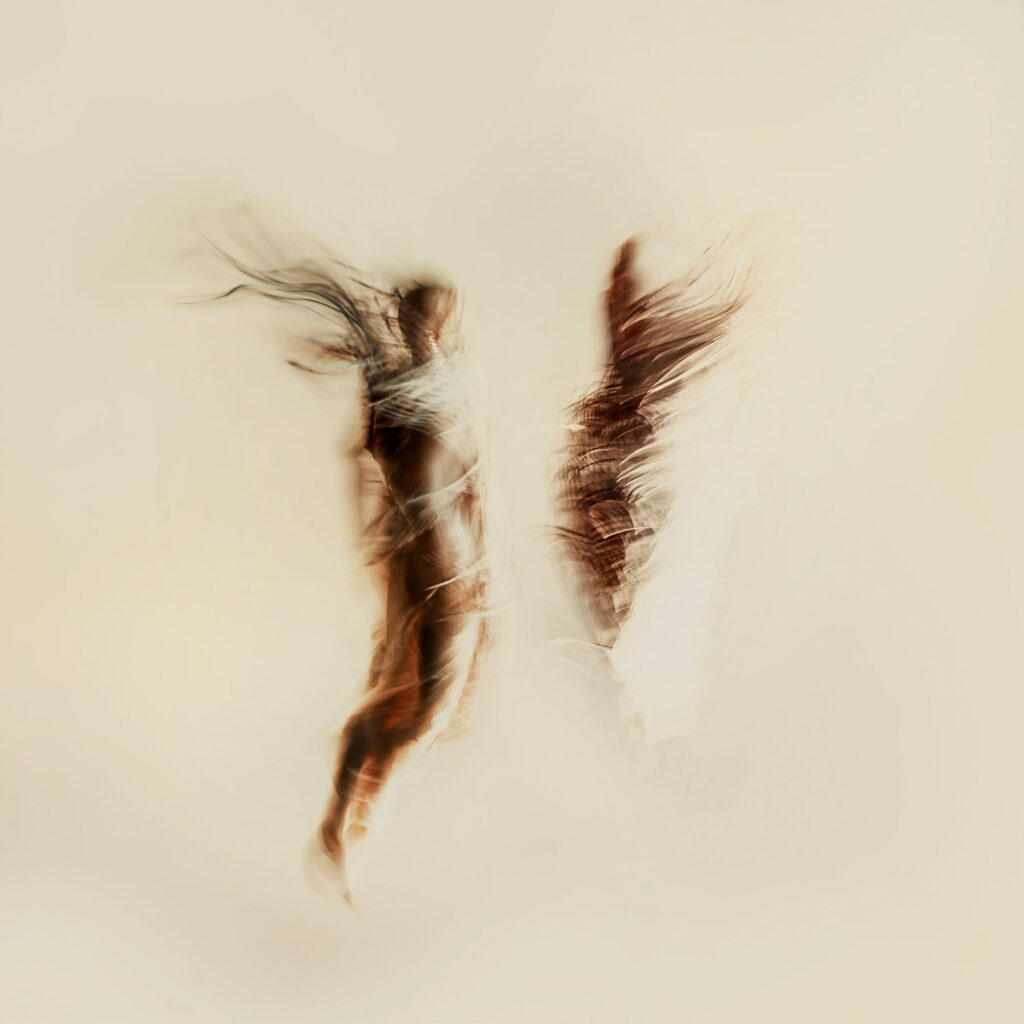
Magnetism towards nature, bodies, materials, and phenomena from their ancestry to their hazy, visual forms. When Vietnamese photographer and artist Chiron Duong narrates his artistry and where it springs from, he touches on the spiritualism and benevolence he finds in photography, fashion, and art, fusing the three to concoct a visual vision associated with the law of life. All images blurred, his model dances in a butterfly costume, his flowers tremble sideways, his water sloshes from gentle to rapid rapids, and his concepts of garments over bodies mean to flow, sway, and never settle.

The mantra from nothing to create a magical existence nestles within him for his fingers to capture through photography, his eyes to scrutinize via fashion, and his lips to speak of his art. As he points his lenses to his subject, whether it is a human body or nuance of nature, Chiron Duong communicates with his audience to convey stories that penetrate beyond the mere forms of objects, a display of the relationship between these tangible materials and the phenomena of nature and the universe that recalls science and magic.

Before diving deep into your practice, how did you end up in photography? What were your studies and sets of training before this?

Before practicing photography, I was a student of landscape architecture and urban planning in Vietnam. It was because I had practiced these two fields together that I sought to apply them to my study of photography and vice-versa. Landscape architecture and urban planning have helped me form my own perspective and find the direction that I will develop in the future towards photography.

Currently, I am focusing heavily on photography, but this is not my end goal. I hope my works can educate children and young generations about love and the natural environment through programs and visuals that combine arts and education.

There’s a sense of fashion and art in your photography. Would you say that you are combining photography with fashion and art, and why? How would you describe the relationship of these three, and why?

Photography, fashion, and art are my three favorite elements, and they have a clear relationship with each other. I have always wondered how I could turn my camera into a paintbrush and use fashion as palettes in my photographs. This is why I think about blurred boundaries when capturing the motions of the models. This will create the effect of a painting. Color also plays an important role along with the material of fashion designs as each material creates a different effect when I take pictures. Besides the three elements here, I am also experimenting with the educational elements as part of my mission to convey stories through my works.

In an interview, you mentioned that your mantra is “Chân không diệu hữu,”– “from nothing to create a magical existence.” What did you mean by this? How can you create magic from nothing?

“Chân không diệu hữu,”– “from nothing to create a magical existence.” This is a saying in Buddhism. It carries the meaning of the creation of all things. The good and the bad that are present before our eyes can be an illusion and a challenge to our minds. All things come from nothing and their presence in the present is a miracle of creation and from the universe. I have applied this saying to my works.

“I want to tell stories that go beyond the mere form of an object, thereby showing the relation of that object to a phenomenon in nature and to the universe that recalls miracles and magic.”

My Reply I, II photos see the fantastical stories the plants tell us about their former existence.

Speaking of magic, your photographs are just ethereal and whimsical. What’s your creative process? How do you achieve these blurred images?

The process of doing these works as a way of meditation is that I observe things and find out their characteristic properties in terms of shape, color, inside and out, thereby looking for the connection between these objects and natural phenomena, people, animals, and society. From there, the objects in my photo will have stories out of their basic shape. This is a miracle.

Sometimes, I will use a low-speed shutter to capture movement, but sometimes I use light effects to create a sense of flight. I also apply special effects such as shooting in different environments like water and fire. This means the imagery is not limited to the form of expression but is important to the sense of magic my works create.

There’s a sense of soft power and fluidity in your photographs. What would you say your themes are in photography, and why? Do you have any advocacy that you would love to showcase through images?

The two big themes in my works are Flaming Asian and The ConnectionsFlaming Asian to me has many meanings not only in color but also in cultural, spiritual, dreamy, and soft aspects. These are the themes to show the origin of my love for fashion, photography, and painting. On the other hand, The Connection is a big topic in both still-life and fine art photography. In this topic, I seek to connect objects with nature on environmental and social issues, while infusing morality in their messages.

Talking about the blurriness in the images, there must be some movement for this to happen. What’s your opinion about movement? How essential is it for you?

I always consider the blur in the photos to ensure a balance between emotion and technique when I photograph. I do not want this blur effect to be just a visual effect that impresses the viewer without conveying the message of the photo. With movement, it becomes more effective when combined with the color and texture of the garment. Most importantly, I want to create a special space to tell my personal story through my works.

In an interview, you mentioned that you “intend to show the energy that comes from within our bodies, the mystical spirit.” Could you elaborate on this?

It is a form, a state beyond the present shape of the object.

“When I desire to express a feeling of energy from within myself, thoughts, conflicts, and movement, forms take place within the mind and body that we cannot see with our eyes.”

I want to recall those feelings as I feel the energy within me move. Usually, I will use motion capture techniques with appropriate props or photographs to create a shift in the viewer’s point of view and evoke the content I want to show.

In terms of personal philosophy, what are the beliefs that you practice that influence your photography? Could you share how these started?

I think personal perspective and direction are very important, which can affect your photography style. In my case, I have had time to try out many different types of photography including commercial, architecture, still life, and street. I find my favorite features from these genres and include them in my photography. Most importantly, I am exposed to different fields to understand what issues I care about, and how I want to present my perspective. For example, I often ask myself what I love, and what I want for society and my community. I often look back on my own origins and development to understand why I care about those issues in photography. For me, your culture and community from childhood to adulthood and your social background will greatly influence your thinking in choosing the path you want to take and creating your identity in photography.

Credits

Images · CHIRON DUONG
https://www.instagram.com/chironduong/

Nina Doll

“it offers people the opportunity to sustainably express themselves”

Nina, 24, Berlin-based digital fashion designer and CGI Artist is switching the way we think of fashion.

With a manual approach to design on her back, the German artist has marked her name within the group of creatives which are trying to revolutionise our industry one step at a time. Talking through her development as a designer, Nina spoke with NR about the perks and countless possibilities of expanding fashion production onto the digital world.

Sustainability, visibility, inclusivity, these are just some of the many points that could affirm CGI creative production as the new chapter for contemporary consumerism.

Exploring emotions and how a new era of digitalised humanity would feel and look like, Nina’s work is the ultimate undermining proof that ‘a whole new culture is emerging’. Take a journey into Nina’s boundless digital world: a reality where oneself could be anything.

How has your approach to fashion design developed from manual to digital? 

During my Master Degree in Fashion design I attended a course covering digital Fashion. While at first I was sure I would have stuck with classic Fashion design, I later on got caught with the digital aspects of it and began to teach myself CLO3D.

It really was quite a natural process learning and experimenting with digital Fashion and other 3D Tools like sculpting. Over time, I started to share some of my work on Instagram, and got into it even more. After realising the huge market, and the amazing Feedback over my art and work, I simply stuck to it. For my final MA graduation Project I combined digital Fashion, Abstract sculpting, CGI visualization and real tailoring.

Talk us through your latest projects and collaborations.

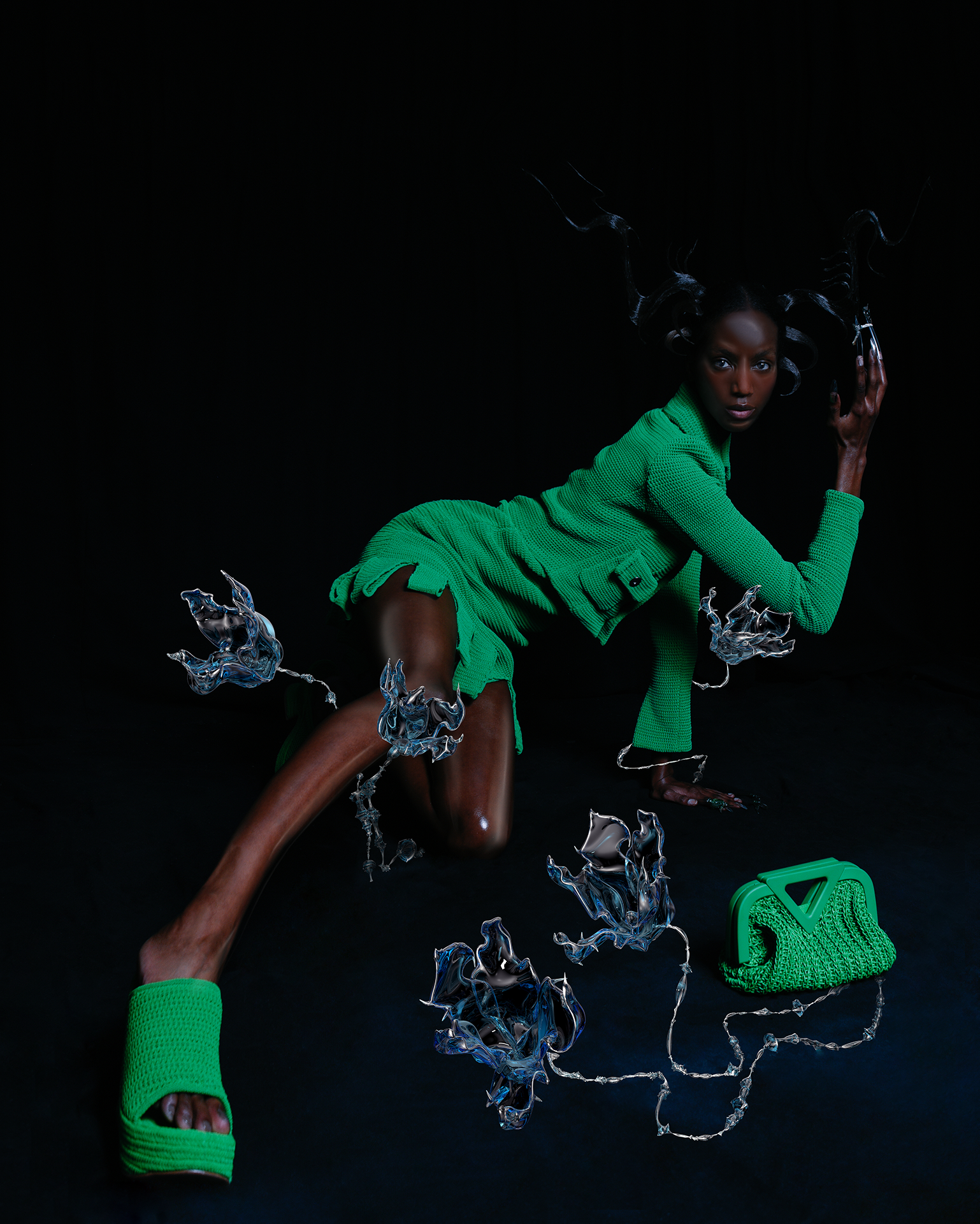
One of the latest projects I took part in was an editorial story for Vogue Portugal. Although they were shooting with actual clothes on a model, Baby G – taking care of post production – and I embedded CGI Elements onto the real Image afterwards. Glass flowers, abstract swirls around the model… We also recreated the model’s face in 3D and added more elements onto it: the point was to create a mixture of her real self, with her digital identity. This is the kind of photo compositing I love the most. It demonstrates the incisive ambivalence between real and virtual. Another project I have recently been working on was a collaboration with the fashion brand A BETTER MISTAKE. Being commissioned to make a video, I redesigned their real pieces in 3D, created an Avatar model for them and placed the product in a fully digital landscape.

What are the perks of digital design? And the cons?

The ultimate perks of digital design is the absence of waste. It is also a whole new creative world. There is nothing you can’t actually do: you are completely free when it comes to your choice of material, setting, environment, model, movement… It is also an amazing opportunity for young aspiring – fashion – designers: the digital realm allows you to showcase your work without the economical effort one would face when producing a collection in real life.
On the other hand, new challenges regarding the environment such as electricity consumption, are coming up. Also think about NFTs, and the usage for the end customer: it is still very limited, as ‘body tracking’ is still evolving.

Taking into consideration the advent of NFTs and the marketing aspects related to it, where do you portray fashion within such instances?

I believe NFTs are enabling digital fashion pieces to be an art piece on their own. NFTs in general give artists the opportunity to make money out of their practice without having to depend on clients or commission work. Through such a marketplace, customers are able to own something special, a unique garment, just like it is in real life with couture pieces or limited editions.

How does technology affect the value of design?

Personally, it adds value and sets designers free from real life restrictions. Creating digital art or digital fashion is a real craftsmanship: the hours of work, the challenges and the design that goes into a digital dress should not be underestimated.
Furthermore, through the world of NFTs, technology is now able to really display the monetary value of digital art and, eventually, make it tradeable.

Can CGI technology determine the way people look at tangible products? What do you believe to be its impact in culture?

When it comes to marketing campaigns, CGI technology can transport a lot of emotional storytelling. It gives you the opportunity to showcase anything you feel could fit within a specific story, it allows you to enhance the tangible product at its best.
CGI can also create products that don’t even need, nor can, tangibly exist: when it comes to face filters, or digital makeup, the asset of possibilities is countless. A great example is the work by the amazing 3D makeup creator Ines Alpha.

When it comes to face filters, especially those not intended with artistic value, the idea of ‘optimizing’ the face remains. This has definitely an impact on our culture: it manipulates how we look at ourselves, how we think of beauty.

On another note, it is clear that reality, and the virtual world with its identities, are fusing unstoppably. Our digital identity is part of ourselves, and vice versa. With the rise of our digital being and identity, there is a whole new culture emerging.

Could digital design contribute to sustainability in fashion?

Definitely! There are plenty of aspects that can contribute to sustainability in fashion. Think of production for example:

“sampling & fitting can be done digitally, design choices can be tried and decided digitally, the whole, before producing the final garment.”

Campaigns or editorials can be done digitally. Alternatively, travel could also be avoided by shooting the story in a studio, to later add a CGI background to it.

Thinking of social media presence, it offers people the opportunity to sustainably express themselves: ’the digital’ in fact reduces consumption and the impact of fast fashion.

Finally, where will your practice lead you next?

A new chapter is starting for me at the moment. I just finished my Master thesis and I can now fully focus on working and creating. I am currently working on a project with The Fabricant, which is really exciting to me. I have always dreamt of being able to join their vision and create something together with their team.

Credits

Images · Nina Doll

DGN Studio

“Light is always the starting point for all our projects”

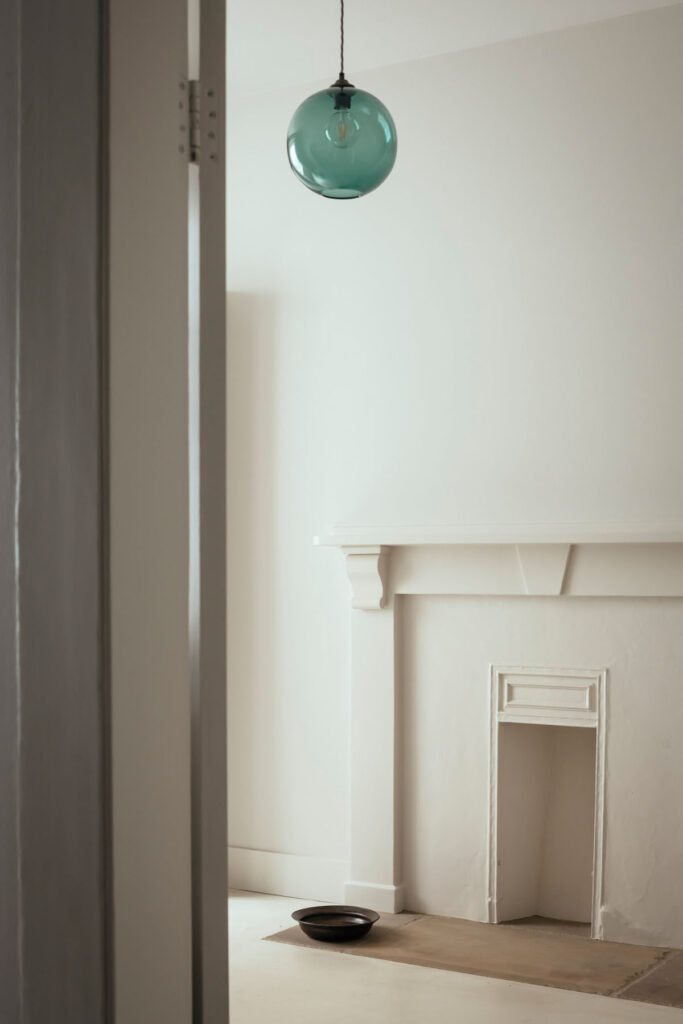
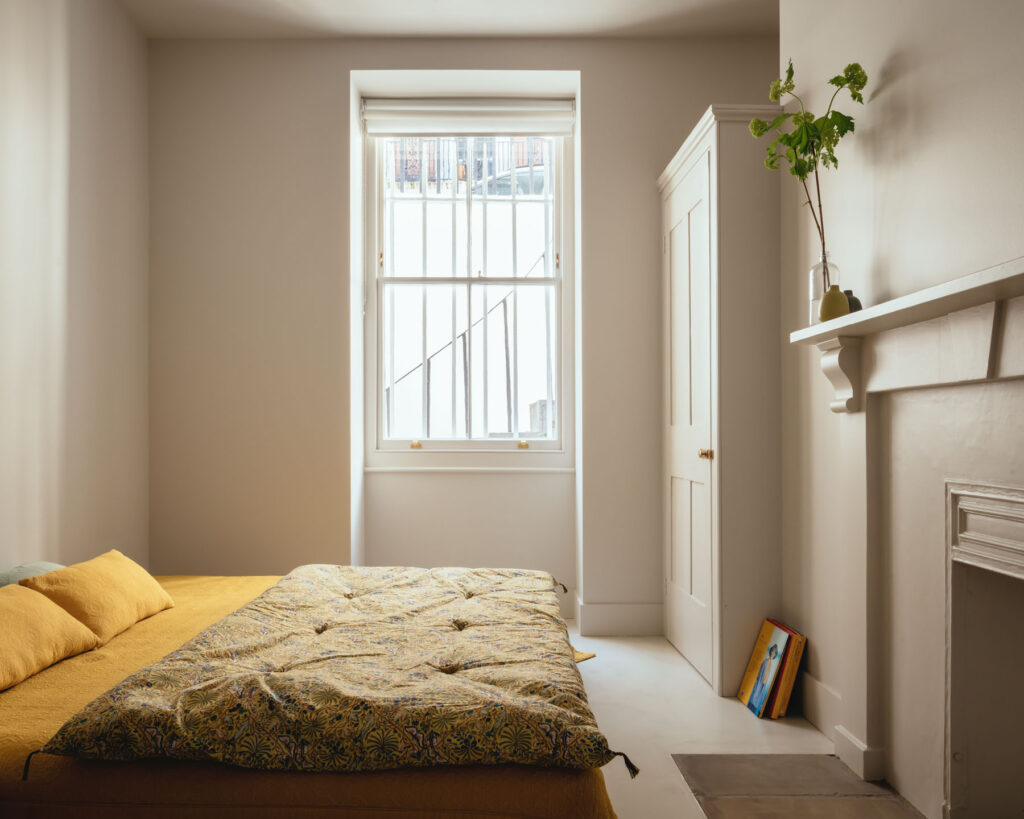
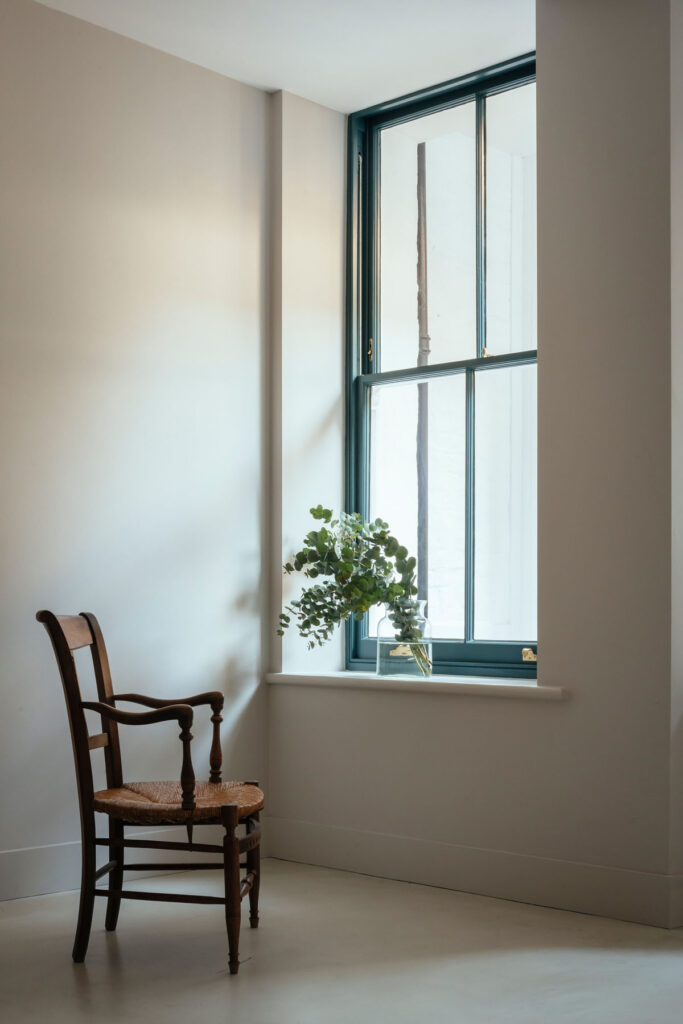
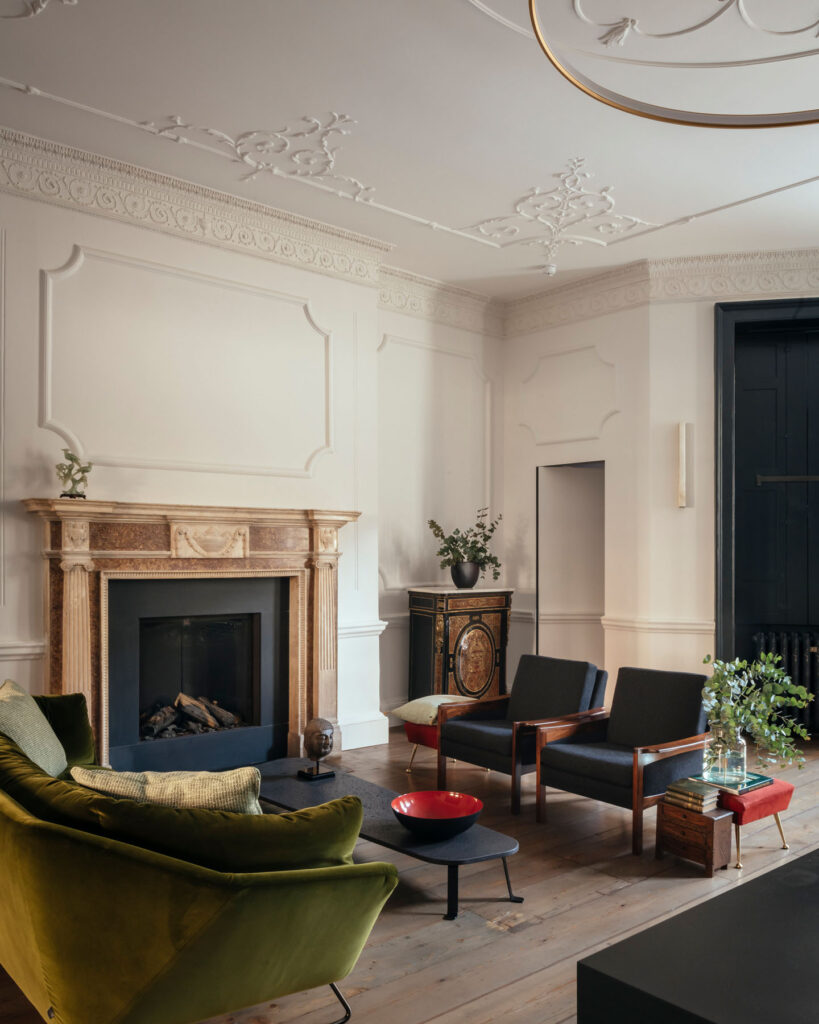
Founded in 2016 by Daniel Goodacre and Geraldine Ng, DGN Studio crafts customized objects and spaces informed by utility and the context of their surroundings – an approach to design that is instilled with a deep sense of care and attention to detail. The architecture studio aims to enhance the everyday living experience of their clients, and advocates for a carefully considered use of materials. 

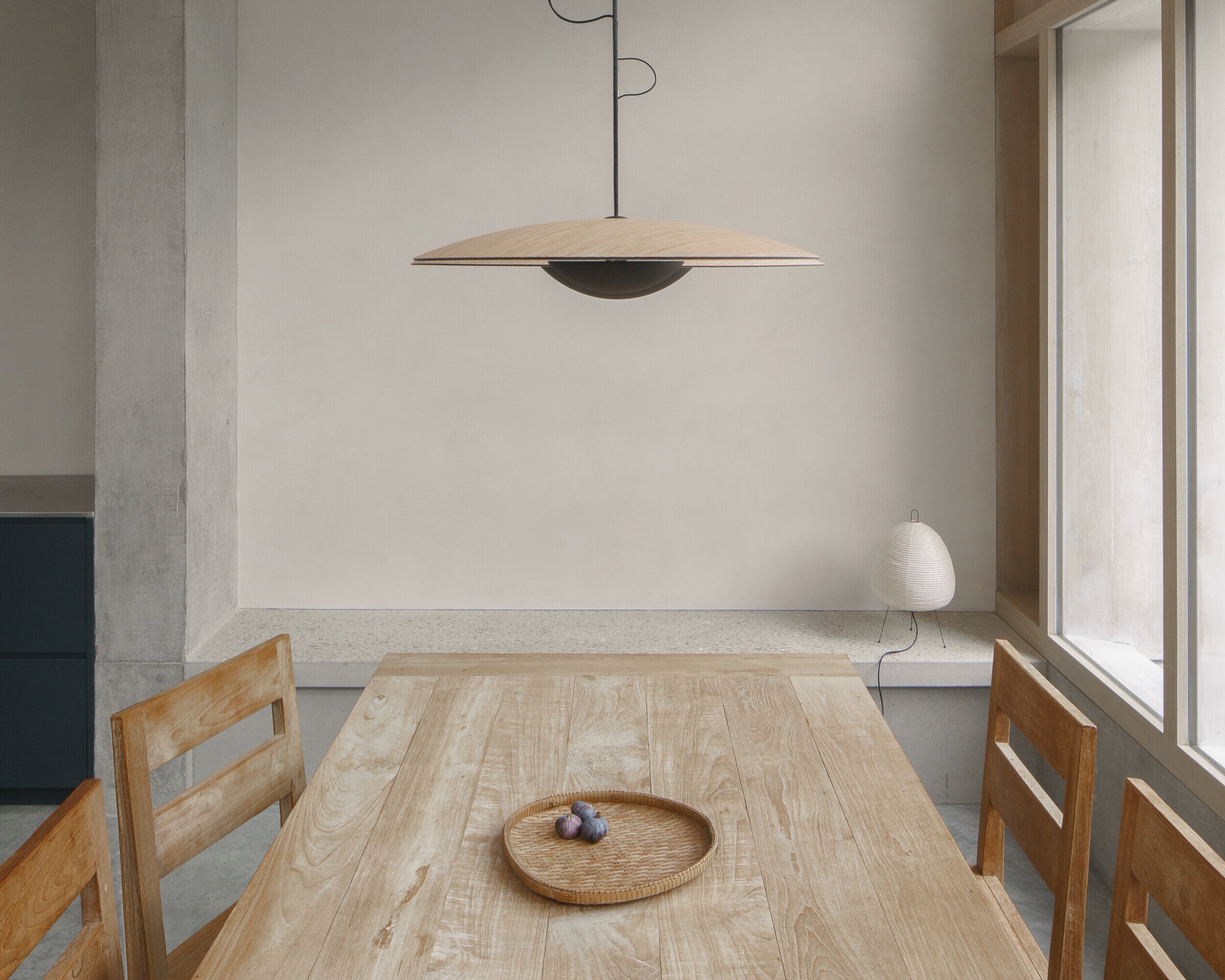
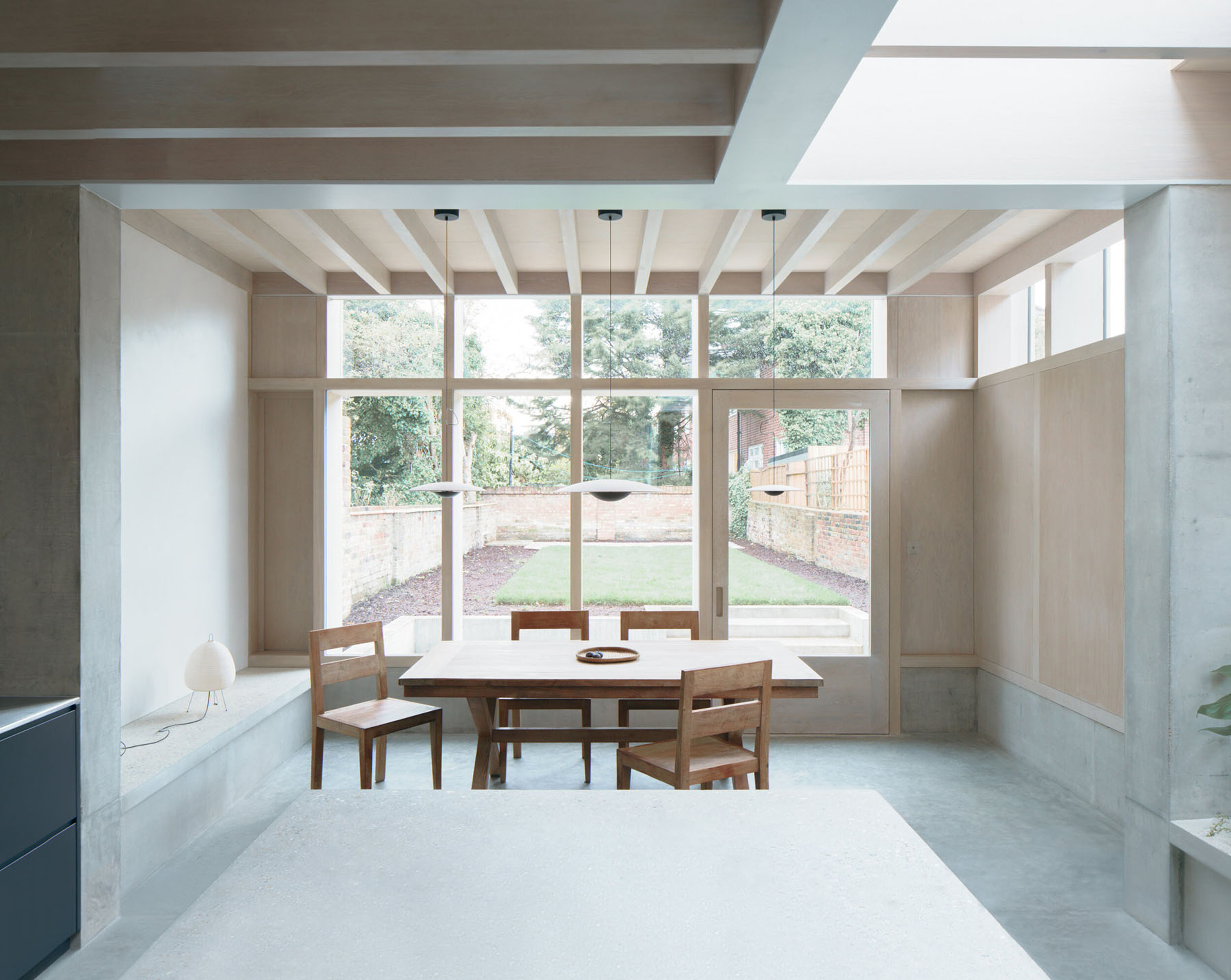
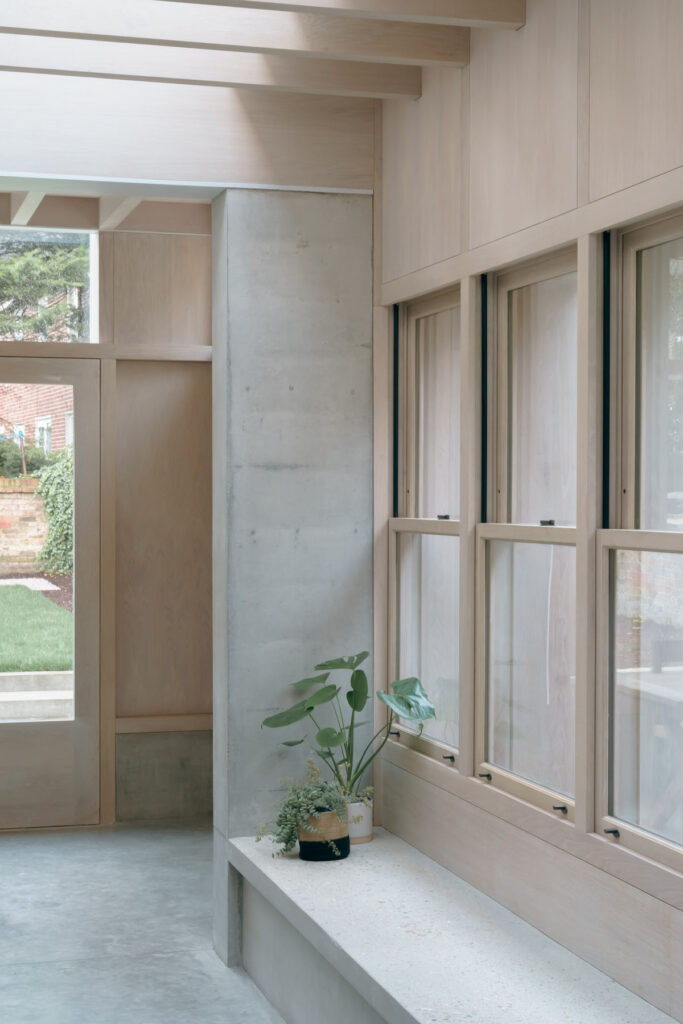
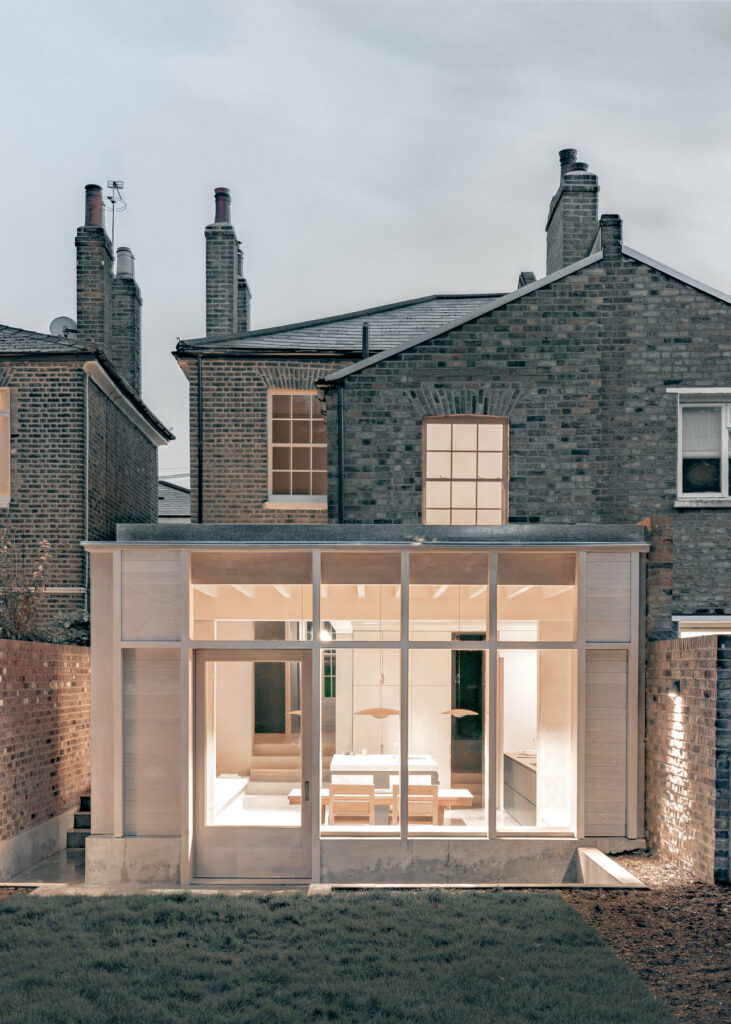
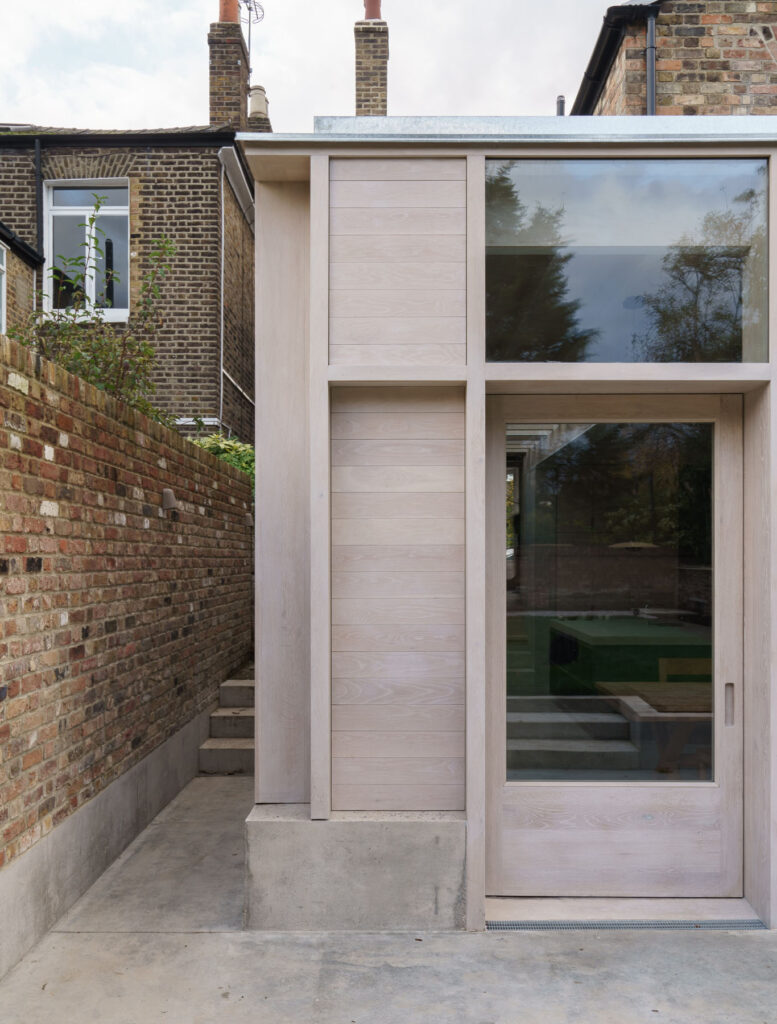
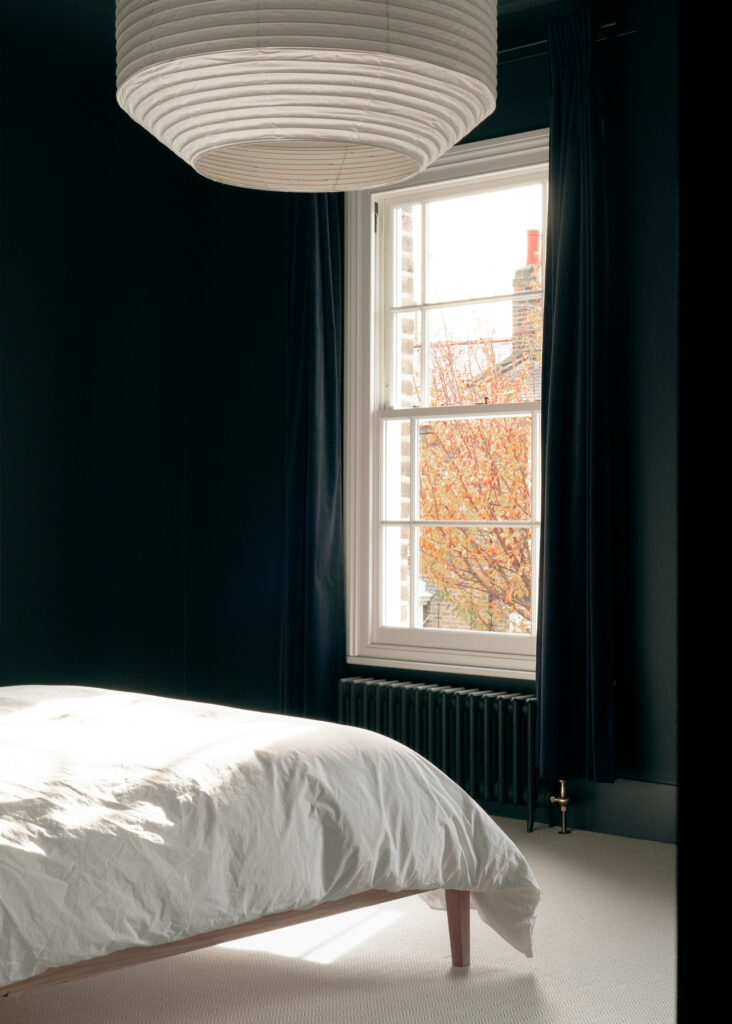
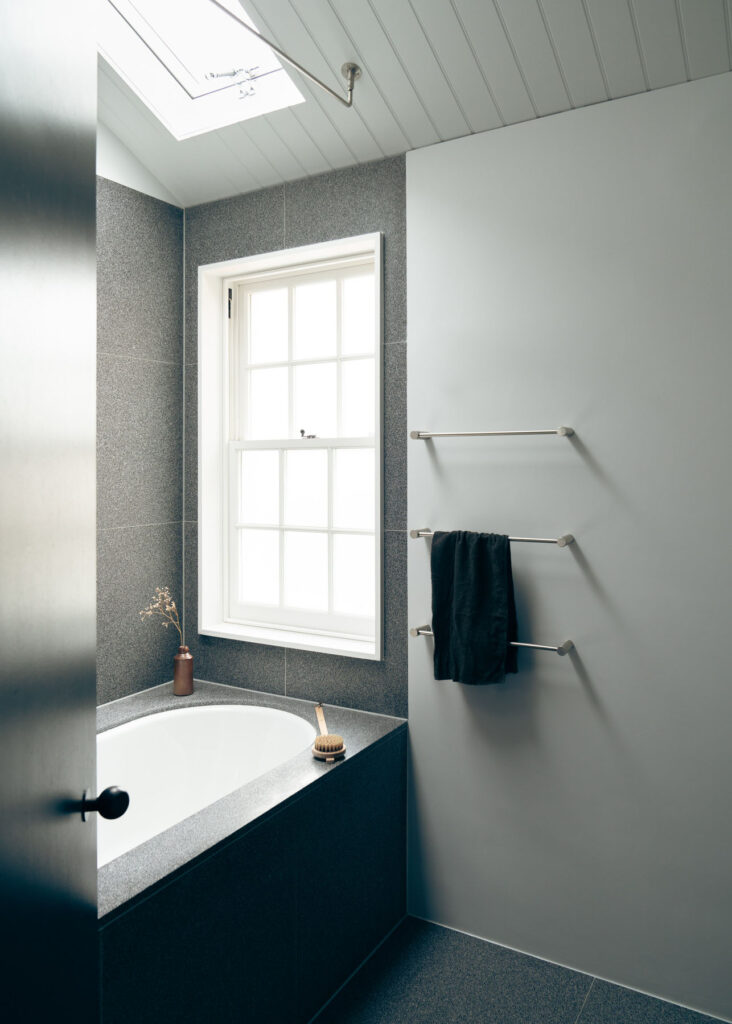
The studio’s 2020 Concrete Plinth House project is located in the London borough of Hackney, where a dark Victorian semi-detached house has been transfigured into a sleek and leisurely brutalist-inspired home. The terrace is grounded on a dense concrete base, yet feels light and serene, featuring clean, minimalist surfaces. Commissioned by a young couple to transform the house into a modern family home, the project extended and opened the property to include lighter-touch renovations that show off the beauty of the materials used, such as concrete benches and wooden beams, all working in a simple aesthetic and functional harmony.

NR Magazine speaks with DGN Studio to get a deeper insight into their design values and to discuss the details of the project.

For this project you were tasked to create a versatile and leisurely space – what initially sprung to mind when you began to conceptualise the house? 

Making a space that could accommodate gatherings of different sizes seemed to require a degree of flexibility. We had conflicting thoughts at the outset. We wanted to make a space that could be used in different configurations, but also a desire to create something with weight and mass that felt very firmly grounded in the site. 

In the end the flexibility was achieved not by moving things around, but from being able to occupy the edges of the space – the steps, perimeter walls and benches which provide lots of options for how they might be used. This allowed us to really explore the feeling of permanence created by these various concrete surfaces and plinths. 

We also had an early idea about the timber frame as a kind of screen or filter between the interior and exterior spaces which in this instance seemed a more helpful concept than that of placing windows in a wall. 

What was your approach to working with the original features of the house? 

We wanted the new addition to resonate with the existing house in a subtle way, such that it could have a definite character of its own. 

The best rooms in the existing house had a tall proportion and we liked these spaces as distinct rooms that suggested specific purposes or activities. We wanted the new spaces and layout to maintain this feeling of a series of rooms while also opening up long views throughout the house, pulling light further in and creating a better flow through the spaces. The level changes in the floor and ceiling help distinguish the different ‘rooms’ of the new space. 

We paid attention to the details of the house such as door handles, window furniture, and curtain rails and commissioned Dean Edmonds to design bespoke pieces that sat comfortably in both the new and existing parts of the house. 

The sash windows running along the side elevation are a nod to the original glazing and add to the resonance between new and old. 

Were there any influences for the project? 

There is no overarching reference point – there are loads of influences that come in at different points of the project for specific reasons. Mostly it is about identifying a particular atmosphere that is right for the space. 

Developing the project is about navigating a course through the different parameters that emerge at each stage – starting from conversations with the client about their lives and desires, to their budget, planning restrictions, and then developing the details of how the building is put together with the skilled craftspeople who actually make it. All this time we are trying to hold onto that desired atmosphere and make sure that this still emerges at the end of a very long process.

You can really sense a harmony and a celebration of materials with the project- was this something that was particularly important for you? 

Absolutely – the material palette is really the stuff that the building is made from (predominantly oak and concrete). We were keen to keep the number of finishes relatively limited, and for the different materials to contribute to the serene atmosphere of the new space. 

We generally favour a relatively subtle material palette not because we don’t love colour, but because we tend to find that colour comes best from all the life that takes place inside the space rather than from what we have designed. The building is not the main event! 

How did you go about prioritising light and space with the project, especially in an older building and a tight urban site? 

Light is always the starting point for all our projects. How the sun moves around the site and how to choreograph spaces in relation to this. 

Extending a house can create problems with light due to the resulting depth of the plan so it’s really important to consider how the existing spaces will be affected. As a result, we have opened up views through the house so that you can see the garden from a number of locations and pull in as much light in as possible. There is also a considered contrast between light and dark spaces passing through the dark snug that sits between the living room at the front and the kitchen/dining room at the rear enhances.

We were also very conscious of not overexposing the interior, and the positioning of the glazed panels in the extension was carefully considered to get the balance of lighting right and to prevent the feeling of being in a goldfish bowl.

Were there any existing structures or materials that influenced the design? 

There’s a whole library of projects floating around in our heads – the ones that rise to the surface will depend on the client, the brief and the site. We also try to resist becoming diverted by all the things we’re looking at and trust our intuitions which are of course built on all the things we’ve seen and appreciated. 

How do you get inspired when starting a new project? 

There’s so much to draw from in any new project, no matter how small it may be – every site has its own history, and every client has their own unique story – trying to get under the surface of how the clients live (or would like to live) is really important and provides lots of starting points. 

We’re also really inspired by the city we live in and how it has developed over the centuries – just a bus ride through it is enough to generate a whole raft of ideas. Of course, inspiration often comes in more oblique ways through art objects, music, books, landscapes…

What’s your usual process in developing a design concept? 

It always starts with a plan and lots of sketching to try and explore the intuitions that we have about the project. From there we like to try and get as quickly into making models as we can – often digitally first, but we always like to make physical models as well. So much is discovered and can be tested in the making of them, and they always resonate well in describing ideas to clients. 

Throughout the process we also like to have workshops with clients – sitting together around a table and discussing the ideas – the project is always a collaboration, and this is fundamental to the way projects develop.

DGN Studio is currently working on a number of residential projects across London, as well as designing and making furniture and interiors.

Credits

Images · DGN STUDIO
www.dgnstudio.co.uk 
Photography · NICK DEARDEN FROM BUILDING NARRATIVES

Jean Dubuffet

Chaotic yet vibrant visual tumult, mirroring the hectic pace of life in the last quarter of the century

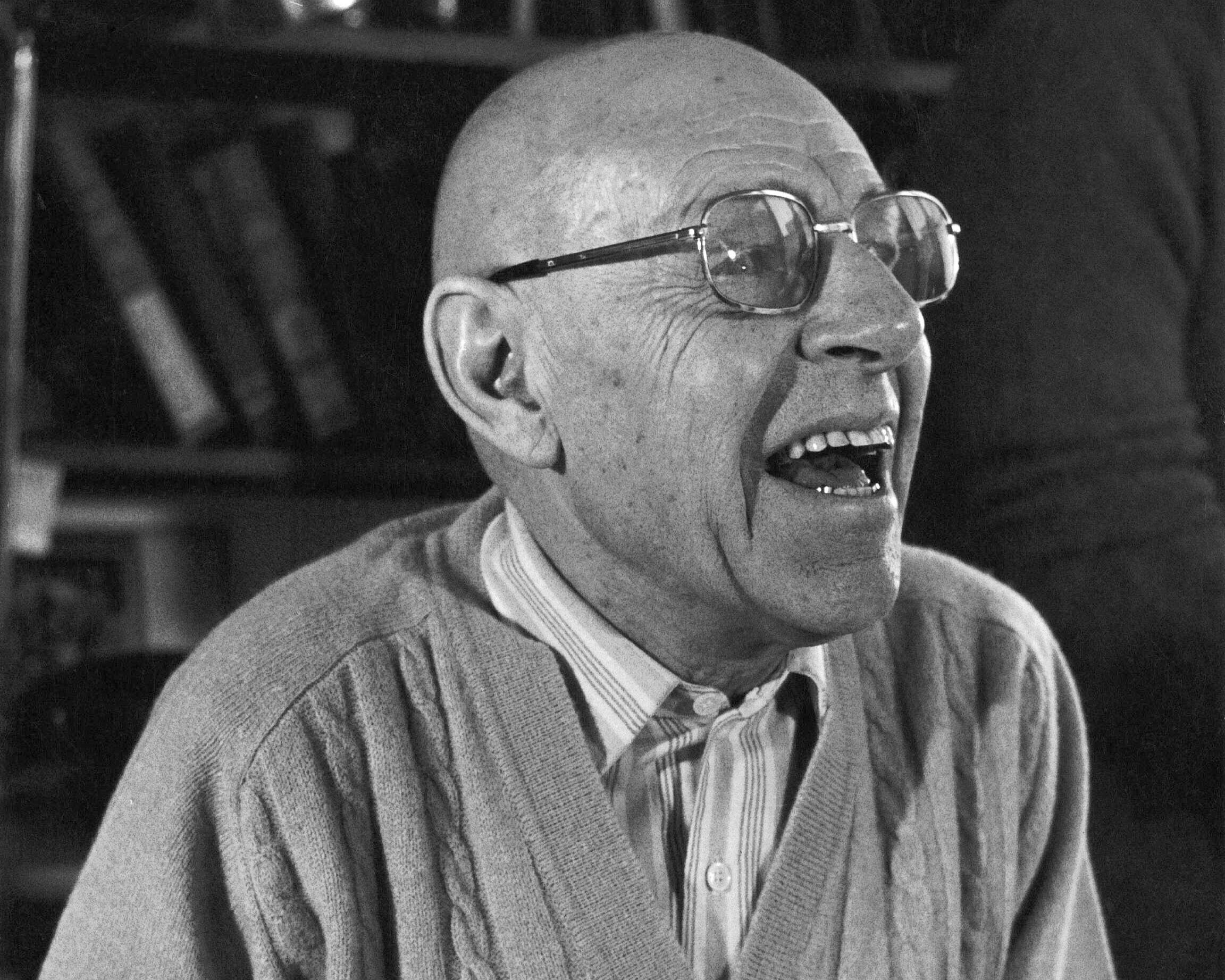
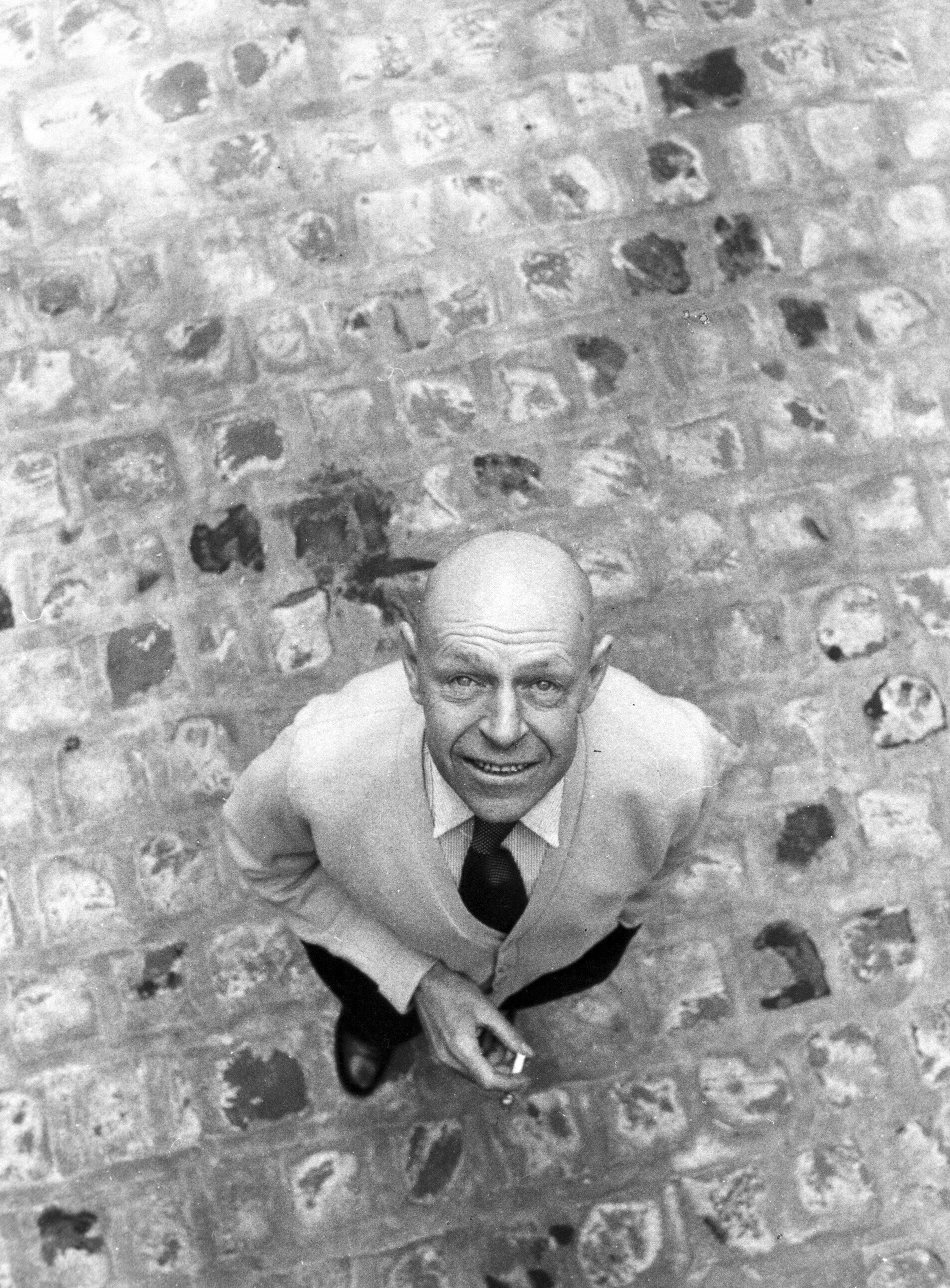
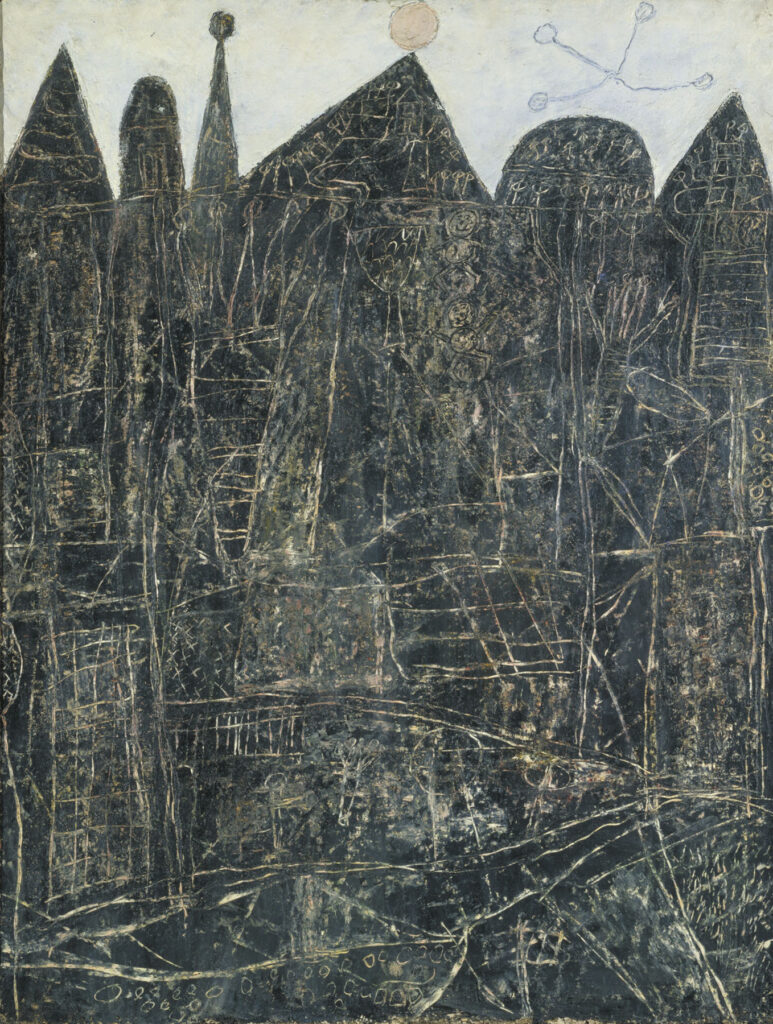
Barbican Art gallery presents ‘Jean Dubuffet: Brutal Beauty’, the first major UK exhibition in over 50 years celebrating the career of Art Brut pioneer Jean Dubuffet. The exhibition explores Dubuffet’s rejection of conventional notions of beauty in favour of more subversive forms and presents the artist as a multifaceted innovator of the immediate post-war period, adept at translating his creative vision through a vast range of artistic mediums, creating works out of mud, glass and cement.

Walking through the exhibition, visitors can track the course of Dubuffet’s career, as his practice and inspiration evolves and progresses. Abundantly inventive and playful, Dubuffet’s oeuvre includes assemblies of butterfly wings, scrawled illustrations, viscous and visceral painted landscapes and female nudes – monstrous and captivating – that all come together as a chaotic yet vibrant visual tumult, mirroring the hectic pace of life in the last quarter of the century. 

A defining feature of the exhibition is Dubuffet’s variety of technique and materiality. His work prompts a unique kind of introspection and contemplation, as he captures the sombre essence of the post-war period. Dubuffet’s scenes and caricatures rail against traditional ideas of beauty and capture the beauty of the mundane and something in a gritty and poetic way.

The exhibition is on at the Barbican until the 22nd August.  For more information visit Barbican

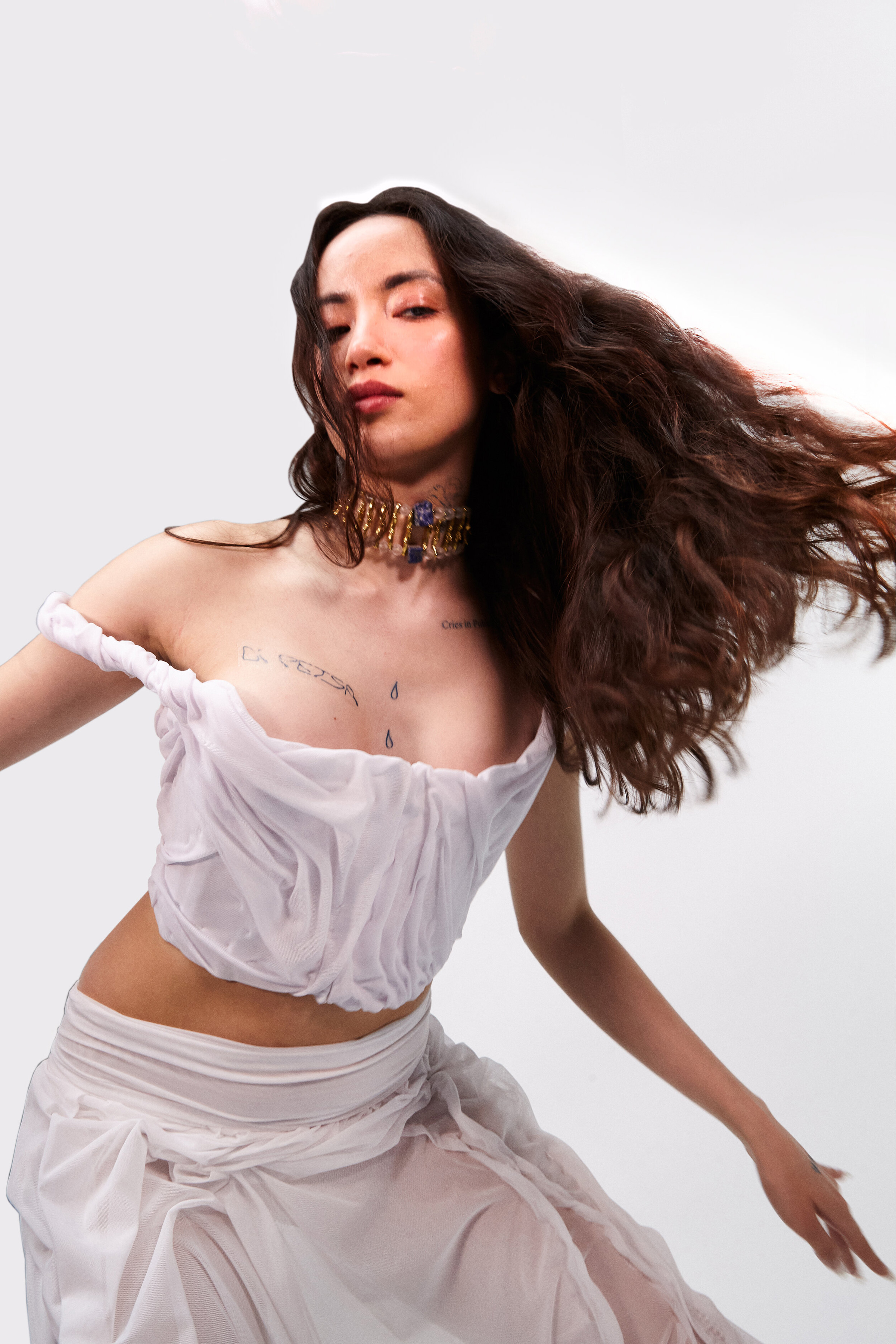
Di Petsa

“There is a  censorship of our bodily waters: the fact that we are wet, the fact that we come from water is something to be hidden.”

When thinking of contemporary design and consumerism, the idea of social engagement is probably one of the most important factors in distinguishing the greatness of a creative mind. Dimitra Petsa, Athens based designer, and founder of the namesake brand DI PETSA, is a clear example of it.

Following her graduation from MA Fashion Womenswear at Central Saint Martins, the designer set back to her city of origin to establish her own label, a creative platform that pursues cultural support to women. “My long term aim is to be able to provide jobs for these women, to facilitate the training of younger people, in order to preserve crafts in the future.” admits the designer.

This past week, Dimitra Petsa sat down with NR magazine to look back at her roots, inspiration and ideals. Advocating against cultural taboos of wetness, the designer explained her intent and ambitions for her label: community based projects, performances, workshops and a publication too. Blending together performance art, writing and ancient design techniques, the brand is fighting against shame, promoting an empowering vision of femininity and WETNESS. 

For those who may still not know you, would you like to tell us a bit more about the brand and how you started your career as a fashion designer?

I grew up in Greece, around my grandmother who ran her own tailoring school, and this is where I learnt to sew and construct a dress from a very young age. I think this experience has influenced the way I see fashion in general, from the point of view as a seamstress who works with her personal clients, rather than its normative context. I admired her deep connection with her clients. While the fabric was pinned to the body there were secrets, tears, laughter… I craved this deep intimacy between the designer and wearer, which I first got to experience while developing my final collection at Central Saint Martins. My models would run around the studio naked, share personal stories, and discuss philosophy to help with the design development. One moment we were laughing, the next one crying: I fell in love with that process of design, an exercise based on personal experience and interaction.

How has your brand developed since your graduation at Central Saint Martins back in 2018?

The ethos of our brand is centred around the ‘Wetness Theory’. It has remained the same, and continues to be a focal point of our design inspiration. Each collection explores this through new viewpoints: looking at the evolution of the journey of a woman, her relationship with water, and how she is becoming more accepting of her bodily waters.

For the SS21 collection, titled Self-Birth, water is examined as a vital force of life, and re-birth, that allows introspection, and ultimately self-reconnaissance. With a focus on Maternal waters, and the journey to self-healing, the film displays the vision of a woman floating on water, representing the act of transcending – an ecstatic self-birth.

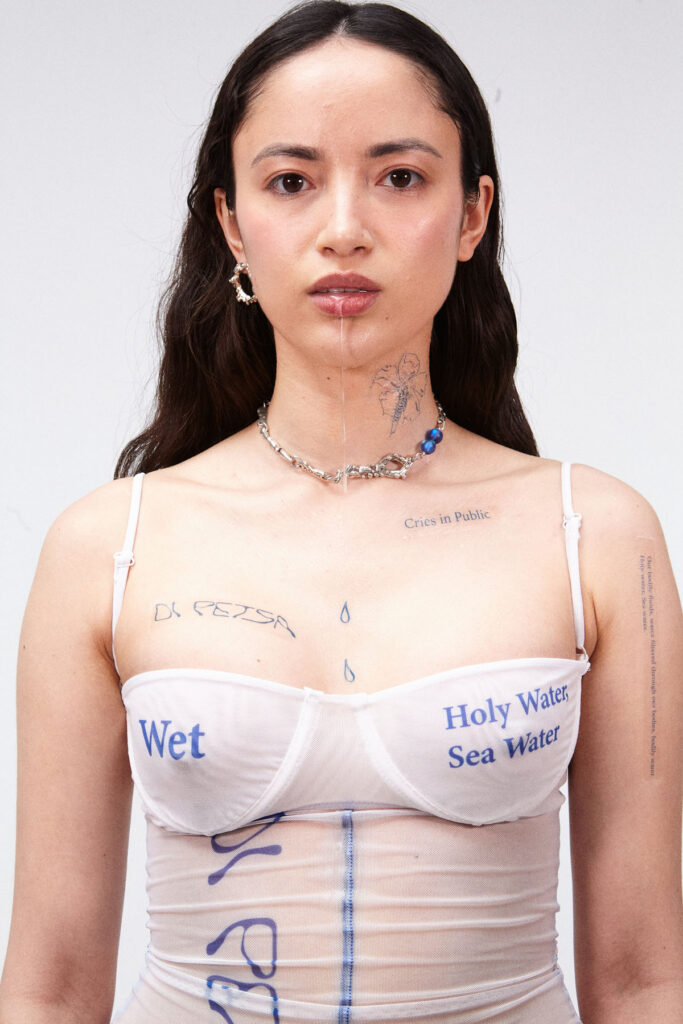
Our AW21 collection, titled “I am my own Mother”, is inspired by the devotion of self-mothering. To love one-self unconditionally, embracing the strength that comes with self-acceptance of our Bodily Fluids: Water filtered through our bodies, Bodily Water. Holy Water, Sea Water. After last season’s collection centered on ecstatic birth, we now look to a transformative future, harnessing the power of self-love for unashamed self-expression, with the aim of strengthening the connection to our physical and immaterial self, water.

How do your origins inform your work?

To me, the sea has played an essential role in growing up. My hometown in Greece is next to a harbor, meaning I could always hear boats leaving the docks from my bedroom. I find sea healing: to me it feels like home, it has played a big part in my research and creative practice with the DI PETSA brand.

In terms of cultural influence, I am very interested in exploring antiquity, how it coexists in contemporary culture, and how we communicate our relationship with the past in general. Greek mythology and practice inform my designs. For SS21, we developed a golden prayer corset that’s entirely hand-embroidered with materials traditionally used in Greek orthodox priest-wear.

Lastly, craftsmanship, sustainability and textile innovation are very important to me. I am very moved by the dying art of traditional greek craftsmanship. I would love to find a way to preserve it, to interact with it in my designs. For our latest AW21 Collection we have been working with a local group of women in Athens – the Lyceum Club of Greek Women, an organisation founded in 1911 – who work towards preserving traditional arts, including embroidery and lace making. For our latest season, we created our first collaboration together. My long term aim is to be able to provide jobs for these women, to facilitate the training of younger people, in order to preserve such crafts in the future.

I see Di Petsa, I think WET DRESS. Can you tell us about the inspiration behind it?

The Wetness theory behind the brand evolved during my time at CSM. I was conducting eco-feminist research, investigating the relationship between Women and water, Women and their bodily fluids. The idea was to create a vision of a totally wet woman, fully accepting she is coming from water, and of her wetness. Our goal in fashion is to allow people to be unashamedly wet. To create beautiful work that can inspire others to consider nature as something of our own. Our bodily fluids. Water filtered through our bodies, bodily Water, holy Water.

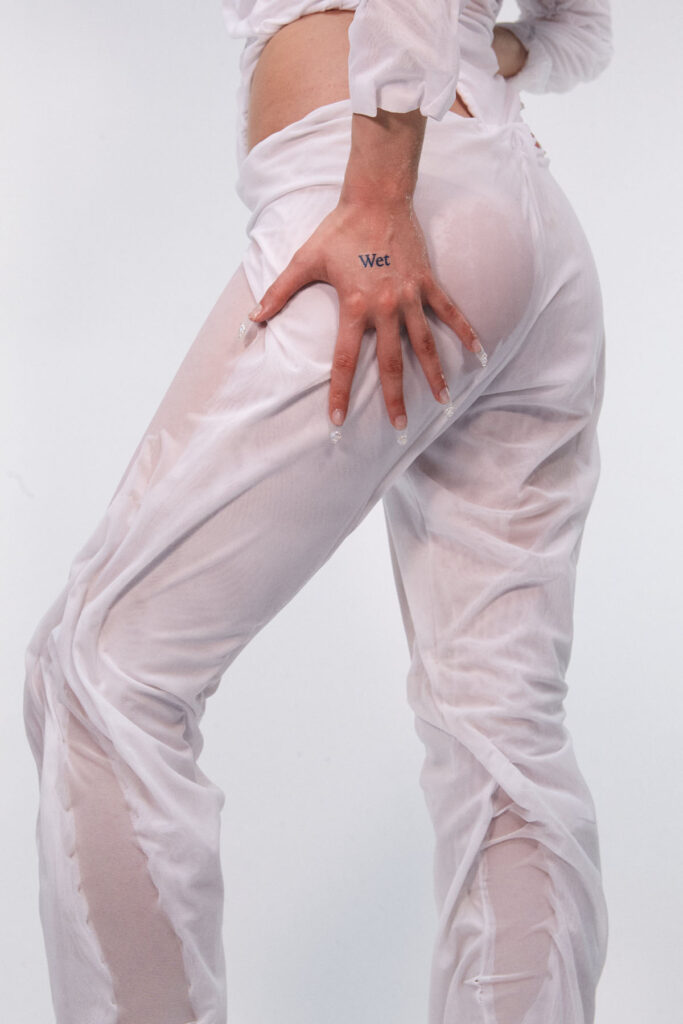
The Wetlook comes after an original technique that took 6 months to develop during my master’s years at Central Saint Martins. Its conceptualization started from a series of performances I was doing for my BA years studying performance, design and practice. I had a woman dressed in water walk across Athens and that was the idea I wanted to crystallize: somebody wearing their own Wetlook could be part of this water performance without actually having to be wet.

Where does your work stand in relation to Feminism? 

The brands Wetness theory seeks to subvert the idea of shame of natural bodily fluids. By re-narrating their physical and philosophical context – a notion that is unapologetically on display through our Wet Script Mesh collections, with poetic scripts, such as “Cries in Public”, “Holy Water, Sea Water”, “Wetness”, digitally printed onto the surface of the mesh garments – our mission aims to inspire the wearer and act as subtle reminders in the performance of their everyday life to embrace their wet self.

Through our work we aim to create a new narrative around bodily fluids and the female body, a subject that often remains taboo in mainstream media. We want to make women feel comfortable and empowered in their natural self, something which we are conditioned and told through the media to change and mould into what society views as the “ideal” vision of a woman. It feels very sanitized and stirpped back, “if you cry in public, you must hide it, if you breastfeed in public, you must hide it”.. There is a  censorship of our bodily waters: the fact that we are wet, the fact that we come from water is something to be hidden. Shame is a self-inflicting punishment. This research, which has resonated with a lot of other people, is to this day a personal healing journey.

Your work also penetrates the realm of performance, how does such practice enable you to spread your voice?

I knew I loved fashion, but I was also very interested in performance art, theater and film, and I wanted to acquire skilIs that would develop my artistic practice and bring new viewpoints and inspiration to my fashion education. I did my first degree in Performance Design and Practice at Central Saint Martins. When I graduated I continued onto the Masters in Fashion Design Womenswear, and that was where I really combined all my skills and interests into one practice: couture fashion practices, textile development with performance, sustainability and film.

Both performance and art are so important to my work and creative practice. I am very involved in my work: it is something very personal to me. The relationship between model, designer and viewer is very interconnected, that’s why I always take part amongst the performers in my shows, exploring my vulnerability and body expression, alongside their exploration. Through these intimate moments, and the overcoming of shame, I can really tap into my creative side, and create work that comes from a deeper place. Work that is authentic to me and my experience. For us, a garment worn with intention and connection to a deeper emotional message, is one that will resonate and last with the consumer.

At DI PETSA, we are working on many different creative projects aside from the RTW collections. We recently launched a book, titled WETNESS: A Script of bodily Fluids, which I wrote and also illustrated. The book consists of 7 chapters exploring 7 bodily fluids: Saliva, Tears, Breast Milk, Vaginal Fluids and Semen, Sweat, Blood, and Urine. The writing is a merge of scripts for a filmed performance and poetic text which aims to create an alternative narrative for bodily fluids.The book includes direction notes, rehearsal exercises, diary logs, and fashion illustrations offering a behind the scenes eye to the Wetness concept and the performance work at DI PETSA.

We also run monthly Wetness Workshops that allow our audience to deepen their connection to water at large, and the connection to our bodily waters.

What is the highlight of your SS21 Collection?

The highlight piece from the DI PETSA SS21 collection for me was the Gold Embroidered Breastfeeding Corset and Wrap Skirt. The embroidery technique was inspired by an ancient greek ritual dress often used to decorate Greek Orthodox Priest wear – traditionally worn by males – but created, and passed through the hands of women. I liked the idea of subverting this by applying the technique to a womenswear garment.

What do you hope your audience to perceive from your work?

I hope the work at DI PETSA inspires our audience to embrace their Wet Self. To find intimacy in becoming comfortable with their natural self and their fluid expressions of wetness. The Wet Script garments are a very useful performance tool for when you get out of centre, or when you want to dedicate your day to Wetness and to coming back to the home self – the sea. It can be very beautiful to just look down your chest, and read excerpts of a script that re-aligns you to your own self. It puts you back into the performance you choose to create, and not be so affected by what is around you. A wearer-performer, that’s the way that I perceive it. Someone who puts an intention forward when they wear a Wet Script garment, and chooses to connect with it on a deeper level.

What are the next steps you would like your brand to follow?

Craftsmanship and sustainable design is important to our brand, and something we want to continue to evolve within our design process in the future. We have recently started to work with a local group of Women in Athens for a special Ancient Greek embroideries series. We want to continue investing in community driven projects like this. As the scale of our production grows, we hope to employ more women. In the future, we would like to run teaching classes within our studio, to ensure the embroidery skills continue to be passed down to younger generations. We want to develop collections that are consciously designed, with investment in sustainable materials and innovative ways of designing, looking at methods of upcycling and repurposing

Daab Design

“An interesting part of our work is extracting from the client what they think normality is”

London architecture studio Daab Design is known for using ‘collaboration, inclusivity and craftsmanship’ to create the best spaces for their clients. They work on a range of projects, from small scale restorations to larger community-based infrastructure designs. NR Magazine reached out to speak to co-founders Dennis Austin and Anaïs Bléhaut about their practice. Dennis was trained in NYC and has 30 years experience designing award-winning projects in Europe and North America. Anaïs was trained in Paris and Rome and has 20 years of experience designing award-winning projects in Europe and North America. 

You have said your work reflects the cities you have lived in and the cultures you love. How does people’s approach to living spaces and housing differ from city to city and culture to culture, and how is that then translated into your work practice? 

Anaïs: I don’t think I can generalise how people in different countries live. With residential work, everybody lives differently. An interesting part of our work is extracting from the client what they think normality is. Often they will tell you to do the kitchen the normal way, but there is no normal way. You practice architecture differently in France and the UK. In France, a small office can do very large buildings, because the contractors are responsible for large amounts of the technical design, whereas in the UK the architects deliver much more details. 

Dennis: In the UK the planning policies have a stifling influence whereas in France it’s very much that there’s a strong concept which is then measured against what the policy suggests. Those differences have changed us as practising architects for the better. 

Is it often the case with older buildings, such as Unearthed Vault and Guild, that they have all suffered from ‘unsympathetic alteration’ which hide their original charm and craftsmanship? If so why do you think that is a common occurrence? 

Anaïs: It is often the case, yes, and there are different reasons for that. The first is that conservation put into law is a relatively new thing. There was an aspiration for conservation since the end of the 19th century but it was some time before it became law. The other reason that now the London housing prices are so high, interesting buildings like the Georgians, are often used as offices. Offices owners tend to not embrace ownership the same way as family homeowners do. The change of use from residential to offices is quite detrimental because the offices just want the building to be compliant and it’s not done sympathetically. 

Dennis: And the love and the charm of the existing building is at odds with its use as an office. What’s interesting now post-pandemic, is that we are beginning to consider 1970’s office buildings in the centre of the city and look to turn them into housing. It’s a whole other challenge. How do we bring daylight into those buildings? How do we retrofit? What is the approach? We have to really dissect these spaces architecturally. 

Do you think this change from offices into housing is going to affect housing prices in bigger cities? 

Dennis: It will not be the panacea where all of a sudden we’ve got this great selection of housing at all different price ranges and everyone is going to be comfortable. It will begin to change the perception and the uses. A great example is downtown Manhattan where, twenty years ago, there was a shift from office spaces into housing. It was an economic driver back then because they weren’t getting the rent from these offices. They took this buildings stock and then appropriated a new use. 

Anaïs: I think it could be a good case study to see how Downtown and the Wall Street area have been converting these offices into very successful flats. The conversion is quite interesting. The system is close to our micro house community. I think it can give some help to solve the housing crisis in London. 

I imagine there’s a lot of technical challenges when it comes to converting offices into housing?

Dennis: Yes. The biggest challenge will be natural light, how do we bring as much natural light as we need and there are ways of doing that.

Anaïs: Office building floor plans can be quite deep, with no natural light.

Dennis: But structural and service issues are less of a key problem. As soon as you start taking the building stock and getting operable windows you’re going to change everything. You will change how people perceive the space. You’re going to improve peoples health and wellbeing. Those buildings then have a natural network of infrastructure at their doorstep, whether it’s public transport, museums, culture, historic sites. If you imagine central London and all of a sudden a third of say the Leadenhall Building becomes residential, it would be quite interesting. 

With Unearthed Vault you spoke of the importance of bringing light into the space. Do you think that lack of good light is a common issue in housing in cities like London? What changes, small or big, can people make to improve that in their own living spaces?

Anaïs: Yes in the case of these Georgian houses and central London houses. It’s a bit different when you go outside that area, I’m always actually quite impressed by the small estates in the suburbs of London and how they still have a lot of natural light. 

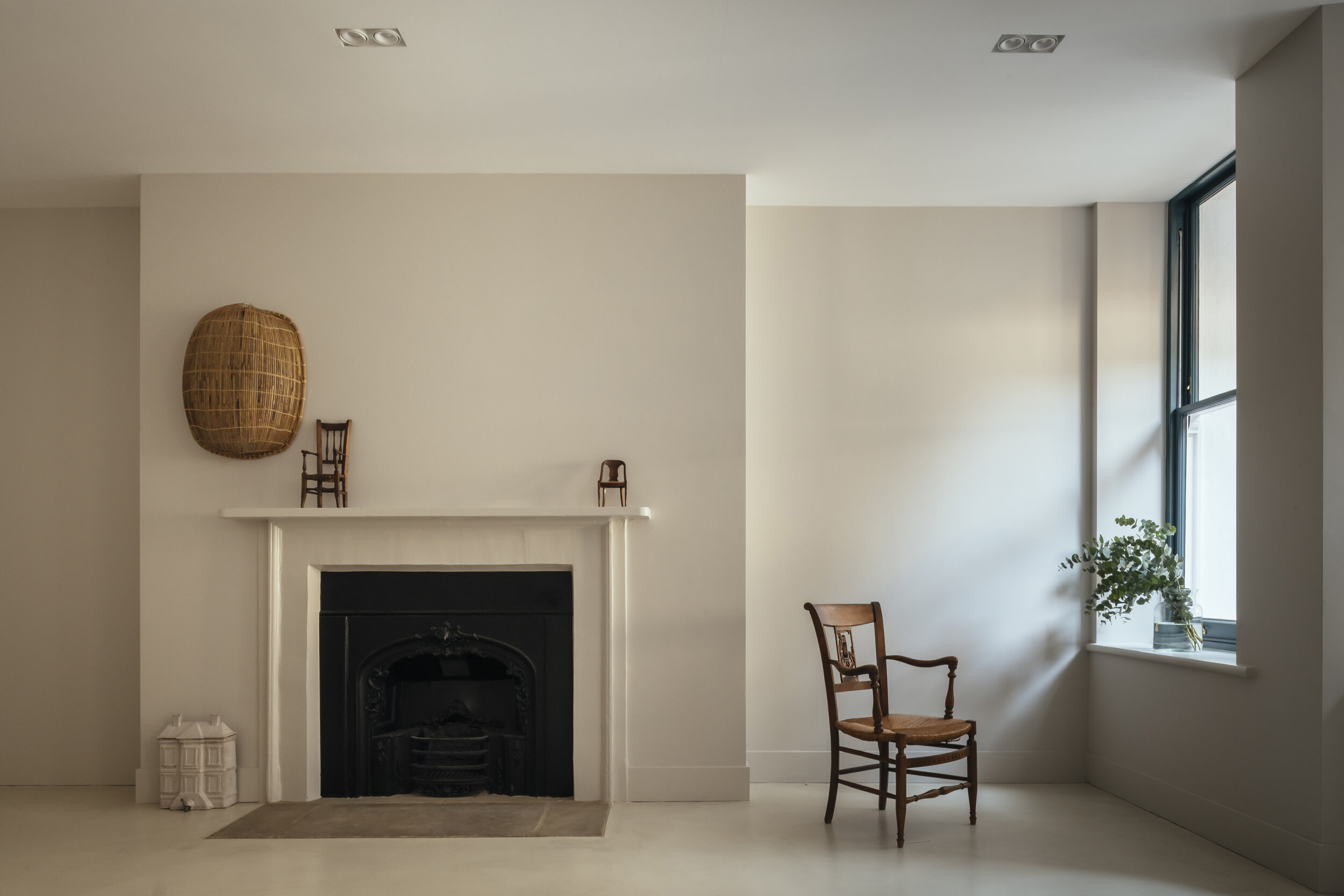
When I worked on Vault I was impressed by the original Georgian design for the lower ground floor. It was quite amazing how they have an almost fully glazed wall in the rear kitchen area where household staff were working hard and needed natural light. They also had light wells on the ceiling to get as much natural light as possible, so they don’t spend a lot of money on candles and make the most of the day. 

The problem again is the price of the property, because people tend to look for every opportunity of gaining more internal space. These light wells which are so precious for natural light are often covered to make more internal space. The first day we went to Vault I just couldn’t orientate myself in this basement, it was horrible. As soon as we demolished coverings on the light wells, suddenly you could read the building. I mean the pictures speak for themselves, it was made with zero lighting, just natural light, and it’s beautiful. People realised how much more you gain from the quality of space on the property, rather than trying to gain one square meter of prime location.

I noticed that both in Vault and Guild the use of rich, bold and often quite dark colours on the walls. Is that a trend in interior design at the moment and if so is it here to stay? 

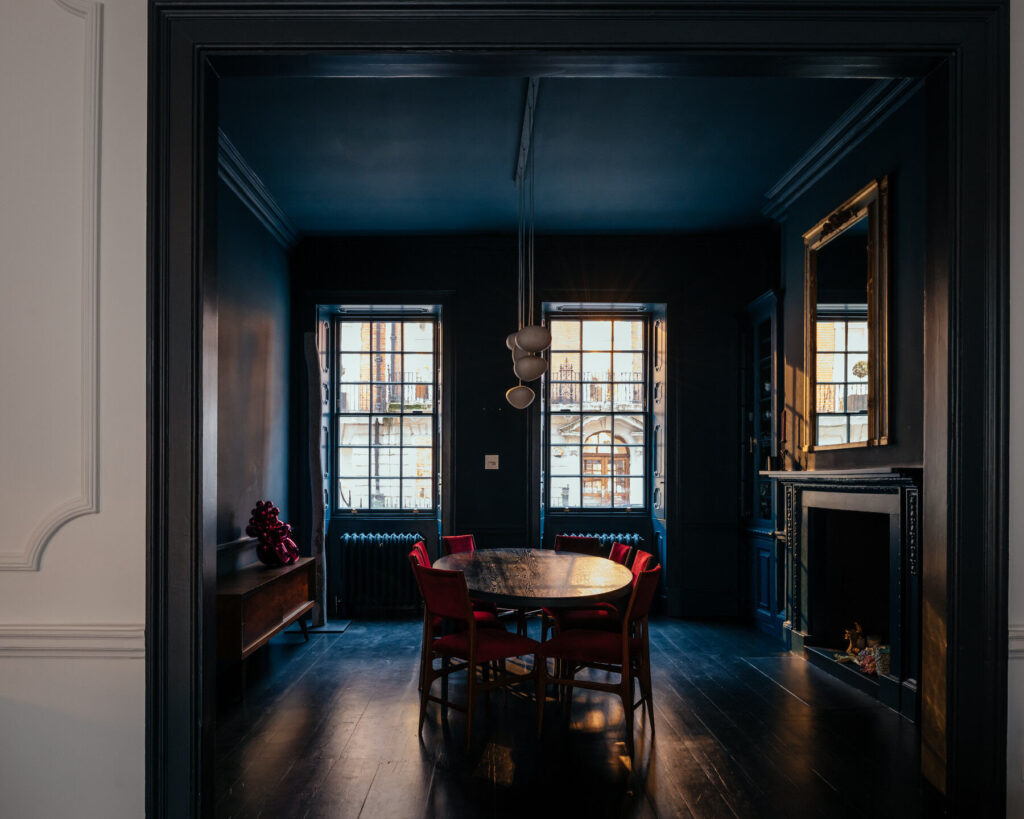
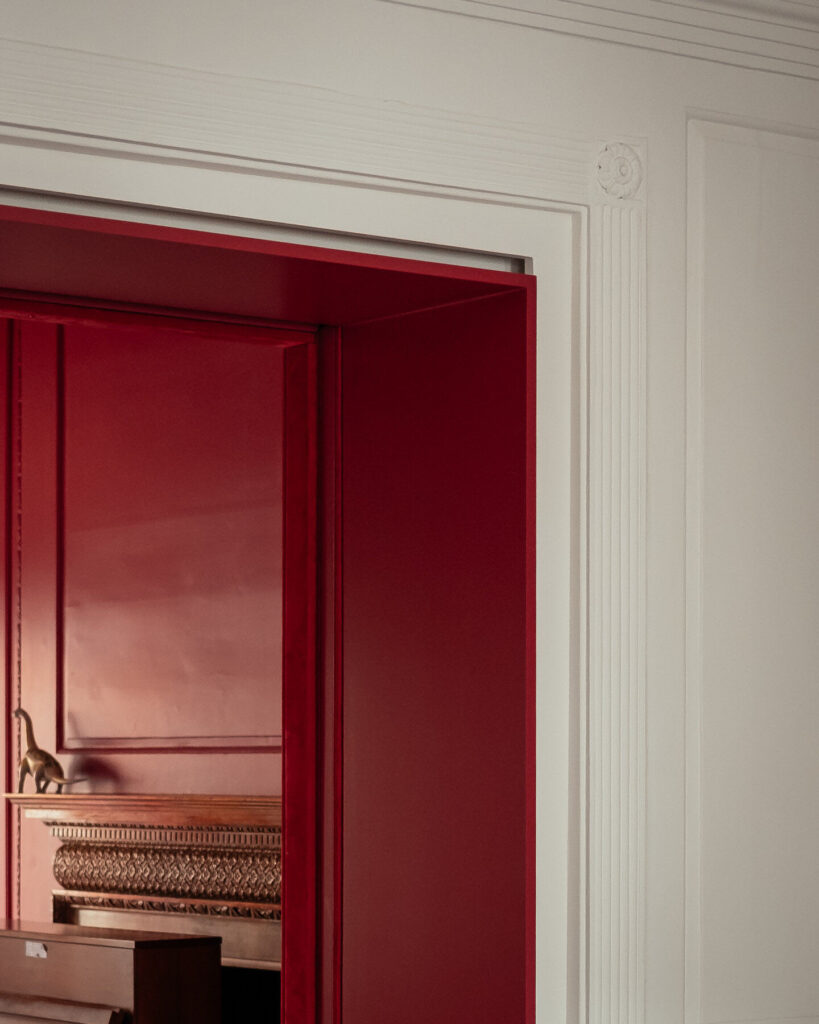
Anaïs: With these two projects, when we peeled back and stripped down the paint on woodwork we found 260 years of paint in different layers. A trend for a group of people or a society is actually reflecting the society itself. You could almost date the paint by its colour by what was a trend at the time and the Georgian trend was very interesting. Today people seem to enjoy almost the similar tones as the original Georgians did. It makes the space very vibrant because you embrace the architecture by using these tones. What’s good is you don’t damage anything if you use the right paint, so there’s nothing wrong with making the home your home with the paint you like. We choose colours that we felt were very Georgian but we incorporated in the original colour 200 years of fading. The red we chose for Guild at the time would have been a much more primary colour. When you incorporate the ageing of the colour, subconsciously you read the years as well. 

What were the most interesting colours you saw?

Anaïs: I’m always fascinated by the original Georgian chocolate brown colour. I’m less impressed with the layers of off-white or cream which flatten everything. It makes everything so dull I think. We found some black on some of the woodwork, which I wasn’t expecting but it looked very strong. I think that’s part of the reason in Guild we made the railing colour close to black. We used the colour reference called “Railings” from Farrow and Ball

When you renovate places do you feel like an archaeologist, peeling back the layers of time? 

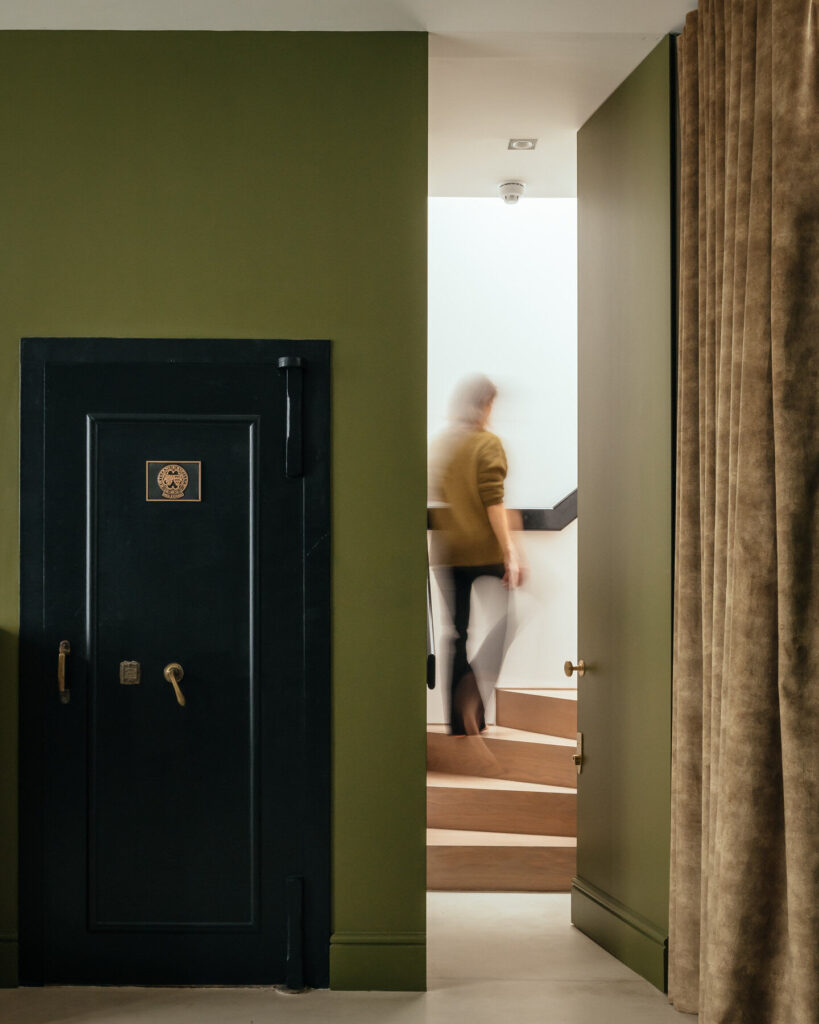
Anaïs: Absolutely you feel like an archaeologist, and you discover things. With Guild again the hallways were covered in vinyl tiles. We took them off quite quickly but we couldn’t tell if we had concrete below, or stone, or what, because the glue was so horrible. It was only after when we cleaned all the glue that we found the most beautiful Portland stone. That moment is amazing.

With Sunnyside Yards you talk about the importance of fostering community by providing public spaces and programs to encourage residents and locals to interact. However, considering how people have become even more used to isolation due to the current pandemic, do you think that simply providing these spaces and programs is enough to cultivate community in these kinds of housing hubs? 

Dennis: Just providing space and suggesting usage, no. You need the backing of the community and residents. You need the will to create spaces where people will get together and foster well being. On the other hand, if the architecture doesn’t permit that, then you haven’t permitted that ability for people to take ownership of their own spaces. For years we were talking about how spaces are too small. We design everything down to the square centimetre and it’s cost-driven. But that doesn’t work, we need to provide housing that has greater access to exterior spaces. Not just a single tack on balcony but also communal exterior spaces

I think some really successful projects now are making landings at floor level where not only can you store your baby buggy but there are benches where you can sit you can chat with your neighbour. So the idea of saying ‘in this space people will feel good, this will be a wellbeing space’ doesn’t work. I think people now, post-pandemic, are thinking about how we can collectively figure out what to do with these spaces. We are no longer waiting for the governments to tell us this. And with Sunnyside, that’s what we tried to do, by creating these second-level podiums with these collective spaces again at lift landings. As you leave the lift you have access to an outside terrace, before you get into the corridor leading to your flat. 

When you work, how you keep in mind the importance of providing these spaces for fostering community and include that in your design? 

Dennis: Understanding how we live. Also, going back to your first question, by living and working in different countries.

Anaïs: But also it needs to come earlier from the community itself and community engagement during the project. Because the community have different needs and different requirements

Dennis: Look at affordable housing in the UK. Up until sixteen months ago, the driver was bicycle storage and bin storage, and that’s not enough anymore. Of course, bins and bikes are important but it has to be about how can a community of thirty-five units build in the ability to work from home. So everyone working in their flat can also have a space where people can get together and have access to independent spaces to work in. 

I’ve noticed a lot of roof space in London is often unused, do you feel like this is a waste of space? 

Dennis: Absolutely, we think it’s critical to promote exterior green space. The use of a roof should allow people to get up, get daylight and enhance views. It should allow you to meet, you should have access to a communal garden up there. There is low lying fruit in wellbeing and that is garden space, whether at ground level or roof. Talking to people, playing in the dirt, and seeing something grow is an amazing answer to feeling good. Plus roofs should also be used for renewable energy, grey-water collection, etc. 

Anaïs: Also a green roof is simply better for insulation, better air cleaning as well. I think also in London the pandemic revealed the underuse of the front garden. All these little front gardens that we used just put bins in, they are now becoming like a prime piece of land. Everybody wants a little chair and coffee place in them. It’s great to see how we can make these spaces work harder. 

With Micro/Macro you talk about rethinking communal spaces. Do you find that there is a big demand for micro-units/single person studios in cities like London where young workers are often forced to share their living spaces with strangers due to the cost of living? And how exactly will Micro/Macro tackle issues like these? 

Dennis: It’s interesting because neither of us is from the UK. There is such a rich culture of young professionals sharing flats here. In New York that isn’t the case as much and in Paris even less so. You would go to look for a chamber maid’s flat in Paris under the roofs. A tiny little nine square meters but you would be living alone. In the UK it is very much about coming together, with people you do or don’t know sharing a flat, and it becomes this greater network. I think for us Micro/Macro is about thinking architecturally, not just providing a cheap small flat. We took out in certain aspects like the full kitchen by bringing in a small kitchenette. You don’t need a dishwasher or a washing machine, those become communal uses and functions that you share on the ground floor. In Manhattan, the old laundry rooms were where you got to hear the gossip for the whole building.

Anaïs: That’s where you create bonds and friendships. 

Dennis: It’s about getting a small sleeping unit, I can have a friend over, I can read a book I can do what I need to do in my daily life. But when I’m participating in a communal event, doing my laundry, sharing thoughts, I want to do that with people, who are not necessarily my flatmates but are my community. For Micro/Macro we are very keen on making sure we can design these buildings where retirees are living on the same floor as the twenty-somethings. They can share life experiences and really create the essence of community. So it’s not about small, it’s about eliminating and reducing in your personal flat. What that does is it takes the pressure off your flat and you start organising your stuff a little differently. ‘I do have that quarter or half a cabinet in the laundry room, I will store it there.’ We have just been so used to consuming and consuming and thinking that we need this that and the other at our fingertips but we don’t. 

Are there any new technologies in the industry that you are particularly excited about, specifically in regards to providing sustainable and affordable housing? 

Dennis: I wouldn’t say it’s brand new but off-site prefabrication, often referred to as MMC. They aren’t incredibly modern I grew up in New York, next to a town which was part of a prefabricated housing scheme in 1957 and it was all flat-pack houses.  However, today we are at the cutting edge of prefabrication in housing. I think in terms of sustainability it does it in three broad efficient steps. One is it reduces waste as everything is built in a factory and it centralises deliveries. Secondly is those units built are incredibly well insulated and have amazing airtightness. Plus the quality is better because there’s less margin for error. Thirdly you are getting this incredibly shared benefit of the units together acting in unison, and all profiting from really efficient exterior insulation.

Anaïs: I think one interesting point is it has existed for some time. In Europe, they tried at the time to import these systems, because of all these benefits, but the cultural barriers against this kind of method of construction were so strong, In Europe, people wanted stone houses, and in the UK brick houses.

“It’s only now that we are on the verge of a sustainable and environmental collapse that people realise these tools and methods already exist.”

What was one of the most challenging projects you have worked on as a company and why? How did you overcome these challenges? 

Dennis: There’s a project we are working on now called Between the Lines. It’s a master plan of a neighbourhood here in Battersea and it’s an area that was formed by the rail companies of the mid 19th century. That infrastructure created huge barriers to connectivity between communities in Battersea and Lambeth. 

Anaïs: This railway company had a green light to take the land they wanted. So there is a lot of residual corners and no-mans-land amalgamated in an area that is quite close to where we work. 

Dennis: And the challenge is to communicate to people, the authorities, some of the landowners the chance of connectivity is there. We need to stop looking at these sites as giants and look at them at a pedestrian level. It’s all these series of brick arches and infrastructure that is very penetrable. So the challenge is communicating the worth and the value of this land.

Anaïs: It’s a complex site it’s quite hard to grasp. There’s a huge opportunity there. It’s an iceberg between Nine Elms and Battersea it’s fascinating.

Any other places that were interesting challenges? 

Dennis: Yes, we are working with Southwark council on affordable housing. There is a policy of looking at existing estates and trying to make them a bit more efficient at providing additional homes. So they are looking at taking out garages and filling in some missing teeth of spaces. Loads of great challenges, the scale though, unfortunately, is too small it needs to be bolstered up. 

Anaïs: For me, the great challenge that I enjoy very much at the moment is retrofitting services in listed buildings. There are so many options and people now are contemplating the fact that we have to be able to do something in these buildings. And there are different options, a mix between traditional design and really high tech elements. This is challenging, it’s case by case but it’s great.

What advice would you give to you creatives looking to get started in this field? 

Anaïs: We like working with students we have always an LSA student in the office and we enjoy mentoring very much.

Dennis: I think that the advice is to bolster your curiosity 

Anaïs: Travel, work in different cities. That brought us so much. 

Dennis: And if possible work in different languages and carry a sketchbook.

Anaïs: Draw draw draw. Meet people, talk to people, talk to architects. 

Dennis: The value of shared experiences and understanding what people have been through, is how major projects have been developed. It’s about piquing people’s curiosity. 

What projects are you working on currently and what do you have planned for the future? 

Dennis: Between the Lines is the real current project that’s quite interesting

Anaïs: Also some listed buildings and conservation areas. 

Dennis: And the Homegrown Plus initiative that we are working on with Neil Pinder. It’s a platform to provide access for architecture students and young architects who are from non-traditional and traditional backgrounds. People of all ethnicities and backgrounds working through university. How can we, as an office, begin to disseminate some of our knowledge and our experiences to this greater network? Homegrown Plus is about bolstering access to a whole population who have been historically denied access to the study of architecture 

Anything else you’d like to add?

Dennis: I think for us. we are very much a small-large practice. We opened our office after having worked for thirty years or so and it’s about bringing our experience to our own work. We are doing that because the joy of being in control of your own destiny is just amazing. We feel we can offer more and give back to society within our own practice than working with bigger names.

Anaïs: And we still feel that as a small office we are agile enough to integrate larger teams if needed on infrastructure projects. We are really happy to work on infrastructure projects with other architects.

Dennis: As a small practice we do collaborate with larger practices and it’s a cross-pollination of practice experience that is quite interesting 

Anaïs: It keeps you fresh in your thinking and your design. Nothing is taken for granted.  

Credits

Images · DAAB DESIGN
www.daabdesign.co.uk/
Photography · JIM STEPHENSON

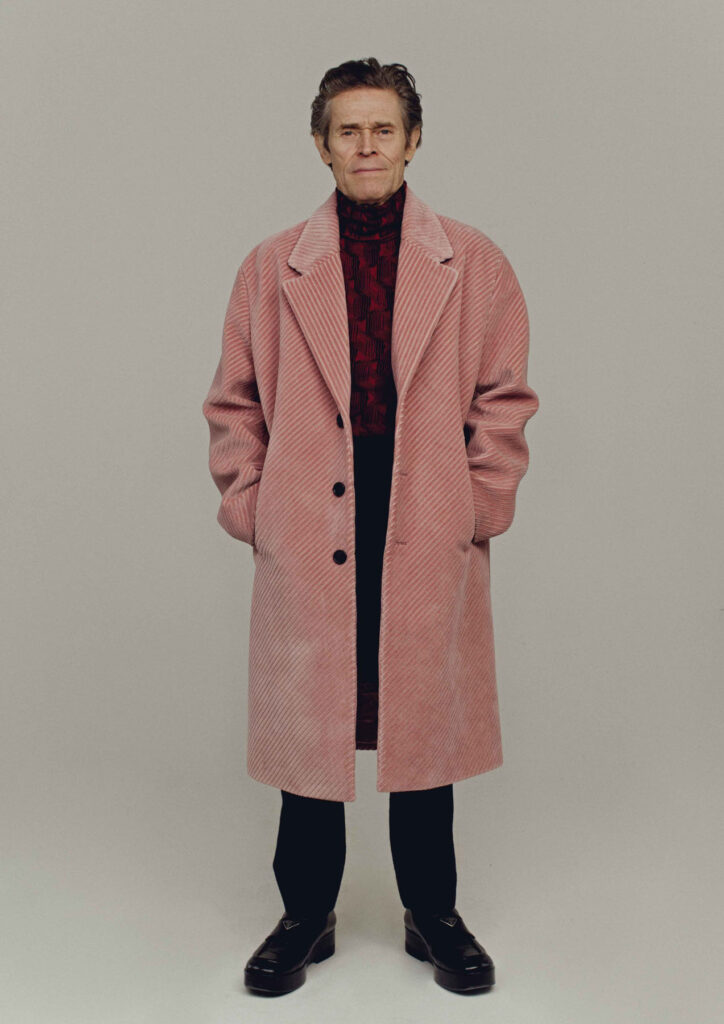
Matthieu Delbreuve

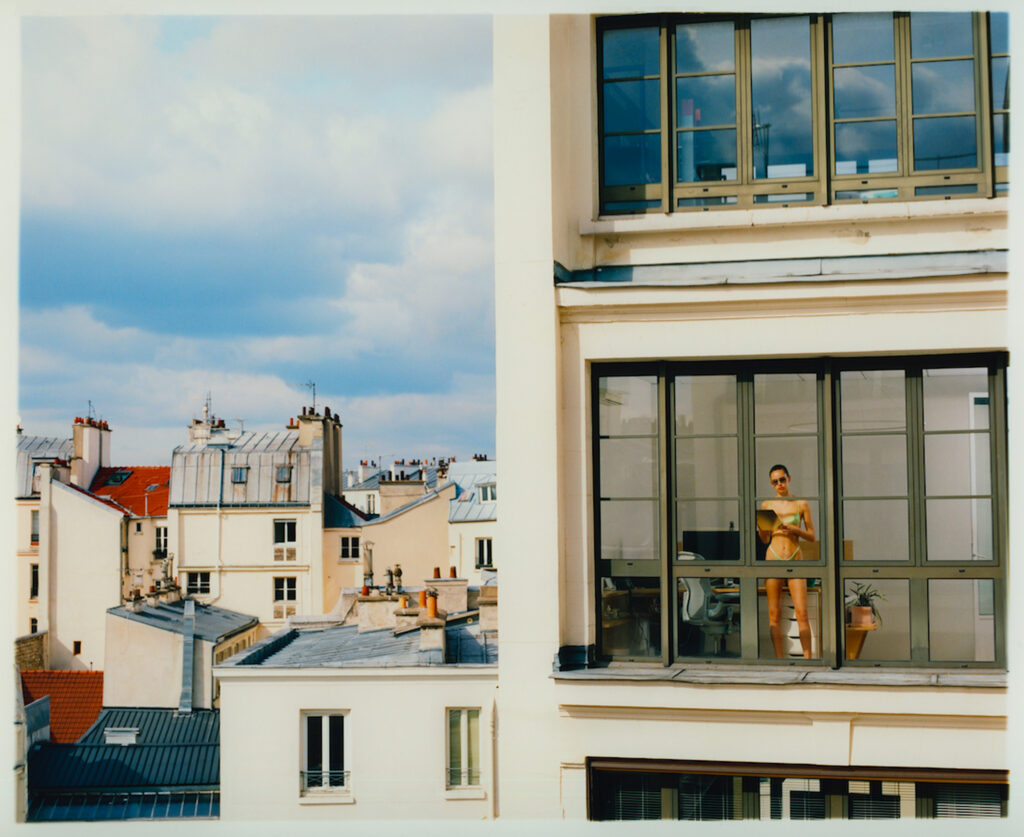
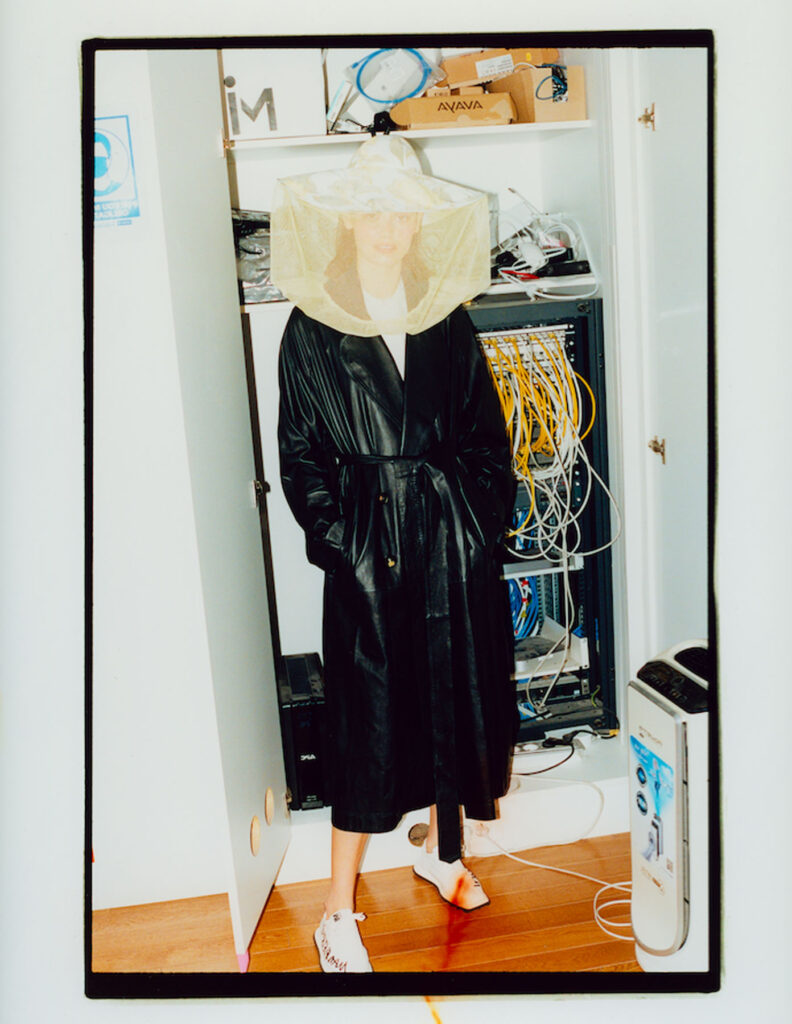
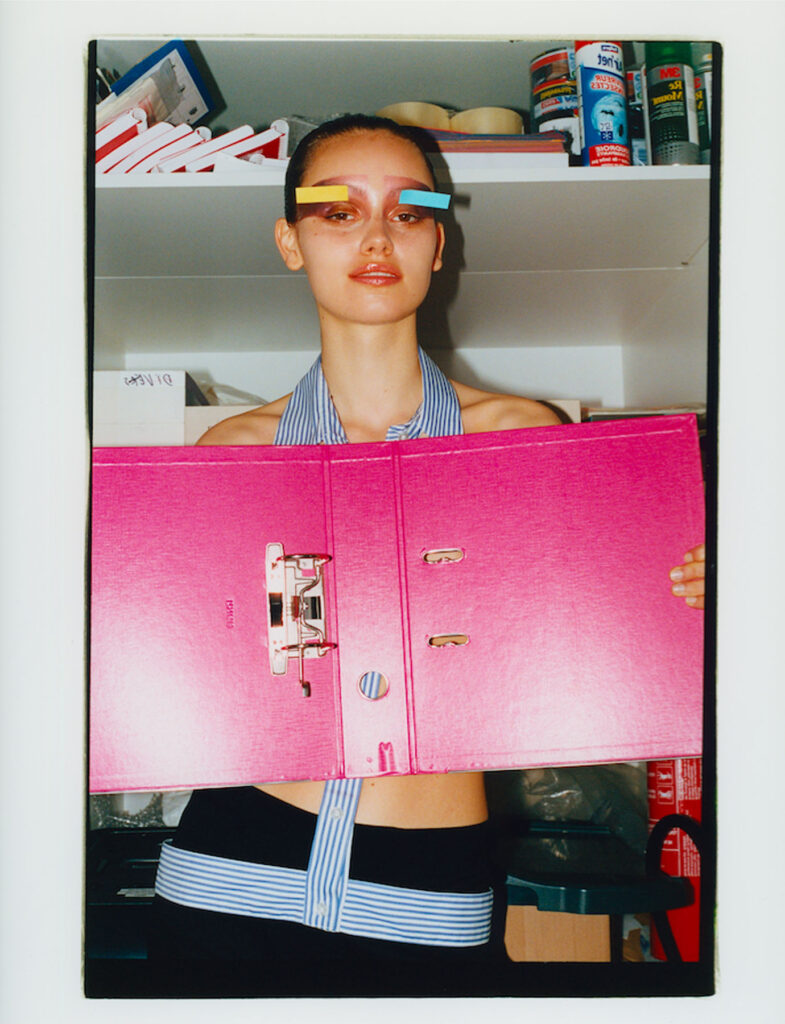
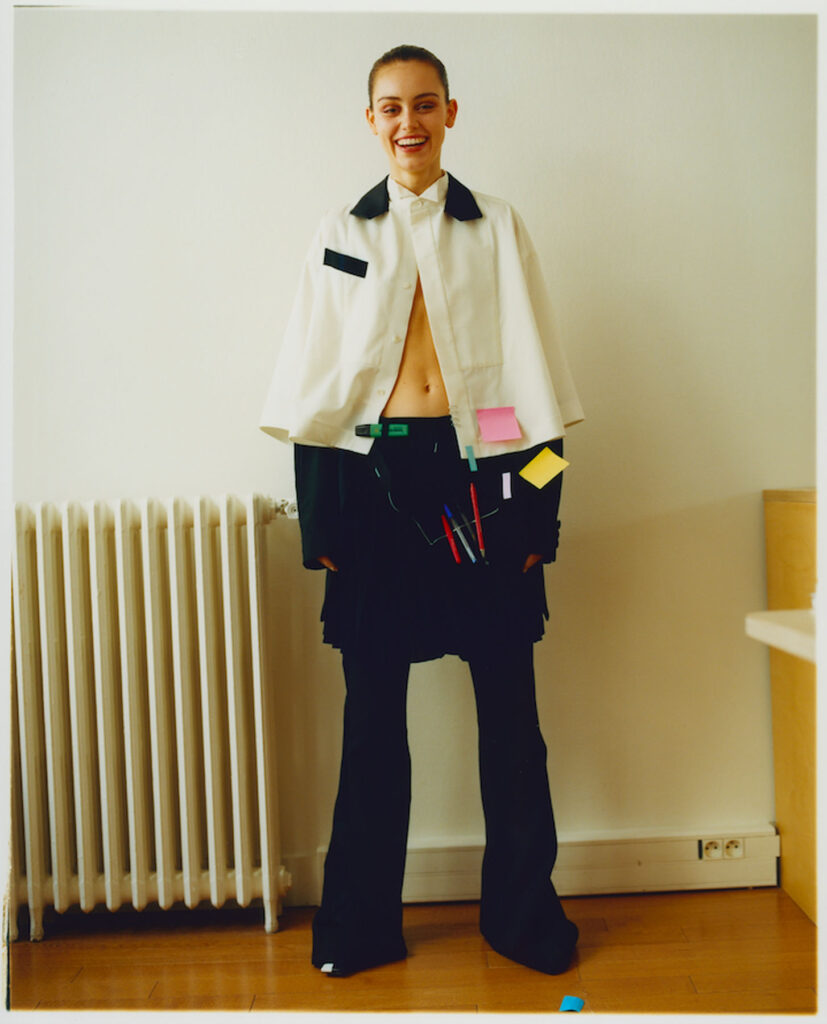
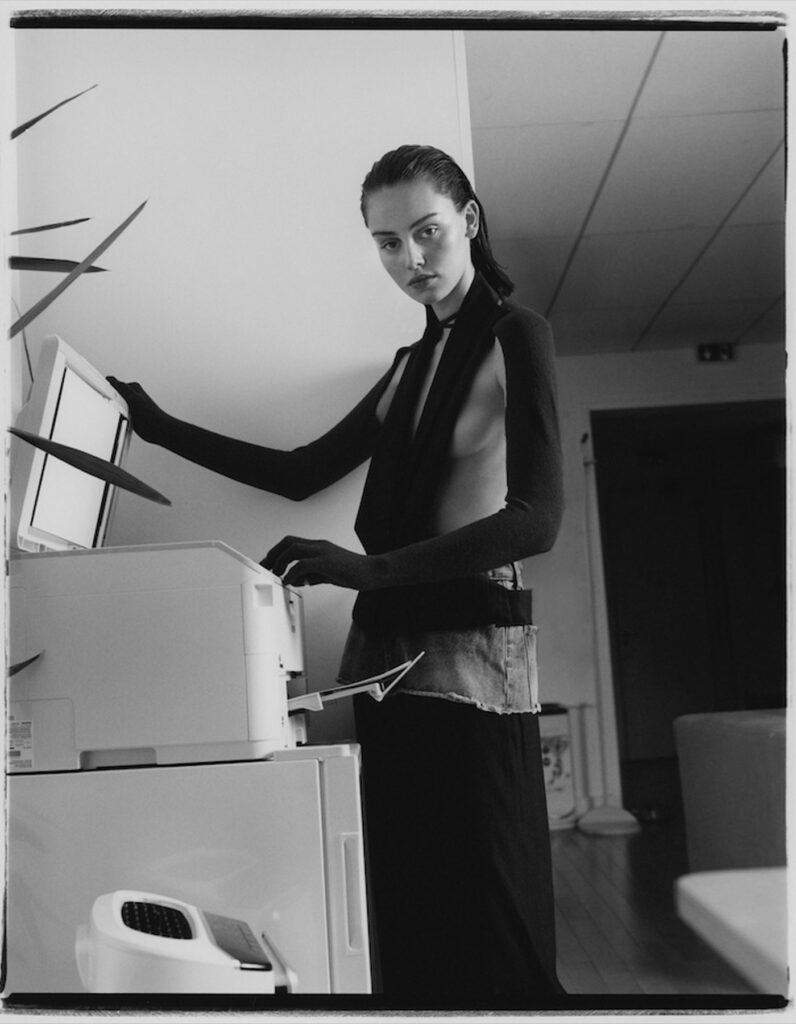
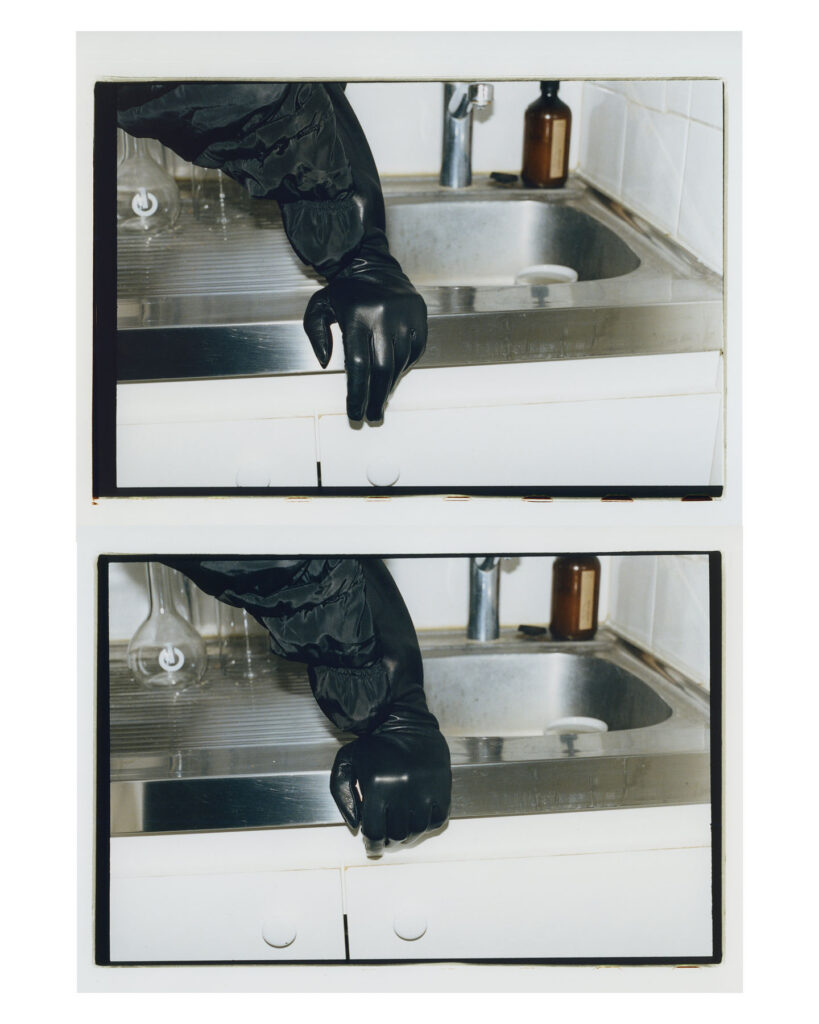
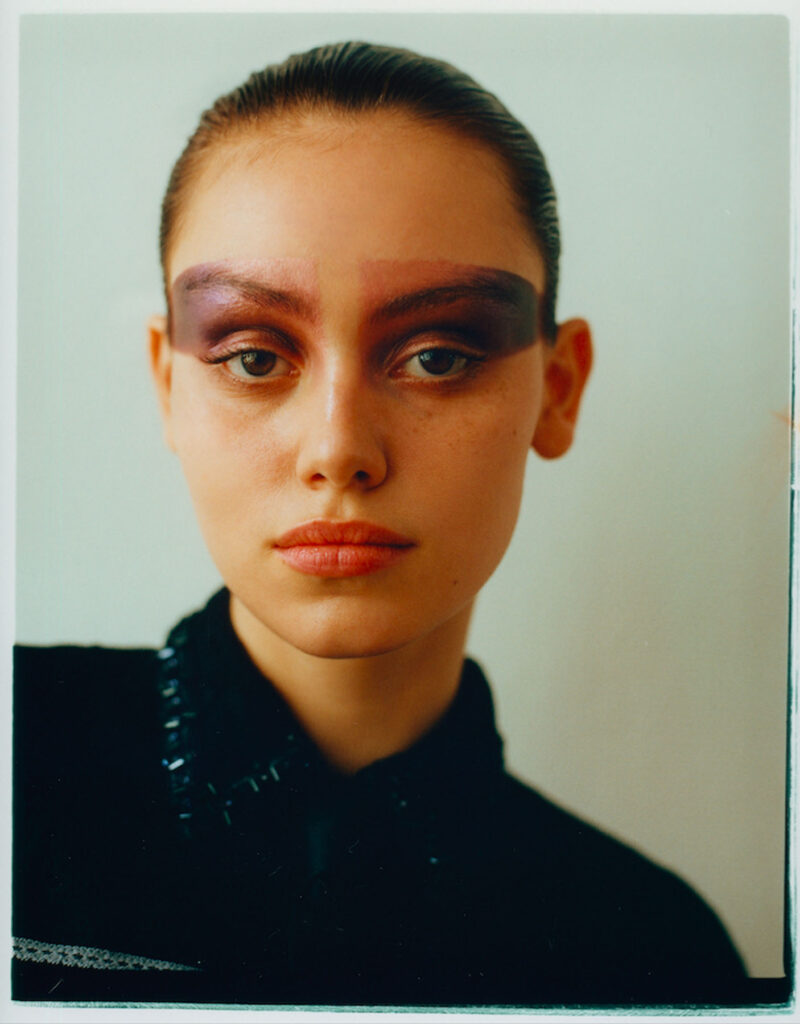
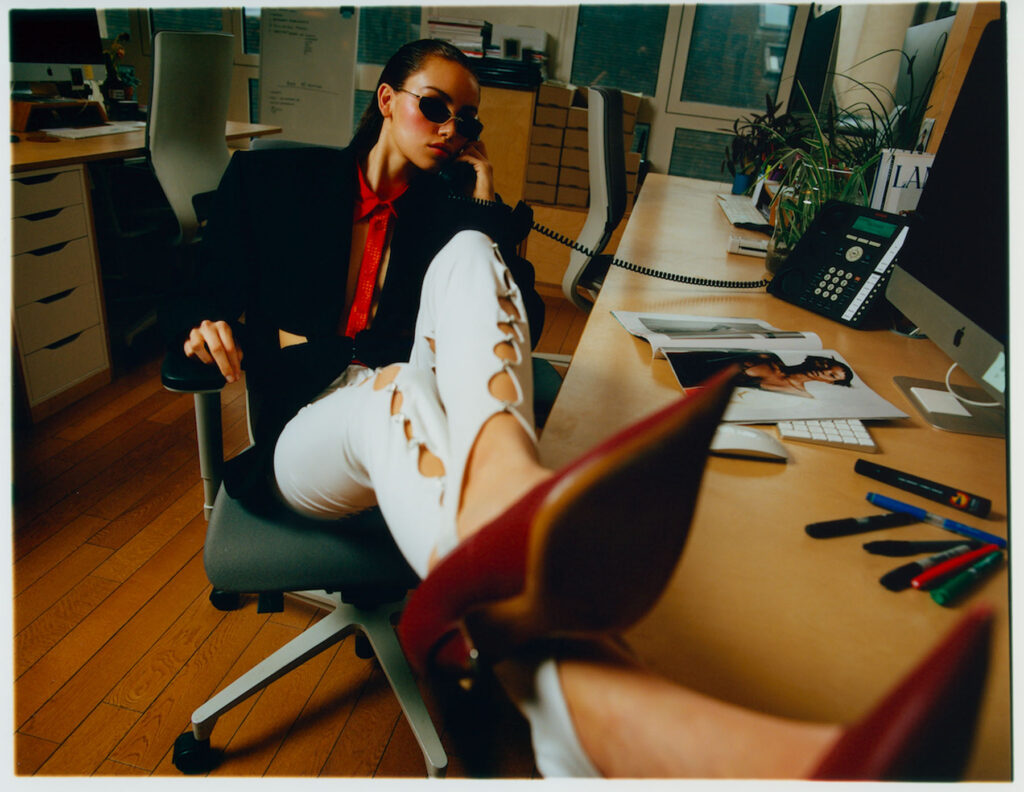
The Office


Team

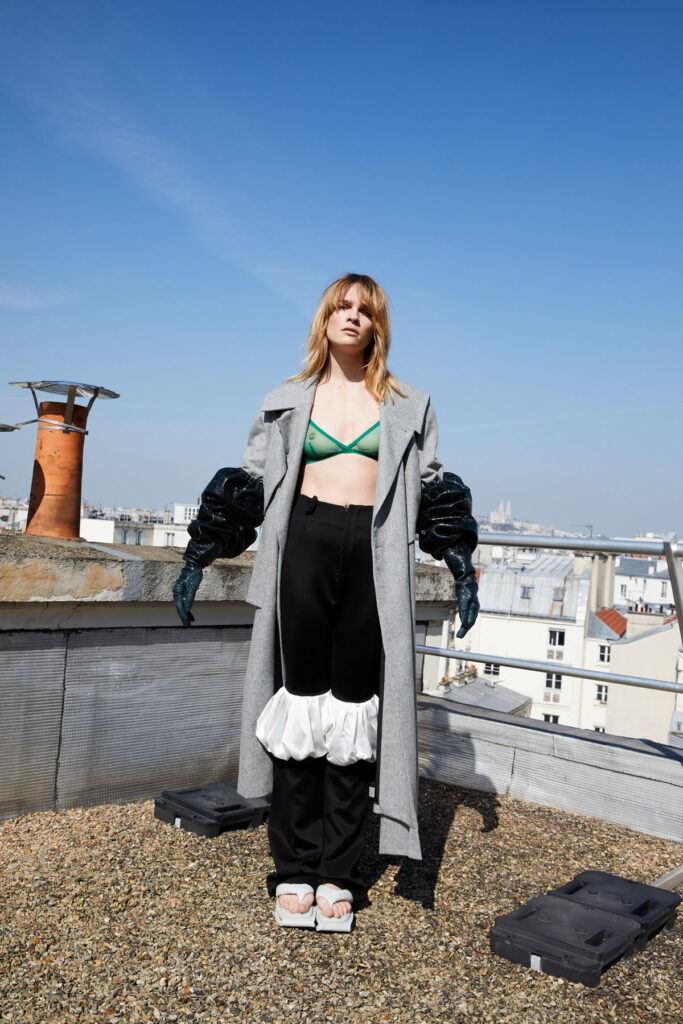
Photography · Matthieu Delbreuve 
Fashion · Mirey Enverova
Hair · Mayu Morimoto  
Make-Up Emilie Plume 
Casting · Remi Felipe
Model · Caroline Reuter at OUI MANAGEMENT


Designers

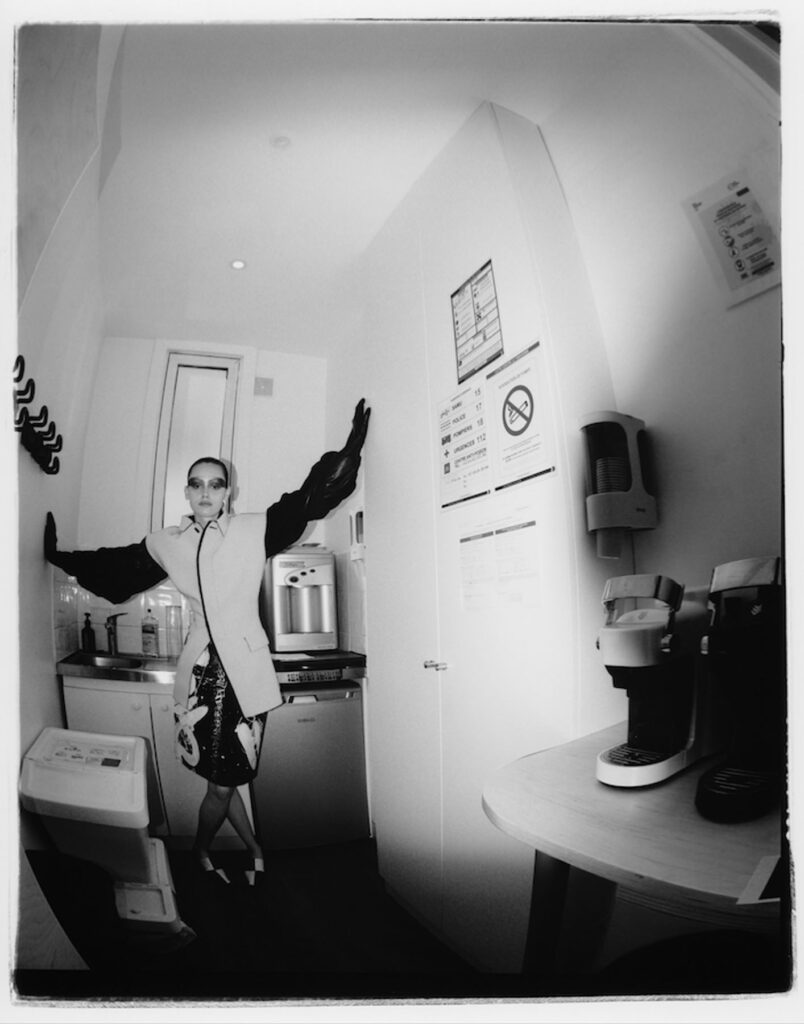
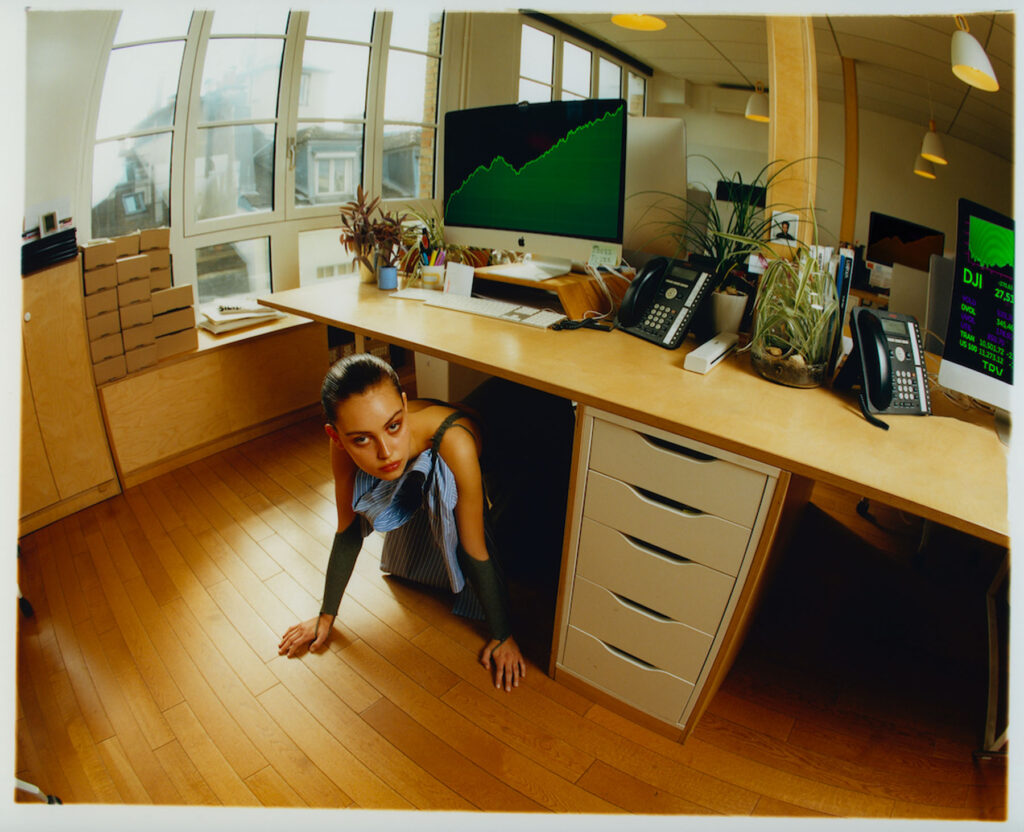
  1. Swimsuit ISA BOULDER Sunglasses PAWAKA
  2. Hat KENZO Shirt LOU DE BETOLY Coat LANVIN Shoes MM6 by MAISON MARGIELA
  3. Trousers MUGLER Shirt Accessory VALETTE STUDIO
  4. Full Look SACAI
  5. Gloves ISA BOULDER Vest VALETTE STUDIO Skirt MM6 by MAISON MARGIELA
  6. Shawl LOU DE BETOLY
  7. Shirt KOCHÉ
  8. Blazer MUGLER Shirt Accessory VALETTE STUDIO Leggings VIRGINIE JEMMELY   Shoes LANVIN Sunglasses ANDY WOLF
  9. Blazer GAUCHERE Shawl LOU DE BETOLY Skirt CHAEWON SONG Shoes ABRA
  10. Dress ISA BOULDER Shirt DRIES VAN NOTEN

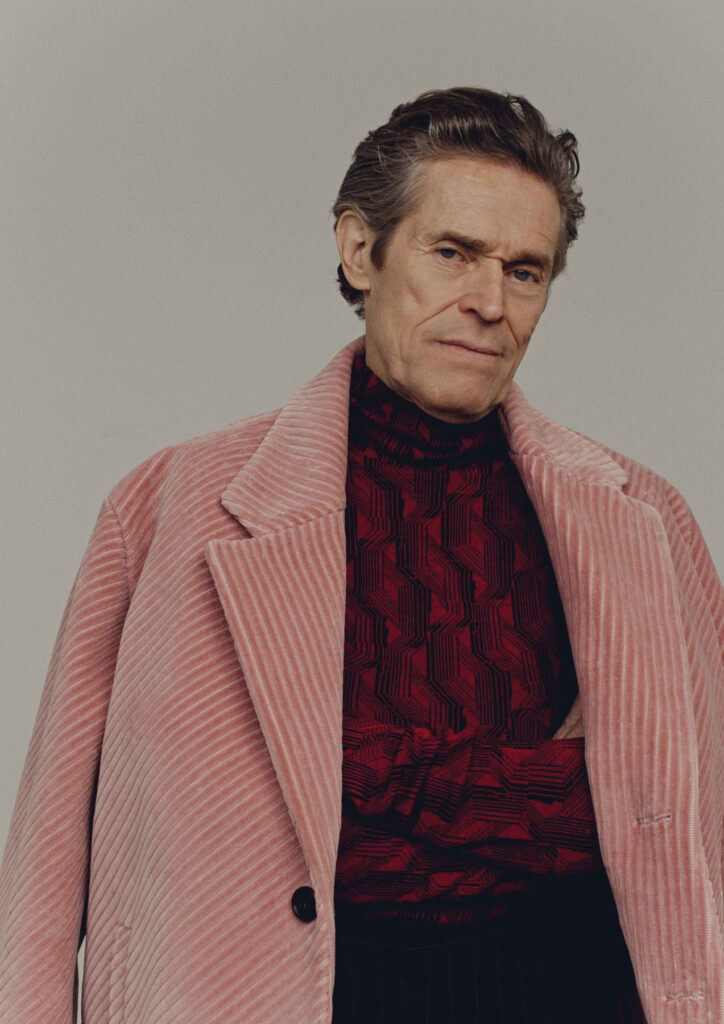
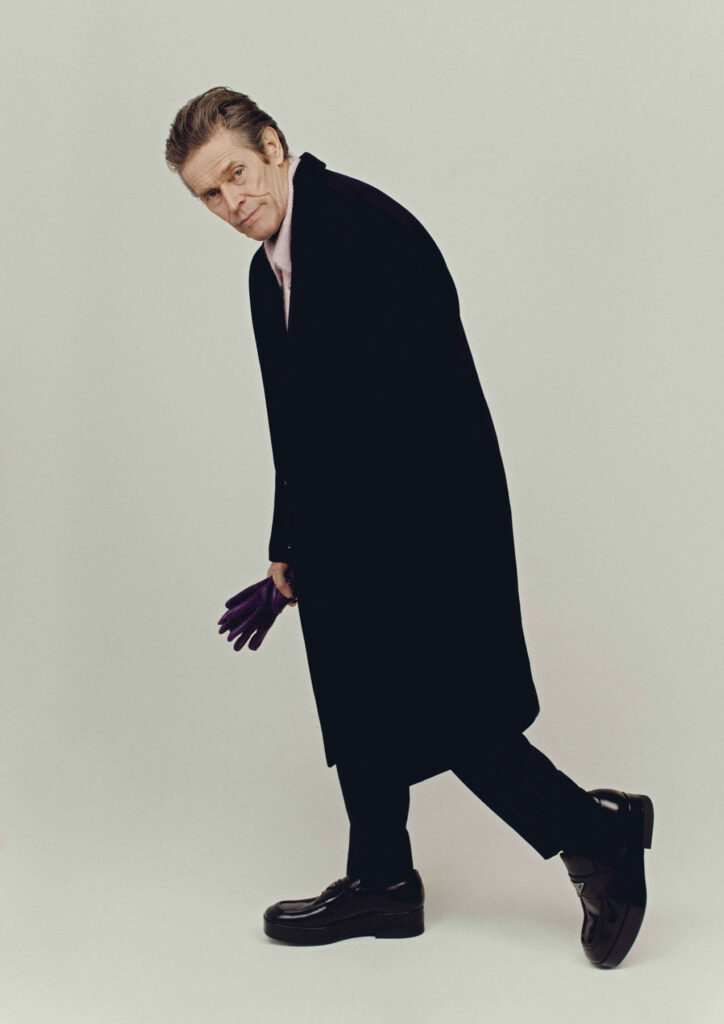
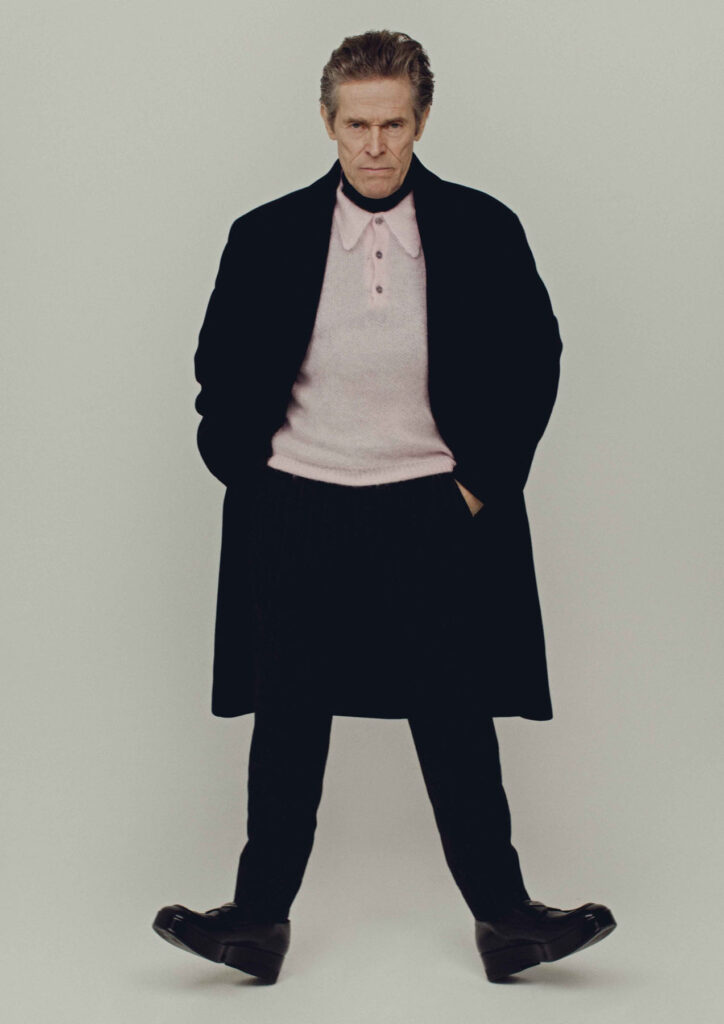
Fabian Dumas

Saint-Claude


Team

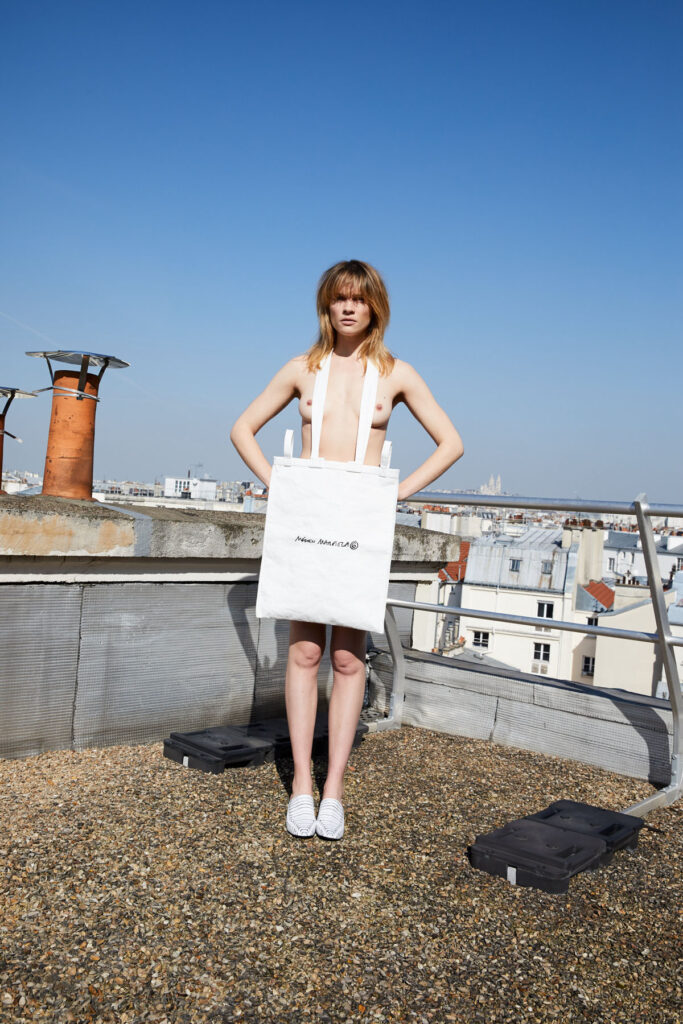
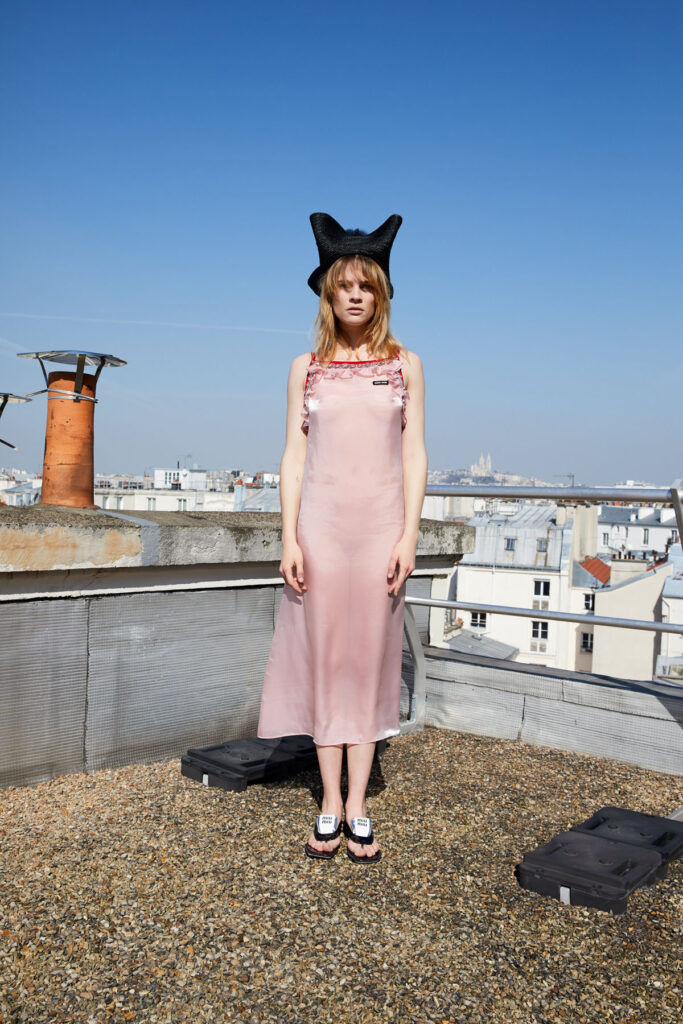
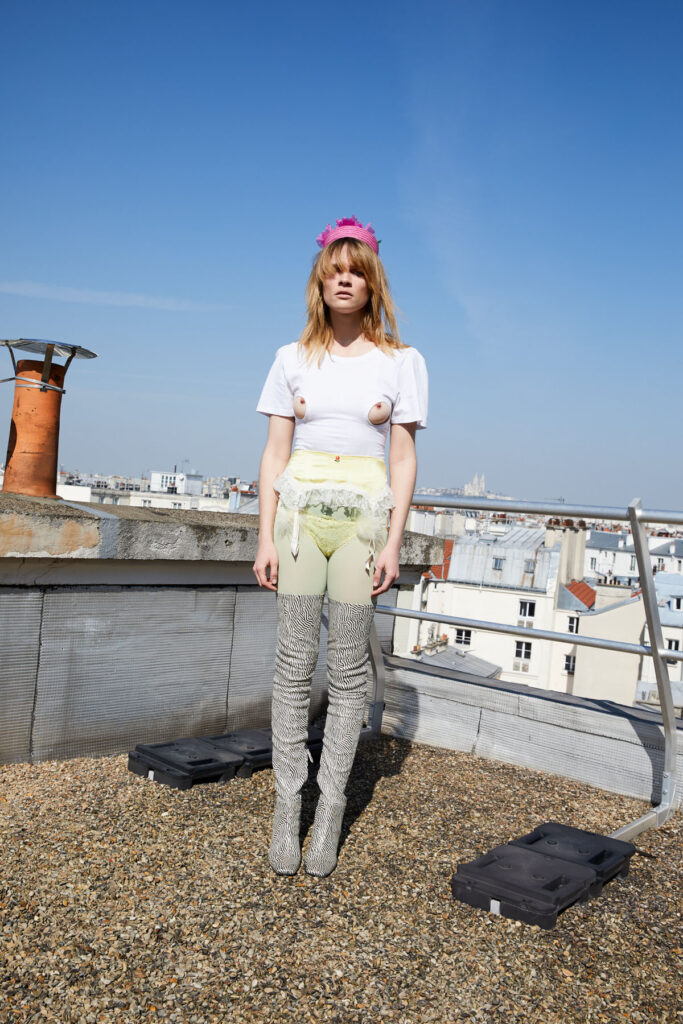
Photography · FABIEN DUMAS
Fashion · VICTOIRE SEVENO
Hair · OLIVIER LEBRUN
Make-Up · CAMILLE LUTZ
Casting Director · REMI FELIPE
Model · EVA BIECHY at SELECT  
Producer · CAROLE CONGOS
Fashion Assistant · VALENTINE SEVENO


Designers

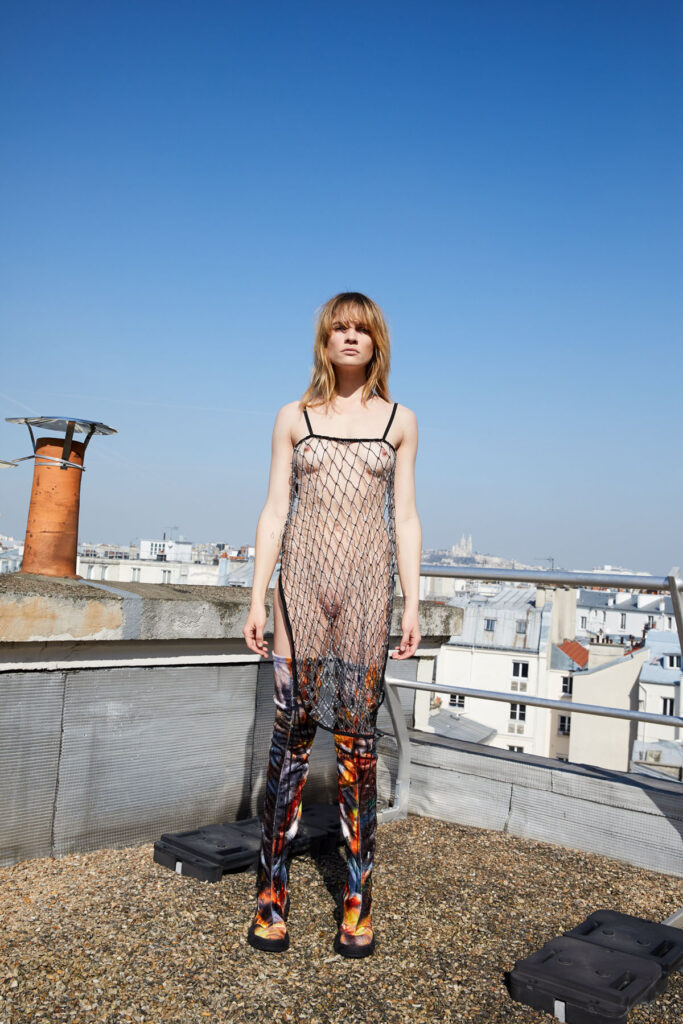
  1. Shoes ROMBAUT
  2. Dress VAILLANT STUDIO Shoes ROMBAUT
  3. Hat KENZO Trousers MAITREPIERRE   Shoes ROCHAS
  4. Coat KUANWANG Trousers ARTURO OBEGERO Bra YASMINE ESLAMI Shoes KENZO  Gloves VAILLANT STUDIO
  5. Bag and Shoes MM6 MAISON MARGIELA
  6. Dress and Shoes MIU MIU Shoes BENOIT MISSOLIN
  7. Hat ATELIER 144 T-Shirt MAITREPIERRE Belts and Panties FIFI CHACHNIL Tights FALKE
  8. Full Look LANVIN

Thomas Demand

“I think the use of models is a highly influential and underexposed cultural technique, we can only absorb the complexity of the world around us by filtering end remodeling it.”

German sculptor Thomas Demand lives and works between Berlin and Los Angeles. One of the most innovative artists of his generation, Demand has specialized in handcrafting facsimiles of architectural spaces and natural environments. Through his use of paper and cardboard, Demand meticulously reconstructs images and scenes, embedding those in society’s collective memory with mural-scale photographs. The ephemeral and illusionistic characters of Demand’s work have pushed the medium of photography further than ever before and are part of his investigation of the livelihood of images.

NR looks into Thomas Demand’s development as an artist, from sculptor to photographer and how he found a balance between the two practices using excellent craftsmanship and imagination, blurring the line between reproduction and original whether it be in architecture or fashion.

Thomas Demand, it is such a pleasure to be interviewing you. How are you?

Very well, thank you.

You have had a fascinating career spanning across various fields such as sculpture, photography, art, film. As the theme of this issue is Growth, I thought it would be interesting to let you talk to us about how you found a balance between all those practices, using excellent craftsmanship and imagination.
You initially trained as a sculptor, how did you find yourself in the place where you are today and how did you initiate that merge between sculpture, photography and architecture?

I grew up in an environment which naturally connected these fields like family: my father and mother were painters, my uncle and grandfather architects, my grandmother a concert pianist (still working to find my way in that field) and my best friend at school was the son of one of the most important and visionary art collectors in Germany. So I have no Schwellenangst, even if I do have greatest respect for the disciplines and their differences.

You have studied in Düsseldorf, Munich, Amsterdam, Paris and London. You have been moving quite a lot. What are some of the places that have inspired you the most?

Japan, USA and northern Italy. But I also noted over the years that there are cities which are good for making art and some to look at art, but rarely is both the case.

Your starting point is often photography as a “constructed reality” and from there, you design life-size paper models with colored paper and cardboard. You create inventive images of life- size architectural paper models that look exactly like the final product. Your constructions are ephemeral as you always discard them once you’ve photographed them. Why is that?

I don’t think it is exactly like the starting point, but even if, it would be a valid artistic concept, I believe. But my version is a version of reality which might have more relations to how we see the world, not how it might be. How we remember it, how we are manipulated, how our ideas influence what we recognize and so forth. Like a writer, he might write truthfully about the world, but it will not be taken as the reality itself. I consider this worth exploring in the medium of photography, where this distinction is easily obfuscated by the mechanistic understanding of documentation the apparatus delivers.

Your work often serves as testimonies for other artists’ thought processes and create a place in time for them. Where did that interest come from?

We all stand on someone else’s shoulders, and I find it an easy way not to isolate my vision in the ghetto of photography. Photography as a technique or discipline never interested me enough.

In an interview for the Louisiana Museum you say that “many things first become visible to us via the images we see of them.” and that we live in a world of models. Could you elaborate on that? Do you think you are creating a new version of reality or giving new perspectives or is this more about bridging the gap between what we see and what is represented and almost building a realm between fiction and reality?

I think the use of models is a highly influential and underexposed cultural technique, we can only absorb the complexity of the world around us by filtering end remodeling it. The ancient Greek philosophy was already fully aware of that and things didn’t get less complex since then. The weather forecast, retirement plans, demographics, elections, psychology ect, all is using models to find a direction through data. People often think of architects and children’s toys if they refer to models, but it is much more fundamental. It is amazing how little literature and research there is about that.

Your major solo exhibition ‘House of Card’ is on view until April 2021 at M Leuven museum in Belgium. It coincides with the release of your book House of Card with Mack, which focuses on your relationship to architecture and the collaborations you have done with architects. Your series Model Studies which also serves as an introductory point in House of Card, was honoring through photographs taken during your visit at the Getty Museum in Los Angeles, 13 unreleased projects and discarded structures made by well-known architect John Lautner. This was also the first time for you not to photograph models of your own.
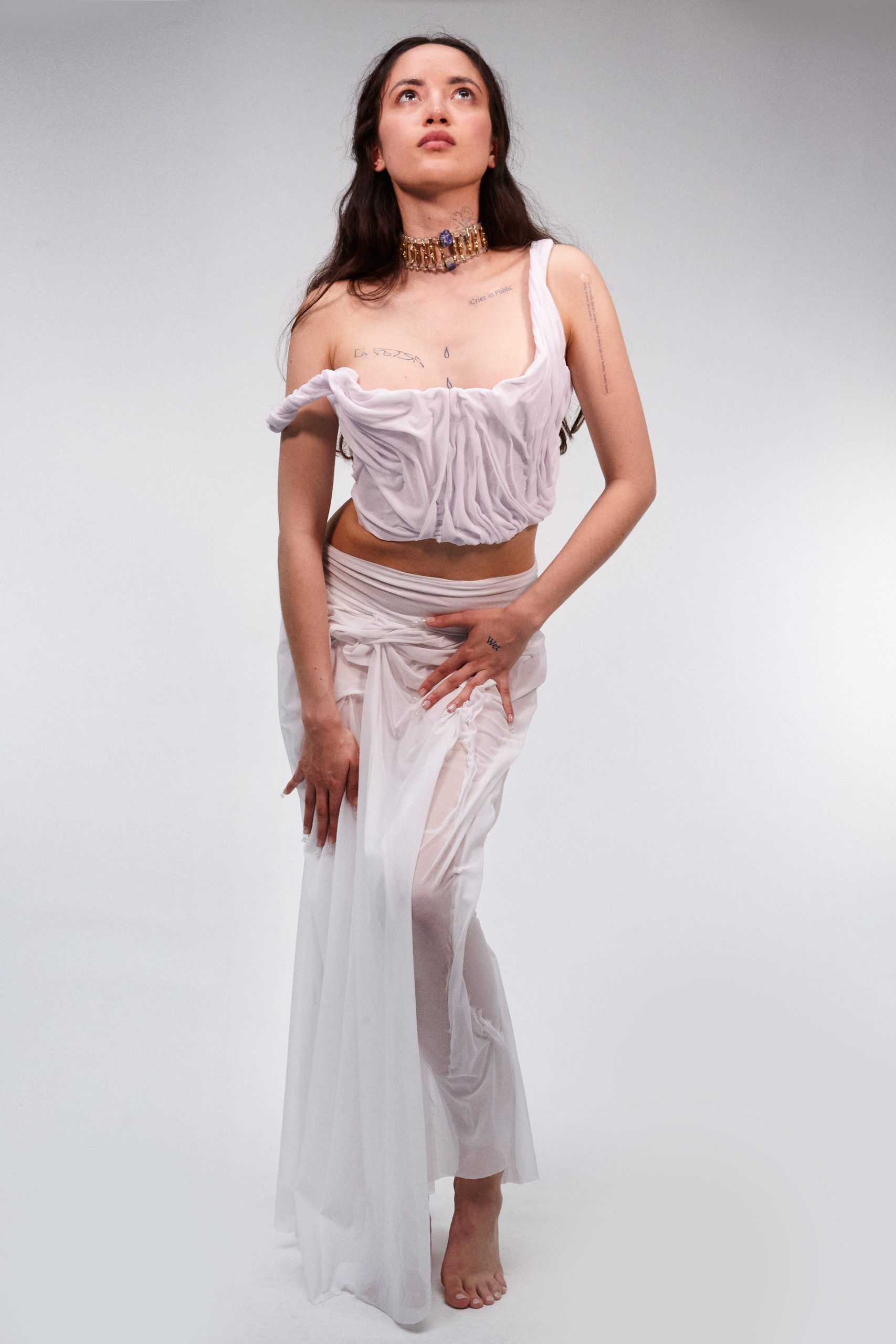
HoC is the show and the book, which works as a standalone, but it is the book to the show.

Could you delve into your engagement with architecture over the last decade?

I noted over the years that architecture developed a specific interest and response towards my work, I heard of competitions which were won with my images as examples, architectural schools did seminars about it and architectural biennales invited me many times to contribute. I also worked since my first exhibitions with display features, exhibition architecture and embraced challenging spaces to show the work without compromising neither the architecture nor the pictures. All that established long-termed collaborations with a number of architects. I think that prepared the situation in which I started thinking about architecture as a promising claim for my thinking and obviously there are a number of approaches imaginable for me: looking at it, using it and now also doing it myself. That’s what the show is about, plus collaborative aspects which come along, as architecture is always a team effort.

How does your work resonate with architecture? In your opinion, how do abstraction and architecture correlate?

Architecture, not unlike photography are figurative. The process might be very abstract, but what is built is concrete. But there are stages in the design process which are open and not about doors, faucets and fire regulations, and those interest me, as they shadow a bit what I enjoy in my work, when ideas become form and forms become figures. I consider my Model Studies series as my most photographic work to date but also my most abstract. In the end the source is becoming irrelevant, you won’t recognize a Lautner building nor a dress by Alaïa on my images.

You have spent time recently in Tokyo in the offices of the architects Kazuyo Sejima and Ryue Nishizawa, also known as SANAA. Your 2015 show Latent Forms at Sprüth Magers in London displayed the close-up images you took of their paper and cardboard architectural models during your visits at SANAA offices. Those images part of Model Studies II, became abstracts and fragments of ideas of buildings that may not come to realization. Why were you interested in working with SANAA?

Besides the fact that they are amongst the most astonishing and original firms in the field of architecture, I was approached by them to contribute to their Venice architecture biennale exhibition in 2010. I visited them in Tokyo and found the most amazing and confusing office they worked in, which just fascinated me. So, when I moved to L.A. I decided to fly every few months over there to see how that place changes. Their design process is highly influenced by the use of very low-key simple paper models, which they make in a minute to communicate ideas. Once such idea is used or abandoned for one project it might have an afterlife in another project because it just sits there amongst what looked like a 1 million other models. So, it felt familiar for me as a studio situation, but also it was used for completely different purposes.
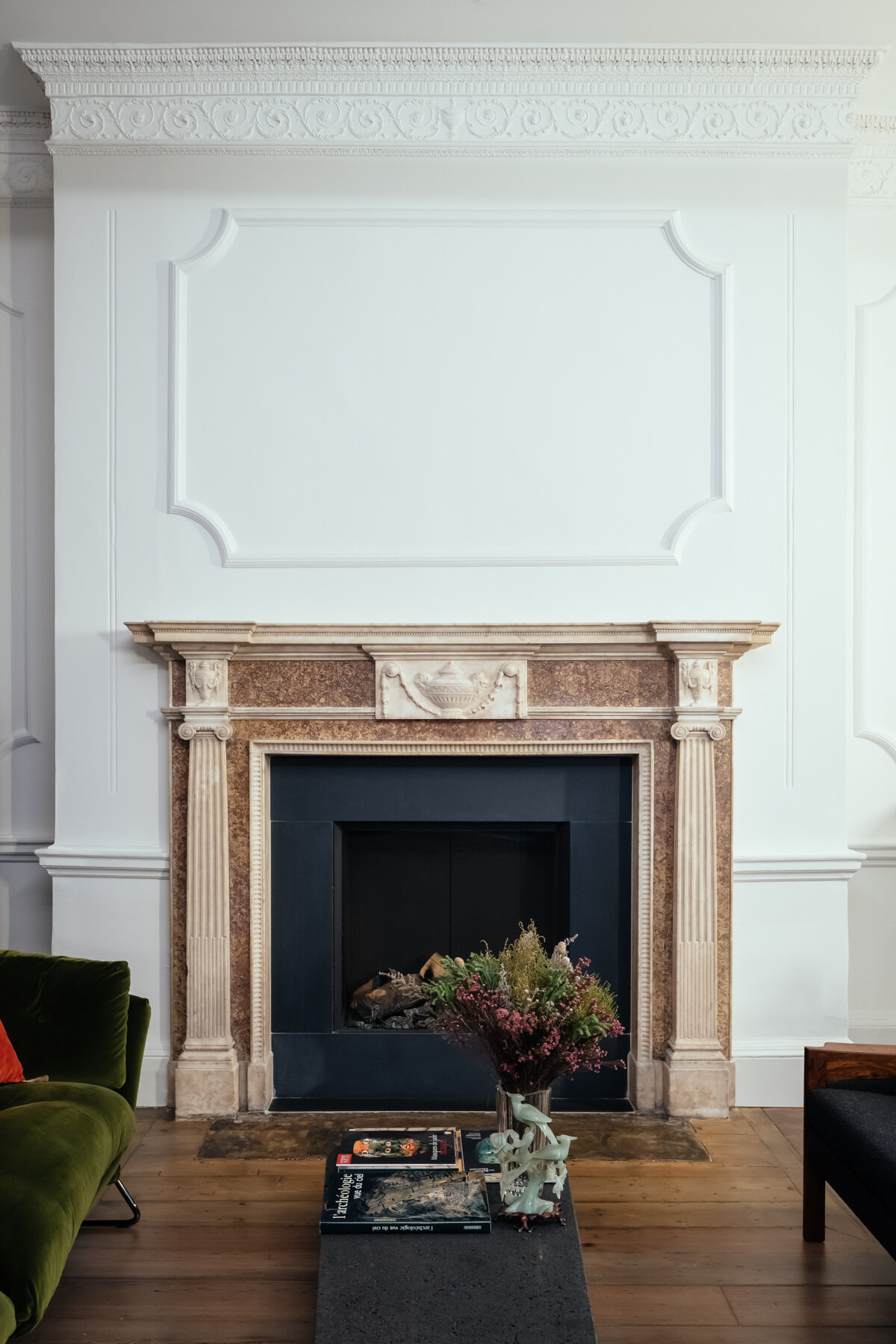
Could you tell us about Model Studies IV and the inspiration you had from the late fashion designer Azzedine Alaïa’s pieces?

I had the pleasure to have lunch with him once or twice in his atelier, and at the same time I had planned to work with the patterns which are used in clothes making for many years. Although I never found the right picture, I kept searching. It reminded me of the discarded leftovers on Matisse’s floor in his studio in Nice, where he did the cut outs in colored paper. Again, it felt familiar but wasn’t an artist’s studio. Important in all cases is for me also that these people think with their hands, which is really important in a time when the digitalization is taking over any aspect of our life.

Last year you realized your first collaboration with a fashion brand, for Prada and you’ve decided to create anonymously a series of images titled Hanami (meaning cherry blossoms, a symbol of youth and love) created for each window of every Prada stores across the world. This was also a first for Prada to officially collaborate with an artist. You have had a close relationship with Miuccia Prada and Fondazione Prada for the last decade. How did that collaboration unfold? Why also the desire for anonymity? Could you tell us more about the narrative behind the series and what was the inspiration behind it?

Over the last 15 years I did nine different projects in all different shapes and ambitions with the Fondazione Prada. I saw it developing into an amazing organization, which never used the art for marketing reasons, very unlike most other efforts in that field. The trust in the artist and the generosity when it comes to making things possible is the connection to the core of the company and in the end their idea of luxury. So when MP asked me if I would consider to give permission to use my work in a seasonal campaign worldwide – it was spring 2020 – I considered the cooperation with company a chance to try out my work on a global audience without making it a marketing move on my part. I mean every Prada shop in the world, all of them in prime locations, and most of the windows were designed specifically. What a roll out!

It seems that artists and fashion brands are collaborating more and more. You have mentioned before that fashion is time and identity related and I think we can find those elements in your work too. What are some other fashion houses that you would want to collaborate with?

I find it a relatively confusing message to have a shop window with handbags and then having an artist name on top of that, possibly even with a social mission. I think the handbag should convince in itself and the shop window should do the best to create attention and context, full stop. But as I said, contemporary art is a niche and fashion is an industry, I think there can be very interesting combinations, as long as they respect the autonomy and maybe auratic character of an artwork. Also, the series ‘Blossom’ was existing, we aligned and composed it anew for the purpose, but it was not a commission in the sense of the word. But I really admire what Prada has built over the years, that’s why I was open to the request, not because I wanted to combine my ‘brand’ with theirs or any other strategic consideration.

Coming back to architecture, your most recent project currently under construction, is very very exciting. It is a Pavilion at the Headquarters of design-innnovation leader Kvadrat, a contemporary textiles and textile related products for architects and designers, company in Denmark. Could you tell us about this collaboration?

Again, that grew over the years into a long ongoing and trustful relation. Anders Byriel, the CEO, is very interested in contemporary Art and approached me decades ago when I had a show in the Museum Louisiana, and was just trying find his way around in the arts. It wasn’t really about commercial interests on both sides. We became friends since, did a few projects which were all great fun and showed convincing results, and so when he decided to build some kind of meeting place next to the company headquarters, he asked me if I have ideas or if I want to do it. And I said yes, instantly. You need to understand, very rarely an artist has the chance to build an entire house or in this case three of them. And I am trying to make it in some kind of Gesamtkunstwerk, where I am doing everything you touch and consider everything in it’s visual appearance and all follows the logic of paper. As it is my first, of course I needed help and asked CarusoStJohn to facilitate my ideas, I have also done a number of projects with them in the past, so it is a constructive and sensitive dialogue.

Are there other projects that you are working on at the moment?

I am working on a film about which I can’t say much right now, we will open a show in London next week, I am developing a large show for Garage in Moscow, which will include a direct collaboration between me and SANAA, as well as a contribution by Alexander Kluge and a show at the Fundacion Botin in Santander, called Mundo del Papel, with a very ambitious exhibition architecture in their wonderful Renzo Piano Building. Let’s hope the world is back on track by autumn, when it all will be realized.

Subscribe to our
Newsletter