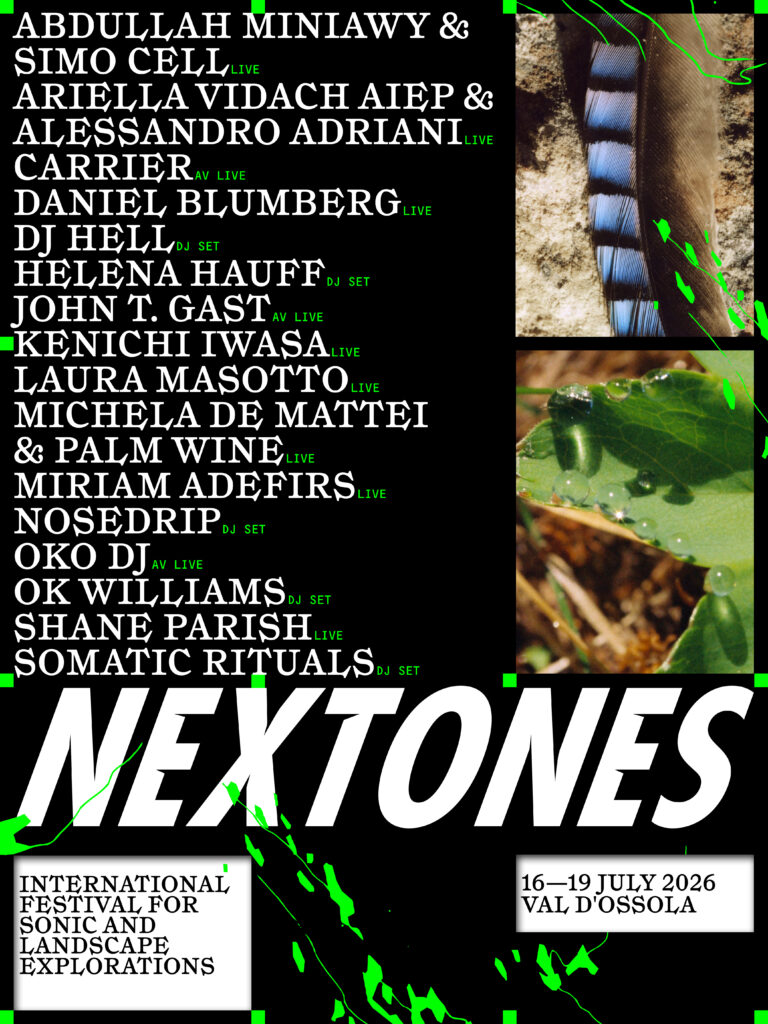
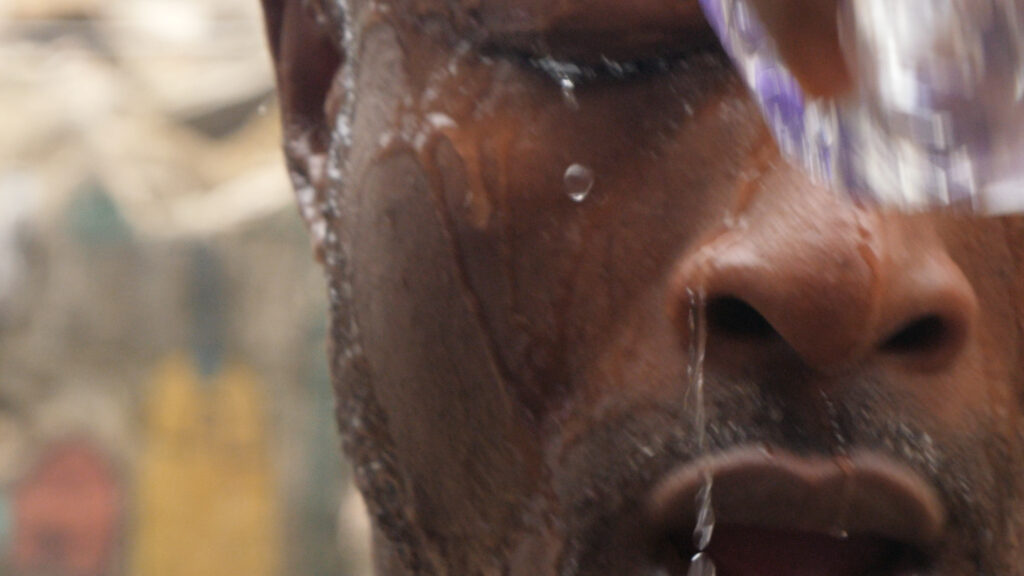
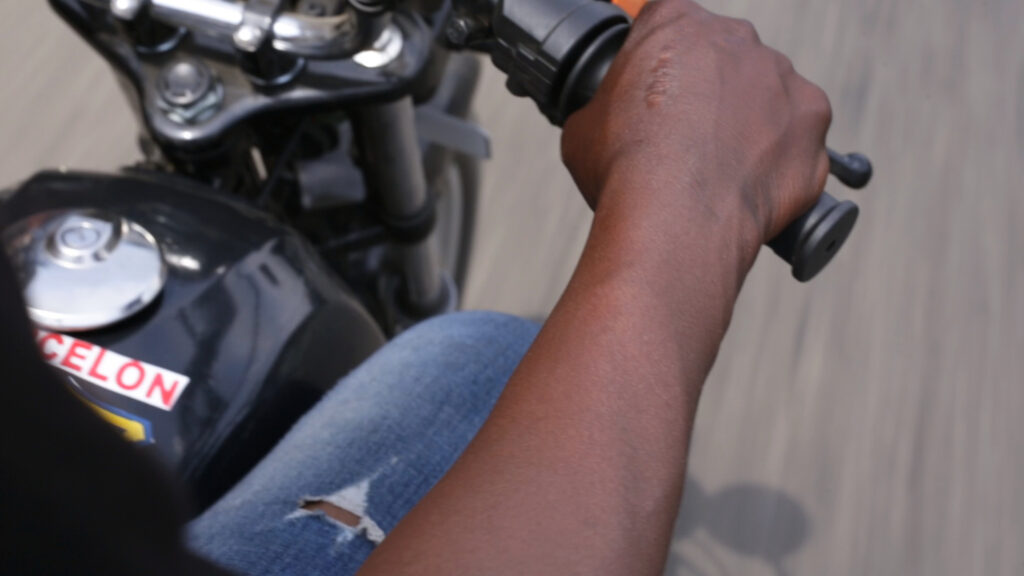
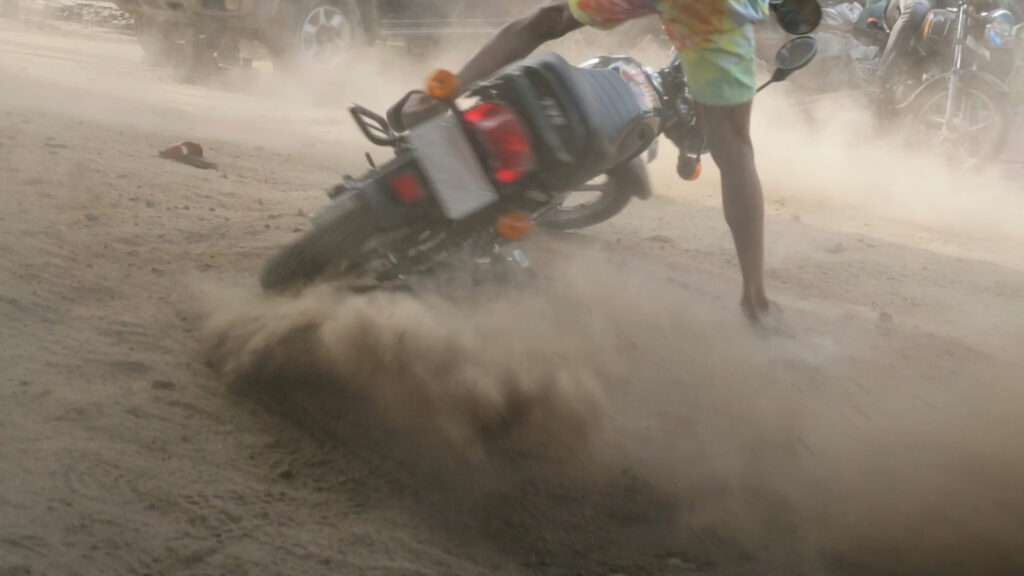
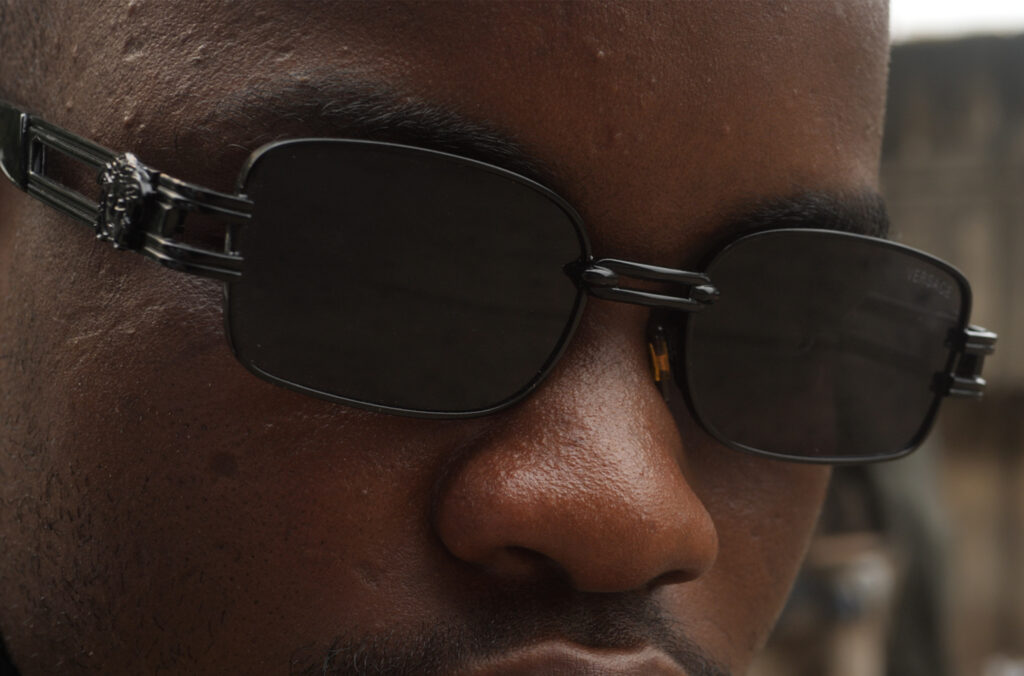
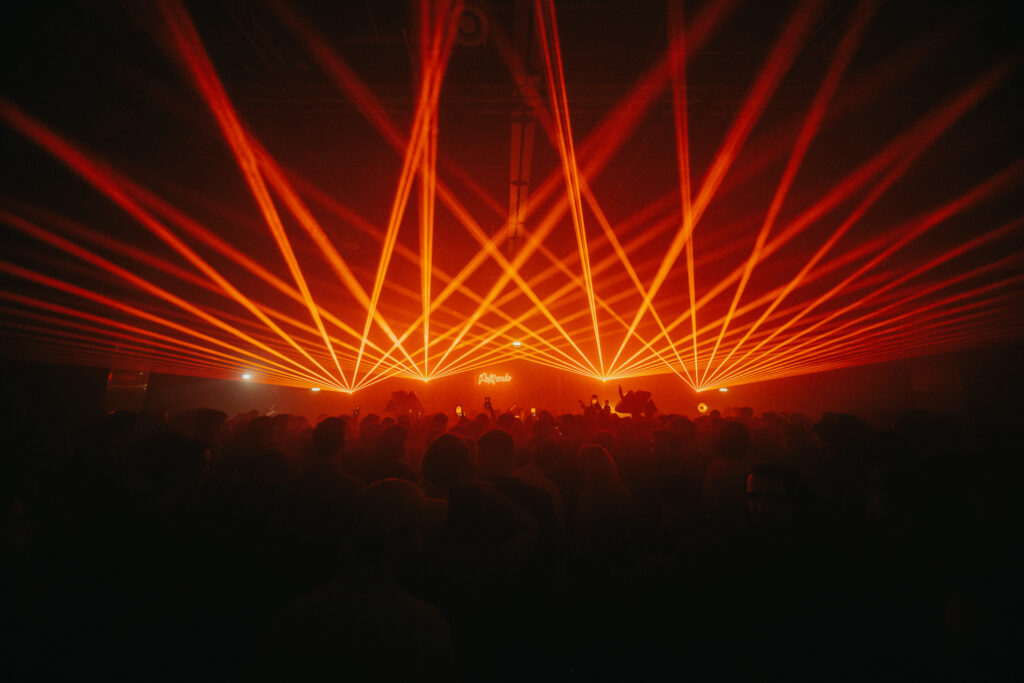
In the Ossola Valley, a former granite quarry operates as one of Italy’s recognised music production centres. Tones Teatro Natura, redeveloped during the pandemic years, transformed a site of extraction into permanent cultural infrastructure. Two stages are embedded directly into rock.
Since 2019, the collaboration between Tones on the Stones Foundation and Threes Productions has positioned Nextones within this terrain as a research-driven platform for electronic and audiovisual practices. The festival does not circulate through neutral venues; it develops in response to geological scale and acoustic conditions.
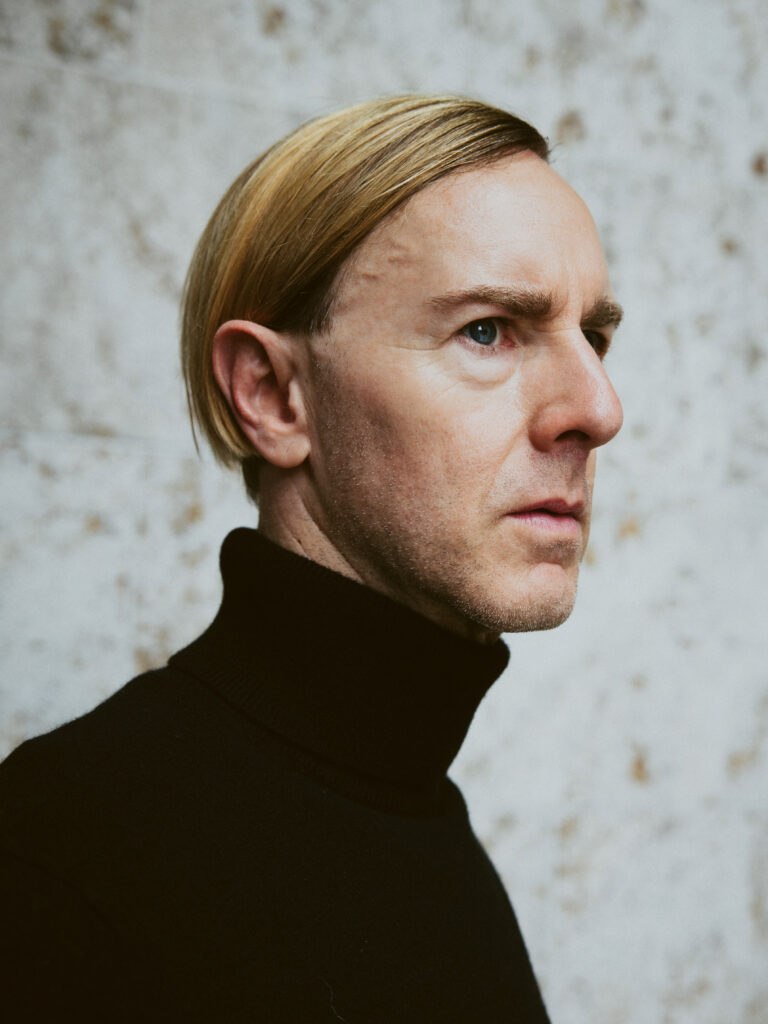
This trajectory of immersive research follows a legacy of site-specific milestones at the quarry, including previous iterations by Richie Hawtin, Caterina Barbieri, and Nicolas Jaar, which established the site as a premier European stage for audiovisual dialogue.
In a world that scatters us outward, Nextones demands we turn inward. The experience is anchored by sound that roots the body, landscapes that hush the mind, and a shared presence that reclaims our essence. This is a defiant return to what has always waited: ourselves, embodied and alive in the listening.
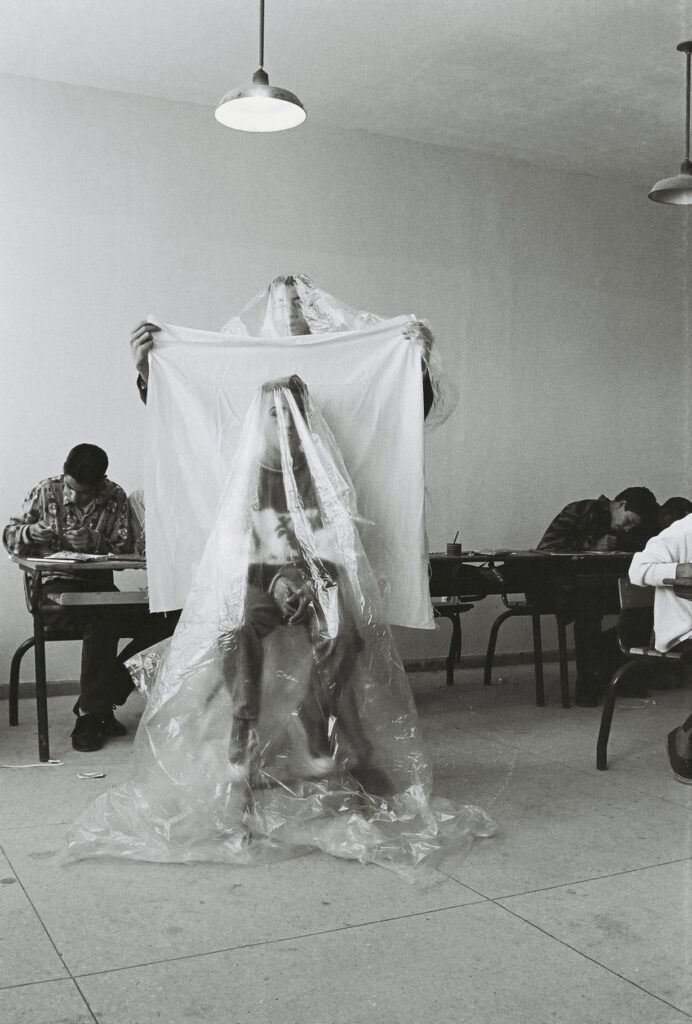
Rachele Daminelli, Nextones Festival Campaign (2026)
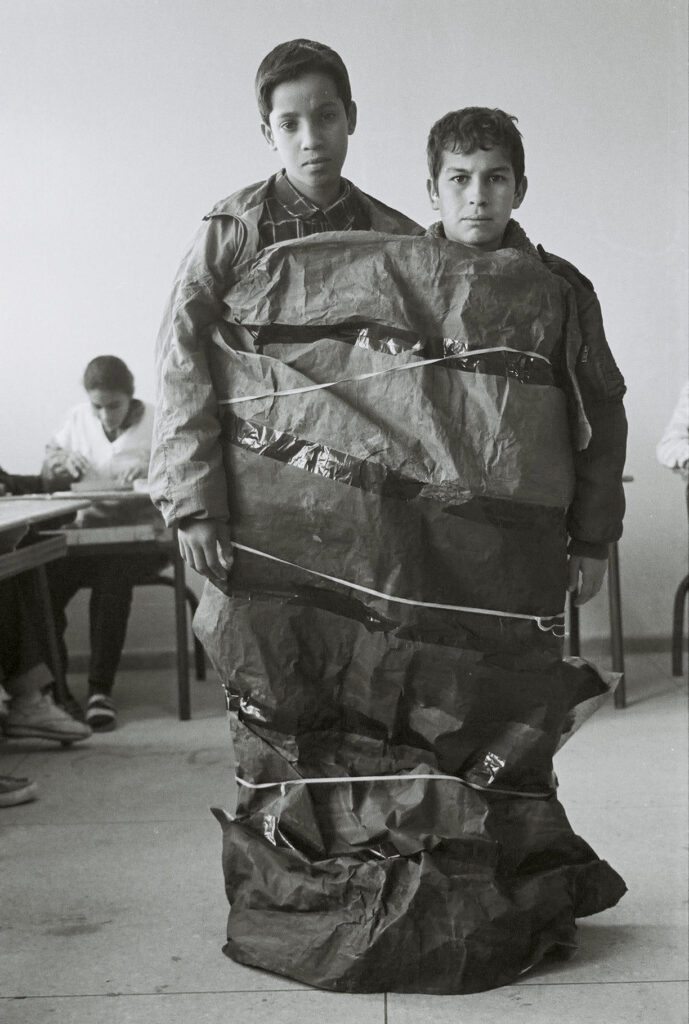
Rachele Daminelli, Nextones Festival Campaign (2026)
Nextones, in its thirteenth edition from 16 to 19 July 2026, reframes electronic and experimental music as a re-entry into the body, the mind, and the living organism of place.
The valley already carries its own rhythm, defined by granite quarries marked by labour, gorges shaped by water, and medieval hamlets suspended in partial restoration. Tones Teatro Natura remains the festival’s core. The site’s vertical rock walls shape acoustics in a way no temporary stage could replicate, allowing sound to amplify the body’s innate resonance with the earth.
Nextones has evolved into a recurring ecosystem. With a footprint that has grown to 5,000 attendees, the festival’s core is defined by 600 campers who treat the four-day itinerary as a collective immersion. The community moves from the early-morning radio broadcasts of the Nextones Camp to the narrow, rock-hewn corridors of the Orridi di Uriezzo.
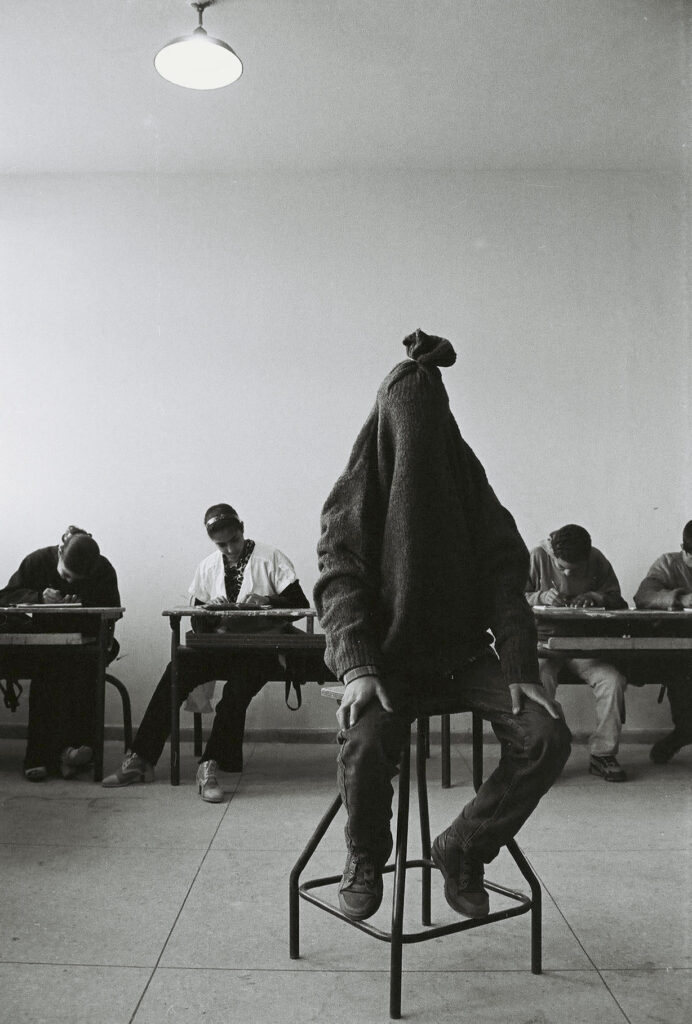
Rachele Daminelli, Nextones Festival Campaign (2026)
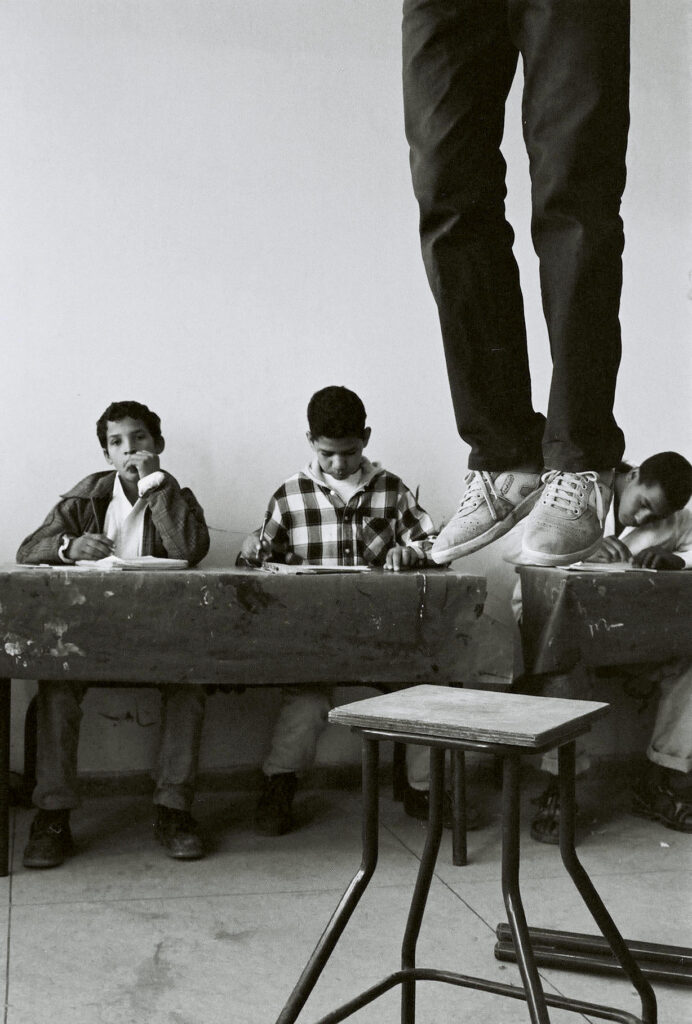
Rachele Daminelli, Nextones Festival Campaign (2026)
The 2026 program unfolds across multiple sites. The festival’s inaugural ritual on Thursday, 16 July, centers on the fluidity of the Terme di Premia. Here, Miriam Adefris’s harp solo operates in tension with the baths’ acoustics, creating an immersive dialogue where water and humidity warp perception. This is a spatial ritual reclaiming our deepest pursuit: pure, unfiltered being.
On Friday and Saturday, the focus shifts to the Tones Teatro Natura, a former site of industrial extraction transformed into a permanent cultural forge. Embedded directly into the vertical granite, the stages amplify the audiovisual weight of the program: Carrier’s rhythmic minimalism expands against the rock’s mass, while John T. Gast’s site-specific set utilizes the quarry’s sheer scale as a physical instrument. OKO DJ develops an A/V performance drawing from As Above, So Below (Stroom, 2025), integrating electronics, acoustic instrumentation and film by Hajj.
Helena Hauff and OK Williams extend the club dimension of the festival with DJ sets grounded in acid, EBM, jungle and house, maintaining physical intensity within the open-air setting.
Sunday 19 July shifts toward the Nextones Camp, animated by Radio Banda Larga’s stage. The day includes live sets, broadcasts and shared activities, reinforcing the camp as daily meeting point.
Threshold sites expand the geography. Performances at the Orridi di Uriezzo integrate sound within narrow rock formations, while live sets at the abandoned village of Ghesc engage with architectural remains and historical memory.
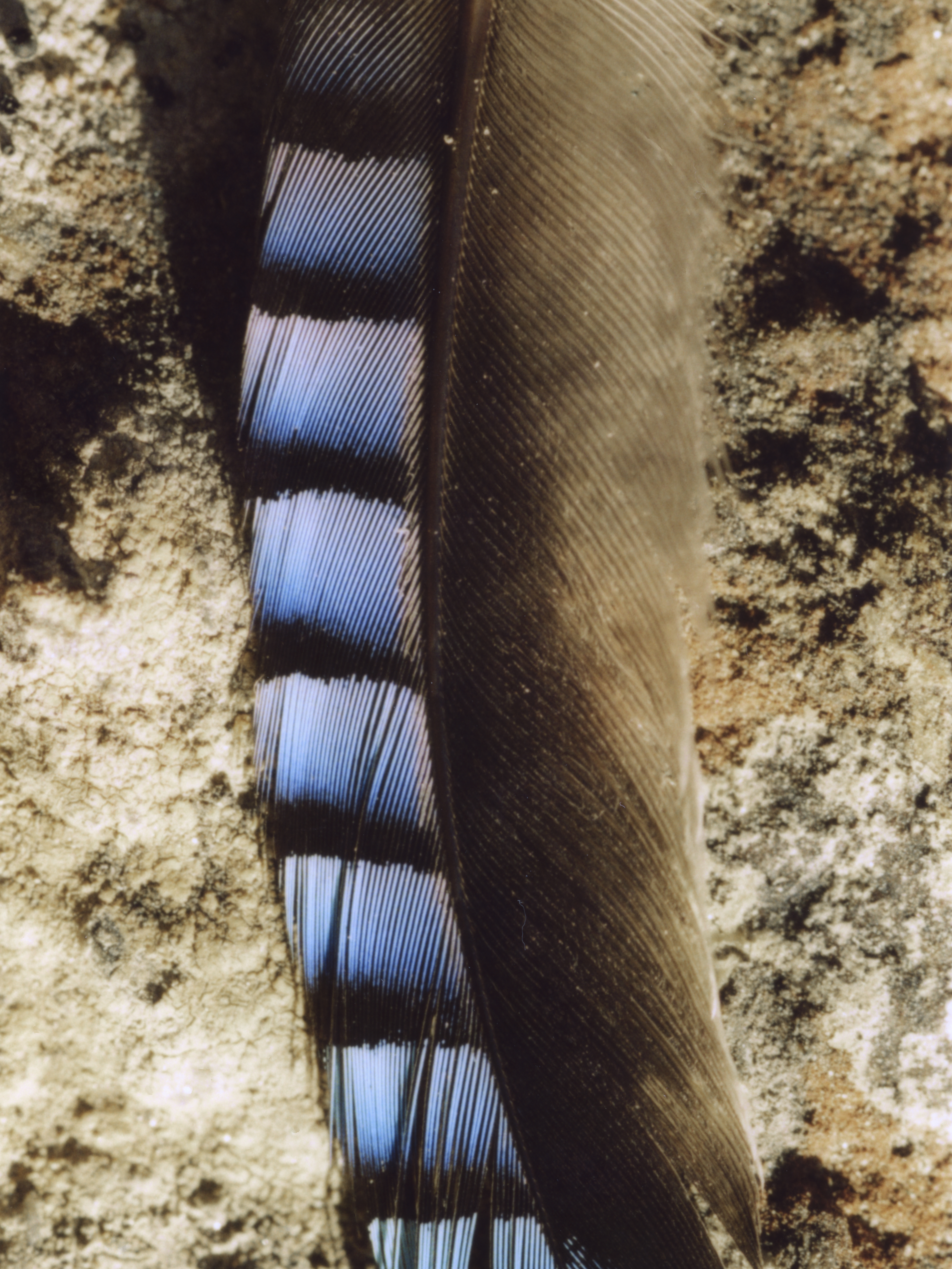
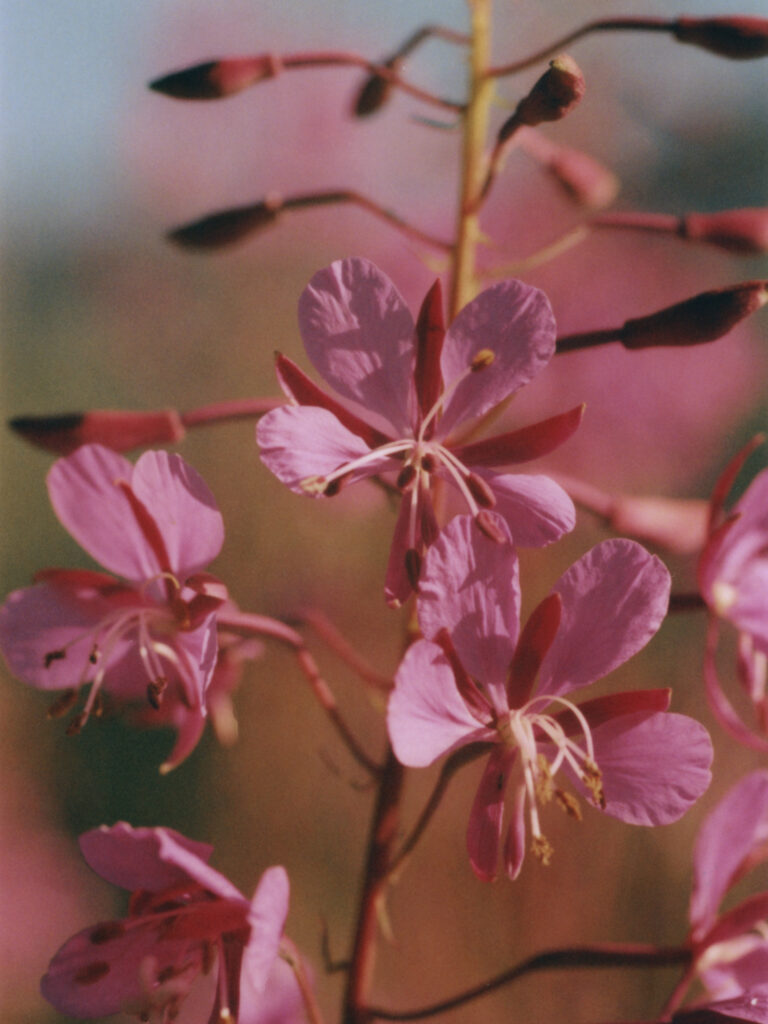
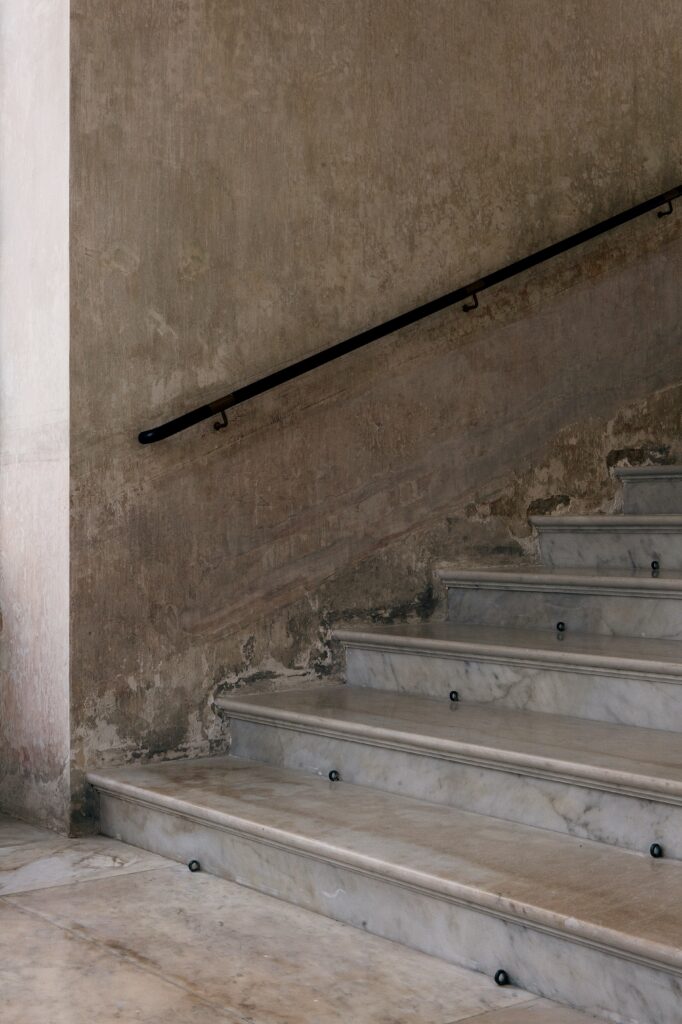
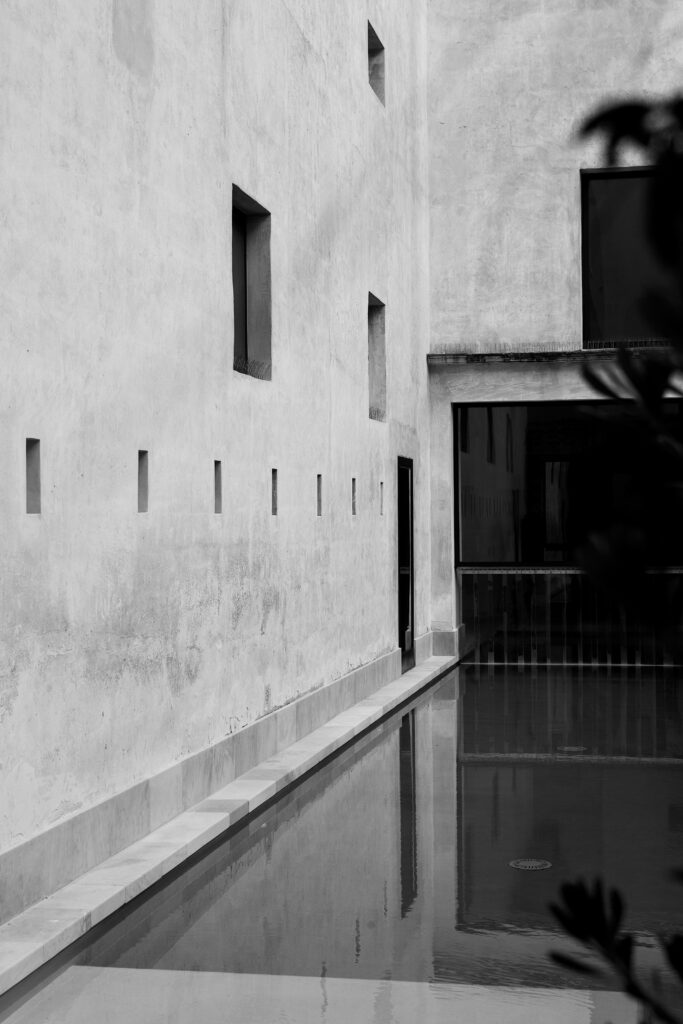
By focusing on the micro-textures of the sediment rather than the panoramic spectacle, the 2026 visual identity, captured by Rachele Daminelli, underscores the festival’s true intent. The valley is not a backdrop, but a living organism.
Rachele Daminelli, Nextones Festival Campaign (2026)
Rachele Daminelli, Nextones Festival Campaign (2026)
Rachele Daminelli, Nextones Festival Campaign (2026)
With the second announcement, the programme expands. New presences enter the landscape as distinct forces: Abdullah MiniawyandSimo Cell bring Dying is the Internet, where poetic rupture meets bass weight; Alessandro Adrianiand Ariella Vidach unfold Koppelia, dissolving the boundary between body and digital double through motion capture; Daniel Blumbergarrives with a live set shaped by improvisation and exposure. Alongside them, figures such as DJ Hell, Nosedrip, and Somatic Rituals extend the programme into the language of the club without detaching it from the site.
The final announcement completes the program by shifting attention to daytime activations. Across Ghesc Village, the Oratorio di San Marco in Veglio, the Premia Thermal Baths, and the Orridi di Uriezzo, listening becomes spatial. At the thermal baths, Michela de Mattei with Palm Wine present Hydromantique, an underwater listening environment where voice and sound move through submerged space and extend into a continuous installation. In Ghesc, Kenichi Iwasa builds a breath-led composition with a self-made hybrid instrument, folding wind, electronics, and field recordings into the village architecture. At the Orridi di Uriezzo, Shane Parish translates Autechre into acoustic form, letting geological structure shape rhythm and resonance. In Veglio, Laura Masotto turns the violin into a ritual instrument, moving between composition and improvisation inside the Oratorio di San Marco. The terrain becomes a collaborator.
At Nextones, sound meets stone to redefine the map of Italian contemporary culture, proving that the most forward-thinking frequencies are often found in the most ancient foundations.
As one of the first Italian festivals to achieve ISO 20124 certification for sustainable management, the project views environmental stewardship not as a constraint, but as a core component of the artistic experience.
Produced by Tones on the Stones Foundation and Threes Productions, and supported by national and regional institutions, Nextones continues to operate as a music production centre rooted in specific terrain. Here, in the Ossola Valley, sound meets stone. The encounter defines the experience.
Credits
Nextones Festival Campaign Frames. All images courtesy of Rachele Daminelli.
Annoucement · Polifonic Festival 2026 Words · Melis Özek
Seismic Core: Puglia’s Limestone Forge
At dawn in Valle d’Itria, the bass reverberates across the landscape. Here, at Polifonic, the future is rooted in limestone and lived culture.
In Italy, the South has long been framed as image: coastline, ritual, nostalgia, summer. Narrated as origin yet treated as periphery, it is often romanticized while structurally sidelined, rarely positioned as generator of contemporary infrastructure. When Polifonic emerged in Monopoli in 2017, it did not “arrive” in the South as an external intervention. It surfaced from within it.
Cosmic disco flickered in Adriatic clubs in the 1970s. Neapolitan fusion, through figures such as Tullio De Piscopo and Pino Daniele, traced blues inflected pathways toward early house. In Salento, pizzica rhythms collided with sound system culture; Bari’s post-industrial voids hosted off-grid teknivals. Long before the Masseria party became an aesthetic, a southern continuum was already in motion, feeding off Europe’s underground from its margins.
Polifonic began in Puglia in 2017 to fuse electronic music’s raw energy with the region’s ancestral landscapes and “Mediterranean spirit.” Organizers chose the heel of Italy’s boot: its Adriatic beaches, olive groves, and trulli, creating an immersive counterpoint to European festivals. Monopoli’s shores hosted the debut as a boutique escape, blending house, techno, and disco with Puglia’s wind-whipped authenticity, instantly positioning the South as electronic music’s hidden pulse. This territorial bond, not coincidence, birthed a phenomenon that internalizes Puglia’s heritage into global infrastructure. The groundwork for electronic hybridity already existed. Polifonic recognized the frequency.
When the pandemic suspended physical gatherings, Polifonic extended that continuity through its record label, launched in 2021. Rather than pause, it translated territorial sound into material form. Vinyl became both archive and export channel, allowing Puglia’s club language to travel while its physical stages remained silent.
The project’s northward expansion, particularly through Milan’s City Echoes series, inverted the traditional Italian cultural hierarchy. Instead of the South migrating symbolically toward the center, the center began absorbing southern cadence.
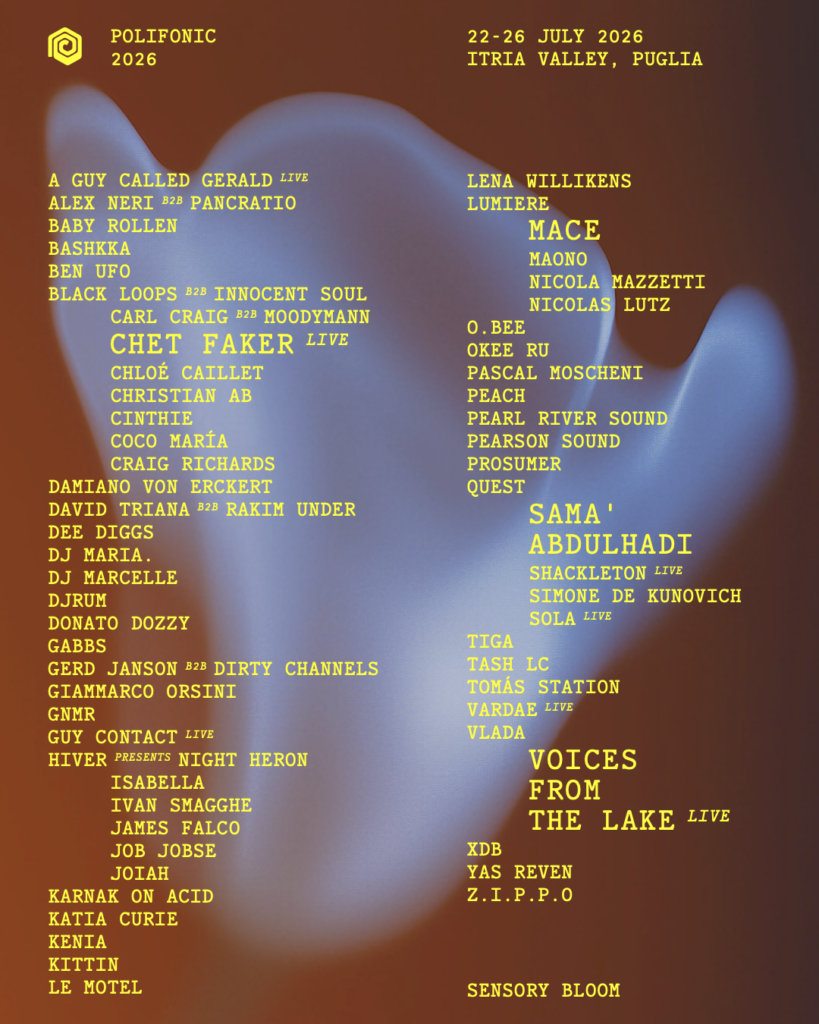
For its 2026 edition, from 22 to 26 July in the Valle d’Itria, Polifonic presents a program that consolidates its curatorial standing within Europe’s electronic landscape and reaffirms the South as author.
A total of 63 artists will perform across three primary locations: Masseria Capece, Cala Maka and Le Palme Beach Club. The lineup unfolds as a single continuous narrative, traversing historic pioneers, international icons, visionary live acts and new trajectories of global club culture. Among the defining moments stands the b2b between Carl Craig and Moodymann, an encounter between two Detroit architects whose dialogue spans techno, house, soul and jazz, repositioned inside Apulian limestone.
Voices From The Lake inaugurates the Masseria chapter with a live performance on the Stone Stage, located inside the quarry itself. From Thursday onward, Masseria Capece hosts three consecutive days for the first time in the festival’s history, intensifying its territorial immersion. Artists rotate across four stages, allowing research-driven selectors such as Ben UFO, Lena Willikens, Prosumer, Craig Richards and Nicolas Lutz to coexist with live acts including Shackleton, A Guy Called Gerald, Chet Faker, Sola and Vardae.
The curatorial arc bridges experimental edge and club momentum: Djrum’s hybrid breakbeat architecture, Samaʼ Abdulhadi’s hypnotic techno rooted in identity, and Donato Dozzy’s Roman minimal lineage coexist with Tiga’s global imprint and MACE’s cross-disciplinary construction, where Italian production culture intersects with narrative electronic form. Projects such as Hiver presents Night Heron and Karnak On Acid extend the festival’s research-driven axis.
The closing returns to the sea at Le Palme Beach Club, sealing the five-day arc in a coastal atmosphere that reintroduces horizon and salt air into the circuit.
With the 2026 theme, Sensory Bloom, listening becomes physical again: light, space and sound calibrated to heighten perception. The experience circulates from individual body to collective organism.
This sensorial emphasis extends beyond music alone. Carefully designed stages, immersive installations and a curatorial focus on inclusivity and balance reinforce Polifonic’s identity as more than lineup.
From a 2017 Monopoli shoreline, the project has expanded through records, northern editions and international outposts, without severing its territorial anchor. Rooted at Masseria Capece amid trulli and olive groves, it continues to evolve as a Made in Italy structure with transnational reach.
What began on a southern shoreline now reverberates across cities that once defined the center. To recognize a frequency is to shift the map. And when the map shifts, culture follows.
Discover more information on polifonic.it Tickets can be purchased via Dice.
“A child’s perspective is uniquely unbiased… Witnessing through a child’s eyes is an offer, it’s a pure way to ask the audience to reconsider where their own ideas come from.” Akínọlá Davies Jr. maintains a relationship with film that is essentially sentimental. Guided by a restless curiosity, his lens searches for the alchemy of the mundane—a form of silent witnessing that refuses to turn away from the tender textures so often pushed into the oblivion.
His debut feature, My Father’s Shadow – co-written with his brother Wale Davies – is a cinematic milestone. Having made history as the first Nigerian feature ever invited to the Cannes Official Selection, it arrived on the world stage with an urgency that was immediately recognized, earning the prestigious Caméra d’Or Special Mention. It is a vital, generational introspection that bridges the psychological gap between West Africa and its diaspora, confronting the questions we habitually avoid: the weight of masculine performance, the anatomy of grief and the “spiral” nature of culture.
In the friction between a 1993 Lagos election crisis and the intimate silence of a family’s interior, he unearths a humanism that belongs to us all. He treats the act of filming as an act of preservation, believing that “Archive is also a bridge for solidarity; it’s how we learn our similarities and our opposing views.” It is an invitation to look closer, to remember, and to finally see the magic in our own shared histories. From the fashion narratives of Unity is Strength to the spiritual underbelly of Lagos in Lizard, leading finally to the tactile intimacy and international acclaim of My Father’s Shadow, Davies Jr. continues to dismantle the rigid structures of the gaze in favor of a deeper, more poetic truth.
Your journey began long before the world stage of Sundance. Was there a specific moment of visual awakening, perhaps a particular image or a ritual in Lagos, that first made you realize you wanted to be a witness to the world rather than just a participant in it?
I think my entry into film was actually quite serendipitous. I grew up watching films, of course, but my desire to actually enter the industry was a consequence of witnessing my best friend’s family life while I was in boarding school. I used to go home on weekends with different friends, and this one particular friend’s father was an editor for commercials and his mother was an artist. They lived this incredibly bohemian life with his two brothers, and I found that entire family dynamic so seductive. I was captivated by the idea of how one achieves that lifestyle. When I asked what his father did and learned he was an editor, I decided right then: “Okay, I want to edit. I’m going to try and edit films.”
During university, I took a filmmaking elective and I truly loved the process of editing; it was my favorite part of the entire curriculum. As I moved forward, I met other editors and began cutting my own projects as well as work for others, but I found that editing was an intensely emotional experience for me. It became difficult to maintain the necessary objectivity because I was so deeply immersed in the feeling of it. That led me to experiment with other roles,I tried being a videographer, I worked in costume, I tried production design.
In terms of cinematic influences, there are a few films that left a significant imprint on me, though I’m not sure if they were the direct catalyst for me wanting to direct. I vividly remember Mustang, the French-Turkish film. I remember falling in love with the visual language. It’s such a tragic film, yet it carries this optimism toward the end. I was profoundly moved by the perspective of the young protagonists; it reflected a certain brand of rebellion within a culture that people love deeply, yet they are struggling to find their footing within it in a modern context. Stories like that were incredibly important to me. I’ve also found myself deeply aligned with the ‘gentle supernatural’ you see in Mati Diop’s Atlantique. There’s a way she, and even Ousmane Sembène handles African narratives. I wanted to move away from those tired post-colonial shots of urban hustle and instead find a dignified representation that felt authentic to the Lagos I remember.
You began your career assisting photographers like Alasdair McLellan and Tyrone Lebon, as well as working alongside figures like Jamie Hawkesworth and Dexter Navy. Were there specific moments on those sets where you realized that a director’s job isn’t just to look but to protect the intimacy of a frame? Are there cultural figures whose way of seeing still acts as a compass for your decisions today?
I definitely view the director’s role as one of protection. While every director has a different approach, I believe the job is to protect the collaborators. As a director, you often have the most agency on set; you curate a group of people who are there because of their merit and their desire to contribute to an idea. My responsibility is to create a safe space for that creativity, to be submissive to the idea itself and to ensure everyone feels empowered to contribute, whether they think an idea is relevant or not. There is no such thing as a useless idea if it serves the work. In fact, it is this collaboration that helps protect the intimacy too.
In terms of a compass, I look to someone like David Lynch. Watching documentaries on his process, you see a man completely committed to the art first, protecting the work from irrelevant concerns like shot lengths or industry expectations. There is also Terrence Malick, who possesses a level of freedom and rebellion in his process that is entirely unique. And, of course, Andrei Tarkovsky, his work fundamentally changed how I think about image-making. He treated every frame like a painting and remained deeply submissive to his themes, ensuring the language of the camera and the language of the story were in total harmony.
On a different note, in terms of sheer inspiration, I have to mention Captain Fantastic. I thought it was the most “rock n’ roll” experience for a film; I was obsessed with how masterfully it handled the performances and the raw nature of the protagonist. I remember seeing it in Beirut when it came out and being so moved I actually messaged the cinematographer. It’s those kinds of works that stay with you.
You’ve expressed a desire to shed the auteur label in favor of capturing the sensuality of living. Looking back, did the industry’s obsession with a static, perfect look force you to develop a more radical protection of the feeling, those unpolished and tender moments that fashion often airbrushes out? What specific sensibility from fashion, perhaps the ability to tell a story through a single texture, do you wish to see more of?
To me, filmmaking is entirely a collective effort. I don’t believe in the “Maverick” or the idea that one person is more special than the rest. The depth of the work comes from the willingness of everyone involved to contribute to the process. While there is a natural hierarchy, some people lead and others follow, everyone has a vital part to play in the ecosystem. Without that shared contribution, the material lacks the depth and the “feeling” I’m constantly chasing. I’m far more interested in that group energy than the label of an auteur.
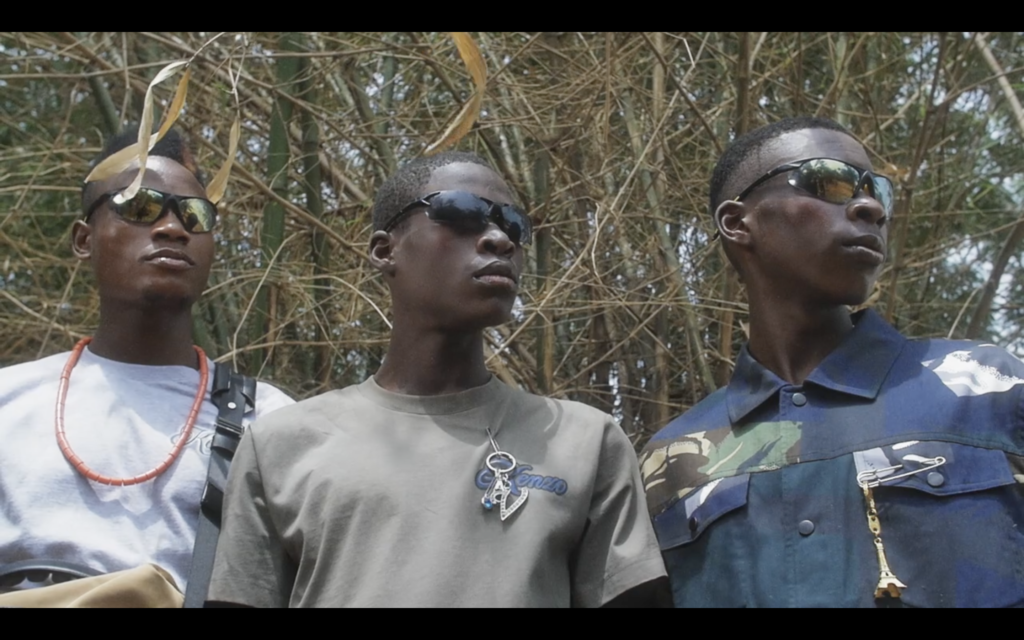
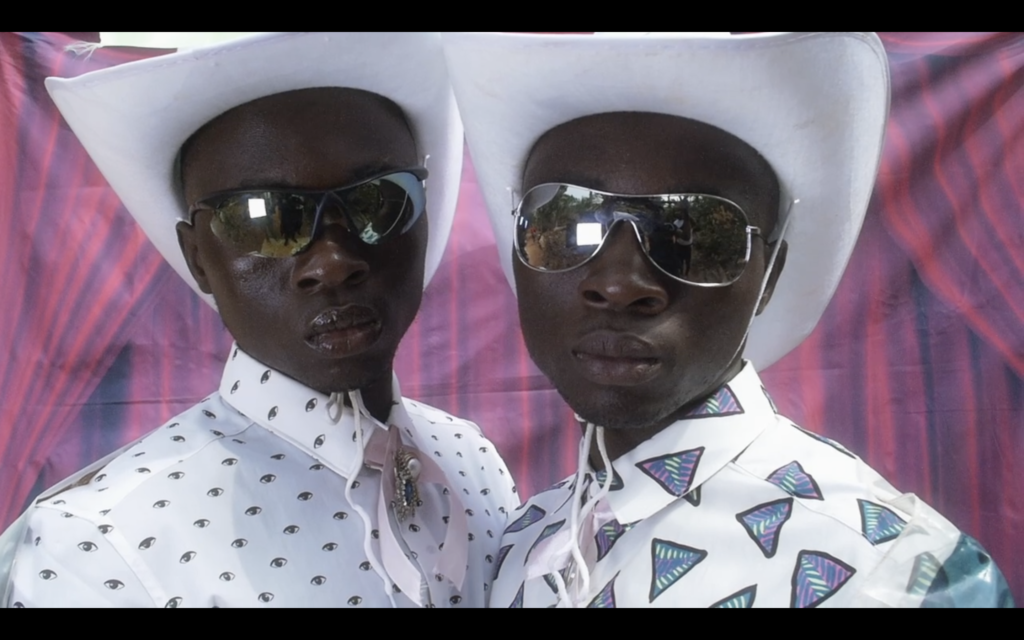
Your 2017 film Unity is Strength for Kenzo was a significant precursor to your feature style. Working with Ruth Ossai and Ibrahim Kamara, you captured an inclusive beauty in the Igbo heartlands that felt radical for the time. How did that era, specifically the process of archiving local rituals through a fashion lens, prove to you that high fashion sensibilities could coexist with the grounded?
I love that reference because that project remains one of my favorites. I felt incredibly encouraged to be as free as possible. I’ve always been obsessed with subversion, the idea that while we might speak the same language, we use different semiotics to deliver a message.
What Unity is Strength demonstrated was that a setting might look “rural,” but if you frame it with a specific intentionality, it can feel futuristic or even ancient. Rituals and traditions pre-date modern culture, so I wanted to reintroduce these existing elements in a way that felt contemporary without “doing too much.” By introducing Kenzo, music, or graphic elements into a community of people simply having fun, the atmosphere shifts into something almost sci-fi.
Still from Unity is Strength (2017), Akinola Davies Jr.
Still from Unity is Strength (2017), Akinola Davies Jr.
Ultimately, we are always in a conversation between the past, present, and future. It all comes down to how the viewer frames what they are seeing. Someone else could film the exact same scene and make it look stereotypical or archaic, but I find an extreme magic in the ritual of the mundane. When you treat the everyday with that level of respect, you can find a very specific kind of alchemy.
You have stated that to be an artist is quite a privilege and to exist in privilege is quite political. In the context of the Nigerian diaspora and the global film industry, how do you navigate that privilege to ensure your work remains a site of resistance rather than just consumption?
That is a profound question. For me, it comes down to investigating the depth within an image and questioning what that depth allows the image to serve. I appreciate aesthetics, but I believe aesthetics must be modern enough to serve more than one purpose. If an image is purely aesthetic, beautiful as it may be, it exists only for that fleeting moment. However, when you layer an image with various cultural references and histories clashing together, it becomes democratic. It becomes a space where everyone can see an aspect of themselves. This allows a single, textured image to be reinterpreted by a multitude of people, making it far more dynamic than an image that simply fulfills a decorative purpose.
I am very sensitive to the idea of “throwaway” imagery. I want to create work that outlives its initial purpose, whether people recognize its significance now or in the future. In my background, it is vital that we create multi-functional, multi-dimensional images that can be recycled across different contexts. My navigation of privilege also involves a constant questioning of my own “eligibility” to create a certain image. If I feel I am the right person to make it, I then look for collaborators who are even more invested in that image than I am, ensuring the subject matter is filtered through a worldview that honors the community.
As a Black, African, British male, I don’t necessarily have the same excess of opportunity as a white European or American, so I am always thinking about how to speak to my community. It isn’t about being performative; it’s about being inclusive to ensure there is genuine depth in the objects and images we engage with.
Your work occupies a distinct psychological bridge between West Africa and the UK, often navigating the friction between colonial structures and indigenous reclamation. How do you cultivate a visual language that is legible to the traditional while remaining deeply resonant for a millennial diaspora that is constantly negotiating its own sense of belonging?
I am very sensitive to how we represent our experiences. Often, representation falls into two extremes: the “exceptional”,like Black Excellence or A-list celebrity, and the other side, which dabs in trauma, exoticism, or “othering.” I realized I was most interested in what exists in the middle. What about the people who don’t see themselves as exceptional or tragic, but are simply trying to get through their day?
I focus on the simplicity of the “middle section” of life, daily rituals like journaling or grocery shopping. This is a celebration of existence; it says that because we exist, our lives are important. I want to honor a language that celebrates this simplicity without leaning into the stereotypes on either end of the scale. The mundane presents a space where you can find magic. For me as an image-maker, there is so much beauty in simple things. I think of the Mona Lisa; aesthetically, it’s a very simple portrait, yet it has such depth because it captures the “horror of simplicity.” It isn’t trying to trick you; it is just a face that suggests the painter saw something profound in the person.
Culture is an evolution, not a static thing. People who try to hold onto culture as something fixed don’t fully understand it. Cultures have always intermingled and mixed. Perhaps planes and globalization have accelerated that, but it has always been a spiral of conversation rather than a linear history. My work tries to document that ongoing conversation, race, masculinity, being British, being European, and being African, all as one continuous, evolving spiral.
In Boot/Leg for Art Basel, you navigated a multidisciplinary context to explore the alchemy of Black people simply being together. This project seemed to mark a significant artistic evolution, moving away from high fashion toward finding magic in the mundane. How did capturing those everyday rituals and social signifiers prepare you for the tactile intimacy we see in My Father’s Shadow?
These are excellent questions; they really take me back through the work. As I mentioned, I am wary of focusing solely on trauma or the “exceptional.” I want to avoid the exotic lens. By focusing on the middle ground, the everyday rituals,I found a way to celebrate existence without it being quantified by something grand.
In Boot/Leg, capturing those social signifiers and simple concepts with a specific gaze allowed them to feel magical. This prepared me for My Father’s Shadow because it taught me that beauty resides in the most basic interactions. It’s that “horror of simplicity”, the idea that you don’t need to lure the viewer in with tricks. You just show the depth of the person or the moment.
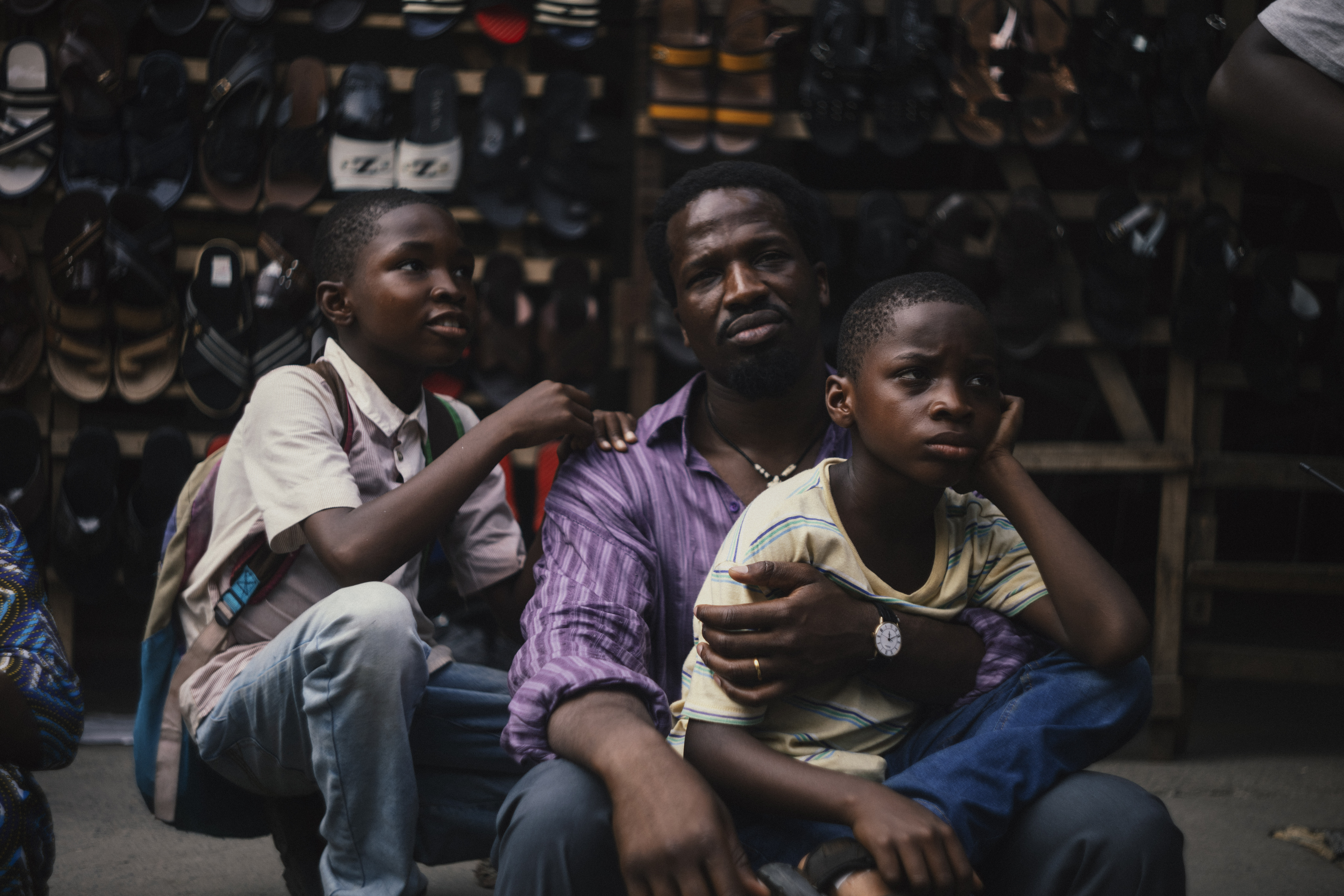
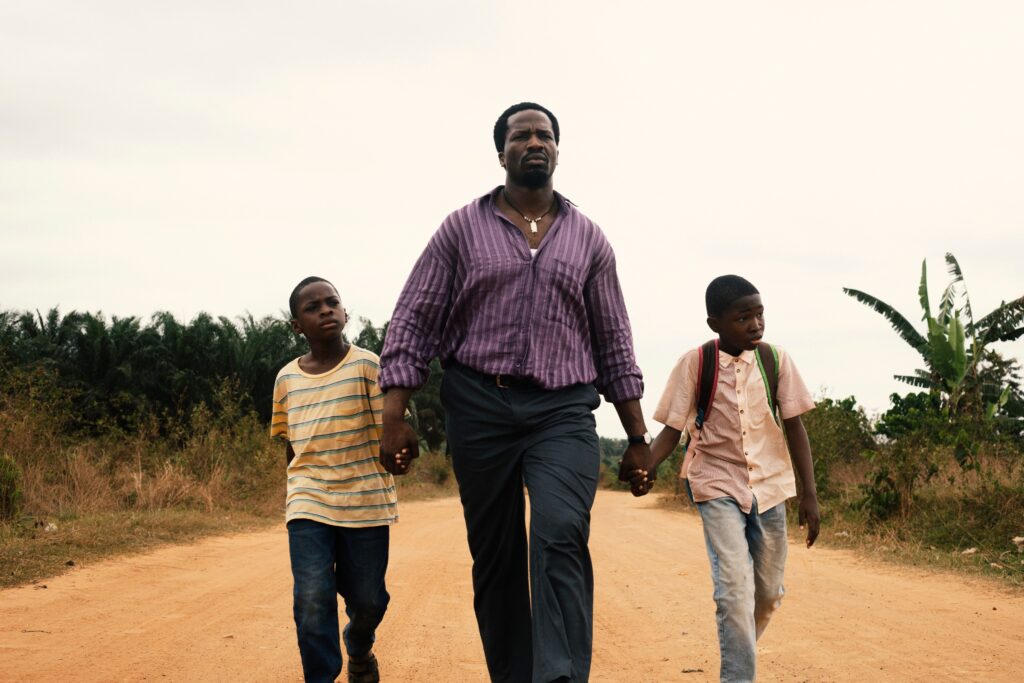
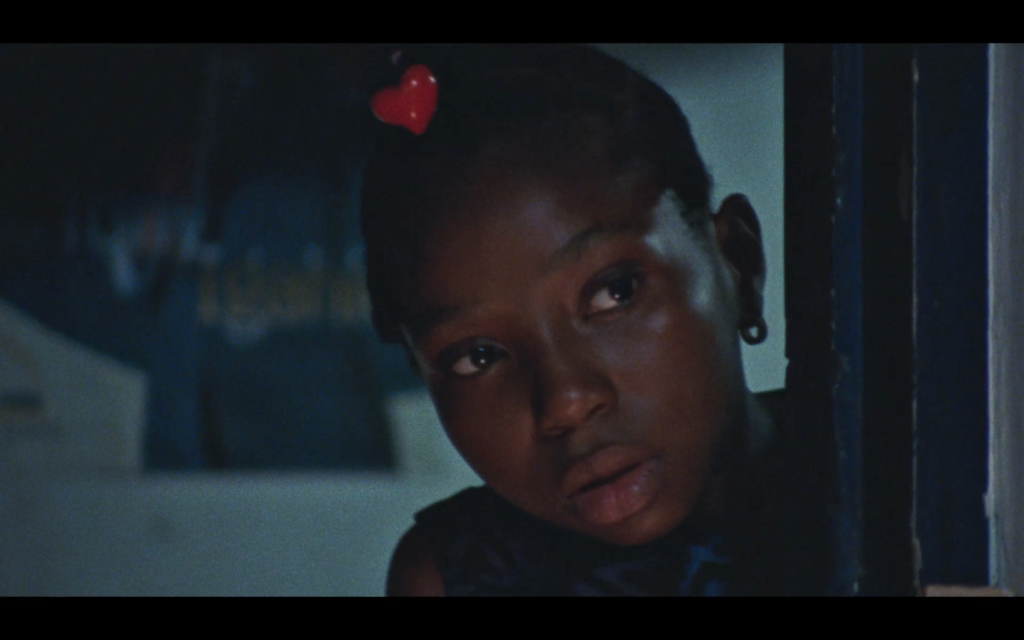
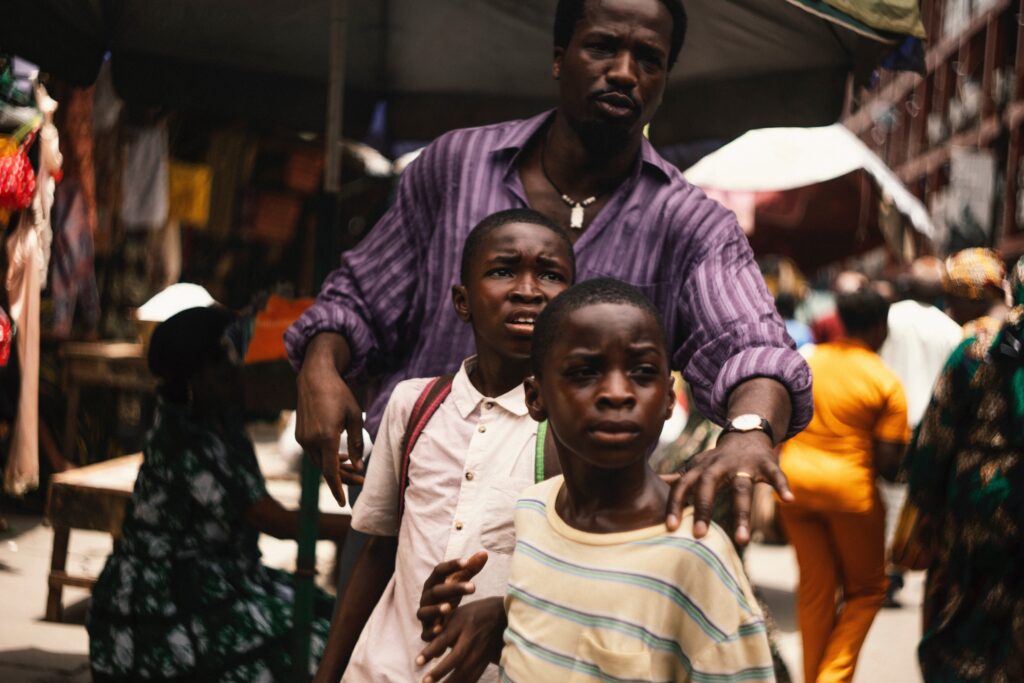
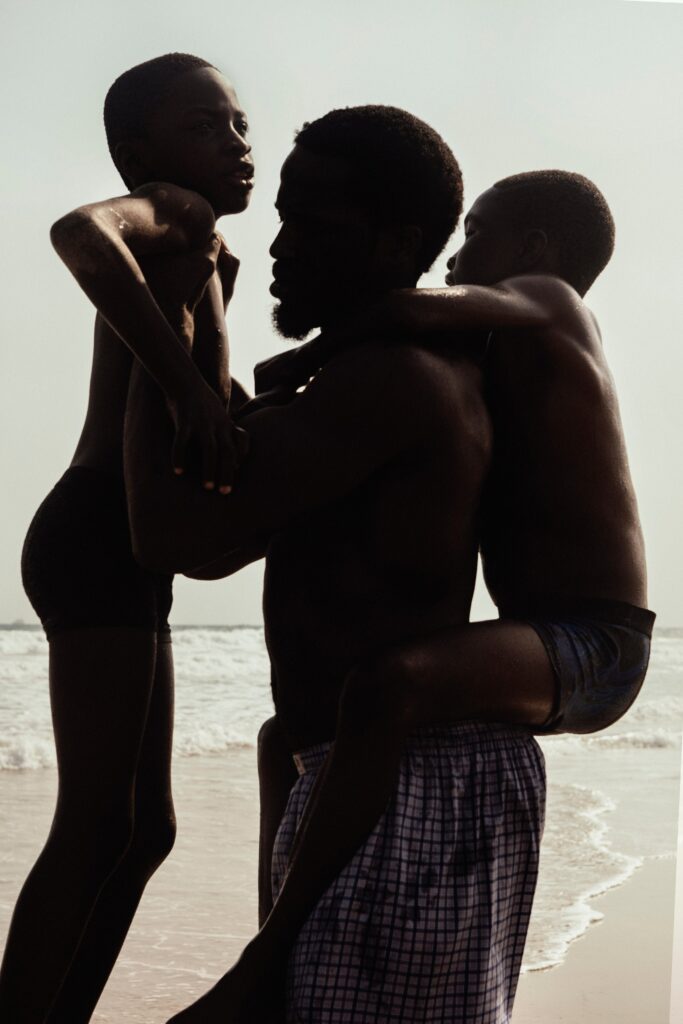
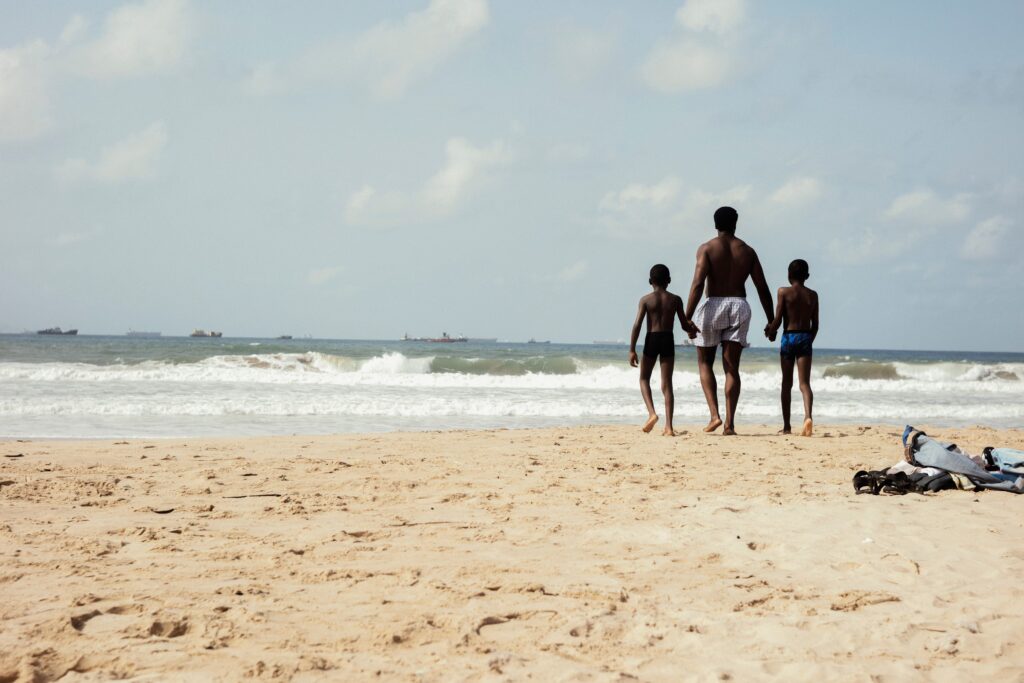
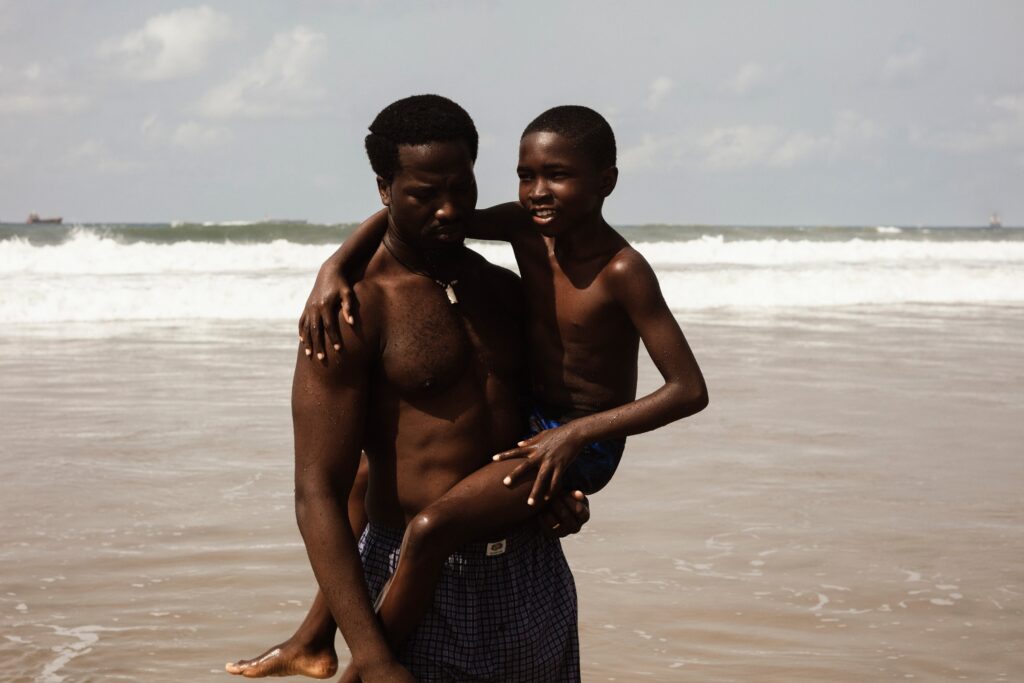
Still from My Father’s Shadow (2026), Akinola Davies Jr.
In Lizard (2020), you explored the underbelly of a Lagos Mega Church through an 8-year-old girl. Does My Father’s Shadow continue this exploration of how massive institutions, be they religious or political, shape the secret and internal psychology of a Nigerian child?
I love this link. No one has asked me that before. I wrote Lizard to understand the psychology of a society that allows the events at the end of that film to happen, especially within the context of a mega-church where there is so much wealth and affluence tied to being “religious.”
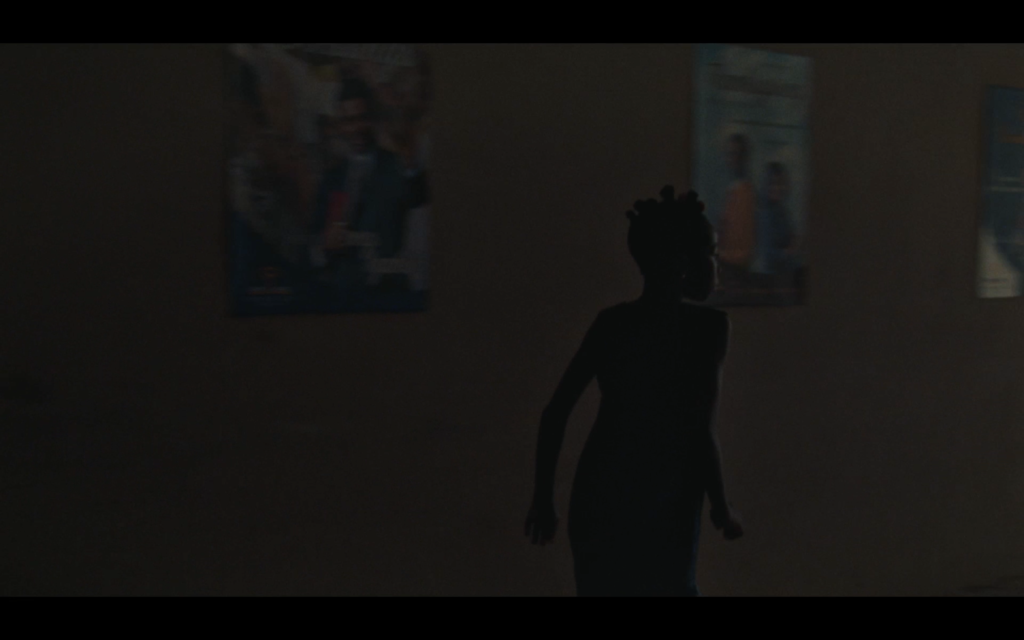
Still from Lizard (2020), Akinola Davies Jr.
Still from Lizard (2020), Akinola Davies Jr.
If Lizard is a microcosm of that society, My Father’s Shadow is a much larger investigation of the forces at play. It explores the father’s struggle, having to be away from home, performing a “song and dance” just to get his wages, and the political unrest of the time. The children are the witnesses, wondering what is happening as they move through the city. The two films are definitely in a direct conversation with one another regarding how institutions and communal structures shape a child’s secret internal world.
Still from My Father’s Shadow (2026), Akinola Davies Jr.
You have a gift for capturing the perspective of children who are hyper aware of adult tensions they cannot fully name. Why is this silent witnessing the most effective way for you to address heavy themes like race and political collapse?
The concept of the “silent witness” is beautiful. I would like to refer to James Baldwin. When he was in Paris during the Civil Rights Movement, he struggled with his contribution until he was told that “the witnesses” are just as important. That stayed with me. We aren’t all “fire and brimstone” heroes willing to sacrifice everything, and I’ve realized that there is something subversive about simply living a long life and becoming a vestige of knowledge, an archive for your community.
A child’s perspective is uniquely unbiased. They are grappling with themes, politics, and institutions that they have to “learn” just as we did. These things aren’t natural; they are socialized. A child witnessing a situation and thinking, “This is actually quite dumb,” neutralizes the viewer’s perspective. You don’t have to be politically correct; you just say what is on your mind.
For example, someone asked me about including a disabled person in the film. In West Africa, there are many disabled people, but the infrastructure isn’t there like it is in Europe. I wanted to show that they exist and are an important part of society. I was able to have that conversation through a very small interaction with the children. Witnessing through a child’s eyes is an offer, it’s a pure way to ask the audience to reconsider where their own ideas come from.
A semi-autobiographical tale set over the course of a single day in the Nigerian metropolis Lagos during the 1993 Nigerian election crisis. The story follows a father, estranged from his two young sons, as they travel through the massive city while political unrest threatens their journey home. How did you begin the process of unearthing your own childhood memories of Nigeria then to build this narrative, and what was the creative evolution required to transform such a specific personal history into a mirror for the universal complexities of the Nigerian family today?
I don’t carry that responsibility alone; it has been a profoundly collaborative journey. My brother, Wale, is the lead writer, and our shared history is the bedrock of the film. Outside of the professional sphere, I’ve been in therapy for over a decade, which has been instrumental. It has allowed me to vocalize thoughts I might otherwise suppress for fear of them being “problematic.” Therapy doesn’t “fix” you, but it provides a toolkit to explain how you feel, allowing for a level of introspection that is vital when dealing with such personal material.
I’ve become very conscious of what I’m passing on, how my behavior affects those around me and what I might eventually pass on to my own children. Making My Father’s Shadow was an act of bridging the gap between my brother and me, creating an artistic precedent for our family moving forward. Even if we never make another film, this stands as a legacy for previous generations, for us now, and for our nieces and nephews in the future.
Still from My Father’s Shadow (2026), Akinola Davies Jr.
The film centers on the idea that choosing to care for family and choosing love is the ultimate revolutionary act. It goes beyond the stereotypical “I love you” and moves into the territory of: “I love you so much I want to be a better version of myself so I don’t pass my own grief and baggage onto you.” It’s about striking a balance, even while recognizing that we will inevitably mess things up.
The “absent father” becomes universal because it’s an exploration of our own lived reality. We lost our father when I was a baby, and our grandfather shortly after. I was raised by my mother and a matriarchy of grandmothers and aunts, so we always had access to our emotions. Yet, as you navigate the world as a man, you still have to grapple with the characteristic traits of traditional masculinity, the “provider” or the “womanizer.” This film is an inward reflection on how we hold that form of masculinity accountable. It is a conversation with grief and memory where we say: “We see it, we can call it out, and we are trying to be better.”
Ultimately, I want the audience to project their own concepts of memory into the film. I want to trigger a curiosity that allows for a dialogue between my story and their own lives. If the viewer sees a reflection of their own family complexities within our specific Lagosian setting, then the narrative has done its job. It’s about keeping that conversation open rather than closing the loop.
You’ve spent a decade recording conversations with your mother to archive your family history. How did these conversations shift your perspective from merely telling a story to protecting a legacy?
It began with the simple realization that she is aging. I wanted to archive her voice and her personality while she was of sound mind, so my children would truly know who she is. Beyond that personal anchor, it became a broader necessity. History often picks one static aspect of a culture and recycles it indefinitely, but culture is a constant evolution; it is a conversation that is always moving. People who view culture as static don’t fully understand what they are trying to hold onto.
In an African context, mothers often represent a sacred access point to feeling, nurture, and vulnerability. The older I get, the more the “patina” of the mother-child dynamic wears away, and she starts giving me the real “tea”,the true information. This archiving process is like a Russian doll; you archive, and then a few years later you go back and find even more layers. It made me realize that I am an archive, and my work is an archive. It’s about mixing those layers to create a multidimensional perspective. It’s not linear; it’s a spiral. That realization set everything off for me,it led into my explorations of community, masculinity, race, and what it means to be British, European, and African all at once. Archive is also a bridge for solidarity; it’s how we learn our similarities and our opposing views.
It is a remarkable story that you didn’t know your brother, Wale, wrote screenplays until a chance revelation at Cannes. When you finally read My Father’s Shadow, the first screenplay you had ever read, how did it change your understanding of your own family history?
I’ve always been comfortable with the idea of death, not in a reckless way, but with a certain fearlessness. However, when I read Wale’s script, it was the first time I had ever considered paternal vulnerability. It had never crossed my mind that my father could be unsure of himself or sensitive.
Still from My Father’s Shadow (2026), Akinola Davies Jr.
Wale and I actually had very opposing views of our father; he idealized him, whereas I held a lot of anger toward him. The writing process became an explosion of grief and a way to navigate those conflicting feelings. It was formative for both of us because it allowed us to see each other’s vantage points more fully. The process of creating this art allowed us to see one another,and our history,more clearly.
Costume designer PC Williams used your personal family photographs to recreate 1990s Nigeria. How did seeing your dreams being updated and worn by actors in the flesh affect your direction on set?
PC is the unsung hero of this film. Her work is so seamless that people often forget they are watching a period drama. That subtlety is the trademark of a master. It took what was in my imagination and grounded it into a shared reality. Everyone brought their own vantage point,PC was referencing her family while I was talking about mine,which allowed the world to germinate in a vast way.
We spoke a lot about “color therapy”,how certain colors represent different moods or cultural signifiers. We used costume to play into the psychology of the characters; for instance, the contrast between the brothers,one wearing a shirt and jeans while the other is in a more playful T-shirt,gives them immediate depth. The clothes became the uniform of our memory: tailored but loose, reflecting the specific conversation of that time in Nigeria.
You’ve described sound as the emotion of an image. How does the post rock score by Duval Timothy crystallize the specific emotional vibration of Lagos in 1993 and how did your fashion background influence this vibe led approach to sound?
My background in fashion gave me the privilege of being able to identify a rich, textured image,to find beauty first. My cinematographer and I treat every frame like a painting, and I wanted the sound to be a submissive accompaniment to that imagery.
Duval Timothy is incredibly talented; his music has a bittersweet quality that can seduce you and then push you away. I gave my collaborators a specific reference: a piece of fruit that looks normal on one side, but when you turn it around, it’s completely decaying. I wanted the instruments to sound beautiful but occasionally slip out of tune or fall into a dark mood. Duval and my brother both became fathers recently during this process, and you can hear that raw intuition and vulnerability in the score. It feels completely at home with the story we are telling.
As My Father’s Shadow moves into the world, what is the one feeling or shiver of recognition you hope the viewer carries away with them? Beyond the political history of Nigeria, do you hope this film offers a form of grace or absolution for those navigating their own shadows of absence and family grief?
I want people to see themselves in the film and project their own concepts of memory into it. I’m interested in triggering curiosity, I want to hear your “conspiracy theories” about what is happening. If I define exactly what the film is “about,” it closes the loop. I’d much rather someone come to me in five years with a completely different theory.
Still from My Father’s Shadow (2026), Akinola Davies Jr.
On a second level, I want people to recognize how connected our histories are. The contemporary history of Nigeria is bizarre and unbelievable, which makes it a fascinating place. There is a massive “brain drain” in Nigeria, with human resources spread across the globe, and there is a reason for that. The participation of the British, Italians, Americans, and Chinese in that history is much closer to home than people think. I want the audience to look past the politics and see the raw humanism.
Having spent a decade on this debut and successfully bridging the worlds of high fashion and narrative feature film, where does your curiosity lead you next? Are you looking to further explore the alien space of the diaspora or is there a new sensory logic or institution you are eager to dismantle through your lens?
I want to travel more around Nigeria, learn about the different tribes, and connect with the diaspora globally. To become a master of this craft, you have to be open and put the time in. Whether it’s documentary, experimental, or commercial, I love the medium of cinema and want it to become muscle memory for me.
Right now, I’m following whatever feels most urgent. I won’t be a young man forever, so while I have this energy, I want to deal with the things that feel pressing, exploring how we decolonize our narratives and re-educate ourselves through a new sensory logic.
Karimah Ashadu’s work begins with the body. Before turning to film, she trained in painting and spatial design, developing a way of thinking grounded in surface, scale, and physical presence. That foundation continues to shape her moving images, where cameras are often attached to bodies or custom-built mechanisms, and motion becomes not a visual effect but a method of inquiry.
Living between Lagos, London, and Hamburg, Ashadu’s films move across geographies, economies, and identities. Her work engages labor, masculinity, migration, and autonomy, particularly within informal systems that exist beyond regulation yet sustain everyday life. Rather than offering explanation, her films construct encounters. They ask the viewer to feel position, proximity, and imbalance, and to recognize the conditions under which looking itself takes place.
Recipient of the Silver Lion for a Promising Young Participant at the Venice Biennale, Ashadu reflects on painting as a foundation for filmmaking, the role of physicality and installation, the politics of direct address, and why her films function less as statements than as self-portraits shaped by lived experience.
You began your practice in painting and spatial design before moving into photography and film. What did painting teach you about surface, scale, and attention that still shapes how you compose moving images?
What painting teaches you, fundamentally, is composition. How you want the work to feel, the kind of emotion you want it to engage in the viewer, and how you achieve that through shape, texture, and surface. Painting creates a visual language that stays with you. For me, it is completely fundamental to how I make film.
Your approach to film seems to emerge through the body, through position, balance, and movement. How did working physically influence the way you first understood motion on screen?
When I was painting, I was very interested in performance painters and artists who worked directly with their bodies. The body was always at the center for me, and that is what drove my entry into filmmaking.
I started by building mechanisms, structures where I would give control to the device itself. I placed my camera inside the mechanism, and over several years that process evolved. What I loved was not knowing exactly what I was going to see, and how movement could influence narrative. The physical relationship between the camera and the body, and how that is experienced, became central. The way the film moves physically contributes to the narrative.
You have lived between Lagos, London, and Hamburg. How does moving between these places shape your sense of framing, duration, or where the camera is allowed to be?
Moving between these places influences me on many levels. It makes me aware of myself, my body, and how the world interacts with me as a Black woman, as an African, as a European woman.
It also makes me think about space, where I am allowed to be, and how I move through environments. One moment I might be filming in the slums of Lagos, and the next I am sharing that work in an art space across the world. That movement is key to what I do.
For me, moving between these places is essential to my practice.
Many of your films are encountered by audiences far removed from the conditions they depict. How do you think about the distance between lived experience and its reception through the image?
I am not naive. I know what I am doing. It depends on how open the audience is. If someone is guided only by what they have absorbed through the media, they will view the work through a specific lens. If the audience is open minded, has traveled, reads, and is culturally engaged, then there is space to see from a different perspective.
I am not trying to educate anyone. I am not trying to be an activist. I am simply showing the world as I experience it. I cannot control how the work is read. I can only present it honestly.
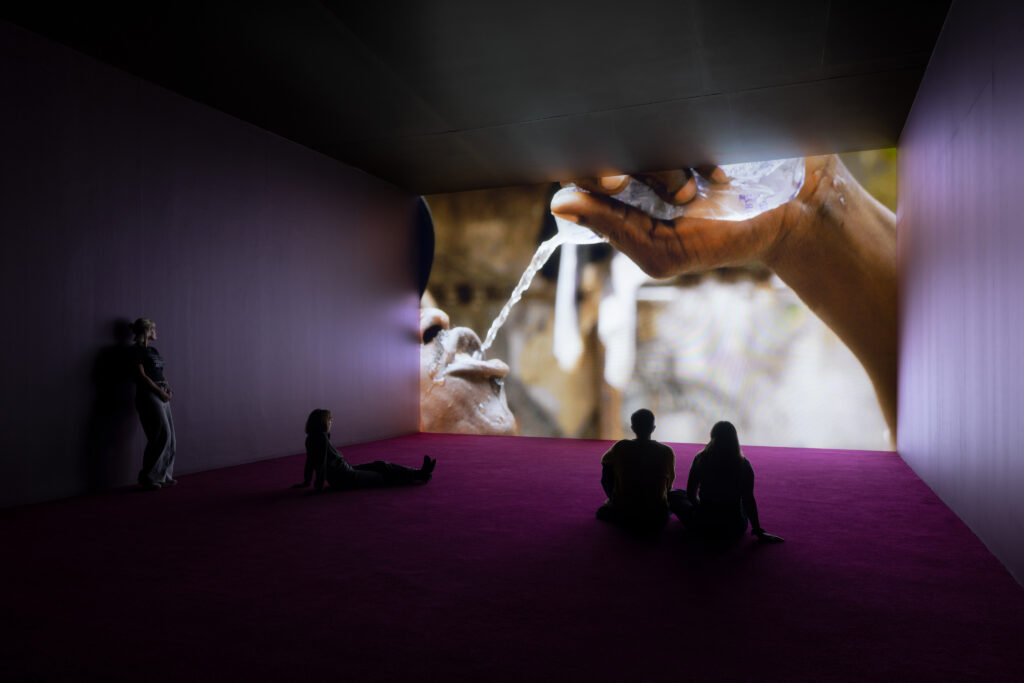
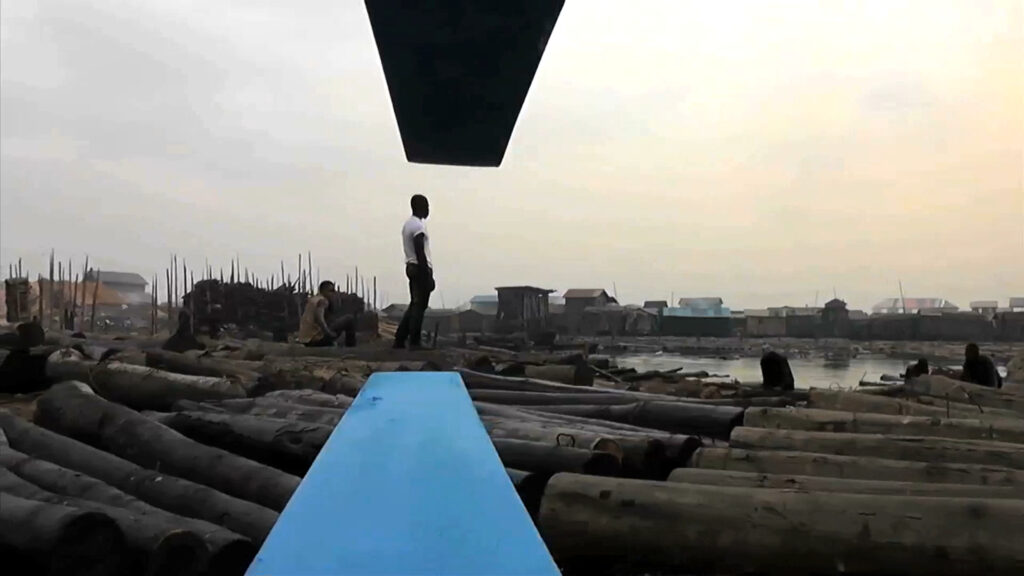
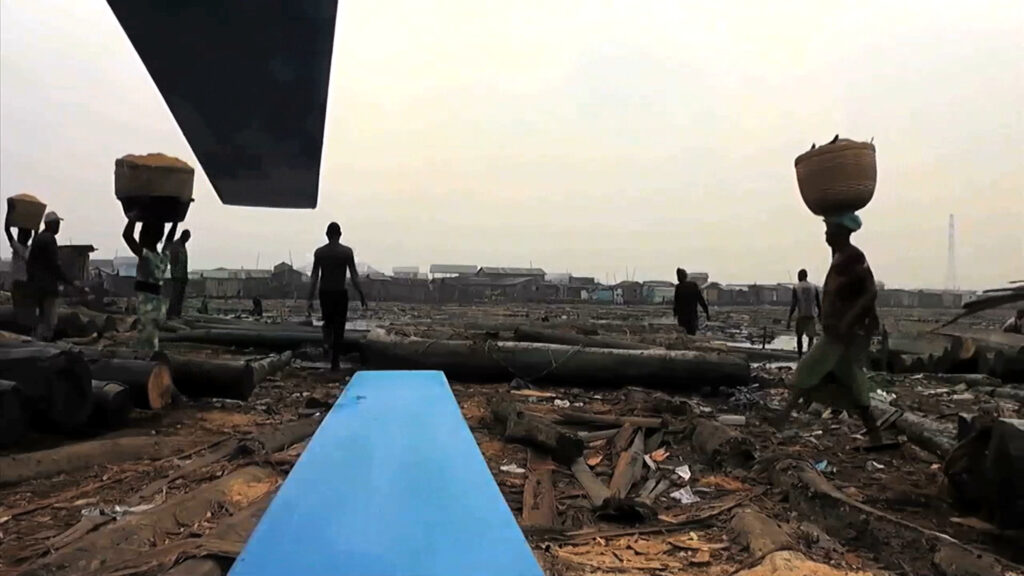
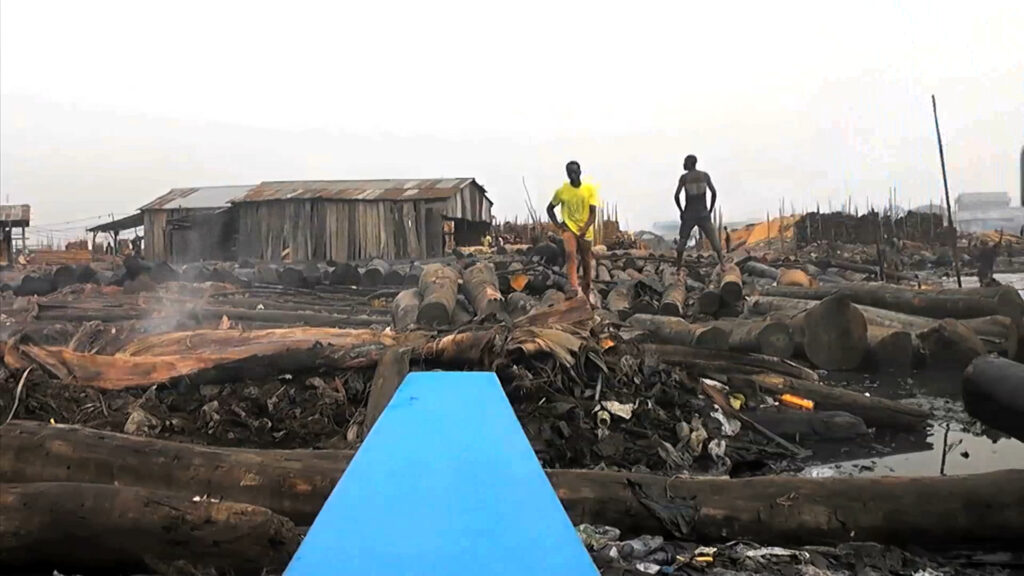
Speaking about Makoko Sawmill, you have said that your methods make closeness felt. What concrete choices create that closeness, and where do you intentionally hold back?
Making Makoko Sawmill happened during a period when I was figuring out my place in Nigeria. I grew up there, then left for the UK, and this was a time of return, of re-learning the culture and understanding where I fit in the landscape.
The mechanisms I was using allowed me to work through that process. The audience accompanies me on a journey of reconciliation, and that is intimate in itself. Making art is intimate. You are sharing parts of your process and parts of your emotional world, parts of your “soul”, really.
With my films, I am creating a world and inviting the viewer into it, framing that experience very specifically. It is about opening a dialogue. It is an invitation rather than a declaration.
In several works, your subjects look directly into the camera. What does this direct address ask of the viewer, and how does it shift the balance of looking and being looked at?
On one level, you are watching a film and become hypnotized. That direct look interrupts that state and makes you aware of yourself as the viewer.
It is about the subject meeting you directly. That moment becomes one of reclamation and empowerment. Often this is a Black body, frequently a Black male body, onto which so much history and projection is placed.
You often attach the camera to your body or to custom-built devices, allowing movement to generate the image. What kinds of understanding emerge from this method?
It comes from having a physical approach to filmmaking. For me, anything is possible. I think about the image I want to achieve and then find a way to achieve it.
The movement of the camera works hand in hand with the subject. Over time, I have learned what works for me and what does not. It has been a process of discovery.
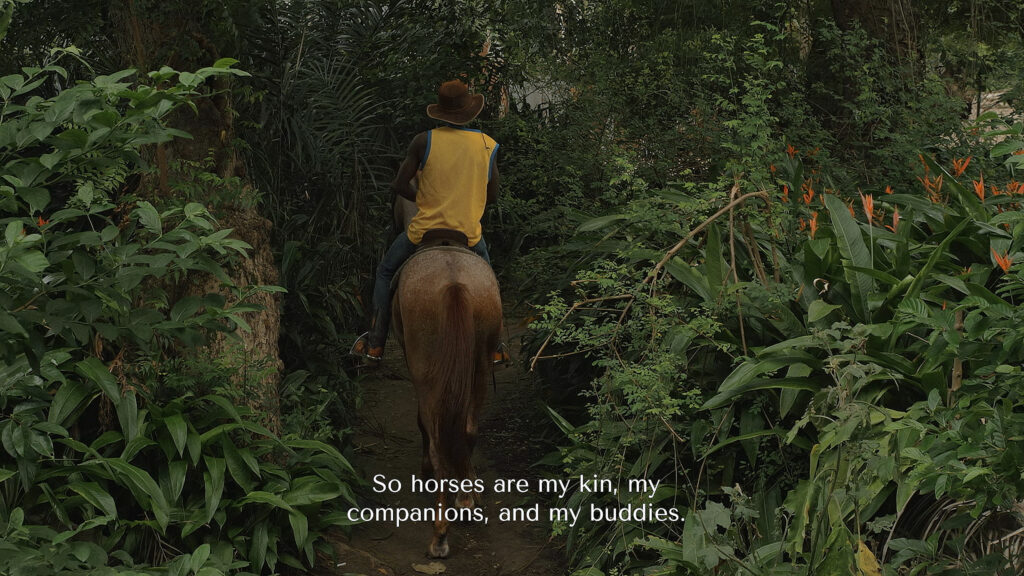
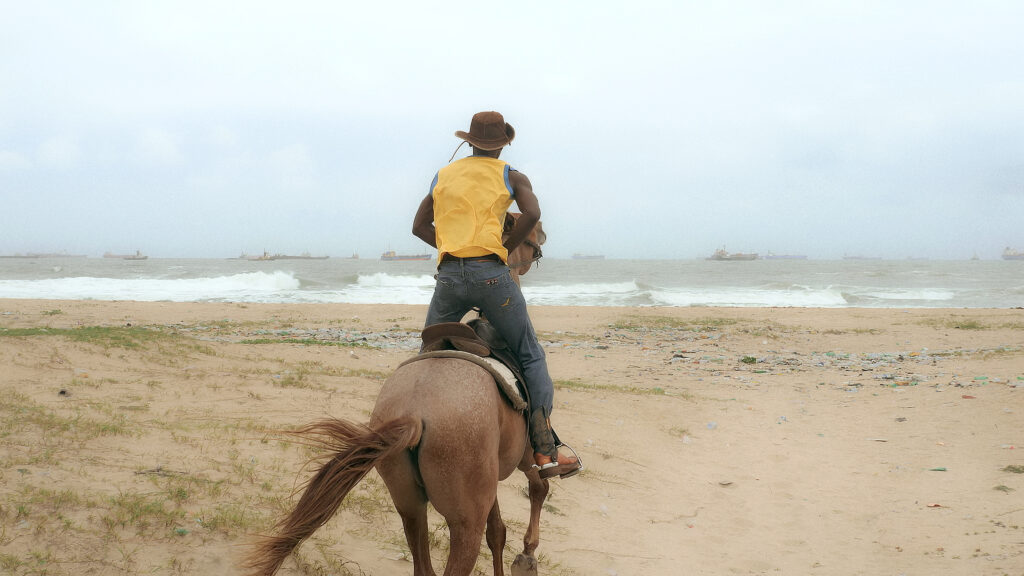
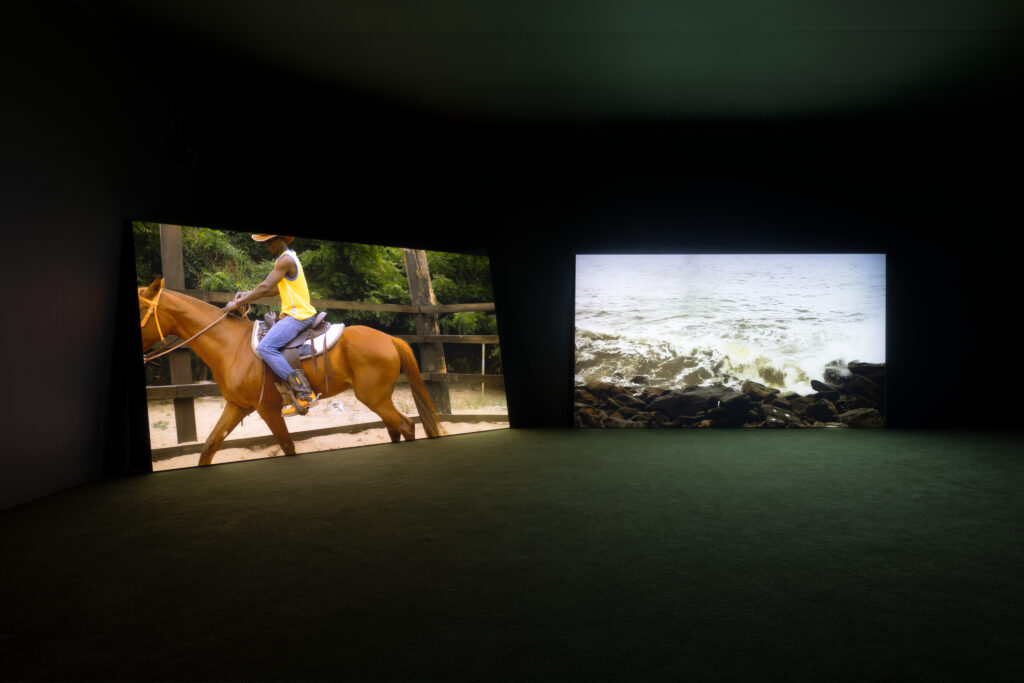
In Cowboy, the camera moves with the rider, sharing speed and rhythm. What changes when the image moves alongside its subject instead of observing from a distance?
You follow this African cowboy from behind, and he leads you through his environment. Historically, that act of following a Black person in this way, carries meaning.
He takes you to the shore, to the Atlantic, and charges toward it without entering. The ocean becomes a site of historical violence for Black people, through slavery and contemporary undocumented migration. It represents the unknown.
There is a lot of symbolism woven in. The palm tree, for example, is a symbol of peace in West African history and was used as camouflage during times of war. On a surface level, these details might be missed, but they are deeply woven in with meaning.
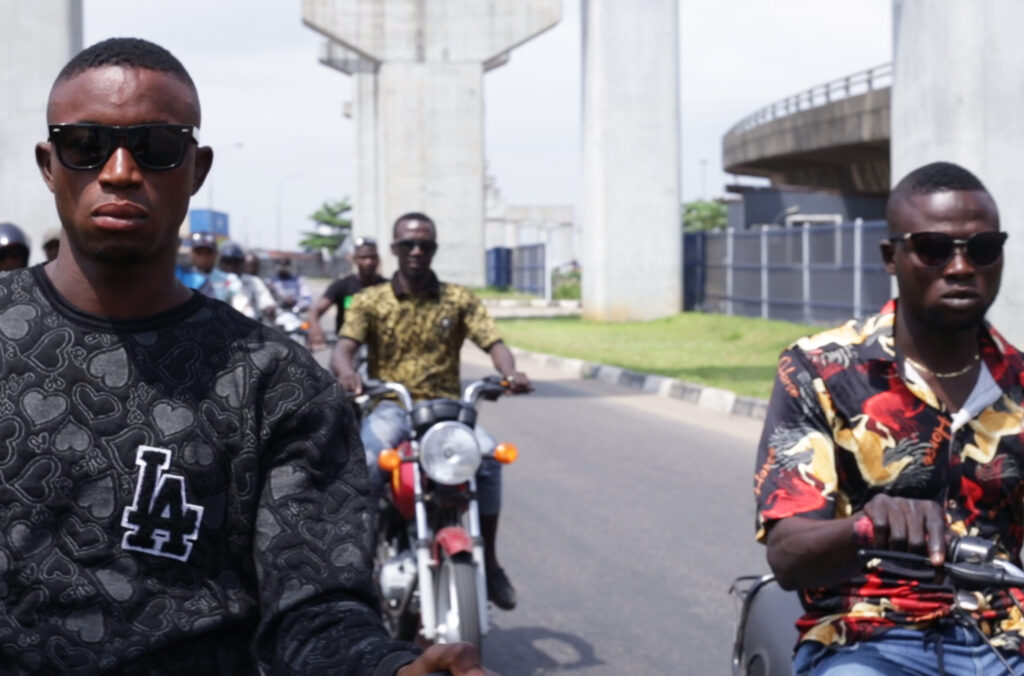
From sawmills and tin mines to motorcycle taxis and makeshift gyms, your work repeatedly engages with labor carried out in informal or unregulated conditions. What draws you to these spaces of work?
When I think about Nigeria and independence, I think about how independence was taken from us. We were always independent. Labor becomes central when thinking about rebuilding autonomy.
Labor in Nigeria is extremely physical and often harsh, very raw. But for me, it is also a pathway to autonomy, not only individually but collectively. It connects to history, social structures, and the body itself. The way the body moves through labor has always fascinated me.
In MUSCLE and Machine Boys, strength is constantly displayed, yet it never appears stable. What interested you in filming masculinity at the moment where effort becomes visible?
I was thinking about representations of masculinity, what it means to be a man and how manhood is performed. Amateur bodybuilding became a space to explore that.
By getting very close, you see how vulnerable the pursuit is. Muscle is temporary. It requires discipline and constant effort to maintain. In the Nigerian context, masculinity carries heavy stereotypes, particularly around the Black male body. I wanted to fragment that image.
The film has no clear beginning or end. It inserts you into a moment. Sound, repetition, and strain build discomfort. The sounds themselves are abstract. You feel unsettled, but you cannot look away.
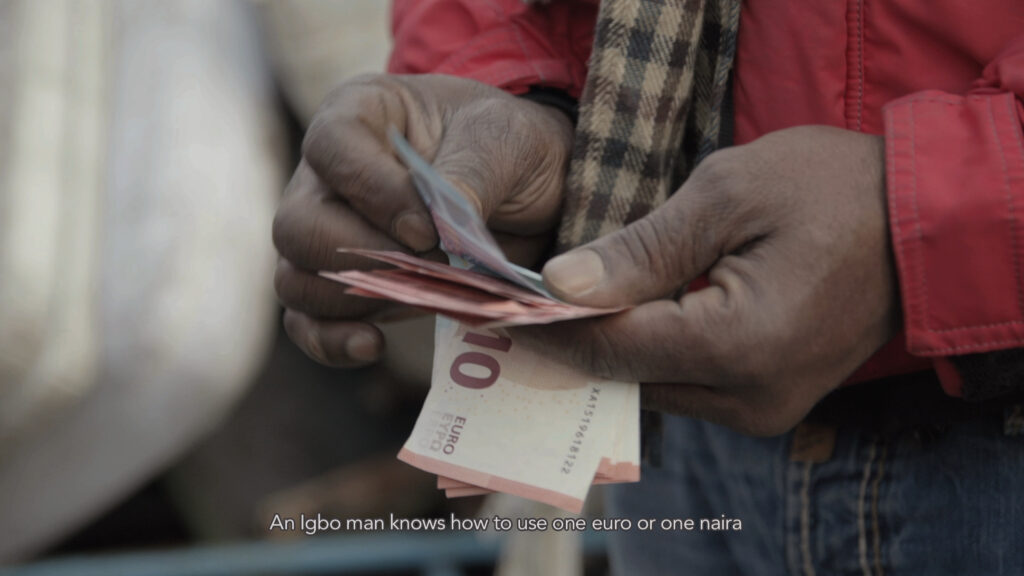
Brown Goods approaches migration through circulation, trade, and value. What led you to focus on movement and exchange?
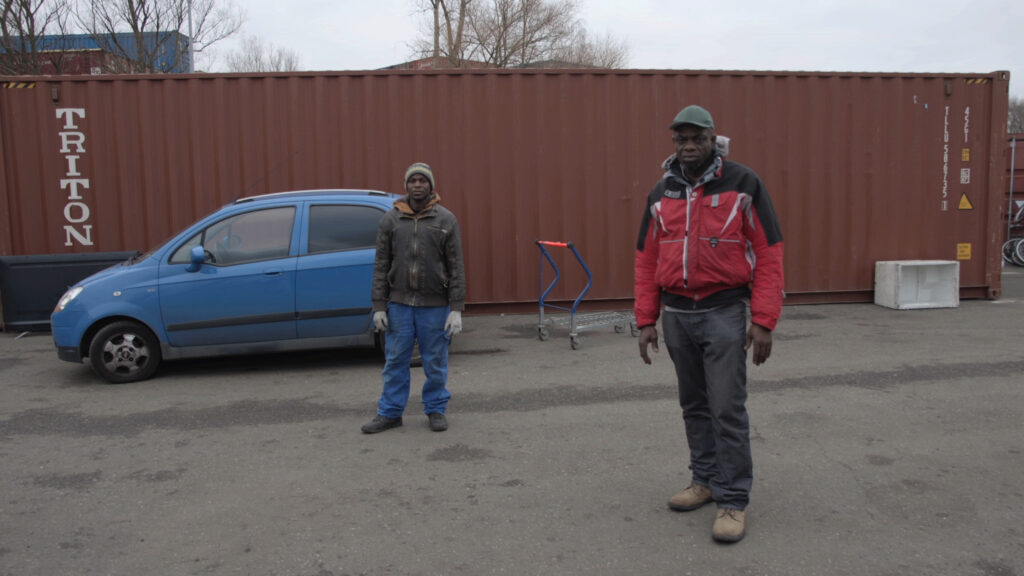
I was living in Hamburg and did not speak the language. I was trying to understand the city and its layers. I discovered an informal trade network run largely by West African migrants, importing and exporting second-hand goods.
The protagonist, Emeka, left Nigeria through Lampedusa. As an asylum seeker, he was not allowed to work officially, so he found a niche to earn money by trading second hand goods to Africa, effectively earning African money in Europe. That cycle fascinated me. The film follows his labor and his thoughts on autonomy and identity, being African and European at once. My films are self-portraits. I find situations that reflect my own questions and experiences.
You have spoken openly about the fact that once a film is completed, you leave, and the relationship often ends. How does that awareness shape the way you film intimacy?
Life happens in moments. You do not enter a relationship thinking about its end. You enter it openly. That is how I approach filmmaking.
I am clear about my intentions, and the people I film know why I am there. There is an exchange, including a monetary one. These are moments of connection. You do not know how long they will last. You just know that you want to connect.
Across your work, movement becomes a way of thinking rather than simply a way of seeing. What, at this point in your practice, still resists being fully understood, filmed, or held in form?
I always want to feel challenged. The moment I get comfortable, I pivot. That is true in my work and in my life. I want to feel like I am on the edge of something I do not fully understand.
My practice is about questioning. The work becomes an answer to those questions. Right now, I am thinking about how film can expand and influence painting and sculpture. I am working across installation, public art, and developing a feature film. I am always seeking growth. That is the point.
Credits
All images courtesy the Artist, Fondazione In Between Art Film, Sadie Coles HQ, London and Camden Art Centre. Discover more on karimahashadu.com
“I think you want to show the ordinary world, but have it be fresh, and have it be charged, so that we’re not so complacent in our lives, and we notice every day.” A manifesto for his entire practice. Across four decades of work, from the streets of Los Angeles to the sidewalks of Chicago, from the deep South to Parisian metro entrances, Mark Steinmetz has built one of the most quietly radical bodies of photographic work in American culture.
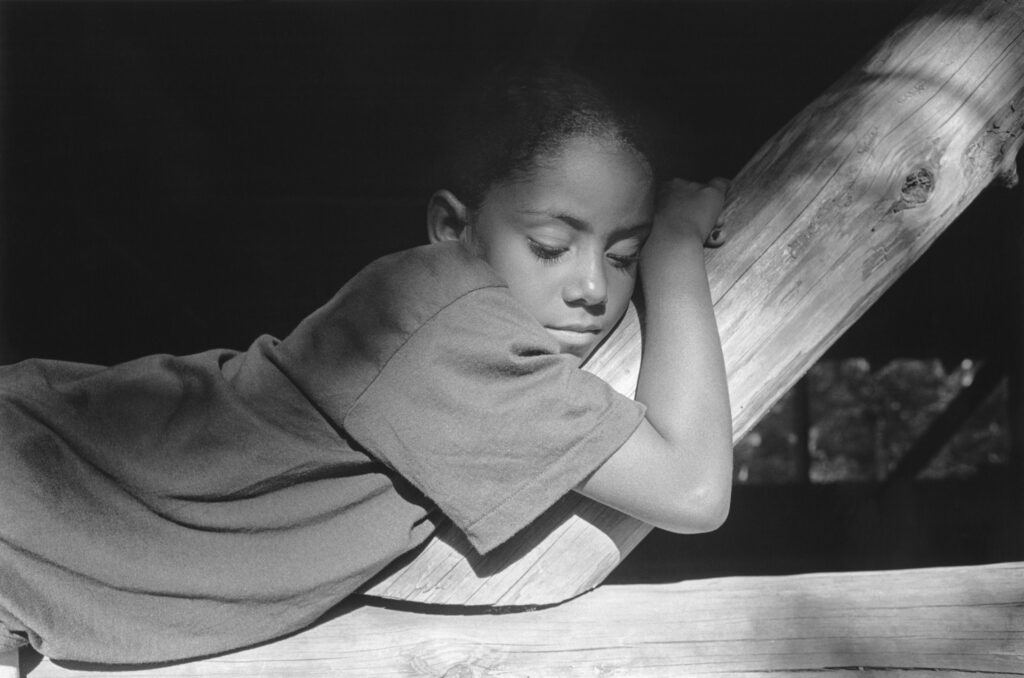
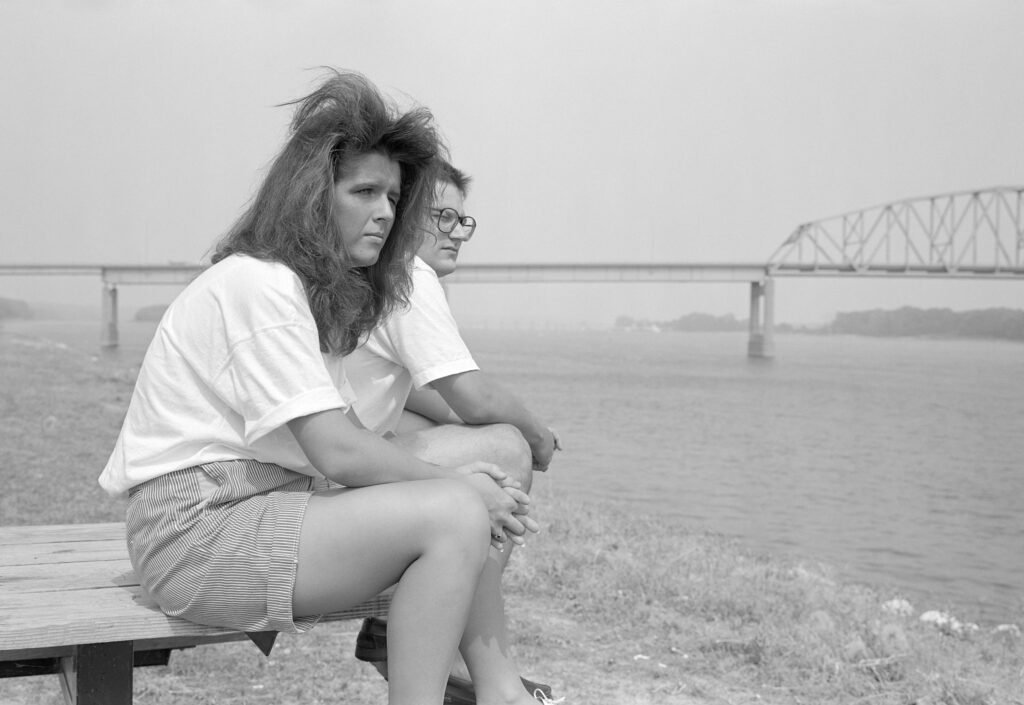
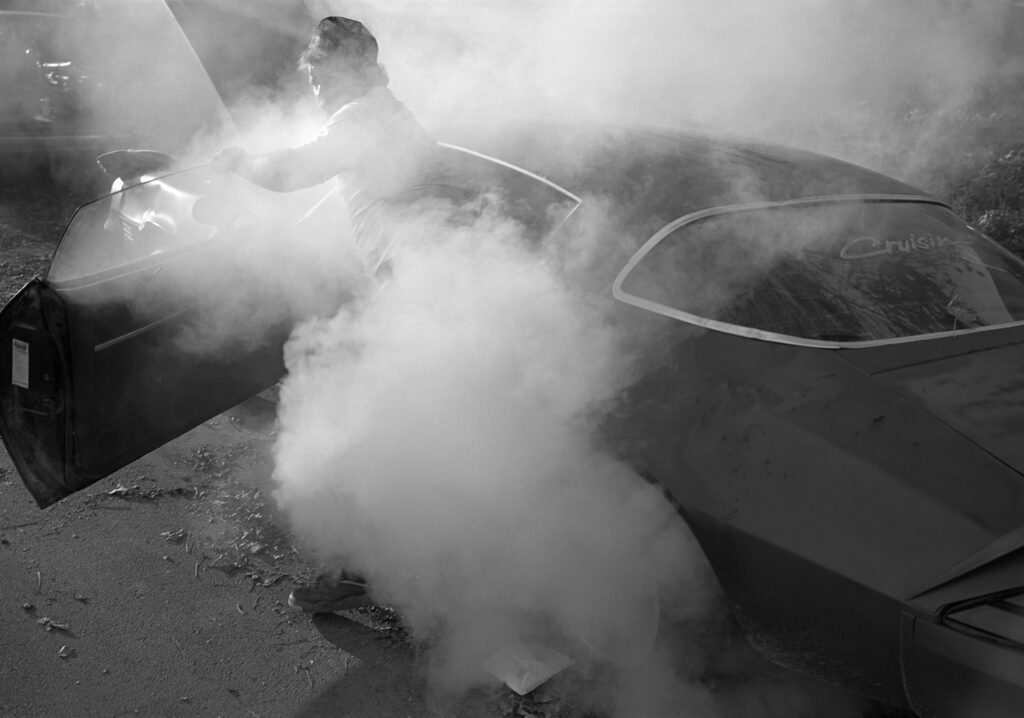
Steinmetz has remained committed to something rare: attention. His black-and-white photographs hold space for uncertainty, for what Robert Adams once called “inexplicable rightness,” for the strange poetry that emerges when nothing is forced to perform. Children pausing between innocence and self-awareness, strangers crossing in a sliver of light, bodies waiting, resting, passing through.
In this interview for NR Magazine, Steinmetz reflects on the formative years that shaped his way of seeing – from a childhood darkroom and early obsessions with cinema and Nabokov, to wandering Los Angeles with Garry Winogrand, to decades of slow, committed observation across the American South and beyond. What emerges is not a theory of photography, but a philosophy of presence: a belief that meaning does not need to be manufactured, only attended to. Steinmetz remains faithful to a more difficult task: to look long enough for the world to reveal itself back.
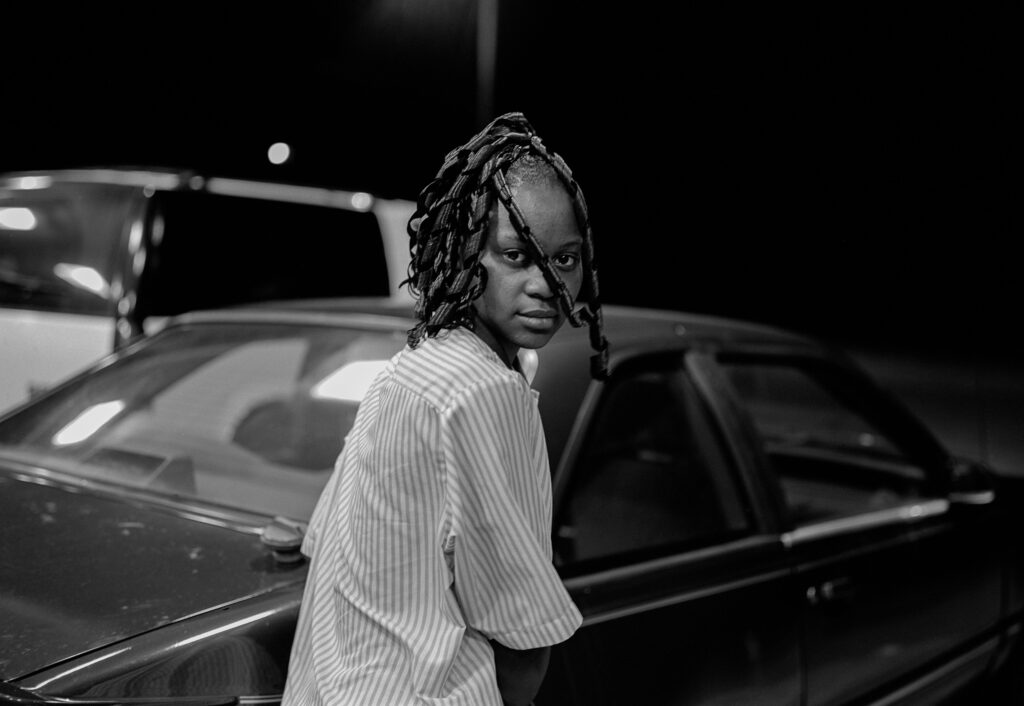
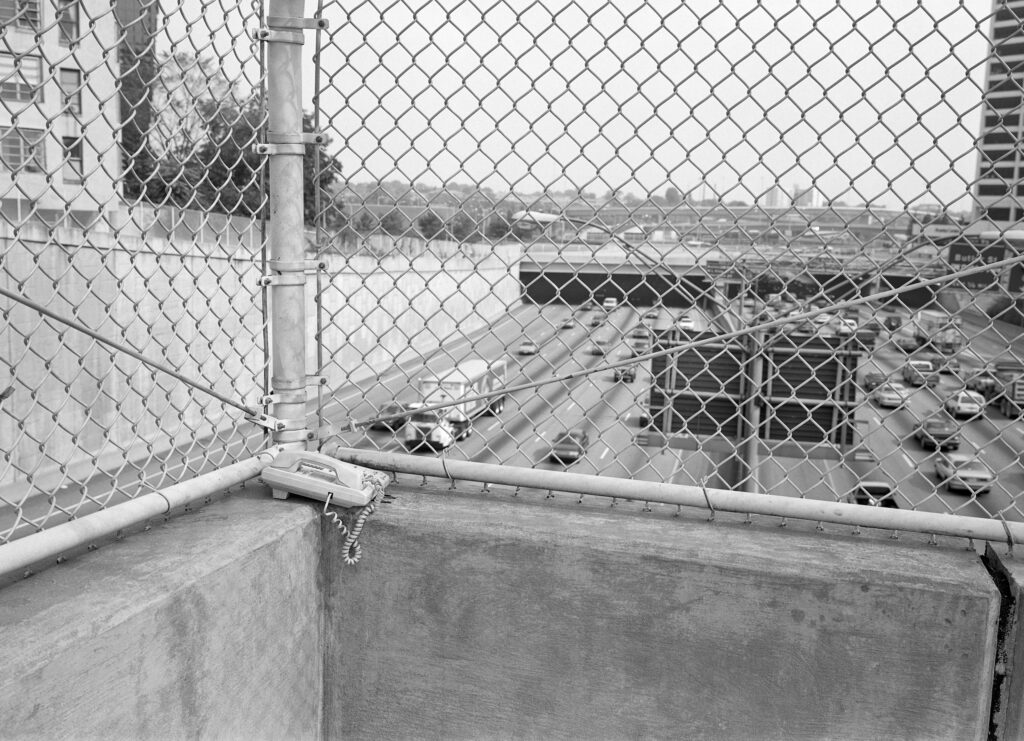
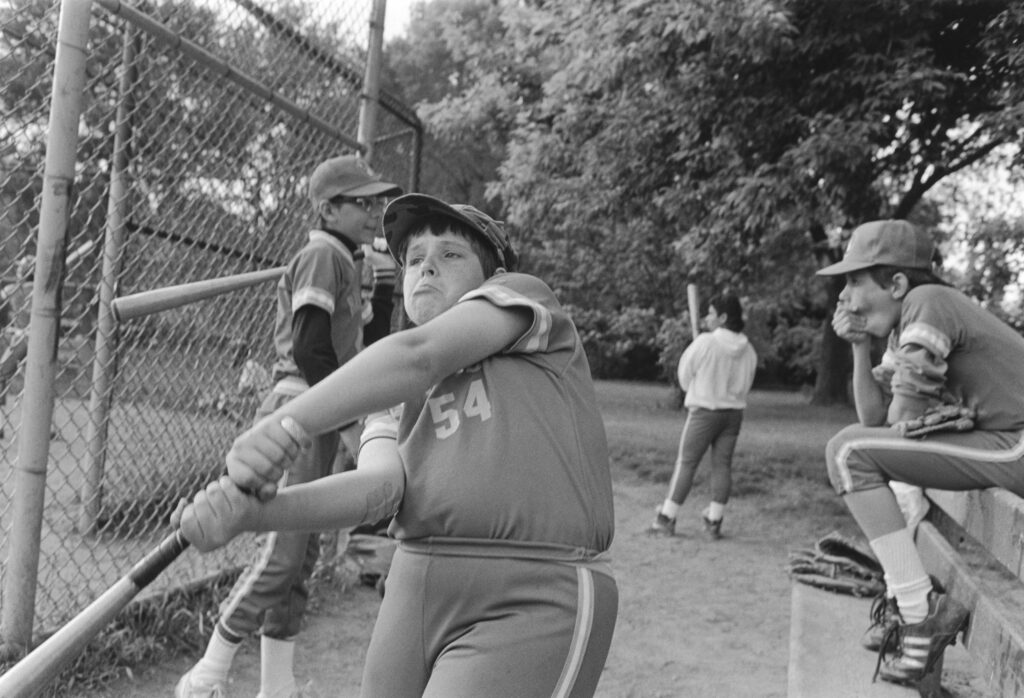
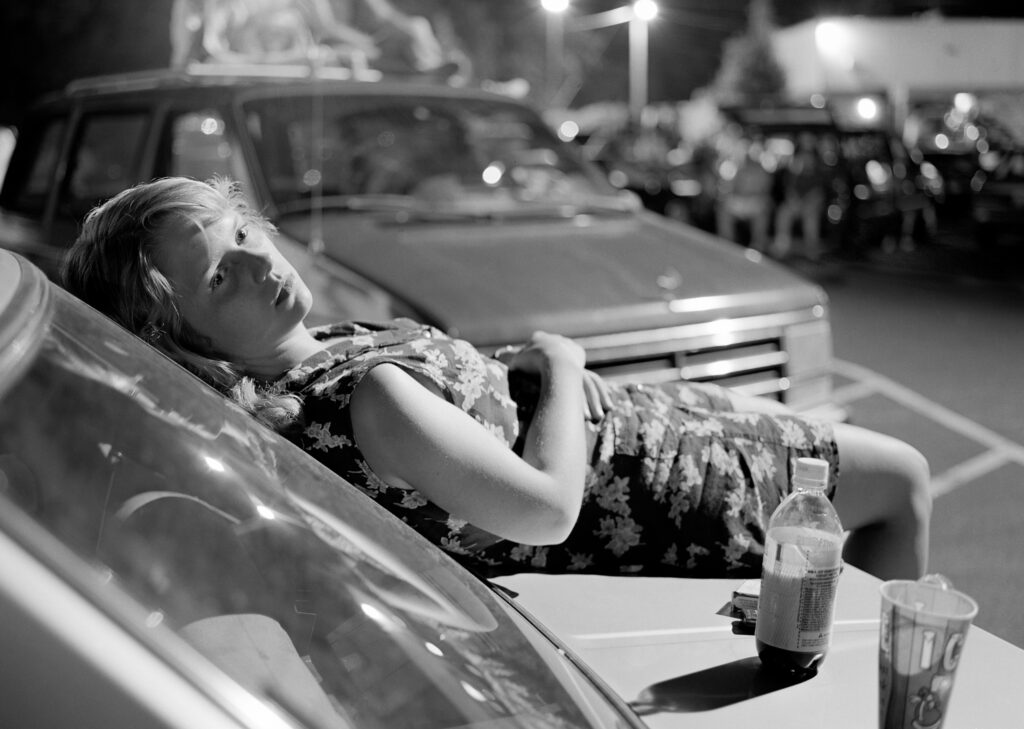
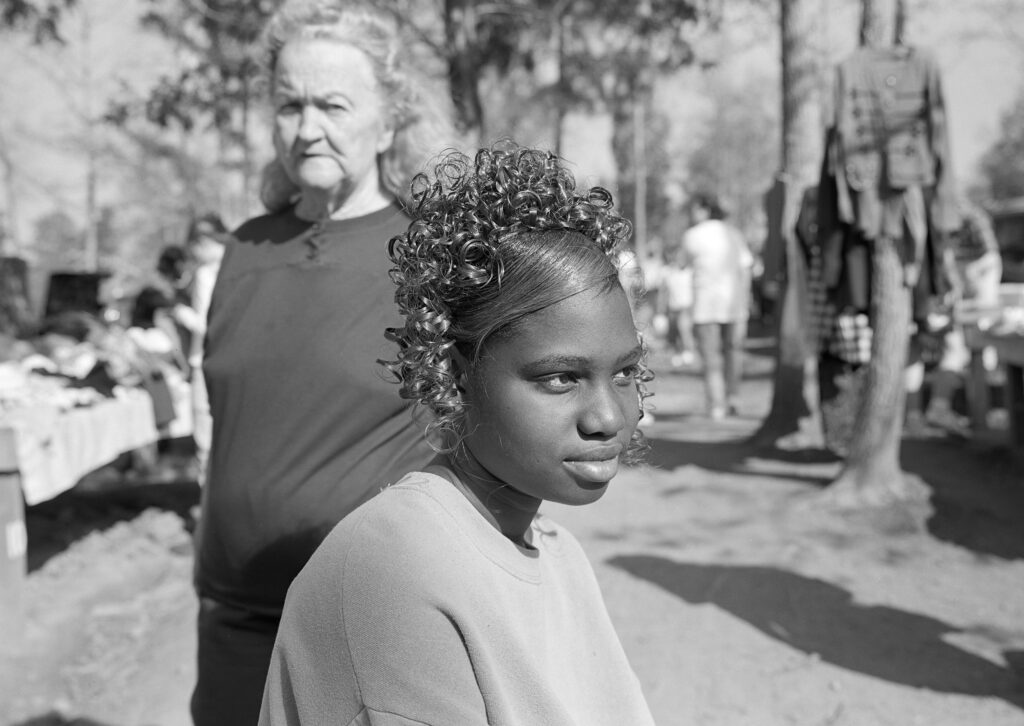
Mark Steinmetz, Greater Atlanta, 1994 (1994-2009)
Mark Steinmetz, Greater Atlanta, 1995 (1994-2009)
You began photographing in your late teens, initially as a way to understand and engage with the world rather than as a defined artistic ambition. What did photography make possible for you at that stage, in terms of access, understanding, or a way of being in the world? At what point did it shift from interest to necessity?
I began photography earlier than my late teens. I was taking pictures as a kid, and I had a darkroom around the age of twelve or thirteen, so I was already photographing. I was always interested in photographs. My interest early on may have been more in special effects. It wasn’t until college, when I was about eighteen, and I saw a lot of movies by Michelangelo Antonioni, that I began to think more about the literary aspect of photography, more about the humanities side of it. There was always a component of it being a kind of game, trying to catch things. But as you get older, you start to want to make things more meaningful.
You have spoken about early influences from cinema and literature. How did these non-photographic arts shape your sensitivity to narrative, rhythm, or atmosphere within a single image?
I read a lot of Nabokov. It was very clever and complex. In movies, I looked at Antonioni, but also a lot of film noir, and how gangster movies can operate on another level at the same time. The formal strategies of directors, especially in the thirties, forties, and fifties before color took over, were very architectural. You see a lot of constructed scenes.
After leaving the MFA program at Yale, you moved to Los Angeles and began making your first sustained body of work in public space, a period you have often described as formative and shaped in part by figures like Garry Winogrand. What did that moment—Los Angeles, the street, the encounter—teach you about photography that formal education could not? And as you were absorbing the work of photographers such as Walker Evans and Lee Friedlander, each working within very different social and historical contexts, how did those visual histories begin to inform, or resist, the development of your own way of seeing?
Los Angeles was a difficult time. I was twenty-two. I was restless. It seemed like a simple, superficial place, not a lot of the kind of artistry I was interested in. I was taking pictures, and I met Garry Winogrand a few times. We drove around together, and it meant a lot. I absorbed something from him, especially his manner of being. It showed that an adult could do this kind of work. There is no real career as an artist, but you can survive. There was a way to share it, and Winogrand was well known. Are there any memories from Los Angeles, particularly with Winogrand…
The last time I really saw him we were photographing at the zoo. He made a body of work there called The Animals. We were there on a weekend, photographing separately, then we met. Toward the end of the day the light was fading, and on the way out Bernadette Peters was there. She was very famous then. She had been photographed by Gary years earlier for the film Annie, directed by John Huston, for which photographers like Stephen Shore and Eggleston were also invited.
She was there with her boyfriend. They had the same curly hair and matching leather jackets. Gary zoomed in and took a picture, and she threw her head back, just like the famous ice-cream photograph. We left. He sat in my car and said, ‘Boy, you don’t know how tired you are until you sit down.’ Later he became sick. He was photographing two months before he died.
The phrase “showing us what we already know” is often used in relation to your work. What does that idea mean to you in the context of your photographic practice? What kinds of recognitions or quiet truths are you most drawn to through photography?
Maybe it’s more accurate to say that it shows what we think we already know. You want to show the ordinary world, but have it be fresh, and have it be charged, so that we’re not so complacent in our lives and we notice every day.
From your earliest work onward, your photographs return to ordinary encounters, small gestures, and everyday situations. What is it, specifically, that you recognize in these moments as worth holding onto?
I’m drawn to moments of poignancy that transcend what we are accustomed to. There is a connoisseurship to photography. It isn’t people holding hands. It’s these people holding hands this way, in this light. Something very specific.
Your practice emphasizes intuition and chance, allowing situations to unfold rather than directing or staging photographic moments. How do intuition and restraint work together when deciding whether a moment becomes a photograph? You have spoken about resisting images that feel over-determined, where meaning is quickly resolved, in favor of photographs that leave space to dwell. How do you define restraint in a photograph, and what does that openness allow the viewer to experience?
I think you want to restrain yourself from being too obvious. You want to leave things open so that there is free will. Things can be implied in the pictures, but you can certainly over-imply them. Robert Adams uses the expression ‘inexplicable rightness’. So I think intuition begins when you don’t have that dialogue in your mind. You know, ‘Is this making sense? Is this not?’ It looks good, feels good to take the picture. With intuition too, there’s a lot of anticipation. You sense that something is brewing.
Mark Steinmetz, Carnival, 1992
ATL Terminus and Greater Atlanta document the city through contrasting temporal conditions, the airport as a space of transit and the city and suburbs through long-term return. How do these two bodies of work speak to one another?
There are pictures of Atlanta taken from airplanes in ATL. To me, Atlanta is a modern city. It has some vestiges of the old South, but it is very corporate and very functional.
Greater Atlanta is about something else. It’s about fossil fuels, capitalism, and civilization. It’s about how things progress. There are pictures in Greater Atlanta that point toward prehistory, toward the land before development and before this modern system was put in place.
ATL is more about a state of limbo. It’s about traveling, about people moving between places. They have their suitcases. They’re passing through rather than being anchored. So the two projects are not completely yoked together. One looks at movement through the city, and the other looks at the deeper structures that shape what the city is.
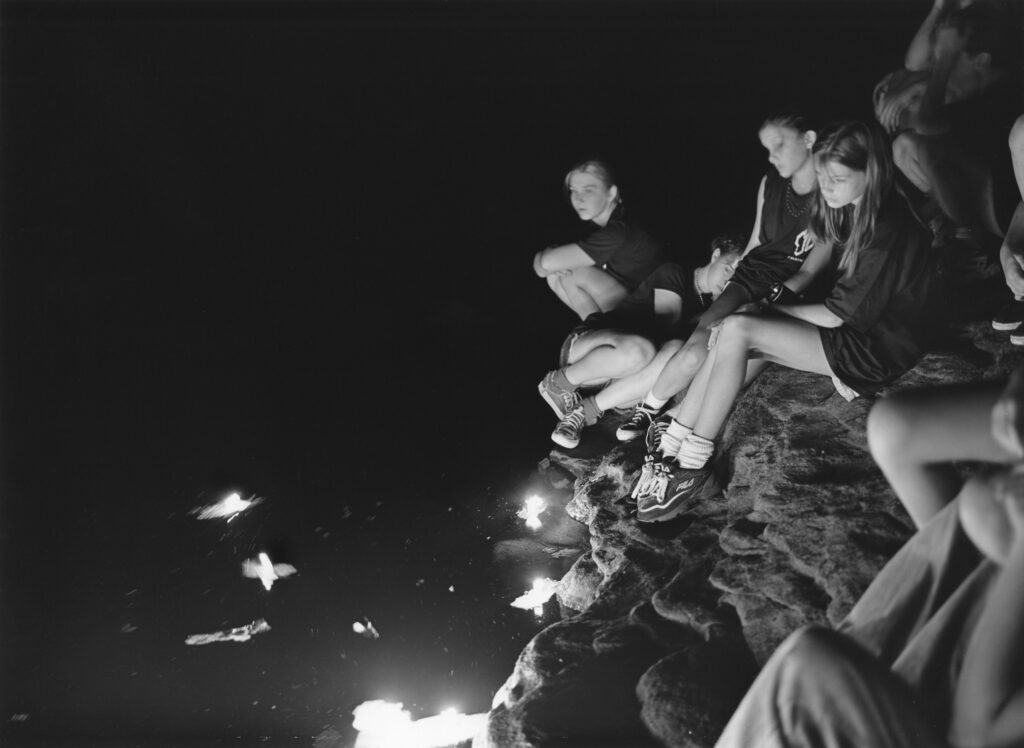
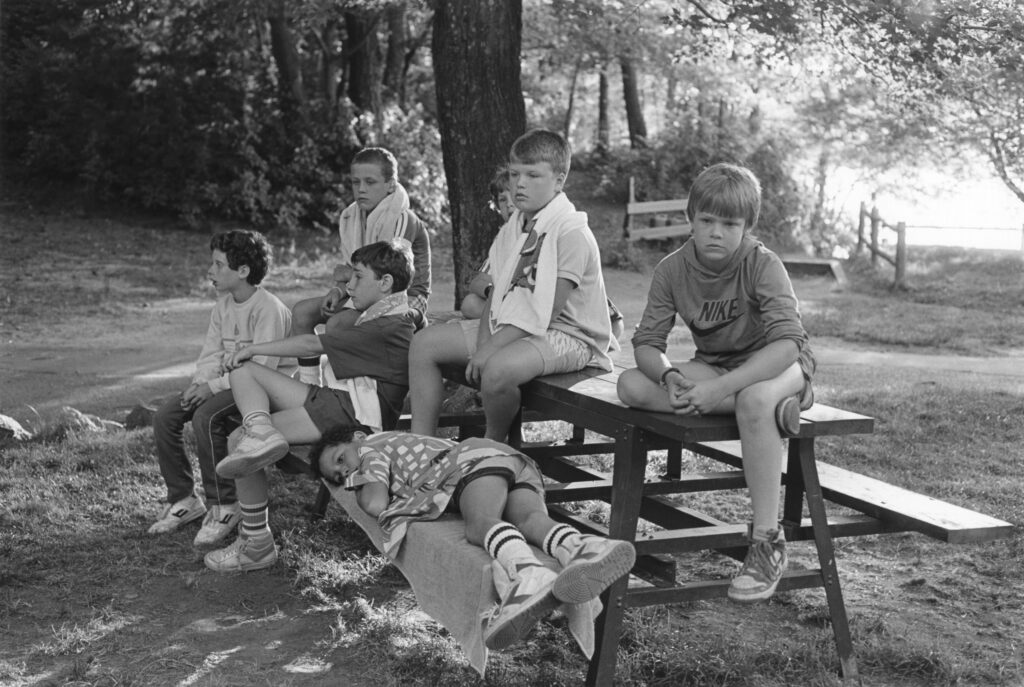
Developed over nearly two decades, Summer Camp documents daily life through routine, social structure, play, and solitude. Did the project gradually become less about individual moments and more about observation itself, about how time moves through people and relationships?
Summer Camp was done over a decade from the first picture to the last, maybe twelve years, and it only takes place during a couple of months in the summer, which makes it hard to get into. For a long time in America, kids went to camps like this: you had a campfire, a lake, a dining hall, cabins with screen doors. I tried to capture how no time was really passing, a twentieth-century experience. It’s a little like Lord of the Flies at times.
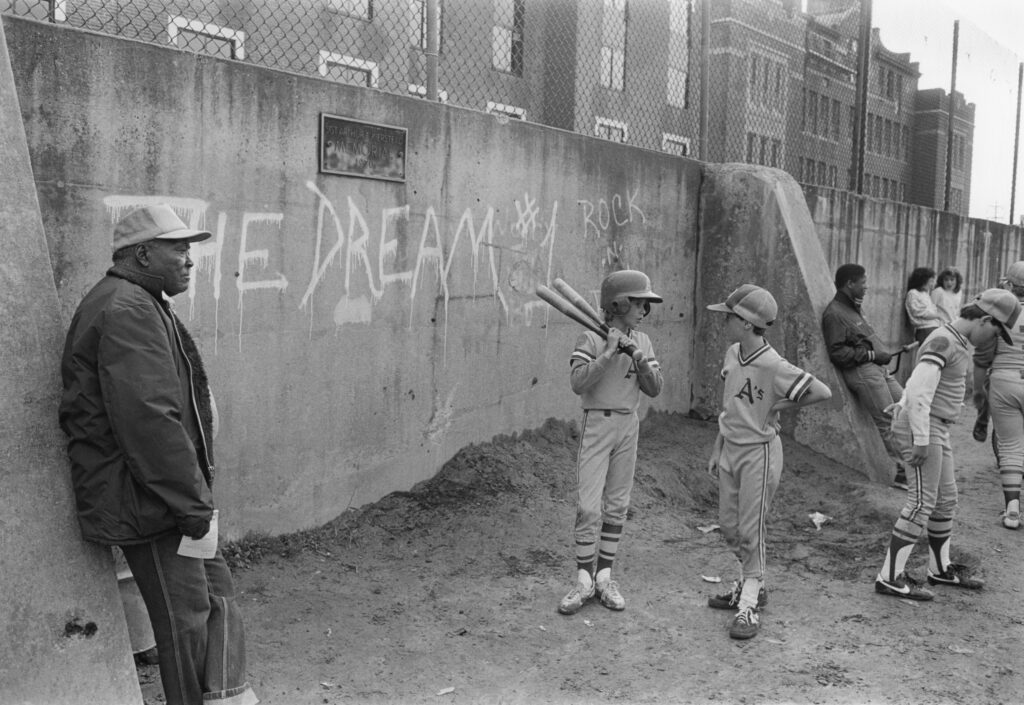
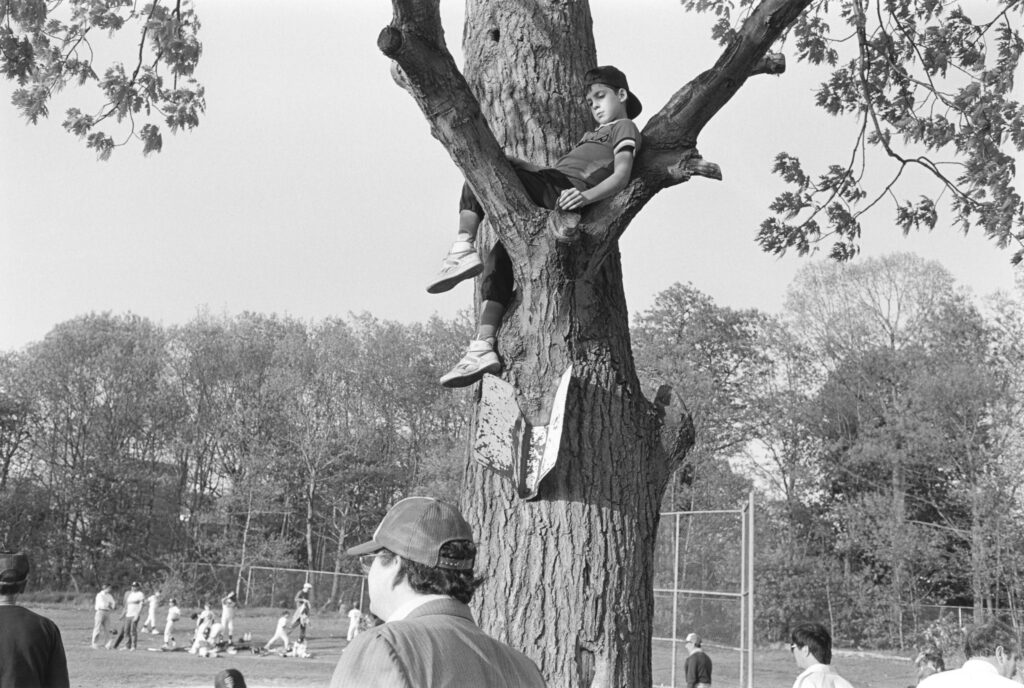
It connects to other bodies of work I’ve done. The Players was mostly boys, some girls, but it was about Little League baseball. That work, and Summer Camp, and even the carnival pictures, which are more teenagers, all share something: a strong setting. The baseball fields with chain-link fences, uniforms, gloves. The camp with its cabins and lake.
In all of them, the kids are more or less free of their parents. They have coaches or counselors, but they’re inside an intense activity. Baseball is about winning and losing. Camp isn’t about winning and losing, but it is about being together, about summer, about having a lot of time on your hands. In both cases I think I’m pretty much the same photographer. I’m different in something like the South Trilogy or ATL, but in these I feel very consistent.
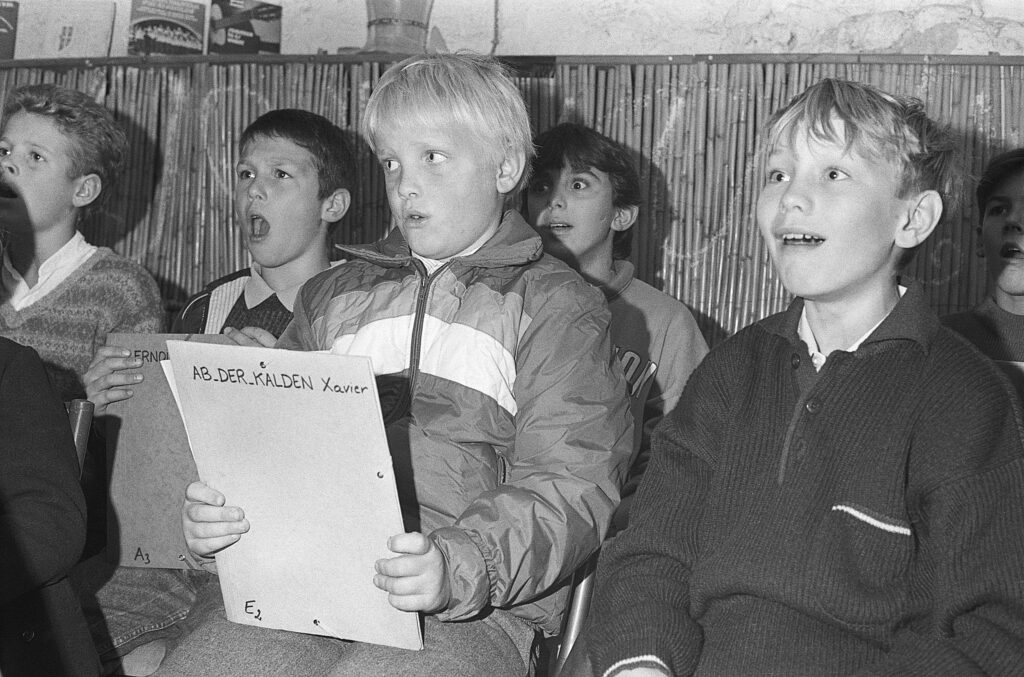
Kids and Teens focuses on children and adolescents in public and semi-public spaces, often at moments of pause or self-awareness. What draws you to these in-between states, and what do they reveal to you about looking, being looked at, and the act of noticing itself?
Physically, kids are interesting. Teenagers, their faces, their heads, and their stories are interesting. They carry this sense of prospect, of becoming an adult.
I did a lot of kids and teenagers work earlier on, when I was in my twenties and thirties and childhood was closer to me. Cartier-Bresson and Helen Levitt did great work with kids early on too. You also had more permission photographing kids than adults then. They were less self-conscious.
Later I photographed younger people in their twenties. As I grew older, my subjects grew older too. Now I photograph anything. I have a daughter who’s eight, so I photograph her a lot.
I think I did a certain kind of work that belonged to a time before. That life isn’t the same now. There isn’t the same relationship to time. There was more boredom, more waiting. You had to rely on your own resources more than you do now, when you can just turn something on and be stimulated by someone else’s production.
France1987 presents photographs made in public spaces and revisited decades later. Looking at this work now, what does it reveal to you about changes in public life, physical presence, and social interaction?
It really seems like a timepiece. It seems connected more to the world that Cartier-Bresson and Doisneau and Atget photographed. It’s looking like a different time. That’s a big shock to me.
France preserved a more traditional way of dressing for longer. In America there were more gaudy T-shirts with sports teams, more sportswear. In France people kept wearing traditional clothes without insignia.
Now that’s changed. There’s more writing on people’s clothes, but it seems like an earlier time: End of a period when the present was still in touch with the twentieth century. That really gave way in the 1990s.
Your archives often sit for years before being edited or published. How does distance affect what you choose to keep, print, or release?
Time is interesting. I took the pictures then, but when I’m editing now, it feels like the work now. You have more detachment the longer you wait. You might have all these ideas in your head about what you’re doing, then years later you just look at how they work for you now. There’s this partnership between me and my present self and me and these former selves that don’t exist anymore.
You have worked almost exclusively with film and printed by hand. How does that process shape your way of seeing?
I first photographed a lot of six-by-nine centimetres. I still use 35mm as well. I was photographing this morning, actually, traffic and circulation, bicyclists and scooters, in fairly dark conditions. But in something like South Central, pretty much every picture is medium format, six-by-nine. Some are a mix, but most of them are.
Mark Steinmetz, South Trilogy, 1992
I like darkroom prints. I like silver on paper. I like the process of working. I’m in Paris now and I don’t have a darkroom here, and the weather is pretty lousy. It would be great to go in and print instead of trying to make pictures in bad light, although there’s something interesting about that too, because I’m used to working in nicer, warmer light.
I use digital sometimes, mainly for commercial or fashion work if they want color. But for me film is better at capturing atmosphere, especially backlighting. I love backlighting, and I love when there’s moisture in the air. Digital tends to remove what’s in the atmosphere. It becomes hyper-clean. It creates light where there isn’t any, and I don’t really see the point of that.
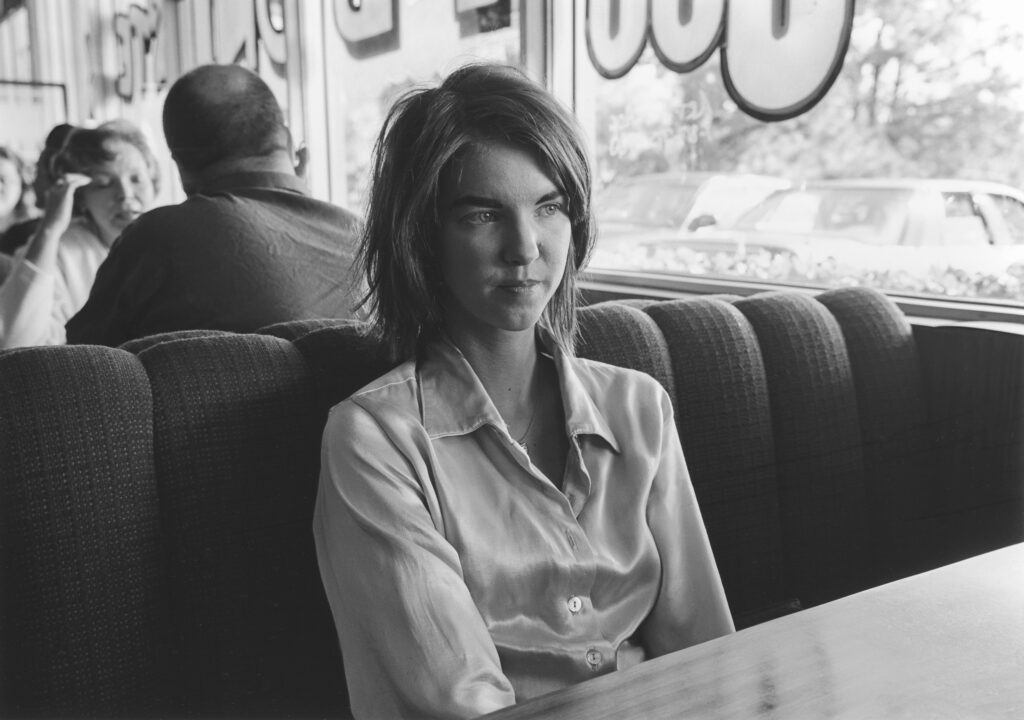
Mark Steinmetz, South East, 1996 (1994-2001)
Mark Steinmetz, South East, 1997 (1994-2001)
A lot of people photograph in low light digitally and the pictures come out, but it doesn’t look right to me. Digital embellishes things. I take a lot of iPhone pictures too, but I’m more moved by a new Robert Frank picture or a new Winogrand picture. If there’s a new Eggleston picture, that can hit me too
Across your career, photography appears as a sustained practice of attention. What keeps that practice alive for you now?
Everything is up in the air because of the situation in the world. I’m in Paris. I have French citizenship. My mother was French. My daughter has French citizenship. My wife doesn’t. Our house and darkroom are in the States, so it’s America, France, Paris, somewhere else, I don’t know.
I drop my daughter at school every morning, and there’s this area, Porte de Chambert, with a lot of traffic, a rush hour, bicyclists of all kinds, people on scooters, people pushing strollers, all these different kinds of vehicles colliding. I started photographing there, which I wouldn’t have thought of a couple of months ago.
The solstice light is very dim. There are headlights now, which weren’t there a few days ago. I’ve also been photographing at La Plastique, an area with a metro stop, a cinema, a big school, a few cafes, where all kinds of people meet. People smoke outside the metro before they go in. That’s a lot of the street photography I’ve been doing.
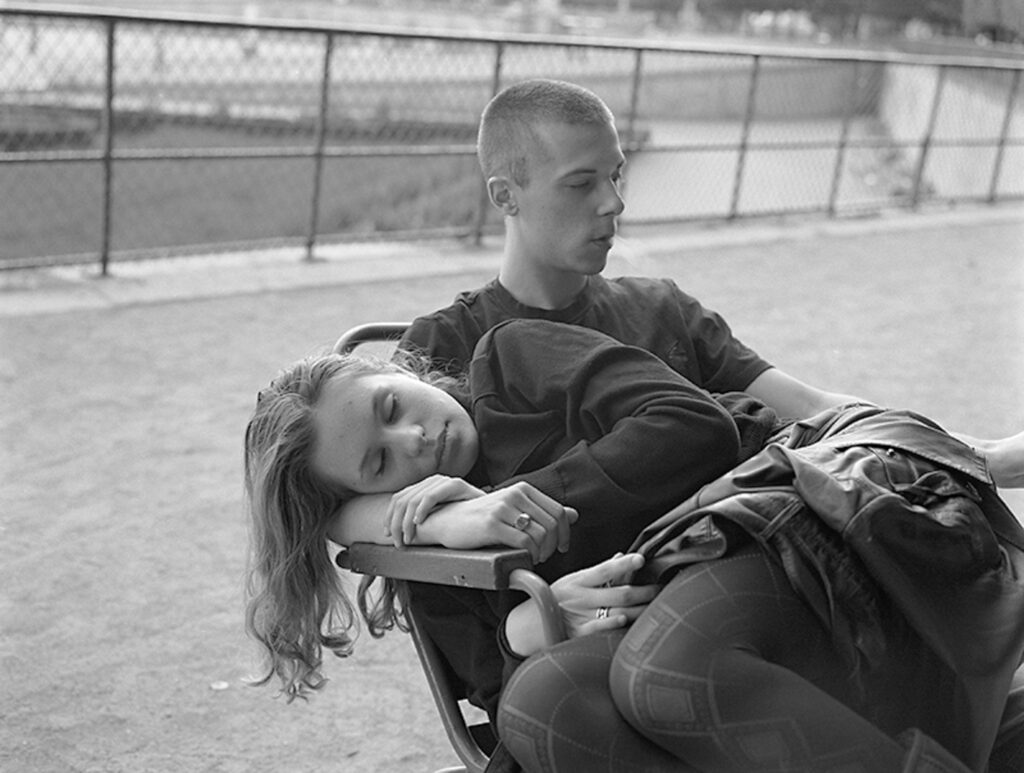
Mark Steinmetz, Paris in My Time (1985-2011)
I look at photographers like Robert Adams now, in his eighties, still putting out books from the past twenty years, and they feel very alive and very wise. Maybe they’re not for everyone, but I see a really interesting photographic mind at work, someone whose pictures are dense with a lifetime of experience.
I wonder if I’ll have that. I have an eight-year-old daughter, I feel fine, I still have good reflexes. I don’t know the future yet.
Credits
All images courtesy of Mark Steinmetz. Discover more on marksteinmetz.net
Architecture as a living process: world-building beyond the normal
Founded in 2018 by a group of collaborators, Mattia Inselvini, Davide Masserini and Luigi Savio, driven by a fascination with obsolete technologies, gaming culture, and ephemeral atmospheres, (AB)NORMAL studio began as a shared diary of colorful renderings and narrative experiments rather than a conventional architecture firm. Over time, these graphic explorations evolved into three-dimensional environments, from temporary installations and exhibition spaces to commissioned architecture, where the virtual and the tangible, the personal and the collective, converge. NR spoke with the architectural studio to trace the origins of its practice, its interdisciplinary approach, and the evolving philosophy that positions architecture as a living, inhabitable process.
I would love to begin at the origin of your practice. When we met, you showed me your early rendering drawings, where you used color gradings to create imaginative words and utopy spaces. Your website also presents sections of sketches, graphic novels, and research projects across diverse formats. How did these explorations evolve into the construction of three-dimensional, inhabitable space, and how do you conceive interdisciplinarity within your practice, particularly the relationship between image, narrative, research, and built form?
(AB)NORMAL began in 2018 as a shared diary rather than a studio in the conventional sense. We were collecting formal obsessions and reflections on contemporary life—together with a fascination for obsolete technology, gaming culture, and a certain kind of spirituality. Producing images was almost a form of collective therapy: a way to exorcize the fantasies that tend to cling to the creative process.
Those early renderings, with their gradients and artificial atmospheres, were not meant to represent architecture. They were small world-building devices. Plants, statues, iPods, headphones, joysticks, fragments of architecture, and 3D graphic elements became protagonists of collages that were trying to capture emotions, historical moments, and personal reflections. We often used architectural representation tools inefficiently on purpose – because for us the “error,” the glitch, the excess, was part of the thinking.
Over time, what was initially graphic started to reveal a spatial potential. We realized that the narrative quality embedded in the images could become operational in three dimensions. That’s how we moved into ephemeral environments, exhibitions, fashion shows, and temporary installations: spaces conceived as portals where the boundary between the virtual and the tangible becomes softer, and where digital culture can be experienced collectively, in public space, rather than privately on a screen.
Interdisciplinarity, in our practice, is not about blending disciplines as a stylistic choice. It’s a natural condition – an open system where formats constantly translate into each other. Image generates atmospheres and iconographies; narrative gives time, causality, and social behavior; research adds friction, specificity, and a reading of contemporary cultural phenomena; and built form is where everything becomes measurable, negotiated with gravity, budgets, regulations, and bodies.
We don’t see a separation between thinking and construction, between theory and space. Architecture is not a final object for us, but a living process: a way to transform research into concrete experience, and to make the complexity of the present spatial, inhabitable, and shared.
Your work conveys an approach to architecture as the shaping of time, space, and human experience rather than the mere production of aesthetic environments. It evokes, for me, a sensibility reminiscent of Bachelard’s phenomenology, attentive to how spaces are experienced and how time is woven into them. In developing a project, do you start by asking who the space is meant for, or what it needs to feel like? Beyond these immediate considerations, do social, political, or theoretical reflections on inhabitation and identity play a role in how you conceive and compose your spaces?
I’m glad you mention Bachelard, because that attention to lived experience resonates with how we work, although we rarely start from a theoretical framework in a direct way. We begin from a more immediate question: what kind of atmosphere should this space produce, and what kinds of behaviours should it enable?
In many projects we don’t separate “who the space is for” from “what it needs to feel like.” We start by mapping a set of bodies, rhythms, and expectations, the clients, the visitors, the workers, the public, and at the same time we try to define an atmosphere, an emotional disposition. For us, architecture is not only a form, but a temporal condition: a sequence of thresholds, pauses, intensities, and moments of orientation or disorientation. Especially in ephemeral environments, what matters is not the object, but the experience of moving through it and the way people recognize themselves inside it.
The composition of space, then, becomes a way to organize time collectively: light, sound, images, materials, and interfaces are not decorative layers, but tools to construct a shared situation. This is also where the virtual and the tangible matter to us – not as a celebration of technology, but as a way to compress distances and create a feeling of proximity between people, even when they come from different worlds.
Social and cultural reflections are always present, because we constantly observe contemporary phenomena – from gaming to streaming, from entertainment to the aesthetics of technology – and we try to translate those into spatial experiences. We are careful not to use our work as a platform for explicit political statements, but inhabitation is never neutral. Choices about openness, accessibility, visibility, and flexibility always imply a position.
So rather than starting from an ideology, we start from the reality of the present, and we try to build spaces where contemporary identities and forms of coexistence can be rehearsed, not just represented.
Looking at some of your past projects, such as your graphic-novel explorations, there seems to be a consistent interest in the interplay between narrative, spatial sequences, and materiality. How do these non-commissioned or experimental works inform your approach to commissioned architecture? Would you say these projects operate as laboratories for concepts, atmospheres, and techniques that later manifest in built spaces ?
Narrative is central in these experiments because it forces space to unfold in time. A graphic novel, for instance, is already a spatial tool: it’s made of sequences, thresholds, cuts, pauses, and intensities, which are exactly the ingredients of architectural experience. Through these formats we can prototype how a space might be inhabited, how a body moves, what kind of attention or distraction it produces, and what kind of collective situation it enables.
Materiality also enters early, even when the work is virtual. We use digital tools not to “illustrate” a final design, but as an operational environment where we simulate light, textures, reflections, and spatial compression. In that sense, the rendering becomes a critical device — a way of thinking through material behavior before it becomes construction.
When we move into commissioned work, those experiments don’t simply provide a catalogue of aesthetics to apply. They provide a vocabulary of techniques and questions: how to build a Stimmung, how to design a space as a flexible infrastructure, how to combine physical elements with image, sound, and interfaces, how to accept the productive role of error, and how to make the experience collective rather than purely visual.
So yes, they function as laboratories, and simultaneously, as a constant training ground. They keep the practice open, and they prevent architecture from becoming a fixed style or a formula.
Materials appear as active agents in your practice, with intrinsic behaviours, textures, and narrative potential. To what extent does material research guide your design process, and in what ways is matter treated as a conceptual partner, as a vessel of memory, or as a means to articulate spatial and sensory qualities?
Material research entered our work progressively, growing in importance as our projects became more spatial and inhabitable. At first, materials were part of an image vocabulary, linked to atmosphere and iconography. Over time, we began to treat matter as an active agent within the design process. Materials carry behaviors, react to light, define acoustic conditions, age, reflect, and absorb, producing an immediate emotional and cultural reading.
Because our practice moves between the virtual and the physical, we test material atmospheres early through digital simulations. Rendering becomes an operational environment where texture, reflectivity, depth, and spatial compression can be explored through iteration and error. This allows materiality to guide decisions long before construction.
Matter also acts as a vessel of memory. Certain surfaces evoke domestic familiarity, industrial systems, or obsolete technologies, triggering recognition and affect. In this way, materials become conceptual partners in composing an atmosphere. Ultimately, material choices articulate sensory qualities such as warmth, opacity, intimacy, and exposure, shaping how time is experienced in space and how people inhabit it.
Your practice also extends to the design of objects, such as tables or other design elements. When approaching these smaller-scale pieces, how does your method differ from designing larger spatial environments? To what extent do considerations of the surrounding space, function, and human interaction inform these objects, and how does your approach engage with notions of decoration or ornament within the broader logic of the project?
We approach objects almost the same way we approach architecture. Even at a smaller scale, we design them as spatial devices rather than accessories. A table, a lamp, or a custom element is treated as a unique piece with its own presence, geometry, and narrative potential, like a small building inhabited through use.
The main difference is intimacy. Objects are experienced at close range and through contact, so function and human interaction become immediate. We think about posture, touch, weight, and how bodies gather around an object. We also consider the surrounding space. We rarely design standalone pieces. We imagine objects as part of an ecosystem for the whole space, shaping how a room is used, how circulation works, and how attention is directed.
Decoration and ornament are never applied superficially. What might appear ornamental is often structural or performative. Detail, texture, and material behavior reinforce the project logic and intensify atmosphere. An object can become a threshold, a marker, a focal point, or a small ritual.
I would like to discuss your most recent project, which stands out in the portfolio of works made so far: the creation of a custom sound system for WSA NYC. How did this commission come about? Considering WSA is described as a spatial platform blending architecture, design, exhibitions, and brand-driven environments, what was the initial brief or cultural ambition behind this collaboration? Did it originate as a product-design assignment, an installation, or an attempt to rethink what a space for music, art, and social gathering could be in New York?
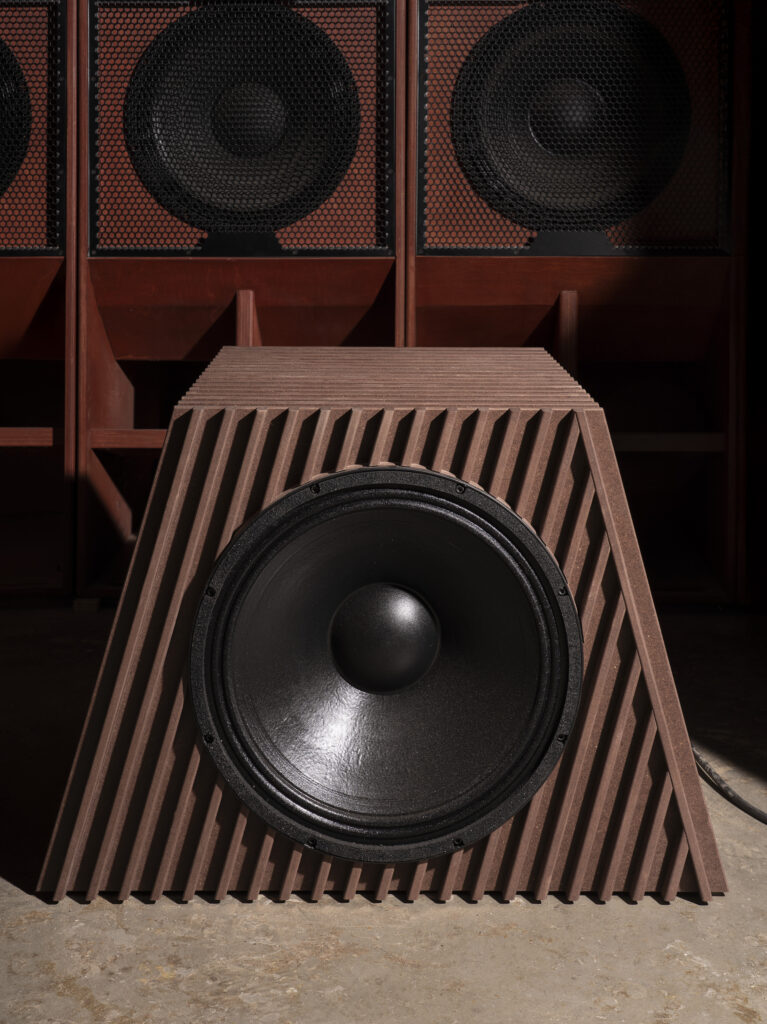
The request wasn’t simply to “deliver a product,” but to develop a custom sound system that could act as an identity element and a piece of architecture in its own right. From the beginning, we understood it as a project about atmosphere, behavior, and gathering, as much as acoustics.
Rather than starting from a conventional hi-fi object, we worked as we would on an architectural commission. We considered the surrounding space, how people move, where they pause, how they socialize, and how music performs within that context. The goal was to create a system that supports different modes of inhabitation, from focused listening to informal conversation, without turning sound into background decoration.
So the project sits somewhere between product design and installation. It is a unique object, but it also reorganizes the room and amplifies the cultural ambition of WSA: to rethink the space of music, art, and social life in New York as a shared environment, where technology becomes part of the spatial narrative.
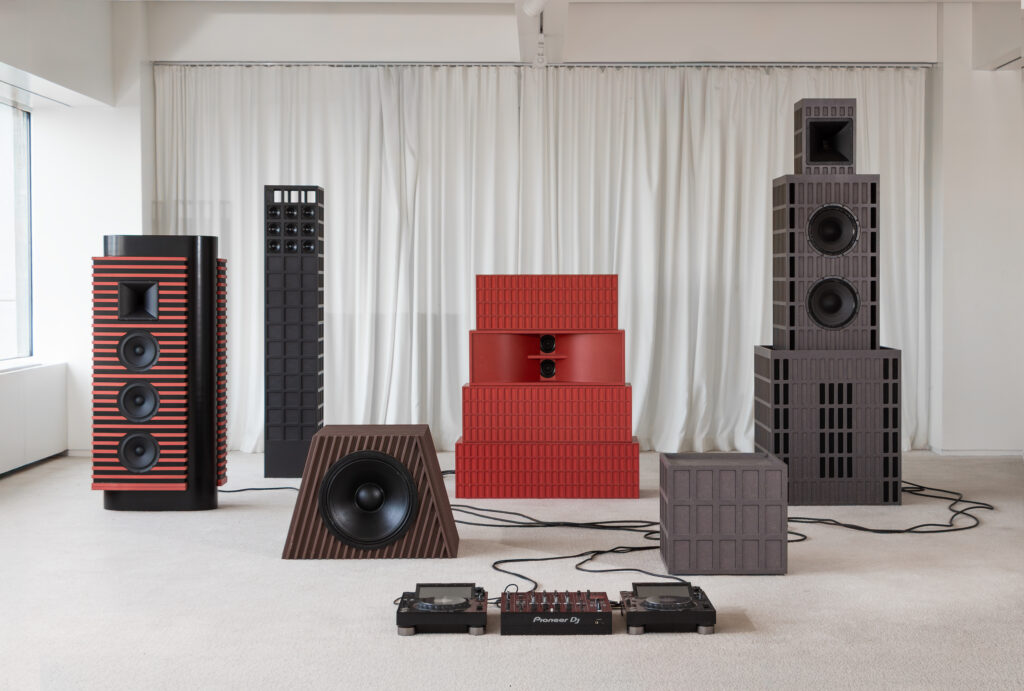
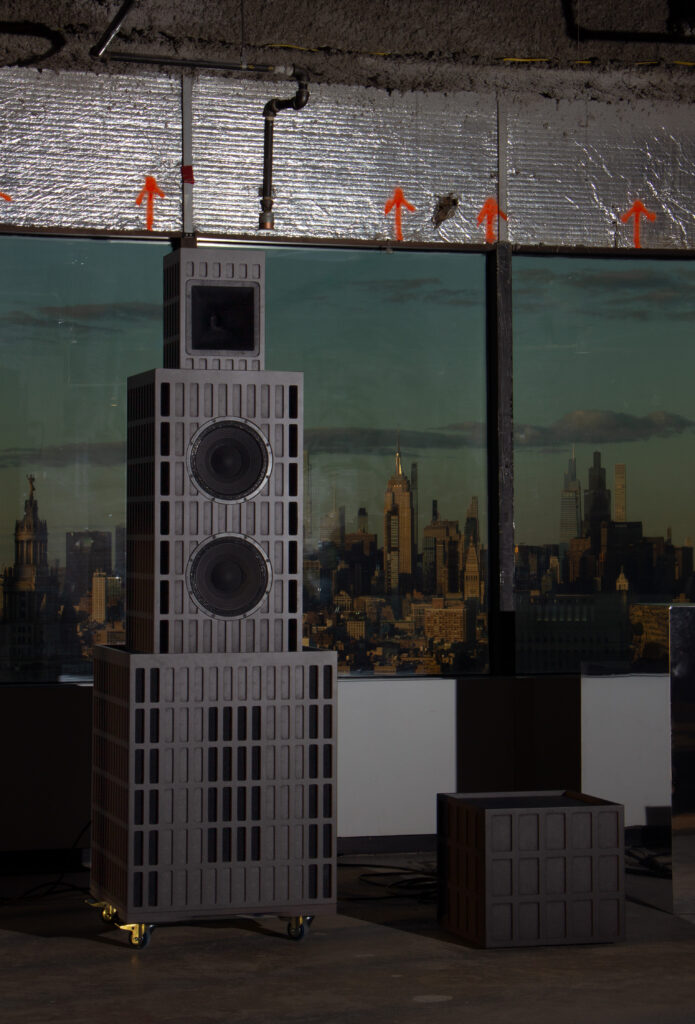
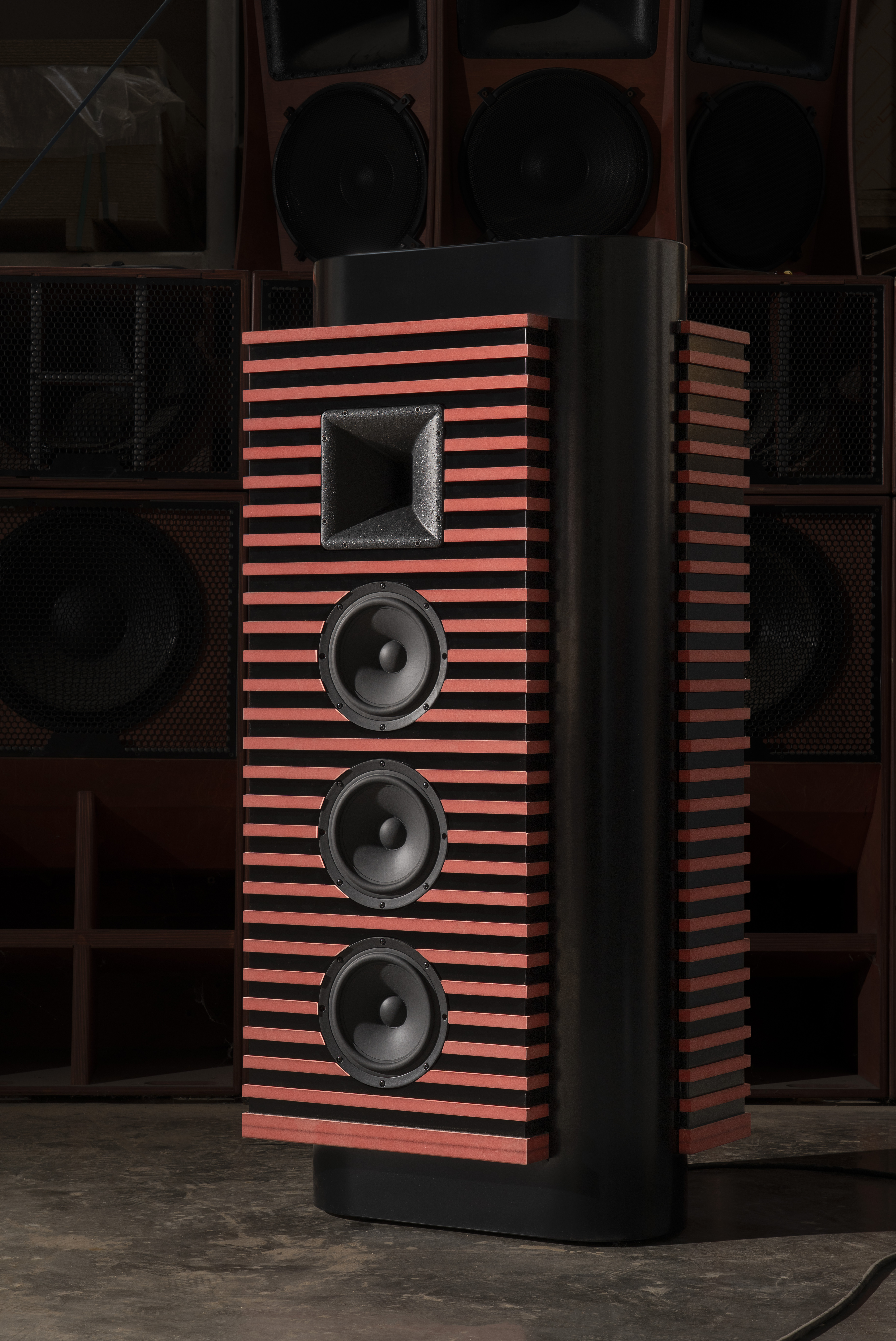
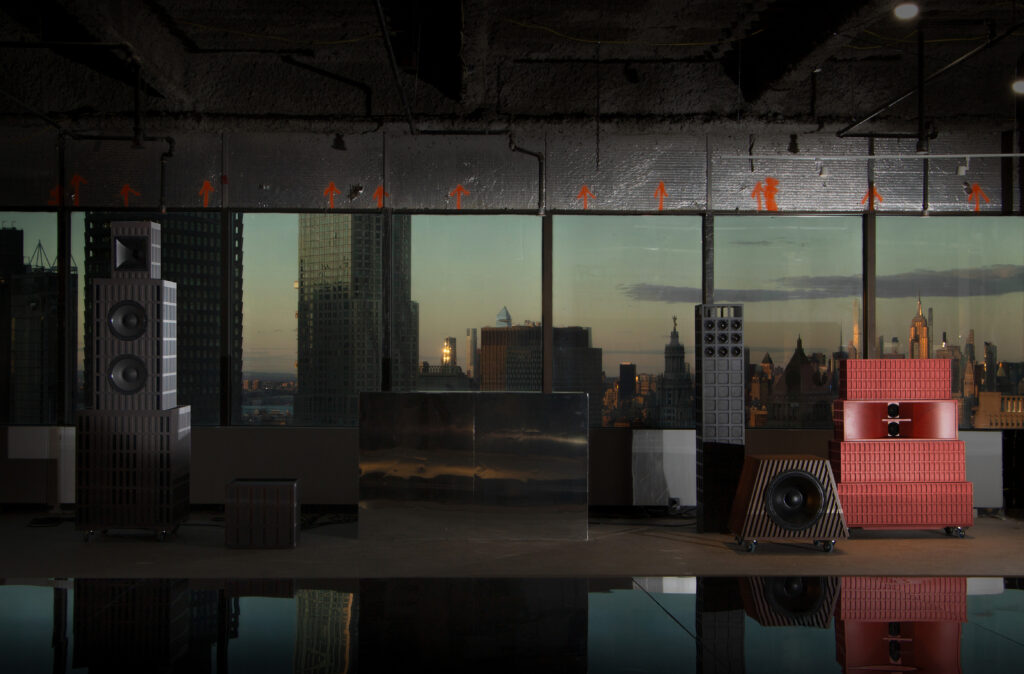
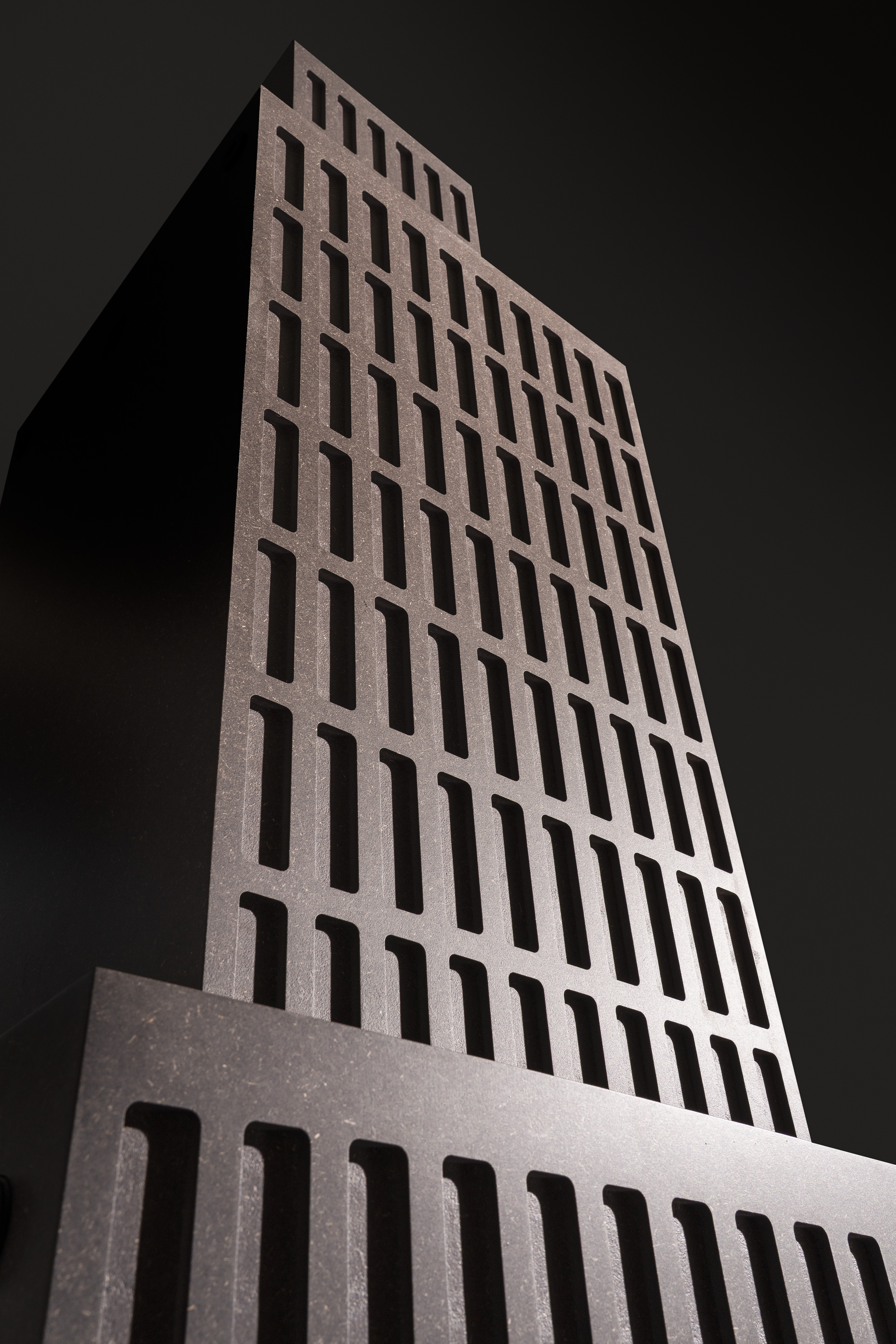
The WSA Sound system is presented not as a mere sound setup but as a sculptural constellation of speaker-towers whose modular design echoes rigid geometry and corporate aesthetics. In designing this, how did you negotiate between its identity as a functional sound system and as an architectural-sculptural installation? Explaining myself clearly: looking at it, it reads almost as a miniature city in itself, with its own carefully drafted colors and shapes. Could you use this project as an example to discuss how aesthetics, function, and conceptual intention intersect in your work? How do these dimensions inform each other in the design process?
Yes, the WSA system is a good example of how function, aesthetics, and conceptual intention intersect in our work, because we designed it as an architectural landscape rather than as audio equipment. We began from performance and presence. The system had to work acoustically, but it also had to occupy the room and become readable as a spatial structure.In our practice we manipulate the scale of objects to create spatial tension. When a speaker tower becomes as tall as a person, or when a subwoofer becomes a block, the object stops behaving like a device and starts behaving like architecture. It produces orientation, distances, and thresholds. It changes how you enter, where you stand, how you gather, and how you look. In the image, the constellation reads almost like a miniature city because the pieces have the logic of buildings. They create a skyline, bases, voids, and a rhythm of volumes distributed across the room.
This sensibility comes from our early work and from narrative formats such as the graphic novel. Working with sequences trained us to think in terms of framing and perceptual displacement. Exaggerating scale creates that displacement. It makes the familiar slightly uncanny, shifting the experience from pure utility toward something closer to an artistic encounter.
The rigid geometries and calibrated colors reinforce that dual identity. They give the system an infrastructural, corporate aura, while allowing it to function as a sculptural installation that organizes both sound and space.
Considering the diversity and conceptual depth of your work, what open territories remain for future investigation and experimentation?
We honestly don’t know, and we prefer it that way. We try not to define future territories too precisely, because the most valuable directions often arrive as surprises. What keeps the practice alive is lateral thinking: the ability to move sideways across disciplines, scales, and formats, following unexpected connections. New collaborators, new technologies, or new cultural phenomena can suddenly open territories we couldn’t have planned. Staying open to that uncertainty is what generates enthusiasm and keeps our work from becoming a fixed style or a predictable agenda.
I would like to conclude our conversation by returning to the very origin of your practice: the choice of your name. Naming a studio is never a neutral act; it often contains the initial spark that motivates its existence. After everything we’ve discussed, I am curious to hear how this origin resonates throughout your work. Why Abnormal?
Abnormal has a very literal origin, and a broader meaning that has stayed with us. The studio began as a graphic reflection on architectural representation. We were working with 3D tools and we became fascinated by the gradient of a normal map, the image that encodes surface orientation through RGB colors to simulate depth and light. That technical vocabulary, and that strange artificial “skin” of digital representation, became part of our identity. It marked the moment when our practice was more about generating worlds through images than producing buildings.
Over time, the name also became a statement about attitude. Many of the projects we do try to go beyond what is considered normal within architecture and design. We look for iconicity and uniqueness, for forms and atmospheres that feel slightly displaced, excessive, or unexpected. In that sense, “abnormal” is not about being strange for its own sake. It is about refusing a standard formula, keeping the practice open, and allowing each project to find its own language, even when it pushes beyond familiar categories.
Credits
All images courtesy of (AB)NORMAL. Discover more on abnormalstory.com
1980s Morocco. Museums were absent and contemporary art circulated mainly as photocopied images and thin exhibition pamphlets. For Marrakech-born Hicham Benohoud, this scarcity became a site where imagination took root precisely.
His earliest encounters with artistic form arrived through reproductions brought by teachers who themselves had limited access. As a visual arts teacher in Marrakech, he entered a system shaped by hierarchy, monotony and one-hour lessons repeated across thirteen years. It was within this compressed temporal frame that his photographic practice emerged, first as endurance and then as a mode of inquiry into authority, embodiment and fragile social negotiations.
Across landmark series such as La Salle de Classe, which received the 2025 Paris Photo–Aperture Photobook Award, and Acrobates, Benohoud stages bodies in states of tension, distortion, suspension and erasure. His images reveal what is often invisible in Moroccan society: conformity, imposed discipline, inherited moral geometries and the small ruptures beneath them.
In this conversation, Benohoud reflects on confinement, authority, distortion and the classroom as a microcosm, a space where the desire for expression confronts the weight of tradition.
You grew up in Marrakech at a time when contemporary art infrastructures barely existed. How did this landscape of scarcity shape your earliest sense of artistic possibility?
I am 57 years old now, and when I was 15, 16, 17, I was already studying fine arts in high school. In the early 1980s, 1983, 84, 85, 86, there were no museums in Morocco, no galleries. There was supposedly a gallery far from Marrakech, but I never went.
There was no internet. So where could we see anything? When my fine arts teachers spoke about a particular Western movement, surrealism, impressionism, abstraction, they brought us catalogues, art books, magazines. I do not know where they found them, but they had a small amount of documentation.
When we discussed Moroccan artists, they brought small exhibition catalogues. At the time, Moroccan art was mostly Arab expression. In the capital, there was one major gallery, but it was not run by a Moroccan. It was run by a French or Swiss woman, I am not sure. In any case, not Moroccan. So the works we “saw” existed only in photographs, never in reality.
Everything was theory. Art history from prehistoric art to American Pop was studied in books, very few images, almost no physical encounter. I had not yet imagined becoming an artist; I had no personal artistic process. I was simply a classic art student shaped by absence.
Morocco carries a deep history of social fatalism, where roles feel pre-assigned and unquestioned. How did this atmosphere shape your early understanding of discipline, authority and the body?
After high school, I earned a fine arts baccalaureate, which included art history up to the 1960s and early 70s. Then I studied for two years at the regional teaching center, an institution that trained visual arts teachers, not artists. I learned pedagogy, how to teach adolescents.
I still was not an artist then. When I began teaching in 1989, I taught technique, drawing, basic sculpture, to students aged 11 to 15, once a week for one hour. Their abilities were limited and the schedule was rigid. For thirteen years I taught under those conditions.
During those years, I lived somewhat cut off. Few social ties, few friends, rarely visiting family. The people I saw every day were my students.
From that relationship, the classroom project emerged, but I did not know it was art. Each class lasted one hour: 8 to 9, 9 to 10, 10 to 11, and so on the next day. Slow, repetitive, almost endless. To endure the monotony, I needed something to make time pass.
It felt like a kind of imprisonment. When you have nothing to do, you invent tasks so the hours move. The classroom became that for me. While the students drew still lifes, I began calling them one by one to photograph them. That was the origin of The Classroom.
As a young teacher, did the weight of authority ever conflict with something internal, a doubt or hesitation? How did that tension shape your images?
Authority is inherent to the classroom in Morocco. The hierarchy is clear, and what the teacher asks is generally done without question. When I began making these images, I was aware of that structure. I asked students to pose, and as long as no one refused, the work continued. The photographs carry the imprint of that dynamic, not as something oppressive but as a reality we all inhabited. The presence of authority becomes part of the composition, a silent force that shapes the gestures, the space, and the relationship between us.
Did you ever feel the need to escape the version of yourself the institution expected you to embody? Did photography open an alternative self-image within that constraint?
Some students were eager to participate and even proposed gestures or variations. I explained that the photographs followed a specific vision, but their enthusiasm mattered. Those who preferred not to pose, I never insisted. You can sense when someone is reluctant, and I always stepped back.
At the same time, I wanted to give space to the few students who clearly had a desire to express themselves beyond the limits of the curriculum. For them, I created a weekly workshop, almost a laboratory. There, the structure shifted completely. I was no longer the teacher. They were the artists, and I was there to support them technically and conceptually. Their projects could last a week, a month, or a year. What mattered was allowing a version of themselves to exist.
When your classroom shifted into a laboratory of gesture and image, at what point did pedagogy become a material you could shape and distort?
In this workshop, I told them that a sheet of drawing paper could be torn instead of drawn on. Tearing was also a form of drawing. It became a space of experimentation. Instead of painting with brushes, they could use branches or stones. This workshop ran parallel to my own work and it slowly dissolved the rigid role of the teacher. Pedagogy itself became a material.
You described these sessions as suspensions of curriculum. What became visible there that the institution itself could never articulate?
The workshop suspended the official program. Students experimented freely and I guided technically when needed. It was a space where imagination overtook instruction, where gestures replaced exercises, and where the institutional order briefly loosened.
In La Salle de Classe, students’ bodies seem to shape the room as much as they inhabit it. Do you see them as co-authors, or as bodies carrying the imprint of the institution?
Their presence shaped the images. Their gestures, their willingness, and even their refusals shaped the emotional space of the series. The vision guiding it remained singular.
You have said the face was never central to your images. How does removing the face reshape the ethics of representation in a society where individuality is rarely affirmed?
I express what I feel through images or painting, and interpretation is open. Covering the face is not meant to impose a symbolic reading; it is simply a way to remove identity. In Morocco, individuality is not foregrounded. One does not say “I want,” but “we want.” Claiming individual desire marks you as different, and difference leads to marginalization. Hiding the face reflects that collective erasure.
When you revisit the classroom now, do you see it as a microcosm of Moroccan society, a condensed stage where collective discipline and contradiction become visible?
You must resemble others, same religion, plans, desires, tastes. Stepping outside the collective norm is frowned upon, even punished. The classroom reproduced this logic precisely. It was a condensed version of the society around it.
Your work often returns to binding: string, posture, geometry. What does binding represent in your images and where do you locate rupture?
My work speaks often of confinement. I cover faces with fabric, cardboard, plastic, materials that obscure expression. The strings that bind or deform the body symbolize the lack of freedom imposed by religion and tradition. We are shaped and sometimes distorted by these forces; we are not fully ourselves.
In Acrobates, the body exceeds physical logic. What becomes visible through distortion that an upright body cannot express?
In Acrobates, I worked with professional acrobats whose job is to contort their bodies. Their suffering is what earns them money; people applaud precisely because their bodies exceed normal limits. It is not dance, where endurance can last an hour. These poses last only seconds, otherwise they cause injury.
I prepared the frame and light, asked them to perform the distortion and captured two or three images before they returned to a stable state.
I also wanted to show their domestic lives, with family, in intimacy, to reveal the contrast between the spectacle and the difficult social backgrounds from which they come.
Do you believe freedom can exist inside an institution or is it always partial?
In Morocco, as in many countries, people believe total freedom does not exist. The teacher-student dynamic of the 1980s has evolved; today’s children communicate differently and institutions have shifted. But the broader truth remains: the human being is imprisoned in this world from birth to death. Freedom is always partial.
Your images often point to forms of social stagnation. When you construct a visual concept, what vision of society are you choosing to bring into focus?
A concept, for me, is simply an idea. For instance, death. I might show a dead society, one that no longer moves forward, one that stagnates. When I represent society, I sometimes choose to show it as inert, unmoving. This, is the core beneath.
In order of appearance
Hicham Benohoud, La Salle de Classe, Series, 1994-2000, Marrakech, Morocco
Hicham Benohoud, Acrobatie, Series 2017, Marrakech, Morocco
Hicham Benohoud, Acrobatie, Series 2017, Marrakech, Morocco
Hicham Benohoud, La Salle de Classe, Series, 1994-2000, Marrakech, Morocco
Hicham Benohoud, La Salle de Classe, Series, 1994-2000, Marrakech, Morocco
Hicham Benohoud, La Salle de Classe, Series, 1994-2000, Marrakech, Morocco
Hicham Benohoud, Acrobatie, Series 2017, Marrakech, Morocco
Credits
All images courtesy of Hicham Benohoud. Discover more on hichambenohoud.com
An echo begins where presence ends. It travels through distance and matter, with new forms, new meanings. What begins as vibration becomes reflection, architecture, trace: an unfolding memory. Echoes persist beyond rhythm. Even long after the last note, they inhabit the mind, soul and body — a silent gesture, an oral memory of inspiration whispered across generations. What remains when an afterimage emerges. In this lingering vibration, the city itself begins to hum. What we call urban life is nothing more than the overlapping reverberations of being, of the very human existence, of expression.
City Echoes is a reverberation made visible. The city becomes an instrument, the listener an echo and sound, the moment. A memory of what the present leaves behind. Each genre, from experimental to house, techno to bass, unfolds as a distinct resonance. What remains is no longer the notes alone, but their afterlife: a vibration that maps the invisible cartography of Milan’s collective pulse.
From November 20 to 23, 2025, the city becomes a field of resonance: five venues, from Triennale Cuore and VOCE to Alcatraz, Basic Village and Mogo Hi-Fi. Across these, sound is embodied, expanding into light, gesture and collective emotion. Each vibration becomes a trace, a sonic imprint.
Born in Valle d’Itria and rooted in the cultural depth of Italy, Polifonic has long treated music as a language of encounter between disciplines, geographies and generations. With City Echoes, this ethos finds a new dimension: a celebration of sound as a living architecture and of Milan as its resonant host.
On Thursday, November 20, the festival opens at Triennale Cuore and Triennale VOCE with a dialogue between density and release, emotion and distortion. Mun Sing brings a visceral live set where bass music and abstract electronics collide. Yas Reven follows with cinematic, introspective layers, while Z.I.P.P.O. closes with his signature blend of atmosphere and precision, transforming the dancefloor into an immersive, communal space. Earlier that evening, Frontiers of Light and Space, a conversation with Anonima Luci, explores how light design can act as a language of architecture, a sensorial extension of the spaces we inhabit.
On Friday, November 21, Triennale Cuore and VOCE move toward a subtler kind of resonance, one made of patience, intuition and rhythm. Francesco Del Garda crafts a hypnotic flow of minimalism and groove, while Nicola Mazzetti traverses deep house and experimental textures, shaping a sonic journey suspended between elegance and instinct. A listening session curated by t-mag opens the evening, reflecting on the politics of listening and the act of being present, tuning into the spaces between sounds.
On Saturday, November 22, Triennale Cuore and Alcatraz embody expansion. The much-anticipated back-to-back between Flore and Piezo merges bass, club experimentation and rhythmic play, a meeting of two sonic minds in constant motion. John Talabot follows with a set of emotional depth and luminous texture, leading into Richie Hawtin’s DEX EFX X0X, an exclusive performance for Italy that blurs the boundaries between human gesture and technological intuition.
Sister Effect closes with a magnetic presence that binds the night together. Earlier that day, City Echoes hosts an Ableton Workshop with Flore and Piezo, a deep dive into process, texture and intuition, guided by two long-time Ableton Certified Trainers.
On Sunday, November 23, Basic Village and Mogo Hi-Fi turn toward introspection and ritual. Leo Mas channels the primal energy of rhythm into enveloping grooves at Mogo Hi-Fi, followed by Or:la, whose set weaves techno, breakbeat and bass into a dark and luminous continuum. The Milan-based duo Hiver present Night Heron, a project between ambient, downtempoand electronic pulse. Amidst the sound, e/tape leads a Sound Bath Experience, an immersive session where vibration becomes a form of collective healing Simultaneously, Conxi Sane paints live throughout the day, transforming gesture, rhythm and pigment into a living artwork that evolves with the music, a visual echo of sound in motion.
Here, music is not consumed. It is absorbed. Every sound leaves an echo. Some fade quickly; others, born of true resonance, transform all.
Discover more information via www.polifonic.it Tickets can be purchased via Dice.
Bachelard once wrote that a room is a living organism, its walls the skeleton of imagination. Architecture, in this sense, is a structure of perception. A hotel, rigorously conceived, is an orchestration of presence, movement, and attention. To inhabit it is to enter another register of consciousness.
Palazzo Tafuri in Nardò is a record of adaptation, a layering accumulated over centuries, an archive of necessity and invention.
When Vincent De Cat and Claudio Colaci first encountered the palazzo, its scale was imposing and its presence commanding. “As soon as we laid eyes on the palazzo, its potential became clear. The palazzo began to reveal its character. You feel small in a space like this, yet also enchanted. The palazzo demands patience, attention, and respect — it speaks, if you’re willing to listen.
The nineteenth-century construction unified several pre-existing buildings, forming a complex spatial organism. Floors, staircases, and courtyards still bear traces of prior inhabitation. “The building revealed a kind of urban poetics,” Colaci notes. “Each part had its own energy. Some areas were a disaster, with new materials clashing with the historic fabric, but its narrative guided us. It taught us where to honor history and where to introduce modern interventions.”
The restoration was charged by Count & Countess Antoine and Ghislaine d’Espous, unconditional lovers of Italy. Their desire to create a place of hospitality set the project in motion, yet it was conceived as a carte blanche—offering architect Claudio Colaci and project lead and interior designer Vincent De Cat remarkable latitude in shaping the palazzo’s transformation while honoring its layered memory. Colaci and De Cat engaged with the Tafuri sisters, whose ancestors had carried out transformative works in the late 1800s and evoked as well the long-standing presence of the Zimara family. The subsequent Mera ownership, spanning from the 1970s to the early 2000s, was acknowledged as part of the palazzo’s more recent history. This layered approach informed interventions across the noble floor, the ground level, and the stables, where the equestrian past was carefully retained: the original stable names were preserved and integrated into communal spaces, extending the palazzo’s narrative into the present.
A collapsed roof revealed arches on the second floor, prompting a more open arrangement for suites, while the largely intact first floor became the measure of fidelity. “The fallen wooden roof revealed beautiful arches,” De Cat recalls. “They allowed us to imagine lofty, modern suites while respecting the historic floor. The dialogue between past and present became the core of our approach.”
The principle was selective adaptation. Preserved elements were restored; altered areas treated with restraint. Original openings were reopened, and new apertures introduced only where proportional logic allowed. Technical systems, including mechanical infrastructure and elevators were concealed, absorbed into the structure. The design team sought to avoid the hallmarks of a hotel; “Spaces should not feel staged or transient. Instead, the spatial experience should reveal the soul within.”
Restoration demanded close collaboration with local craftsmen, many still working with traditional techniques. “At times it felt impossible. The building required solutions that were both structural and narrative. Techniques preserved memory while ensuring stability. With the craftsmen, we maintained the old walls, mimicked their original plaster, and gave continuity to the story.”
At the center of the palazzo, the courtyard orchestrates circulation. Daylight enters from above, shaping hierarchy and rhythm. “Opening the ground floor was transformative,” Colaci explains. “Previously closed off by stables and service areas, it now communicates, invites guests and becomes the center of gravity. You inhabit the present but sense the palazzo’s accumulated recollections beneath the feet.”
Olive trees, climbing vines, and regional herbs connect to Salento’s cultural and domestic past. Some species were selected for their resonance with plants once cultivated by the Tafuri family. A trace of accumulated recollections embed the rhythms of past inhabitation into the present.
The pool follows this logic. “We didn’t want the pool to feel like a new imposition. The idea was to rediscover hidden infrastructures and adapt them so that contemporary comfort remains part of the building’s narrative continuity.” The pool reactivates historic infrastructure, integrating modern use with its original technical function.
Inside, the palazzo engages as a living presence, allowing materials, light, and proportions to shape experience. Plaster walls, stone floors, and wood surfaces were restored, layers of lime plaster applied using historic techniques. Surfaces remain porous, textured, and responsive to light, with a neutrality of modern finishes. Oak, walnut, and linen recall the humility of Mediterranean. Bespoke elements crafted by local artisans amplify the ethos. Chromatic choices derive from traces uncovered during restoration: muted ochres, pale stone, and grey-green washes, anchoring the present to a palette inscribed in the building’s essence.
The interior exudes rare serenity, a subtle emotional cadence. Spaces feel simultaneously intimate and expansive; quiet corners invite reflection, while double-height rooms convey presence and scale. Here, the palazzo’s soul becomes palpable—a delicate intensity.
“Guests should feel comfortable, as if inhabiting a home,” De Cat observes. “The atmosphere is calm and natural, connected to the place’s character. We wanted warmth in dialogue with the elegance of the past owners.”
Even the bathrooms. Generous proportions echo elongated service spaces of earlier centuries. These volumes, often overlooked in hospitality design, extend the building’s narrative into the contemporary.
Lighting and signage follow the same principle. Illumination reveals texture and produces varying atmospheres across day and night. Signage was applied with a tattoo-like technique, respecting the building’s patina.
The result is understated. “Reading guest reviews, people often remark on authenticity,” De Cat observes. “Understated elegance. A living structure.”
Transformative, the project shaped the team profoundly. “It taught us lessons no formal training could offer. Integrating the building’s demands with client needs and contemporary function was intense, but the result endures, a dialogue between history and inhabitation.”
Palazzo Tafuri is both residence and record: a structure of memory and imagination that continues to evolve through use. Its intelligence lies in precision, proportion, and light.
Tafuri endures as a space of narrative density. Its poetics in sentiment, and how movement as well as the measured silence orchestrate an experience simultaneously contemporary and historical. neither preservation nor novelty, but the capacity to choreograph memory. Architecture’s most lasting effect.
Photography · Carissa Díaz Alemán commissioned by NR Magazine. Architect · Claudio Colaci Project Lead and Interior Designer · Vincent De Cat commissioned by the owners Count & Countess Antoine and Ghislaine d’Espous. Hotel Director · Athanase de Joussineau Find out more on palazzotafuri.com
Architecture is a register of perception; to inhabit a space is to move within its temporal rhythm, where memory and imagination course through. A poetics of spatial experience.
Son Xotano embodies Mallorca through silence and measured proportion. Its roots extend from the 10th to the 13th centuries, when it was known as the Alqueria de Judí, a name derived from the Arabic yuhudi—“Jewish”—hinting at possible Hebrew ownership during Mallorca’s Muslim era. A nearby landmark, the Pou de Judí, remains a quiet trace of this history. Following the conquest of Mallorca by King James I in 1229, the land passed through several families: Gastón de Bearn; Ramona Adrover; and Ferrer Girbau. By 1685, one of these holdings became the Son Xotano estate under Joan Torres, known as “Xotano,” whose name endures. Prominent Mallorcan families—the Flors, Mulets, Torrents, and later the O’Ryans—cultivated cereals, vineyards, and wine on-site. In the late 19th and early 20th centuries, ownership shifted to Granada, Crespí de Sóller, and Gestrudis Rossinyol with Lluís Zaforteza Fontes. In 1982, Pedro Ramonell Colom acquired the property, transforming it in 1993 into an agrotourism and equestrian farm while preserving its pastoral vocation.
Built with stone quarried from its own lands, its walls are simple, durable, and attuned to the rhythms of rural life. A seventeenth-century sandstone arch frames the entrance, a silent witness to generations. Additions expanded organically, responding to the needs of each era. The current restoration honors the legacy: original structures have been reinforced with traditional techniques, while contemporary comforts, including lighting, bathrooms, acoustics, and climate control, have been woven in with restraint, using noble local materials such as natural lime, solid pine, reclaimed tiles, and stone floors. Handmade counters of Mallorcan mud echo artisanal practices, binding the project to place and tradition.
Walking its halls today, one senses the centuries. The restoration revealed: walls kept their rough hewn texture, timber preserved its irregularities, and rooms remained deliberately minimal. Every intervention sought to articulate the estate’s original character. Renovations began in 2018 with an extension for the kitchen, restaurant, and pool, followed by the main house. Future plans include a discreet, single-story apartment building near the estate, designed to complement. “Intervention is translation,” Pizà observes. “It’s about bringing the house into contemporary legibility without diminishing its depth or spirit.”
“The first impression,” Pizà reflects, “was a profound sense of calm and quiet. The building’s thick walls, emblematic of Majorcan construction, immerse you in centuries, yet also convey the serenity of Mediterranean proportion.” Clapés adds, “It is an important house, but never ostentatious. Even if past residents were affluent, the atmosphere is modest. Preserving that humility guided every decision in the renovation.”
Clapés and Pizà worked with an ethic of care. Dry stone walls were repaired, original beams stabilized, and the marès sandstone arch cut centuries ago from the estate’s quarry—was reinstated as a defining threshold. The approach emphasized reinforcement rather than replacement: materials retain their irregularities, and the building communicates its age through texture, proportion, and light. Architecture here I understood as clarification of what was already present. “Even modern interventions are grounded in local materials and construction systems that have endured here for centuries,” Pizà notes. Clay, stone, and timber, shaped by local carpenters and stonemasons, serve as living archives. “Guests may not immediately notice every detail, he adds, “but each window, roof, and door reflects the singularity of Son Xotano compared to other towns. Preserving that subtle uniqueness is central to the project.”
Interiors, directed by Virginia Nieto, extend this principle with measured restraint. Material choice —Mallorcan clay, raw pine, brushed metal, woven linen—are deployed for their tactility as much as for visual coherence. Whites and muted earth tones establish a calm, minimal atmosphere. Custom furniture, developed in her studio and executed by local artisans, maintains continuity between structure and use. The result, anchored in the cultural and material context of Mallorca.
Sustainability shaped the decisions too. Crossventilation and natural insulation reduce energy demand, while historic cisterns and dry-stone systems have been reactivated to manage water and regulate temperature. The gardens, designed by Nieto, follow principles of permaculture and local ecology: olive, almond, and carob trees intermingle with lavender, rosemary, and thyme. Restored terraces and channels reinstate the estate’s agricultural intelligence, ensuring its continuity as an ecological organism rather than a static site.
Generations left traces here. The subtle irregularities reveal rhythms of those who lived here, embedding presence into the fabric of the house. Today, Son Xotano endures as a field of experience. An act of imagination, bridging centuries and the present. Architecture’s quiet, enduring intelligence.
All images courtesy of Son Xotano and Facundo Ruiz. Discover more on annuahotels.com Special thanks to Purple PR.