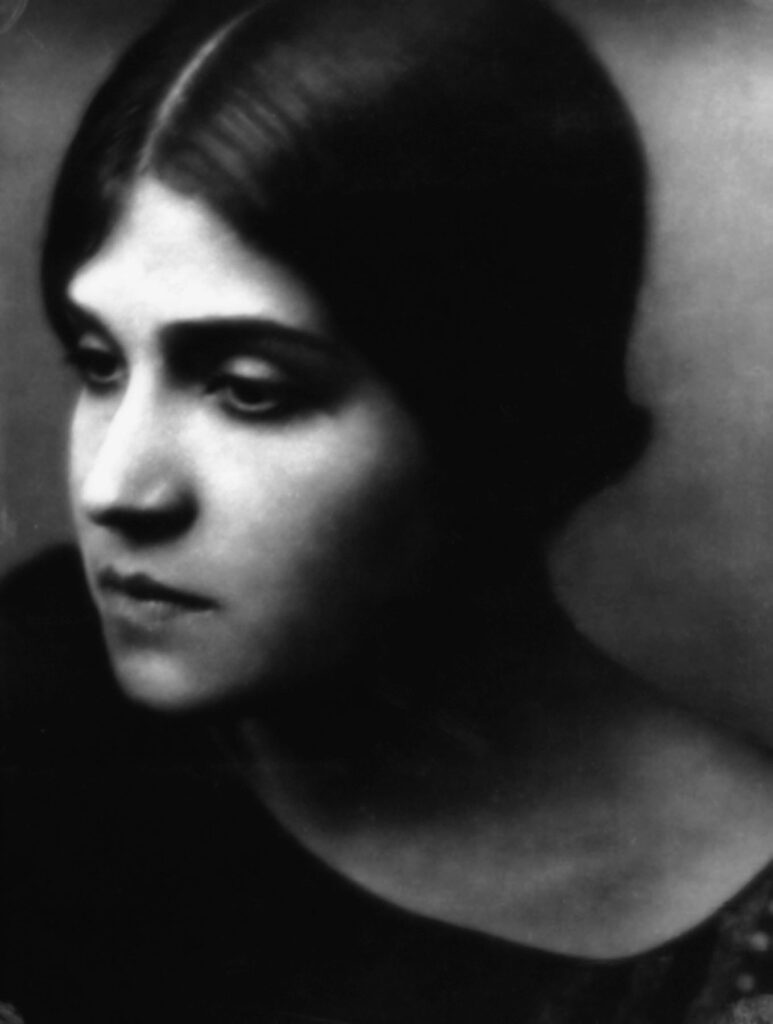
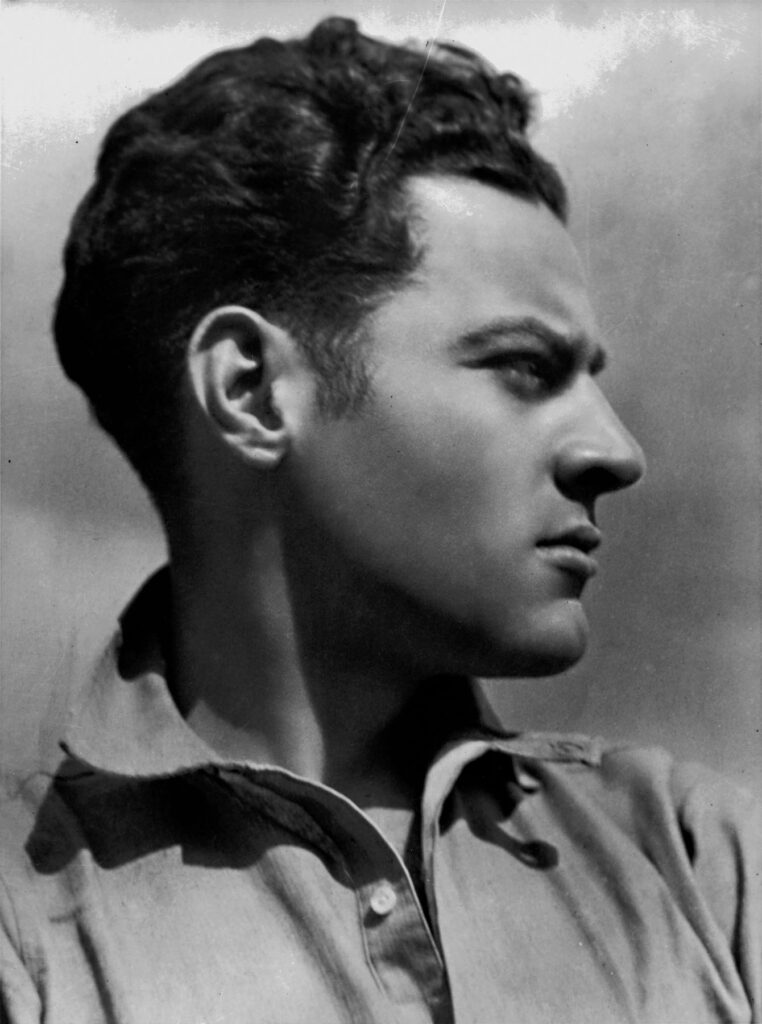
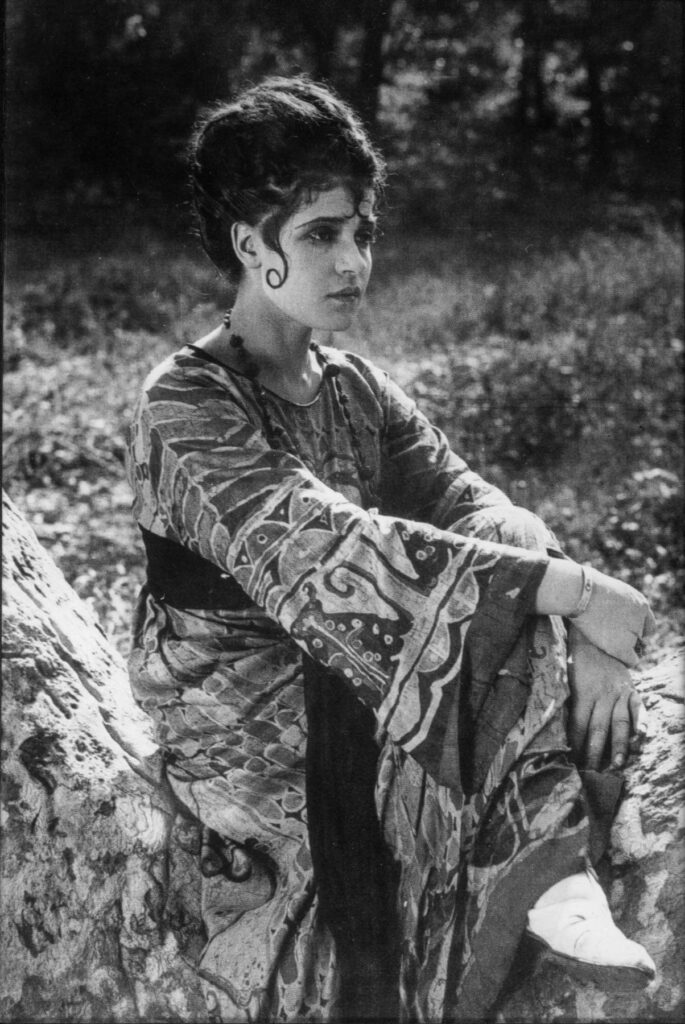
In 1923, Tina moved to Mexico with Edward and was acquainted with the artists of the Mexican Renaissance including Frida Kahlo and Diego Rivera. For seven years she devoted herself to photography, developing her own personal process, and becoming one of the avant-garde exponents of “social photography”. Tina’s political engagement focused on supporting the freedom of the oppressed against oligarchies and the opposition to the United States’ major influence in Central America. On another front, she worked to oppose international fascism. In 1927, she joined the Mexican Communist Party, where she came into contact and became involved with Xavier Guerrero. During her time in Mexico, Tina collaborated with the magazine El Machete, which brought together artists who shared the same views and ushered Tina to introduce Frida Kahlo to Diego. In a photograph taken in 1929, Tina, Diego, and Frida were seen participating in the 1929 May Day Parade, the revolutionary spirit of Tina blossoming.
From 1926 onwards, Tina stayed in Mexico, earning her living from photography and becoming more entangled in politics. While her photography took a propagandistic turn, Tina’s lens never wavered in highlighting people, disseminating emotions, philosophies, and messages to her viewers regardless of their social class. In two photographs, In the Streets of Mexico City (1929) and Elegance and Poverty (1928), Tina’s empathetic gaze towards mankind unraveled. She found an elderly man on the street in freezing weather and spent the night trying to find a place for him to stay, leaving his side only when someone offered a home for him to stay and sleep in. Her experience fueled her political voice to take a stance for the weak through photography and social engagement.
All her life, Tina missed her family, whom she often could not visit because of the political persecution she suffered. In 1936, Tina learned that her mother, Assunta Mondini Modotti, had died after returning to Italy with one of her sisters. In a letter she wrote to her sister Mercedes, she expressed: “Having you close by would have made my immense sorrow more bearable, it would have filled the great and horrible void that our blessed mother has left behind…”
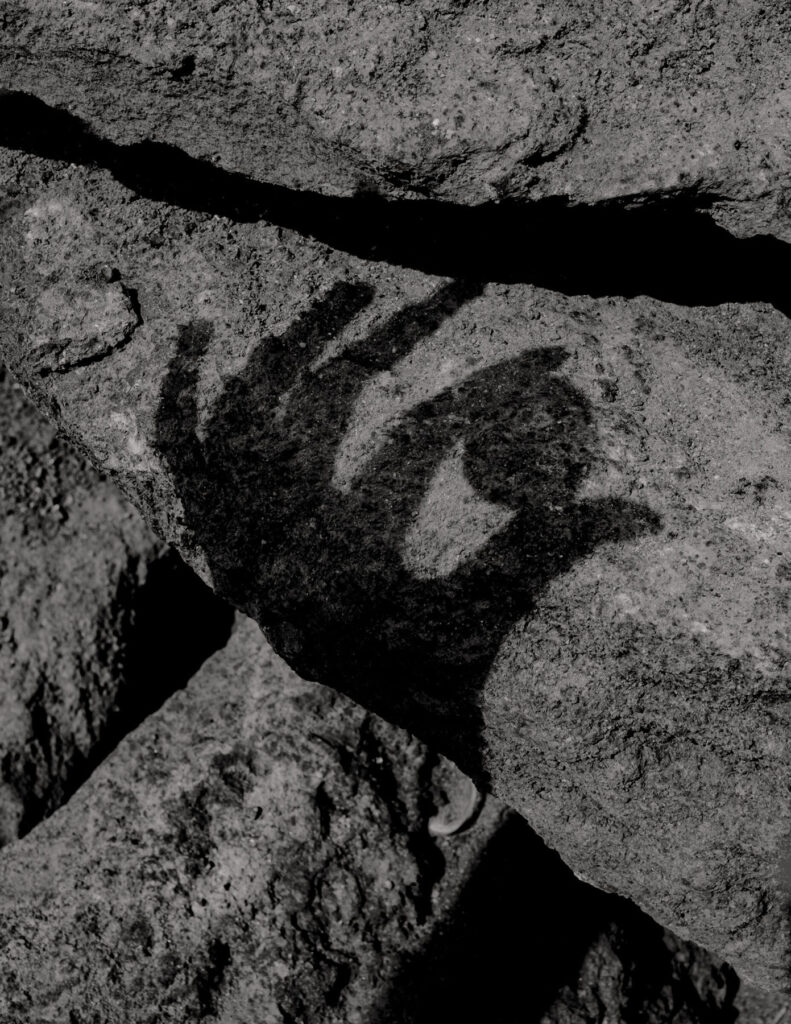
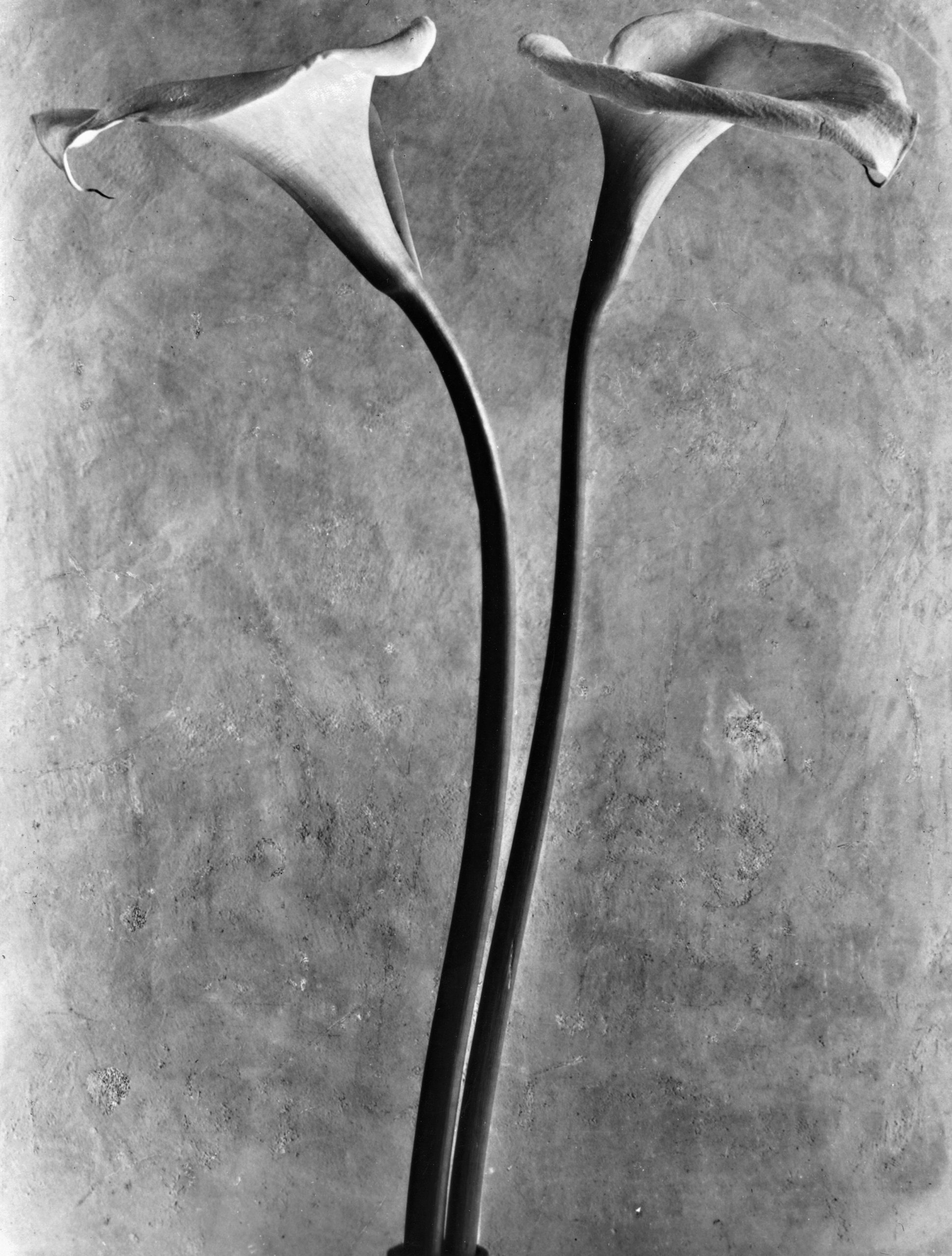
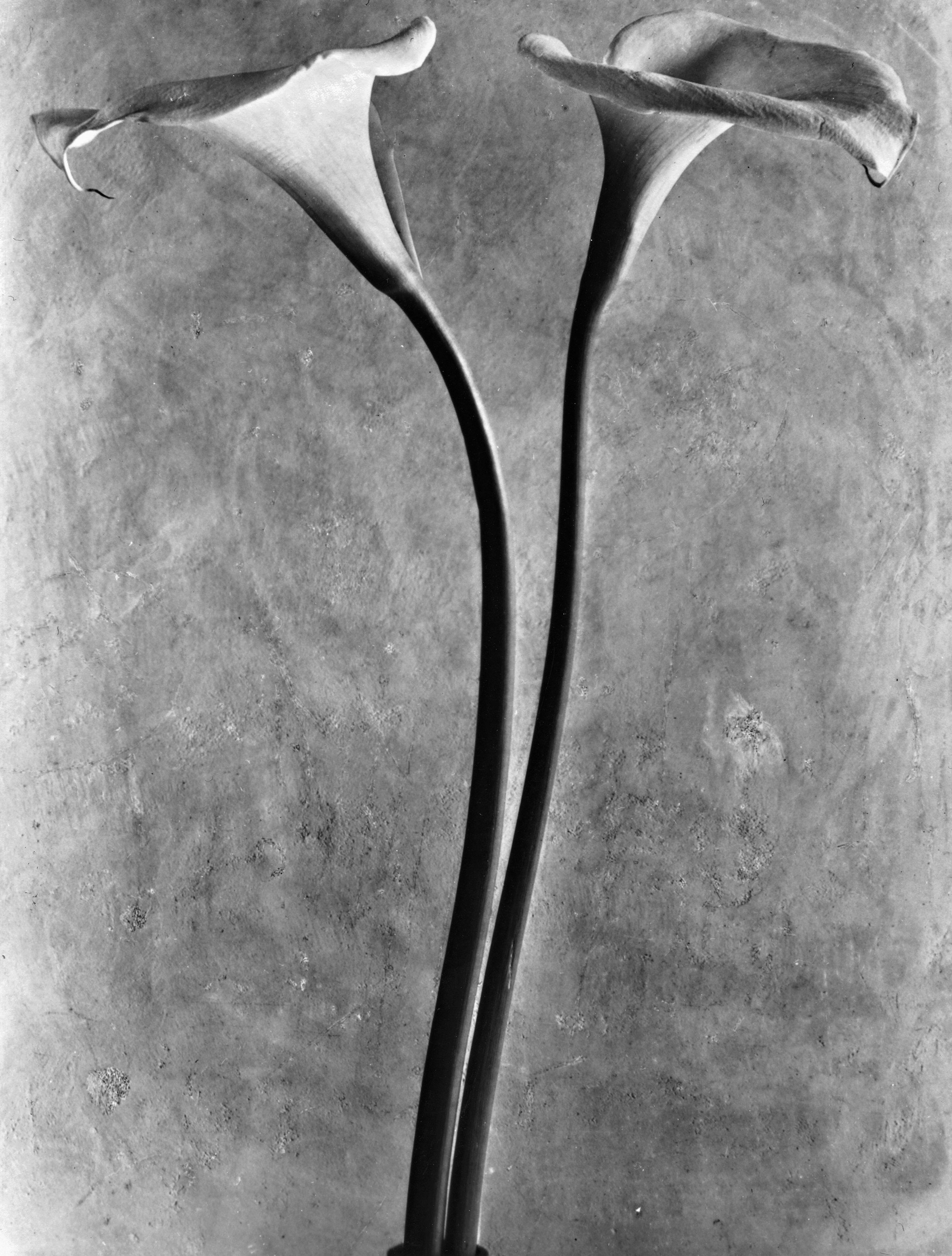
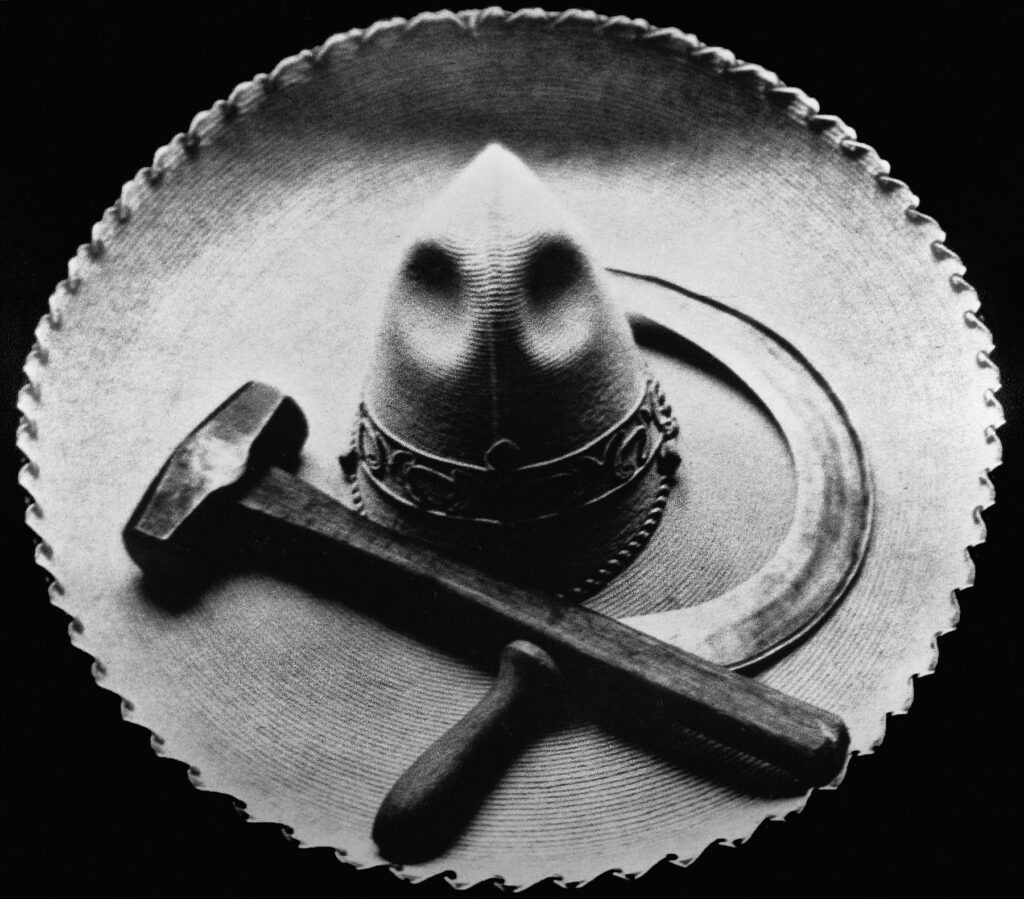
She turned her attention to photography with her still life images and portraits helming her modernist aesthetics and her political creed. In Hands of a Washerwoman (1928), the way she spotlighted the frailty of the hands insinuated the dignity of the work, a contrast to Hands of a Puppeteer (1929) where it personified power. She also captured sombrero, hammer, sickle, corn cob, guitar, and cartridge belt, symbols of life she lived while in Mexico. She exhibited them with pride and determination in her last show in Mexico City, before being forced to leave the country.
In the show’s narration: “In 1930, accused of an unsubstantiated ‘plot’, Tina was expelled from the country, and after a short period of time spent in Berlin, she joined Vittorio Vidali in Moscow, where she worked for international Red Aid. She then moved to Paris, and in 1934 and 1935, she conducted clandestine missions to Austria and Spain. During the Spanish Civil War, Tina was involved in the organization of military health, assistance for orphaned children, and bringing aid to the civilian population. She met artists, writers, and poets like Pablo Neruda and Antonio Machado, intellectuals and photographers who had gone to Spain to offer their support to the Republic, including Robert Cape and Gerda Taro. Severely affected by the defeat of the Republic, Tina Modotti returned to Mexico in 1939, where she died of a heart attack on 6 January 194Z after having dinner at the home of the former director of the Bauhaus, Hennes Meyer. Straight after her death, the violent attacks of the right-wing Mexican press ceased only following the publication of Pablo Neruda’s poem Tina Modotti ha muerto.”
As I walked towards the exit, I looked to my left and found a red wall with the poem Pablo Neruda dedicated to Tina Modotti. Reading it under the glare of the spotlight, the stanzas reminisce the Tina visitors would never meet in this lifetime:
Tina Modotti, o sister of mine, you do not sleep, no, you do not sleep,
perhaps your heart can hear yesterday’s rose grow,
yesterday’s last rose, the new rose.
Rest gently. o sister of mine.
Yours is the new rose, yours is the new land:
you wear a new dress made of deeply sown seeds
and your gracious silence is covered in roots.
You will never sleep in vain, o sister of mine.
Pure is your name, pure is your fragile life
bee, shadow, fire, snow, silence, foam;
steel, line, pollen make up your
slender, iron frame.
…
One day they will come by your small tomb,
before yesterday’s roses wilt,
those from the past will come to see, tomorrow,
where your silence burms.
…
They are yours, o sister of mine: those who today speak your name:
we who from every place, from the waters end from the land,
stay in silence and say other names with your name.
For the fire dies not.