Archive page:


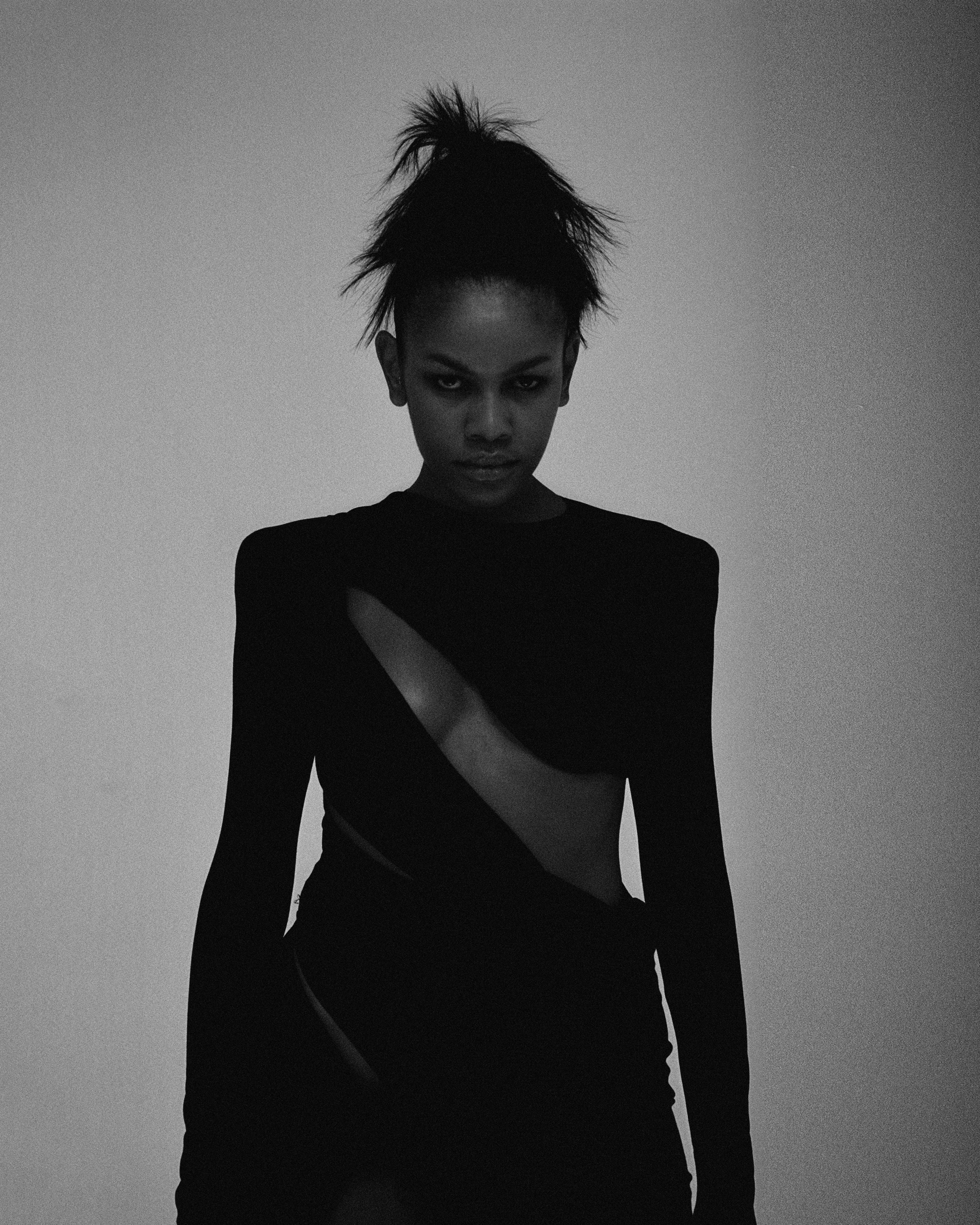
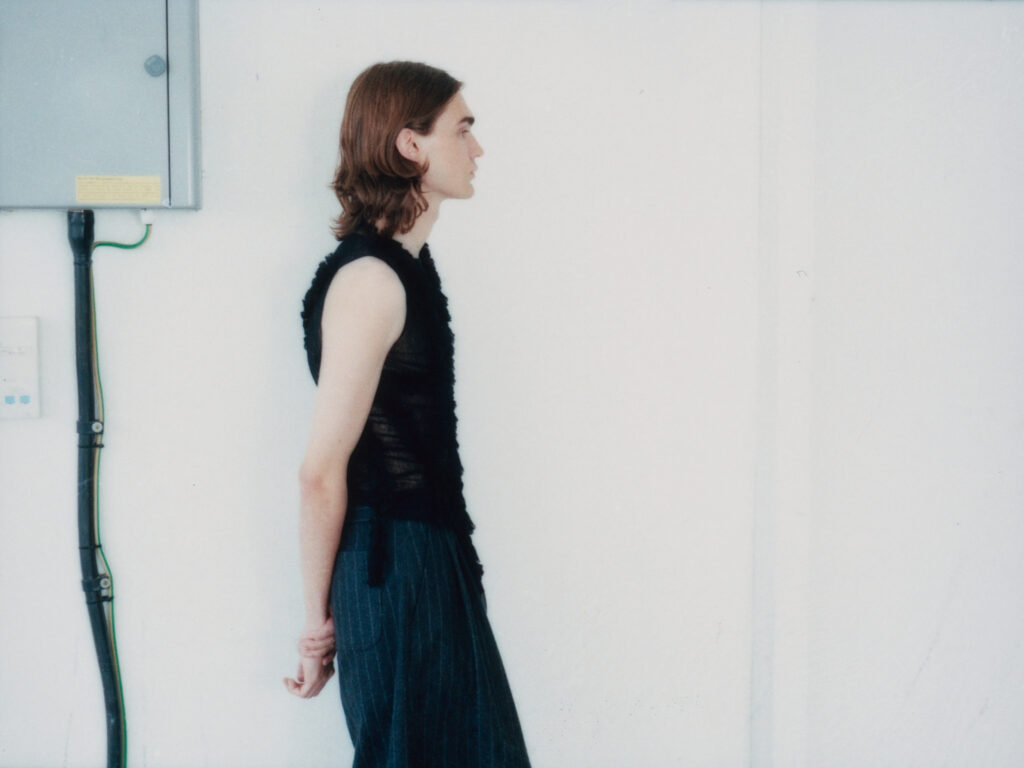
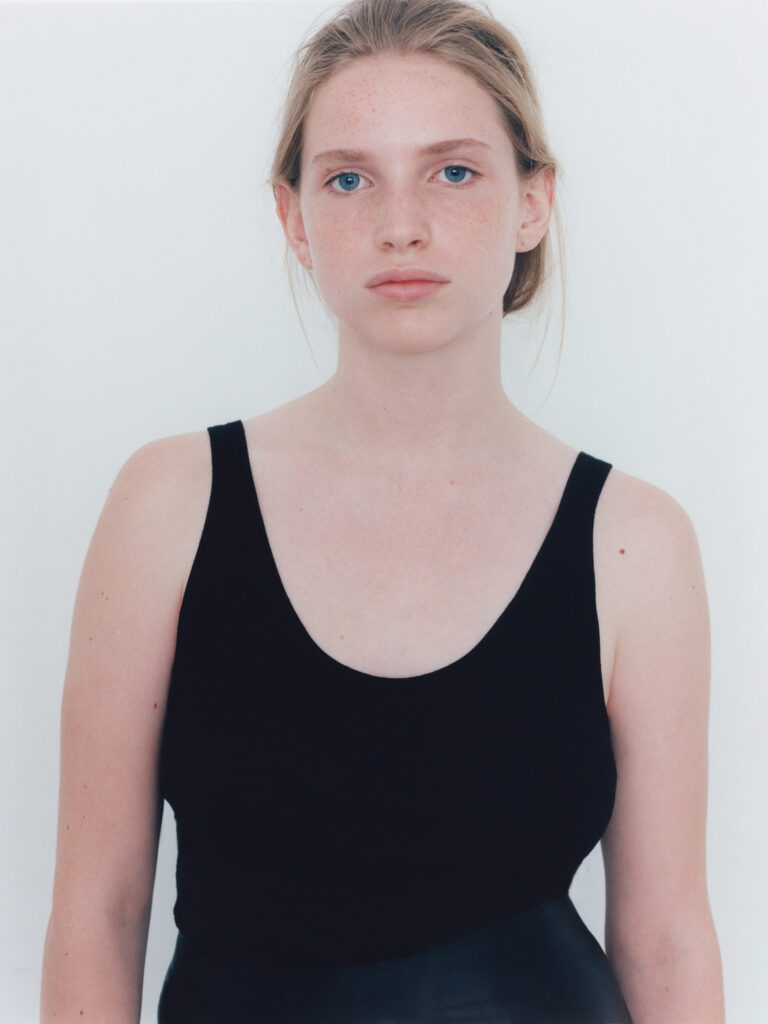
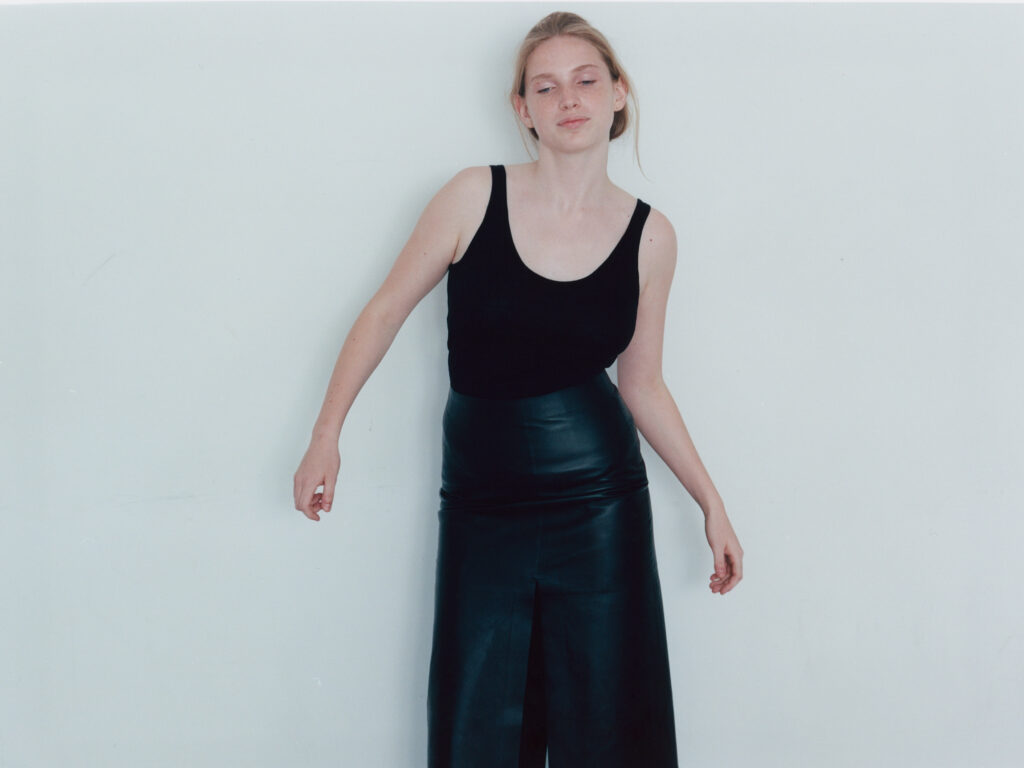
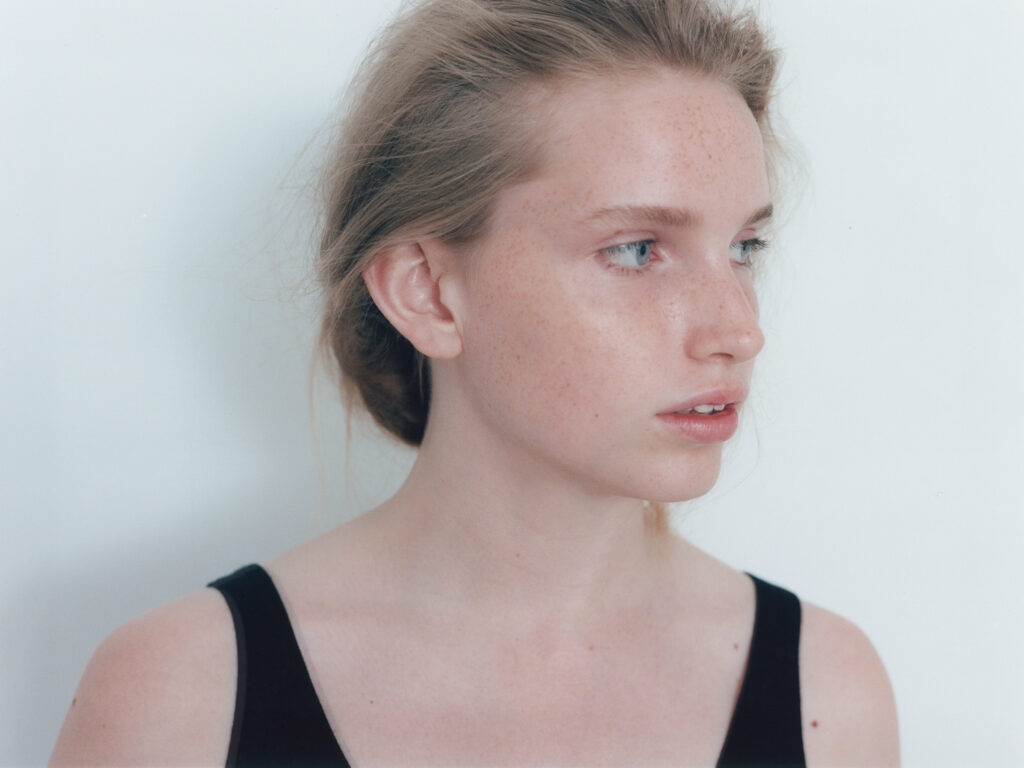
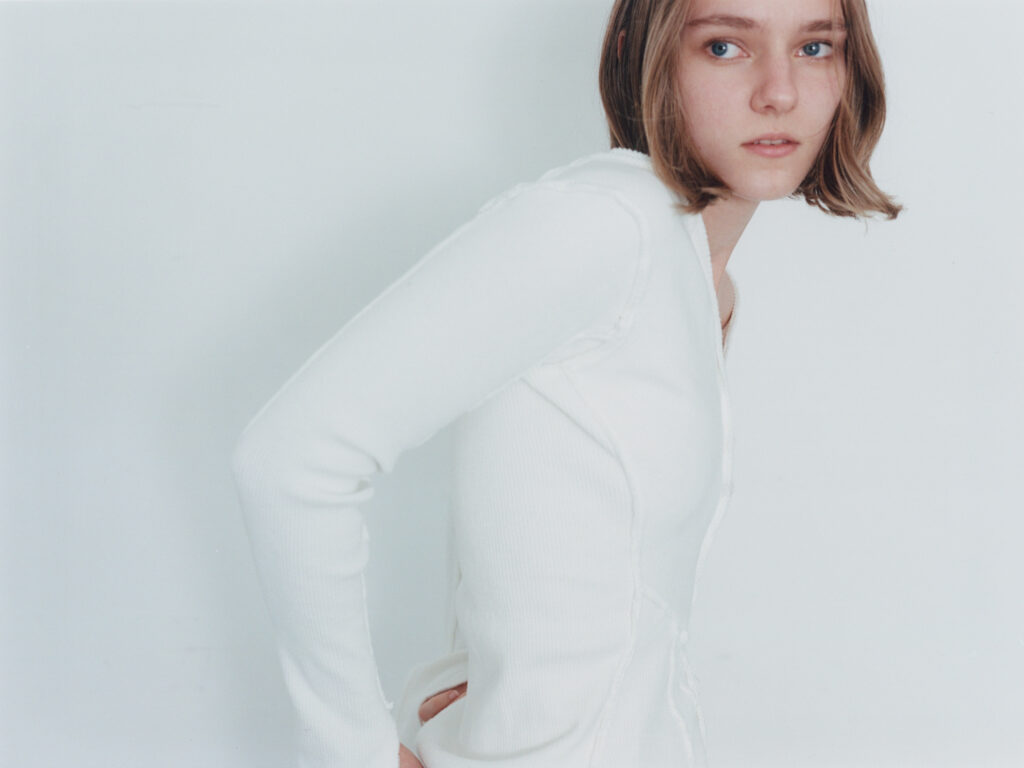
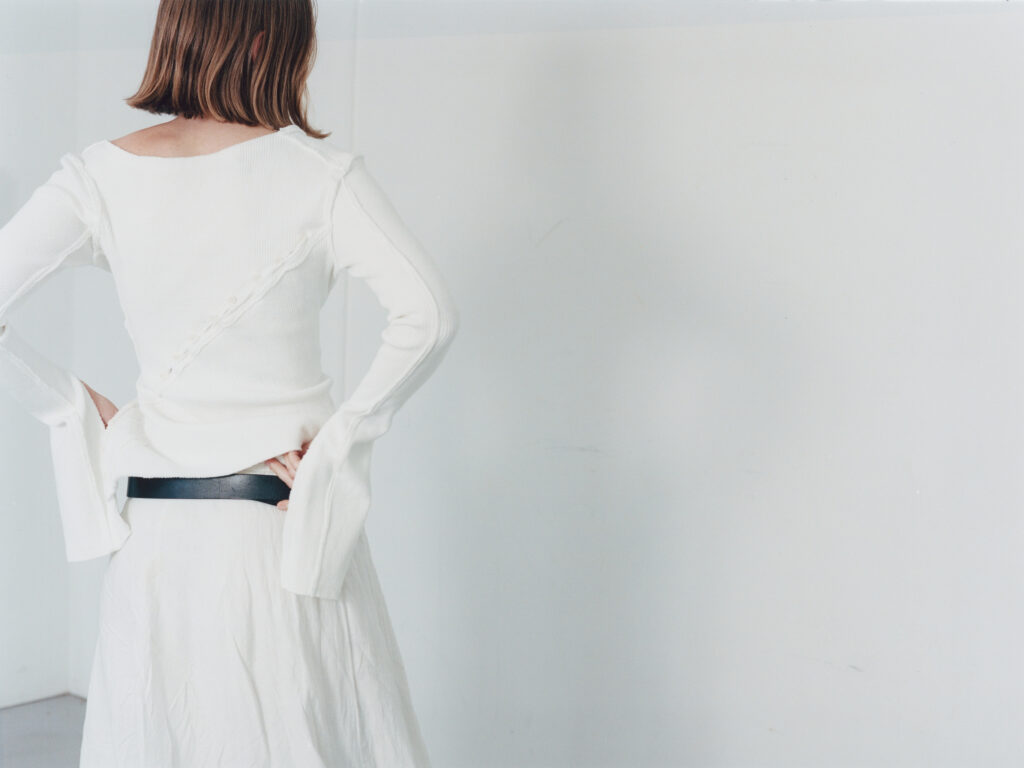
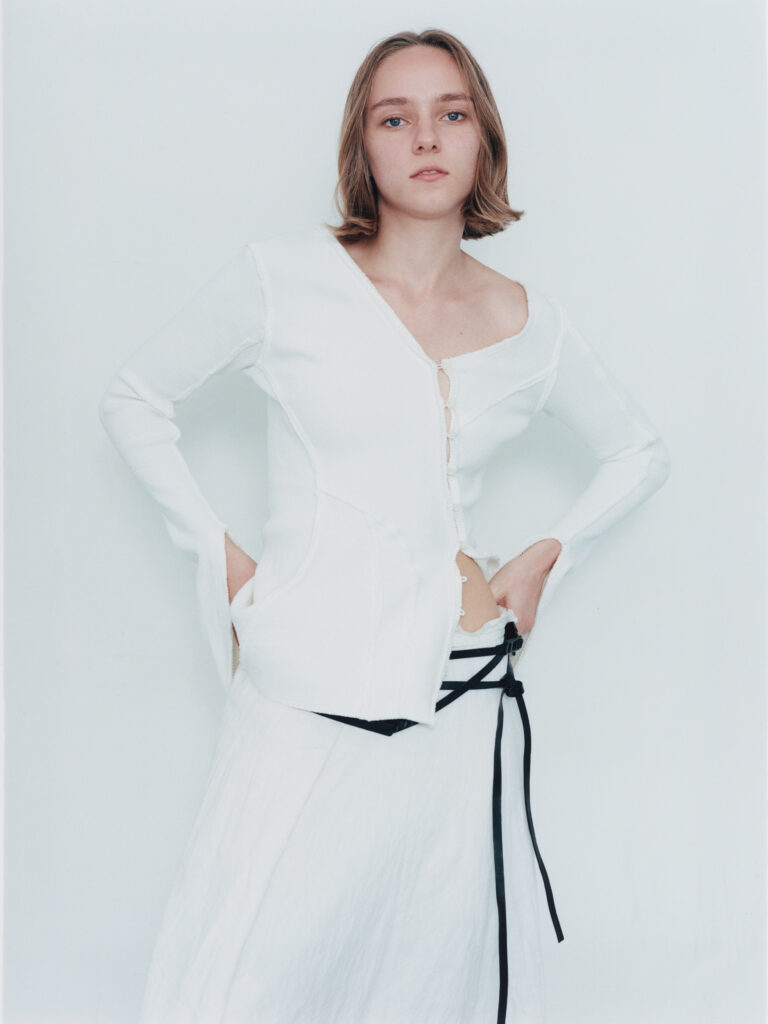
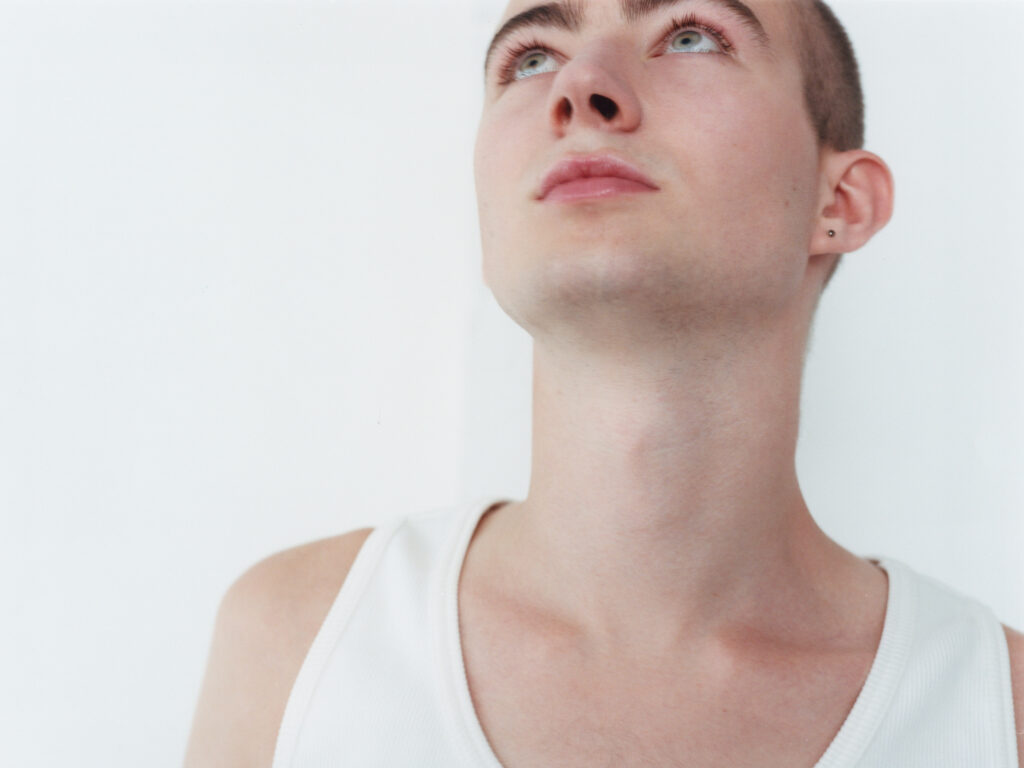
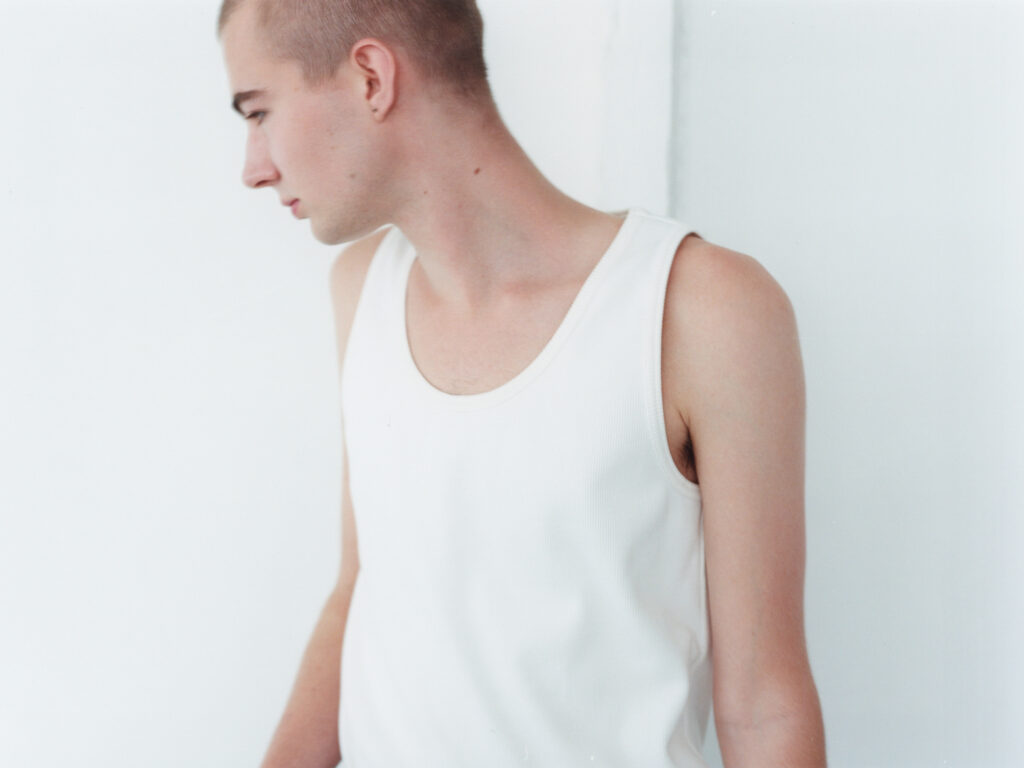
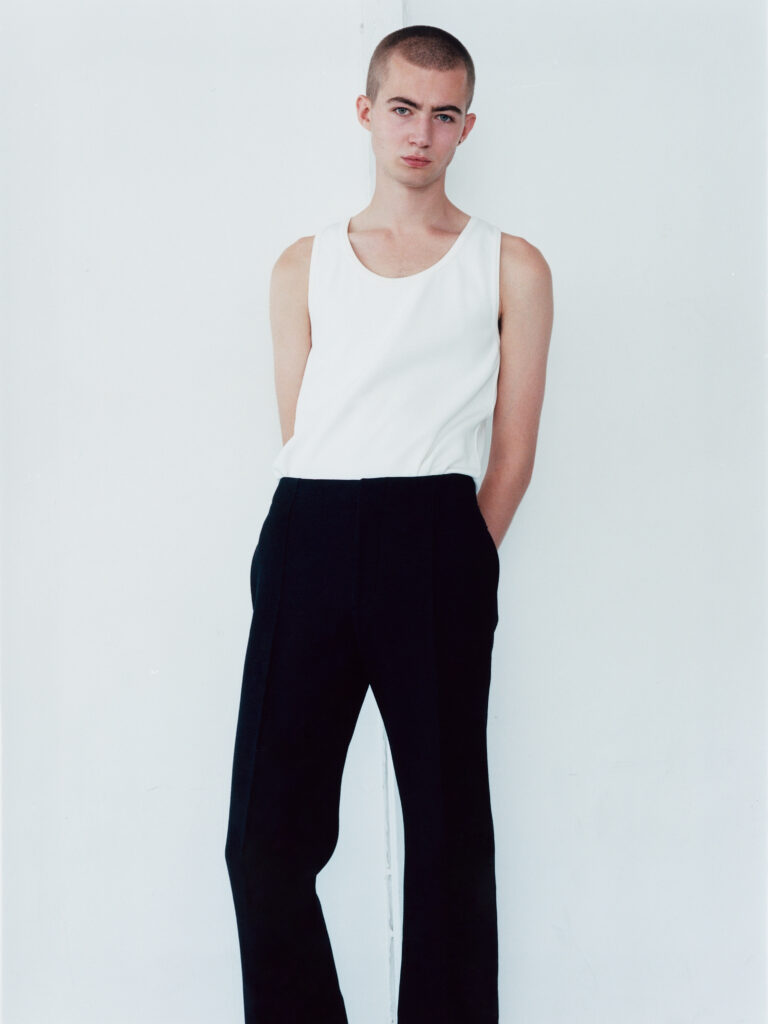
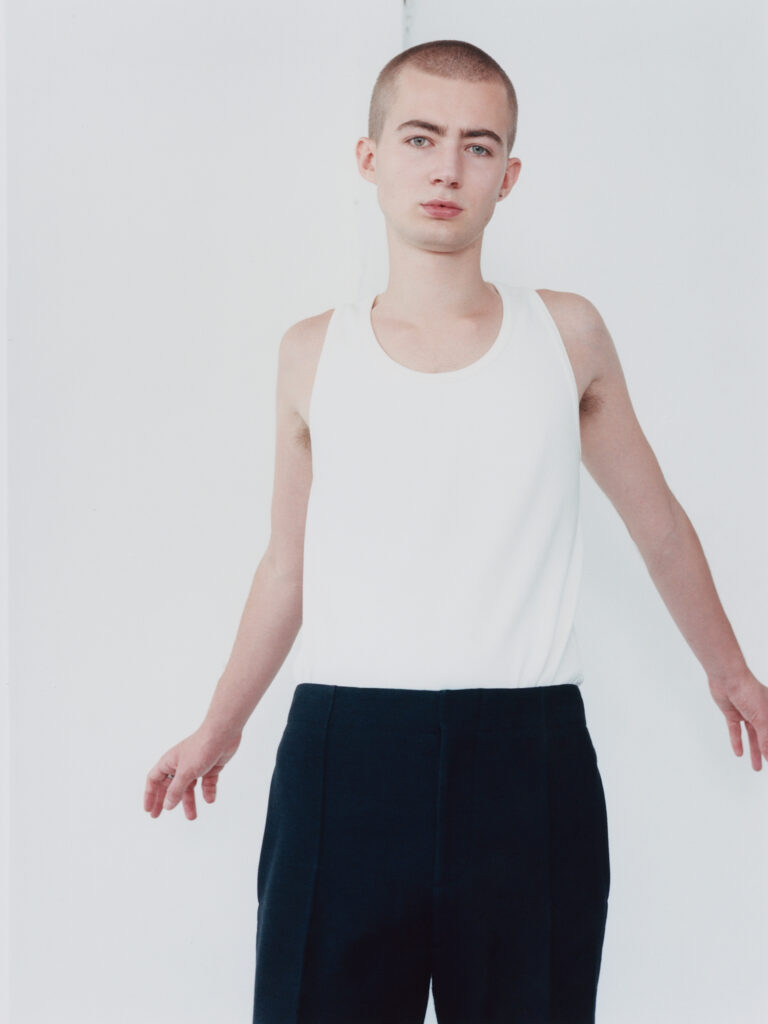
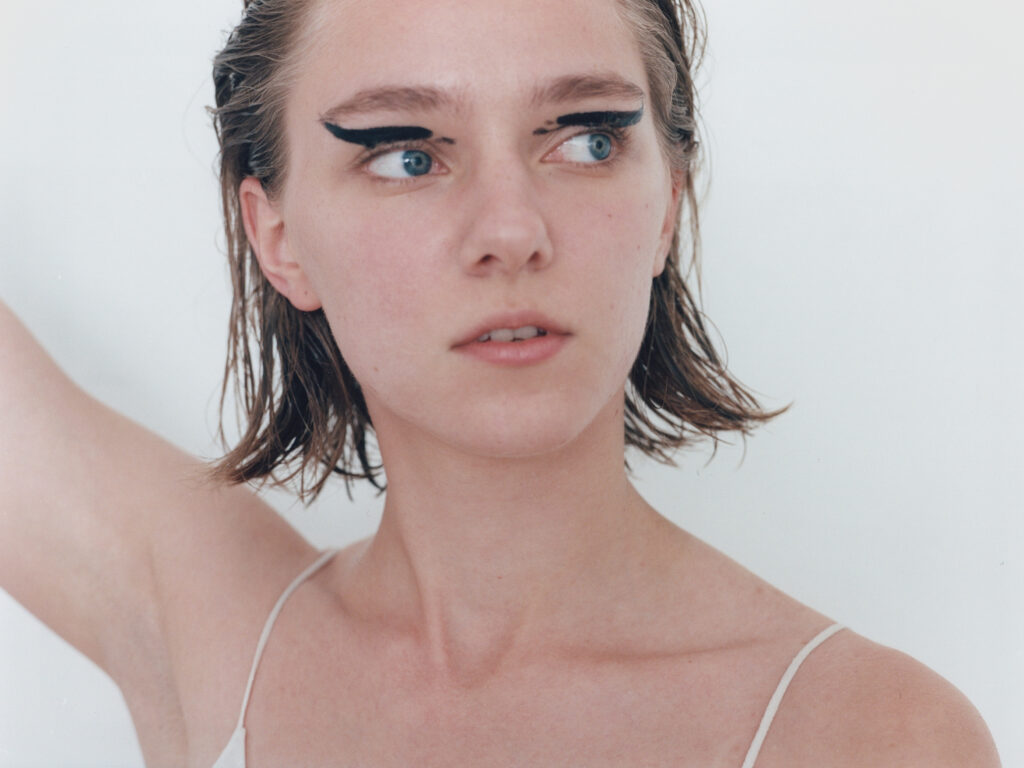
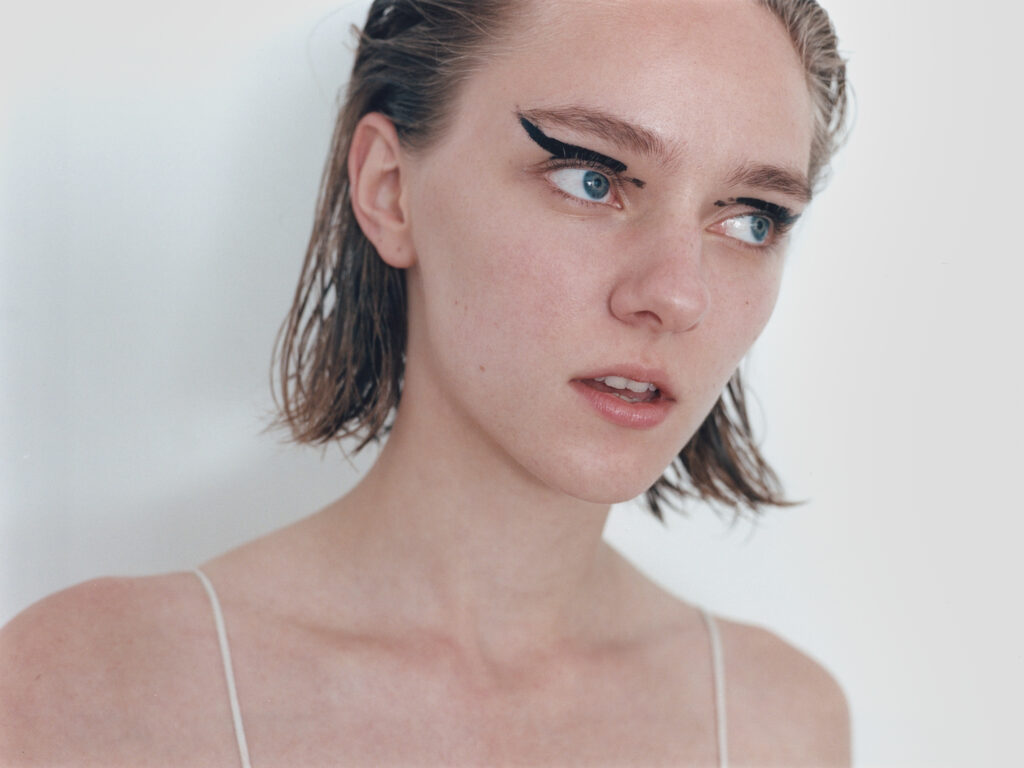
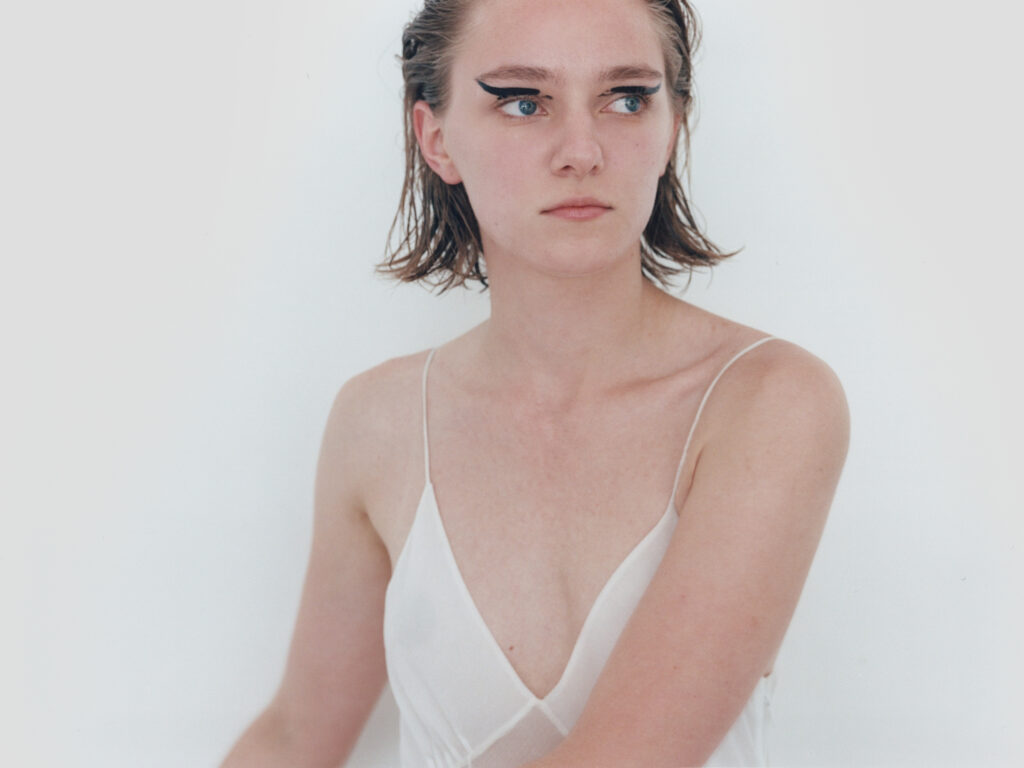
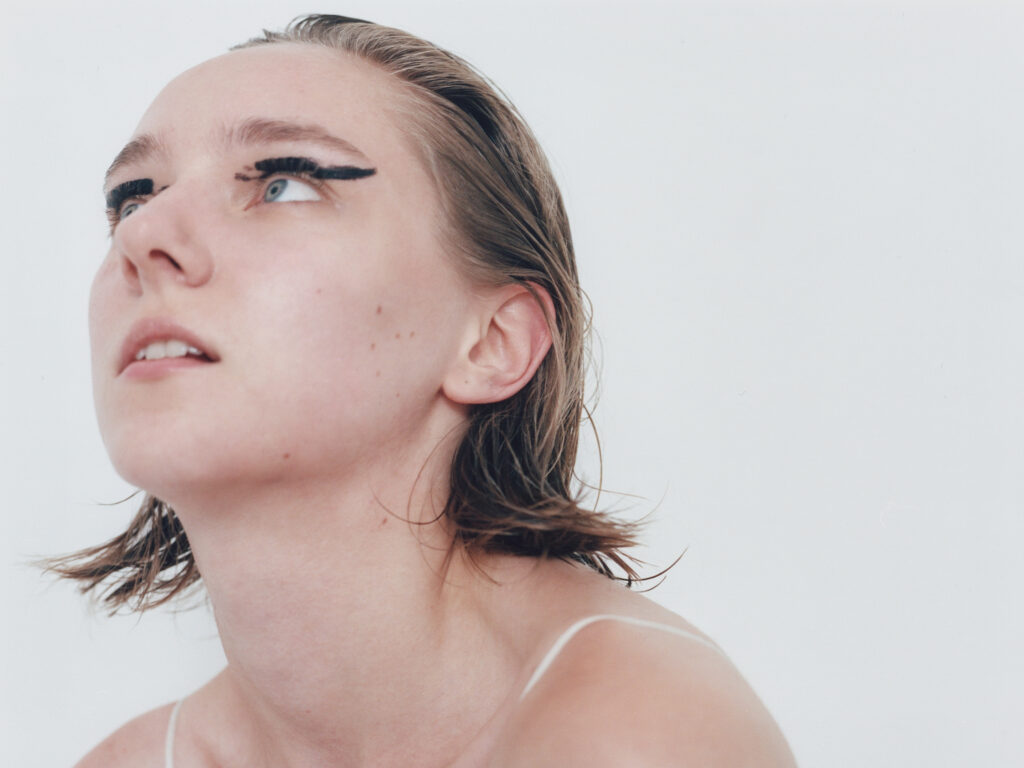
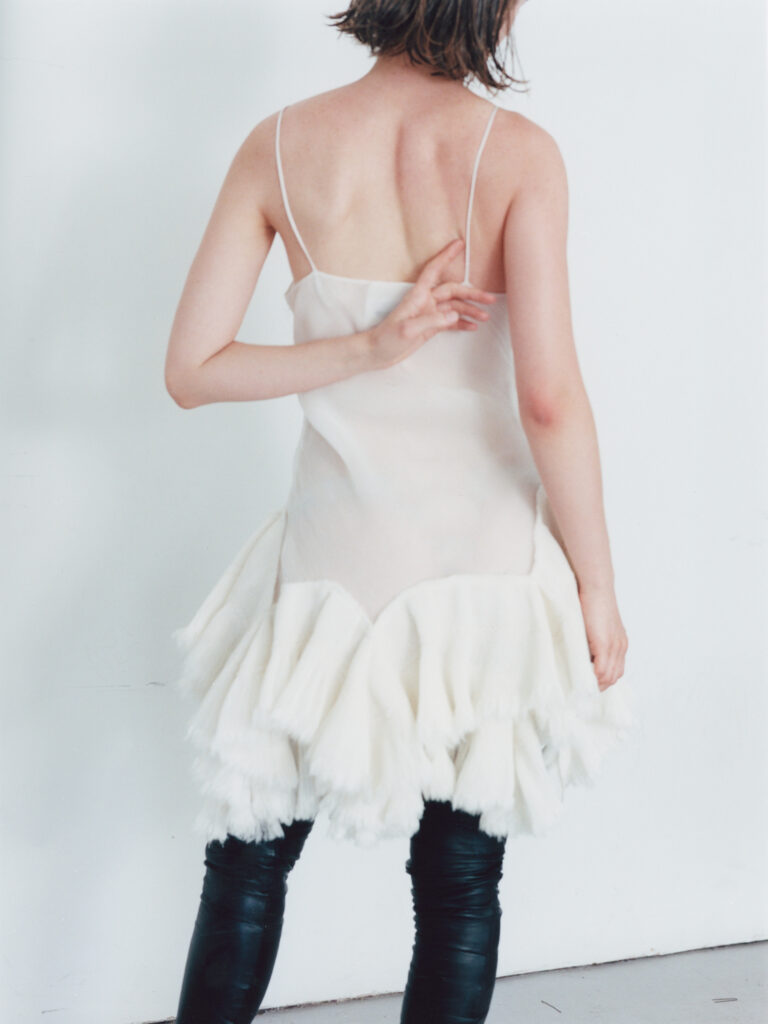
Xavier Casanueva

Faces

Team

Models · Erin at Emmi Grundström Casting and Thea at Milk Model Management, Louis and Hamish at Elite Models
Photography · Xavier Casanueva
Fashion · Asier Rodriguez
Casting · Julia Lladó
Hair · Takuya Morimoto
Makeup · Takenaka

Designers

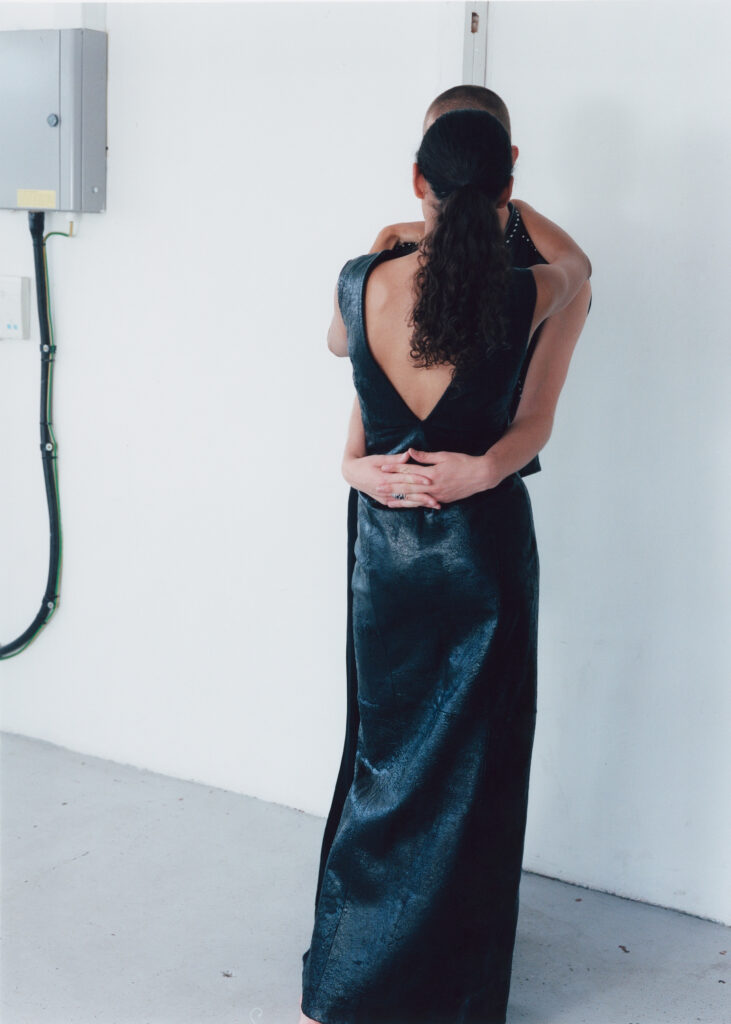
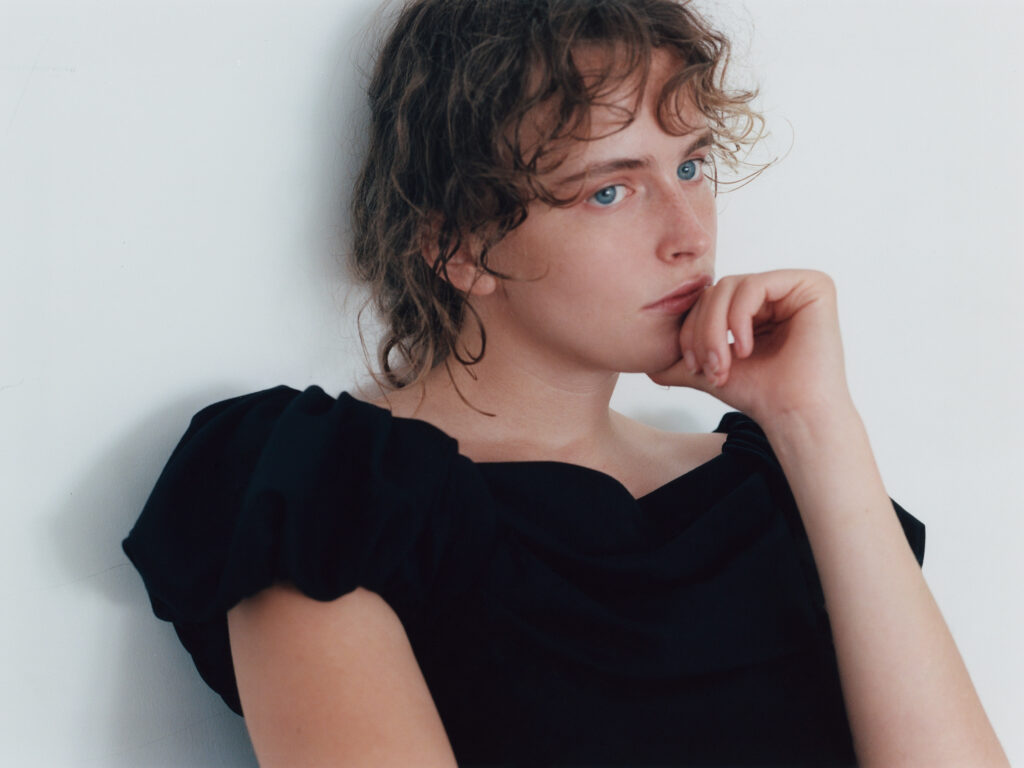
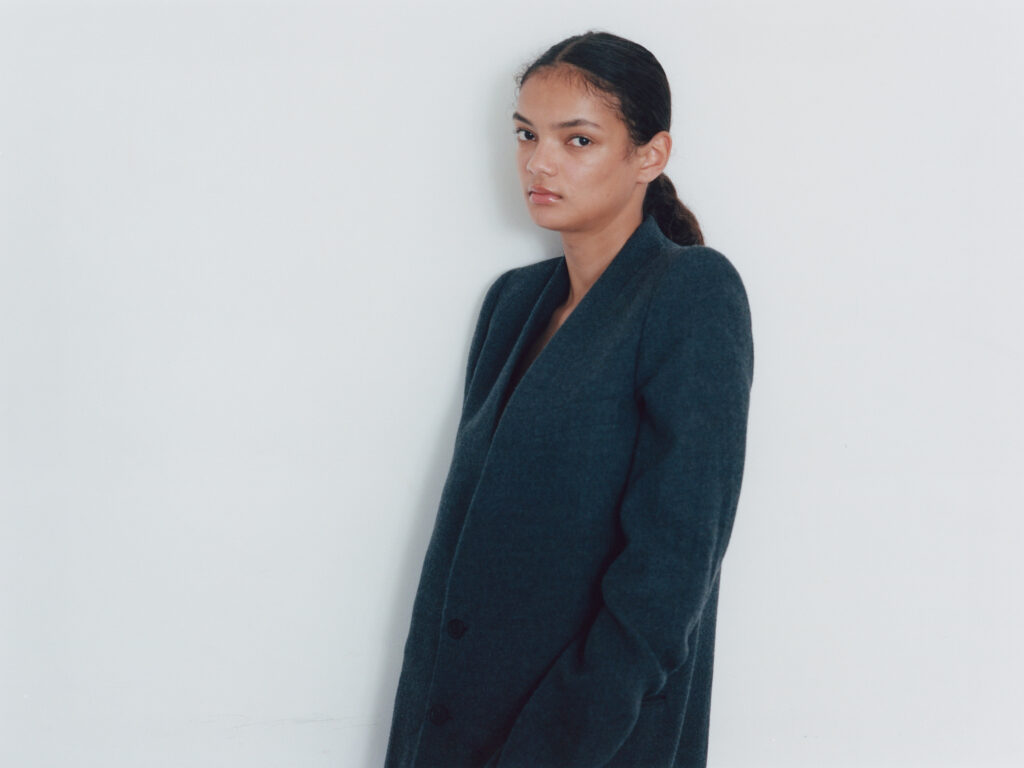
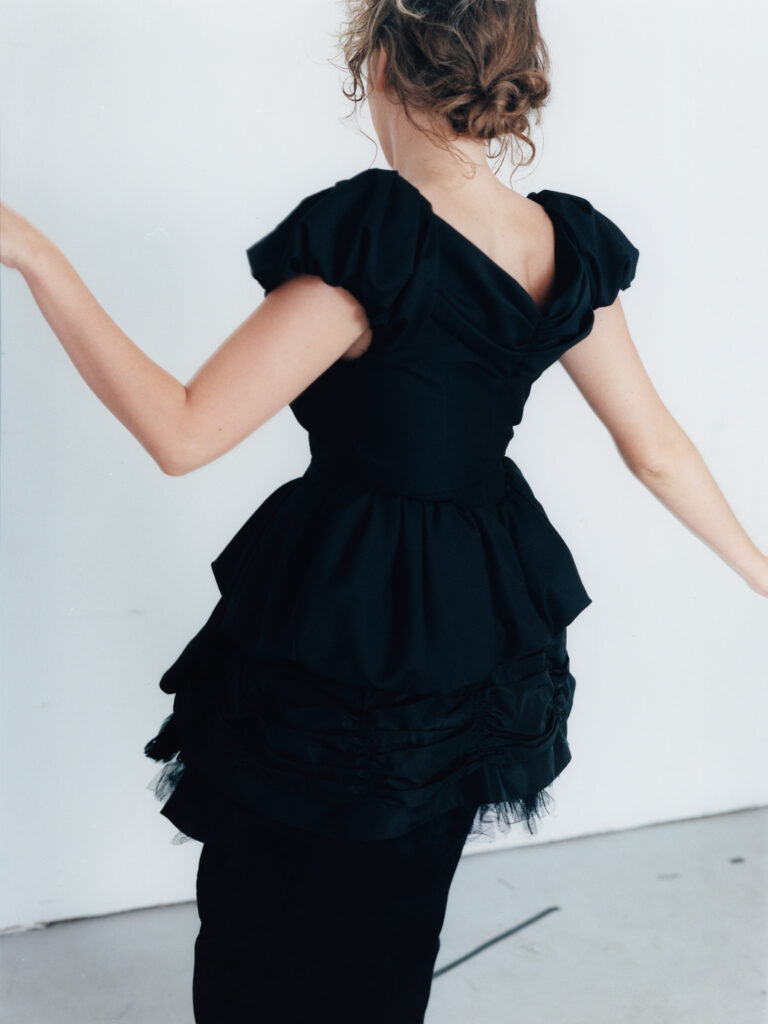
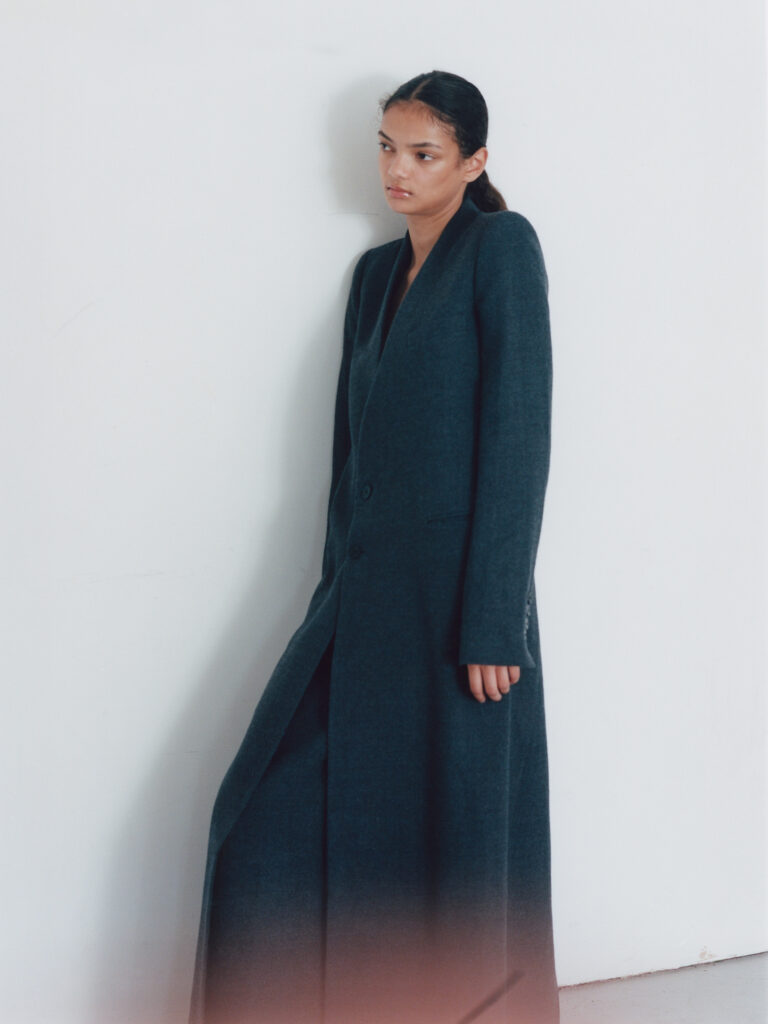
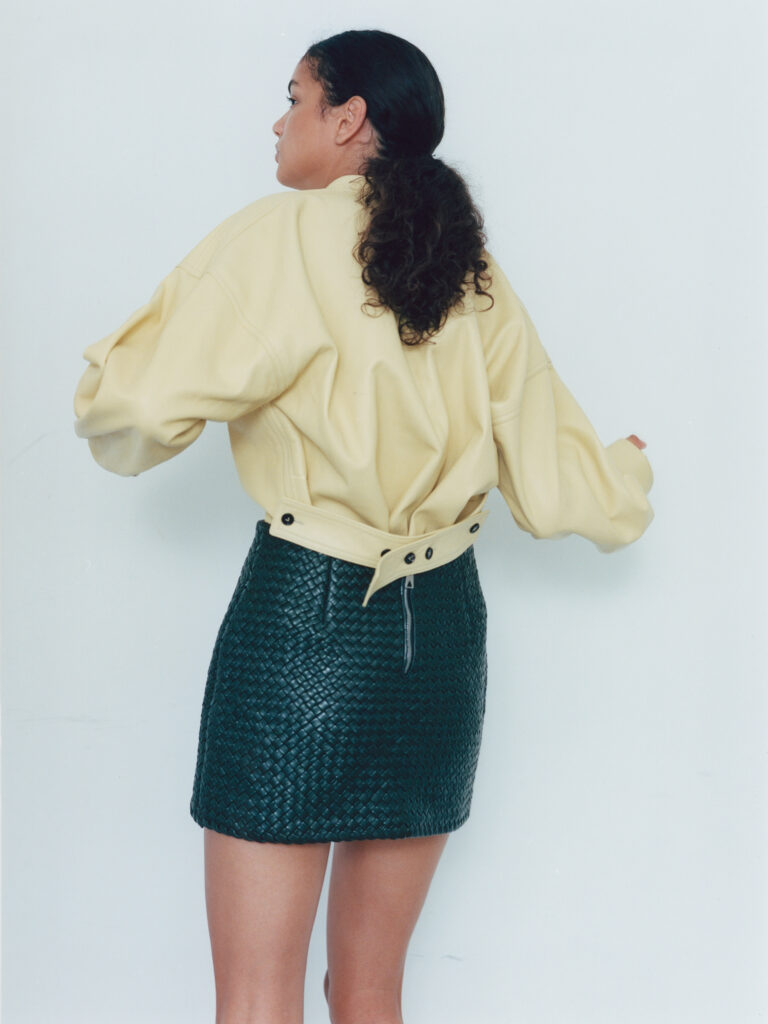
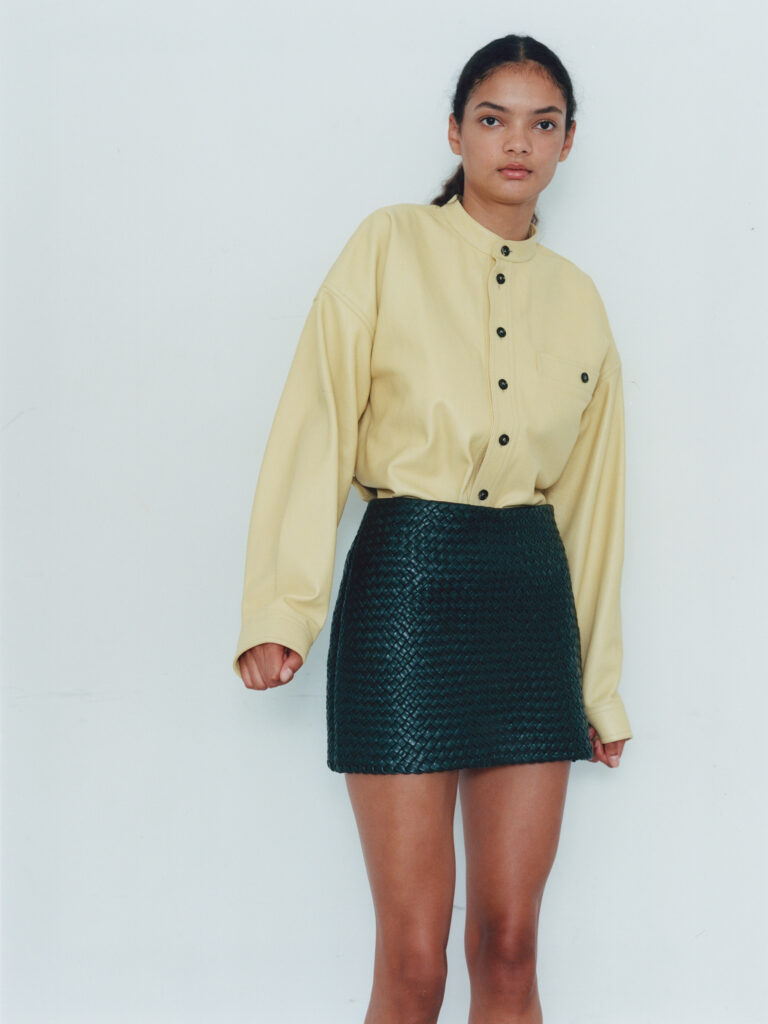
  1. Top MM6 MAISON MARGIELA and shorts MAISON MARTIN MARGIELA
  2. Full look CHLOÉ
  3. Top TALIA BYRE, belt and skirt Model’s own
  4. Full look BOTTEGA VENETA
  5. Full look GIVENCHY
  6. Dress ANN DEMEULEMEESTER
    Hamish · Vest MM6 MAISON MARGIELA
  7. Full look SIMONE ROCHA
  8. Full look ANN DEMEULEMEESTER
  9. Full look BOTTEGA VENETA

Celeste Galanda

The Dark of Matinée

Team


Model · Yeray at Elite Model
Photography · Celeste Galanda
Fashion · Francisco Ugarte
Hair Stylist and Makeup · Regina Khanipova
Photography Assistant · Patricia Vizcaino Villalón

Designers

  1. Full look KENZO
  2. Jacket DSQUARED, Necklace PALM ANGELS
  3. Full look BOTTEGA VENETA
  4. Jacket and trousers JW ANDERSON x MONCLER, Shirt BOTTEGA VENETA, T-shirt RAF SIMONS, Shoes CAMPER LAB
  5. Sweater and shorts JW ANDERSON x MONCLER, Necklace PALM ANGELS, Shoes CAMPER LAB
  6. Sweater JW ANDERSON and Jeans VERSACE

Amia Yokoyama

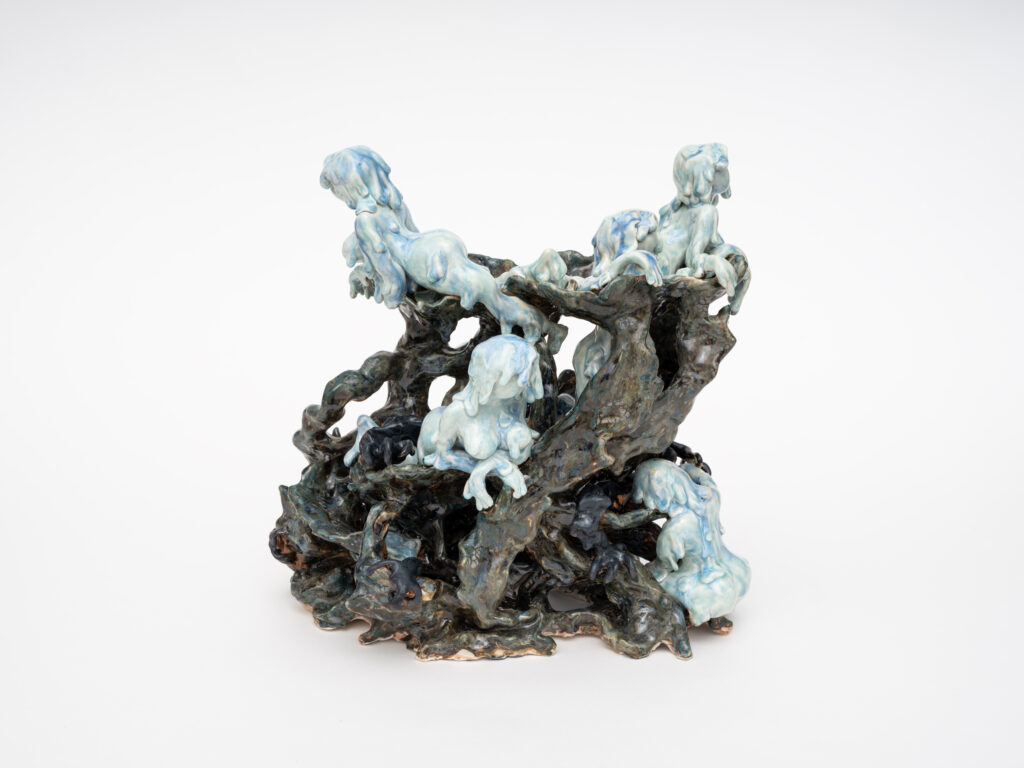
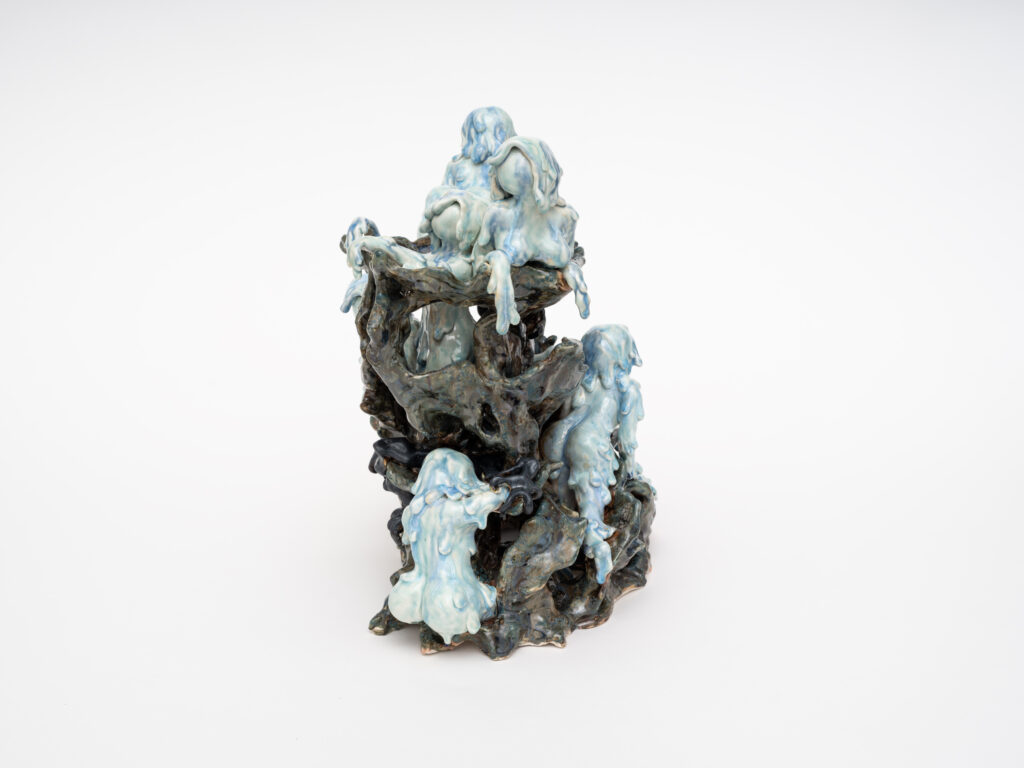
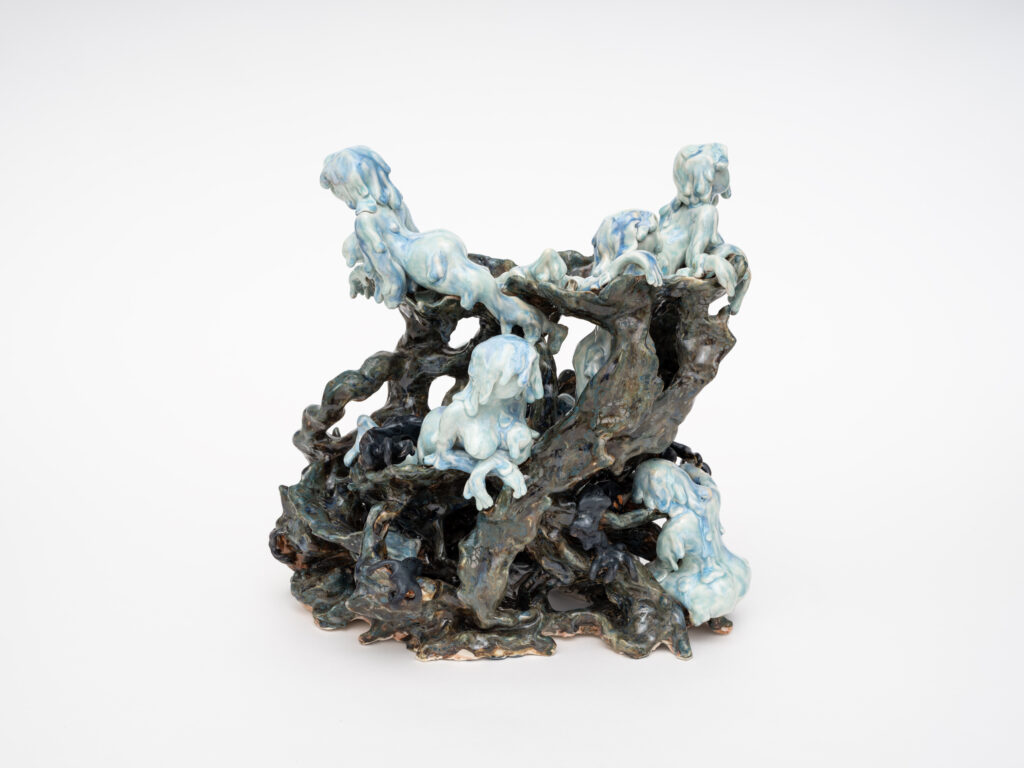
Amia Yokoyama, Słow Moon Sink
Ceramic

What the immaterial creates, the material makes

The lack of contentment governs the persistence of Amia Yokoyama to unfold the transaction between permanence and impermanence, fragility and strength. She tells NR about the void she desires to fill with whatever gnaws at her at the time she falls under its spell. She always seeks something, always on the hunt to uncover more, the reason she keeps sculpting and producing videos and animations. Somewhere between these works of art, she finds the depth of herself, the truth she owns that lies within the realms of her material and immaterial creativity. When she describes her practice, she lends her audience a piece of herself, and they soon realize the fidelity she upholds, questioning the elements of the Earth, the states of matter, the spaces that live within the physical and the memories, and the existence of layers in the digital world.
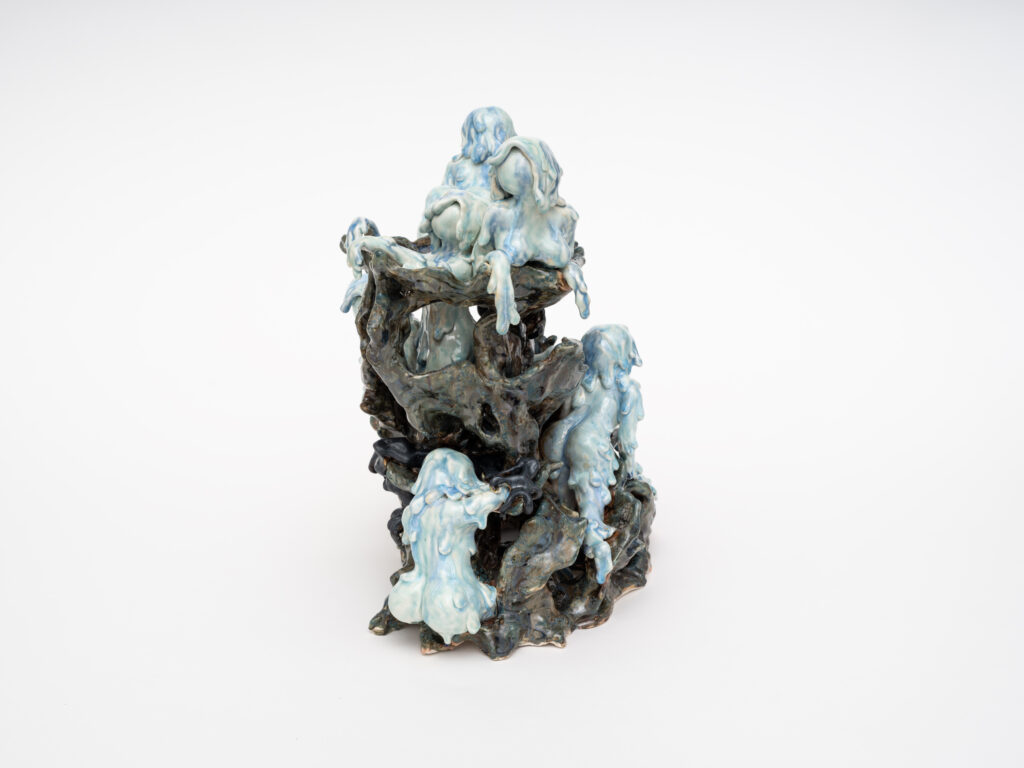
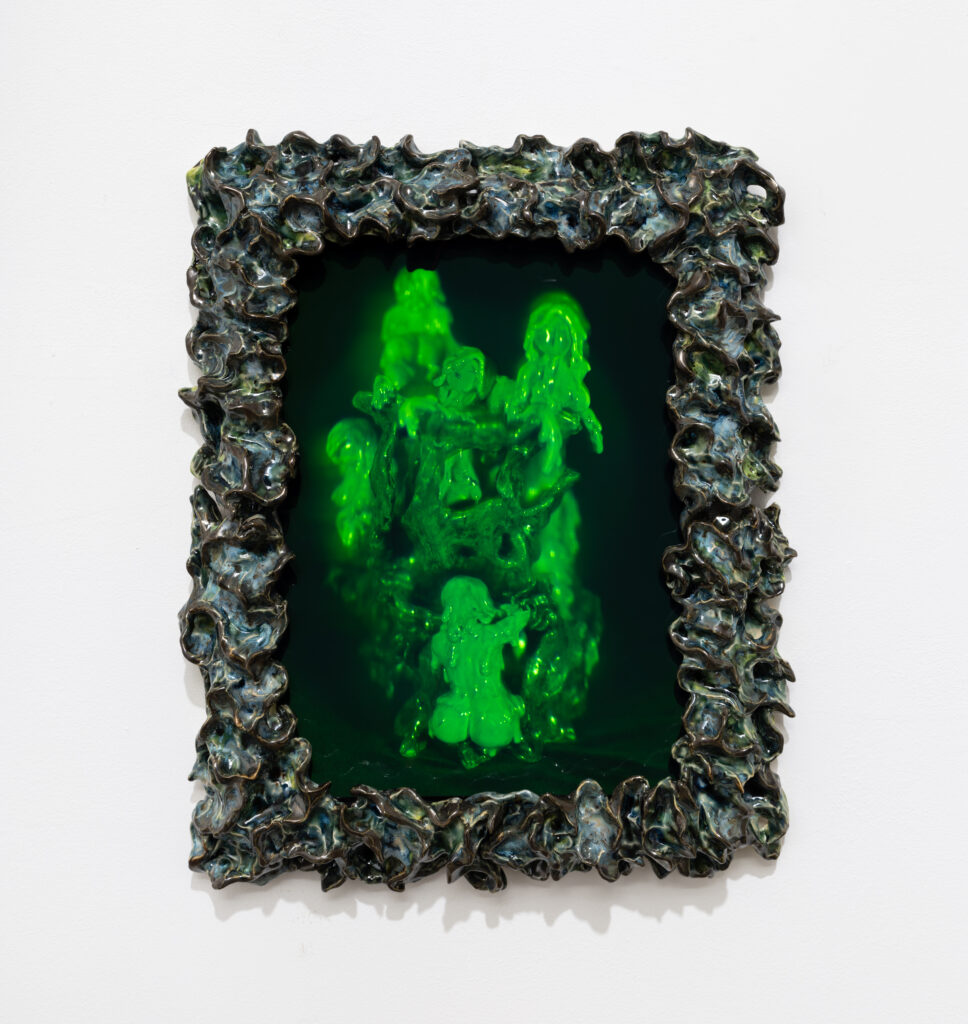
Whatever theme she touches upon, she borrows from other cultures, such as the prowess of Anime in Asia, to magnify, and sometimes distort, her objects, videos, and installations. In one work, viewers can find two naked feminine figures in euphoria as one caresses the skin of the other, beneath her breasts. In another work, a talk show occurs, hosted by two tech-driven figures who look the same. The Japanese-American artist gravitates towards pyschedelic approach to her practice, offering drugs to satiate the high-maintenance affairs of her viewers towards modernized, digitized, and sensual art. For NR, she taps into the poetess in her, layering the narratives about her art, self, and beliefs in a nature that reflects what she creates.

Amia, how has your journey been so far with your work? Was it easy achieving the creative process you have today?

It has been long, unruly, twisty, and unpredictably slippery at times, but I would not have it any other way. My process has been guided through searching for moments that trigger my creative spirit. These moments are the catalyst for my motivation. I get excited when these senses are tickled simultaneously like intellect, feelings, sensory, emotions, beauty, and tension, to name a few. When all of these are activated as I work, I know I am on the right path. If they are not, I keep searching.

“This journey means reaching for a visual language that can sing when lyrics alone do not quite cut it.”

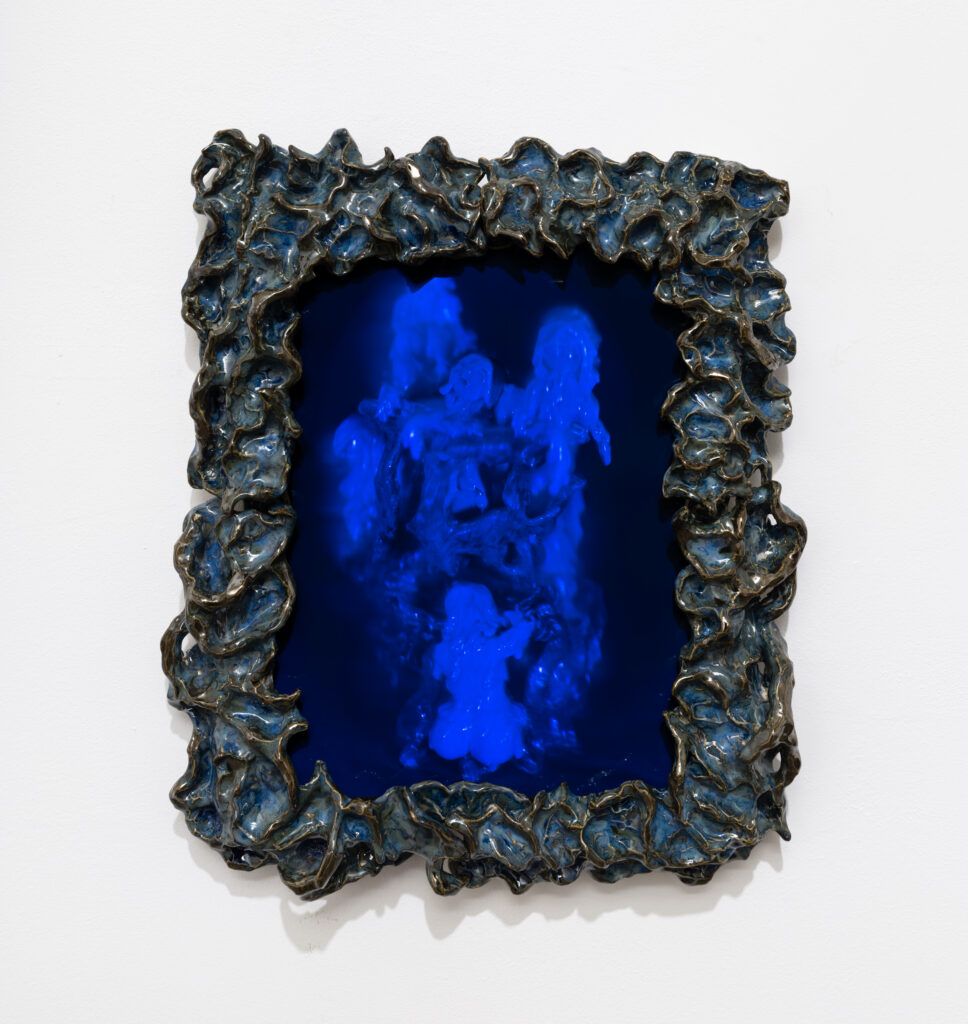
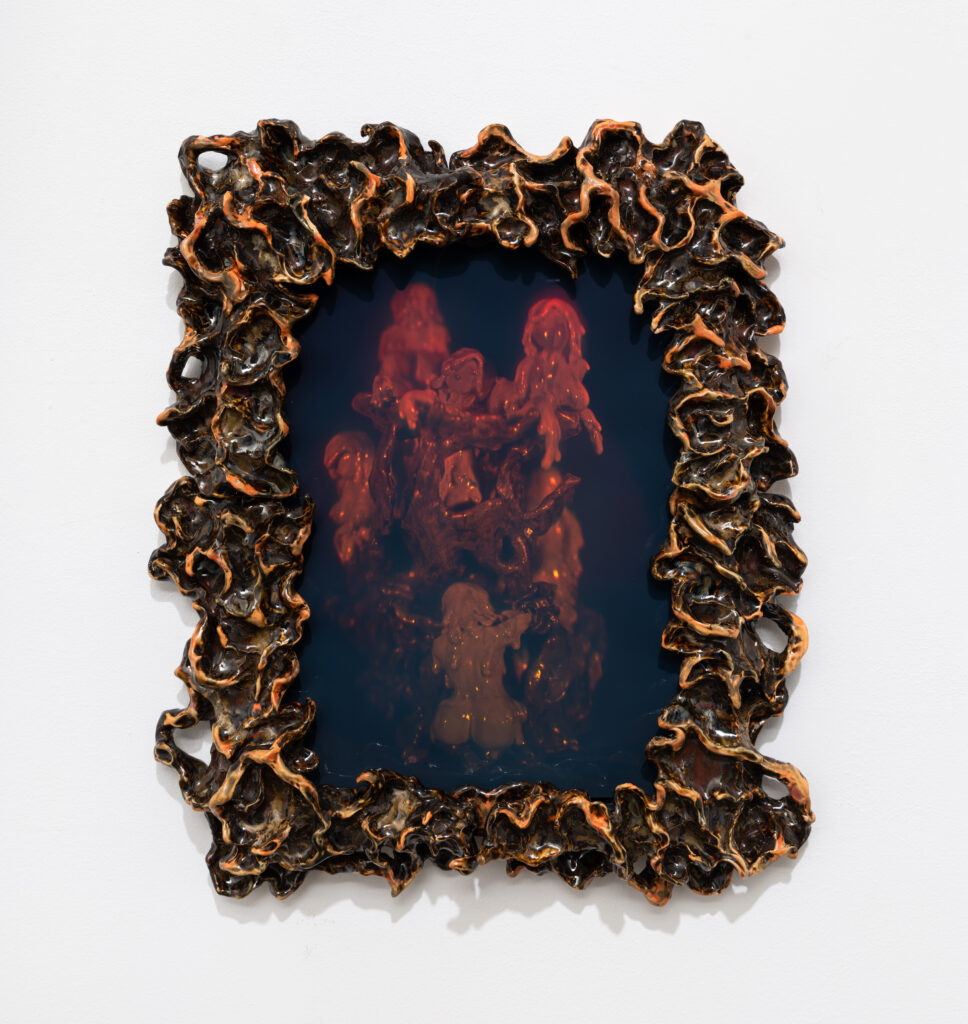
Amia Yokoyama, Untitled (red) Ed 1, 2022

Having a Japanese-American profile, in what ways do your cultural background and upbringing influence your art and the way you make it?

I think that my early acknowledgement of my childhood and the feeling of not belonging encouraged a propensity to imagine and create worlds where I did feel I belonged.

“Inside my head, it was much more exciting, nurturing, and generous than my external social world.”

I began to develop my own relationship with my environment rather than a relationship that was heralded by my parents, teachers, or peers. 

I grew up in a multicultural household isolated within a vast sea of homogeneity, so differences, misunderstandings, and uncertainties were regular companions. This gave way to always feeling and knowing I was sutured of diverse and often disparate parts that do not fit into the ways the world told me they should.

“This understanding left the needle and thread in my hand to sew, take away, and ultimately give permission to myself to be something of my own desire.”

Amia Yokoyama, Slow moon sink, 2021
Ceramic

When the world told me that I did not make sense, I began the process of liberating myself from their idea of this ‘sense’ and allowed myself to expand the rules of existence.

“The childhood process of building sanctuary within my inner world has propelled me into my practice as if art were the overflow.”

Do you see the world – in general – as a symbiosis of humanity or dependent on self? Are you dependent on anything, artistically speaking?

Neither, or both, plus everything else. Humanity suggests a human-centric understanding of interdependency. I feel dependent on everything, all the spectrums of living and non-living things. I also know that the division between those two categories are not so exacting.

Amia Yokoyama, Slow mon sink, 2021
Ceramic

I see that you have this penchant for constant movement in all directions. Where does the affinity for this concept stem from? What is your opinion about those who map out their lifeline up to its finest details (go to college, find a job, earn money, buy a house, have a family, etc.)?

I have never experienced life as something linear. My experience in life moves in all directions, so I know nothing other than that. Being alive is ecstatic and chaotic with so many forces at play. I sometimes imagine it as a hurricane or a tornado whose energy needs humidity, dryness, coolness, and warmth, all happening at the same time.

Amia Yokoyama, In Our Embrace Eternal, 2021
Porcelain and glaze

The energy that I conjure feels like all those factors. They need to happen to create the core force that pulls things into the center.

“This movement, the tension between the core and the outer winds, is ultimately what gives the tornado its visible form, a form that can build and grow in this energy or dissipate just as easily.”

The idea I am trying to embody might be located at the center – in that stillness in the middle, the eye of the storm – but I may never arrive there. And if I do, it might only be moments before I am thrown back out again into the chaos of the surrounding energies at play.   

Amia Yokoyama, Biding Time For Enrapt Demise, 2021

You have mentioned that when it comes to your art, you are not interested in judgment and relation. Could you elaborate more on that?

I believe you mean that I am interested in relation. Judgment is arrival, a fixed point, a decision, something definitive. Whereas relation is something that is more wayward and present, something interstitial. For me, that is the intriguing part.

Amia Yokoyama, Deliquesced in the Valley of Heaven, 2021
Porcelain and glaze

A sense of femininity and feminine prowess is present in your sculptures. The softness and hardness of the edges complement, an overview of Yin and Yang. How do these concepts influence your life as an individual? What other themes do you convey in your sculptures?

With clay, there is a loud and constant negotiation between permanence and impermanence, fragility and strength. There are moments of transformation that happen throughout the process, when earth and water come together, when the air hits the water, and when the fire hits the earth. This flow between states of matter or the shapeshifting of material identities is something I feel connected with.

With my video and animation practice, it swings between dimensions, materializing and dematerializing from 3D to 2D space, back into 3D, sliding into 2D again, and back and forth.So much of my existence resonates with this multi-dimensional translation. When these various modes of existence play out at the same time, and this back-and-forth is engaged, there is an illusory or almost binaural experience where the mind simulates something that is obviously not there in a physical sense.

“This is the space where the alternative forms of being are born. This is the place I seek.”

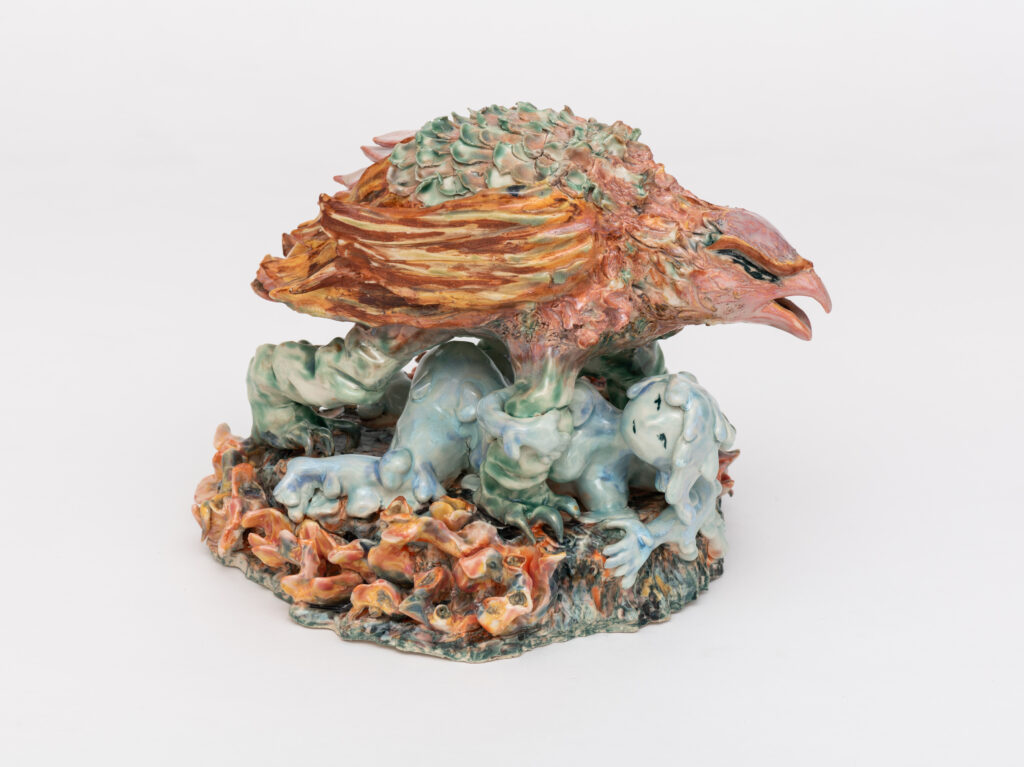
Amia Yokoyama, Harbinger (Tengu), 2022
Ceramic

“I am interested in another layer of existence which is the dematerialized, the digital, and the fragmented projections of the self.”

The characters in my work come from notions of digitally rendered, animated, non-human figures bearing feminine shapes. They are Anime-inspired erotic and aesthetic objects that can traverse existence between the physical (clay) to the digital (dematerialized).

Anime is one of the most visually distinctive, largest exported and consumed contemporary media from East Asia. They embody borderless beings who increase their collective life force through rhizomatic reproduction. They are an amalgamation of bodies, fluid, and overflowing desire and excess.

“The portion of their bodies seduces by promising ecstasy and ultimately death.”

They are literal and abstracted in their philosophical underpinnings and poetic in their materiality.

Going through your video installations, your works engage the meeting between utopia and dystopia. How do you conceive these realms? Are they based on personal or external experiences?

I would say they are based on both my internal and external experience and perhaps even more so where those distinctions begin to overlap. I do not think of the concepts of dystopia or utopia when I am conceiving of these realms. I think of them more as personal mythology.

“Utopia connotes perfection, and perfection has no place here. Dystopia connotes something harmful or undesirable.”

That being said, I do like the literal translation of utopia – “no place” – as if it were a space of refusal.

Amia Yokoyama, Measure Wants the Seam, 2021
Porcelain and glaze

How is your artistic world unfolding these days? Is there anything missing that you want to look for? Also, how would you like your art to influence the world?

There is always something missing, always something I am looking for, always more to uncover, which is why I keep making. I like to keep the carrot on the string and the garden growing within the trampled ground beneath me, you know?

Credits

Sculptures · Courtesy of Amia Yokoyama and Sebastian Gladstone

Bianca Fields

Bianca Fields, Got something for You, 2022

“What inspires me to create at this time is finding a way to articulate the nature of noise in America;”

Bianca Fields (born 1995, Cleveland, Ohio) is a contemporary artist, currently based in Kansas City, Missouri. Fields is one to watch in the contemporary at world scene as she strikes with her highly charged paintings. NR had the pleasure of conversing with Fields, delving further into the influences behind her deeply-emotional body of work, the process supporting her craft as well as her future endeavours in Seoul and London. 

When did you start creating? When did you realise this was something you wanted to purse? 

I have always been musically inclined, since about 6 years old. Once I learned the transcendental process of painting/mixing colours in high school, I  became interested in painting — practically obsessed. I never had the intention of pursuing it as my career. I started off at a community college with high hopes of weakening this idea of pursing art, but shortly after was confronted by my painting professor, saying “he suggest I not come back next semester,” following that I should apply to the Cleveland Institute of Art, using the computers on the floor above us. 

You are originally from Cleveland, Ohio but moved to Kansas, Missouri after graduating in painting at the Cleveland Institute of Art College in 2019. Why the relocation and how does your background inform your practice? 

I met my partner who is also native to Cleveland, in art school. He is also an artist; a product designer. Prior to me graduating, he moved around a bit with designer jobs. By the time I received my BFA, he had settled at Garmin International in Kansas City. I love the midwest. Being from the midwest and living even closer to the center of America is very odd. It’s also very wholesome. The culture is like a big bowl of warm, wholesome soup. I spent a lot of time in art school hanging out with my friends who didn’t attend art school. I still would consider them some of the most creative, complex and innovative artists i have ever met. Because I’ve spent the vast majority of the pandemic in Kansas city, I’d still consider it an offbeat, yet fulfilling journey. I think it has forced me to turn within a bit in my work — it’s become a bit more introspective. 

Bianca Fields, I told you, you wasn’t gone b in the mood, 2022

One thing that is striking at first sight in your artworks is their powerful yet youthful energy within the colours, lines, text and texture. How did you discover and fine tune your craft?

As a young girl, I spent countless hours watching the American Animated TV show, Tom and Jerry. “Tom,” the fictional character from Tom and Jerry, has become a protagonist in my work that contribute to this series of highly charged paintings.

“I always think about how his character was limited to words, practically mute. It remained up to me as a viewer, as a young girl, to put sound, color and imagination in order to make sense of this anxiety-inducing show.”

What was the first piece of art you saw that left an impression on you?

The works of Allison Shulnik. It seemed like something funny or absurd to do, but when I found myself working in this fashion, I couldn’t imagine painting in any other way. 

Although your body of work bursts with vibrant colours and is almost cartoon-ish (with ‘Soul Tap’, ‘Rejected Rep’) I find myself exposed to artworks presenting a deep palette of emotions. It may also be because of a certain way I feel in this present moment whilst looking at your artworks, but there is a particular mirror effect to them. As the artist, how is your relationship with your work? 

I refer to a vast majority of the 36” x 24,” (medium to small sized pieces) as my “Mirror” pieces. These paintings particularly recall being a 6 year old girl and simultaneously looking at/through myself. The copper-chrome works are also that of my complexion — bringing damage, curiosity and vulnerability into the indestructible space that holds my world of paintings together. It also brings the metaphysical power and urge to come closer to the glistening; unusual but captivating. An overwhelming presence that I often experience as a black female artist. 

I also like to think of the palettes for my paintings as a subconscious strive for a “bruise” quality. bruises are beautiful, but I find it very frustrating to replicate the palette in an almost artificial way; challenging this idea with electrifying colors. I will always take risks in my palette and will continue to fearlessly allow the decayed rotten colors to seep through the cracks of the work. 

Would you consider your pieces therapeutic? How do you engage with your work and vice versa?

“Even though these works may appear as haywire or almost deafening, I experienced a paradoxical state of extreme silence and fragility when creating these paintings.”

The thick, obliterated rendering of the mouths of these yelping creatures are slow and silent. Working in a more (expressionistic/intuitive fashion) the mouths are where I slow down the process of rendering. ‘Pressed out like Peanut Butter’ and ‘Smeary Eyed’ were made pretty close in time to each other. I think this is when I started examining the process of what the depiction of the yelping mouths meant to me. I started to see them as portraits of myself; laying within the screams of these creatures.

“I started to feel like I could truly see myself during that era of making. “

Bianca Fields, Hold My Purse, 2022

You have also done some sculpture work such as ’Five and Below’, in foam, resin and papier maché, with a weaving comb on top. It reminds me of how the afro comb was worn in the hair as a symbol of union against oppression during the Civil Rights Movement. Was it something you had in mind when creating this piece? Could you talk about its significance? 

This idea certainly came to mind. I very much view this specific character within the realm of my work, as a caricature/symbol of black femininity. Pairing this sculpture work with the painting, “rejected rep,” had me thinking about the representation of the athletic black female body and the process of stripping femininity away. I consider myself a very active person who works out on a daily basis. Adding elements like the comb and wig feel like “ornaments” to the subject; signifiers of non conformity.

What is your favorite part of your practice?

I would probably say when i reach the end of the painting; where i start to slow down. There is a lot of chaotic, fast mark making in the process of making these works, but I think the viewer is actually left with more of my slowed down, brutal process of covering it all up. I will usually take a large brush and completely close the subject in with thick walls of paint. I will also take whatever leftover paint on my palette, scrape it into one large wad, and intricately place it somewhere inside the work.

The theme of this issue is IN OUR WORLD. What is it in our world that inspire you to create? Who/What are your influences? 

I think what inspires me to create at this time is finding a way to articulate the nature of noise in America; essentially operating in a regimented social environment.

“The tropes of the internet world also inspire me and affect the way that I see/process. I find it a challenge to think about the spaces between language, images and culture— and where representation of the black female body fits in between.”

I’ve recently started to reread Julia Kristeva’s essay on abjection, ‘Powers of Horror.’ The last time I’ve thoroughly read it was in undergrad. Her writings inspire me to unpack a bit of tension that I’ve yet to bring to the surface in my work. Actualizing different pieces and part of my body that I have once neglected. It also helps me compartmentalise my symbolic realm of thought when making these paintings. In other terms, things that are very close and fragile to me. 

You have had your first solo exhibition with Steve Turner, Los Angeles. What did this mean to you and what can we expect from you in the forthcoming months?

It has been a pleasure working with Steve Turner; they truly have great trust and faith in my visions and processes. We have such a great system. The turnout of my most recent solo show has me super eager to flesh out further ideas within this realm. Next I have untitled art fair Miami (Steve Turner), KIAF art fair Seoul, Korea (Steve Turner), and Frieze London (Carl Freedman gallery) . 

Credits

Artworks · Courtesy of Bianca Fields and Steve Turner LA

Veronica Fernandez

Veronica Fernandez, Before I’ve Existed, Now I’ve Lived

Collective intimacy  and the impermanence of emotions

Veronica Fernandez (b. 1998) is a mixed media artist from New Jersey, who is currently working in Los Angeles, California. 

Fernandez’s work investigates relationships between people and their environments: drawing from her own memories, she attempts to illustrate the complexities of domestic life, giving space to intimate moments of the everyday. Pulling from a variety of source material – from images of family members taken from photo albums to art historical references – Fernandez blurs personal recollections into emotive scenes that evoke a shared nostalgia, or a sense of  colelctive recognition. She purposely reworks aspects that feel familiar into unfamiliar territory, taking what is hers and morphing it to better relate to a general consciousness. Drawing attention to the impermanence of emotions, Fernandez imbues her work with a sense of unfinishedness, allowing the narratives to remain open-ended for the viewer to make their own. This sharing of experience allows her to speak to a community and discuss our foundations as human beings: where we come from, what shapes us, and how we interact with one another. 

Veronica Fernandez, Trustfall

If you had to describe your body of work and what drives you to paint, what would you say?

“My body of work I would say is a form of storytelling about people and the places their bodies live through, depicting the impermanence of emotions.”

My initial drive to paint came from unpacking my own experiences growing up and spiraled really into these conversations about the human experience and how we adapt to change and the different moments in our lives, in the attempt to capture a fragment of intimacy and explore how it engages with others.

When looking at your work from a first glance two things hit immediately: size and color. Going back to this idea of intimacy and its actual space, could you tell me whether there is a link between the size of your works and this concept of entering one’s world?

I have always been in love with large scales. I started working on large scales in my New Jersey bedroom in 2019, testing wether I could transpose smaller sketches into larger surfaces. The intimacy that comes with a larger piece is different as opposed to when I work on my sketches and smaller pieces, which serve more as a form of  personal release, like a page in a diary.

“My larger paintings deliver a sense of intimacy, of acceptance, that I feel absorbs people, almost as if it were a portal.”

Space is something that I never had growing up, it was never something set in stone, so for me, it was exciting to create art that could take up actual space when I finally had a little to take advantage of. I want others to become absorbed in these works about people that want to be heard, understood, and seen, so they can also see themselves and feel to some extent that they’re taking up space too.

Take me through your working process: how do you select a moment in time that you want to depict? Does it always start from a family album or is it also a moment you experienced, or the impression of someone you recently met?

My paintings primarily stem from my experiences, then most of the time I’ll find which photographs I think work best that I can deconstruct or pull from. When I think about starting a painting, there’s usually an essence, a general sense I want it to have,  which then drives me to search for poses, gestures, facial expressions, colors, shapes, or objects from my references. The paintings usually consist of the combination of a few photographs (around 4-5), which shape the ground for a new sketch. It’s not until I get into the actual canvas that I can step back and see how to truly alter the first draft. As I work on different layers I usually incorporate different moments in time that I think will really bring a special element to the painting or change the original direction for the better.

Veronica Fernandez, Watch A Leader Cry

The only moment where my process is more directly linked to a physical photographs is when I find a picture that I think is absolutely stunning, whether it be the colors within the image, the facial expressions or the composition. Then I start from that singular element and work around it.

The role of memory and recollection is thus pivotal to your work. How is your relationship with the past, and how do you transform it to something you engage with in the present?

Throughout my work process, I try to alter the familiar into unfamiliar territory. To create the works, I do reflect on my own experiences and engage with my personal memories, captured in photographs. The final idea I work with comes from stripping down these photographs and really reconstructing them and see what they transform into in the final imagery on canvas. When I work with my personal reference material and find myself altering the original picture  I feel like I can see it at a distance and really step back and comprehend it.

“What once was a memory from my past can become a person from that memory in a new environment, with a new expression or new overall depiction, possibly surrounded by new figures I’ve created.”

The original story becomes thus a new idea that can be universally absorbed. On a formal level, I love using color, texture, and other techniques to bring a new contemporary palette to the soft pastel undertones of the older photographs I have.

I have noticed that the subject matter in many of your works are children. In relation to what you talked about before, the impermanence of emotions, do you think that childhood is key in this research towards change and possibility? Because youth is change in its purest form I guess – the openness to the future in both temporal and conceptual ways.

Children are definitely representative of openness to the future and have this kind of unpredictability hovering over them in relation to what can become of them in my work. The early years of our lives shape who we become. This sort of tabula rasa at one point everyone starts off with that slowly but shortly accumulates all these perceptions is very interesting to me. Everyone has their own specific stories, experiences, struggles, wins, losses, and even when we are too young to fully grasp the totality of every situation, we still feel and live through them. 

“This whirlwind of emotions that come from the earliest point of our lives really tie into how human beings can adapt to their experiences later on in their lives, and reflect the layers that make up each and everyone.”

The child’s mind creates that first layer, and I think that incorporating them in my works  llows me to play with these innate curiosities human beings have and how they navigate themselves in the world over time.

Titles are always very specific in your paintings. Contrary to many contemporary artists, you always seem to describe a work with precise accuracy of words. Could you tell me more about this particular attention?

The titles of the pieces stem from many places, sometimes I’ll hear my family members say phrases as forms of life lessons that I think are special, and I’ll remember them and think about how I can alter them to make them stronger, more accurate. Recently I’ve gotten into poetry, and will take a line or two I think can really stand on their own and apply it to paintings that I am already planning on making.

I think it’s important to utilize everything I can to get closer to the viewer, I want people who see my work to be able to envision themselves in it and allow it to touch them in some way or another. I think it’s interesting that very often titles are left out in gallery displays, and sometimes it isnt until you get the information written somewhere else that you can see another side to the work. I want people to be able to experience my work right away, not simply through just a title, but through what the title is to me, which is in fact poetry. I think this purposefulness can be a tool I can offer them as a chance to express that as an artist I am trying to have a conversation about people, and I am actively reaching out beyond the image.

Veronica Fernandez, Superheroes

Talking about the viewer and ways to reach put to him/her,  in which way do you try to combine the autobiographical source in your works with the outside world, in the attempt to leave space to the audience’s own gaze?

Sometimes the stories are represented through the imagery, and other times the painting evokes just the underlying emotions that come from those experiences, even though the actual source is not as recognizable. The figures in my work are depicted in different ways, some are more realistically rendered, others are recreated in odd colors, like full red, or many are altered to be irrecognizable through painterly gesture.

“Altering the identity of the figures helps me to create the distance from it that is so pivotal to its reconstruction, enough for me to continue it as anew.”

I also throw in a lot of made up elements into the paintings, to the point where the original ideas that inspired the painting become just a starting point, a vague compass, leaving the openness necessary for the viewer to incorporate his/her own elements into the story. 

Veronica Fernandez, Through Steam (Lay Your Burdens Down)

In relation to the magazine’s theme –in our world – how do you think your work translates the sense of being in this time – from this current sociopolitical climate to this specific creative dimension?

We live in a strange world, where so many people feel that they are not being seen, heard, and overall understood. As I mentioned before, many of the figures in my work are asking to be understood or acknowledged in their positions too.

“I try to create an opportunity for compassion, curiosity and most importantly for conversation.”

Regardless of the way the paintings are received, I always try to make them accessible, to leave space for the other, to aknowledge the viewer and telling him/her that they are welcome, and their experiences matter.

Credits

Artworks · Courtesy of Veronica Fernandez

Eugenio Intini

Warped Self

Team

Model · Lily-Rose at Anti Agency
Photography · Eugenio Intini
Fashion · Giulia Meterangelis
Production · Anna Baldocchi at Ro-of
Casting · Giulia Filipelli
Hair · Michael Thanh Bui
Makeup · Alice Gabbai using Mac Cosmetics

Designers

  1. Dress BESFXXK, vest ERATO FOTOPOULOS, top AGAPORNIS, fringes MAISON DAVIDE BAZZERLA, boots FLÜFS, bag HIGHLIGHT STUDIO and earrings HELENA TULIN
  2. Dress 022397, coat CLAUDIE PIERLOT, bow MAISON DAVIDE BAZZERLA, shoes Freelance and scarf INNANGELO
  3. Shirt J SIMONE, trousers AOA
  4. Fur MENGCHE, skirt and garters LOUISE LYNGH BJERREGAARD, bra SIMONE PERLÈ, earrings SHOUROUK, necklace GIN FROM THE PAMPA and boots 022397
  5. Earring HELENA TULIN, vest ERATO FOTOPOULOS
  6. Underwear and tight DEFAIENCE, bra LIVYSTONE, gloves LEANDRO CANO, shoes MENGCHE, bag NADIA CHELLAOUI, earring SISTER MORPHINE and belt SEHNSUCHT
  7. Full look and gloves MENGCHEN, necklace HELENA TULIN and shoes PUPCHEN
  8. Sweater AOA, belt SEHNSUCHT ATELIER
  9. Dress AGAPORNIS, feathers ELI PEACOCK and earring RIGIDO
  10. Dress MENGCHEN and necklace HELENA TULIN
  11. Underwear TRANSE PARIS and boots MENGCHEN
  12. Fur MENGCHE, skirt and garters LOUISE LYNGH BJERREGAARD, bra SIMONE PERLÈ, earrings SHOUROUK, necklace GIN FROM THE PAMPA and boots 022397

Julia Morozova

Kids of Summer

Team

Models · Valentyn Boiko, John Godswill at the Claw Models, Gryte Kunaikaite at Women Milano and Sweia Hartmann at Wave Management
Photography · Julia Morozova
Fashion · Veronica Dronova
Casting · Isadora Banaudi
Hair · Giuseppe Paladino
Makeup · Stella Grossu
Fashion Assistant · Vladi Avksenenko

Designers

  1. Top LOUISE LYNGH BJERREGAARD and underwear SOFT AND WET
  2. John • Cardigan VERSACE
    Valentyn • top UNAPE and pants VERSACE
    Sweia • Top SOFT AND WET, skirt and stockings LOUISE LYNGH BJERREGAARD and jacket MAISON MARGIELA MM6
    Gryte • Cardigan UNAPE
  3. Sweatshirt MONCLER JW ANDERSON and pants UNAPE
  4. Top and swimsuit SOFT AND WET, jeans and shoes MAISON MARGIELA MM6
  5. Sweia • Dress MARCO RAMBALDI and necklace LOST IN ECHO
    Gryte • Pants MARCO RAMBALDI and top VERSACE
  6. Valentyn • Top UNAPE and pants VERSACE
    Sweia • Top SOFT AND WET, skirt and stockings LOUISE LYNGH BJERREGAARD Gryte • Bra, cardigan and skirt: UNAPE
  7. Swimsuit UNAPE, cardigan MARCO RAMBALDI and necklace ETERE NEPHILIM
  8. Dress ALESSANDRO VIGILANTE, briefs MARCO RAMBALDI
  9. Valentyn • Sweatshirt VERSACE, pants APNOEA
    Gryte • Dress ALESSANDRO VIGILANTE
  10. Skirt THE ATTICO, gloves LOUISE LYNGH BJERREGAARD and bra UNAPE
  11. Skirt YOUWEI, top ACT N1 and shoes MAISON MARGIELA MM6
  12. Underwear Stylist’s own
  13. Top LOUISE LYNGH BJERREGAARD and underwear SOFT AND WET
  14. Skirt YOUWEI, top ACT N1 and shoes MAISON MARGIELA MM6
  15. John • Longsleeve ACT N1 and pants KENZO
    Gryte • Top, skirt and necklace LOUISE LYNGH BJERREGAARD
  16. Cardigan VERSACE
  17. John • Longsleeve, pants and boots SUNNEI
    Gryte • Pants MARCO RAMBALDI, top VERSACE, shoes and earrings LOST IN ECHO
  18. Gryte • Dress, pants and earring SUNNEI
  19. Cardigan MARCO RAMBALDI and shorts UNAPE
  20. Body ALESSANDRO VIGILANTE
  21. Jumpsuit MAISON MARGIELA MM6

Shauna Summers

Inner World

Team

Model · Robe at Tigers Management
Photography · Shauna Summers
Fashion · Elisa Schenke
Casting · White Casting
Hair and Makeup · Stefanie Mellin
Set Design · Carina Dewhurst
Post Production · RMJ Studio
Photography Assistant · Nick Piesk
Set Design Assistant · Michael Naughton

Designers

  1. Top SANDRO via ZALANDO, pants N21, shoes NEU_IN and sleeves 30 % 70
  2. Full look JIL SANDER
  3. Coat RICHERT BEIL
  4. Full look JIL SANDER
  5. Shirt and pants LGN LOUIS GABRIEL NOUCHI and shoes CAMPERLAB
  6. Top SANDRO via ZALANDO, pants N21, shoes NEU_IN and sleeves 30 % 70
  7. Top MARCELL VON BERLIN, pants MM6 MAISON MARGIELA and shoes CAMPERLAB
  8. Sweater and pants LGN LOUIS GABRIEL NOUCHI, shoes CAMPERLAB and ring JULIA BARTSCH
  9. Shirt, pants and shoes NEU_IN and ring JULIA BARTSCH
  10. Shirt and pants T/SEHNE, coat and shoes DIOR MEN and necklace LIRONIE
  11. Top N21, pants OUR LEGACY and shoes CAMPERLAB

Matias Alfonzo

Selfcare

Team

Model · Nicole Atieno at SMC Models
Photography · Matias Alfonzo
Fashion · Camille Franke
Casting · Julie Sinios
Production · Eugenia Vicari
Hair · Tina Pachta
Makeup · Victoria Reuter
Set Design · Nina Oswald
Fashion Assistant · Laura Caufapé
Set Design Assistant · Ruby Oswald

Designers

  1. Dress TOM FORD and shoes GIVENCHY
  2. Full look DU CIEL
  3. Dress LOU DE BETOLY, shoes JIMMY CHOO and bracelet BVLGARI
  4. Dress MARC JACOBS, shoes CHANEL
  5. String DU CIEL, jeans DIESEL BY GLENN MARTENS and pleasers ZANOTTI
  6. Dress DIESEL BY GLENN MARTENS
  7. Dress OTTOLINGER
  8. Full look JIL SANDER
  9. Dress SPORTMAX and shoes WANDLER
  10. Sunglasses BOTTEGA VENETA, jacket and skirt SANKUANZ and necklace RM ATU GELOVANI
  11. Full look GIVENCHY
  12. Dress JEAN-PAUL GAULTIER x LOTTA VOLKOVA

Marcello Junior Dino

How do you write a blue caption?

Team

Model · Daphne Simons at Platform
Photographer · Marcello Junior Dino at Kind Of
Fashion · Claudia Cerasuolo at Atomo Management
Casting · We Do Casting
Hair · Erisson Musella at Blend Management
Makeup · Claudia Malavasi at WM Management
Set Design · Micol Giulia Riva
Fashion Assistant · Ilaria Felici
Light Assistant · Davide Carlini
Set Designer Assistant · Claudia Desalve

Designers

  1. Dress VIVETTA, shoes vintage JIL SANDER from CONTESSA MISERIA ARCHIVIO
  2. Black dress MM6 MAISON MARGIELA, pink dress CONTESSA MISERIA ARCHIVIO, shoes JIL SANDER and earrings AUGUSTINA ROS
  3. Top and trousers EMPORIO ARMANI, tights and shoes: A.C.9 and jewels AUGUSTINA ROS
  4. Dress VAILLANT, tights OUR LEGACY, underwear ERES and shoes A.C.9
  5. Top JUST CAVALLI, trousers VIEN, belt ADRIANA HOT COUTURE, underwear OSÉREE and shoes JIL SANDER
  6. Top ARTHUR ARBESSER, dress ETRO and shoes CAMPER
  7. Dress MISSONI, tights ADRIANA HOT COUTURE and shoes N21

Subscribe to our
Newsletter