Archive page:


Ewe Studio

“A horizontal approach of mutual learning, to promote and to translate a skill or knowledge into new meanings and possibilities”

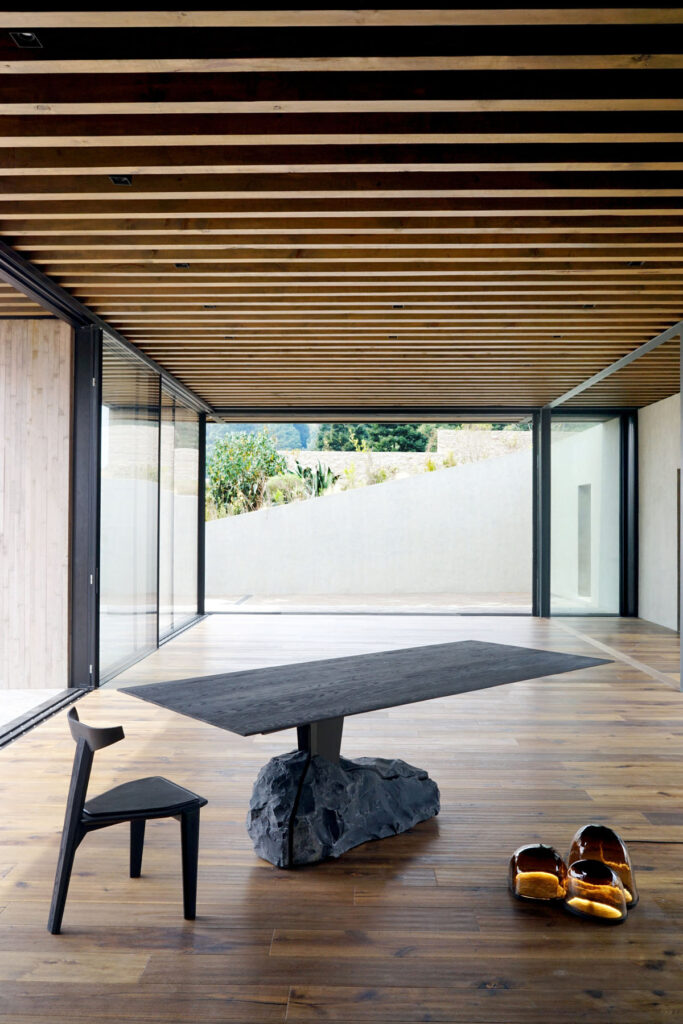
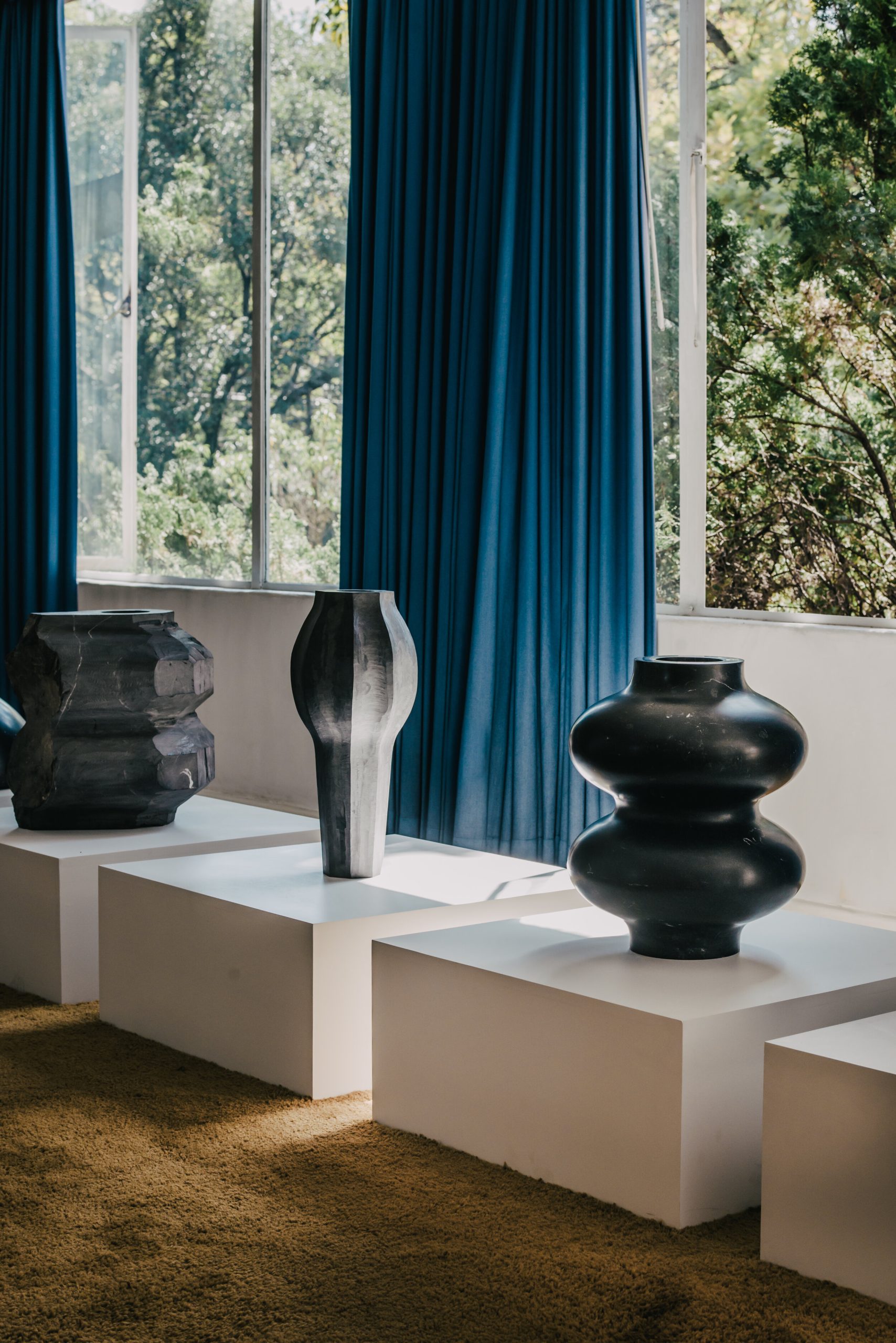
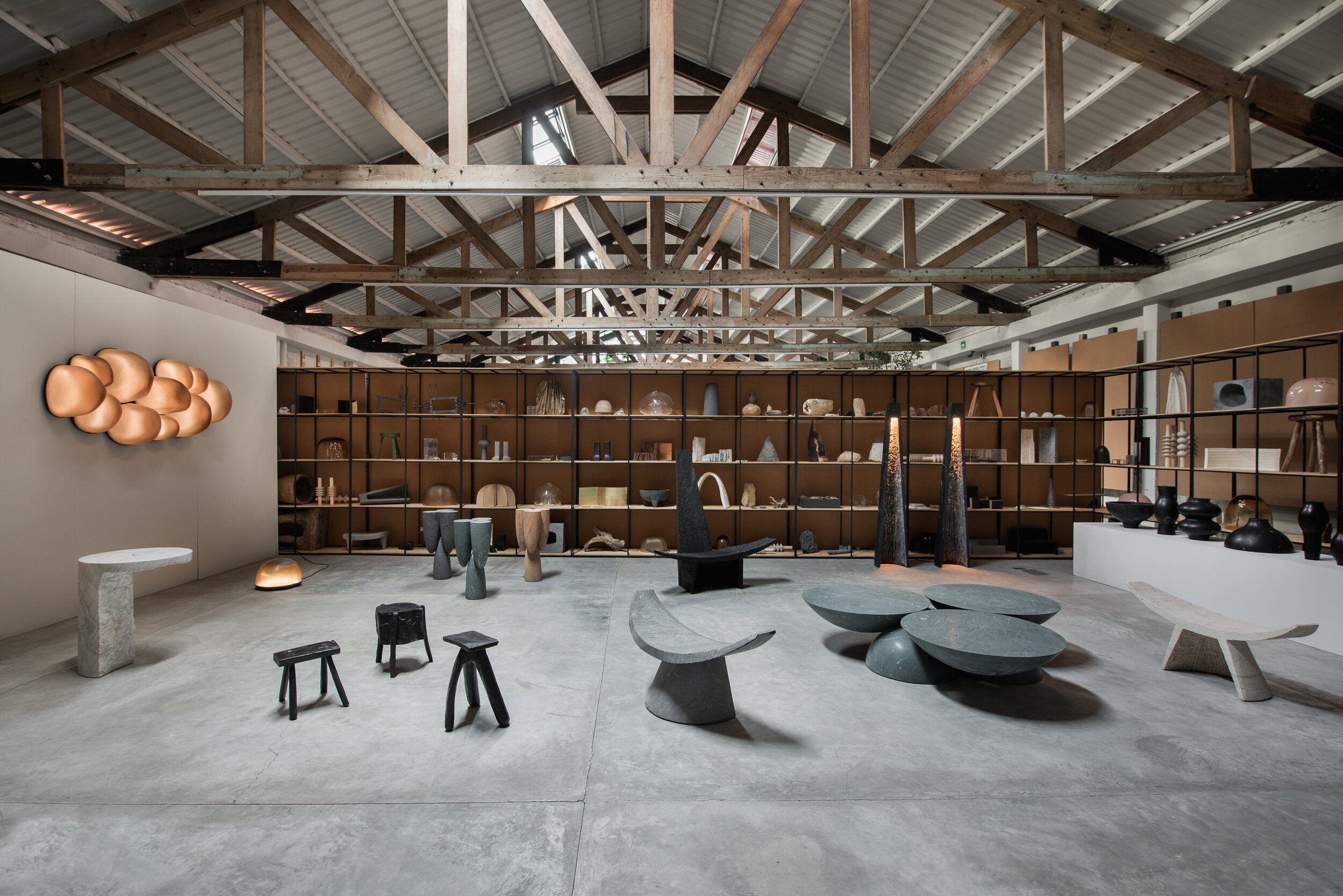
Based in Mexico City, EWE is a design studio that celebrates the country’s rich history of artisanal practice. Tradition is interwoven with new ideas, combining innovation with heritage. The studio was started in 2017 by the Estonian curator, Age Salajõ, Mexican designer Héctor Esrawe, and Spanish industrial designer, Manu Bañó, whose varied backgrounds and expertise allow for their creative approach.

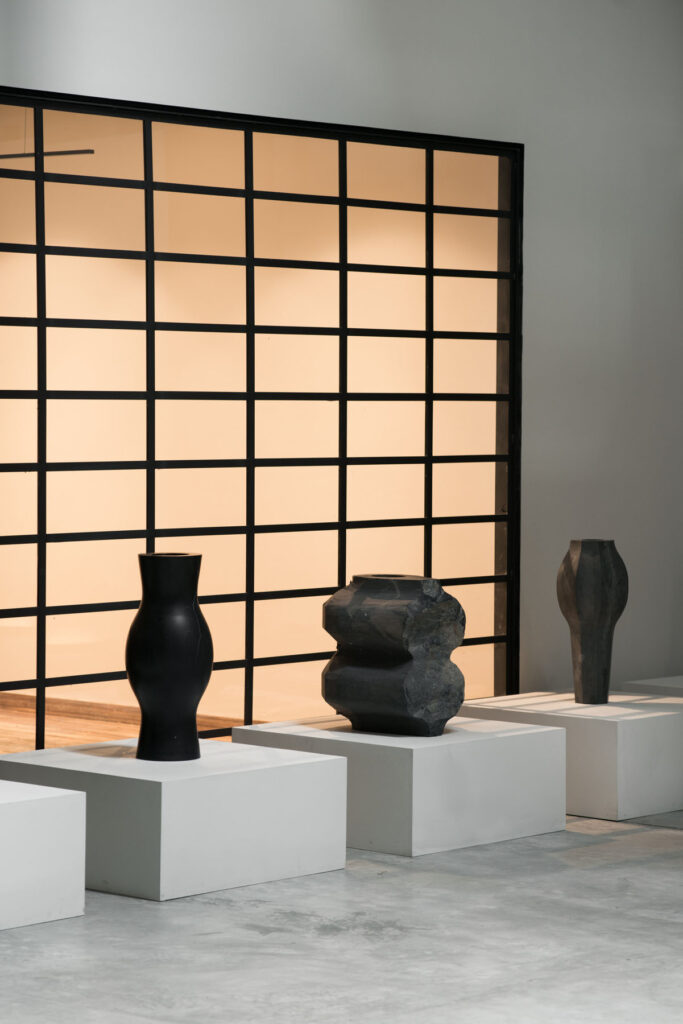
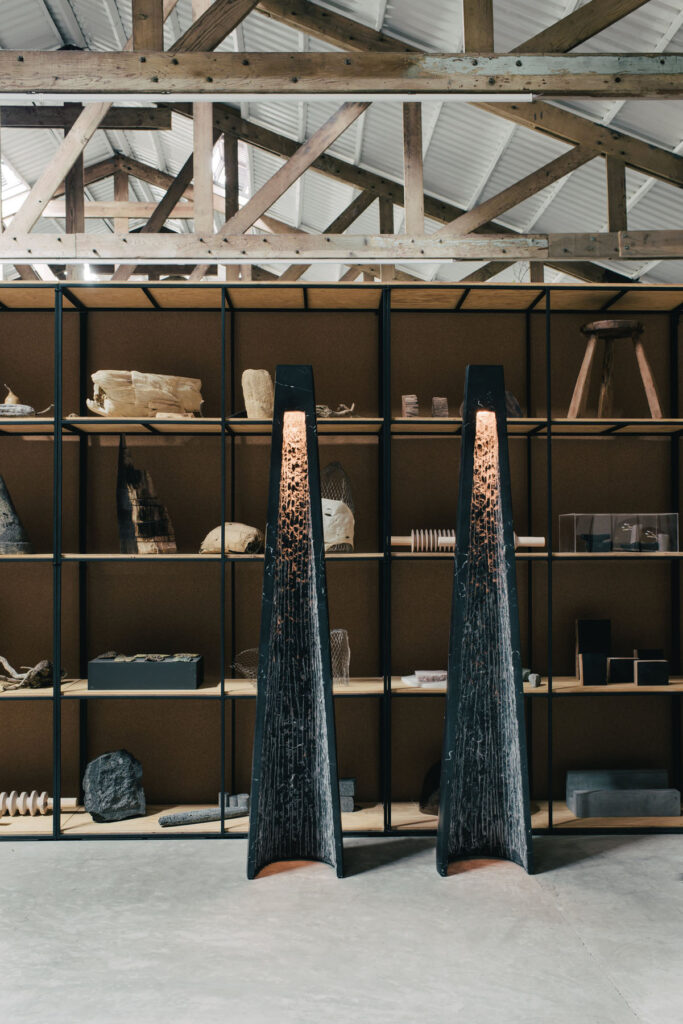
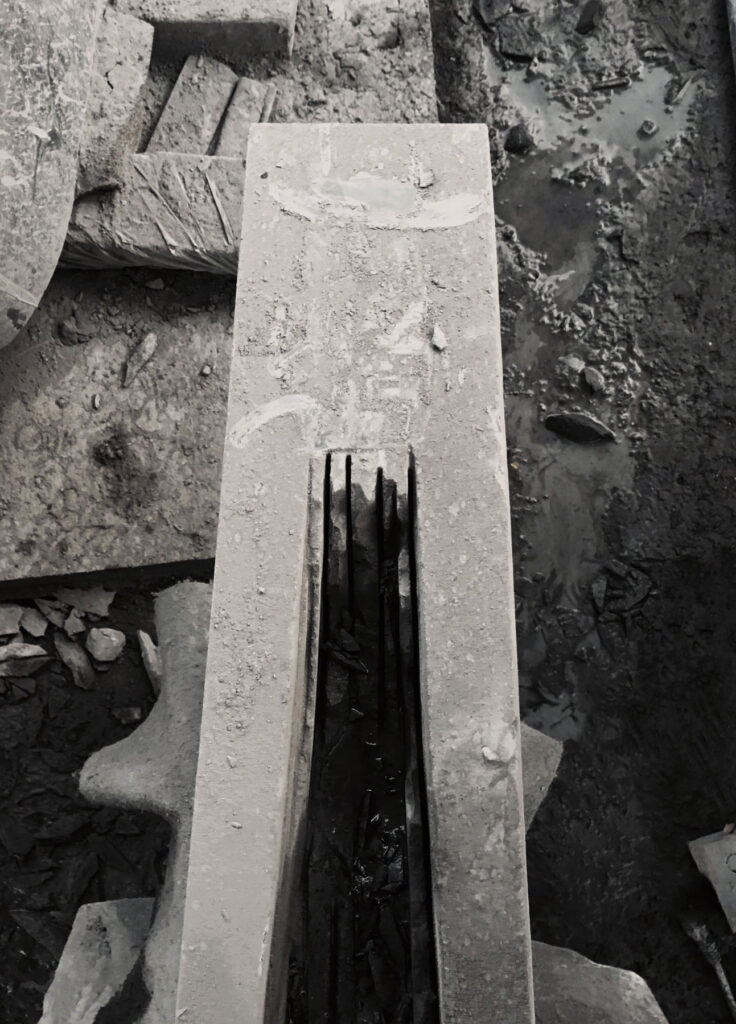
Their work falls somewhere between furniture and sculpture; beautifully-crafted objects that are also technically functional. By amplifying the skill of craftsmanship and the craftsman, their work is inherently collaborative – working with Mexican specialists to create ornate, yet organic, objects. The forms, shapes, colours and textures of their pieces recall the natural elements, something that is reflected in the studio’s approach to using four main processes – glass, stone, foundry work and wood.

EWE Studio’s limited-edition collections are part of a move in recent years to put Mexico on the world stage of design. Here, they explain how their process works and the inspirations that inform the studio’s approach to craft, heritage and their objects.
How do your different backgrounds and experiences influence the work of EWE Studio? 

What has made EWE a unique project is that combination; our origin, the skills, our individual knowledge and sensibilities. Our background and experiences are reflected in the way we approach everyday solutions, and through an open dialogue where those individual differences work towards a solution. 

How does collaboration tie into your work as a studio, and also with artisans in Mexico? 

Collaboration is an essential part of our philosophy, it is the axis of our project. A horizontal approach of mutual learning, to promote and to translate a skill or knowledge into new meanings and possibilities.

How do the four main processes you use (glass, stone, foundry, wood) individually and collectively represent the ethos of EWE Studio?

Those four have, so far, represented the expression of EWE, which by being a young company has created an aura focused on those materials. [That said] we are experimenting with many more materials.

What inspires the form and textures of your work at EWE Studio?

The forms and textures come from many angles; our heritage, the material itself, the sensibility to understand new possibilities out of a “found” moment or expression during visits to the workshops. We forge our inspiration from Mexican history and create new meanings and languages from that inspiration point. We love to mix raw and pristine textures and often keep parts of the stone surfaces as we found them. 

Since the studio began, have you adapted your processes for working together? How do you see the studio progressing and growing?

We have maintained the same creative process, with a deeper understanding of the soul of EWE. The studio has evolved, allowing us to integrate a small team in our everyday life besides design activities. We have assigned the efforts of production, administration, sales to each one of us. 

The three of us work very tightly together and with our team. We communicate throughout the day and are very much in the loop with different aspects of the studio. We regularly hold design meetings to create new work, but after that we all have different roles we play. EWE is a young studio but we have been fortunate to work with different galleries from around the world who are promoting and selling our work. 
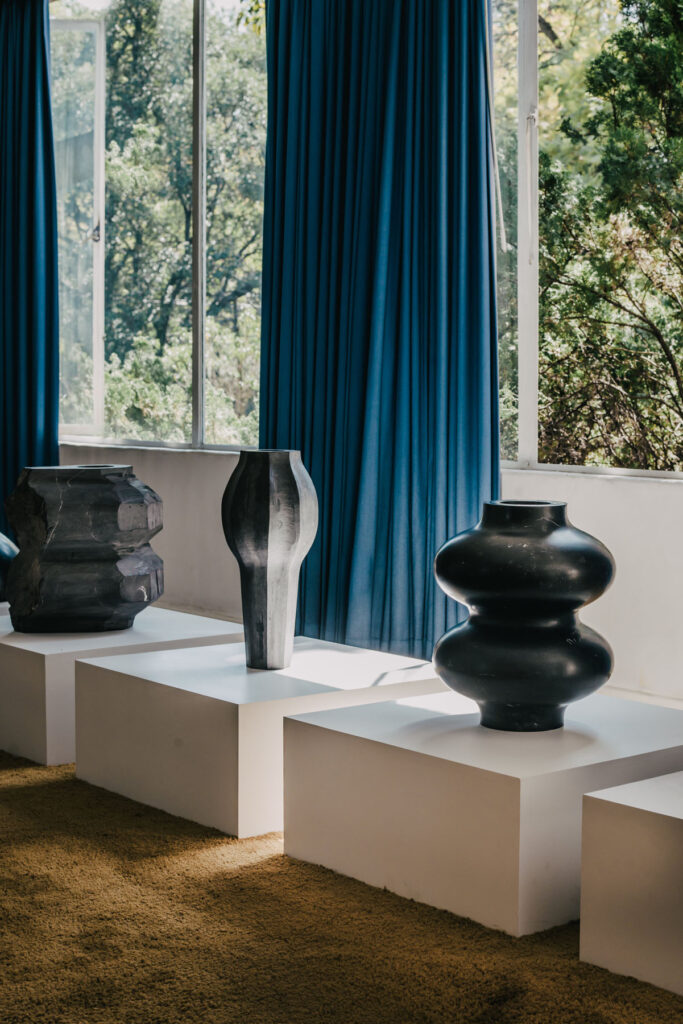
Your pieces are a mix of sculpture and object – how do you see them being used?

They are pieces with an iconic and strong expression – pieces with character. Most of them are reinterpretations of an utilitarian background or a reminiscence of it. Many of our clients use them; some of them have them for contemplation. Even though we aim to create sculptural design, they are all functional. Even if the line between design and sculpture is blurry.

And how do you distinguish these pieces between art and design – does that matter?

From the start, EWE has been focused on promoting the skills of the artisans and create a dialogue with our heritage. Most of our inspirations comes from a utilitarian background, from elements that were used in ceremonies and/or worship.

Credits

Images · EWE STUDIO
https://ewe-studio.com/
Rina Yang

“the pandemic happened, and I think the drama world struggled more than commercials”

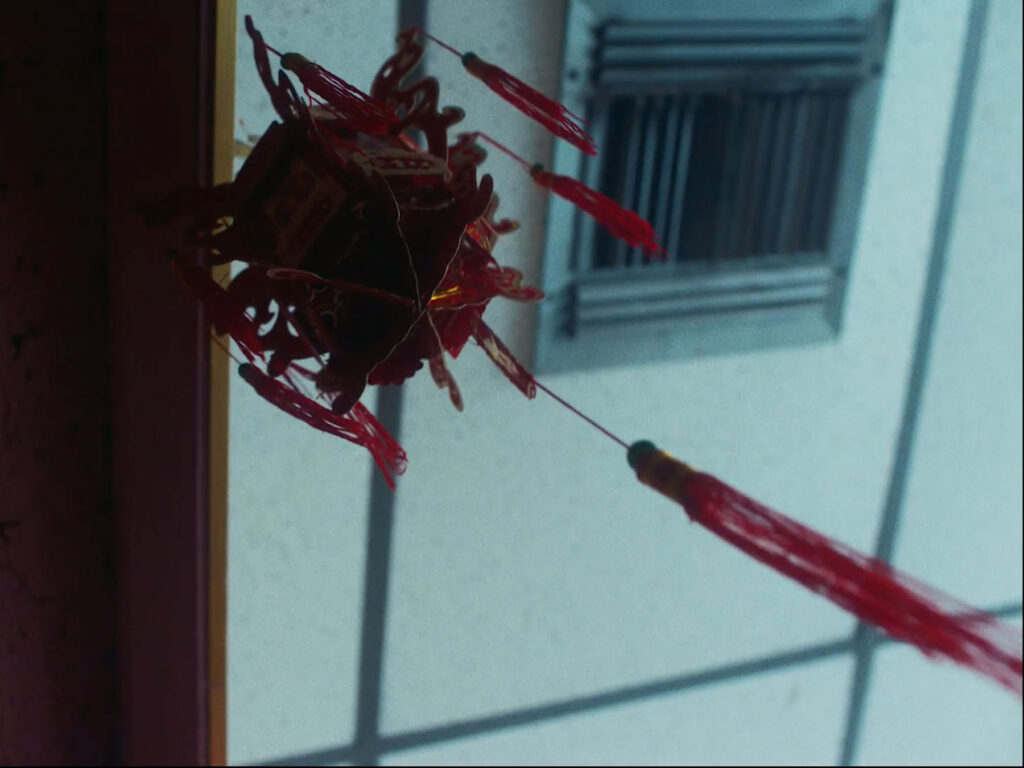
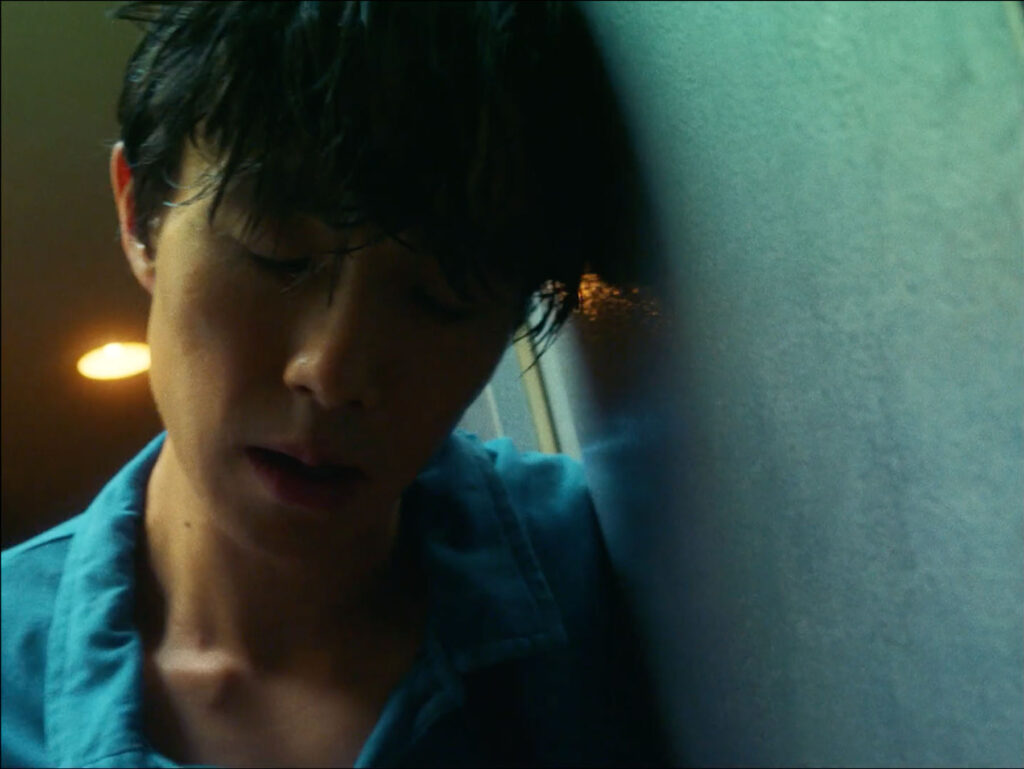
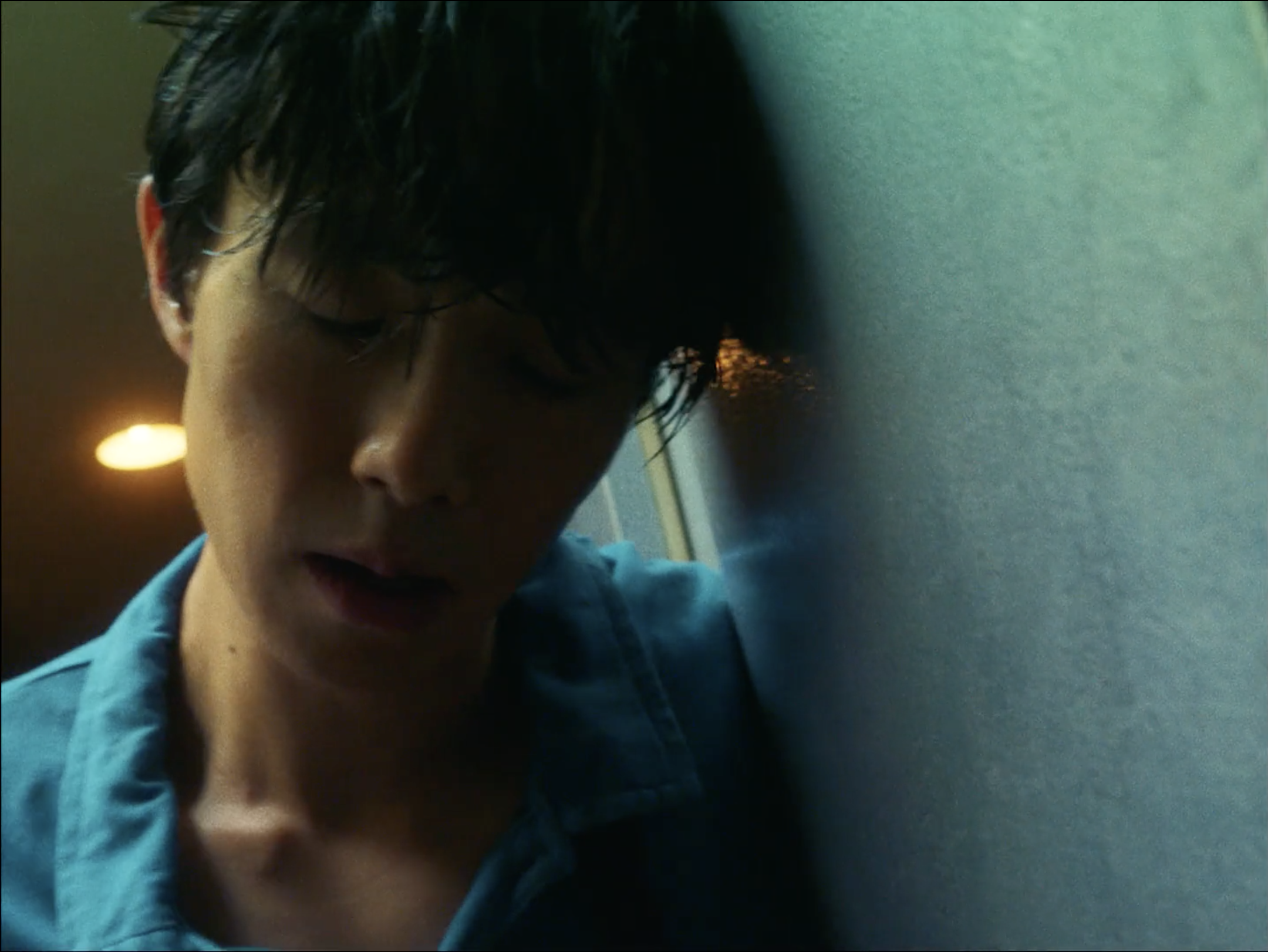
When she was younger, Rina Yang would keep in contact with her best friend in London by making, editing and sending ‘video letters’ from her hometown in Japan. Rina later moved to London to study and while there, saw an ad for a film school. The course was mostly theory with very little practical work, she told Lecture in Progress in 2017, but nonetheless gave her a reason to remain in the UK. Rina’s first roles in the industry involved working as a camera assistant on short projects. ‘I only did it properly for a couple of years,’ because as she tells me over the phone, it was a stressful role. But she did find common ground talking to directors during breaks about the creative processes behind the work. ‘I was better at that, than looking after the camera.’ And so, she pivoted – cutting her teeth in music video and short films jobs that her friends would ask her to work on. ‘One thing led to another,’ Rina adds – and she was able to carve out a space for herself as a director of photography (DP), a notoriously difficult role to break into and succeed in.

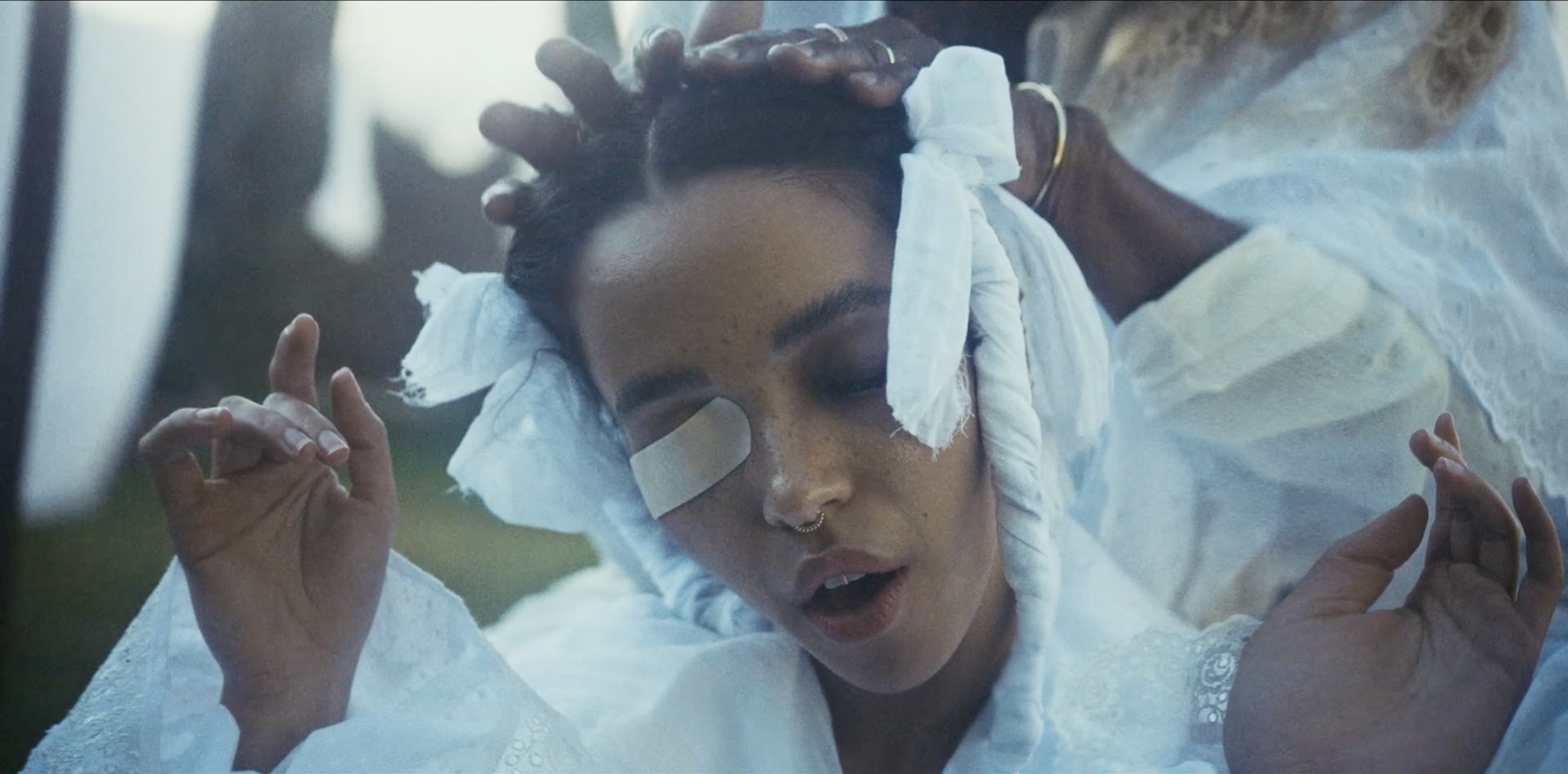
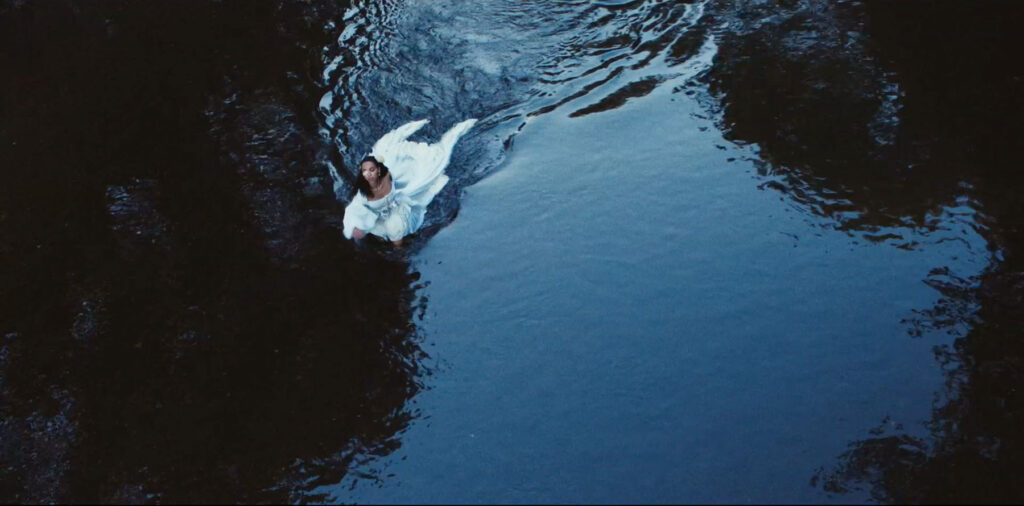
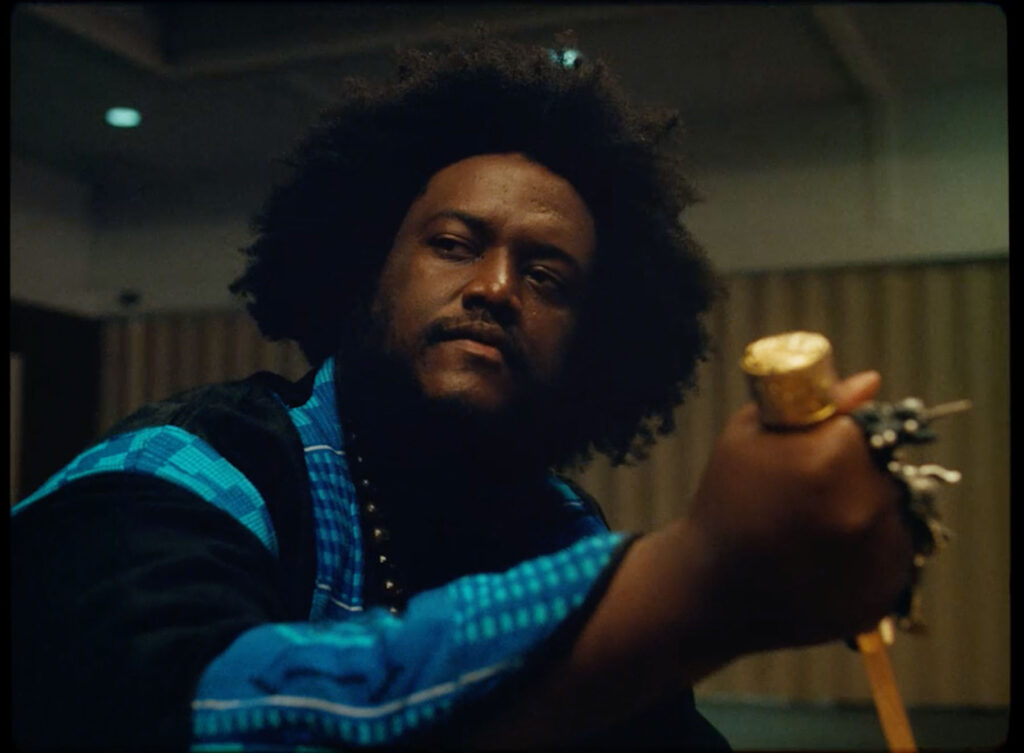
As a DP, Rina has worked on music videos for artists including Kamasi Washington, Vince Staples, Björk and FKA twigs (including the “controversial” and “risqué” ‘do you believe in more’ advertisement that twigs directed and soundtracked for Nike in 2017). Rina regularly balances projects across music videos, commercials and narrative work, a crossover she tells me is quite uncommon. And though her approach may differ depending on the project, her work consistently demonstrates an aptitude and eye for capturing the people and characters in front of the camera. A scene from the BBC’s Windrush drama, Sitting in Limbo, from last year, or the third series of Top Boy (for which Rina shot a number of episodes) are as beautiful and captivating as, say, a Rimowa commercial with Adwoa Aboah or her work for Sephora. 

Rina’s talent and vision as a DP have made her a sought after name in the industry – even at such an early point in her career. She was named by British Vogue as one of the 14 rising stars in the creative industries back in February, described as a “New Wave of boundary-breaking visionaries bringing fresh, exciting perspectives to the creative industries”. Her portrait to accompany the piece was shot by Campbell Addy who, like Rina, is part of a new vanguard of young talent. Last year, Rina was also included in the BAFTA Breakthrough list for 2020. Being recognised by organisations like BAFTA is great, Rina tells me, but it’s not something she’s had much time to think about, ‘I haven’t properly got my head around it.’ But, she adds, she definitely feels as though she’s at an interesting point in her career. That said, having faired the storm caused by the pandemic, Rina is now remarkably well-placed to continue to grow and nurture her skill. 

You’ve done a lot of commercial work with the likes of Nike, Rimowa and many others, and TV work for shows like Sitting in Limbo and Top Boy. How do you balance the different projects you work on? Is there something specific that draws you in?

I think the selection of the projects really comes down to your personal taste and what you find interesting. When I do commercials, I’m less selective because it is a very short commitment, and it’s a good opportunity to meet new directors and new collaborators. So I’m less picky and I’ll take the risk to work with new people. When it comes to narrative, it’s a whole different conversation. There’s a lot more boxes to tick to see if it’s the right project to do. It’s a different process, but I do like doing both. With my narrative work, you get paid less but I think it’s more of a romantic thing.

With that said, I love that your commercial work don’t just feel like adverts. They’re like short stories in their own way.

The directors and all the creatives I’m drawn to tend to have that kind of style. I don’t find the very straight up advertising that interesting. I mean, to be honest, sometimes we just do very boring commercials. You just don’t shout about it. But I think the ones that I get to shoot, they tend to be creative ads with slight narrative threads. And I’m grateful that I’ve been able to shoot some of them. You kind of flex your narrative muscle a little bit, but it’s a very different working environment in commercial compared to narrative. 

You’ve got a very distinctive use of colour, texture and lighting. How did you develop that style? 

When I started out my style was a bit more documentary because it’s hard to afford to do a big lighting setup. But even with documentary style, I don’t want it to look like what it looks like with the naked eye. So I try to heighten what you see, by using different lenses, or how you expose the sensor or the film – to add your take on the reality you see. 

As I progressed in my career, I could afford to have a good crew with me and all these big lights. And I guess that’s when I started using a bit more colour. I did go through a period of using a lot of colours because I kept getting asked to do that. I think with any artist or DP, we’re versatile so it’s nice not to get pigeonholed into one look. In general, I like to heighten the reality of a scene, and I think, “what if I did this” – I talk about a lot of what ifs, and still do some colourful lighting here and there.

So as a DP, how do you tell a story and create narrative?

How would I tell a good story? First of all, there has to be a good script, and there has to be a good director to execute that. I can only advise how I think we could shoot things, or collaborate with the director. In the beginning when I started out, it was quite hard to find directors on that level. One the hardest things in the beginning is to find a director who can execute the narrative in the way you see it, or better than how you imagined it. So I think I really collaborate with my directors, talk about how we see it. 

I guess it’s such a collaborative process; you’ve got to be able to work together well.

Yeah, definitely. The level of collaboration is different in music videos, commercials and narrative. With commercial, they tend to come with already established ideas –  with exactly how they want it to look because they’ve gone through a lot of chats with the clients and agency, and they tend to have have every exact visual references that I will need to execute. So there’s no huge room for us to create the look from scratch. And then music videos, you can be a little bit more funky with it. And with narrative, if it’s a TV show and you’re the first block DP, you can create the look with your director and showrunner. If you’re coming into the TV show in the middle of it, then you have to replicate what’s been established. And then if it’s a movie, there’s a lot more room to experiment. That’s why a lot of DPs prefer to do movies and the first block of TV shows. 

Has the pandemic changed your work process and schedule much over the past year?

Before the pandemic, I was going to shoot TV shows or films in 2020. I was shooting a lot of commercials early in the year because I was going to work hard on commercials until the spring, so I could afford to do a film or TV show that I like. But then the pandemic happened, and I think the drama world struggled more than commercials, so they’ve been on pause for a lot longer than advertising. Now, I’m reading scripts and trying to decide what narrative projects I should do next. This past year has been an interesting switch I think, because I was going to shoot a drama this year, and after doing commercial for a year, I’m really ready to shoot another long project, TV show or movie. 

Does it help having the balance of both commercial and narrative work, and being able to fall back on one or the other?

For sure – I take influence from both commercial and narrative. But, you know, I do switch my brain; if I’m pitching for a film, I’ll switch my brain to a narrative aesthetic and approach. My visual references would be quite different from what I would put in for commercial work because I think the commercial world is more like eye candy. It has to be catchy because we only have a minute or so to tell something. You have to say something in a very short amount of time. But when it comes to narrative, there’s a lot more room to grow and develop.

Credits

Images · RINA YANG

Ishiuchi Miyako

“Photography is the work of evoking time using light”

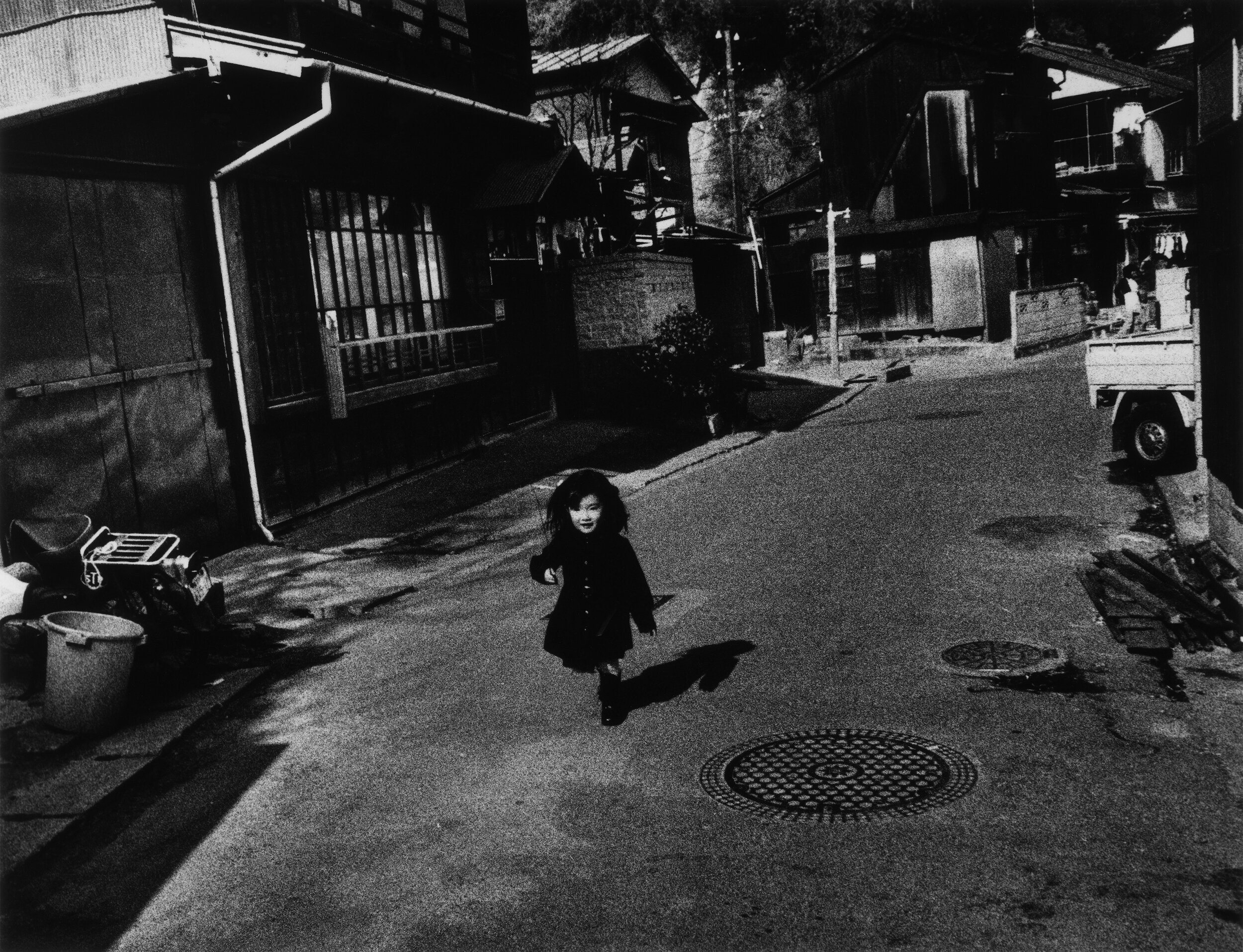
The photographer, Ishiuchi Miyako, grew up in the Japanese port city of Yokosuka in the aftermath of the World War II. Yokosuka is one of the largest overseas US Naval base, and it was against this backdrop that Ishiuchi Miyako grew up. She went on to study textiles and weaving in Tokyo in the late 1960s, and whilst there, discover a passion for photography. Ishiuchi Miyako returned to Yokosuka in the 1970s to confront the place that brought joy (in the form of American exports like jeans and pop music), fear and anger, as a city overrun by the – sometimes sinister –  pleasures of the military occupation. Once there, Ishiuchi Miyako began documenting the city in grainy black and white images that capture a place shrouded in confusion surrounding its identity. Her images are scenes of a Japanese urbanscape, that much is clear, but the lingering presence of Americanisms here and there in oftentimes deserted scenes feels alienating and menacing. Ishiuchi Miyako titled this body of work Yokosuka Story after a hit Japanese pop song, and its release as a book in 1979 launched her career in a male-dominated field. 

Ishiuchi Miyako would later create a series of work around the time of her 40th birthday, in which she contacted women of the same age to photograph their hands, feet and bodies up close. The work, 1∙9∙4∙7, captures imperfections, wrinkles, and scars as evidence of the life’s impression on the human form, not quite young but not old either. What is striking about Ishiuchi Miyako’s photography is that many of her projects seem to inform the next body of work. After the book publication of 1∙9∙4∙7 in 1990, Ishiuchi Miyako turned her attention to another series, Scars – a tender exploration of scarred bodies. One particularly striking image, Scars #13 (Accident 1976), shows a woman’s torso in soft focus; a lengthy scar etched into the natural dip of her stomach. ‘While a person hopes to remain unblemished through life, we must all sustain and live with wounds, visible and invisible,’ the photographer explains in the afterword of the 2005 book, Scars; ‘It is an imprint of the past, welded onto a part of the body.’ 

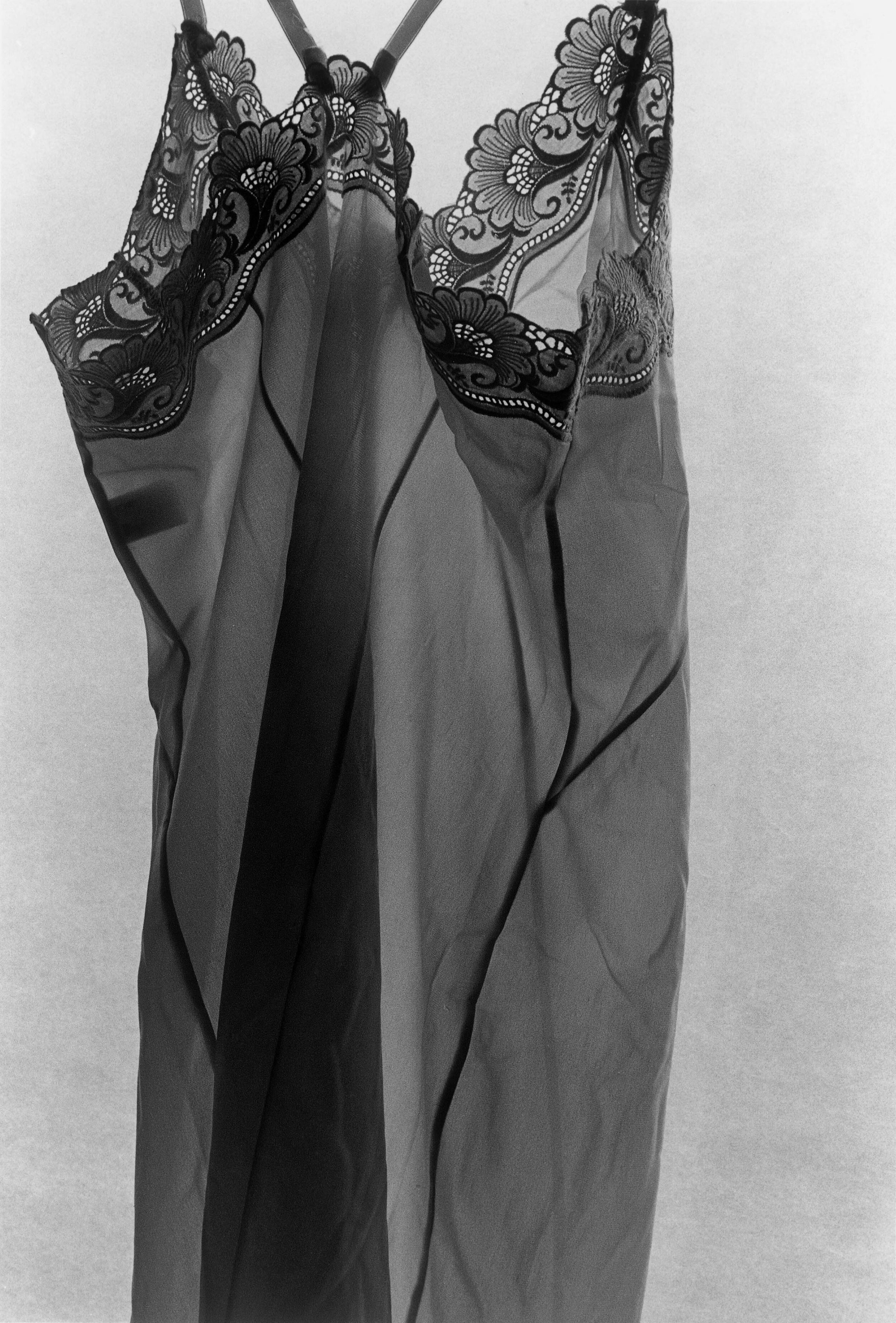
In 2000, when Ishiuchi Miyako had been working on the Scars series for almost a decade, she persuaded her mother to take part – hoping to document scars from a cooking accident that left their mark on a large part of her body. Unbeknownst to both Ishiuchi Miyako and her mother however, the latter would be diagnosed with liver cancer not long after the photographs were taken and died within a short space of time. Left with her deceased mother’s belongings, Ishiuchi Miyako began working on her next series, Mother’s. In attempting to grapple with the grief she was experiencing, coupled with a complicated relationship with her parent, Ishiuchi Miyako turned to photographing the shoes, underwear, dentures and make up left behind. A hairbrush is captured with strands of her mother’s hair still entangled in its spokes. In one image, Ishiuchi Miyako photographs a snapshot of her mother from the 1940s stood in front of a vehicle. Her mother drove an ammunition truck during the war; another reminder of Japan’s fraught history.

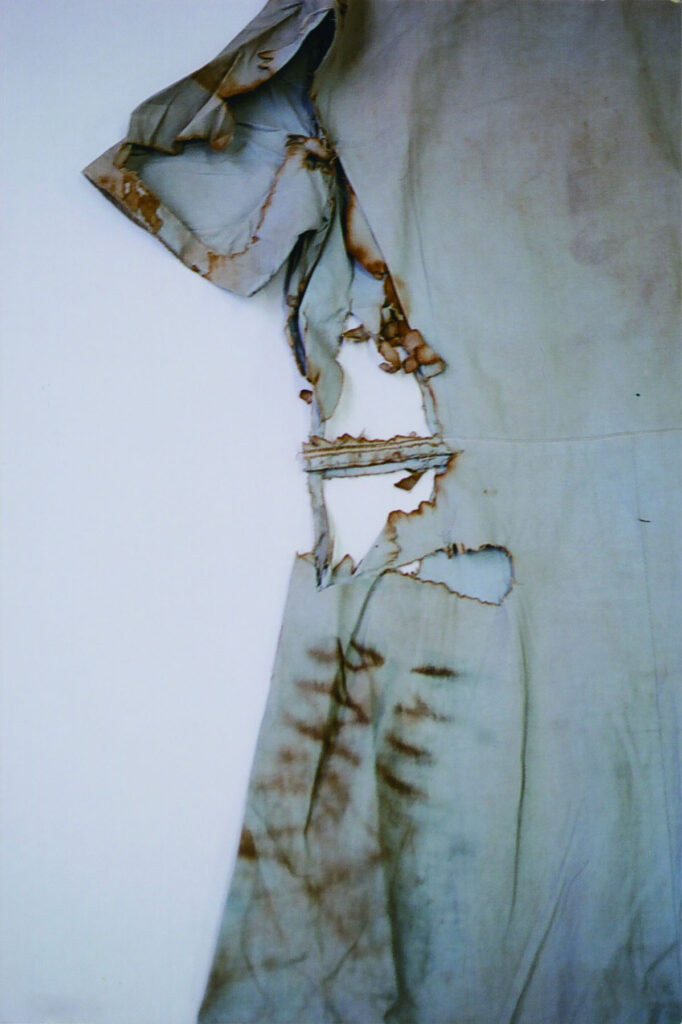
Mother’s was shown in the Japanese pavilion at the 2005 Venice Biennale; it was after that that the photographer was approached by the Hiroshima Peace Memorial Museum to photograph clothing and accessories belonging to the victims of the atomic bomb. Without the familial connection to the belongings of a parent, in hiroshima, Ishiuchi Miyako forges a relationship with the objects themselves. For the series, the photographer carefully positioned each item of clothing – sometimes talking to them, the curator of the museum told Getty in 2015. The images are beautiful, affording an almost anthropomorphic feeling to a dress or a blouse. But these images are hard to look at too; after noticing the detail of a collar, intricate needlework or the vividness of a print, the eye turns to the tears and charring in the fabric. As Makeda Best, Curator of Photography at Harvard Art Museums, wrote in 2015, ‘These “scars” on the fabric serve as metaphors for the bodies of bomb victims and of a nation.’

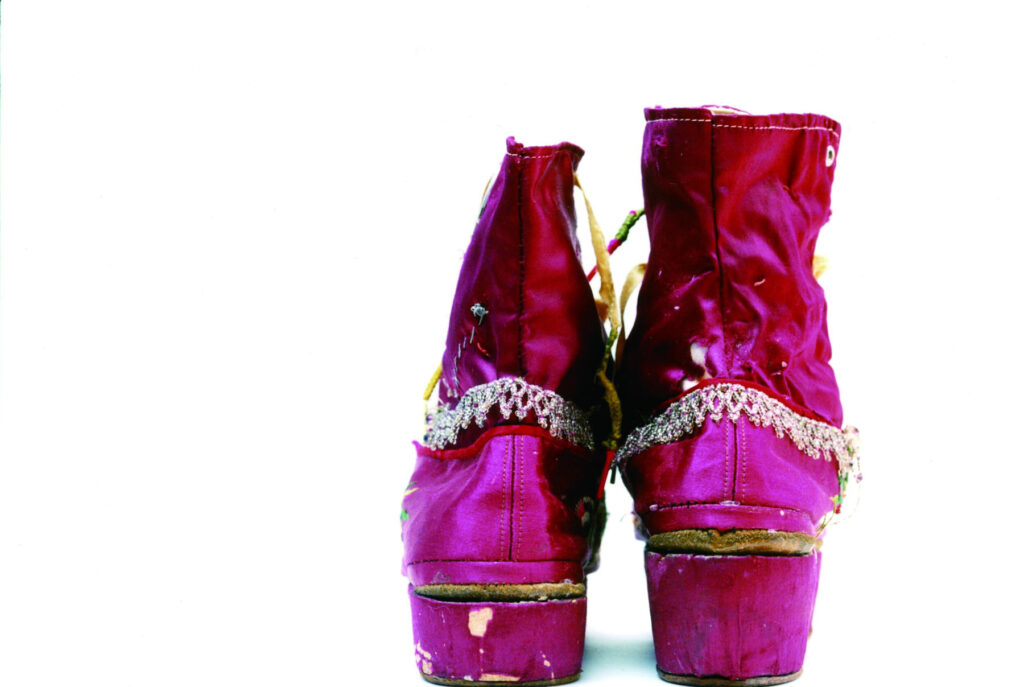
Following hiroshima, Ishiuchi was commissioned by the Museo Frida Kahlo in 2013 to photograph 300 of the artist’s belongings, sealed in the bathroom of her home in Mexico until 2004. The result is a body of work that both forms a bond with the clothing of someone the photographer never knew, and begins to build an impression of a woman’s life. Over the course of her career, Ishiuchi Miyako’s photography has worked to leverage an intimate portrayal of women and womanhood, of time, suffering, loss and memory, into a world of brutality and hardship. 

Has your outlook as a photographer changed over time? 

Photography has always been a product of its time, and has always changed with the times. My photographs may change in superficial terms, but what I am basically expressing and my mentality remain unchanged.

You mention that it was photographing your mother’s lipstick that led you to take colour photography. What difference is there between shooting in B&W and colour, and what impact does this have on the final image? 

I can do every step by myself when I’m working in black and white. My ideal here has been to take full responsibility for every stage: shooting, developing, printing. When I’m working in colour, I just take the photographs and have the rest of the work done at a lab. When I started doing this, it was very refreshing to have the works be out of my hands and be able to look at them more objectively.

With black and white, I felt like I was clinging to the photographs throughout the entire process. When I started working in colour, I felt in a way as if I had been liberated from photography. Black and white is a world of artistic creation, while colour is the world of everyday life. At the same time, both black and white and colour are just approaches, and it doesn’t matter which you use.

The photographs of Yokosuka are commended for their grainy texture. What are the attributes that make a powerful image? 

The Yokosuka photographs are not intended to have a powerful impact. When I printed my first photograph, I realized that a photograph is a collection of ink grains on paper. I wanted to print those particles properly, so I developed the film at a high temperature. Grains are like units of time, and I tried to make prints as if I were counting them one by one.

I like the analogy between your background in weaving and the process of photographic development.

Do you think there’s something similar with the photographs themselves; weaving moments of time into history? 

Photography and textiles are very similar – they are both water works. It was a revelation to me that the colour-fixing liquid used for dyeing yarn and the stopping liquid used for photography are the same thing. Making textiles is very labour-intensive work. Photography is the work of evoking time using light. Both of them are jobs done by hand.

A lot of your work involves photographs of objects and possessions. Do you see photographs as being objects and possessions too? 

“A photograph is a narrative that documents and renders memory visible in two dimensions, transcending objects and possessions.”

Photographed subjects are given new value and meaning, and by becoming part of a photograph they become almost eternal.

Did you take a different approach photographing the possessions of your mother and Frida Kahlo, compared with the clothing of Hiroshima victims (whose identity we might not know)? 

/hiroshima, Mother’s, and Frida all share the same intent in that they focus on what has been left behind. I took the same approach to photographing these three subjects, but Mother’s began as my own personal project, then after being shown at the Venice Biennale it became a photographic work that transcends my own personal concerns, expanding from the private to the public. This later shaped the specific development of /hiroshima and Frida.

I find it interesting that you don’t attach messages or captions to your photographs. How does that relate to the objects (clothing/possessions) that you photograph? Do you try to interpret the meaning that their original owner gave them? 

I consider my photographs to be creative rather than documentary, and I take them from my own point of view and with my own values. I believe that adding a message or caption to my photos would take away the viewer’s freedom of thought. I want people to be free to see my photos from their own perspectives, and to attach their own words to them. 

I cannot photograph the past. My work is based on encounters with things left over from the past, but which are in front of me, in the same space and time, in the reality through which I am living in now. In particular, the bombed artefacts of Hiroshima cannot become part of the past.

/hiroshima is very different to Yokosuka Story – how do they capture the aftermath of the war in Japan and the country’s relationship with America? 

I made my debut with Yokosuka Story, a series that is kind of a personal sentimental journey.

“I was born in the post-war era and spent my adolescence in a community with an American military base, and I enlarged these prints to exorcise emotions like scars I felt I had received from the Occupied Japan city of Yokosuka.”

There is a connection between Yokosuka and the history of the atomic bomb dropped on Hiroshima, which played a huge role in ending the war, and which I documented about 30 years later. Yokosuka still serves as the home port for Asia’s largest nuclear-powered aircraft carrier. The post-war period is not yet over, and the reality is that Japan is still under US control. My photographic work, which started in Yokosuka, inevitably turned toward Hiroshima, and /hiroshima is still an ongoing project.

Credits

Images · ISHIUCHI MIYAKO
Special Thanks · THE THIRD GALLERY AYA

Sumayya Vally

Sumayya Vally From The Johannesburg-Based Architectural Studio, Counterspace, On Amplifying The Lived Experiences Of Those Who Have Historically Been Overlooked

When Sumayya Vally founded the Johannesburg-based architectural studio Counterspace in 2015, it was against the backdrop of a deeply entrenched narrative of western hegemony. As an architectural student in South Africa, at the University of Pretoria and then the University of the Witwatersrand, Sumayya found the curriculum pivoted around a western worldview. And as the name implies, Counterspace seeks to redefine such a narrative, to amplify the lived experiences of those who have, historically, been overlooked. Earlier this year, Sumayya’s efforts to incorporate marginalised and underrepresented architectural ideas into an existing lexicon were internationally recognised when she was included as one of the TIME100’s most influential people.

Sumayya’s architectural perspective is one shaped by her experience growing up in a place less openly inclusive, though equally diverse. Now 30, Sumayya’s early life was spent in the final years of Apartheid-era Pretoria. And as child, she experienced first-hand the impact that architecture and design can have on people’s lives. As South Africa nears 30 years since Apartheid’s end, it’s a country that remains deeply segregated by race, class and wealth. Architecture and city planning is not an innocent bystander here and have been used throughout history as tools for control, subordination, and exclusion. Sumayya’s exposure to this complicated reality informs the interdisciplinary, and often imaginative, work that Counterspace does.

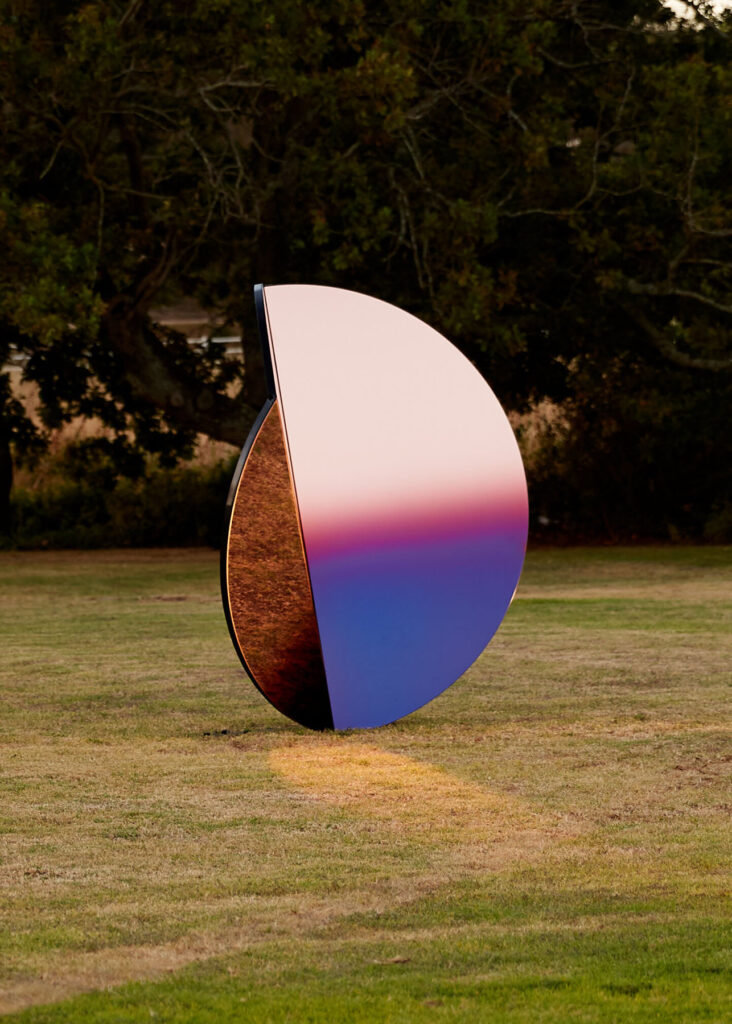
In 2019, the studio unveiled Folded Skies – a series of three sculptural structures made from interlocking tinted mirrors. The iridescent glow captured in the surfaces of the structures appears to represent the history of a city built on the vast gold deposits discovered in Johannesburg in the 1880s. While the legacy of this glittering past is reflected in the city’s colonial architecture, Folded Skies recalls instead the ecological aftermath of the gold rush. The city remains blighted by toxic pollution emanating from the equally vast number of waste dumps left behind from abandoned gold mines. The presence of these dumps is a reminder both of the aphorism that ‘everything that glitters is not gold’ and of the country’s history of segregation and suffering.

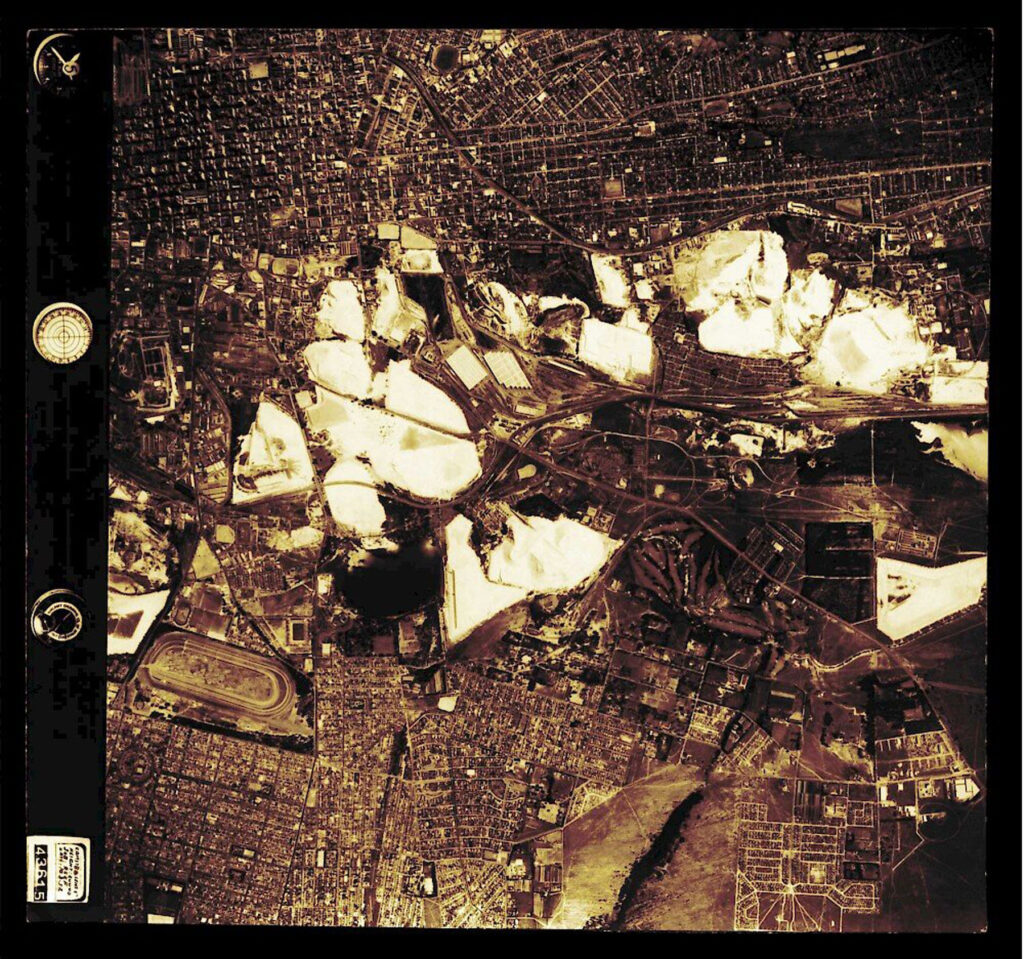
Johannesburg was a city divided right from the start, with mine-owners, wealthy from the gold rush, living separated, then segregated, lives from a black population who were eventually forced into townships in the city’s suburbs. The hangover of that gold discovery continues to wreak havoc. The large domineering heaps act as a physical barrier between rich and poor, black and white neighbourhoods; a reminder that segregation still exists. Toxic fumes from the dumps, which are themselves now being mined for the fragments of gold they may contain, are carried south by the wind, poisoning the black communities who live in their path – environmental racism in practise. Though human-made, the waste heaps demonstrate how materials can be used to control, to divide, to enslave people; as tools to construct a built environment, or as resources to build global trade.

By engaging with Johannesburg’s complicated history, Sumayya and Counterspace’s practice is as much social history as it is about designing for a better future. Uhmlaba, a film made in collaboration with the Guggenheim Museum, will explore South Africa’s history of segregation using soil (as land) as both its catalyst and focus. The studio often uses film and photography (archival and contemporary) to animate their ideas; visual evidence to demonstrate the fluidity of life and people in an urban environment. And if Johannesburg exemplifies how the architecture is used to control and segregate, the architect’s plan cannot always anticipate the unpredictability of the lived city experience. Counterspace celebrates, and designs, with small acts of subversion in mind. And so, as Sumayya explains in our conversation below, a new approach to architecture and the way we look and engage with urban spaces begins with interweaving unheard and overlooked histories into the fabric of our built environments.

Would you be able to share some insight into the upcoming film Umhlaba?

Umhlaba translates to land in Zulu. The land in South Africa, like many places in the majority world has been implicated in our histories of movement, dispossession and displacement, empire and extraction. The film considers the depths, scales and layers of connection (and violences) in our relations to land – through the narration of recipes, stories and ingredients that become part of our cultures and constructions of belonging – to the violence of breathing toxic dust and the zoomed out segregation and separation of bodies from land in Apartheid city planning. The film is a collage of these various scales and entities, and weaves together connections and links between what was assumed unconnected and innocent.

How did you develop the approach that Counterspace takes through research, practice and pedagogy?

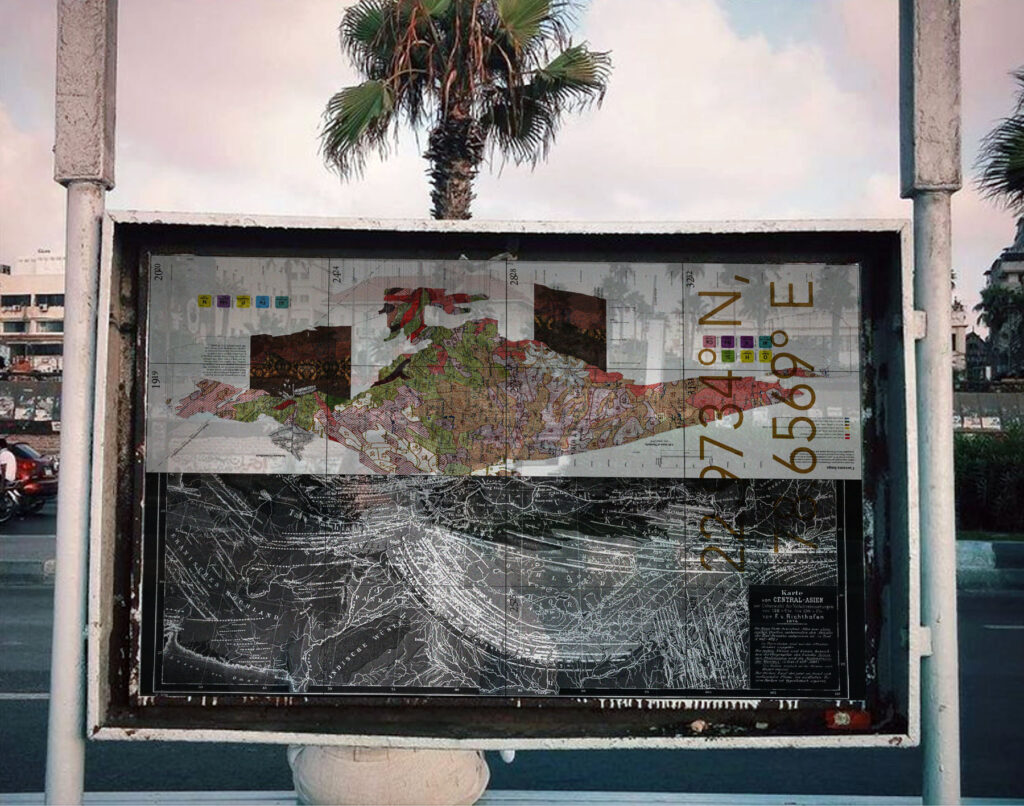
Johannesburg has served as a source of immense inspiration for the practice. Because so much of the city exists below the surface, so many ritual, economic and other practices have developed incredible resistances and are able to surface and exist, despite being excluded by our city’s histories and infrastructures. There is so much that lives beyond the limits of traditional planning, design and beyond the tools of the architectural plan, section and elevation. These ways of being invite us to imagine different ways to draw – to find tools to learn, absorb, understand, listen to and interpret our conditions. Many of them are aural, oral, atmospheric – which has given rise to drawing through film, performance, choreography, the digital, sonic and atmospheric field notes, temperature, colour, etc., to develop an expanded lexicon and ways of reading and seeing Johannesburg.

What informs your approach as an architect to incorporate performance, the medium of video/film, cultural histories into the practice?

Rituals, ways of being and the lives of people in my city – and this intent to draw, make visible, amplify and sharpen aspects of our histories and cultures that cannot be included in the traditional tools and ways of archiving that the discipline and the profession of architecture has inherited.

Counterspace’s work delves into materials like sand, soil, everyday detritus, so I’d love to know what you see as the cultural importance of “material”? 

I very much see materials as shifting earth and land; constantly being negotiated, reconstituted and reconfigured. Whether implicit or explicit, all projects stake a political claim in their approach to materials. I am very interested in the use of detritus, in traces and reconfigured leftovers, in how these give us a reading of our relationships to the earth. Materials are not neutral – everything, from cane and cotton, to concrete and gold – is a reading of our ties to each other and our histories (and consequential futures). I am also interested in blurring the binaries that we have drawn between ourselves and the world we are in, and a part of. Johannesburg has also given me an implicit desire to be resourceful and to piece together a lot with very little.

How do you navigate the kinds of architectural malpractices/Western authority that shaped the studio’s raison d’être?

I see my practice as an effort to realise design languages from places of difference – different ways of being and seeing, different histories and stories – and in that sense it has always existed tangentially to the dominant canon. I think things are changing now, but for a long time this meant that the work was quite invisible to the dominant canon. I very much see myself as part of a generation and a movement working to translate and embody our own positions of difference and bring a critical mass of them into the world. Any identity that is different to the dominant discourse is a lens with which to see the world from a different perspective – which is so needed, now more than ever.

It’s interesting to think of spaces where people gather as places that weren’t always envisioned as serving those very purposes. How did growing up around Johannesburg shape your understanding of this?

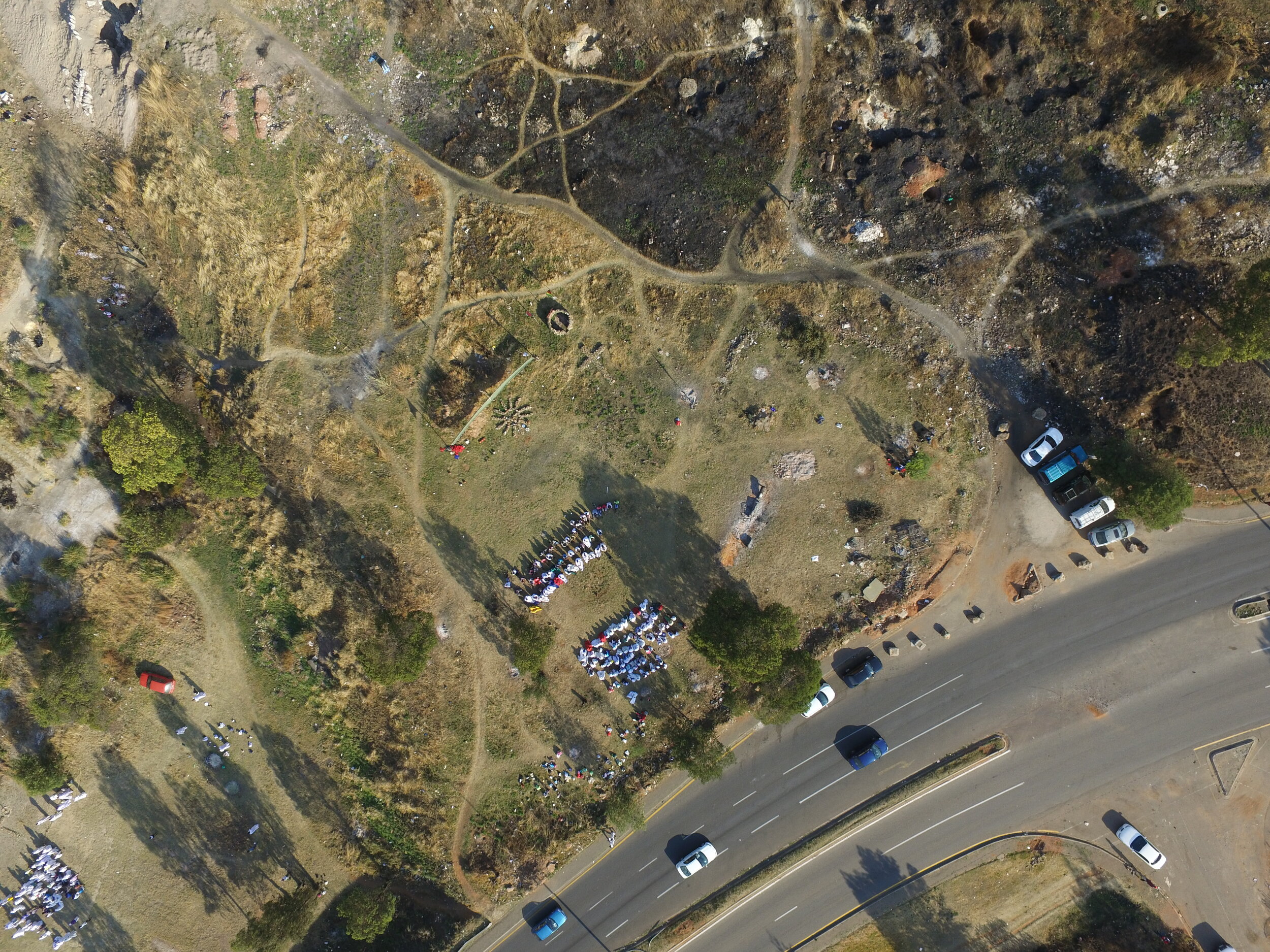
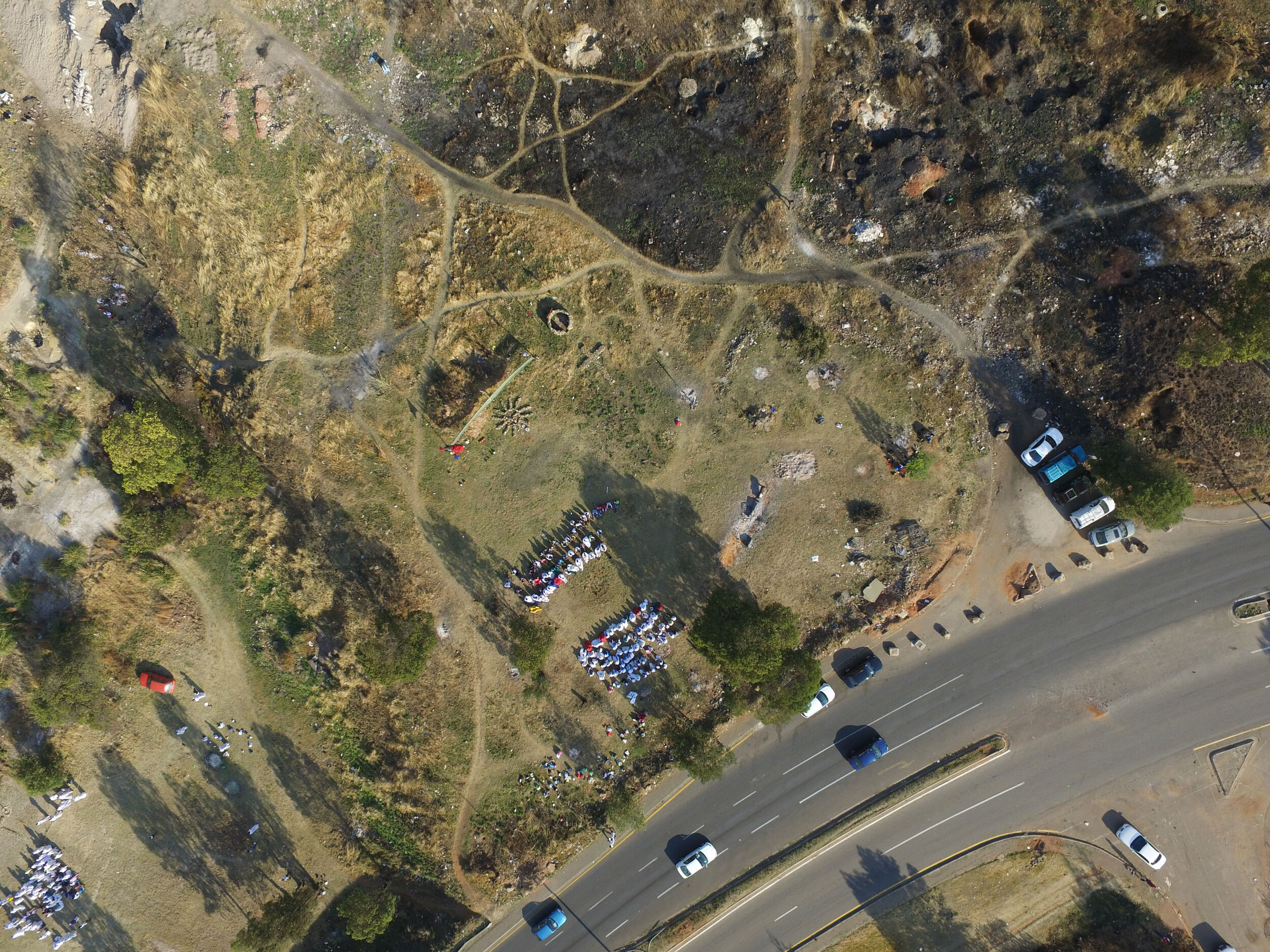
Our city, of course, has a history of clandestine meeting and organising – from pirate radio setups on kitchen tables to underground jazz during Apartheid. The city has such a divisive understanding of what public is and looks like. In many regards, we never had public spaces that are truly designed for everyone and that have truly drawn on our ways of being and our understandings and cultures of what ‘public’ is and looks like. But, in many other ways, the resilience of practices and gathering that exist outside of, and despite formal limitations, has been a revelation. Being able to see and read these, and learning from the atmospheres and spaces that are created by people and their practices of gathering and constructions of belonging – whether at a carwash, at a petrol station, for a lunchtime gathering, or church on a patch of leftover veld grass in the centre of the inner-city – has been deeply fundamental to my practice.


Yis Kid

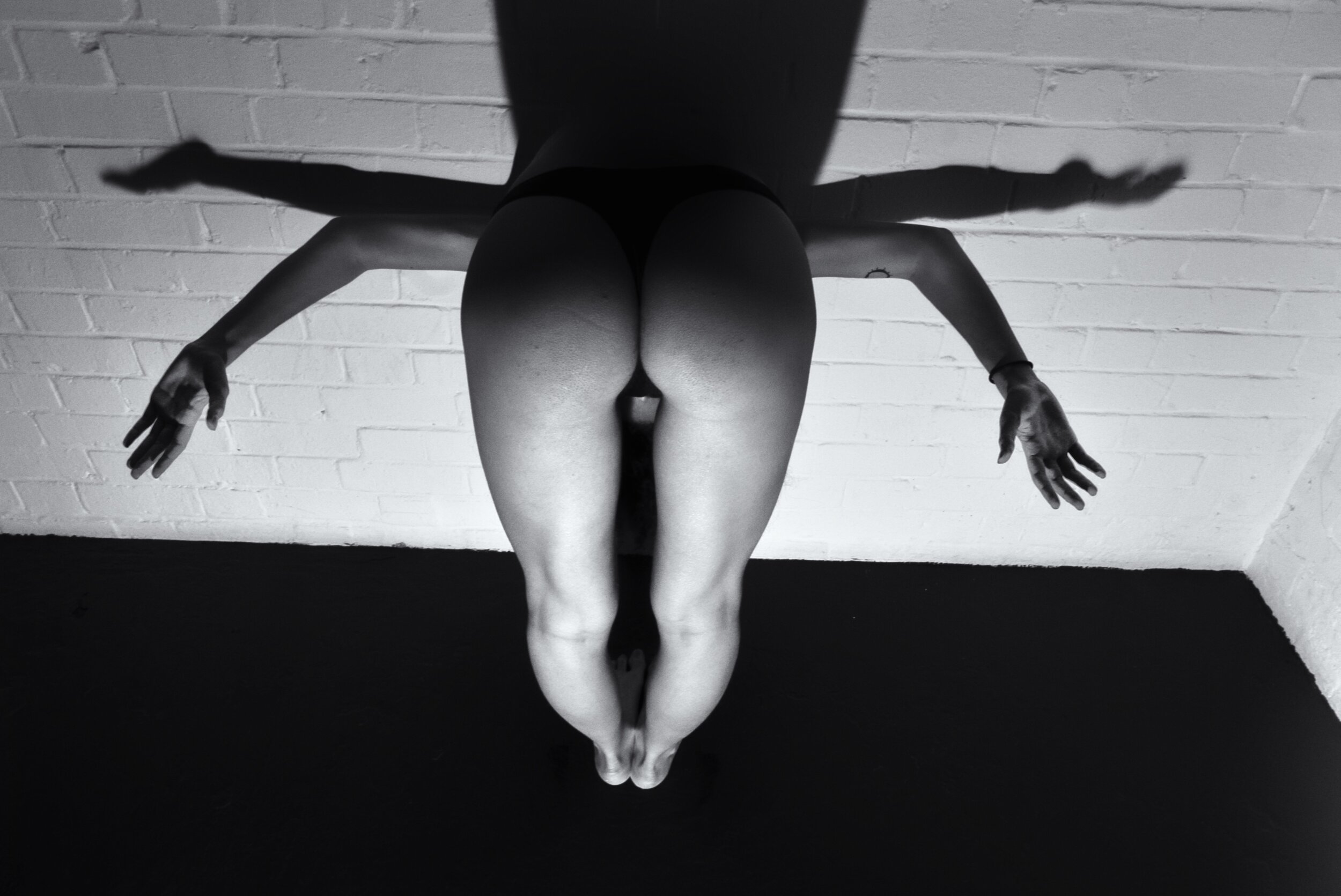
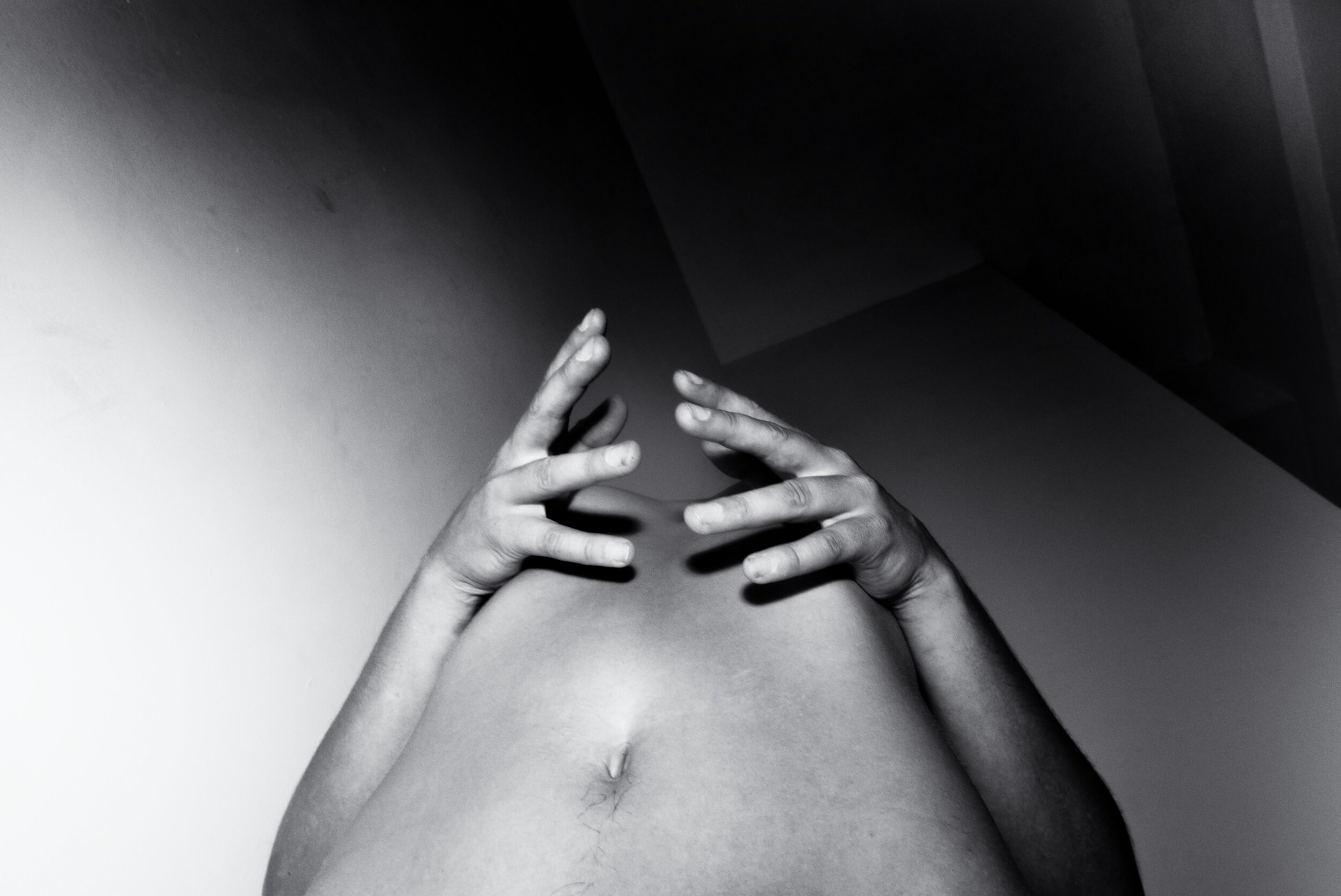
Spiders and Religious Mysticism

Credits

Photography · Yis Kid
https://yiskid.com/
Alexandra Leese

Me + Mine

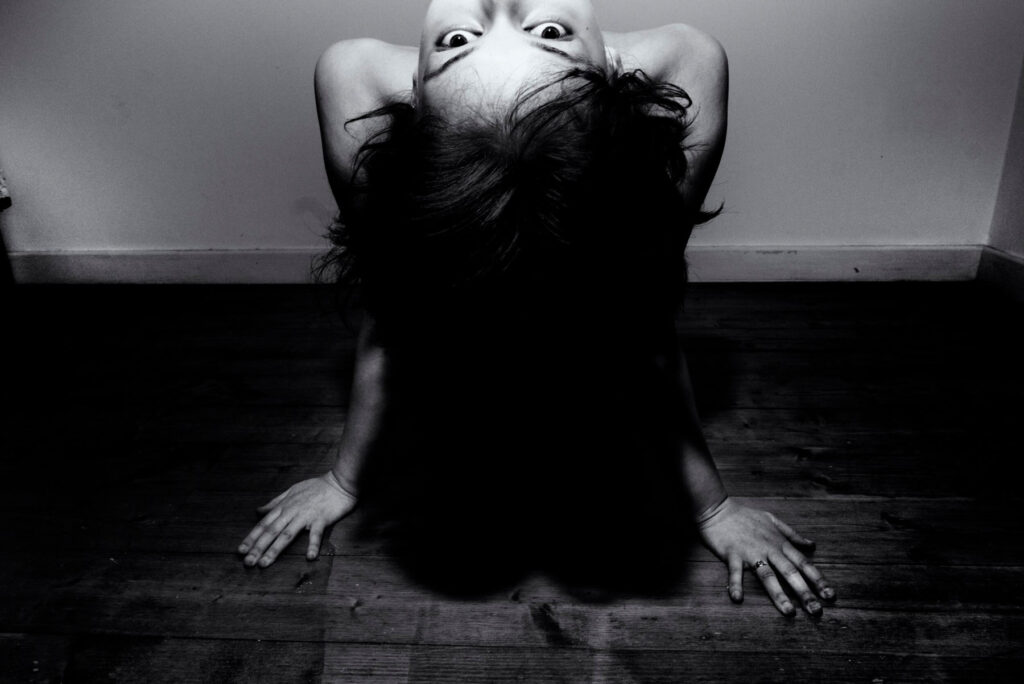
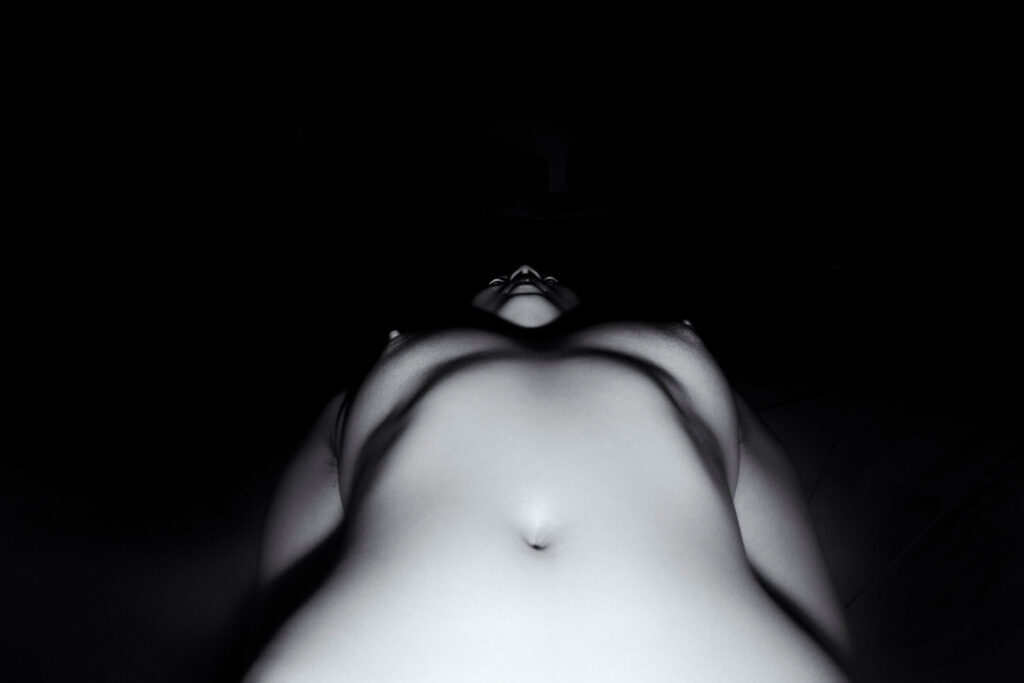
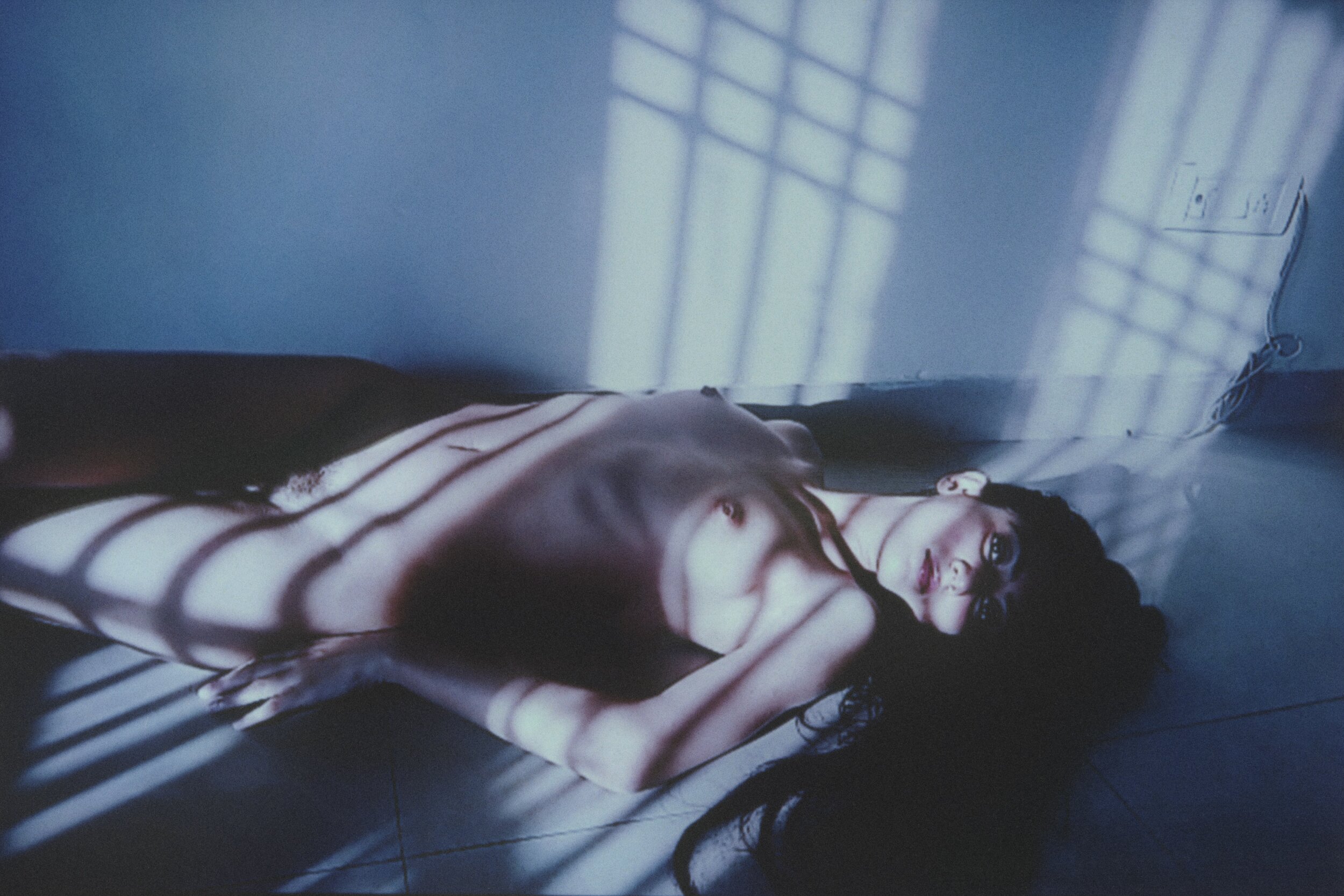
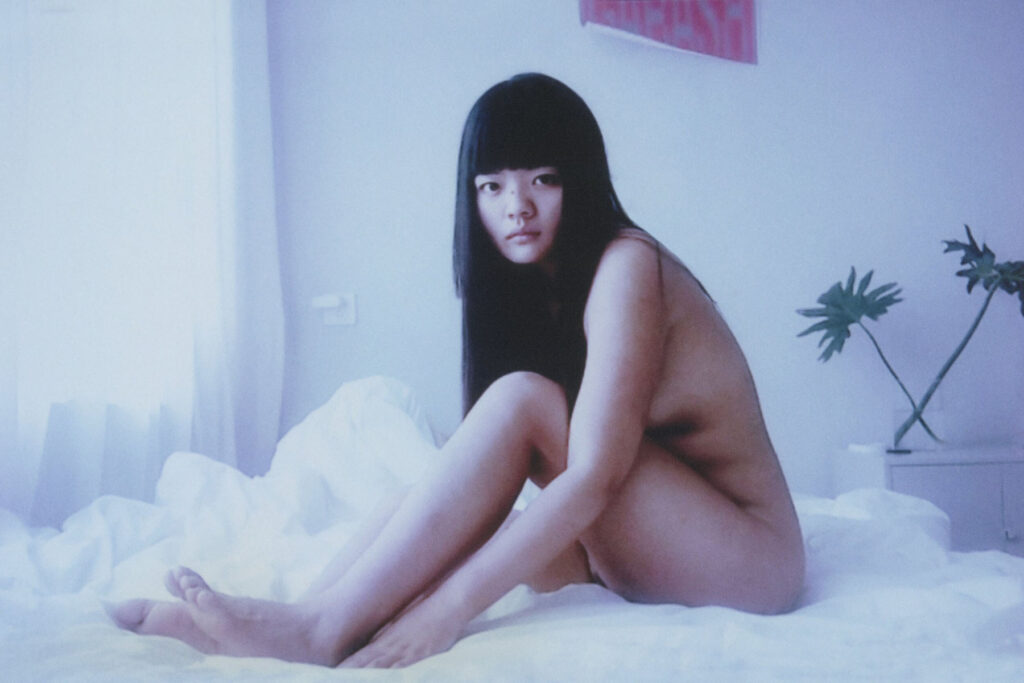
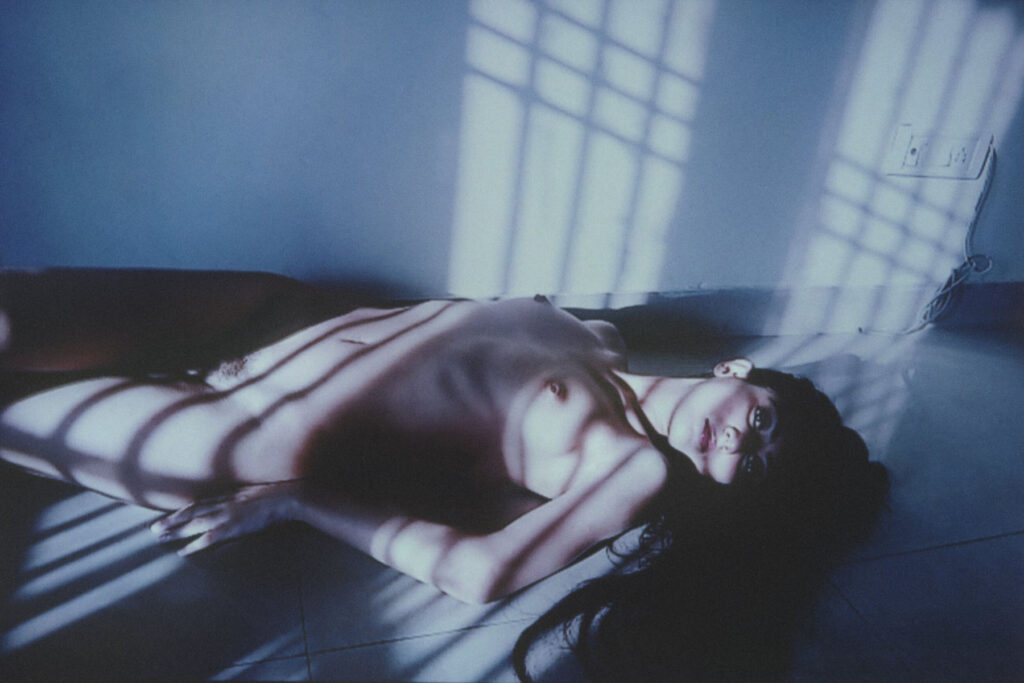
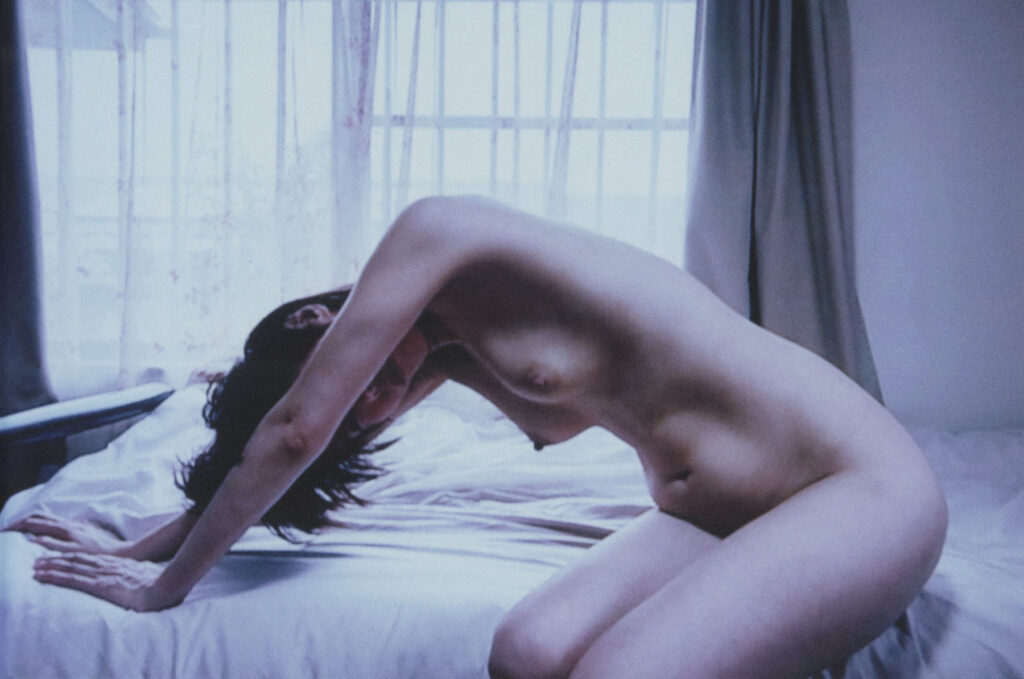
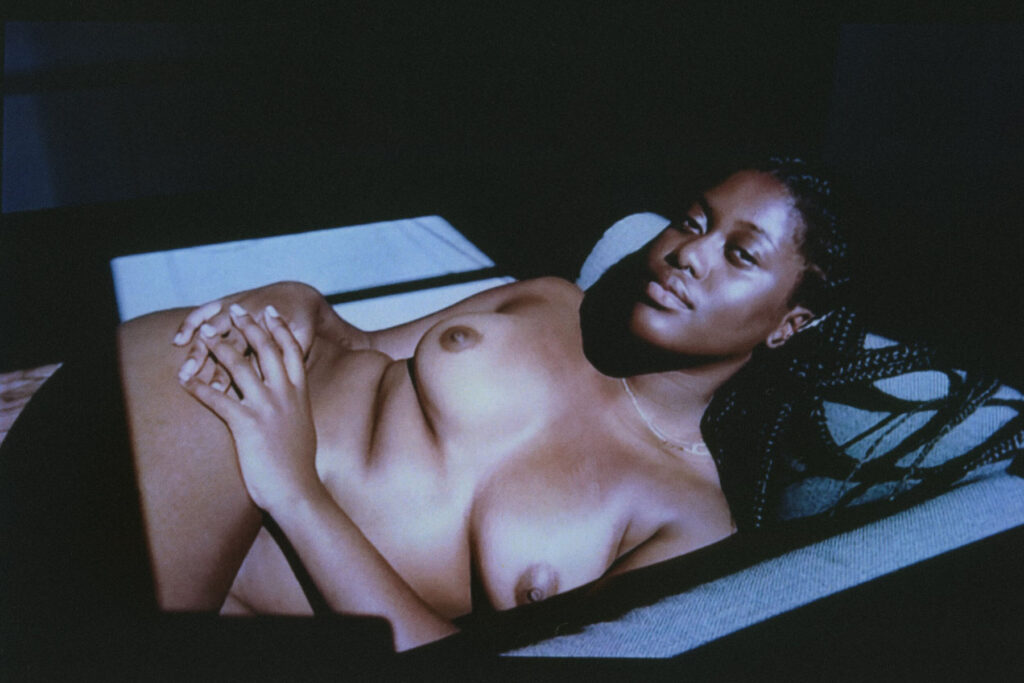
My body. My limbs. My hair. My nose. My skin. My heart. My lungs. My breath.

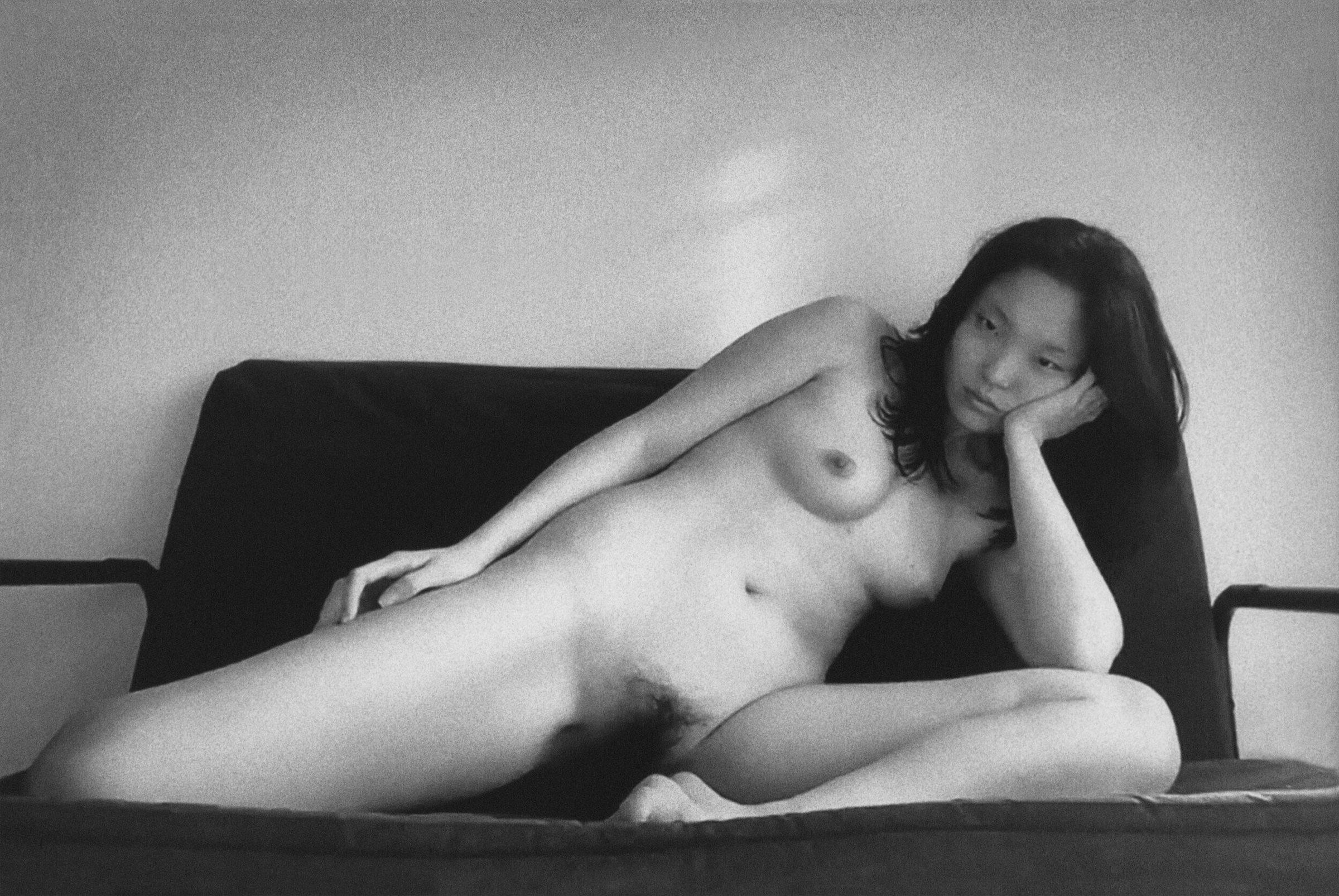
Much of what we are taught about ourselves as women is that our bodies are not ours. As if we are someone else’s to keep, to define, to use, take pleasure in, and to hurt.

Loving our bodies is not as simple as it sounds when we are still finding a home within us. When we’re alone in nothing but our skin.

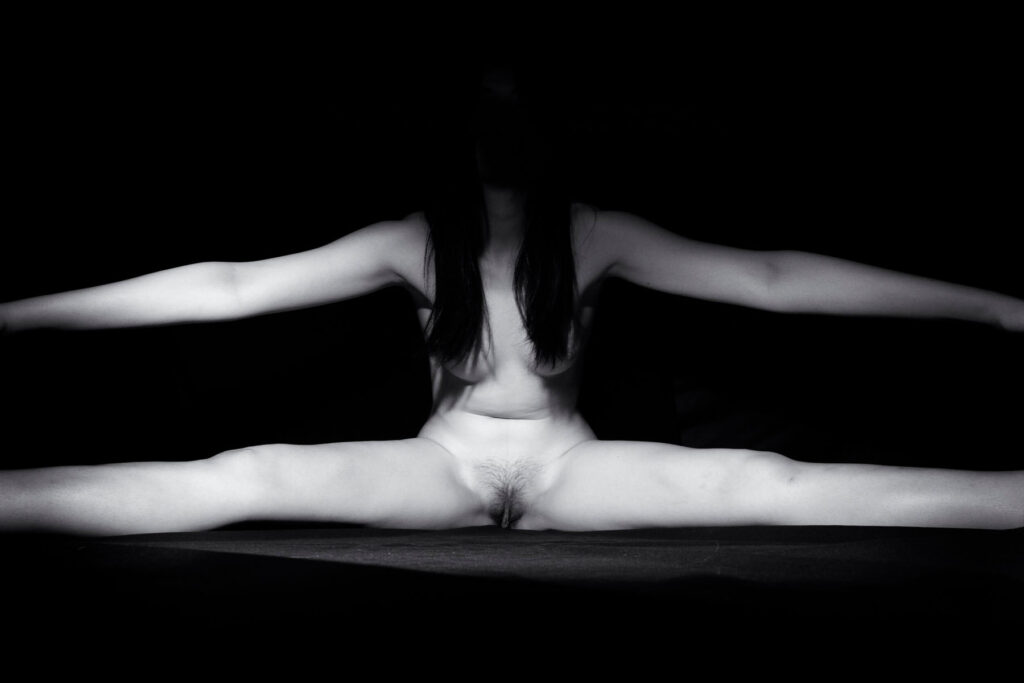
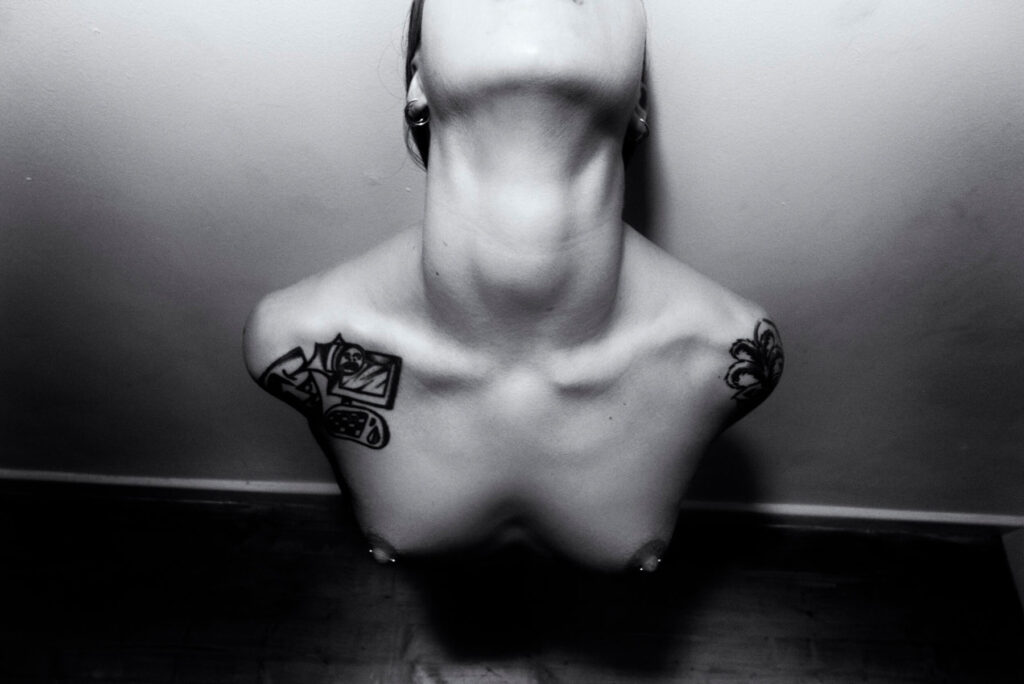
While nudes have traditionally been used to display our bodies for the pleasure of the male viewer, these portraits of us are distinct in that they evoke the safety we feel when no one is looking. We do not produce images for the gaze of patriarchy or to compete with other women. We don’t seek to empower people — we know empowerment happens when we take control for ourselves.

Across many regions and cultures, though it doesn’t represent every kind of body and beauty out there, this project is us sending nudes to ourselves — not to be consumed but to be revered. Each woman has a unique, evolving relationship with her body. What we have in common is being alongside one another on the path to loving our bodies how we choose, despite the battles we may face.

So we dream along our journeys. We touch each hair, each fold, each wrinkle, and each scar, remembering that we belong to ourselves.


Credits

Words · Alexandra Leese and Xoài Pham
Me + Mine is available for purchase via antennebooks.com
Proceeds of Me + Mine will be donated to the organisations Black Trans Femmes in the Arts, Trans Law Centre and Rape and Sexual Abuse Support Centre.

Matthew Genitempo

Mother of Dogs

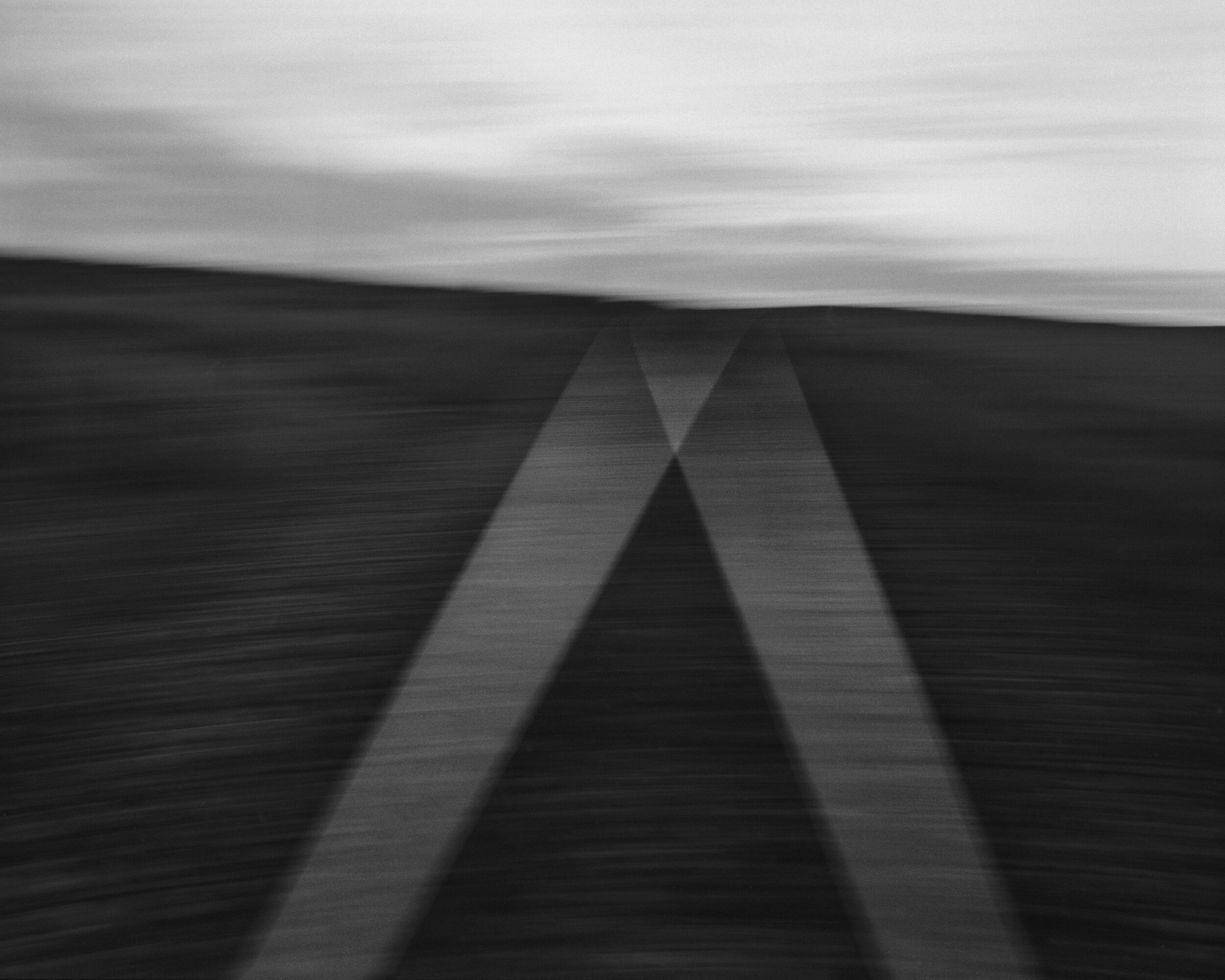
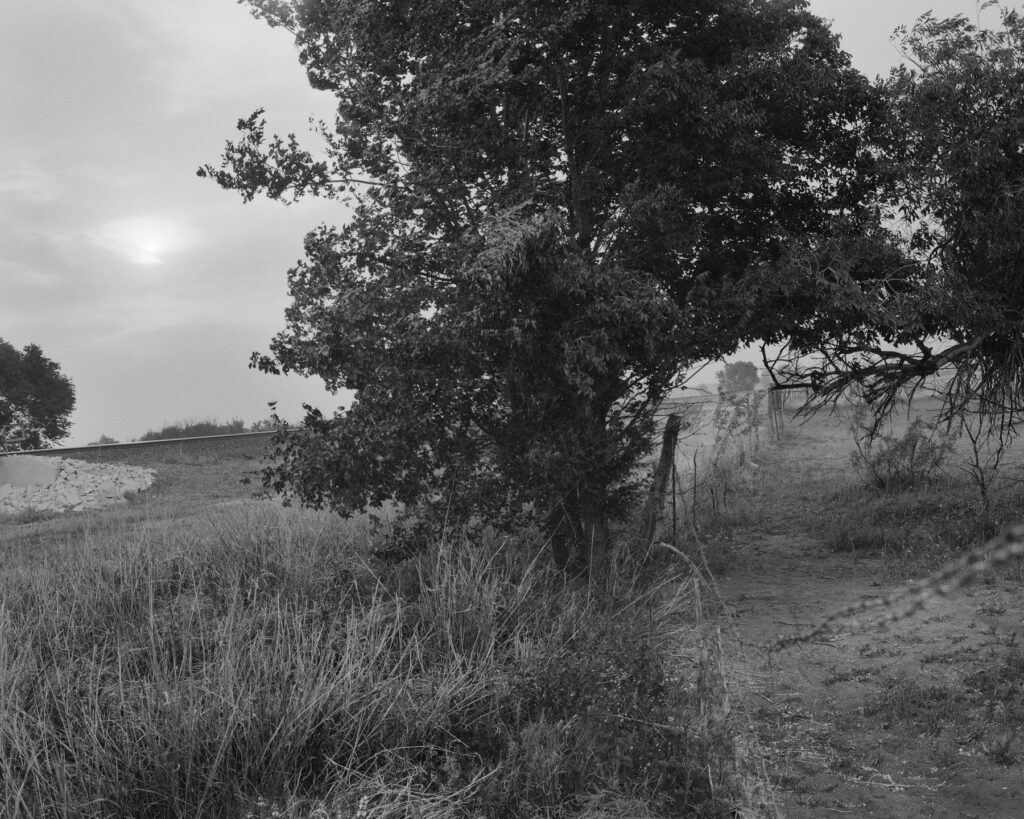
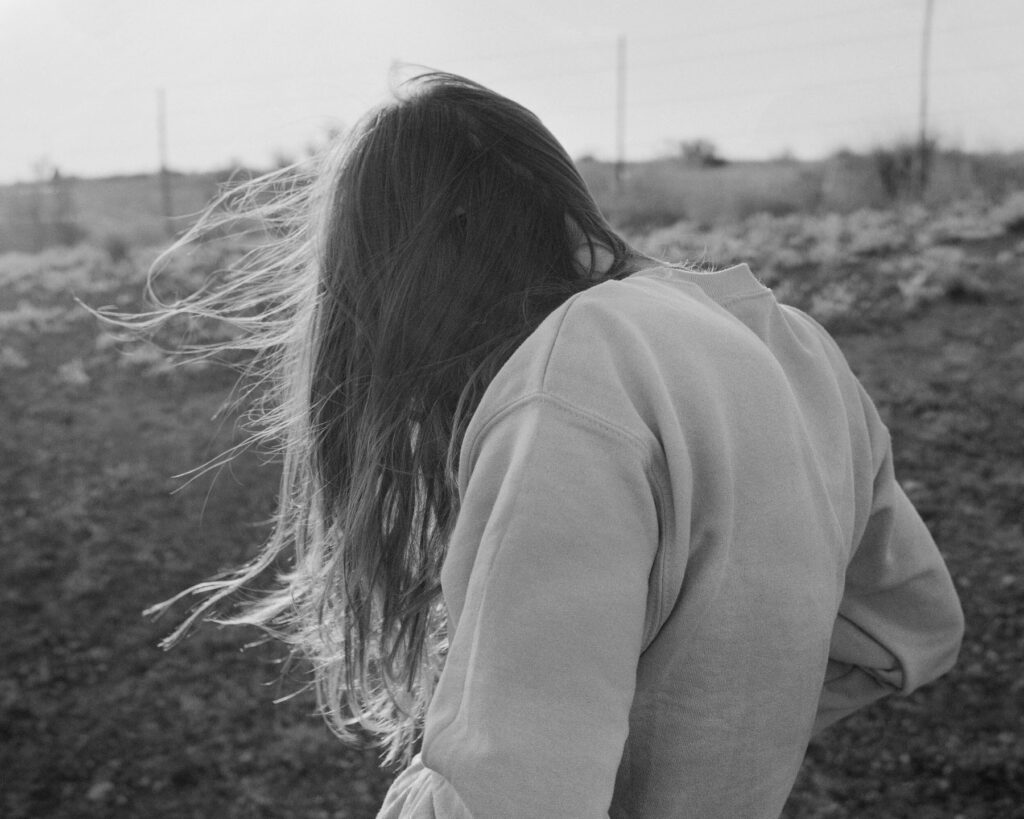
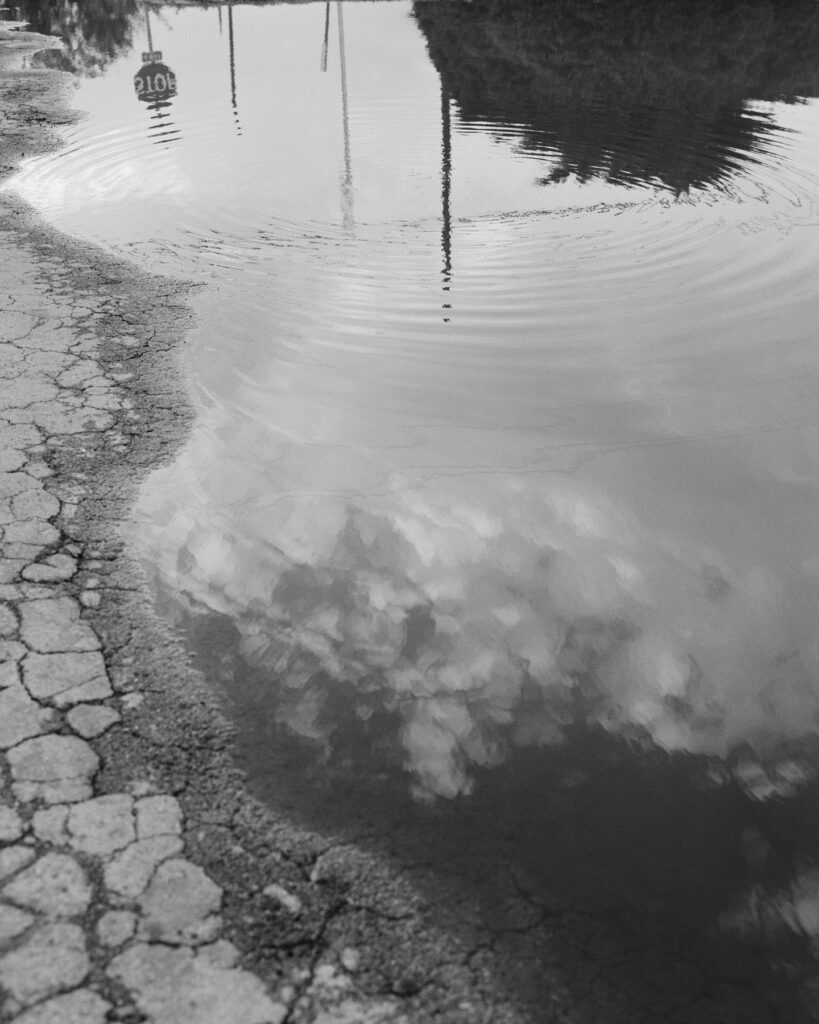
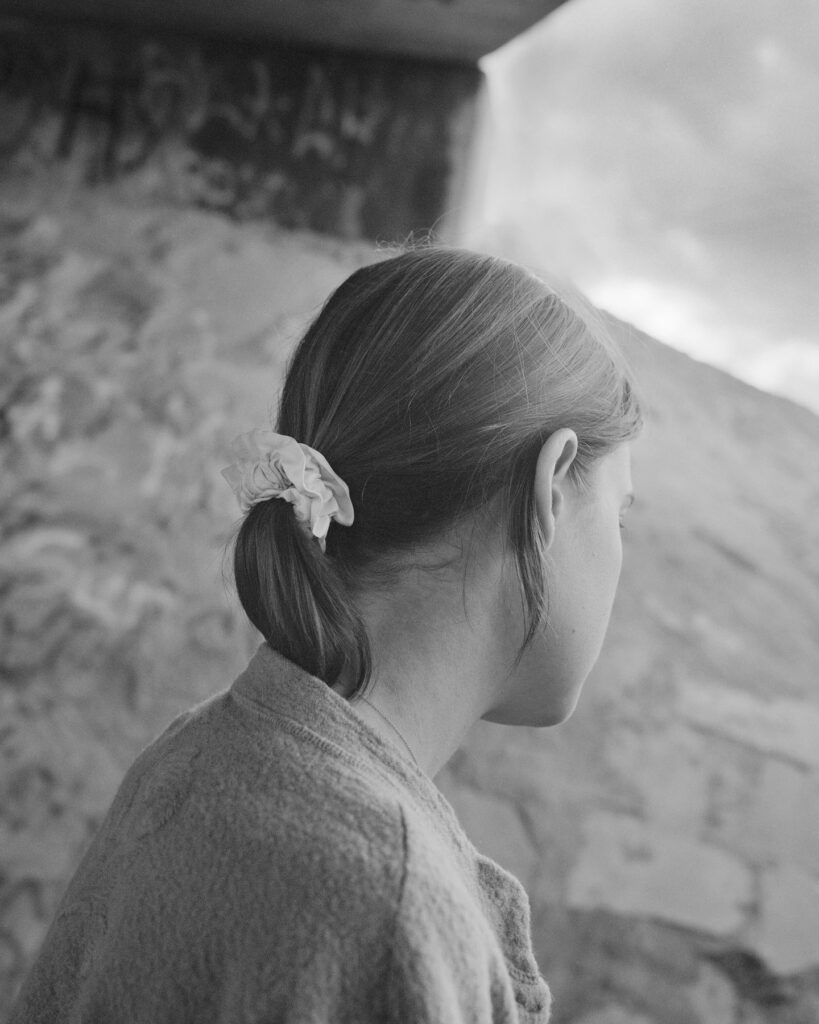
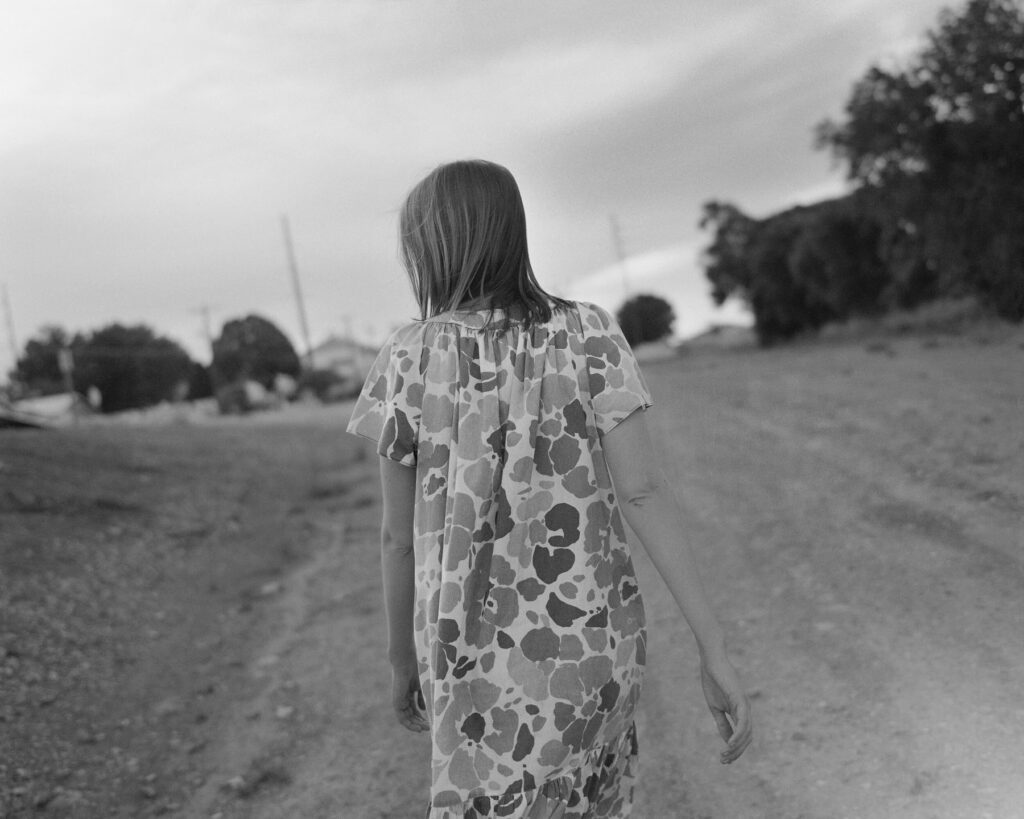
Mother of Dogs is a project that I began and completed at the beginning and middle of quarantine. Life had been tossed in the air once the pandemic hit, so my partner and I began taking daily walks by the train tracks next to our house in order to introduce some stability. That project could be related to growth considering our development towards balance and steadiness.”

Félix Maritaud

“you just have to give it a space, a medium, the body”

Félix Maritaud has catapulted to success in French Cinema with his breakthrough role in Sauvage; solidifying him as one to watch. The Camille Vidal-Naquet directed film, depicted Maritaud as a male sex worker in the streets of Strasbourg in search for love. Maritaud’s ability to play emotionally complex characters has proved to be a reason why he is helping to change the landscape of French cinema and challenge Queer roles within. 

NR speaks with the actor about some of his most prevalent roles and the preparation behind the characters and where we can expect him in the future. For the 28-year old Saint Laurent muse, 2021 will be a fruitful year with projects such as L’énnemi de Stephan Strekker, and in Tom by Fabienne Berthaud.

Felix, It is great to speak to you. First of all, growing up, was there a significant role that inspired you to get into acting?

I won’t lie, I never thought about acting before some people asked for it, it just happened, and for good because i really do love this way to explore life through my body.

Before that I was more inspired by art history, artists, paintings, I’m not watching a lot of films, I don’t have many references about movies and cinema, I just participate sometimes.

One of your first roles was in ‘120 Beats Per Minute’ (2017) directed by Robin Campillo. It is a unifying movie between the personal and the political, tracing back the story Act Up Paris and the lobbying of their activists for adequate legislation, proper research and treatment for those with HIV/Aids. It also centers on the romantic lives of the characters in the movie. Why did you decide to pick this role?

First i always had been really moved and inspired by the history of the creation and actions of ACT UP, even when I was in fine art school at 19 with friends we did « anti-patriarchy » actions creating a group called ACT HOLE as a tribute to ACT UP activists, so when they called me to do a casting ( my first one) for the film i though i already belong to it. 

A standout performance for us was your role in ‘Sauvage’ (2018) in which you play the role of a young sex worker. Could you tell us about the preparation you had done prior to filming?

The casting process was quite long, the idea was really to create a body to the character, a way to move, to stand, to walk, to be naked etc. Camille hadn’t in mind a body like mine writing, he was thinking of a more fragile body type, even if i’m not strong btw, my body was imposing something that we had to adjust and adapt using dance workshops and lots of talks, practicing the body movement of the character on Paris streets,

“trying, trying things to find this strength into vulnerability that is what makes to me the beauty of this young sex worker.”

How was it working with Camille Vidal-Naquet, the film director of ‘Sauvage’?

It was really great, he really knew what he wanted about the film and the character, and we had a really friendly relationship, with all the team actually, so it created a space of strong artistic expression based on truth, empathy and love, because that’s what the movie is about. Camille is a really precise director, and on the other hand he is really open to what the team had to say, or propose.

You have mentioned previously that the character you played in ‘Sauvage’, stepped into your shoes rather than the other way around especially because of how specific the script was. Could you expand on this?

I don’t think of characters as persons you’re building entirely consciously, I don’t want to either. I think that what’s interesting to catch on camera is more an energy, something more fluid than a definition of codified, psychological things that people used to think as the way to define or describe characters.

I think that at a moment of commitment to a character, you can’t ‘control’ it anymore, you just have to give it a space, a medium, the body. So as it was a really intense role, and a really intense shooting too and as I trusted the script and Camille I just let the characters vibration the use of my body, it was really intense, but I did learn a lot from it.

So I’m giving space to my characters, I let myself be pure energy just to let them in, creating their own narratives with my body,

“I think of this job as a relationship, and I try not to impose things on relationships.”

You have also worked with Gaspar Noé in his medium-length movie ‘Lux AEterna’ (2019) produced by Saint Laurent’s creative director, Anthony Vaccarello. Could you tell us more about the movie and how it was working with Gaspar Noé?

I don’t know if I would say ‘movie’ to talk about this work of Genius Gaspar Noé, to me Lux Aeterna is a kind of a narrative manifest about creation of chaos with many levels of understanding. The movie makes me feel like a parallel to what movies are doing to life, changing perceptions of realness, creating a form of chaos as a distortion of an equilibrium between senses and the ‘ways it goes’.  

I like working with Gaspar, it’s really something. As Saint Laurent produced the movie, he had the opportunity to do what he wanted and express it really freely,

“I never saw a script, or texts to learn, pure genius energy.”

You have a strong affiliation with Parisian fashion houses such as Lanvin and Saint Laurent. How does fashion inspire you and your work?

I feel fashion is like a place in society where desire is key and expression of the self is at the center of purposes, style is a way to express people’s self. I met Anthony Vacarello during a radio show we were both invited by Beatrice Dalle, then he invites me to some shows and we get to know each other better, i really like his vision about desire, this provocative chic sexiness with beautiful fabrics and materials, I think he’s making women really powerful and sexy, I really do like what he does, I like wearing SAINT LAURENT leather jackets, its makes me feel so much strength. For Lanvin, I knew Bruno Sialleli from a long time maybe 10 years from common friends, I like his poetry, it’s soft, colors and shapes are soft and sometimes belongs to dreams, joyful ones, and as we have almost the same age we have lots of references in common, he’s a really nice guy.

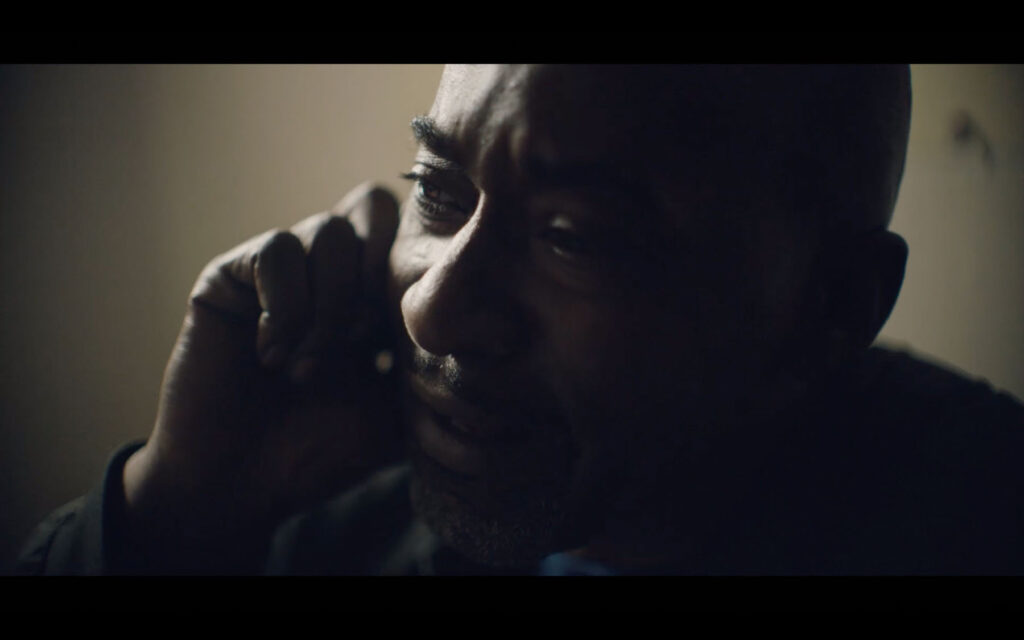
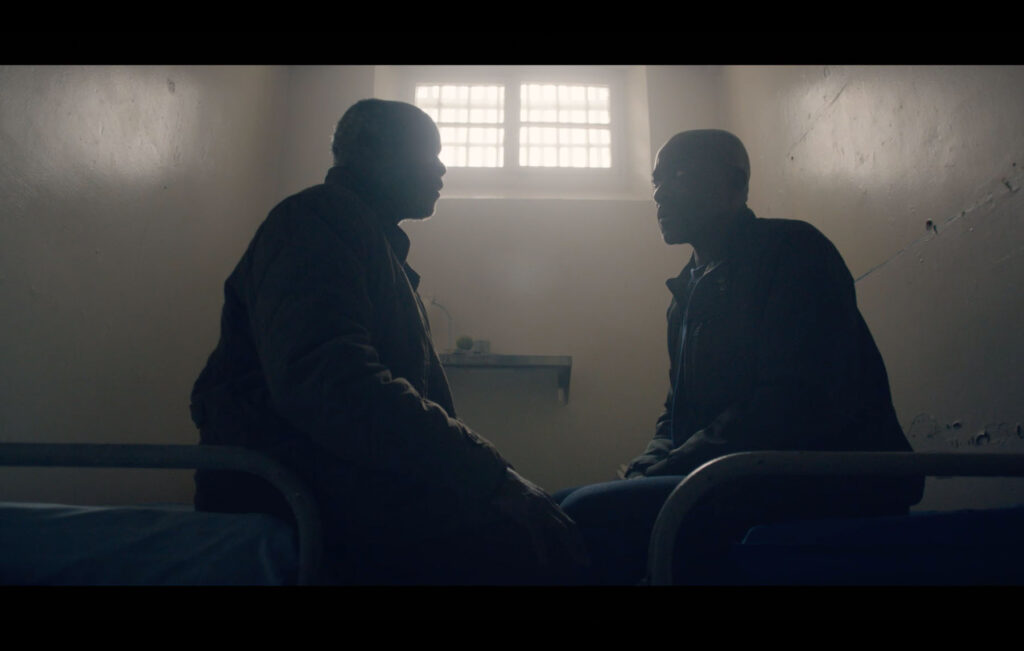
Your latest role was in ‘L’Ennemi’ directed by Stephan Streker (2020), a movie encapsulating the idea that as human beings we are our own worst enemies in the end. The character you play, Pablo, was written with you in mind. Can you tell us a bit about Pablo and how you played him?

Pablo is jailed with the main character of the movie, they share the cell, it’s a really close relationship into space at first and then into minds, their relationship show a form of class warfare between them, an average politician jailed in front of a young guy, it’s a beautiful relationship and working with Jeremie Renier was a real pleasure, he’s a great guy and always ready to play what I do like a lot.

You have had a lot of success French cinema with these independent movies. Do you have any desire to break into international mainstream cinema?

I wouldn’t say mainstream as to me this word belongs to something I try to escape most of the time in my own life, but yes, I will do every project where i feel like it can reach a level of emotions and sensations i would enjoy, I have many projects to come outside of French films, I love to discover new horizons and way to create so I stay really open to new experiences.

What’s next for you?

You’ll see me soon in L’énnemi de Stephan Strekker, and in Tom by Fabienne Berthaud where I play a guy coming out of prison and finding out he’s a father with the great actress Nadia Teresckevitch, and in You Won’t be Alone, an Australian/American/Serbian horror movie by Goran Stolevski that is  gonna be legendary. At the same time I’m focusing on self stuff like artworks langage to understand more of life, creating pictures, poetry and having fun with DATAs.

Credits

Photography · MICHELE YONG
Fashion · MIREY ENVEROVA
Art Direction · LAURA GAVRILENKO
Grooming · MIKI MATSUNAGA
Creative Direction and Interview · NIMA HABIBZADEH and JADE REMOVILLE
Production · THIRTEENTH PRODUCTION

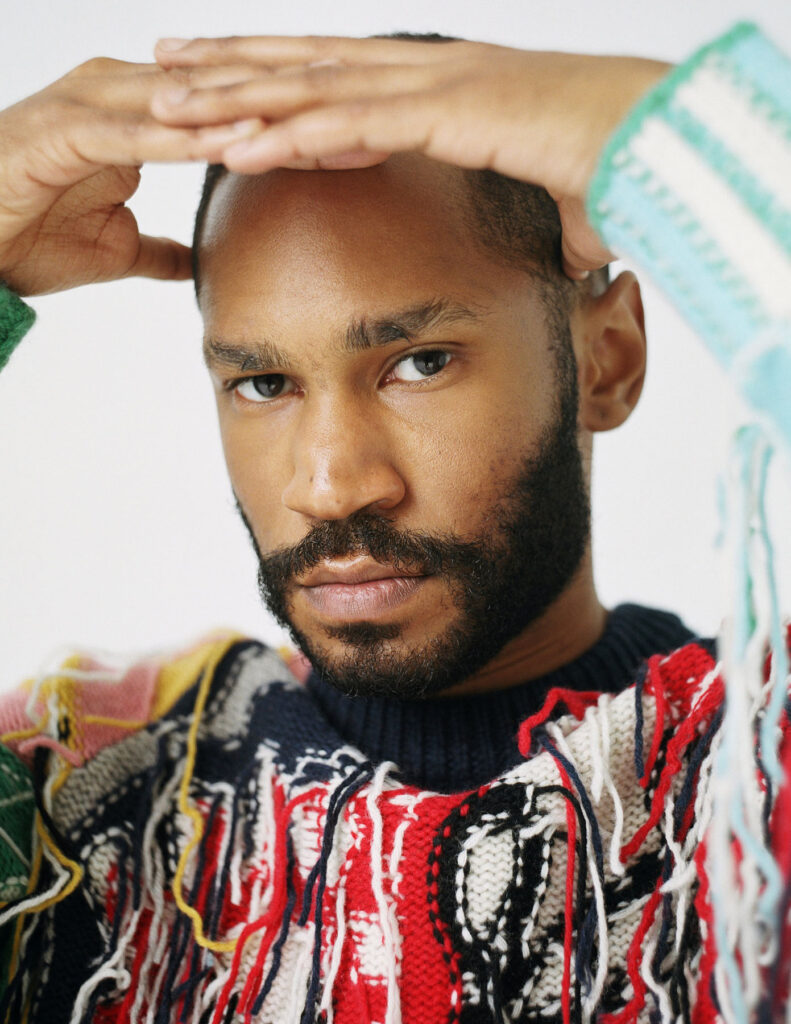
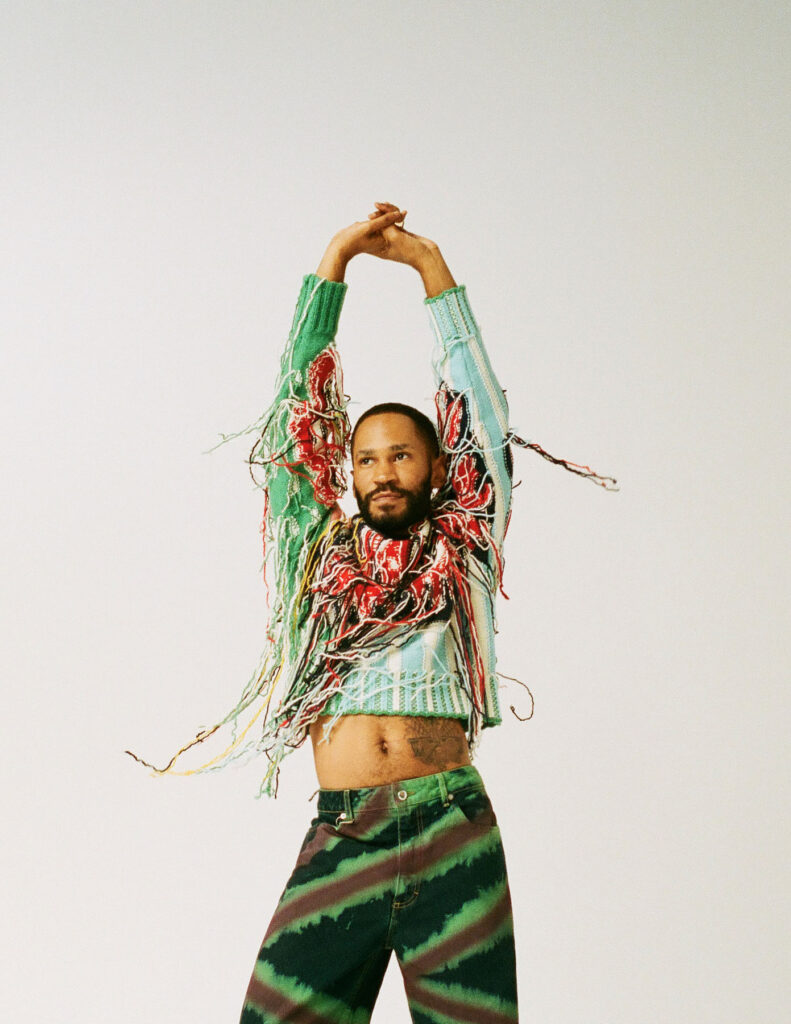
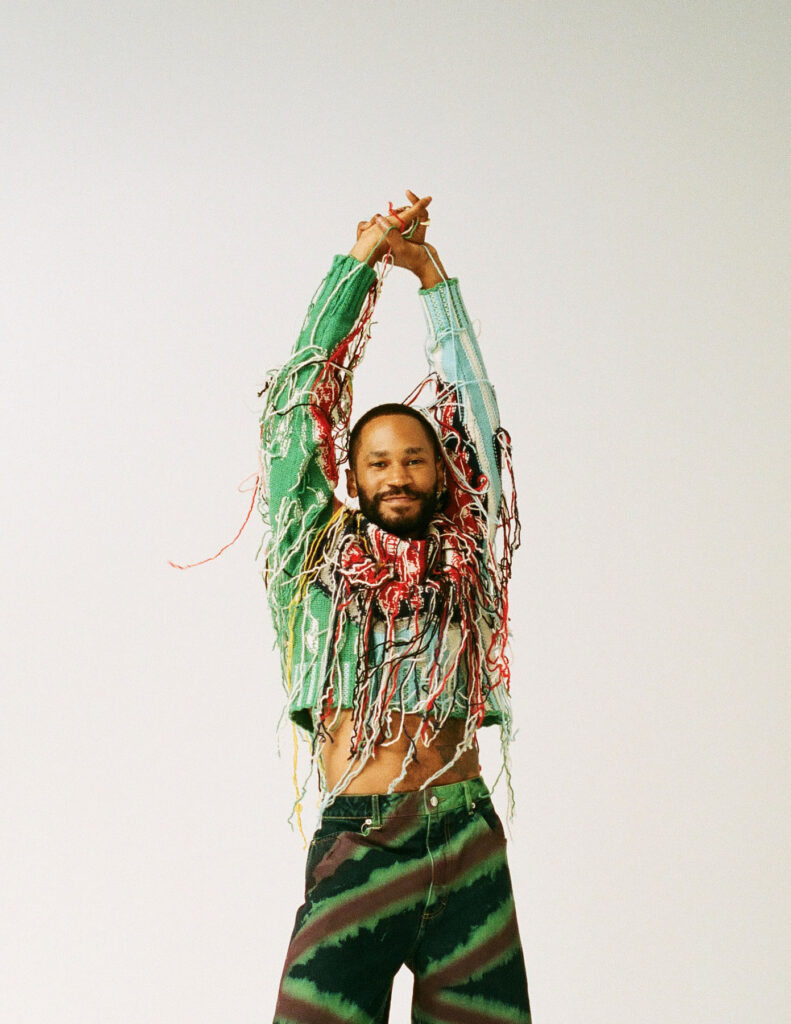
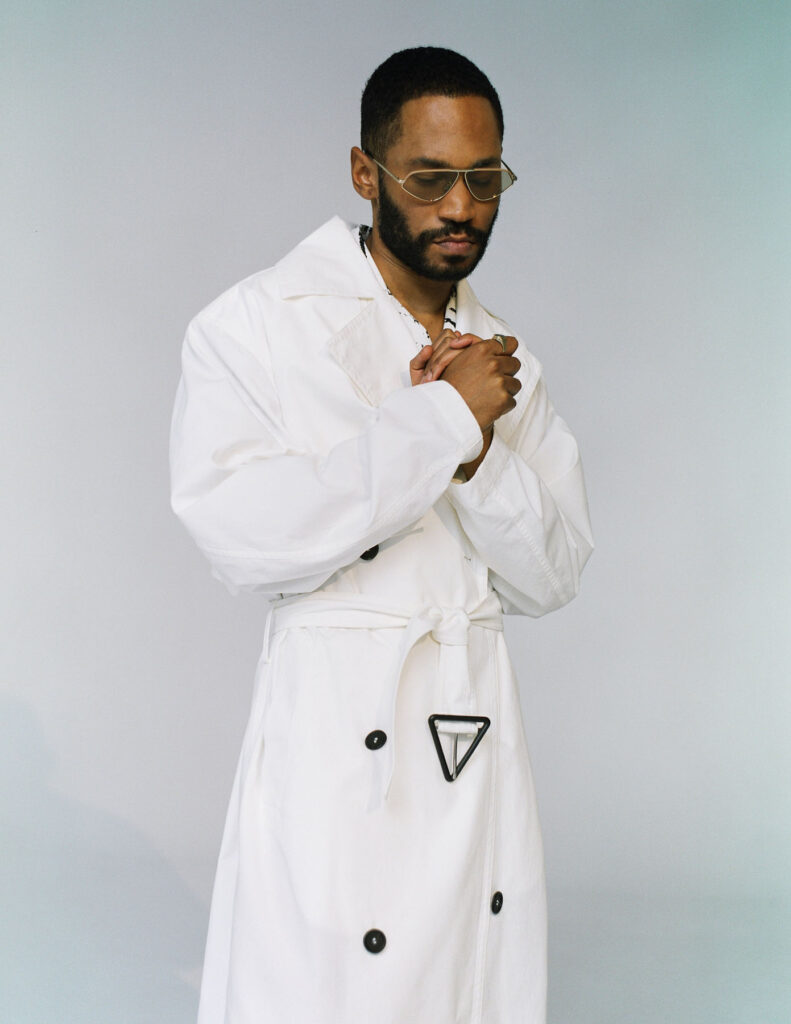
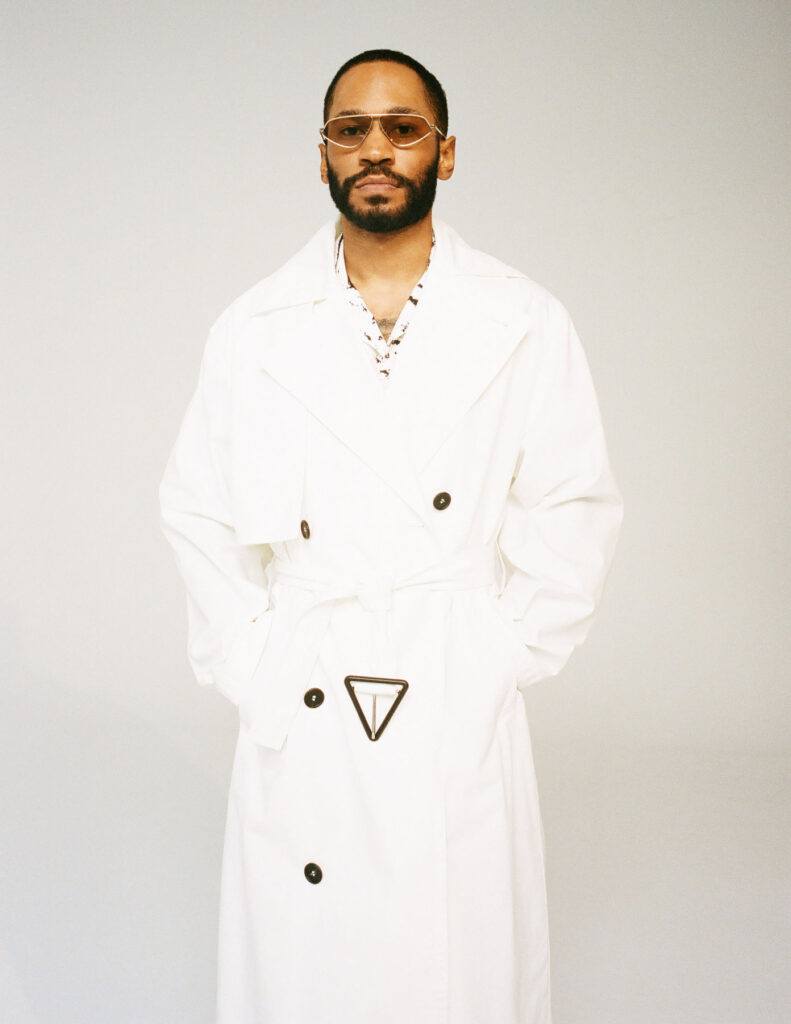
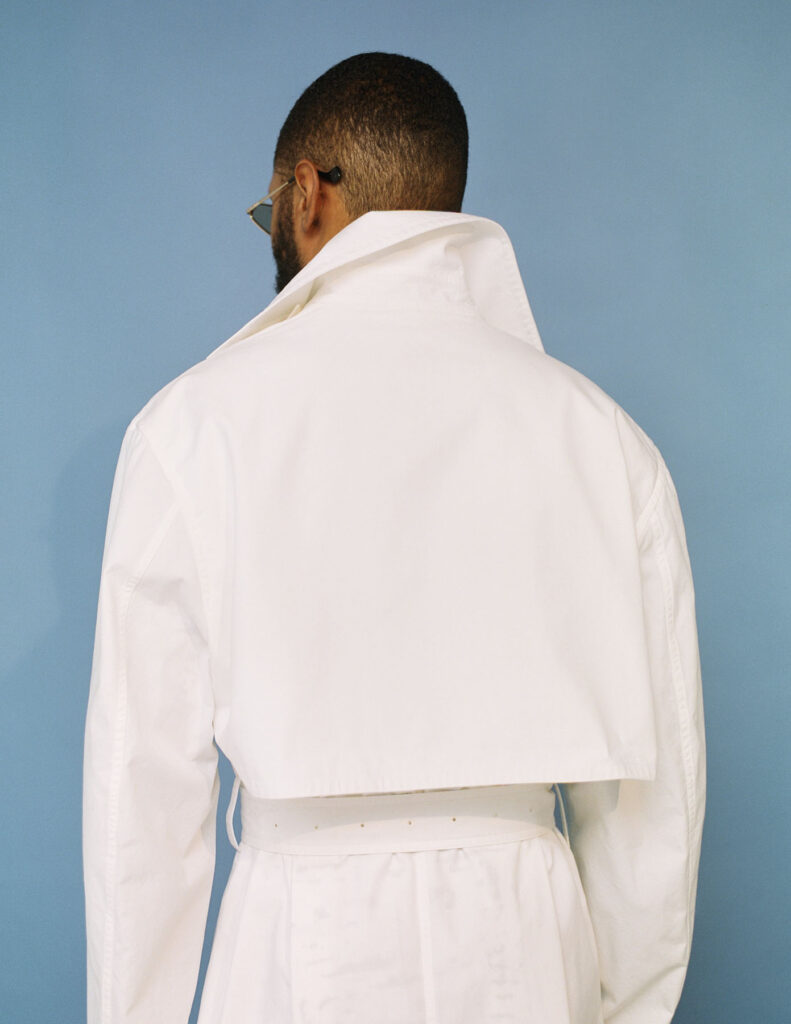
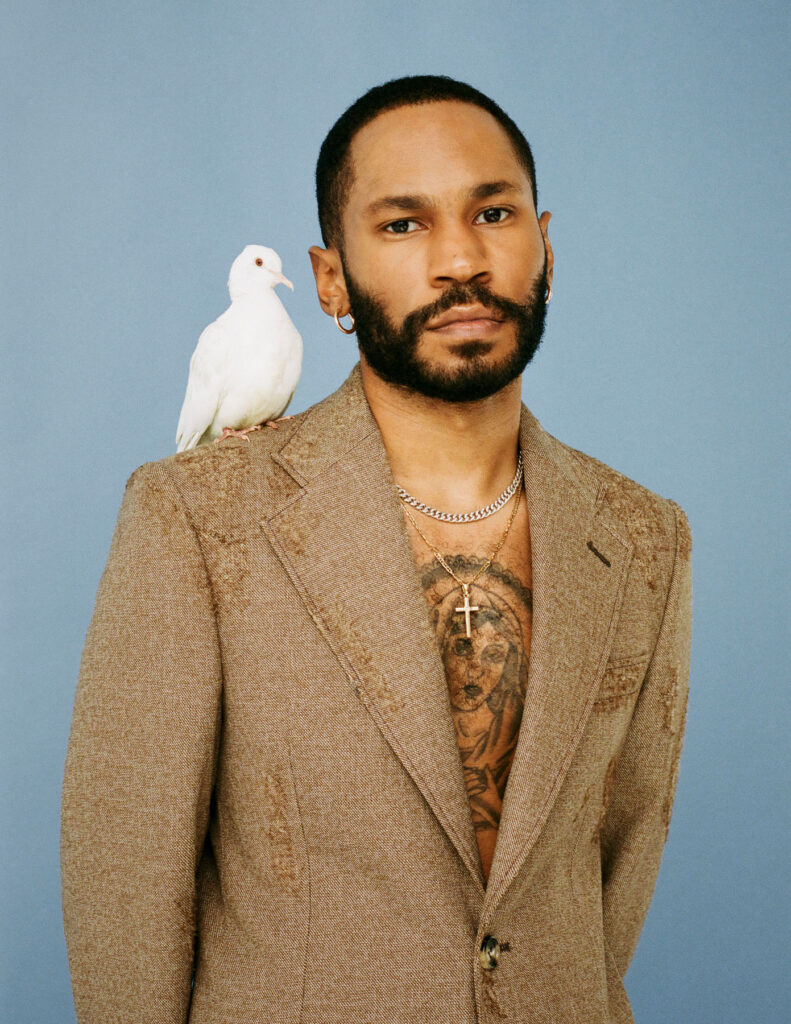
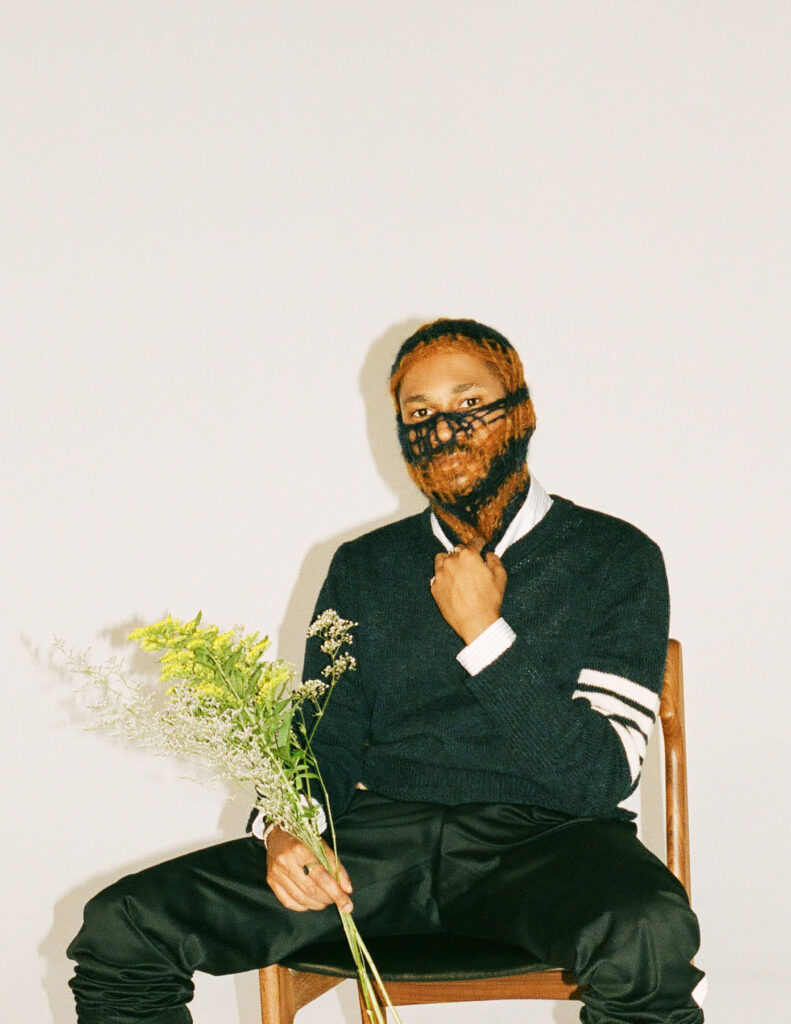
Kaytranada

Pivotal points and personal breakthroughs

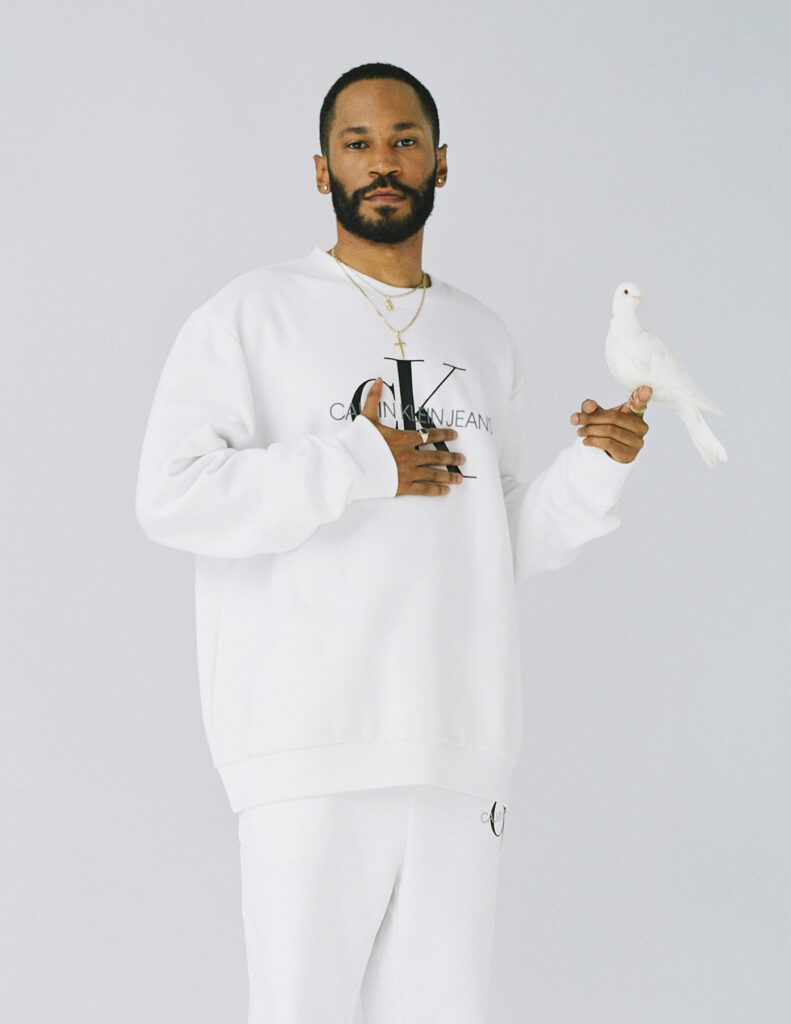
As the sun sets earlier and the air gets colder–as the weather folds–Louis Kevin Celestin (also known as Kaytranada) is returning to Los Angeles to pick up where he left off pre-pandemic, with a new understanding of himself. When the coronavirus broke out, he was in the midst of lining up studio sessions with artists, shooting a new series of visuals, and transitioning to a more collaborative creative process. Bubba–his sophomore album–had just been released and he had tour dates booked around the globe throughout the year. Be that as it may, he had to wrap things up and return to shelter in his Saint-Henri apartment. The pulse and tempo of his raw and distinctive take on out-and-out dance music would also have to stay confined in the custody of TikTok dancers for the time being. 

2020 was meant to be everyone’s year, but our most ambitious intentions subsided to a transformative journey of trials and tribulations as things went a whole other way. Abundant introspection has brought many of us to retrace our own pasts and re-imagine our futures in tides of hope and fear. The conversation Kevin and I shared was the occasion to revisit pivotal points of his life and personal breakthroughs of the past year, as well as the impact it has had on where he stands today, in the world and within himself. 

Born in Haïti and raised on the outskirts of Montréal, his notion of belonging has been in continuous motion over the years. Grappling with his perspectives on queerness lead him to find multiple groundings for his identity, as an artist and as a person. Growing into the power of only saying “yes” when he means it, of setting boundaries and maintaining them has meant asserting a much truer self. After spending the summer re-connecting in different ways–with nature, with friends, with other creatives, with himself, with film, with literature, and so on–he is back in phase with his own rhythm. 

Over the years, you’ve shared with me how touring and the acclaim that has come with it has been a source of relief at times, and the cause of distress at others. How has your relationship with being on the road shifted? 

In 2014, I was going on my first tour. The ‘If’ and ‘Be Your Girl’ remixes were buzzing, I had shows in Montréal getting sold out, people were showing up, it was kinda crazy, everything was growing at the same time… so my first tour in Europe was… a first tour. It wasn’t a disaster but my manager and I were learning a lot, especially my manager because I was always counting on him. I’d never been to Europe. I went to London first to just chill then we went to Italy for the first show and the hotel was in the middle of nowhere in some outskirts really far from the city and I was like “what the fuck, that’s Milan?” *laughs* […]. 

Touring was like an escape for me; when I went to LA for the first time, I met my label and the Soulection people, and it was like wow I’m finally there. When I’m in LA, I’m in a good space that’s nourishing to me, good vibes.. that’s what I’ll pay attention to– seeing, things I’m aware of… I used to not deal with it the right way and wouldn’t do much out there, now I’m trying to be more present mentally and trying to be less shy too, not that there’s something wrong with being shy– just not overthinking or holding myself back. 

All this LA shit happened before my first European tour actually, which is crazy. I was in LA, I was finishing school, which I didn’t even finish… I got the Boiler Room LA offer, then I went to Europe that summer. I came back to Montreal and right off the plane I had to head for Murale Festival, one of the first ones. That’s when I saw that a lot of people were there just to see me, there were so many people dancing to my shit, I played some unreleased stuff that later became hits.

A true homecoming. So when did the feeling switch up? 

Yeah, so when I went back on tour, my first album wasn’t out yet, I had only released 2 singles with XL– so I was on tour with no new music, which really bothered me because I was either playing other people’s music or songs from 99.9% that wasn’t even out yet, and people wouldn’t recognize [them]. 

I would often tell my manager ‘I can’t do this anymore’ and he would be like ‘hang on man, you can do it’, to a point where I got really sick on tour– overworked, stressed, I couldn’t eat, and thank God my brother was there because it really saved me.

“I would be trembling with shivers, I had to perform sick and go right back to bed shaking, throwing up my meds, I couldn’t eat, I had to force myself to eat soup… at the same time I was drinking a lot and I didn’t know that drinking was gonna kick my ass the way it did, like every night getting drunk, my head was hurting, it was killing me… there was so many things that I didn’t realize, I was kinda overweight too… I was not well.”

All that back to back stress accumulating into a burnout… how did you cope with that? 

I stayed home for much of 2015, I had money though, which was cool, so I was really like “okay this career shit works, I’ll be back on tour later on”. It was bitter-sweet because I loved to perform but I didn’t like traveling from a city to the next, so it would’ve been a lot better if I had like 3 days off in Berlin, because I wanted to see Berlin, I wanted to see Philadelphia… 

I had to take a long break, I was at home, I really wanted to move out and get my own spot– my mom couldn’t understand it– but I was like ‘I’m still sharing my room with my brother and I’m 24 years old this is ridiculous’… I hadn’t come out of the closet yet, so that was just before I put out 99.9%. 

So while there was so much changing on one side of your life, it was more of the same on the other 

Yeah so then I stayed home, worked on the album; I didn’t even work in the studio with anyone on that album, I mixed it by myself and then I turned it in, and the album came out in May 2016, a couple of weeks after the article where I came out. 

I came out years before but I had to re-come out again– because I had told my family I was bi to be more acceptable, but

“it got to a point where I told them ‘I’m not gay anymore, I’m delivered’, forcing myself to not-be-gay and to have girlfriends, because my friends would ask me ‘so when are you gonna have a girl?’, my uncles, everybody was worried for no reason, like, mind your business.”

Did that help you understand yourself better? 

I mean, there was a typical identity of being gay, so I wasn’t sure of myself because there weren’t gays like me that listen to Madlib or like Mobb Deep or Tribe Called Quest or M.O.P., raw shit like that– that’s what I listen to every day. I got my own divas that I like but it’s like Mariah Carey or Janet, she worked with J Dilla you know– because they’re hip hop. 

Yeah, even Mariah singing over Shook Ones or Cam. 
While a lot of people have been adapting to the concept of remote working, you’ve said you like working that way better from time right? 

Yeah I mean at the time I used to, but I don’t want to do that anymore, because I always know [how it’s gonna turn out] when I work remotely, so now I really wanna be out there and create with the artists, its more fun. And I used to get too much in my head when I would try to create with an artist and that wouldn’t come out as nice but yeah I know now I’m not gonna just work remotely, and it worked ’til covid happened– like I was ready, I put out Bubba, which was what I really sound like personally, so people reached out and those that did because of the album, it made me more confident to just do my thing, so that was working out until covid happened and I had to go back home. 

It’s ironic that right as you were becoming more comfortable with that way, everything had to shift back to remote working. 

Yeah, it makes me forget that I was that way, that I was ready to work with people. Some days I’m like– I’m going to LA soon, so– I forgot– I feel like I’m back to my old ways. 

So let’s revisit how the year went down; how did going into lockdown unfold for you? 

Okay, so– the pandemic was hard for me. I had a tour planned after putting out Bubba in December, so I was ready to go on tour for April-May-June then go to Europe after that– I had my whole year planned. I had done the Australian tour in January, which was amazing but a lot of problems came after that and everything kind of went down. 

I was in LA when the pandemic happened and I was working with people, on what was perhaps going to be the second part of Bubba that I was talking about, which didn’t happen because I had to go home right after doing the Need It video, and things went downhill… 

I went through a breakup in June, and that really messed my head up at a crazy level and I don’t know why, it’s funny because I didn’t need anybody but the breakup was hard to take, and day-to-day life, making beats, was harder than it used to be, I really lost myself. 

I grieved for I guess 3 weeks then I got up like, you know what– I’m not gonna spend my whole summer crying and shit– so I went to my friend’s studio. Alex from BADBADNOTGOOD got a nice farm somewhere in the countryside and we took shrooms, made a lot of beats. He has a beautiful spot, a bunch of vintage synths, a nice lake in the back, all to him and his fiancé… it’s amazing, his dogs are very nice, his cat too, that’s the best shit ever for me… I regret not going earlier or more, but next year I definitely will. Even when we’re not making music, we’re just listening to records, we talk about records a lot, so he just brings out the dopest Brazilian records.. and we just sunbathe and drink wine. That’s the fucking Life, I swear.. so it was really that state of mind… 

“I tried to distract myself from this breakup and I managed to have one of the best summers I’ve ever had still. Maybe less beats, but all the beats that I made were made on purpose and were dope. I found a new formula, I felt elevated.”

Your creative process? 

Yeah, my approach is so different now, and I sample less too, which is crazy.. all my records are just sitting there not being sampled it’s just weird. *laughs* Now I just rather create my own samples and add drums at the end and its a completely original production. It feels great to have that. 

A lot of things have been leading you back to yourself. 

Yeah, sort of.. even this breakup made me want to go to therapy, so I started therapy for the first time and it really blew my mind. I didn’t know why self-love was so important– why loving myself was so important… seeing friends that remind you that you’re the shit, because I was so invested in my relationship. When I was freshly single it was like “okay I gotta find distractions I guess“; good distractions– my friends really helped me, all the people that were there for me this summer, I didn’t know I had that many true friends. 

Having folks really show up for you. 

Yeah, so on top of that it just feels good to have that, and realizing in the long term, “okay this is connected to what happened before: this is why I act this way, this is why I react this way to this breakup“, its all related to what I’ve been through before, and who I am today. It was really an awakening I had inside of me, being in touch with myself and now I feel good about being by myself too. 

What are some self-care habits that have helped with that? 

Meditating, reading at least 15 minutes a day, making beats, reaching out to people and collaborating more, going to the farm, spending time in silence. 


Team


Photography KANE OCEAN
Fashion SAMUEL FOURNIER
Interview ALEX MOHAMMAD
Creative Direction NIMA HABIBZADEH and JADE REMOVILLE
Grooming CAROLE MÉTHOT
Prop Stylist ANA LONTOS
Photo Assistant SAM NOVACK
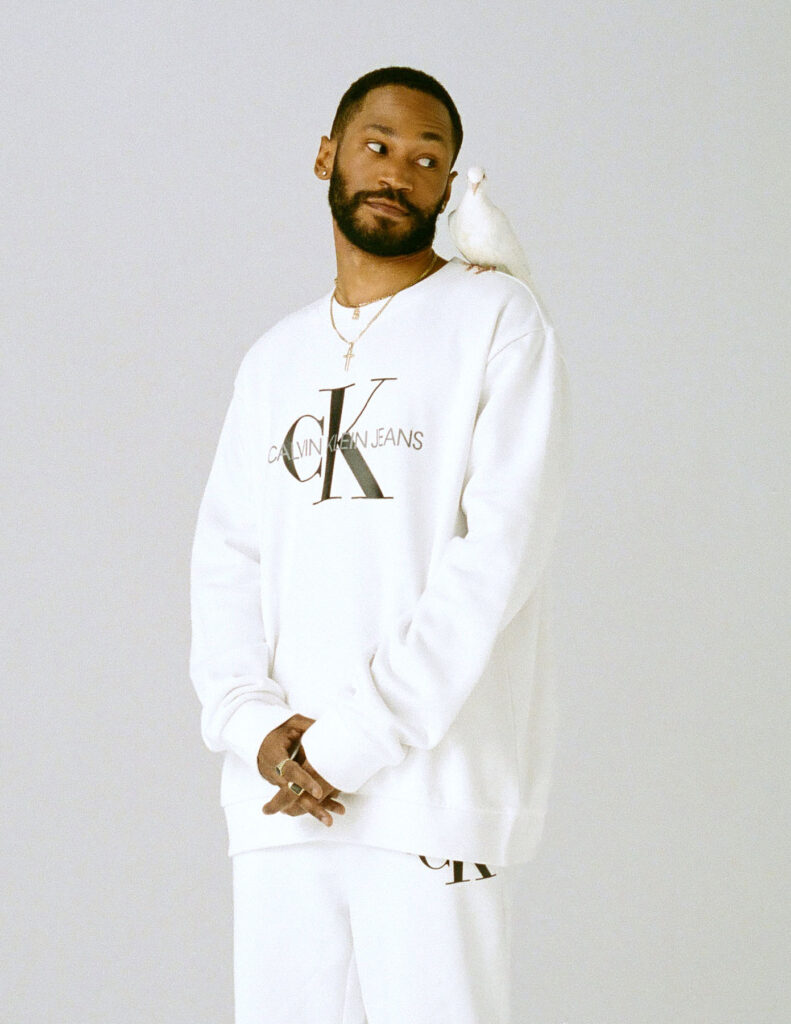
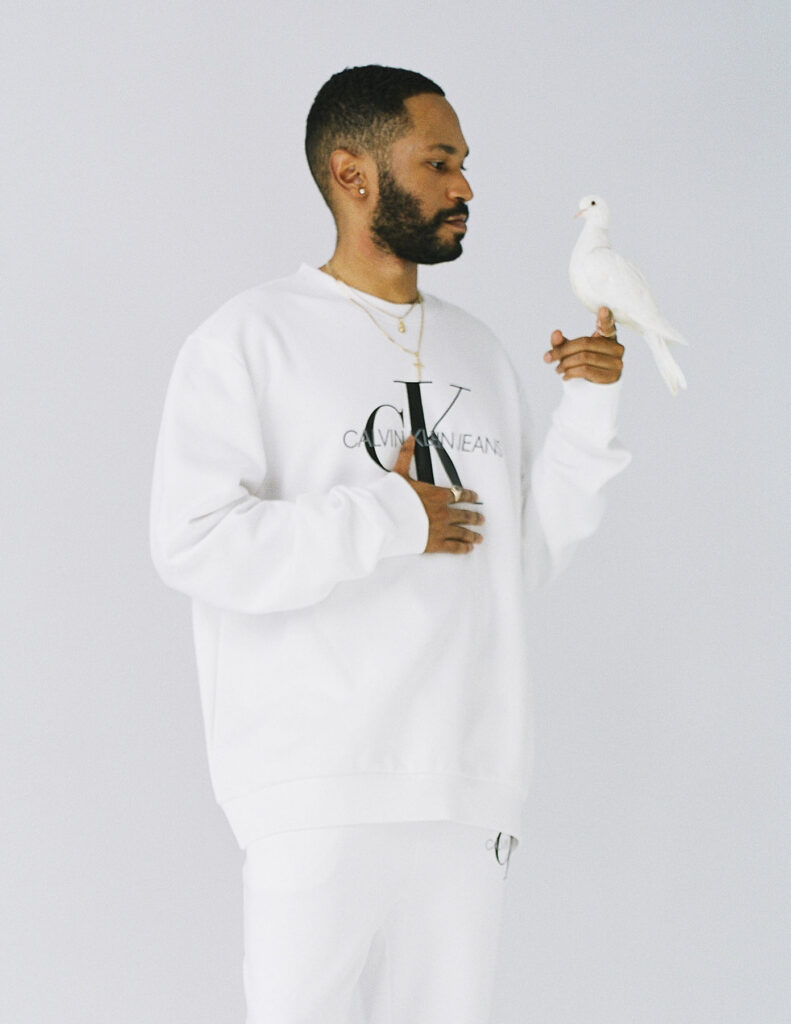
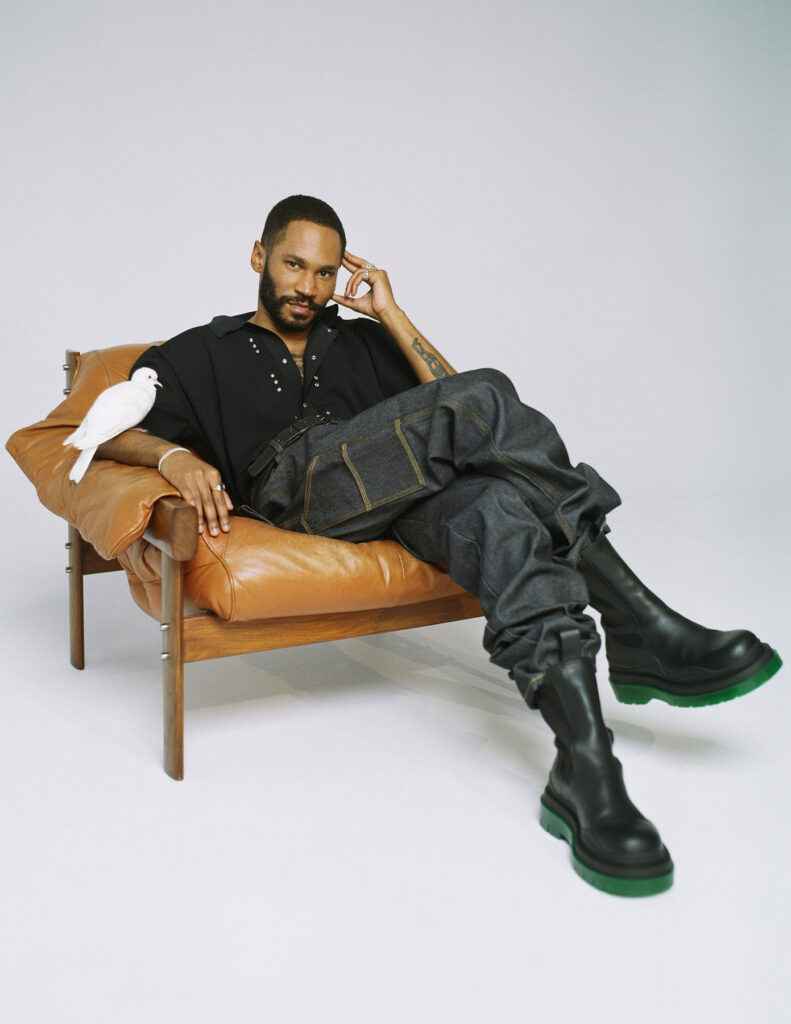
Dove Provided by Alan Greenberg
Stream BUBBA now


Designers

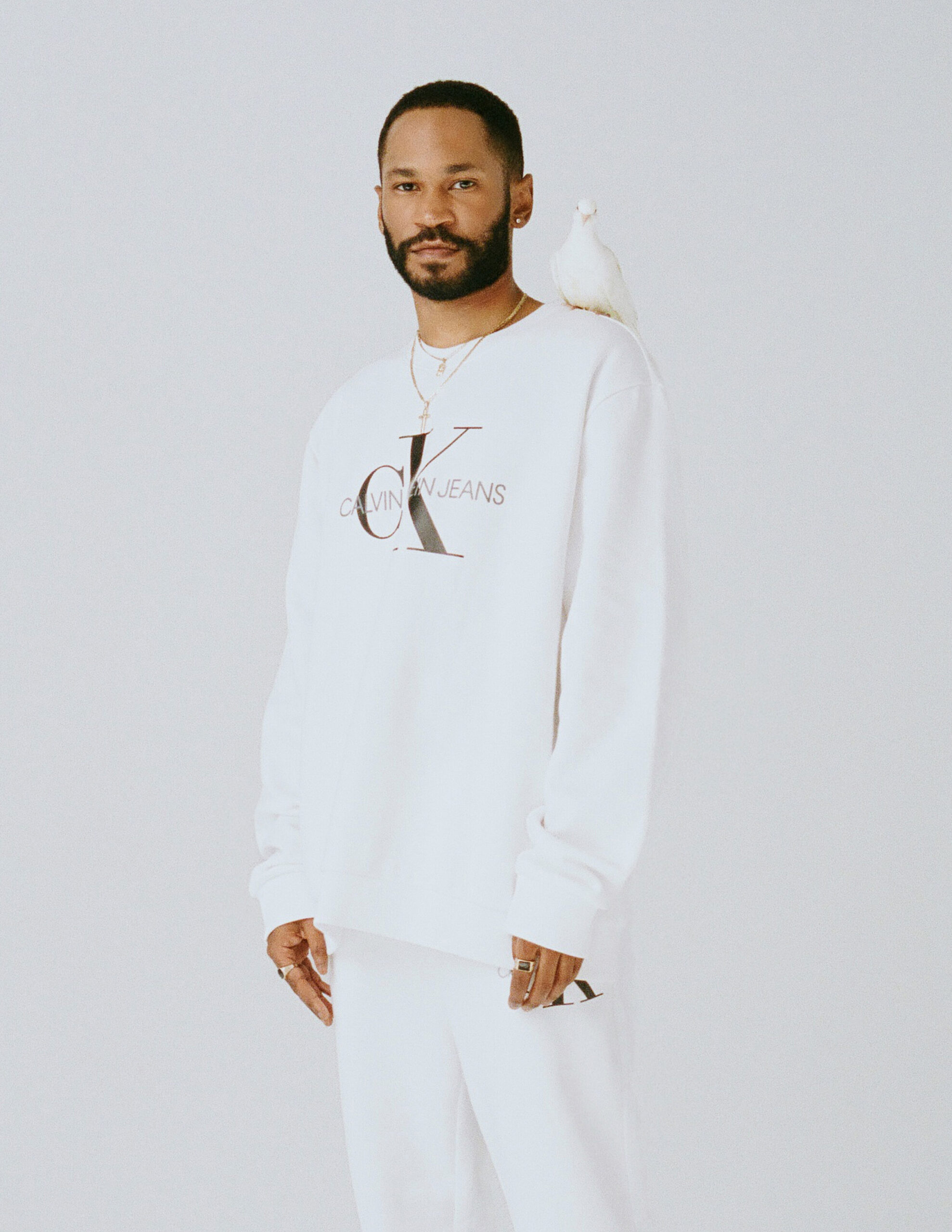
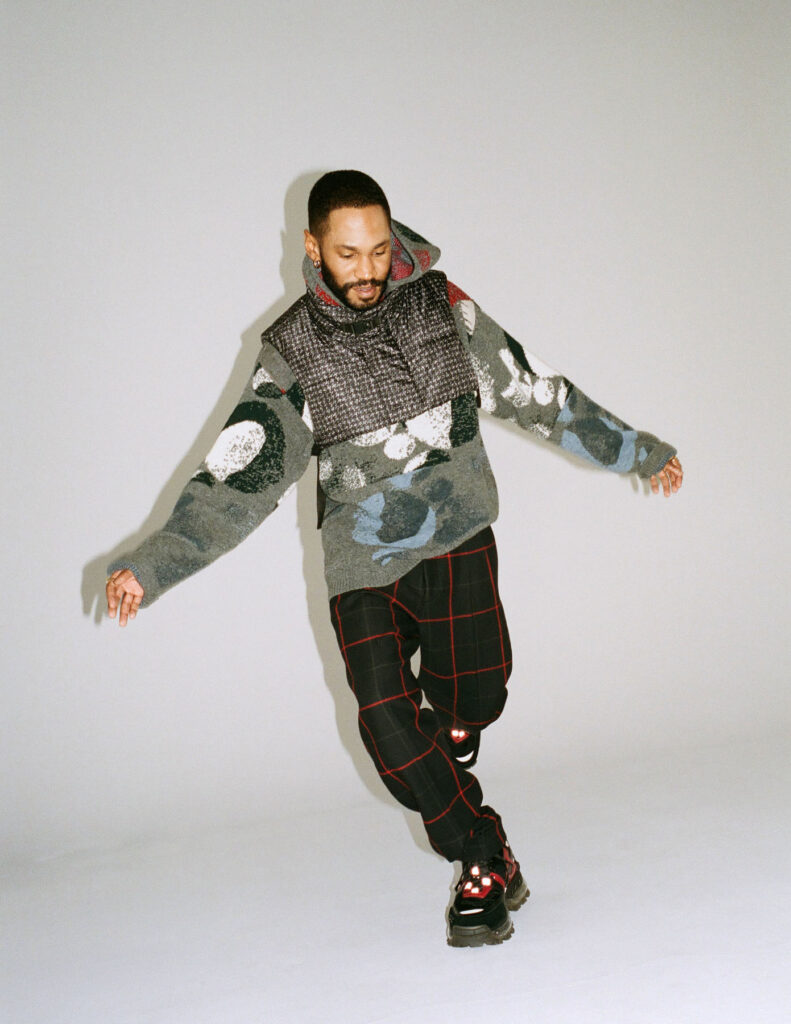
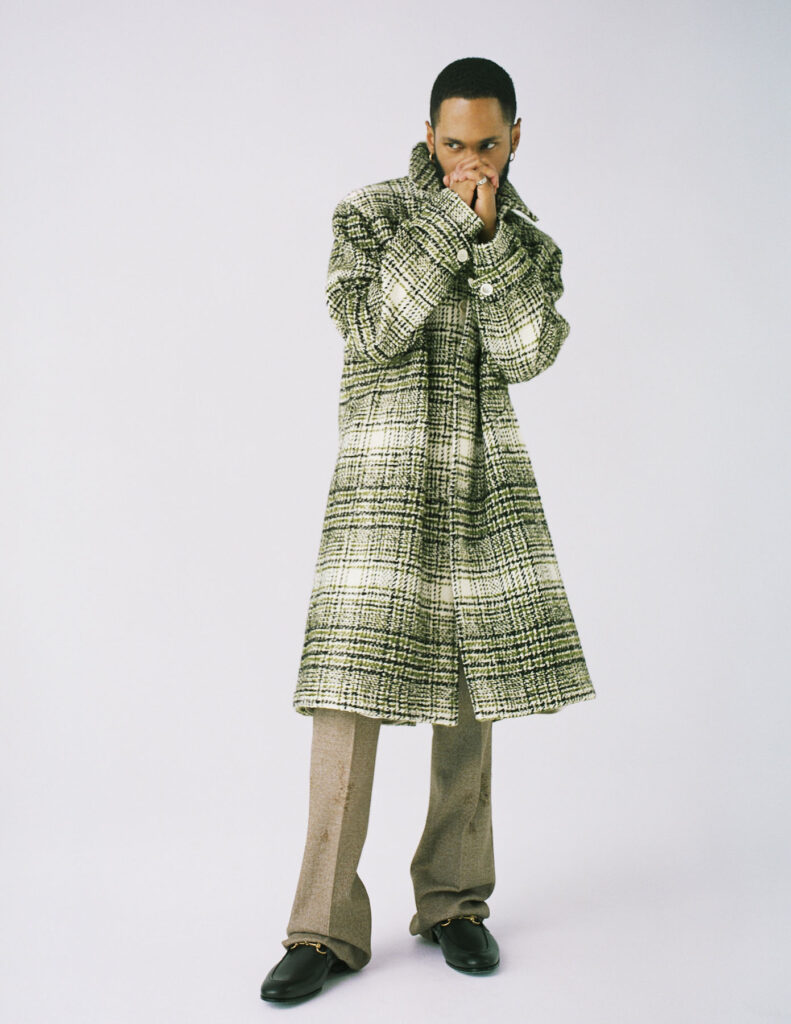
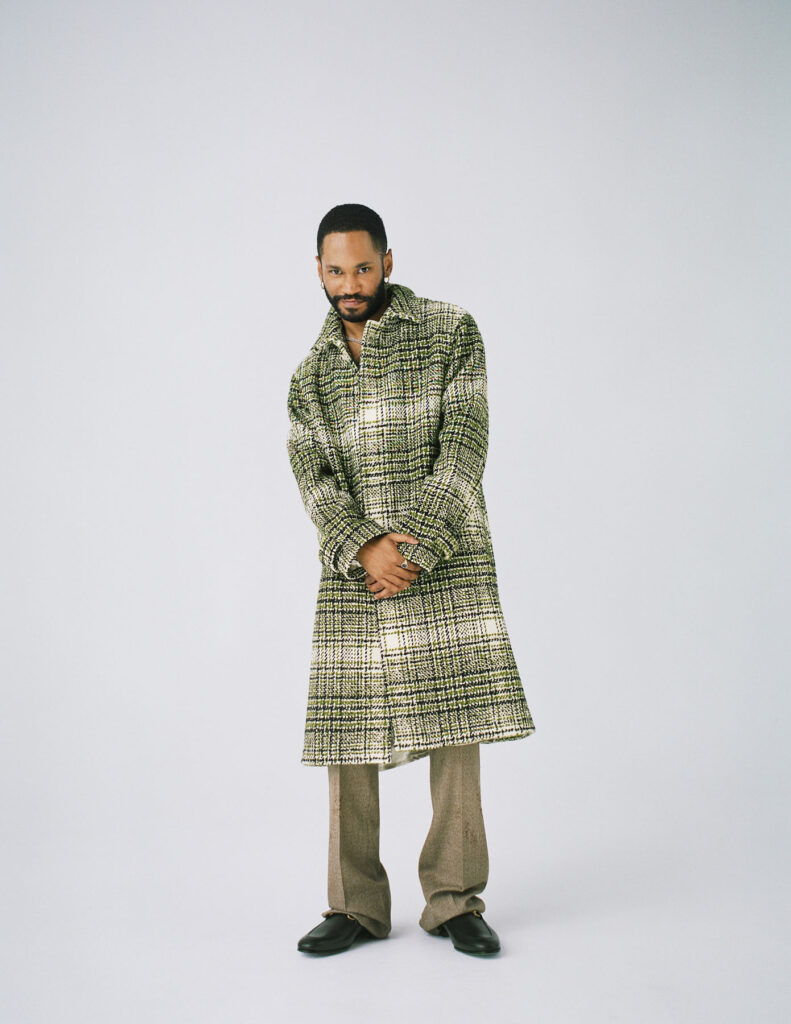
  1. Full Look CALVIN KLEIN JEANS Jewellery Talent’s own
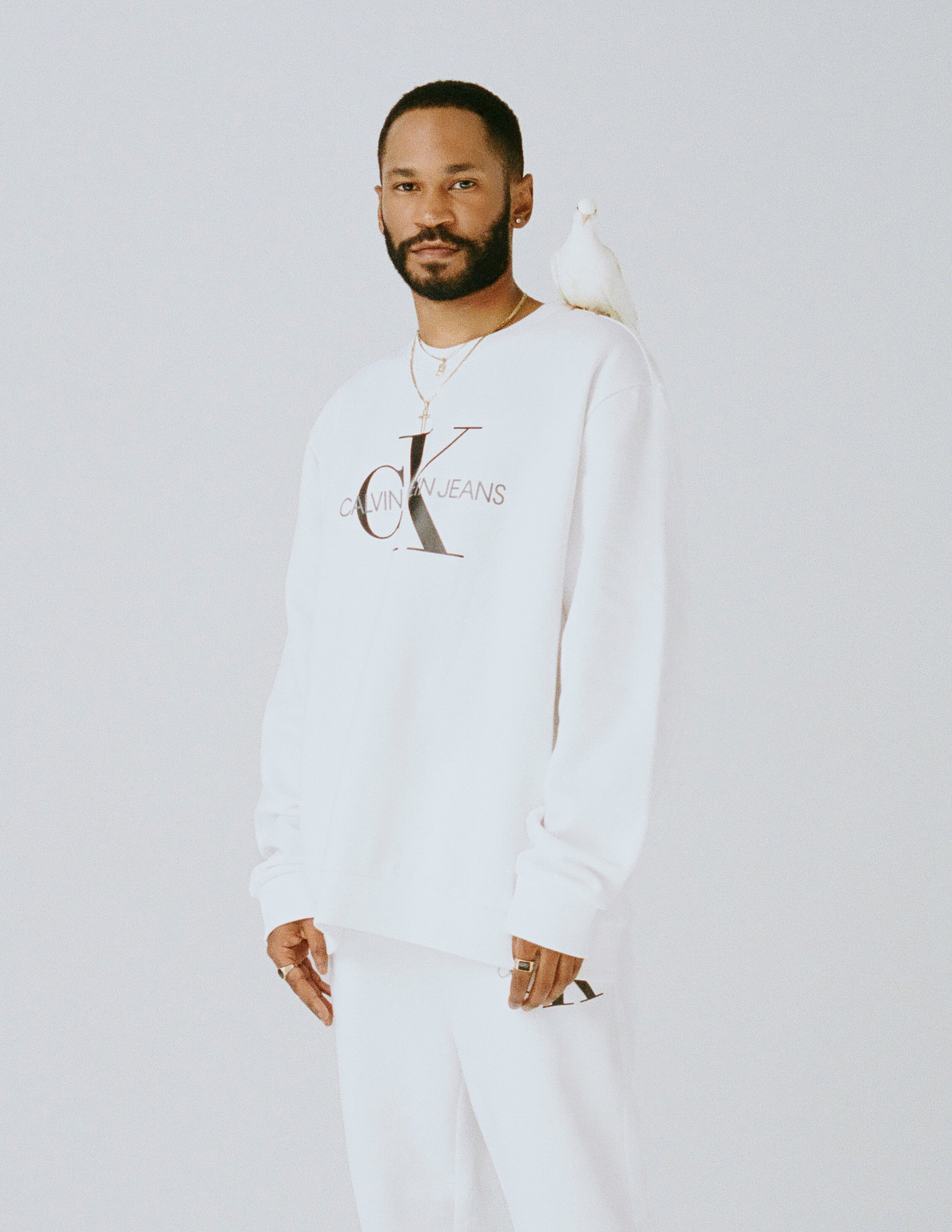
  2. Full Look CALVIN KLEIN JEANS Jewellery Talent’s own
  3. Full Look BOTTEGA VENETA at HOLT RENFREW Jewellery Talent’s own
  4. Jumper CHARLES JEFFREY LOVERBOY Trousers ECKHAUS LATTA
  5. Full Look BOTTEGA VENETA at HOLT RENFREW Sunglasses LOEWE at HOLT RENFREW
  6. Blazer MARNI Jewellery Talent’s own
  7. Full Look THOM BROWNE at HOLT RENFREW Mask RAF SIMONS
  8. Full Look EMPORIO ARMANI
  9. Jacket and Trousers MARNI Shoes GUCCI at HOLT RENFREW

6lack

“I’ve made some of my best music and had some of my best moments from being resilient, pushing through, getting through the struggle”

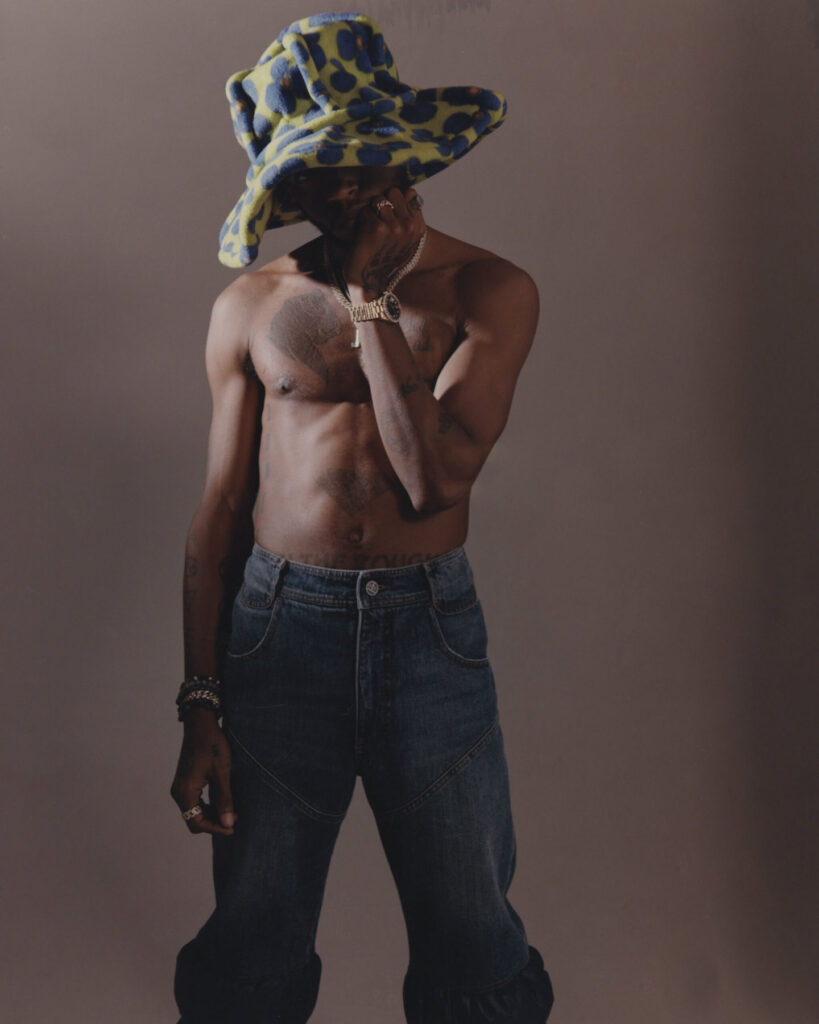
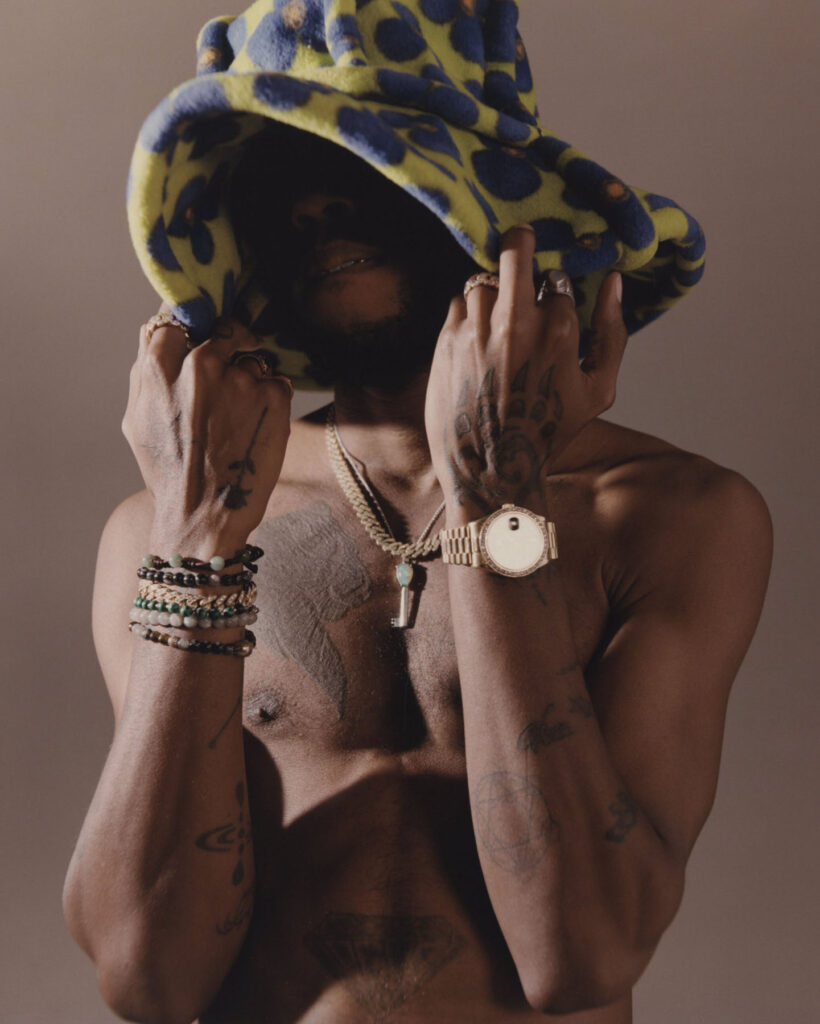
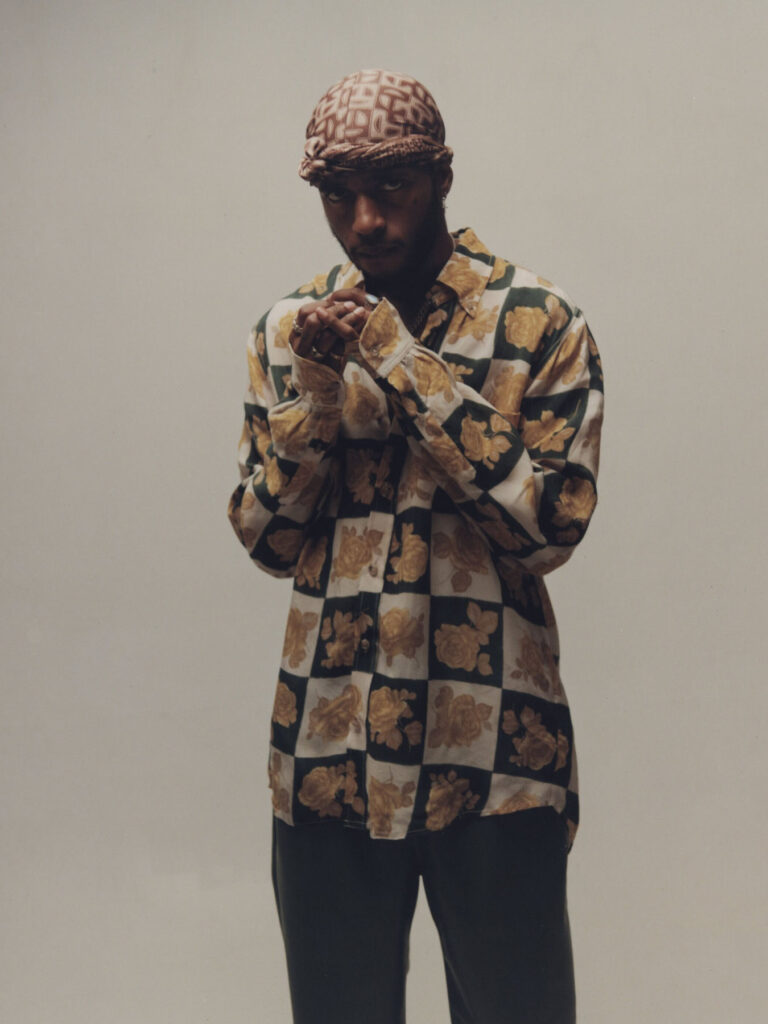
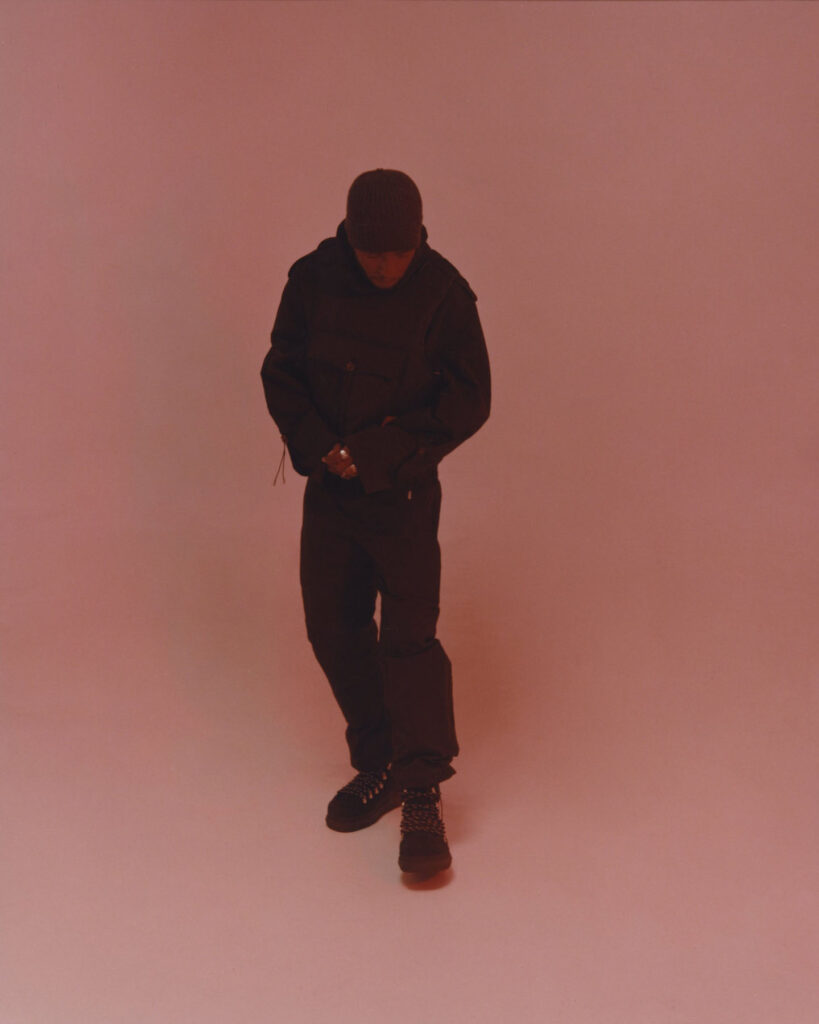
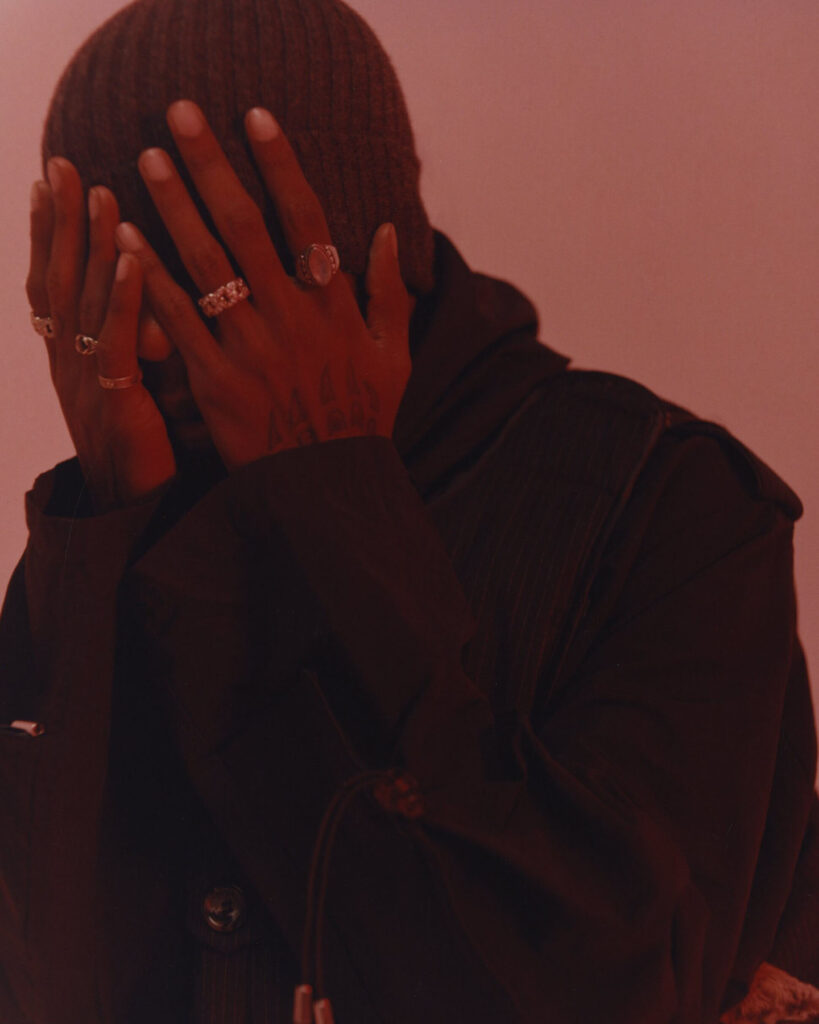
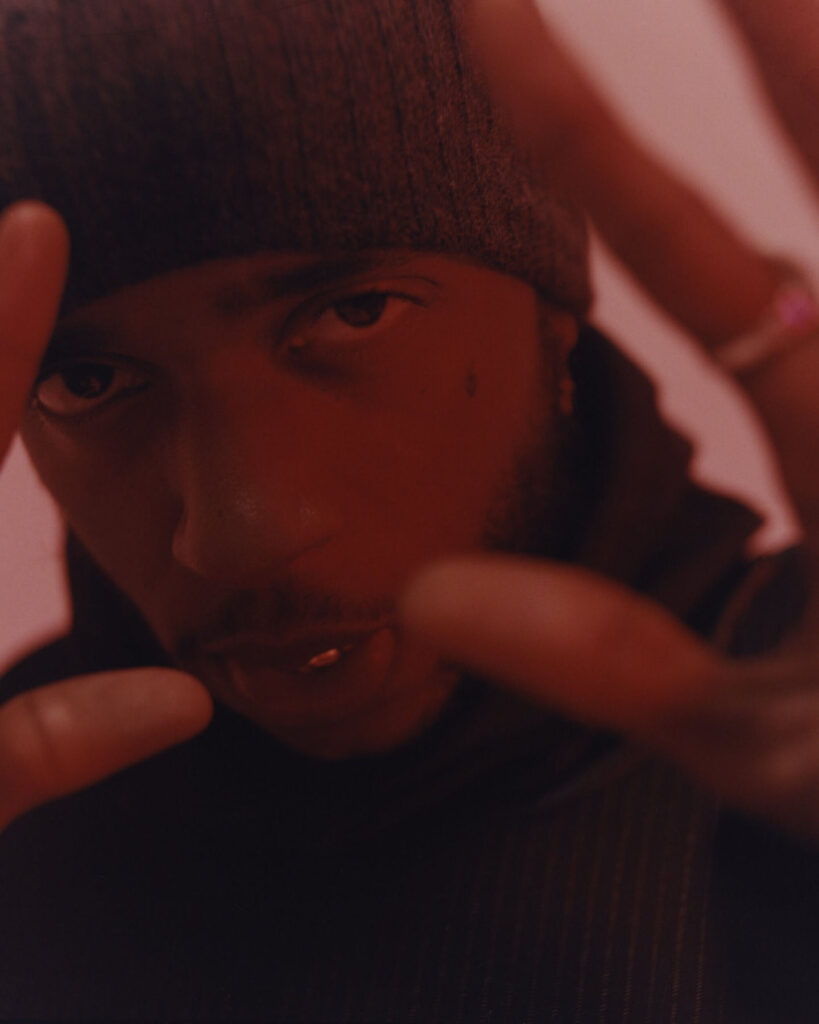
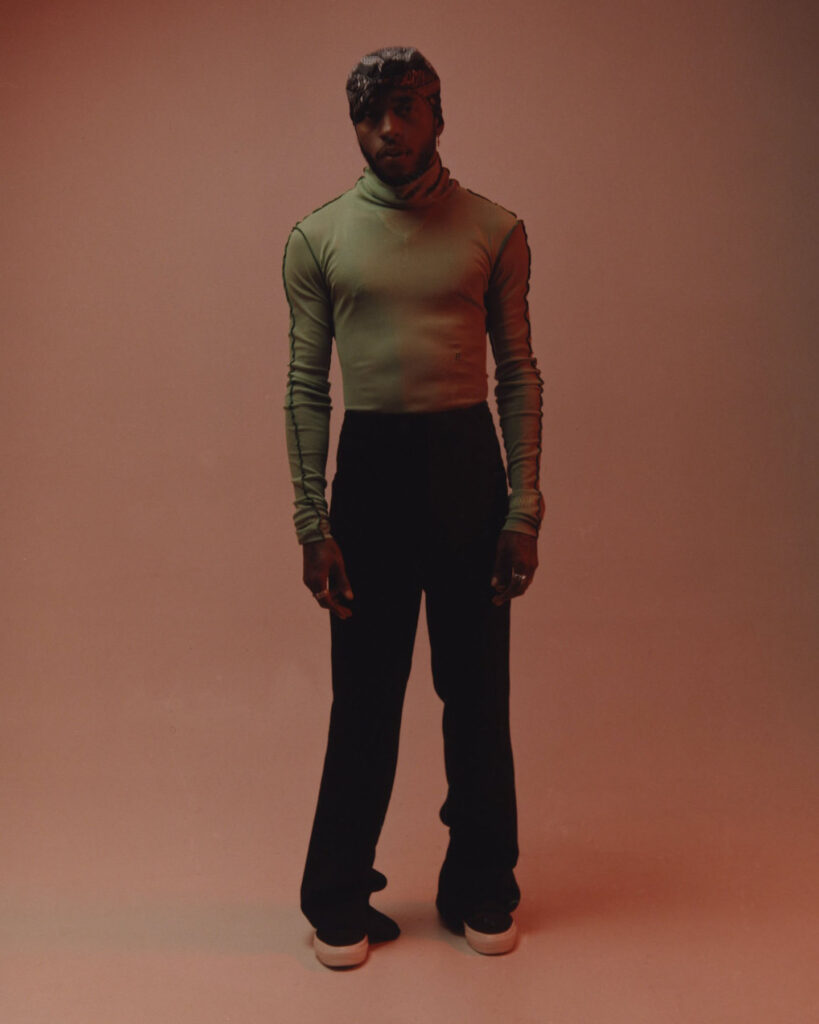
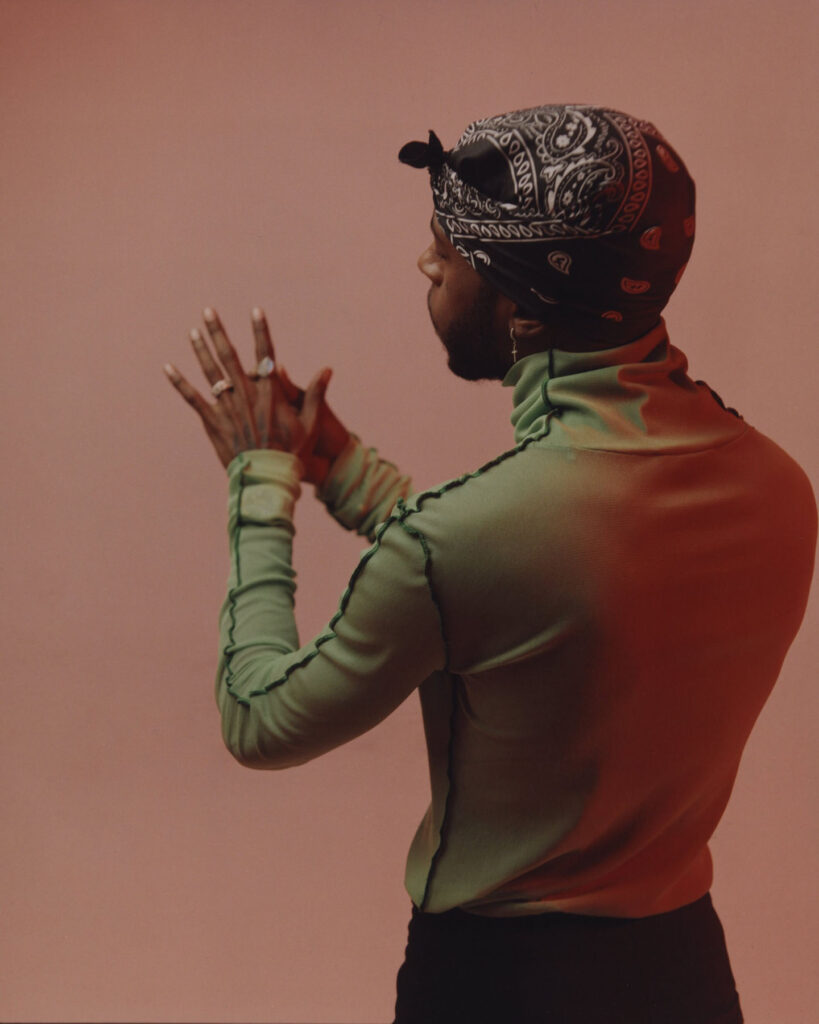
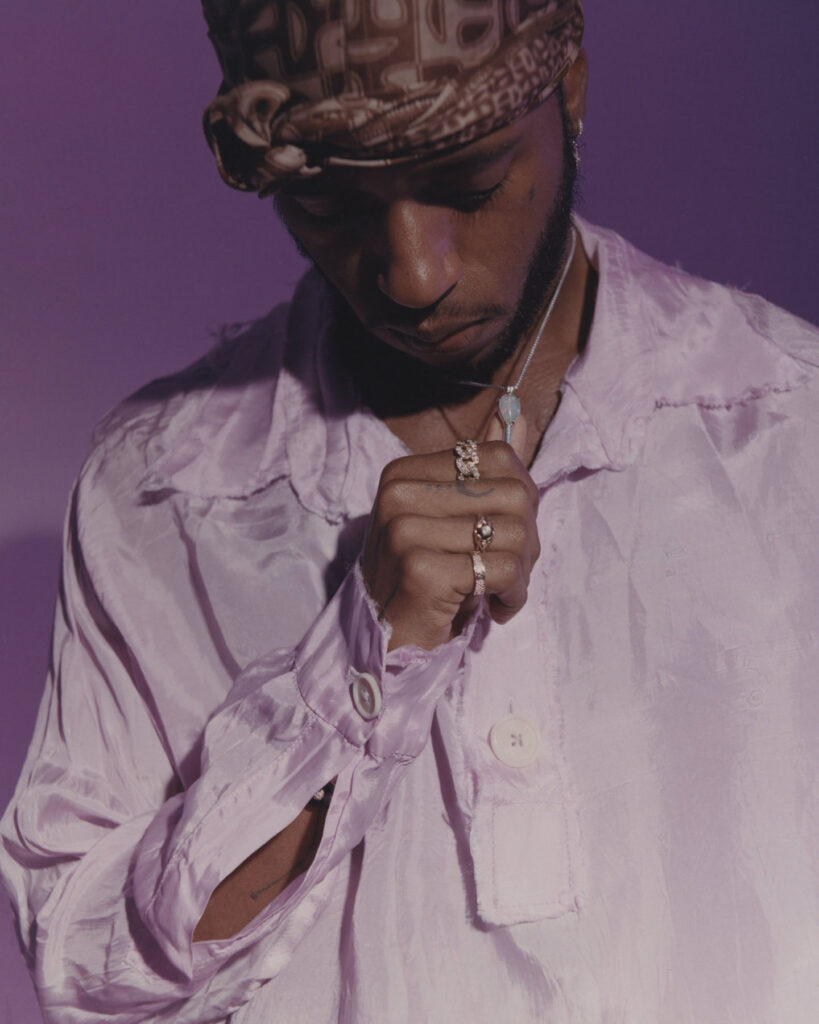
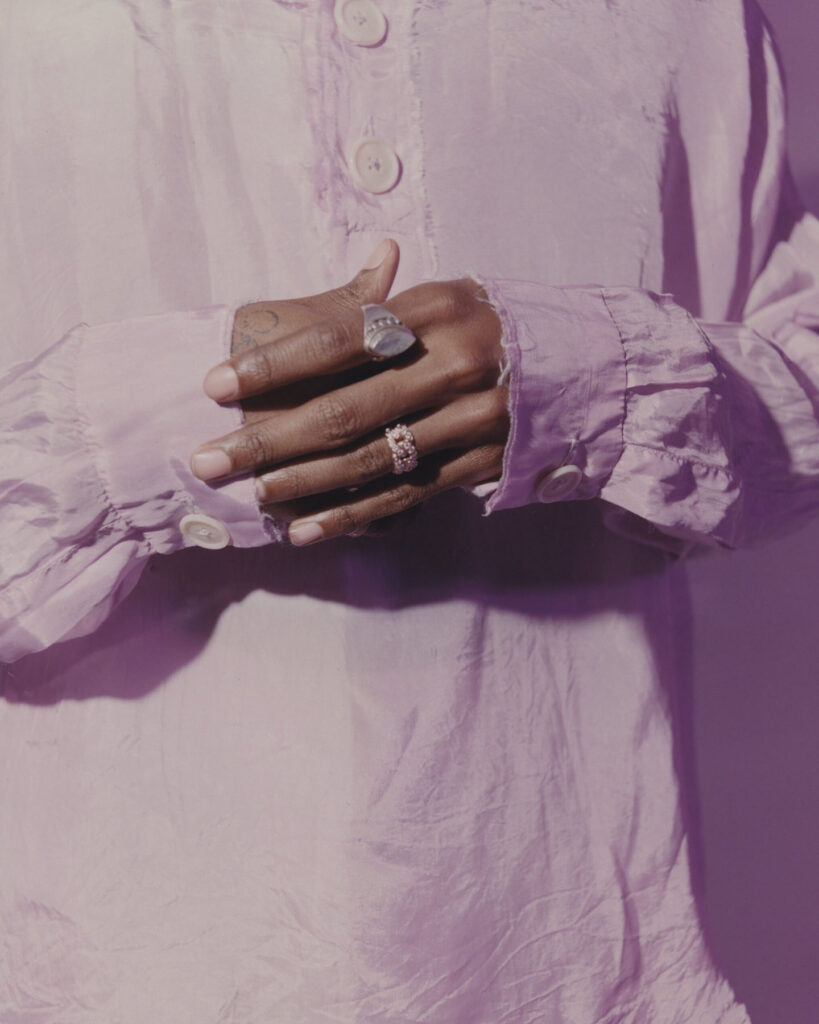
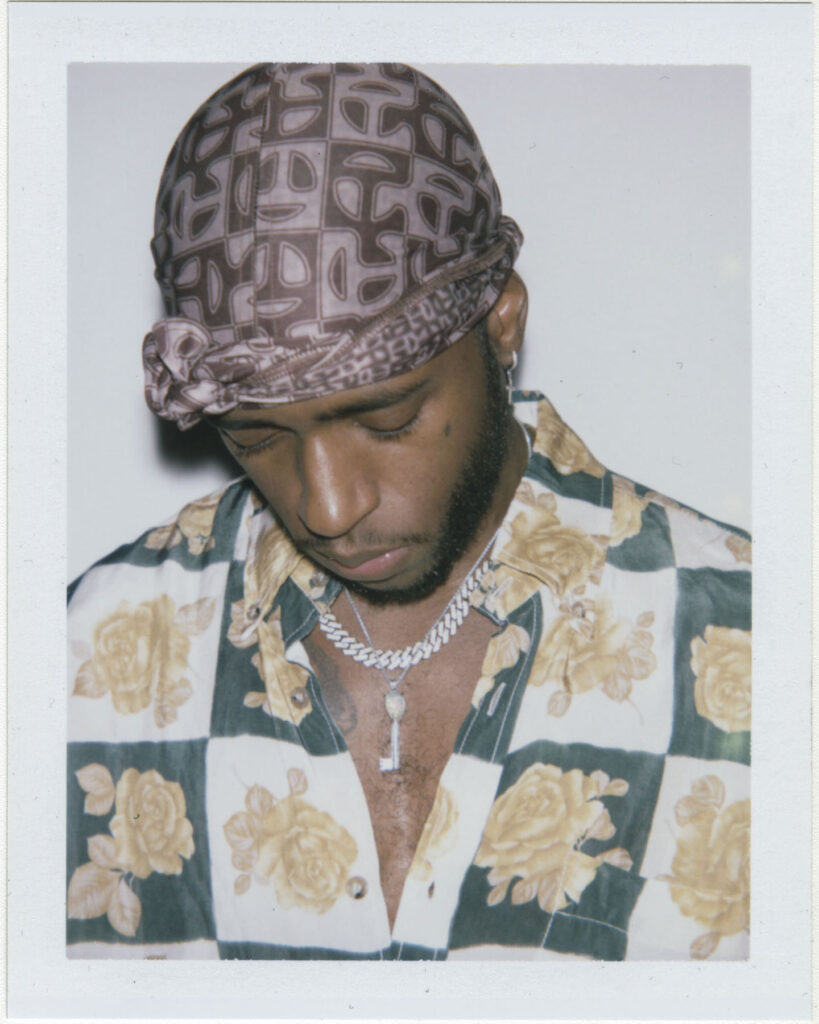
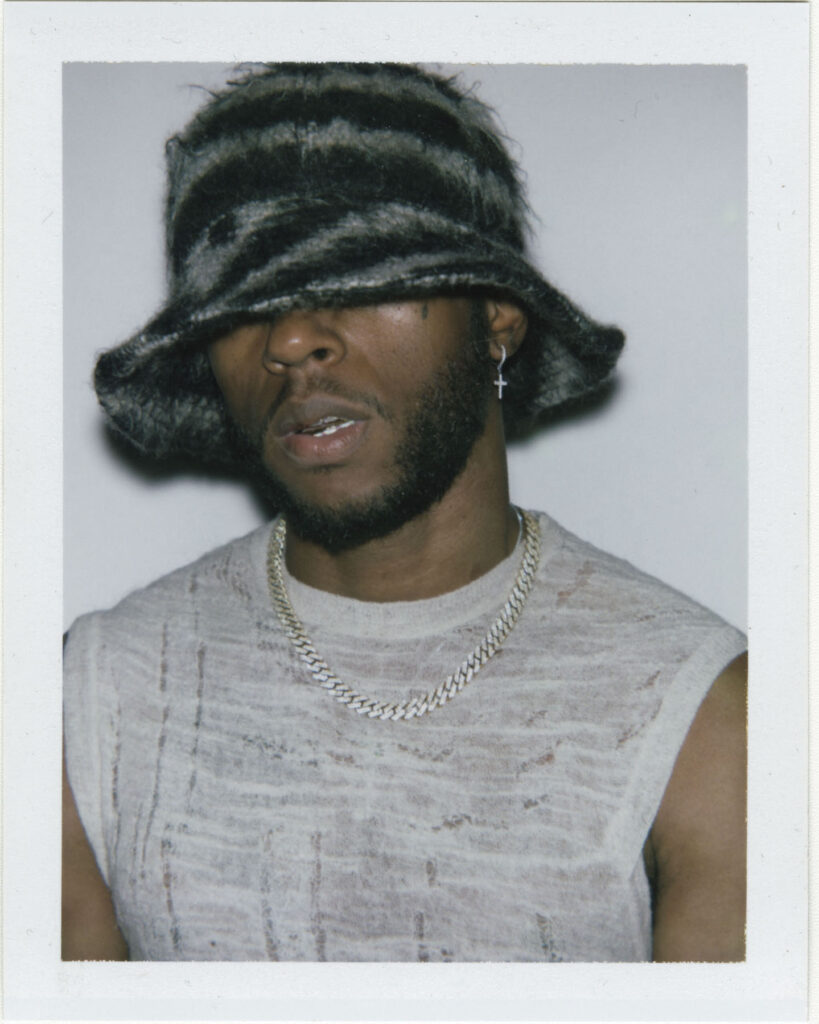
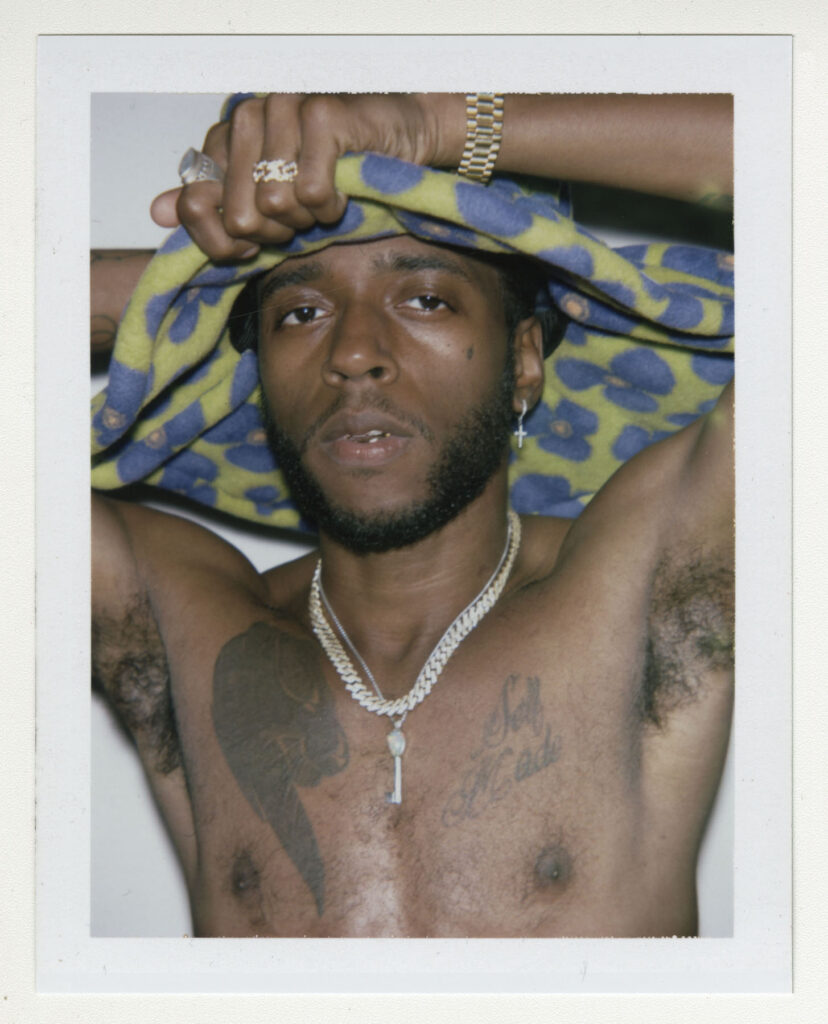
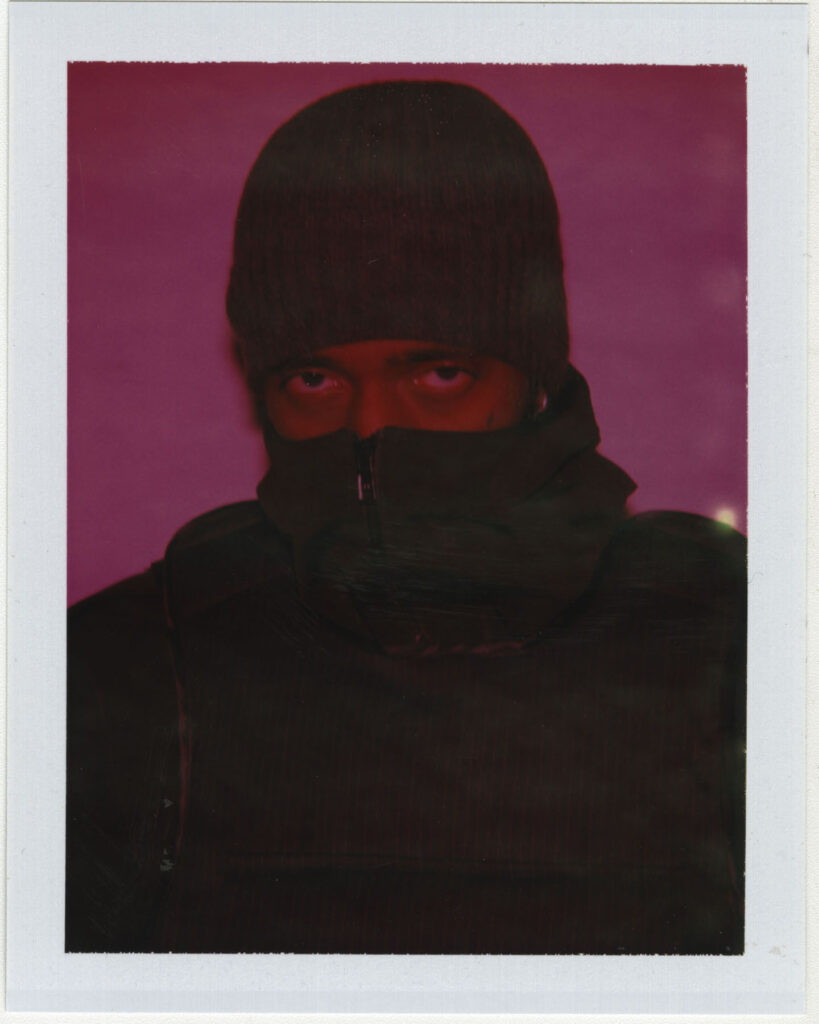
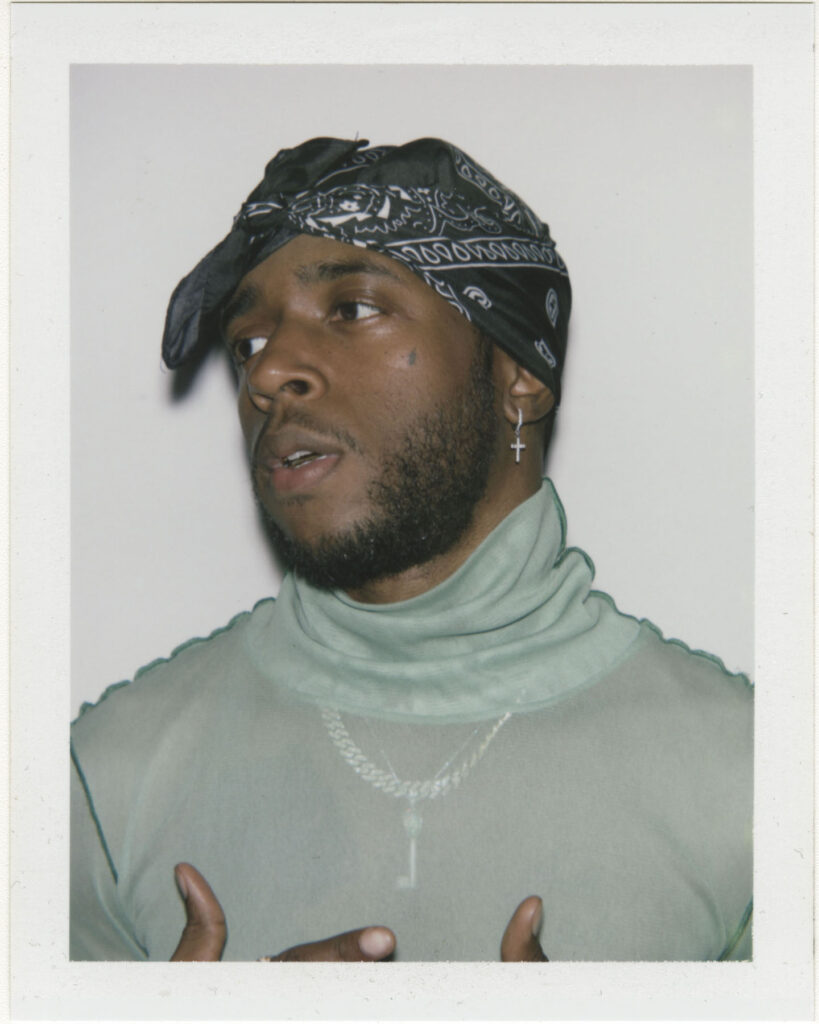
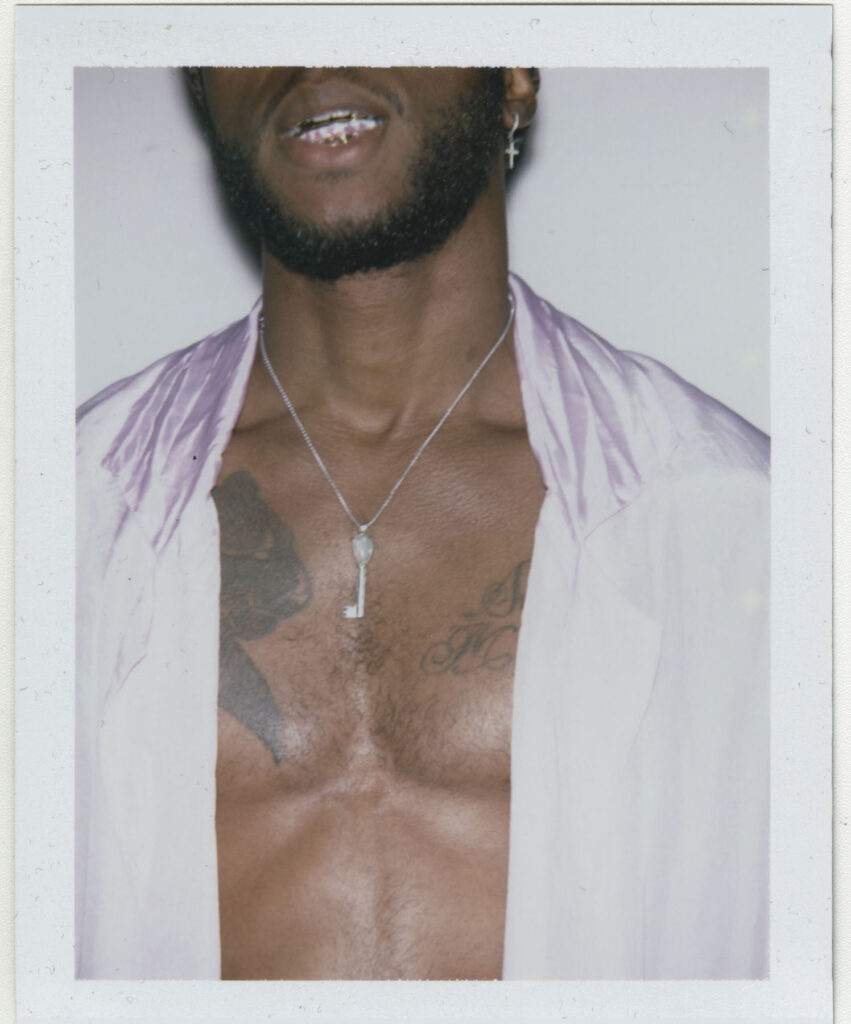
Speaking with a cadence that lends itself to the kind of familiarity one feels at the turn of a season, Ricardo Valdez Valentine, better known as 6LACK, holds no reservations when it comes to speaking about change. As it moves him, with the wind when the feeling is right, he finds himself peering over his shoulder. Flitting between Los Angeles and Atlanta, 6LACK has become a resident of the in-between, a finely cast shadow that dances upon reflection itself. As presence and absence oscillate, a sense of introspection grows and calls forth the demons from 6LACK’s own mind so that one day he may address them as angels. Would you recognize insecurity if it told you its name was now faith? Having released his latest EP 6pc Hot in June of this year, the recording artist and recipient of 3 Grammy nominations who has collaborated with heavyweights like Future, Young Thug, Offset, Sir Elton John via The Gorillaz and Selena Gomez to name a few, has begun to adopt a different approach to his career and life itself. Utilizing his emotional candidacy and the art of conversation, 6LACK ruminates on his own transgressions, projections and desires in the pursuit of total clarity. He wears no halo but the latter has given him wings.

6LACK has always made music with the intention of resonance but instead of weaponizing his own vulnerability and using resilience to romanticize strife, we see him walk away from these sad boy fantasies laced with martyrdom and move towards a crossroads in which utopia begins to look like the life he already has. The foundations of this new outlook have been cemented by his role as a father and committed partner, bolstering his identity with a sense of purpose and directionality There now exists a healthy dynamism to his person and artistry as he continues to untether himself from the experiences and sounds that once defined him. Having gone on to create initiatives like 6lackbox, a platform that provides an array of tangible and affective resources for his community, 6LACK is letting go but remains held. All roads lead home.

The Irish playwright, George Bernard Shaw, famously once said, “the single biggest problem with communication is the illusion that it has taken place.” You had mentioned previously that it was easier for you to communicate via music than in real life. Taking that into account and coupling it with quarantine and the collective growth that occurred through time for introspection, voluntary or not, what kinds of conversations were you having with yourself and what are you telling yourself as you emerge?

I think that in the beginning of quarantine, I was going through something similar to what everybody else was going through where we started off relatively strong and as time dragged on, we got a little bit dry. I reached a point where I was trying to figure out what I needed to do for myself before I even began to make music, just to be able to express myself, communicate, grow, learn, I felt super stagnant for a second. I realized I had to get back to myself, get back to being curious, get back into reading, get back into doing other things that sparked my creativity because I didn’t realize that I had stopped. I had put everything into music for so long and the setting and meeting of every goal only had me looking at the next one. It became a matter of okay, what do I do now? What do I do now? This way of operating ended up becoming a block of other parts of my life and that was one thing that I identified and began to do something about. I recently started therapy too, so that’s been cool to talk to an outside person who can give me advice or tell me what I’m thinking is cool, or not cool, or is me, or not me. So therapy, self-reflection and creating new routines has helped me to feel a lot better now versus how I felt at the beginning of quarantine.

Totally and with therapy in general, there’s a lot of trust involved. Do and would you say that you’re someone who trusts people easily or are you known to put your walls up? 

I’m not too bad on trust, I give people a lot of chances and benefit of the doubt so I’ve never really struggled with that part of it. I guess really it’s more so just trusting myself in a lot of different situations.

Right and in terms of trusting yourself, how much of that is synonymous with being honest? There are ugly truths inherently wrapped up in self-reflection and we often don’t want to see ourselves as we are. 

Yeah I think it’s a tough thing, I feel like most people will kind of look at that and think it’s automatic, or an easy, or natural type of thing but I’ve learned over the last few years that honesty, even with myself, is embarrassing. Sometimes it feels shameful, sometimes it’s humiliating, it’s not always my favorite stuff to talk about but being able to resolve situations that have transpired from those things has been one of the toughest things I’ve ever had to do in my life. And it’s not because I don’t like to be honest or anything like that but when you go through a lot of things that aren’t necessarily favorable, why would you want to shout that out? Why would you want to tell somebody? Why would you want to trust somebody else with that information? So I’ve learned to speak on it more and every time I do a new album or get into a cycle of making music, I have to stop, I have to reevaluate everything, I have to see how I feel about where I am and where I want to be. I have to get to a point of being honest with myself before I start writing because otherwise, I would just be writing from the viewpoint of the last album.

Right exactly, there’s a certain voluntary vulnerability that is hard to give access to even with yourself, it becomes a question of how do you get there? We all arrive “there” differently, can you give us more of a window into your thought process? Put us in the room with you as you’re starting to write and come upon a closed door per se. 

Definitely, recently this year I spent a lot of time in a studio just sitting there. I wasn’t being hard on myself but I didn’t want to walk if I was going to walk the same way I walked last year. I would go there thinking I was going to work, I’d fire up a beat or flip through like 20 beats and eight hours would go by, ten hours would go by and then it’d be time to go. I’d be sitting there the entire time because I was sorting through my thoughts, trying to figure out what specifically is going on and what I needed to get myself going. I really just needed to be brave enough to sit down and have all the conversations that I needed to have with the people in my life because naturally, when you hear things that you don’t like especially pertaining to your person, you want to deny or fight or reply in a way that isn’t always reflective of who you truly are. I had to remember that those feelings aren’t natural and it’s more so about getting it out there and allowing other people to make the decision of what to do for themselves, giving them a choice versus choosing for them.

I can imagine you being in the studio, sitting there and feeling maybe a bit unfulfilled and obviously there’s this idea of success and respective markers of it like putting out a new album, garnering press, outside validation etc. But I’m wondering for you, as someone who is more so an artist than an entrepreneur or performer, how do you differentiate between fulfillment and success? 

I’m honestly just trying to keep a gauge on just how grateful I am. This year, I had to check myself and look at what I was doing and realize if you want to feel fulfilled, if you want to feel clear, if you want to feel creative, if you want to feel all the things that you want to feel, you have to remember to do things in your everyday routine that echo and practice that. Otherwise you’re going to find yourself in a daze or at a point where you’re not in the driver’s seat, miles from where you want to be. I had to get back into practicing, whether it was waking up and eating something right for myself, writing something down in a journal, reading something out of a book, or watching a documentary, I had to refocus myself to get back to that. I got so far away from those things because mentally, with music and my career, it’ll engulf you. It’ll make you feel like this is all you have and those thoughts start to take up space in your mind alongside your personal life and in order to stay clear and fulfilled, I had to remember to be super thankful. Gratefulness created balance for me. No matter what your intent is, every single day, you keep running into problems because you are explaining your intention instead of making them clear through action.

Preach, good intentions are too often used as the scapegoat for shortcomings! What are those things that you want to be more intentional with?

Primarily the relationship that I’m in and making sure that I’m giving the equal amount, if not more than, what someone is giving me especially if they’re a source of positive reinforcement in my life and are there to teach me things where I need to learn. I was in a space where I’ve always been the mentor to everyone else, so transitioning to have somebody else to do that for me was out of the ordinary and a bit difficult. It’s hard to let go of the reins because I was just so used to doing things by myself, sorting through my thoughts by myself, dealing with my emotions by myself — so when somebody else is there and they’re like, “you don’t have to pull the weight by yourself,” you just have to be willing to let go.

Wow yes, and so often we think that love never asks us to change who we are but why can’t change be synonymous with adaptation for the better? Why does sacrifice have to hold a negative connotation? Love is a difficult thing, it forces you to face things about yourself that you might not necessarily want to see or be willing to see. To what capacity has she held up the mirror per se and made you see? 

I would say that the biggest thing is letting go of that feeling that I had to do so much on my own. You kind of go through life in the neighborhood, in the classroom, and studio, all these different rooms that I’ve been able to live in, change and adapt to and teach people and when I got to a point where I met someone who could teach me instead, I had to be able to stop myself. I had to think about what I’m saying or not saying, what I need to listen to, what I can actually learn from the situation versus continuously trying to be on this mission to teach everybody else.

Yeah and if you’ve always been in this position as the teacher of sorts, to what extent is it kind of like being a martyr? How comfortable do you allow yourself to get with excess weight on your shoulders? You’ve said you’re someone who trusts people easily but I feel like, if you’ve been carrying that torch around for people, you’re not really letting people in or exist in your life in the ways that they might want to. 

That’s another thing that was pointed out in therapy too, these effects might not show up in the form of you breaking down or crying but all those things stick with you. As time goes on, the requests, the demands, the advice that you give, flows out of you and you keep moving and more things stick on you but you keep moving and eventually, you get to a point where you’re like, I’m tired and I don’t know why. It’s because you either haven’t mourned, you haven’t let it go, you haven’t actually solved it, you haven’t given yourself a minute to just focus on you because you’re carrying a torch or pulling the weight of doing the work for so many other people.

And I think in doing so, you don’t really open yourself up to being vulnerable. We want our men, our partners, to be strong but half the time they don’t even commit time to addressing the ongoing internal battles within themselves, let alone even recognizing that they exist. Your platform 6lackbox is a resource for so many people and I don’t know if this is something you’ve envisioned but I can also see it existing as a space to normalize mental health issues? 

Yes, it’s definitely something that we’ve been trying to put more energy and planning into. However we can get more people involved so that it becomes a community thing and not just a me-to-them situation because I have created different communities with my fans and developed a lot of long-term relationships with them. It’s always been cool to figure out a way to let them know that beyond the music that y’all aren’t in this shit by yourself. If you got shit that you need to figure out, or if you have something that you’re going through, that’s what the music was made for, that’s literally what we’re here for. One day we’ll figure out how to specify that and nail down an actual plan.

There’s been so much talk around this whole idea of community recently and for you, what does that really look like? Is it a utopia of sorts? 

I think it’s just a collective group of people who have a purpose towards something specific. A lot has been going on, in the country, in the world in general and I don’t think that the primary way that we fix that is by focusing on like the higher ups, or what’s going on on TV all the time. I think we really need to narrow it down and get back to home, our neighbors and the people around us and remember that if we create a stronger community and a stronger bond with each other than everything else will be in a better position to find resolution. This past election is a good example of people coming together because they felt something and wanted to do something about it as a whole. However, we can continue to do things like that on a smaller scale, everything on a larger scale will start to iron itself out.

Speaking of small scale, home is also something that maybe you’ve been thinking about recently? It’s such a subjective word, you find home in people, you find home in your music and we’ve all been inside, in our homes, in our own head spaces. Is home a place or is it a  feeling? 

Home is definitely a feeling right now. Physically, I live between LA and Atlanta and I have really great reasons to be in both. When I go to Atlanta and I get to be with my kid, I feel like I’m at home, no matter who’s around, or what I’m doing. When I’m out in LA and I get to spend time with the person I love, I feel like I’m at home. That’s the best version of home that I could ever really ask for in just having something to look forward to, having something to have fun with, having something to learn from.

You mentioned fatherhood briefly and I grew up with a single dad too. He’s my rock and not always the most vocal person but he recently told me that he thinks we’re pretty similar which was shocking and endearing for me to hear. What have been some of the unexpected lessons of fatherhood?

It’s taught me a lot of clarity, not even to compare it to music but everything that I did album wise before that point was a lot of I don’t know, I don’t know, I don’t know, I’m trying to figure it out. Since then, I’m closer to figuring it out because somebody’s watching me. Other than that, it’s been a really good opportunity to express myself fully, to be a kid again, to be an adult, be every single thing that I am because you get to practice it with somebody who doesn’t know anything bad about you necessarily, who doesn’t judge or have any predetermined thoughts about you. They just are happy to see you and want to be fulfilled in some other way. My thing with her is just making sure I give her the stuff that I didn’t have, which was constant reassurance. I want her to know that she can be herself, she can express herself. I was talking about that the other day in therapy, how at some point in my life that reassurance disappeared and I didn’t realize it until I was able to say it out loud. When that disappeared, my life started to shift a little bit, I started doing different things, my grades started to shift, my personality started to change, my insecurities started to form and these were all things that were a result of my relationship with my parents changing.

Right and thinking about the word reassurance, I think especially in relationships, whether that’s with another person or with yourself, it is sometimes something that we seek for the wrong reasons, out of insecurity and that’s a hard thing to admit. .

It’s definitely a hard thing to gauge. I think knowing the specific kind of reassurance that was missing for me, I know that it’s not doing too much to just let your kids know that hey, you look like me and those are good features, or you remind me of so and so and that’s a great thing, or that they’re doing good. It’s about spending time with them and being the type of energy and person who they’ll want to have a conversation with. I think that reassurance can be a tricky slope. I also just learned about myself that I move, act and think in a way where I know that the people around me know who I am but that is not to say that I can go without making the effort to clarify something for them. I am aware that this is something that I can work on for myself and the people in my life. It’s something that I want to make sure Syx doesn’t have to think too much about you know, it’ll be just enough.

Right and thinking about what’s enough, that word itself can be such a trigger for so many people. We’ve all had to recontextualize our own definitions of what’s enough, especially, when we’re not doing all these external facing things anymore as of late. 

I think that has been an interesting thing to figure out too because something can definitely be enough to you and not be enough to somebody else. That’s the fun part and not so fun part to figure out that subjective definition in all of your relationships. The easiest and the best way to do it is by being able to sit down and have conversations where you detach your personal needs or ideas of who you want somebody to be and adopt an open standpoint.

Yeah and thinking about ideals and needs, resilience has also been a word that we’ve seen pop up again and again but to what extent is it sometimes overrated? To what extent are we expecting people to “bounce back” when certain services should be civic priorities instead of difficult circumstances? Why are we coloring struggle with promise?

I think it’s like a 50-50 type of word in feelings, situations and energy. I’ve made some of my best music and had some of my best moments from being resilient, pushing through, getting through the struggle, fighting through this, crying through that. It definitely creates a pressure makes diamonds type of moment where you’ll definitely get something out of it but it is most definitely also overrated because you don’t want to be working from that space, you don’t want to be doing more than what you necessarily have to do. You don’t want to become infatuated, obsessed or interested in that process to make it feel like it’s the only place that you can work from because I definitely have fallen into spots, consciously and subconsciously, where your back’s against the wall and you feed off of that.

Right and being an artist or someone who writes in general, it’s often easier to write when you’re sad and that can be a bit toxic. 

Absolutely. I had to check myself and just make sure that I was not holding on to that because that’ll always be there. If I ever need it, it’s something I know how to do but there’s no reason why I should be putting that first or to be writing songs with that in mind when that’s not where I am or where I want to be.

How do you write about things that are happy then? It sounds kind of like a dumb question but I feel like it’s hard to transition to even create from a different mental place?

That was a conversation we had in the studio and Childish Major helped me put the initial words to it. In order to be able to write about the happy stuff, the good stuff, I had to sit down and practice the shit that made me feel good. Since then, the music has grown into me talking about my growth. I still have the ability to be able to tap into the other side, the sad side, or the side that people recognize or remember but it gives me the range to be able to say more, do more, express more and help people get through more. I don’t want to just be a pacifier for somebody when they’re going through some tough shit. I also want to share in a moment where they can celebrate, have fun or feel good.

It’s allowing yourself to be a dynamic artist because when people begin to create and become known for something, they begin to become defined by that and it becomes hard for them to reclaim agency from the external validation. They compartmentalize who they are from the work they create. 

It’s definitely challenging. That was one of the first reasons why I cut my hair immediately because people off the bat were like, oh, he’s this, he’s that and I was like let me just reset because I felt myself becoming like a figurehead of whatever that was on the first album cover. As soon as I cut my hair, my life started to change. I started to make more eye contact, I looked up and moved on stage. I just had to realize what was going on but I didn’t realize what was going on because I was just too busy living  it.


Team

Photography · RICKY ALVAREZ FASHION SHAOJUN CHEN
Interview · LINDSEY OKUBO
Creative Direction · NIMA HABIBZADEH and JADE REMOVILLE
Grooming · DARONN CARR


Designers

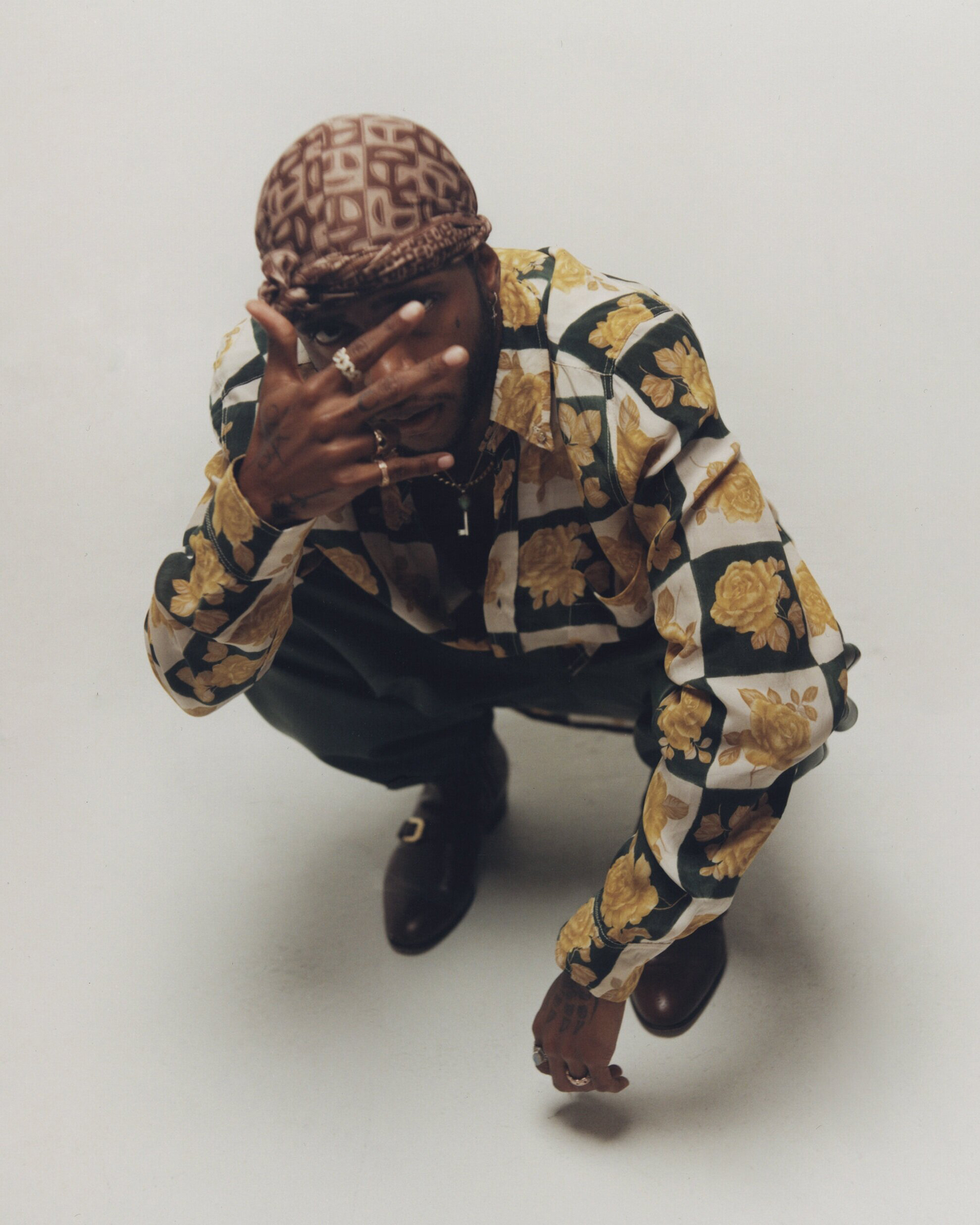
  1. Shirt and Trousers NANUSHKA Boots GUCCI
  2. Hat SONG FOR THE MUTE Top ACNE STUDIOS Jewellery Talent’s Own
  3. Hat SONG FOR THE MUTE Top and Trousers ACNE STUDIOS
  4. Hat BENNY ANDALLO
  5. Hat BENNY ANDALLO Trousers TELFAR
  6. Hat BENNY ANDALLO
  7. Shirt and Trousers NANUSHKA
  8. Vest and Jumpsuit BORAMY VIGUIER Boots SACAI
  9. Vest and Jumpsuit BORAMY VIGUIER Boots SACAI
  10. Vest and Jumpsuit BORAMY VIGUIER
  11. Turtle Neck HELMUT LANG Trousers MAISON KITSUNE
  12. Turtle Neck HELMUT LANG Trousers MAISON KITSUNE
  13. Shirt EDWARD CUMING
  14. Shirt EDWARD CUMING

Subscribe to our
Newsletter