Archive page:


Ben Kelly

“Keep going, don’t stop”

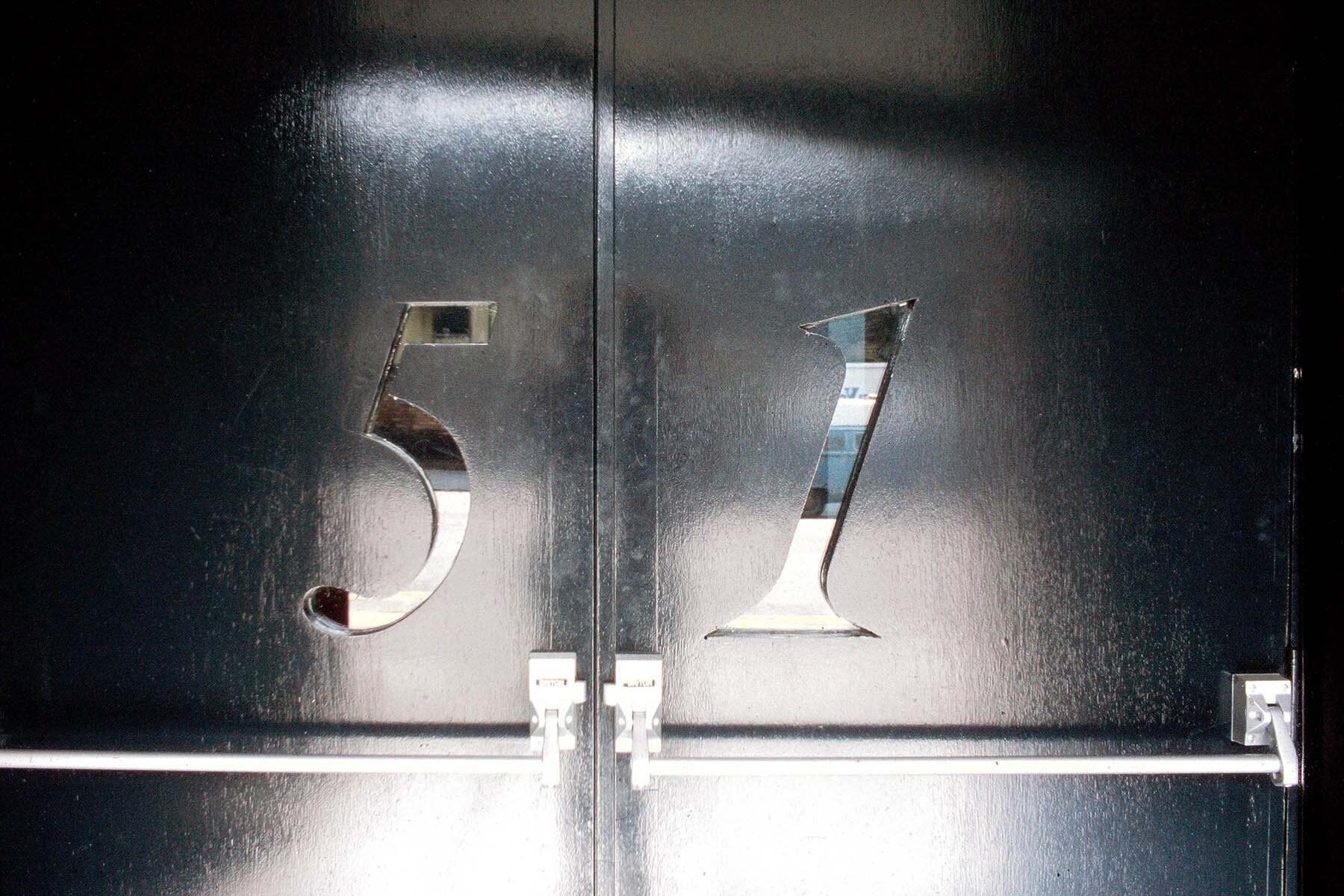
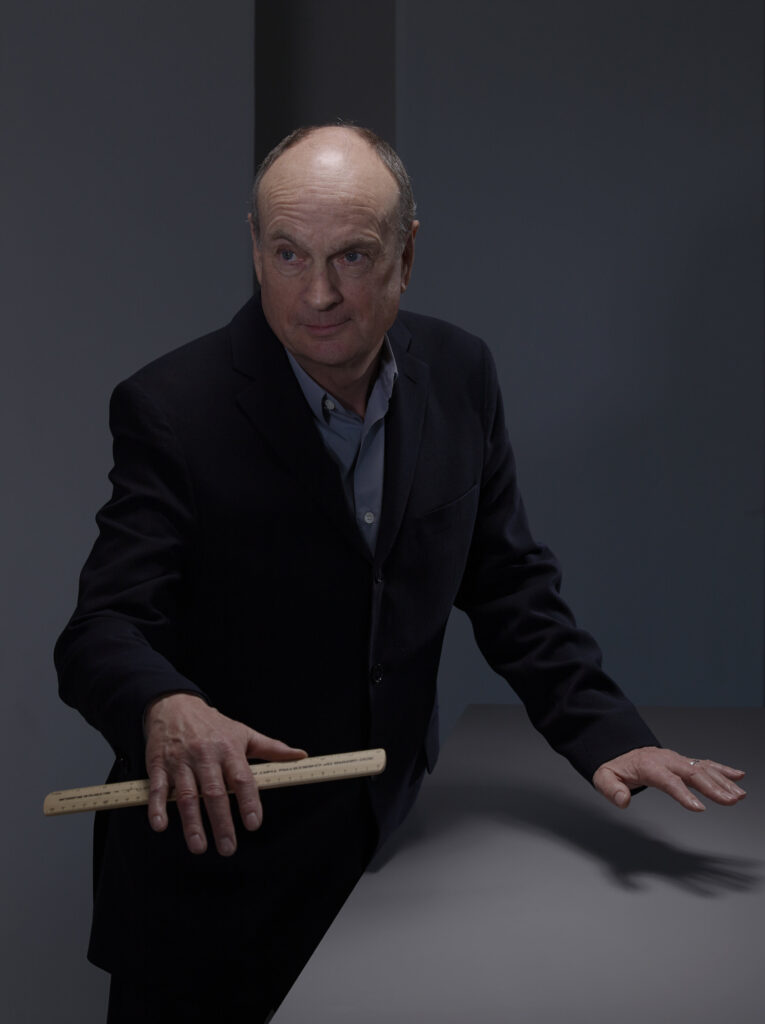
One of the UK’s most influential designers Ben Kelly is perhaps best known for designing the interior of the famous Manchester nightclub, the Haçienda which was infamous in Manchester’s post-punk house and rave scene. Of course, this is only a tiny part of his extensive and varied career. Kelly has worked with big names such as The Sex Pistols, Virgil Abloh, Factory Records, Vivienne Westwood and Malcolm McLaren. However, speaking to him one is reminded of their favourite university lecturer, sternly indulgent and ultimately kind to anyone who falls under the umbrella of the ‘young creative’.  He has the interview questions before him, he’s made notes and he asks questions. “What does NR stand for?” “How did you research me?” “What university did you go to and what did you study?”. It’s certainly a novel experience for the interviewer to find themselves becoming the interviewed, and that is only the start as NR Magazines joins Ben Kelly in conversation.
You originally wanted to be an artist before you went into design. If you had stuck to that initial career path what do you think your art practice would look like today? 

Well, that’s a simple yet complex question. Who knows what the answer is without having a crystal ball. But when I was applying for my postgraduate at the Royal College I was asked why did I want three more years of further education in the interior design department. My answer was I wanted to discover whether it was possible to mix together art and interior design to produce what I called art interiors. I had equal interests in those two subjects. When you’re a student doing interior design it’s frustrating because you never get to see an end product, it only ever exists as drawings and models. But I was lucky enough to have the opportunity to work with another student to redesign the student bar at the Royal College. I named the student bar the Art Bar and we had a neon sign made saying art bar which is still there today. That’s one of my proudest things that’s been left behind. We went about that project as designers and artists because we had carte blanche because we didn’t really have a client.

Fast forward, I ultimately felt that some years back I had achieved my goal of this combination of references to the art world within the discipline of interior design. Ultimately in the last three or four years, I have produced a number of art installations in 180 The Strand. So I have kind of achieved my goal in a roundabout way. Along that way maybe I was using clients to experiment with this notion of producing what I called art interiors. When we had a looser brief I took that opportunity to investigate those possibilities. I also now operate as an artist in the art world, all be it slightly obliquely, and produce interiors so that’s my answer.

You stated that you are inspired by Marcel Duchamp and that he has “pretty much inspired everyone in the creative world, some way or another.” How exactly do you think he has inspired everyone? 

Well, I scribbled down by default. That’s a complicated question but I guess my answer would be that it is an accepted fact, stated by Duchamp himself, that he either intended to or did change the way we look and think about art. If you move that on into the world of design and the broader world it’s unquestionably influenced by the thoughts, approach and activities of Duchamp. I think it’s bled into design and architecture sometimes in subtle, sometimes in obvious ways. It can be almost subliminal. So it’s there under the surface, not necessarily clear or obvious but I believe life had changed generally thanks that one man being on the planet and doing what he did. Without Duchamp, our lives would be different in a quieter way. It would be a poorer world. The thinking behind everything would be different and it would look different. It would lack subtlety and humour.

“Duchamp opened a new toolbox of thought processes and an application of ideas, a new language.”

So historically you go from Duchamp to Richard Hamilton, the artist who reproduced The Large Glass of Duchamp. Hamilton taught at Newcastle School of Art in the late 60s where Bryan Ferry of Roxy Music was a student. Ferry was under the spell of Hamilton who was under the spell of Duchamp. Ferry was equally influenced by Duchamp and the lyrics of his songs related back to him. When I designed the Haçienda I struggled to find a background colour for it because there were acres and acres of walls. I had an idea of that colour but I couldn’t grasp what it was. I eventually found it on an album cover by Bryan Ferry called The Bride Stripped Bare which is a title from a Duchamp artwork. So I enjoyed that connection. I told Ferry about that anecdote and his answer was “I’m glad I could be of help,” and off he trotted.

How has he inspired everyone? By default. By a subtle undertone of influences that other people, other designers, other artists, other thinkers who have drawn inspiration from Duchamp, and that seeps through the cracks.

How would you describe your identity in design? 

I don’t and I won’t and I can’t. I like to have an independent identity and not be associated directly with a given description, but I’m interested in the broader description of popular culture. I operate under that umbrella to a degree, but not all the time.

There are two quotes by journalists, which doesn’t answer your question but it sort of does. One is certainly my all-time favourite. In 1982, the same year I did the Haçienda, I did a hairdressing salon on the King’s Road called Smile. Smile was a really fashionable hairdressing salon they started in Knightsbridge and lots of fashion and music people went there. They took this property on the King’s Road one door away from Malcolm McLaren and Vivienne Westwood’s shop. My brief to myself was to design a hairdressing salon that looked the least like a hairdressing salon as possible.  In other words,  it wasn’t a typical hairdressing salon. So each styling position was different to the next one, they were all different and I used the colour orange. This journalist said, “Ben Kelly rescued the colour orange from the scrapheap of style”. It doesn’t get any better than that as far as I’m concerned.

The other one was about the Haçienda. A journalist referred to it as “the motorway aesthetic”, simply because I used cats eyes and roadside bollards in the scheme. So I leave what my identity in design is for other people to decide. That the job for other people it’s not mine. I just like to be independent and keep pushing boundaries. Going back to Duchamp, I like taking one thing from one world and another thing from another world and putting those two things together that have never coexisted before and suddenly something new happens.

You have stated before that you have been quite angry with people ‘sampling’ your work, but do you think that anyone can create anything truly original in this day and age? 

Well, your research has lead you to quotes where I’ve said I’ve been angry or pissed off or whatever and quite a lot of those things I’ve said tongue in cheek. I think I know what specific example is being referred to here. It’s very flattering if people copy your work. However, going back to the Haçienda, (or it might have been the Dry Bar, I can’t remember which one), but within weeks, not that far away, another place opened and it was almost identical to the piece of work we’d done and that pissed me off! It was incredibly opportunist of whoever that was.

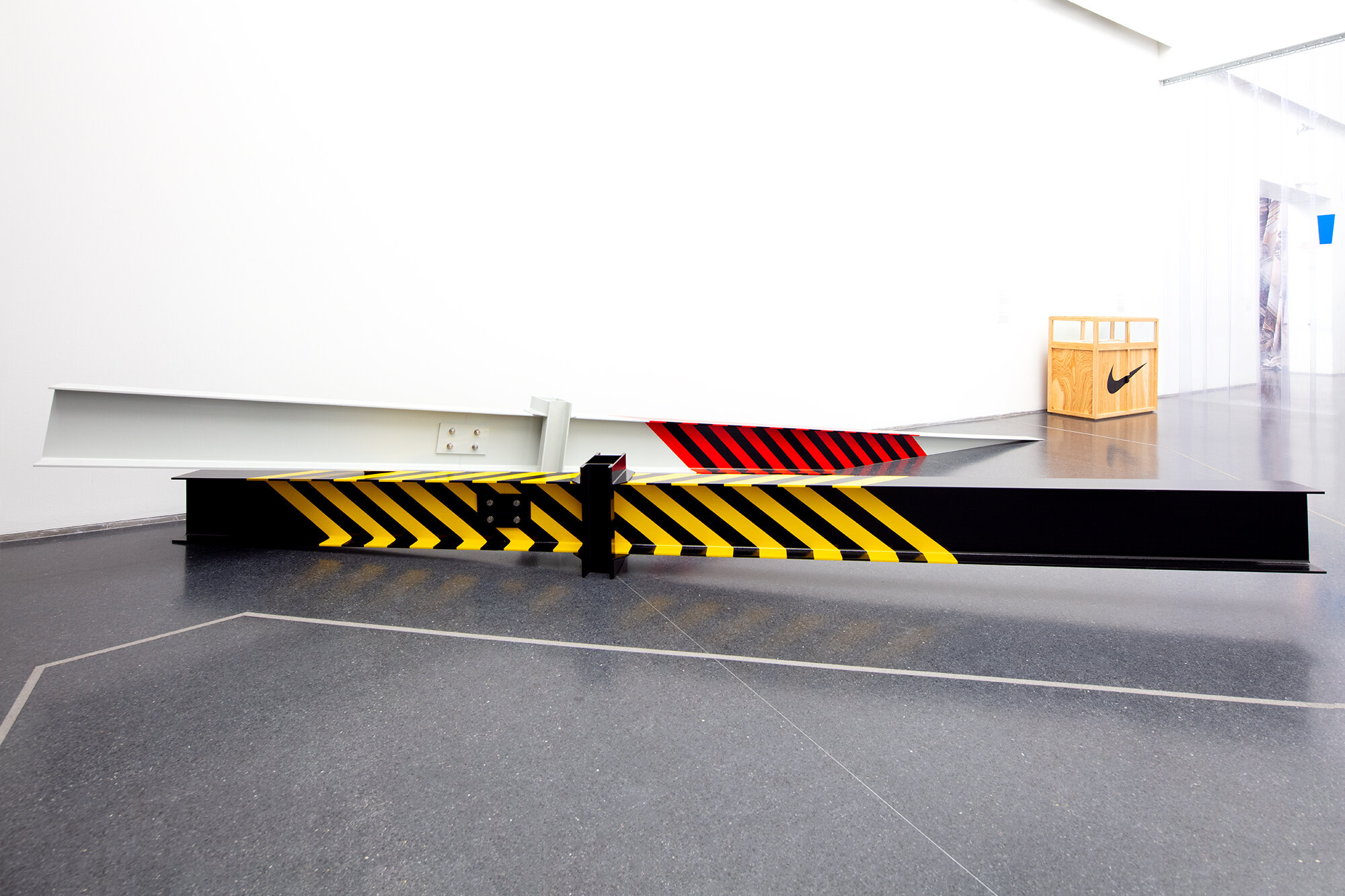
Fast forward. I painted stripes on the columns in the Haçienda, merely as a method of making them clear as hazards as they were on the dance floor. So I took the language of factories and workplaces where hazards are marked as per British standard. But that simple gesture I made somehow found its way into popular culture and it’s kinda gone global, you see it everywhere. One person in particular had seen it, someone who became a friend and a collaborator.

“A man called Virgil Abloh put stripes onto garments for a label called Off-White.”

I didn’t know anything about Virgil or Off-White when it was brought to my attention. It seemed pretty obvious where the inspiration for that had come from. It took me by surprise at the time and I was kind of shocked.
It must have been quite frustrating to see that after spending so much time and effort coming up with the ideas.

Well it was just work, and I never thought it would go further than that. Yeah maybe I got pissed off but it took me a while to think about it and understand that it was absolutely no different to what happens with music and the whole idea of sampling. As I’ve said I don’t own copyright on stripes, that would be ridiculous to even think about, but ideas and copyright are so difficult to define. You end up being philosophical because,

“Virgil sampling something I did has paid dividends beyond what I could even imagine.”

It lead on to him and I collaborating, and becoming friends, and opening doors, and making other things possible. Now he’s probably one of the most famous men in the world and that’s not a bad thing to be associated with. It’s a funny old world.

Do you think the idea of copyright and people copying work has gotten more complex with the rise of the internet? 

This might sound contradictory I think it had become both more complex and more simple. Because I think we all now understand the idea of sampling. However, copying is a different thing and I will give you a couple of examples. There is a film called 24 Hour Party People which was all about Factory Records, the Haçienda and the whole factory scene in Manchester. It was directed by a man called Michael Winterbottom who I mostly think is a great filmmaker, a man with integrity, but they copied my design of the Haçienda. They had to rebuild it for the film and they approached me for help but as soon as I suggested a fee might be charged they disappeared. The film came out and they did an amazing job but they copied me. That design is my copyright and that’s all designers have. You only have copyright to protect your work so if it’s copied to the millimetre without your permission there’s something wrong there. I spent several years fighting it legally. I wanted to make a big thing about that and take it to the press to make a noise about how important the issue of copyright is but I was so exhausted by the time the distributors of the film settled out of court, I just wanted to let it go.

More recently Manchester City football club have done their version of Haçienda strips on their T-shirts and that really made me very angry. Nobody spoke to me about it and I thought they did a very poor job, I didn’t enjoy what they had done. Of course, they are one of the richest football clubs that there is, so how could I do battle with them? I have to be philosophical and say a bit of a poor show on their part.

So that’s the way it goes with copyright and sometimes it’s relevant and sometimes it isn’t. You have to be careful and young designers do get their work copied, particularly in the fashion industry. I don’t think that young people are sufficiently aware of how to protect their work. I always wanted to make a noise about it but I was exhausted and wanted to move on. However, I make reference to it where I can, like now, to bring awareness.

How has designing the Haçienda influenced your design journey and ethos? 

That’s a huge question for me. The Haçienda opened in 1982. Next year it will be the 40th anniversary of the opening.

“My quote is the ‘Haçienda never dies’, and it doesn’t.”

Its influence and story, it’s embedded in popular culture. It’s been acknowledged as one of the most important nightclubs for a whole host of different reasons. However, for me at first, it became the monkey on my back. It wouldn’t go away and people would only talk to me about having designed the Haçienda. Of course, I’ve designed many things, many different types of interiors, and many other things outside of interior design, and that kind of annoyed me. Then I stopped being annoyed and realised that it was a massive asset to me.

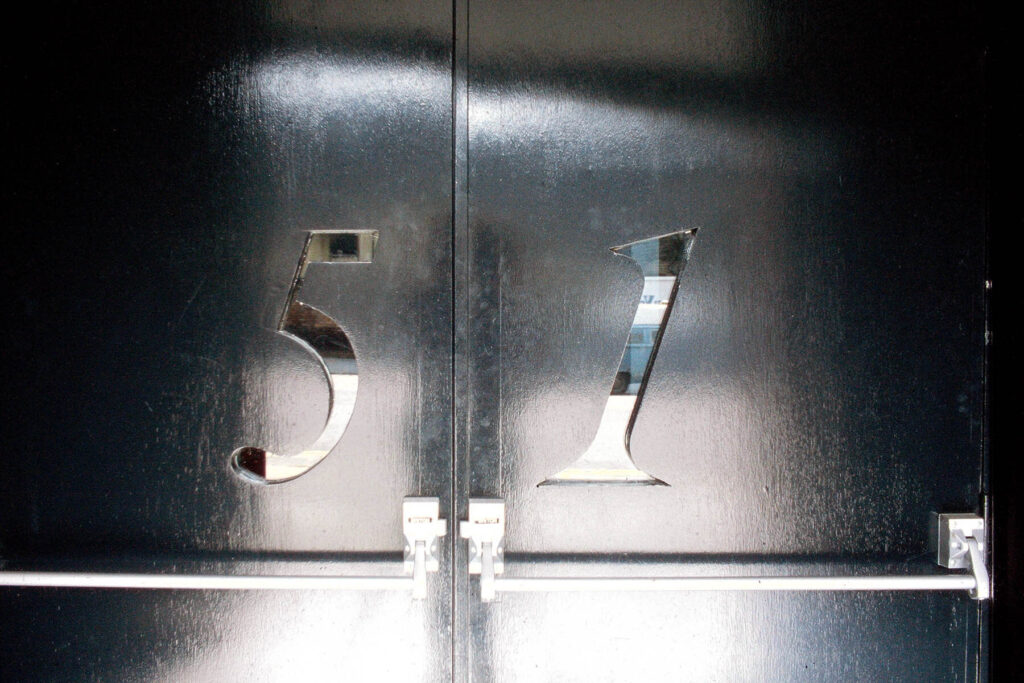
My interpretation of your question is, having designed the Haçienda, the slipstream that followed on from it has massively influenced, and lead on to, the majority of work  I’ve done ever since. I could say possibly 99% of what I’ve done since, in one way or another, there have been references to the Haçienda, or it happened as a result of Haçienda, or some intersection of those. Something to do with the  Haçienda has been a part of nearly every project I’ve done since. That might not be visible or legible or understandable but I know it’s embedded in there somewhere. So that’s fed into work I’ve done in many other disciplines, it’s been a big part of what I’ve done.

You worked on the set design for the PTB19 runway show. How do you see interior design and fashion working together in the future? 

Again with that project they came to me because the collection they showed had been partly inspired by the design of the Haçienda. For the set, there are subtle references to the design of the Haçienda which are
mostly some black and yellow stripes. I’d like to think it was done in a poetic and subtle way. It was great I really enjoyed doing that show.

But to answer your question, I have no idea, I can’t predict the future. Well, going back to Virgil, his last Off-White show was done virtually because of the pandemic. My observation was that he’d taken his inspiration for the set from a combination of two interiors. One was was The Barcelona Pavilion by Mies van der Rohe. The other was a set from 2001: A Space Odyssey by Stanley Kubrick. So obviously you get this really heavy mix of references which is a kind of Duchampian. I know that Virgil, is as obsessed with Duchamp as I am, it’s something we share. So fashion and interiors, there’s no limit to that collaboration. I expect to see really rich pieces of work coming out of that combination of design disciplines and industries. People like Virgil are in the luxurious position of leading the way because they have big budgets and can work with the best people in the world.

But if you put all that to one side and bring it back to young people, who’ve left college and are trying to find a way of being creative, that’s where my interest lies. The future belongs to them and it’s the hardest environment to be operating in right now, my sympathies lie hugely with young people. But finding a space, finding backers, finding a budget, being able to just go to a nightclub, is almost unaffordable.

“To buy a drink in a bar is almost unaffordable so new ways have to be found. They have to be super creative, and sidestep the mainstream and find another way.”

That’s why punk was so great, it was two fingers to authority and invent your own ways of doing things. It didn’t last that long but the spirit and the ethos of it is still there. I’m looking forward to the revolution.

Has Covid affected how you approach your art practice, and if so how? 

Well yeah, that was interesting when covid hit and the lockdowns and the poor handling of it by our government. I’m very lucky because I’m sat here talking to you from my studio in London, but I have another, bigger, studio on the south coast. So I went and isolated down there and the phone stopped ringing, well it’s emails and texts these days, but that all stopped and went quiet.

I had been asked to design a piece of artwork as a print, but the pandemic put a stop to the exhibition happening. So I’m sat there in my studio and I thought “I won’t make it as a print, I’ll make it as a painting”. It was to do with the language of the Haçienda, and I thought “Oh I could do another one” so then I did another one and another one, and I did maybe fifteen or sixteen of these paintings over the first and the second lockdown period. It was fantastic, it was like therapy, it was another form of expression. I’m hoping that some paintings I’ll be able to show in an exhibition. So the pandemic physically affected my art practice in that it made me sit down and make some paintings which I enjoyed. It will lead on to me doing more of that kind of work. Something that I independently drive forward, there isn’t a client or a brief, it’s just me. So I have the pandemic to thank for that.

What advice do you have for young creatives looking to work in design? 

Be independent, is my advice. Keep going, don’t stop. Mistakes will be made but you learn from those mistakes. You will fail at things, but failure teaches you an awful lot. When I started it was so much easier, because my first projects were done for people who were friends or like-minded people. Now it’s much more complicated because everything costs more money, there’s less money around and the internet changed everything. We need to find a way for young people to operate. For young creative people in the art world to find space to do what they do and add richness to our lives.

“Richness is being removed, the oxygen is being sucked out, and we need to fix that.”

Are you working on any projects at the moment and what plans do you have for the future? 

Well, two things. I have done a collaborative project with a photographer called Eugene Schlumberger. Using Kickstarter we have funded a book called Haçienda Landscapes. The story there is I stumbled upon his work on Instagram. I kept seeing these photographs that I thought were really beautiful and really just compositionally well thought out and I realised that they were referencing the Haçienda. This guy was finding the language of the design of the Haçienda out in the post-industrial landscape in the North-East of England, with all the ruined factories and machinery with hazard stripes. I messaged him, we started talking to each other and eventually met up in London. I said we need to do a project together and it should be a book called Haçienda Landscapes. I’ve also been taking photographs over the years of things that kind of reference the language of the Haçienda but mine were more snapshots. His are quite thought out, carefully composed and it makes a really nice kind of contrast with these two different sets of photographs. We’ve been very successful so I hope we are going to produce a thing of great beauty. The other is an exhibition at 180 The Strand which has turned into the most amazing alternative art space. The owner of the building is someone I’ve known for a very long time and they’ve commissioned me to do a couple of installations there. It’s going to be called ‘Columns, Revolving Mirrors and International Orange’.

Credits

Images · BEN KELLY
Hassan Kurbanbaev

“Photography is my interlocutor.”

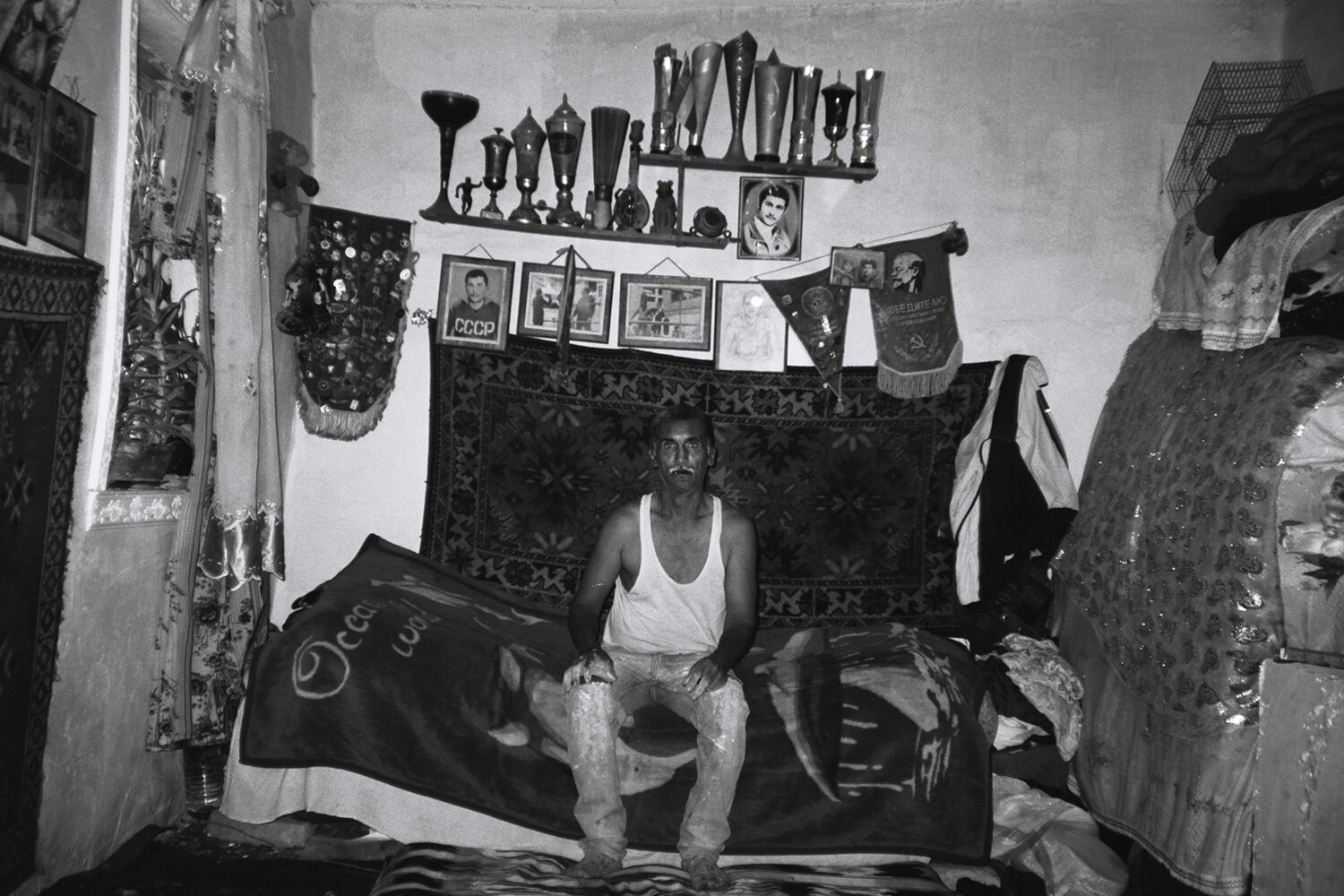
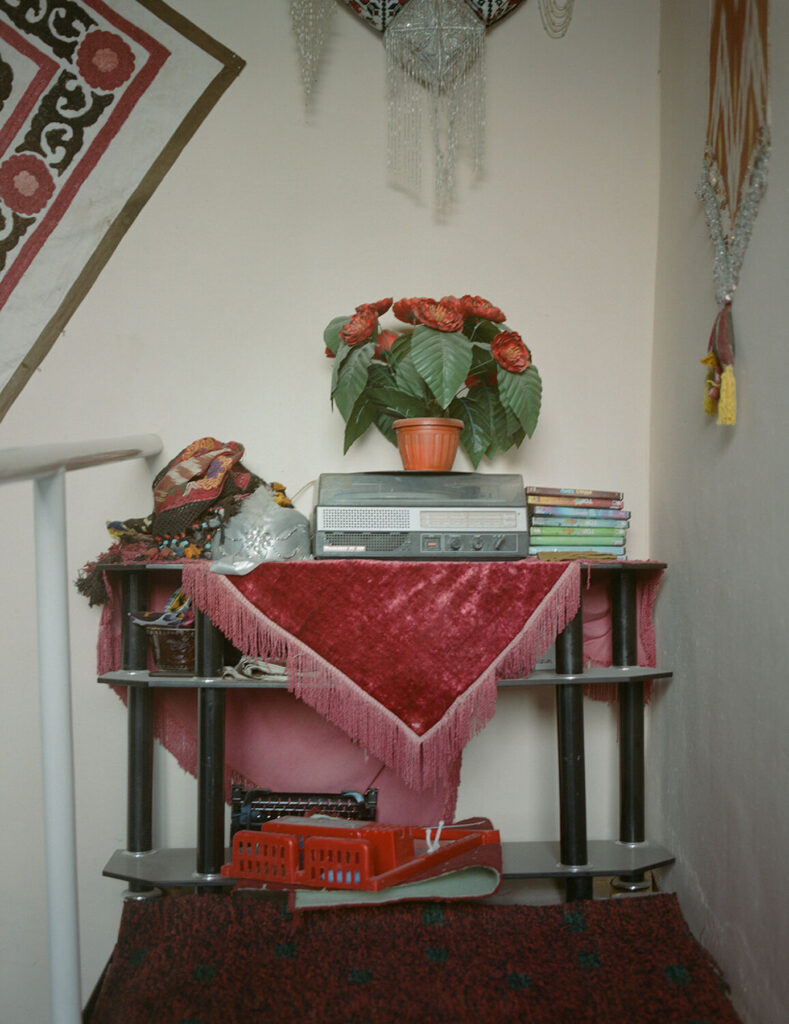
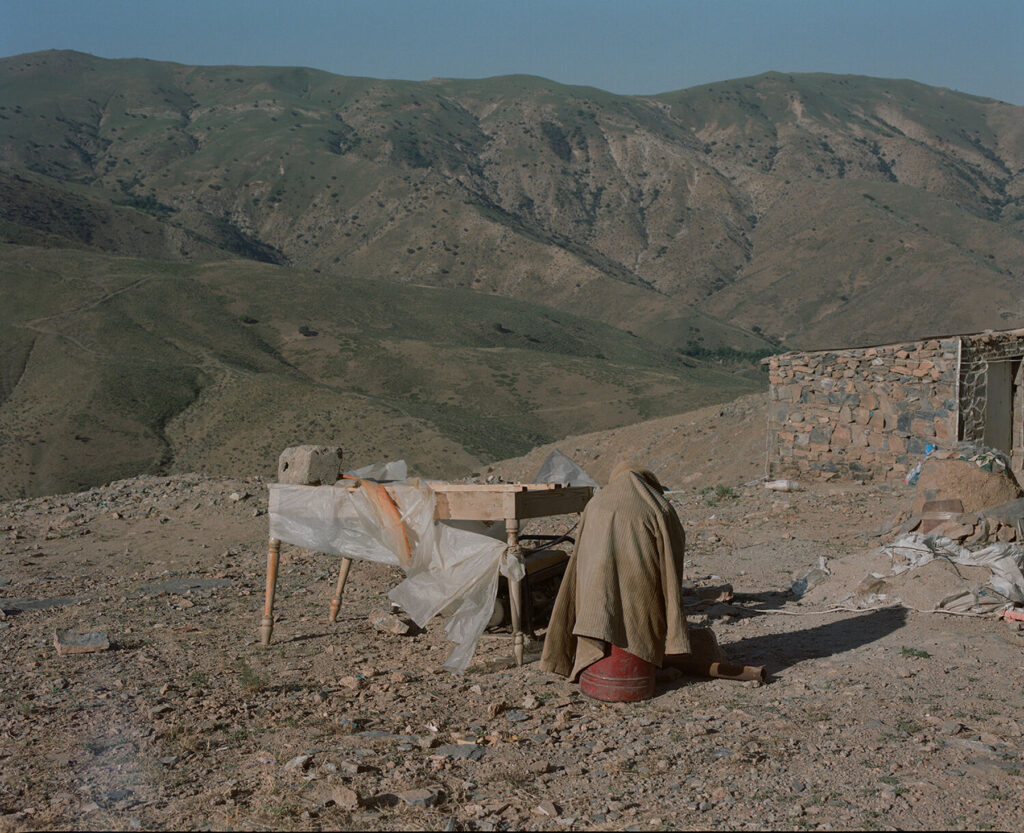
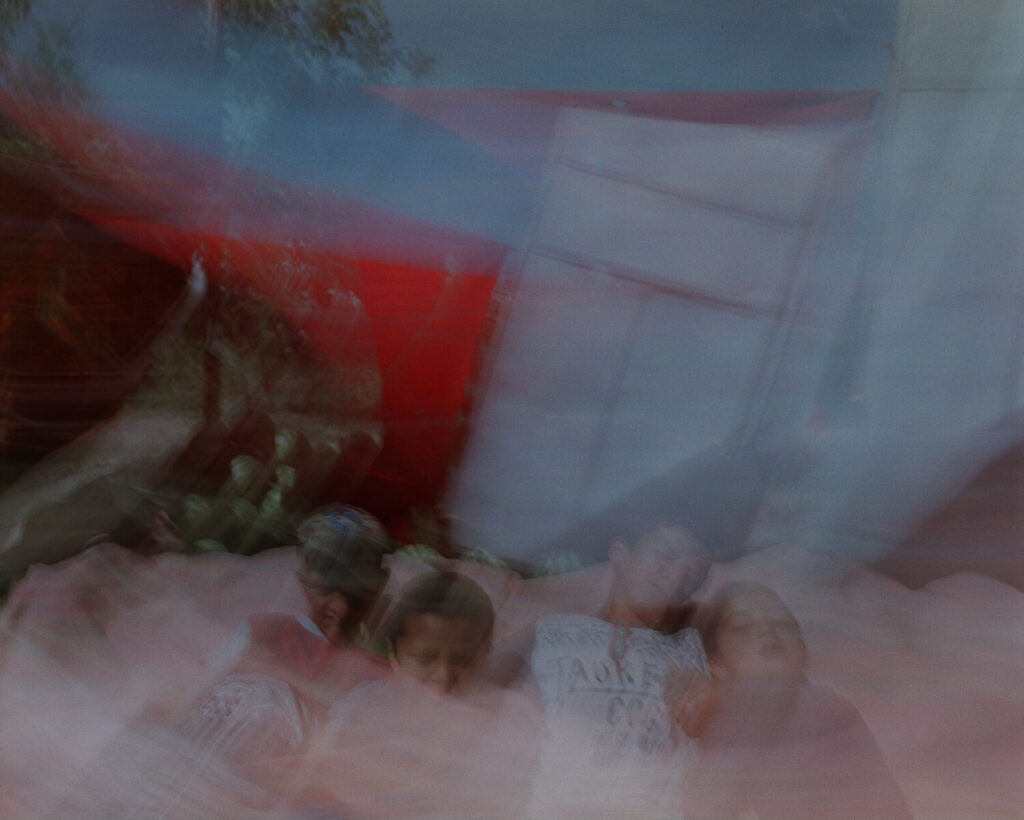
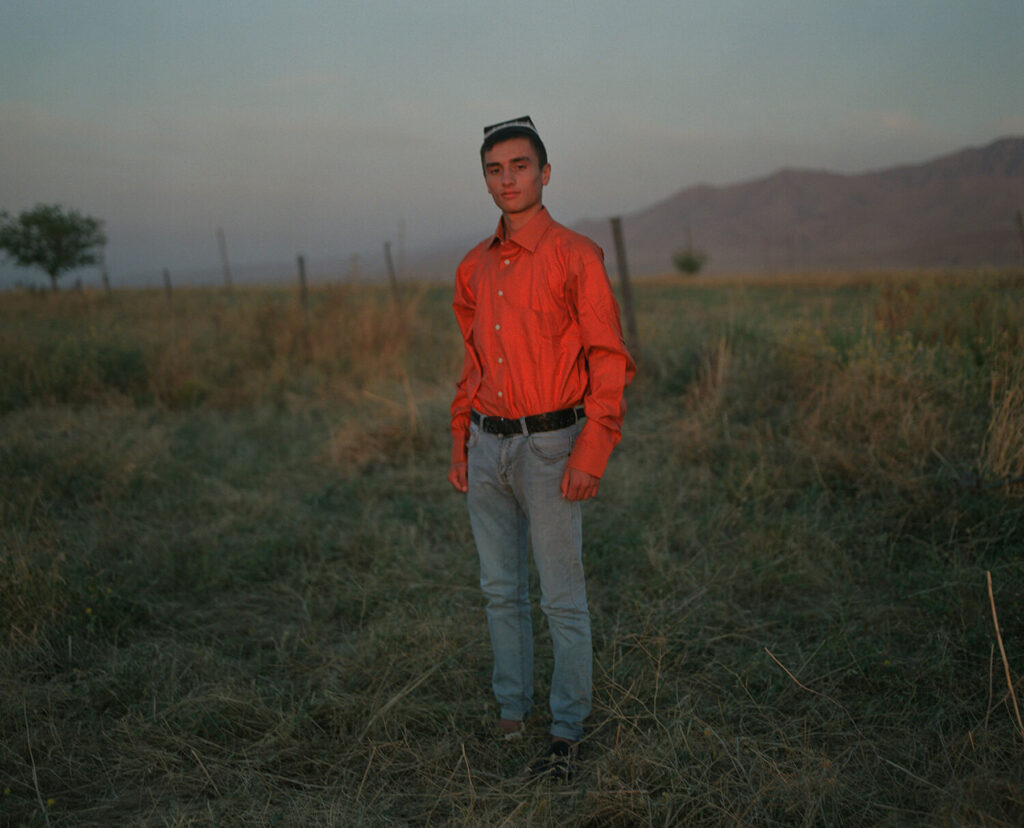
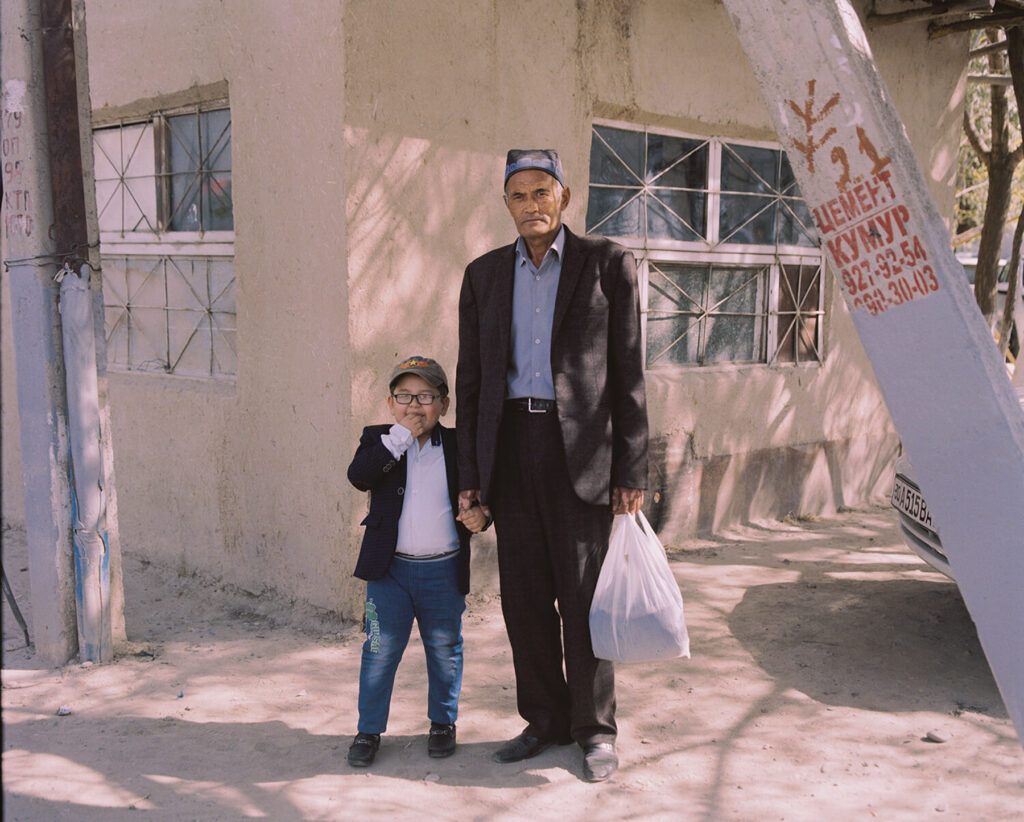
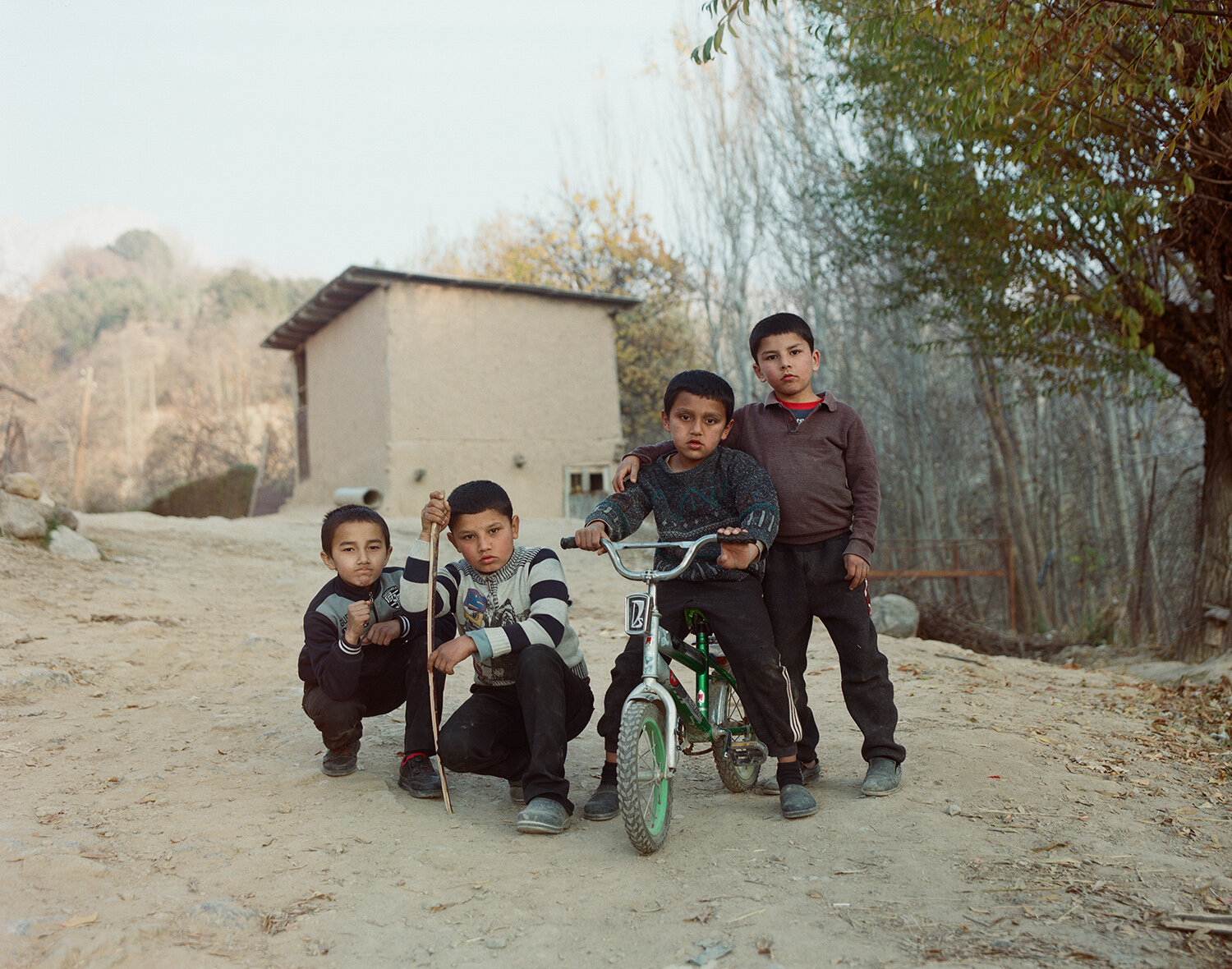
Shining a light on the hidden gems of Uzbekistan, photographer Hassan Kurbanbaev documents and explores the identities of the people and landscapes of his home country. Capturing the spirit of the country’s capital city Tashkent, Kurbanbaev’s also uses photography as a tool to better understand his surroundings. Immersing himself in the country’s emerging generation, his sentimental perspective shines a warm light on the often-overlooked aspects of Uzbek life.

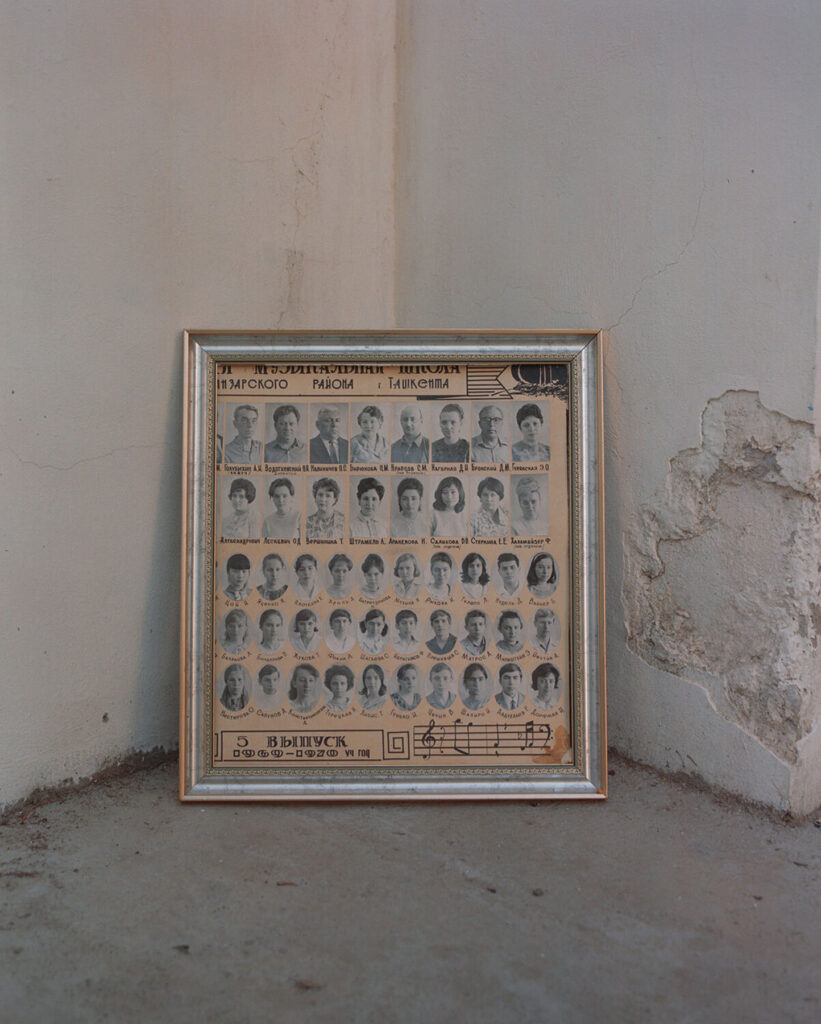
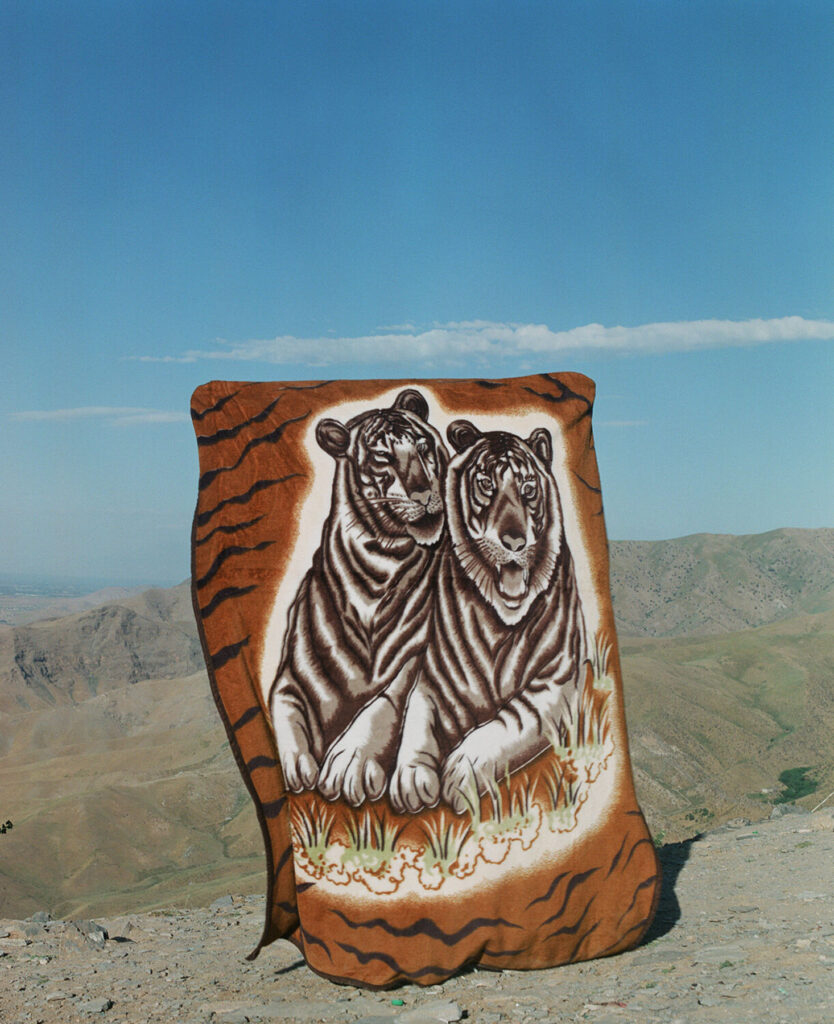
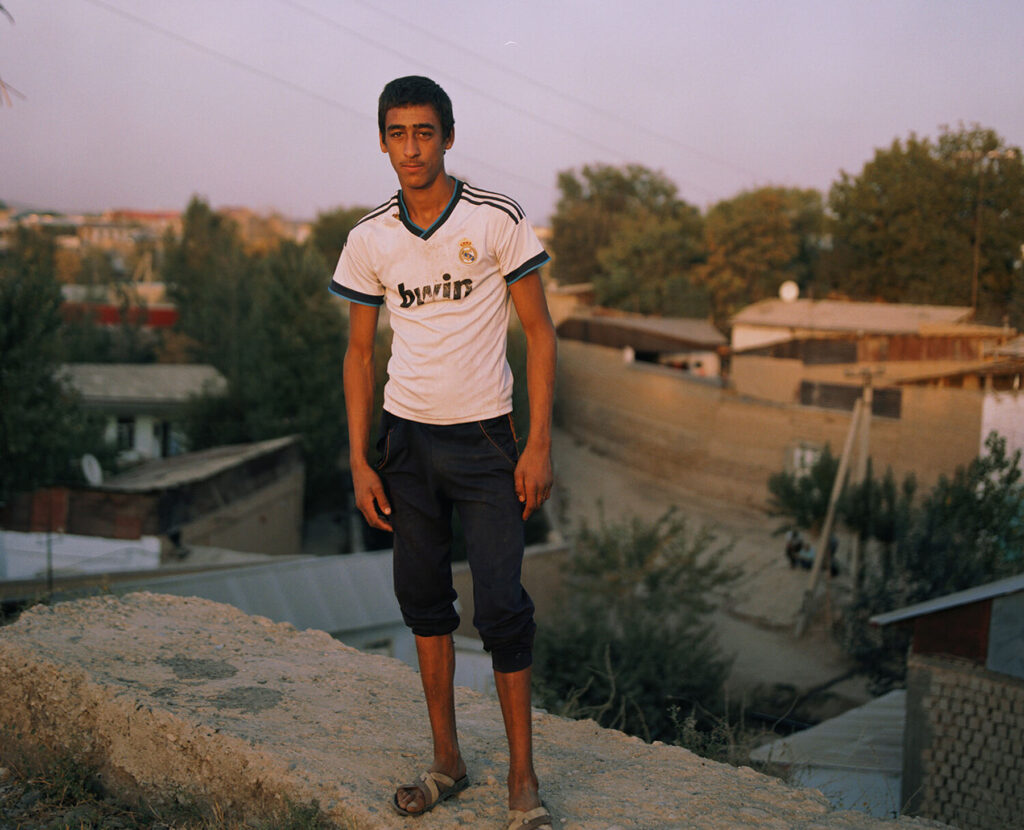
A Soviet republic for the majority of the 20th century, Uzbekistan became independent in 1991, and the country’s history of immigration has made Tashkent a city of great diversity. Kurbanbaev’s body of work reflects this richness of culture, as he documents Tashkent’s youth, inner city spots, rural landscapes and personal portraits. Snapshots of urban life bathed in sunlight, trees caressed by the breeze and locals lost in thought – the photographer’s love for his city stands out in his work.

Kurbanbaev’s work has planted the seeds for a new era of liberated image-making in Uzbekistan. Championing authenticity and showcasing his heritage, he speaks into existence a new kind of artistic expression for the Uzbek photography scene and inspires other emerging artists to do the same.

NR Magazine speaks with the photographer to learn more about the history of artistic censorship in Uzbekistan, the blossoming photography scene, and Kurbanbaev’s exploration of his country’s identity.

When did you first start getting into photography? 

I took up photography while studying at the Tashkent State University of the Arts, where I entered the Faculty of Cinematography in the early 2000s. Now it’s slightly difficult to call this university a full-fledged education, but at the time we had a photography course that helped me understand that it was something I’d be passionate about in the future. After graduation, I didn’t immediately become a photographer in the full sense of the word. I worked for several years in radio and did various jobs, but eventually returned to photography as a profession. I guess I understood photography as something that made my existence useful and conscious.

You’ve mentioned being ‘full of questions’ about your ‘identity as a citizen of Uzbekistan’ – as this issue of the magazine is about identity, I’d love to delve deeper into your thoughts about that. 

I think that I, like a lot of other people from the post-Soviet era, experience this feeling of uncertainty about questions concerning the concept of self-representation, a homeland and community really means for us.

Uzbekistan with its modern borders was formed by Joseph Stalin, who personally laid out every centimetre of the border. After the collapse of the Soviet Union, Uzbekistan retained a totalitarian-type, autocratic, harsh regime that was present for many years, which of course stopped any real understanding of yourself and the place you live. Instead of turning to a critical study of history and our national identity, we turned to propaganda and a constant zombification of Uzbekistan being ‘a country with a great past and a great future’. You just don’t believe what you’re being told – something inside you resists. My childhood in the 90s was when Uzbekistan became independent, and at the start there was still a sense of freedom – the borders opened, we had MTV, and I was definitely shaped by that feeling of freedom.

Uzbekistan slowly started to return to its old ways, which prevented us from accepting ourselves as part of the country. I come from the south-west of Tashkent, where they mostly speak Russian, and I was also raised in a Russian-speaking environment, so this was also part of what confuses me about my identity. These internal conflicts have haunted me all my life. Photography helps me to constantly examine my country from different angles and to seek the truth, even if it’s not something I reflect in my work. Photography is my interlocutor.

Your work, and ‘Untitled (Portrait of Uzbekistan)’, stands out as an exploration of your country and the things that unite it. Has documenting the people and places of your home uncovered anything in particular for you? Have any specific moments resonated with you?

Yes, I think my love and respect has grown for the people living in the provinces and small towns. They are very hardworking and good people, able to withstand many hardships that life has presented them with. I don’t know if I reflect the determination of their spirit in my photography, but when you are with them, you definitely feel it.

Your work is the first I’ve encountered of its style that details life in Uzbekistan. It is clear that life in the rural parts of the country is often overlooked – is that something you wanted to change through creating the series? 

From a visual archive stance, modern Uzbekistan and personal photography in particular lacks a solid foundation. By and large, Uzbekistan is well represented in the colonial view of the past few centuries, and as an almost ideal picture from the Soviet Union, but in contemporary photography, there are only a few series from local photographers that have an impact on the Uzbek photography scene. Personally, I couldn’t name more than three people that have gained recognition documenting Uzbekistan or that have had their work published in books. The country itself is interesting to me and as I travel, I learn more and try to share this experience. To me, it seems that now is the time for local photographers to document their city, or anywhere they feel connected to. The most important thing is expressing your opinion and your viewpoint as much as possible – this is the only way to form a new community of photographers, and a community in Uzbekistan, which I think should then be transformed into an institution.

As a photographer, how do you find life in Uzbekistan? 

Only from about 2016 did I feel motivated to work here as a photographer. The country has changed for the better over the years, but some reformation processes have slowed down.

Most of the photographs in the series are portraits, but there are also poignant still lifes, as well as sprawling landscapes – does the natural environment and the Uzbek landscape have a big impact on you? 

I am not a naturalist or a landscape photographer, but I do love nature, and sometimes I find it necessary to spend some time in solitude with it. Landscapes and still lifes are just a continuation of the study of my country through the eternal images of nature.

Do you ever find it hard to explore your creative freedom given such a long history of censorship where you’re from? 

Yes, it happens constantly. Some artists I know still have a fear of putting themselves at risk with their work. At the same time however, I think that now is the time to act on and explore topics that wouldn’t have been possible previously. I don’t limit myself in what I do, but I know that at any moment everything could change. You never know what tomorrow might bring.

The 139 Documentary Centre in Tashkent has become an important place for the photography scene in Uzbekistan. Could you talk a bit about its impact on you? 

It would have been impossible to imagine this centre opening a few years ago. It is a small but important organization that is finally really engaged in visual research of Uzbekistan, through documentary photography and exhibitions of young artists. The centre has helped support artistic freedom, which has been much needed for the arts community in the country for many years. I’m very glad that I held my first solo exhibition here.

What has it been like over the years having more freedom to document what you want? Has there been a noticeable difference in your creative process now to back when you first got into photography? 

It has not been an easy journey, and I feel like I’m just at the beginning of it. Photography is a plastic medium and requires constant commitment. I am changing along with the country. In other words, this is my evolution – from an amateur fashion and stock photographer, to rethinking my work, understanding the key moments, and constantly learning in my profession.

You’ve mentioned how important it is for Uzbek artists to document and speak about Uzbekistan. How else does identity and your hometown Tashkent inspire and influence your work? 

I’m an introvert, and sometimes to get some time away from everything, I walk for hours in the city, in the courtyards or along the road. It has always helped me in the worst moments of my life, especially as a teenager. Tashkent has always been my friend. In 2016 I returned to photography after a break, I began to photograph my own city and its youth. This helped me return to my profession. If all Uzbek artists address their community, it would be so cool – we really need a variety of stories! But then again, I know that a main problem is money. Young artists don’t have money to fund their own projects, and I often experience these problems myself.

How has the pandemic affected Tashkent? 

2020 was a frightening reality for the whole world. Like the rest of the country, Tashkent, was no exception. The pandemic obviously affected the economy and peoples’ way of living. For example, we had economic migration to Russia and Kazakhstan, and many people were unable to work to earn money for their families. I don’t know how they survived.

What do you anticipate for the future of Uzbek photography? 

I think in five or six years you’ll recognise some great projects from new artists in Uzbekistan. We live in a time where we can use a platform like Instagram to help realise and share our thoughts and ideas. I think that if censorship doesn’t return to my country, then our future is bright. But in general, being an artist in Uzbekistan is hard.

What inspires you about other Uzbek artists? 

This is a great question! If we’re talking about photography, there are some young photographers that I follow on Instagram who I met at the 139 Documentary Centre. They work in the same genre of subjective documentary, and there is a lot of personal touch to their stories, which inspires me the most.

Your series ‘Logomania’ explores how signs and symbols of Western culture have become deeply embedded in the daily lives of people in Uzbekistan, and you’ve commented on how this has had a devastating effect on your country. Could you talk a bit more about this and the ‘crisis of self-identification’ that you’ve mentioned?  

After almost a century-old totalitarian regime, Uzbekistan gained freedom, but at the same time there was an increase in the uncontrolled import of poor-quality goods. This is how the market was formed, influencing our perception of beauty and prosperity, and it strongly influenced the emerging culture of Uzbekistan.

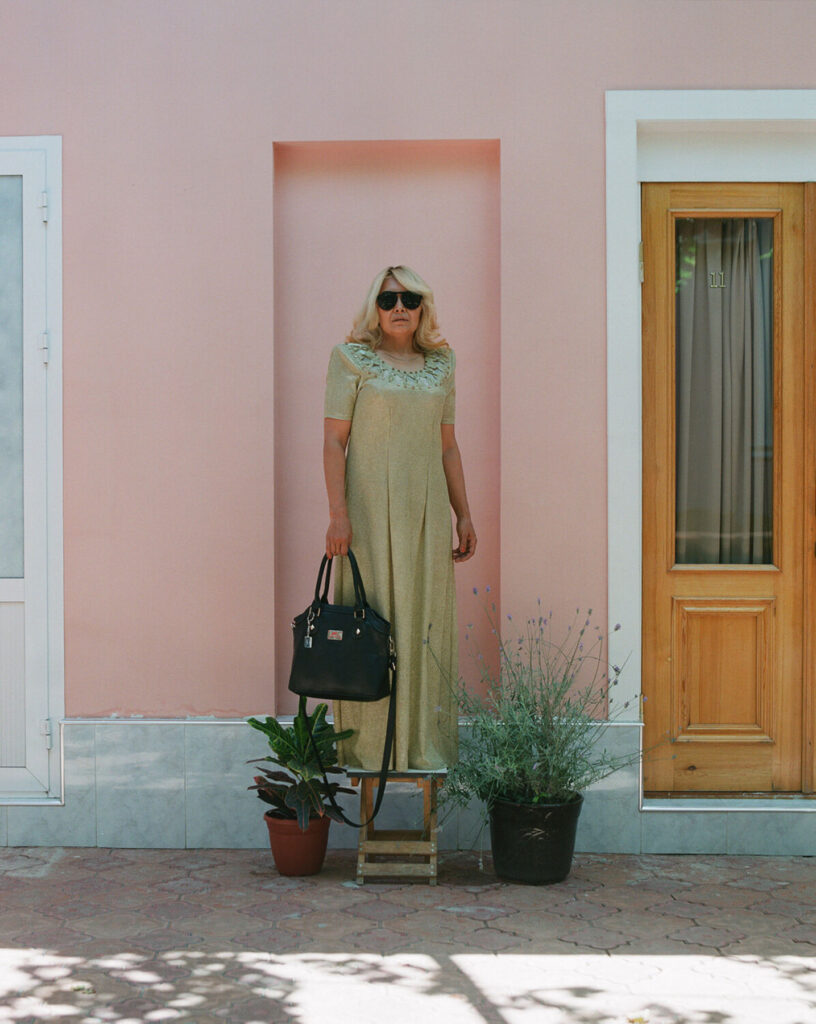
Globalization and the lack of vital improvements in education made us dependent on everything Western, and as a result, we formed a mediocre culture of self-identification that was reflected in everyday life. For the series I looked at this problem through the lens of everyday fashion, which is fascinating to me. In these gold Gucci patches on the velour local dressing gowns, I saw everything I mentioned above.

What do you value most about Uzbek culture? Do you have any favourite people or places to photograph? 

I appreciate their modesty, humility and their great love for life. I appreciate the strength of our people who bring goodness and light into this unjust reality. I am still exploring my country, so whatever I photograph now becomes my favourite place.

Do you have a particular process when shooting or is it just something that comes naturally to you? 

It depends on the projects, for example, Logomania is a completely staged project, but most of the time my process is candid – my friend and I collect backpacks with cameras and travel without a specific aim in mind.

Are you working on any projects at the moment? 

Yes, I am working on a new project that investigates the changes in Uzbekistan 2016 to the present day.

Discover Hassan Kurbanbaev’s work here hassankurbanbaev.com

Anastasia Korolkova

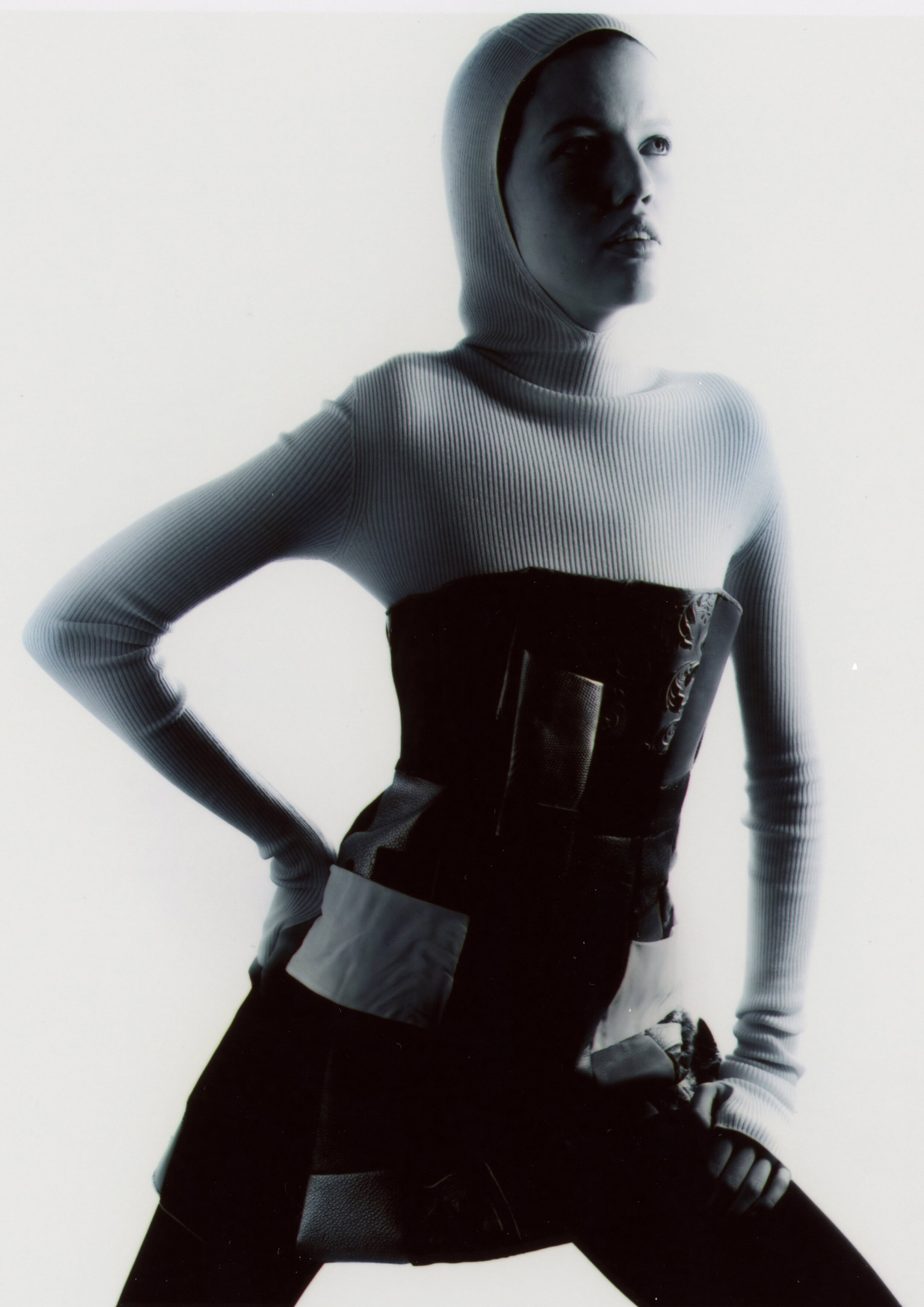
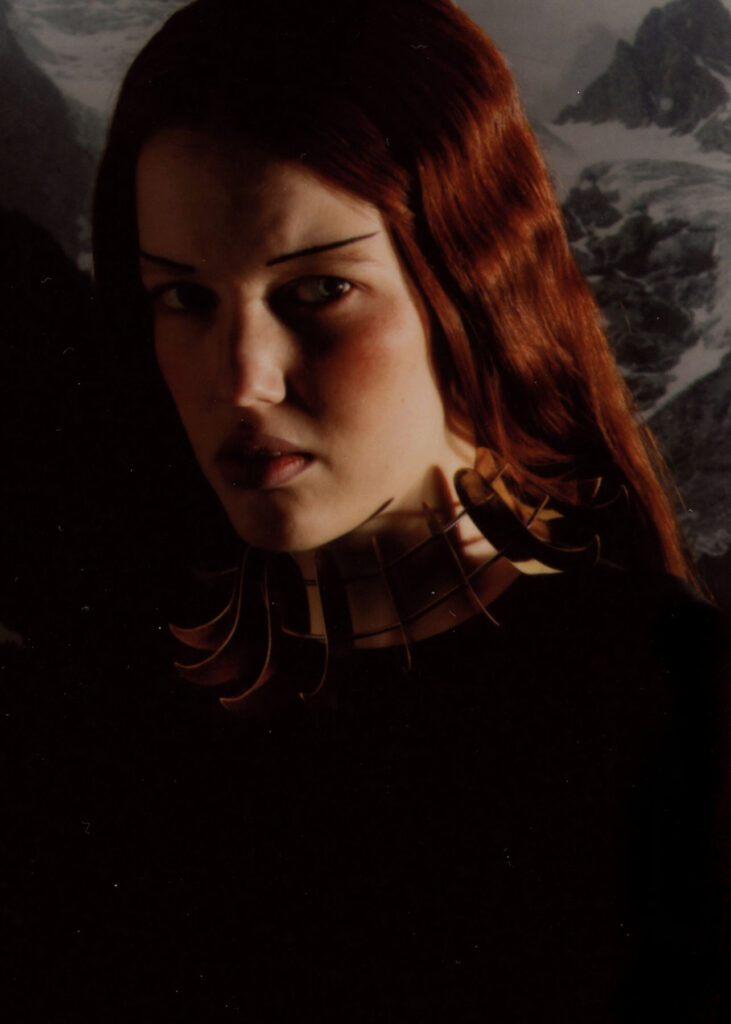
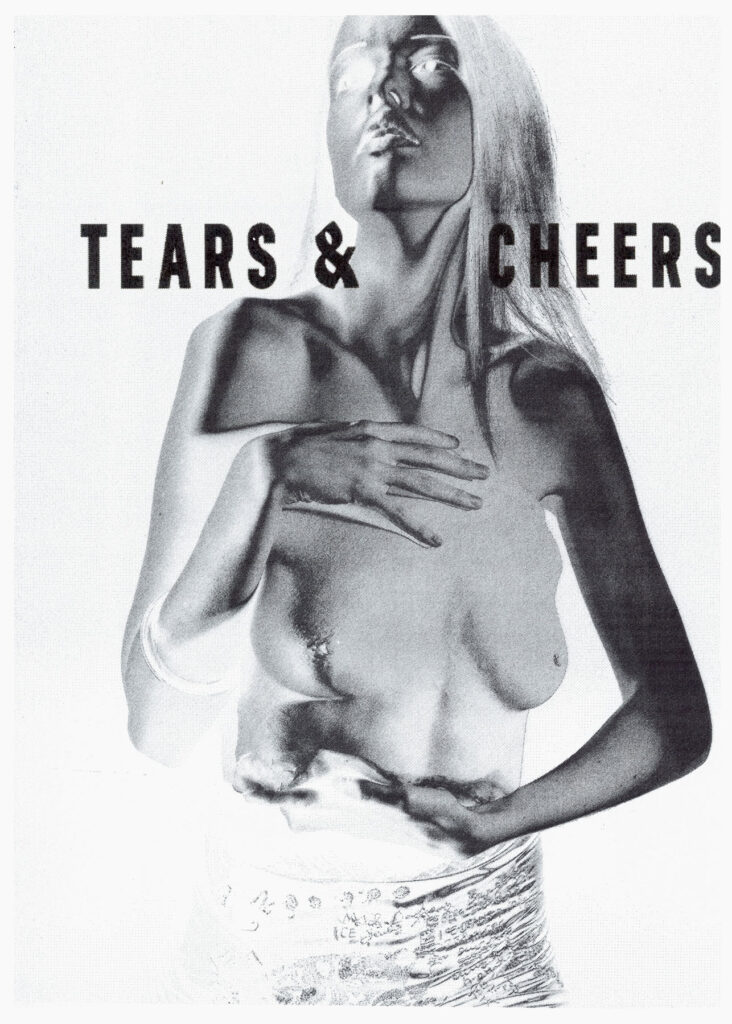
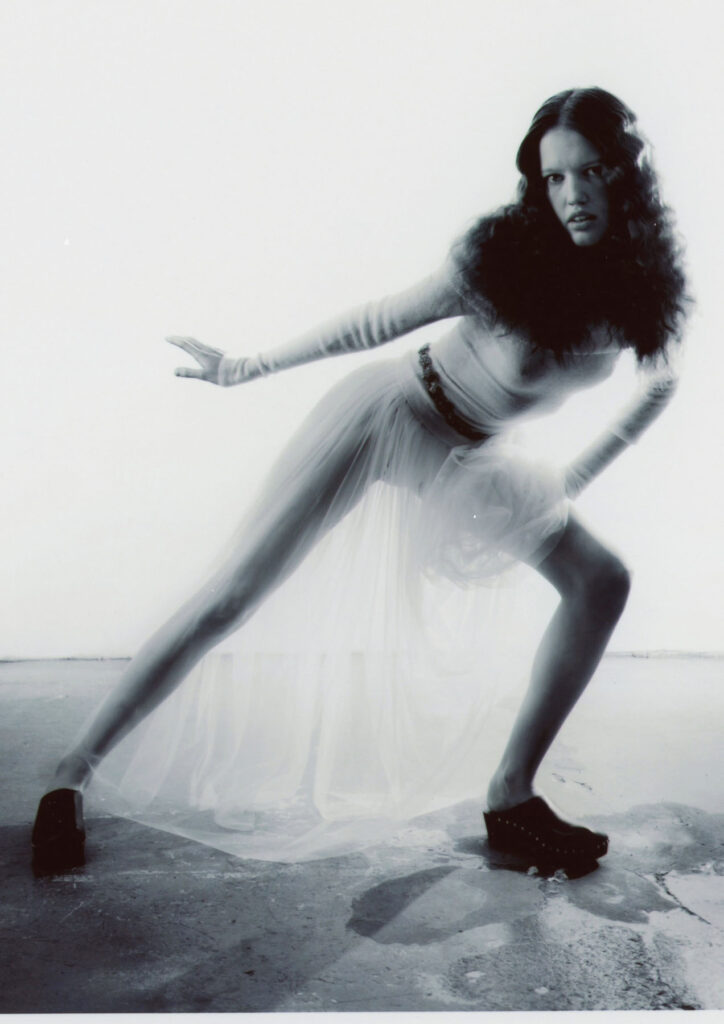
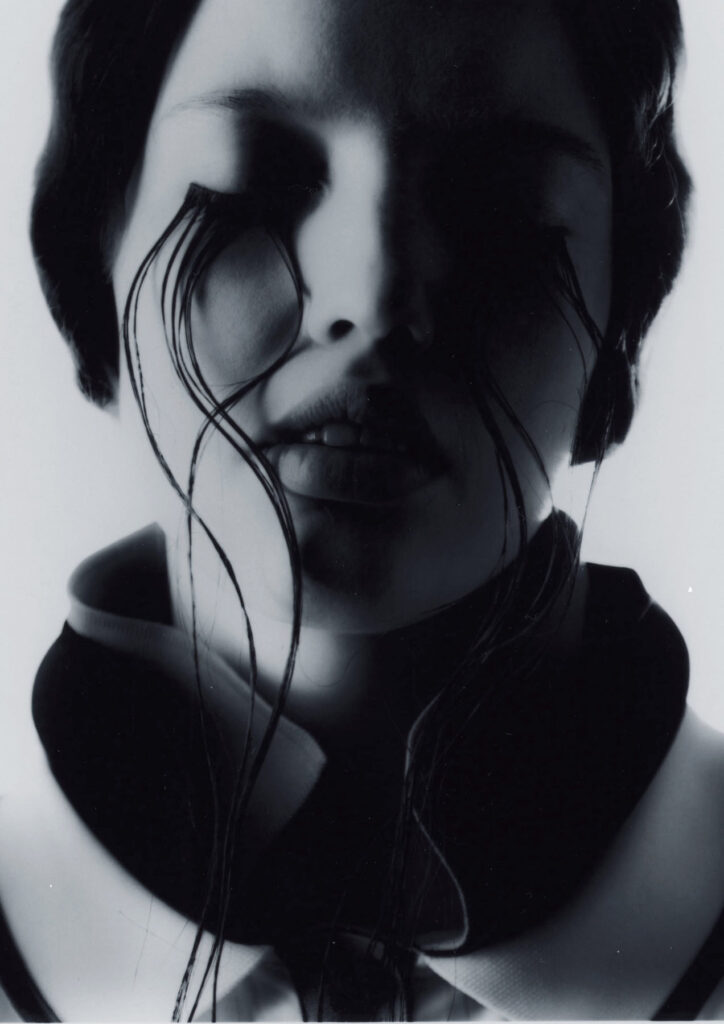
Tears and Cheers

Team

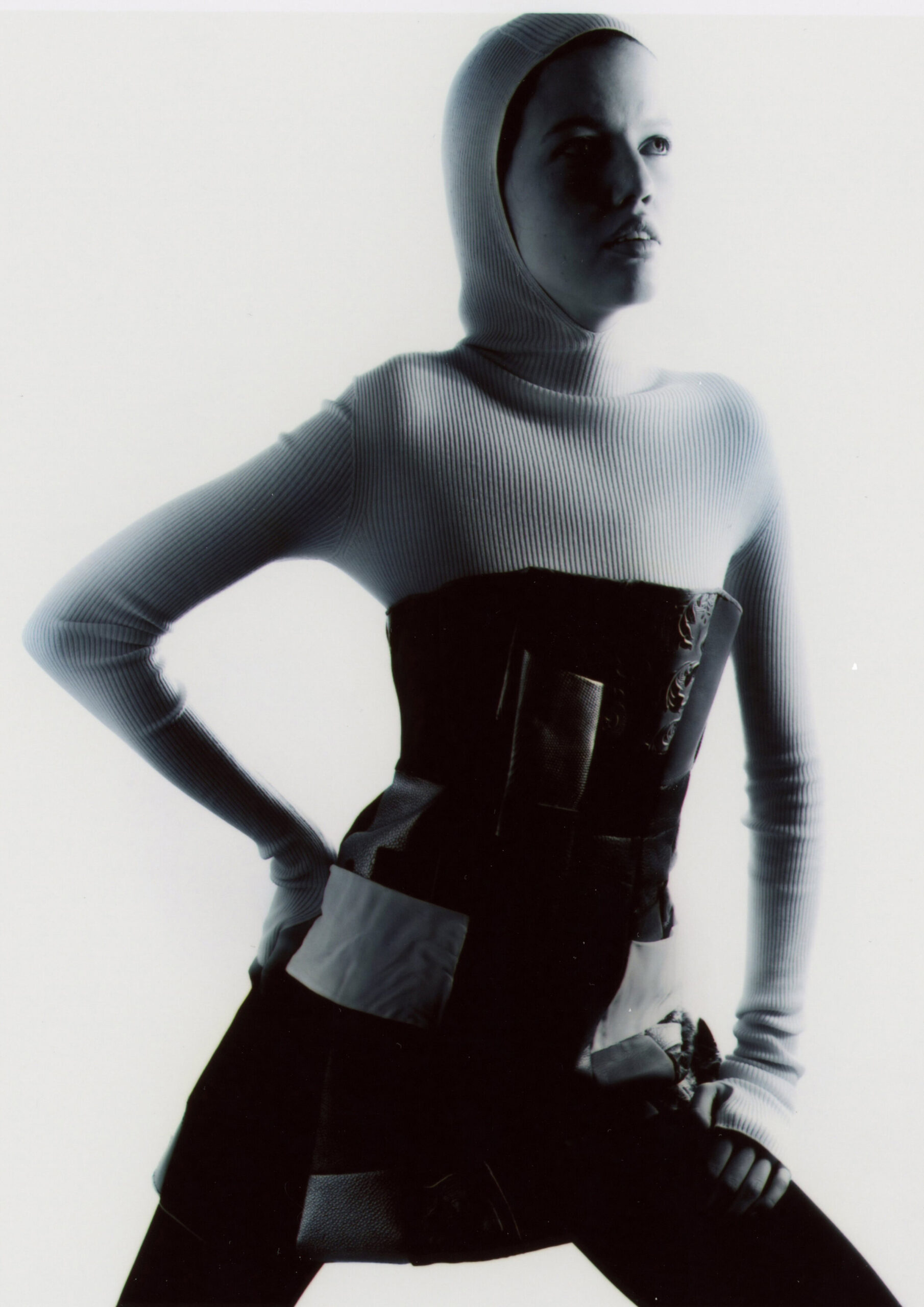
Models · IULIIA SAVINOVA
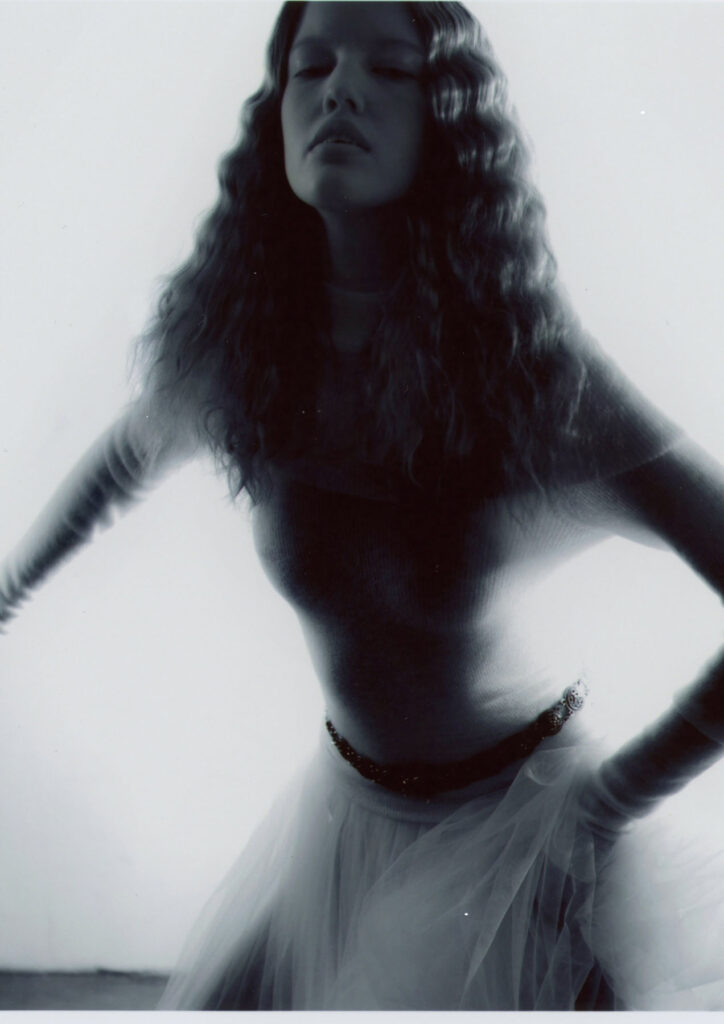
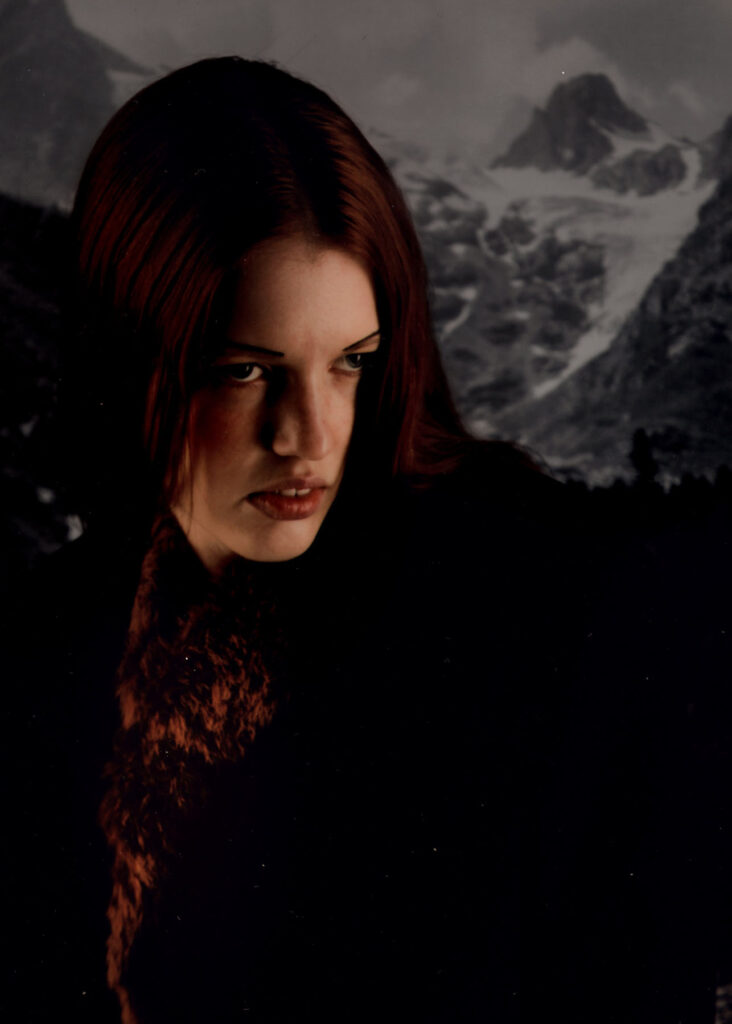
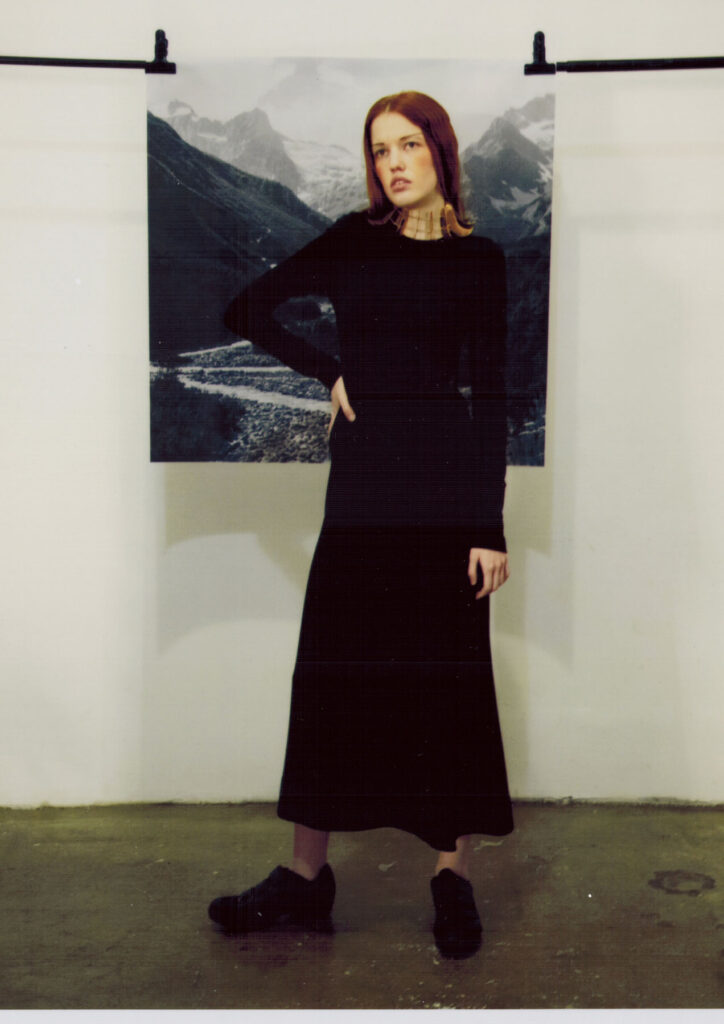
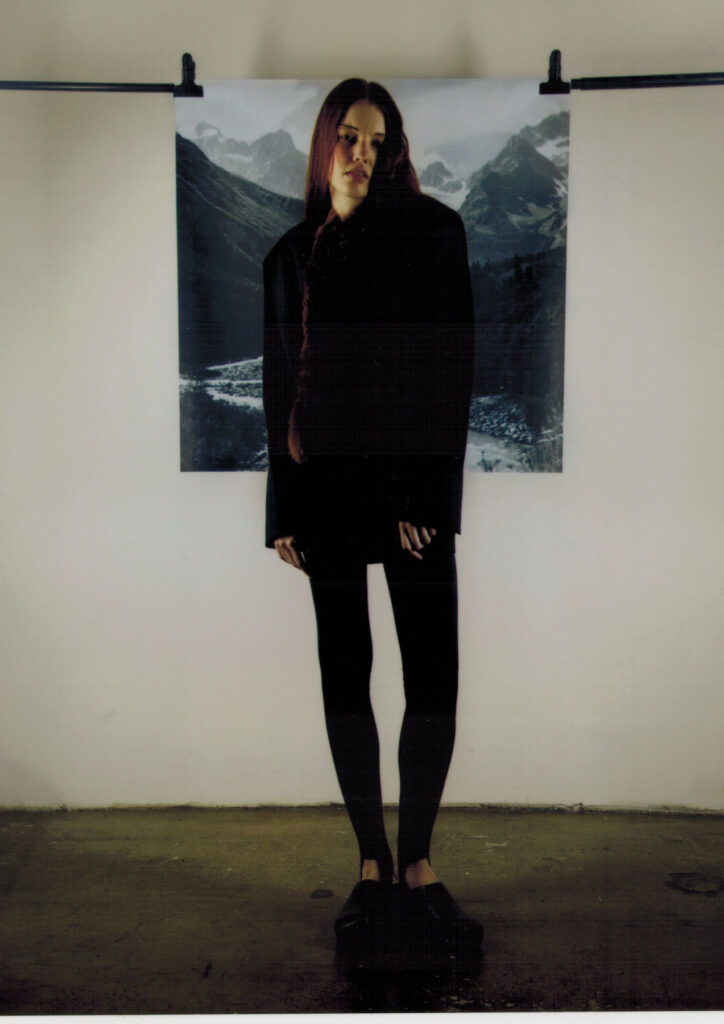
Photography, Art Direction · ANASTASIA KOROLKOVA
Fashion · MARIA BARBAYANOVA
Make up · FARIZA RODRIGUEZ
Hair · EKATERINA POKORNAYA
Photography Assistant · GENNADIY MELKOZEROV
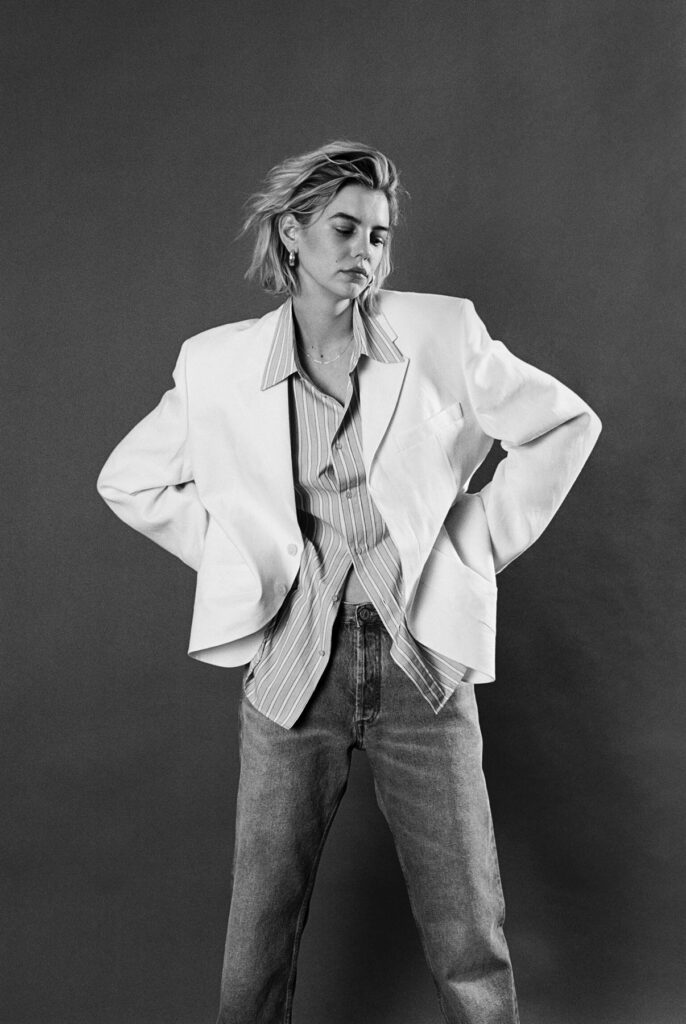
Fashion Assistant · KIRA VASIL’KOVA

Designers

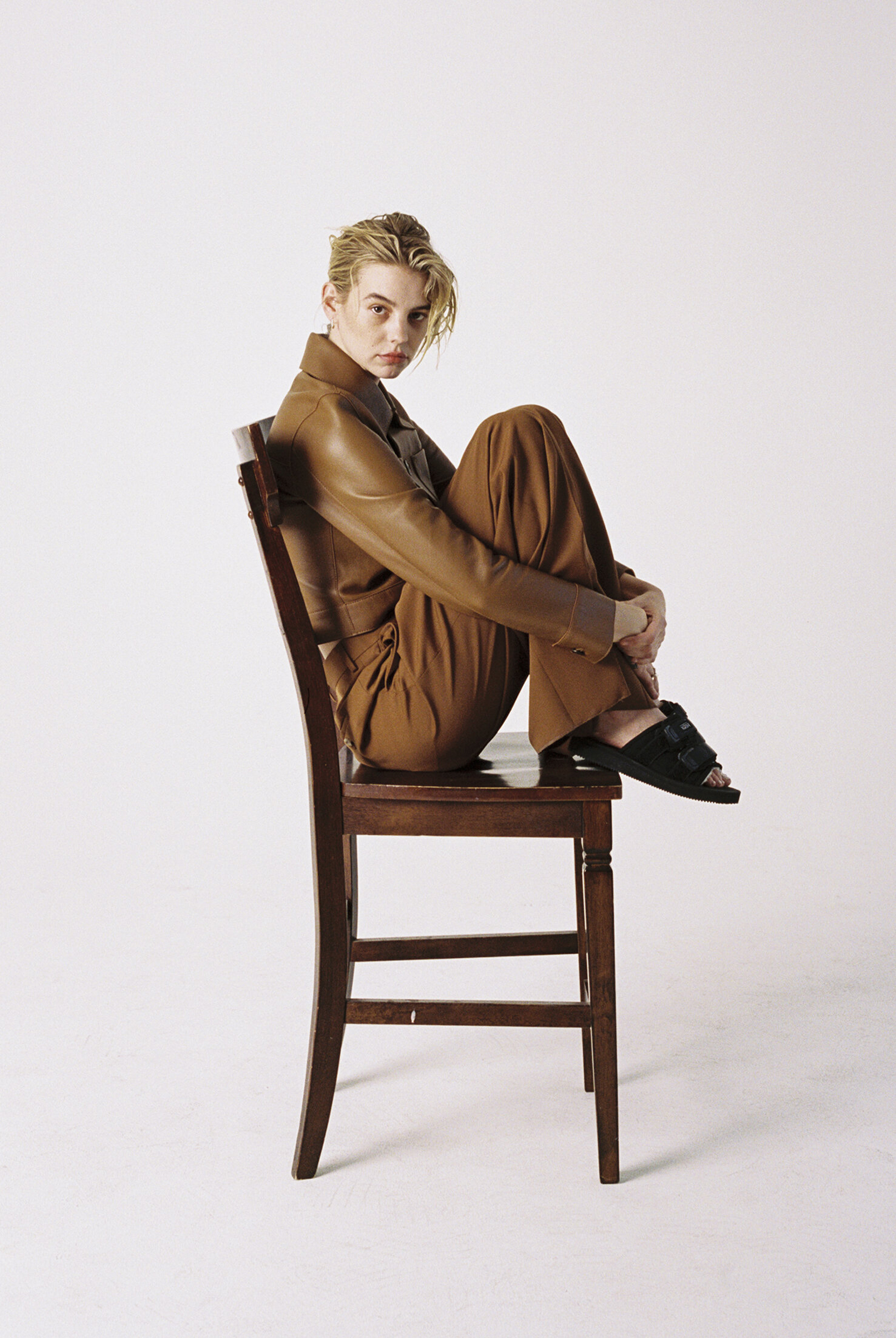
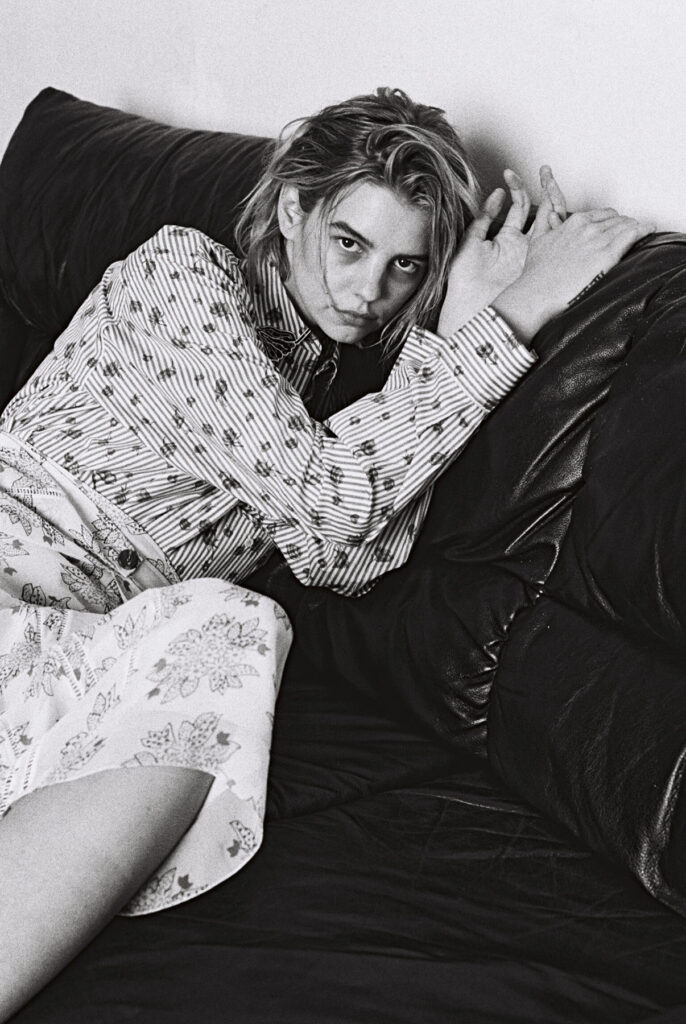
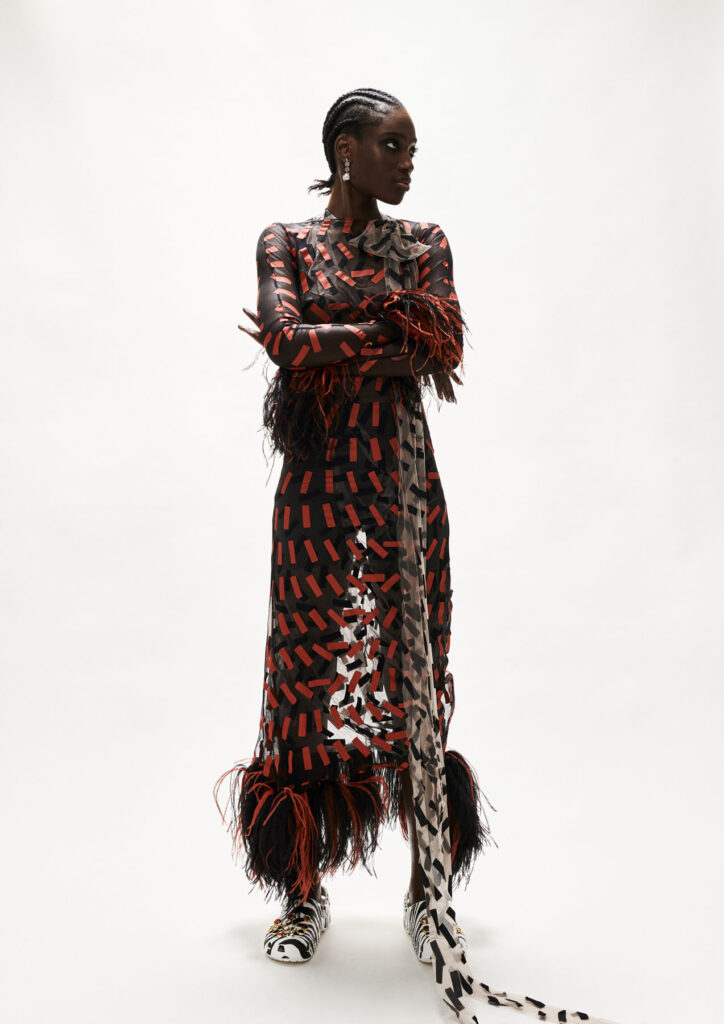
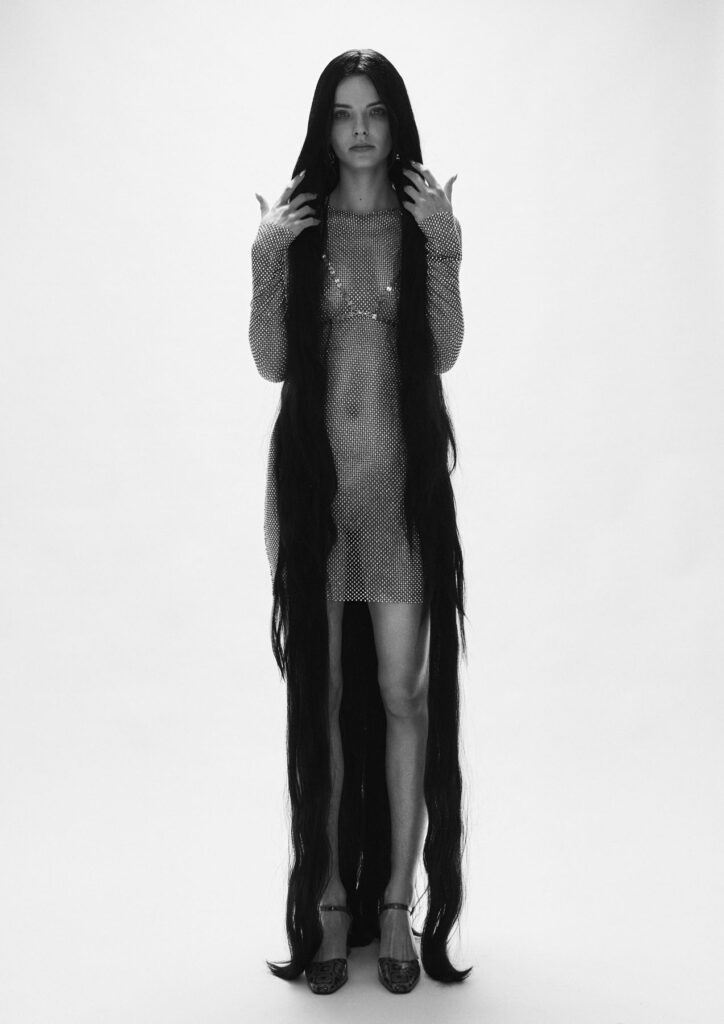
  1. Turtleneck JIL SANDER Dress MARIIA ERSHOVA
  2. Dress JIL SANDER Necklace J.KIM
  3. Sweater Stylist’s archive Skirt OTOCYON Clogs KHAITE
  4. Shorts Y/PROJECT
  5. Turtleneck JIL SANDER Dress MARIIA ERSHOVA
  6. Shirt VERTIGO
  7. Shirt VERTIGO Trousers Stylist’s archive Boots LOEWE
  8. Sweater Stylist’s archive Skirt OTOCYON
  9. Blazer Stylist’s Archive Top STROGOVINTAGE
  10. Dress JIL SANDER Necklace J.KIM Shoes Stylist’s archive
  11. Blazer Stylist’s Archive Top STROGOVINTAGE Leggings Stylist’s archive Clogs KHAITE
  12. Polo Shirt Y/PROJECT

Kensuke Koike

“Single Image Processing”

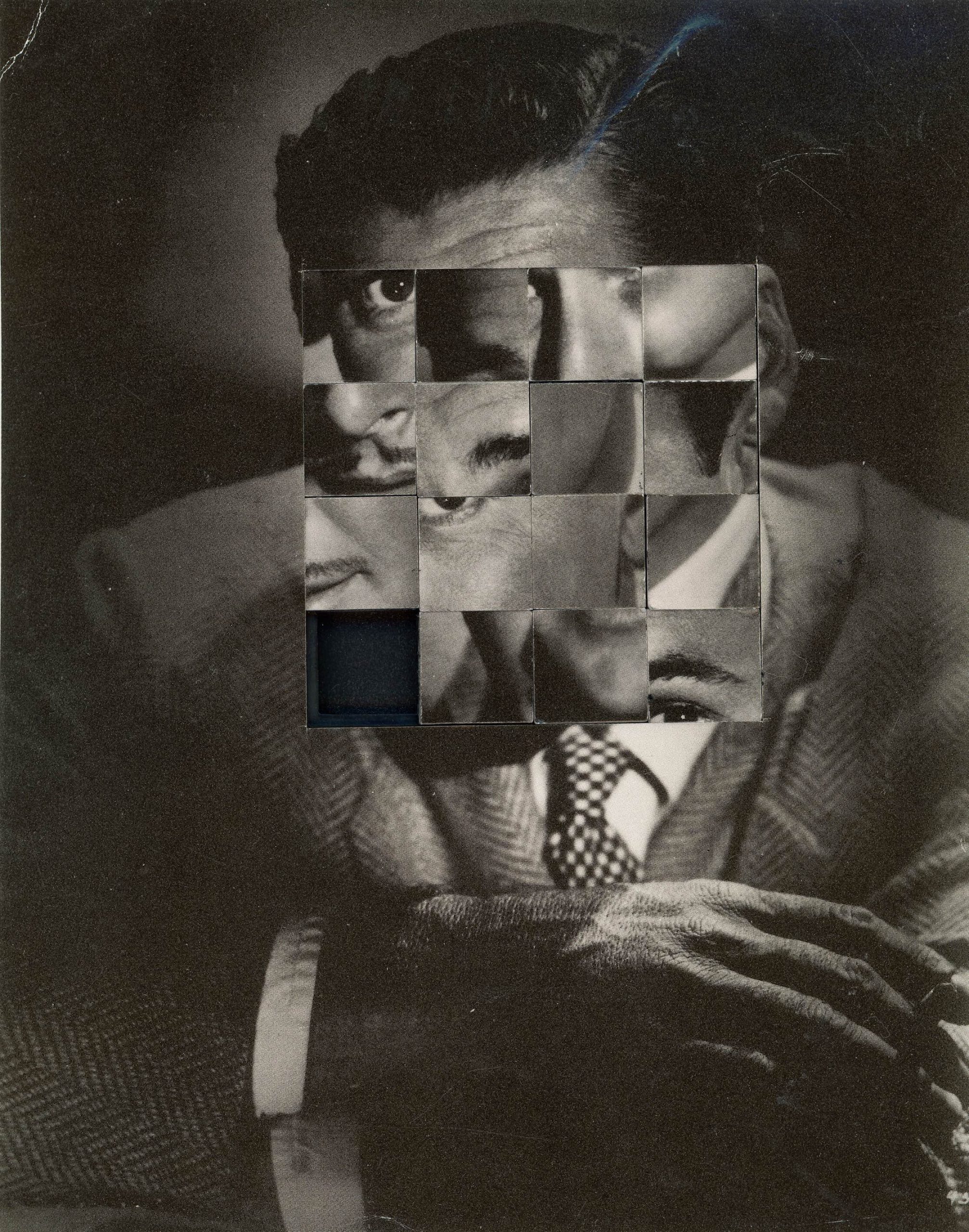
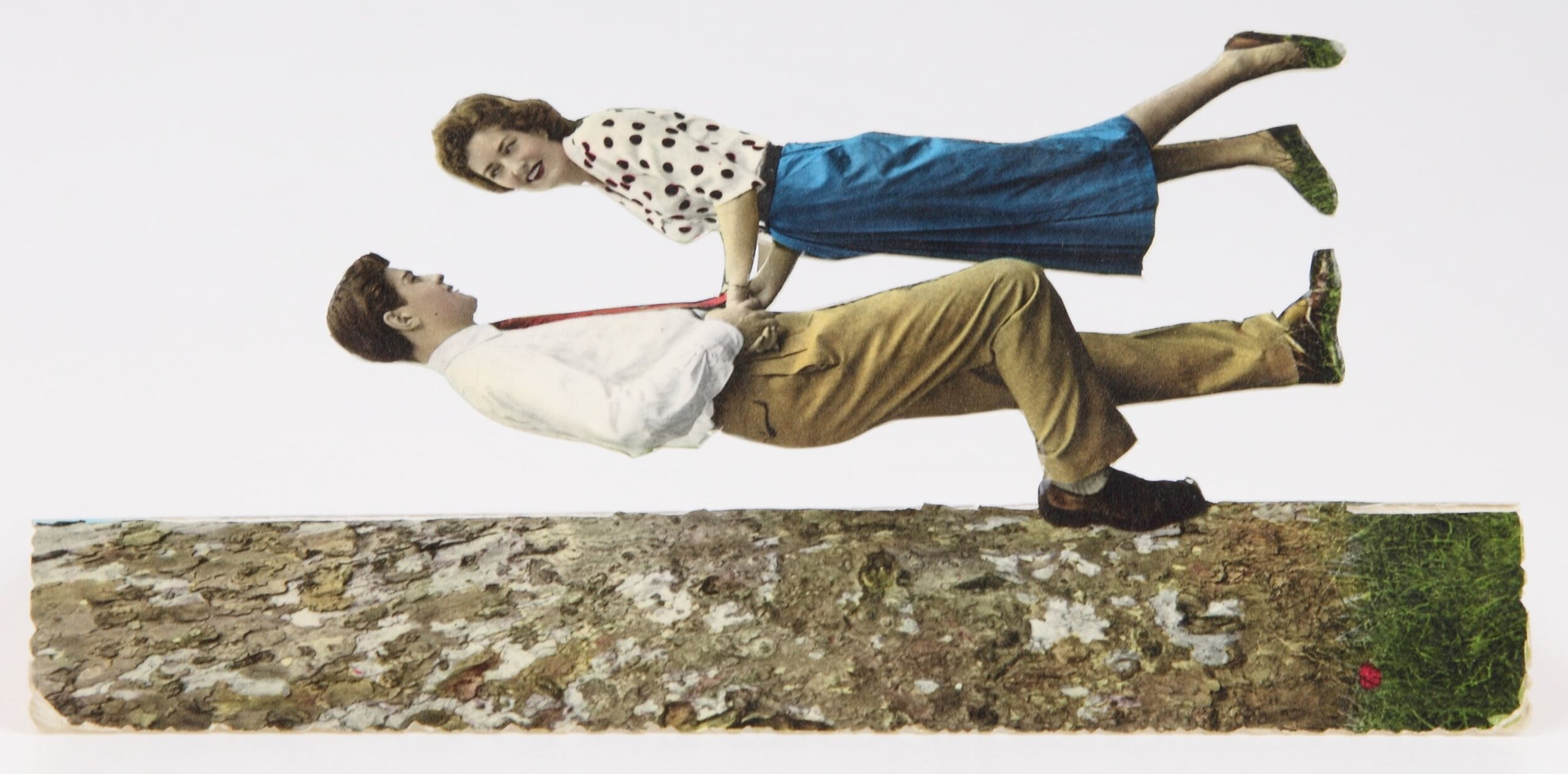
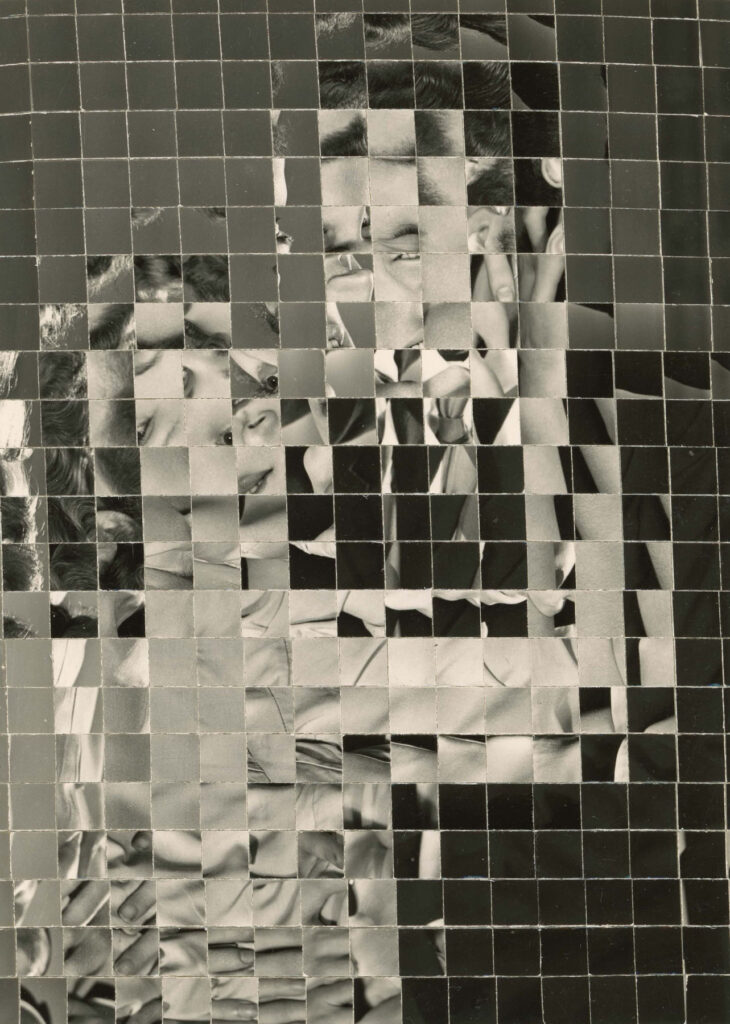
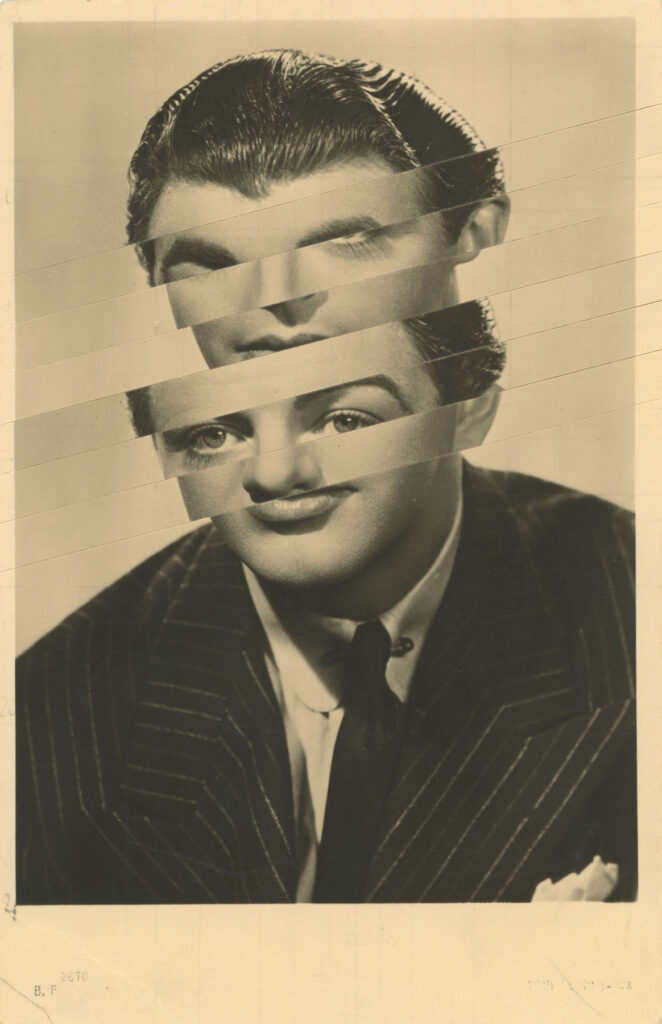
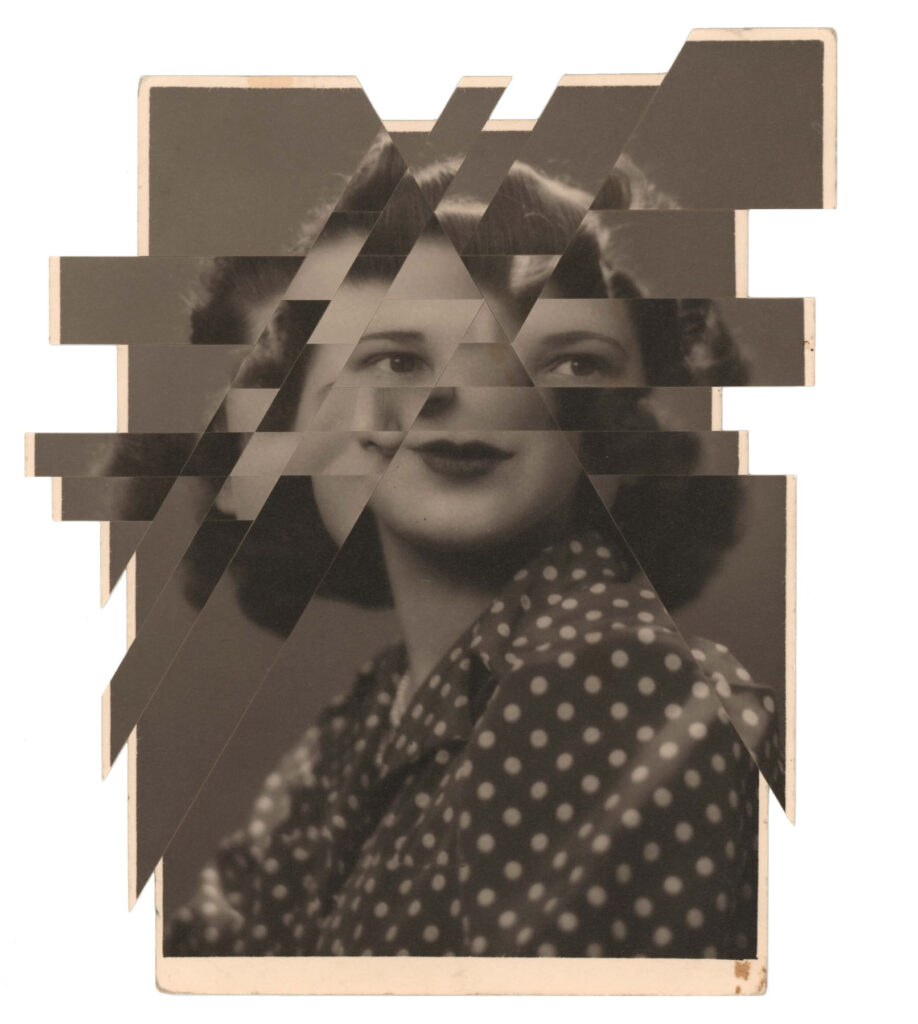
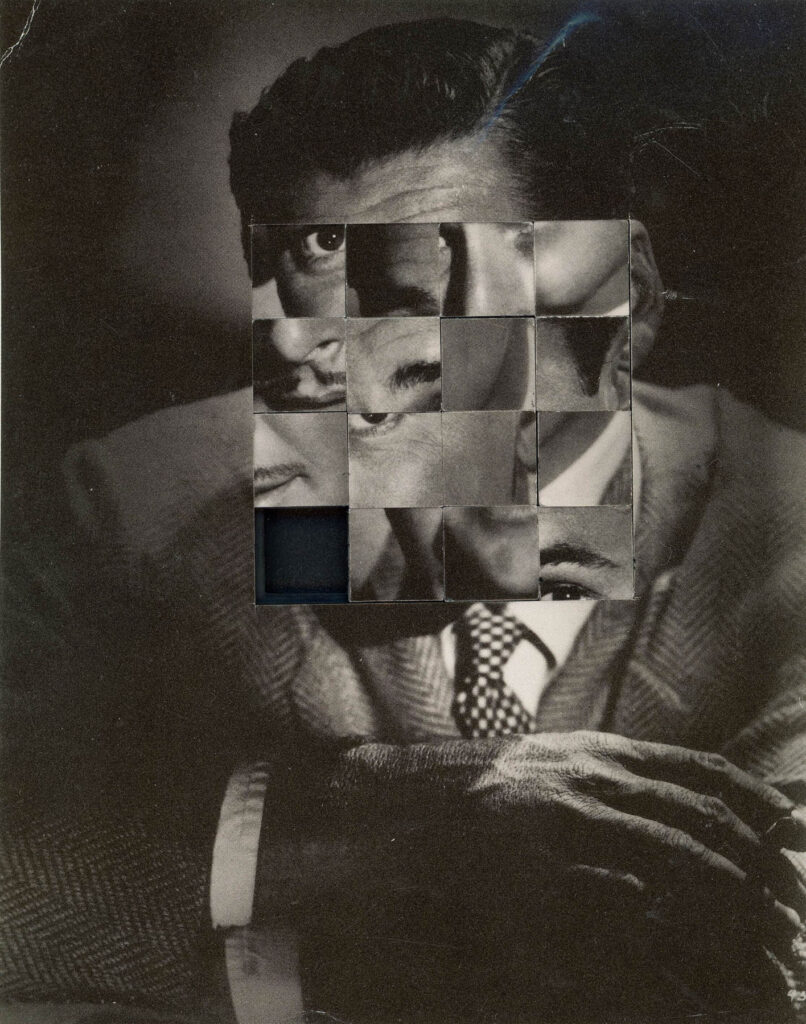
Born in Japan and now based in Venice, Kensuke Koike works with a surrealist playfulness to challenge the possibility of creating images. In deconstructing and re-forming vintage and archival photographs into carefully distorted pieces, Koike breathes a new life into found photography. There is a sculptural quality to Koike’s work, and his reconfigured photographs and postcards have a humorous, yet perplexing energy instilled in them. 

Koike’s practice focusses on the possibility of reinvention within an image and involves using analogue collage techniques and working solely with the existing elements of an image. The result is an impressive body of work with unique and contemporary visual narratives that the artist has defined as ‘single image processing’. In using found objects and reviving vintage photographs in this way, Koike creates a dynamic way of working, with each piece exposing different facets of the culture and truth of image making.

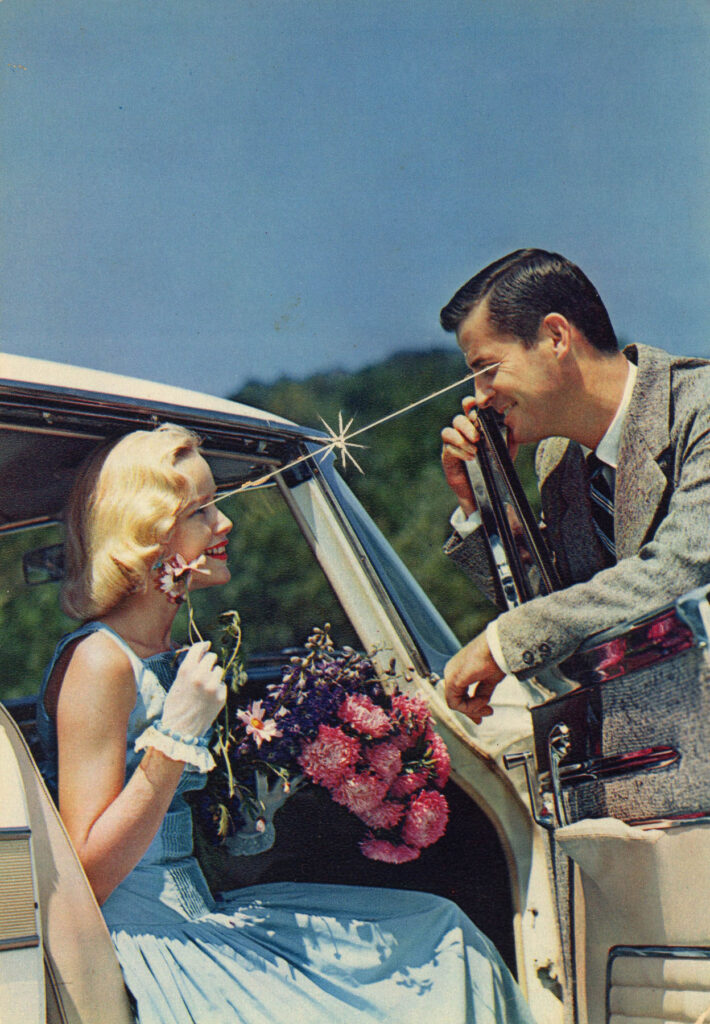
Koike seeks to create meaning from an existing object, and his use of found images in combination with the handmade formation of each piece feels incredibly nostalgic and gives a surrealist twist to a vintage era. Koike is more than a just a collage artist – he is as much a videographer, a sculptor, and a puzzle maker – and the videos he makes and shares digitally show his interest in contemporary creative methods. Koike also includes performative elements in his work. It is in this variation of his practice that and understanding of both the humour and reverence with which Koike creates his vision can be found.

Credits

Images · KENSUKE KOIKE
and THE PHOTOGRAPHERS GALLERY

Discover more here thephotographersgallery.org.uk
Kensuke Koike’s work can be found here kensukekoike.com

The Photographers’ Gallery in London presents ‘Re-composed’ until 27th June, where a unique selection of Koike’s work is available to purchase.

Jenn Kang

Journey

Team

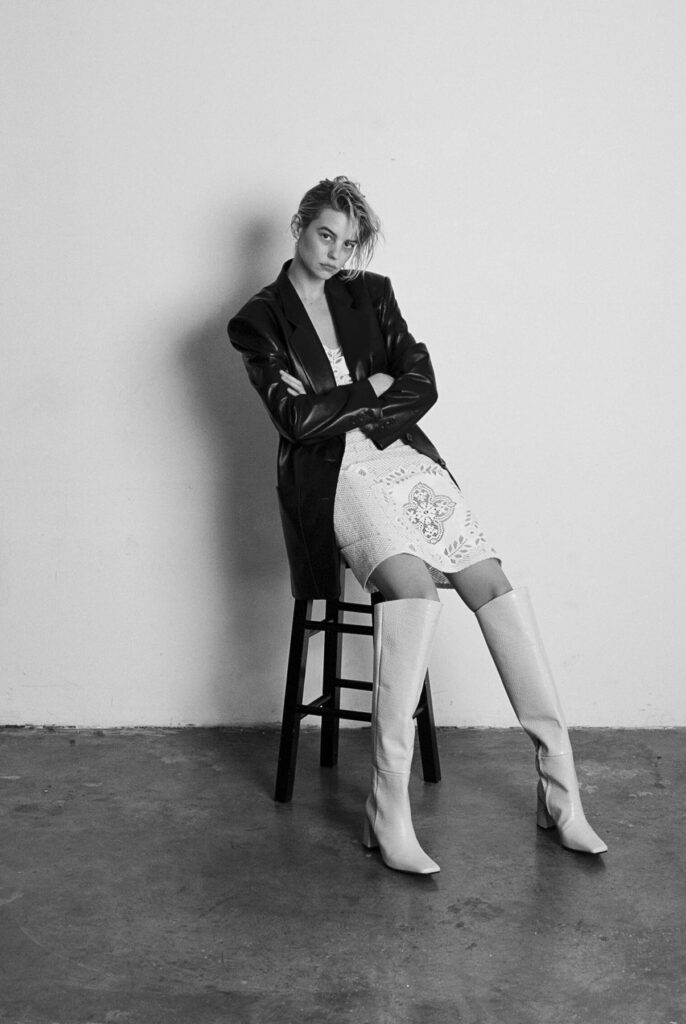
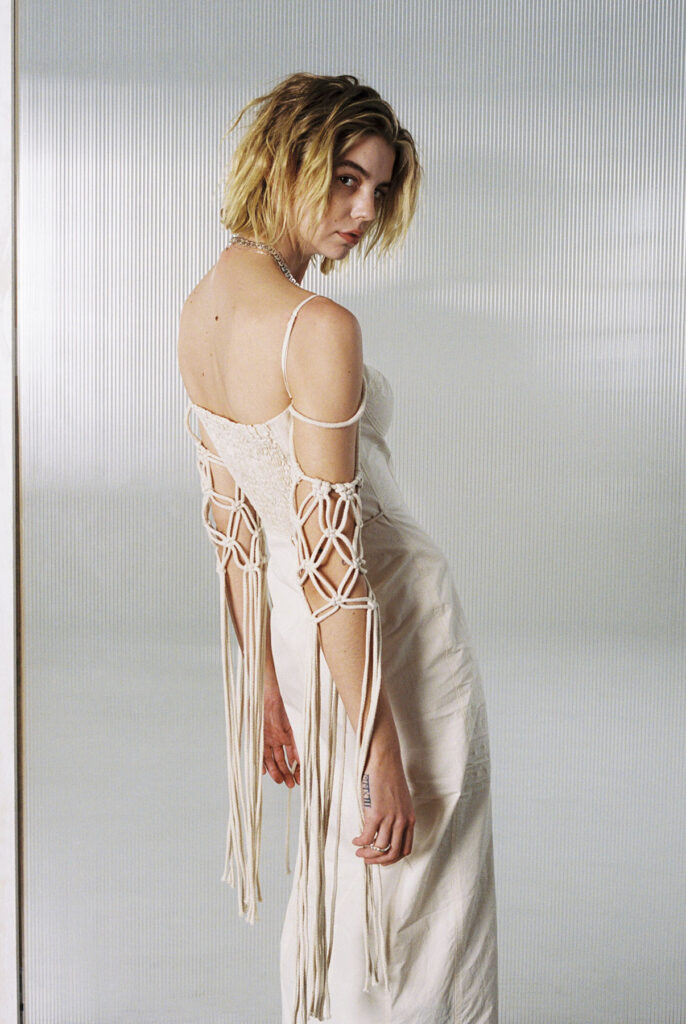
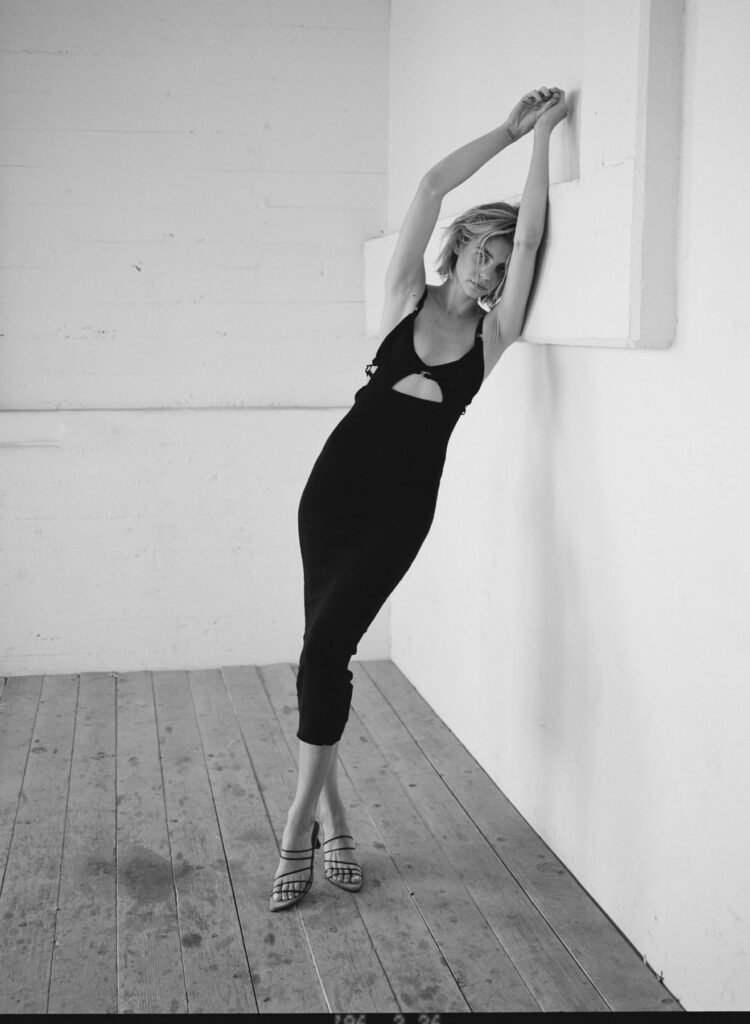
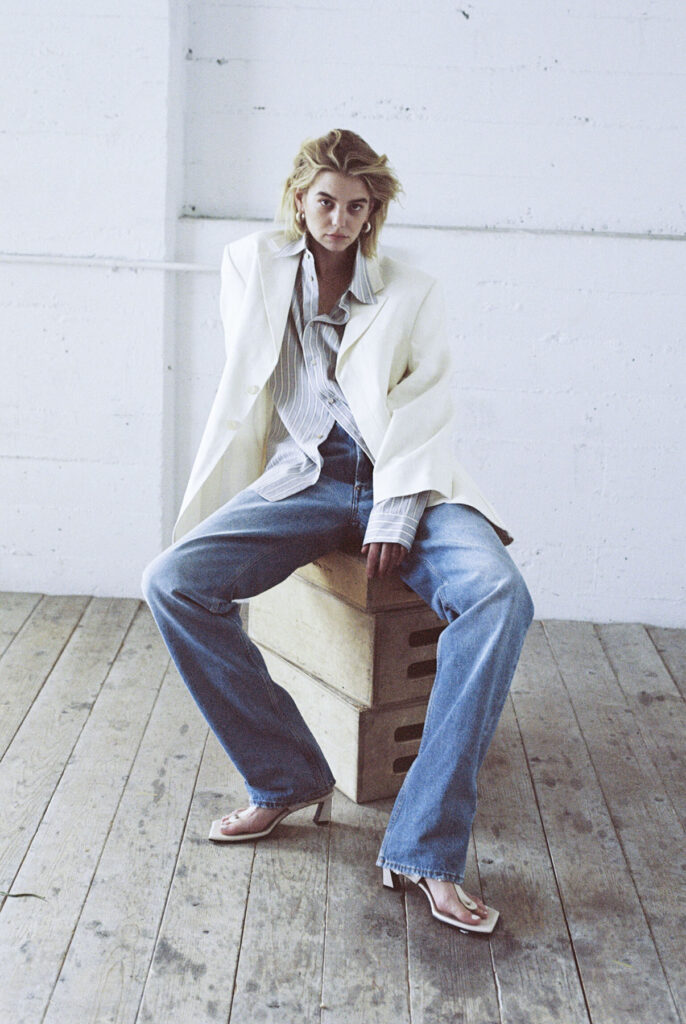
Photography JENN KANG Fashion TRUDY NELSON Hair ANDRES COPELAND Make-Up WENDY MARTINEZ Model MICHI DELANE Photo Assistant ALEX FOSTER  Fashion Assistant REGINA DONALD

Designers

  1. Top AMI Trousers LANVIN Shoes SUICOKE Ring LEIGH MILLER Earring and Necklace LOREN STEWART
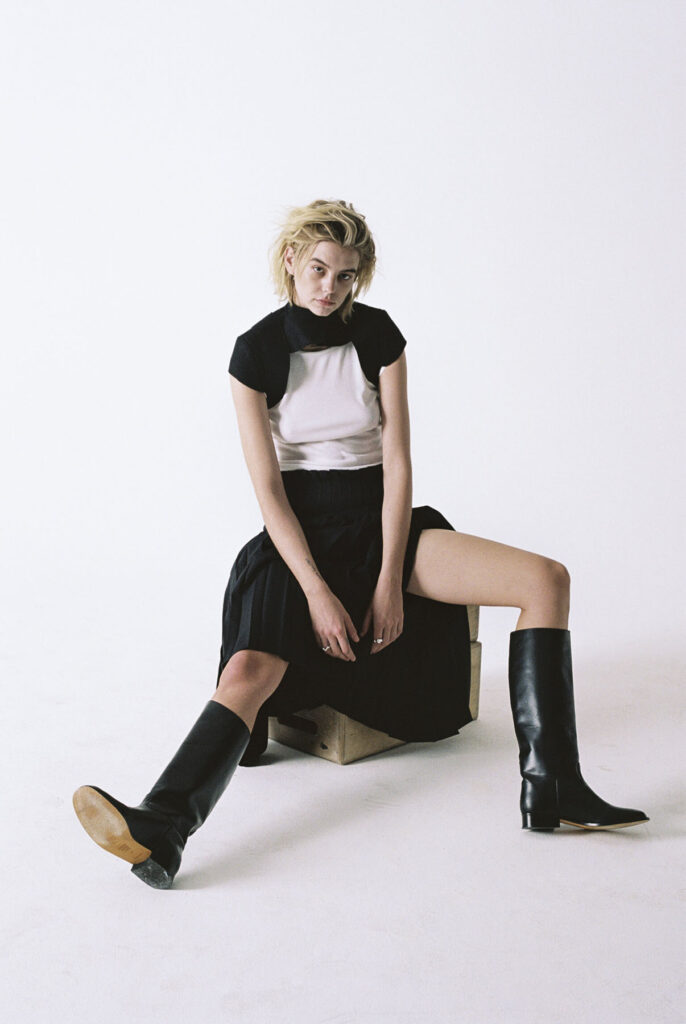
  2. Halter VERA WANG Skirt SYSTEM T-Shirt and Boots MARYAM NASSIR ZADEH Ring LEIGH MILLER Earring and Necklace LOREN STEWART
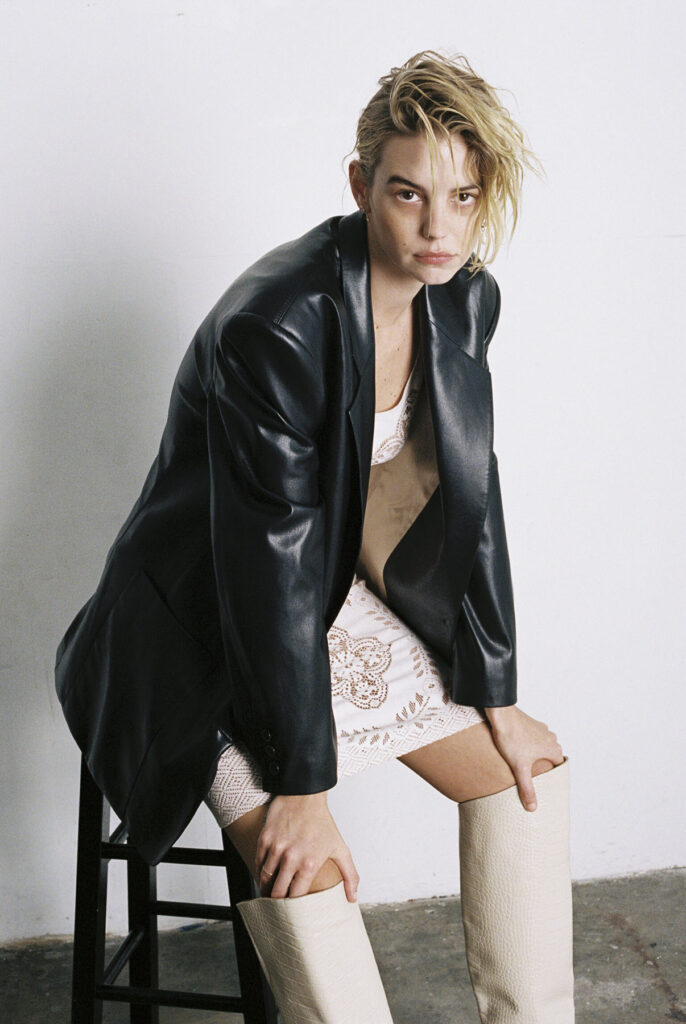
  3. Dress MARYAM NASSIR ZADEH Jacket NANUSHKA Boots REIKE NEN Jewellery KATHLEEN WHITAKER
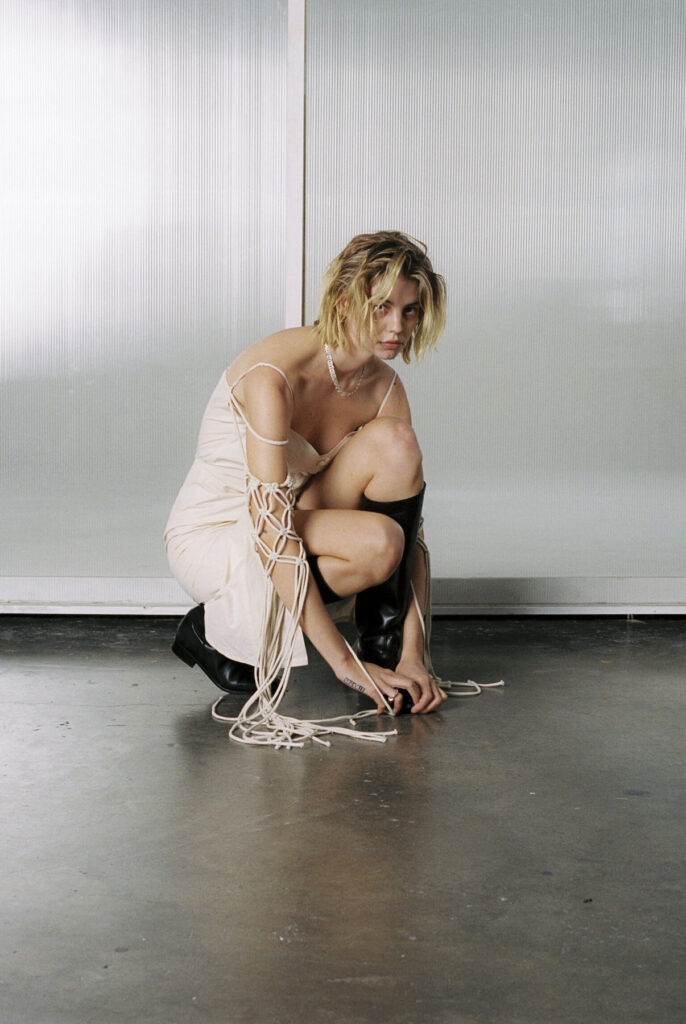
  4. Dress NANUSHKA Boots MARYAM NASSIR ZADEH Necklaces LOREN STEWART Ring LEIGH MILLER
  5. Dress JACQUEMUS Shoes REIKE NEN   Necklace LOREN STEWART
  6. Blazer JACQUEMUS Shirt GUCCI Jeans THE ATTICO Shoes REIKE NEN Rings LEIGH MILLER and LOREN STEWART Necklace LOREN STEWART Earrings LEIGH MILLER
  7. Full Look CHLOÉ
  8. Top AMI Trousers LANVIN Shoes SUICOKE Ring LEIGH MILLER Earring and Necklace LOREN STEWART
  9. Halter VERA WANG Skirt SYSTEM T-Shirt and Boots MARYAM NASSIR ZADEH Ring LEIGH MILLER Earring and Necklace LOREN STEWART
  10. Dress MARYAM NASSIR ZADEH Jacket NANUSHKA Boots REIKE NEN Jewellery KATHLEEN WHITAKER
  11. Dress NANUSHKA Boots MARYAM NASSIR ZADEH Necklaces LOREN STEWART Ring LEIGH MILLER
  12. Dress JACQUEMUS  Shoes REIKE NEN   Necklace LOREN STEWART
  13. Blazer JACQUEMUS Shirt GUCCI Jeans THE ATTICO Shoes REIKE NEN Rings LEIGH MILLER and LOREN STEWART Necklace LOREN STEWART Earrings LEIGH MILLER
  14. Full Look CHLOÉ

Artem Kononenko

Ambivalent

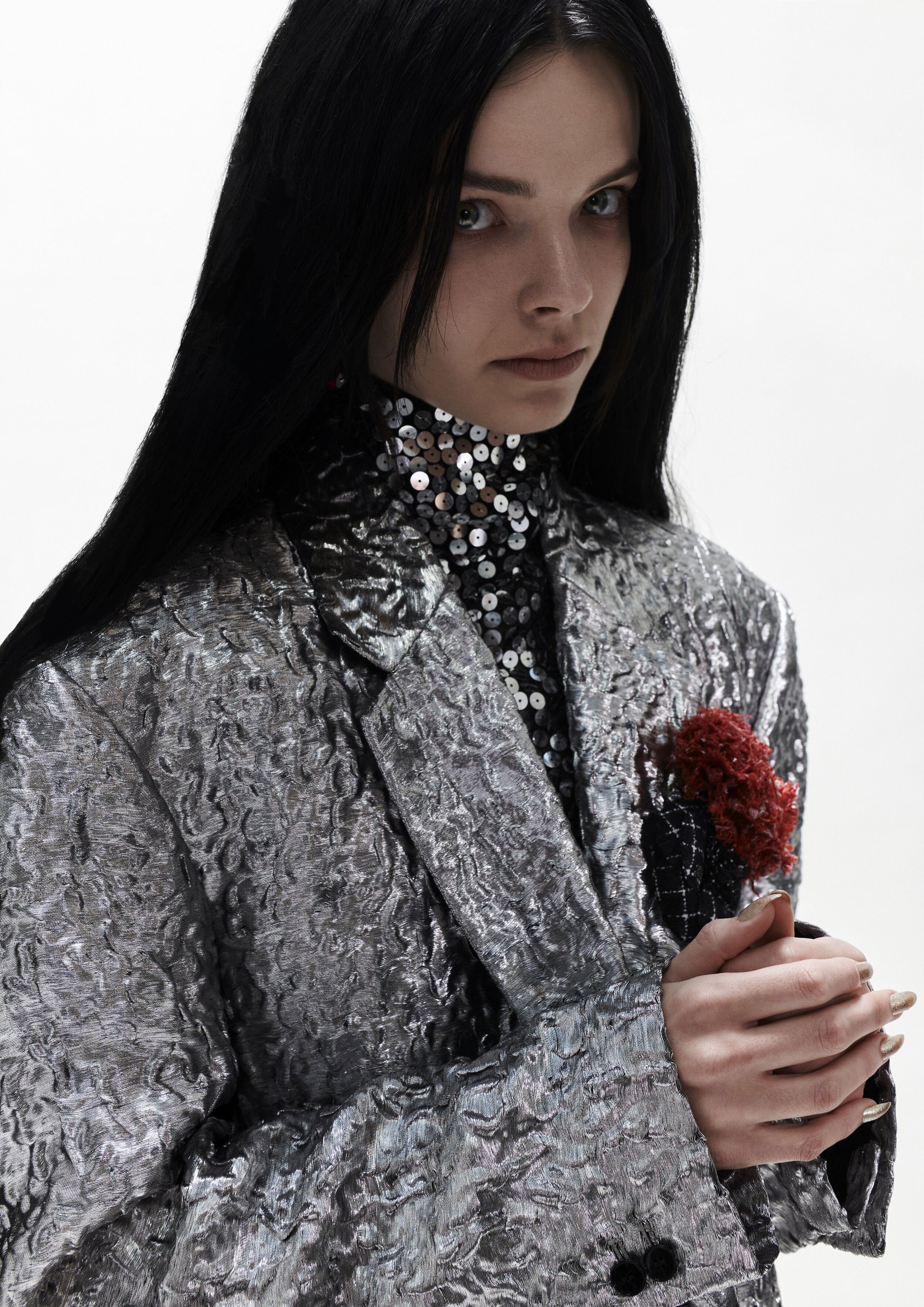
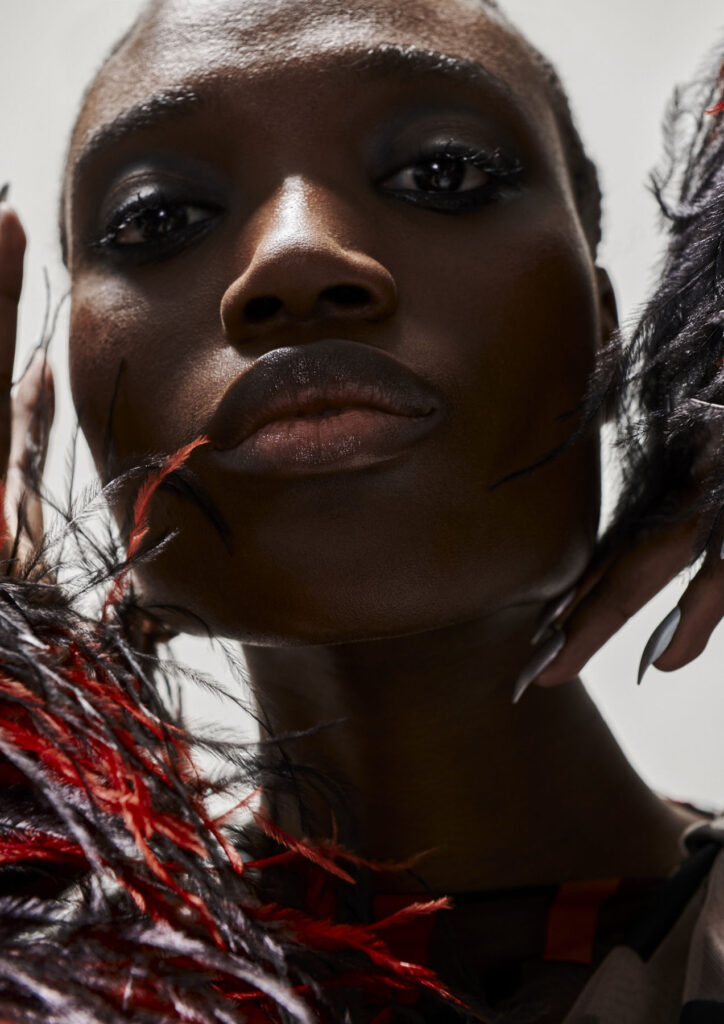
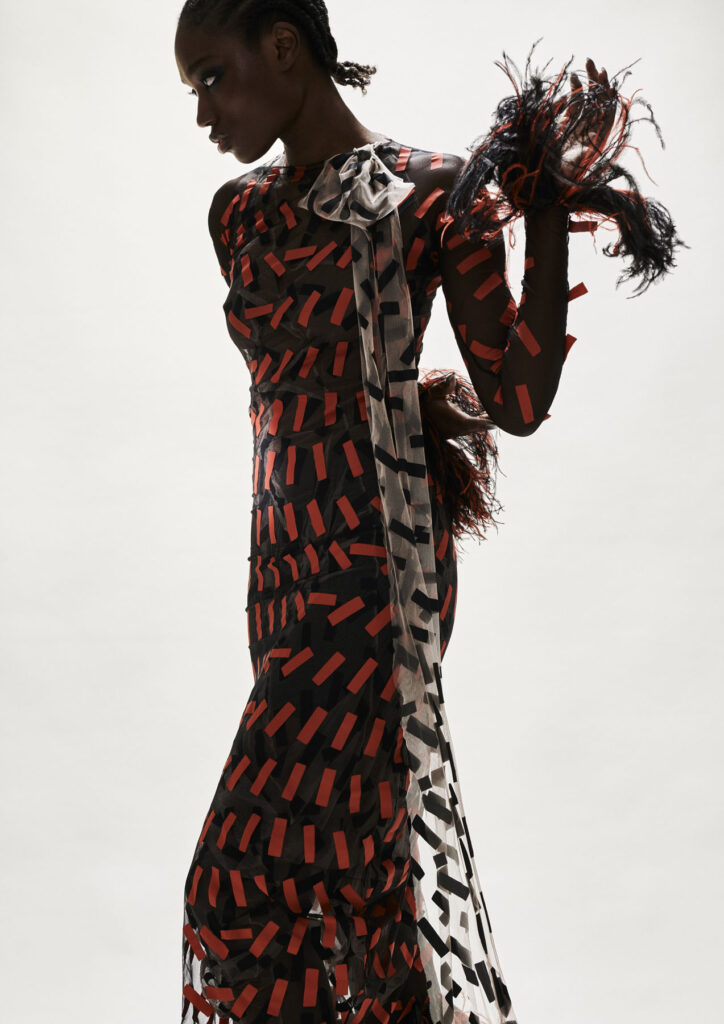
Photographer Artem Kononenko captures Lucie and Bintou for online. Featuring looks from Roger Vivier, Azzaro and more


Credits

Photography · Artem Kononenko
Creative Direction · Plamena Karaliyska Fashion Belishi
Make Up · Olga Kruglova Hair Mayu Marimoto
Models · Lucie At Women Management And Bintou At Supreme
Location · Presswall Studios

Kaytranada

Pivotal points and personal breakthroughs

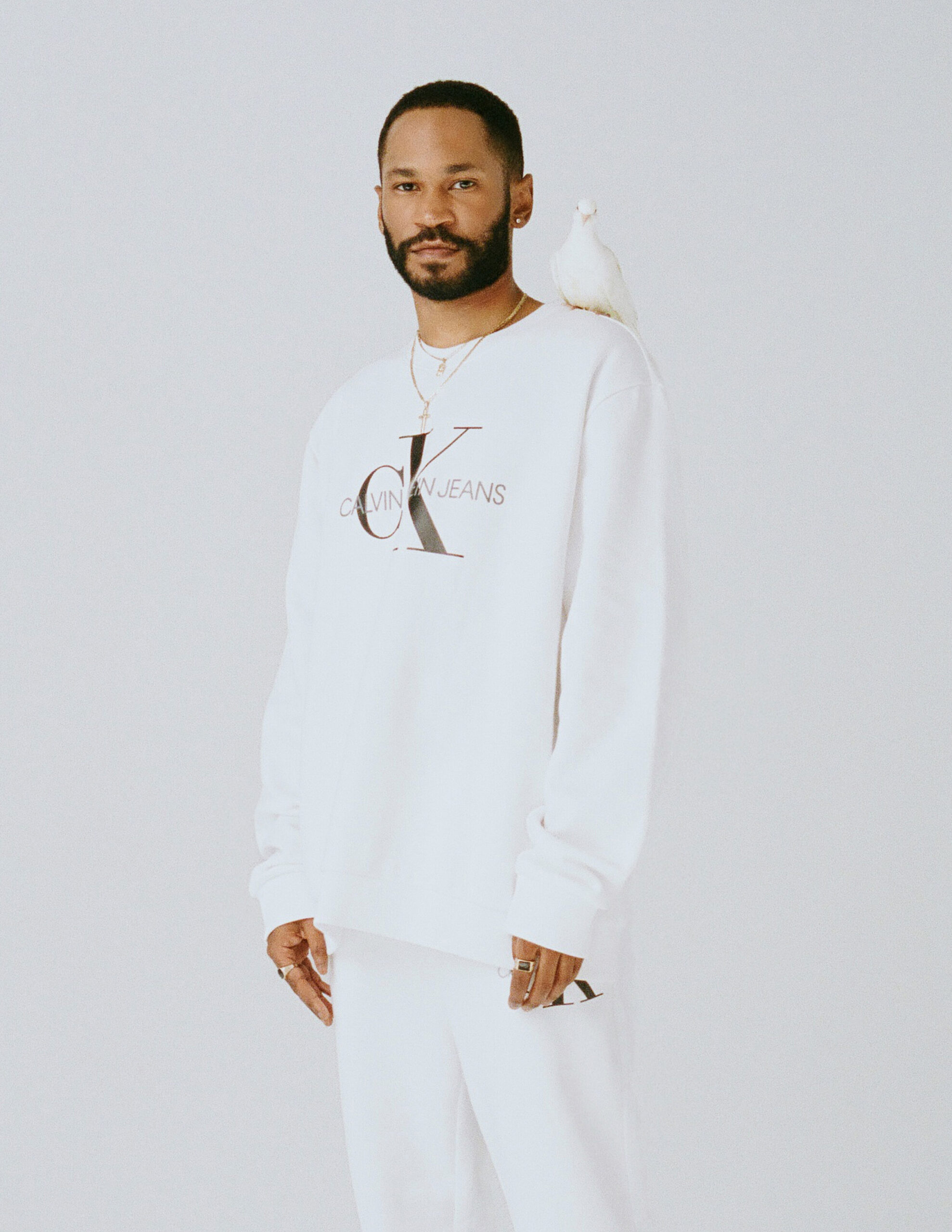
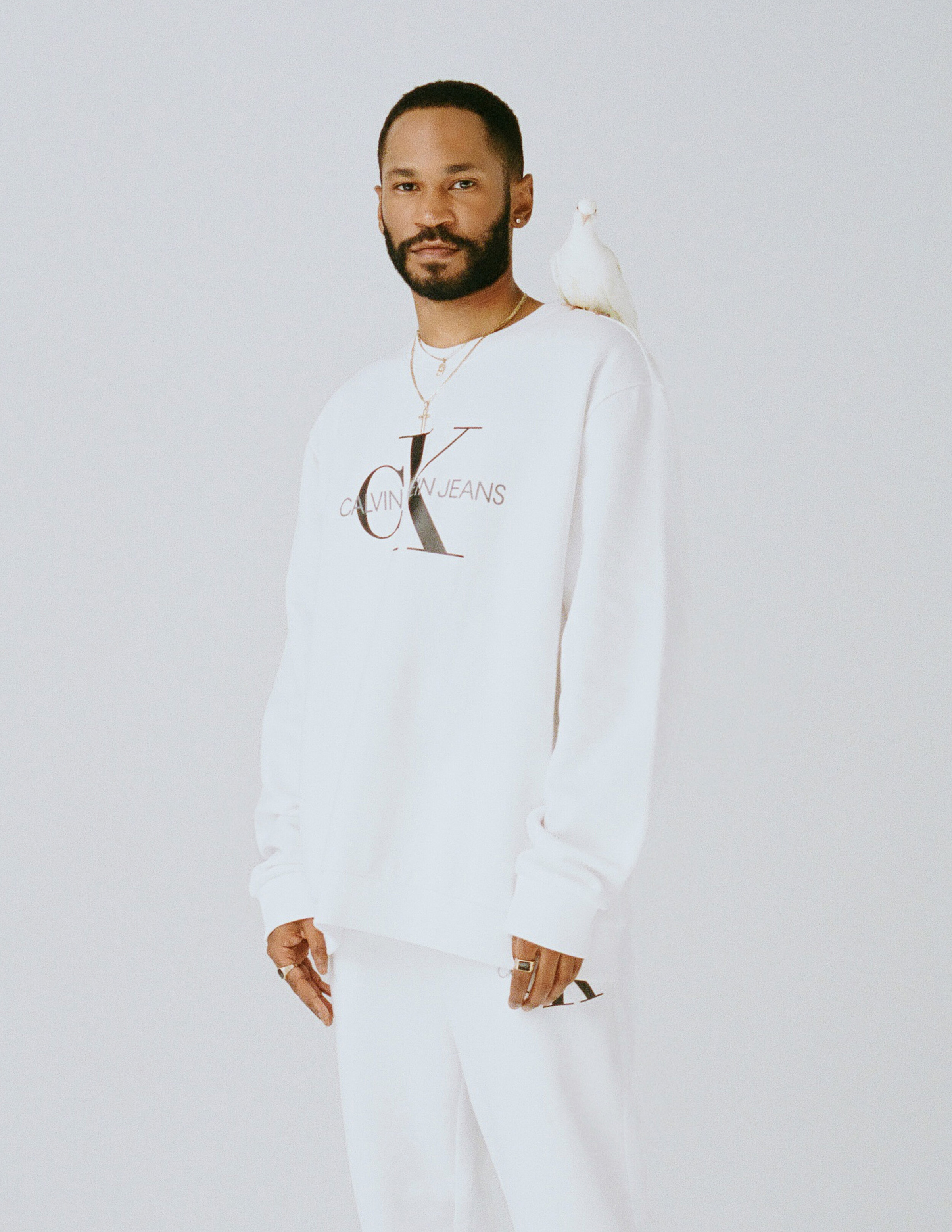
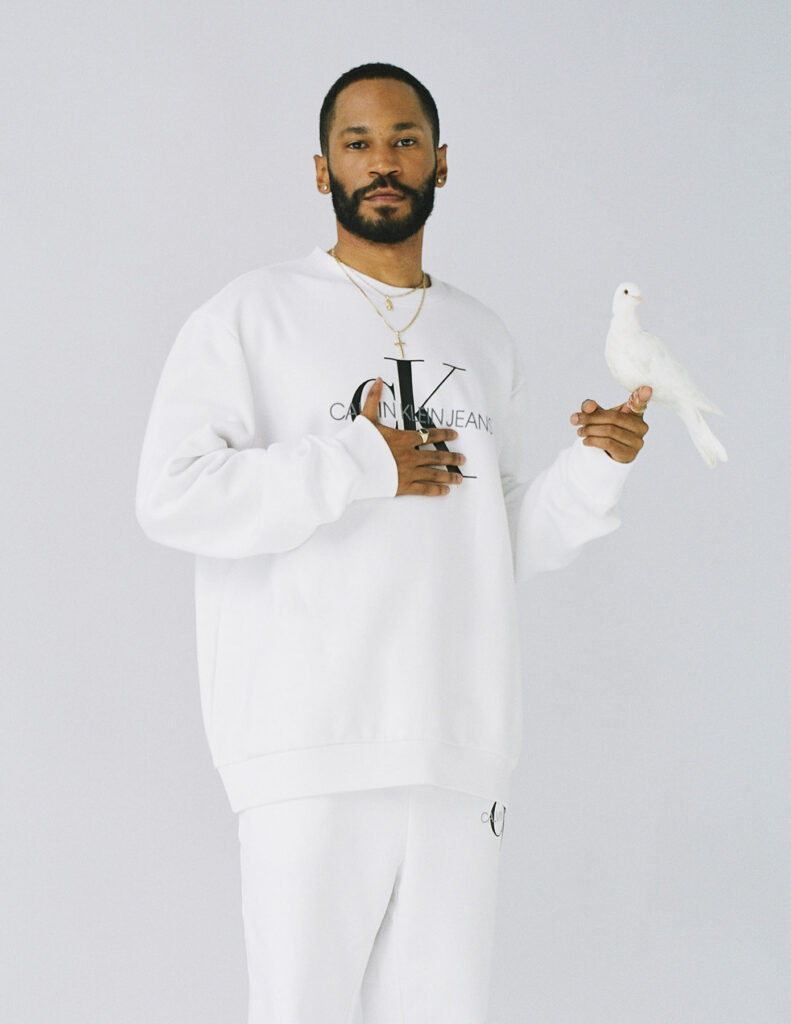
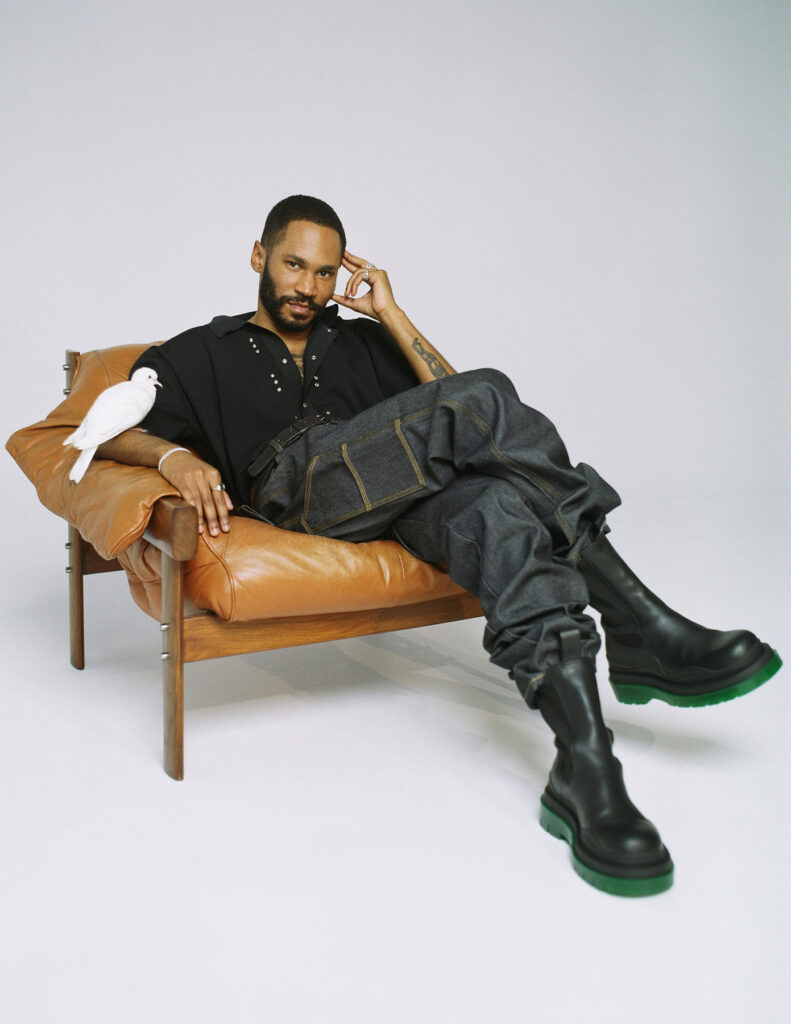
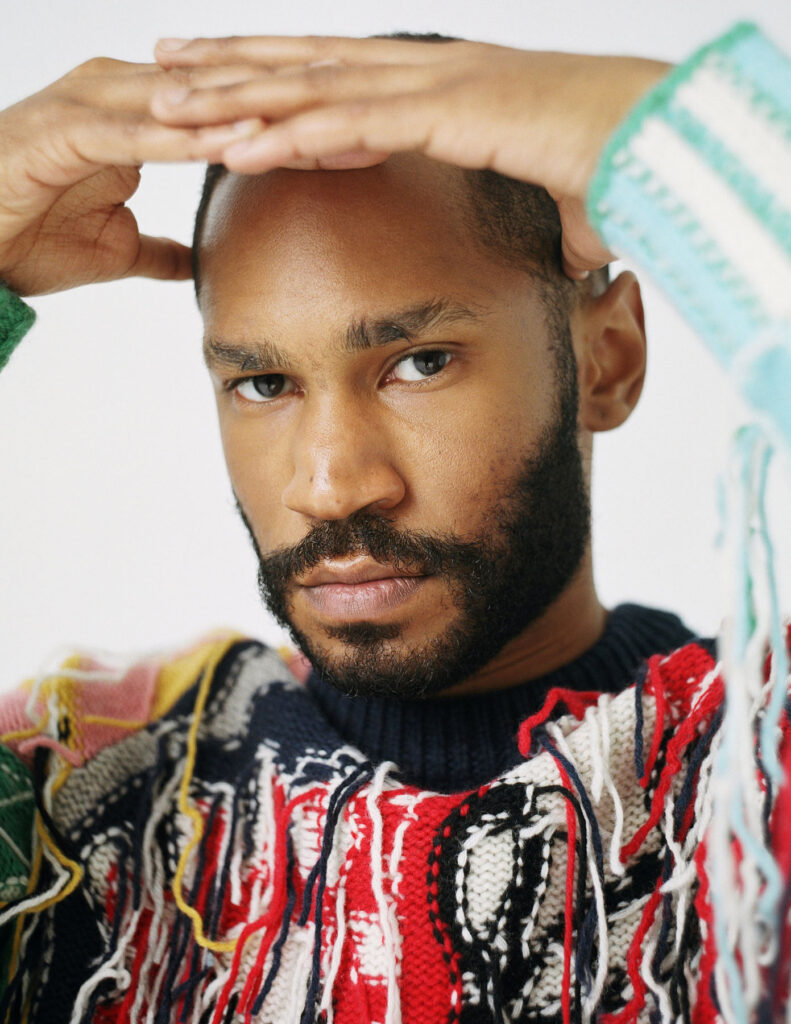
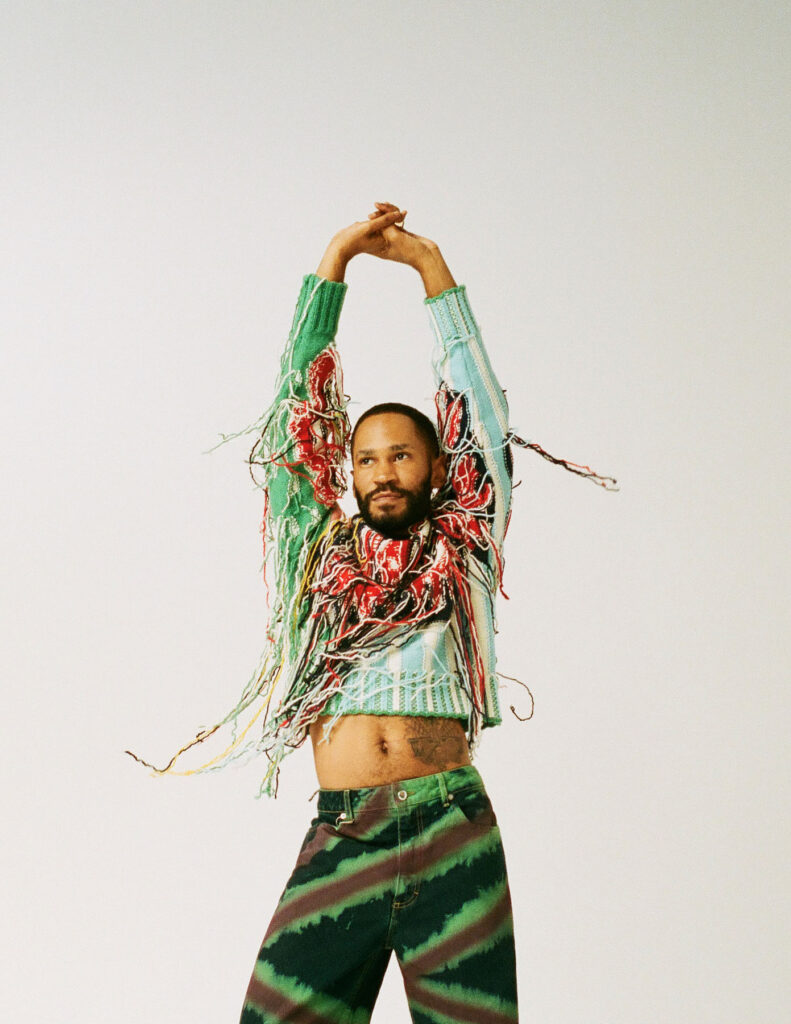
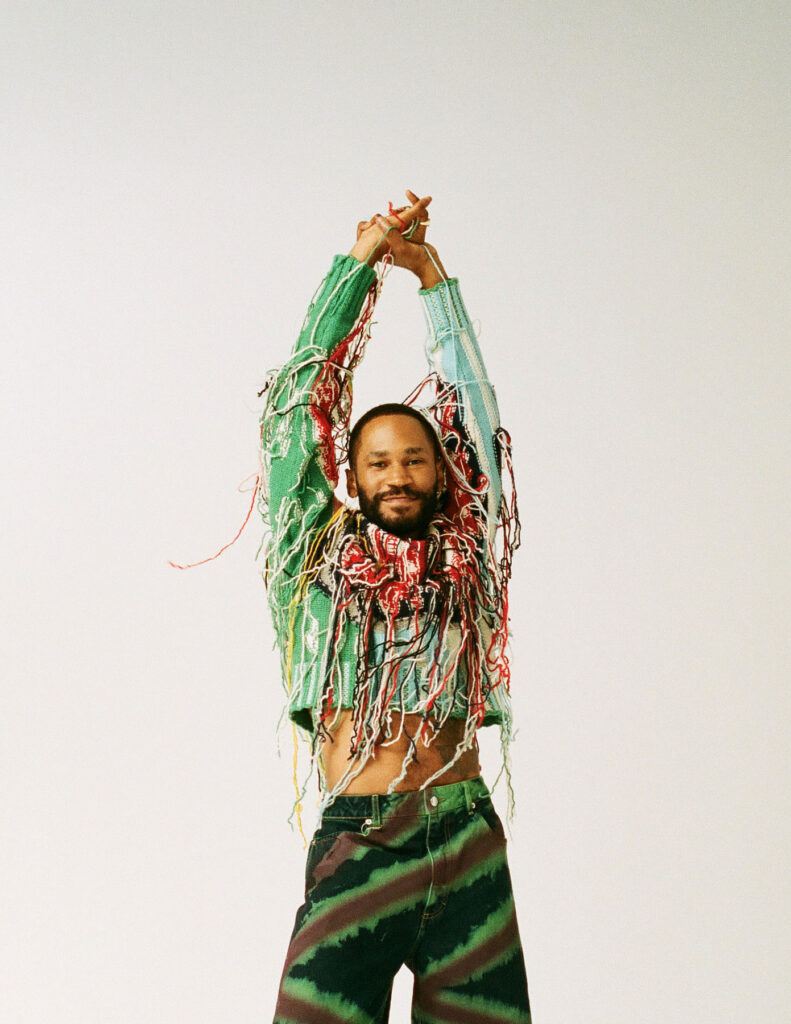
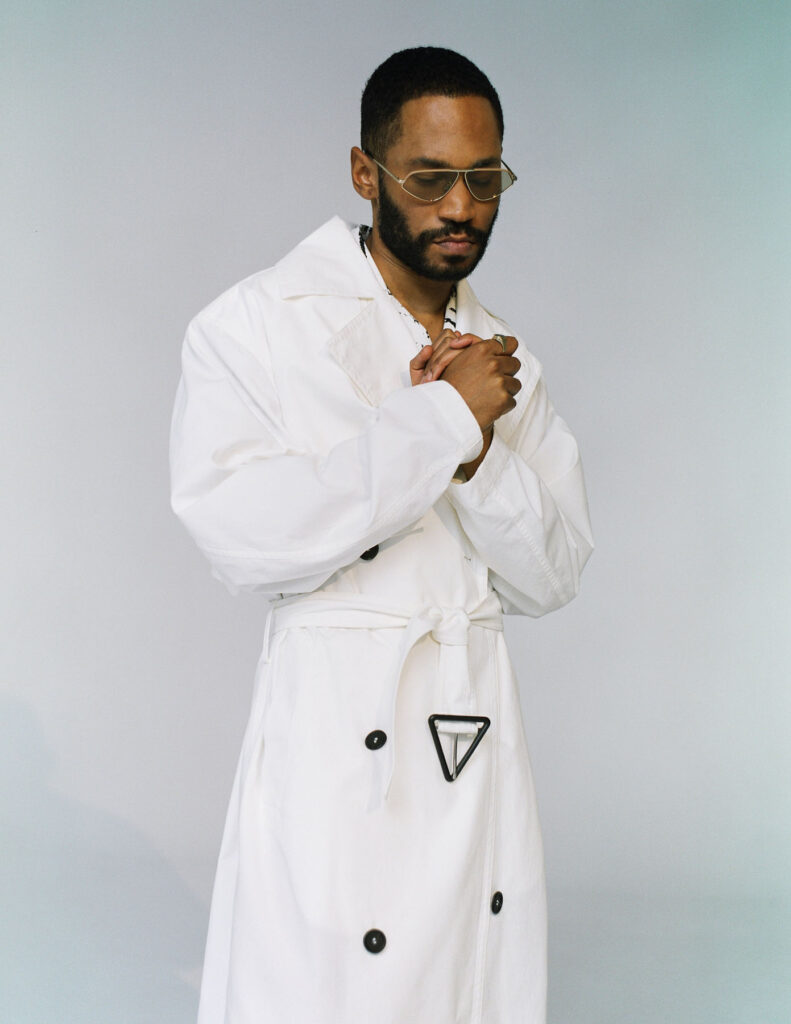
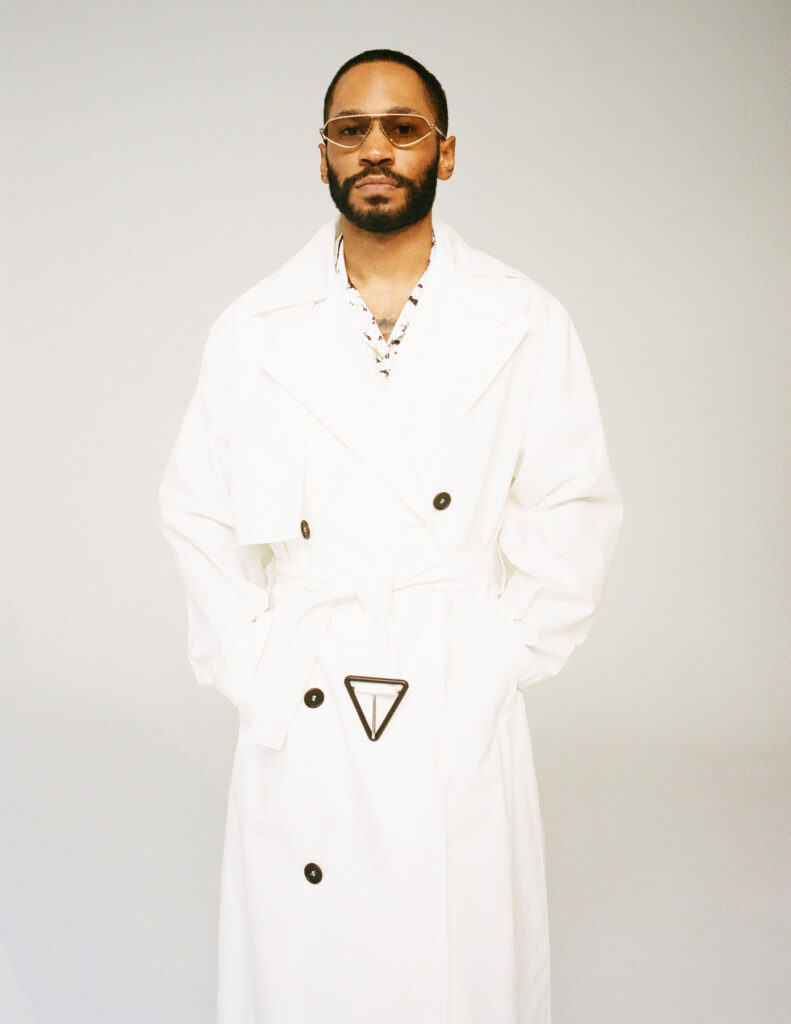
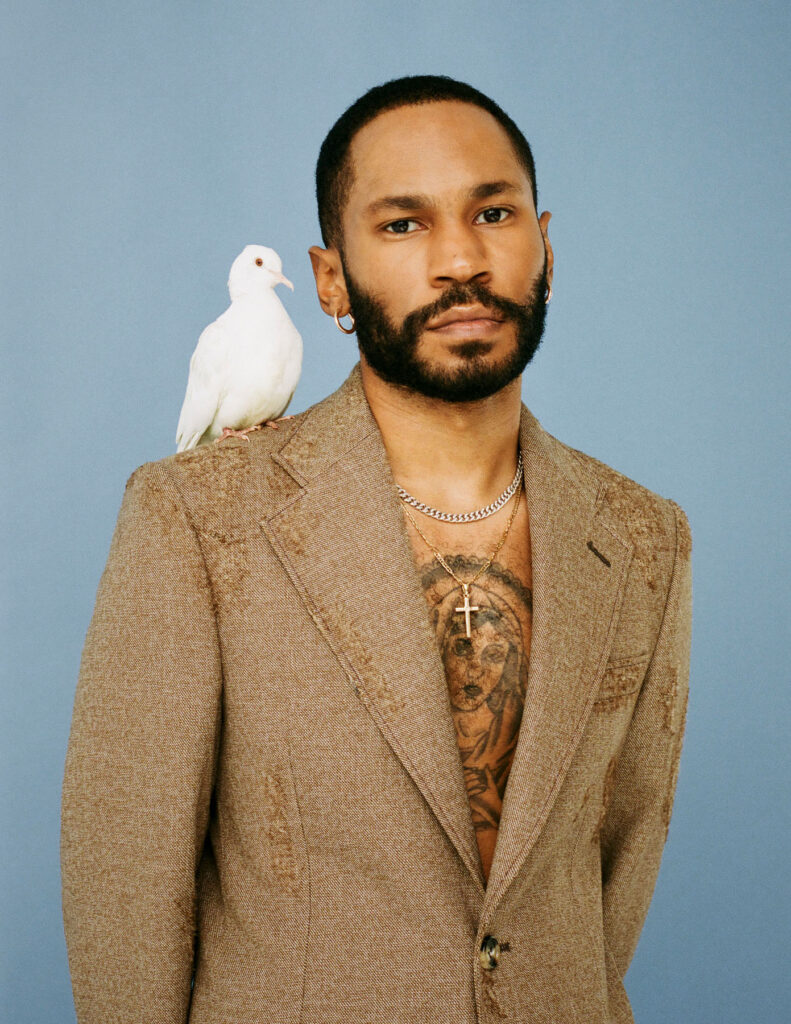
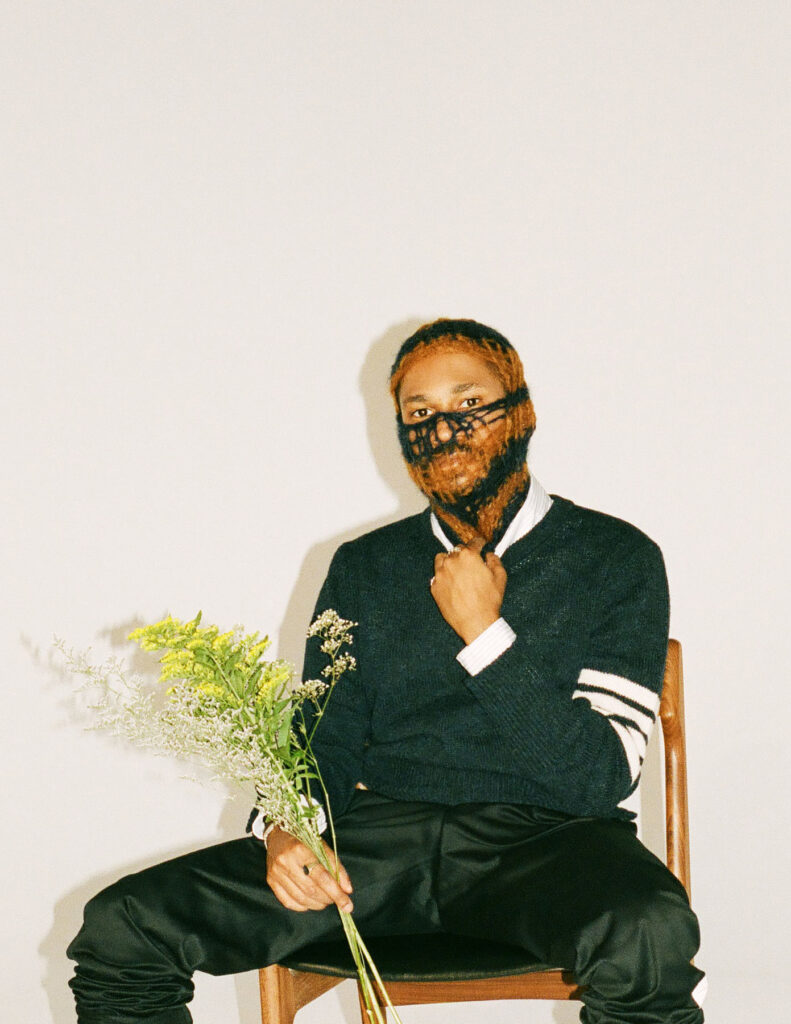
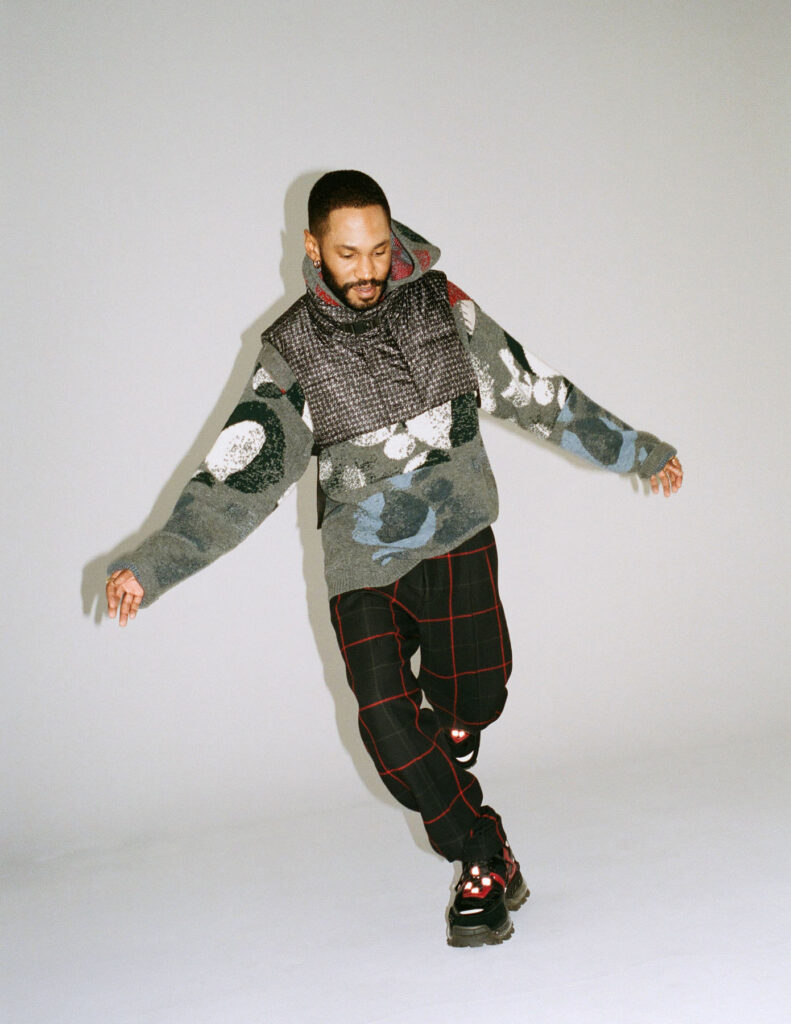
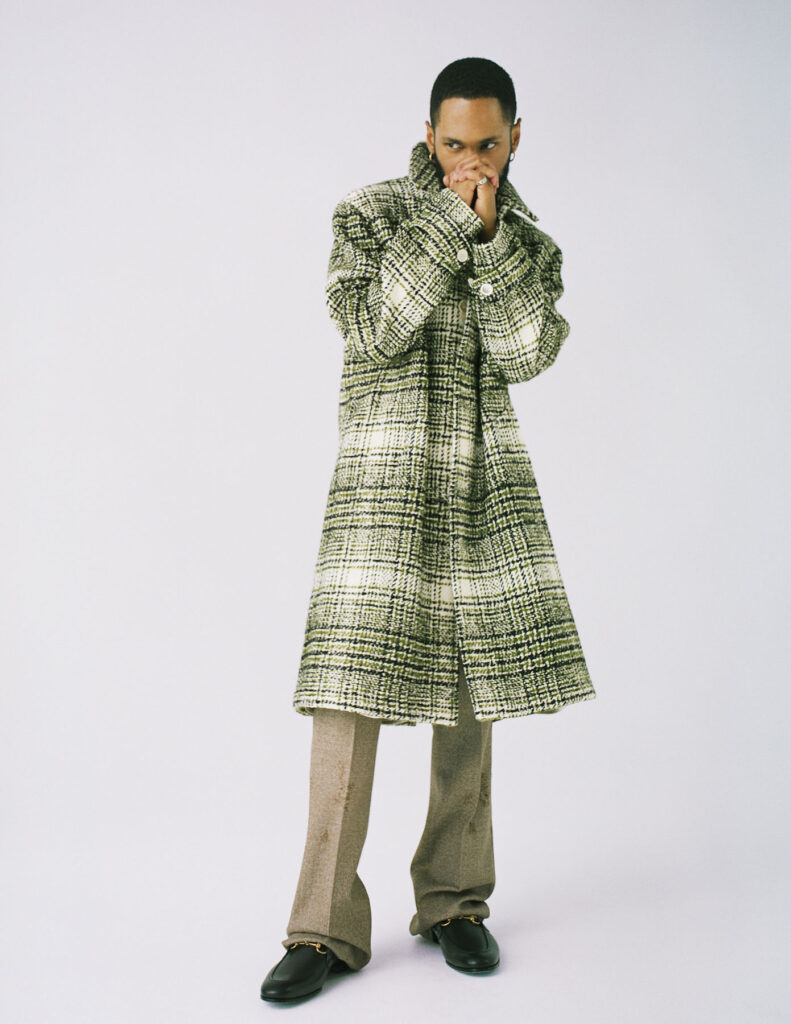
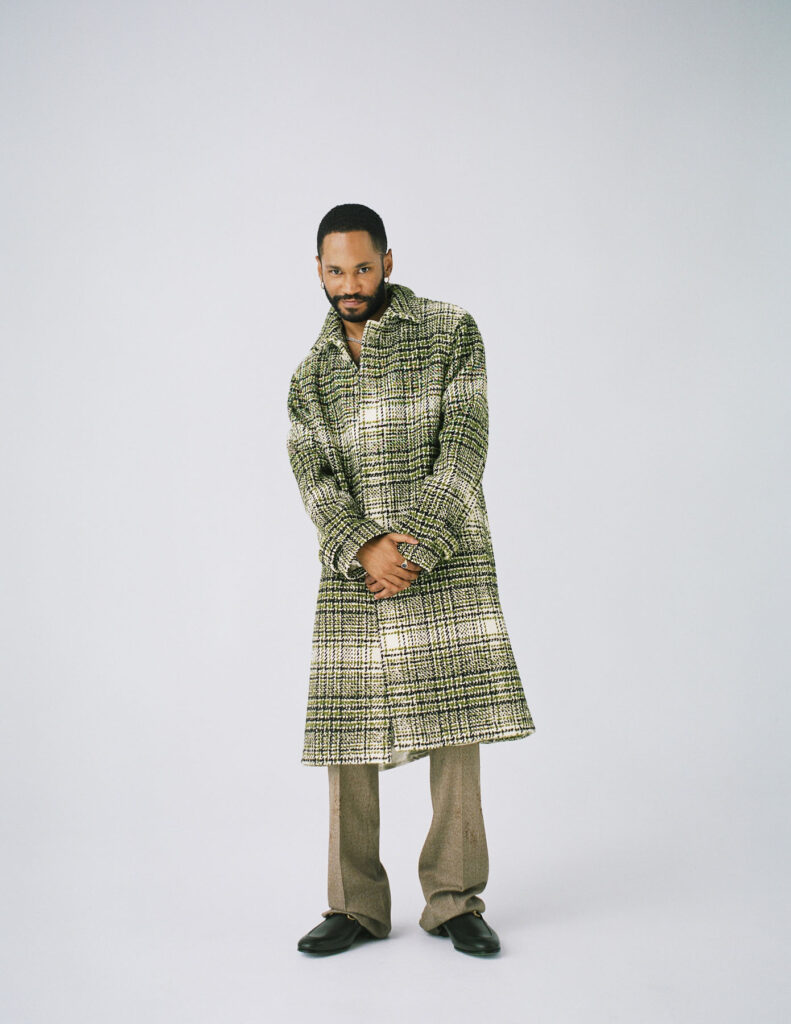
As the sun sets earlier and the air gets colder–as the weather folds–Louis Kevin Celestin (also known as Kaytranada) is returning to Los Angeles to pick up where he left off pre-pandemic, with a new understanding of himself. When the coronavirus broke out, he was in the midst of lining up studio sessions with artists, shooting a new series of visuals, and transitioning to a more collaborative creative process. Bubba–his sophomore album–had just been released and he had tour dates booked around the globe throughout the year. Be that as it may, he had to wrap things up and return to shelter in his Saint-Henri apartment. The pulse and tempo of his raw and distinctive take on out-and-out dance music would also have to stay confined in the custody of TikTok dancers for the time being. 

2020 was meant to be everyone’s year, but our most ambitious intentions subsided to a transformative journey of trials and tribulations as things went a whole other way. Abundant introspection has brought many of us to retrace our own pasts and re-imagine our futures in tides of hope and fear. The conversation Kevin and I shared was the occasion to revisit pivotal points of his life and personal breakthroughs of the past year, as well as the impact it has had on where he stands today, in the world and within himself. 

Born in Haïti and raised on the outskirts of Montréal, his notion of belonging has been in continuous motion over the years. Grappling with his perspectives on queerness lead him to find multiple groundings for his identity, as an artist and as a person. Growing into the power of only saying “yes” when he means it, of setting boundaries and maintaining them has meant asserting a much truer self. After spending the summer re-connecting in different ways–with nature, with friends, with other creatives, with himself, with film, with literature, and so on–he is back in phase with his own rhythm. 

Over the years, you’ve shared with me how touring and the acclaim that has come with it has been a source of relief at times, and the cause of distress at others. How has your relationship with being on the road shifted? 

In 2014, I was going on my first tour. The ‘If’ and ‘Be Your Girl’ remixes were buzzing, I had shows in Montréal getting sold out, people were showing up, it was kinda crazy, everything was growing at the same time… so my first tour in Europe was… a first tour. It wasn’t a disaster but my manager and I were learning a lot, especially my manager because I was always counting on him. I’d never been to Europe. I went to London first to just chill then we went to Italy for the first show and the hotel was in the middle of nowhere in some outskirts really far from the city and I was like “what the fuck, that’s Milan?” *laughs* […]. 

Touring was like an escape for me; when I went to LA for the first time, I met my label and the Soulection people, and it was like wow I’m finally there. When I’m in LA, I’m in a good space that’s nourishing to me, good vibes.. that’s what I’ll pay attention to– seeing, things I’m aware of… I used to not deal with it the right way and wouldn’t do much out there, now I’m trying to be more present mentally and trying to be less shy too, not that there’s something wrong with being shy– just not overthinking or holding myself back. 

All this LA shit happened before my first European tour actually, which is crazy. I was in LA, I was finishing school, which I didn’t even finish… I got the Boiler Room LA offer, then I went to Europe that summer. I came back to Montreal and right off the plane I had to head for Murale Festival, one of the first ones. That’s when I saw that a lot of people were there just to see me, there were so many people dancing to my shit, I played some unreleased stuff that later became hits.

A true homecoming. So when did the feeling switch up? 

Yeah, so when I went back on tour, my first album wasn’t out yet, I had only released 2 singles with XL– so I was on tour with no new music, which really bothered me because I was either playing other people’s music or songs from 99.9% that wasn’t even out yet, and people wouldn’t recognize [them]. 

I would often tell my manager ‘I can’t do this anymore’ and he would be like ‘hang on man, you can do it’, to a point where I got really sick on tour– overworked, stressed, I couldn’t eat, and thank God my brother was there because it really saved me.

“I would be trembling with shivers, I had to perform sick and go right back to bed shaking, throwing up my meds, I couldn’t eat, I had to force myself to eat soup… at the same time I was drinking a lot and I didn’t know that drinking was gonna kick my ass the way it did, like every night getting drunk, my head was hurting, it was killing me… there was so many things that I didn’t realize, I was kinda overweight too… I was not well.”

All that back to back stress accumulating into a burnout… how did you cope with that? 

I stayed home for much of 2015, I had money though, which was cool, so I was really like “okay this career shit works, I’ll be back on tour later on”. It was bitter-sweet because I loved to perform but I didn’t like traveling from a city to the next, so it would’ve been a lot better if I had like 3 days off in Berlin, because I wanted to see Berlin, I wanted to see Philadelphia… 

I had to take a long break, I was at home, I really wanted to move out and get my own spot– my mom couldn’t understand it– but I was like ‘I’m still sharing my room with my brother and I’m 24 years old this is ridiculous’… I hadn’t come out of the closet yet, so that was just before I put out 99.9%. 

So while there was so much changing on one side of your life, it was more of the same on the other 

Yeah so then I stayed home, worked on the album; I didn’t even work in the studio with anyone on that album, I mixed it by myself and then I turned it in, and the album came out in May 2016, a couple of weeks after the article where I came out. 

I came out years before but I had to re-come out again– because I had told my family I was bi to be more acceptable, but

“it got to a point where I told them ‘I’m not gay anymore, I’m delivered’, forcing myself to not-be-gay and to have girlfriends, because my friends would ask me ‘so when are you gonna have a girl?’, my uncles, everybody was worried for no reason, like, mind your business.”

Did that help you understand yourself better? 

I mean, there was a typical identity of being gay, so I wasn’t sure of myself because there weren’t gays like me that listen to Madlib or like Mobb Deep or Tribe Called Quest or M.O.P., raw shit like that– that’s what I listen to every day. I got my own divas that I like but it’s like Mariah Carey or Janet, she worked with J Dilla you know– because they’re hip hop. 

Yeah, even Mariah singing over Shook Ones or Cam. 
While a lot of people have been adapting to the concept of remote working, you’ve said you like working that way better from time right? 

Yeah I mean at the time I used to, but I don’t want to do that anymore, because I always know [how it’s gonna turn out] when I work remotely, so now I really wanna be out there and create with the artists, its more fun. And I used to get too much in my head when I would try to create with an artist and that wouldn’t come out as nice but yeah I know now I’m not gonna just work remotely, and it worked ’til covid happened– like I was ready, I put out Bubba, which was what I really sound like personally, so people reached out and those that did because of the album, it made me more confident to just do my thing, so that was working out until covid happened and I had to go back home. 

It’s ironic that right as you were becoming more comfortable with that way, everything had to shift back to remote working. 

Yeah, it makes me forget that I was that way, that I was ready to work with people. Some days I’m like– I’m going to LA soon, so– I forgot– I feel like I’m back to my old ways. 

So let’s revisit how the year went down; how did going into lockdown unfold for you? 

Okay, so– the pandemic was hard for me. I had a tour planned after putting out Bubba in December, so I was ready to go on tour for April-May-June then go to Europe after that– I had my whole year planned. I had done the Australian tour in January, which was amazing but a lot of problems came after that and everything kind of went down. 

I was in LA when the pandemic happened and I was working with people, on what was perhaps going to be the second part of Bubba that I was talking about, which didn’t happen because I had to go home right after doing the Need It video, and things went downhill… 

I went through a breakup in June, and that really messed my head up at a crazy level and I don’t know why, it’s funny because I didn’t need anybody but the breakup was hard to take, and day-to-day life, making beats, was harder than it used to be, I really lost myself. 

I grieved for I guess 3 weeks then I got up like, you know what– I’m not gonna spend my whole summer crying and shit– so I went to my friend’s studio. Alex from BADBADNOTGOOD got a nice farm somewhere in the countryside and we took shrooms, made a lot of beats. He has a beautiful spot, a bunch of vintage synths, a nice lake in the back, all to him and his fiancé… it’s amazing, his dogs are very nice, his cat too, that’s the best shit ever for me… I regret not going earlier or more, but next year I definitely will. Even when we’re not making music, we’re just listening to records, we talk about records a lot, so he just brings out the dopest Brazilian records.. and we just sunbathe and drink wine. That’s the fucking Life, I swear.. so it was really that state of mind… 

“I tried to distract myself from this breakup and I managed to have one of the best summers I’ve ever had still. Maybe less beats, but all the beats that I made were made on purpose and were dope. I found a new formula, I felt elevated.”

Your creative process? 

Yeah, my approach is so different now, and I sample less too, which is crazy.. all my records are just sitting there not being sampled it’s just weird. *laughs* Now I just rather create my own samples and add drums at the end and its a completely original production. It feels great to have that. 

A lot of things have been leading you back to yourself. 

Yeah, sort of.. even this breakup made me want to go to therapy, so I started therapy for the first time and it really blew my mind. I didn’t know why self-love was so important– why loving myself was so important… seeing friends that remind you that you’re the shit, because I was so invested in my relationship. When I was freshly single it was like “okay I gotta find distractions I guess“; good distractions– my friends really helped me, all the people that were there for me this summer, I didn’t know I had that many true friends. 

Having folks really show up for you. 

Yeah, so on top of that it just feels good to have that, and realizing in the long term, “okay this is connected to what happened before: this is why I act this way, this is why I react this way to this breakup“, its all related to what I’ve been through before, and who I am today. It was really an awakening I had inside of me, being in touch with myself and now I feel good about being by myself too. 

What are some self-care habits that have helped with that? 

Meditating, reading at least 15 minutes a day, making beats, reaching out to people and collaborating more, going to the farm, spending time in silence. 


Team


Photography KANE OCEAN
Fashion SAMUEL FOURNIER
Interview ALEX MOHAMMAD
Creative Direction NIMA HABIBZADEH and JADE REMOVILLE
Grooming CAROLE MÉTHOT
Prop Stylist ANA LONTOS
Photo Assistant SAM NOVACK
Dove Provided by Alan Greenberg
Stream BUBBA now


Designers

  1. Full Look CALVIN KLEIN JEANS Jewellery Talent’s own
  2. Full Look CALVIN KLEIN JEANS Jewellery Talent’s own
  3. Full Look BOTTEGA VENETA at HOLT RENFREW Jewellery Talent’s own
  4. Jumper CHARLES JEFFREY LOVERBOY Trousers ECKHAUS LATTA
  5. Full Look BOTTEGA VENETA at HOLT RENFREW Sunglasses LOEWE at HOLT RENFREW
  6. Blazer MARNI Jewellery Talent’s own
  7. Full Look THOM BROWNE at HOLT RENFREW Mask RAF SIMONS
  8. Full Look EMPORIO ARMANI
  9. Jacket and Trousers MARNI Shoes GUCCI at HOLT RENFREW

Tomihiro Kono

“it was something I grew into loving”

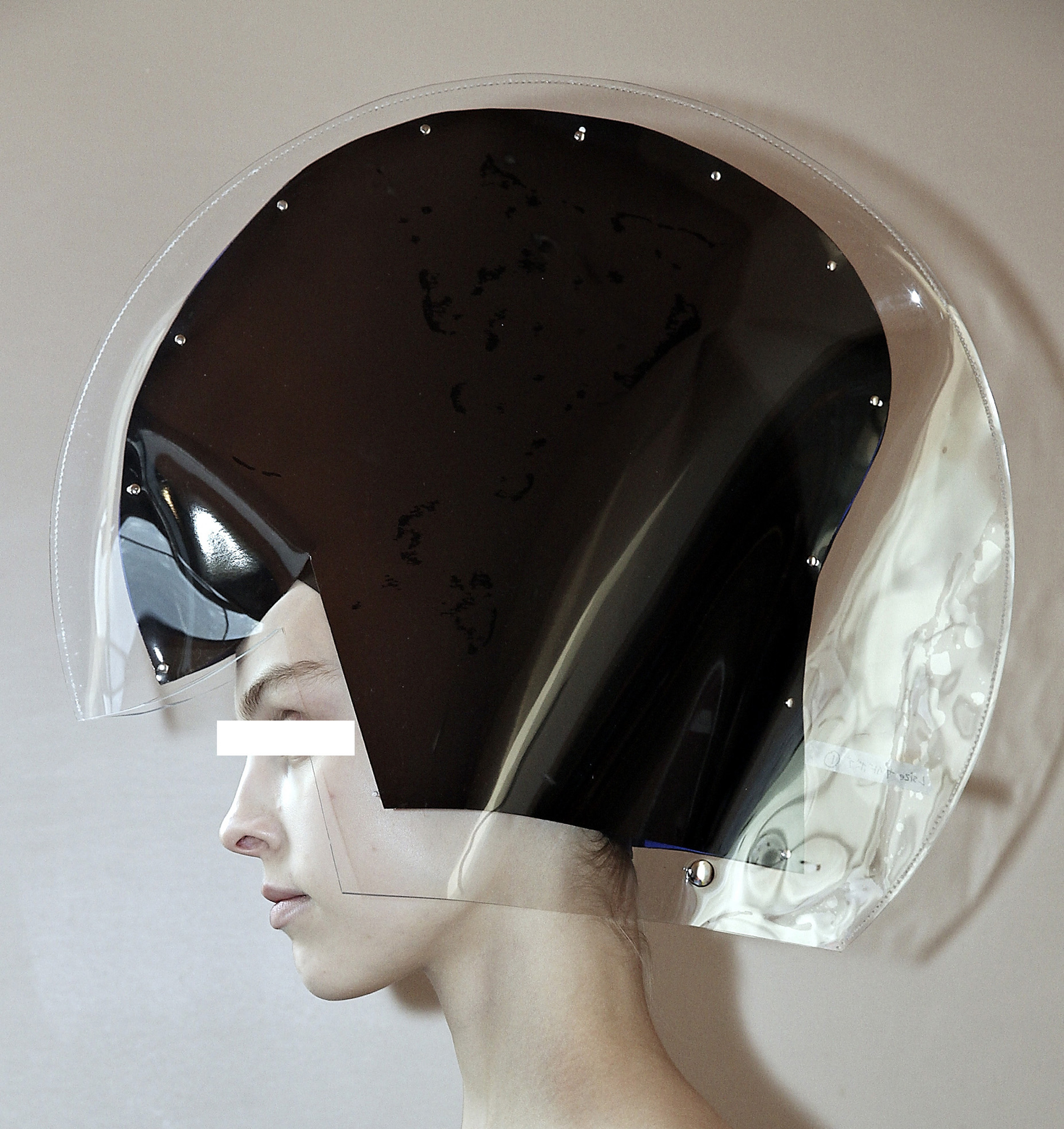
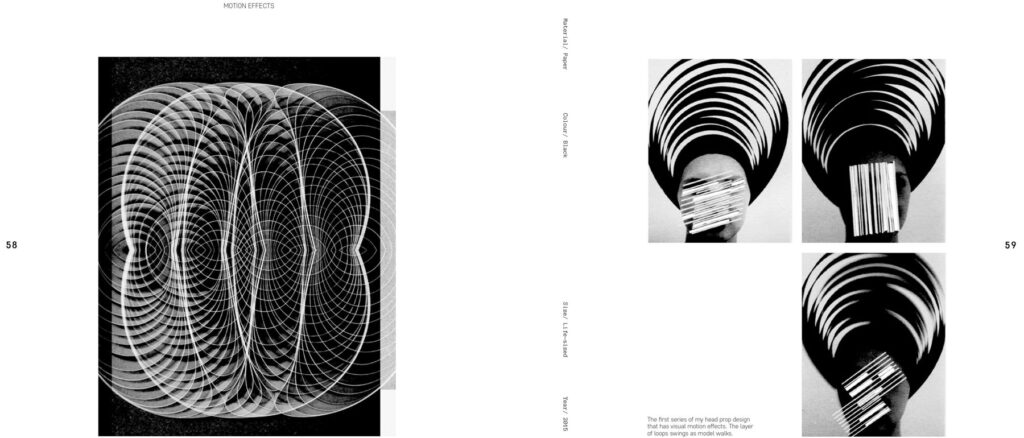
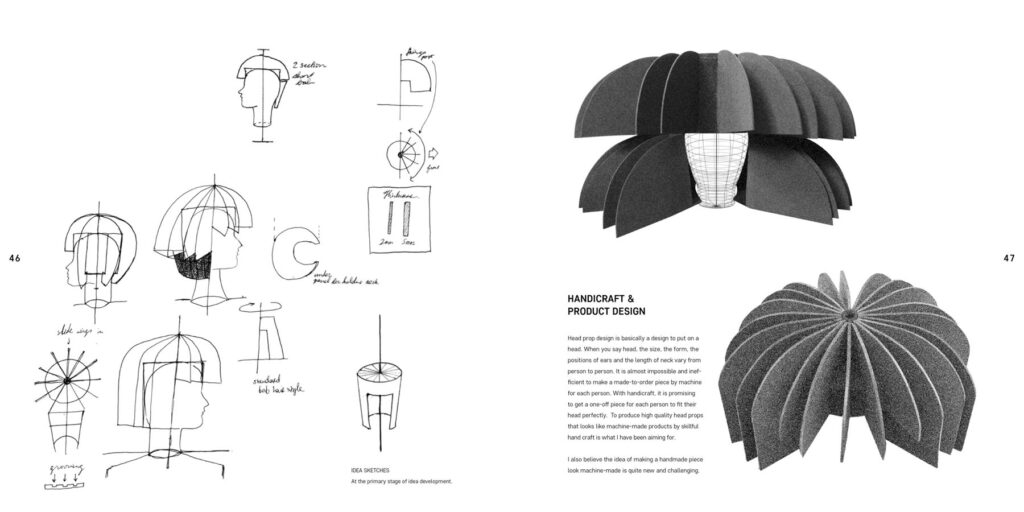
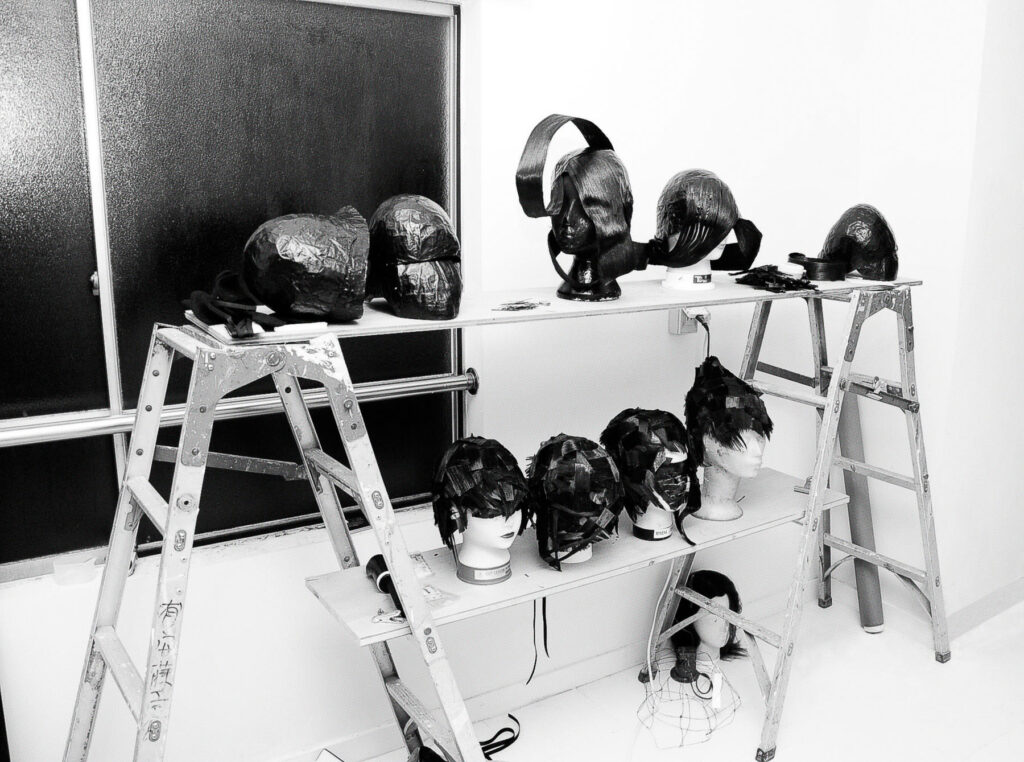
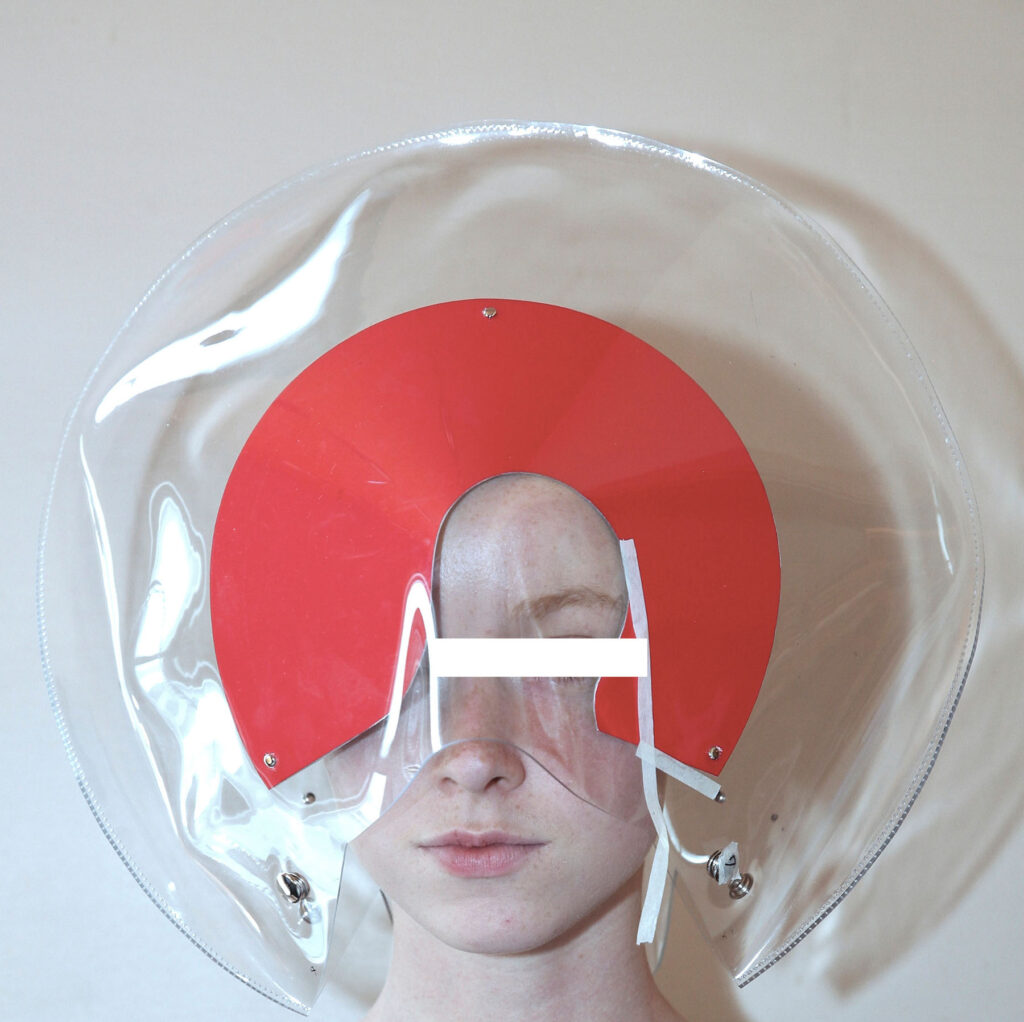
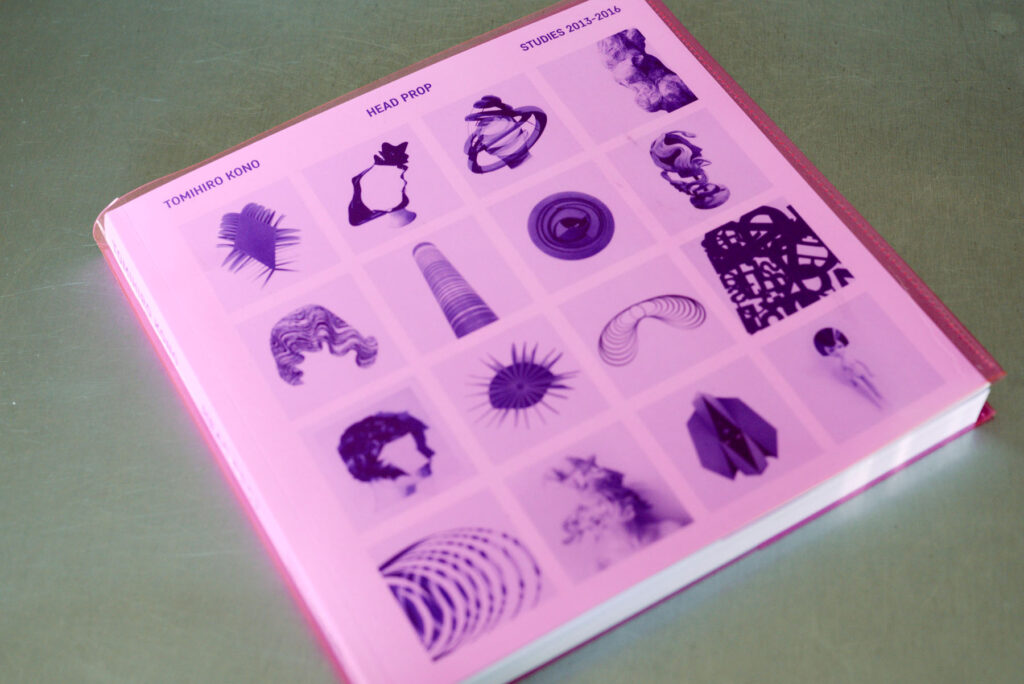
Tomihiro Kono, a hair stylist and head props creator, currently based in New York City, is best know for his outstanding work with designers such as Jil Sander and Junya Watanabe. His launch of his own book ‘Head Prop’ is a ‘documentation of distinctive head prop work produced’ by himself. Not only does Tomihiro produce ‘visually striking head designs’ but ‘designs that focus on functionality in the beauty of form’. Kono has grown to become the master of a genre he created from himself.

I understand that your career started in Japan, where you worked as a hair stylist. But how did the idea of creating wigs and head props appear in the first place? What was the starting point for you?

I started my career as a hairdresser in Osaka, where I studied basic hair skills. Four years later I had gotten seriously obsessed with geometric haircut techniques and decided to master the method. I ended up working in a few different hair salons in Tokyo and acquired the best haircut skills. In 2017, when I branched into session styling, I moved to London. I started head props originally to satisfy my own creativity but I’ve always been obsessed with new hair and head creations. The act of hair styling and designing head props are, according to me, closely related to each other. They go hand in hand. Therefore, as a hairstylist it’s also my responsibility to keep working with hair designs in order to grow as a creative.

Was this all a part of your childhood dream or was it something you grew into as you got older?

When I was a young boy I wanted to become a veterinarian, which is quite different from what I do now. So I would definitely say that, as I got older, it was something I grew into loving. Even during the beginning of my career as a hairdresser I wasn’t dreaming about working abroad as a session stylist. I have just always been focused on doing the best I can and working hard. This is where it has taken me.

From a creative point of view, what was it like to grow up in Japan? Did the Japanese culture become a strong source of inspiration to you or was it just an influential cultural background?

Personally, I always got more inspired by the Western cultures. But when I moved to London I started to find more understanding of my own background. I think that the Japanese culture used to be something I would just take for granted. After moving to London, I created a Geisha inspired portrait series. This is a classic example of our distinctive heritage, which I’m proud of.

Many successful people have said that having access to a big city is always an important part of your career. After living in both London and New York, two of the largest fashion capitals in the world, what do you think is the most significant difference between the designs you’ve produced in each city? In what way did the city affect your work?

I believe that my first choice of city was the right one. London has a great hair culture, especially the avant-garde style with its young creative- and punk influential spirit. It’s a city where people really appreciate originality. For me,

“working in London was a mix of crazy dark, romantic goth and experimental design, which was very satisfying from a creative aspect.”

But I do think that New York is the best place to establish oneself. I always try to adapt my work to the city I’m in and its current fashion trends. Therefore, since I moved to Manhattan, my work has been quite clean and modern.

The line between most creative subjects and art is often very blurred. Do you consider yourself to be an artist? If so, did you always feel like one or was there a significant moment in your life when you realised that you wanted to become one?

If there is one hairstylist that could be called an artist, I might be that person. But that is not how I see myself. However if I could choose, I would much rather be the only one than the best one.

By being involved in the fashion industry, you are constantly surrounded by the idea of beauty and how it should be presented, but in what and where do you personally find beauty in the world?

Personally I find beauty in the world of nature, music and old Japanese films – which I like the aesthetics in.

Working with craftsmanship and creating each design by hand must be very creativity challenging from time to time. What is currently your biggest source of inspiration? When you lose track, where do you go to find it?

At the moment, my source of inspiration comes from wigmakers around the world. That is the subject I will build my new project around. Luckily, I never feel like I “lose track” so I always just keep moving.

What motivates you to grow and do better?

I motivate myself to be original at all times.

A lot of people tend to seek comfort in hiding behind their hair, do you ever feel like your bold and fearless style comes as a shock to people? Would you say that this is a part of the purpose for you?

My designs tell a story of what I do in life, if that tends to shock people, I take it positively. I know what I have done in the past three to four years is completely different to what most other hairstylists in this industry do. I personally like both natural hair styling and over-the-top head prop design at the same time, because I feel confident in both shadowing trends and being original at the same time. Whilst working in the fashion industry, you’ll always have the choice to create a trend as well as following a trend. So if head props become something that inspires upcoming artists and they want to follow that, or even keep building on this path I have created for them, that is something that would be very interesting to me.

Have you seen any good examples of how people have adapted your creative work into their everyday lives?

Except for my friends, wearing my creations on an occasional night out,

“I never think of my head props as being used in people’s everyday lives. I see them as head art.”

What is your best piece of advice for the people who want to follow your footsteps?

Be creative and work on building your originality. If you want to be a hairstylist and make head props as well, you need to learn about the basics of hairstyling, then play with your imagination from there on. This is how I started my career and I hope that my story can be helpful for young artists who want to pursue their dreams in Fashion.

You have worked with some of the biggest names in the current fashion industry and has had your work published in the most influential magazines and online platforms in the world. Now, just a couple of weeks ago you had your very first book launch as well. Where do you see yourself going from now on?

I never really expected my first book to get so much attention! It was a big surprise for me to see that people are curious about what this book was all about. I created the concept one year ago and I haven’t changed anything since. Towards the end of the process, after having had several meetings with some very talented good publishers, I decided to publish the book myself, because I wanted to keep the creation as pure and personal as I possibly could. I consider the release of this book too both mean the end of one chapter and the beginning of a new one. What’s next for me? Well, as you go, your career establishes your style and, for now, I have a lot of wig making to do. Hair will keep me busy for a while.

Credits

‘HEAD PROP’ by Tomihiro Kono is a documentation of distinctive head prop work produced by Hair and Head Prop Artist, Tomihiro Kono from 2013-2016.
Available to buy now with pink vinyl cover exclusively at www.konomad.com

Designers

  1. Copyright Tomihiro Kono
  2. Copyright Tomihiro Kono
  3. Copyright Tomihiro Kono
  4. Copyright Tomihiro Kono
  5. Copyright Tomihiro Kono

Shaquille-Aaron Keith

“I like emotions, they should always be the centre point of anyone’s art form”

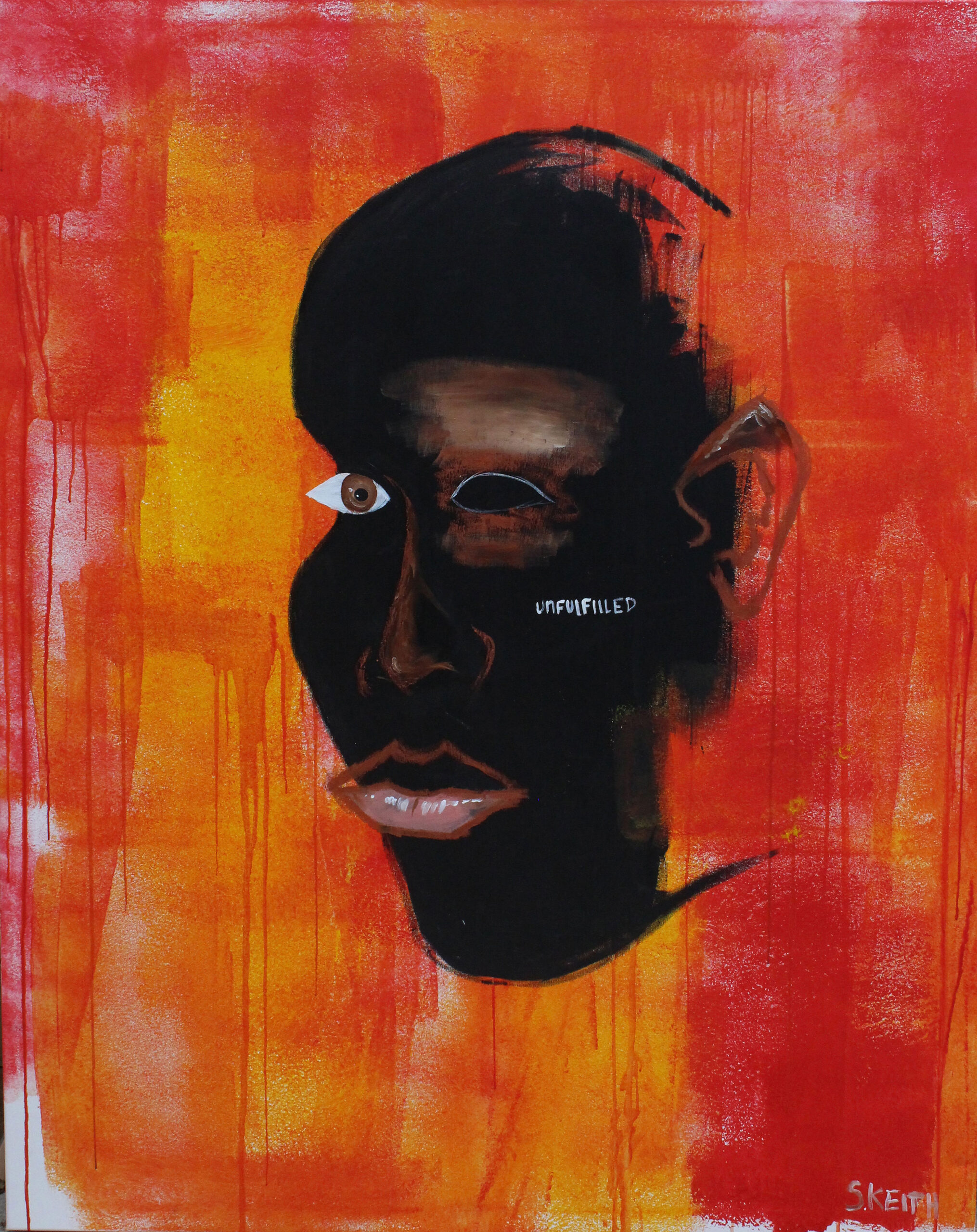
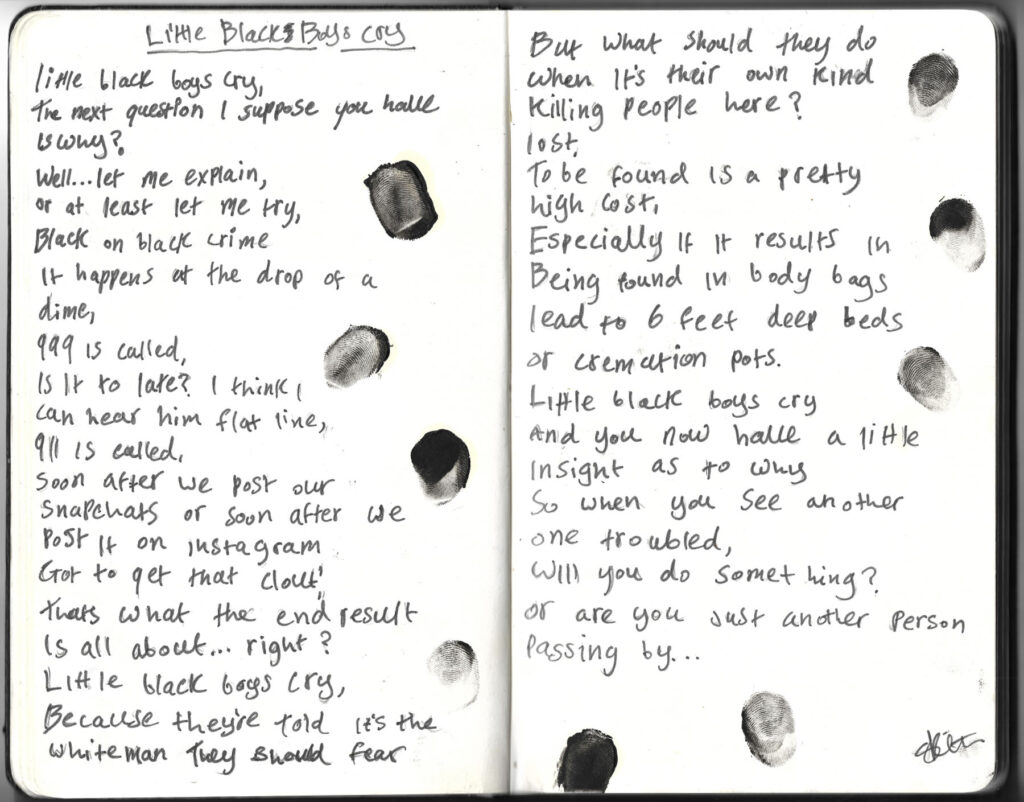
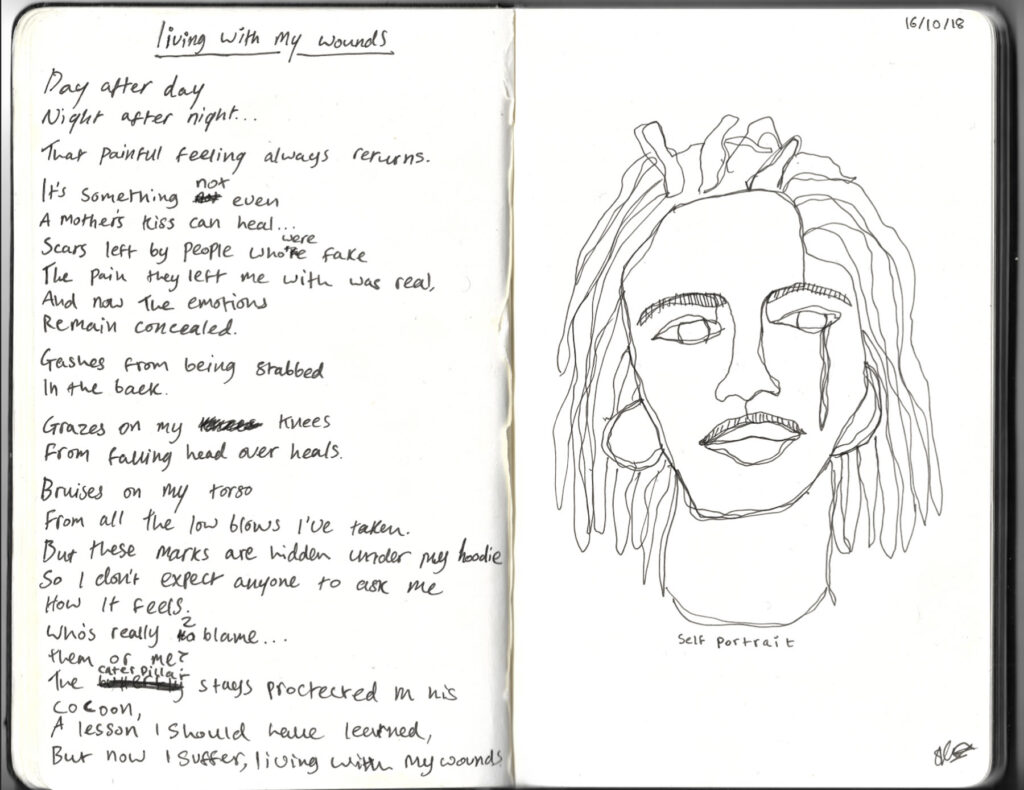
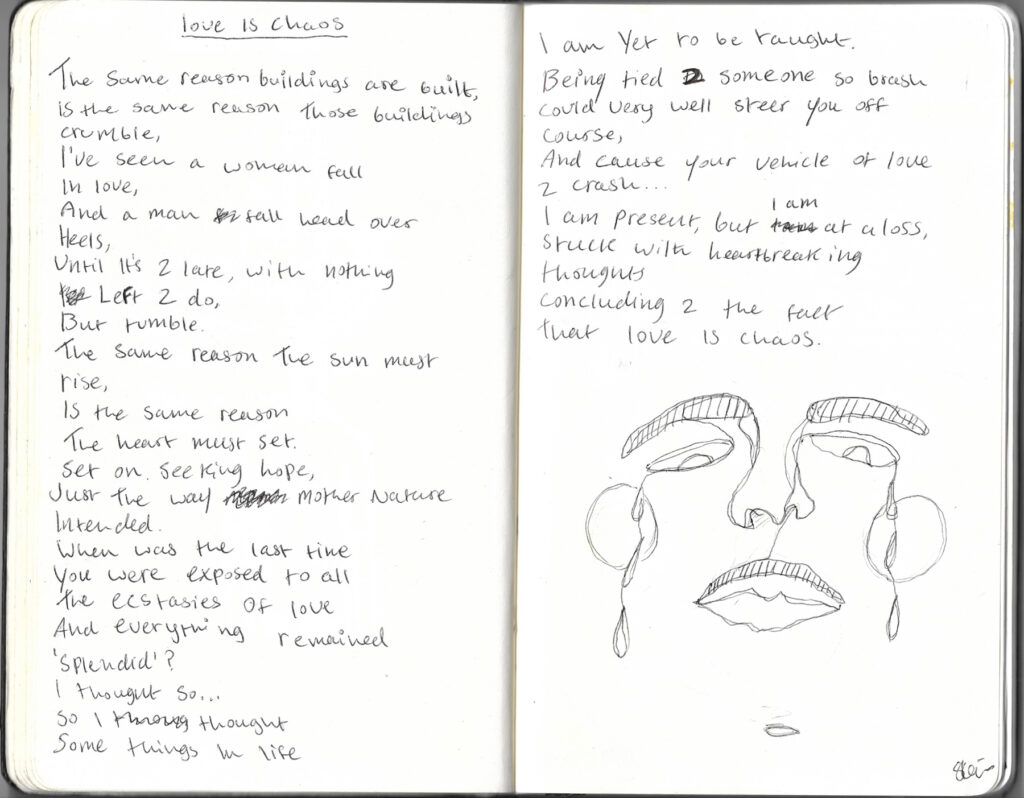
Shaquille Keith credits his mum for being the drive behind his creative output; as a child, she would always make sure a young Shaquille had the tools – pens, pencils, paper – to draw with. But it wasn’t just art that she encouraged Shaquille to pursue; ‘she made me play the trumpet for eight years. These are things that I’m so grateful for, even if I wasn’t at the time.’ Those formative experiences have helped Shaquille get to where he has today, as a painter and a poet; he attributes the rhythm that helps structure his poetry to learning the trumpet. Many people familiar with Shaquille will know him as one fourth of PAQ, the YouTube streetwear show that he started with friends Danny Thomas, Dexter Black and Elias Riadi in 2017 when they were all on the cusp of their twenties. The show, which carved out a space online to passionately discuss men’s fashion, without the pretence and sincerity that often comes with the territory of high-end and streetwear gear, is an unequivocal success. To date, the show, which airs every Thursday, has over 84 million views and not far off 800,000 subscribers. Shaquille, himself, has nearly 275,000 Instagram followers, and shots of him wearing an array of covetable attire – including campaign shoots for some of fashion’s biggest names – are interspersed with his paintings, his poetry and other musings about his creative process. The success of PAQ can be attributed to how personable its hosts are, and the same applies to the kind of inclusive community that congregates on the comment section of Shaquille’s Instagram posts. At this point, Shaquille has reached a level of success that many can only dream of, but it’s clear that this is only the start of where he hopes to eventually get – with dreams to take his painting and poetry to new heights.  ‘Oh the artist, Shaquille Keith, did you see him in that music video with – I don’t know – Drake?’ he muses in our conversation; ‘Did you see the artist Shaquille Keith acted in that new James Bond movie?’ There’s little doubt, however, that, when that day comes, Shaquille won’t share it with his PAQ peers, his online fanbase and, most importantly, his mum. 

To start with, when you’re creating your artwork or poetry, what inspires the direction that you take? 

I would say it’s all about how I’m feeling at the time. In my experience, I find that, if I’m talking, it never stays in the person’s head. I always feel like, when you go to a concert and see the way fans know all the lyrics, they’ll say, ‘I love this song so much because it resonates with me especially when,…’A four minute song resonates better than a 30 minute conversation, so that’s why I like to write poetry. And when it comes to painting, it’s about the idea of identity and how I feel. When you’re trying to explain how you feel to someone, they don’t always get it. But, sometimes, when you do a picture that’s more than just a pretty picture – something with meaning – and you give it a title that reflects how you feel, and the image depicts how you feel, I think that can communicate it a lot better. Whenever I create an image, or put pen to paper, I would like to think it’s always for the purpose of communicating something important. And it’s also for reassurance that, whatever I’m going through, I’m not the only one. Sometimes it can be daunting when you’re going through something and you don’t have anyone to really talk to about it. I’m grateful to be able to put my work out there and have enough people see it and say, ‘actually, I’m going through this too.’

I think it’s quite interesting the way you share your poetry online; posting photos of handwritten poems is quite a personal thing to do. What do you hope people reading your poetry in this way will gain from that experience? 

I can’t lie, my handwriting is absolutely shit, but I don’t mind it because I feel like, that’s what my aesthetic is. Sometimes it looks good, sometimes it looks bad, but I really like to think people would read it if they can make out the words. I like to think people do read it straight from the book because if you do that, it’s more raw – which is why I want to make my own poetry book, with the pages of what I’ve written with a type out on the back so you can read it. I would rather people read from the actual book itself, rather than just reading the caption if I’m posting on social media.

You’ve got quite a big social media platform for people to engage with your work. But, as an artist, what role does sharing your work have for you?  

I don’t rely on my social media to define my work as such, but I guess the role it’s played is that I’m able to get immediate feedback from people. Until you share a poem or a painting, they’re pretty much done for yourself. If I’m writing something, I’m pretty much talking to myself, and then when I share it, I’m putting it out there for people to engage with so I can understand what they take away from it. So I think the one good thing about social media is that it allows me to see what people think about my work, who it’s for and whether it’s for everybody. When I get comments from people saying, ‘you know what, I’m not into poetry, but I like your shit’ – that makes me feel good, that’s kind of inspiring. 

Do you think you would have been able to get to the place you have with your art without other platforms that you have, like the YouTube channel PAQ? 

The thing about PAQ, and not a lot of people know this but, with the very first episode of PAQ – before we even knew what it was going to be – was my idea. So obviously, all four of us got together with the idea of making a show and everyone came up with good ideas for the first episode but in the end we ran with the one I offered and I think, that alone, is testament to what I wanted to do creatively anyway. I feel like, if I didn’t have PAQ, in another reality it would have been something else – or, my art itself would have been the platform. But I’m so grateful for the PAQ platform; it’s something that’s completely different, something that’s not been done before. And I do feel like it’s given me access to things, particularly in the fashion world, that I wouldn’t have had access to before. PAQ has enabled me to find more interesting ways to mix art and fashion, which also contributes to my other stuff.  

Something that strikes me about your work is that the emotion behind it is really important; is communicating that emotion as central to the artwork itself? 

Yeah, 100%. In art, whatever platform it takes: music; movies; literature; whatever – if it doesn’t move you then, in my opinion, it couldn’t get further away from an artwork. Art should essentially be made up of raw emotion. Things that are very bland, where you don’t know much about the artist and what they’re thinking, aren’t for me. There are other artists that I’m not really interested in, like sometimes Jackson Pollock’s work – it doesn’t always interest me. It’s very contemporary, but just not the style of art that I would have in my house because it doesn’t represent how I’m feeling. I like emotions, they should always be the centre point of anyone’s art form.  

You’ve touched on this a little already, but what ambitions do you have for your work in the future? 

When everyone talks about my stuff now, they call me a presenter. Also, I hate people calling me an influencer; I’m like, ‘bro, I’m not an influencer – please don’t call me that.’ I want to do what I love as a lifestyle, but also redefine the respect that painters get. It’s like, I always see hip hop stars, actors, presenters at fashion shows – I’d love to get invited to all these things with my main title as ‘artist’. That’s the kind of respect I want for painters, because I think there’s a lot of talented people, artists, poets working at a level of quality that I appreciate. I’m grateful for the fact I’m able to do PAQ, but grateful for my artwork because that allows me to blend the two, you know? So, that’s pretty much the goal: to redefine the level of respect for artists everywhere – and also for the black community as well. I feel like the black community is constantly left out of the art world. I mean, it’s a very tough world for black people to get into, but I believe that we’re in the right time, in the right generation, to make that change. So, I would love to be one of the people that spearheads that as well. 

I think that’s a really valid point – I think you can definitely see in the fashion world, it’s opened itself up more to include more people, but art is still quite closed off. I guess it’s easier to say, ‘I’m into fashion’ than it is to say ‘I’m a poet.’ 

I feel like it’s going to be a mission, but I’m willing to do it.

It’s going to be fun too; a lot of ups and downs, but it’ll be rewarding in the end. 

Eric Kogan 

Creatures, People and Places

My main passion is street photography. On what makes this genre what it is, I’ve heard many sides, but to me, the main points are taking candid photos in public places. The essence is that they are not staged and on touching the emotions point to our existence. 

Though not every photo in this collection belongs to the street genre, I feel like my relationship with it has influenced every image. They are the result of observation, of interpretation, and rely on impulse to the point where having a camera with me is a permanent practice. Even if I don’t take a photo for days, the greatest lesson street photography has taught me is that the best time behind a camera always comes with I least expect it.

Credits

Photography and words ERIC KOGAN
www.erickogan.com
www.instagram.com/erickogan

Subscribe to our
Newsletter