Archive page:


Danny Augustine

“I’m guilty of having quite a short attention span”

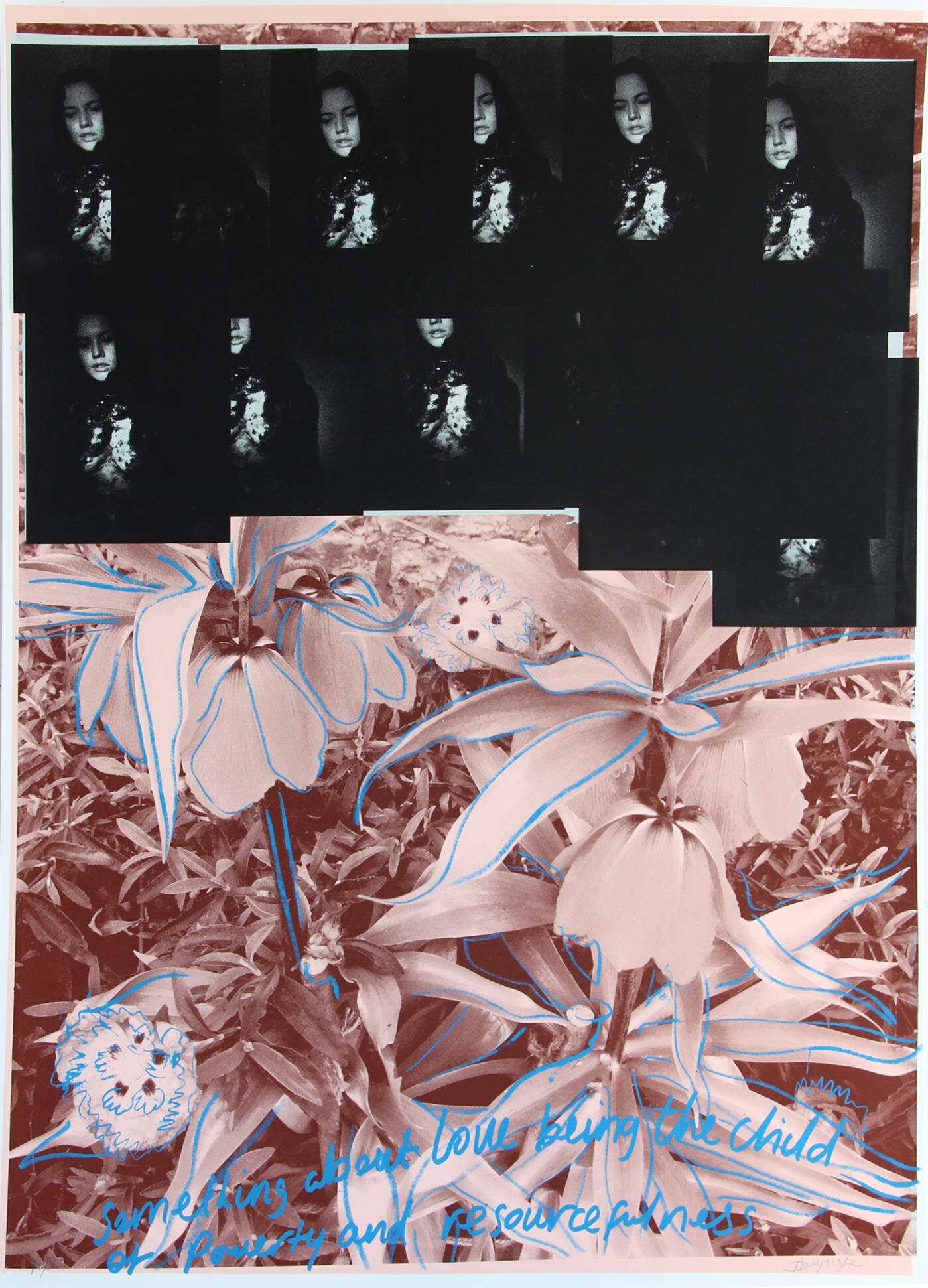
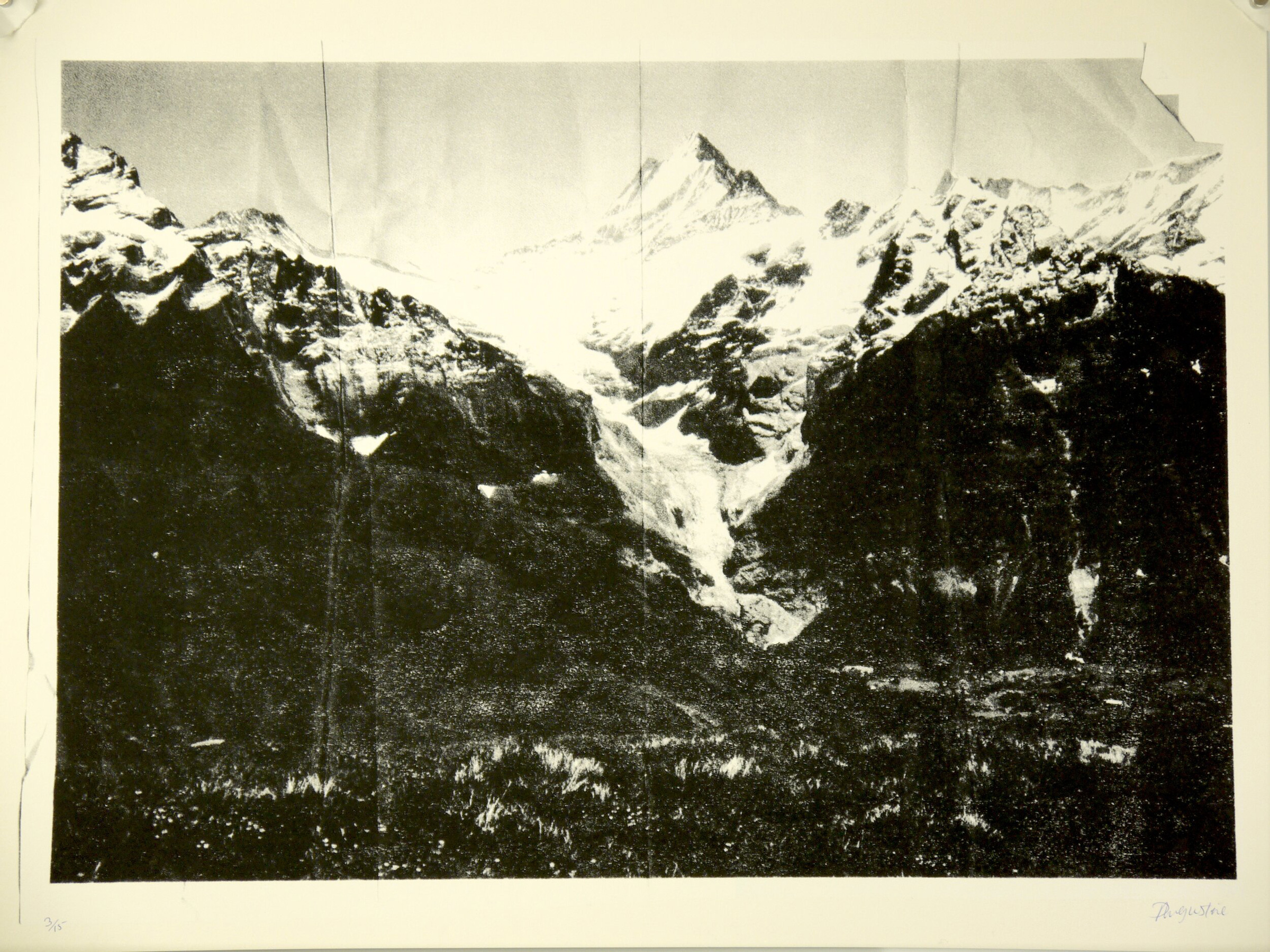
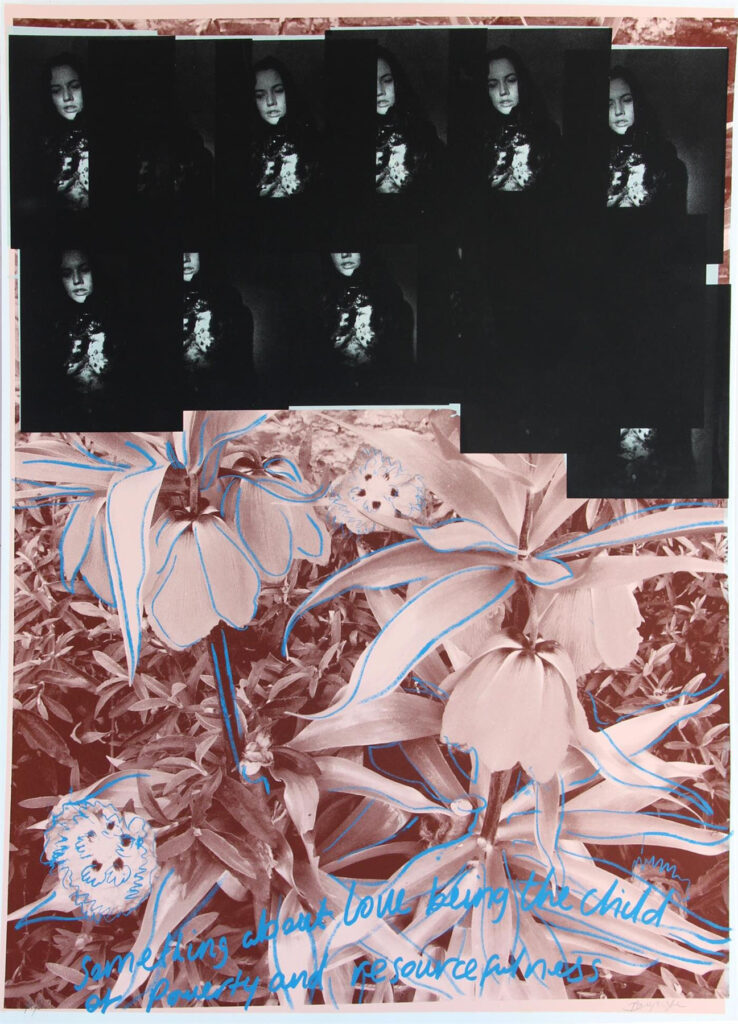
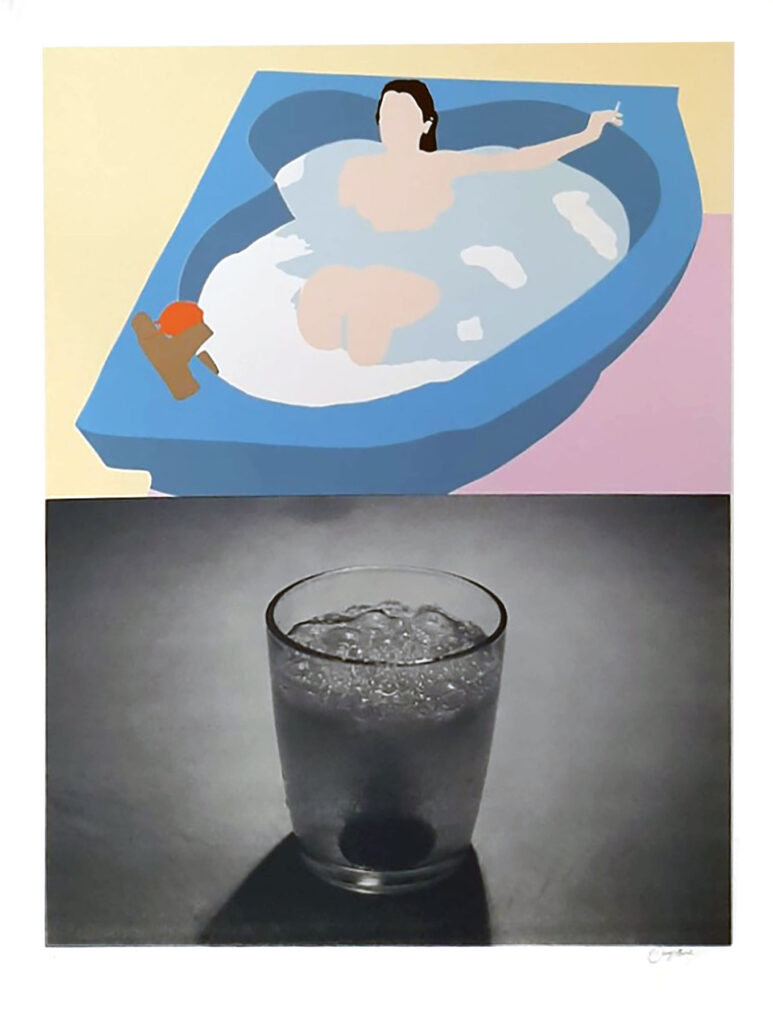
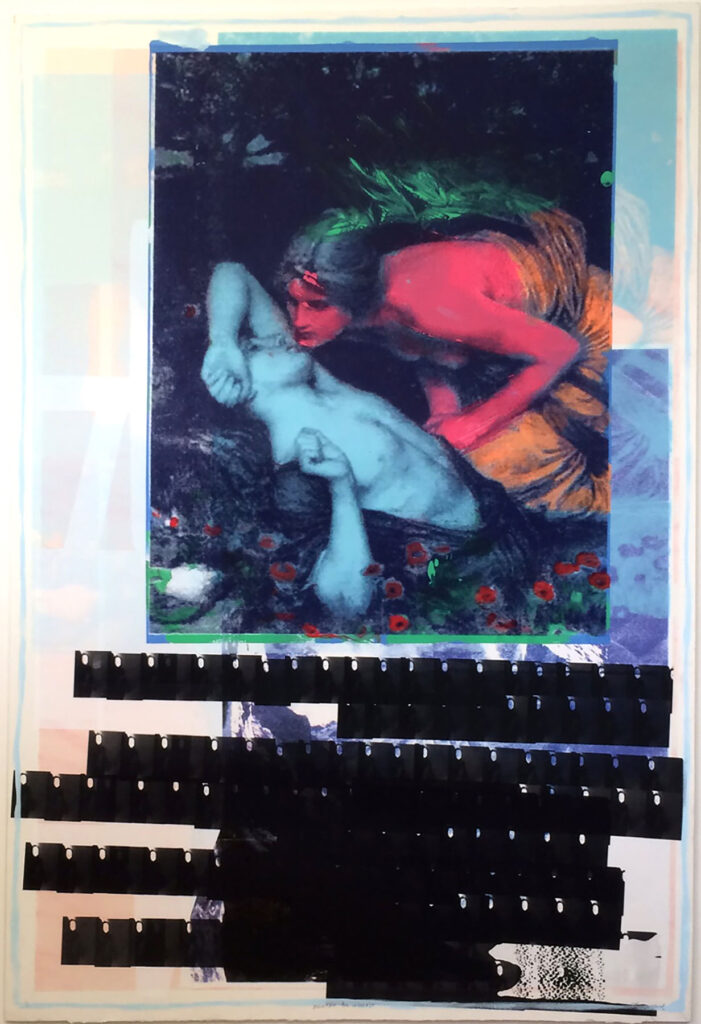
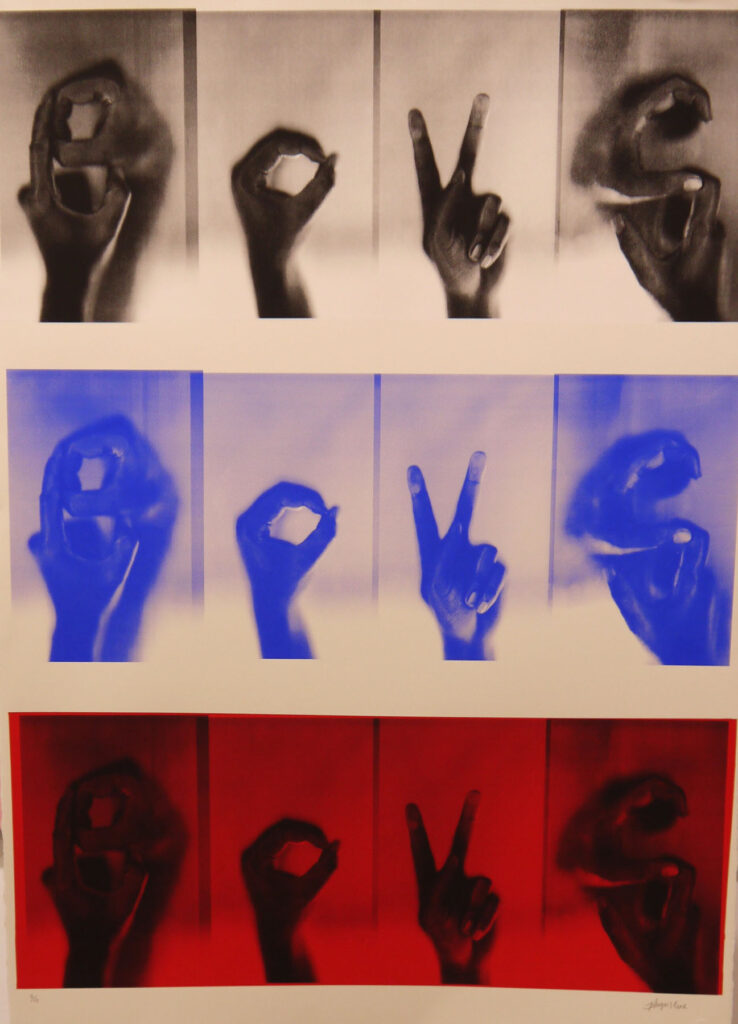
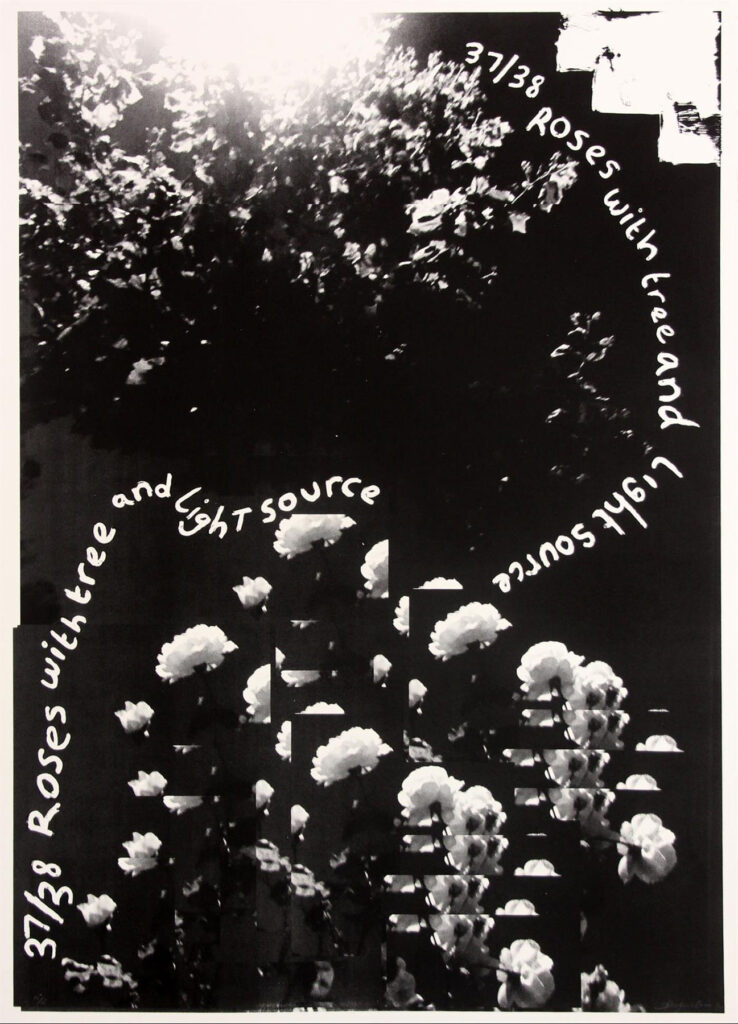
Raised in East London, artist and printmaker Danny Augustine explores ideas of identity in his work, primarily addressing topics of race and gender politics. Danny works predominantly with the medium of print but has a unique and painterly approach to his projects, toying with different narratives that prompt his audience to think about modern society’s views and obsessions surrounding race, gender and sexuality.

NR speaks with Danny, discussing his background, influences and how he has navigated his artistic career.

What attracted you to first start working with print?

First, I wanted to be a fashion designer, then a photographer, then a filmmaker and then finally a painter. The problem was that I wasn’t great at any of those things. I’m guilty of having quite a short attention span. I always want to work big, and I want instant gratification, so print works really well with appeasing those traits.

You grew up in Hackney, how has living in East London impacted your work and you as a creative individual?

I’m of the generation where I ever so slightly missed or was too you young to realise what was going on in regards to the YBAs, but the water mark was clearly visible. Coming from a Caribbean family and growing up in Hackney I felt gave me the licence to push and become an artist – there’s never been a doubt in my mind.

Are any other locations inspirational to you?

Berlin and Venice – those places rock me every time I visit.

Your work deals mainly with ideas about gender and identity, does exploring these narratives come naturally to you, or is it a struggle to express them creatively at times?

I think my work ends up talking about or outlining those points on its own. I didn’t realise it was happening until I had a bit of hindsight. I think it’s pretty natural still.

“I’m not sure why it’s like that but I’m happy that the work walks out on its own and is what it is.”

What’s your usual process when designing and printing a piece?

I usually start with an idea and instantly start to build a collection of works that explores that. I like to think about it like how a fashion designer builds a collection for a new season. I hardly ever just make a singular piece.

What other artists inspire you?

Tim Mara, Eduardo Paolozzi, Frank Bowling, Cy Twombly, Francis Bacon, Kate Gibb, David Hammonds, Billy Childish. I have loads more: Hockney, Louise Bourgeois, Lucien Freud. We’re in an incredible time because so much has passed and there’s a lot to look back on for inspiration.

How have you navigated the past year in the pandemic as an artist?

Minus the horror stories that people went through during this time, I found I was able to concentrate on making loads of small prints and send them to people who wanted them, no charge.

“Knowing when it arrived and how it cheered people up, I felt happy that I was able to connect with people for no reason other than being able to make something and then send it out.”

Have there been any seminal experiences that have impacted your work or your practice?

Having my son was an incredible thing. When he was born, I knew I wasn’t going to make anything as beautiful as him (cheesiest thing I’ve ever said). My work has changed since having him – I think it’s possibly more grown up, but I won’t know until I start working more.

What does your body of work aim to say in terms of confronting issues about gender and identity politics?

I don’t think it aims to say anything, but perhaps it prompts the viewer to possibly say something.

What was it like transitioning from studying Fine Art to specialising in your printmaking MA? 

It was nuts, I probably wasn’t ready for it. Maybe I should have had a year between them rather than going straight in, but at the same time I think I had to be thrown straight in after university. I had to learn the language pretty fast.

Are there any particular figures you draw the most inspiration from?

I think probably Cy Twombly and Lucien Freud. As soon as I open a book my brain goes crazy and thoughts and ideas start flooding in.

Are you working on any projects at the moment?

Yes, I’m working on a few large screen prints mainly dealing with colour and abstract forms leaning heavily on a specific way of printing.

Credits

Images · DANNY AUGUSTINE
www.jealousgallery.com

Virginia Arcaro

“I learned to rediscover myself, my body and my mind through photography”

Virginia Arcaro is a visual artist whose work spans the realms of painting, collage and photography and explores personal connections with contemporary culture, art and high fashion. Working with the likes of Dior Homme, Acne Studios, Arcaro’s editorials integrate elements of fashion and art history with her own personal vision. The result is an impressive and authentic body of work that is sleek and carefully considered. Arcaro’s practice draws inspiration from a range of subcultures and the limitless potential of photography as a medium.

NR looks into Arcaro’s influences and creative process across both her personal and editorial work to learn more about their artistic production. 

You have a really interesting body of work that ranges from high fashion to more intimate, personal pieces. What have been some of your favourite photography projects to work on? 

Definitely the projects in which I had the freedom to express myself and my creative vision without many boundaries and limits. And those in which I tried to simultaneously blur and establish the lines between art and fashion.  

How did you start getting into photography? 

Since I was very young, I’ve always had my camera with me. I was constantly shooting. It has always been a passion. On a professional level, I started immediately after graduating from the Academy of Fine Arts, collaborating with my boyfriend at that time, shooting the collections of his brand and also curating the creative direction of every photographic project with him. Soon after, I started working as a backstage photographer during fashion shows in Milan, Paris and London, and at the same time I was shooting editorials for magazines and commercial works for various luxury brands.  

How much does fashion influence your work and creative process? 

Fashion is both a means of expression and a source of inspiration. It definitely affects me a lot, but not so much to overwhelm my creative process. When I started working in fashion, I was quite clueless about how complex the industry was. Working in the field and having had the opportunity to meet and collaborate with so many different people helped me learn a lot. I feel honoured and will forever be grateful to have had the opportunity to document the incredible work of designers I love and admire. 

What has impacted your creative vision the most? 

My background and cultural experiences, music, my love for rebellious youth cultures and subcultures – when they could still be defined as such. And having studied art history for years, I can’t deny that traditions and classical references also played an important role in impacting my vision.  

What people and places do you draw the most inspiration from? 

From authentic people, radically different people, confident outsiders. I’m inspired by any place I have a connection with – a connection that is not only physical but also mental. From all the places I’m sentimentally attached to for some reason. 

How have you managed to stay present and creative during the past year? 

Last year was surreal, but I think it had a positive impact on my life and it helped me a lot on a creative level. My job has always led me to travel continuously, and I’ve always loved traveling in my free time too. I had to learn to stop and be in one place for months, so I had time to recharge, time to reflect and time to develop new creatives projects. I learned to rediscover myself, my body and my mind through photography, immersing myself deeply in the essence of art.

How do you choose your subjects and the people you photograph? 

Each person is unique, and I choose them for different reasons. There’s no rule. I understand immediately when I like a subject. 

Is there a main message you want to say with your more personal photographs, or do you find it’s more of a relaxed and natural process? 

It’s a combination of both. I feel it’s a natural process for me to shoot something with a meaning, or a plurality of meanings. Each image contains messages and symbols that lead to a different dialogue. Interpret as you will. 

Virginia Arcaro’s work has been featured in Dazed Digital, AnOther Magazine, Vogue Paris, Vogue Italia, Vogue UK, Harper’s Bazaar UK, Highsnobiety and more.

Arcaro’s work can be found here virginiaarcaro.com

Fernando Livschitz

“Take a camera or computer and do things that motivate you. Do, do, do and do, that’s the way.”

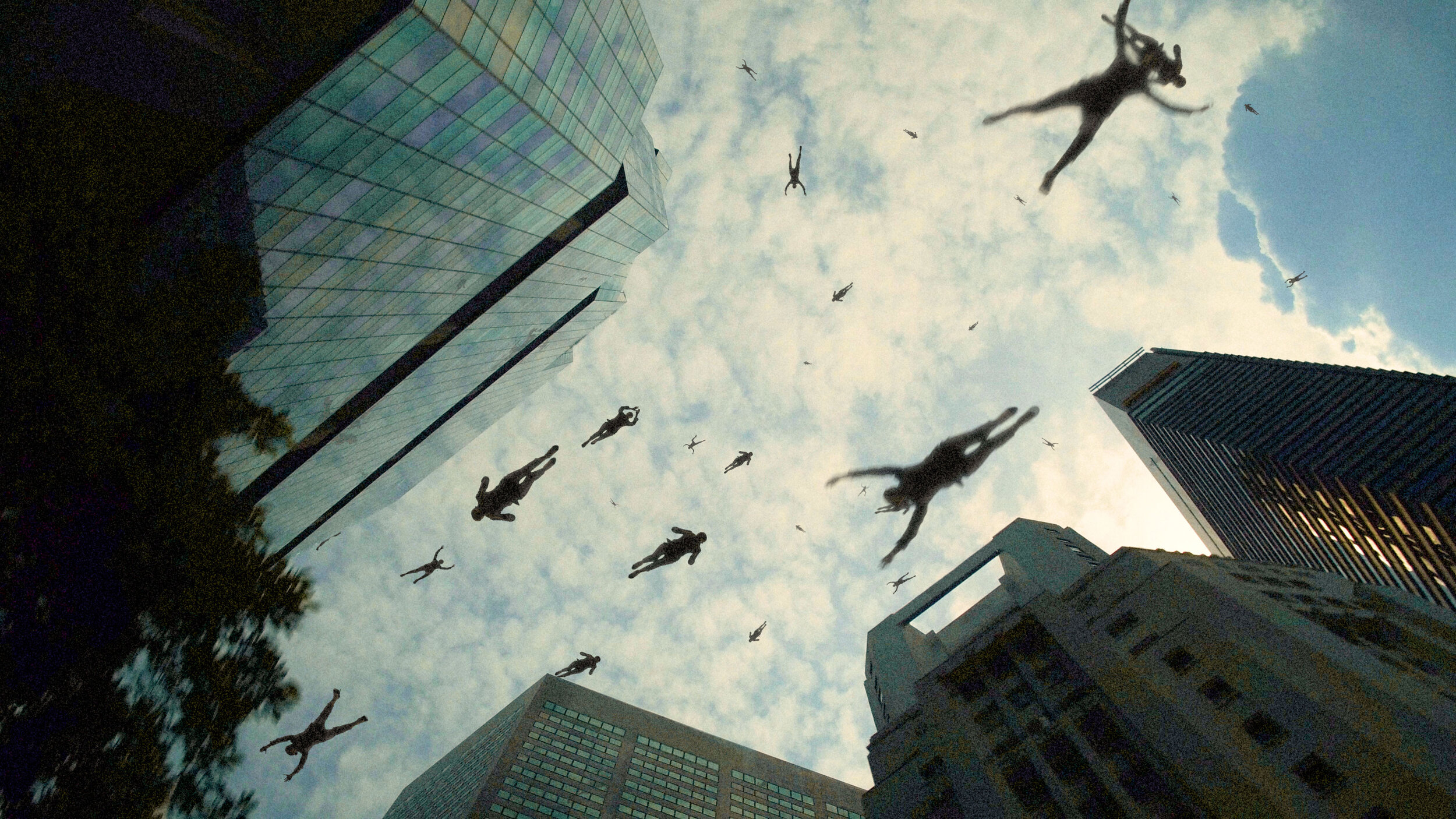
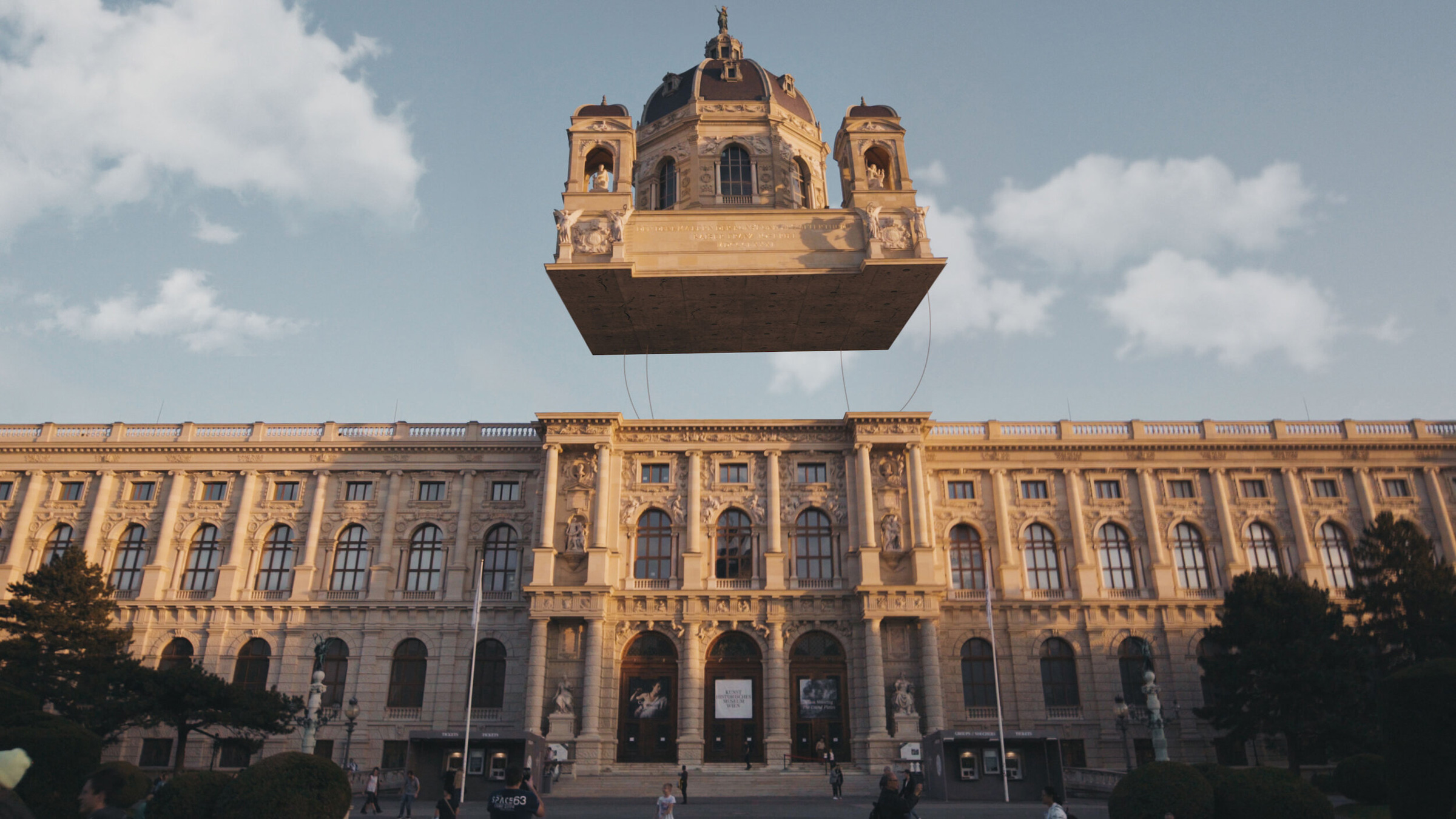
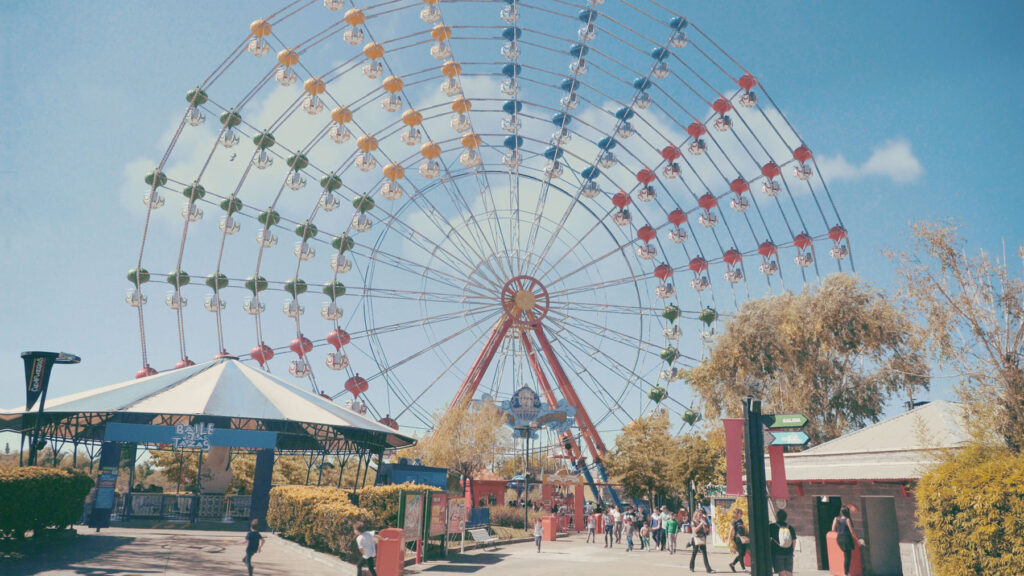
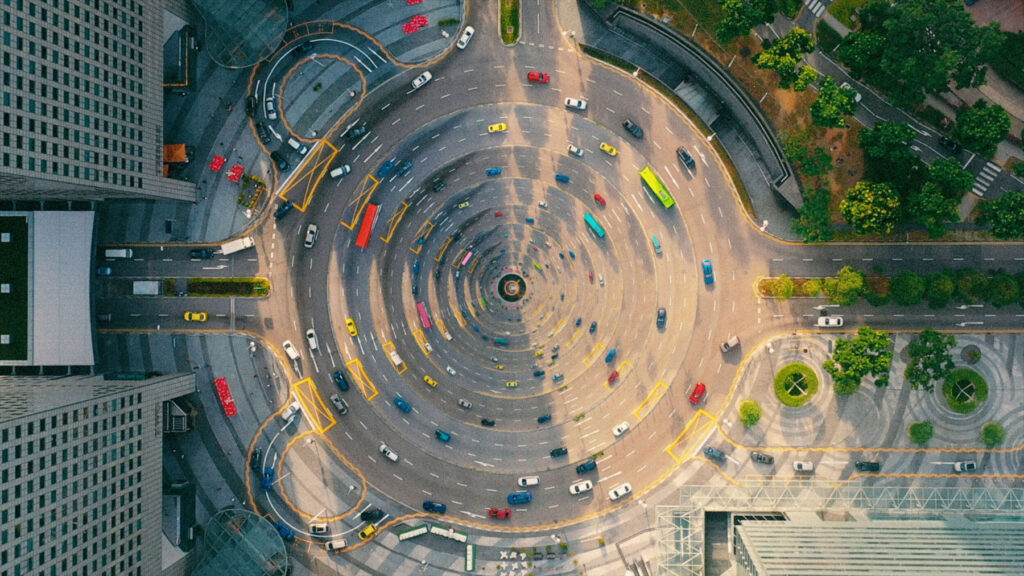
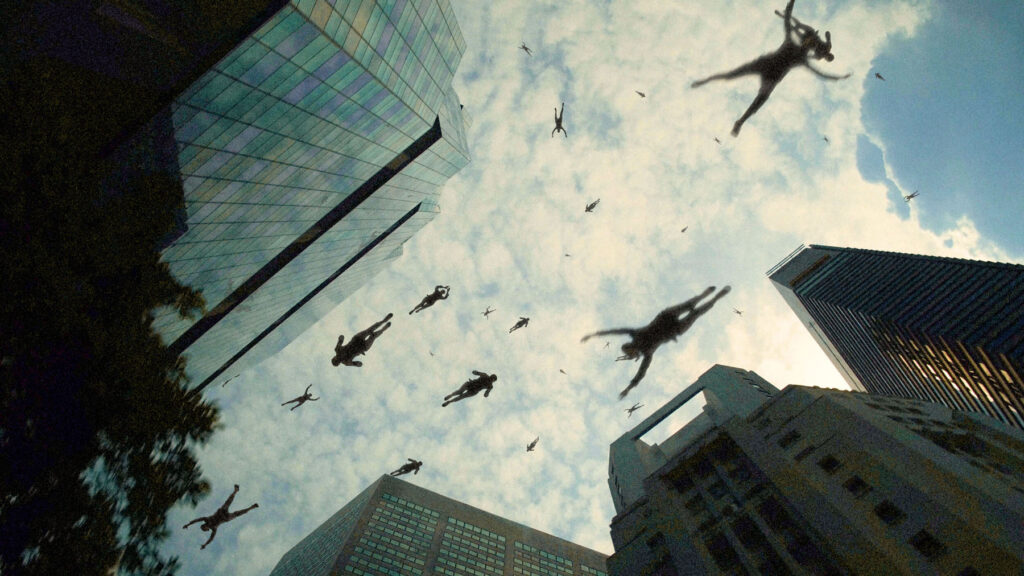
A whale splashes about with its calf in a garden swimming pool, a speed boat spins in circles upon a galaxy of stars, and famous buildings just up and float away. These are just some of the worlds Argentine filmmaker Fernando Livschitz brings to life in his short films. “His stories unfold organically showing the extraordinary as something ordinary and common. Going deeper into reality through the wonder that is in it by creating a charming and mind-boggling mood.”

Indeed, his works are inherently surrealist by nature, incorporating the mundane with the absurd, but there is an inherent youthful playfulness to them that offsets their obvious technical conception. They invoke all the innocent creativity of a young child, who has been set loose in reality and has been given the power to make it their plaything. In doing so they remind us all of the freedom of childhood imagination, unconstrained by adult worries such as gravity or logic.

Livschiz’s films are viral by nature and have been seen by over a hundred million people. He has directed all over the world, winning The Young Directors Award at the Cannes Lions and worked with well-known brands including creating the opening credits for CBS’s The Late Show with Stephen Colbert.

How long does it take for you to make each project/video and what’s your artistic process when coming up with ideas for your work? 

It could take one day or months to make a project. there is no logic there.

Usually, I start from a small idea or concept I want to show and then the process can lead in other directions.

Which is your favourite project and why? 

I’m not sure, maybe “Buenos Aires Inception Park”. This project is 10 years old, and it has opened all kind of doors in my career.

You stated that during lockdown you didn’t feel very positive because of the current situation, is that what inspired you to make Anywhere Can Happen, which is a very uplifting and positive work. 

Well, I’m not sure if it was the lockdown period. Life is complicated beyond this crazy time. I feel we can see things as different, more positive.

Which was the most difficult project you worked on and how did you overcome the challenges you faced while making it?

Each project has its complications. When I start with a project I’m not sure how I’m going to do it. As I progress, I discover the complications. Sometimes I feel that my work is based on gradually solving the problems that arise.

Is there anyone/anything in particular that you draw inspiration from (ie, literature, films, artists, creators etc) 

Yes, lot’s of artists: Slinkachu, Michel Gondry, David Lynch, Tim Burton, Leandro Erlich, Pablo Rochat, Fubiz, Vimeo Staff Picks, Nowness.

How do you think working on an international level affects the creation of your work? 

I think it affects it in a positive way. The greater the knowledge, the greater the possibilities.

What advice would you give to young creatives looking to work in animation and film? 

Do not wait for things to come from outside. Take a camera or computer and do things that motivate you. Do, do, do and do, that’s the way.

In the BTS of Lost in Motions, I saw your daughter helping you to spray paint the individual pieces you used to create the stop motion. Do you often include her in your creative process? 

Yes!, she has an innocent view of things and life and I love her opinion. She has great ideas.

You have a background in photography and design how did you transition into creating these kinds of works? 

I think in my work, everything is connected. Photography, animation, analogue, digital, design, music. What I do now came from all those backgrounds.

Are you working on any projects at the moment? What can we look forward to seeing from you in the future? 

Yes, I am working on several projects. But shhhhh. I can’t talk about them yet.

Ekow Eshun

An Infinity of Traces, a selection of work from eleven Black women and non-binary artists

Walking into the airy gallery space from a quiet London side street, one is immediately struck with a powerful sense of joy, exuberance and pride in an exhibition that discusses incredibly serious topics surrounding Black identities in the UK. An Infinity of Traces, which showcases a selection of work from eleven Black women and non-binary artists, was originally planned to open shortly after a summer of intense discourse surrounding the Black Lives Matter movement and subsequent protests but was delayed due to Covid restrictions. The delay is not a bad thing as the exhibition serves as a compelling reminder of the ongoing nature of this discourse. There is always work still to be done. 

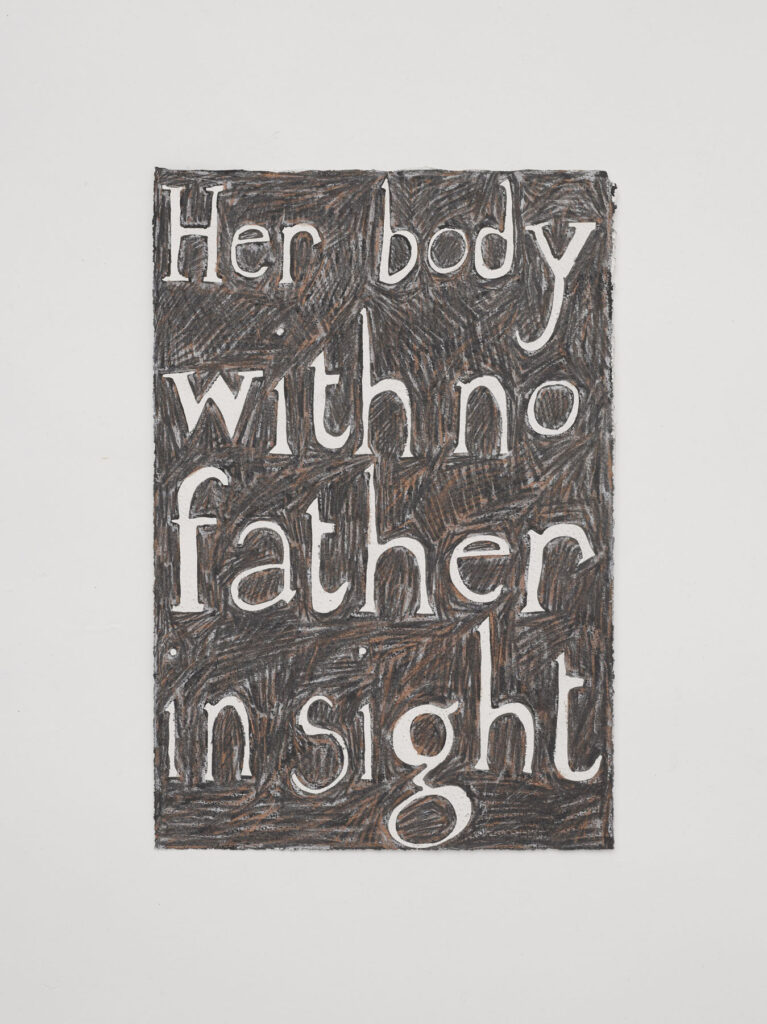
Immediately Jade Montserrat’s series of work draws the viewer into a discussion of Eurocentric beauty standards and colourism and how Black women are forced to navigate their bodies and thoughts within these structures. 

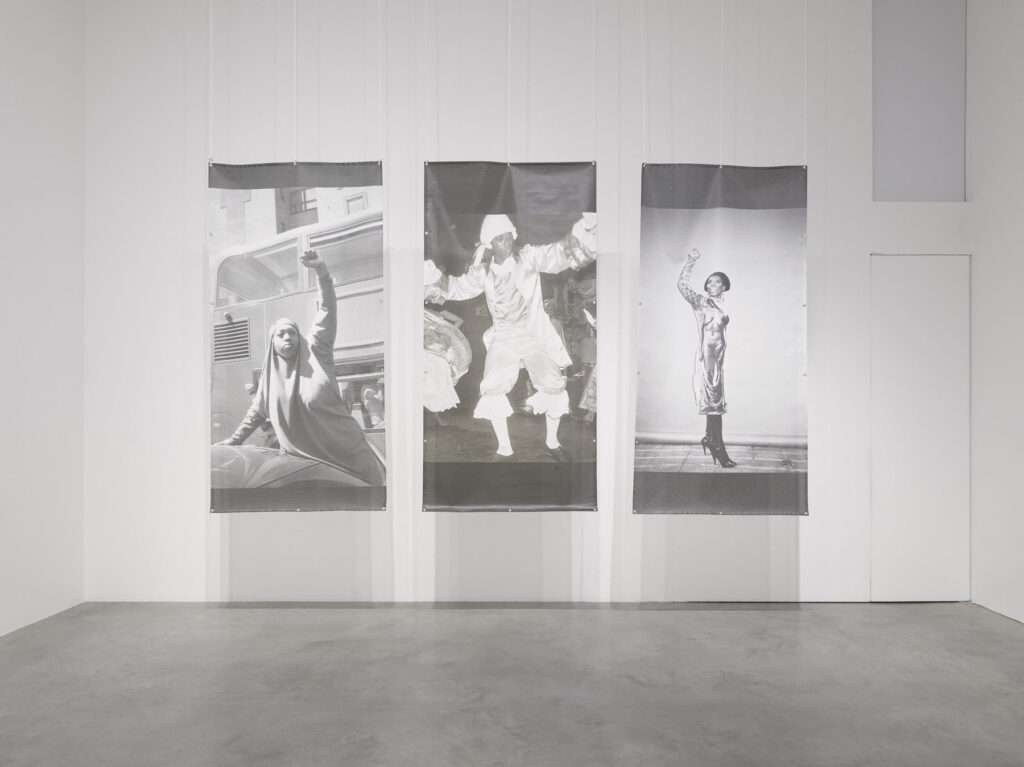
Across from this stretching line of mixed media drawings is Liz Johnson Arthur’s work, Spring… Times, which dominates the space. Three images from Johnson’s archive are blown up in black and white on banners that hang above the viewer. Anyone who took part in the BLM protests in London last summer will be immediately drawn to the image on the left. A Black Muslim woman stands on the seat of a car, holding on to the frame for support with the door flung open behind her, her fist raised in salute. 

During the London BLM protests, there was often a buildup of traffic due to the sheer amount of protesters that filled the roads. However, this traffic became a part of the protest as motorists would blast their horns and raise their fists in support. This sense of powerful community and strength was both incredibly touching and a potent motivator, something this particular image encapsulates perfectly. 

An Infinity of Traces contains a large number of video works, a medium which is often overlooked by gallery visitors who tend to briefly pause in front of the screen before zipping off to the next artwork, seemingly unwilling to commit to placing earphones over their heads and immersing themselves in the artwork. In the case of this exhibition it would be a mistake to do so as, with the exception of the forty one minute film by Alberta Whittle, it is quite possible to watch the entirety of all the video works in under half an hour. 

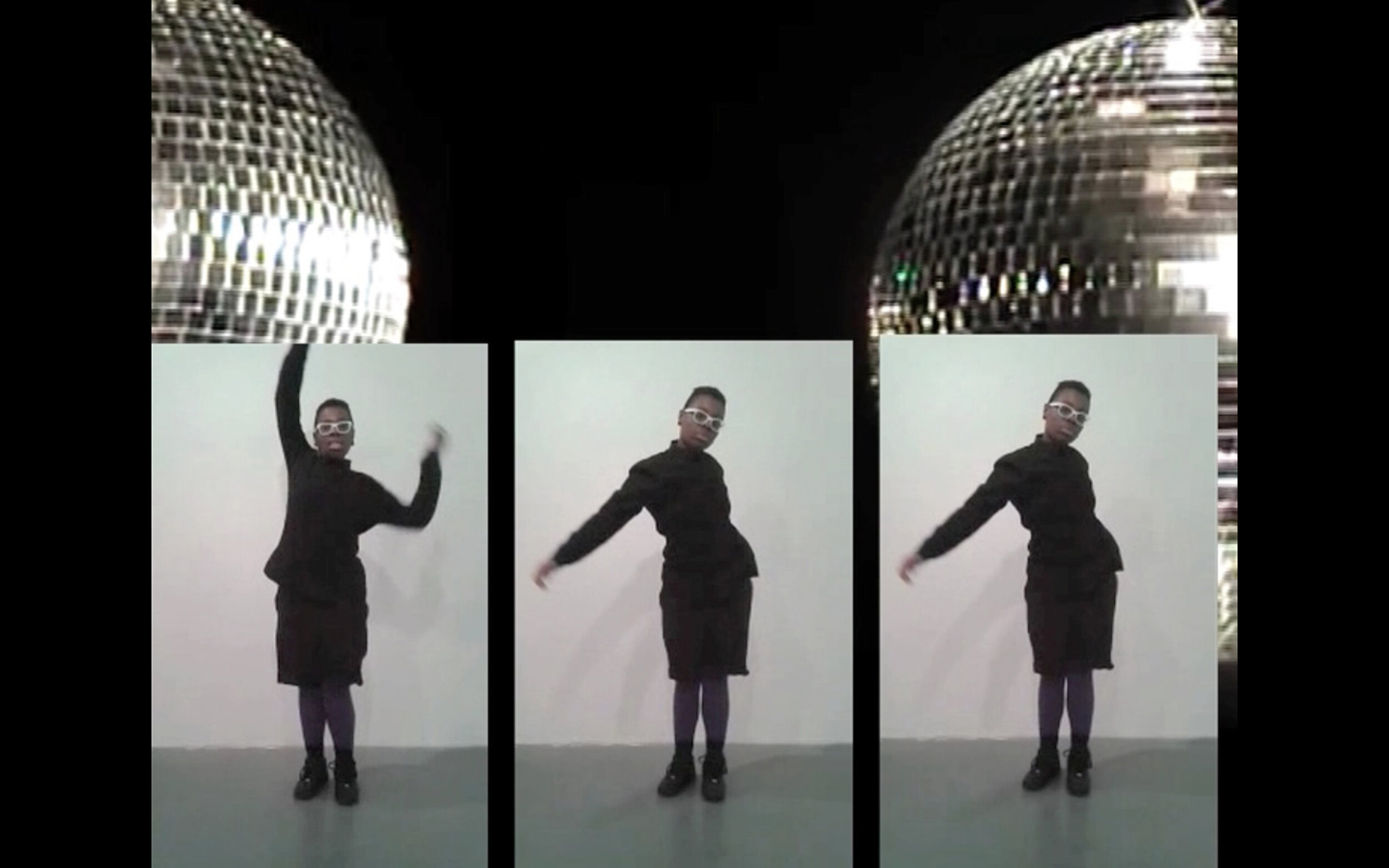
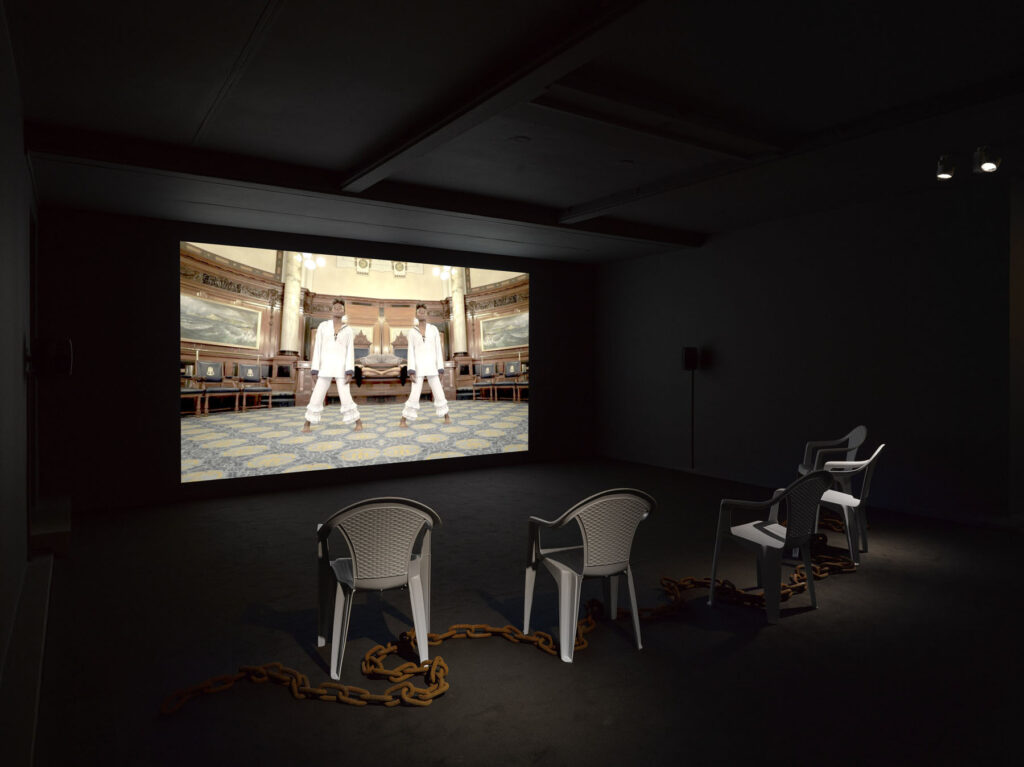
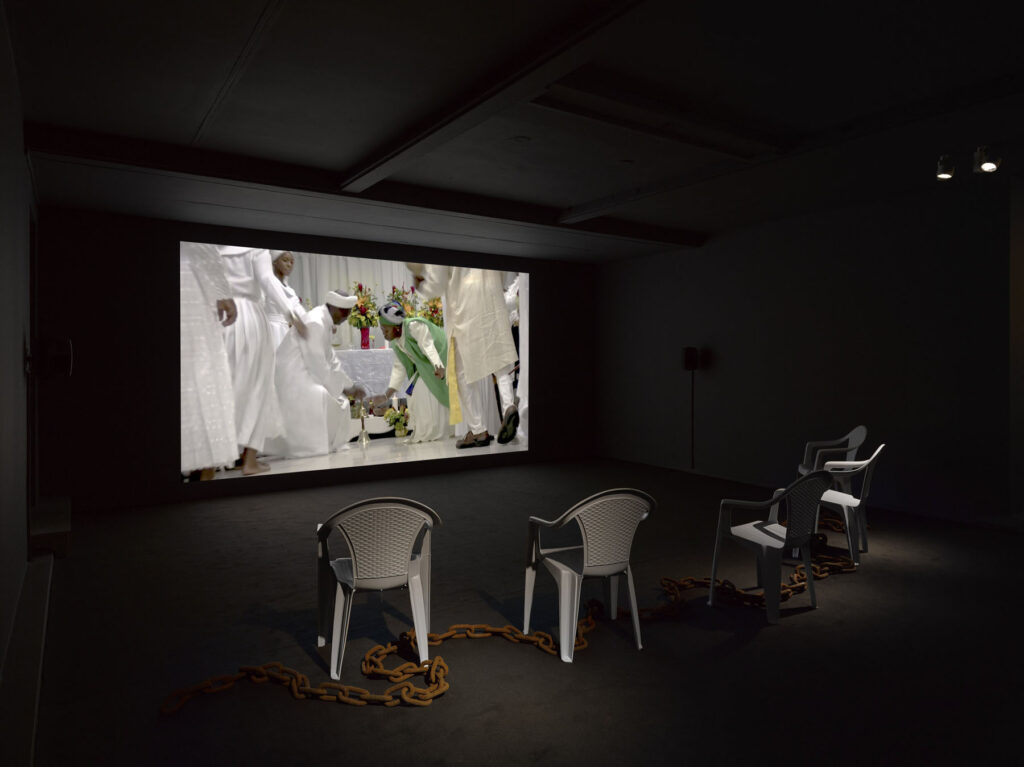
Alberta Whittle’s work, Between a Whisper and a Cry, is well worth the extra time though, exploring, through the mariner’s rhyme: “June too soon, July stand by, August it must, September remember, October all over,” Britain’s historical, cultural and political relationship with the Caribbean. Whittle’s practice is rooted in the history of the transatlantic slave trade, however, one is reminded of Britain’s treatment of Caribbean immigrants, in cases such as the Windrush Scandal, which is still an ongoing issue. 

Ayo Akingbade’s Tower XYZ film is full of bright colours and youthful hopefulness, following three young women around London neighbourhoods and featuring 1970s Brutalist landmark, Trellick Tower. A young female voice raps the words “Let’s get rid of the ghetto.  I hope I don’t die for a long time. I still got things I want to do and look at and boys to talk to. I wanna see an African spirit or like sleep on top of a volcano.” The work simultaneously invites you in, as an older Black man, holding a sign saying ‘All is well’, smiles welcomingly at the camera but then pushes you away, as the camera follows three young Black women into a lift and they turn to stare, making the viewer feel like an unwelcome voyeur into their private lives and thoughts. 

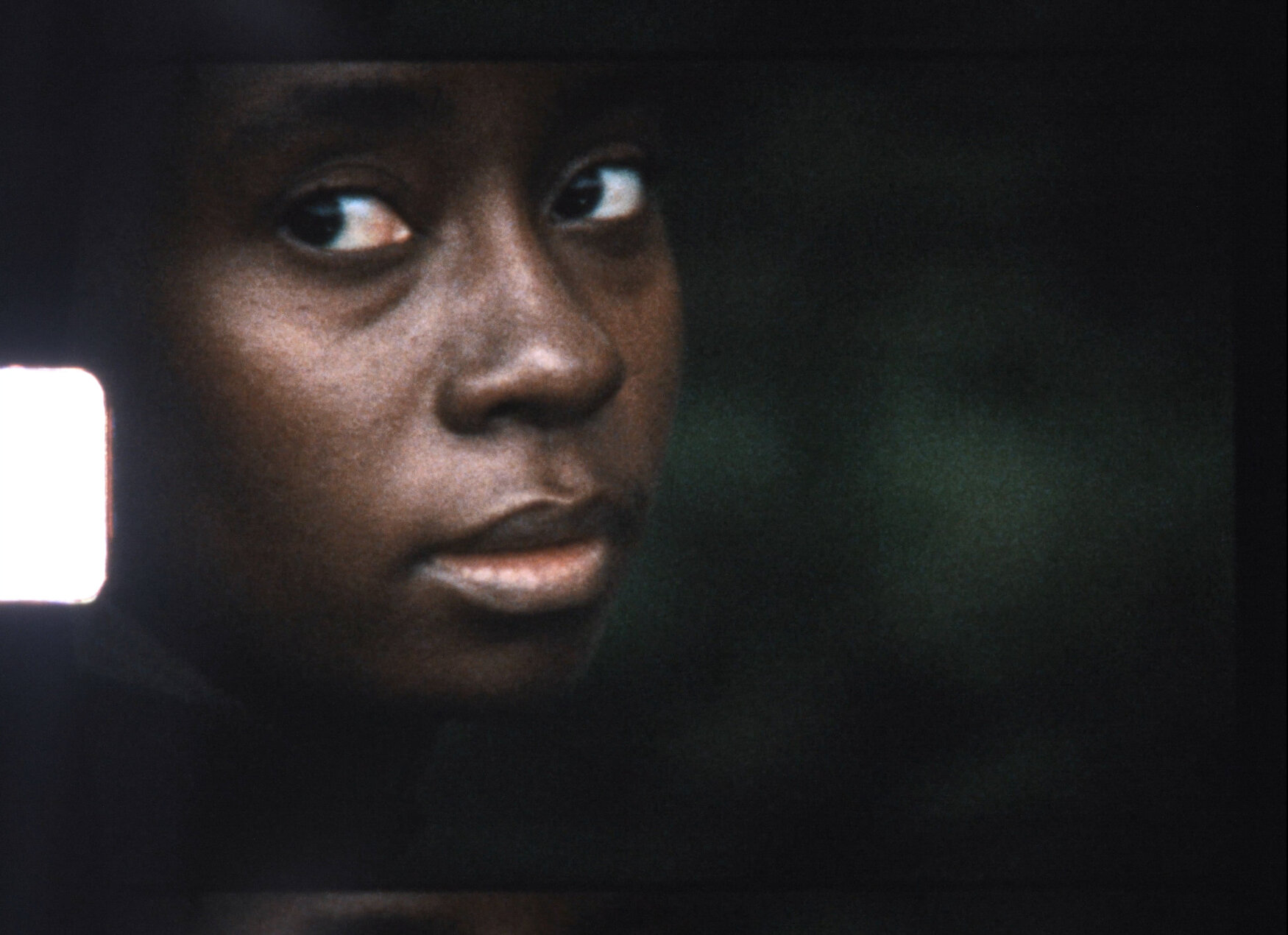
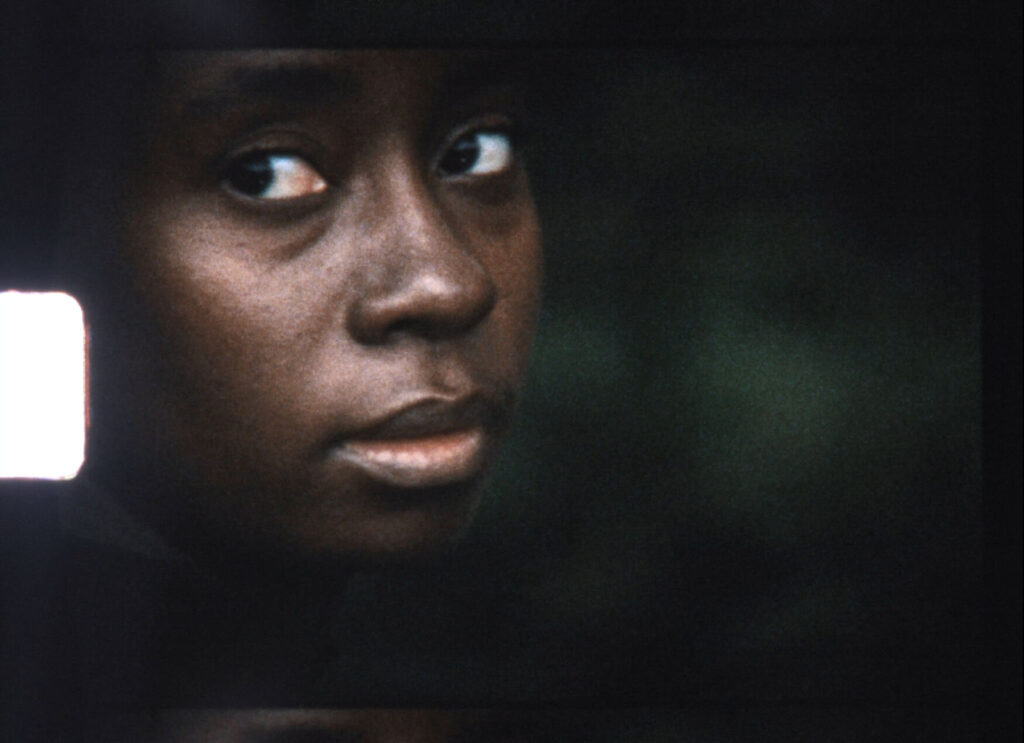
The last artwork in the exhibition is a film by Rhea Storr titled Here is The Imagination of the Black Radical. Exploring the Bahamian Junkanoo and recontextualising it as contemporary art Storr’s work discusses ideas of Afrofuturism and radical imagination alongside such practicalities as what happens to carnival costumes and floats after the event. Interspersed with these discussions  is archival footage of carnival, with performers in elaborate costumes dancing to infectiously upbeat Afro-Caribbean music.

The exhibition will run from the 13th of April to the 5th of June at the Lisson Gallery on Bell Street and visits can be reserved here

Neue Nationalgalerie Museum

NR · WORLD
Published · Online

Feature · Neue Nationalgalerie Museum
Words · Nicola Barrett


1014_10_SM_210400_high.jpg

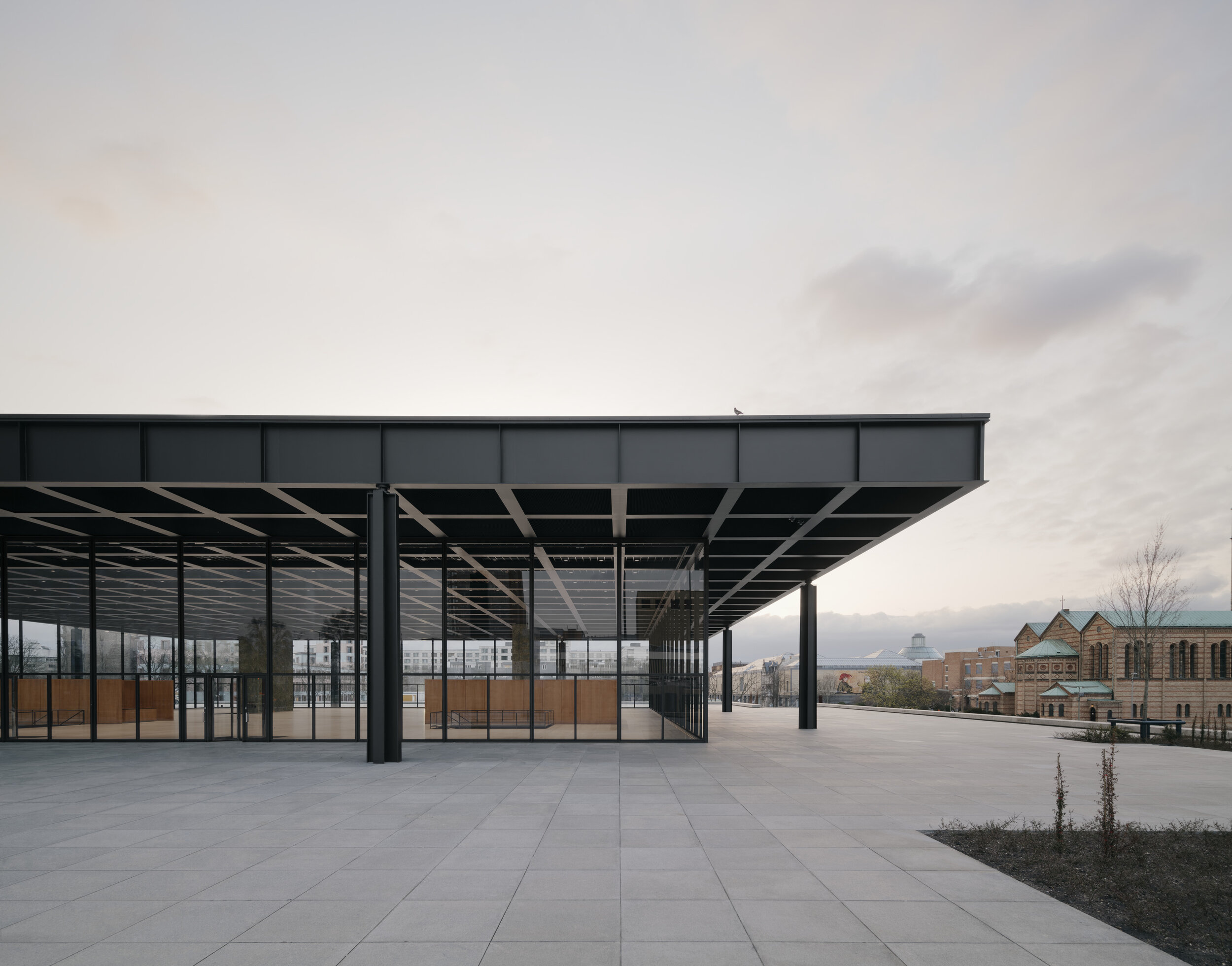
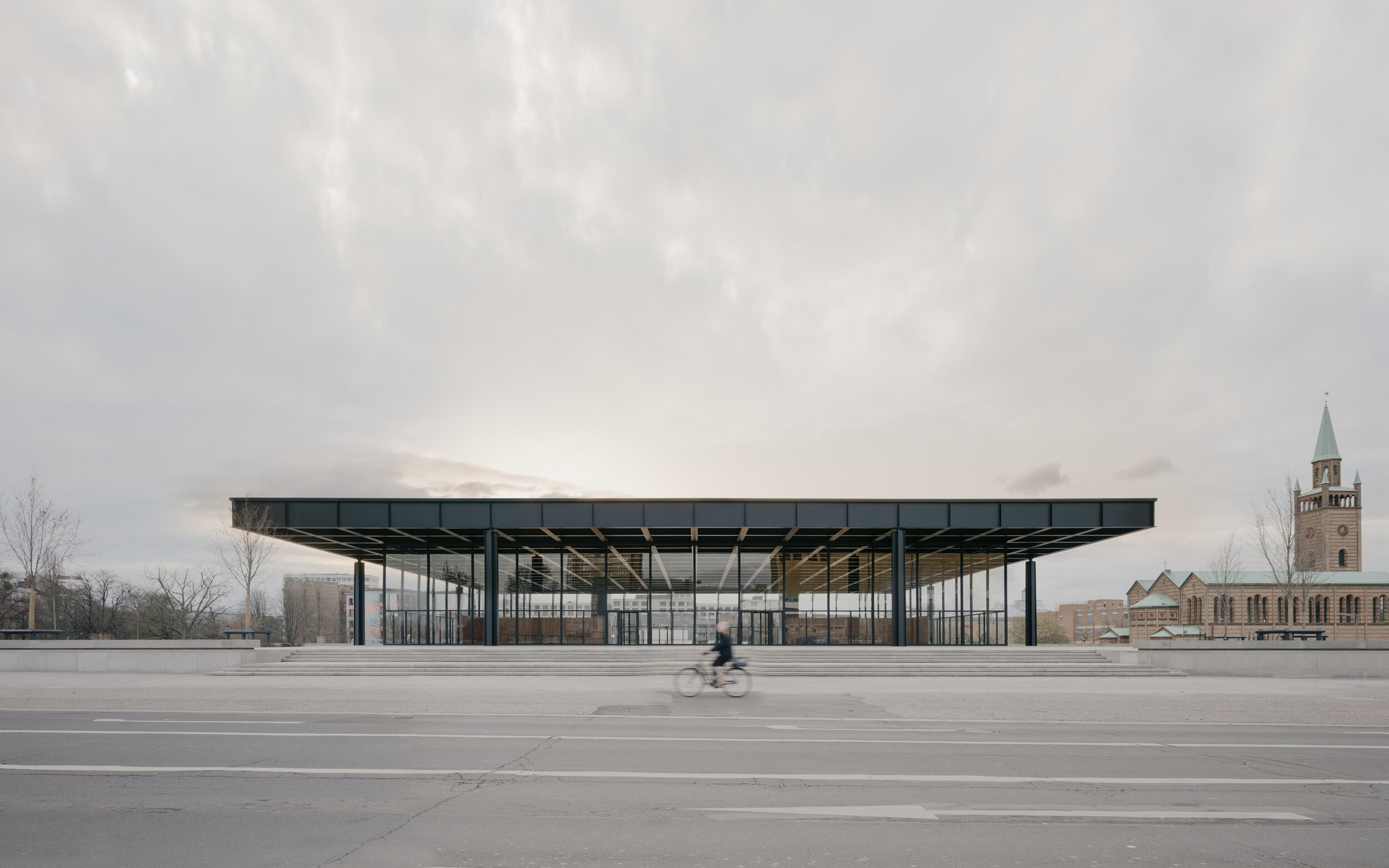
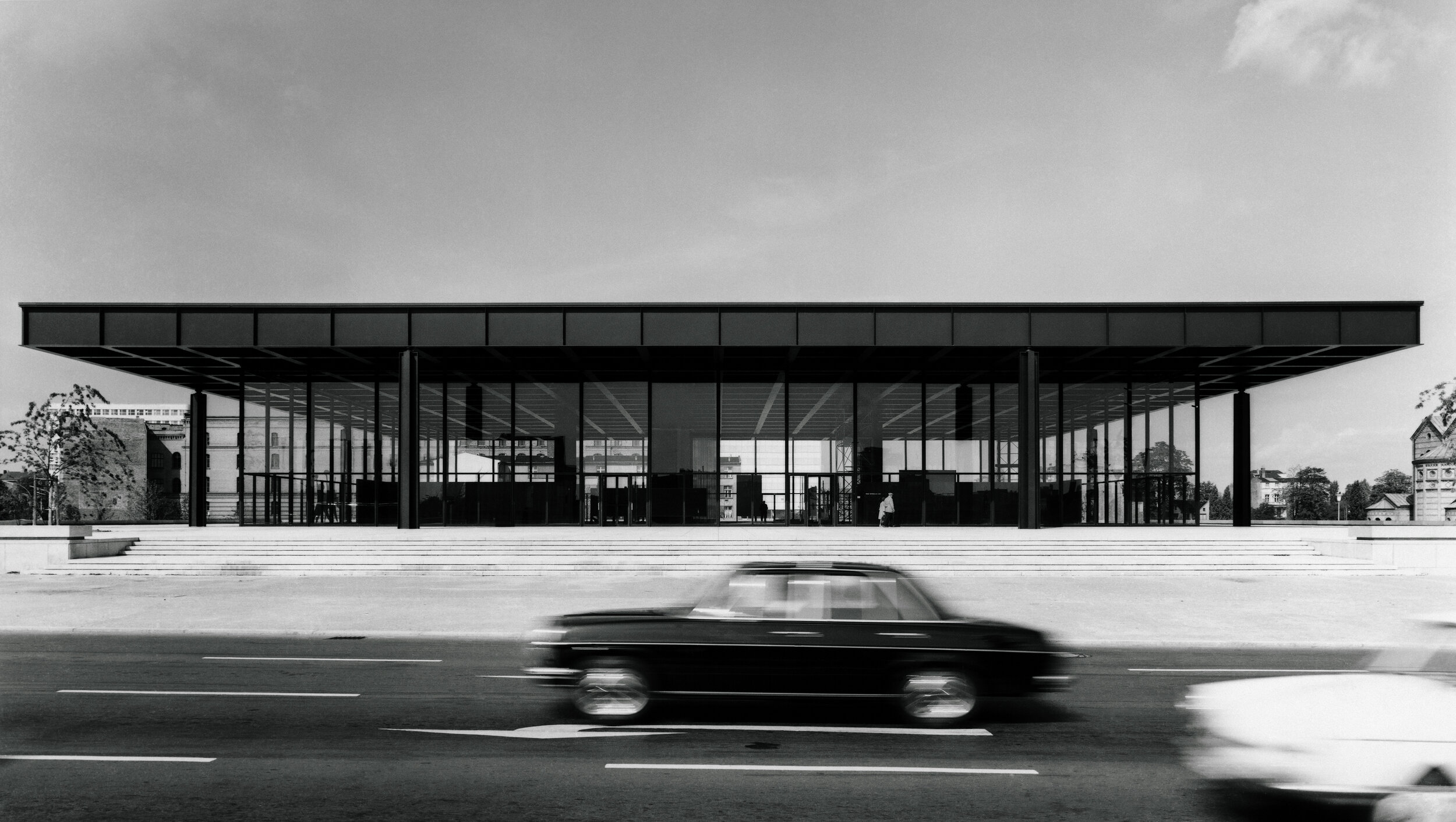
After years of refurbishment the Neue Nationalgalerie museum in Berlin has shed its cloak of scaffolding and has emerged into public view. At first glance it seems not much has changed, which is exactly the intention of David Chipperfield Architects who were commissioned to take charge of the first major renovation of the building since it was built in 1968. The practice has a diverse international body of work and has ‘won more than 100 international awards and citations for design excellence.’ The team at David Chipperfield Architects in charge of this project describe themselves as ‘invisible architects, striving to keep ‘as much of Mies as possible.’ 


They are referring to Ludwig Mies van der Rohe, one of the last directors of Germany’s famous avant-garde design school, the Bauhaus, and the architect who designed the Neue Nationalgalerie. Mies sought to establish his own style of architecture to represent modern times and the advancement of technology in the early twentieth century and embraced the aphorism ‘less is more’. The Neue Nationalgalerie is the only European building Mies designed after leaving his native Germany and emigrating to America before the Second World War. 


Historical photograph by Reinhard Friedrich

Historical photograph by Reinhard Friedrich

Speaking on his practices’ refurbishment of the museum, the firms founder David Chipperfield stated, “Taking apart a building of such unquestionable authority has been a strange experience but a privilege.” He went on to describe the refurbishment as “surgical in nature” as they addressed technical issues whilst protecting Mies’s vision. 


1014_10_SM_210400_N15_high.jpg


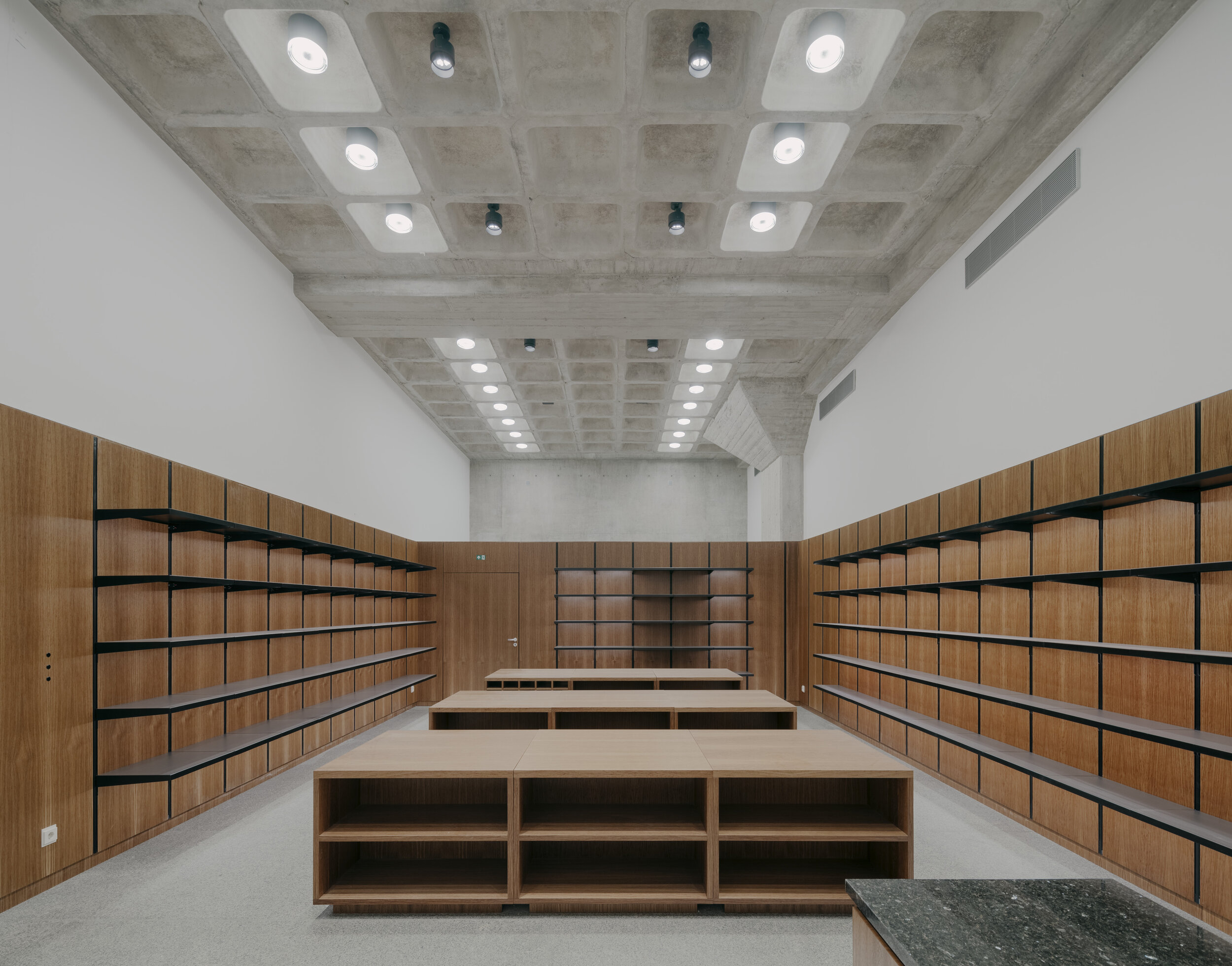
David Chipperfield Architects practice is characterised by  ‘meticulous attention to the concept and details of project’ and their ‘relentless focus in refining design ideas’ and this was evident in their aim to produce, not a new interpretation of the Neue Nationalgalerie, but a respectful repair. They accepted signs of ageing in the fabric of the building as long as it didn’t not impair visual appearance or usability.


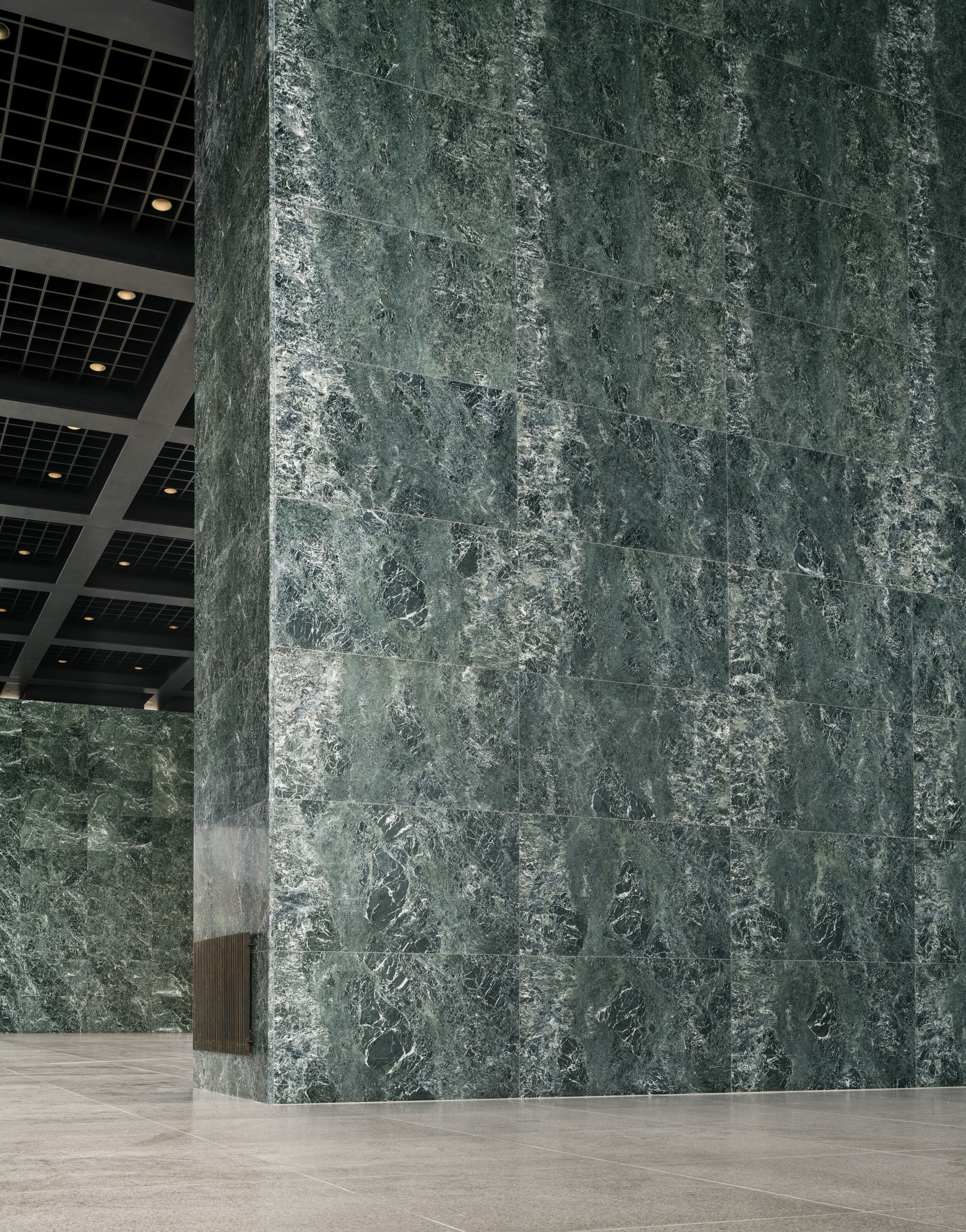
 Mies often described his work as ‘skin and bones architecture’ and this Miesian principle is something Martin Reichert, Partner and Managing director of David Chipperfield Architects Berlin, uses to describe the renovation process. Calling the original surfaces the skin, and the shell construction the bones, he stated that these were kept, as they were ‘the most important characters of material heritage’. However, much of the ‘meat’ of the building, such as plaster, wire ceilings and porous concrete, was lost, aside from a small amount that was retained as evidence in preservation zones. 


1014_10_SM_210400_N20_high.jpg


1014_10_SM_210400_N7_high.jpg

Issues such as condensation were addressed by bringing the building closer to Mies original design. The original underfloor heating, which had been taken out of service at an early stage due to steel pipes becoming corroded and leaking, was restored making ‘an essential contribution to stabilising the indoor climate.’ In the case of unavoidable interventions, such as adding previously non existent disabled access, the changes are described as only ‘discreetly legible’. 


1014_10_SM_210400_N8_high.jpg

 The museum is expected to reopen to the public in August 2021 and more information on the restoration and opening details can be found on the Neue Nationalgalerie website .

IMAGES SIMON MENGES

INTERVIEW NICOLA BARRETT


LATEST PLACES AND DESIGN FEATURES

Alessandra Sanguinetti

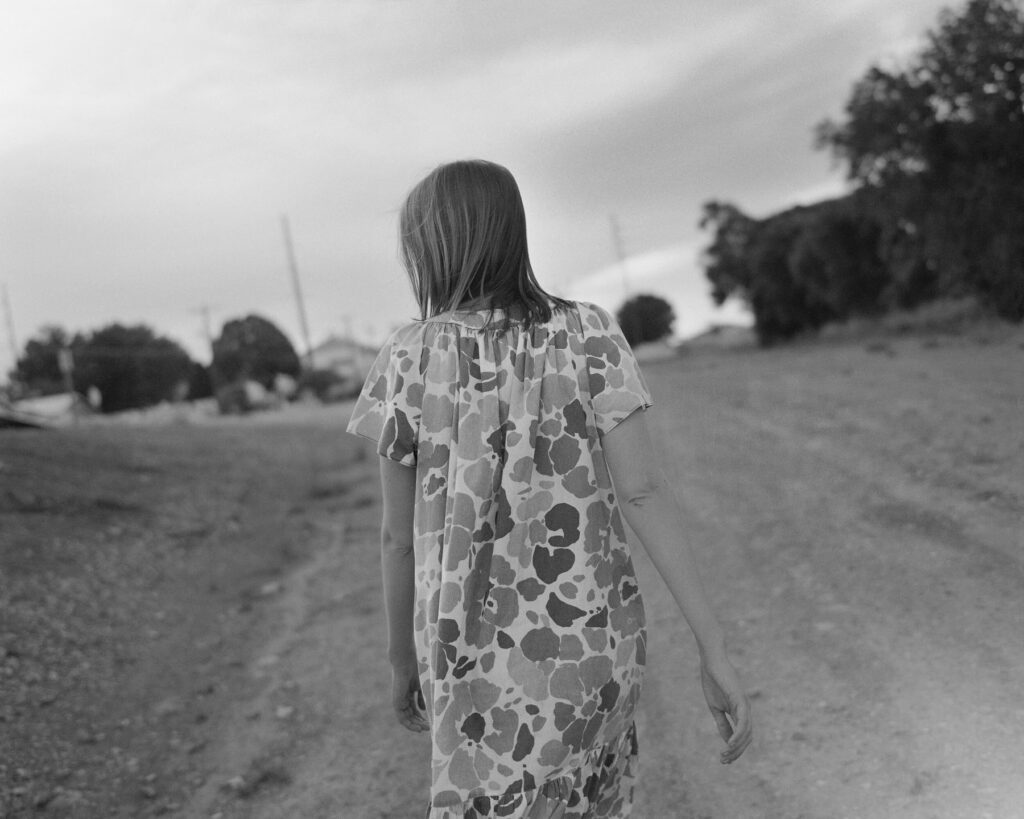
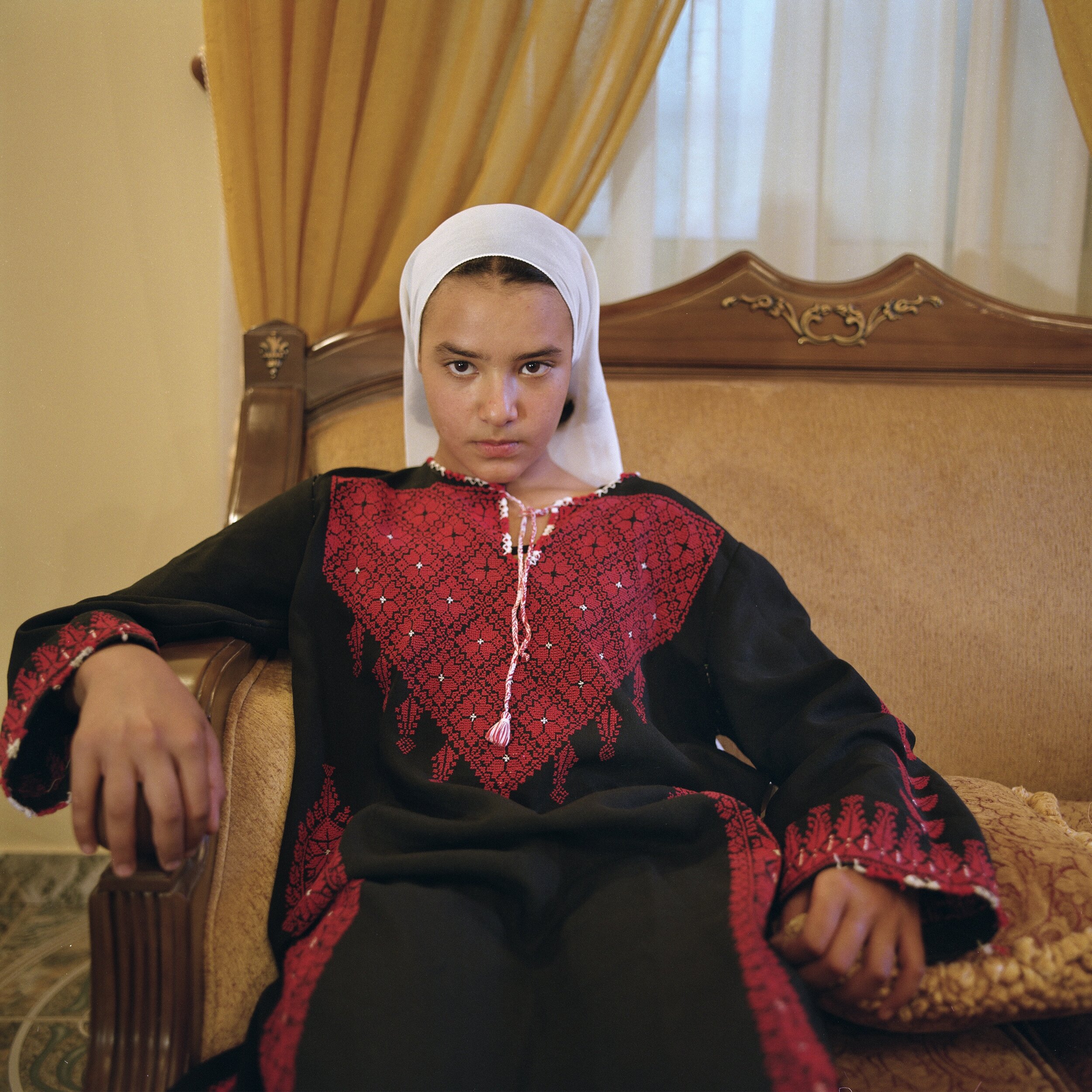
New-York based photographer Alessandra Sanguinetti often explores through her work, changes, experiences and feelings in society. Sanguinetti’s photography is infused with a certain serenity and a beautiful melancholia showing a certain level of trust between her and her subjects.

Her decade long project The Adventures of Guille and Belinda captures two cousins growing up together in the rural province of Buenos Aires, in Argentina. It is a testimony of family, a study of love, tracing the girls’ lives between every day and imagination from the ages of 14 to 24 and their passage from girlhood to young womanhood. The series which began in 1998 is the subject of two booksThe Adventures of Guille and Belinda and the Enigmatic Meaning of Their Dreams (Nazraeli) and ten years later,The Adventures of Guille and Belinda and the Illusion of an Everlasting Summer(Mack).

Recently, Alessandra Sanguinetti shot a cover for Vogue Italia for their January 2021 Animal issue which aimed at bringing awareness to the urgency of the environmental problem.

When I was nine years old a book I began to get curious about the books on our living room coffee table. Amongst books about nature and old ‘masters’ (Caravaggio etc) there was a Lartigue, a Chim (David Seymour), Dorothea Lange book , and Wisconsin Death Trip, by Michael Lesy. It was the latter that made me beg for a camera. I had a gut reaction to that book – it was the first time I saw, or paid attention to, images of people long gone, and it was the first realization that I was going to die and disappear as well. I panicked and had immediately associated photography with death, life, and memory.

I did receive a camera for Christmas and set out to memorialize everything in my life.

That’s the way it’s been since.

As far as my practice, it was in my twenties that I consciously realized photography was a way to relate to the world and a way to make a living. I’d never thought of myself as an artist or anything in that neighborhood, until then.

Credits

Images · ALESSANDRA SANGUINETTI
https://www.instagram.com/alessandra_sanguinetti/

Designers

  1. Cecilia
  2. Christen
  3. Hadil, 2003
  4. Mayelin
  5. Jessica
  6. Miriam. Aida Refugee Camp, West Bank, Palestine, 2004
  7. Sarita
  8. The Couple
  9. Mothers, 1999
  10. Untitled, 2009
  11. The Blue Dress, 2000
  12. Untitled, 2009

Alexandra Leese

Me + Mine

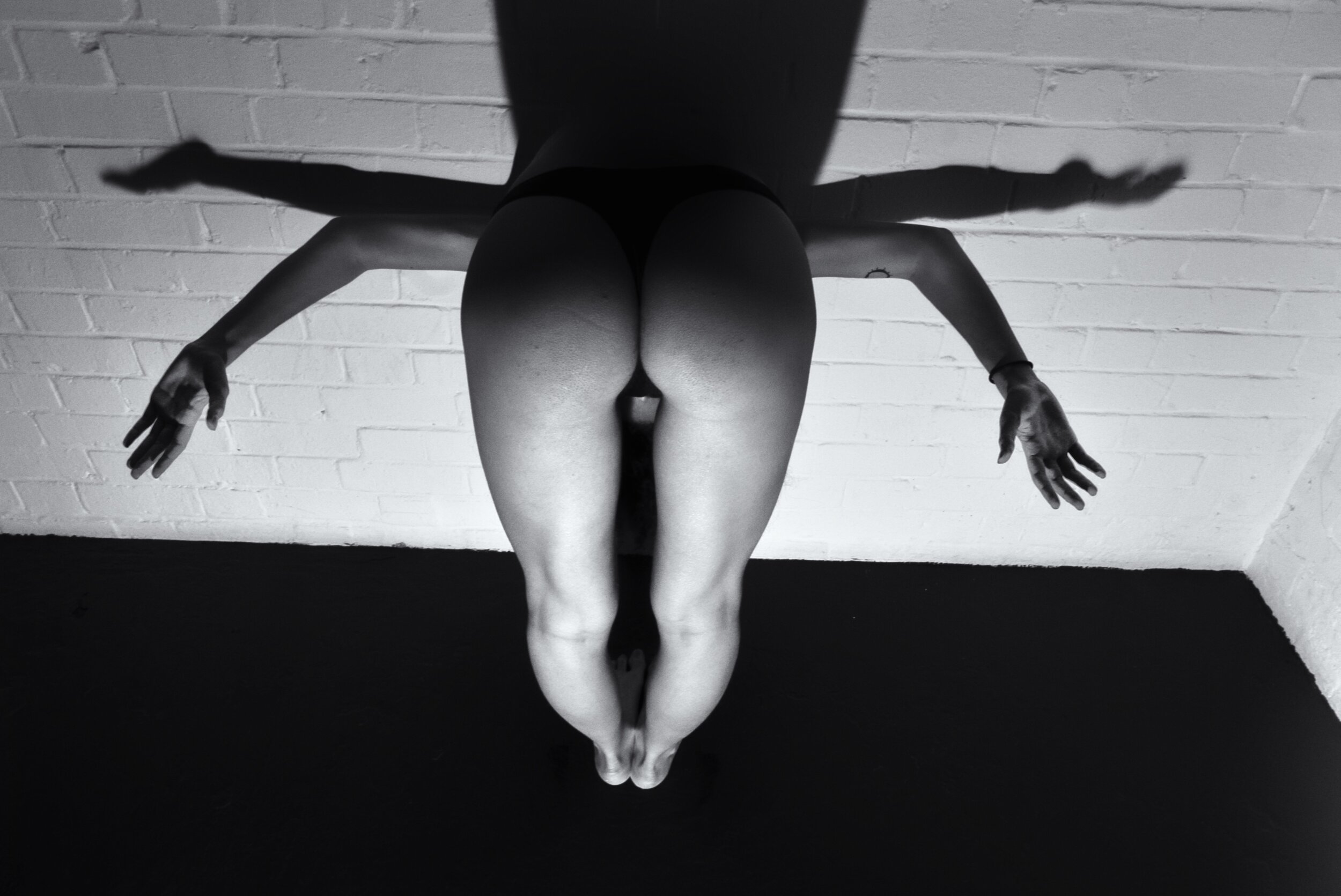
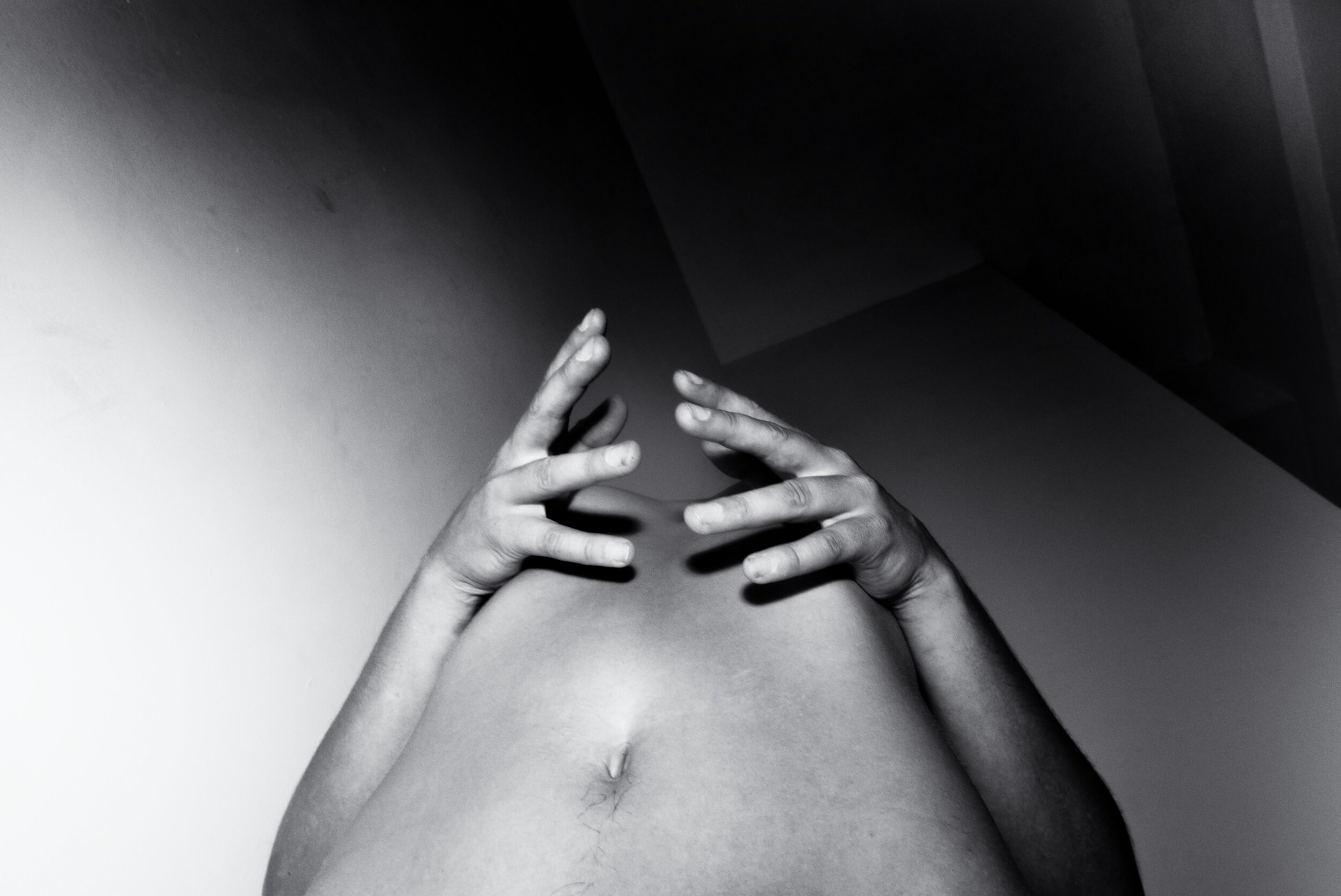
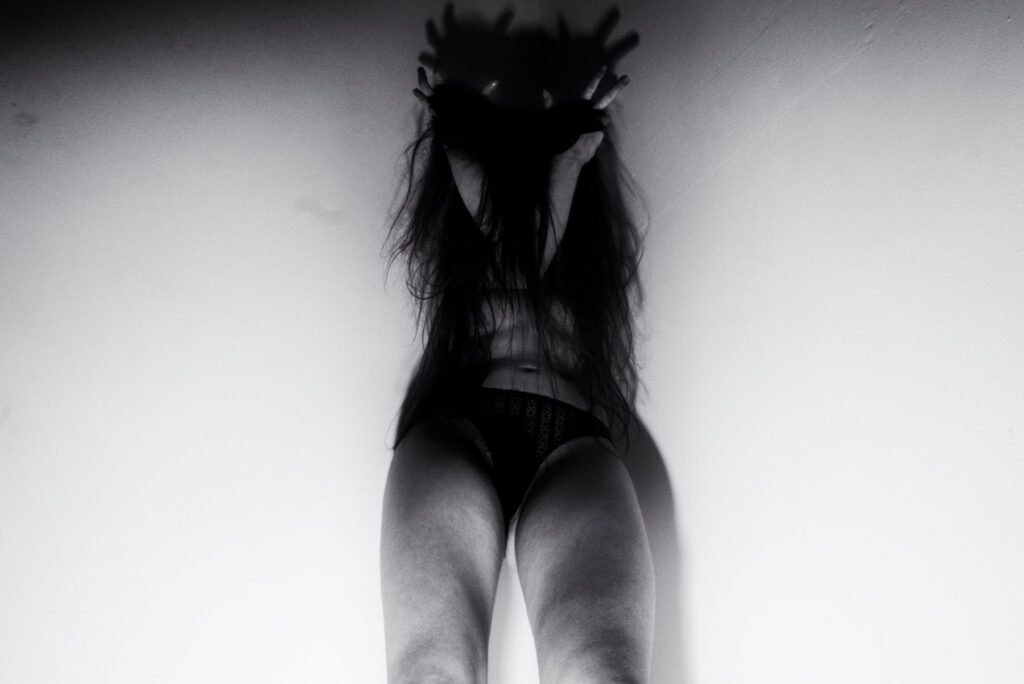
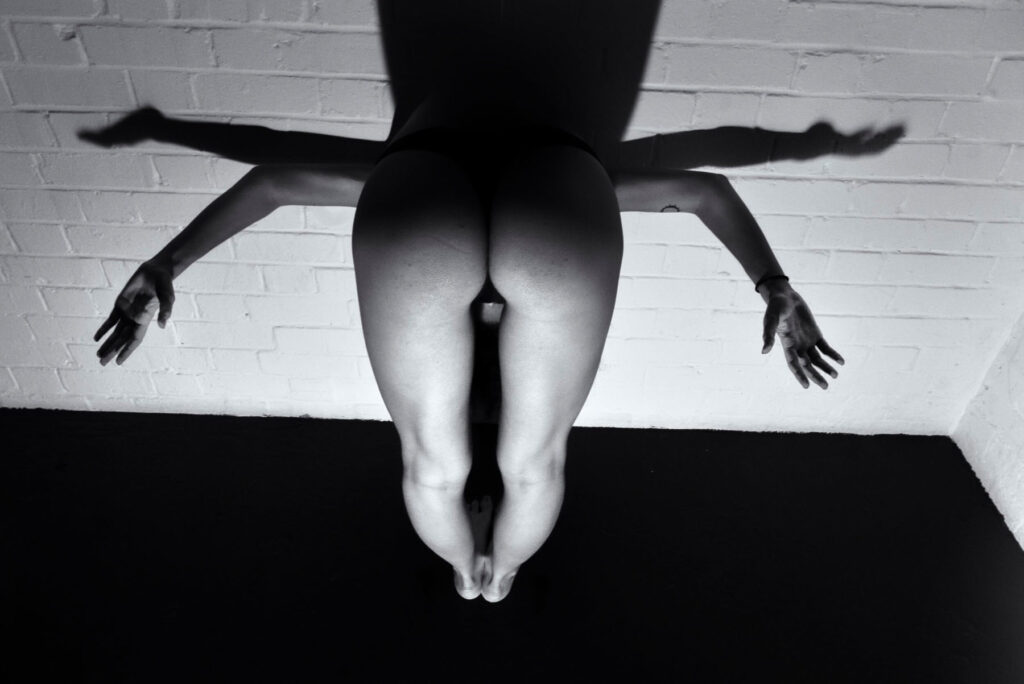
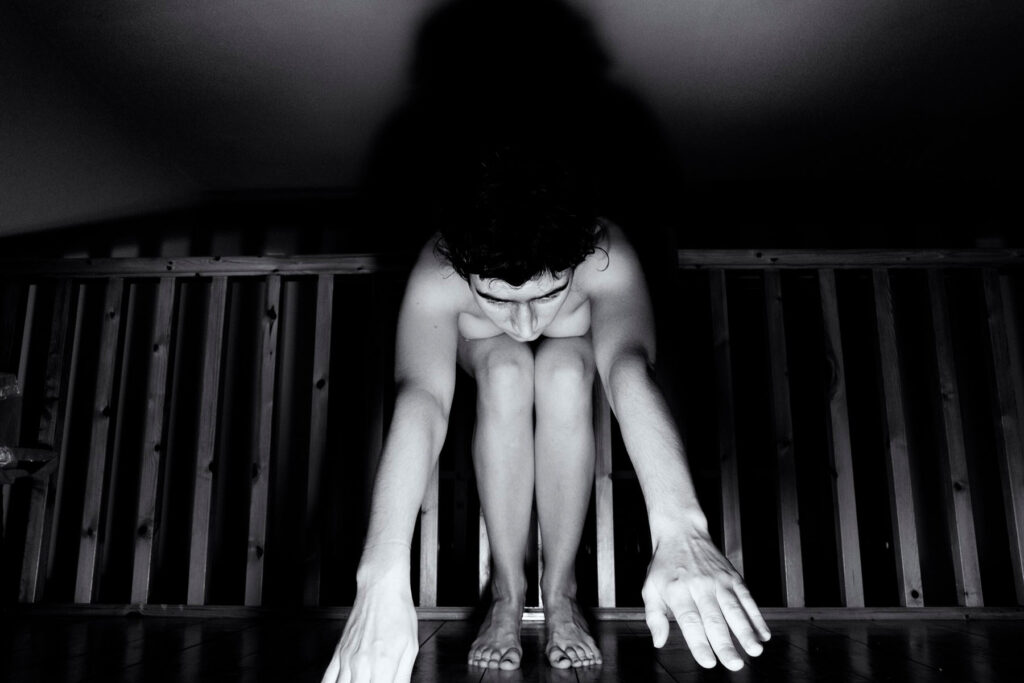
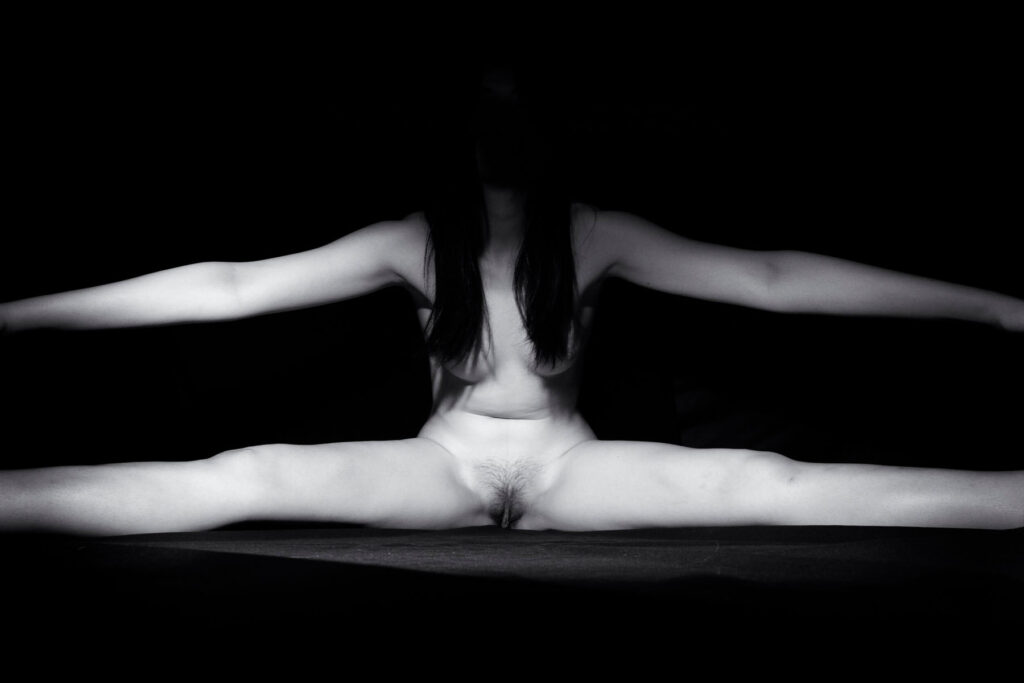
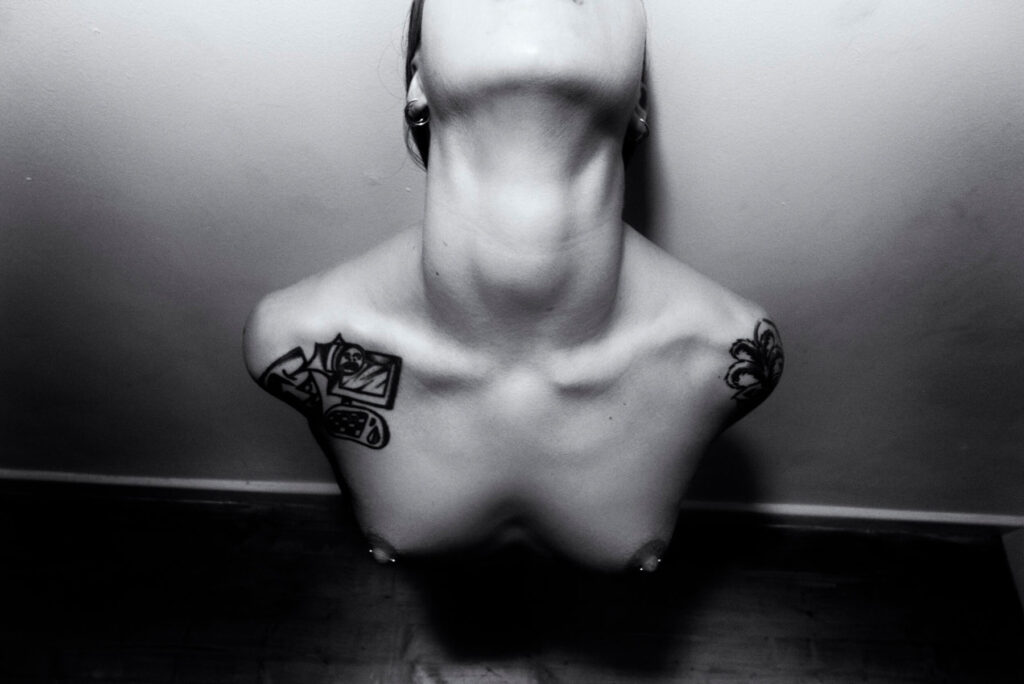
My body. My limbs. My hair. My nose. My skin. My heart. My lungs. My breath.

Much of what we are taught about ourselves as women is that our bodies are not ours. As if we are someone else’s to keep, to define, to use, take pleasure in, and to hurt.

Loving our bodies is not as simple as it sounds when we are still finding a home within us. When we’re alone in nothing but our skin.

While nudes have traditionally been used to display our bodies for the pleasure of the male viewer, these portraits of us are distinct in that they evoke the safety we feel when no one is looking. We do not produce images for the gaze of patriarchy or to compete with other women. We don’t seek to empower people — we know empowerment happens when we take control for ourselves.

Across many regions and cultures, though it doesn’t represent every kind of body and beauty out there, this project is us sending nudes to ourselves — not to be consumed but to be revered. Each woman has a unique, evolving relationship with her body. What we have in common is being alongside one another on the path to loving our bodies how we choose, despite the battles we may face.

So we dream along our journeys. We touch each hair, each fold, each wrinkle, and each scar, remembering that we belong to ourselves.


Credits

Words · Alexandra Leese and Xoài Pham
Me + Mine is available for purchase via antennebooks.com
Proceeds of Me + Mine will be donated to the organisations Black Trans Femmes in the Arts, Trans Law Centre and Rape and Sexual Abuse Support Centre.

Pelle Cass

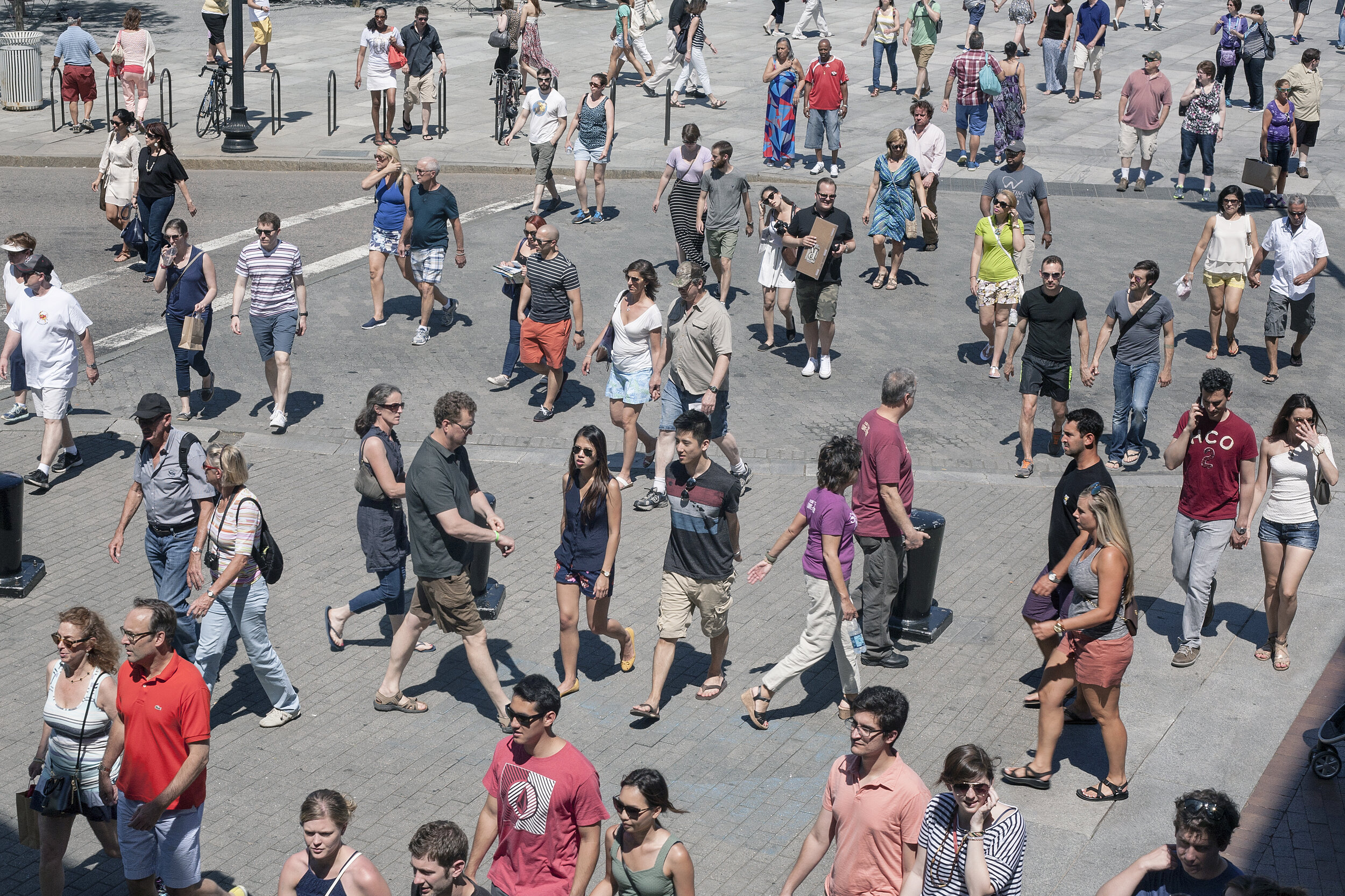
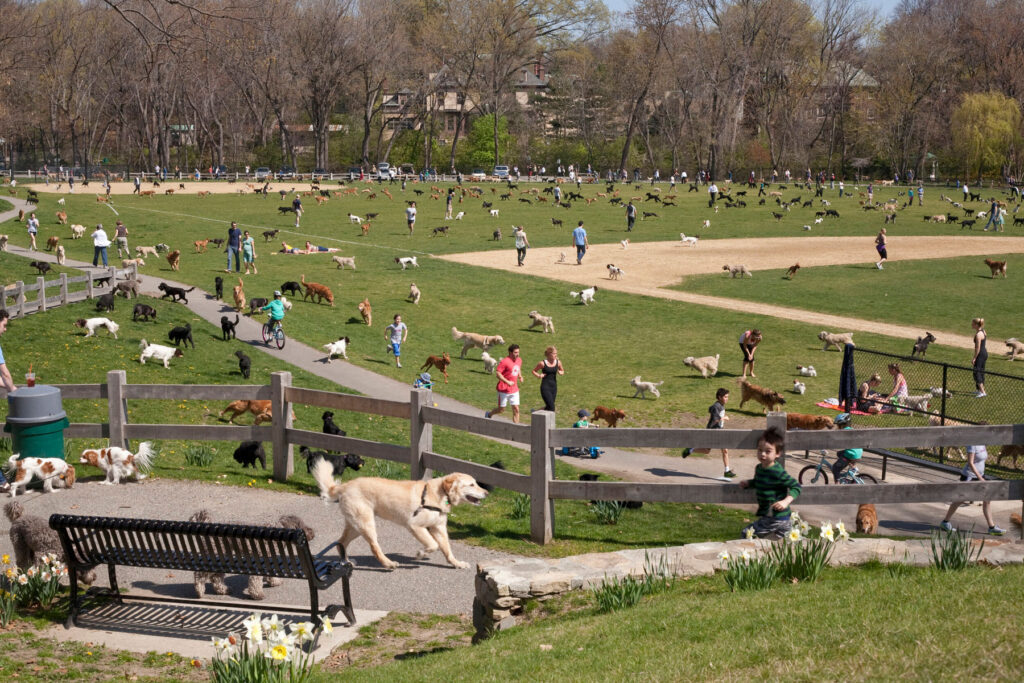
Selected People

Credits

Images · PELLE CASS
https://pellecass.com/
Rick Schatzberg

“conversations helped to create the atmosphere I needed to portray vulnerability”

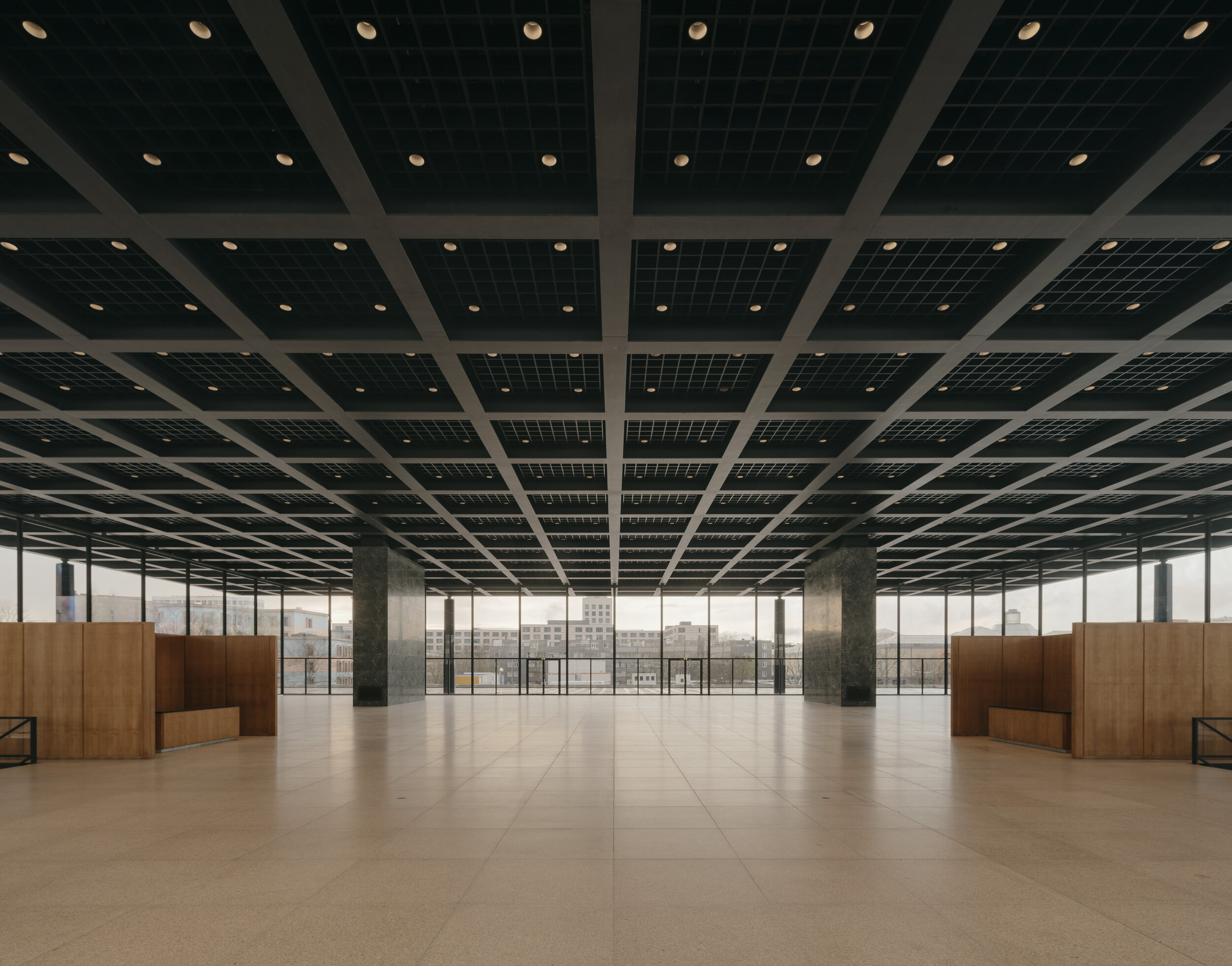
Rick Schatzberg grew up in a suburb of Long Island in the 1950s – a place constructed out of nothing but a post-war optimism for prosperity and abundance. A place that, by Rick’s own admission, was in reality, characterised by its monotony and it’s ‘nowhereness’. Surrounded by the comfort of middle class living, Rick and his friends discovered the world by hanging out in one another’s bedrooms, the local mall or a wooded area not far from their suburban enclave. As teenagers, the boys (as they came to be known amongst themselves) would experiment with alcohol and drugs, and hang out with girls; an upbringing unremarkable to anyone who wasn’t there at the time. As they grew older, the boys took on different careers. Rick moved to New York and became an entrepreneur, the others would become teachers, taxi drivers, salesmen, realtors and healthcare workers But they remained what Rick calls a ‘cohesive entity,’ eternally bound together by their childhood moniker.

The Boys, the second photobook by Rick Schatzberg, is the result of both his pivot into photography and the unexpected death of two of his friends in close succession. Confronted with the fragility of life, Rick began in earnest to take photographs of the remaining boys. Using a large format camera, the images of himself and his friends, now in their mid-60s, are a stark reminder of the passage of time. In and of themselves, Rick’s photographs are tender portraits capturing the toll of time and age on the human body. But in the book, these images are interspersed with snapshots and photographs from the boys’ youth. Aged bodies become youthful, smiling faces – hanging out, experimenting with weed. Though Rick is quick to outline that The Boys isn’t nostalgic, there’s something poignant in flicking through the book’s pages and recognising the quirks and characteristics of each of the boys as time passes by. Addressing the responses he’s had so far about the book, Rick sums this feeling up well in our interview below: ‘anemoia: nostalgia for a time or place you’ve never known’. Many of the old photographs included in the book are snapshots that had been forgotten about – forgotten in the almost immediate aftermath that they were taken. They raise questions of memory; can the boys even recall the time and place that the photograph puts them in?

Alongside the images, old and now, are twelve short texts. One is an email exchange between Rick and two of the boys trying to piece together the facts of a fight that happened at a wedding. Their recollections of what actually occurred differ; evidence of the unreliability of memory. To celebrate the release of the book, Rick spoke in conversation with the photography writer and curator, David Campany in early 2021. As well as discussing the subject matter of The Boys, something that came up as crucial to the book’s release is its design. As part of the book launch, Rick shared a video of himself going through the book to demonstrate that the large format photographs of his friends feature as fold out pages (something, he tells the audience via Zoom, his mentors and peers from his photography course advised against). But something that also stands out in the structure of the book is that the 12 texts Rick includes in The Boys read like snapshots themselves.

An accompanying essay to the book by the writer, Rick Moody, raises this point, writing about the ‘relationship between a still image and the kind of expressive power that we associate with narrative activity.’ In the context of The Boys, as a photobook, this takes on historical significance. Writing about the 1920s, a time of the proliferation of the photobook and the photo essay, the academic Andreas Huyssen describes how a new form of literature appeared.

The “modernist miniature”, popularised by novelists like Franz Kafka and critical thinkers like Walter Benjamin, sought to capture modern life with photographic precision through words. In that way, then, Rick’s book is much more than a selection of photographs of his peers – young and now old – it’s a reckoning with how we navigate time, memory and our existence through the lens of modern life.

How did your experience of studying photography influence The Boys?

My work on The Boys was influenced by my art school education in several ways. To begin with, the photography MFA program I was enrolled in at Hartford University, Connecticut, is heavily focused on photobooks, and I went knowing I’d be making one. I thought I already knew a fair amount about photobooks, but the breadth of what I was exposed to by teachers, guest artists, and student colleagues was eye-opening. I had to examine my motivations to make any work and to think about how I would make a book that wasn’t just a collection of interesting pictures, but something with substance and depth.

In grad school, one of the challenges of making work that you hope to eventually present to the world is interpreting and deciding what to do with the near constant feedback you receive. You go to art school to not be limited by your inclinations. But there’s also the danger of gearing your work for approval of teachers and fellow students. In the end, I had to absorb what was helpful and discard what wasn’t; making that distinction was sometimes a confusing struggle. 

At the virtual launch, you emphasised that this book had to be universal, and not nostalgic. What feedback have you had from people about The Boys? Does it differ from the boys themselves, those who come from the same place/time, and those with no real connection to the American suburb?

For me, the work is not really nostalgic; I feel that the almost forensic nature of the large format portraits grounds the work in the present. But I may have overstated my case against nostalgia a bit. The feedback has been consistent in that the work evokes an emotional response, which I find very gratifying. But judging from what people have written or told me, the way into the work has really varied. For some, the immediate connection is nostalgia for their youth or that time or place. For others, typically younger readers and often European, it may be anemoia: nostalgia for a time or place you’ve never known. (Like films and novels, photography is good at evoking this.) I’ve heard from people for whom the portrayal of enduring friendship was the hook, and after reading the book they either felt the urge to reach out to friends they have not been so attentive to or lamented that they didn’t have friendships that lasted into adulthood.

Obviously, this work is radically specific: a very particular group of white guys of a particular generation, raised in a very particular American suburban community.

“From the outset though, my feeling was that if this work isn’t felt to be universal then it’s a failure. Mortality, after all, is the bedrock of our biology.”

You mentioned the importance of collaboration in making the book – did this collaboration extend to your friends? Or did they feature just as subjects? Why did you use a large format camera for the portraits? 

I discussed the deeper underlying themes of the project – aging, loss, memory, mortality, friendship – with my friends during our photo sessions. Though my directions for posing were minimal, these conversations helped to create the atmosphere I needed to portray vulnerability. I also explained that I planned to use the work as the basis of my master’s thesis so they understood that there would be a critical audience for the work beyond our circle. Their attitudes went from gracious acceptance to genuine interest. It was as though they became partners with a stake in the outcome.

“It was clear that I would be making unheroic portraits that might not be flattering, and they understood there was good reason for doing so.”

The word that often came to mind in these photo sessions was ceremonial. Using a 4×5 film camera, with all its fussy rituals and storied traditions, felt performative and serious. The slow, cumbersome, and mysterious (to my subjects) process helped amplify the psychological intensity surrounding the project. In the face of our brothers’ deaths, together we were creating a formal certificate of presence (to use Roland Barthe’s expression), using traditional tools.

That said, it is was not a true collaboration because the power to select specific portraits for use in the book was mine alone. My friends did not even see the images I was choosing between, nor did they know how I would ultimately deploy the portraits in the book. They trusted me. It was important to assert my authorial voice, but without entirely drowning out the voices of my friends, which they asserted through the written word, their snapshots, and their gestures in the portraits.

We’re faced with the processes of ageing, time and mortality in The Boys – when returning to your childhood home and neighbourhood for the book, had the nowhere place you came from aged too?

In the winter, with the trees bare, the neighborhood looks very much like it did 50 years ago. In the warmer months the trees, mature and leafy, give the neighborhood a homier, more established feel. The automobiles in front of many of the homes are now more numerous and luxurious, probably more a sign of growing consumer credit and a shift in values than of greater wealth.

The short texts in The Boys read like snapshots, how and why did you choose the texts you include?

I was interested in constructing narratives to loosely link text and images that would stand as discrete memories – not stories as such but fragments that help tell the larger story. I chose to write short texts that could function in different ways: sometimes straight narrative; sometimes like vague, recovered memories; sometimes as meditations; and sometimes more as dream than narrative. The one outlier is the story about my father. I didn’t initially think to include this in the book. I was having a conversation with my editor and I related the story to her.

“She told me to write it down and as soon as I did, I knew it belonged in the book.”

In his essay, Rick Moody refers to a good photograph as one left in a drawer for 30 years. Did the archives of photographs of yourself and the Boys ever come to light in the intervening years leading up to the making of this book? If so, in what circumstances?

Several of the snapshots have been circulating for ten years or so on social media. Others, which I found loosely strewn in boxes stored away for years, may have been passed around shortly after they were taken but were mostly forgotten. Time conferred poignancy as Rick Moody describes, but curating enlarged full-bleed versions astride pictures of old men and stories of death, makes new meaning. Even the more familiar old snapshots felt like new discoveries.

Credits

Images · RICK SCHATZBERG
https://rickschatzberg.com/
Lyndon French

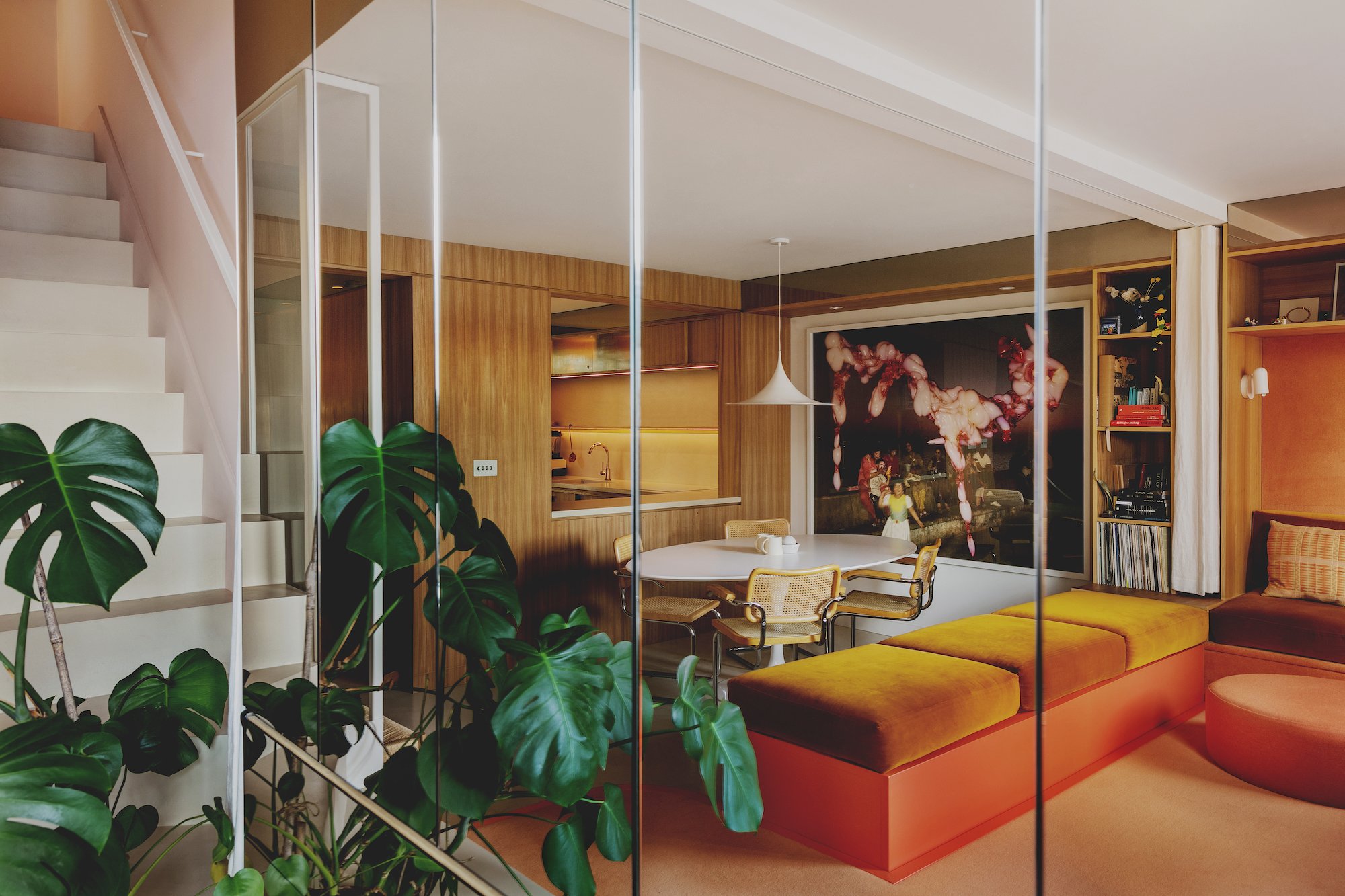
The Mysteries of the Secrets

Credits

Images · LYNDON FRENCH
https://lyndonfrench.com/
Subscribe to our
Newsletter